Home Blog Page 2

Beyond Frida: Seven Mexican Women Artists Who Redefined Art History

Beyond Frida: Seven Mexican Women Artists Who Redefined Art History

Beyond Frida: Seven Mexican Women Artists Who Redefined Art History

From painting and photography to performance and conceptual practice, these artists expanded the boundaries of Mexican art and redefined the role of women within it.

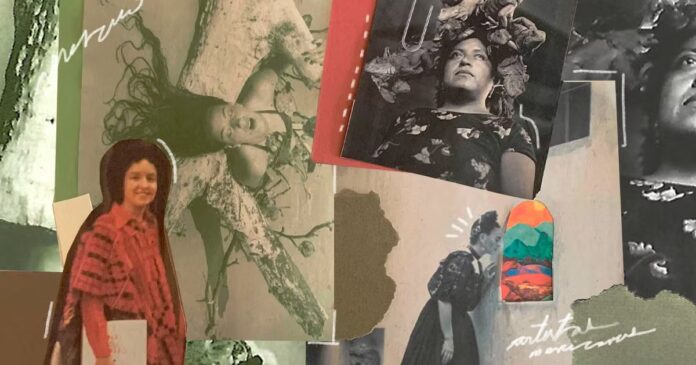
If the words “woman,” “Mexico,” and “artist” immediately evoke Frida Kahlo, it is a testament to her global cultural impact. Yet, as recent scholarship and major international exhibitions have emphasized, Mexican art history is far richer and more complex. Beyond Kahlo lies a constellation of women whose contributions have been equally transformative, though historically underrecognized.

For decades, the global perception of Mexican women in art has been overwhelmingly defined by one figure: Frida Kahlo. While her impact is undeniable, this singular focus has obscured a broader and more complex history—one shaped by artists who challenged not only aesthetic conventions, but also the social and institutional limits imposed on women.

Recent curatorial revisions and international exhibitions have begun to reposition these figures within the canon, revealing a network of practices that extend far beyond the familiar narrative.
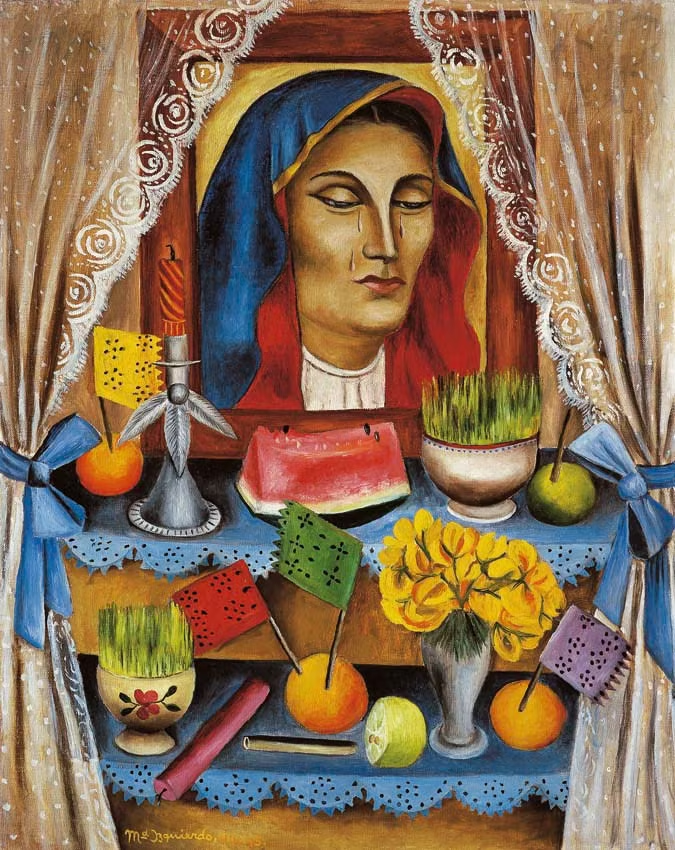
Pintura de María Izquierdo.

1. María Izquierdo (1902–1955)

The first Mexican woman to exhibit internationally, María Izquierdo challenged both aesthetic conventions and institutional barriers. Her expressive use of color and symbolic imagery—often depicting altars, domestic spaces, and ritual scenes—reclaimed Mexican identity from a deeply personal perspective. Despite her recognition, she faced direct opposition from male muralists such as Diego Rivera, who blocked her access to major public commissions, revealing the structural gender inequalities of her time.
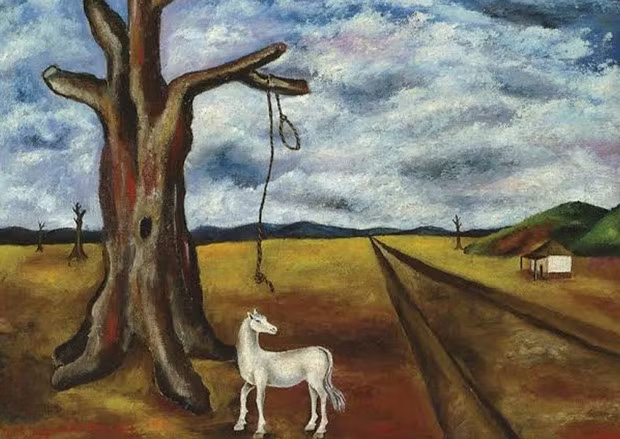
Pintura de María Izquierdo.

Aurora Reyes: Feminism Within Muralism
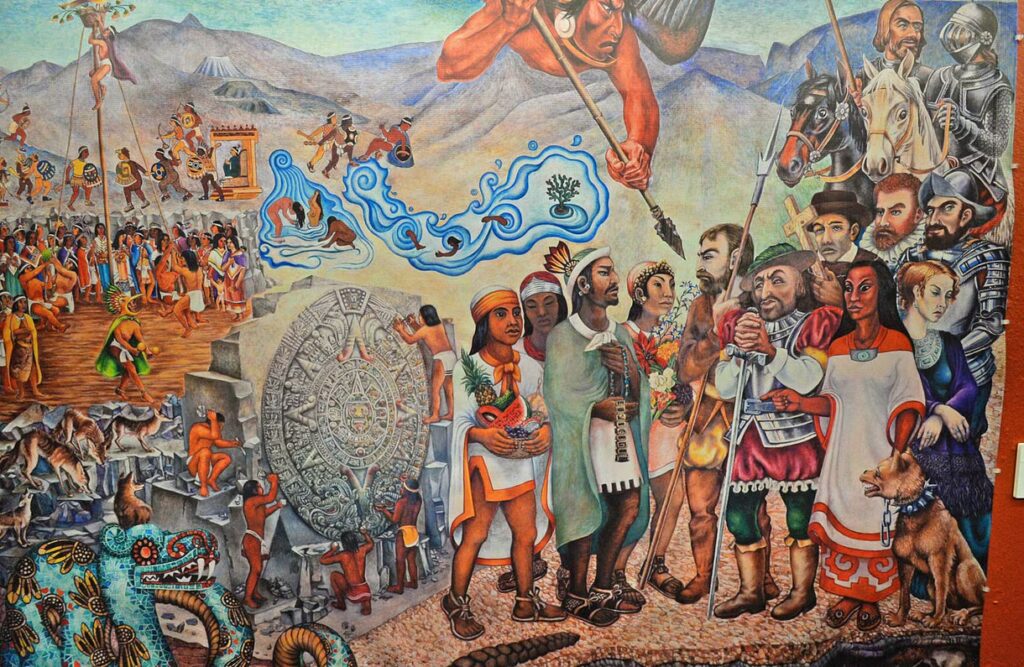
Mural de Aurora Reyes.

Aurora Reyes occupies a singular position as Mexico’s first female muralist. Her work expanded the ideological framework of muralism by foregrounding the struggles of women and laborers. In pieces such as Atentado a las maestras rurales, she introduced a feminist consciousness into a movement largely dominated by male voices.
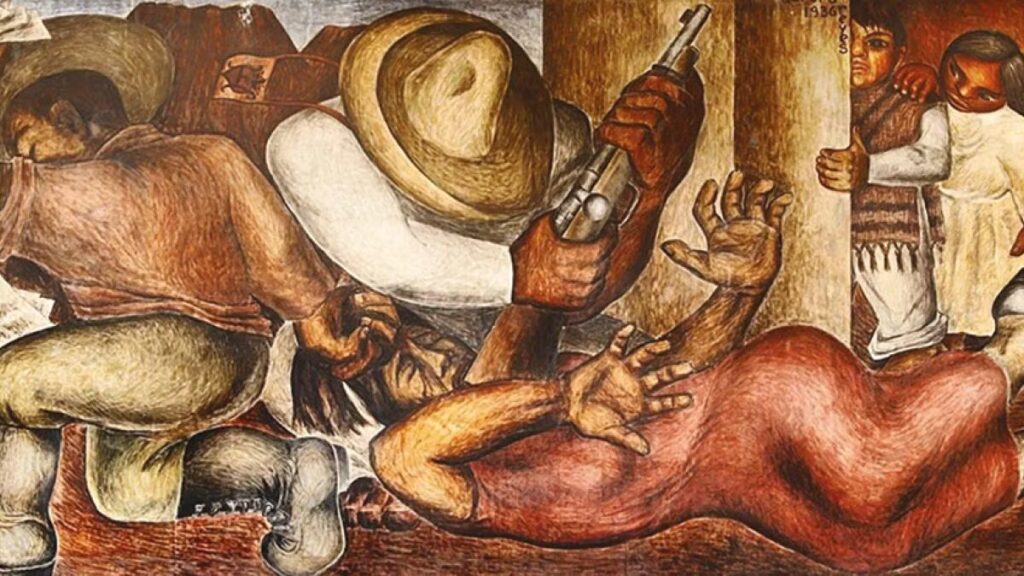
Mural de Aurora Reyes.

Lola Álvarez Bravo: The Image as Memory
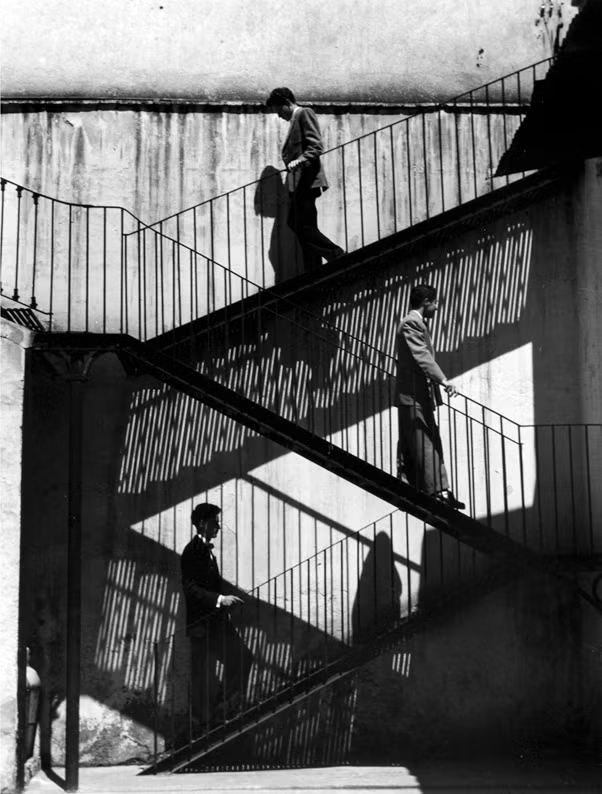
Fotografía de Lola Álvarez Bravo.

Through photography, Lola Álvarez Bravo constructed a visual archive of 20th-century Mexico. Her images—ranging from intimate portraits to urban scenes—operate between documentation and interpretation. Often described as a “visual biographer,” her work captures not only what was seen, but what was lived.
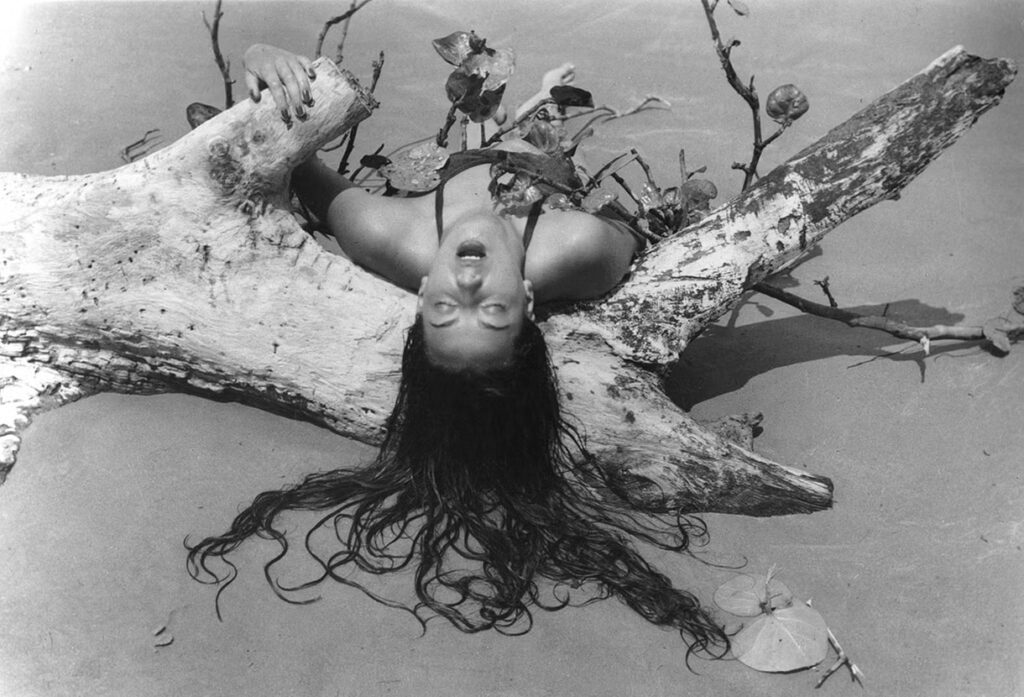
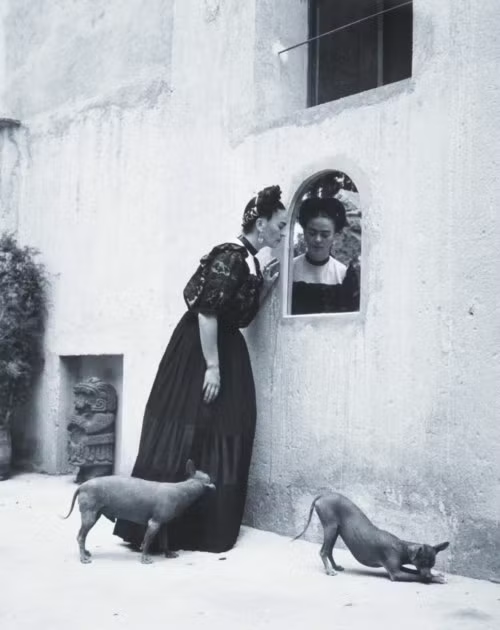
Fotografía de Lola Álvarez Bravo.

Mónica Mayer: Art as Social Intervention
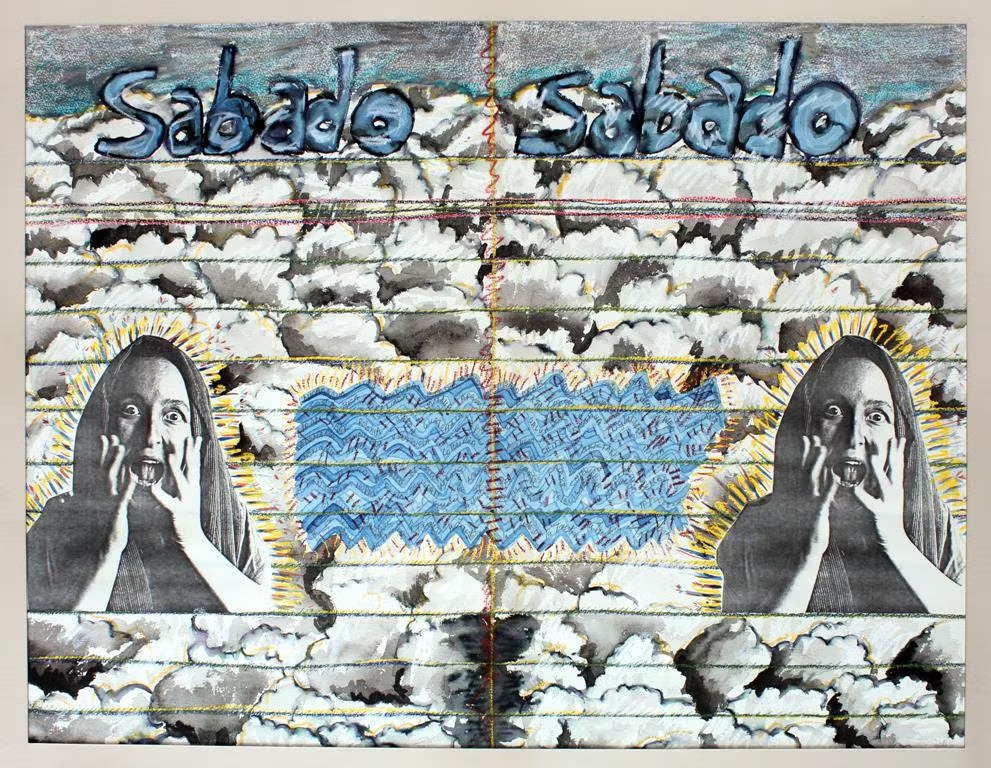
Trabajo de Mónica Mayer.

Mónica Mayer represents a decisive shift toward conceptual and participatory practices. Her seminal work El Tendedero transforms individual testimonies into collective discourse, exposing the systemic violence experienced by women. Here, art ceases to be object-based and becomes a platform for public engagement and critical reflection.
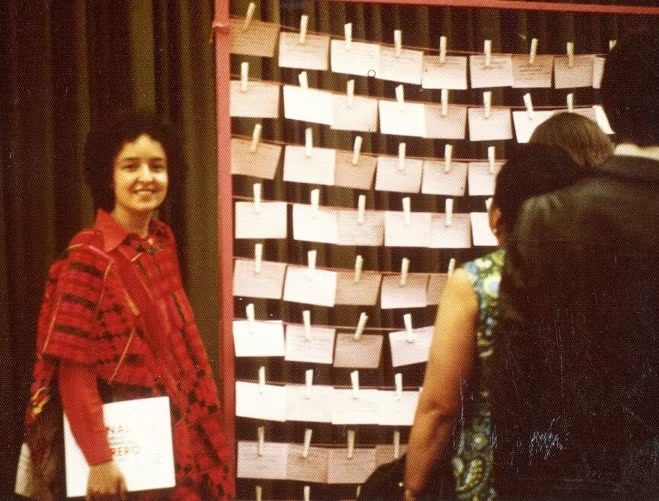
Acción 'El Tendedero'.
Acción ‘El Tendedero’.

Cordelia Urueta: Abstraction as Protest
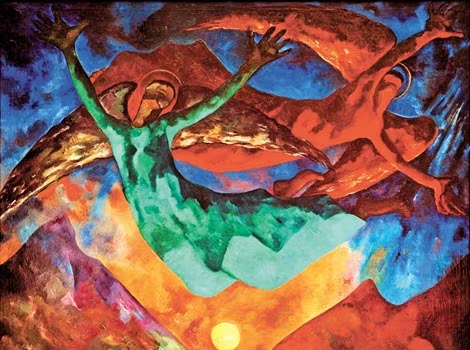
Cordelia Urueta.
Cordelia Urueta.

In the work of Cordelia Urueta, abstraction is not an escape from reality, but a confrontation with it. Her compositions—marked by tension, fragmentation, and intensity—reflect a world shaped by conflict and instability. Through her practice, abstraction becomes a language of resistance.
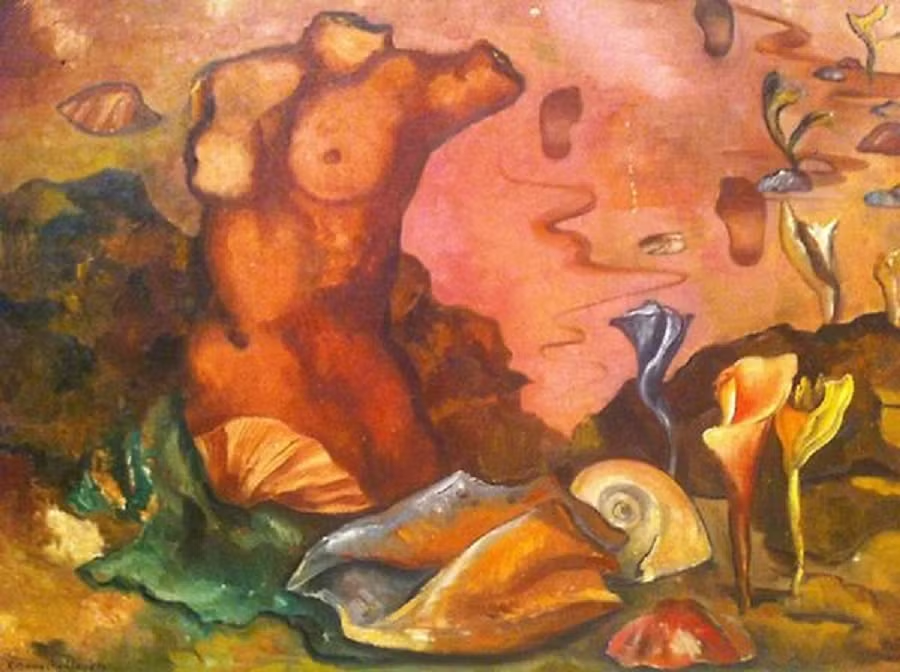
Cordelia Urueta.
Cordelia Urueta.

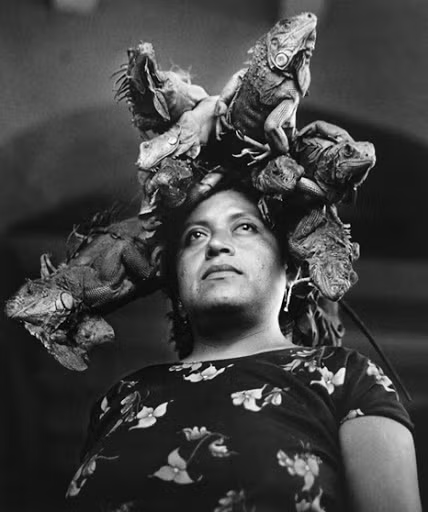
Graciela Iturbide: Between Document and Myth
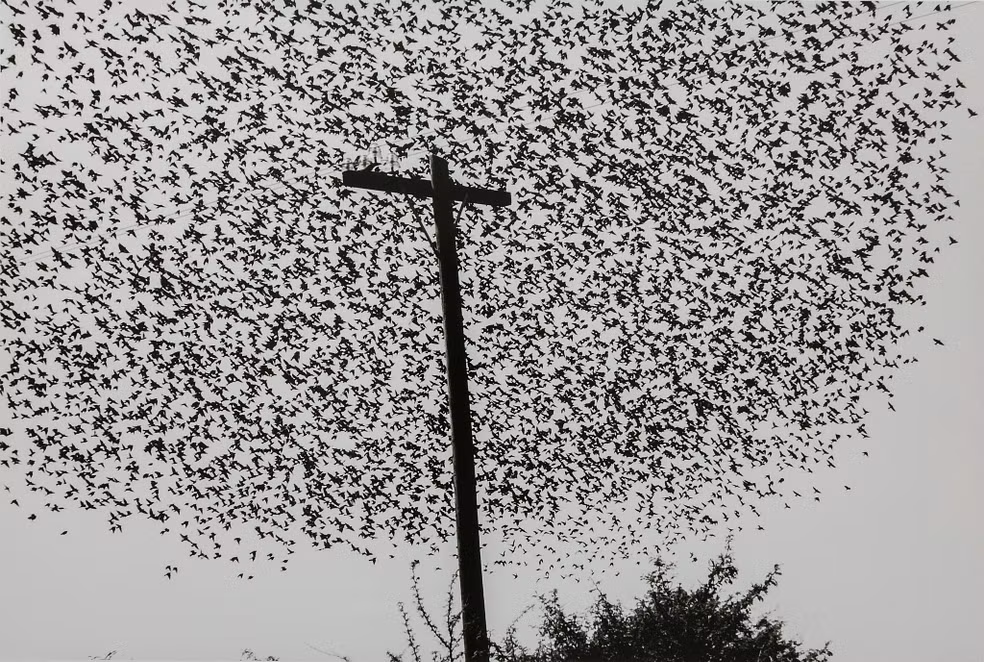
Fotografía de Graciela Iturbide.

Graciela Iturbide’s photography exists at the intersection of anthropology and poetry. Her images of indigenous communities, particularly in Juchitán, move beyond documentation to reveal symbolic and cultural dimensions. Her work challenges the viewer to reconsider the boundaries between reality and myth.
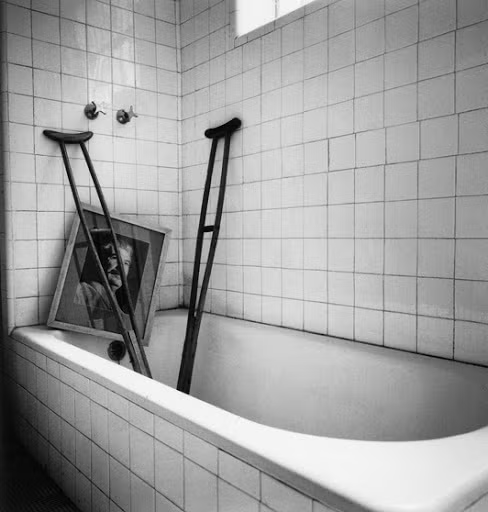
El baño de Frida
El baño de Frida
El baño de Frida
El baño de Frida

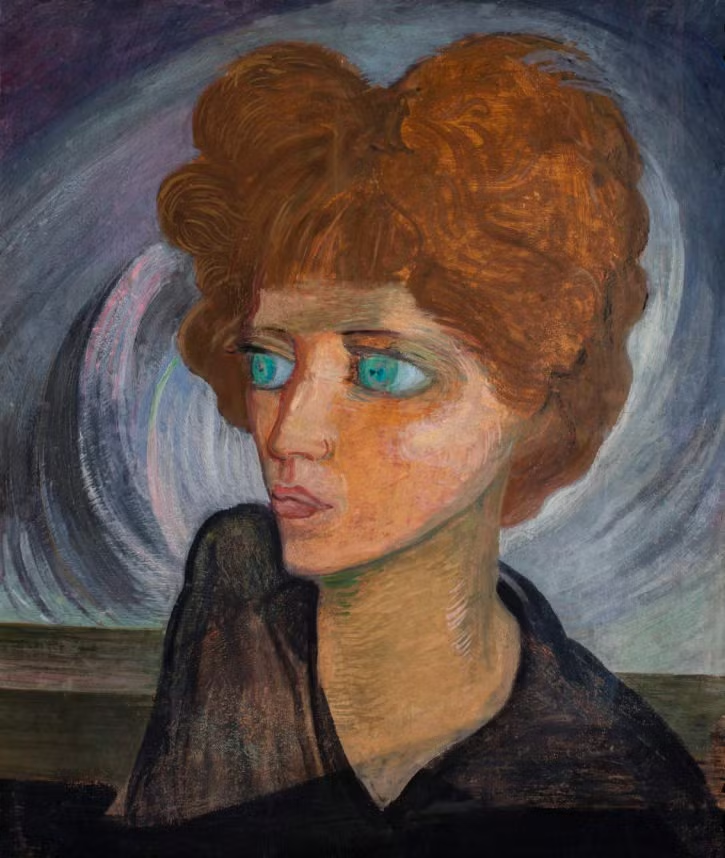
Nahui Olin: Self as Cosmos

Autorretrato de Nahui Olin.

Nahui Olin’s practice—spanning painting, poetry, and performance—centers on self-representation as a site of exploration. Her work engages themes of identity, eroticism, and spirituality, positioning her as an early and radical voice in the redefinition of female subjectivity.
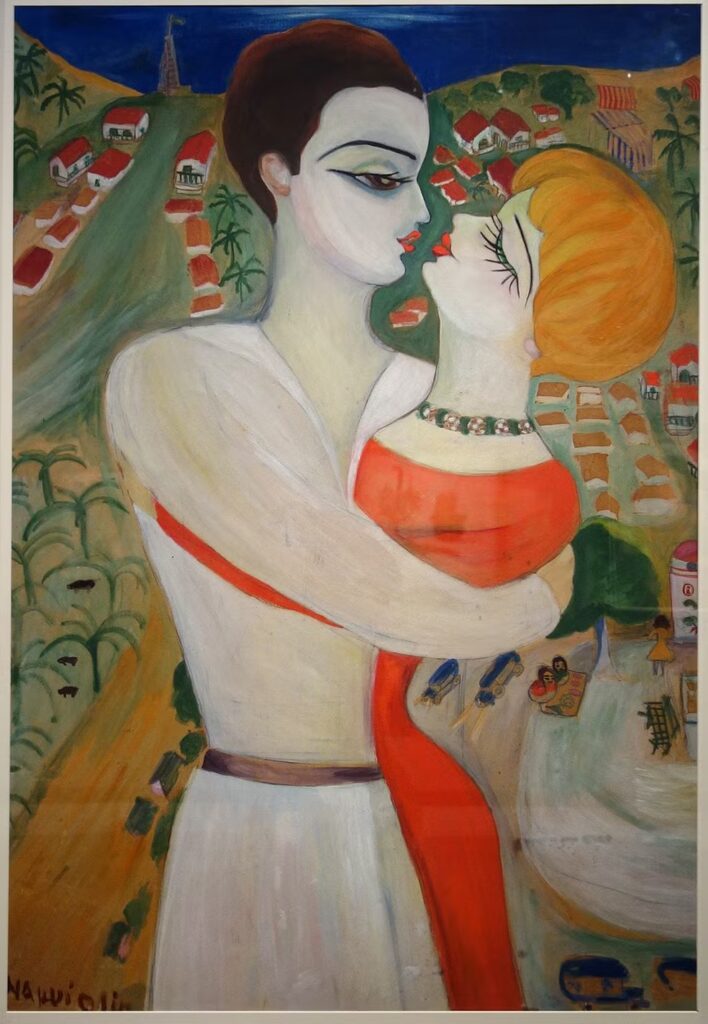
Pintura de Nahui Olin.

Toward a New Canon

What emerges from these practices is not an alternative narrative, but a necessary one. These artists did not simply exist alongside the dominant figures of Mexican art—they actively reshaped its language, its concerns, and its possibilities.

Today, as institutions and scholars continue to revise art history, their work stands as a reminder that the canon is not fixed. It is constructed—and therefore, it can be transformed.

In moving beyond Frida, we do not diminish her legacy.
We finally begin to understand the full scope of it.

Their legacy is not rediscovered—it is finally being recognized.

Source: https://www.domestika.org/es/blog/8134-mas-alla-de-frida-7-artistas-mexicanas-que-hicieron-historia
Dallas Art Fair 2026: The Power of Relationships in a Changing Art Market

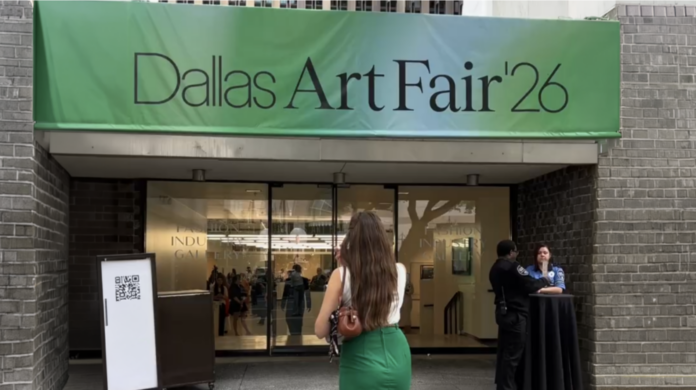
Dallas Art Fair 2026

Dallas Art Fair 2026: The Power of Relationships in a Changing Art Market

In an art world often defined by speed, speculation, and spectacle, the 2026 edition of the Dallas Art Fair offers a compelling counterpoint: a market built not on immediacy, but on relationships.

Held in the heart of Texas, the fair has quietly evolved into one of the most distinctive platforms in the American art landscape. What defines it is not scale, but rhythm. Unlike the rapid-fire transactions of global fairs, Dallas operates with a slower, more deliberate cadence—one that reflects the character of its collector base.

At the core of this ecosystem is a relationship-driven model of collecting. Local collectors are known for their patience. Rather than acquiring multiple works impulsively, many choose to purchase selectively—sometimes just one or two pieces per year—often returning to galleries several times before committing.

This behavior reshapes the dynamics of the fair. Sales are rarely instantaneous. Instead, they unfold over days, conversations, and trust. In many cases, transactions are finalized toward the end of the fair, after a process of reflection and engagement.

Equally notable is the stability of the fair itself. With around 90 exhibitors and relatively low turnover compared to previous years, the Dallas Art Fair has established a consistent and reliable environment for galleries. This continuity fosters long-term relationships between dealers and collectors—arguably the true currency of the Texas market.

But this is not a static system. A new generation of dealers and collectors is gradually reshaping the cultural landscape. Younger galleries are entering the conversation, bringing fresh perspectives while integrating into an already cohesive network. The result is a hybrid model: traditional in its values, yet contemporary in its evolution.

Institutional presence further strengthens the fair’s significance. Museums in the Dallas-Fort Worth area actively engage with the event, with acquisitions made directly from the fair reinforcing its role as a conduit between market and institution.

What emerges is a different vision of the art market—one less driven by urgency and more by confidence, familiarity, and long-term commitment.

In Dallas, collecting is not performative. It is relational.

And in an era increasingly defined by speed, that may be its most radical quality.

What becomes increasingly evident is that the Dallas Art Fair is not driven by volatility, but by consistency and trust. With approximately 90 exhibitors and notably lower turnover compared to previous years, the fair has stabilized into a reliable platform where galleries can return year after year, cultivating relationships that extend far beyond a single edition. This continuity is not incidental—it is structural, reinforcing a market that values presence over novelty.

The role of leadership also plays a crucial part in this equilibrium. Under the direction of Kelly Cornell, the fair has maintained a careful balance between demand and selectivity. Galleries are not only eager to participate, but are able to place works with confidence, knowing that the audience is engaged, informed, and—perhaps most importantly—patient.

This patience defines the transactional rhythm of Dallas. Unlike the immediacy often associated with international fairs, here the act of collecting unfolds through time, conversation, and repetition. Dealers frequently report that initial interest during VIP previews evolves gradually, with acquisitions materializing after multiple visits. The final day, rather than the opening, often becomes the moment of resolution—a subtle inversion of the typical art fair tempo.

Institutional engagement further consolidates the fair’s importance. The Dallas Museum of Art’s acquisition of multiple works—spanning artists such as Nicole Eisenman, Caroline Monnet, and Raymond Saunders—demonstrates the fair’s function as a bridge between the market and institutional collections. These acquisitions are not merely transactional; they signal curatorial confidence and reinforce the cultural legitimacy of the works presented.

At the commercial level, the results reflect a measured but solid market performance. Significant sales—from Sam Francis and Corinne Michelle West to contemporary figures like Rachel Mica Weiss and Marlon Portales—indicate that while the pace may be slower, the commitment is substantial. Prices range widely, suggesting an ecosystem that accommodates both established collectors and newer entrants without compromising depth.

Perhaps most revealing, however, is the way the fair integrates into the broader local ecosystem. For younger dealers like Tessa Granowski, Dallas is not simply a marketplace—it is a network. Efforts to establish permanent spaces, often rooted in personal and geographic histories, point to a model where art is embedded within community rather than detached from it.

In this context, the Dallas Art Fair emerges not as an event defined by spectacle, but as a long-term cultural infrastructure—one where relationships are not a byproduct of the market, but its very foundation.

The Bass Museum Looks Forward: Architecture as Cultural Expansion in Miami Beach

Mass museum

The Bass Museum Looks Forward: Architecture as Cultural Expansion in Miami Beach

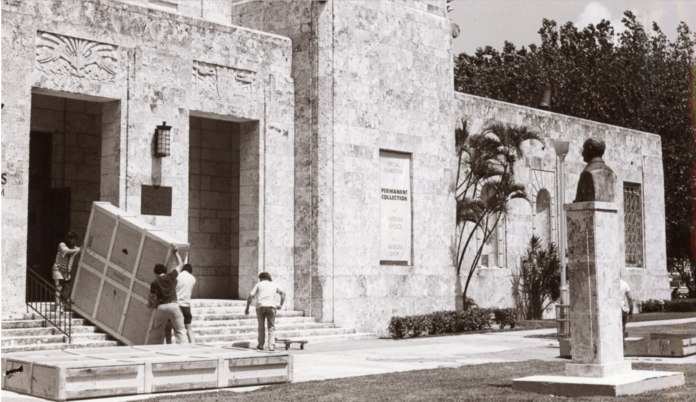
The Bass Museum of Art has taken a decisive step toward redefining its role within Miami’s evolving cultural landscape by selecting Johnston Marklee to design a new pavilion and expansion. This move signals more than a physical addition—it reflects a broader shift in how institutions conceive space, audience, and artistic experience in the 21st century.

Founded in Los Angeles, Johnston Marklee is known for its rigorous yet poetic architectural language, where structure and perception operate in a constant dialogue. Their selection suggests that the Bass is not simply seeking expansion, but transformation. The planned intervention will extend the vision of Arata Isozaki, whose 1995 design established the museum’s current identity, anchoring it within a lineage of architectural thought that values both form and conceptual clarity.

At the core of the proposal is an elevated exhibition gallery, designed to host contemporary and experimental media. This is a critical gesture. As artistic practices increasingly move beyond traditional formats—embracing installation, digital environments, and time-based media—the museum must evolve from a container of objects into a platform for experience. The elevated structure is not only architectural; it is symbolic, lifting new forms of artistic inquiry into visibility.

Equally significant is the inclusion of a multi-purpose outdoor patio, a space that blurs the boundary between institution and city. In Miami Beach—where climate, tourism, and urban life intersect—this gesture opens the museum outward, transforming it into a social and cultural interface rather than a closed system.

This expansion comes at a moment when Miami is solidifying its position as a global art capital. Yet, what distinguishes this project is not scale, but intention. The Bass is positioning itself as a site of experimentation—one that acknowledges that contemporary art is no longer confined to walls, nor to singular narratives.

In this context, architecture becomes more than infrastructure. It becomes a curatorial tool.

The collaboration between the Bass and Johnston Marklee suggests a future in which museums are not static repositories, but dynamic environments—spaces that adapt, respond, and actively shape the way art is encountered.

What emerges is not just a new pavilion, but a recalibration of what a museum can be.

An Evening with Oscar Fuentes followed by Open Mic Night!

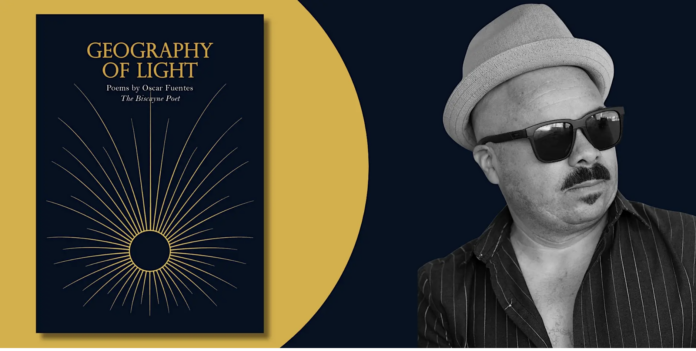
Oscar Fuentes Geography of Light
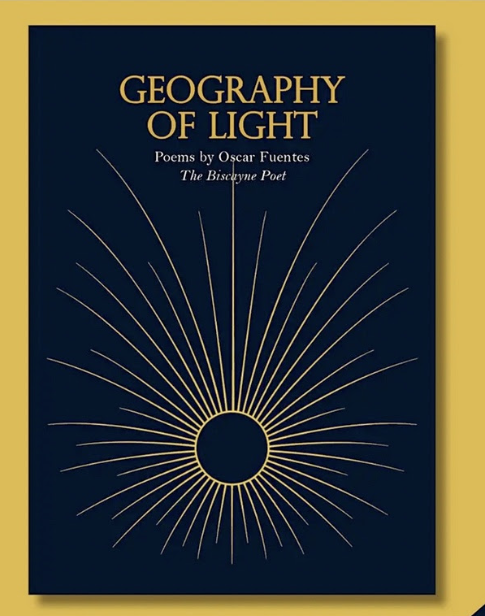
Geography of Light by Oscar Fuentes

GEOGRAPHY OF LIGHT

An Evening with Oscar Fuentes followed by Open Mic Night!

Books & Books 3409 Main Hwy, Coconut Grove, FL 3313

Join us for an evening with author Oscar Fuentes for the release of his new book, GEOGRAPHY OF LIGHT.

This event is FREE and open to the public and books will be available for purchase the night of the event! An RSVP grants general entry, but seating is not guaranteed, so please try and show up early. Please RSVP only if you intend to join us. Can’t make the event? Buy your copy here.

About The Book

In Geography of Light, Oscar Fuentes, known as The Biscayne Poet, maps a life shaped by family, marriage, fatherhood, memory, and the luminous terrain of Miami. Blending memoir and lyric meditation, this collection traces the shifting coastlines between son and father, husband and wife, and artist and public servant.


Set against the humid light of Biscayne Bay and the layered cultural landscape of Miami, the poems move from intimate domestic spaces to civic duty and back again. Fuentes writes of love not as abstraction but as practice: the daily discipline of marriage, the awe of watching children become themselves, and the quiet, defiant presence required when a parent’s memory begins to fade. The book’s emotional center rests in its reckoning with aging and filial devotion—where visits become acts of resistance against erasure, and light itself becomes a metaphor for attention, endurance, and grace.

Structured as a cartography of relationships rather than places, Geography of Lightcharts the inherited maps we carry and the new ones we must draw. It is a meditation on the feminine as true north, on fatherhood as stewardship, and on memory as both fragile coastline and sacred ground.

At once elegiac and celebratory, this collection affirms that permanence is an illusion, but presence is a choice. In the shifting geography between shadow and illumination, Fuentes argues that love, faithfully practiced, is the only landmark that remains.

About The Author

Born in Manhattan, New York to immigrant parents from Honduras, Oscar Fuentes, known as The Biscayne Poet, is a Miami-based multidisciplinary artist who has been a dedicated force in the arts for over 30 years. Currently promoting his latest book, Geography of Light (2026), Oscar’s work captures the spirit of family and memory.


Oscar is the author of 13 books, including Relics of the Heart: Stories of my Family(2024), Poetry City (2025), and Biscayne Inferno and Other Stories (2025). His unique presence recently earned him a feature on Bravo’s The Real Housewives of Miami, where he showcased his typewriter poetry performance.

Oscar also hosts a poet-in-residency program at the 1 Hotel South Beach, where he writes on his typewriter for the public every Saturday afternoon, bringing poetry to the community in a vibrant, interactive way. In recognition of his contributions to Miami’s literary community, he was awarded the inaugural Miami-Dade Mayoral Poetry Commendation by Mayor Daniella Levine Cava. Represented by Indie Earth Books and Jitney Books, Oscar brings a Miami-inspired style to his art, even down to his signature typewriter-tape mustache.

The Museum of Contemporary Art of the Americas Inaugurates ‘Stain & Relics’ by Aaron Kent

The Museum of Contemporary Art of the Americas Inaugurates ‘Stain & Relics’ by Aaron Kent

April 21st, 2026

By Rodriguez Collection Team

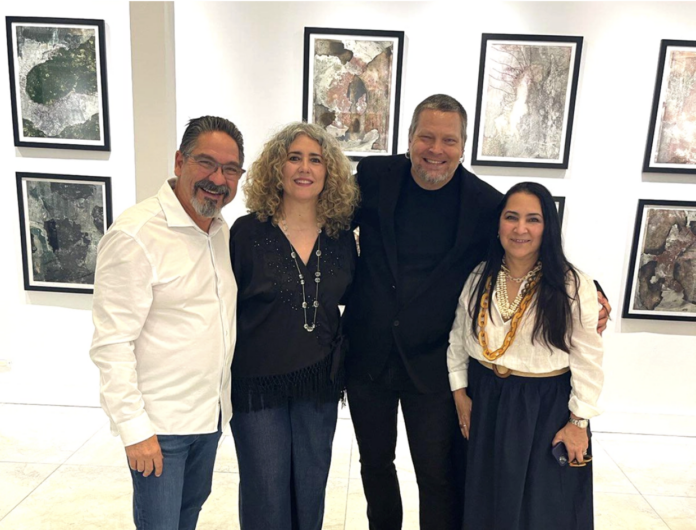
MIAMI, FL – On Friday, April 17, the Museum of Contemporary Art of the Americas (MoCAA) hosted the official opening of “Stain & Relics,” a solo exhibition by artist Aaron Kent that explores the interstices of printmaking, ceramics, and sculpture. Organized in collaboration with Annex Art Platform, the exhibition offers a profound meditation on the materiality of time and the persistence of memory through physical residue.

The opening was attended by a notable assembly of the local artistic community and specialists in the field of ceramics. Of particular note was the presence of a significant group of art enthusiasts originally from the American Midwest now residing in South Florida, as well as close colleagues of the artist. The gathering facilitated a direct dialogue regarding Kent’s technical processes, as he is widely recognized for his ability to integrate traditionally isolated disciplines into a cohesive and deeply personal visual discourse.

The curatorial framework, informed by the essay “Remains, Trace, and Living Matter” published in the Cincinnati-based visual arts journal The Annex Updated, analyzes how Kent utilizes a “contamination” of processes to construct a hybrid poetics. Throughout the museum’s galleries, visitors observed works where bronze, silkscreen, and bone sculpture converge. Kent’s work eschews the pursuit of conventional technical perfection, opting instead for an empirical investigation of materials and their displacements, thereby validating error and imperfection as testimonial records of the human experience.

The conceptual background of the exhibition is intimately tied to the artist’s biography and his response to contexts of crisis and loss. From his involvement with the community during the AIDS crisis of the 1980s and 90s to his exploration of ceramics as an affective bond following the passing of his mother, Kent articulates a narrative of fragility and resilience. The employment of techniques such as pit firing and the incorporation of skeletal structures function as a three-dimensional archive, documenting that which survives physical disappearance.

With the presentation of “Stain & Relics,” MoCAA reaffirms its mission to provide a platform for artistic languages of high emotional density and conceptual rigor. The exhibition will remain open to the public at our Kendall location until May 8, 2026, inviting the community to engage with a body of work that confronts the nature of the transitory and the ethics of the unfinished.

General Information:

Exhibition: Stain & Relics – Aaron Kent

Location: 12063 SW 131st Ave. Kendall. 33130, Miami, FL.

Closing Date: May 8, 2026.

Institution: Museum of Contemporary Art of the Americas (MoCAA).

Evelyn Politzer

Evelyn Politzer
Evelyn Politzer

Evelyn Politzer

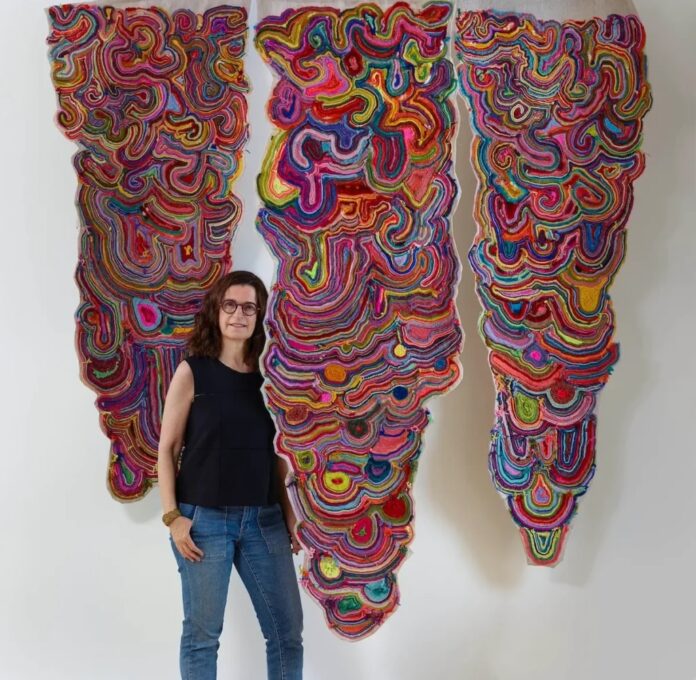
We are thrilled to welcome back a new artist to our roster: Evelyn Politzer. After attending law school in Uruguay, Politzer moved to the United States and pursued her passion for art. Politzer was the recipient of the Ellies Creator Award from Oolite Arts in 2020 and in 2021 became an MIU graduate with an MFA in Visual Arts. 

Her beginnings were in tapestry, weaving and knitting. Creating with wool was only natural in her native country, where the number of sheep far exceeds the number of inhabitants. Even though she creates through traditional methods like knitting, crochet and embroidery, the objects she makes are unconventional and seek to spark a conversation on subjects such as place, womanhood and the fragility of the natural environment. Working with natural fibers gives her a sense of comfort and belonging while she strives “to knit the impossible, and give voice to the voiceless.

Evelyn Politzer, originally from Uruguay, now lives and works in Miami, Florida. After attending law school in Montevideo, Uruguay and moving to the United States she pursued her passion for art. Politzer is a 2021 MFA candidate in Visual Arts from MIU.  Her beginnings were in tapestry weaving and knitting. Creating with wool was only natural in her native country, where the number of sheep far exceeds the number of inhabitants. Even though she creates through traditional methods like knitting, crochet and embroidery, the objects she makes are unconventional and seek to spark a conversation on subjects such as place, womanhood and the fragility of the natural environment. Working with natural fibers gives her a sense of comfort and belonging while she strives “to knit the impossible, and give voice to the voiceless.”

Artist Statement

I am a visual artist focused on conveying nature’s plea for interconnectedness through yarn, thread, and fabric. Using traditional textile methods like knitting, weaving, and embroidery, I mainly work with soft hand-dyed fibers to create unconventional pieces ranging from small two-dimensional tapestries to monumental sculptural forms.

In addition to the beauty and fragility of the natural environment, womanhood and motherhood are also recurring concepts of my work. I explore materials, texture and color to connect these ideas and bring them to life with my hands and heart.

My practice has roots in my native land of Uruguay, a country where sheep outnumber human inhabitants, and where wool and other natural fibers continue to be an essential tool for people’s livelihood, especially women. The relationship between the fibers I work with and the place where I was born evokes the comfort of belonging, no matter where I am in the world.

Over the last several years, my art practice has evolved outside of the studio, allowing me to foster community and create a platform for others to share their textile art journey.

Together with two other local artists I created FAMA-Fiber Artists Miami Association- with the mission to educate and advance fiber arts as a contemporary art form.

Australian Aboriginal Artists

Australian Aboriginal Artists

Australian Aboriginal Artists in Contemporary Perspective

https://images.openai.com/static-rsc-4/eaCM1Cu4NwcQKcA8kV5VjmnPINHl255SN18dtZjuL0xtIzgAiTx384VFZBgUNV4fCncFwtI3L96L5HgilW2oVzK9Da8_oRTJZOuw1ne4WLhCoqC_J231sbNe7siy5Aa5ek-3z3eqRXFqqHd5wjqoxmLHYor9srSaihsoKt1uYqm1Zx3m2U71tQGNGRGNAp5z?purpose=fullsize
https://images.openai.com/static-rsc-4/iriXrXEc-qva2zBke8W89Ce8aQLqxLAdY0C7l5w7sD7UsY5i7jZT2GKKvWUkpglkdxAlwPN8qnC__ajmROrWRBXEhWNwA6wlCLbO9yaIgCRokgHHoyoFxiSR1ozdIeSXP6KKWiZO51LUIB6aLKvWNcy1JmJsCIVcxFeZ5cr8NFVvZCBLF-CMEZDyl8skYwBq?purpose=fullsize
https://images.openai.com/static-rsc-4/0MgCuzzmWfjI450j-eoTUQ8ZqmEU6z68vIhLPD0Vw--i_K3aj2qpyzrkz6oSj9aLDgzYxoAZyUE3tNnFzb9qvA0idsj_fIa_EljsDWUjN6Ie4sYDLCy7QADzxsaSgtT9lYj7Kjqy6eSX1O_isEpU2VUo7ik9s7k5hPH7QBp-NuXRXRRe5xnU4G3PYk8LhmrW?purpose=fullsize

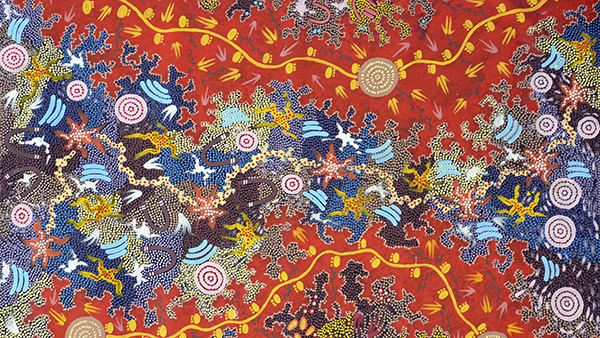
To approach Australian Aboriginal art from a contemporary curatorial perspective is to confront a fundamental misunderstanding embedded in Western art history: the assumption that abstraction is a modern invention. Long before the emergence of modernism, Aboriginal artists were already producing complex visual systems—maps, narratives, and cosmologies—encoded through pattern, repetition, and symbolic form.

At the core of this practice lies Country—not as landscape, but as a living, relational system that encompasses land, ancestry, law, and time. These works do not depict Country; they activate it.

Tjukurrpa: The Ontology of Image

Central to many Aboriginal traditions—particularly in the Western Desert—is the concept of Tjukurrpa (often translated as Dreaming). Yet this translation is insufficient. Tjukurrpa is not myth; it is a structure of reality, a system through which knowledge, law, and existence are organized.

In visual terms, this results in a language of signs:

  • concentric circles (sites, waterholes)
  • lines (paths, journeys, ancestral movements)
  • fields of dots (topography, energy, presence)

From a Western perspective, this may resemble abstraction. From within its own epistemology, it is precision.

From Papunya to the Global Stage

https://images.openai.com/static-rsc-4/S6f2to7W5g-zlq9IRj3FFPrqMLsOYTqI2Z374MGy432pJHVEW32TKoRw9h48tU1mI8W0CjtQfvjJWzisib0HIrCYDHptDVm_TIX2AVMa9BhRhMSjMMZrndNNC3fZQcL6OSy-gfJEKkJ1dbeZlLnVKemcOub_CNVRETe88NpWm5jajsEpoj_UuVhcNc5MJAu3?purpose=fullsize
https://images.openai.com/static-rsc-4/x_V8Thf6mSfRCXeLfSVIpRGWGKfG8Ww4auQ4uF56t0a7sC5MS_pfpOGg0sAGrqZxZQ2tGlSY2IZgWgiQBOtxkkYeZcZd3yiNvsgqebUF1QQxpzSH8mVQPWwt8uNjt2IA7osEE01lhAains7l3MNADYCGQC3ONpot8KE4HMQOebR9vVrt3ws2OjdQQUqg3lai?purpose=fullsize
https://images.openai.com/static-rsc-4/LV3BluZaIEWdi006o-AH5JOLzUgedw89leUZCV84FUeV14wivE8jSy9LPgDDW_73YIxHUesIw37GnQ4WSs616NtNuanbhbbIz0krgG3GPwBuc_q2YHR3Jw3wR9GIye-pMsWjg7WbA4tIfUvkIjlpsxLmX4J9j-bWhpkZMCFA21BYdDTbC53uWIrUndcikQob?purpose=fullsize

The contemporary visibility of Aboriginal painting is closely tied to the Papunya movement of the early 1970s, where artists began translating ceremonial ground paintings into acrylic on canvas. This moment—often associated with the founding of Papunya Tula Artists—was not the beginning of the practice, but its material transformation.

Artists such as Clifford Possum Tjapaltjarri and Emily Kame Kngwarreye brought these visual systems into a global art context, where they were initially misread as formal abstraction rather than as carriers of knowledge.

Women, Fiber, and Expanded Practices

https://images.openai.com/static-rsc-4/OppQMEwrAvBMODf4l677YSCgESwVUIecVGHRrNsPNceaB2hKjFBj5ZKsV-V1-eoFjHcmP63954O7ucBZdzeUVgjqWyXP2NLPZ7DNxP74vtC0hNOEQxzci9ZFo8ZIlvG_GsID0-sh_Nm8QQ2z3ai9XiylEFYMM2ILN-nw7q_EIA6QBhmOEY2xtgrZGuPx4Wqq?purpose=fullsize
https://images.openai.com/static-rsc-4/bmD05EPlv1MTARz8SiU0cJCryW0_rgGVk5yIQWuUQRX-AAmiv_GxgakJK0kxvKvf-bPN1l9e43vqrSo-3KPP8dwMbcZUOJLKdh6GWOOThcYsklRd2SQ0cqSdKEENiuj8KEvit_tsfhjD98O0lcX8J37RwjlyeGyImjjGc_4gcUjNIqSMz6n3zamXZ-McZnuF?purpose=fullsize

4

While painting has dominated international attention, contemporary Aboriginal art extends far beyond the canvas. Women artists, in particular, have expanded the field through fiber practices, sculpture, and installation.

Collectives such as Tjanpi Desert Weavers exemplify this expansion, transforming traditional weaving into sculptural forms that engage with ecology, storytelling, and community. These works resist categorization as “craft,” instead asserting themselves within the discourse of contemporary art.

Misreading Abstraction

A critical issue persists: the Western tendency to interpret Aboriginal art through its own frameworks—Minimalism, abstraction, conceptual art—rather than recognizing its distinct ontology.

This misreading reduces:

  • knowledge to pattern
  • law to decoration
  • cosmology to style

From a curatorial standpoint, the challenge is to resist aesthetic appropriation and instead foreground:

  • authorship
  • cultural specificity
  • the relationship between image and knowledge

The Contemporary Condition

Today, Aboriginal artists operate within a dual context:

  • maintaining cultural continuity
  • engaging global contemporary discourse

Artists such as Rover Thomas and John Mawurndjul demonstrate how tradition is not static, but adaptive—capable of responding to political, environmental, and institutional pressures.

Conclusion: Beyond the Western Frame

Australian Aboriginal art is not simply an aesthetic category; it is a knowledge system made visible. Its power lies not in its formal beauty—though that is undeniable—but in its capacity to hold relationships: between people, land, time, and memory.

For the contemporary viewer, the task is not to decode it as one would a modern painting, but to approach it with a different question:

What does it mean for an image to carry law, history, and existence simultaneously?

In that question lies the true challenge—and the enduring relevance—of Aboriginal art in the global contemporary landscape.

Abie Loy Kemarre
Alison Munti Riley
Amanda Westley
Andrew Tjupurrula Highfold
Angelina Ngal Pwerle
Athena Nangala Granites
Belinda Golder Kngwarreye
Bella Kelly
Bernadine Johnson
Biddee Baadjo
Bill Whiskey Tjapaltjarri
Clarise Tunkin
Cowboy Louie Pwerle
Damien Marks
Yilpi Marks
David Downs
Debra Nangala McDonald
Debra Young Nakamarra
Dennis Nona
Djambu Barra Barra
Doris Gingingara
Dorothy Napangardi
Dulcie Long Pwerle
Edward Blitner
Elizabeth Kunoth Kngwarray
Esther Bruno Nangala
Fiona Omeenyo
Freddie Timms
Gabriella Possum Nungurrayi
Genevieve Kemarr Loy
George Hairbrush Tjungurrayi
George Tuckerbox
George Ward Tjungurrayi
Gloria Petyarre
Gracie Morton Pwerle
Jack Britten
Jack Dale Mengenen
Jackie Wirramanda
Janet Golder Kngwarreye
Janice Stanley
Jeannie Mills Pwerle
Jill Jack
Jimmy Pike
Judy Napangardi Martin
Katherine Marshall Nakamarra
Kudditji Kngwarreye
Kurun Warun
Lily Karadada
Lily Kelly Napangardi
Linda Syddick Napaltjarri
Long Jack Phillipus
Lorna Fencer Napurrula
Maisie Campbell Napaltjarri
Makinti Napanangka
Margaret Lewis Napangardi
Mary McLean
Maureen Hudson Nampijinpa
Michelle Butler Nakamarra
Michelle Cooper
Michelle Possum Nungurrayi
Minnie Pwerle
Mitjili Napurrula
Nada Rawlins
Nellie Marks Nakamarra
Ningura Napurrula
Paddy Bedford
Patrick Tjungurrayi
Penny K Lyons
Polly Ngale
Queenie McKenzie
Ronnie Tjampitjinpa
Rosella Namok
Rosemary Petyarre
Rosie Goodjie
Rover Thomas
Samantha Hobson
Sarrita King
Sonya Edney
Stumpy Brown
Tarisse King
Thomas Tjapaltjarri
Tjungkara Ken
Tommy Watson
Trevor Turbo Brown
Walala Tjapaltjarri
Walangkura Napanangka
Wentja Napaltjarri
Willie Kew
Yinarupa Gibson Nangala
Yondee Shane Hansen
Yukultji Napangati

Represented Artists

Ann Thomson

Arwin Hidayat

Bernard Ollis OAM

Carlos Barrios

David Hayes

Dylan Sarra

Franck Gohier

Idris Murphy

Jeff Makin

Jorge Mariño Brito

Kim Wilson

Margaret McIntosh

Matthew Cheyne

Min-Woo Bang

Mirra Whale

Peter Hudson

Sophie Cape

Steve Lopes

Susie Choi

Stockroom Artists

Mapping the Art Experience: How to Navigate Miami’s Gallery Ecosystem with Intention

Mapping the Art Experience: How to Navigate Miami’s Gallery Ecosystem with Intention

Miami is not a city to be “visited” in the conventional sense—it is a territory to be navigated. For the contemporary art viewer, collector, or curator, the challenge is not access, but selection, sequencing, and spatial awareness. In neighborhoods such as Wynwood, Allapattah, the Design District, Little Haiti, Little River, and Miami Shores, the density of exhibitions and weekly programming demands a strategic approach—one that transforms passive viewing into a curated experience of the city itself.

The Geography of Contemporary Art in Miami

Wynwood

Wynwood operates as an entry point—a highly visible, high-traffic cultural zone where galleries intersect with design, fashion, and urban branding. It is ideal for encountering a wide range of exhibitions in close proximity, though its saturation requires discernment. The experienced viewer learns to filter quickly.

Allapattah

https://images.openai.com/static-rsc-4/vxZ0n8i1uBs4wOJBIoE2HGCbTBZtRhik4-p4xzOrNuNoypUc7G2Vqx9dSy9ZRxzv0VuGZG4b2oXY9rVW5XMFlAjE912HZ1Aqx4NxuqipR-jXW0lxyh8Omr2aTP6CfWErTYEKKG_05EpinJLc8d-8Zh9754c55bHw9EqpH78vGCfKJZvEj3GXkWCY9joRpu-0?purpose=fullsize
https://images.openai.com/static-rsc-4/CSdkEHxxLhWXMvKEtwFEWH9mUi_sUXdkHj4aoOwIv7Je9gbvTb-5uwaqp0idcIb-TwDRUrx15KipKzjnZDUdIED68pApJ9DMwhNajcKL0u7TWrDaKX9NoVRs1H3q87ys_IbwuhnYXYuIXDOnh1dLQmG0aObqMsUHTvqwKBnXQgpptoHaN2JGBLL-UaU4b9O-?purpose=fullsize

Allapattah represents a shift toward institutional gravity and scale. With major collections and expansive gallery spaces, this area demands slower engagement. Here, the viewer moves from browsing to immersion, often encountering museum-level exhibitions within an experimental framework.

Design District

https://images.openai.com/static-rsc-4/qMWxoitmtd8LBBeVPF9uTZ4jVd0YYapp4EQAvCF-d_-qBTCAZ6XTyPBxY16rbnm7jL60QUEC_AehFdKTFbcV12yVvd9CG_YKxM5Hk-B3ZoYMEHQAHOLveDk8sZSa6aVNyZnts4a4LYrvPmagzfEIOJz6AT5LIcSBl_gJnDwNxagjZ9I0B0eUsQiDKOPaGq1z?purpose=fullsize
https://images.openai.com/static-rsc-4/Fb1pzk2cICv8eLV-UlAtpeQv4NdPiiTUQxJuhPCF4wkO-fgFlrij6qW-YTGUNsQlpejj-6x7RiKq-3VR5A9tABf23kUTtq93wo2Yit6bCJM1xCSYc6J_xtH0KmlAJ6dmbOp98QKVtrHZGxfK14ClJFs9e7RTJPue8BrcfSsJV2INklZWWOACjudWHanJmrEJ?purpose=fullsize
https://images.openai.com/static-rsc-4/Ylt_vGOVbXN8mareyFAyu13OoNX8YHAAGp8x0jhyrX-5SvGtkdYdRNETkW55ZH5-IT0Zu-mH7eUxUILgKSOoPQxGffQROHsbE7bAWsPXdmw1cnuwp7w7T5if5xquv6GpDsNXiKc7NsDldiY7Jc9j_LTNQXxV-dDutbNfQakJL8BFR8svwRCwvAEhg-5ZNQAA?purpose=fullsize

The Design District introduces a different layer: the intersection of art, design, and luxury culture. Anchored by institutions such as Institute of Contemporary Art, Miami, this area blends museum-quality exhibitions with public art, architecture, and high-end commercial spaces. Here, the viewing experience expands beyond the gallery into an urban scenography, where art coexists with fashion, branding, and spatial design. It is a territory where aesthetics are not isolated, but integrated into a broader visual economy.

Little Haiti

https://images.openai.com/static-rsc-4/R-4lsOSzqlr3-uk2-affUpF8hJbqV11VYgno2YvUhR9_boMV-TCcdpIBW6ylAx2P1N30O73B8Gp2kzAWdXW9y607tCU0LX3jkjhWu4vColq3yEsGK_W1Hq78MMbrkkWZPH6LxnND3l3NOoJUzgQQoMLtpV8btrOEUobb7GtPXj6HJhie-AGT4HX6AOwYkysa?purpose=fullsize
https://images.openai.com/static-rsc-4/kpYp_3X9KmsrSpd_lRgVGpwj5KytHw-O-ZvLTsGG8ronU_zz9wGttXSmWsS8auGNvcWFVCYLWC3qfw17SmBWwbb7ADfOZ0_Fi3qlpFqIcAsTyagYcMxXlbS7zfnNdmFarq__TFZcR3IdG-S22-I4C0nGs2mDuSNwpUE9C481xKYtvDYBbbQNs2q4JQCLKR3L?purpose=fullsize
https://images.openai.com/static-rsc-4/I1syp4yUSk_xvywhJ8kc-L9VkDZw3m7Hg7rmMsBeKDn2CfUTDPNtQv0jr2eMDEYAKsgAiwIdv6PFRlCTD4nDiXZ8kyoUz9CT3DDm0c9-rUna2x2iima9TqPraIe4FyJn4y0jpR7R7qTNbz-r0vPL7_0TvHyq3wfxc_v9IkavD-exLE9JbyFPYAVv_IWpjp_m?purpose=fullsize

Little Haiti introduces a different rhythm—one rooted in community, diaspora, and cultural continuity. Exhibitions here often resist the neutrality of the white cube, embedding themselves within social and historical contexts. The viewer is invited not just to see, but to situate themselves.

Little River & Miami Shores

https://images.openai.com/static-rsc-4/5tOJS8msa5NSXJwXxqntr-SWkBN5XUlwTqflUuSSjJr6V71SDOYbpQSWaeePdvYZVApF3RR6QGmKlqji_em7gxyX42lrfURLiMaBSfJQs4Zk3pkb5uQK266wY-id9036fwVwZtpAZtOB-0ji97E6kNVwhij_YX_7LYd_yYTQpoeSvxLeC1_HmU-ZZ8Mdm5jm?purpose=fullsize

7

These areas function as emerging nodes—less saturated, more experimental, often hosting hybrid spaces that blur the line between studio, gallery, and design environment. Here, discovery replaces expectation.

From Viewer to Curator: Planning Your Route

To navigate Miami effectively, one must adopt a curatorial mindset. The goal is not to see everything, but to construct a meaningful sequence of encounters.

Plan Your Route

Select the exhibitions that resonate with your interests and map them geographically. A well-designed route transforms the day into a coherent narrative rather than a series of disconnected visits.

Work with Proximity

Use spatial logic. For example:

  • Wynwood → Design District → Allapattah (efficient central route)
  • Little Haiti → Little River → Miami Shores (northern, more experimental route)

Balance Density and Depth

Alternate between high-density gallery clusters and singular, immersive exhibitions to avoid visual fatigue and maintain critical attention.

Allow for the Unexpected

Leave space for spontaneity. Some of the most meaningful encounters happen outside the plan—an unlisted show, a studio visit, a conversation.

The Social Dimension: Art as Shared Experience

Art in Miami is not only spatial, but social. Openings, talks, and informal gatherings are integral to the ecosystem.

Share the Route

A well-planned itinerary becomes cultural currency. Sharing it with peers extends the experience beyond the individual.

Build Networks Through Movement

Each stop is an opportunity to engage with artists, curators, and collectors—turning the route into a network of relationships.

Toward a Conscious Art Journey

To move through Miami’s art scene without intention is to risk superficiality. To plan a route is to claim authorship over your experience.

This approach transforms:

  • the city into a map of ideas
  • the visit into a curated sequence
  • the viewer into an active participant

In a city defined by abundance, clarity becomes the true form of sophistication.

ARTISTS

My Art Registry
My Art Registry

Starting with our Certificate of Authenticity & Hologram System in 2008, My Art Registry was founded in 2009 with the mission to support and empower artists worldwide.

Recognizing the need for a platform that could truly cater to the unique demands of the fine art community, in 2010 we also introduced our Excellence Program, setting the standards for quality and service.

At My Art Registry, we believe in the power of art to inspire and connect people.

Our history is a testament to our dedication to fostering a vibrant and supportive community for artists and art lovers alike. As we continue to grow, we remain committed to maintaining the highest standards of quality and service, ensuring that every artwork and artist receives the recognition they deserve.

ARTISTS

Denis O’Regan — United Kingdom
Jabari Fletcher — United States
Clive Booth — United Kingdom
Christian Popkes — Germany
Arina Daehnick — Germany
René Staud — Germany
Tomi Ungerer — Ireland
Sidnei Graudin — Brazil
Edo Rocha — Brazil
Pascal Chiasson — Canada
François Ventura — Switzerland
Rino Carraro — Italy
Hjalmar Thelen — Germany
Astrid Thie — Spain
Julia Anna Gospodarou — Greece
Martin Wieland — Austria
Romain Thiery — France
Nedolina Pavlova — Bulgaria
Hans Olsen — Denmark
Juan Carlos Manjarrés Jiménez — Mexico
Silvia Schmitt — Germany
Steve Giardini — United States
Ricardo S. Franco — Brazil
Justus Rehn — Germany
Stefano Orazzini — Italy
Dinah Kathleen Lloyd — United Kingdom
Henrik S. Nielsen — Denmark
Andrey M. Allage — Brazil
Urs Moll — Switzerland
Şuayip Yücel — Türkiye
Regiane Salvadori — Qatar
Daniel Sozak — Germany
Bernd Lange — Germany
Myriam Alcaraz — Spain
Tom Osman — United Kingdom
Stephane Gripari — United Kingdom
Keith Ellul — Malta
Tom Lee — United Kingdom
James Hall — Germany
Elisabeth Laplante — Germany
Thomas Driendl — Germany
Marvin Kuhn — Switzerland
Björn Wiedemann — Germany
SIMULACRA — China
Svitlana Glaser — Germany
Thomas Thijssen — Netherlands
Evan Hunt — United States
Raymond La Motte — Italy
Luis Afonso — Portugal
Policarpo Jose Ribeiro — Brazil
Manuel Villa — United States
Paolo Salmaso — Germany
Bastiaan (ooohhh.art) — Netherlands
Derek Ebner — United States
Matej Hribernik — Slovenia
Claude Charlebois — Canada
Roisin Cure — Germany
Dominique Fradin-Popp — France
Ilona Loubková — Germany
Leo Symon — Slovakia
Gaelle Brunet — France
Matt Squire — Germany
Dennis Ninmer — United States
Valda Bailey — Germany
Ivan Festa — Italy
Paula Kuitenbrouwer — Netherlands
Giuseppe Daria — Brazil
Timurtaş Onan — Germany
Mark Bjorndal — United States
Jenna Laney — United Kingdom
Rolf Heinermann — Luxembourg
Bertrand Fenart — Germany
Sabine Schramm — Germany
Mark Petersen — Germany
Dominique Weiss — Switzerland
Ciro Battiloro — Germany
Eva Flury — Switzerland
Christian Kleiman — United Arab Emirates
Nadine Mohr — Germany
Arão do Nascimento Pinto — Germany

FIFA’s new cultural home inside MOAD at MDC’s Freedom Tower

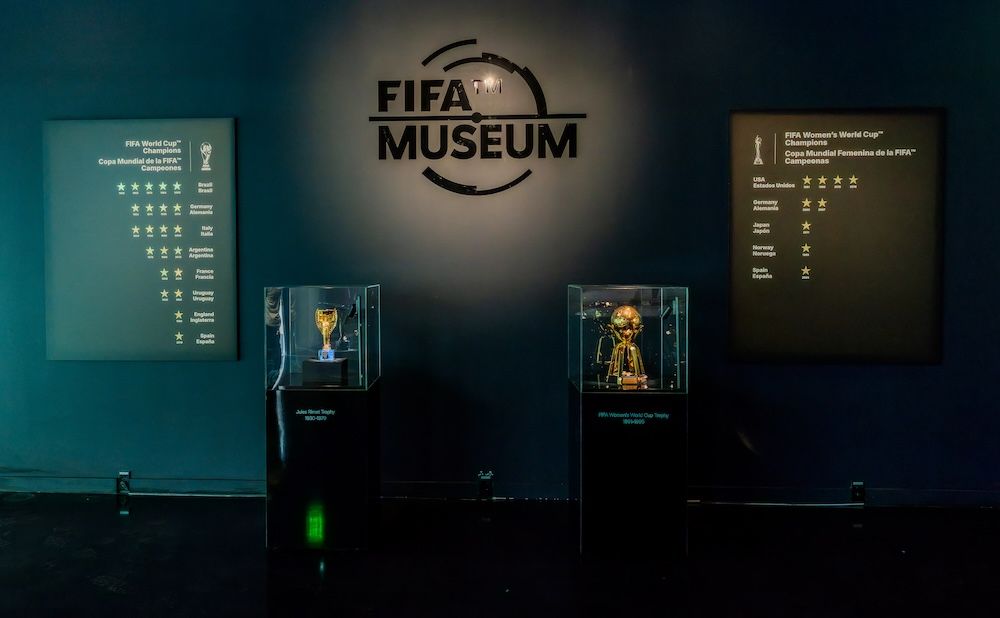
FIFA Museum in Miami_Unidad - The World's Game
UNIDAD: The World’s Game FIFA’s new cultural home inside MOAD at MDC’s Freedom Tower

FIFA’s new cultural home inside MOAD at MDC’s Freedom Tower

Written By Olga Garcia-Mayoral

In Miami, soccer isn’t simply a sport—it’s a shared language. It lives in park pick-up games and weekend league rituals, in the way entire neighborhoods pulse during international tournaments, and in the multi-accented chorus that rises whenever a goal breaks the air. That’s what makes “Unidad: The World’s Game”—a permanent exhibition created by the FIFA Museum and presented at the Museum of Art and Design (MOAD) at Miami Dade College’s Freedom Tower—feel so natural here. It isn’t trying to convince Miami that soccer matters. Miami already knows. Instead, the exhibition asks a more interesting question: how does the game become a global emotional infrastructure—one capable of carrying memory, identity, struggle, and joy across generations? 

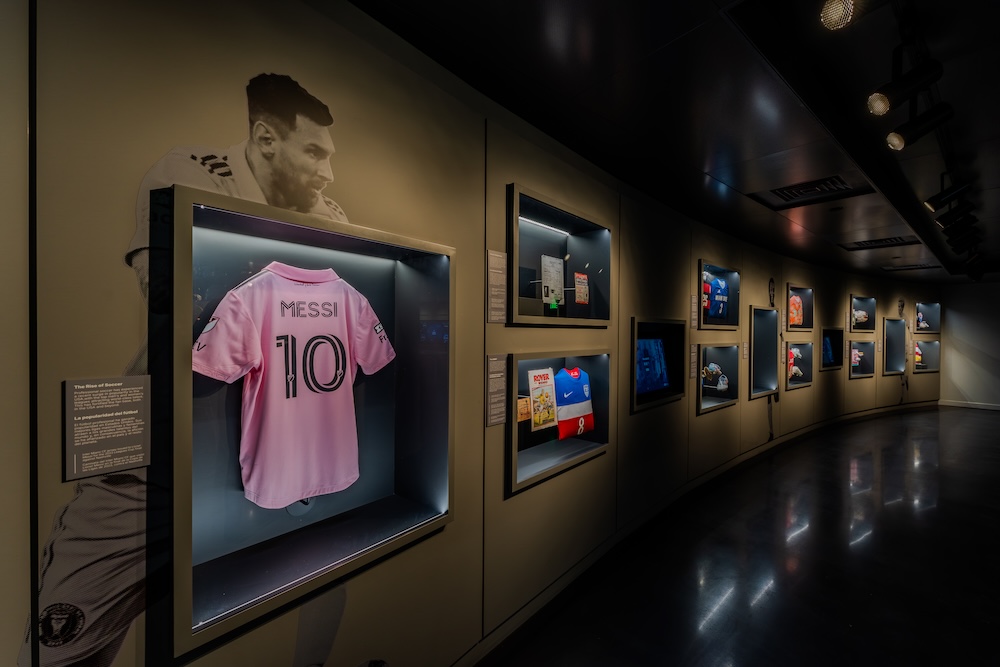
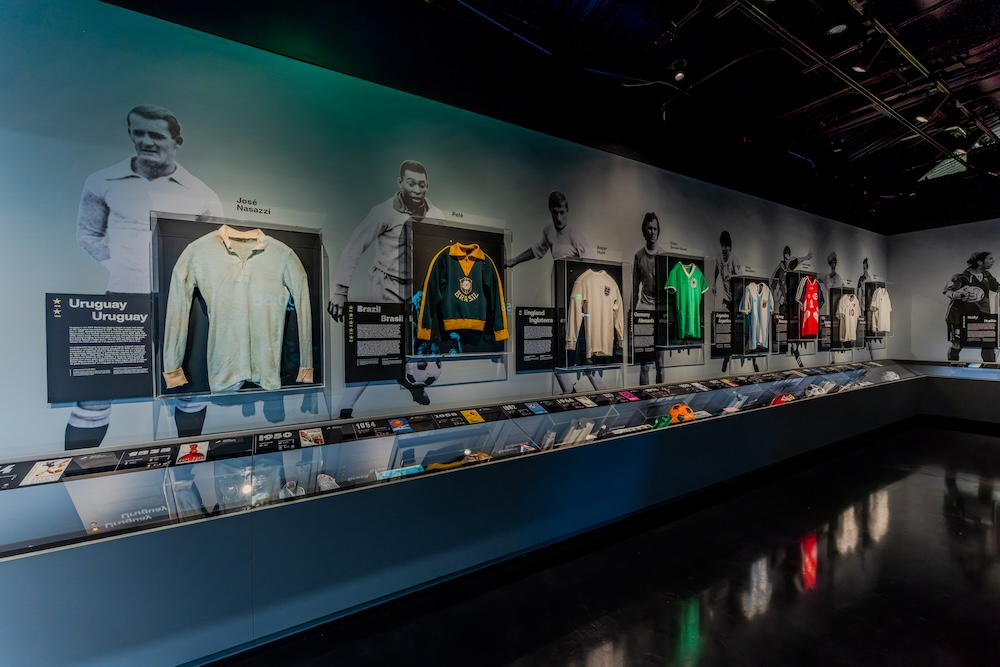
“Unidad” is built as a journey through football’s worldwide heritage and meaning, using historic objects, interactive stations, and immersive installations to trace pivotal moments in the sport’s evolution—while also spotlighting soccer’s development in the United States. And because it sits inside the Freedom Tower, the exhibition gains a second narrative layer: Miami’s most iconic symbol of arrival, belonging, and cultural transformation becomes the container for a story about the world’s most universal pastime. 

FIFA Museum in Miami_Unidad - The World's Game

A museum experience that plays like a game

Unlike traditional trophy-room presentations that can flatten sports history into a timeline of wins and losses, “Unidad” is structured around the idea that football is, at its core, a connector between countries, communities, and personal histories. FIFA frames it explicitly as a celebration of the game’s ability to inspire, connect, and unite people across continents and generations, and MOAD/Freedom Tower presents it in that same spirit, as an exhibition where learning is physical and participatory. 

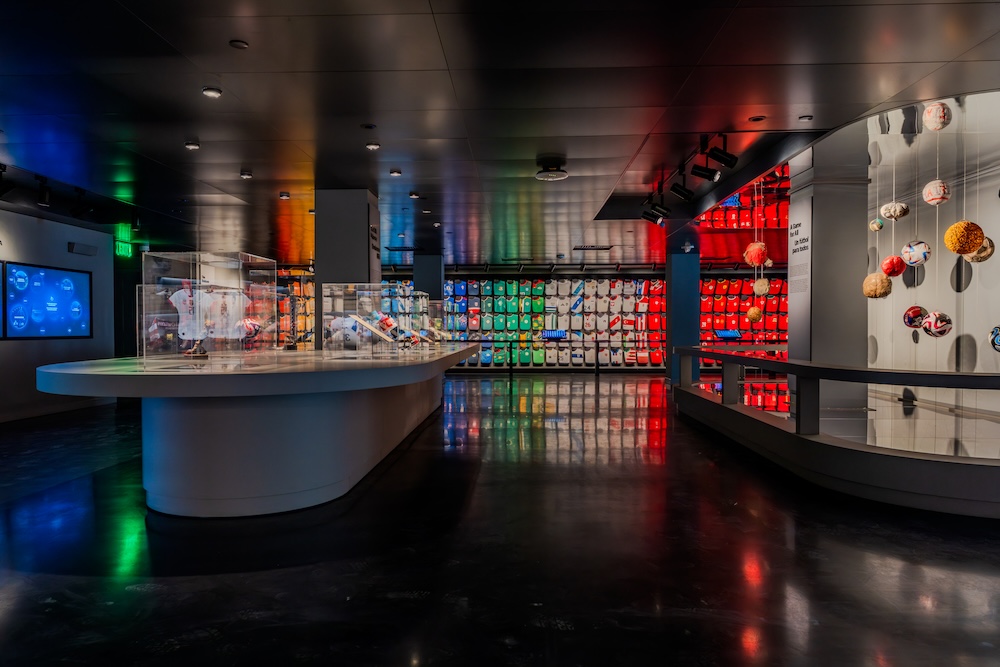
The space itself signals ambition: the FIFA Museum describes “Unidad” as spanning two floors and occupying roughly 7,500 square feet, a scale that immediately shifts it from “pop-up” to institutional anchor. The exhibition is designed to be moved through the way you move through a match: scanning, noticing patterns, stopping at moments of intensity, then drifting toward the next narrative beat.

That interactivity isn’t decorative—it’s pedagogical. “Unidad” treats football not as an object of passive admiration but as a living system you can enter: its aesthetics (kits, graphics, design languages), its rituals (chants, fandom, collective memory), and its historic turning points rendered through media and objects that reward curiosity. 

FIFA Museum in Miami_Unidad - The World's Game

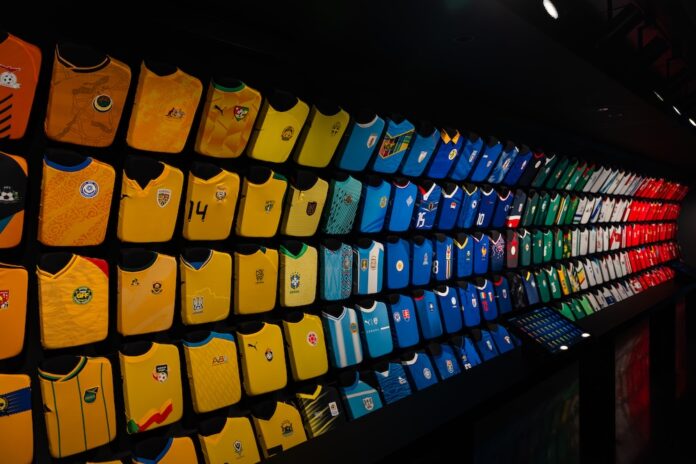
The Rainbow of Shirts: 211 identities, one field

One of the exhibition’s central symbolic gestures is the “Rainbow of Shirts,” a display of jerseys representing all 211 FIFA Member Associations. It’s difficult to stand before that many national identifiers and not feel something shift. Jerseys are not neutral fabric—they are portable flags, emotional armor, family inheritance, diaspora shorthand. In a city like Miami—where so many people carry more than one homeland in their bodies—the Rainbow reads as both unity and multiplicity. It suggests that football’s global power isn’t built on sameness, but on the astonishing fact that millions of distinct identities can share one set of rules and still recognize each other in motion.

There is also a design lesson embedded here. A jersey is graphic communication: color, emblem, typography, and material engineering—design decisions that become shorthand for belonging. “Unidad,” housed inside MOAD at MDC, implicitly highlights how much the “beautiful game” has always relied on visual culture to transmit meaning. 

Legacy of Champions: collective memory, projected at scale

Another key section, described by the FIFA Museum as “The Legacy of Champions,” honors the nations that have claimed glory in both the FIFA World Cup™ and the FIFA Women’s World Cup™, using historical artifacts and large-scale audiovisual elements to celebrate the heroes, legends, and defining moments that move fans across generations. 

That inclusion of the Women’s World Cup lineage matters. It places women’s football within the same monumental frame, not as an addendum but as a co-author of global football history. In an era when women’s sports are finally receiving overdue institutional visibility, “Unidad” makes the point through exhibition design: history is not just what happened—it’s what we choose to preserve, display, and teach.

FIFA Museum in Miami_Unidad - The World's Game

Miami, the Freedom Tower, and the meaning of “permanent.”

“Unidad” is more than a touring show; the FIFA Museum itself has designated it as its first permanent exhibition in North America, a designation that carries cultural weight in the lead-up to FIFA World Cup 2026™ and beyond. Permanence is a kind of promise: that Miami is not only a host city or a fan destination, but a long-term site where football culture can be studied as heritage—where the sport’s artifacts and stories belong inside an institution, not just a stadium.

That decision aligns with the Freedom Tower’s evolving role as a cultural hub. Tourism and civic sites describe the Tower not only as a historic landmark but as a place where Miami’s layered narratives—migration, identity, art, and memory—are actively curated through exhibitions. In that context, “Unidad” reads almost like a civic mirror: a global sport installed inside a building that has witnessed waves of newcomers and the cultural reweaving of the city itself.

Soccer as culture, not commodity

What “Unidad” does especially well is refuse the narrow framing of sports as entertainment only. It positions football as culture—a force that shapes music, fashion, language, photography, graphic design, and public life. The exhibition’s blend of historic objects and immersive media helps visitors understand the sport not just through championships but through how it feels: the intensity of collective anticipation, the way a single moment becomes a memory shared by millions. These rituals make strangers into allies for ninety minutes. 

For Miami audiences, that framing is instantly legible. Miami is a city where cultural identity is practiced daily—through bilingual conversation, neighborhood festivals, family traditions, and the ongoing choreography of diaspora life. “Unidad” links that mosaic explicitly to the “world’s game,” presented in partnership with MDC and described as connecting the global passion for football to Miami’s cultural diversity. 

A museum built for many kinds of visitors

Because “Unidad” is designed around interactive and immersive elements, it also functions as a gateway exhibition. This experience can welcome visitors who might not typically enter an art-and-design museum. That matters for institutions like MOAD at MDC, which sits at a crossroads of education, civic memory, and public culture.

A great permanent exhibition should do two things at once: serve as an accessible entry point for first-time visitors and sustain repeated visits with new details each time. “Unidad” is built for that. It’s a show you can visit as a family and enjoy at the level of play, then return to as an adult and read through deeper layers: geopolitics, migration, identity, gender, design history, and how global narratives are constructed through iconic moments. 

FIFA Museum in Miami_Unidad - The World's Game

Why “Unidad” matters now

With the World Cup coming to North America, it’s easy for football culture to be reduced to marketing and mega-events. “Unidad” offers something quieter and more durable: an argument for football as a shared human archive.

The FIFA Museum has positioned the Miami exhibition as part of a broader effort to safeguard football heritage while engaging diverse audiences, and it explicitly links “Unidad” to the idea of legacy—something meant to remain after the tournament spotlight moves on. That goal feels especially resonant in Miami, a city that constantly negotiates what it chooses to keep, commemorate, and build anew.

In the end, “Unidad: The World’s Game” succeeds because it understands what fans already know: football is never only about the ball. It’s about the people around it—the ones who carry jerseys across borders, the ones who teach their kids to love a team as a kind of inheritance, the ones who find community in a chant, the ones who feel at home for ninety minutes even if they’re far from home.

And perhaps that’s the deepest fit between exhibition and site. Inside the Freedom Tower—Miami’s monument to arrival—“Unidad” reminds us that belonging can be built in many ways. Sometimes, it’s built through papers and policies. Sometimes, it’s built through art and memory. And sometimes, it’s built through the simplest global ritual of all: a game where everyone, everywhere, understands what it means when the net moves.

Page 2 of 286
1 2 3 4 286