The Bass Museum Looks Forward: Architecture as Cultural Expansion in Miami Beach
The Bass Museum of Art has taken a decisive step toward redefining its role within Miami’s evolving cultural landscape by selecting Johnston Marklee to design a new pavilion and expansion. This move signals more than a physical addition—it reflects a broader shift in how institutions conceive space, audience, and artistic experience in the 21st century.
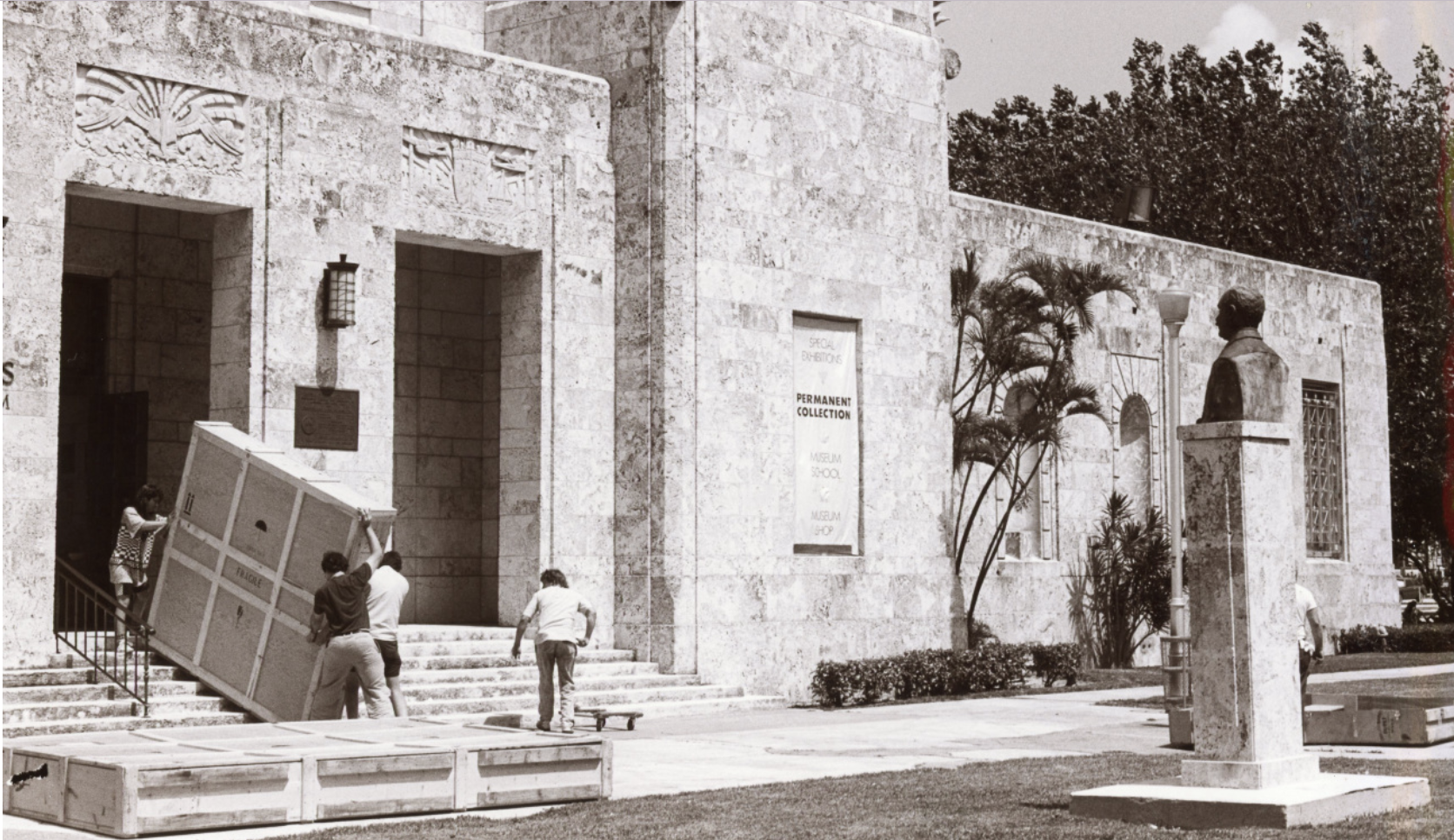
Founded in Los Angeles, Johnston Marklee is known for its rigorous yet poetic architectural language, where structure and perception operate in a constant dialogue. Their selection suggests that the Bass is not simply seeking expansion, but transformation. The planned intervention will extend the vision of Arata Isozaki, whose 1995 design established the museum’s current identity, anchoring it within a lineage of architectural thought that values both form and conceptual clarity.
At the core of the proposal is an elevated exhibition gallery, designed to host contemporary and experimental media. This is a critical gesture. As artistic practices increasingly move beyond traditional formats—embracing installation, digital environments, and time-based media—the museum must evolve from a container of objects into a platform for experience. The elevated structure is not only architectural; it is symbolic, lifting new forms of artistic inquiry into visibility.
Equally significant is the inclusion of a multi-purpose outdoor patio, a space that blurs the boundary between institution and city. In Miami Beach—where climate, tourism, and urban life intersect—this gesture opens the museum outward, transforming it into a social and cultural interface rather than a closed system.
This expansion comes at a moment when Miami is solidifying its position as a global art capital. Yet, what distinguishes this project is not scale, but intention. The Bass is positioning itself as a site of experimentation—one that acknowledges that contemporary art is no longer confined to walls, nor to singular narratives.
In this context, architecture becomes more than infrastructure. It becomes a curatorial tool.
The collaboration between the Bass and Johnston Marklee suggests a future in which museums are not static repositories, but dynamic environments—spaces that adapt, respond, and actively shape the way art is encountered.
What emerges is not just a new pavilion, but a recalibration of what a museum can be.