Beyond Frida: Seven Mexican Women Artists Who Redefined Art History
From painting and photography to performance and conceptual practice, these artists expanded the boundaries of Mexican art and redefined the role of women within it.
If the words “woman,” “Mexico,” and “artist” immediately evoke Frida Kahlo, it is a testament to her global cultural impact. Yet, as recent scholarship and major international exhibitions have emphasized, Mexican art history is far richer and more complex. Beyond Kahlo lies a constellation of women whose contributions have been equally transformative, though historically underrecognized.
For decades, the global perception of Mexican women in art has been overwhelmingly defined by one figure: Frida Kahlo. While her impact is undeniable, this singular focus has obscured a broader and more complex history—one shaped by artists who challenged not only aesthetic conventions, but also the social and institutional limits imposed on women.
Recent curatorial revisions and international exhibitions have begun to reposition these figures within the canon, revealing a network of practices that extend far beyond the familiar narrative.
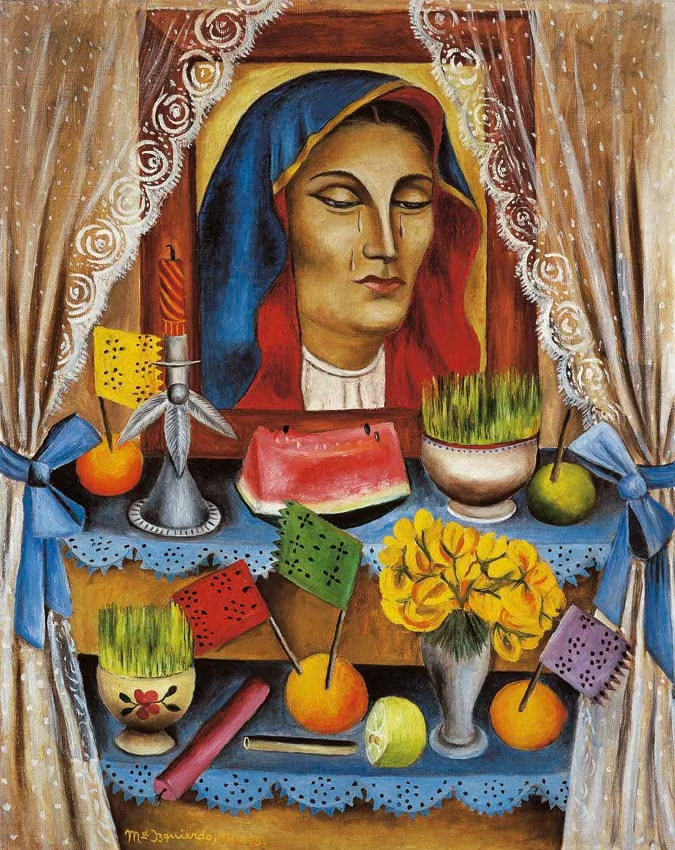
1. María Izquierdo (1902–1955)
The first Mexican woman to exhibit internationally, María Izquierdo challenged both aesthetic conventions and institutional barriers. Her expressive use of color and symbolic imagery—often depicting altars, domestic spaces, and ritual scenes—reclaimed Mexican identity from a deeply personal perspective. Despite her recognition, she faced direct opposition from male muralists such as Diego Rivera, who blocked her access to major public commissions, revealing the structural gender inequalities of her time.
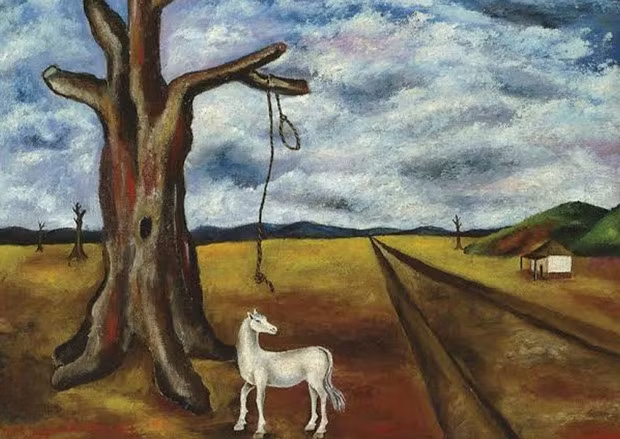
Aurora Reyes: Feminism Within Muralism
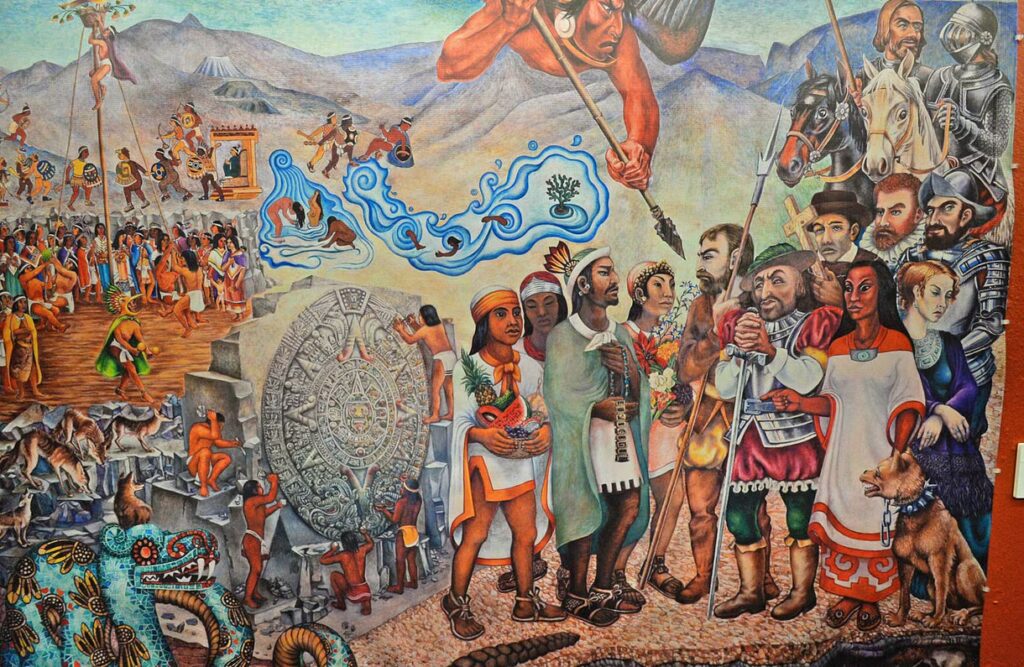
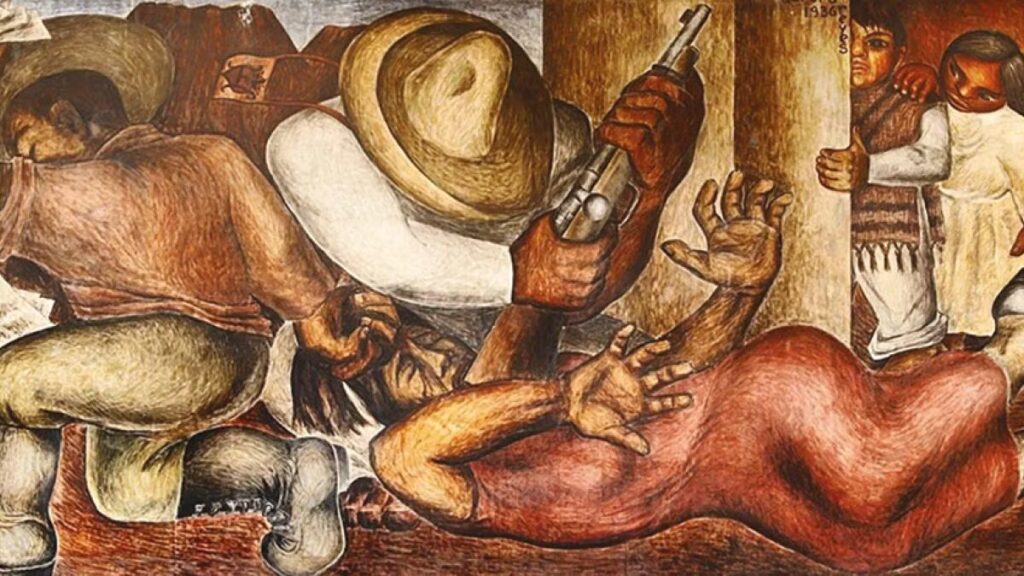
Aurora Reyes occupies a singular position as Mexico’s first female muralist. Her work expanded the ideological framework of muralism by foregrounding the struggles of women and laborers. In pieces such as Atentado a las maestras rurales, she introduced a feminist consciousness into a movement largely dominated by male voices.
Lola Álvarez Bravo: The Image as Memory
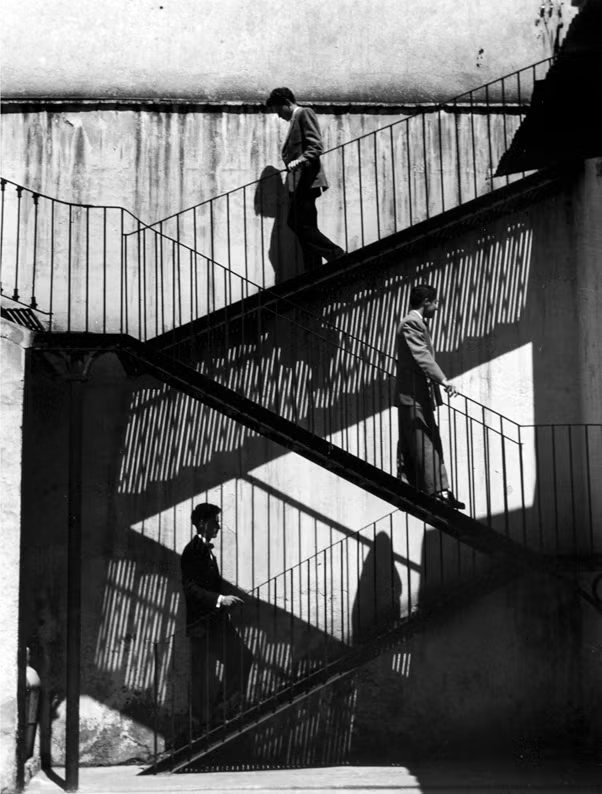
Through photography, Lola Álvarez Bravo constructed a visual archive of 20th-century Mexico. Her images—ranging from intimate portraits to urban scenes—operate between documentation and interpretation. Often described as a “visual biographer,” her work captures not only what was seen, but what was lived.
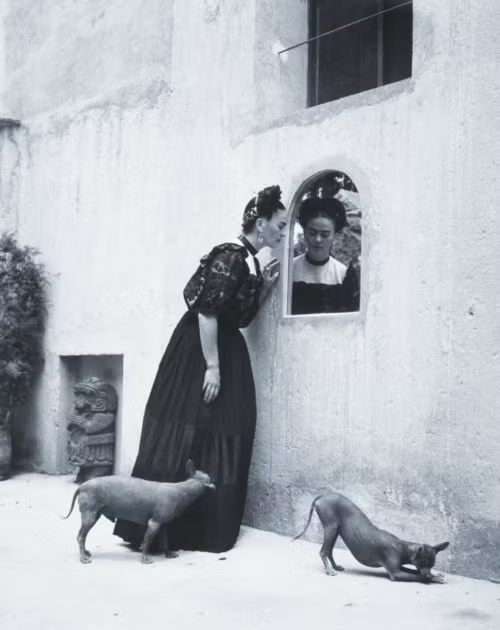
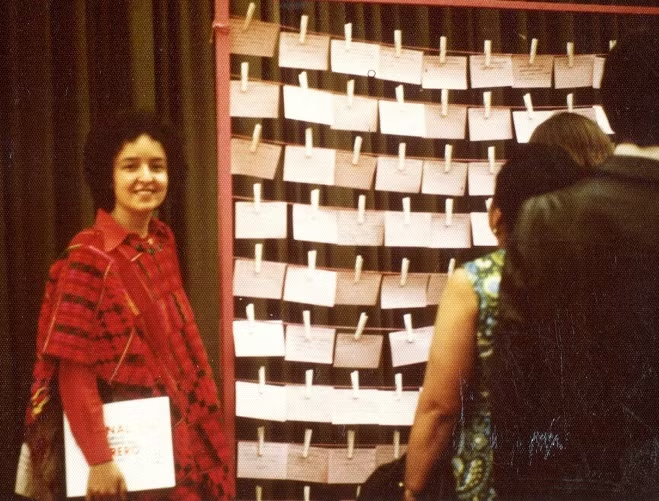
Mónica Mayer: Art as Social Intervention
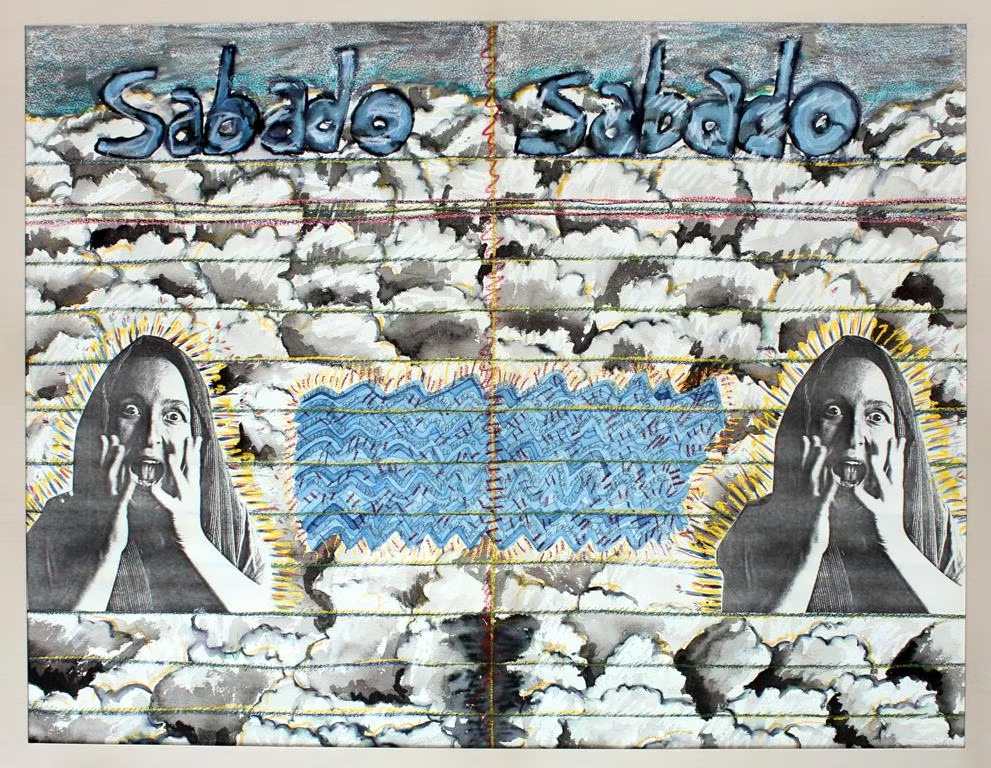
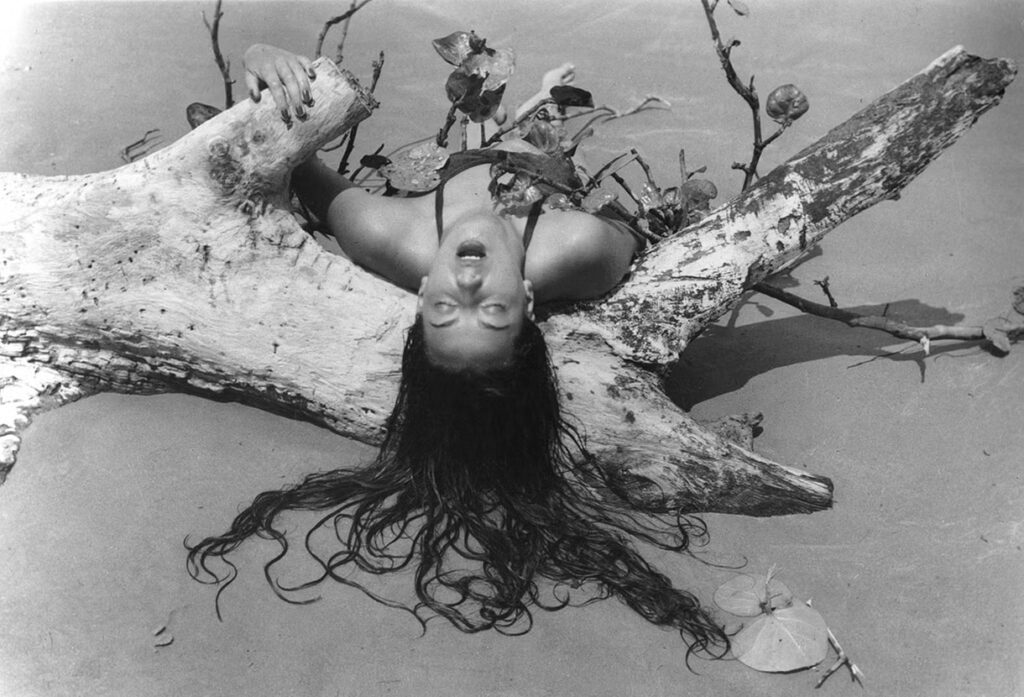
Mónica Mayer represents a decisive shift toward conceptual and participatory practices. Her seminal work El Tendedero transforms individual testimonies into collective discourse, exposing the systemic violence experienced by women. Here, art ceases to be object-based and becomes a platform for public engagement and critical reflection.
Cordelia Urueta: Abstraction as Protest
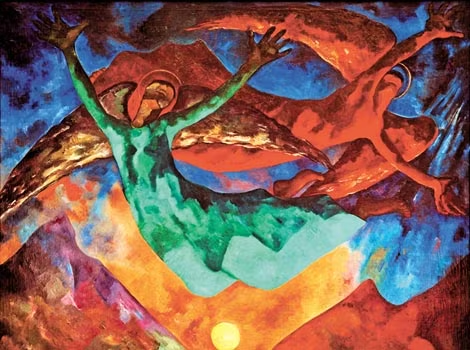
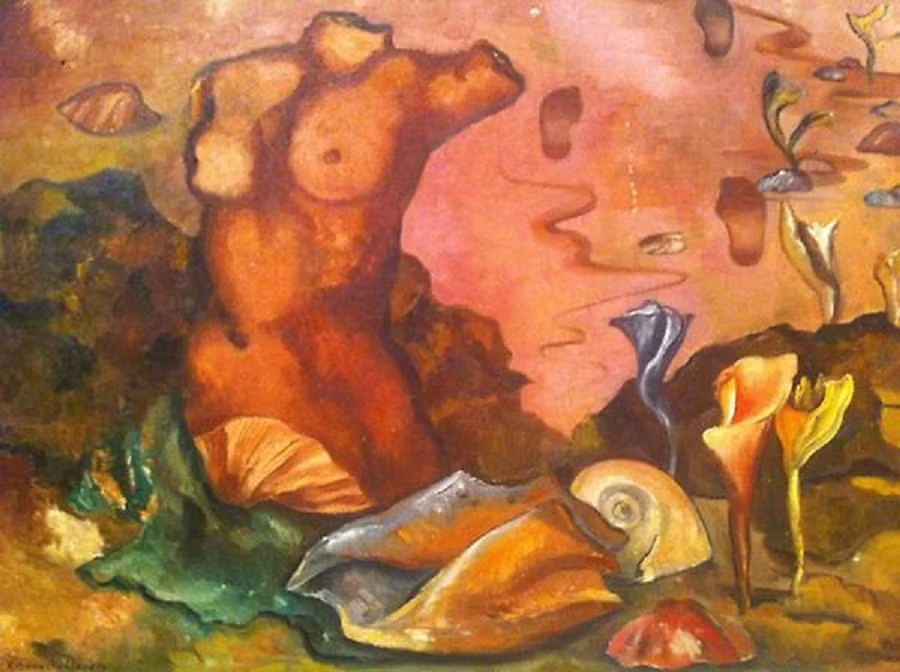
In the work of Cordelia Urueta, abstraction is not an escape from reality, but a confrontation with it. Her compositions—marked by tension, fragmentation, and intensity—reflect a world shaped by conflict and instability. Through her practice, abstraction becomes a language of resistance.
Graciela Iturbide: Between Document and Myth
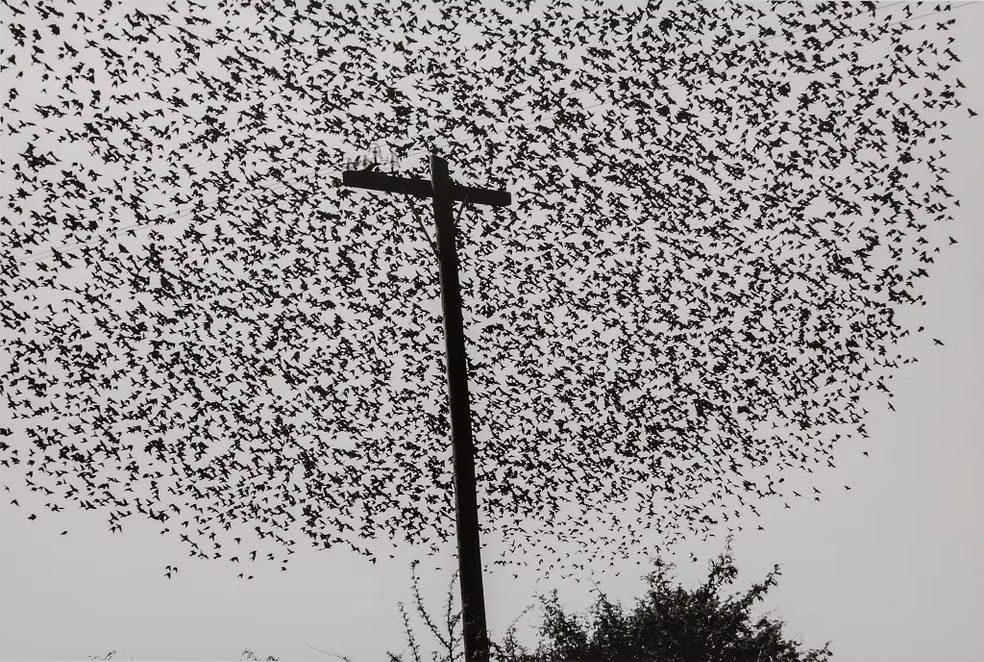
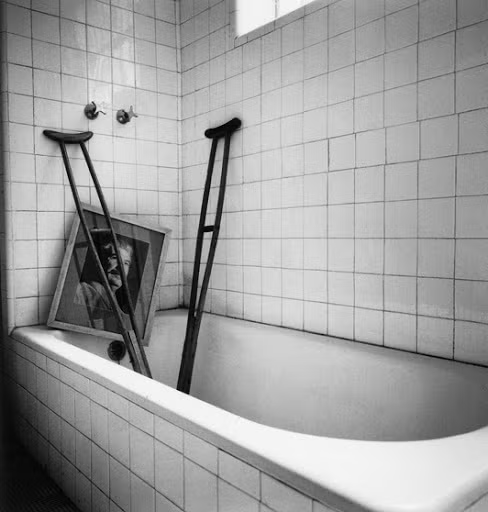
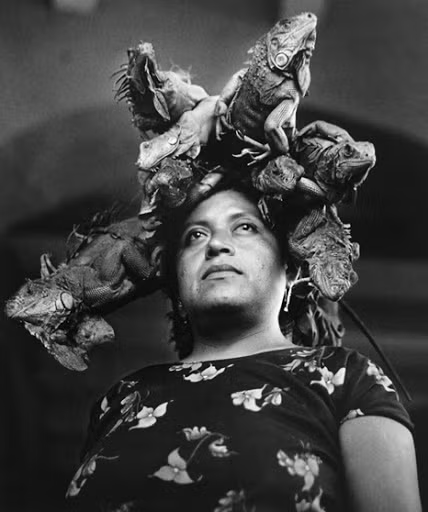
Graciela Iturbide’s photography exists at the intersection of anthropology and poetry. Her images of indigenous communities, particularly in Juchitán, move beyond documentation to reveal symbolic and cultural dimensions. Her work challenges the viewer to reconsider the boundaries between reality and myth.
Nahui Olin: Self as Cosmos
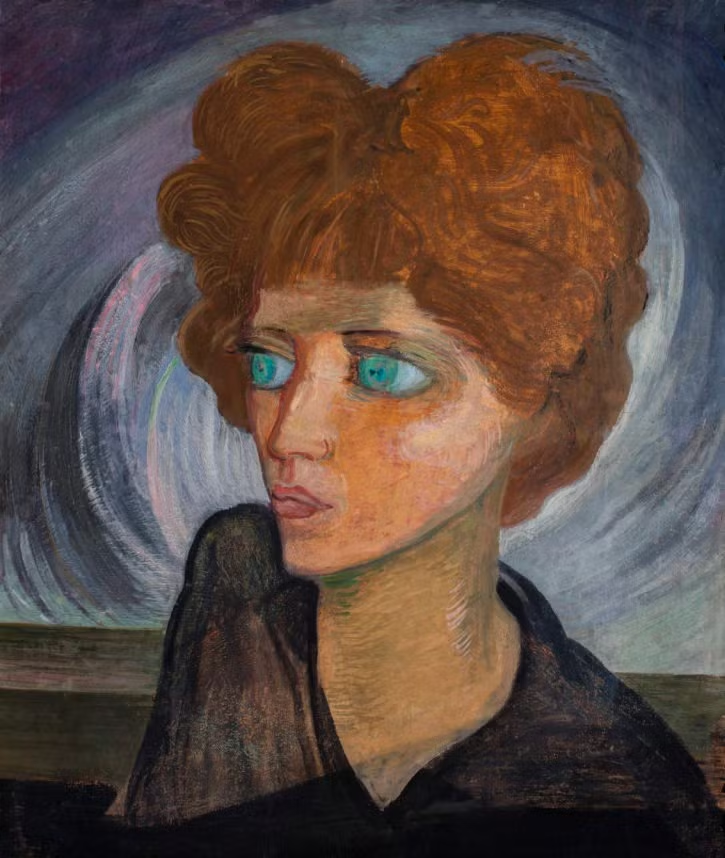
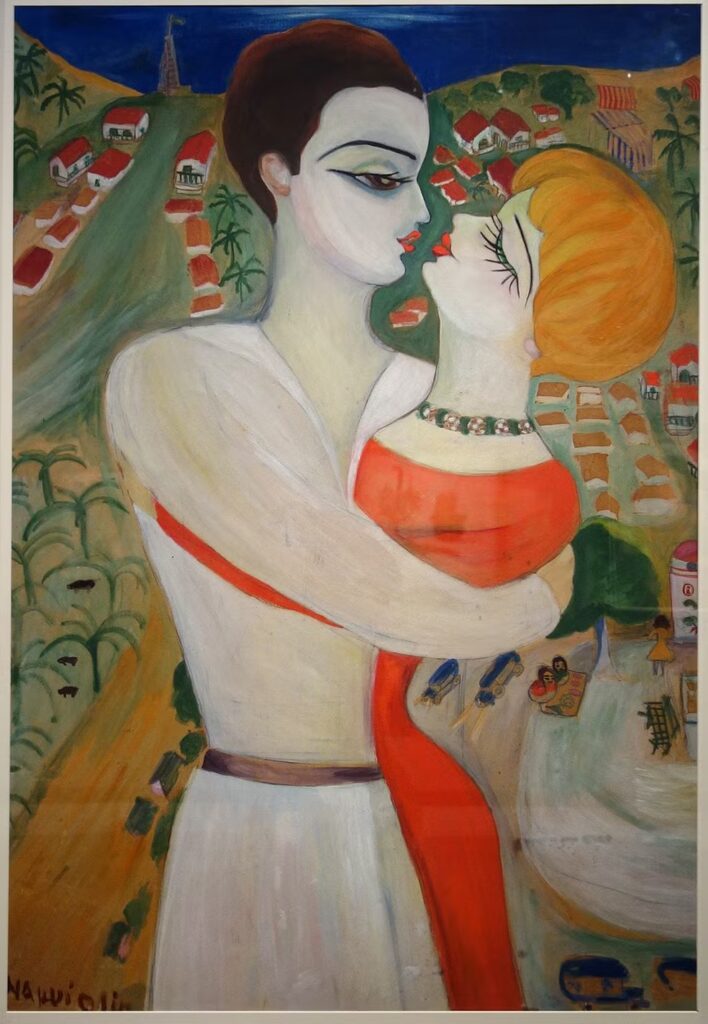
Nahui Olin’s practice—spanning painting, poetry, and performance—centers on self-representation as a site of exploration. Her work engages themes of identity, eroticism, and spirituality, positioning her as an early and radical voice in the redefinition of female subjectivity.
Toward a New Canon
What emerges from these practices is not an alternative narrative, but a necessary one. These artists did not simply exist alongside the dominant figures of Mexican art—they actively reshaped its language, its concerns, and its possibilities.
Today, as institutions and scholars continue to revise art history, their work stands as a reminder that the canon is not fixed. It is constructed—and therefore, it can be transformed.
In moving beyond Frida, we do not diminish her legacy.
We finally begin to understand the full scope of it.
Their legacy is not rediscovered—it is finally being recognized.
Source: https://www.domestika.org/es/blog/8134-mas-alla-de-frida-7-artistas-mexicanas-que-hicieron-historia