Home Blog Page 6

First Solo U.S. Museum Exhibition of Manoucher Yektai at ICA

Manoucher Yektai
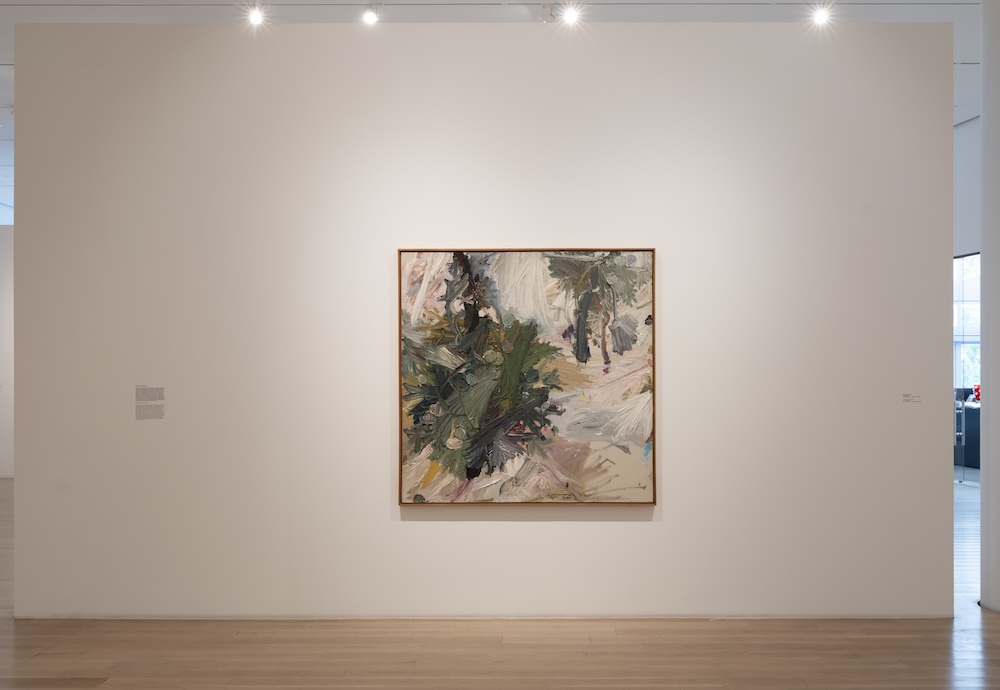
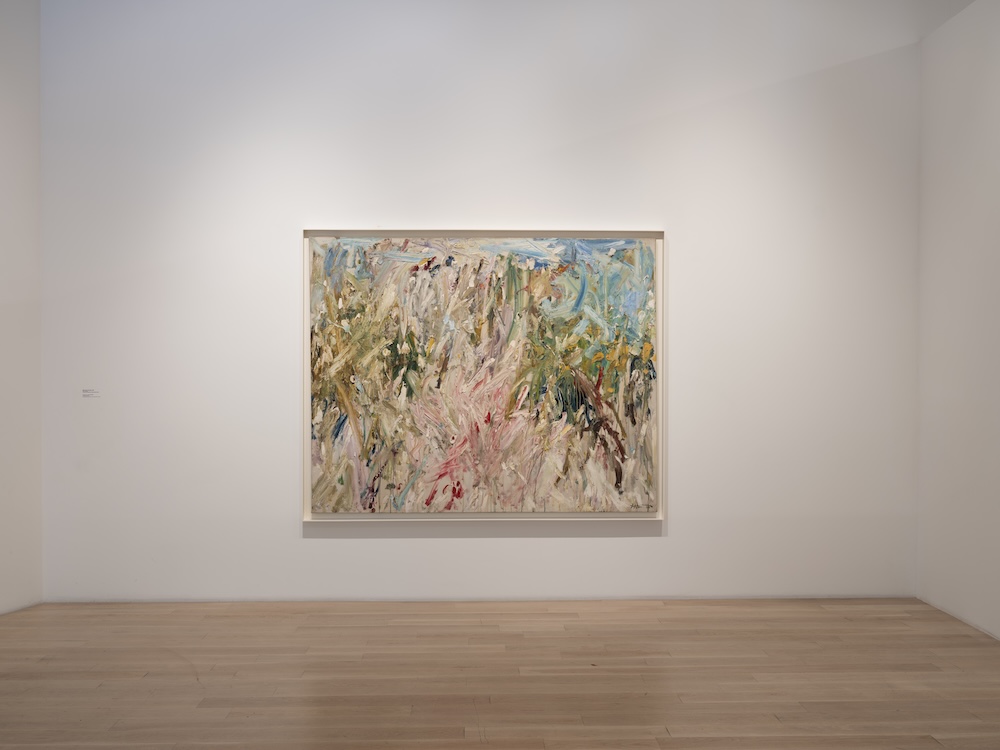
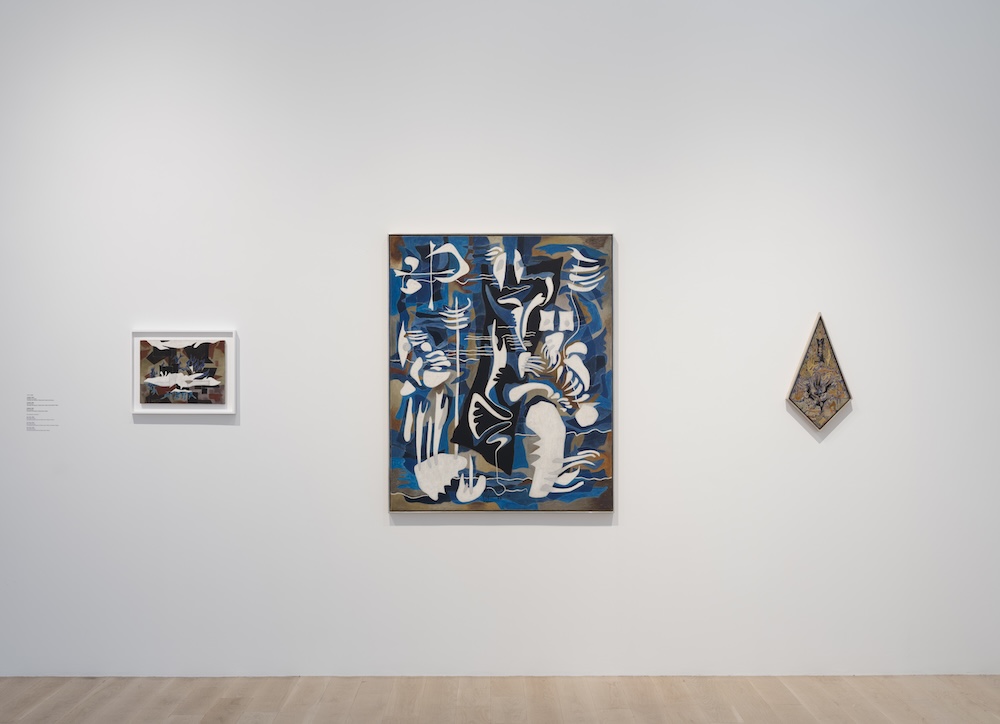
Installation view: "Manoucher Yektai: The Stranger and the Tree" at the Institute of Contemporary Art, Miami, April 30-November 22, 2026. Photo: Chris Carter.

First Solo U.S. Museum Exhibition of Manoucher Yektai Opens at Institute of Contemporary Art, Miami.

Landmark presentation brings together over 30 paintings, including rarely seen works from the 1940s

Installation view: “Manoucher Yektai: The Stranger and the Tree” at the Institute of Contemporary Art, Miami, April 30-November 22, 2026. Photo: Chris Carter.

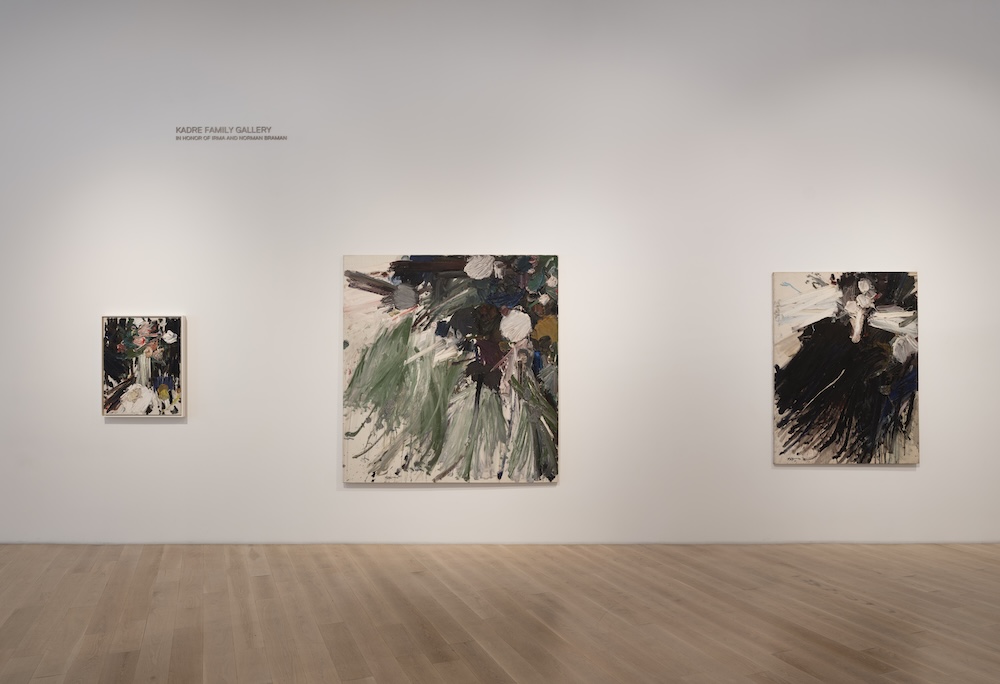
The first solo U.S. museum exhibition of major Abstract Expressionist Manoucher Yektai is now on view at the Institute of Contemporary Art, Miami (ICA Miami), offering a new perspective on a singular voice within the movement. Manoucher Yektai: The Stranger and the Tree traces four distinct series created between 1948 and 1963,bringing together approximately 30 paintings that chart the artist’s evolution from surrealist-inflected abstraction to his signature gestural style, including rarely seen works from 1948-1949. Curated by Donna Honarpisheh, Associate Curator at ICA Miami, the exhibition takes its title from a 2005 poem by the artist and is on view through November 22, 2026.
Manoucher Yektai

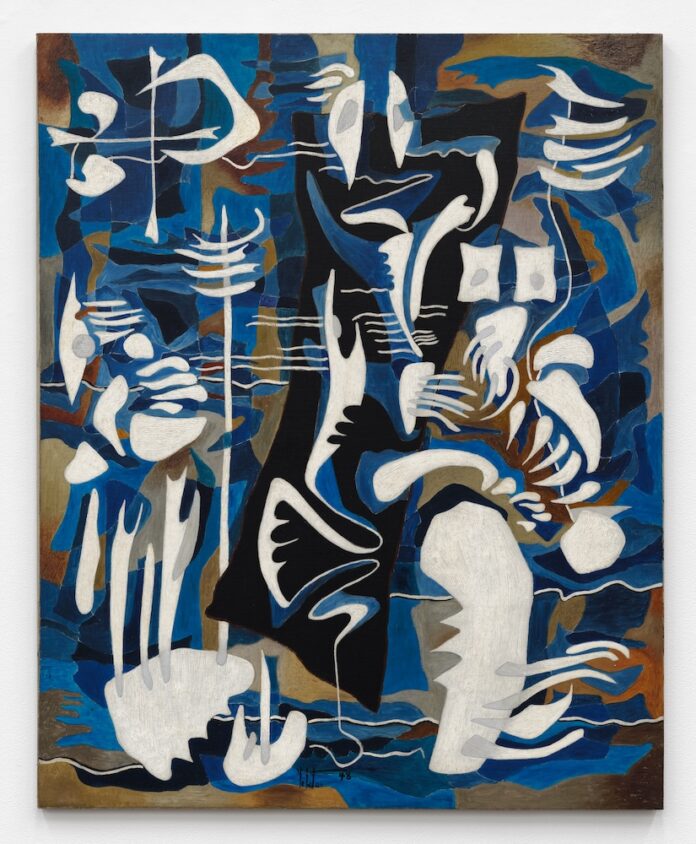
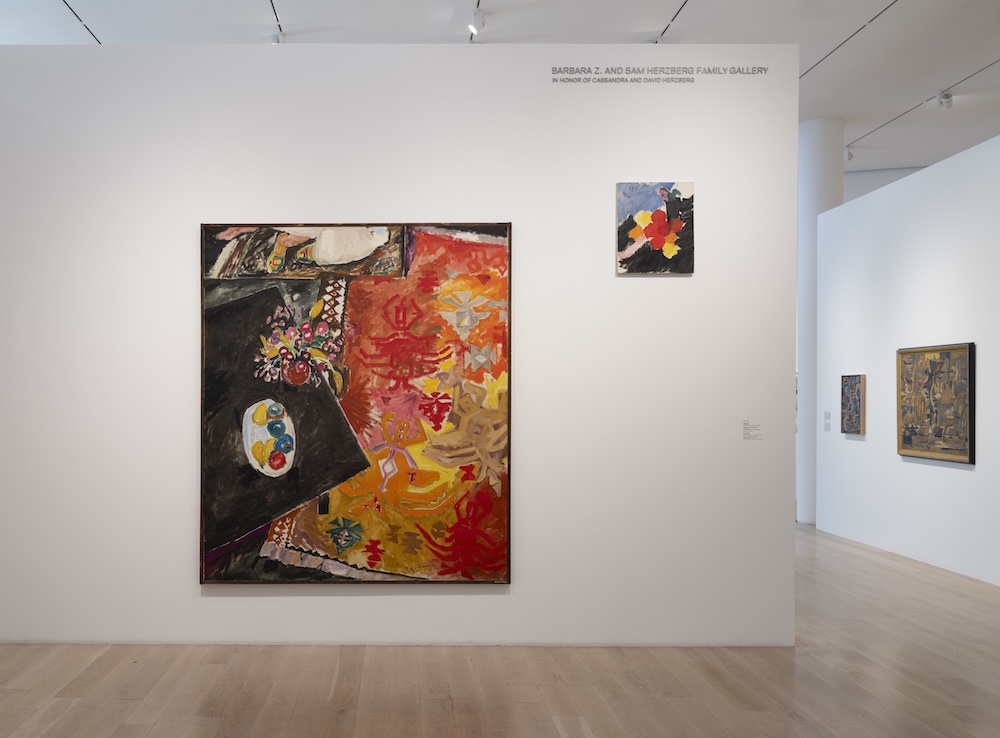
A founding member of the New York School, Yektai is known for his richly impastoed canvases, which move fluidly between still life, landscape, portraiture, and color field. His work balances expressive mark-making with a sustained engagement in representation, charting a distinctive course in postwar art. Drawing on Iranian mystical poetry, Persian rugs, calligraphic forms, domestic table settings and flora, and Yektai’s paintings synthesize Iranian and American visual vocabularies alongside Parisian modernism and gestural painting. The result is a deeply personal yet transnational vision within the New York School.
Manoucher Yektai

“Yektai’s work expands the history of Abstract Expressionism by foregrounding a transnational perspective that bridges Iranian and American visual traditions,” said Alex Gartenfeld, ICA Miami’s Irma and Norman Braman Artistic Director. “This exhibition reflects ICA Miami’s commitment to advancing scholarship on artists whose contributions have not yet been fully recognized within the canon.”

The exhibition opens with rarely seen paintings from 1948–49, rendered in earthly tones characteristic of Yektai’s early period. Featuring flowing organic forms and sinuous lines that evoke calligraphic abstraction and mystical symbolism, these works establish the artist’s early formal concerns while dissolving distinctions between ground, depth, surface, and subject. The presentation continues with heavily impastoed works from the 1950s—paintings that verge on sculpture in their physicality and three-dimensional presence.

Yektai’s figurative works, developed in the early 1950s and sustained throughout his career, challenge the conventions of portraiture by blurring the boundary between figuration and abstraction. Through layered marks and expressive smears, his subjects defy representational likeness while remaining emotionally resonant. The exhibition concludes with naturalistic abstractions from 1959 to 1963, lyrical compositions of flowers, plants, and landscapes built through repeated diagonal strokes. Yektai’s landscapes are characterized by the dissolution of the genre’s horizon line, allowing trees and organic structures to emerge from dense fields of gesture. This destabilization of ground echoes the artist’s cosmopolitan and diasporic experience.
Manoucher Yektai

“Manoucher Yektai’s work occupies a singular place in the history of postwar painting, at once deeply rooted in the language of abstraction while remaining committed to domestic scenes and rituals of everyday life. Grounded in his engagement with Persian poetry, his practice articulates a poetics of solitary witness that unfolds across his early works, still lifes, figural compositions, and landscapes.” said Associate Curator Donna Honarpisheh. “This exhibition offers an opportunity to reconsider his contributions not only within Abstract Expressionism, but within a broader, more global history of modern art.”
Manoucher Yektai

Exhibition Support
Exhibitions at ICA Miami are supported by the Knight Foundation. Major support is provided by the Nicoll Family Fund. Additional support is provided by Karma and Farhang Foundation.
Manoucher Yektai_

Sustainability Commitment
ICA Miami is committed to reducing its climate footprint by adopting best practices for sustainability and partnering with organizations that focus on conservation. As part of this effort, ICA Miami has adopted sustainable shipping methods for all exhibitions and implements carbon offsets for select major exhibitions. ICA Miami is also the first museum in Florida to support the use of renewable energy and the growth of the sector. The museum matches 100% of its electricity consumption through the procurement of Renewable Energy Certificates (RECs).  In 2020, the museum was among the original grantees for the first Frankenthaler Foundation funding for sustainability efforts in the arts.

About the Institute of Contemporary Art, Miami
The Institute of Contemporary Art, Miami (ICA Miami) is dedicated to promoting continuous experimentation in contemporary art, advancing new scholarship, and fostering the exchange of art and ideas throughout the Miami region and internationally. Through an energetic calendar of exhibitions and programs, and its collection, ICA Miami provides an important international platform for the work of local, emerging, and under-recognized artists, and advances the public appreciation and understanding of the most innovative art of our time. Launched in 2014, ICA Miami opened its new permanent home in Miami’s Design District in 2017, and in 2024 announced its expansion with the acquisition of a second site on the same block at 23 NE 41st Street in the Miami Design District, set to open in 2027. The museum’s central location positions it as a cultural anchor within the community and enhances its role in developing cultural literacy throughout the Miami region. The museum offers free admission, providing audiences with open, public access to artistic excellence year-round.

The Institute of Contemporary Art, Miami is located at 61 NE 41st Street, Miami, Florida, 33137. For more information, visit www.icamiami.org or follow the museum on Instagram and explore the ICA Miami Channel for inside looks at ICA Miami exhibitions and the practices of the most exciting artists working today.

The Mathematics of Creativity: Wisdom for the Stuck Visual Artist

visual creativity

The Mathematics of Creativity: Wisdom for the Stuck Visual Artist

One of the most damaging myths in contemporary art is the belief that creativity is a mysterious gift possessed only by a select few. The romantic image of the artist as a visionary suddenly struck by inspiration continues to dominate cultural imagination. Yet psychology, cognitive science, mathematics, and art history suggest something radically different: creativity is not chaos alone. It follows patterns, structures, probabilities, and accumulations. In many ways, creativity behaves less like magic and more like mathematics.

For the stuck visual artist, this realization can be liberating.

Creative paralysis often emerges from a misunderstanding of how artistic breakthroughs actually occur. Many artists believe every idea must immediately possess originality, coherence, and significance. As a result, they become trapped in perfectionism, producing less and judging more. But research into creativity repeatedly demonstrates that masterpieces are statistical outliers generated through sustained production. Psychologist Dean Keith Simonton described this phenomenon through what resembles a “law of large numbers”: the more work an artist produces, the greater the probability of producing exceptional work.

The history of art confirms this principle. Picasso created over 20,000 works. Louise Bourgeois filled decades of notebooks, sketches, and experiments. Gerhard Richter generated endless variations before arriving at resolution. Most works were not masterpieces. Yet without the quantity, the breakthroughs could not emerge.

For the visual artist, this changes the role of failure entirely. Failed paintings, unfinished installations, abandoned sketches, experimental photographs, awkward sculptures, and fragmented concepts are not evidence of inadequacy. They are mathematical necessities within the ecology of creation.

Another important principle appears in what mathematicians call Zipf’s Law: within large systems, most outcomes are average while only a small number become extraordinary. Applied to artistic practice, this means most ideas will inevitably be ordinary. A few will possess potential. Very few will become transformative.

This is not pessimistic; it is profoundly freeing.

The artist no longer needs every work to justify existence. The role of the studio becomes generative rather than performative. Creativity depends on volume, experimentation, and movement.

Margaret Boden’s theory of combinational creativity expands this further. According to Boden, innovation rarely emerges from absolute originality; it emerges from recombination. Existing images, memories, forms, symbols, materials, and references are reorganized into new relationships.

This principle has shaped the history of visual culture itself:

  • Cubism recombined African sculpture and European painting.
  • Pop Art recombined advertising and fine art.
  • Contemporary installation art merges architecture, sound, performance, and sculpture.
  • Digital culture continuously remixes visual language.

The stuck artist often waits for an entirely “new” idea when creativity itself is fundamentally relational. The breakthrough frequently emerges not from invention, but from unexpected combinations.

Equally important is the mathematics of time. Malcolm Gladwell popularized the idea that mastery develops through accumulated practice rather than sudden talent. While the “10,000-hour rule” remains debated, the underlying principle reflects a deeper truth: artistic growth behaves exponentially. Early progress appears slow, almost invisible. Then, over time, accumulated experience compounds.

This explains why many artists abandon themselves too early. They mistake the invisible stages of development for stagnation.

Complexity theory offers perhaps the most poetic insight of all. Scientists describe creativity as emerging at the “edge of chaos” — the unstable threshold between rigid order and complete randomness. Too much control suffocates invention. Too much chaos dissolves meaning. Creativity flourishes precisely in the unstable middle ground where structure and unpredictability coexist.

This is where great visual art lives:
between intuition and discipline,
between accident and intention,
between fragmentation and coherence.

The wisdom for the stuck artist, then, is not to wait for inspiration. It is to enter the flow of production without demanding immediate perfection. Creativity is cumulative motion. Every drawing, failed experiment, collage, color study, or unfinished sculpture participates in a larger invisible equation.

The artist’s task is not to control every outcome.
It is to remain in movement long enough for emergence to occur.

Perhaps the true formula for artistic creation is remarkably simple:

Creativity = Attempts × Time × Combinations × Risk.

And within that equation, the most important variable is persistence.

Digital Detox for Visual Artists: Reclaiming Attention, Restoring Meaning

Digital Detox for Visual Artists

Digital Detox for Visual Artists: Reclaiming Attention, Restoring Meaning

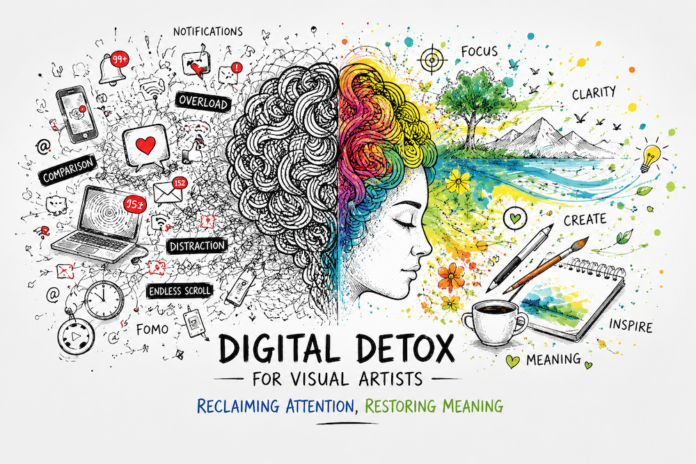
In an era where artistic production is increasingly entangled with digital visibility, the notion of a digital detox emerges not as a lifestyle trend, but as a critical artistic strategy. For visual artists, whose practice depends on perception, attention, and depth of thought, the constant exposure to screens—particularly social media—can fragment cognition and dilute creative intentionality.

A growing body of academic research supports this concern. Studies show that digital overuse is linked to reduced attention span, increased stress, and diminished well-being, while structured digital detox interventions can improve sleep, focus, and overall mental health . Even short-term disengagement—such as a one-week or two-week break—has been associated with measurable reductions in anxiety and improvements in life satisfaction . At a neurological level, social media platforms operate through reward mechanisms that trigger dopamine release, reinforcing compulsive engagement patterns that compete directly with sustained creative work .

However, the concept of a “dopamine detox” is often misunderstood. As researchers and clinicians emphasize, one cannot literally “detox” from dopamine; rather, the practice involves reducing overstimulation and rebalancing behavioral habits . In this sense, digital detox is less about abstinence and more about recalibration—a return to intentional use of attention.

This aligns closely with the philosophical framework proposed by Arthur Brooks, who argues that meaningful life is built not on passive consumption but on active engagement. His emphasis on reducing what he calls “dumb nonsense”—mindless scrolling and low-value digital input—resonates profoundly with artistic practice. For Brooks, reclaiming time and attention allows individuals to reconnect with the four pillars of happiness: faith, family, friendship, and meaningful work. For artists, this translates into a return to studio presence, material engagement, and the slow unfolding of ideas.

For the contemporary visual artist, the digital environment presents a paradox. It offers unprecedented visibility and connectivity, yet simultaneously erodes the very conditions required for meaningful creation. The studio—once a site of solitude and concentration—now competes with the algorithmic logic of constant stimulation. The act of making is interrupted by the compulsion to document, share, and compare.

A digital detox, therefore, is not a rejection of technology, but a reassertion of artistic autonomy. It is the deliberate act of choosing depth over distraction, process over performance, and presence over immediacy. It is, ultimately, a return to the essential question of art: not how it is seen, but how it is made.

In this light, the digital detox becomes a contemporary form of resistance—an aesthetic and ethical gesture that restores the artist’s most valuable resource: attention.

Kara Walker: The Shadow of History and the Ethics of Visibility

Kara Walker: The Shadow of History and the Ethics of Visibility

Kara Walker: The Shadow of History and the Ethics of Visibility — Revealing What History Tried to Erase

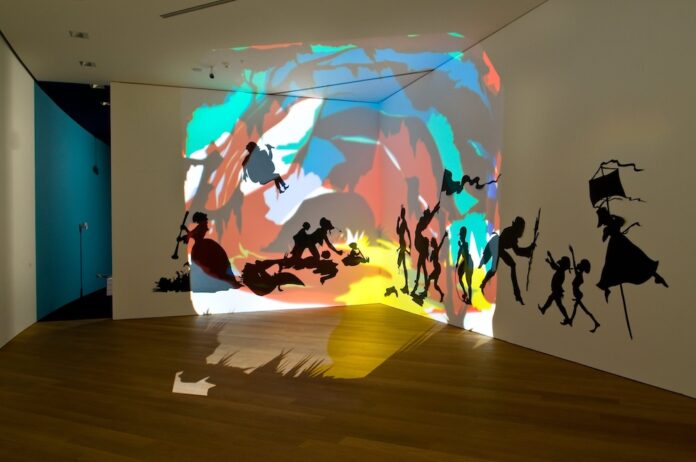
Kara Walker’s artistic proposal stands as one of the most radical and intellectually uncompromising interventions in contemporary art. Through silhouettes, monumental installations, sculpture, film, and architectural environments, Walker forces audiences to confront the traumatic foundations of American history without the comforting filters of nostalgia, patriotism, or historical euphemism. Her work does not seek to aestheticize violence, nor to sensationalize suffering. Rather, Walker constructs a visual language designed to expose what dominant historical narratives have systematically attempted to conceal: the psychological, racial, and sexual violence embedded within the cultural construction of the United States.

Kara Walker: The Shadow of History and the Ethics of Visibility

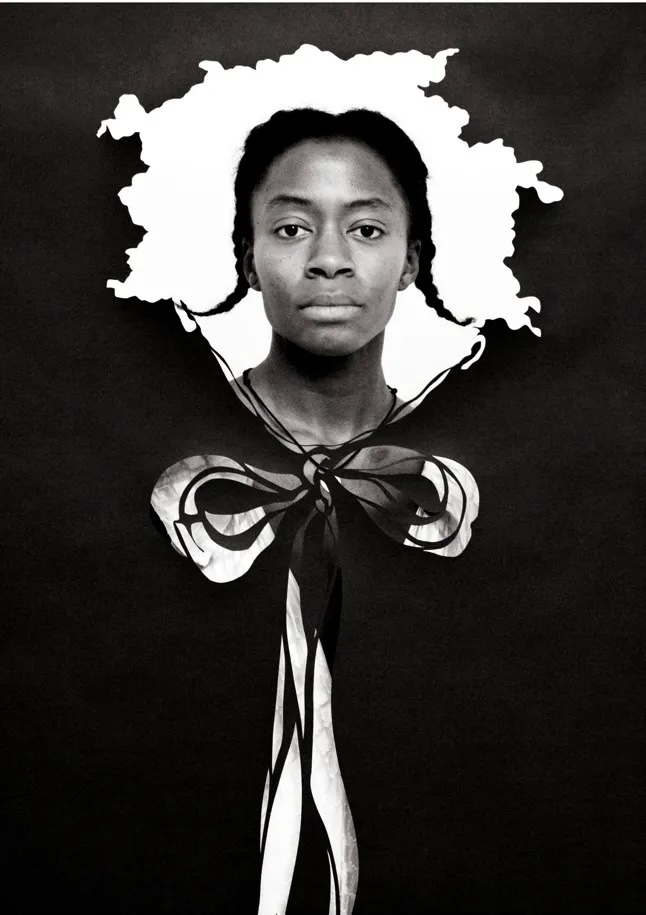
Walker’s genius lies in her ability to transform historical memory into a theatrical and immersive experience. Her iconic cut-paper silhouettes initially appear deceptively elegant, recalling the refined domestic portraiture popular during the eighteenth and nineteenth centuries. Yet this visual familiarity quickly collapses. As viewers approach the works, scenes of brutality, sexual exploitation, racial caricature, and grotesque power relations emerge with disturbing clarity. Walker weaponizes the silhouette itself, a medium historically associated with decorum and social refinement, transforming it into a mechanism of historical revelation.

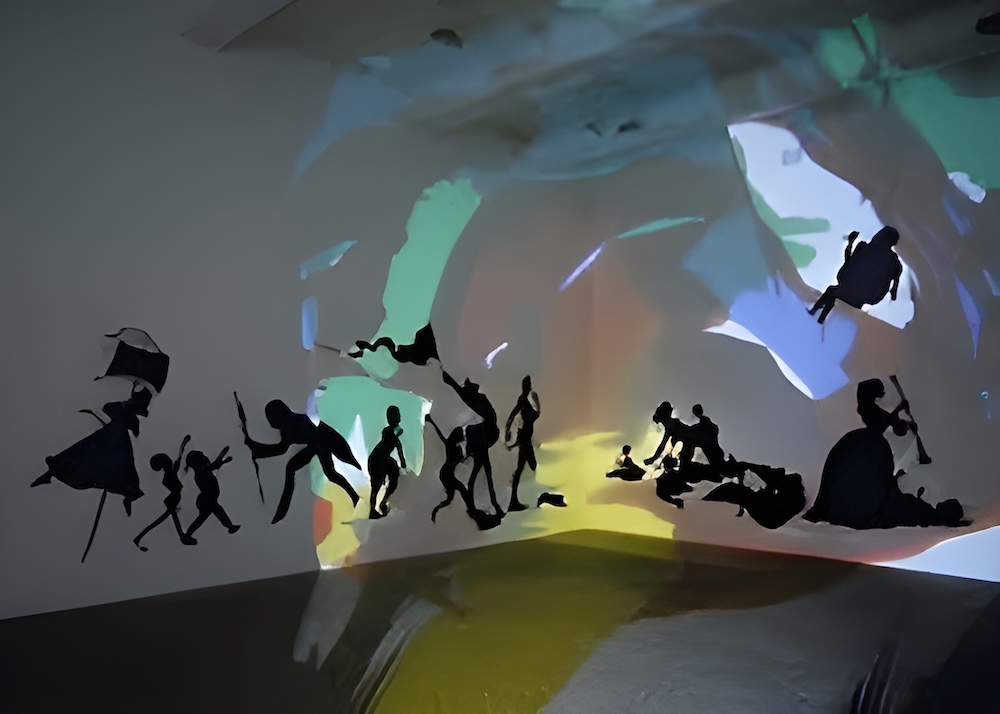
What Walker ultimately seeks is not simply to represent slavery, but to reveal how its psychological structures continue to inhabit the present. Her installations operate as spaces of discomfort where viewers become implicated within the narrative. In works such as Darkytown Rebellion or Insurrection!, the spectator’s own shadow merges with the projected imagery, dissolving the safe distance between observer and history. The audience is no longer external to the violence; it becomes part of the visual and moral architecture of the work.

This is why Walker’s proposal cannot be reduced to political provocation alone. Her work functions as a critical archaeology of visual culture. She dismantles the sentimental mythology of the antebellum South and exposes how popular imagery, literature, monuments, and historical narratives have sanitized slavery into a consumable fiction. Pieces such as Gone: An Historical Romance of a Civil War… parody the romanticized imagery of the Old South, revealing beneath its aesthetic surface a theater of coercion, domination, and abuse.

Kara Walker: The Shadow of History and the Ethics of Visibility

Walker’s monumental works further expand this critique. In A Subtlety, the colossal sugar sphinx installed in Brooklyn’s former Domino Sugar Factory transformed sugar itself into a material witness to histories of colonial exploitation, forced labor, and transatlantic commerce. Likewise, Fons Americanus reimagined imperial monumentality as a counter-history of the Atlantic world, centering drowned bodies, displacement, and racial violence rather than triumphalist narratives of empire.

What makes Kara Walker’s artistic proposal so profoundly important is that she insists history is not finished. The past is not distant; it continues to structure contemporary consciousness. Her work asks viewers to inhabit the “queasy space” between memory and denial, forcing society to recognize the invisible psychological injuries inherited through generations of racial violence.

Walker does not offer redemption or easy reconciliation. Instead, she asks us to see clearly — perhaps for the first time — what really happened, and to understand how deeply those histories continue to shape the present. Her art becomes both accusation and mirror: a theater of shadows where collective memory can no longer hide from itself.

Contemporary Textile Art — Material, Memory, and the Expanded Field of Fiber

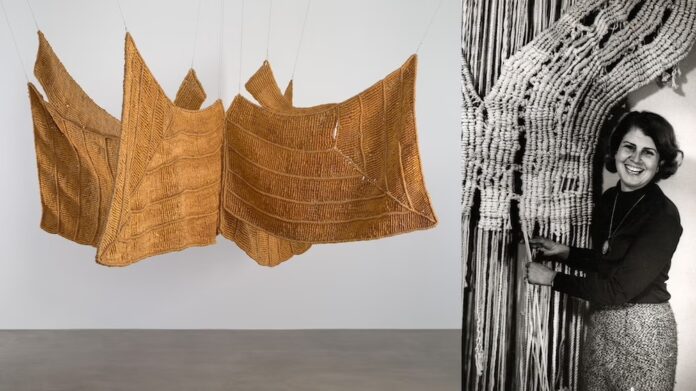
AURÈLIA MUÑOZ
AURÈLIA MUÑOZ

Contemporary Textile Art — Material, Memory, and the Expanded Field of Fiber

Contemporary textile art has undergone a profound transformation over the past decades, evolving from a historically marginalized category—often relegated to craft—into a central discourse within contemporary art. Today, practices rooted in weaving, embroidery, tapestry, and other fiber-based techniques operate not merely as decorative or functional traditions, but as critical, conceptual, and spatial investigations into identity, labor, history, and materiality.

From Craft to Concept

Traditionally, textile practices such as weaving, embroidery, and quilting were associated with domestic labor and artisanal production. However, contemporary artists have recontextualized these techniques, repositioning them within the expanded field of sculpture and installation. This shift reflects a broader museological revision—one that challenges the hierarchy between fine art and craft, recognizing textile as a site of intellectual and aesthetic rigor.

At its core, weaving—the interlacing of warp and weft—remains a foundational act. Yet in contemporary practice, it is no longer confined to flat surfaces. Artists stretch, suspend, and fragment woven structures, transforming them into architectural environments or sculptural forms. Similarly, tapestry has moved beyond narrative decoration into a medium capable of abstraction, political commentary, and spatial intervention.

Techniques as Language

Each textile technique carries its own conceptual and material vocabulary:

  • Embroidery, once associated with ornamentation, is now used to inscribe narratives of identity, trauma, and memory. Its slow, repetitive gesture becomes a form of temporal resistance in an accelerated digital culture.
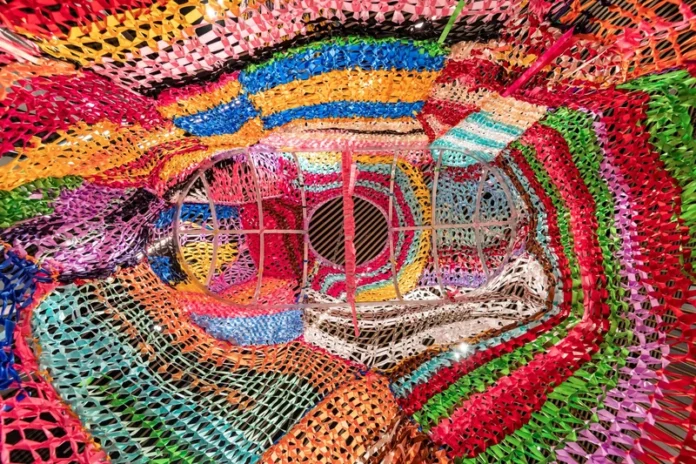
  • Macramé and crochet have been reimagined as structural systems, producing intricate, often large-scale installations that engage with gravity, tension, and fragility.
  • Felt, with its process of compression through heat and pressure, offers a metaphor for transformation—matter shifting states under invisible forces.
  • Dyeing and printing techniques—from batik to indigo—are increasingly explored not only for their visual qualities but for their cultural and historical embeddedness, linking contemporary practice to global traditions and colonial histories.

These methods are no longer ends in themselves; they function as languages through which artists articulate complex ideas.

Fiber Art and the Expanded Field

The term fiber art encapsulates the contemporary expansion of textile practice into three-dimensional and conceptual realms. No longer bound to the wall, textile works now occupy space, envelop the viewer, and often incorporate found materials, industrial fibers, or organic matter.

From a curatorial perspective, fiber art aligns with what Rosalind Krauss termed the “expanded field” of sculpture. Textile becomes a mediating structure between object and environment, between body and architecture. Installations made of thread, fabric, or rope can evoke systems—biological, social, or political—rendering visible the invisible networks that shape contemporary life.

The Politics of Soft Materials

One of the most compelling aspects of contemporary textile art is its political resonance. The use of “soft” materials—traditionally coded as feminine or domestic—becomes a deliberate strategy to challenge dominant narratives within art history.

Quilting, for instance, has been reclaimed as a form of collective storytelling, often addressing themes of community, migration, and resistance. Similarly, textile practices have been central to decolonial and diasporic discourses, where techniques and motifs carry ancestral knowledge and cultural memory.

In this sense, textile art operates as both material practice and cultural archive.

Temporality, Labor, and the Hand

Unlike many contemporary mediums, textile work foregrounds time and labor. The repetitive processes of stitching, knotting, and weaving embed duration into the object itself. This temporality resists the immediacy of digital production, reasserting the value of the handmade as a site of contemplation and care.

For the viewer, this translates into a different mode of engagement—one that is tactile, intimate, and often immersive. Textile works invite not only visual perception but a sensory and emotional response, bridging the gap between object and body.

Summary: Textile as Contemporary Condition

In 2026, contemporary textile art is no longer peripheral; it is structural to the way we understand contemporary practice. It merges technique with concept, tradition with innovation, and material with meaning.

What makes textile art so vital today is its ability to operate simultaneously on multiple levels:

  • as form, through its rich visual and spatial possibilities
  • as process, through its embodied labor
  • as discourse, through its engagement with history, identity, and politics

Ultimately, textile art reveals that the most fundamental gestures—thread passing through fabric, fibers interlacing—can still produce some of the most complex and resonant expressions in contemporary art.

Crochet — From Ancestral Loop to Contemporary Structure

crochet artist Kimberley Cookey-Gam (crochetcookey)

Crochet — From Ancestral Loop to Contemporary Structure

Crochet, the technique of creating textiles through the interlocking of loops using a single hook, occupies a unique position within the history of fiber arts. Unlike weaving or knitting, crochet is built from a continuous line—one thread, one hook, one evolving structure. From its uncertain ancestral origins to its contemporary expansion into sculpture, mathematics, and social practice, crochet has transformed from domestic craft into a critical language of contemporary art.

Origins Without a Single Origin

The history of crochet is not linear but diffuse and trans-cultural. While the term “crochet” appears in Europe in the early 19th century, its technical logic—looping thread with a hooked tool—likely evolved from earlier practices such as tambouring, found across China, Turkey, India, and North Africa.

Some historians trace similar looping techniques even further back, suggesting parallel developments in ancient China, Egypt, and South America. This multiplicity of origins situates crochet not as a singular invention, but as a recurring human solution to structure through flexibility.

By the 19th century, crochet had become widely established in Europe, particularly as a lace-making technique. Irish crochet, developed during the Great Famine, became both an economic lifeline and a refined aesthetic practice, demonstrating how textile labor could intersect with survival and global trade.

The Logic of the Loop

Technically, crochet differs fundamentally from other textile systems:

  • it uses a single hook rather than multiple needles
  • it builds structure through interlocking loops, one at a time
  • it allows for continuous expansion, contraction, and improvisation

This gives crochet a distinct conceptual quality. Where weaving is grid-based and macramé is knot-based, crochet is loop-based—fluid, organic, and inherently adaptable.

Its basic stitches—chain, single crochet, double crochet—function as modular units, capable of generating both flat surfaces and complex volumetric forms. This flexibility has made crochet uniquely suited to contemporary experimentation.

Domesticity and Its Discontents

For centuries, crochet was embedded within the domestic sphere—associated with decoration, clothing, and household textiles. Like embroidery, it was historically feminized and marginalized within art history.

Yet this marginalization became a site of critical reversal. In the 20th century, particularly from the 1960s onward, artists began reclaiming crochet as a medium of resistance and redefinition, challenging the boundaries between craft and fine art.

The rise of freeform crochet—unconstrained by patterns or repetition—marked a decisive break from tradition. It introduced irregularity, improvisation, and abstraction, aligning crochet with broader movements in contemporary art.

Crochet in Contemporary Art: Structure, Space, and System

In contemporary practice, crochet has expanded far beyond its traditional applications. It now operates as:

  • sculpture
  • installation
  • social practice
  • scientific and mathematical modeling

Artists use crochet to construct complex three-dimensional forms, exploring tension, gravity, and organic growth. Mathematicians have even employed crochet to model hyperbolic geometry—forms that cannot be easily represented through conventional means—demonstrating its capacity to visualize abstract spatial concepts.

Large-scale installations, such as crocheted coral reefs, merge art, science, and environmental activism, transforming crochet into a tool for understanding ecological systems.

Crochet in Public Space and Social Practice

One of the most visible contemporary manifestations of crochet is yarn bombing—the act of covering public objects with crocheted or knitted material. Emerging in the early 21st century, this practice transforms urban space into a site of soft intervention, challenging the visual language of graffiti with textile tactility.

Similarly, community-based projects such as large-scale crocheted installations in public spaces—like those created in Mexico by collective initiatives—demonstrate crochet’s capacity to function as a collective and participatory art form.

In these contexts, crochet becomes less about object-making and more about social connection, shared labor, and communal identity.

Material, Time, and the Hand

Crochet is inherently temporal. Each loop records a gesture; each row accumulates time. This makes the medium particularly resonant in an era dominated by speed and digital production.

Its handmade nature foregrounds:

  • labor
  • repetition
  • care

From a museological perspective, crochet challenges institutions to reconsider value—not in terms of scale or spectacle, but in terms of process and duration.

Crochet as Contemporary Metaphor

In 2026, crochet resonates as a metaphor for:

  • networks (interconnected loops)
  • growth (expansion from a single point)
  • systems (complex structures from simple rules)

It embodies a logic of emergence—where complexity arises from repetition and variation.

Summary, The Endless Thread

Crochet endures because it is both elementary and infinite. From ancestral lace to contemporary installations, it transforms a single thread into complex structures of meaning.

What begins as a loop becomes a surface, a form, a system, a space.

In this sense, crochet is not merely a technique—it is a method of thinking, one that reveals how continuity, variation, and connection can generate forms that are at once intimate and expansive.

In the hands of contemporary artists, crochet is no longer confined to tradition. It is a living, evolving medium, capable of articulating the complexities of our time—one loop at a time.

Alba Triana: The Threshold of the Imperceptible

Alba Triana

Alba Triana: The Threshold of the Imperceptible

@albatrianastudio
Albatriana.com

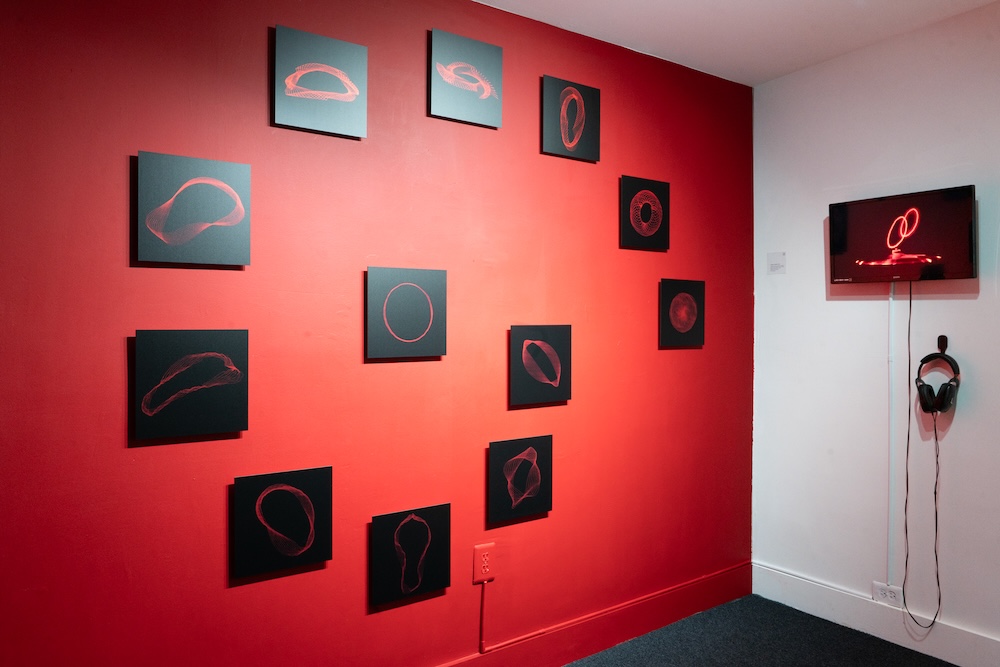
Positioned at the intersection of art, science, and philosophy, this practice proposes a radical rethinking of perception and existence. Grounded in the understanding of nature as an indivisible, active, and self-organizing system, the work dissolves the boundaries between human and non-human, visible and invisible, material and energetic. Through immersive environments, vibrational objects, and the integration of analog systems with digital technologies, the artist does not merely represent phenomena, but reveals them—making perceptible forces that typically remain beyond sensory experience.

In this context, art operates not only as aesthetic expression, but as a form of knowledge—an epistemological field where perception becomes inquiry and experience becomes understanding. What emerges is a body of work that invites the viewer into a state of heightened awareness, where intuition, sensation, and reflection converge.

Alba Triana

The following conversation explores the conceptual, technical, and philosophical dimensions of this practice, opening a space to reflect on the evolving relationship between art, technology, and the fundamental structures that shape reality.

AAM. In your practice, where analog technologies, code, and physical phenomena converge, at what point does an experiment become an artwork? Is there a moment of “aesthetic revelation,” or is it the result of an accumulated sequence of decisions?

AT. An experiment becomes an artwork at the moment it reveals something that exceeds its own conditions. In the studio, I work through iterative processes—testing, observing, refining—but there is a point at which what I am engaging with begins to articulate with a certain coherence and autonomy. It is no longer only a phenomenon, but something that has the potential to induce a transformative experience in the person who is witnessing it—something that holds internal relationships and sustains a new layer of perceptual and conceptual depth.

I wouldn’t call it a purely aesthetic revelation, nor simply a sequence of decisions. It is more a recognition—a moment in which I understand that what is emerging carries its own logic, its own presence, and can exist as an artwork. From there, my role shifts—from searching to accompanying and refining what is already there.

Over the years, I have trained myself to become a vehicle for the work to emerge. It is not only about doing what I rationally think, but about allowing a powerful revelatory content to manifest. I try not to impose or interfere, but to follow the work’s needs with precision and attention until it fully comes into existence.

Alba Triana

AAM. You work with the imperceptible—vibration, electromagnetism, energy—to make it sensible. How do you negotiate the risk of “translating” these phenomena without reducing their complexity or falling into an excessive aestheticization of the scientific?

AT. On the intention and scope of your artistic proposal

I don’t approach these phenomena as something to be translated or illustrated, but rather as something to be revealed. This distinction is crucial. Translation implies a shift from one language to another, often simplifying or losing its essence. What I seek instead is to create the conditions in which this nonperceptible activity can be encountered directly in physical space.

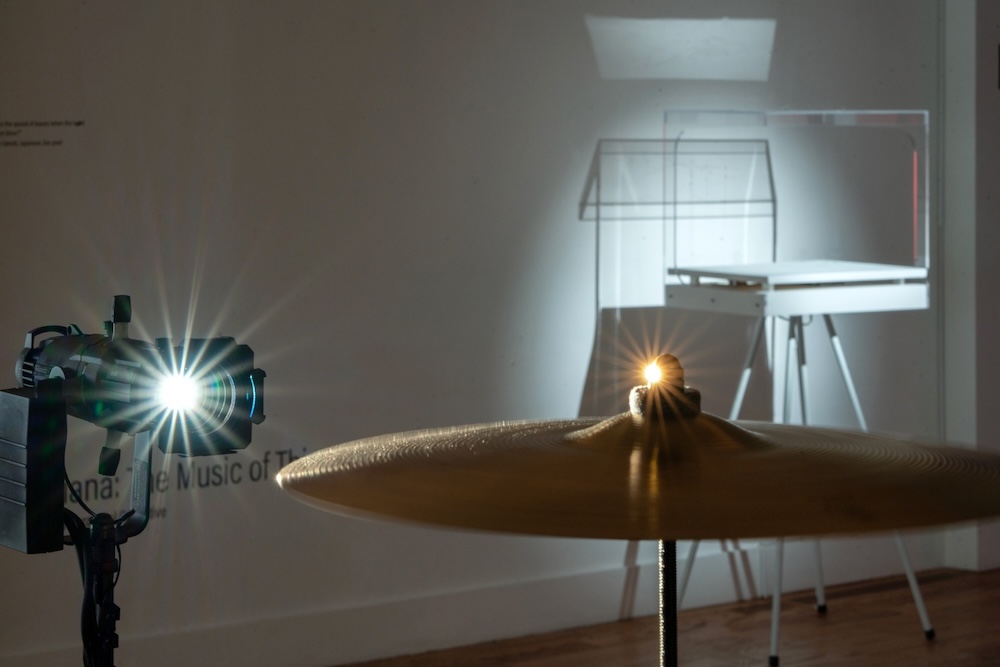
This is why I mostly work with analog systems and real physical interactions. The phenomena are not represented—they are manifested, without relying on digital simulations. What we perceive is not an interpretation of vibration or electromagnetism, but their actual behavior unfolding before us.

The aesthetic dimension emerges from this encounter, not as a goal imposed onto it. Complexity is not reduced—it remains active, expressing itself in real time.

The material carries its own layers of content. My role as an artist is to articulate that potential into a work—one that can induce an abstract, transformative experience in the spectator, while opening space for new inquiries and conceptual reflection.

AAM. Your work proposes a continuity between the human and the non-human. Within a cultural context that remains deeply anthropocentric, are you aiming to provoke a perceptual, ethical, or even political transformation in the viewer?

AT. I approach the human–non-human relationship as a continuum, not as a contrast. In my work, humanity is situated within a natural structure that is active, interconnected, and self-organized—where everything, even what we perceive as inert, participates in a shared field of activity and transformation.

Within this framework, the natural world unfolds as a continuum that extends from the most minuscule components of matter, through biology and society, to technological beings. I give form to the idea that everything carries a certain vitality, and that agency is not exclusive to us, but distributed across different scales and forms of existence.

This perspective opens a shift in how we understand our place within the natural world—moving away from an anthropocentric position toward an awareness of being embedded within a larger system of interactions.

From there, ethical and even political implications may emerge, but they are not imposed. The work does not instruct or argue—it is an invitation; a contemplative encounter that fosters a state of communion, of common-union.

AAM. By positioning art as a form of knowledge, do you see your works operating more as epistemological devices than as aesthetic objects? Where do you situate the boundary—if any—between art, science, and philosophy in your practice?

AT. I see art not only as a form of expression, but also as a powerful form of knowledge. It does not operate solely through rational conceptualization, but has the capacity to engage with abstract, transformative content that may not carry fixed or concrete meaning. Yet, it can induce a deep sense of connection with the essential elements that animate and connect us, accessing forms of understanding that emerge through intuition, perception, and direct experience—beyond language and rational thought.

In that sense, my works can function as epistemological devices, but they are not reducible to that. The knowledge they offer is embodied and often ambiguous. They do not aim to provide concrete answers, but to sustain a state of inquiry and openness—where awareness and insight can emerge, while holding complexity and multiple layers of meaning.

The boundaries between art, science, and philosophy are porous and situational. Each field brings different tools and ways of engaging with reality. In my practice, they coexist as complementary modes of inquiry that inform one another, each with its own capacities.

I seek in art its potential to engage the full spectrum of human intelligence—where rationality, intuition, perception, and direct experience converge, becoming revelatory of the depth and multidimensional nature of human experience.

AAM. Our series such as Resonant Bodies and Delirious Fields suggest a sustained line of research. Where is this investigation heading in the future? Are you interested in delving into more invisible scales (quantum, biological), or expanding toward broader social and collective contexts?

AT. Looking ahead, and recognizing the technological era as a continuation of the natural evolutionary process, I aim to further integrate bio-technological interfaces, AI, and robotics into my practice.

On one hand, I am interested in exploring the human body as a vibrational entity, shaped by its interactions with its environment and its sociocultural context. By working with biometric signals and bio-technological interfaces, I investigate how internal states—such as emotions, thoughts, and physiological responses to stimuli—express an underlying natural structure that is active, interconnected, and self-organized.

On the other hand, I am interested in expressing nature as a continuum that extends across non-living, living, and technological beings. To explore this, I develop performative works that are autonomous and responsive—systems that can self-generate, adapt, and evolve over time. These works rely on the possibilities enabled by intelligent systems and human–machine collaboration.

Venice Biennale 2026

Venice Biennale 2026

Venice Biennale 2026

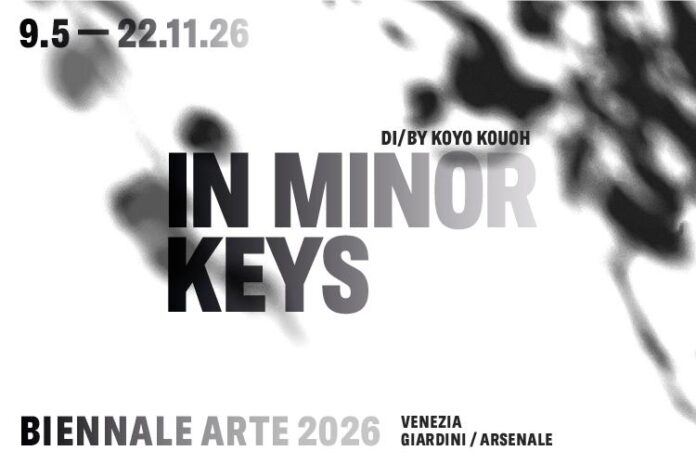
La Biennale di Venezia 2026

61st International Art Exhibition

In Minor Keys — Curated by Koyo Kouoh

Venice (Giardini, Arsenale and city-wide venues)
May 9 – November 22, 2026
Pre-opening: May 6, 7, 8
Opening & Awards Ceremony: May 9, 2026

Curatorial Framework

In Minor Keys is the curatorial project developed by Koyo Kouoh, appointed Artistic Director in November 2024. Following her passing in May 2025, La Biennale chose to realize the exhibition in full, preserving the conceptual and structural integrity of her vision.

Kouoh established the theoretical framework, selected the artists and works, defined the spatial and graphic identity, and initiated the curatorial dialogue that continues to shape the exhibition.

Curatorial Method

The exhibition emerges from a relational process grounded in dialogue and collaboration, notably through a key working session in Dakar at RAW Material Company.

Concepts such as enchantment, collective practice, and generative exchange were not imposed but developed through shared research and conversation. This approach reflects Kouoh’s understanding of curating as a practice rooted in relationships rather than fixed structures.

Artists and Scope

The exhibition brings together 111 participants, including artists, collectives, and organizations from multiple geographies. The selection is based on resonance and affinity rather than geographic representation, forming what can be understood as a relational cartography shaped over time.

Conceptual Structure

Rather than being divided into sections, the exhibition is organized through conceptual motifs.

Shrines function as spaces of tribute and continuity, foregrounding practices that exceed the logic of the object.

Procession introduces a spatial and social dynamic informed by collective movement, where participation replaces observation.

Schools operate as ecosystems of knowledge production, linking artistic practice with social and pedagogical frameworks.

Spaces of rest and contemplation offer an alternative temporality, emphasizing slowness, perception, and multisensory engagement.

Literary References

The exhibition draws from literary works such as Beloved by Toni Morrison and One Hundred Years of Solitude by Gabriel García Márquez, particularly in their treatment of time, memory, and layered realities.

Performance and Embodiment

The performance program centers the body as a site of memory and knowledge, including a procession of poets in the Giardini inspired by Kouoh’s Poetry Caravan.

Exhibition Design

Designed by Wolff Architects, the spatial approach emphasizes thresholds as transitional experiences. Textile elements and atmospheric shifts guide visitors through changing perceptual states.

Key Perspective

In Minor Keys resists traditional exhibition logic. It operates as a compositional field in which perception, memory, and relational experience unfold through layered encounters rather than fixed narratives.

AURÈLIA MUÑOZ: Esculpir el vacío, tejer el espíritu

aurèlia muñoz
aurèlia muñoz

AURÈLIA MUÑOZ: Esculpir el vacío, tejer el espíritu

La obra de Aurelia Muñoz ocupa un lugar singular dentro de la historia del arte textil contemporáneo. Nacida en Barcelona en 1926, la artista desarrolló una práctica profundamente experimental que desdibujó las fronteras entre artesanía, escultura, arquitectura y arte conceptual. Su investigación transformó radicalmente el estatuto del textil, liberándolo de la bidimensionalidad decorativa para convertirlo en un cuerpo escultórico suspendido en el espacio.

Formada inicialmente bajo la influencia del método Montessori —centrado en el trabajo manual y la organización espacial— Muñoz desarrolló desde temprana edad una sensibilidad hacia la materia y la construcción táctil. Más adelante, sus estudios en la Escuela Massana y en la Escuela de Artes Aplicadas de Barcelona consolidaron un lenguaje visual profundamente conectado con las tradiciones populares, el románico catalán y las vanguardias europeas.

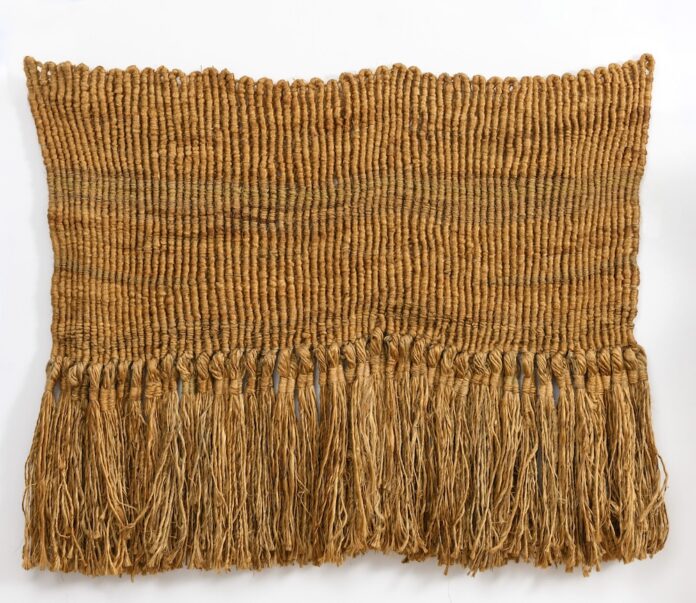
A partir de la década de 1970, Muñoz emprendió una investigación decisiva sobre el tapiz y el macramé, inspirándose tanto en técnicas textiles ancestrales como en la necesidad de expandir el tejido hacia el espacio tridimensional. Obras como Fuente de Vida (1966) o Homenaje a Jerónimo Bosch (1971) evidencian una síntesis extraordinaria entre bordado, pintura y arquitectura simbólica. En ellas, la puntada funciona como gesto pictórico y estructura espacial simultáneamente, creando superficies vibrantes donde conviven abstracción geométrica, surrealismo e imaginarios medievales.

Sin embargo, es en sus esculturas de macramé donde Muñoz alcanza una radicalidad excepcional. Piezas monumentales como Águila Beige (1977), adquirida por el Museum of Modern Art de Nueva York, convierten el nudo en una unidad arquitectónica capaz de desafiar la gravedad. Suspendidas en el aire, sus estructuras dialogan con el vacío, la luz y el movimiento atmosférico, generando una experiencia casi espiritual.

La crítica ha señalado cómo Muñoz desmanteló las jerarquías tradicionales entre bellas artes y artes aplicadas. La historiadora del arte Pilar Parcerisas ha destacado que su trabajo introdujo una nueva dimensión escultórica en el arte textil español, vinculada tanto al movimiento de la Nouvelle Tapisserie como a las búsquedas espaciales de la escultura contemporánea. Asimismo, investigadores del Museo Reina Sofía han subrayado cómo su obra articula tradición artesanal, pensamiento ecológico y sensibilidad mística desde una perspectiva radicalmente contemporánea.

Durante las últimas décadas de su vida, Muñoz expandió su investigación hacia el papel hecho a mano y las formas orgánicas inspiradas en ecosistemas marinos. Series como Washi revelan una poética de la fragilidad y la transparencia donde el material parece oscilar entre presencia física y desaparición lumínica.

Más allá de su virtuosismo técnico, la obra de Aurelia Muñoz constituye una filosofía material. Sus tejidos no buscan decorar; buscan habitar el espacio, alterar la percepción y activar una experiencia contemplativa. En sus manos, el hilo deja de ser ornamento para convertirse en pensamiento estructural, en arquitectura espiritual y en una meditación sobre la relación entre cuerpo, materia e infinito.

Referencias

  • Museo Nacional Centro de Arte Reina Sofía, Madrid.
  • Parcerisas, Pilar. Aurelia Muñoz y la renovación del arte textil contemporáneo.
  • Catálogos de la exposición Aurelia Muñoz: Ente y Espacio.
  • Archivo documental sobre Aurelia Muñoz.

Bridges and Heritage with the Neo-Expressionism of Alejandro Caiazza

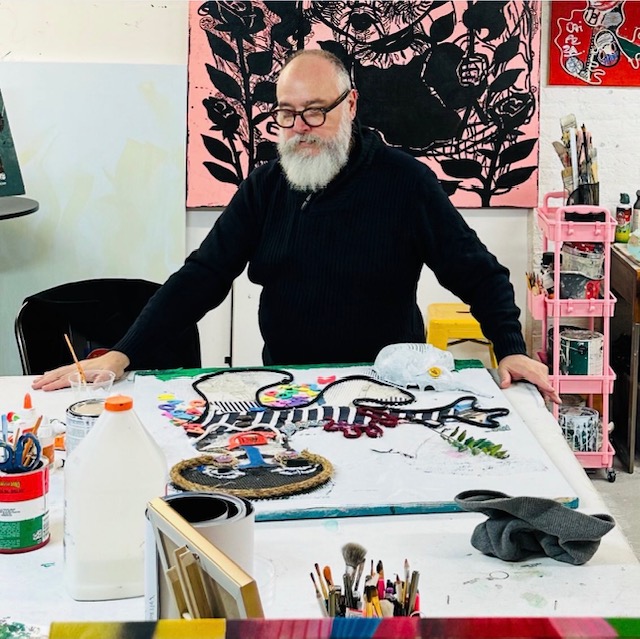
Alejandro Caiazza, SoHo Studio, (NYC art residency)

Bridges and Heritage with the Neo-Expressionism of Alejandro Caiazza

By José Gregorio Noroño

From April 13 to June 14, 2026, the Betsy Frank Gallery presents a collection of recent works by the artist Alejandro Caiazza, under the title “Bridges and Heritage with the Neo-Expressionism of Alejandro Caiazza.” His artistic language is characterized by a mixed amalgamation of artistic movements—outsider art, art brut, bad painting, neo-expressionism, and pop art—as well as a diversity of techniques and materials, a visual narrative that alludes to the experiences of a migrant.

Caiazza was born in Argentina, but spent his childhood, adolescence, and early adulthood in Ciudad Guayana, Venezuela, the country to which his parents emigrated when he was just a child. In this adopted country, he began his art studies and his career as an artist, holding his first solo exhibition in 1999 at the Sidor Art Gallery.

Screenshot

Then, around the year 2000, he decided to continue his artistic career in Europe and settled in Paris. There, he studied briefly at the École Supérieure des Beaux-Arts de Paris, where he was taught by the painter Ouanes Amor, who encouraged him to forge his own path. Perhaps because he did not formalize his academic art studies, either in Venezuela or in Europe, opting instead for independent studies outside established aesthetic norms, Caiazza prefers to define himself as a self-taught artist.

During his time in Paris, He exhibited his work in France, Italy, Japan, and Venezuela. From there, He migrated, once again in his life, to New York City, where He has resided for the past 16 years, developing and exhibiting her work in group and solo shows at various art galleries.

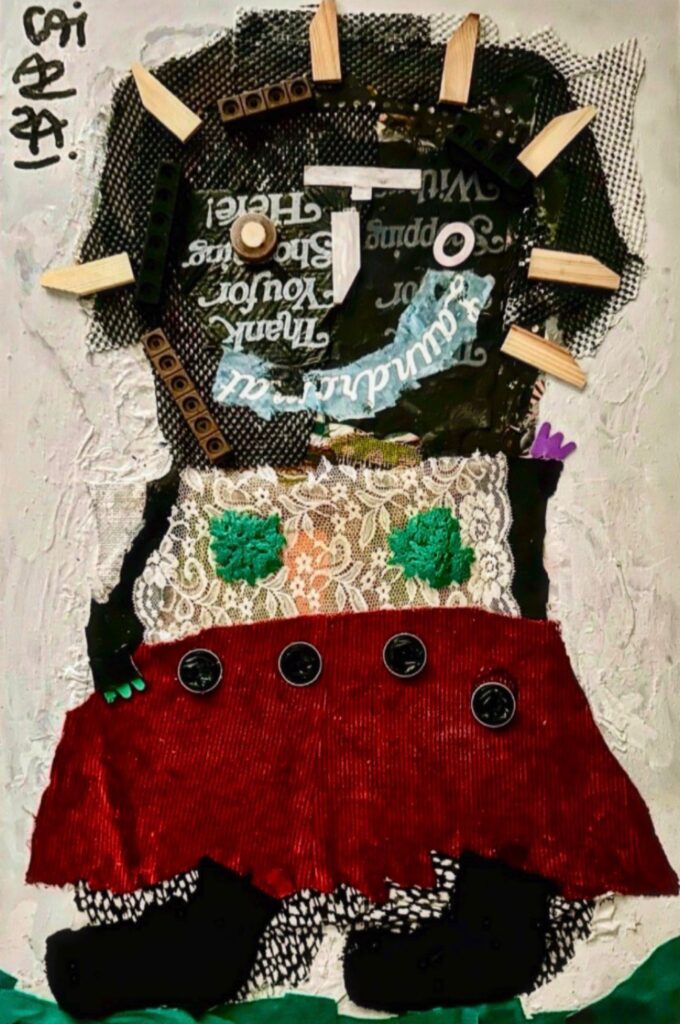
Alejandro Caiazza, Daughter of exile, 2026

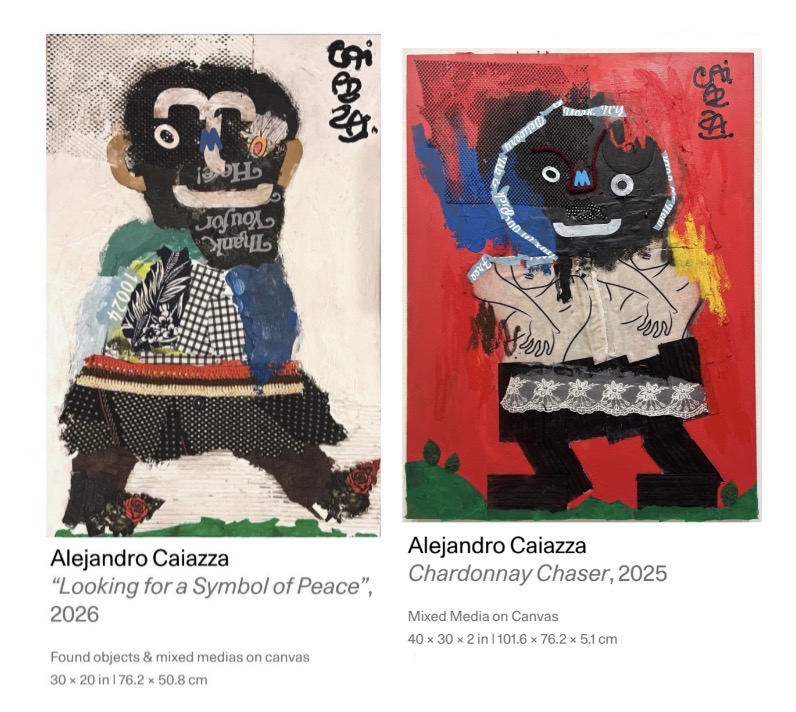
This solo exhibition comprises a body of work created using the technique known as collage, highlighting the texture of the pieces, which are made with a wide variety of pictorial and non-pictorial materials: acrylics, found objects, fabrics, strings, mesh, pieces of wood, leaves, and organic forms alluding to nature. His compositions are distinguished by the use of a palette of bold, contrasting colors; gestural brushstrokes, broad stains and drips, as well as the use of thick, irregular lines and contours. 

The human figure is a central motif, approached in an almost childlike manner, framed within the aesthetic category of the grotesque; imbued with humor and irony. Through his proposals, Caiazza addresses social and political issues such as migration, for example, a consequence of the search for a better life far from one’s country of origin—a displacement in which migrants experience, according to Caiazza, love, madness, and death. For him, his work is, in a way, about those who seek a home outside their homeland. In this vein, Caiazza created a work entitled “Daughter of Exile,” which he conceived as the daughter of the Statue of Liberty, “The Mother of Exile,” who opens her arms to welcome every migrant who arrives in the United States.

Hence, the curatorial text of the Betsy Frank Gallery establishes an intermedial bridge by placing Caiazza’s work in dialogue with the poem “The New Colossus,” written in 1883 by the American poet Emma Lazarus, inscribed on a bronze plaque located on the pedestal upon which the Statue of Liberty rests, whose verses read: “Mother of Exiles. From the beacon of your hand / shines welcome to all the world (…).”

An important detail of this curatorial text, the exhibition’s guiding thread, is its use of the metaphor of the “Mother of Exiles” to elevate Caiazza’s work from a purely aesthetic plane to a socio-political one. By linking it to the history of New York as a port of refuge—as the great home of migrants—the exhibition proposes a mixed repertoire: a hybrid heritage defined by multiethnic and multicultural fusion.

https://www.artsy.net/show/betsy-frank-gallery-bridges-and-heritage-with-neo-expressionist-by-alejandro-caiazza/info