Luxury as Built Form vs. Luxury as Curated Collection: Rethinking Value Between Real Estate and Art
In contemporary urban culture, luxury no longer resides exclusively in monumental architecture or in the accumulation of rare objects. Instead, it oscillates between two distinct but increasingly comparable propositions: the acquisition of a fully realized $2,000,000 move-in ready luxury home, and the alternative path of purchasing a $200,000 dwelling paired with a carefully curated original fine art collection.
From the perspective of both architecture and art criticism, these choices are not merely financial—they are ontological. They define how one chooses to inhabit space, time, and cultural meaning.
The $2,000,000 Move-In Ready Home: Totalized Design
A $2,000,000 luxury home represents a finished architectural argument. It is a pre-composed environment where structure, light, circulation, and materiality have already been resolved into a coherent whole. The inhabitant does not participate in its making but enters a completed narrative.
Such homes typically embody:
- Integrated architectural and interior design
- Market-tested spatial efficiency
- Standardized luxury cues: open plans, expansive glazing, resort-like amenities
The advantage of this model lies in immediacy. The home is already optimized for comfort, resale value, and visual coherence. It offers what might be called pre-digested aesthetics—a controlled experience of luxury without the friction of decision-making.
Yet therein lies its limitation. The inhabitant becomes a consumer of design rather than a co-author of space. The architecture, however refined, remains closed.
The $200,000 Home + $1,800,000 Art Collection: Distributed Aesthetic Agency
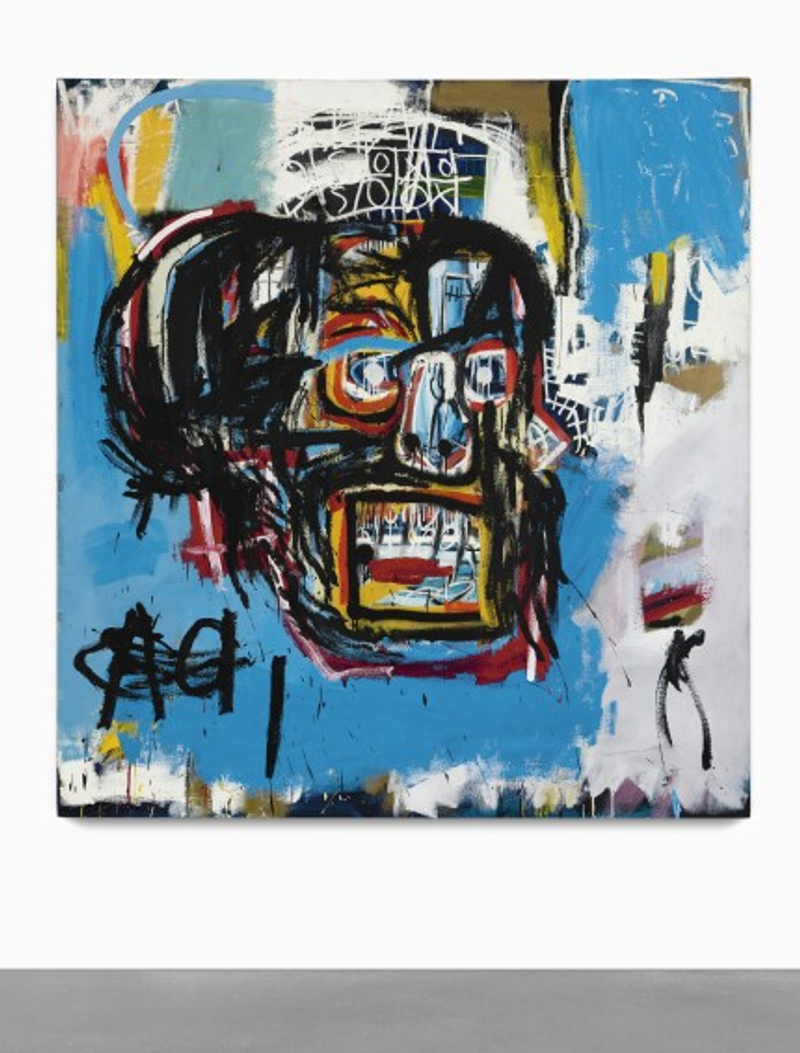
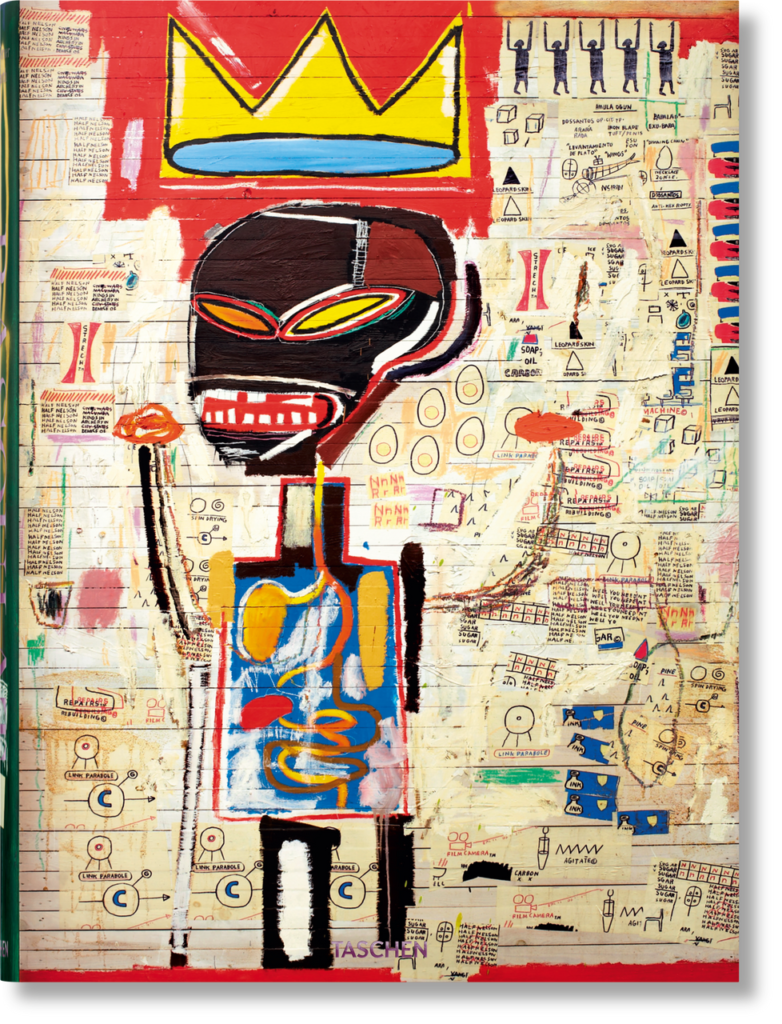
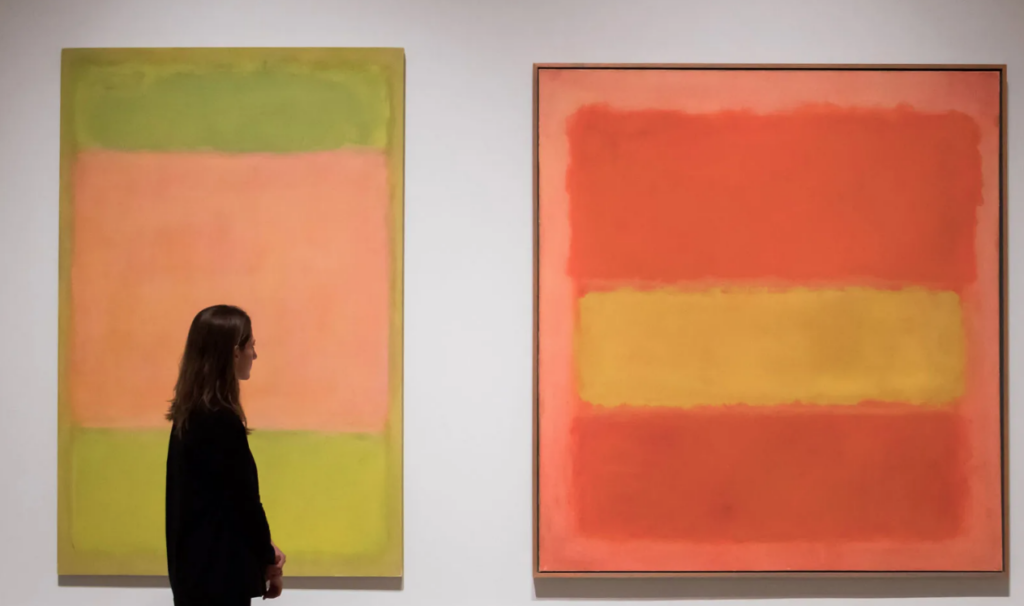
The alternative proposition is more radical: a modest dwelling elevated through the accumulation of original art. Here, architecture is no longer the primary carrier of value; instead, it becomes a neutral armature for curatorial expression.
The $200,000 home—often structurally ordinary, spatially constrained, or located outside premium zones—functions as a blank field. Its value is latent rather than explicit.
The true transformation occurs through the art collection:
- Original paintings, sculptures, and mixed-media works
- Site-specific installations and commissioned pieces
- Evolving curatorial narratives shaped by the owner over time
In this model, luxury is not built—it is assembled. The inhabitant becomes curator, critic, and patron simultaneously. Space becomes mutable, defined not by walls and finishes, but by interpretation and juxtaposition.
Architectural vs. Curatorial Intelligence
The tension between these two choices reflects a deeper philosophical divide:
The move-in ready luxury home privileges architectural intelligence—the idea that space can be perfected in advance by designers and builders.
The art-driven home privileges curatorial intelligence—the belief that meaning emerges through accumulation, selection, and temporal layering.
One offers coherence; the other offers evolution.
One is complete; the other is alive.
Economic Paradox and Cultural Value
From a purely financial perspective, the $2,000,000 home is a stabilized asset class, embedded within real estate markets that reward location, structure, and comparables.
The art-driven home, however, operates in a more volatile but culturally dense economy. Art does not simply appreciate in monetary terms; it accrues symbolic capital, intellectual depth, and social narrative. Its value is less predictable but potentially more culturally expansive.
Conclusion: Two Models of Inhabitation
Ultimately, the choice is not between “house” and “art,” but between two modes of inhabiting modernity.
The first offers resolution: a finished world where design decisions have been outsourced to professionals.
The second offers authorship: a fragmented but personally constructed environment where meaning is continuously negotiated.
In architectural terms, one is a completed composition. The other is an ongoing exhibition.
And perhaps the most profound question is not which is more luxurious, but which form of incompleteness one is willing to live within.