Home Blog Page 68

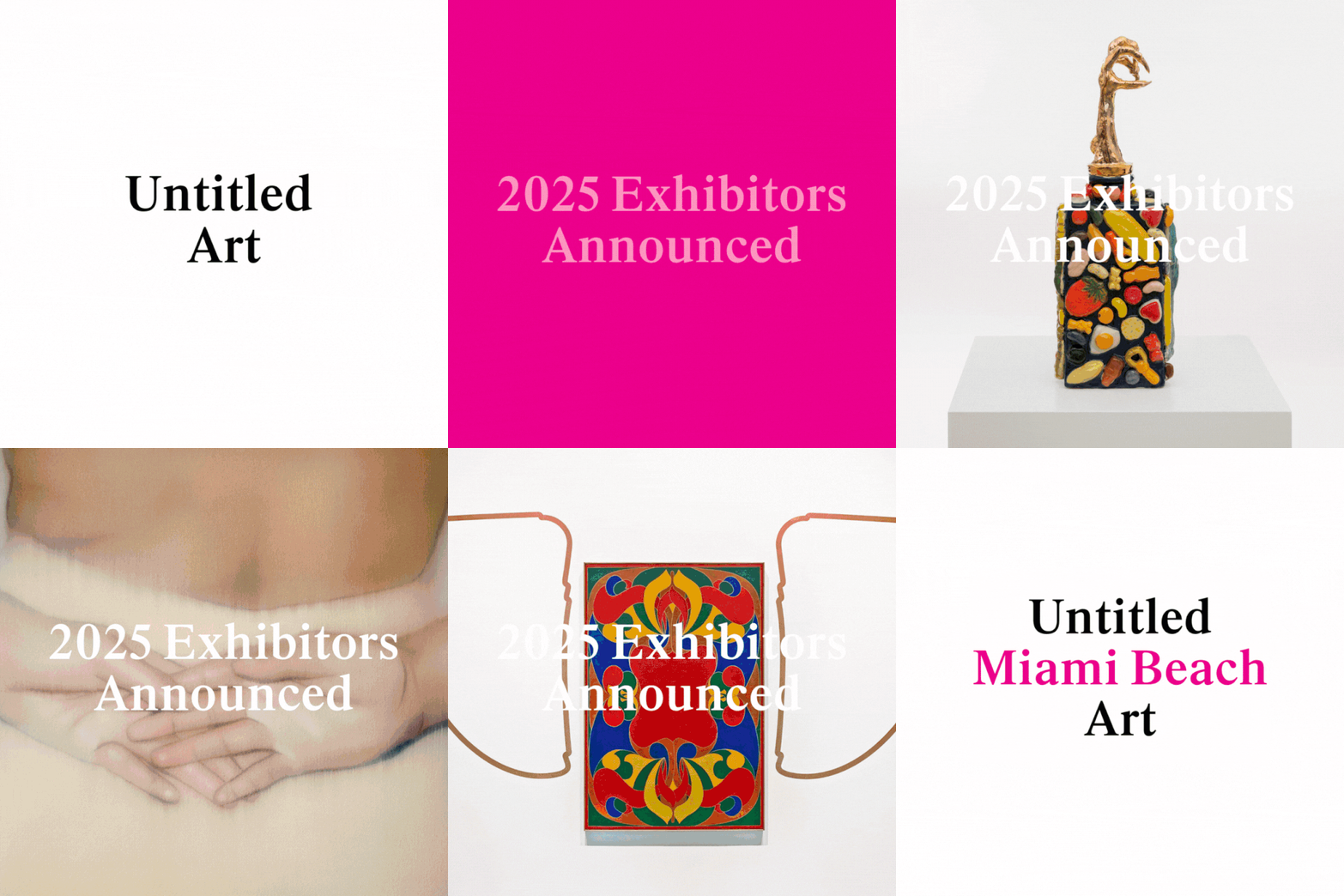
Untitled Art, Miami Beach 2025

Untitled Art, Miami Beach Announces Exhibitors for 2025 Edition

Untitled Art, Miami Beach Announces Exhibitors for 2025 Edition

Leading contemporary art fair Untitled Art, Miami Beach announces exhibitors and a new Guest Curators program, ushering in a more collaborative and dynamic curatorial approach for its 14th edition. This year also marks the launch of the fair’s inaugural Houston edition, taking place September 19–21, 2025, at the George R. Brown Convention Center, establishing a new cultural destination for contemporary art in the region.

For its 2025 Miami Beach edition, the fair welcomes Guest Curators Petra Cortright, Allison Glenn, and Jonny Tanna with Harlesden High Street, each bringing distinct expertise to shape this year’s sectors and reinforce Untitled Art’s role as a curatorial platform for discovery and emerging talent.

This year, Untitled Art, Miami Beach will feature 157 exhibitors. Comprised of This year, Untitled Art, Miami Beach will feature 157 exhibitors. Comprised of galleries and non-profit organizations from 29 countries and territories, the 2025 edition spans participants from over 70 cities worldwide. The 2025 edition will welcome many new participants, including Harper’s (East Hampton / New York, NY), Meliksetian | Briggs (Dallas, TX), Spencer Brownstone (New York, NY), Gene Gallery (Shanghai, CN), PALMA (Guadalajara, MX), HAIR+NAILS (Minneapolis, MN / New York, NY), Soho Revue (London, UK), and Swivel Gallery (New York, NY) to its Main sector, while reaffirming its commitment to its Nest sector, featuring first-time participants such as A-Lounge Contemporary (Seoul, KR), Cierra Britton Gallery (New York, NY), Hidrante (San Juan, PR), Bolanle Contemporary (London, UK), Post Times (New York, NY), Long Story Short (New York, NY / Paris, FR), Sorondo Projects (Barcelona, ES), and John Doe Gallery (Los Angeles, CA).

Returning exhibitors to the fair’s main and Nest sectors will include Carl Freedman Gallery (Margate, UK), Miro Presents (London, UK), TERN (Nassau, BS), Superposition (Nomadic), CURRO (Guadalajara, MX), Stems Gallery (Brussels, BE), WHATIFTHEWORLD (Cape Town, ZA), CARVALHO (Brooklyn, NY), IRL Gallery (New York, NY), homework (Miami, FL), and Rajiv Menon Contemporary (Los Angeles, CA), reaffirming the fair’s longstanding partnerships and dedication to galleries from across the globe.

“We are continually reimagining what an art fair can be and the vital role that they play in the contemporary art landscape. This year’s exhibitors embody our commitment to discovery through new sectors alongside an expanded Guest Curators program. By championing emerging talent and supporting both new and established galleries, we aim to strengthen our community and also show the possibilities of what an art fair can achieve,” says Clara Andrade Pereira, Executive Director of Untitled Art.

The 2025 Nest sector is curated by Jonny Tanna, founder and director of Harlesden High Street and co-founder of Minor Attractions in London. Tanna’s curatorial approach, grounded in experimentation, seeks to bridge social and cultural divides within contemporary art. “I’m proud to spotlight POC-run spaces that are often excluded from mainstream fairs and to provide them with a platform to reach a broader audience,” notes Tanna. This year, Nest returns in a reimagined format as a continuous section within the fair and has expanded to welcome 36 galleries, embracing the spirit of community at the core of experimental art fair concepts.

As part of a new initiative aligned with Untitled Art’s mission to support broader diversity in its programming, the fair introduces a dedicated section to non-profit organizations as a branch of its Nest sector. Featuring longstanding partners such as LeRoy Neiman Center for Print Studies, Columbia University (New York, NY), Aperture (New York, NY), The55Project Art Foundation (Miami, FL), and Dimensions Variable (Miami, FL), the sector will also include newcomers to the roster such as NYC Culture Club (New York, NY) and New World School of Arts (Miami, FL).

Untitled Art will debut a new sector, ‘Artist Spotlight,’ dedicated to solo presentations and curated by interdisciplinary artist Petra Cortright. This initiative provides galleries a platform to showcase emerging and established artists, focusing on specific bodies of work and providing deeper insights into their practices. Cortright aims to amplify artistic practices that are often underrepresented in art fairs, focusing on digital culture and outsider art. “I was interested in incorporating digital culture, screens, and outsider art — even the concept of the outsider itself — into the fair as much as possible,” she explained. Exhibitors in this sector include Sho Shibuya with Bienvenu Steinberg & C (New York, NY), Jack Butcher with SOLOS (London, UK), Kelvin Haizel with Gallery 1957 (Accra, GH), Lyndon Barrois Jr. with Alma Pearl (London, UK), Eetu Sihvonen with Marc Bibiloni (Madrid, ES), and Joji Nakamura with The Fridge (New York, NY). This sector is generously supported by Shipping Partner, Cadogan Tate.

Allison Glenn, Artistic Director-at-Large of The Shepherd (Detroit, MI) and Curator of the 2026 Toronto Biennial of Art, will lead the fair’s Special Projects, featuring site-specific installations and ambitious projects from artists across North and Central America, distributed throughout the fair. Glenn’s curatorial focus for this year’s sector takes inspiration from Untitled Art, Miami Beach’s unique location. “South Beach is part of a long chain of barrier islands surrounded by many intersecting bodies of water,” notes Glenn, “and this year’s Special Projects sector will consider how artists engage with its many manifestations, including water as a connector, material, methodology, and conceptual link.” Participants under the sector will be announced in due course.

Both fairs in Houston and Miami Beach will continue to offer robust critical and educational programming, including a dynamic on-site podcast series featuring leading industry experts and artists, live performances, and the Untitled Edit platform—a series of commissioned essays that advance art criticism and nurture the next generation of art writers.

Continuing its commitment to sustainability, Untitled Art is a proud member of the Gallery Climate Coalition and collaborates closely with the City of Miami Beach to ensure a zero-impact presentation. The 2025 fair will also adapt its original Nautilus-inspired pavilion, custom-designed by Keenen/Riley for Untitled Art’s inaugural edition in 2012.

Visitors from around the world will be able to experience Untitled Art, Miami Beach through digital platforms and returning partnerships, enhancing the fair’s accessibility and global reach. Details on partners, prizes, and programming will be announced later this Autumn.

The complete list of exhibitors for the 14th edition of Untitled Art, Miami Beach is as follows:

Main Galleries

193 Gallery (Paris / Saint Tropez, FR / Venice, IT)

ABC-ARTE (Genova / Milan, IT)

ADA Gallery (Richmond, VA)

ADRIAN SUTTON GALLERY (Paris, FR)

albertz benda (New York, NY / Los Angeles, CA)

Anna Erickson Presents (Nashville, TN)

ANNA ZORINA GALLERY (New York, NY)

ARDEN + WHITE GALLERY (New Canaan, CT)

Aura (São Paulo, BR)

B R I N T Z + C O U N T Y (Palm Beach, FL)

Bienvenu Steinberg & C (New York, NY)

bitforms gallery (New York, NY)

Blouin Division (Montréal / Toronto, CA)

Brandt Gallery (Amsterdam, NL)

Camille Pouyfaucon Gallery (Paris, FR)

Carl Freedman Gallery (Margate, UK)

CARVALHO (Brooklyn, NY)

CURRO (Guadalajara, MX)

DAM Project (Buenos Aires, AR)

Danziger Gallery (New York, NY)

Galería Fermay (Palma, ES)

GALERIE FORSBLOM (Helsinki, FI)

Galerie Isabelle Lesmeister (Regensburg, DE)

Galerie Nicolas Robert (Montréal / Toronto, CA)

Galleri Urbane (Dallas, TX)

GALLERIA STUDIO G7 (Bologna, IT)

Gillian Jason Gallery (London, UK)

GVCC (Casablanca, MA / Paris, FR)

HAIR+NAILS (Minneapolis, MN / New York, NY)

Harper’s (East Hampton / New York, NY)

HEFT (New York, NY)

Hollis Taggart Downtown (New York, NY)

Homecoming Gallery (Amsterdam, NL)

Huxley-Parlour (London, UK)

Il Chiostro Arte & Archivi (Saronno, IT)

JECZA (Timisoara / Bucharest, RO)

JO-HS (New York, NY)

Kalashnikovv Gallery (Johannesburg, ZA)

KATES-FERRI PROJECTS (New York, NY)

Kavi Gupta (Chicago, IL)

Kravets Wehby Gallery (New York, NY)

La Bibi + Reus (Palma, ES)

La Balsa Arte (Bogotá / Medellín, CO)

Latchkey Gallery / Selenas Mountain (New York, NY)

Lazy Mike (Seoul, KR)

Library Street Collective (Detroit, MI)

Louis Buhl & Co. (Detroit, MI)

Luce Gallery (Torino, IT)

LUPO – Lorenzelli Projects (Milan, IT)

Marc Straus (New York, NY)

Miro Presents (London, UK)

MKG127 (Toronto, CA)

Morgan Lehman Gallery (New York, NY)

Negrón Pizarro (NP01) (San Juan, PR)

NINO MIER GALLERY (New York, NY / Brussels, BE)

Pablo’s Birthday / Patrick Heide Contemporary Art (New York, NY / London, UK)

PALMA (Guadalajara, MX)

Palo Gallery (New York, NY)

PIBI GALLERY (Seoul, KR)

PIERMARQ* (Sydney, AU)

Plan X (Milan / Capri, IT)

RHODES (London, UK)

Richard Heller Gallery (Santa Monica, CA)

Ronchini (London, UK)

SAENGER Galería / COHJU (Mexico City, MX / Kyoto, JP)

SARAHCROWN (New York, NY / Seoul, KR)

SARAI Gallery (Los Angeles, CA / Tehran / Mahshahr, IR)

Sears-Peyton Gallery (New York, NY)

SECCI (Milan / Pietrasanta, IT)

[SN] + Henrique Faria (Bogota, CO / New York, NY)

Soho Revue (London, UK)

Spencer Brownstone Gallery (New York, NY)

Stems Gallery (Brussels, BE)

Sundaram Tagore Gallery (New York, NY / Singapore, SG / London, UK)

Swivel Gallery (New York, NY)

TERN Gallery (Nassau, BS)

The Ant Project (Miami, FL / Mexico City, MX)

The Hole (New York, NY / Los Angeles, CA)

Vigo Gallery (London, UK)

WHATIFTHEWORLD (Cape Town, ZA)

Wishbone Gallery (Montréal, CA)

WIZARD GALLERY (Milan, IT)

Yancey Richardson (New York, NY)

Yiwei Gallery (Los Angeles, CA / Wuhan, CN)

Yossi Milo (New York, NY)

Zidoun-Bossuyt Gallery (Luxembourg, LU / Paris, FR / Dubai, UAE)


Nest Galleries

A-Lounge Contemporary (Seoul, KR)

ArteFASAM Gallery (São Paulo / Belo Horizonte, BR)

Bahnhof (Brooklyn, NY)

BIANCA BOECKEL (São Paulo, BR)

Bolanle Contemporary (London, UK)

Camille Obering Fine Art / Guesthouse (Wilson, WY)

Chilli (London, UK)

Cierra Britton Gallery (Brooklyn, NY)

Cub_ism_ Artspace (Shanghai, CN)

El Mirador (Buenos Aires, AR)

Enari Gallery (Amsterdam, NL)

Espacio Cabeza (Guadalajara, MX)

Hidrante (San Juan, PR)

homework (Miami, FL)

IRL GALLERY (New York, NY)

John Doe Gallery (Los Angeles, CA)

LATITUDE Gallery New York (New York, NY)

LBF Contemporary (London, UK)

Long Story Short (New York, NY / Paris, FR)

NORITO (London, UK)

PARISA Projects (San Diego, CA)

Pipeline (London, UK)

Post Times (New York, NY)

Project Loop (London, UK)

Rajiv Menon Contemporary (Los Angeles, CA)

Rulay Magazine (Santo Domingo, DO)

s t a r c h (Singapore, SG)

Sherbet Green (London, UK)

SKETCH (Bogotá, CO)

Sorondo Projects (Barcelona, ES)

Souvenir 154 (San Juan, PR)

Studio/Chapple (London, UK)

Tappeto Volante Projects (Brooklyn, NY)

Vangar (Valencia, ES)

VODA Gallery (Seoul, KR)

Wilder Gallery (London, UK)


Artist Spotlight Galleries

Alma Pearl (London, UK) – Lyndon Barrois Jr.

Berntson Bhattacharjee (London, UK) – Jessie Stevenson

Bienvenu Steinberg & C (New York, NY) – Sho Shibuya

Galeria Lume (São Paulo, BR) – Eduardo Coimbra

Gallery 1957 (Accra, GH / London, UK) – Kelvin Haizel

gallery rosenfeld (London, UK) – Natalia Ocerin

Gene Gallery (Shanghai, CN) – Zhang Haoyan

HEFT (New York, NY) – Auriea Harvey

Hexton Gallery (Aspen, CO) – Carlos Rolon

K Contemporary (Denver, CO) – Mychaelyn Michalec

KALINER (New York, NY) – Dana Nechmad

Keijsers Koning (Dallas, TX) – Jack Early

La Balsa Arte (Bogotá / Medellín, CO) – Gregorio Cuartas

La Cometa (Bogotá/ Medellín, CO / Madrid, ES / Miami, FL) – Camilo Restrepo

LaiSun Keane (Boston, MA) – Raina Lee

LATINOU (Mexico City, MX) – Chavis Marmol

Marc Bibiloni (Madrid, ES) – Eetu Sihvonen

Marshall Gallery (Los Angeles, CA) – Albarrán Cabrera

Meliksetian | Briggs (Dallas, TX) – Meg Cranson

Neon Parc (Brunswick, AU) – Dale Frank

NIL GALLERY (Paris, FR) – Malik Thomas

Peninsula (New York, NY) – Mike Olin

SANATORIUM (Istanbul, TR) – Christiane Peschek

SGR Galería (Bogotá, CO) – Lorena Torres

SOLOS (London, UK) – Jack Butcher

Superposition (Nomadic) – John Rivas

The Fridge (New York, NY) – Joji Nakamura

Wishbone Gallery (Montréal, CA) – Florencia Rothschild


Non-Profit Organizations

Aperture (New York, NY)

Dimensions Variable (Miami, FL)

LeRoy Neiman Center for Print Studies, Columbia University (New York, NY)

New World School of the Arts (Miami, FL)

NYC Culture Club (New York, NY)

The55Project Art Foundation (Miami, FL / São Paulo, BR)
5 international photographers to keep on your radar

Janelle Zara
Janelle Zara

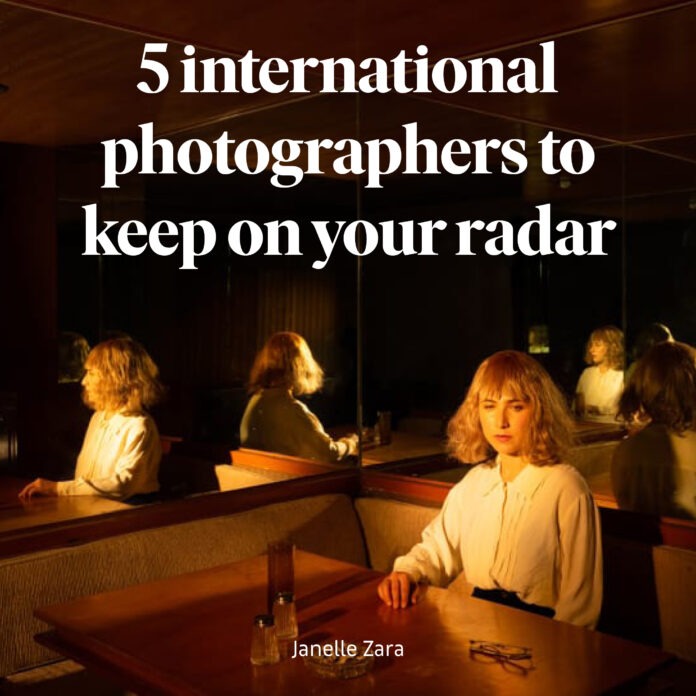
5 international photographers to keep on your radar

On view at MoMA, and hailing from the US to Nepal, they ‘use photography to connect within their communities and across nation-states’

By Janelle Zara

Launched in 1985, the ‘New Photography’ series of exhibitions at the Museum of Modern Art (MoMA) in New York has showcased the groundbreaking work of more than 150 artists. For its 40th anniversary edition, the organizers were guided by ‘the radical potential of image-making as a mode of resistance and free imagination,’ says Roxana Marcoci, Acting Chief Curator of Photography at MoMA.

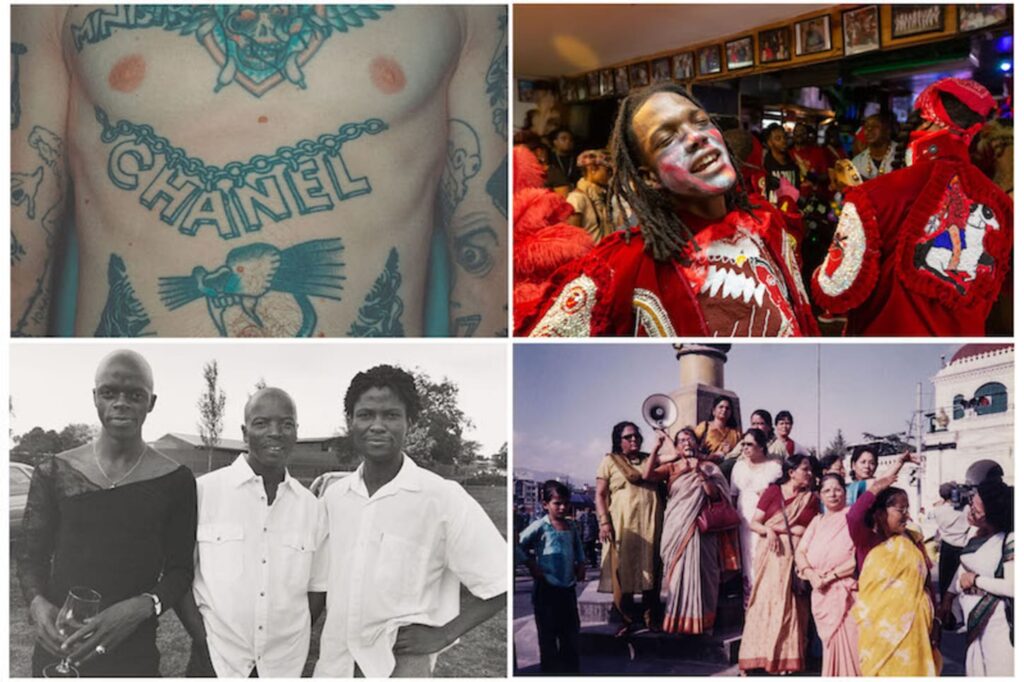
‘New Photography 2025: Lines of Belonging’ features 13 international artists and collectives from New Orleans, Mexico City, Kathmandu, and Johannesburg – four cities, according to the exhibition text, whose cultural history predates the official formation of their respective countries. The throughline that emerged was a spirit of collective solidarity, where photography served as a vehicle for bringing embattled communities together. Across these overlapping themes and commonalities, the artists present a striking range of technical and material approaches to photography. ‘It’s a kind of deeper understanding of how people use photography to connect within their communities and across nation-states,’ says Marcoci.

Sandra Blow
Sandra Blow, Tony, 2018. © Sandra Blow; L. Kasimu Harris, Come Tuesday (Marwan Pleasant at Sportsman’s Corner), New Orleans, 2020. © L. Kasimu Harris; Sabelo Mlangeni, Mbulelo and Friends, Thembisa Township, 2004. © Sabelo Mlangeni. Courtesy of the artists, Saraswati Rai Collection, Nepal Picture Library and GEFONT Collection.
Gabrielle Garcia Steib
Gabrielle Garcia Steib, Still from The Past is a Foreign Country, 2020. Super 8 and archival footage. 3 min. 19 sec. © Gabrielle Garcia Steib. Courtesy of the artist.
Prasiit Sthapit
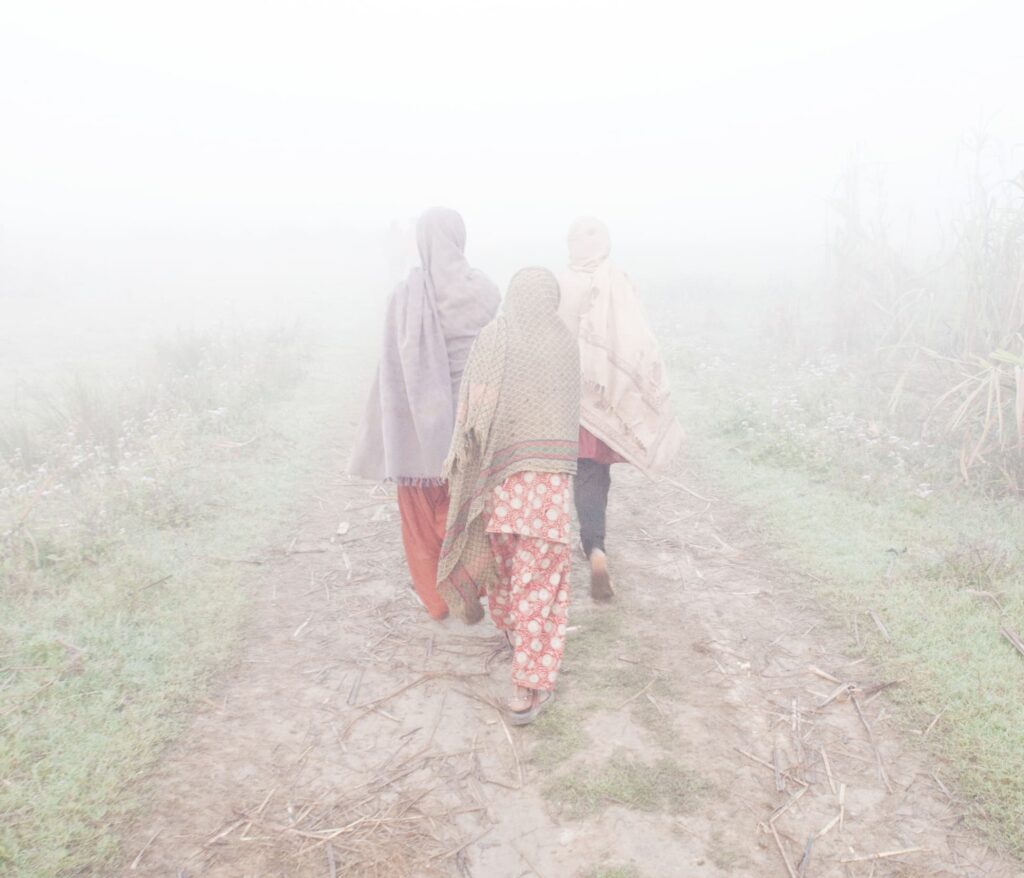
Prasiit Sthapit, Saloni and friends from Change of Course, 2013. © Prasiit Sthapit. Courtesy of the artist.

Rather than organize the exhibition along geographic lines, the curators installed a series of cross-cultural dialogues, where individual practices converged and diverged along themes of identity and kinship; biological and chosen families; the importance of ritual; the preservation of knowledge; and notions of care. Personal memories merge with collective ones, as artists use photography to connect their lived experiences with larger historical events.

Since its inaugural 1985 exhibition, the ‘New Photography’ series has embraced a relatively quick pace of curation, allowing each show to respond to urgent real-world events in real time. An obvious subject for this latest exhibition might have been the role of digital technologies in our image-saturated world. ‘We are all connected, obviously, through our iPhones and social platforms,’ says Marcoci, ‘but we decided not to focus on this kind of instant connectivity.’ (In fact, the 30th anniversary show, ‘Ocean of Images’already covered ‘connectivity, the circulation of images, information networks, and communication models.’)

For ‘Lines of Belonging’, the curators turned away from the increasingly isolating digital world and focused on modes of connection predating the Internet, looking to communities that formed face-to-face in physical, sometimes private, spaces, and endured despite long histories of injustice.

Tania Franco Klein
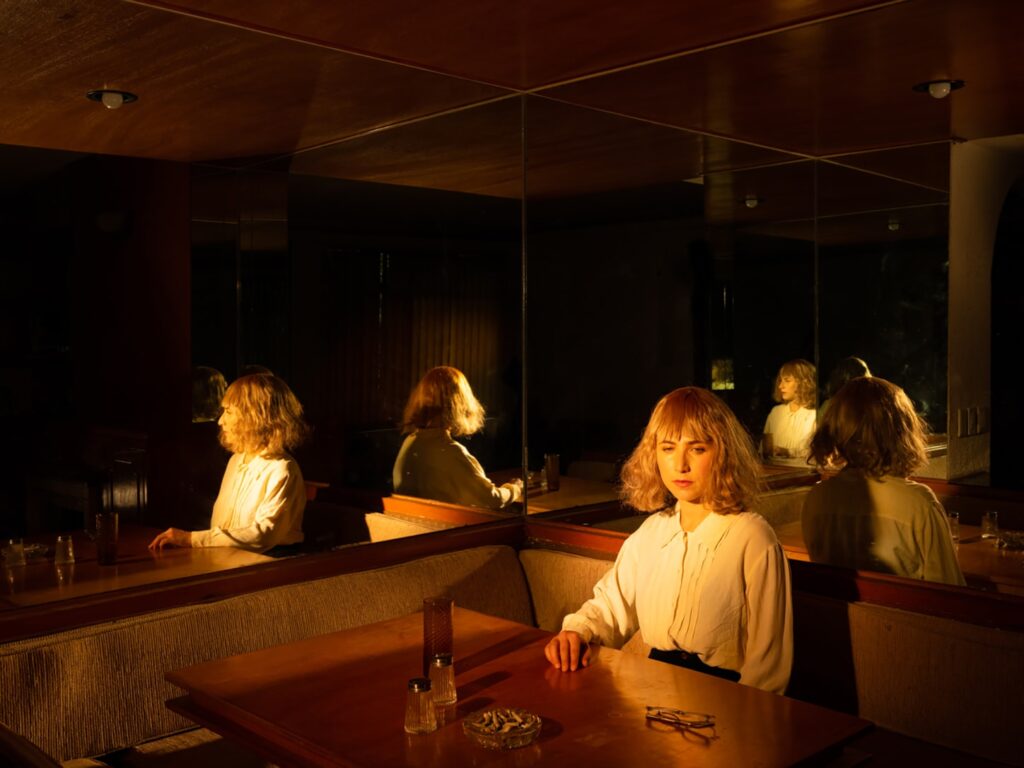
Tania Franco Klein, Mirrored Table, Person (Subject #14) from Subject Studies: Chapter 1. 2022. © Tania Franco Klein. Courtesy of the artist.
Sheelasha Rajbhandari
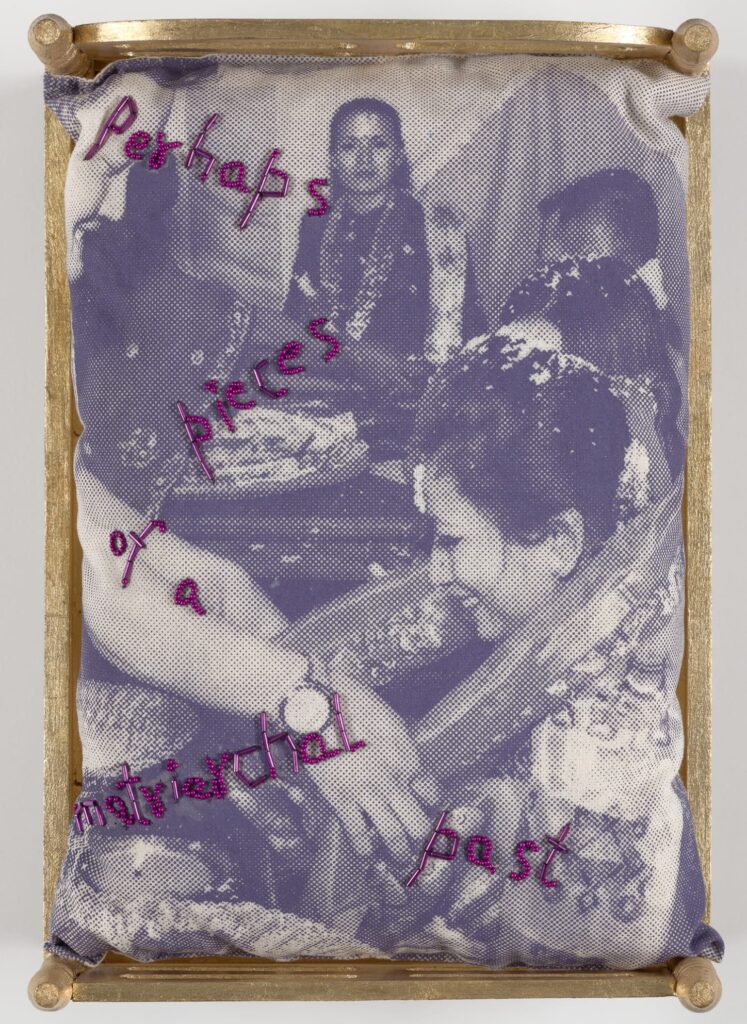
Sheelasha Rajbhandari, Agony of the New Bed (detail), 2023. © Sheelasha Rajbhandari.
Lindokuhle Sobekwa, Photography
Lindokuhle Sobekwa,Tell it to the Mountains, 2020. Installation view at A4 Art Foundation, South Africa, December 2020. © Lindokuhle Sobekwa. Courtesy of the artist.

Lake Verea

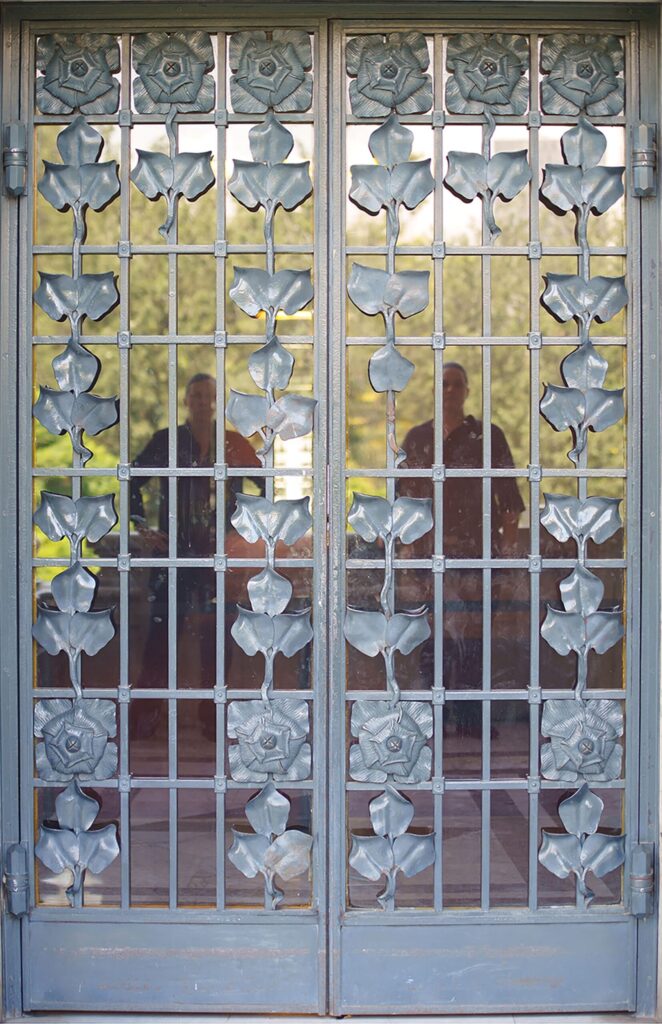
The exhibition opens with life-sized images of Mexico City’s Palacio de Bellas Artes, shot by Lake Verea – the Queer conceptual artist duo Carla Verea Hernández and Francisca Rivero-Lake. Their architectural photography examines themes of cultural and political heritage as it appears in the built environment, zooming in on the surface details. Taken from their 2019 ‘Uno a Uno’ series, images of Art Deco flourishes, for example, present an amalgamation of both pre-Columbian and colonial European histories, both of which continue to shape Mexican national identity, art, and politics today.

Lake Verea Photography
Lake Verea (Carla Verea Hernández and Francisca Rivero-Lake), Hojas de Metal (Metal Leaves), 2019. © Lake Verea. Courtesy of the artists.

Lebohang Kganye

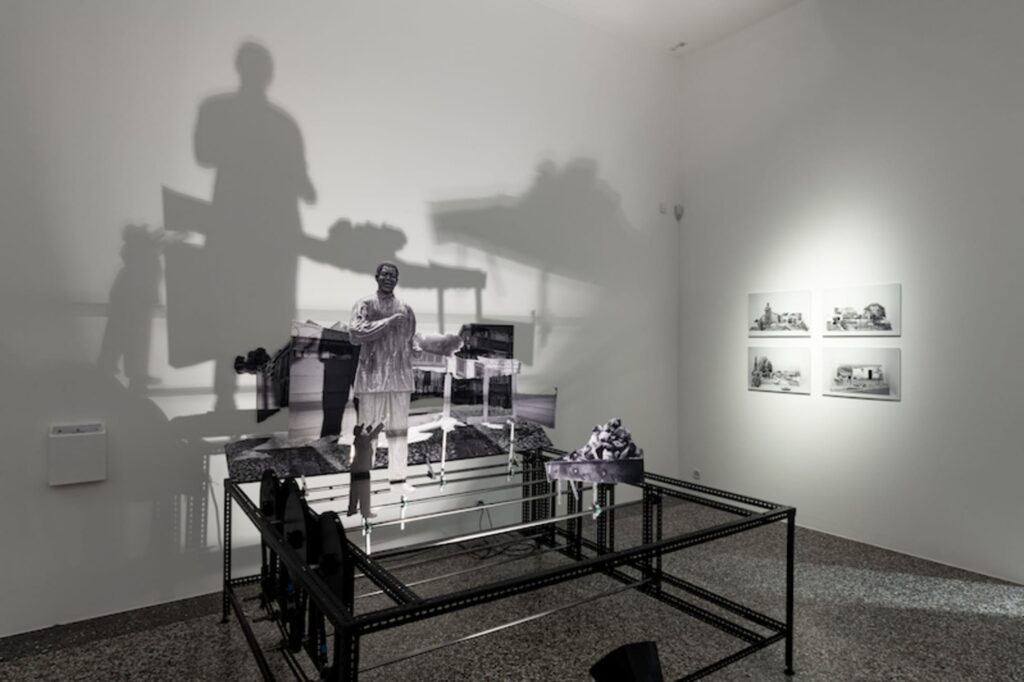
Lebohang Kganye is a Johannesburg artist similarly interested in exploring her national history through photographs. Rather than shoot images, she mines personal and public archives, merging historical black-and-white photographs with whimsical elements of theater and children’s storybooks. Marcoci describes the artist’s kinetic installations as ‘photographic stage sets’ in which cutout figures representing pre- and post-apartheid South Africa cast layered shadows on the wall. ‘Her storytelling points to the fabricated nature of history, and of photography for that matter.’

Lebohang Kganye
Lebohang Kganye, Untouched by the ancient caress of time, 2022. Installation view of Staging Memories, the Grand Prix Images Vevey 2021/2022 winning project, produced by Images Vevey (Switzerland) and premiered at the Biennale Images Vevey 2022. Photograph by Emilien Itim.

Sandra Blow

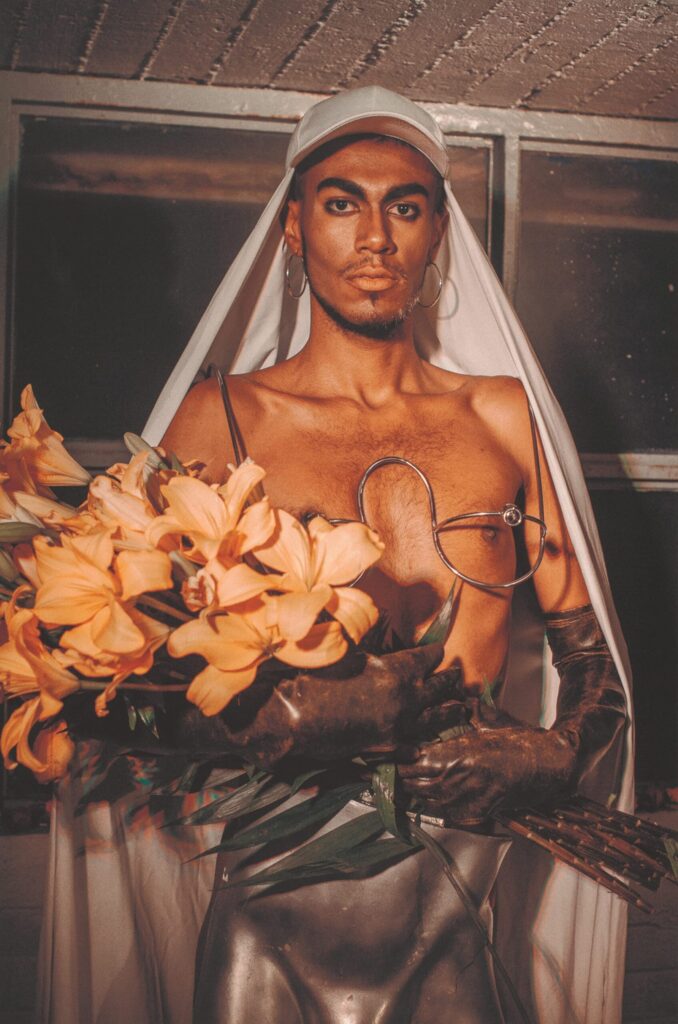
For both Sandra Blow and L. Kasimu Harris, nightlife functions as an essential refuge for the disempowered. Blow’s stylized portraits of Queer youth in Mexico City focus on fashion as an expression of creativity and self-possession.

Sandra Blow and Allan Balthaza
Sandra Blow and Allan Balthazar, from Untitled, 2017. © Sandra Blow.

L. Kasimu Harris

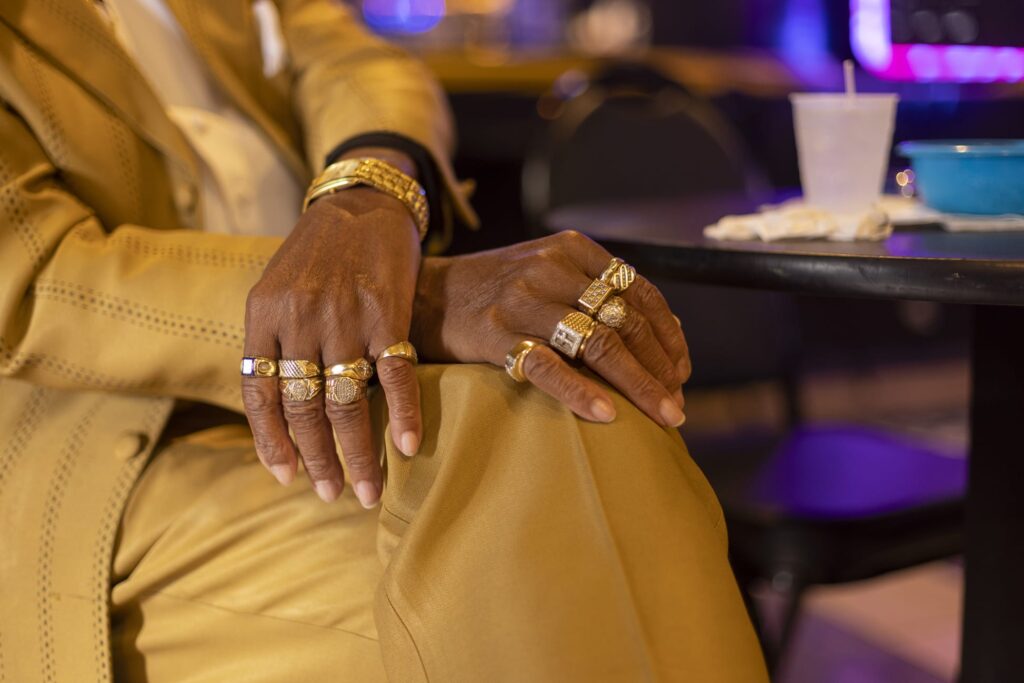
In New Orleans, Harris captures the subjects of his ‘Vanishing Black Bars & Lounges’ more candidly, documenting the distinct textures and aesthetics of the city’s Black-owned establishments as gentrification poses the constant threat of extinction.

L. Kasimu Harris
L. Kasimu Harris, “King” Joe Lindsey and his Royal Setup (Roberton’s Vieux Carre Lounge), New Orleans from Vanishing Black Bars and Lounges, 2022. © L. Kasimu Harris. Courtesy of the artist.

Sabelo Mlangeni

Marcoci points to Johannesburg-based Sabelo Mlangeni as one of a number of artists on view who ‘embrace and explore the idea of love as a political unifier.’ Mlangeni’s black-and-white images of Queer marriage and friendships in South Africa capture the solidarity of their respective communities in states of celebration, self-expression, and joy.

Sabelo Mlangeni,
Sabelo Mlangeni, Faith and Sakhi Moruping, Thembisa Township from Isivumelwano, 2004. © Sabelo Mlangeni.

Credits and captions

Janelle Zara is a freelance writer specializing in art and architecture. She is the author of Masters at Work: Becoming an Architect (2019). She currently lives in Los Angeles.

Caption for header image: Saraswati Rai Collection and Nepal Picture Library, A mass meeting of former kamlaris (women bonded labourers) in Kanchanpur, Nepal (2010) from The Public Life of Women: A Feminist Memory Project, 2023. Courtesy of GEFONT Collection and Nepal Picture Library. 

The exhibition will be on view at MoMA from September 14, 2025, through January 17, 2026.

Published on September 8, 2025.

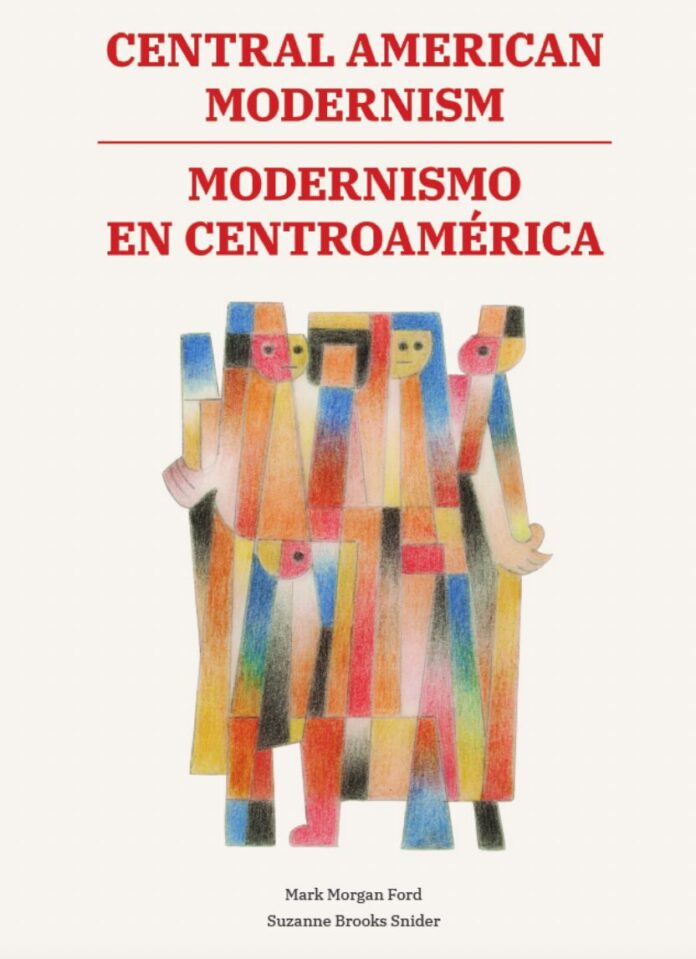
Central American Modernism / Modernismo en Centroamérica

Mark Ford & Suzanne Snider

Central American Modernism / Modernismo en Centroamérica
by Mark Ford & Suzanne Snider

Introducing an Important

New Book on Modern Art

Central American art is Latin American art. And as this book demonstrates, it is Latin American art at its greatest – worldly and sophisticated and yet also profoundly native.

Modern art in Central American art shares much with the best of the modern art of Mexican and South America. But as this book – Central American Modernism / Modernismo en Centroamérica – makes clear, it is has a quality that is in many cases distinctly identifiable as Central American art, And among the Central American masters, there are distinct qualities that make each of them uniquely valuable.

Central American Modernism / Modernismo en Centroamérica is a bi-lingual beau-livre. It not only tells the story of how Modernism came to each country, it demonstrates – with hundreds of photographs – the magnitude of the talent that Central America contributed to Modernism.

It took 8 years for Mark Morgan Ford and Suzanne Brooks Snider to produce this comprehensive introduction to Central American art – researching and interviewing historians, museum directors, artists and their families, collectors, and gallery owners, and then photographing works, many that have never before been seen by the public.

Alejandro Arostegui & PRAXIS 

Alejandro Arostegui
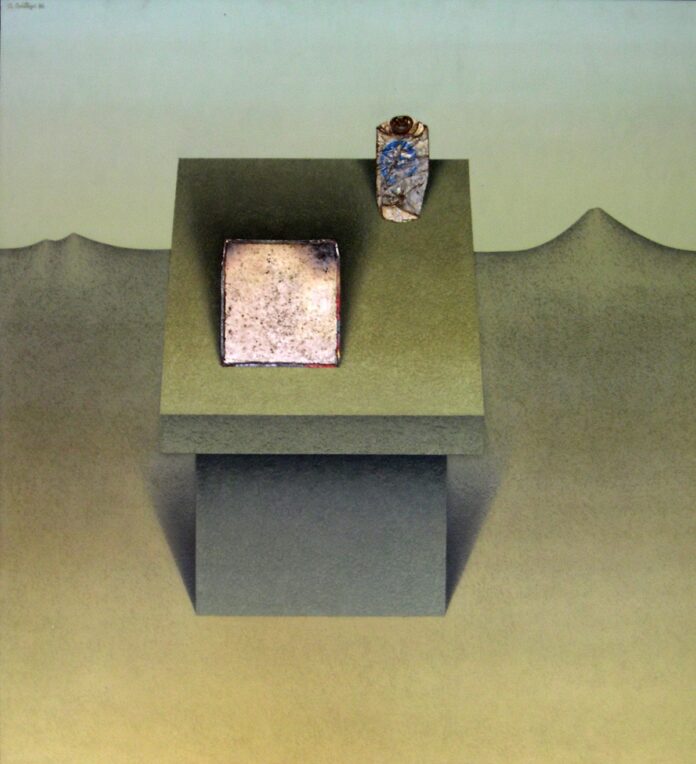
Alejandro Arostegui, Mesa Verde con Objectos, 1986, oil & collage on board, 40" x 40"

The Museum of Central American Art 
(MoCAArt.org)

Alejandro Arostegui & PRAXIS Opening Reception

Sunday, September 14, 2025
 2:00 to 5:00 pm
yuca with chimichurri (mojo), bread budding & punch
The ANNEX ArtSpace
290 SE 2nd Avenue, Delray Beach, Florida
rsvp: [email protected]

Alejandro Aróstegui  ( b.1935 Nicaragua )Alejandro Aróstegui’s work is pensive and still. His landscapes (lakeshores, deserts, distant volcanoes) and cityscapes are haunting. His still lifes (simplified objects on tables) are, at the same time, disquieting and serene. Recycling the distinctive gleam of the aluminum can, Aróstegui’s paintings offer the viewer shimmering cities and rivers, solemn figures and grave forms. His best work is both compelling and distinctive. He is one of Nicaragua’s most important modern painters.Aróstegui spent years abroad (from 1954 to 1962), studying art. He studied at Tulane University, the Ringling School of Art in Sarasota, Florida, the Academy of Fine Arts in Florence and the École de Beaux Arts in Paris.The year Aróstegui returns to Nicaragua is 1963. While Beatlemania rages in Europe, Russia sends the first female cosmonaut into space and the touch-tone phone is introduced in the USA, a group forms in Nicaragua that makes a loud noise in Central American art.  Artists, poets and intellectuals join forces to establish a meeting place where they can exchange ideas of social change without fear. They call themselves “Praxis” (practice, as distinguished from theory), and on August 23, 1963 they open their headquarters as the Galería Praxis in Managua.

Aróstegui of Nicaragua and the writer Amaru Barahona of Costa Rica met in Europe. They were concerned about the political and social issues of their countries. When they return home they reach out to artist César Izquierdo of Guatemala. Barahona writes the manifesto. The group functions as a democracy and seeks the intersection of culture, all of the arts and teaching. Revolutionary poetry, ancient petroglyphs and the natural beauty of their countries, as well as the political and economic realities inspire it. Their motto: action, dynamism and a permanent state of restlessness.

As naïve as it may sound, the “groupo Praxis” artists felt art is not just for the elite… and it must not be compromised by the end result, the audience, or the money to be made from it. Honesty in art is more important than beauty.

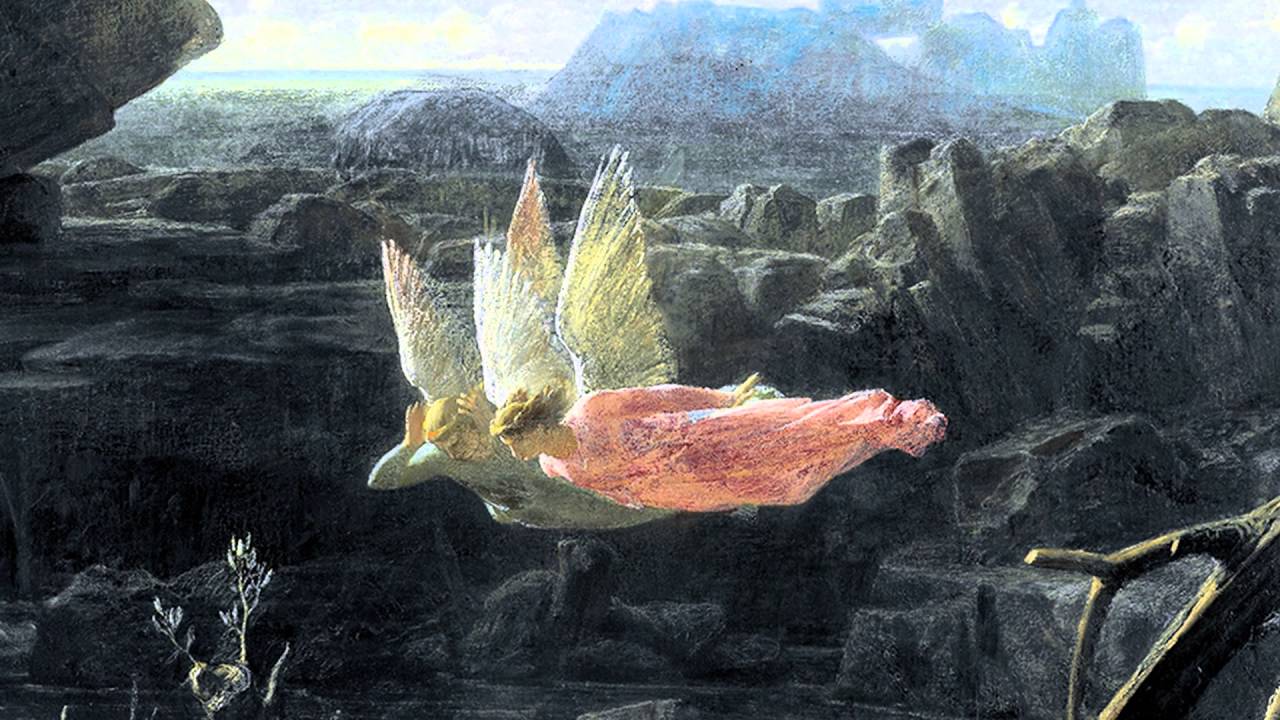
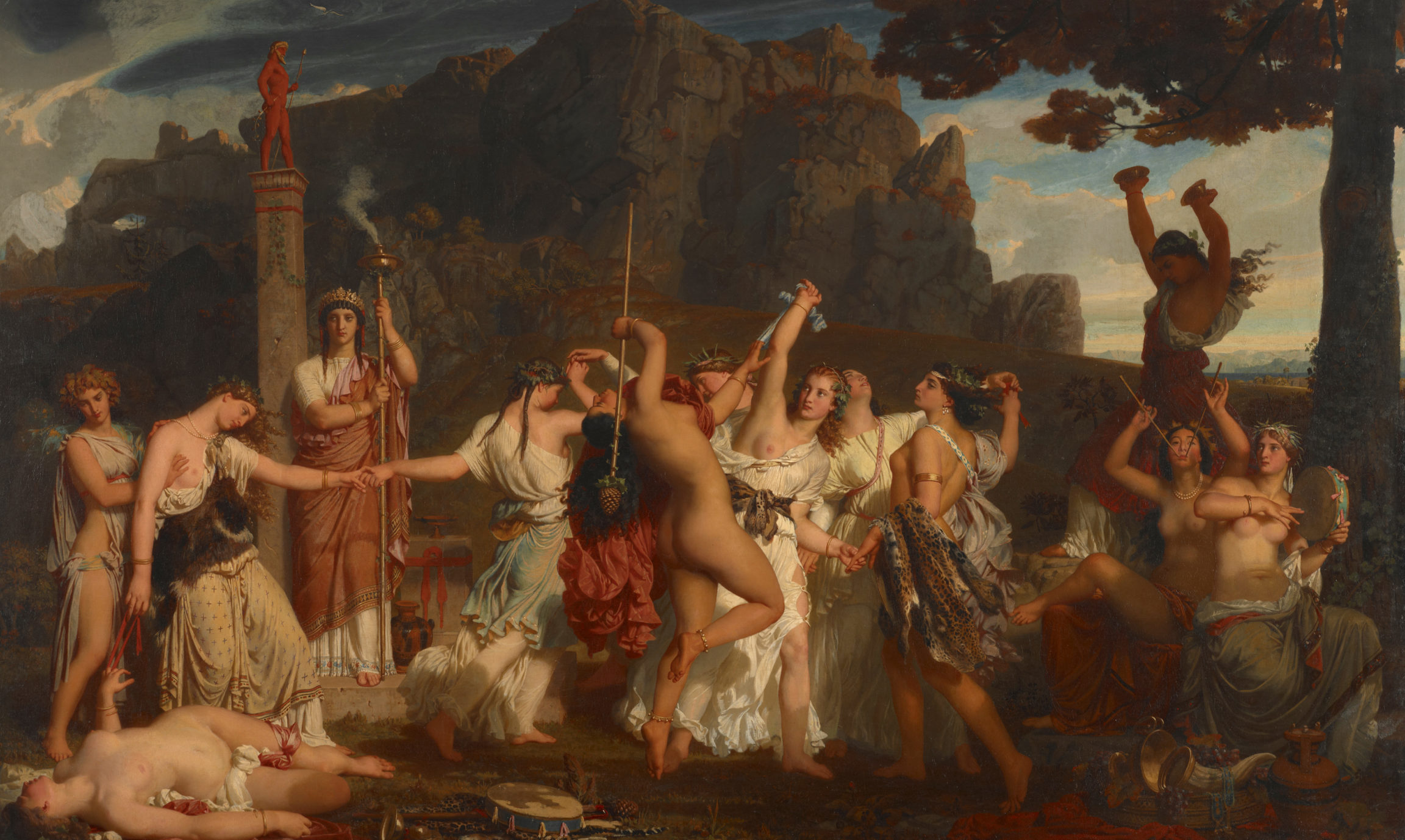
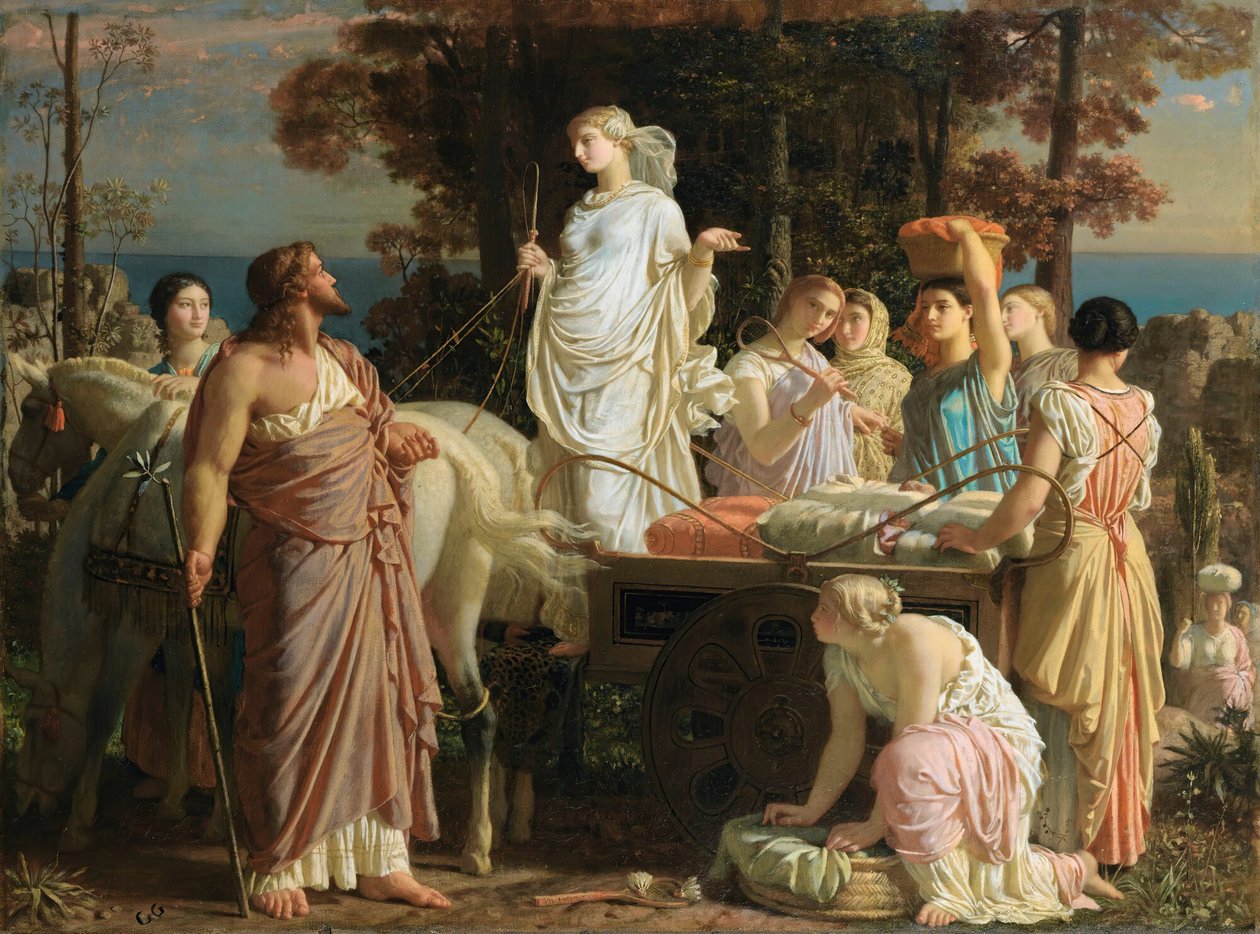
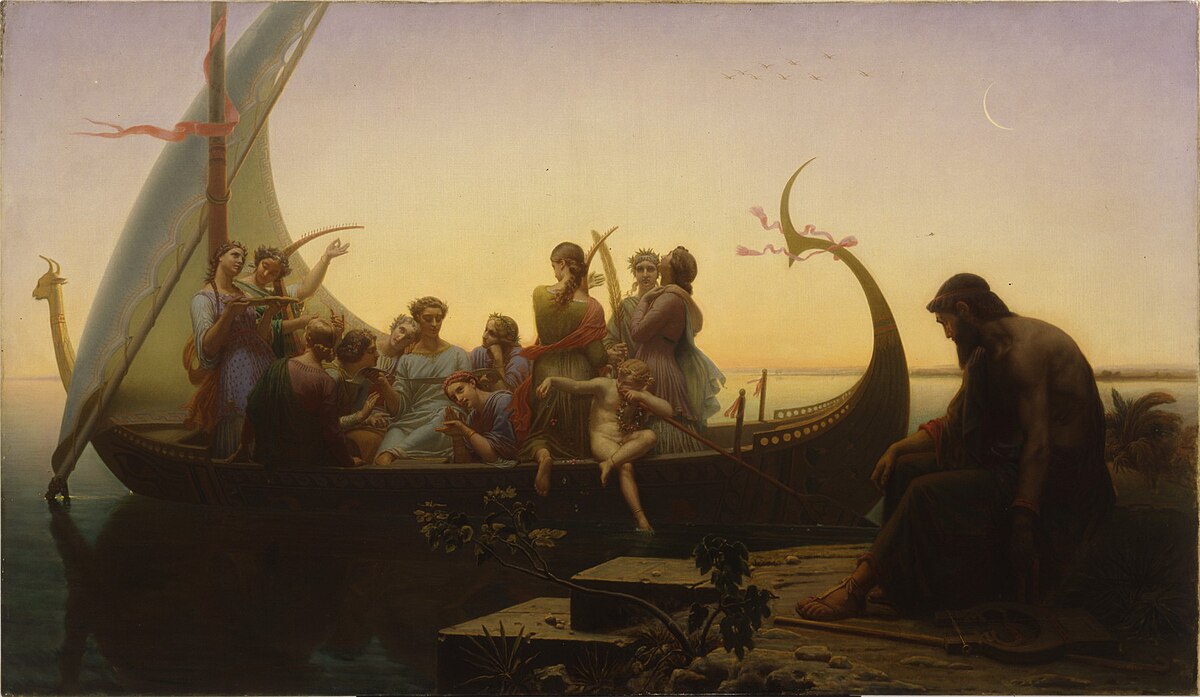
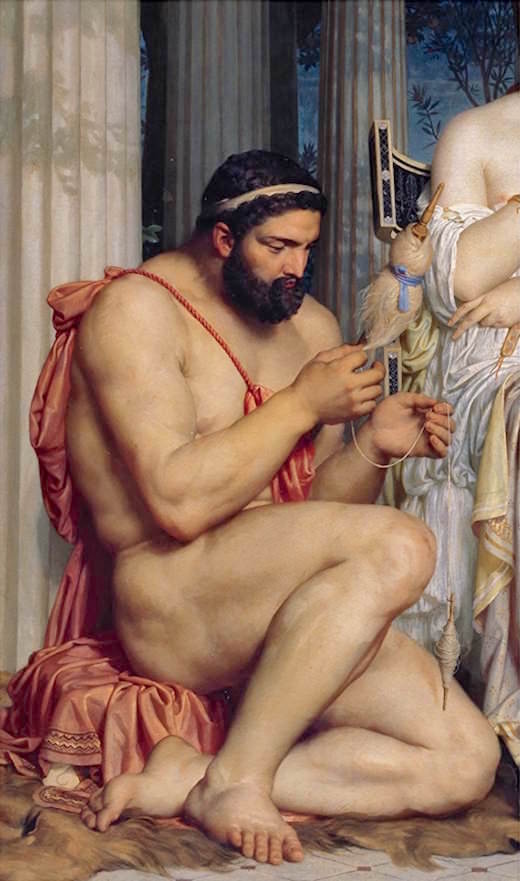
Charles Gleyre

Charles Gleyre
Charles Gleyre

Charles Gleyre (1806-1874)

Movimiento Impresionista

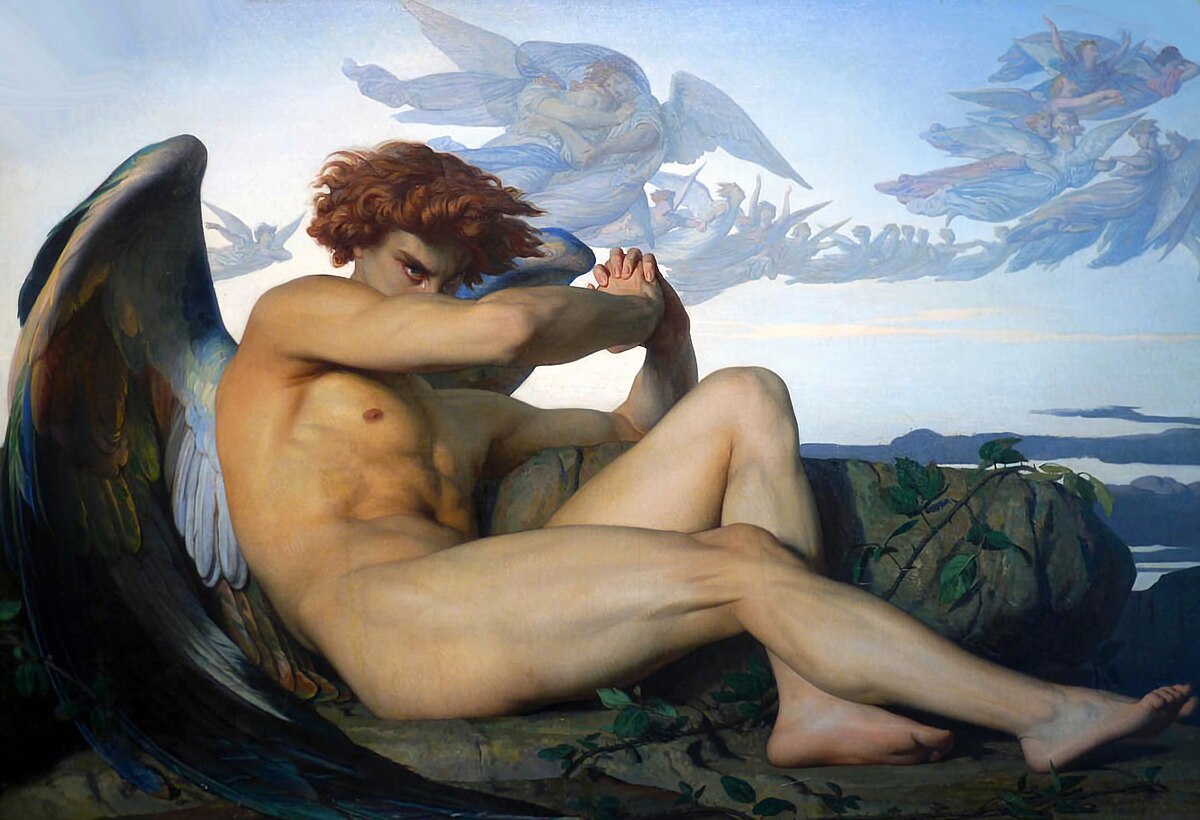
El legado de Charles Gleyre es complejo, y su figura es una pieza clave en la narrativa del Impresionismo, aunque no como un practicante del movimiento, sino como una figura de autoridad que los jóvenes artistas desafiaron. Gleyre fue un pintor académico respetado y un maestro influyente en París, cuyo taller sirvió como punto de encuentro crucial para varios de los futuros impresionistas.

Su contribución más importante al arte, paradójicamente, no fue a través de sus propias obras, sino a través de los alumnos que formó. Su taller, una institución formal y rigurosa, fue donde artistas como Claude Monet, Pierre-Auguste Renoir, Alfred Sisley y Frédéric Bazille se conocieron. Aunque Gleyre les enseñó los cánones del arte neoclásico y romántico —como el dibujo preciso y la idealización de la figura humana—, su estilo estricto y su visión conservadora actuaron como un catalizador para la rebelión.

Los jóvenes artistas, que no se sentían representados por su enseñanza, encontraron en su taller un espacio común para forjar una amistad y compartir ideas que iban en contra de lo que su maestro les inculcaba. Sus críticas a las pinceladas sueltas y al interés por la luz natural de los jóvenes, aunque duras, los unieron en una causa común.

El legado de Gleyre es un recordatorio de que a veces, la resistencia y la oposición pueden ser tan formativas como la propia guía. Su estilo representaba el “viejo mundo” del arte, un mundo que los impresionistas se propusieron desmantelar. Por ello, Gleyre es una figura fundamental en la historia, no por lo que pintó, sino por el hecho de que su taller fue el lugar exacto donde se sembraron las semillas de la revolución que lo superaría.

Orphism: The Forgotten Symphony of Color in Modern Art

Orphism
Orphism

Orphism: The Forgotten Symphony of Color in Modern Art

When people think of Modern Art, names like Cubism, Surrealism, and Abstract Expressionism usually dominate the conversation. Yet, hidden in the folds of 20th-century art history are lesser-known movements that deeply shaped the evolution of creativity and abstraction. Orphism is one such movement—short-lived, yet luminous.

What Is Orphism?

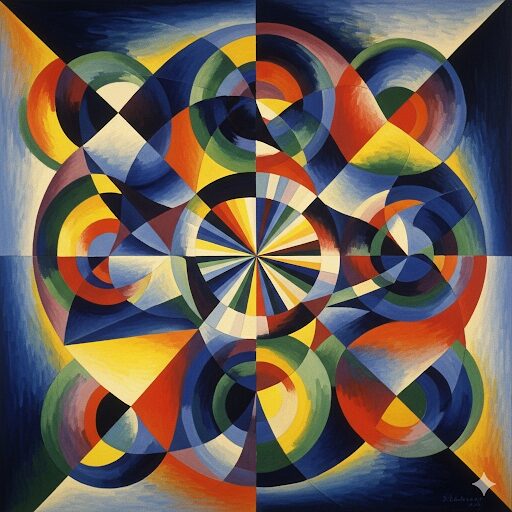
Orphism was a vibrant and experimental art movement that emerged in France around 1912, closely tied to—but distinctly different from—Cubism. While Cubism dissected the world into geometric fragments and multiple perspectives, Orphism brought color, rhythm, and light to the forefront.

The term “Orphism” was coined by French poet Guillaume Apollinaire, who drew inspiration from Orpheus, the legendary Greek poet and musician. For Apollinaire, just as music could express emotion without words, painting too should strive to create a visual harmony akin to music.

Key Characteristics of Orphism

Unlike the muted palettes and structural focus of Cubism, Orphism embraced:

  • Color as the primary mode of expression
    Instead of using color to describe form, Orphists explored how colors could create emotion, rhythm, and movement on their own.
  • Visual rhythm and musical analogy
    Paintings were conceived as visual symphonies, aiming to evoke the same sensations that music might—without any figurative content.
  • Circular forms and interlocking patterns
    These recurring motifs introduced a sense of fluidity, dynamism, and continuous motion. Many compositions feel as if they are vibrating with energy.
  • A move toward pure abstraction
    Orphism played a pivotal role in moving European painting further away from realism, helping pave the way for later abstract art.

Who Were the Orphists?

The two central figures in the Orphist movement were:

Robert Delaunay

Known for his dynamic use of color and light, Robert developed what he called “Simultaneism”—a theory of simultaneous color contrasts inspired by the science of vision and perception. His “Windows” and “Disks” series are iconic examples of Orphist abstraction.

Sonia Delaunay

A groundbreaking artist in her own right, Sonia applied Orphist principles not just to painting, but also to fashion, textiles, book design, and theater. Her work expanded the movement into a broader cultural sphere, making abstraction part of everyday life.

Why Didn’t Orphism Last?

Despite its visionary approach, Orphism remained in the shadows of more dominant movements. Its lifespan was brief, with the outbreak of World War I halting its momentum. Many of its practitioners moved on to other styles or artistic directions, and it never developed a broad school of followers like Cubism or Surrealism.

Orphism’s Legacy

Even though Orphism faded quickly, its influence reverberated through the history of abstraction:

  • It highlighted the emotive and symbolic power of color.
  • It helped set the stage for later movements such as Color Field Painting and Op Art.
  • It challenged artists to think beyond form and subject, embracing sensation and perception as valid artistic goals.

Orphism may not have achieved widespread fame, but it remains a key chapter in the story of modern art—a reminder that color can sing, and paintings can dance.

Final Thoughts

Orphism was a bold attempt to make color the soul of art, to create visual compositions as emotionally powerful and rhythmically rich as music. Though often overlooked, this movement challenged the norms of its time and opened new possibilities for abstraction.

So next time you see an explosion of color, rhythm, or circular motion in modern or contemporary art, remember the Orphists—those vibrant visionaries who once tried to make painting hum like a melody.

The Beauty of Shadow in Art: More Than Just Darkness

The Beauty of Shadow in Art: More Than Just Darkness

The Beauty of Shadow in Art: More Than Just Darkness

What is Shadow? Why It Matters in Art, Design, and Photography

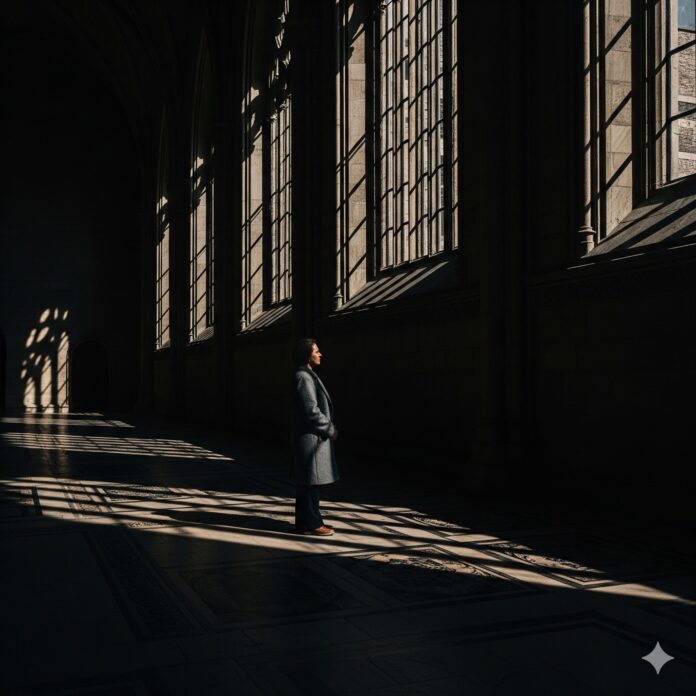
In art, shadow is not simply the absence of light—it’s a powerful storytelling tool, a sculptor of form, and a carrier of emotion. From classical paintings to contemporary installations, shadows are used to add depth, contrast, mystery, and even meaning.

What Is a Shadow in Art?

A shadow is the dark area created when an object blocks a light source. In artistic terms, it’s used to:

  • Indicate light direction
  • Suggest volume and dimension
  • Create mood or atmosphere
  • Symbolize the unknown, the subconscious, or hidden truths

There are two main types:

  • Cast shadow – the shadow that an object throws onto another surface.
  • Form shadow – the darker side of the object itself, away from the light.

Why Shadows Matter in Art

1. They Create Realism

Without shadows, forms appear flat. Artists like Caravaggio and Rembrandt mastered the use of chiaroscuro—the dramatic contrast between light and dark—to give volume and lifelike intensity to their figures.

2. They Add Drama and Emotion

Shadows can suggest solitude, tension, or intimacy. In photography and film, high-contrast shadows often evoke mystery or suspense.

3. They Symbolize the Inner World

In symbolic terms, shadows can represent:

  • The unseen aspects of the self
  • Fear, doubt, or repression
  • The passage of time (as in sundials)
  • The ephemeral or fleeting

Carl Jung even spoke of the “shadow self” in psychology—art has often been a mirror of that idea.

4. They Inspire Imagination

Some contemporary artists use shadow as a medium itself—projecting light through sculpted forms to cast images onto walls or using silhouettes to tell entire stories without drawing a line.

Shadow Across Mediums

  • Painting: Renaissance and Baroque artists used shadow to achieve realism.
  • Drawing: Charcoal and graphite are perfect for creating soft, layered shadows.
  • Photography: Shadows help frame subjects and add intrigue.
  • Sculpture: The placement of light creates dynamic shadow play, making the piece evolve throughout the day.
  • Installation: Artists like Kumi Yamashita or Tim Noble and Sue Webster create entire images using only shadows cast by abstract forms.

The Poetic Side of Shadow

Shadows are ephemeral. They shift with the light, change with the time of day, and disappear altogether in darkness. That impermanence gives them a poetic beauty—they hint at what is, but also what isn’t.

“Where there is much light, the shadow is deep.”
— Johann Wolfgang von Goethe

Final Thought

The beauty of shadow in art lies in its subtlety. It doesn’t shout—it whispers, drawing us in, shaping what we see, and reminding us that light is only half the story.

To embrace shadows is to embrace contrast, complexity, and the nuance of being human.

Photographers Known for Negative Space & Shadow

Photographers Known for Negative Space & Shadow

Photographers Known for Negative Space & Shadow

Michael Kenna

A minimalist landscape photographer renowned for his serene black‑and‑white images. Kenna often incorporates vast expanses of sky, mist, or water as negative space, cultivating a meditative stillness and visual balance. These empty zones become integral, inviting the viewer into the scene and infusing it with quiet presence. heartandsoulwhisperer.com.au

Hiroshi Sugimoto

This Japanese photographer is celebrated for his long-exposure seascapes and architectural studies. His minimalist compositions use infinite horizons and smooth gradients to evoke a timeless, dreamlike state—using negative space to distill emotion and atmosphere. inspiring-photographers.com

Fan Ho

An icon of Hong Kong street photography in the mid-20th century, Fan Ho expertly used light, shadow, and negative space to create dynamic, dramatic scenes. His compositions emphasized the poetic interplay between form and emptiness in urban life. inspiring-photographers.com

Saul Leiter

While not always labeled minimalist, Leiter’s work in New York streets often featured luminous reflections, soft shadows, and partial silhouettes. His use of negative space adds gentle abstraction and mood, allowing color and light to guide visual narrative. The Guardian

Photographers Especially Known for Dramatic Shadow Use

Viviane Sassen

A Dutch photographer blending fashion and fine art, Sassen’s images are rich with bold graphic shadows and vibrant color. Often obscuring faces in darkness, she uses shadow to evoke archetypes and invite viewers into symbolic, dreamlike narratives. TIME+1

Jacques Pugin

Working primarily with landscapes, Pugin transforms natural topography into sculptural imagery using shadow. His “Mountain Shadow” series abstracts terrain through darkness, inviting contemplation of presence, trace, and spatial essence. Wikipedia

Summary Table

PhotographerPrimary TechniqueEffect
Michael KennaMinimal landscapes with vast emptinessMeditative, poetic atmospheres
Hiroshi SugimotoLong exposures and seascapesTimeless, minimalist beauty
Fan HoUrban silhouettes and light interplayDynamic and visually striking compositions
Saul LeiterReflections, partial silhouettes, abstractionSublime, introspective cityscapes
Viviane SassenGraphic shadows + vibrant formsSymbolic, surreal, emotionally rich imagery
Jacques PuginShadowed landscapes as sculptural formsPhilosophical, spatially incisive visuals

There are several photographers known for their masterful use of negative space and shadow. Here are a few notable examples:

Negative Space

  • Will Milne: A photographer who emphasizes the relationship between the subject and the expansive space around it.
  • Petecia Le Fawnhawk-Maggiori: Known for her minimalist style where negative space “steals the show.”
  • Nico Goodden: An urban photographer who uses a lot of empty space to create clean, less cluttered images.

Shadow

  • Henri Cartier-Bresson: A pioneer of street photography, he often used shadows to create geometric shapes and a sense of mystery.
  • André Kertész: A Hungarian photographer who used shadows in an unconventional and unique way, often to create a sense of drama or abstraction.
  • Alex Webb: Known for his complex, layered street photography that often incorporates the interplay of light and shadow.
  • László Moholy-Nagy: A modern artist and photographer who explored the use of light and shadow in his “photograms.”

What is Negative Space? Why It Matters in Art, Design, and Photography

What is Negative Space? Why It Matters in Art, Design, and Photography

What is Negative Space? Why It Matters in Art, Design, and Photography

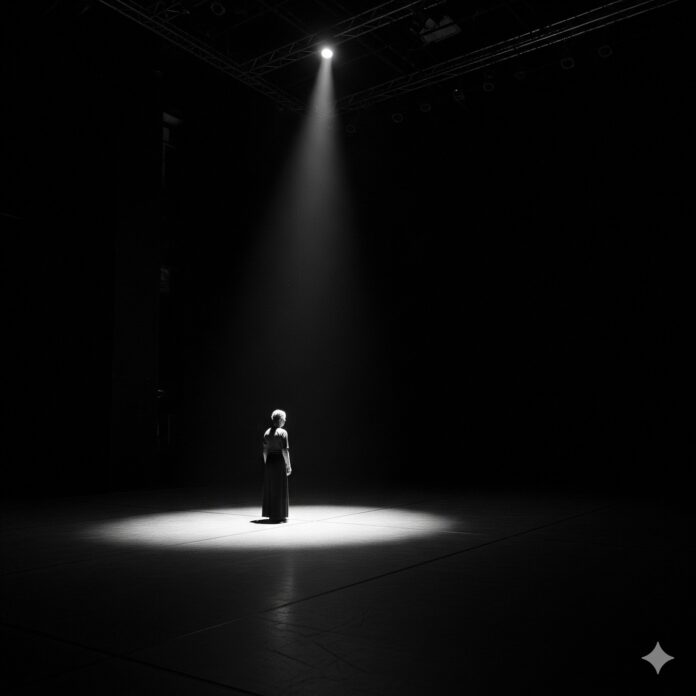
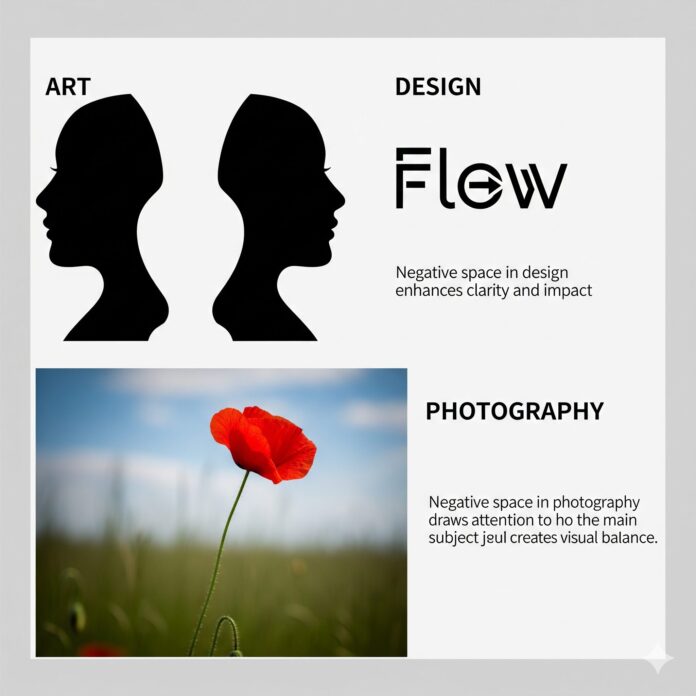
Negative space—also known as white space—is the area around and between the subjects of an image. It’s the “empty” space that surrounds the main focus (the positive space) and helps define the boundaries of the subject.

Despite its name, negative space is not wasted or meaningless. On the contrary, it’s a powerful visual tool used in art, design, and photography to bring balance, clarity, and emphasis to a composition.

What is Negative Space?

Imagine drawing a chair: the chair itself is the positive space. But the blank space around the chair—the area between the legs, under the seat, above the backrest—is the negative space.

This empty space:

  • Frames the subject
  • Gives the viewer’s eye room to rest
  • Enhances focus on the main elements

In some artworks or designs, the negative space even forms its own shapes, playing an active visual role.

In Art

In painting and drawing, artists use negative space to:

  • Create balance and proportion
  • Emphasize the subject
  • Suggest form and structure without heavy detail

Notable example: M.C. Escher’s tessellations, where negative and positive space shift depending on how you look.

In Design

In graphic design, negative space:

  • Prevents overcrowding
  • Increases readability
  • Guides the viewer’s attention

Some of the most iconic logos (like FedEx, where there’s a hidden arrow in the negative space) use this technique to cleverly communicate meaning.

In Photography

Photographers use negative space to:

  • Isolate the subject
  • Create mood or emotion (e.g., minimalism, solitude, serenity)
  • Highlight the subject through contrast

A single bird in a vast empty sky or a person standing in a wide-open desert—these images use negative space for dramatic effect.

Why It Matters

  1. Clarity: Negative space helps avoid visual clutter.
  2. Focus: It draws the viewer’s attention to what really matters.
  3. Balance: It creates harmony between elements.
  4. Emotion: It can evoke calm, isolation, or vastness depending on how it’s used.

Final Thought

Negative space isn’t just the absence of content—it’s a design choice. Whether you’re painting, designing a logo, or taking a photo, mastering the use of negative space can elevate your work from average to exceptional.

Fine Art Printing

Fine Art Printing
Fine Art Printing

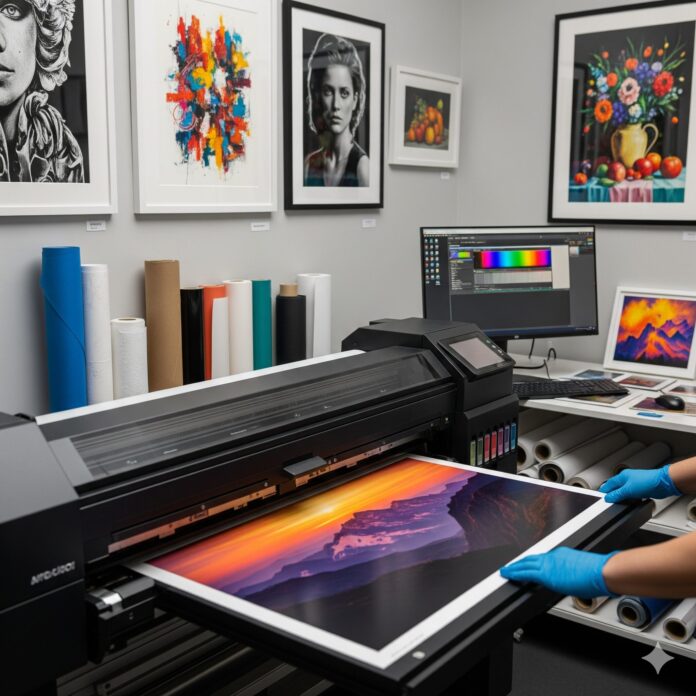
Fine Art Printing (también conocido como impresión giclée o impresión de bellas artes) es un proceso de reproducción de obras de arte o fotografías con estándares de calidad extremadamente altos, tanto en fidelidad de color como en durabilidad. Es una técnica muy valorada en el mundo del arte contemporáneo y la fotografía profesional.

Características principales:

Tecnología de impresión:

  • Se utiliza impresión inkjet de alta resolución.
  • Impresoras especializadas que permiten una gama cromática muy amplia y detalles finos.
  • Tintas pigmentadas (archivísticas) de gran estabilidad a la luz y al paso del tiempo.

Papeles de calidad museo:

  • Papeles 100% algodón, libres de ácido y lignina, como el Hahnemühle, Canson o Epson Fine Art.
  • Texturas que imitan lienzos o papeles artísticos tradicionales.
  • Certificados para durar más de 100 años sin decolorarse (en condiciones óptimas).

Fidelidad al original:

  • Reproducción precisa del color, contraste y matices de la obra original.
  • Ideal para artistas visuales que quieren vender reproducciones sin sacrificar la calidad.

Usos comunes:

  • Reproducción de pinturas, dibujos o ilustraciones digitales.
  • Fotografía artística de exposición o colección.
  • Portafolios de arte profesional.
  • Venta de ediciones limitadas numeradas y firmadas.
Page 68 of 276
1 66 67 68 69 70 276

Recent Posts