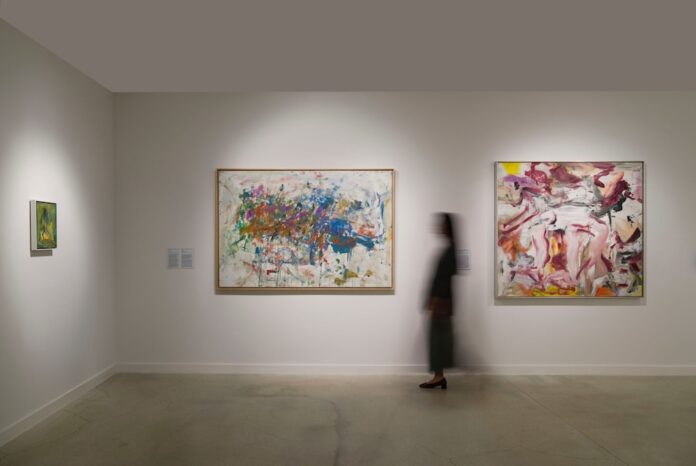
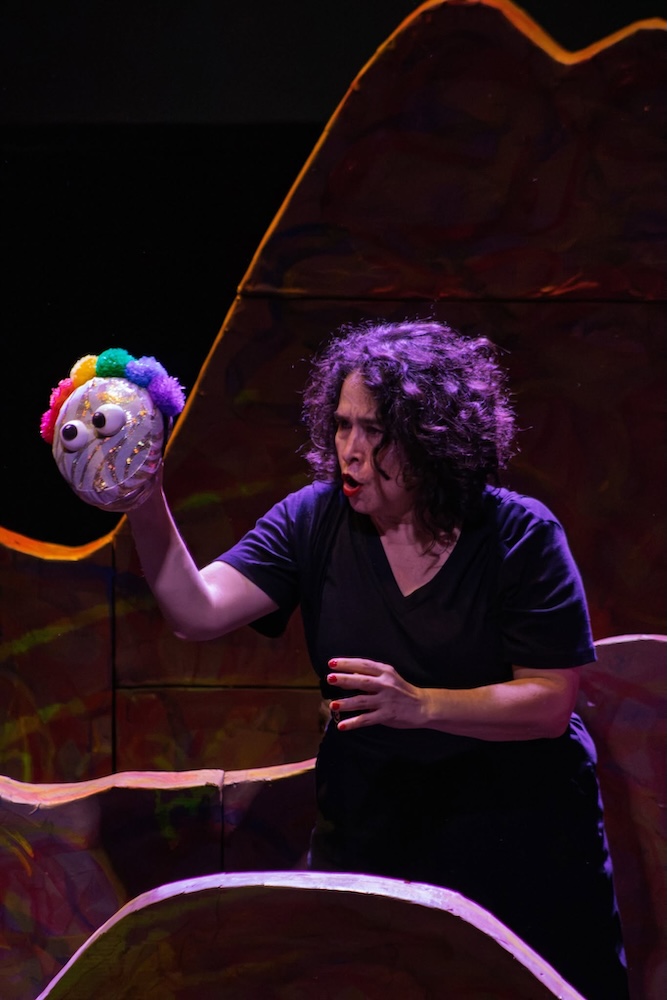
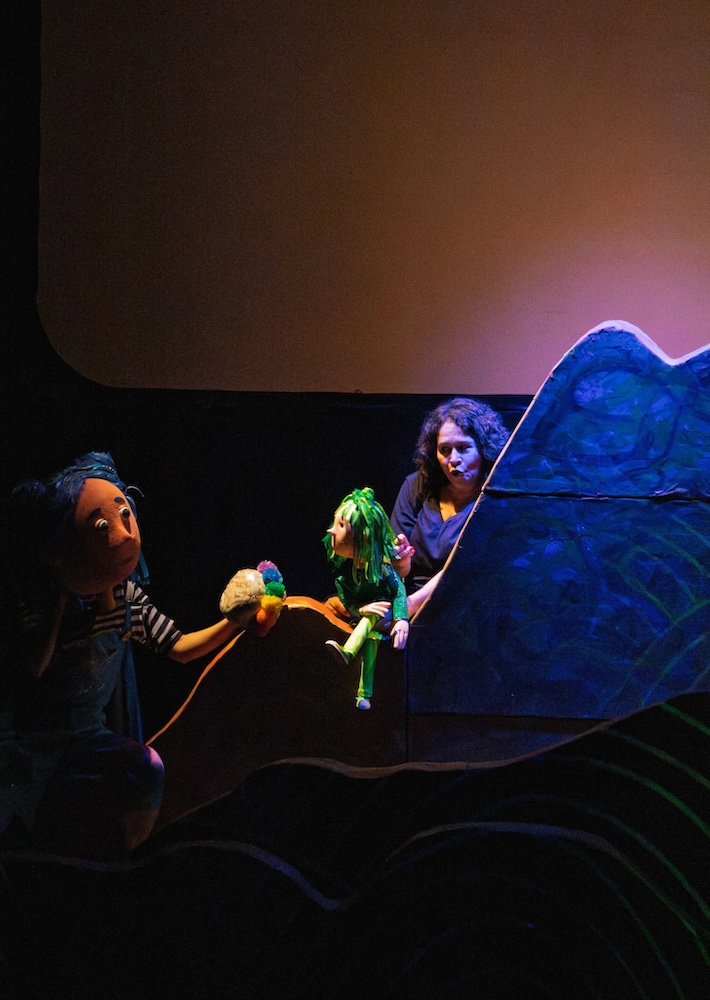
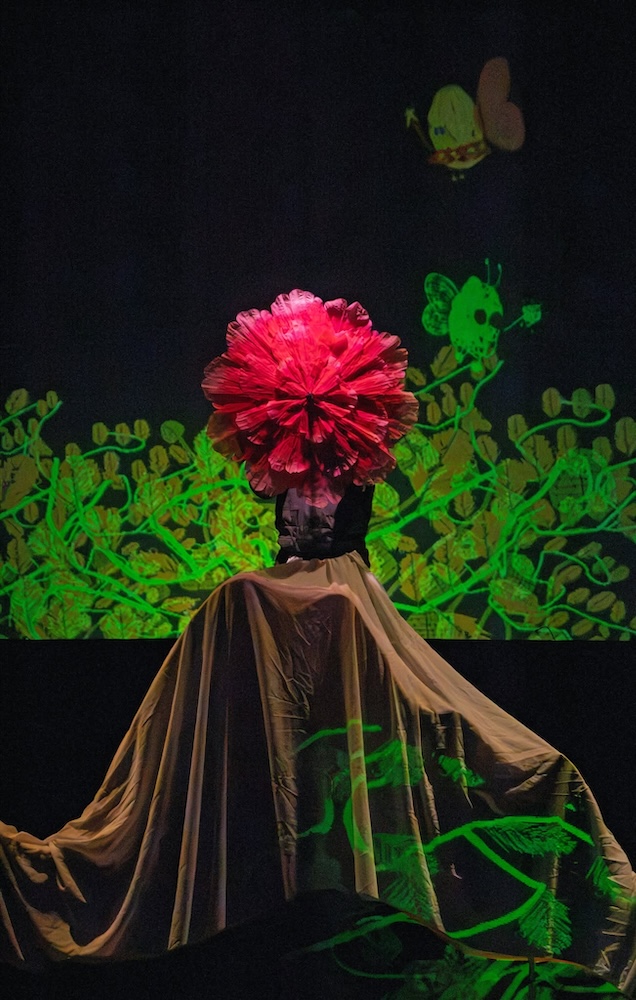
Image: Installation photography by Oriol Tarridas.
Museum of Art and Design (MOAD) at MD
Museum of Art and Design (MOAD) at Miami Dade College Saturday, October 10 • 6 PM – 9 PM
Part document and part subjective storytelling, visual art has long played a central role in shaping how history is remembered. From portraits of political and cultural figures to paintings that reflect sacrifice, resilience, conflict, and transformation, the act of painting not only represents history—it can also participate in making it.
Abstraction as Legacy examines the breadth and evolution of painterly abstraction in the United States. Through hard edges, expressive gestures, and formal experimentation, artists reimagined painting as a way to consider the human body, natural environments, architecture, emotion, and the economy of line.
Rather than presenting an exhaustive history, the exhibition highlights the richness and diversity of abstraction in the United States, particularly in the decades following the 1950s, when American art became internationally associated with experimentation and boundary-breaking forms. The exhibition also considers how artistic ideas moved across geographies, from developments emerging in Havana and arriving in the United States through exile to formal innovations shaped in New York and Los Angeles.
Featured artists include Young-Il Ahn, Sam Gilliam, Carmen Herrera, Hans Hofmann, Virginia Jaramillo, Lloyd Kiva New, Willem de Kooning, Joan Mitchell, George Morrison, Noemí Ruiz, Zilia Sánchez, and Vaughn Spann.
The exhibition also resonates with the 250th anniversary of the signing of the Declaration of Independence on July 4, 2026. This historic milestone offers an opportunity to reflect on the nation’s past while considering the cultural imagination necessary to envision its future. Within this context, the legacy of abstraction becomes a distinctive expression of experimentation, freedom, and creative reinvention.
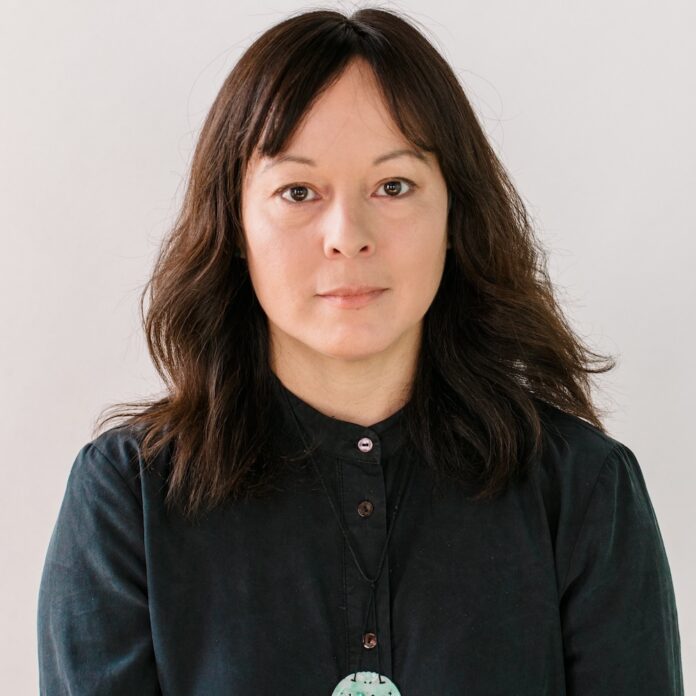
Extending this conversation beyond painting, performance artist and educator Smita Sen approaches abstraction through the body. Working at the intersection of sculpture, dance-based performance, and advanced technology, Sen investigates the ways the body absorbs its surroundings and carries the weight of lived experience. Her practice considers the human body as a living archive, one that stores tension, movement, memory, and emotion over time.
As part of the program surrounding Abstraction as Legacy, Sen will guide visitors through the exhibition, drawing connections between the works on view and the language of her own practice. Rather than approaching abstraction as something to be decoded intellectually, she invites audiences to encounter it physically—to feel it, move through it, and allow themselves to be moved by it.
The evening continues with Ressonnance, an immersive sound and wellness collective founded by YoungArts Jazz Trumpet Awardee Alum Stéphane Clément and sonic architect Nicolaus Gelin. Clément brings his German Haitian heritage into a rich jazz foundation, while Gelin develops soundscapes that blur the boundary between music, atmosphere, and transcendence.
Together, Sen and Ressonnance will create a live response to the exhibition space and the works within it, guiding guests through an experience in which movement, sound, memory, and abstraction converge.
The program proposes another way of navigating abstraction—
SUPERHEROÍNAS LLEGA A MIAMI CON UNA AVENTURA DE TÍTERES SOBRE LA AMISTAD, LA IMAGINACIÓN Y EL PODER DE SER UNA MISMA
La compañía mexicana Marionetas de la Esquina estrena el 10 de octubre la nueva creación escénica de Amaranta Leyva en el Adrienne Arsht Center for the Performing Arts, con funciones también el día 11
La compañía mexicana Marionetas de la Esquina llegará a Miami con Superheroínas, nueva creación escénica de la dramaturga y directora Amaranta Leyva, que tendrá su estreno el 10 de octubre de 2026 en el Carnival Studio Theater del Adrienne Arsht Center for the Performing Arts of Miami-Dade County, con funciones también el 11 de octubre.
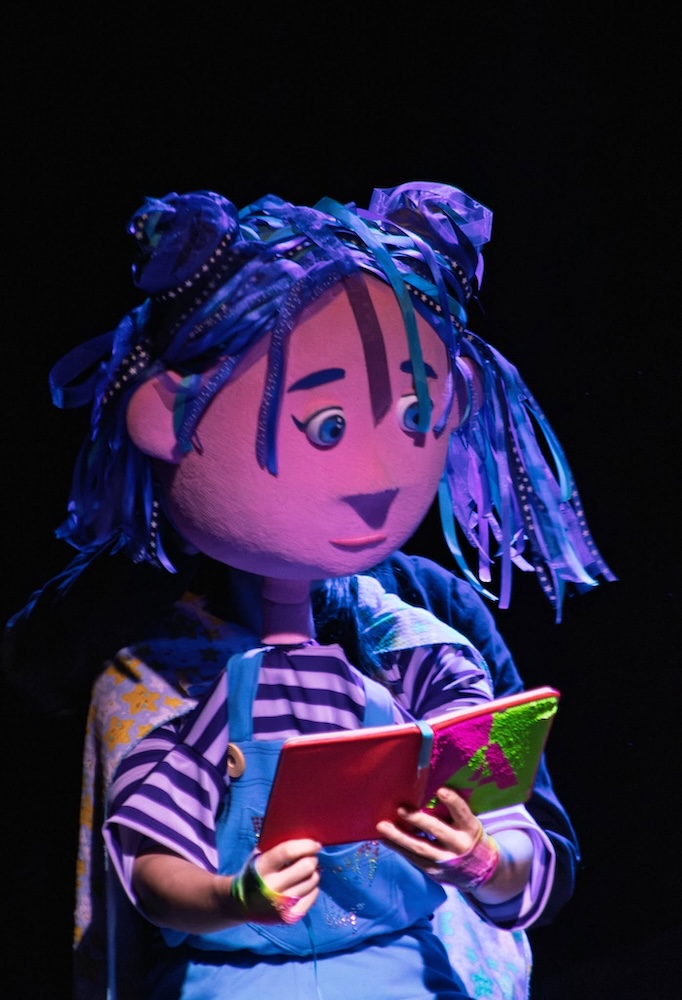
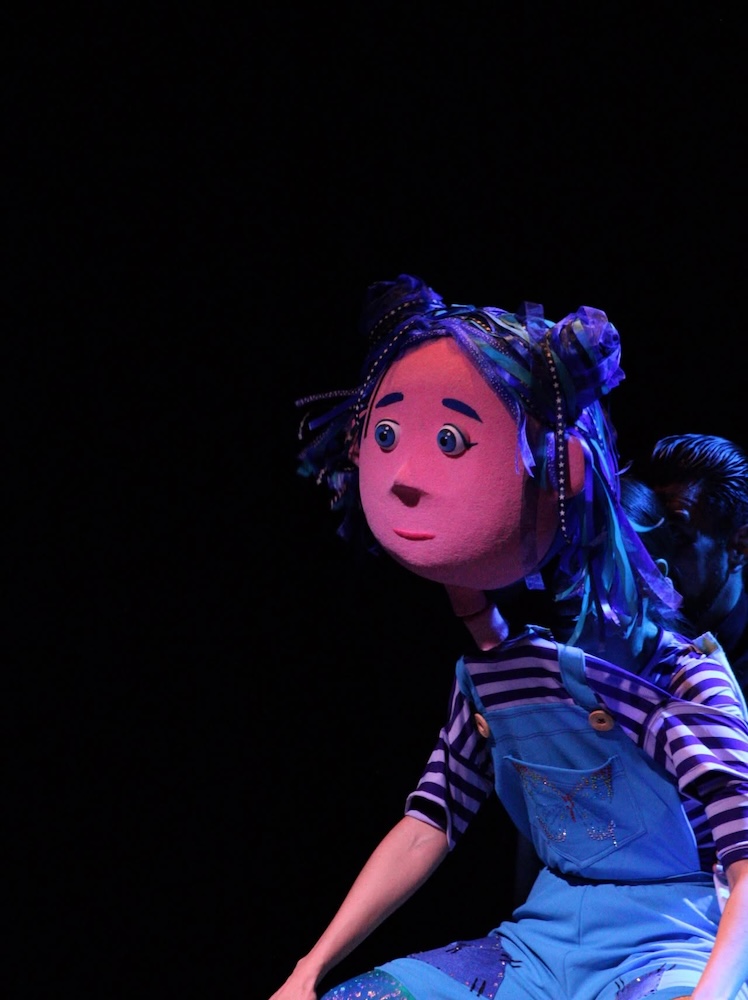
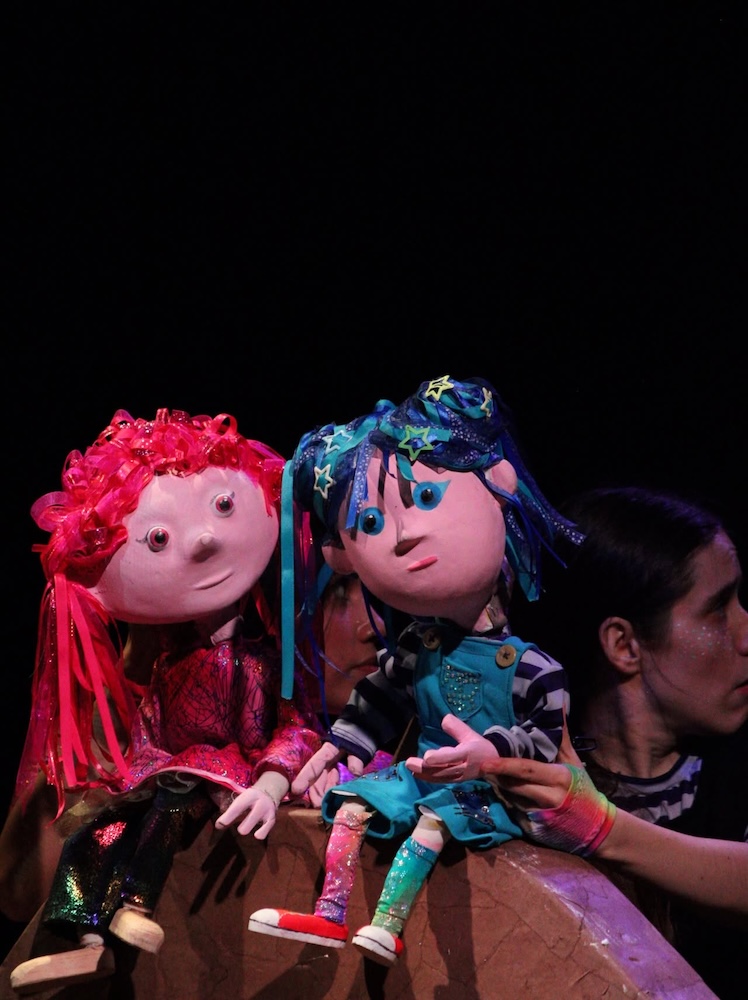
La puesta en escena combina títeres, actuación, humor, recursos multimedia y participación del público para contar la historia de Ali y Azul, dos amigas que emprenden una aventura para descubrir que convertirse en superheroína tiene menos que ver con volar o usar una capa que con encontrar la propia voz, establecer límites y tener el valor de ser una misma.
Con más de 50 años de trayectoria, Marionetas de la Esquina es una de las compañías mexicanas de teatro de títeres de mayor reconocimiento nacional e internacional. Fundada en 1975, ha desarrollado decenas de montajes y una amplia labor de creación, formación y difusión dirigida a públicos infantiles, juveniles y familiares.
Ali y Azul viven en la Isla del Unicornio, un lugar habitado por sirenas, hadas, princesas y criaturas inesperadas. A lo largo de su recorrido descubren poderes ocultos y enfrentan sus propios temores mientras ponen a prueba la amistad, la imaginación y su libertad para decidir quiénes quieren ser.
Superheroínas tiene su origen en la serie de libros escrita por Amaranta Leyva y publicada por Alfaguara Niños. Sus personajes, preguntas y universos imaginarios pasan ahora de las páginas al escenario en una propuesta dirigida a niñas, niños y familias.
Leyva desarrolló la historia a partir de observar a su hija y a sus amigas durante la etapa preescolar y de la manera en que las niñas transformaban los modelos tradicionales de princesas y superheroínas para construir sus propias ideas sobre el mundo.
“A través del paso de princesas a superheroínas, iban entendiendo el mundo, hacían sus filosofías de la vida a través del rol de estos personajes y estereotipos, pero los iban llenando de su propia sabiduría y filosofía, de lo que iban aprendiendo de la vida”, explicó la autora.
Para Leyva, la imaginación permite a las infancias explorar sus miedos y construir herramientas propias para relacionarse con el mundo. “Obviamente se van a inventar poderes, porque todos necesitamos inventarnos poderes para vivir el día a día del mundo”, señaló.
Antes de su estreno, Superheroínas se presentó como work in progress en La Titería, Casa de las Marionetas, en Ciudad de México. El encuentro con el público permitió a la compañía observar la respuesta de los espectadores y afinar aspectos como el ritmo, la iluminación, la multimedia y la música antes de llevar la puesta en escena a Miami.
La dramaturgia y dirección están a cargo de Amaranta Leyva; la escenografía e iluminación, de Gabriel Pascal; el mapping, de Emiliano Leyva; el diseño sonoro, de Miguel Hernández, y el vestuario, de Georgina García Ramírez. El elenco está integrado por Yenizel Crespo, Siledi, César Alcázar, Roy Valdés y Amaranta Leyva.
El diseño y realización de títeres corresponde a Marionetas de la Esquina. La producción cuenta con el apoyo federal de México en Escena-Grupos Artísticos (MEGA) y del Adrienne Arsht Center for the Performing Arts.
Las funciones se realizarán los días 10 y 11 de octubre de 2026 en el Carnival Studio Theater del Adrienne Arsht Center for the Performing Arts, en Miami. El sábado 10 habrá una función a las 11:00 a.m. en inglés y otra a las 3:00 p.m. en español, con traducción en vivo. La programación continuará el domingo 11.
El Adrienne Arsht Center for the Performing Arts of Miami-Dade County se encuentra en 1300 Biscayne Blvd., Miami, Florida 33132.
Dos espectáculos: 11 h (inglés) y 3:00 p. m. (español)
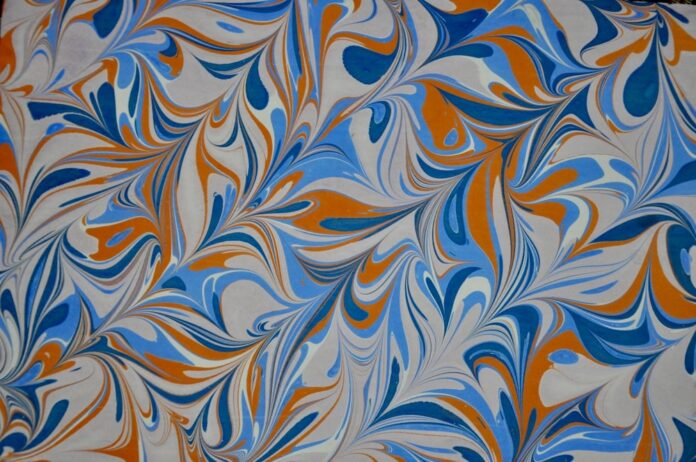
Currents
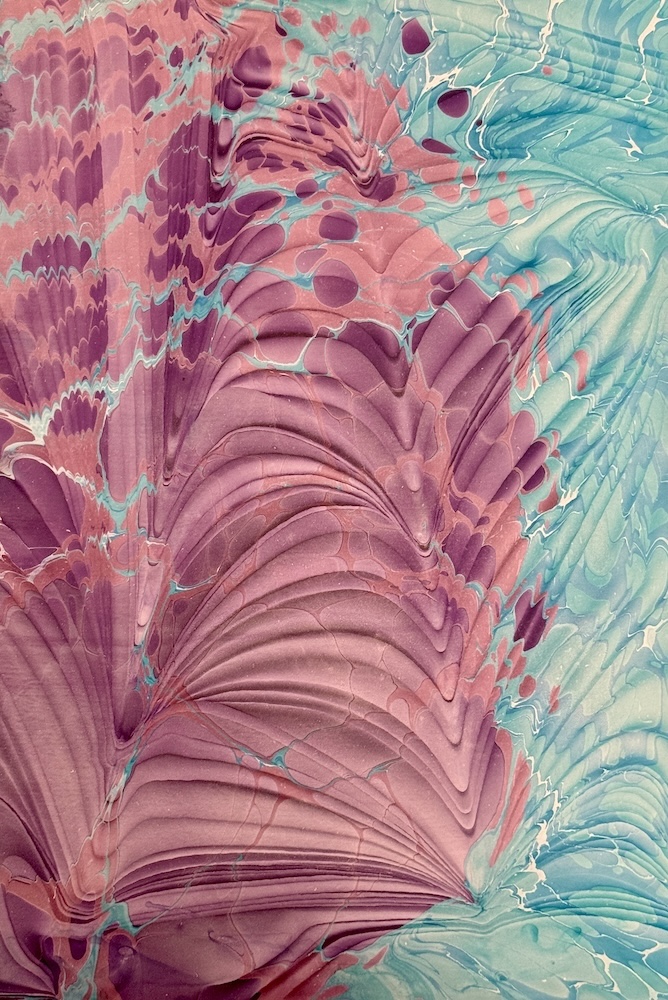
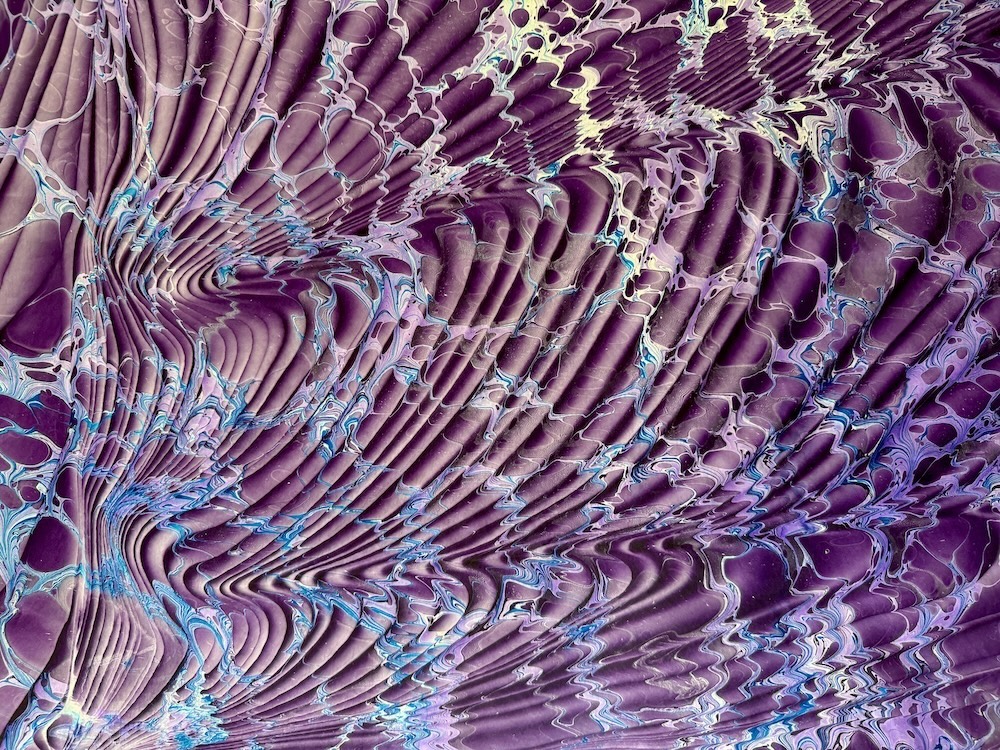
19.5 inch x 27.5 inch
Natural pigment on water, transferred to paper
2023
Ipek Saracoglu approaches Ebru not simply as a traditional technique, but as a living language shaped by memory, migration, chance, and transmission. Introduced to the practice by her father at the age of four, she developed an intimate relationship with marbling long before it became a medium through which she would connect with international audiences. In her work, pigments floating across water become more than material: they become a site of negotiation between control and surrender, permanence and impermanence, inheritance and personal expression.
After moving from Izmir to the United States, Ebru acquired an even deeper emotional significance for Saracoglu. What had once been embedded in family life gradually became a bridge to home, cultural identity, and memory. At the same time, exhibitions and workshops expanded the practice beyond the private sphere, allowing her to share its contemplative and communal qualities with audiences unfamiliar with the tradition.
In this conversation with Art Miami Magazine, Saracoglu reflects on the philosophical dimension of Ebru, the role of water as an active collaborator, the responsibility of preserving cultural heritage while allowing contemporary interpretation, and the way teaching can itself become an extension of artistic practice. Her reflections reveal an art form in which uncertainty is not an obstacle but a generative force, and where each image records a fleeting encounter between intention, material, and time.
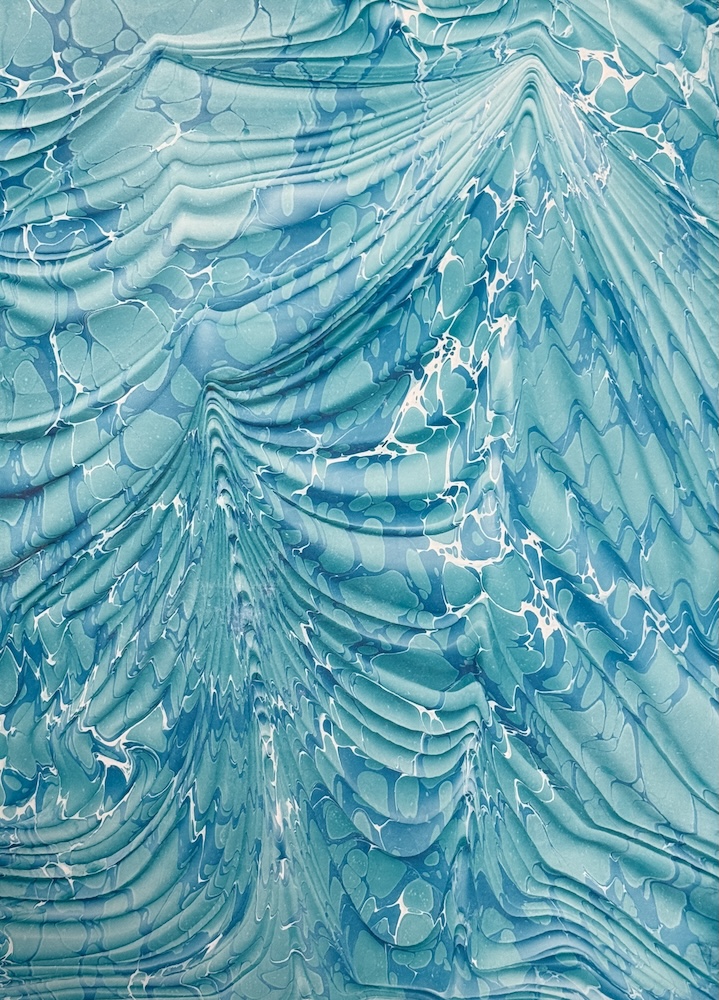
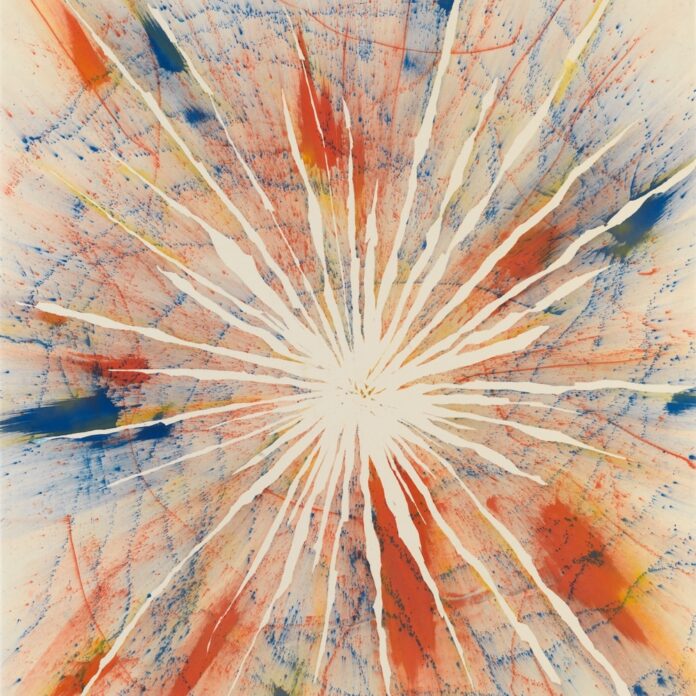
Untitled 27.5 inch x 19.5 inch Natural pigment on water, transferred to paper 2025
AMM. Ebru is often described as a dialogue between control and surrender, where the artist guides the pigments but ultimately collaborates with the unpredictable movement of water. How has this relationship between intention and chance shaped not only your artistic process, but also your broader understanding of creativity and authorship?
Ipek Nader. Sometimes in life, no matter what we do, something we initially didn’t want can unexpectedly lead to a beautiful and meaningful outcome. Because of this, I believe it is very important to know when to let go of control and practice a sense of trust and surrender. Ebru constantly reminds me of this. Of course, we try to do our best with the aspects that are in our hands such as technique, color harmony, and composition. But sometimes the pigments don’t spread the way we expect, the balance of the water changes or a drop of paint splashed from the brush lands somewhere completely unpredictable. In those moments, the water’s movement reminds me of life itself. I try to do the best I can, but sometimes the most meaningful result is not the one we try to control, but the one that unfolds beyond our control.
Untitled 27.5 inch x 19.5 inch Natural pigment on water, transferred to paper 2025
AMM. You learned Ebru from your father at a very young age, transforming what began as a family practice into an artistic language you now share with international audiences. How do you navigate the balance between preserving the cultural and historical integrity of this traditional Turkish art form while allowing space for your own contemporary interpretation?
IN. Since I learned Ebru from my father at a very young age, for me it is not only an art form but also a tradition passed down through generations and a meaningful part of my family history. Because of this, I feel a strong responsibility to respect its cultural roots and traditional techniques.
At the same time, I see Ebru as a living art. Every artist forms their own dialogue with water and color. I try to express my own emotions and aesthetic through my color choices and compositions. I also enjoy seeing this balance between past and present in other fields as well like in architecture where old and new coexist, or in fashion where vintage pieces are combined with contemporary ones.
Perhaps because of this perspective, I often gravitate toward the wavy Ebru style, which allows a traditional art form to feel more contemporary while still honoring its roots.
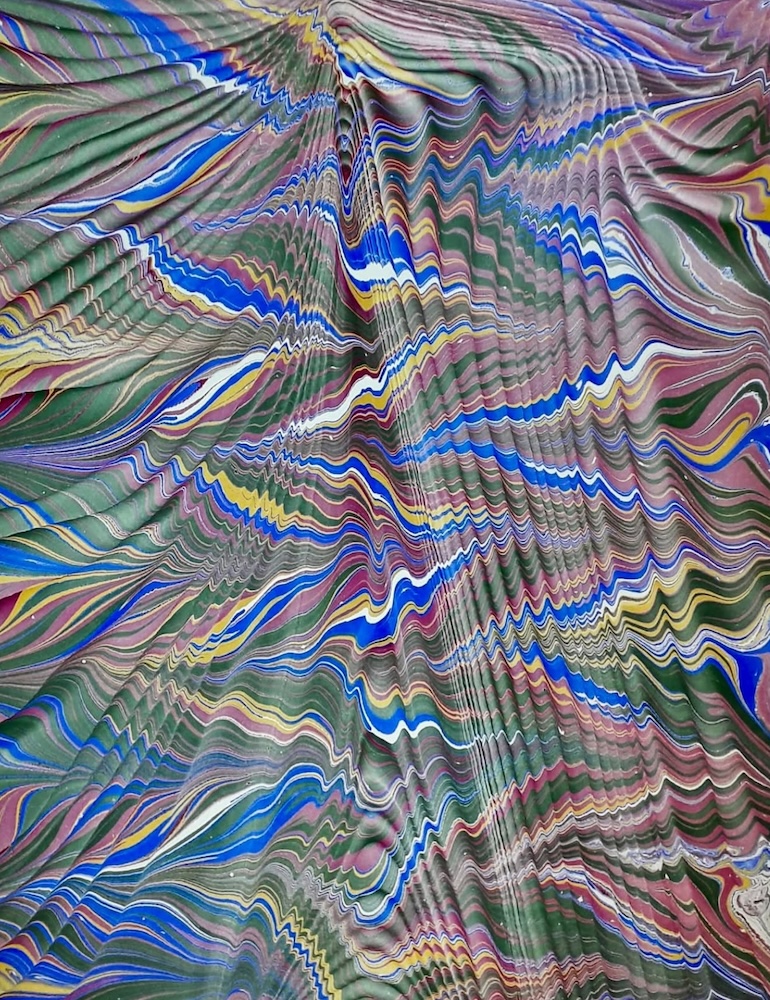
A Sea of Colors and Motion 27.5 inch x 19.5 inch Natural pigment on water, transferred to paper 2024
AMM. Your work emerged within the intimate environment of family and memory, yet it now circulates globally through exhibitions and workshops. In what ways has migration — particularly your move from Izmir to the United States — transformed the emotional and conceptual meaning of Ebru in your practice?
IN. Moving from Izmir to the United States changed the way I relate to Ebru. What once began as a quiet family practice with my father gradually took on a deeper meaning after I moved abroad. When you have something around you all the time, you don’t always realize its significance. But being away makes you more aware of what you carry with you, your culture, your childhood memories, your sense of home. Being far from home made me realize how deeply these feelings are connected to Ebru and how this art carries pieces of one’s identity across places.
At the same time, sharing Ebru through exhibitions and workshops revealed the unifying power of art. Even when people come from very different cultures and backgrounds, they often experience the same sense of calm and fascination when they watch colors float across water. In that moment, language and distance seem to disappear.
For me, Ebru has become a bridge connecting my past and present while also bringing different cultures together through a shared experience of beauty and curiosity. I see this especially in workshops, where the moments that first surprised me, seeing the pigments float on water and then transfer to paper, create that same wonder and joy for others. Those are the magical moments that spark curiosity and connection, both in myself and in the people I share the art with.
Untitled 19.5 inch x 27.5 inch Natural pigment on water, transferred to paper 2025
AMM. Unlike many contemporary artistic mediums that prioritize permanence and control, Ebru begins with a fleeting moment — pigments floating on water that exist only briefly before being transferred onto paper or textile. Do you see this ephemeral stage as carrying a philosophical dimension about time, impermanence, or the nature of artistic creation?
IN. Yes, I think that brief moment on the water carries a strong philosophical meaning as a reflection on time and impermanence.
In Ebru, as the pigments are fluid on the water surface, the composition first exists in a fragile and temporary state as the pigments float, expand, and interact in ways that cannot be completely predicted. Up until the moment the paper touches the surface, the paint continues to change. When the paper is laid down, it captures only one instant from a constantly shifting surface. A movement that when captured becomes forever still. The artwork becomes a record of that specific moment.
Because of this, Ebru invites a different relationship between the artist and the work. The artist prepares the colors and guides their movement, but the water also plays an active role. Creation becomes a dialogue rather than complete control. In that sense, the ephemeral stage highlights the beauty of uncertainty and reminds us that artistic creation can emerge from collaboration with natural forces rather than strict mastery over them.
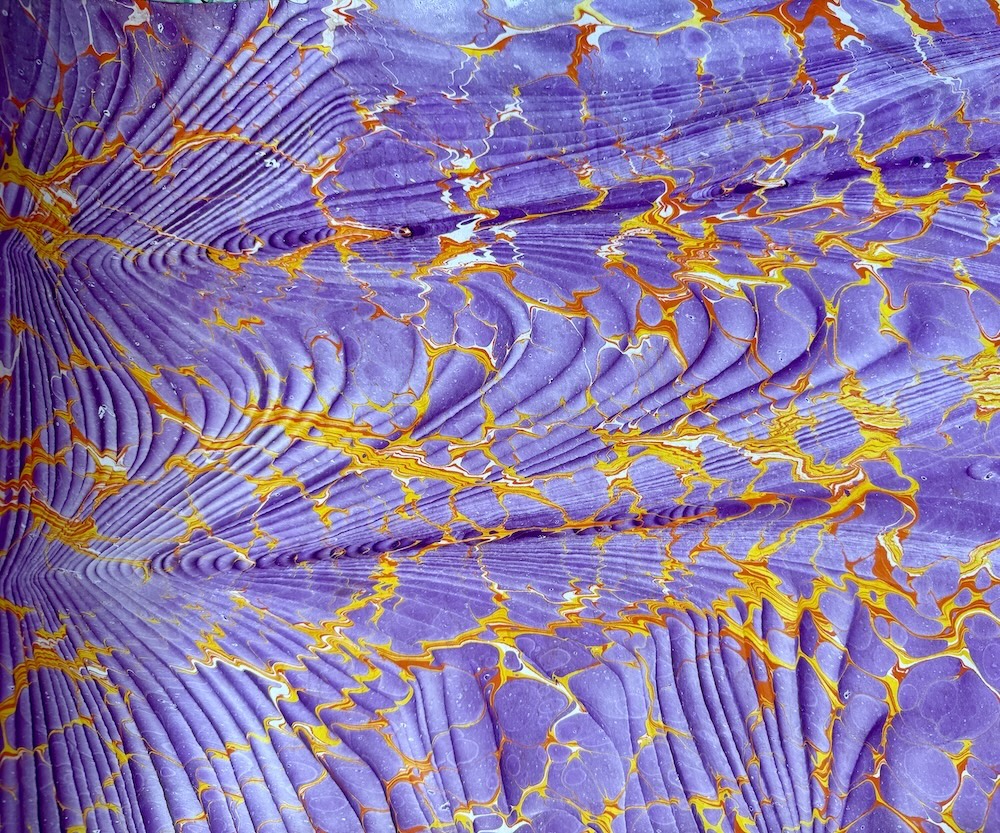
Amethyst Shimmer 19.5 inch x 27.5 inch Natural pigment on water, transferred to paper 2025
AMM. You frequently describe Ebru as a meditative and communal practice, something that historically unfolded within the space of family and now extends to workshops and public engagement. How do you see the act of teaching Ebru shaping the meaning of your work, and can the transmission of a traditional technique itself become a form of artistic practice?
IN. When I think of workshops, I often remember teaching kids first. It’s so special because they’re seeing and learning everything for the first time. Everything I show them is completely new. I see a similar experience with adults too, especially in the US, where many have never seen Ebru before. That first encounter creates a shared sense of wonder and joy.
Workshops also bring peace. People often leave feeling happy and fulfilled, even after just an hour session. What I usually do is set up tables with different paint colors and organize stations where groups of four or five can work together. They watch each other, share tools like jars and metal sticks, and help one another. That sharing naturally creates connection and communication among the participants.
I walk around the tables, answering questions and guiding them as they experiment. The first moment of joy comes when they see the results of their own paints on paper. That immediate sense of creation is really magical.
Teaching Ebru has really deepened my understanding of my own work. It reminds me that the art is not only about creating beautiful images, but also about the shared experience, the connections, and the joy that it brings to people. In that way, guiding others through Ebru becomes a creative act in itself. Every workshop is its own living expression of the art, and the process of sharing the technique is just as meaningful as making the art myself.
Ipek Saracoglu began practicing Ebru at the age of four, learning the art from her father. After moving to the United States for college, her father’s Ebru lessons became a meaningful way to stay connected to home and family. Over the years, Ipek has shared this tradition by hosting dozens of Ebru workshops across New York State, including at Syracuse University, Niagara University’s Castellani Art Museum, and the University at Buffalo, among others. Her work has been exhibited in the United States, Italy, France, and Brazil.
MiamiMetalPrints.com @miamimetalprints 305.332.7531 1300 NE 200th St, Miami, FL 33179
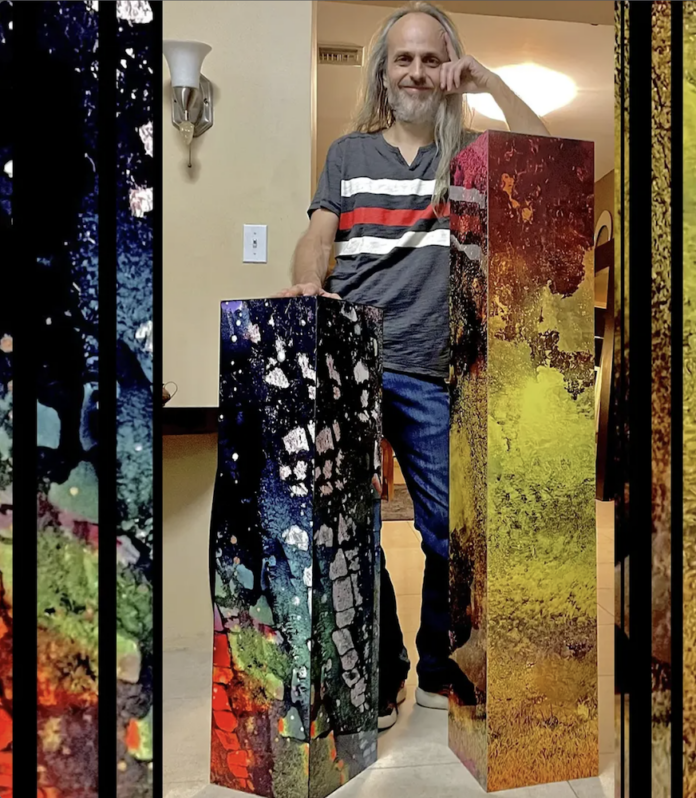
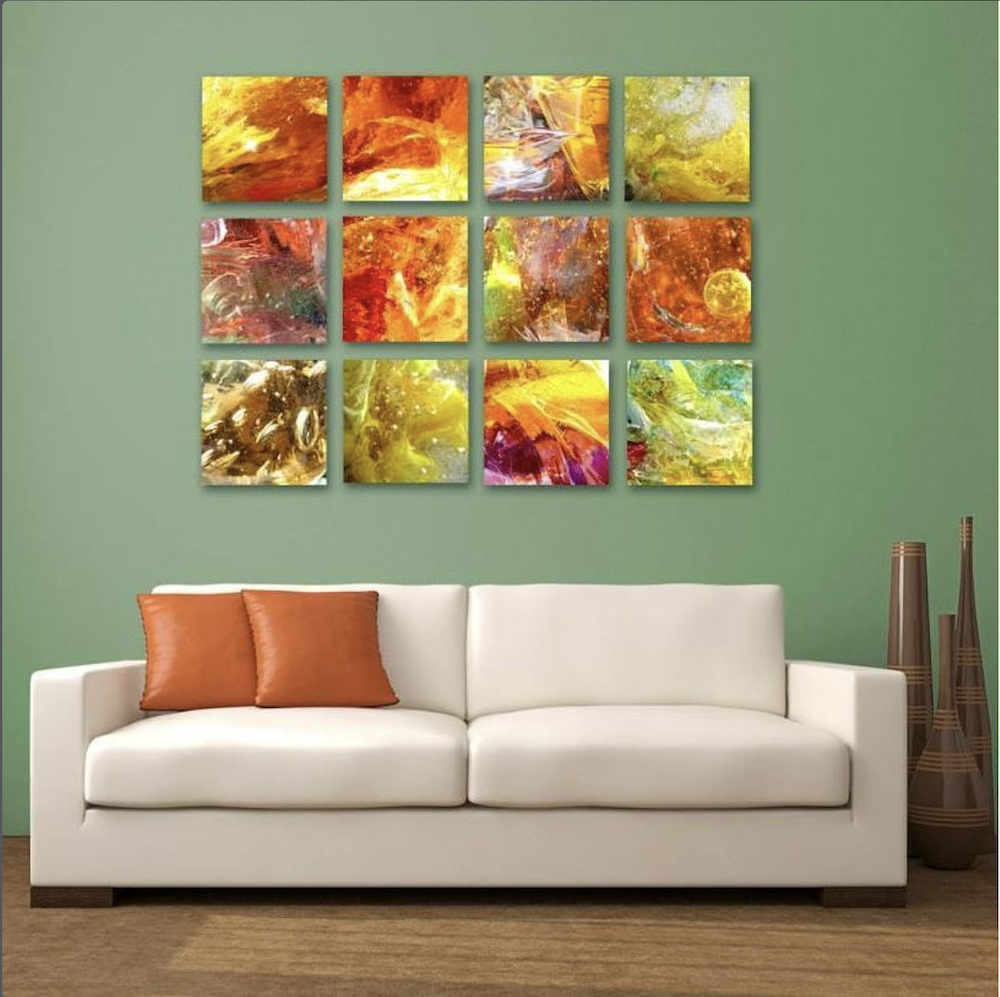
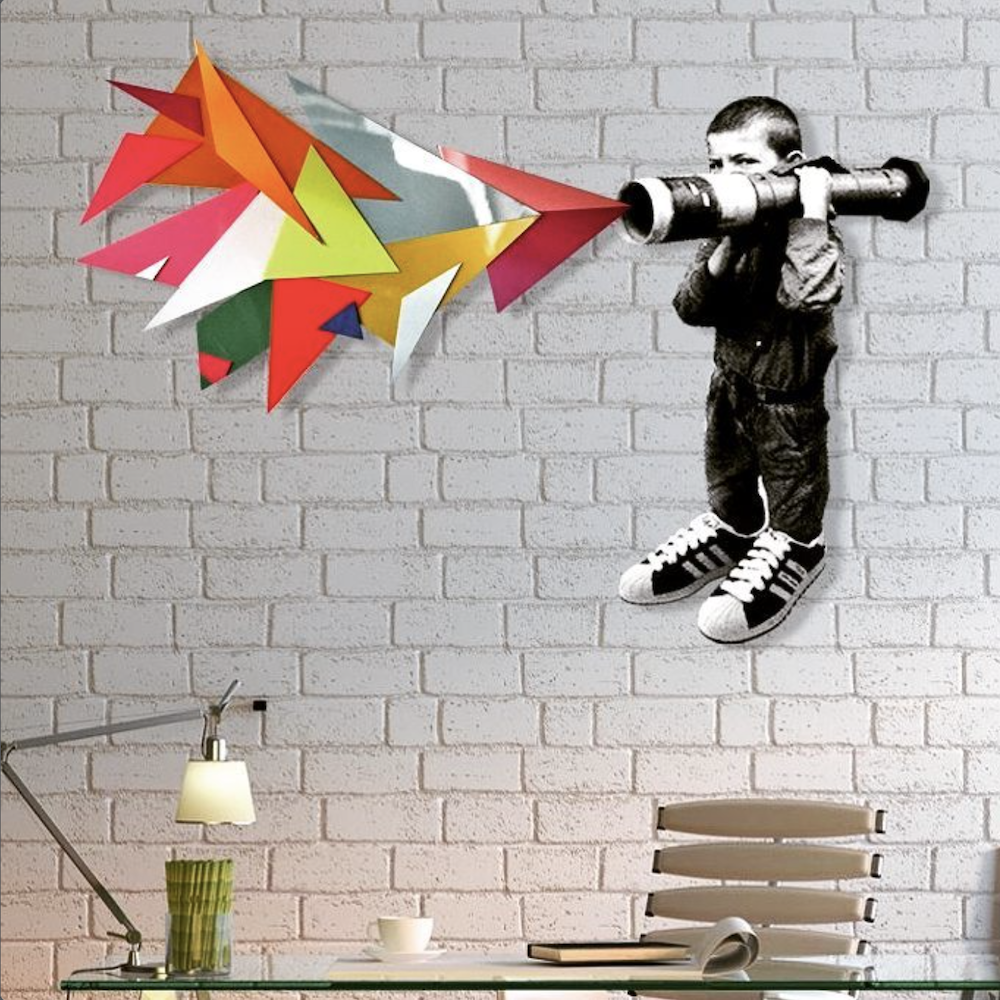
Celebrating 15 years in business, Miami Metal Prints reflects on its evolution from a specialized dye-sublimation print lab into a creative production studio serving artists, photographers, designers, collectors, and architectural projects across South Florida. In this interview, the company discusses the technology behind its high-definition aluminum prints, collaborations with artists such as Xavier Cortada, the influence of Miami’s creative community, and its expansion into large-scale murals, sculptural works, custom installations, and architectural applications. Looking ahead, Miami Metal Prints is embracing new digital tools, sustainability, and innovative ways of transforming images and ideas into durable, luminous works of art.
AMM. Miami Metal Prints is celebrating 15 years in business. Looking back to 2011, what inspired you to specialize in dye sublimation on aluminum, and how has the company evolved since those early years?
Samuel Zaoui. The very first time I saw a metal print in 2010, I was completely hooked. The first pioneer in photographic metal printing sent me a sample from California, and the second I held it in my hands, I knew this was what I wanted to do. The colors were extraordinarily vibrant, the clarity was remarkable, and the physical durability offered a level of true archival quality that paper and canvas simply couldn’t match. I knew right then that I had to master this process and bring it to Miami by starting my own business. Over the past 15 years, Miami Metal Prints has evolved from a specialized print lab into a full-scale creative production studio engineering custom architectural installations, massive multi-panel murals, and dimensional metal artwork.
AMM. You have worked closely with photographers, visual artists, designers, and businesses in South Florida. What have you learned from working with artists, and how has Miami’s creative community influenced the development of Miami Metal Prints?
SZ. When you truly love what you do, it isn’t work—it’s your life and your passion. Miami’s creative community is bold, colorful, and constantly pushing boundaries. Working side-by-side with artists, photographers, designers, and private collectors has taught me that every piece carries a personal vision and an emotional statement. My favorite part of this job is that exact moment when an artist or client sees their vision transformed into a rich, luminous metal print for the first time. Delivering that feeling is what drives our studio every single day—it is truly where printing becomes art.
AMM. Your process uses high-definition, 8-color dye sublimation in which the image is infused into the aluminum rather than printed on its surface. What does this technology make possible that artists and photographers cannot achieve with traditional paper, canvas, acrylic, or conventional printing?
SZ. Traditional printing lays liquid ink dots directly on top of a substrate, which limits color depth and leaves the surface vulnerable to fading, tearing, or moisture damage. In our 8-color dye sublimation process, high heat and pressure transform the dyes into a gas, infusing the image directly into the specialized coating of the aluminum panel.
Unmatched Color Gamut & Depth: Our 8-color setup delivers ultra-wide color fidelity, rich tonal gradients, and deep blacks beneath a brilliant finish.
Extreme Durability: The surface is completely waterproof, scratch-resistant, and chemical-resistant—ideal for high-humidity or high-traffic environments without requiring heavy glass frames.
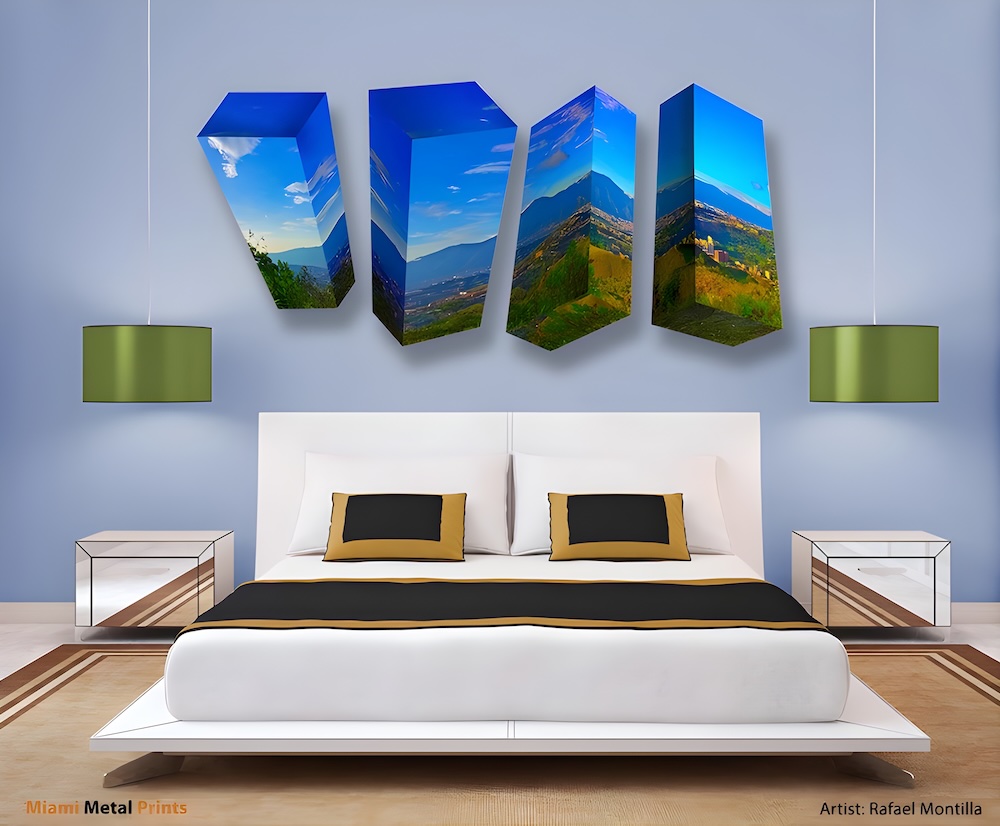
Modern Frameless Presentation: Lightweight yet rigid aluminum floats seamlessly off the wall with clean, edge-to-edge precision.
AMM. Miami Metal Prints has expanded beyond traditional rectangular prints into sculptures, murals, custom shapes, installations, and large-scale projects. What has been one of the most challenging or memorable projects you have produced during these 15 years?
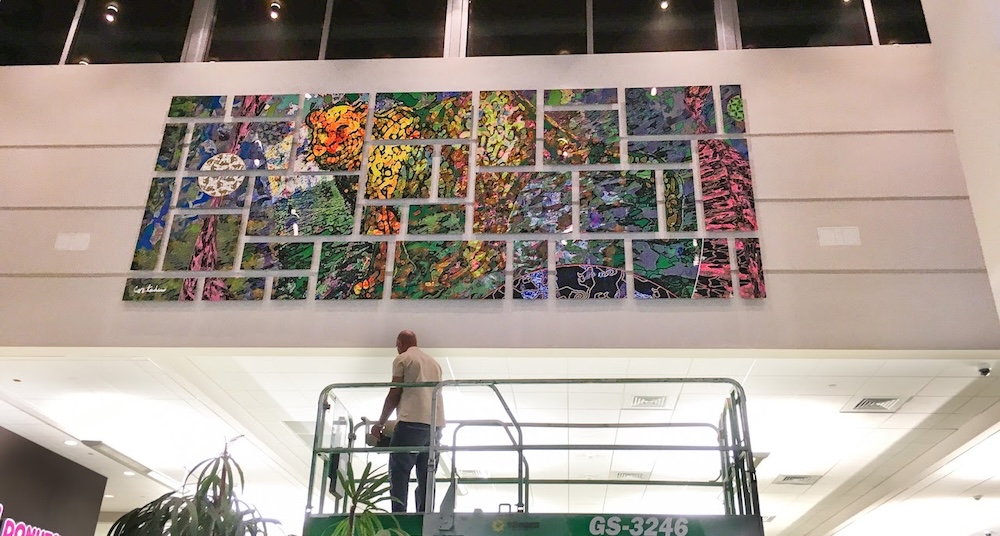
SZ. One of the most memorable and meaningful projects in our studio’s history was producing artist Xavier Cortada’s permanent public art installation, “Florida is… Endangered Animals,” at the Florida Turnpike’s Fort Drum Plaza.
At the main entrance, we manufactured an 8-foot by 20-foot dye-sublimated aluminum mural of a Florida Panther. Cortada designed it in small, grid-like rectangular metal pieces to symbolize city blocks overtaking natural habitats. In the interior dining area, we produced large-format metal prints depicting 12 additional threatened Florida species—including burrowing owls, gopher tortoises, and swallow-tailed kites.
The purpose was to confront travelers with the impact of human encroachment and encourage coexistence with nature. Because I love nature and the environment, executing this massive, multi-panel aluminum mural that could withstand high-traffic public space while maintaining precise color accuracy for such an important ecological message was both a technical triumph and a proud moment for Miami Metal Prints.
AMM. As you enter the company’s next chapter, how do you see new technologies, sustainability, digital imaging, and artists’ changing creative needs shaping the future of Miami Metal Prints?
SZ. The future of Miami Metal Prints lies at the intersection of digital accessibility, luxury service, architectural innovation, and spatial art design:
15th Anniversary Portal & White-Glove Luxury Service: To mark 15 years, we are launching a platform that lets phone photographers, homeowners, and interior designers turn smartphone photos into gallery-grade artwork. With mobile camera sensors reaching exceptional resolution and integrated AI image enlargement tools, we can upscale regular mobile photos into crisp, stunning 40×60 large-format metal prints. Launching initially across Aventura, Miami, and Fort Lauderdale, this service is completely all-inclusive—offering an exclusive, white-glove luxury experience that includes direct local delivery and professional installation for every order.
Architectural Sublimation & Outdoor Structures: We are expanding into large-scale architectural applications—sublimating hyper-realistic wood textures, organic patterns, and custom finishes onto heavy-duty aluminum for outdoor structures like gazebos, pergolas, and building facades. In South Florida’s humid, salty climate, real wood warps and rots; our process gives designers the aesthetic warmth of natural wood with bulletproof, weather-resistant durability.
Sustainability & Eco-Conscious Craftsmanship: Aluminum is 100% recyclable, and dye sublimation eliminates the toxic chemical waste and VOCs produced by traditional photo labs.
Dimensional & Sculptural Art: Artists no longer want to be confined to flat rectangles. We are pushing into custom CNC-profiled shapes, layered sculptural installations, and structural art surfaces.
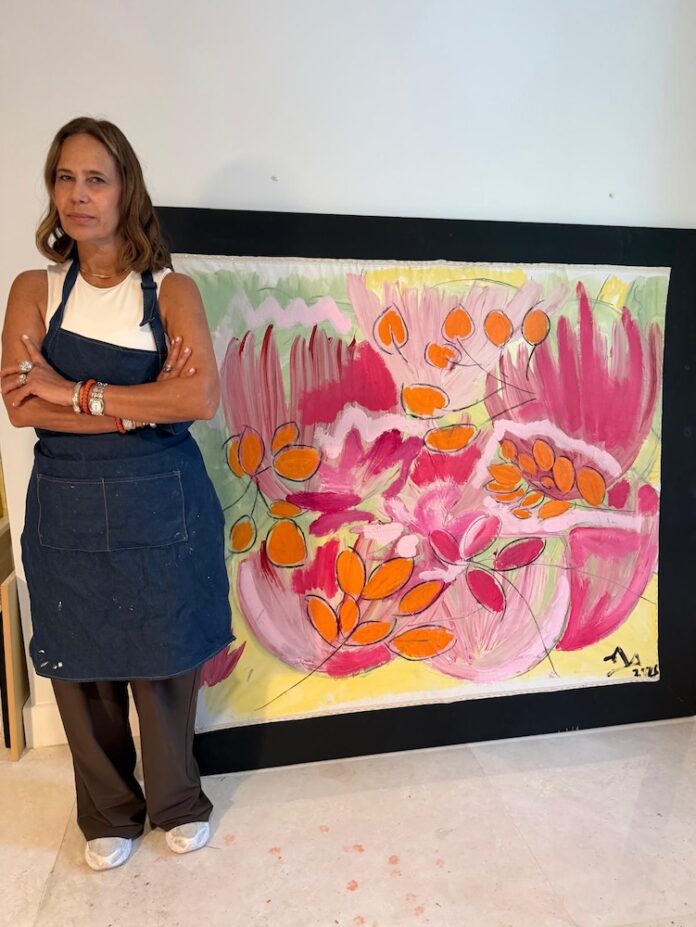
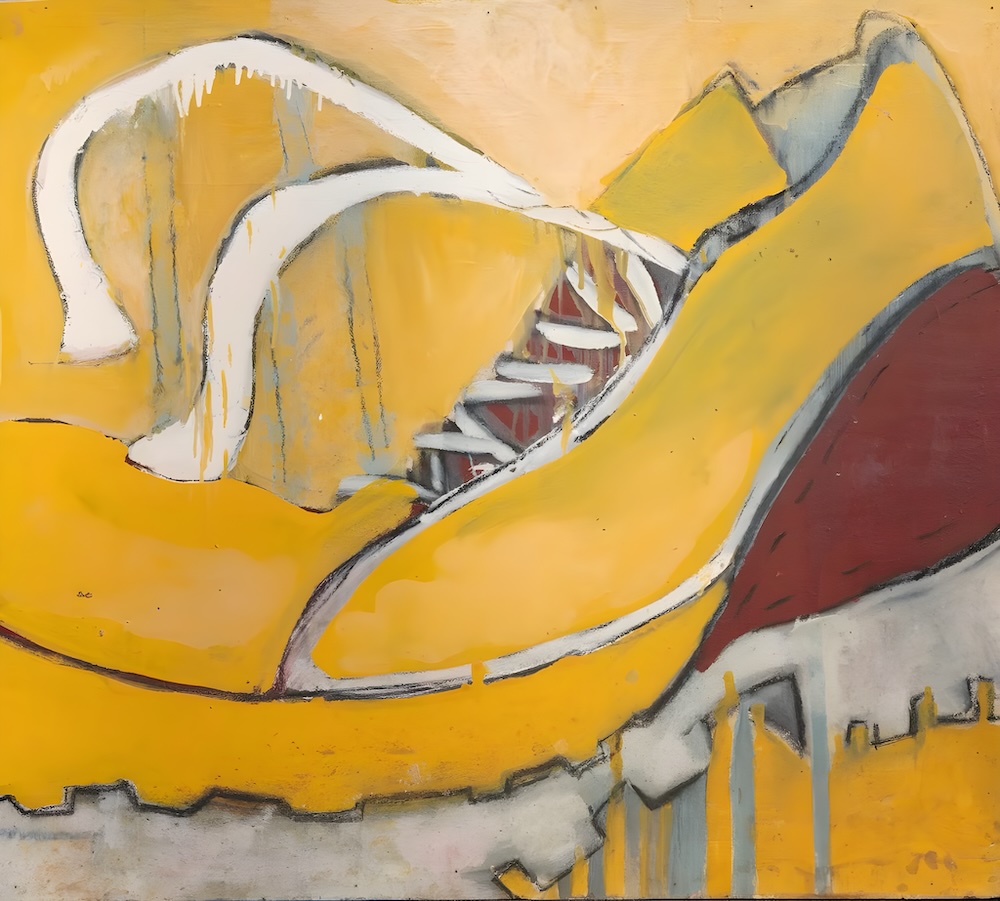
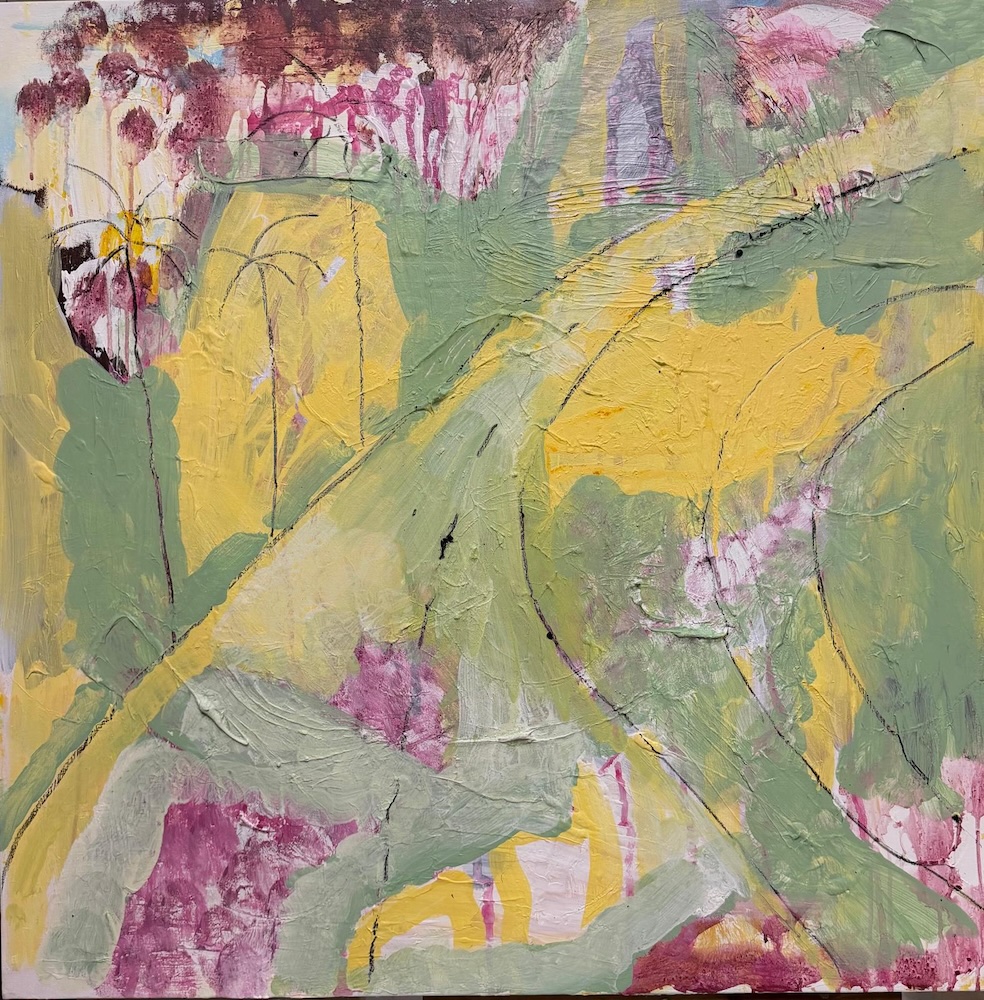
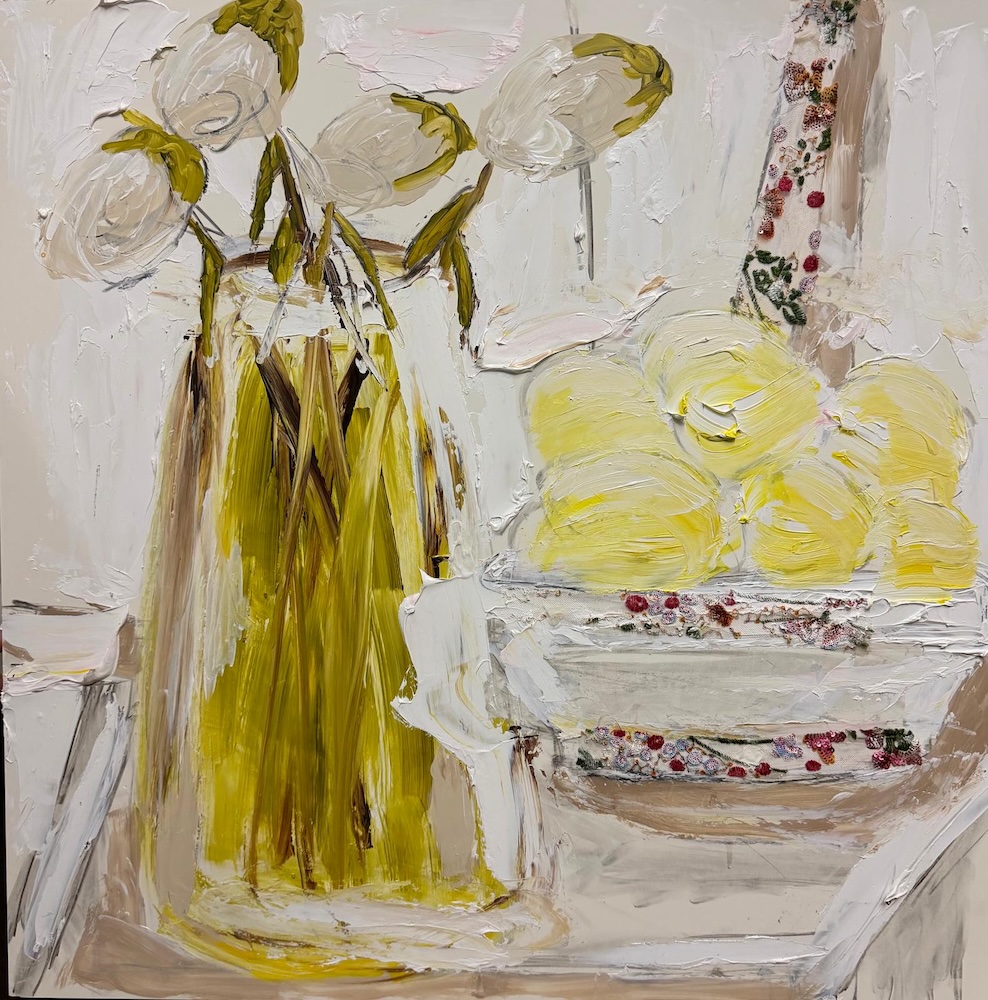
“I am moved by life in all its forms—by vulnerability, transformation, and our capacity to reconstruct ourselves.” — Tery Fuentes
MILAGROS BELLO: When did painting become a professional practice for you?
TERY FUENTES: I have painted since childhood. Over time, art ceased to exist alongside family and professional life and became a central necessity—a field through which I could interrogate and transform experience. Embracing painting professionally meant articulating my own language, grounded in vulnerability, transformation, and reconstruction.
MB: What gives rise to a work?
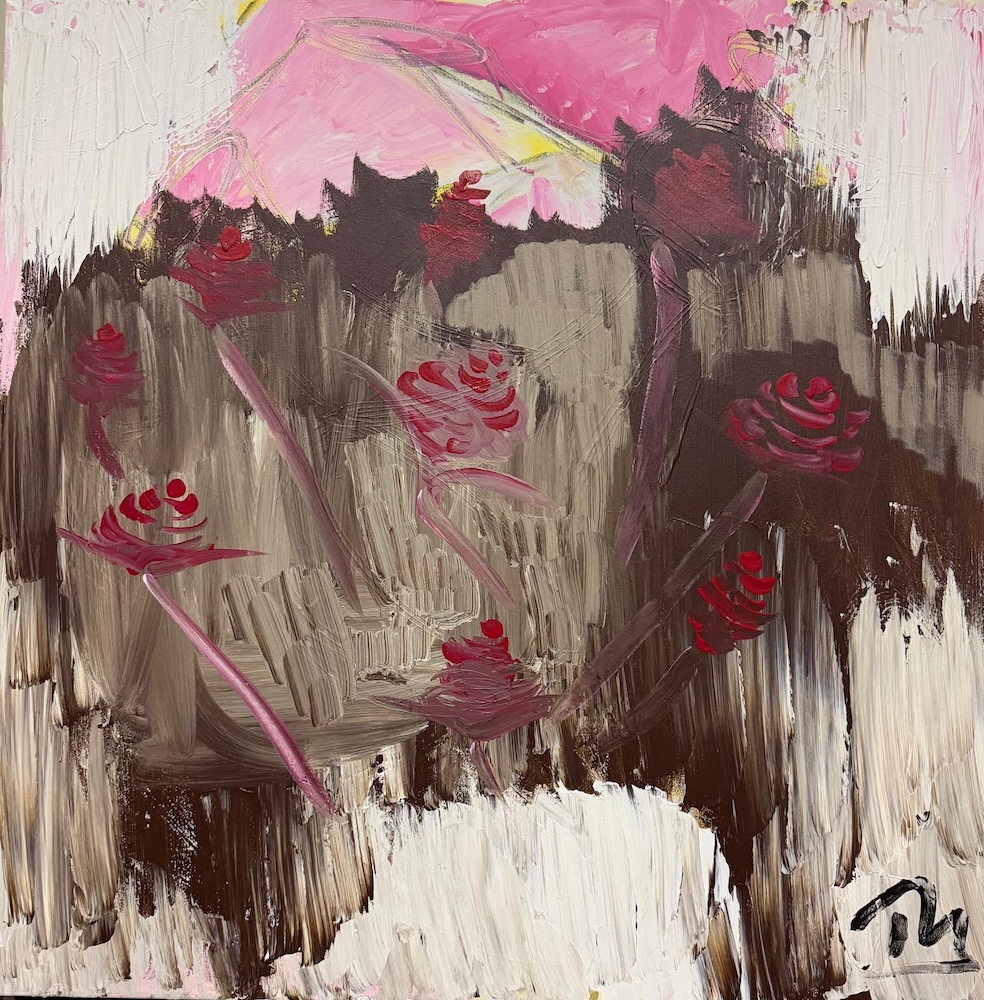
TF: Often, the work emerges from the pictorial event itself. I do not begin with a predetermined image. Gesture, color, and matter activate associations, memories, and affects. Intuition is fundamental: I work at the threshold between intentionality and contingency, allowing accident to disrupt the painting’s anticipated course. Rather than neutralizing these occurrences, I allow them to become generative forces through which the work gradually establishes its own internal logic.
MB: How do memory, figuration, and recurring images such as flowers enter the work?
TF: Memory does not function as autobiographical narrative, but as a shifting sediment altered by time, omission, perception, and affect. I am interested in what persists of experience—its residues, distortions, and discontinuities. Flowers operate within this unstable territory: their fragility and mutability embody transformation itself. Similarly, the figure may provide a perceptual anchor, but I allow it to fragment or dissolve until it oscillates between recognition and indeterminacy. Private experience thus moves beyond autobiography and acquires new meaning through the viewer’s encounter.
MB: What challenge now seems decisive to your practice?
TF: To evolve without allowing a recognizable language to become formulaic. I want to radicalize the work’s material investigation while continually pressuring its assumptions and pictorial resolutions. For me, evolution means allowing a language to become recognizable without becoming predictable.
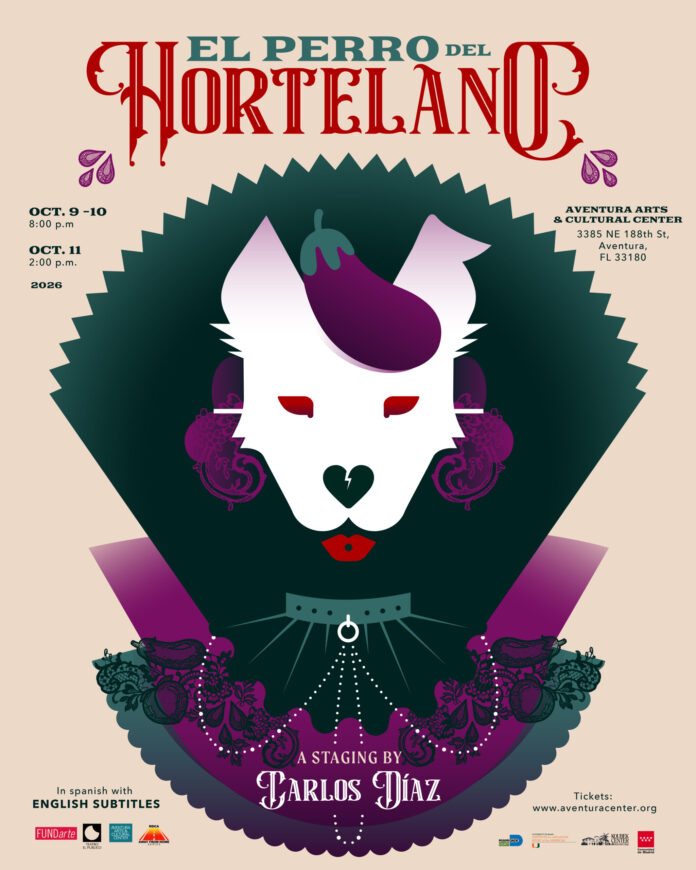
La adaptación contemporánea de Norge Espinosa Mendoza se presentará los días 9, 10 y 11 de octubre de 2026 en el Aventura Arts & Cultural Center.
MIAMI, FL — FUNDarte, la Ciudad de Aventura y Miami-Dade County Auditorium Away From Home Series presentan El perro del hortelano, la célebre comedia de Lope de Vega, en una adaptación del dramaturgo Norge Espinosa Mendoza, dirigida por Carlos Díaz.
La producción llegará al Aventura Arts & Cultural Center los días 9, 10 y 11 de octubre de 2026.
En el centro de la historia está Diana, condesa de Belflor, una mujer acostumbrada a gobernar su propio mundo. Cuando descubre que su secretario, Teodoro, corteja a Marcela, una de sus damas de compañía, los celos la llevan a intervenir en la relación. Comienza así un juego de deseos, intrigas y apariencias en el que cada personaje intenta decidir su destino.
La adaptación de Espinosa Mendoza acerca esta comedia del Siglo de Oro al público actual sin perder el ingenio de Lope de Vega. Bajo la dirección de Carlos Díaz, la puesta en escena explora las tensiones entre el amor, el poder y las convenciones sociales, y propone una mirada irónica al aparente final feliz de la obra.
Con humor y una perspectiva contemporánea, esta producción reinterpreta una de las grandes comedias de Lope de Vega. Las funciones serán en español con sobretítulos en inglés.
Elenco
Personaje
Intérprete
Diana
Ysmercy Salomón
Teodoro
Enmanuel Galbán
Marcela
Laura Alemán
Dorotea y Ricardo
Guillermo Lavandera
Anarda y Federico
Frank Ledesma
Tristán
Luciano Cortés
Fabio
Reinier Díaz
Ludovico
Joel Sotolongo
Información de las funciones
9 y 10 de octubre de 2026 8:00 p.m.
11 de octubre de 2026 2:00 p.m.
Idioma: Español con sobretítulos en inglés Lugar: Aventura Arts & Cultural Center 3385 NE 188th St, Aventura, FL 33180
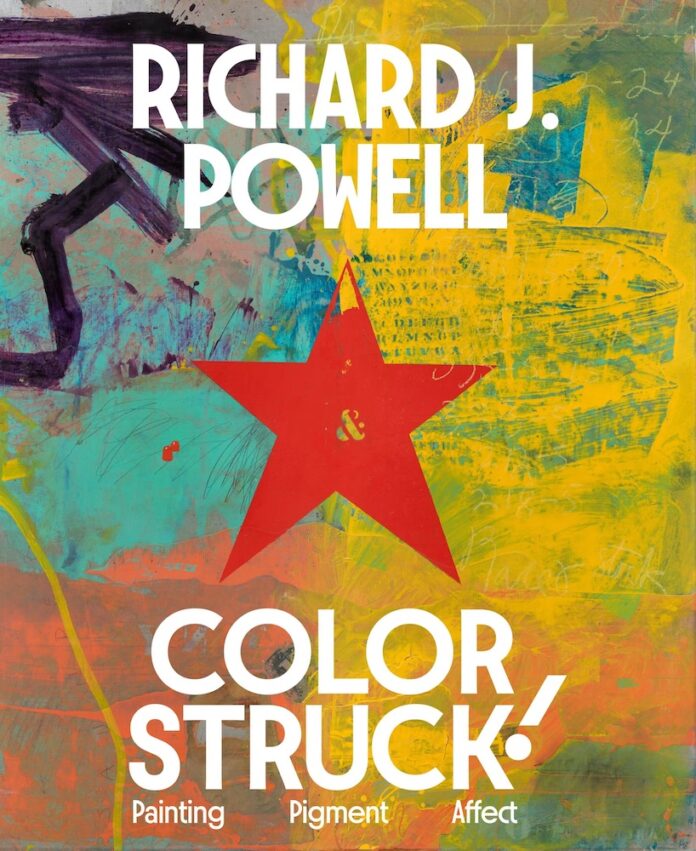
ICA Miami presents distinguished art historian Richard J. Powell for a book talk celebrating the publication of Colorstruck! Painting, Pigment, Affect. Drawing from his new book, Powell examines the powerful role of color in Black American painting and considers how artists have used hue and pigmentation to create meaning, provoke remembrance, stir emotion, and articulate experiences of freedom and reclamation.
At the center of Powell’s study is the concept of “colorstruck,” a twentieth-century slang term used to describe prejudice toward people with darker skin complexions. From this point of departure, he develops a broader history of Black American art in which color functions not simply as a formal device, but as a force charged with cultural, psychological, and historical significance.
Powell traces the dynamics of paint and pigment in the work of artists including Jacob Lawrence, Alma Thomas, Raymond Saunders, Sam Gilliam, Hervé Télémaque, Jean-Michel Basquiat, Lynette Yiadom-Boakye, Nina Chanel Abney, and Henry Taylor. Through blue, green, yellow, orange, black, red, brown, and their many combinations, he explores how vibrant palettes intersect with questions of race, memory, identity, and representation in unexpected and thought-provoking ways.
Rather than treating color as merely decorative or optical, Powell considers its physical and psychological impact on the viewer. In these works, color can attract, unsettle, energize, destabilize, and transform perception. It becomes a vehicle through which artists negotiate both personal and collective histories, while opening possibilities for freedom, reclamation, and emotional intensity.
The talk offers insight into the relationship between artistic action and viewer response, revealing how chromatic choices can carry meanings that extend far beyond the painted surface. The presentation will be followed by an audience Q&A.
Colorstruck! Painting, Pigment, Affect is published in association with the Center for Advanced Study in the Visual Arts, National Gallery of Art, Washington, DC.
Event Details ICA Miami Expansion Space 23 NE 41st Street Miami, FL 33137
Schedule
Date: Saturday, October 3, 2026
Time: 5:00 – 6:15 PM
Location: ICA Miami Expansion Space: 23 NE 41st St
Timeline
5:00 – 6:00 PM: Presentation by Richard J. Powell
6:00 – 6:15 PM: Audience Q&A
Speaker Biography
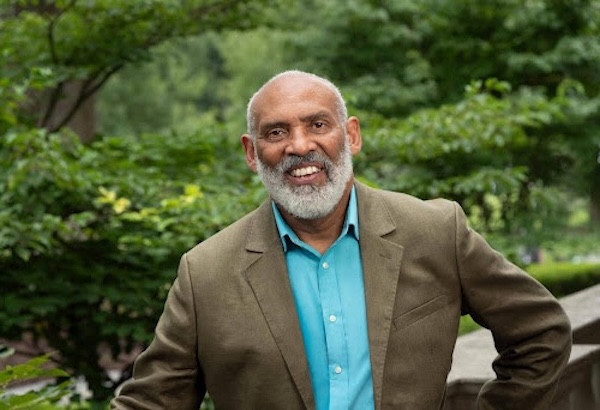
Richard J. Powell is the John Spencer Bassett Distinguished Professor of Art and Art History at Duke University. His many books include Going There: Black Visual Satire, Cutting a Figure: Fashioning Black Portraiture, and Homecoming: The Art and Life of William H. Johnson. Powell is one of the foremost scholars of African American art and visual culture.
Book Information
Title: Colorstruck! Painting, Pigment, Affect Author: Richard J. Powell
ICA Miami welcomes Homay King, Professor of Art History and Digital Media at Bryn Mawr College, to the Art + Research Center (A+RC) for a virtual lecture presented in conjunction with the A+RC Fall 2026 semester, New Approaches to Cinema. The lecture is free and open to the public with advance RSVP.
In “Better Living in Eichlerville: California Modernism’s Influence on Apple,” King examines the suburban tract housing developments built by Joseph Eichler in California from the 1950s through the 1970s and their unexpected connection to the design of the personal computer.
Working with architects influenced by California Modernism and figures such as Richard Neutra, Eichler sought to bring Bauhaus-inspired principles of modern living to middle-class Californians, particularly in Silicon Valley and along the San Francisco Peninsula. His mass-produced post-and-beam homes, constructed with natural materials, became a recognizable feature of the California suburbs. Their flat, opaque, nearly windowless front facades and transparent glass backs challenged the dominant suburban model centered on front-facing picture windows.
King argues that this architectural language also shaped the aesthetics of emerging digital technology. Steve Jobs grew up in an Eichler look-alike and later cited its influence on his design sensibility. According to King, the design of personal computers drew on California Modernist principles of seamless minimalism, privacy, private property, and “indoor-outdoor living.”
The lecture also addresses Eichler’s public advocacy for open-access housing, which contributed to more diverse neighborhoods at a time when many American suburbs were shaped by legally enforced segregation.
The presentation is drawn from King’s book manuscript in progress, Go West: A Mythology of California’s Silicon Valley.
Event DetailsDate: Thursday, October 1, 2026 Time: 5 PM Location: Virtual This lecture is free and open to the public with advance RSVP.
Homay King is Professor of History of Art at Bryn Mawr College. She is the author of two books: Lost in Translation: Orientalism, Cinema, and the Enigmatic Signifier and Virtual Memory: Time-based Art and the Dream of Digitality. Her essays have appeared in Afterall, Discourse, Film Quarterly, October, and other publications including the catalogue for the Metropolitan Museum of Art’s China: Through the Looking Glass and The Films of Andy Warhol Catalogue Raisonné. She is working on a book project entitled Go West: A Mythology of California’s Silicon Valley, for which she was awarded an Ailsa Mellon Bruce Visiting Senior Fellowship at the National Gallery of Art. She is a member of the Camera Obscura editorial collective.
Thursday, October 1, 6:15 PM Join legendary filmmaker and artist Harmony Korine in conversation with entrepreneur and philanthropist Craig Robins and Alex Gartenfeld, Irma and Norman Braman Executive Director and Chief Curator at ICA Miami.Taking place in conjunction with Harmony Korine: Perfect Nonsense, the conversation will explore Korine’s expansive approach to image-making across cinema, painting, photography, collage, drawing, and experimental media, as well as the influence of Miami on his recent work through his experimental media company, EDGLRD.Please note that, due to popular demand, the program will now take place at our ICA Miami Expansion Space. Here are a details that will help you plan your visit: Thursday, October 1st
ARRIVAL Doors will open at 5:30 PM, with the conversation beginning promptly at 6:15 PM. We encourage you to arrive early to allow time for parking, check-in and seating.Harmony Korine: Perfect Nonsense is on view at ICA Miami through October 18.
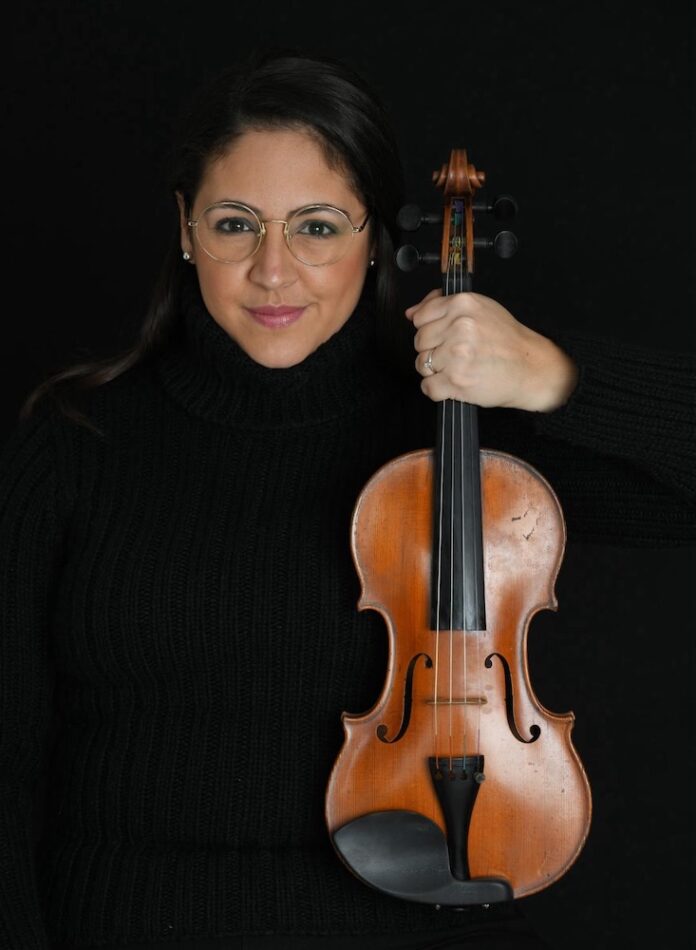
Latin Grammy winner Daniela Padrón to perform in the Jazz Gallery
MIAMI, FLORIDA – September 30, 2026 – WDNA is pleased to announce October’s Jazz Encounters concert, on Friday, October 9, will feature violinist Daniela Padrón performing live in the station’s Jazz Gallery. She will be joined by Omar Herrera on guitar and cuatro, and Javier Espinoza on bass.
Daniela Padrón is a Venezuelan American violinist born in Caracas and based in Miami since 2012. Her artistry is recognized for its emotional depth, technical refinement, and a creative vision that bridges classical tradition with the rich musical roots of Latin America.
In 2025, Daniela won the Latin Grammy Award for Best Folk Album for Joropango, with the band Kerreke, a milestone that crowns a distinguished career already marked by prior nominations in 2013 and 2022. Daniela has appeared as a guest violinist in concerts and recordings with renowned artists such as Willie Colón, Rosario, Lolita Flores, Soledad Bravo, Aymée Nuviola, Frank Quintero, and César Muñoz, among others.
The WDNA Jazz Gallery is located at 2921 Coral Way in Miami. Ticket holders are invited to arrive at 7pm to enjoy a pre-show reception catered by The Fish House and Mr. Eats, and a new art exhibition, Cages & Wages, presented by Beyond the Bars. Students are invited to claim one of the limited free tickets and join the post-show jam session.
Jazz Encounters is made possible with the support of the Miami Dade County Department of Cultural Affairs, Musicians Discount Center, Piano Music Center and Yamaha Pianos.
WDNA, a listener-supported public radio staeon broadcaseng on 88.9FM, is based in Miami, Florida. Licensed in 1977 by the FCC to the Bascomb Memorial Broadcaseng Foundaeon, Inc, the staeon was the first non-governmental public radio staeon in the Miami market. With a focus on jazz, blues, Afro-Caribbean, South American, and world music, WDNA also features the WDNA Jazz Gallery, hoseng performances by renowned arests, as well as students and faculty from local universiees. The staeon’s operaeons are funded through grants, listener donaeons, corporate underwrieng and partnerships. For more info visit wdnaradio.org.