Home Blog Page 198

El átomo y el y su espacio vacío

Átomo
Átomo

El universo está compuesto por materia, la cual está compuesta por espacios vacíos.

El universo está compuesto por materia, que a su vez está formada por átomos y moléculas que contienen protones, neutrones y electrones, y en gran medida estos átomos y moléculas están compuestos por espacios vacíos, lo que significa que hay una gran cantidad de espacio entre las partículas que los componen. Por lo tanto, se podría afirmar que el universo está compuesto por materia, que en gran parte está compuesta por espacios vacíos.

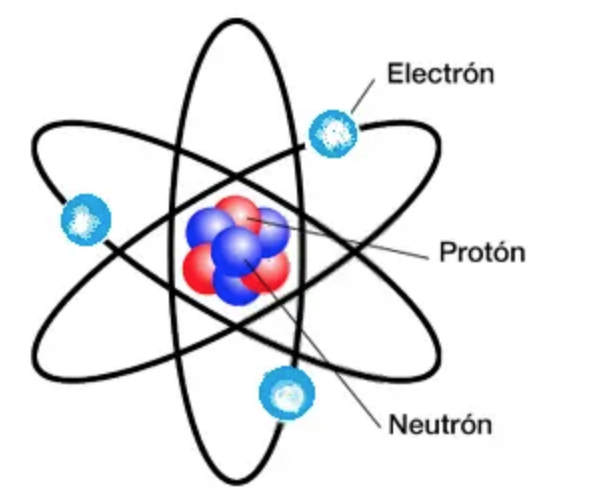
El átomo es la unidad más pequeña de un elemento químico que retiene las propiedades químicas del mismo. Está compuesto por un núcleo central que contiene protones y neutrones, rodeado por electrones que orbitan alrededor del núcleo en capas definidas.

Aunque a simple vista el átomo parece sólido, en realidad es en gran parte espacio vacío. El núcleo ocupa una pequeña fracción del volumen total del átomo, mientras que los electrones ocupan una gran cantidad de espacio. La mayor parte del volumen del átomo está vacío, lo que significa que hay una gran cantidad de espacio entre las partículas que lo componen.

Esta característica del átomo es importante en muchos aspectos de la física y la química. Por ejemplo, es la razón por la que los átomos pueden unirse para formar moléculas, ya que los electrones de un átomo pueden interactuar con los de otro átomo a través del espacio vacío que los separa.

También es la razón por la que los átomos pueden comprimirse y expandirse en respuesta a cambios de temperatura y presión. Además, la estructura vacía del átomo es fundamental para la comprensión de la naturaleza de la materia y la energía en la física moderna, y ha llevado a la creación de tecnologías como la energía nuclear y la electrónica.

“Un átomo consiste 99.999999999% en espacio vacío. Si quitas este espacio vacío de todos los átomos de todos los humanos, toda la humanidad cabe en un cubito de azúcar. “

“En cuanto a la materia, todos hemos estado equivocados.
Lo que hemos llamado materia es energía, cuya vibración ha sido tan rebajada como para ser perceptible a los sentidos.
El átomo y el y su espacio vacío

No hay materia.” – cita atribuida a Albert Einstein

Los átomos en tu cuerpo son 99.999999999% espacio vacío y ninguno de esos átomos son los mismo con lo que naciste, pero todos se originaron en el centro de un estrella.

Pero he aquí la parte interesante en donde entra este tema de la invisibilidad: Un átomo está compuesto en su núcleo por protones y neutrones, y en su órbita habitan los diminutos electrones, y lo interesante del caso es la distancia que existe entre los electrones y el núcleo…

Para que tengan una idea, si un núcleo de un átomo fuera del tamaño de una pelota de boliche, los electrones estarían flotando en órbita a una distancia de unos 18 kilómetros (11 millas), y no solo eso, sino que un electrón sería del tamaño de la puntita de un alfiler.

Y en medio de todo eso, solo existe espacio vacío. Y más asombroso aún, existen distancias similares entre un átomo y otro.

En otras palabras, una manera de imaginarnos el universo de los átomos en escalas de nosotros los humanos es pensar que existen muchas bolas de boliche flotando en el espacio, a una distancia de unos 50 a 100 kilómetros de distancia unas de otras, y en el medio de ellas unas diminutos cabezas de alfileres flotando rápidamente.

Si se pueden imaginar eso, entenderán que en la realidad los espacios son tan amplios entre los electrones y el núcleo, y entre un núcleo de un átomo y otro, que en realidad sobre el 99.9999999% de todo lo que creemos ver como sólido es en realidad transparente. Es una ilusión.

Pero, ¿y de dónde proviene esa ilusión? ¿y por qué percibimos el mundo así? Pues la respuesta es bastante sencilla: Evolucionamos así porque esa es una forma óptima de nuestras mentes poder manipular el mundo a nuestro alrededor.

La razón por la que vemos con nuestros ojos, es porque ondas electromagnéticas interactúan en miles de millones de veces por segundo con el material que conforma nuestro ojo, y gracias a la dualidad de la naturaleza en donde toda onda es también una serie de partículas, somos capaces de captar esos fotones de luz que rebotan y saltan por todos lados hasta llegar a nuestros fotosensores en la retina.

Cuando eso ocurre, nuestro cerebro capta solamente “la gran imagen” abstracta que conforman los patrones del mundo, en vez de los pequeños detalles, en esencia haciendo que el cerebro “rellene” los espacios de la realidad, ofreciéndonos una visión “sólida” del mundo.

Y si se encontraron esto curioso, otro dato curioso es que incluso los colores que percibimos del mundo son totalmente inventados por nuestra mente, ya que los colores tampoco existen, sino que son una herramienta más fabricada por nuestras mentes para sacarle sentido al mundo. 

Los hindúes sostienen la idea de que todo es ilusión o “maya”, es decir, que lo que percibimos como realidad es una construcción subjetiva de nuestro cerebro y que no representa la totalidad de lo que existe. Esta idea se basa en la creencia de que el cerebro humano solo es capaz de captar una fracción muy pequeña de la realidad que nos rodea, aproximadamente un 10%, mientras que el 90% restante permanece oculto a nuestra percepción.

Un ejemplo de esto es el color, que en realidad no existe en los objetos sino que es una percepción que se genera en nuestro cerebro como resultado de la interacción de la luz con los pigmentos del objeto. El objeto absorbe todas las longitudes de onda de la luz, excepto la que corresponde al color que percibimos.

El universo también se puede entender como un vacío ocupado por partículas puntuales, lo que significa que la mayor parte de la materia está compuesta por espacios vacíos. Esta perspectiva puede resultar contraintuitiva, ya que solemos percibir la materia como algo sólido y tangible.

Además, es cierto que nuestro cerebro está gobernado por estímulos parasitarios, es decir, que necesitamos interactuar con el mundo exterior para sobrevivir. Sin embargo, esta interacción también puede ser una fuente de enriquecimiento y aprendizaje, y no necesariamente debe verse como algo negativo.

En definitiva, la idea de que la realidad es una ilusión puede ser vista desde distintas perspectivas y puede tener implicaciones filosóficas, científicas y culturales muy interesantes.
Art In The Hospitality Industry

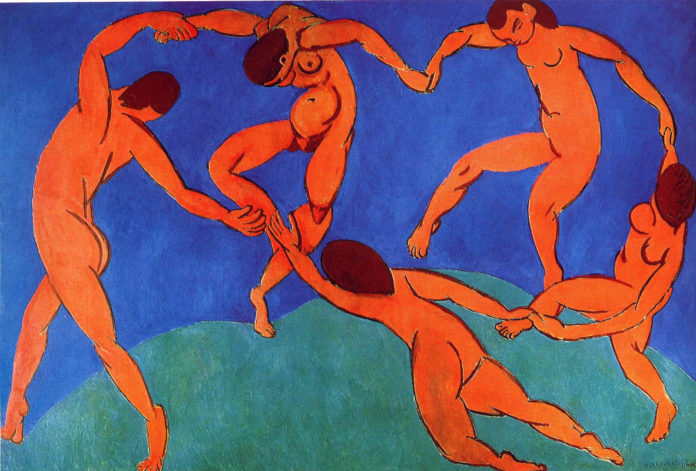
Henri Matisse
Henri Matisse

What Is The Importance Of Art In The Hospitality Industry

Art has always been leveraged across the hospitality sector as a sound marketing strategy for forming a lasting connect with guests.

How Does Art Benefit The Hotel?

Integrating Hospitality Elements.
Luxury Isn’t The Only Option.
Get The Attention Of Your Clients.
Innovate your Business with Art.
Make A Statement.
Make Sure They’re Around.

Decorating a hotel with fine art can create a sophisticated and elegant atmosphere for guests. Fine art can range from paintings and sculptures to prints and photographs, and can be displayed in various ways throughout the hotel.

Installation artworks (also sometimes described as ‘environments’) often occupy an entire room or gallery space that the spectator has to walk through in order to engage fully with the work of art. Some installations, however, are designed simply to be walked around and contemplated, or are so fragile that they can only be viewed from a doorway, or one end of a room. What makes installation art different from sculpture or other traditional art forms is that it is a complete unified experience, rather than a display of separate, individual artworks. The focus on how the viewer experiences the work and the desire to provide an intense experience for them is a dominant theme in installation art.

ELEMENTS OF ART

COLOR: An element of art made up of three properties: hue, value, and intensity. • Hue: is simply
the name of a color

LINE: An element of art defined by a point moving in space. Line may be two-or three-dimensional, descriptive, implied, or abstract.

SHAPE: An element of art that is two-dimensional, flat, or limited to height and width.

FORM: An element of art that is three-dimensional and encloses volume; includes height, width and depth (as in a cube, a sphere, a pyramid, or a cylinder). Form may also be free flowing.

VALUE: The lightness or darkness of tones or colors. White is the lightest value; black is the darkest. The value halfway between these extremes is called middle gray.

SPACE: An element of art by which positive and negative areas are defined or a sense of depth achieved in a work of art.

TEXTURE: An element of art that refers to the way things feel, or look as if they might feel if
touched. Texture can be real or implied.\

PRINCIPLES OF ART: Balance, emphasis, movement, proportion, rhythm, unity, and variety; the means an artist uses to organize elements within a work of art.

BALANCE: A way of combining elements to add a feeling of equilibrium or stability to a work of art. Balance can be symmetrical, radial or asymmetrical.

Emphasis is an area or object within the artwork that draws attention and becomes a focal point, often through strong contrast.

MOVEMENT: A Principle of Design used to create the look and feeling of action and to guide the viewer’s eye throughout the work of art.

Proportion tends to refer to the relative size of parts within a whole. In this case, the whole can be a single object like a person’s face or the entire artwork as in a landscape.

Scale refers to the size of an object (a whole) in relationship to another object (another whole). In art the size relationship between an object and the human body is significant. In experiencing the scale of an artwork we tend to compare its size to the size of our own bodies.

Rhythm is a Principle of Design that suggests movement or action. Rhythm is usually achieved through repetition of lines, shapes, colors, and more. It creates a visual tempo in artworks and provides a path for the viewer’s eye to follow.

Unity (also called harmony) is an important principle of design that gives the artwork a sense of cohesion or coherence. It is the wholeness or completeness of a picture. Unity is used by artists to tie a composition together and help the composition make sense as a whole piece of art.

Variety is the Principle of Design that adds interest to an artwork.Variety works through juxtaposition and contrast. When an artist places different visual elements next to one another, they are using variety. Straight lines next to curvy lines add variety. Organic shapes among geometric shapes add variety. Bright colors next to dull colors add variety

TIME Art exists in time as well as space. Time implies change and movement; movement implies the passage of time. Movement and time, whether actual or an illusion, are crucial elements in art.

POINT A point marks a position in space. In pure geometric terms, a point is a pair of x & y coordinates. It has no mass at all. Graphically, however, a point takes form as a dot, a visible mark. A point can be an insignificant fleck of matter or a concentrated locus of power. It can penetrate like a bullet, pierce like a nail, or pucker like a kiss. A mass of points becomes texture, shape, or plane. Tiny points of varying size create shades of gray

PLANE: A plane surface is a flat surface, and any distinct flat surface within a painting or sculpture can be referred to as a plane.

Layer Artworks with distinct overlays of visual imagery. This layering can be achieved both through the physical build up of translucent mediums (such as paint or glass), or the artist’s composition

Opacity is used to describe how much light can pass through an object ranging from transparent through translucent to opaque.
Transparency is simply the quality of being able to see through (or partially see through) one or more layers in an artwork. Like texture, transparency can be real or it can be implied or suggested. Opacity is a similar term but refers to the inability to see through a layer.

Juxtaposition Extra emphasis given to a comparison when the contrasted objects are close together. In art this usually is done with the intention of bringing out a specific quality or creating an effect, particularly when two contrasting or opposing elements are used.

Composition is the placement or arrangement of visual elements or ‘ingredients’ in a work of art. It can also be thought of as the organization of the elements of art.

Pattern is an underlying structure that organizes surfaces or structures in a consistent, regular manner. Pattern can be described as a repeating unit of shape or form, but it can also be thought of as the “skeleton” that organizes the parts of a composition.

Important to have art in Hotel Lobby

The lobby is often the initial area guests encounter upon their arrival. Therefore, the artwork displayed in the lobby should be awe-inspiring and attention-grabbing to make a lasting impression on them.

A hotel lobby with art can be beneficial in several ways. Firstly, it creates a welcoming and aesthetically pleasing atmosphere for guests. Art can also be used to express the personality of the hotel and create a unique and memorable experience for guests. Additionally, art can serve as a conversation starter and help create a sense of community among guests.

Furthermore, displaying artwork in a hotel lobby can also serve as a marketing strategy for the hotel. It can attract potential guests who are art enthusiasts or appreciate a hotel that values and invests in art. Lastly, supporting local artists and displaying their artwork in the lobby can also help promote the local culture and community, which can be seen as a positive aspect by guests.

Important to have art in Hotel Room and Suite.

Since the hotel room is primarily where customers rest and unwind, it is crucial to have artworks that evoke a sense of comfort and tranquility. These artworks should exude warmth and coziness, creating an atmosphere that makes guests feel right at home and at ease.

Incorporating art into hotel rooms and suites can enhance the overall guest experience. Artworks in hotel rooms and suites can serve as a focal point, creating a warm and inviting atmosphere for guests. Art can also add a touch of elegance and sophistication to the room, making guests feel more luxurious and comfortable during their stay. Moreover, art can be used to complement the overall theme or design of the room, tying everything together in a cohesive and aesthetically pleasing way. By investing in art for hotel rooms and suites, hotel owners can elevate the guest experience and create a memorable and unique stay for their customers.

Important to have art in Hotel Common Space

In modern hotels, guests often have access to common areas for socializing and relaxation. These spaces provide an opportunity to showcase artwork that reflects the hotel’s culture or style.
Common areas in hotels, such as lounges, restaurants, and other communal spaces, provide guests with a place to socialize, relax, and enjoy the hotel’s amenities. The art chosen for these spaces should complement the decor and create a welcoming atmosphere for guests to feel comfortable and at ease.

Having art in the common spaces of a hotel is essential to creating a welcoming and engaging environment for guests. Whether it’s the lobby, lounge, or dining area, these spaces are where guests gather to socialize and relax outside of their rooms. The artwork displayed in these areas should not only enhance the aesthetic appeal but also reflect the hotel’s culture and style. The right artwork can help create a unique and memorable experience for guests, encouraging them to return in the future. In addition, it can spark conversations and create a sense of community among guests. Therefore, it is important for hotels to carefully consider the selection and placement of art in their common spaces.

Important to have art in Hotel Bathroom

Artwork in hotel bathrooms can enhance the overall guest experience and add to the aesthetic appeal of the space. Bathrooms can often be overlooked when it comes to decorating, but they are an essential part of the guest’s stay. Art in the bathroom can create a sense of luxury and relaxation, and it can also serve as a focal point or conversation starter. When choosing art for the bathroom, it is important to consider the theme and color scheme of the space, as well as the overall style and ambiance of the hotel. The art should complement the existing decor and add to the overall mood of the bathroom. Whether it’s a painting, photograph, or sculpture, art in the hotel bathroom can elevate the guest experience and make them feel pampered and valued.

To complement the bathroom’s overall design, artworks should be simple and in line with the style. Abstract paintings or prints are recommended for this space. Abstract paintings or prints with bright palette color are recommended.

Important to have art in hotel elevators

Artists can turned the elevators and escalators into great art space

Art in elevators can be a great way to create a unique and memorable experience for guests. Since elevators are often small, the artwork should be appropriately sized and visually interesting, but not overwhelming. Consider using murals, mosaics, lights or digital displays to create a dynamic and engaging atmosphere. Art in elevators can also serve a functional purpose, such as providing information about the hotel or its amenities.

How Does Art Benefit The Hotel?


Integrating Hospitality Elements
Luxury Isn’t The Only Option.
Get The Attention Of Your Clients.
Innovate your Business with Art
Make A Statement
Make Sure They’re Around.

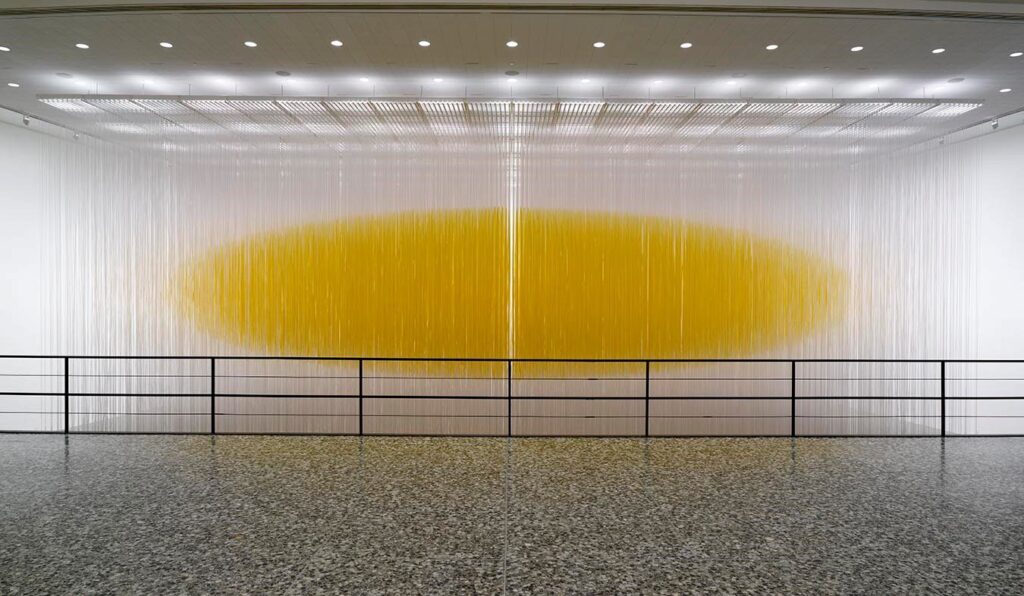
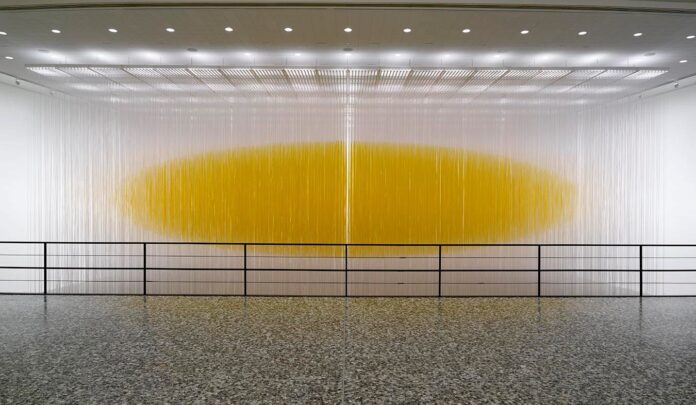
Jesús Rafael Soto

Penetrable, 2004–14

Jesús Soto

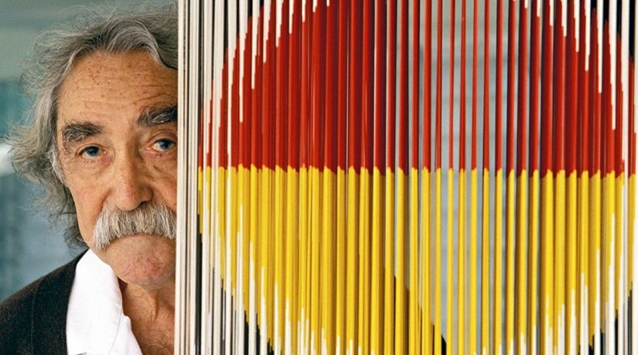
Jesús Rafael Soto (1923-2005)

En Ciudad Bolívar, emblemática ciudad a orillas del río Orinoco, antiguamente llamada “Angostura”, por haber sido fundada en la parte más angosta del enorme río padre de Venezuela”, nace, en 1923, Jesús Rafael Soto, un artista venezolano que a partir de influencias cubistas y constructivistas, se convirtió en una figura mundialmente reconocida y quizá el principal representante del arte cinético y óptico.
En su adolescencia comienza a manifestar su talento y habilidades para el dibujo y logra reconocimiento como retratista, a pesar de las limitaciones de vivir en provincia, en una época donde el desarrollo y el estímulo artístico eran casi nulos.
En su afán por trascender, trabajó como diseñador de carteles publicitarios para las salas de cine de su ciudad natal y de esta forma reunir fondos y marchar a la capital del país con una modesta beca, vinculándose asimismo a un grupo juvenil de inquietudes surrealistas.
Con 19 años, en 1942, Ingresa a la Escuela de Artes Plásticas y Aplicadas de Caracas, siendo este su primer contacto con otro ambiente cultural más desarrollado, donde tendrá de condiscípulos, entre otros a Alejandro Otero y Pascual Navarro, y el estudio del post-impresionismo francés que imperaba en la escuela, aunque queda especialmente atraído por el cubismo de Braque.
Tras cinco años de estudios egresa, en 1947 con el título de Profesor y vuelve por un corto período a Ciudad Bolívar, pero será en Maracaibo donde se radicará como Director de la Escuela de Artes Plásticas, y estrechará relaciones con el poeta Rivera y la escultora Lya Bermúdez, con quienes sostendrá tertulias sobre el acontecer cultural y artístico contemporáneo.
En Caracas, en el Taller Libre de Arte, realiza su primera exposición, en 1949. En sus primeras obras se percibe la influencia de Paul Cézanne y el gusto por la geometrización de las formas en los paisajes (Paisaje de Maracaibo, 1949) naturalezas muertas, retratos (La dama griega, 1949); y al año siguiente, escuchando los consejos del artista Mateo Manaure decide irse a París, ciudad donde residiría
hasta su muerte, en 2005.
En París, por más de una década, combina la disciplina de la investigación plástica y la participación en grupos de vanguardia con la bohemia y la vida de los cafés, en donde, según narró, se ganaba el sustento diario interpretando con su guitarra canciones y amenizando los cafés de la época y se vincula con el Op Art, movimiento artístico que se caracteriza por la exploración de las ilusiones ópticas y la manipulación de la percepción visual.
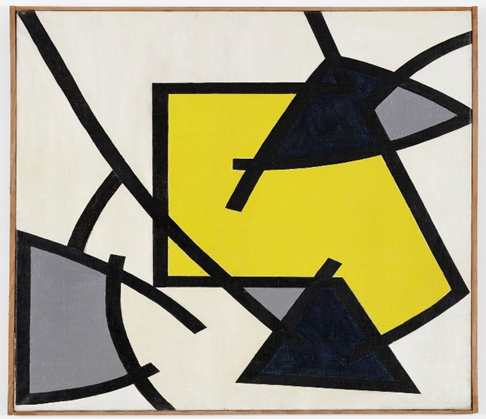
Los artistas del Op Art crean obras que parecen tener un movimiento o cambio de forma cuando se miran desde diferentes perspectivas. Estos efectos ópticos se logran a través del uso de patrones repetitivos, formas geométricas, colores brillantes y líneas angulares. Asimismo, estando en Europa pudo nutrirse culturalmente, viajar y conocer, en los museos más famosos, artistas como Van Gogh, en su viaje a Holanda en 1951 y obras posteriores al cubismo, sintiendo mucho interés por el abstraccionismo. También descubrió la obra de Paul Klee y, sobre todo, a Malevich y Mondrian, lo cual despertó en él la idea de “dinamizar el neoplasticismo y evolucionar hacia una abstracción geométrica como idea pura y que da inicio al cinetismo como movimiento plástico. Sus primeras obras muestran la búsqueda del movimiento, así como de transformar la bidimensionalidad a través de la repetición y progresión de las formas. Tal su preocupación por crear superficies de dinamismo visual en base al color, la forma geométrica y la ambigüedad forma-fondo (Composition Dynamique, 1951).

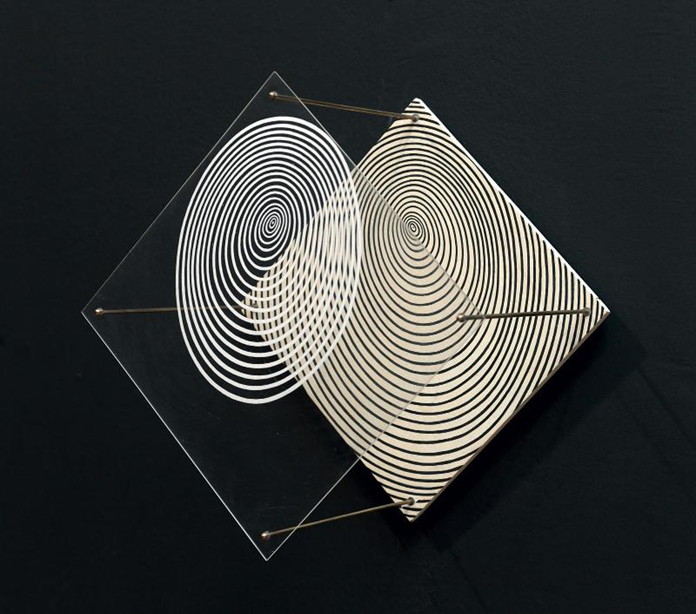
A partir de 1953 realiza los primeros trabajos de cinetismo virtual, efecto obtenido tras separar el fondo y la forma: la primera sobre una placa transparente de plexiglás y la segunda sobre una placa de madera colocada a 10 centímetros y ambas fijadas con varillas metálicas. De esos años son: La cajita de Villanueva (1955) y Espiral con plexiglás (1955). En ese año participa junto a artistas como Duchamp (“máquina óptica”), Calder, Bury, Jacobsen y otros en la célebre exposición “Le Mouvement” de la Galería Denisi René, de París.

Con su “Estructura cinética” ha abandonado el estatismo de sus anteriores obras ópticas (optical art).

En 1955 junto a Agam, Tinguely y Pol Bury, formula en sus trabajos los principios del cinetismo. En principio trata el espacio como materia plástica (Structure cinétique, 1957) y más tarde incorpora a sus piezas elementos de desecho que combina con tramas geométricas (Cubos ambiguos, 1958). A finales de la década de 1950 crea las primeras obras vibrantes y la serie Esculturas, a base de varillas que cuelgan de hilos de nylon frente a un fondo trama, con un movimiento natural que, combinado con la percepción del espectador al moverse frente a la obra, producen el efecto cinético (Estructura cinética de elementos geométricos).

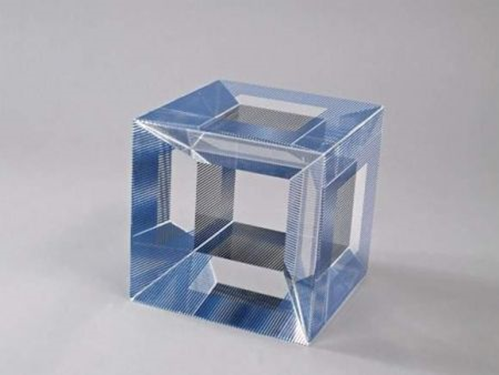
Cubo, 1968 7 3/4 × 7 3/4 × 7 3/4 in | 19.7 × 19.7 × 19.7 cm

En Valencia (Edo. Carabobo) participa en la I Exposición Internacional de Pintura, realizada en el ateneo de Valencia y dos años más tarde recibe su primer premio venezolano en la Exposición Internacional de Arte Abstracto, patrocinada por la Galería Hatch, de Caracas (1957).

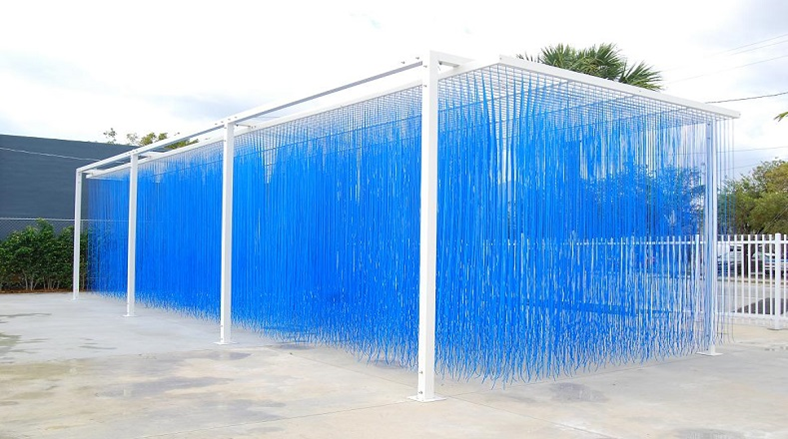
Penetrable Azul


Los Penetrables son grandes esculturas compuestas de hilos verticales, en las que se invita a los espectadores a deambular libremente. Esta obra interactiva se encuentra en el museo Chateau Lacoste, en Francia. Se inauguró en 1999 y es una de las muchas versiones del artista de este tipo de arte que conecta y requiere la participación del espectador. 
La magia de Jesús Soto radica en ser un verdadero transformador de realidades; esa inteligencia, ese enorme talento lo llevó a una incesante búsqueda de esa metamorfosis Su objetivo era la realización artística como estructura, como construcción que involucre al espectador y convertirlo en partícipe y activador del movimiento, tal como se puede apreciar en sus obras “Sotomagie” (1967) y sus “Penetrables”, una verdadera maquinaria plástica, destinada a absorber al observador para transformarlo metafóricamente en luz e incorporarlo totalmente en la obra (Penetrable amarillo, 1969), donde la obra y el espectador se integran. Dinámica del color (1957) y Escrituras (1963).

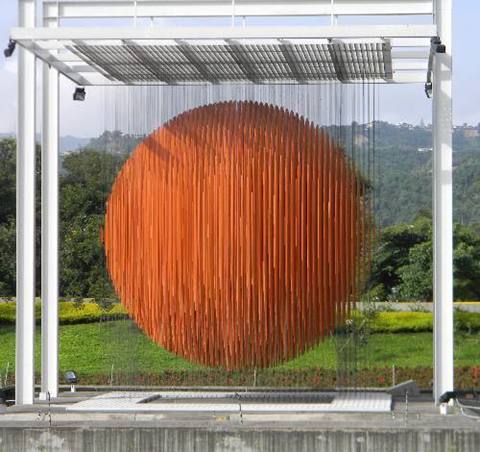
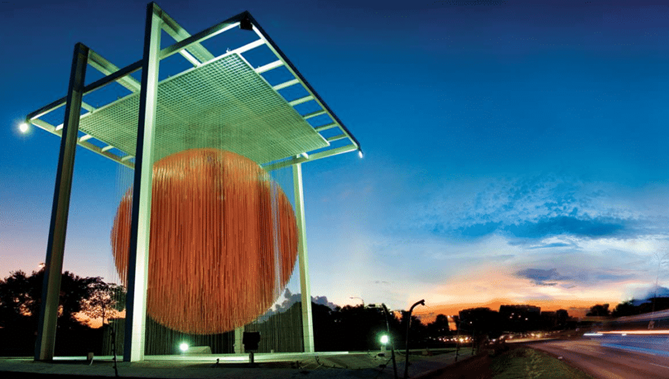
La Esfera de Caracas

Esta obra, también conocida popularmente como la Esfera de Soto. Se encuentra en la autopista Francisco Fajardo de Caracas. Se realizó en el año 1996, como parte de un plan para embellecer la ciudad. Actualmente representa un símbolo capitalino y es un sitio de esparcimiento.
Fue sin duda uno de los máximos exponentes de esta corriente, para él la pintura debía trascender a otra dimensión en la que el color tuviera mayor fuerza vibratoria, y donde la ambigüedad espacial fuera resultado de esta fuerza.
En la década del 60 diseñó penetrables y obras de integración arquitectónica, como la decoración del interior del edificio de la UNESCO en París (1970) y el interior del Centro Nacional de Arte y Cultura Georges Pompidou.
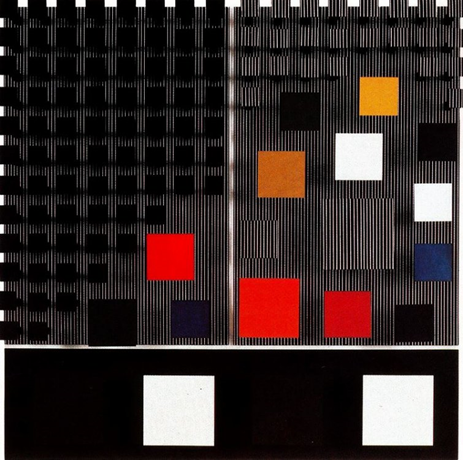
Realizó también algunas obras públicas como los murales del edificio de la UNESCO en París, 1970. A partir de esta fecha realizó distintas estructuras cinéticas integradas en la arquitectura, como el Hall de la fábrica Renault de Boulogne- Billancourt (1975); Volumen suspendido en el Centro Banaven de Caracas (1979); Volumen virtual en el Centro Pompidou de París (1987). En la década de 1980 vuelve a estudiar la ambivalencia del color sobre el plano, según los principios de Wassily Kandinsky y de la última etapa de Mondrian, a través de cuadros de diferentes formatos sobre una trama blanca y negra (Rojo central, 1980).

Uno de los grandes logros de Soto fue convertir al espectador de la obra en sujeto activo, debido a la movilidad de la imagen envuelta en la materia creada por el artista. La visualización del movimiento y la luz constituyeron las principales motivaciones de su obra. En 1973 el gobierno de Venezuela construyó el Museo de Arte Moderno de la Fundación Jesús Soto.
En 1958 Jesús Soto se encargó del Pabellón venezolano para la Exposición Internacional de Bruselas, contribuyendo a dar una imagen de modernidad al país.
En 1960 recibe la máxima distinción otorgada en el país, el Premio Nacional de Pintura, hecho que lo libra de dificultades económicas, permitiéndole una mayor dedicación a su arte. La obra premiada fue adquirida por el Estado venezolano para la Gobernación de Ciudad Bolívar, pero lamentablemente se encuentra desaparecida.

Al igual que muchos artistas del momento, Soto se sintió atraído por el “informalismo”, corriente que surgía en oposición a lo geométrico y tecnológico de las corrientes abstractas y constructivas. Fue una brevísima pasantía y rápidamente regresó a sus cauces cinéticos; así en 1963 produce sus “Escrituras” y en 1965 sus “Vibraciones inmateriales”. Entre estas dos fechas participa en las Bienales de Sao Paulo y de Venecia, en las cuales recibe sendos premios.
Estas experiencias aparecen integradas al diseño que hace nuevamente del Pabellón venezolano para otra feria internacional, esta vez la de Montreal, en 1967. Ya en 1965, la afamada Galería Signals, de Londres, había presentado su obra en una exposición que va a significar el inicio de un reconocimiento mundial.
En efecto, cuatro años más tarde, en 1969, será el Museo de Arte Moderno de París quien le otorgará un segundo reconocimiento a la importante obra de Soto, para el momento interesado en los llamados “Penetrables”, estructuras colgantes en que lo táctil y sonoro envolvían la participación recreativa del público.
En Venezuela, a través del Museo de Bellas Artes de Caracas, en 1971, se realiza la primera gran retrospectiva de Soto, remontada al año siguiente en Bogotá, y que en 1974 es remontada y ampliada en Nueva Cork por el Guggenheim Museum. Esta última exposición puede ser considerada como la de la Consagración de Soto como figura de primer orden en el cinetismo.

También Soto ha dejado obra de integración arquitectónica, en particular durante la década del 70; en Caracas realiza una obra de conjunto para el edificio Carriles, para el Parque Central y para el “Cubo Negro”. Fuera del país, en 1973 realiza el Hall de entrada de las fábricas Renault, en París, así como también el Hall del edificio sede de la Unesco de la misma ciudad, (1970).
Fue nombrado Consejero Honorario Vitalicio de la Asociación Internacional de Artistas Plásticos de la Unesco (1980) y su biografía y obra están incluidas en la Enciclopedia Larousse.

jesus soto

Actualmente, la obra de Jesús Rafael Soto está representada en los principales y más prestigiosos museos del mundo, tales como el Museo Ludwig de Colonia, Alemania, el Centro Georges Pompidou de París, el Tate de Londres, la Galería Nacional de Arte Moderno y Contemporáneo de Roma y el Museo de Arte Moderno de Nueva York. así como el otorgamiento de la Medalla Picasso, por parte de la UNESCO.
Jesús Rafael Soto, falleció a los 81 años de edad, en su residencia en París, el 14 de Enero de 2005.

Penetrable, 2004–14

Jesús Rafael Soto, Houston Penetrable, 2004–14, lacquered aluminum structure, PVC tubes, and water-based silkscreen ink, the Museum of Fine Arts, Houston, Museum purchase funded by the Caroline Wiess Law Accessions Endowment Fund. © Estate of Jesús Rafael Soto. Used by permission. Photograph © The Museum of Fine Arts, Houston, Thomas R. DuBrock, photographer.

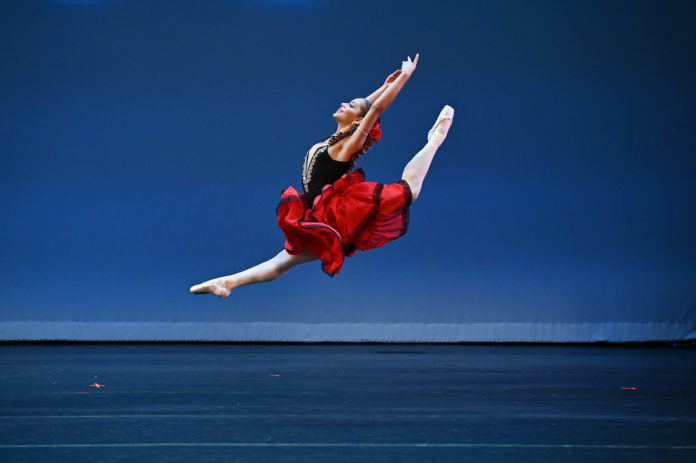
Ganadores de su 6ta Edición de Ballet de Miami (MIBC)

La Competencia Internacional de Ballet de Miami (MIBC) Regresa en su Sexta Edición

La Competencia Internacional de Ballet de Miami (MIBC) anuncia los ganadores de su 6ta Edición

Los Directores Artísticos Fundadores, maestros Vladimir Issaev y Yanis Pikieris, tienen el placer de anunciar los ganadores de la Competencia Internacional de Ballet de Miami 2023, el cual se realizó desde el 25 al 29 de enero en el Julius Littman Performing Arts Theater, en North Miami Beach. En virtud de la ciudad de North Miami Beach, todas las rondas de la competencia y la Gala de Clausura, el Miami International Ballet Celebration, fueron gratuitas para el público.
Para esta edición, MIBC entregó aproximadamente $10,000 de premios en efectivo para los galardonados, y gracias a sus patrocinadores, los jóvenes recibieron premios en mercancía relacionada a la danza por un valor de aproximadamente $1,000, cada uno. Entre los patrocinadores se encontraban RP Brand (Russian Pointe), Dance Buddy, Dancewear by Patricia, Ballet Life, Ballewear, Appola, Bee You Designs, So Dança, y Patricia’s Photography, entre otros. Se otorgaron también más de 80 becas, con un valor de más de $90,000 a los premiados para asistir a los más destacados programas de verano de ballet por escuelas internacionales con fama mundial en Asia, Europa y los Estados Unidos.
Para la Categoría Individual, los ganadores son:
Primera División – 9 a 11 años: Proveniente de Estados Unidos (BalletCNJ), ALICIANNA RODRIGUEZ, Primer Lugar y Medalla de Plata; de Panamá (Conservatorio de Danza Panamá), ALESSIA HAAS, Segundo Lugar y Medalla de Plata; y de Estados Unidos (Miami Youth Ballet), LINA VALDES-ESTEVEZ, Tercer Lugar y Medalla de Plata. Segunda División – 12 a 14 años: Proveniente de Panamá (Conservatorio de Danza de Panamá), FÁTIMA BODDEN, Primer Lugar y Medalla de Oro; de Estados Unidos (Hollywood Ballet Academy), JACQUELYN NG, Segundo Lugar y Medalla de Plata; y de Estados Unidos (Ballet Elite Dance Studio), NORA SOLI, Tercer Lugar y Medalla de Bronce. Tercera División – 15 a 18 años: Proveniente de Estados Unidos (The Florida Ballet), STELLA URBANO, Primer Lugar y Medalla de Bronce; de Estados Unidos (The Florida Ballet) LEEANACCA MOORE, Segundo Lugar y Medalla de Bronce; y de Estados Unidos (BalletCNJ) CECILIA ZINTL, Tercer Lugar y Medalla de Bronce.
Cuarta División – 19 a 25 años: Proveniente de Japón, KUYA KUROSAKI, Primer Lugar y
Medalla de Bronce.
Para la Categoría de Ensemble (Coreografías Grupales), los ganadores son: Miami Youth
Ballet con “Heartbeat,” coreografía de Yanis Pikieris, de la Segunda División.
Para la Categoría de Pas de Deux, (Coreografías en Pareja), los ganadores son: Remina Tamaka y Yayoi Sasaki, provenientes de Japón, Primer Lugar y Medalla de Plata; Ataru Matsuya y Saaya Okada, provenientes de Japón, Segundo Lugar y Medalla de Bronce; y Owen Horsford y Urara Tsukamoto, provenientes de Reino Unido y Japón respectivamente, Tercer Lugar y Medalla de Bronce.
Adicionalmente, MIBC otorgó el Premio Especial Ewa Glowacka a Saaya Okada, de la Categoría Pas de Deux; Premio Especial de los Directores Fundadores a LeeAnaca Moore, de la 3era División; premio al Mejor Coreógrafo a Liana Navarro, por su pieza “Appasionata” interpretada por Jacquelyn Ng; Premio a la Mejor Escuela de Ballet a Miami Youth Ballet, y finalmente, Premio a los Mejores Maestros a Alexander Dutko y Thiago Silva (Ballet CNJ).
Para culminar el evento, todos los bailarines galardonados se presentaron en la gala de clausura, el Miami International Ballet Celebration, en el que también MIBC invitó a las estrellas del Houston Ballet, Karina González y Connor Walsh interpretando un espectacular pas de deux de “Romeo y Julieta,” por Stanton Welch (recibiendo ovación de pié), así como también las compañías Dimensions Dance Theatre of Miami, interpretando “Adiemus” y Arts Ballet Theatre of Florida, interpretando “Taiko.” Las estrellas profesionales compartieron el escenario con los bailarines galardonados en esta gala de clausura, la cual fue anunciada por la encantadora Maestra de Ceremonias, Valentina Patruno.
Este programa estuvo patrocinado por la Ciudad de North Miami Beach, la División de Arte y Cultura del Departamento de Estado del Estado de Florida y el Departamento de Asuntos Culturales del Condado Miami Dade. Para obtener más información, visite nuestro sitio web en www.miamiibc.org o síganos en Instagram y Facebook @miamiibc.

NSU Art Museum Fort Lauderdale

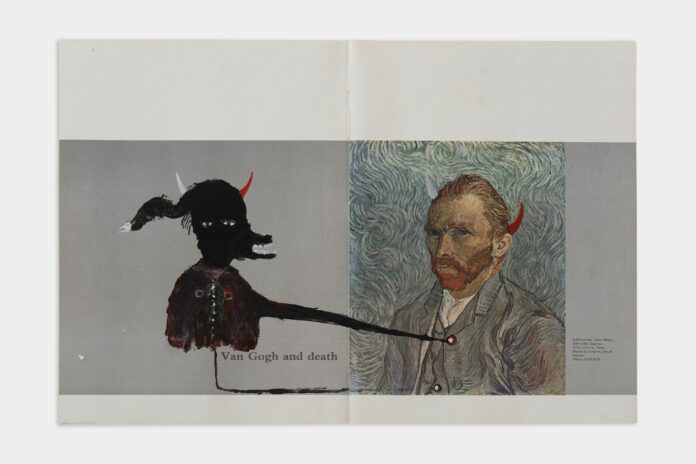
Emilio Martinez: Van Gogh, Lautrec and Me

NSU Art Museum Fort Lauderdale Announces New Exhibition: Picturing Fame

Featured artists include Henri de Toulouse-Lautrec, Emilio Martinez, Karen Kilimnik, and Vintage Haute Couture from the collection of Stephanie Seymour

 Beginning February 11 through September 3, 2023, NSU Art Museum Fort Lauderdale will present Picturing Fame, comprised of four concurrent exhibitions which ruminate on the subject of fame and celebrity. Exhibitions include Toulouse-Lautrec and the Follies of Fame, with original drawings, etchings and posters by post-impressionist French artist Henri de Toulouse-Lautrec; Emilio MartinezVan Gogh, Lautrec and Me, the first solo museum show for Honduras-born, Miami-based artist Emilio Martinez; Hooray for Hollywood, which features a Frida Kahlo self-portrait and works by Andy Warhol, Catherine Opie, Enoc Perez, among others; and The Swans, comprised of imaginative vignettes that mix Karen Kilimnik’s romantic paintings featuring movie stars and fashion models with selections from Stephanie Seymour’s collection of vintage haute couture pieces.

Henri de Toulouse-Lautrec and the Follies of Fame  (February 11 – September 3, 2023)

The Follies of Fame explores how post-impressionist Henri de Toulouse-Lautrec’s posters promoting the denizens of Paris’s demi-monde, not only contributed to the fame of the performers, but made the artist an overnight sensation. Toulouse-Lautrec’s flamboyant style and subjects’ titillating poses are the forerunners of today’s celebrity-driven marketing ploys. Yet through ubiquitous reproductions in books, posters, postcards, movies, and more recently on the internet, these images have become so widely exposed that their artistry and originality may have been overshadowed. This exhibition of Toulouse-Lautrec’s original drawings, etchings, and posters will provide the public the opportunity to view and study his works in detail and how he continues to shape the current means for picturing fame.  

Emilio Martinez: Van Gogh, Lautrec and Me  (February 11 – September 3, 2023)

Van Gogh, Lautrec and Me is the inaugural solo museum exhibition of Honduras-born, Miami artist Emilio Martinez, whose fascination with Van Gogh and Toulouse-Lautrec led to a cross-centuries collaboration, in which he contemplates the camaraderie between these two famed late-nineteenth-century artists in Paris as he paints over and collages reproductions of their work with his own fanciful embellishments. Martinez was inspired by Julian Schnabel’s riveting film Eternity’s Gate (2018) about van Gogh’s turbulent last years to embark on his series of mixed-media collages of macabre beasts that incorporate elements of reproductions of such van Gogh paintings as Starry Night and Sunflowers. For Martinez, these fanciful and frightening creatures convey the emotional weight and humanist “verve” of van Gogh’s visionary work. Martinez was prompted to create the Lautrec series of mixed media paintings and collages after discovering that the younger artist was a friend and admirer of Van Gogh. Each work in these two series suggests a narrative that reflects Martinez’s engagement with the struggles, dreams, and aspirations of  Van Gogh and Lautrec.

Hooray for Hollywood (February 11 – September 3, 2023)

Hooray for Hollywood dives into the subject of fame, glamour, desire, voyeurism, obsession, and social currency with works primarily drawn from the museum’s collection – including a Frida Kahlo self-portrait, Warhol’s Mao print series of 1973 (created after LIFE magazine named Chairman Mao the most famous man in the world in 1972), Catherine Opie’s elegiac photographic series of Elizabeth Taylor’s intimate possessions and Enoc Perez’s painting series, which grounds itself in the voyeurism associated with celebrity and the ensuing bitterness that it may trigger. The exhibition’s title references a drawing by Jack Pierson that captures the irony of Johnny Mercer’s lyrics for the uptempo 1937 tune that lampoons Hollywood’s star-making machine. Pierson’s Hooray for Hollywood poetically captures the allure as well as the disillusionment of the Hollywood dream.

The SwansKaren Kilimnik and Stephanie Seymour Paintings and Dresses (March 12 – September 3, 2023)

The Swans mixes mid-career artist Karen Kilimnik’s romantic paintings in which she casts a youthful Leonardo DiCaprio and other stars and fashion models in leading roles, with selections from Stephanie Seymour’s collection of vintage haute couture created by the eponymous designers Azzedine Alaia, Courreges, Christian Dior, Yves Saint-Laurent, Paco Rabanne and others. The resulting exhibition consists of imaginatively calibrated vignettes of paintings and fashion, which celebrate glamour, beauty, fantasy, and the occult through the eyes of two singular yet overlapping perceptions. The title references the stylish mid-twentieth-century high society women who writer Truman Capote dubbed “The Swans.” While the posters by Henri de Toulouse-Lautrec concurrently on view represent his contemporaries in the fashion of their time both Kilimnik and the fashions featured in The Swans reimagine the glamour and romance of the bygone Belle Époque of the turn-of-the-century.

Situated midway between Miami and Palm Beach, NSU Art Museum is located in the heart of Downtown Fort Lauderdale. The Museum is a premier destination for exhibitions and programs encompassing all facets of civilization’s visual history and is widely known for its significant collection of Latin American art, contemporary art with an emphasis on art by Black, Latin American, and women artists, as well as works by American artist William Glackens and the European Cobra group of artists. For more information, please visit https://nsuartmuseum.org. 

###

About NSU Art Museum

Founded in 1958, NSU Art Museum Fort Lauderdale is a premier destination for exhibitions and programs encompassing many facets of civilization’s visual history. Located midway between Miami and Palm Beach in downtown Fort Lauderdale’s arts and entertainment district, the Museum’s 83,000 square-foot building, which opened in 1986, was designed by architect Edward Larrabee Barnes and contains over 25,000 square feet of exhibition space, the 256 -seat Horvitz auditorium, a museum store, and café. In 2008, the Museum became part of Nova Southeastern University (NSU), one of the largest private research universities in the United States. NSU Art Museum is known for its significant collection of Latin American art, contemporary art with an emphasis on art by Black, Latin American, and women artists, as well as works by early twentieth-century American artist William Glackens, and the European Cobra group of artists. Two scholarly research centers complement the collections: The Dr. Stanley and Pearl Goodman Latin American Art Study Center and the William J. Glackens Study Center.

Exhibitions and programs at NSU Art Museum Fort Lauderdale are made possible in part by an endowment from the David and Francie Horvitz Family  Endowment, Taylor-Bryant Foundation, Connie Gordon, and Sansom Foundation. Funding is also provided by the City of Fort Lauderdale, Community Foundation of Broward, the Broward County Board of County Commissioners as recommended by the Broward Cultural Council and Greater Fort Lauderdale Convention & Visitors Bureau, the State of Florida, Department of State, Division of Cultural Affairs and the Florida Council on Arts and Culture. NSU Art Museum Fort Lauderdale is accredited by the American Association of Museums.

NSU Art Museum, International Women’s Day

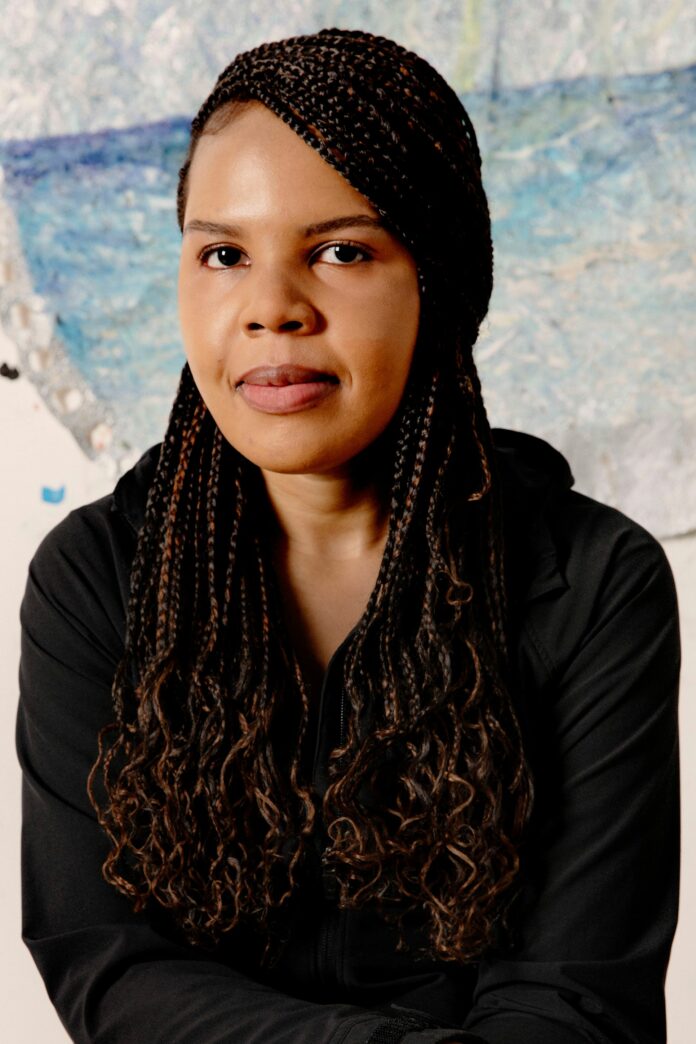
Kathia St. Hilaire
Kathia St. Hilaire

NSU Art Museum, International Women’s Day March 8th 2023

Bonnie Clearwater, Director and Chief Curator of NSU Art Museum has dedicated her career to identifying, supporting and uplifting emerging artists while consequently becoming a driving force in South Florida’s recognition as an international arts center. 

Kathia St. Hilaire, a South Florida native presenting her first solo museum exhibition at NSU Art Museum titled Immaterial Being on display through April 23, 2023. Hilaire’s works push back on the notion that identity can be constructed through well-defined categories by using a reduction relief printing technique, incorporating visual tropes around the subject of skin, color and race as a person of color. 

Bonnie Clearwater - Director and Chief Curator of NSU Art Museum
Bonnie Clearwater – Director and Chief Curator of NSU Art Museum 

Bonnie Clearwater – Director and Chief Curator of NSU Art Museum 

Throughout her 50-year career, Bonnie Clearwater has established herself as a prominent member of the art world in key art market hubs like Los Angeles, New York, and Miami. After an 18-year-long position at the Museum of Contemporary Art in Miami (MOCA), Ms. Clearwater spearheaded an exciting phase of transformation at NSU Art Museum Fort Lauderdale, completely rebranding the institution and expanding awareness locally, nationally and internationally. Turning the institution into the only world-class Museum in Fort Lauderdale, known for its culturally diverse exhibition program, education initiatives and public programming worldwide. 

Known for her ability to identify and nurture emerging artists, over the past two decades, she presented the first U.S. solo museum exhibitions for some of today’s most significant artists including Daniel Arsham, Hernan Bas, Tracey Emin, Teresita Fernandez, Mark Handforth, Jonathan Meese, Albert Oehlen, Matthew Ritchie and Shinique Smith. She also curated historically impactful solo exhibitions of artists David Smith, Frank Stella, Roy Lichtenstein, Richard Artschwager, Malcolm Morley, Jack Pierson and Helen Frankenthaler, in addition to groundbreaking thematic exhibitions. Ms. Clearwater is also the author of numerous exhibition catalogues, her most recent being Lux et Veritas: Pushing a White Wall (SKIRA, 2023). With her expertise, undoubtedly keen eye for emerging talent, and pulse on art trends to create innovative, original exhibitions, she has put Fort Lauderdale and NSU Art Museum on the map. Bonnie can discuss how she…

  • Is a driving force in the emergence and recognition of South Florida as an international arts center. 
  • Is a champion for emerging talent, including South Florida locals Jared McGriff, Thomas Bils, and Kathia St. Hilaire.
  • Has critically analyzed trends in contemporary art and launched innovative original exhibitions, such as Lux et Veritas, which has been over 15 years in the making.
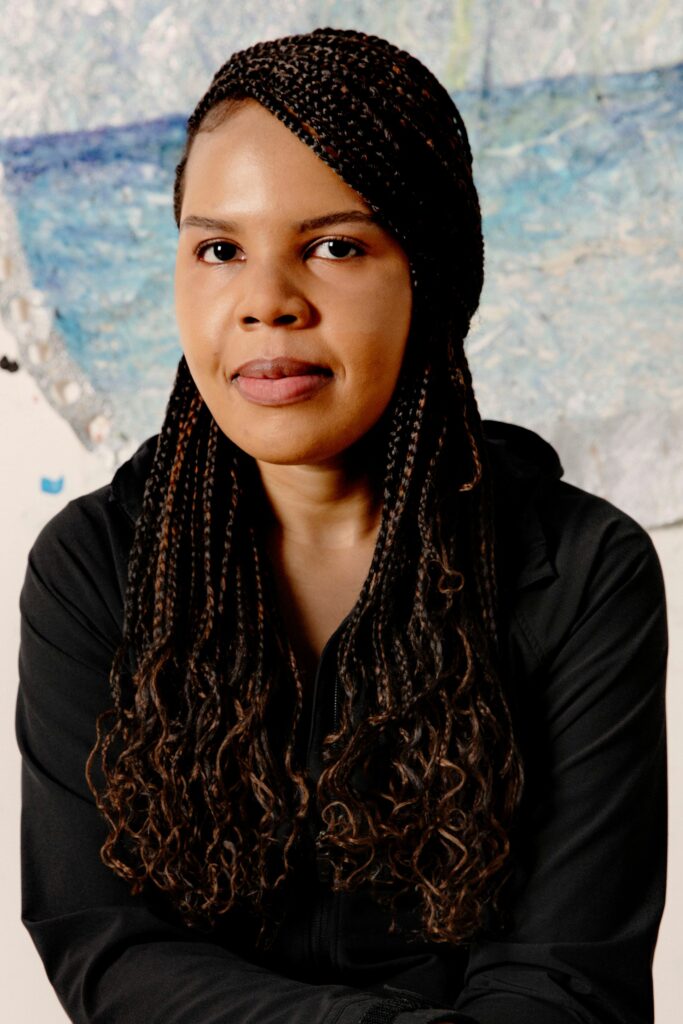
Kathia St. Hilaire
Kathia St. Hilaire

Kathia St. Hilaire – Featured Artist 

Growing up in a predominantly Caribbean and African American part of South Florida, Kathia St. Hilaire observed the nuanced differences between communities of African descent, becoming deeply aware at an early age that there is no singular experience of Blackness. Trained as a printmaker, Kathia developed a practice that pushes back on the notion that identity can be constructed through well-defined categories. On view through April 2023, Kathia presented her first solo museum exhibition titled Immaterial Being at NSU Art Museum in Fort Lauderdale. Kathia can discuss how…

  • Her transcultural experience as a young woman artist of Haitian descent, growing up within the diasporic Haitian communities of Opa-Locka, West Palm, and Okeechobee, Florida.
  • She refuses to shy away from imagery that may be controversial, political, or historical, all of which is filtered through portrayals of everyday life in the neo-diaspora. 
  • Using materials such as rubber tires, industrial metals, beauty product packaging, and fabrics is central to Haitian culture and critical notions are at the center of her personal experience and the broader narrative she seeks to tell.

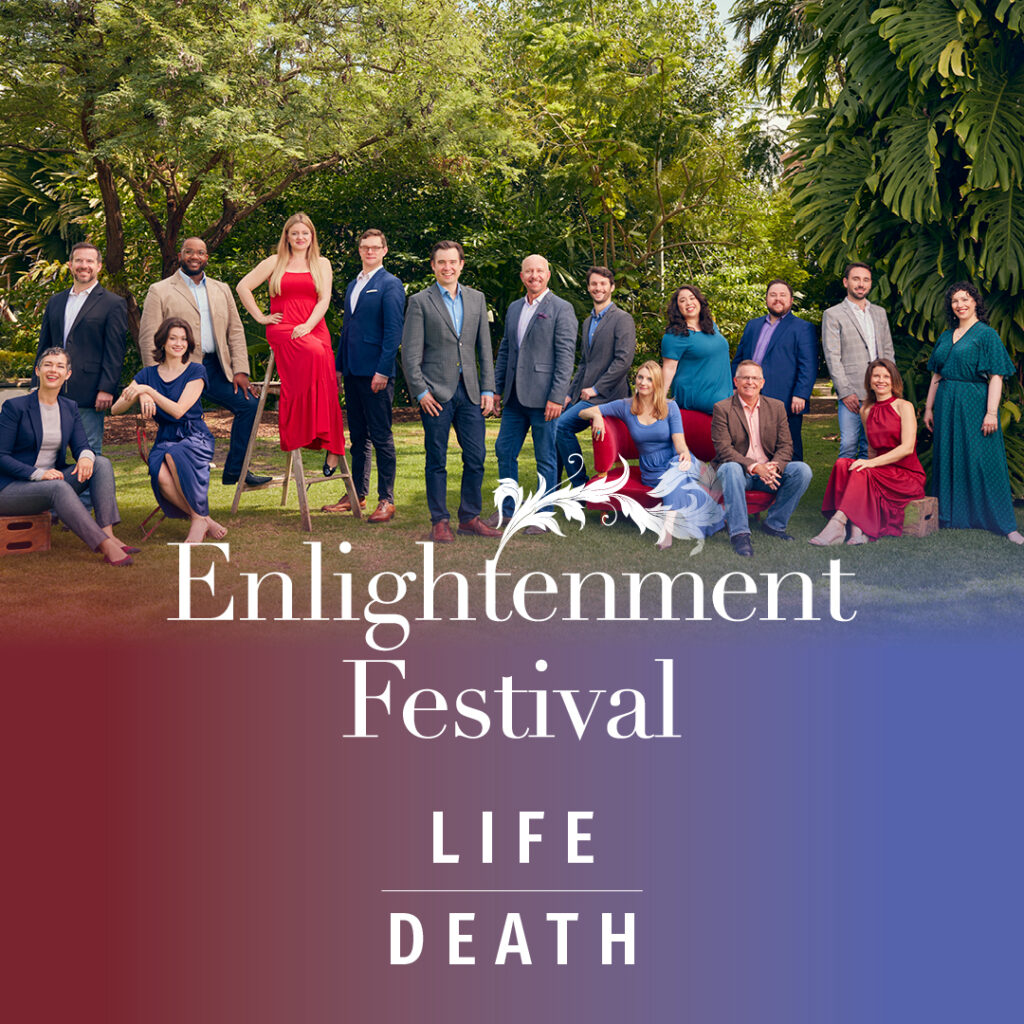
The Third Annual Seraphic Fire Enlightenment Festival

Quigley 2021 no 7198 Credit Dario Acosta

A Bach-Lover’s Delight:

The Third Annual Seraphic Fire Enlightenment Festival

In two back-to-back weeks of choral-orchestral works, the third annual Enlightenment Festival will offer

performances that exemplify what Seraphic Fire does best—Bach—featuring two of the composer

greatest oratorios. Conductor Patrick Dupre Quigley shared his excitement about the Enlightenment

programs: “This is the first time we have been able to devote the entire two weeks to Johann Sebastian

Bach; it’s the perfect way to show off the strengths and talents of our choir, soloists, and orchestra.

Almost like a birthday present for our audience, we are delighted to have one of our original members

join us – countertenor Reginald Mobley. His interpretations of Bach have taken him all over the world

working with the greatest Baroque ensembles and conductors. There’s no more fitting way to celebrate

20 years than by having Reginald sing Cantata 170.”

FESTIVAL PROGRAM WEEK 1: Life | Death

Thu, Feb 16, 7:30 pm  |  Miami  | St. Sophia Greek Orthodox Cathedral

Fri, Feb 17, 7:30 pm  |  Coral Gables  | St. Philip’s Episcopal

Sat, Feb 18, 7:30 pm  |  Ft. Lauderdale  | All Saints Episcopal

Sun, Feb 19, 4:00 pm  |  Miami Beach  | All Souls Episcopal

During an age of high mortality, Johann Sebastian Bach experienced the stark and tenuous nature of life

and death firsthand. As a result, Bach’s music of human existence and death is, unsurprisingly, probing

and profound. Seraphic Fire sings two of Bach’s haunting cantatas on death, and Reginald Mobley is

featured in the solo alto cantata Vergnügte Ruh in this musical evening of inspiration and reflection.

Program:

Bach, Johann Sebastian Herr, gehe nicht ins Gericht, BWV 105

Bach Vergnügte Ruh, beliebte Seelenlust*, BWV 170

Bach Aus der Tiefen rufe ich, Herr, zu dir, BWV 131

FESTIVAL PROGRAM WEEK 2: Beginning | End

Thu, Feb 23, 7:00 pm  |  Naples  | Vanderbilt Presbyterian

Fri, Feb 24, 8:00 pm  |  Coral Gables  | Church of the Little Flower

Sat, Feb 25, 7:30 pm  |  Ft. Lauderdale  | All Saints Episcopal

Sun, Feb 26, 4:00 pm  |  Boca Raton  | St. Gregory’s Episcopal

Joyous arrivals and awe-inspiring departures are featured in the closing concert of Seraphic Fire’s third

annual Enlightenment Festival. Selections from Johann Sebastian Bach’s Christmas Oratorio portray an

expectant mother and and the Magi searching for that child. The Ascension Oratorio is particularly

thrilling with spectacular opening and closing trumpets, its coloratura passages, and equally challenging

chorale. Chamber orchestra and students from the UCLA Ensemble Artist Program join Seraphic Fire

singers to perform two of Bach’s great works in a burst of sonic glory in this arresting program.

Program:

Bach, Johann Sebastian Weihnachts-Oratorium, Parts I and V, BWV 248

Bach Himmelfahrtsoratorium, BWV 11

Tickets and subscriptions are on sale now at SeraphicFire.org and by phone at 305.285.9060.

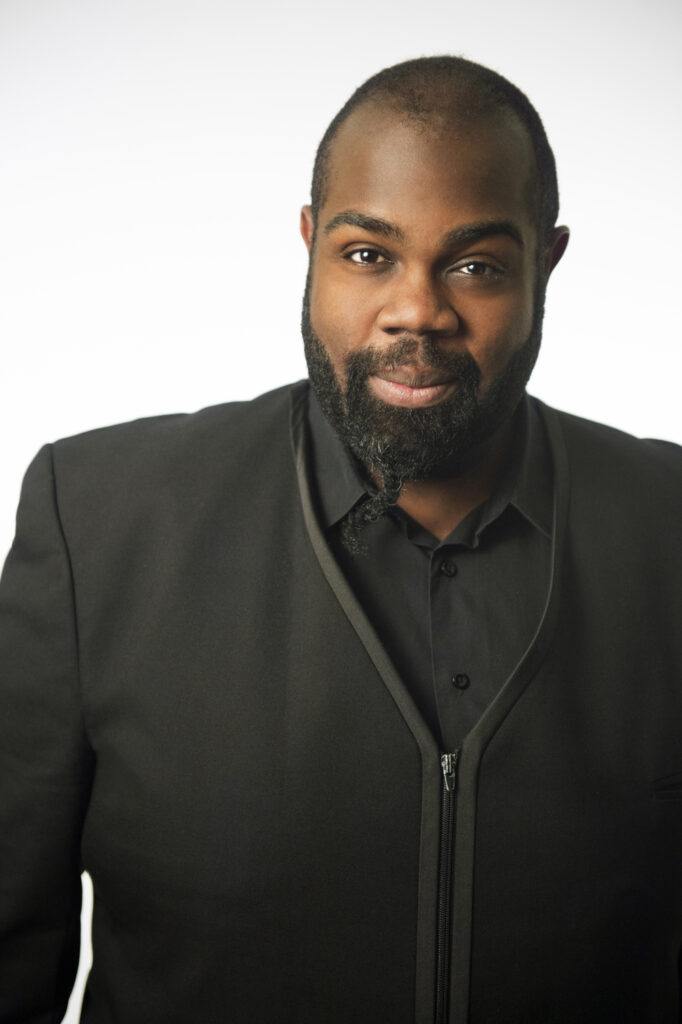
About Reginald Mobley

Noted for his ‘shimmering voice’ (BachTrack), GRAMMY-nominated American countertenor Reginald

Mobley is globally renowned for his interpretation of the baroque, classical and modern repertoire

and leads a very prolific career on both sides of the Atlantic.

An advocate for diversity in music and its programming, Reginald became the first ever programming

consultant for the Handel & Haydn Society following several years of leading H&H in his community

engaging Every Voice concerts. He also holds the position of Visiting Artist for Diversity Outreach with

the Baroque ensemble Apollo’s Fire, and is a regular guest with Philharmonia Baroque Orchestra,

Washington Bach Consort, Seraphic Fire, and Agave Baroque. With the latter, Reginald recorded

‘American Originals’, a collection of Spirituals, which granted his nomination to the GRAMMY Awards

in 2022.

About Patrick Dupre Quigley

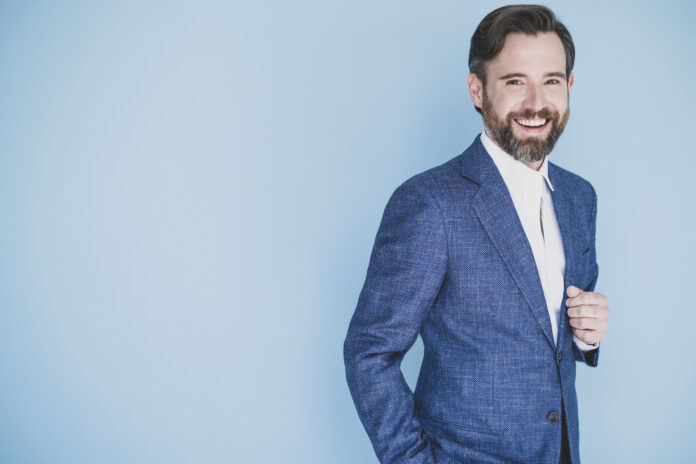
Patrick Dupre Quigley, conductor, founded Seraphic Fire in 2002 in Miami, FL. For more info on Patrick,

click here.

About Seraphic Fire

Seraphic Fire brings together professional vocal and instrumental artists from across the US and

internationally to perform and record repertoire ranging from medieval chant and Baroque

masterpieces to commissions by leading living composers.

Seraphic Fire’s artistic accomplishments also have translated to partnerships with The Cleveland

Orchestra and New World Symphony, among others. At the forefront of Seraphic Fire’s mission is a

commitment to community well-being and musician advancement through educational programs for

South Florida’s underserved elementary students, as well as rising music professionals at University of

Miami, Florida International University, UCLA, and the Aspen Music Festival and School.

Street-Art and Pop Artists Art Exhibit @ Hyde Midtown Miami

New Contemporary Art Exhibit of International Street-Art and Pop Artists Opens at Hyde Midtown Miami, Presented by Manolis Projects

New Contemporary Art Exhibit of International Street-Art and Pop Artists
Opens at Hyde Midtown Miami, Presented by Manolis Projects

The David Rockwell-designed Hyde Midtown Hotel, a Favorite Among Traveling Stylish Tastemakers, Will

Host the Exhibit Throughout May 2023

South Florida’s largest fine arts gallery, Manolis Projects, has partnered with Hyde Midtown Miami for an intimate contemporary art exhibit featuring works by renowned pop artists and street-art pioneers from around the world.

A gold-leafed shark, 1960s pin-up girl and Elvis-inspired mug shot are among the many eye-catching works now on view in the hotel lobby lounge of Hyde Midtown, where Manolis Projects will host a series of artist meet-and-greets, champagne art tours and other arts-focused programs in partnership with the hotel and residence building starting January 2023.

Open daily to the public, this new exhibit features bold collage paintings by New York City artist Jojo Anavim, sculpture by Brazilian artist Hamilton Aguiar, mixed media paintings by Steven Manolis — founder and gallery owner of Manolis Projects — and a pop art-inspired piece by Mr. Brainwash, the mysterious contemporary artist made famous by Banksy’s award-winning documentary, “Exit Through the Gift Shop.”

“Hyde Midtown is at the center of Miami’s most artistic neighborhoods, where travelers come from all over the world to experience our famous street art and the fun-loving culture behind it,” says Henry Martinez, General Manager of Hyde Midtown Miami. “Through our new partnership with Manolis Projects, Hyde Midtown will continue to be a welcoming place for art lovers, and artistic discovery.”

The Manolis Projects exhibit at Hyde Midtown Miami is on view in the hotel lobby lounge seven days a week, from 9 am to 6 pm. Open to the public, hotel guests and residents of Hyde Midtown. No reservations are required. Private tours are available upon request. For more information on Hyde Midtown Miami, visit www.sbe.com/hotels/hyde/midtown-miami.


ABOUT HYDE HOTELS, RESORTS & RESIDENCES
When Hyde Lounge opened in 2005, it transformed the Sunset Strip in Los Angeles along with the concept of nightlife itself. Since that time, the brand has expanded to include Hyde Hotels and Residences, Beach Clubs, and Mixology Lounges, inviting its followers to enjoy a new kind of lifestyle at locations from Miami to Sydney. Hyde Hotels, Resorts & Residences currently located in Miami, Hollywood, FL and Dubai, and upcoming openings in London, Ibiza, Mazatlan and Hội An, are intuitively dialed into the desires of the in-the-know, their interests, aspirations and tastes.
This is a new kind of hospitality, grounded in the spirit of discovery. Hyde is more than a brand, it’s a state of mind.


HydeHotels.com

Hyde Hotels, Resorts & Residences is part of Ennismore, a creative hospitality company rooted in culture and community, with a global collective of entrepreneurial and founder-built brands with purpose at their heart. Formed in 2021, Ennismore is a joint venture with Accor, which holds a majority shareholding. Ennismore.com


ABOUT MANOLIS PROJECTS GALLERY
Manolis Projects Gallery is South Florida’s largest fine arts gallery, and also serves as a working artist studio and event venue. The gallery features unique paintings, sculptures, and collectible limited edition works from over 40 international artists, focusing on modern masters and contemporary art, bridging the gap between established and emerging artists and collectors. Manolis Projects was founded by J. Steven Manolis, a leading and critically acclaimed abstract expressionist painter and former National Academy of Design Chairman, who is now Artist in Residence, and co-owner of the gallery with his wife, Myrthia Natalie Moore. For more information, please email [email protected] or visit ManolisProjects.com.

SORIANO FERNÁNDEZ FRANCISCO

SORIANO FERNÁNDEZ FRANCISCO

Francisco Soriano Fernandez

Nace en la ciudad de Puebla el 3 de diciembre de 1983.  Licenciado en Diseño gráfico por la Benemérita Universidad Autónoma de Puebla,  Maestro en Artes Visuales por la Facultad de Artes y Diseño de la Universidad Autónoma de México y Doctor en Artes Visuales con especialidad en Pintura por la FAD, UNAM.

Ha sido seleccionado en distintos certámenes de pintura entre los que destacan la Mención de Honor en la “Bienal Pedro Coronel” del Estado de Zacatecas en 2010, Mención de Honor en la X Bienal de Pintura de Campeche en el año 2013 entre otros reconocimientos.

Actualmente se desempeña como académico en el área de pintura en el Posgrado en Artes y Diseño de la FAD, UNAM. Así como docente en los talleres de Educación Continua de la Academia de San Carlos, FAD, UNAM.

Desde el año 2012 funge como difusor cultural a través de distintas plataformas digitales al mismo tiempo que realiza crítica y análisis del contexto artístico actual.

Su obra se encuentra en diversas colecciones tanto nacionales como internacionales en países como: Israel, Italia,  Estados unidos, Argentina, Canadá, España, entre otros.

Doctorado en Artes Visuales UNAM, Universidad Nacional Autónoma de México

Maestría en Artes y diseño UNAM, Universidad Nacional Autónoma de México

Licenciatura en Diseño Gráfico BUAP

Dr. FRANCISCO SORIANO
Puebla Pue. 3 de diciembre de 1983.
Licenciado en Diseño gráfico por la Benemérita Universidad Autónoma de Puebla, Maestro en Artes por la Universidad Nacional Autónoma de México, UNAM. Doctor en Artes Visuales con especialidad en pintura por la misma institución. Ha sido seleccionado con mención de honor en la “Bienal Pedro Coronel” del Estado de Zacatecas en 2010 así como en la X Bienal de Pintura de Campeche entre otros reconocimientos. Su obra se encuentra en colecciones privadas en Israel, España, Italia, Estados Unidos y México.

Maestro de n artes visuales con especialidad en técnicas pictóricas. Licenciado en Diseño Grafico por la Benemérita Universidad Autónoma de Puebla. Pintor, escritor y creador de contenido.

Se desempeña también como crítico de arte, escritor y difusor cultural, así como académico en el Posgrado de Artes Visuales de la UNAM y maestro de taller en los cursos abiertos de la Academia de San Carlos en la Ciudad de México.

Dr. Francisco Soriano Fernandez es creador de contenidos sobre arte y pintura en youtube, mi propósito es llevar contenidos de calidad sobre artes visuales a un publico latino incluyendo: clases sobre arte, tutoriales de pintura, comentarios sobre artistas, todo a través de mi canal de Youtube: Dr.FranciscoSoriano

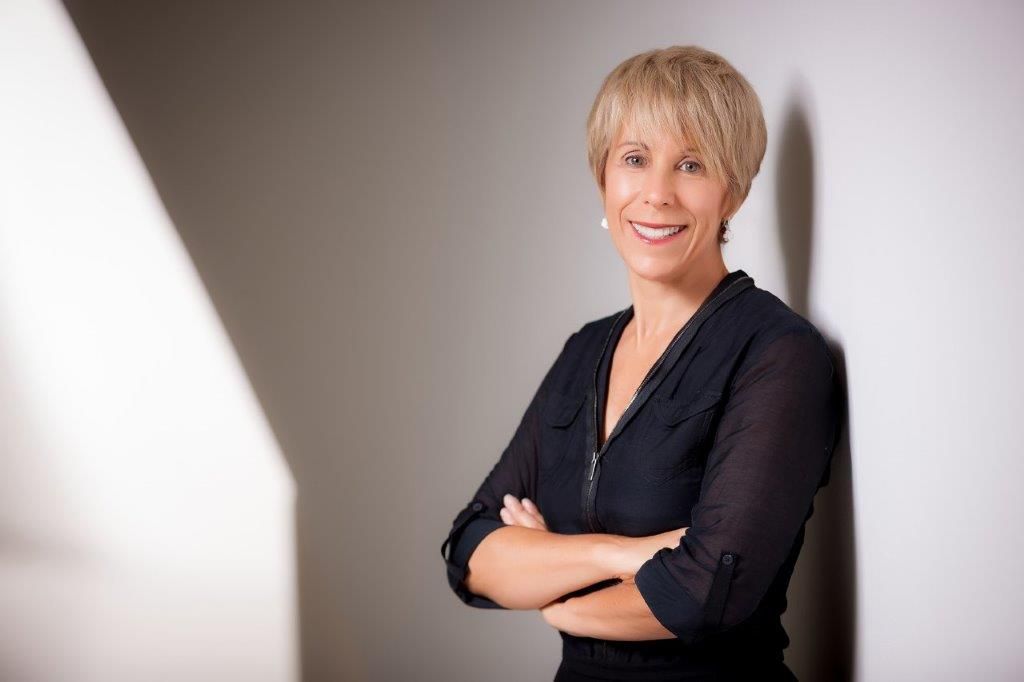
Dr. Patricia Rogers

Dr. Patricia Rogers
Dr. Patricia Rogers

Dr. Patricia Rogers

CEO, Unity in Service, Inc

International Speaker, Best Selling Author, Visibility Strategist

Dr. Patricia Rogers

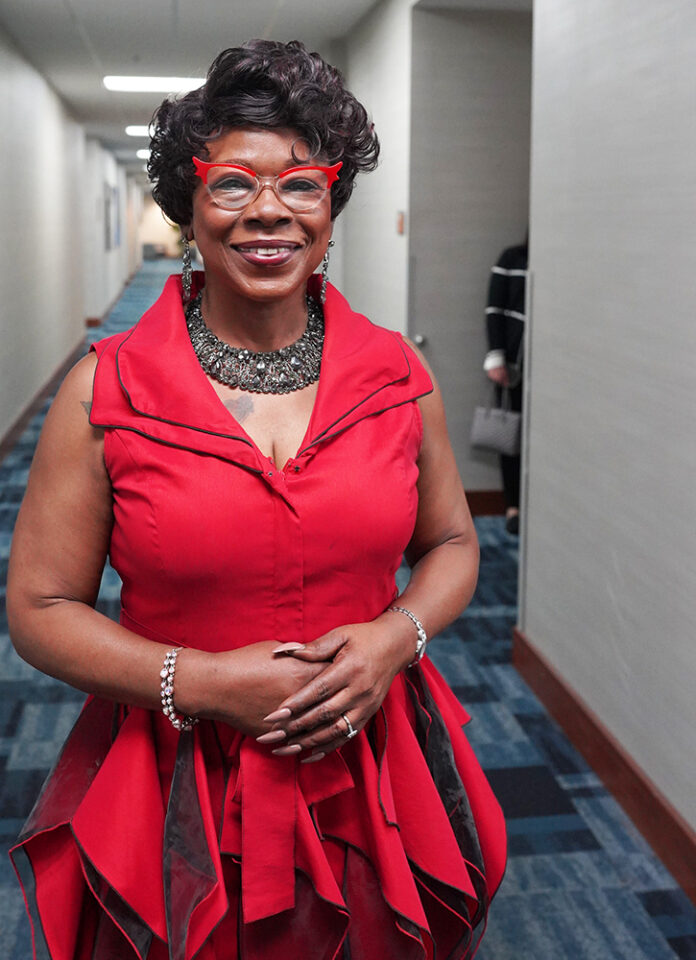
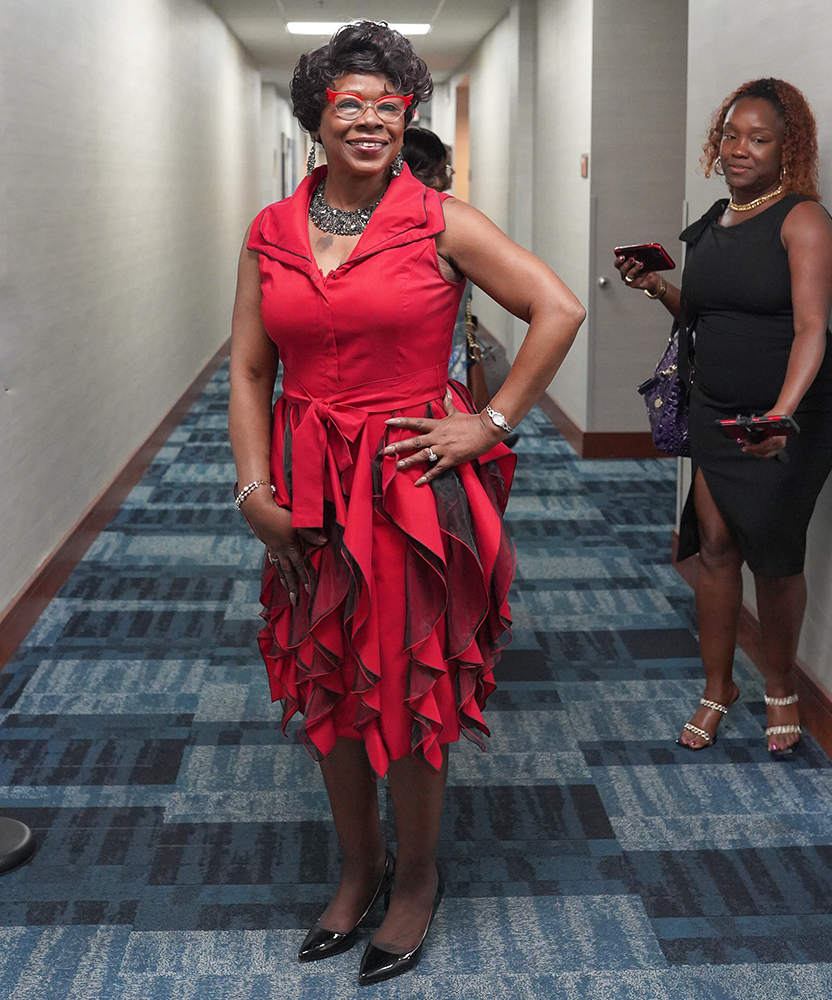
Dr. Patricia Rogers is a retired Army Veteran of 12 years, she spent 29 years in law enforcement, retiring in 2016 as a corrections lieutenant.  Since retiring, she is the CEO of Unity In Service, Inc, Her zone of genius is an Event Coordinator for the past 7 years where she takes pride in setting a platform for publics speakers to speak and entrepreneurs to connect and build professional networks and increase their clientele.  Dr. Rogers has served thousands through the events that she host. She is a Visibility Strategist, Business Coach, a Director in LegalShield where she provides legal and identity theft services for individuals and entrepreneurs.  She has received a plethora of awards and she is an outstanding member of Women’s Prosperity Network & International Women Association.  The only way for you to succeed, is to have a love for yourself and a burning desire to live out your purpose. When you love yourself, you will have a deep passion for discovering your gifts and your talents. Your gifts and talents are what you will be about to monetize so that you can enhance your lifestyle. If you love yourself; your business will profit, because “You Are Your ‘Business? “be in love with your business. Why? Because you are your business! The risk involved, and the stress that comes from building a foundation that will yield you a better lifestyle can be daunting. In order to be a servant to the masses, you must make sure that you are conditioned; physically, mentally, emotionally, and spiritually. My message is about how people want to be entrepreneurs in the 21st century, but many are not aware of the challenging work that goes along with building a business.  There are characteristics that we must portray, and whatever our passion is, it must be so strong that we will be determined to achieve our goals by any means necessary. I said all that that because in order to be productive as an entrepreneur, you must love yourself enough to make huge investment, financially and physically. Self-love and care are a priority. If one fails to have self-love, then he or she will be of no use to anyone else. Entrepreneurs are servants and servants must have good positive energy and energy comes from self-care in our diets, in our minds and even in the relationships that we develop. At the end of the day, you are your business and if your foundation is not firm, your business will not make it. Statics say that business fail within the first five years.
Your passion must be so strong that you will not give up when you faced challenges, financial burden, disappointments, not to mention the things that we cannot control like the pandemic and other crisis. When you love yourself by maintain your hierarchy of needs, you will stand these challenging times.   Perseverance, patience, determination, resilience, confidence, intuition, creativity, and positive energy are all prerequisite of being in love with who God created you to become. When you love yourself, it will show on the outside and your positive energy will attract the right people into your life.

Patricia is a “Social Butterfly” spreading her wings on various social media platforms and participating in a vast amount of networking arenas.

Coaching Sessions provide

  • Career Transition
  • New Business
  • Evaluating Choices
  • Clarifying Values
  • Personal Relationships
  • Professional Image
  • Social Media Marketing

International Public Speaker at Unity In Service, Inc.

Visibility Strategist

International Best-Selling Author

International Public Speaker

Online Event Host

Business Consultant

Marketer & Promoter

Page 198 of 278
1 196 197 198 199 200 278