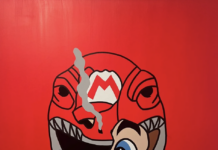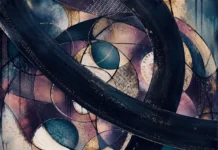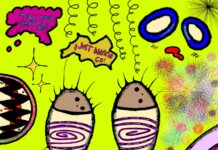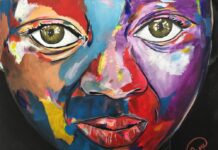
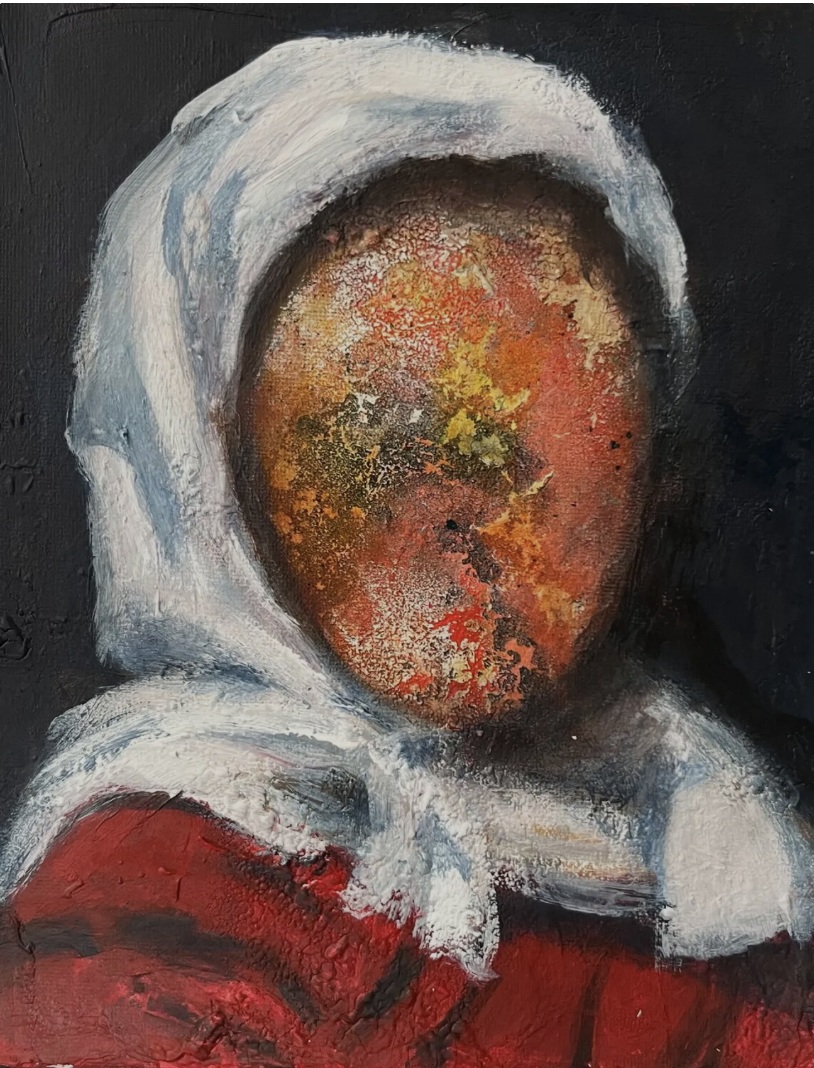
Through layers of construction and erasure, Alid Gerboles turns memory and migration into abstract landscapes. The artist reflects on painting as a place where loss can still exist, transformed; on belonging beyond geography; and on abstraction as a language that reveals rather than conceals.
El título usa una frase de la entrevista que resume su obra: en sus pinturas, lo que se borra no desaparece, sino que se transforma y sigue presente.
En la descripción no usé pronombres porque la entrevista no indica cómo se identifica Alid. Si lo sabes, puedes cambiar “The artist reflects” por “She reflects” o “He reflects”.
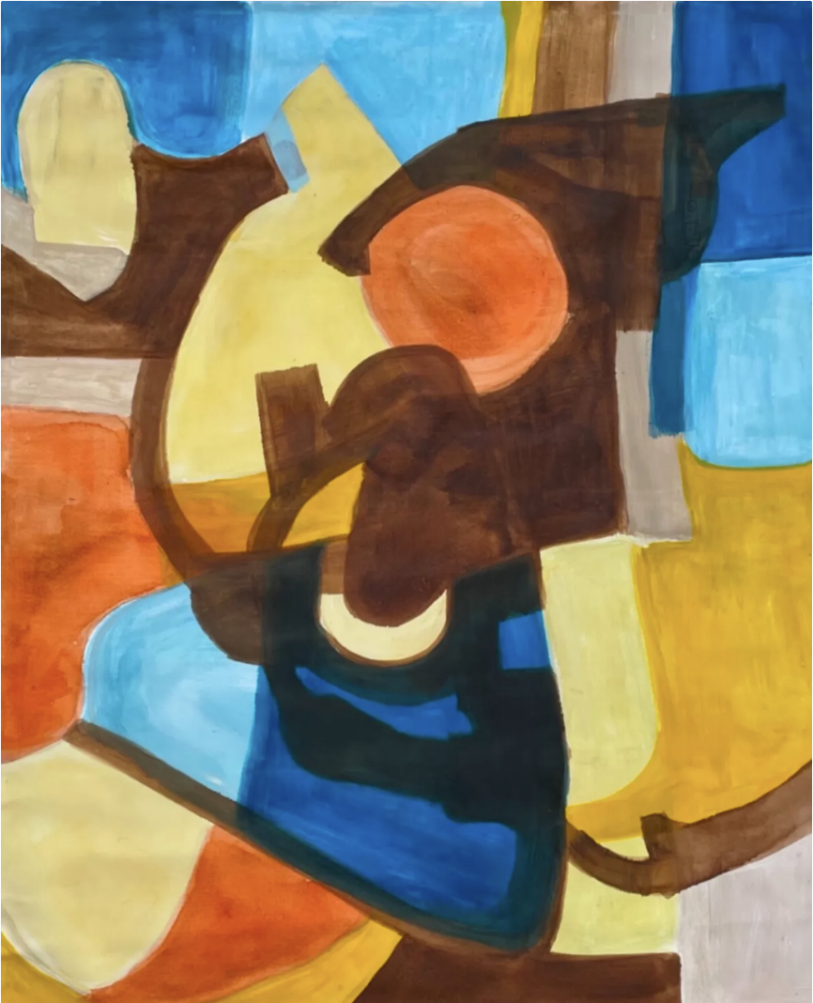
AMM: You describe painting as a way of giving form to memories that cannot be fully expressed. Yet memory is never entirely faithful to the past. When you reconstruct a place through abstraction, are you preserving what you remember, or creating an emotional reality that helps you confront what has been lost?
Alid Gerboles: I am not preserving what I remember — memory is already unfaithful to the past. I create an emotional reality that allows me to heal and to continue, without forgetting. The painting becomes the place where what was lost can still exist, transformed.
AMM: Migration and identity are central to your work, yet your paintings evoke landscapes without identifying specific locations. Does this absence of recognizable geography reflect a sense of freedom, or does it reveal a deeper struggle with belonging? Can someone truly leave a place without continuing to inhabit it emotionally?
A.G.: It is freedom. Leaving recognizable geography behind freed me from having to explain where I come from. The absence of a specific place is not a loss of belonging — it is the discovery that belonging can live inside the painting rather than on a map.
AMM: Your paintings develop through layers of construction and erasure, leaving traces of what once existed. Could this process reflect your own relationship with memory and loss? When you erase something from a painting, are you allowing it to disappear, or acknowledging that certain experiences can never be completely removed?
A.G.: When I erase something from a painting, I am acknowledging that certain experiences can never be completely removed. The traces remain, and they should. Erasure in my work is not disappearance — it is transformation. What is covered still breathes underneath.
AMM: Your compositions bring geometry and uncertainty into dialogue, balancing restrained structures with emotional intensity. Is this search for visual balance an expression of inner harmony, or an attempt to establish order over experiences that remain unresolved? What happens when the painting resists the control you try to impose?
A.G.: It is peace — or the search for it. The order in my work is not control imposed over chaos; it is the quiet I build inside the painting so that emotion has somewhere to rest. And when the painting resists my control, I listen — that resistance is the painting telling me what it needs.
AMM: You describe abstraction as a language for expressing absence, silence, and spiritual resilience. Yet abstraction also allows the artist to remain partially concealed. Do you see this ambiguity as a form of emotional freedom, or could it be a way of protecting yourself from confronting truths that are still too difficult to articulate?
A.G.: Abstraction liberates me from everything — from explanation, from literalness, from the obligation to name things. It does not let me hide; on the contrary, it exposes me more deeply, because without the shelter of recognizable forms, only the essential remains: what I feel.