Five Mexican Women Artists Who Reshaped the History of Art
Muralists, surrealists, and multidisciplinary pioneers, these women not only transformed the artistic landscape of Mexico, but also redefined the role of women within modern and contemporary art.
In recent years, art historical scholarship and institutional exhibitions—from major retrospectives at Museo de Arte Moderno to international shows at Tate Modern—have increasingly emphasized the critical contributions of women artists in Latin America. Within this broader revision of the canon, Mexican women painters occupy a central role. Their practices challenged academic traditions, expanded visual languages, and resisted the cultural limitations imposed on women in the 20th century.
Below are five key figures whose work continues to resonate globally.
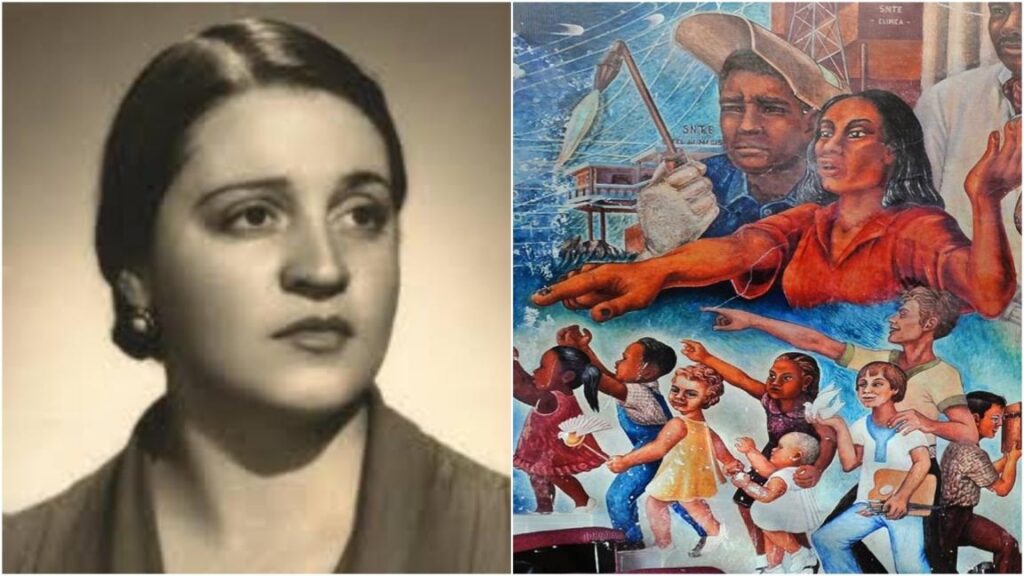
5. Aurora Reyes (1908–1985)
Aurora Reyes Flores holds a foundational place in Mexican art history as the first female muralist in Mexico and a pioneering feminist voice within the muralist movement. Educated at the Escuela Nacional de Bellas Artes, Reyes expanded the ideological scope of muralism by foregrounding social injustice, particularly the experiences of women.
Her landmark mural Atentado a las maestras rurales (Attack on Rural Teachers) stands as a powerful political statement, aligning her practice with revolutionary discourse while introducing a distinctly gendered perspective. Beyond painting, Reyes was also an accomplished poet, reinforcing her role as a multidisciplinary intellectual within Mexico’s cultural sphere.
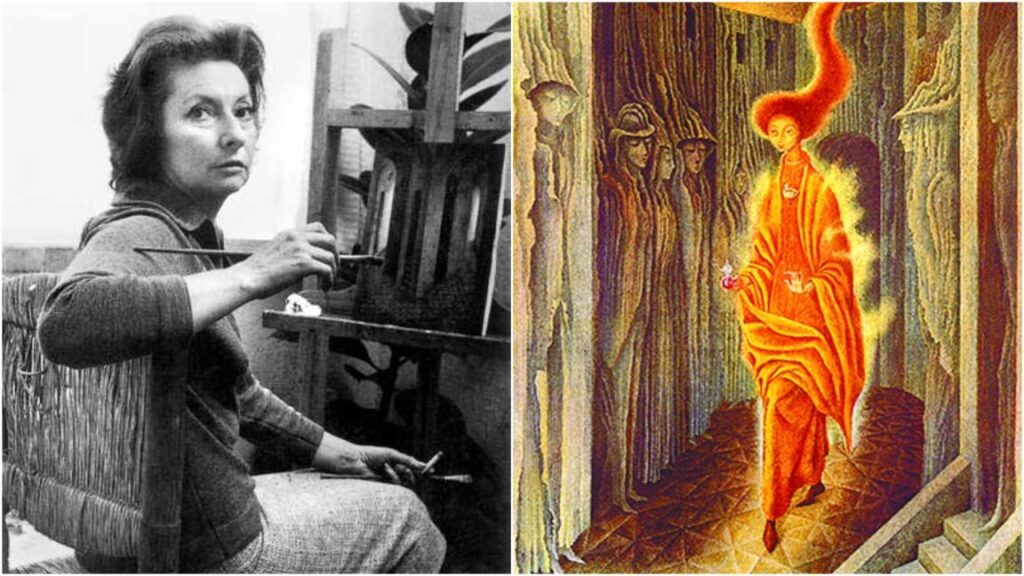
4. Remedios Varo (1908–1963)
Although born in Spain, Remedios Varo became one of the most significant figures of Mexican Surrealism after fleeing Europe during World War II and settling in Mexico in 1941. Her work has gained renewed global attention through major exhibitions at institutions such as Los Angeles County Museum of Art and Museo de Arte Moderno.
Varo’s paintings merge science, mysticism, and esoteric philosophy, constructing intricate, dreamlike worlds. Works such as Papilla Estelar and La ciencia inútil o el alquimista reveal her fascination with alchemy, transformation, and cosmic knowledge—positioning her practice at the intersection of art, metaphysics, and proto-feminist inquiry.
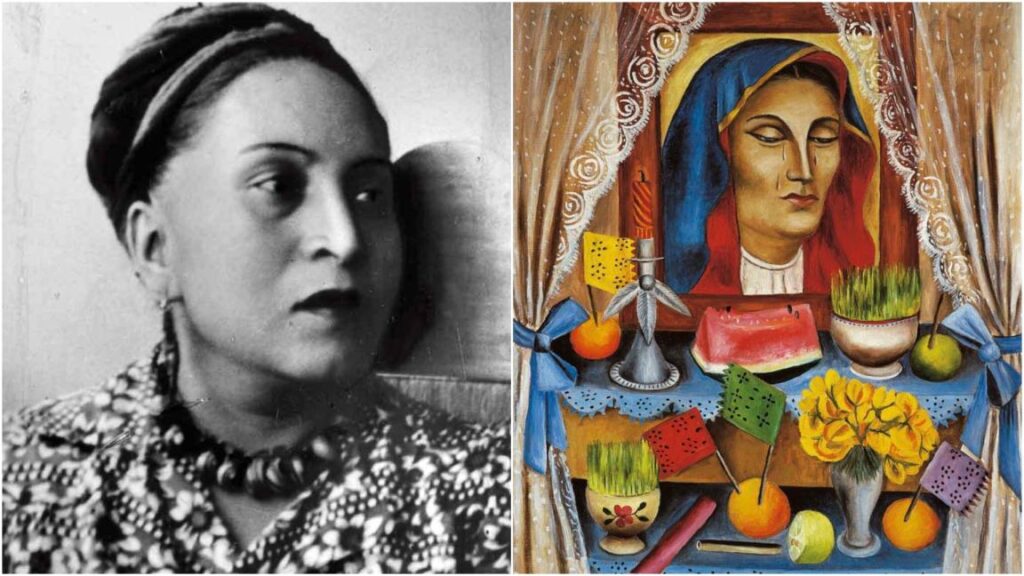
3. María Izquierdo (1902–1955)
María Izquierdo was a groundbreaking figure in Mexican modernism and the first Mexican woman artist to exhibit internationally, notably in New York. Her work resisted the dominant nationalist narratives of muralism, instead focusing on intimate, symbolic compositions rooted in Mexican identity.
Her paintings—such as Viernes de Dolores and La Alacena—combine vibrant color with surreal undertones, often addressing themes of domesticity, ritual, and female subjectivity. Recent scholarship has repositioned Izquierdo as a critical voice who challenged both artistic and institutional gender barriers.
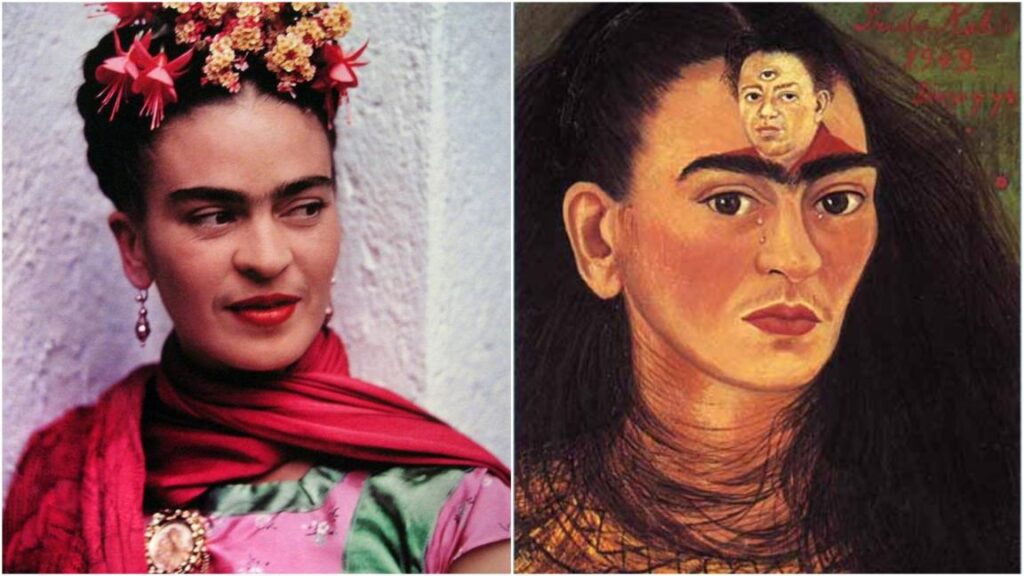
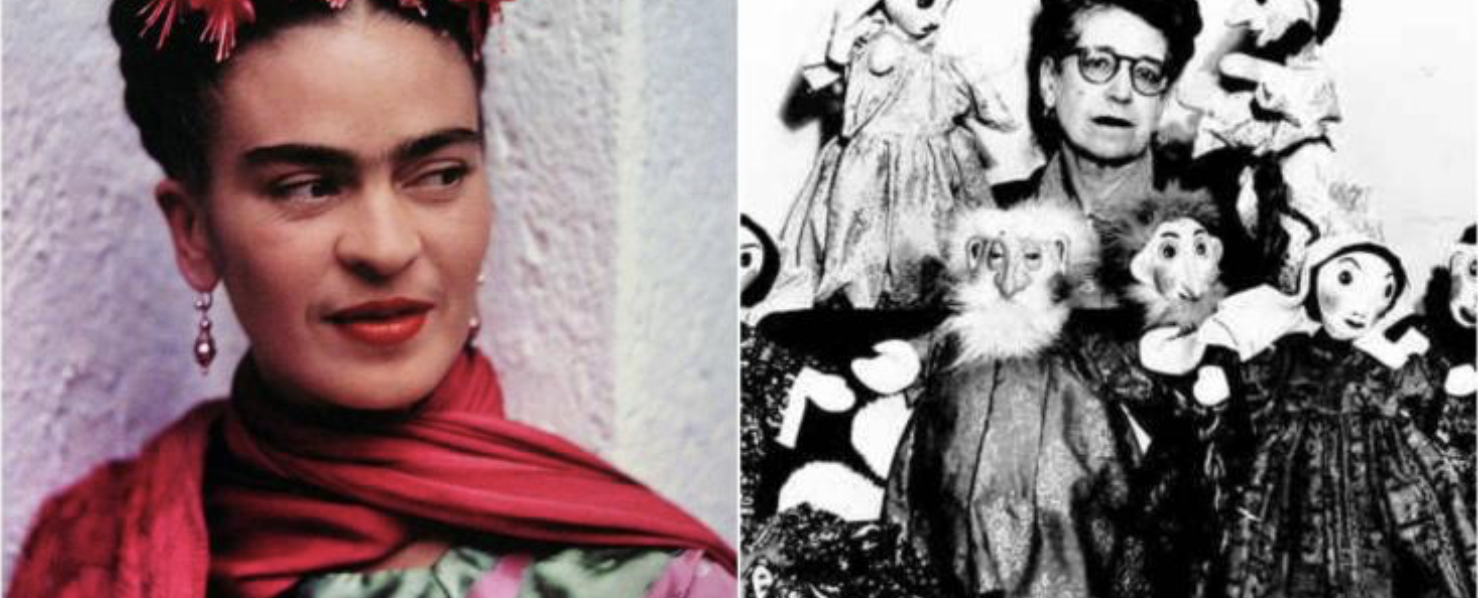
2. Frida Kahlo (1907–1954)
Few artists have achieved the global cultural impact of Frida Kahlo. Beyond her iconic status, Kahlo’s work has been extensively reexamined through contemporary lenses, including feminist theory, disability studies, and postcolonial discourse.
Her deeply personal paintings—The Broken Column, Diego y yo, and The Two Fridas—transform physical suffering and emotional trauma into a radical visual language. Today, her work continues to be exhibited worldwide, including major retrospectives at The Museum of Modern Art and Victoria and Albert Museum, confirming her enduring relevance within global art history.
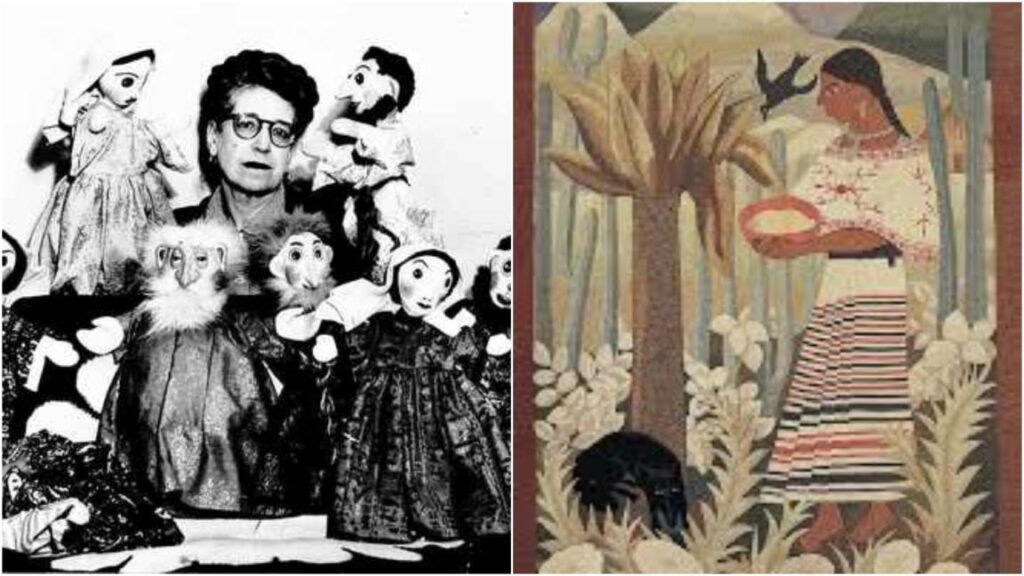
1. Lola Cueto (1897–1978)
Lola Cueto stands out as a multidisciplinary innovator whose practice expanded beyond painting into printmaking, textile art, puppetry, and theater. At a time when women were largely confined to domestic roles, Cueto broke institutional barriers by studying at the male-dominated Academia de San Carlos.
Her most influential contributions emerged in the field of educational theater, where she founded companies such as Rin Run and El Nahual. Through puppetry and visual storytelling, Cueto redefined the relationship between art, education, and community, positioning her as a precursor to contemporary socially engaged practices.
Rewriting the Canon
What unites these artists is not only their talent, but their capacity to disrupt established narratives. Their work challenges the historical marginalization of women and expands our understanding of Mexican art beyond a male-dominated framework.
Today, as museums, scholars, and collectors continue to revisit the contributions of women artists, figures like Reyes, Varo, Izquierdo, Kahlo, and Cueto are no longer peripheral—they are central.
Their legacy is not simply historical.
It is ongoing.
Source: Por Alejandra Guzmán https://www.sandiegored.com/es/noticias/171089/5-pintoras-mexicanas-que-cambiaron-el-mundo-del-arte/