LARRY BELL
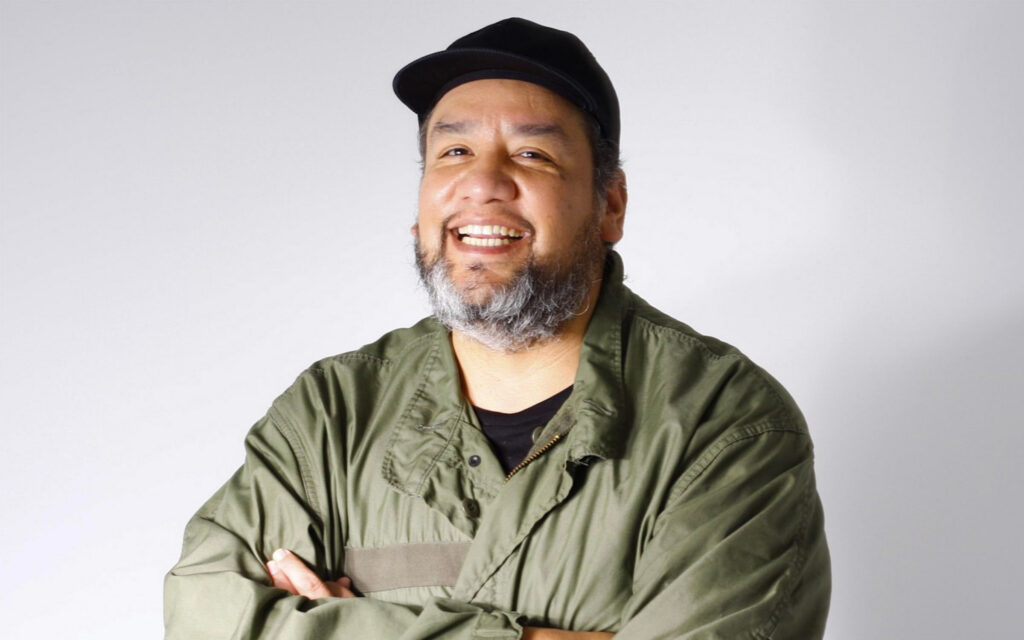
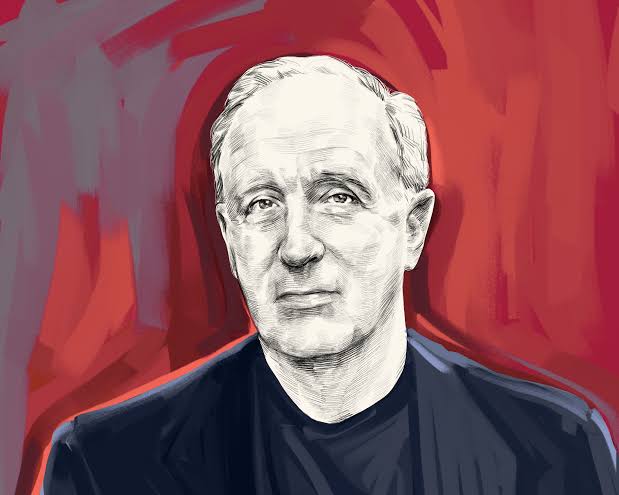
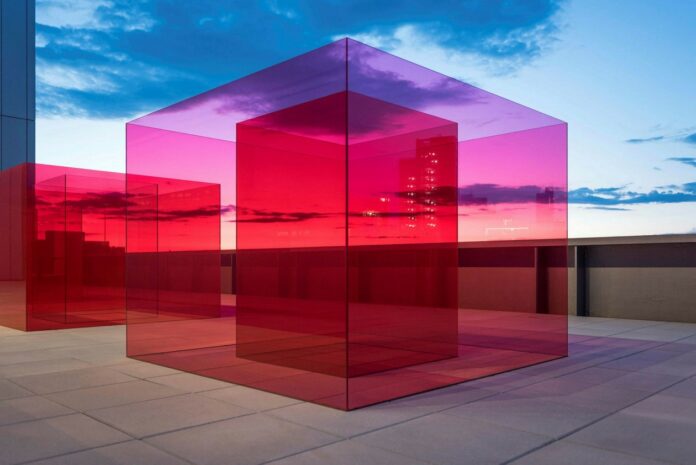
Larry Bell is an American contemporary artist and sculptor. He is best known for his glass boxes and large-scaled illusionistic sculptures. Wikipedia
Born: 1939 (age 83 years), Chicago, IL
Education: Chouinard Art Institute (1957–1959), California Institute of the Arts, Birmingham Community High School
Artist Website Larrybell.com
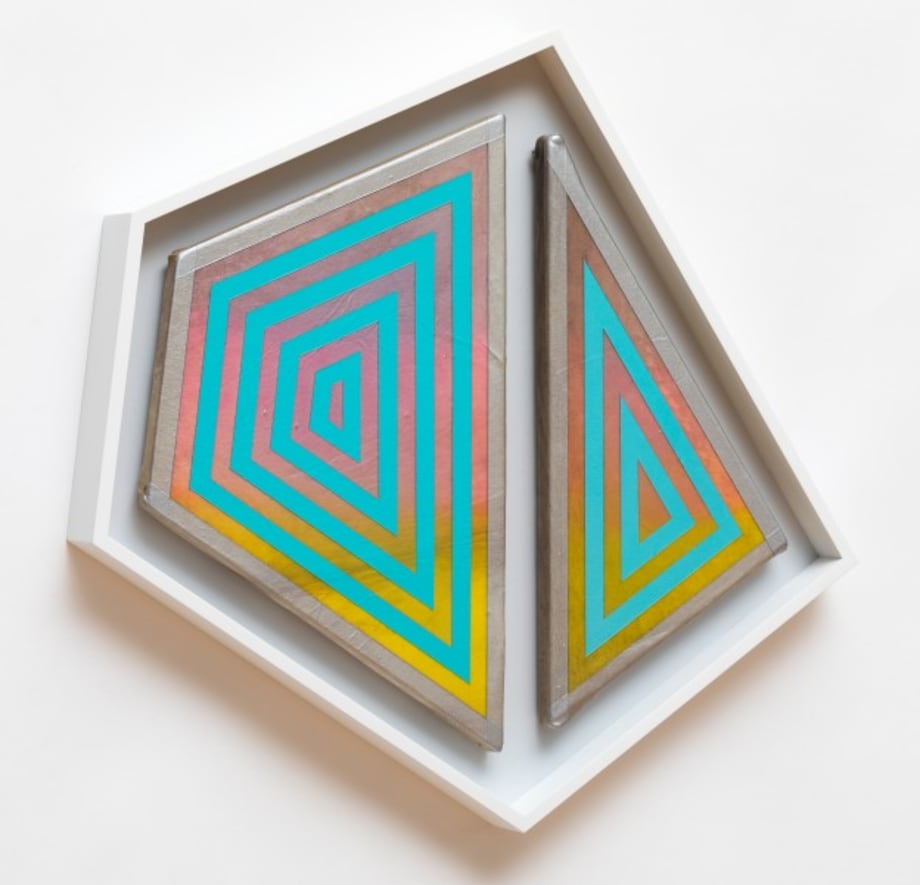
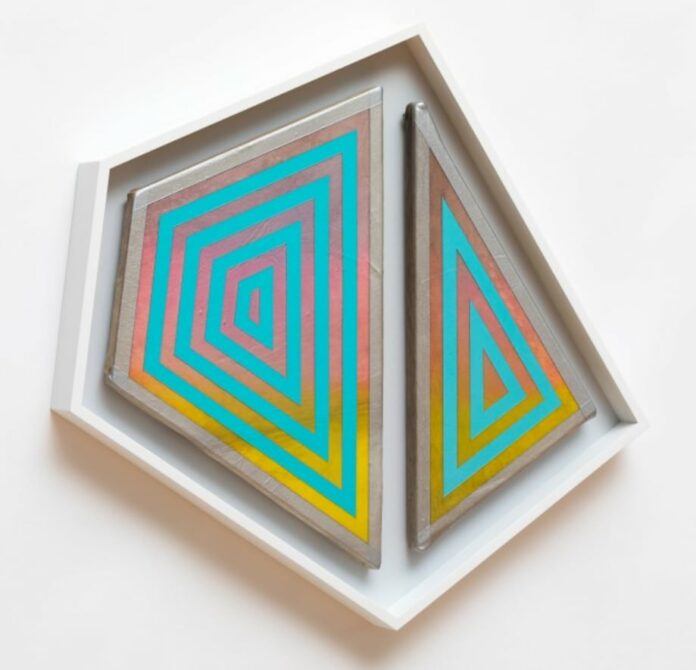
Throughout his career Larry Bell has made investigations into the properties of light on surface. By experimenting with the nature of surface and its relationship to space, Bell has devised a methodology characterised by spontaneity, intuition and improvisation.
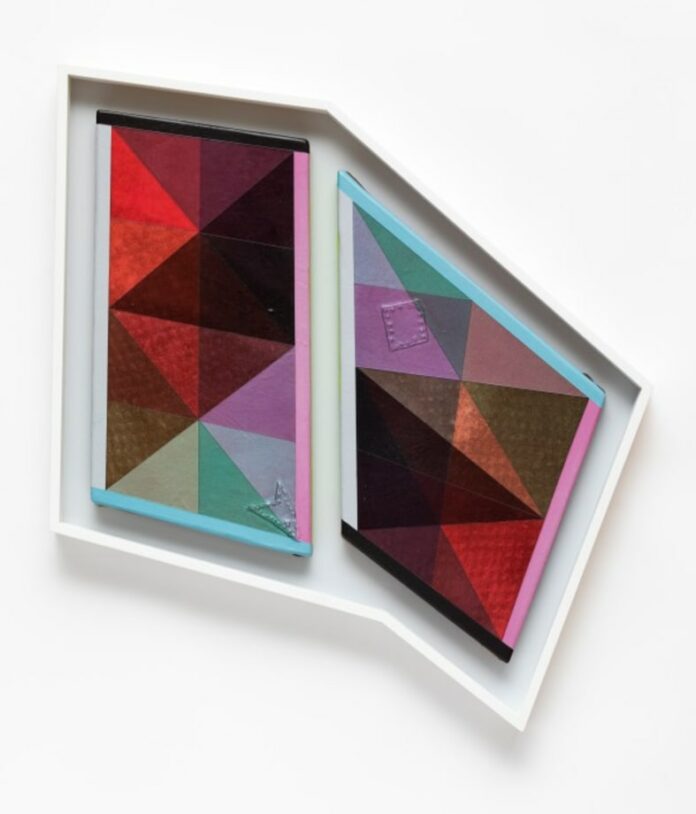
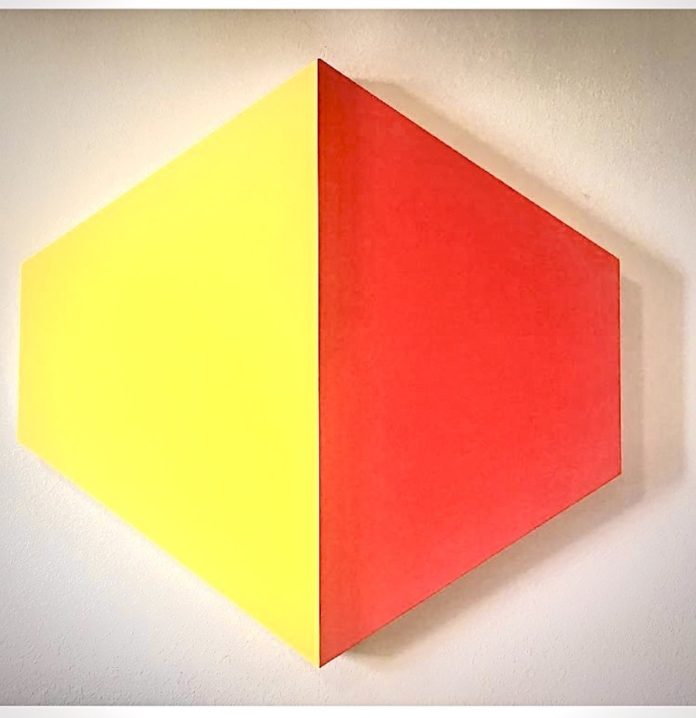
Bell began his career in 1959 and his earliest works consisted of abstract, monochrome paintings on paper and shaped canvases whose outlines corresponded to the silhouette of a box drawn in isometric projection. Panes of glass and then mirrors were substituted for parts of the painted design and this exploration of spatial ambiguity eventually evolved into sculptural constructions made of wood and glass. These works represent the genesis of Bell’s later glass cubes and standing glass-panel wall sculptures.
From 1963 onward, Bell began exploring the passing of light through the cube sculptures, deploying a technique of vacuum deposition whereby thin films were added to the clear glass panels. Bell found that these glass cubes, presented on transparent pedestals, offered the viewer the essence of the captured light, becoming, in the process, tapestries of reflected, transmitted and absorbed light. Challenging notions of mass, volume and gravity in one single measure, the cubes appeared to float on the light between the floor and the work.
Biography
Born: Chicago IL, 1939
Education
Studied at Chouinard Art Institute, Los Angeles CA 1957 – 1959
Guggenheim Fellow, Simon R. Guggenheim Memorial Foundation, New York NY, 1970
National Endowment for the Arts, Washington DC, 1975
Governor’s Award for Excellence and Achievement in the Arts, Office of Cultural Affairs, New Mexico Arts Division, Santa Fe NM, 1990
Resides
Lives and works in Venice CA and Taos NM
SOLO EXHIBITIONS
2022
Hauser & Wirth, ‘Larry Bell & John Chamberlain’, Los Angeles CA
Hauser & Wirth, ‘Larry Bell. New Work’, London, UK
Dia Beacon, ‘Larry Bell’, Beacon NY
2020
Hauser & Wirth, ‘Still Standing’, New York NY
2019
MOCA Museum of Contemporary Art, ‘Bill and Coo at MOCA’s Nest’, Los Angeles CA
Harwood Museum of Art, ‘Larry Bell. Cubic Propositions’, Taos NM
2018
ICA Miami, ‘Larry Bell. Time Machines’, Miami FL
Anthony Meier Fine Arts, ‘Larry Bell. Bay Area Blues’, San Francisco CA
Hauser & Wirth, ‘Larry Bell. Complete Cubes’, Los Angeles CA
Tampa Museum of Art, ‘Vapor and Vibration. The Art of Larry Bell and Jesús Rafael Soto’, Tampa FL
Aspen Art Museum, ‘Larry Bell’, Aspen CO
The Harwood Museum of Art, University of New Mexico, ‘Hocus, Focus and 12′, Taos NM
Hauser & Wirth, ‘Larry Bell. Venice Fog. Recent Investigations’, Zurich CH
Hauser & Wirth, ‘Art Cologne’, Cologne, Germany
2017
White Cube Bermondsey, ‘Smoke On The Bottom’, London, UK
Pepperdine & Frederick R Weisman Museum of Art, ‘Pacific Red’, Malibu CA
2016
Hauser & Wirth, ‘From the ’60s’, New York NY
2015
White Cube, ‘Larry Bell, 2D – 3D Glass & Vapor’, London, UK
Peter Blake Gallery, ‘Larry Bell’, Laguna Beach CA
White Cube’s Off-Site Project, Design District, ‘Larry Bell. 6×6 An Improvisation’, Miami FL
2014
Nicole Longnecker Gallery, ‘Larry Bell. Three Decades of Art’, Houston TX
Chinati Foundation, ‘6 X 6 An Improvisation’, Marfa TX
White Cube, ‘Light and Red’, Central, Hong Kong
Blumenschein Museum ‘Fraction’, Taos NM
White Cube São Paulo, ‘The Carnival Series’, São Paulo, Brazil
Kayne Griffin Corcoran Gallery, Santa Monica CA
2013
White Cube Gallery, ‘Mirage Collage & Light Knots’, London, UK
Manhattan Beach Arts Center, ‘Light Knots’, Manhattan Beach CA
Frank Lloyd Gallery, ‘Larry Bell. Recent Works’, Santa Monica CA
2012
Larry Bell Studio Annex, ‘Weightless’, Los Angeles CA
Kayne Griffin Corcoran Gallery, ‘Larry Bell’, Santa Monica CA
Harwood Museum of Art, ‘Larry Bell Installation’, Taos NM
2011
Frank Lloyd Gallery, ‘Larry Bell. Early Work’, Los Angeles CA
Carré d’Art Musée d’art Contemporain de Nîmes, ‘Larry Bell in Perspective’, Nimes, France
Joe’s Restaurant, ‘Larry Bell’, Los Angeles CA
2010
Frank Lloyd Gallery, ‘Portraits of Joan. New Collages’, Santa Monica CA
2009
Hotel Erwin, ‘Larry’s Loft’, Los Angeles CA
Encore Gallery, Taos Center For The Arts, ‘Larry Bell. The Last Women’, Taos NM
Open Mind Space, ‘Larry Bell. New Works on Paper’, Albuquerque NM
2008
Bernard Jacobson Gallery, ‘New Small Works’, London, UK
Harwood Museum of Art, The University of New Mexico, ‘Larry Bell From The Collection’, Taos NM
Galerie Daniel Templon, ‘Oeuvres Récentes’, Paris, France
Logan Fine Arts, ‘New Works on Paper’, Houston TX
Jacobson Howard Gallery, ‘Larry Bell. New Small Works’, New York NY
Seiler + Mosseri-Marlio Galerie, ‘New Works’, Zurich, Switzerland
Frank Lloyd Gallery, ‘Works On Paper’, Santa Monica CA
2007
Danese, ‘New Sculpture’, New York NY
Haines Gallery, ‘New Work’, San Francisco CA
Bernard Jacobson Gallery, ‘Larry Bell’, London, UK
2006
Annandale Galleries, ‘Cubes and Works on Canvas’, Sydney, Australia
Galerie Daniel Templon, ‘Cubes’, Paris, France
Frank Lloyd Gallery, ‘Larry Bell. Cubes’, Santa Monica CA
2005
Alan Koppel Gallery, ‘Cubes’, Chicago IL
Mcclain Gallery, ‘Glass Cubes and Other Works’, Houston TX
Jacobson Howard Gallery, ‘New Works’, New York NY
Bernard Jacobson Gallery, ‘Larry Bell. New Works’, London, UK
Pace/Wildenstein, ‘Larry Bell. The Sixties’, New York NY
2004
The Great Eagle Corp, Mongkok, Hong Kong
Harwood Museum of Art, The University of New Mexico, ‘Larry Bell. Fractions’, Taos NM
Cress Gallery of Art, University of Tennessee At Chattanooga, ‘Larry Bell. Fractions’, Chattanooga TN
Larry Bell Studio Annex/New Directions Gallery, ‘Larry Bell Fractions At The Annex’, Taos NM
77 Market Street, ‘Larry Bell Venice Annex’, Venice CA
2003
Studio 314, Houston TX
Centinel Bank of Taos, Taos NM
Parks Gallery, Santa Fe NM
St John’s College Fine Arts Gallery, Santa Fe NM
Off Main Gallery, ‘Larry Bell’, Santa Monica CA
2002
New Gallery, Houston TX
Roswell Museum & Art Center, ‘Larry Bell. The Sumer Project’, Roswell NM
Mariposa Gallery, ‘Larry Bell Fractions’, Albuquerque NM
Larry Bell Studio Annex, ‘New Works On Paper’, Taos NM
Museum Abteiberg, ‘Made For Arolsen’, Monchengladbach, Germany
Kiyo Higashi Gallery, ‘Post 911’, Los Angeles CA
2001
Peter Blake Gallery, Laguna Beach CA
SkovRider AS, ‘Larry Bell. Fractions’, Oslo, Norway
Gallery Gan, ‘Fractions’, Tokyo, Japan
New Gallery, Houston TX
2000
Off Main Gallery, ‘Conversations’, Los Angeles CA
Kiyo Higashi Gallery, ‘Larry Bell Cubes’, Los Angeles CA
Larry Bell Studio Annex/New Directions Gallery, ‘Passages From The Fraction Series’, Taos NM
Center Galleries, Center For Creative Studies, ‘Larry Bell. 1,000 Fractions’, Detroit MI
Dartmouth Street Galleries, Albuquerque NM
1999
Museum Moderner Kunst Landkreis Cuxhaven, Otterndorf, Germany
Kiyo Higashi Gallery, Los Angeles CA
Wood Street Galleries, Pittsburgh PA
Centinel Bank of Taos, ‘Works in The Lobby’, Taos NM
New Directions Gallery, ‘Larry Bell’, Taos NM
1998
New Directions Gallery, Taos NM
Kiyo Higashi Gallery, ‘Larry Bell’, Los Angeles CA
Braunstein/Quay Gallery, San Francisco CA
Seljord Kunstforening, ‘Glass and Paper’, Seljord, Norway (Travelling Exhibition)
Bergen Kunstmuseum, ‘Glass and Paper’, Bergen, Norway (Travelling Exhibition)
1997
Kiyo Higashi Gallery, ‘Standing Walls’, Los Angeles CA
Galerie Simonne Stern, ‘Larry Bell. Sculpture and Drawings’, New Orleans LA
New Directions Gallery, ‘Bronzes’, Taos NM
The Reykjavik Municipal Art Museum, ‘Glass and Paper’, Reykjavik, Iceland
Earl McGrath Gallery, ‘100 Fractions’, New York NY
The Albuquerque Museum, ‘Zones of Experience. The Art of Larry Bell’, Albuquerque NM
Dartmouth Street Gallery, ‘Fractions’, Albuquerque NM
New Gallery, ‘Fractions’, Houston TX
1996
Art et Industrie, ‘Sumer’, New York NY
Art et Industrie, ‘Sumer Part II’, New York NY
New Directions Gallery, ‘Fractions’, Taos NM
Braunstein/Quay Gallery, San Francisco CA
Kiyo Higashi Gallery, ‘Larry Bell, New Work’, Los Angeles CA
Boulder Museum of Contemporary Art, ‘Sumer. A Work in Progress’, Boulder CO
Joy Tash Gallery, ‘Larry Bell – Mirage Works’, Scottsdale AZ
1995
Galerie Montenay-Giroux, ‘New Glass Sculptures’, Paris, France
Harwood Museum of Art, The University of New Mexico, ‘Sumer. A Work in Progress’, Taos NM
Denver Museum of Art, ‘Larry Bell Untitled X 2’, Denver CO
Indigo Gallery, Boca Raton FL
University of Wyoming Art Museum, ‘Larry Bell’s Vapor Drawings’, Laramie WY
1994
Kiyo Higashi Gallery, ‘Paintings, 1960’s’, Los Angeles CA
Leedy/Voulkos Gallery, ‘Larry Bell. Recent Improvisations’, Kansas City MO
Braunstein/Quay Gallery, ‘Larry Bell Glass and Denim Constructions’, San Francisco CA
Dartmouth Street Gallery, Albuquerque NM
1993
New Gallery, Houston TX
New Directions Gallery, Taos NM
Tavelli Gallery, Aspen CO
Kiyo Higashi Gallery, ‘Glass Constructions’, Los Angeles CA
1992
Tampa Museum of Art, ‘Mixing Media and Metaphor’, Tampa FL
New Gallery, Houston TX
Janus Gallery, Santa Fe NM
Dartmouth Street Gallery, Albuquerque NM
Kiyo Higashi Gallery, Los Angeles CA
1991
Braunstein/Quay Gallery, San Francisco CA
New Directions Gallery, ‘Larry Bell. Recent Work’, Taos NM
Sena Galleries West, Santa Fe NM
Dartmouth Street Gallery, ‘Larry Bell New Work’, Albuquerque NM
New Gallery, Houston TX
Tucson Museum of Art, ‘Larry Bell Mirage Works’, Tucson AZ
Tony Shafrazi Gallery, New York NY
1990
Kiyo Higashi Gallery, Los Angeles CA
Galerie Kammer, Hamburg, Germany
Sena Galleries West, Santa Fe NM
Galerie Montenay, Paris, France
Taos Civic Plaza, Taos Arts Celebration Taos NM
Galerie Rolf Ricke, Cologne, Germany
Braunstein/Quay Gallery, San Francisco CA
Carl’s French Quarter, Taos NM
San Antonio Art Institute, San Antonio TX
New Gallery, Houston TX
1989
Leedy-Voulkos Gallery Art Center, ‘Larry Bell Mirage Paintings’, Kansas City MO
Contemporary Art Center, Kansas City MO
Musee d’Art Contemporain, Lyon, France
Sena Galleries West, Santa Fe NM
Kiyo Higashi Gallery, ‘Larry Bell. New Work’, Los Angeles CA (Travelling Exhibition)
New Directions Gallery, ‘Larry Bell. New Work’, Taos NM (Travelling Exhibition)
Stables Gallery, Taos Center for the Arts, ‘Larry Bell Studio Investigations’, Taos NM
1988
High Museum of Art, ‘Spectacles, Leaning Room’, Atlanta GA
Kiyo Higashi Gallery, ‘Mirage Paintings’, Los Angeles CA
Gemini Editions Limited, ‘Larry Bell At Gemini’, Los Angeles CA
Sena Galleries West, ‘Larry Bell. New Work’, Santa Fe NM
New Gallery, ‘Larry Bell, Major Glass Sculpture and Related Maquettes’, Houston TX
Kiyo Higashi Gallery and Gemini G.E.L., ‘Larry Bell’, Los Angeles CA
Laguna Art Museum, ‘Light On Surface’, Laguna Beach CA
1987
Centinel Bank of Taos, ‘Moving Ways’, Taos NM
Kiyo Higashi Gallery, ‘Larry Bell. Light and Space’, Los Angeles CA
Galerie Gilbert Brownstone et Cie, ‘Larry Bell’, Paris, France
Braunstein/Quay Gallery, ‘New Works By Larry Bell and Peter Voulkos’, San Francisco CA
1986
Amarillo Art Center, ‘Larry Bell. Chairs in Space’, Amarillo TX
New Gallery, ‘The New Cubes and Other Works’, Houston TX
Boise Gallery of Art, ‘Contained Space and Trapped Light. Larry Bell’s Sculptural Environments’, Boise ID
Braunstein Gallery, ‘Chairs in Space and Vapor Drawings’, San Francisco CA
Museum of Contemporary Art, ‘The Leaning Room’, Los Angeles CA
1985
Linda Durham Gallery, ‘Chairs in Space. The Game’, Santa Fe NM
LA Louver Gallery, ‘Larry Bell. New Sculpture and Larry Bell. Vapor Drawings on Paper and Glass’, Los Angeles CA
Laica, ‘Bell/Victoria Iridescent Vapor Gowns’, Los Angeles CA
The Works Gallery, ‘Larry Bell. New Works’, Long Beach CA
Jan Ramslich Gallery, ‘Vapor Drawings’, Silicon Valley CA
1984
8332-1/2 Melrose, ‘Chairs in Space’, Los Angeles CA
MOCA Museum of Contemporary Art, ‘Chairs in Space. The Game’, Los Angeles CA
The Works Gallery, ‘Larry Bell. The Game’, Long Beach CA
Colorado Springs Fine Arts Center, ‘Chairs in Space; How The Game Evolved’, Colorado Springs CO
1983
Arco Center for Visual Art, ‘Larry Bell. New Sculpture’, Los Angeles CA
Advanced Art Gallery, ‘Larry Bell. Recent Work’, Rinconada NM
Sheldon Memorial Art Gallery, University of Nebraska, ‘Larry Bell. Major Works in Glass’, Lincoln NE
1982
Detroit Institute of Arts, ‘Larry Bell. New Work’, Detroit MI
Tally Richards Gallery of Contemporary Art, ‘Larry Bell, Small Images. New Vapor Drawings’, Taos NM
Marian Goodman Gallery, ‘New Vapor Drawings from the “EL” Series’, New York NY
The Museum of Fine Arts, ‘Larry Bell, The Sixties’, Santa Fe NM
Milwaukee Art Museum, ‘Larry Bell. New Work’, Milwaukee WI
Erica Williams / Anne Johnson Gallery, ‘Larry Bell, New Vapor Drawings’, Seattle WA
Ruth S. Schaffner Gallery, ‘Larry Bell, Vapor Drawings’, Santa Barbara CA
Newport Harbor Art Museum, ‘On The Ellipse, Works By Larry Bell’, Newport Beach CA
1981
Trisolini Gallery, University of Ohio, ‘Larry Bell. New Work’, Athens OH
Tally Richards Gallery of Contemporary Art, ‘Larry Bell, New Vapor Drawings. The “El” Series’, Taos NM
Wildine Galleries, ‘Larry Bell New Works’, Albuquerque NM
LA Louver Gallery, ‘New Works by Larry Bell’, Los Angeles CA
Ann Jacob Gallery, ‘Sculpture by Larry Bell /Eric Orr. Vapor Paintings On Glass’, Atlanta GA
Hudson River Museum, ‘Larry Bell, New Work’, Yonkers NY
Marian Goodman Gallery, ‘Larry Bell, New Work’, New York NY
1980
Hill’s Gallery of Contemporary Art, ‘Larry Bell. New Sculpture and Vapor Drawings’, Santa Fe NM
Sebastian-Moore Gallery, ‘Larry Bell, Vapor Drawings, Recent Works’, Denver CO
Tally Richards Gallery of Contemporary Art, ‘Larry Bell, New Work’, Taos NM
1979
Janus Gallery, ‘Noble Metals’, Los Angeles CA
Marian Goodman Gallery, ‘Larry Bell, New Work’, New York NY
Hanson Fuller Gallery, San Francisco CA
Hill’s Gallery of Contemporary Art, ‘Vapor Drawings’, Santa Fe NM
Sebastian-Moore Gallery, ‘Vapor Drawings’, Denver CO
Multiples Gallery, ‘Vapor Drawings’, New York NY
Tally Richards Gallery of Contemporary Art, Taos NM
1978
Tally Richards Gallery of Contemporary Art, ‘Vapor Drawings’, Taos NM
Roswell Museum and Art Center, ‘Vapor Drawings’, Roswell NM
Texas Gallery ‘New Works On Paper’, Houston TX
Delahunty Gallery, ‘Seasons of The Fountain. Larry Bell and Eric Orr’, Dallas TX (Travelling Exhibition)
Multiples Gallery, ‘Seasons of The Fountain. Larry Bell and Eric Orr’, New York NY (Travelling Exhibition)
Erica Williams/Anne Johnson Gallery, ‘Vapor Drawings’, Seattle WA
1977
Federal Reserve Bank, ‘The Iceberg and Its Shadow’, Boston MA (Travelling Exhibition)
Fort Worth Art Museum, ‘Solar Fountain Drawings. Larry Bell and Eric Orr’, Fort Worth TX
University of Massachusetts, ‘The Iceberg and Its Shadow’, Amherst MA (Travelling Exhibition)
Hayden Gallery, Massachusetts Institute of Technology, ‘The Iceberg and Its Shadow’, Cambridge MA (Travelling Exhibition)
1976
The Venice Biennale, ‘The Iceberg and Its Shadow’, Venice, Italy (Travelling Exhibition)
Art Museum of South Texas, The Iceberg and Its Shadow, Corpus Christi TX (Travelling Exhibition)
Santa Barbara Museum of Art, ‘The Iceberg and Its Shadow’, Santa Barbara CA (Travelling Exhibition)
Washington University, ‘The Iceberg and Its Shadow’, St. Louis MO (Travelling Exhibition)
Hayden Gallery, ‘The Iceberg and Its Shadow’, Massachusetts Institute of Technology, Cambridge MA (Travelling Exhibition)
The University of Massachusetts, ‘The Iceberg and Its Shadow’, Amherst MA (Travelling Exhibition)
Federal Reserve Bank, ‘The Iceberg and Its Shadow’, Boston MA (Travelling Exhibition)
1975
Fort Worth Art Museum, ‘Larry Bell. Recent Work’, Fort Worth TX
Tally Richards Gallery of Contemporary Art, ‘A Fracture From The Iceberg’, Taos NM
1974
Marlborough Galleria d’Arte, ‘Larry Bell’, Rome, Italy
1973
Bonython Gallery, ‘Possibilities For Glass Sculpture’, Sydney, Australia
Oakland Museum, ‘Larry Bell’, Oakland CA
Pace Gallery, ‘Larry Bell. New Work’, New York NY
1972
Pasadena Art Museum, ‘Larry Bell’, Pasadena CA
Pace Gallery, ‘Larry Bell’, New York NY
Felicity Samuels Gallery, London
Wilmaro Gallery, Denver CO
1971
Ace Gallery, ‘Larry Bell’, Los Angeles CA
Pace Gallery, ‘Larry Bell’, New York NY
Mizuno Gallery, ‘Larry Bell’, Los Angeles CA
Helman Gallery, ‘Larry Bell’, St. Louis MO
1970
Ace Gallery, ‘Larry Bell’, Los Angeles CA
Galerie Rudolf Zwirner, ‘Larry Bell’, Cologne, Germany
Pace Gallery, ‘Larry Bell’, New York NY
1969
Mizuno Gallery, ‘Larry Bell’, Los Angeles CA
1967
Galeria Ileana Sonnabend, ‘Larry Bell’, Paris, France
Stedelijk Museum, ‘Larry Bell’, Amsterdam, Netherlands
Pace Gallery, ‘Larry Bell’, New York NY
1965
Pace Gallery, ‘Larry Bell’, New York NY
Ferus Gallery, ‘Larry Bell’, Los Angeles CA
1963
Ferus Gallery, ‘Larry Bell’, Los Angeles CA
1962
Ferus Gallery, ‘Larry Bell’, Los Angeles CA
GROUP EXHIBITIONS
2022
Bourse de Commerce – Pinault Collection, ‘Une seconde d’éternite’, Paris, France
Frist Art Museum, ‘Light, Space, Surface: Works from the Los Angeles County Museum of Art’, Nashville TN (Travelling Exhibition)
Ernie Wolfe Gallery, ‘Beach Bums’, Los Angeles CA
Hauser & Wirth, ‘Chromophilia’, Zurich, Switzerland
2021
Kunsthalle Vogelmann Heilbronn, ‘Fragile! Alles aus Glas. Grenzbereiche des Skulpturalen’, Heilbronn, Germany
Diriyah Bienniale, ‘Feeling the Stones’, cur. Philip Tinari, Riyadh, Saudi Arabia
Copenhagen Contemporary, ‘Light & Space’, Copenhagen, Denmark
Addison Gallery of American Art, ‘Light, Space, Surface: Works from the Los Angeles County Museum of Art’, Andover MA (Travelling Exhibition)
Espace de l’Art Concret, ‘Go back to the future’, Mouans-Sartoux, France
Hall Art Foundation, ‘Deep Blue’, cur. Katherine Bradford, Reading VT
Walker Art Center, ‘The Paradox of Stillness: Art, Object, and Performance’, Minneapolis MN
Korean Cultural Center Los Angeles, ‘Beyond the light of the East and West’, cur. Hoojung Lee, Los Angeles CA
2020
The Landing, ‘Object Lessons’, Los Angeles CA
Hauser & Wirth, ‘Artists for New York’, New York NY
2019
Ernie Wolfe Gallery, ‘See Sea Sí’, Los Angeles CA
LVH Art, ‘Minimal | Maximal’, London, UK
Peter Blake Gallery, ‘Twenty-Five Years’, Laguna Beach CA
Heidi Vaughan Fine Art, ‘Objects From Lester Marks And Other Private Collections’, Houston TX
2018
Gropius Bau, ‘Welt ohne Außen. Immersive Spaces since the 1960s’, Berlin, Germany
2017
Marianne Boesky Gallery, ‘Larry Bell & Frank Stella’, Aspen CO
Whitney Museum of American Art, ‘Whitney Biennial’, New York NY
Met Breuer, ‘Delirious Art at the Limits of Reason 1950 – 1980’, New York NY
Museum of Fine Arts Boston, ‘Seeking Stillness’, Boston MA
OCMA Orange County Museum of Art, ‘Pivotal. Highlights from the Collection’, Newport Beach CA
2016
Peter Blake Gallery, ‘A Tribute to Kiyo Higashi’, Laguna Beach CA
Amarillo Museum of Art, ‘Side by Side’, Amarillo TX
Harwood Museum, ‘Continuum. Light, Space & Time’, Taos NM
Bernard Jacobson Gallery, ‘Group Show’, London UK
McCalin Gallery, ‘RADIANT SPACE’, Houston TX
2015
The Fruit Market Gallery, ‘Another Minimalism. Art After California Light and Space’, Edinburgh, Scotland
Mana Contemporary, ‘Made in California. Selections from the Frederick R. Weisman Art Foundation’, Jersey City NJ
Franklin Parrasch Gallery, ‘The True Form’, New York NY
David Zwirner, ‘Selections from The Kramarsky Collection’, New York NY
Kohn Gallery, ‘Land, Air and See’, Los Angeles CA
William Turner Gallery, ‘Ethereal’, Los Angeles CA
Sturt Haaga Gallery, Descanso Gardens, ‘Elemental-Seeing The Light’, La Cañada Flintridge CA
2014
OCMA Orange County Museum of Art, ‘The Avant-Garde Collection’, Newport Beach CA
Orange Coast College, ‘Distilled Essence’, Costa Mesa CA
Gagosian Gallery, ‘Clear’, Los Angeles CA
Rosamund Felsen Gallery, ‘The Grinstein Artist Invitational. From Generation to Generation’, Santa Monica CA
Kayne Griffin Corcoran Gallery, ‘Surface To Air’, Los Angeles CA
Nara Roesler Gallery, ‘Spectres’, São Paulo, Brazil
Berardo Museum Collection, Lisbon, Portugal
OCMA Orange County Museum of Art, ‘One With Everything. The Singular Motif’, Newport Beach CA
Frank Lloyd Gallery, ‘Gigantes’, Santa Monica CA
2013
The Loft, ‘Luminosity’, Los Angeles CA
MOAH – Museum of Art and History, ‘The Frostig Collection’, Lancaster CA
Galerie Maubert, ‘Colors’, Paris, France
Frank Lloyd Gallery, ‘Translucence’, Santa Monica CA
Frank Lloyd Gallery, ‘Polyform’, Santa Monica CA
Mak Center For Art and Architecture, ‘Everything Loose Will Land’, Los Angeles CA
Norton Simon Museum, ‘Beyond Brancusi. The Space of Sculpture’, Pasadena CA
Kunstverein, ‘Larry Bell and Sarah Crowner’, Amsterdam, Netherlands
Otis College of Art and Design, ‘Freeway Studies #1. This Side of The 405’, Los Angeles CA
Galeries Nationales du Grand Palais, ‘Exhibition Dynamo. A Century of Light and Movement of Art 1913-2013’, Paris, France
Marc Straus Gallery, ‘Nothing and Everything’, New York NY
2012
Michael Kohn Gallery, ‘Into the Mystic’, Los Angeles CA
L & M Arts, ‘The Martian Chronicles’, Los Angeles CA
Stedelijk Museum, ‘Re-Opening Exhibition’, Amsterdam, Netherlands
The Albuquerque Museum of Art and History, ‘Isea2012 Albuquerque. Machine Wilderness’, Albuquerque NM
Harwood Museum of Art, The University of New Mexico, ‘Highlights from Harwood Museum of Art’s Collection of Contemporary Art’, Taos NM
The Gallery, ‘Venice Beach Biennial-Made in Venice’, Los Angeles CA
Danese, ‘Cool Calm Collected’, New York NY
Toledo Museum of Art, ‘Color Ignited’, Toledo OH
Joe’s Restaurant, ‘ArtistsXarchitects’, Los Angeles CA
Metropolitan State College of Denver, ‘Taos Contemporary’, Denver CO
University Art Gallery, New Mexico State University, ‘Thinking New Mexico. A Centennial Exhibition’, Las Cruces NM
Loretta Howard Gallery, ‘Bladen in Context’, New York NY
Katherine Cone Gallery, ‘You Don’t Know Jack’, Los Angeles CA
Carnegie Art Museum, ‘California Art’, Oxnard CA
William Turner Gallery, ‘Ed’s Party’, Los Angeles CA
Harwood Museum of Art, The University of New Mexico, Taos NM
Toomey-Tourell Fine Art, San Francisco CA
Zane Bennett Contemporary Art, ‘West Coast Artists’, Santa Fe NM
2011
Joe’s Restaurant, ‘Looking Back’, Los Angeles CA
Pasadena Art Museum, ‘46 N. Los Robles, A History of The Pasadena Art Museum’, Pasadena CA
LA Artcore, ‘Solid as a Rock. LA Art Scene 1950-1960’s’, Los Angeles CA
Subliminal Projects, ‘Less Is More’, Los Angeles CA
Getty Center, ‘Pacific Standard Time. Crosscurrents in L.A. Painting and Sculpture, 1950-1970’, Los Angeles CA
Santa Ana College Art Gallery, ‘Mysterious Objects, Portraits of Joan Quinn’, Santa Ana CA
Natural History Museum of Los Angeles County, ‘Artistic Evolution. Southern California Artists at the Natural History Museum of Los Angeles County, 1945-1963’, Los Angeles CA
Frederick R. Weisman Art Foundation, Pepperdine University, ‘California Art, Selections From The Frederick R. Weisman Art Foundation’, Malibu CA
Harwood Museum of Art, University of New Mexico, ‘Nod Nod Wink Wink. Conceptual Art in New Mexico and Its influences’, Taos NM
NYEHAUS, ‘Venice in Venice. Glow & Reflection. Venice California Art from 1960 to the Present’, New York NY (Travelling Exhibition)
NYE Brown, ‘Venice in Venice. Glow & Reflection. Venice California Art from 1960 to the Present’, Los Angeles CA (Travelling Exhibition)
Foundation 2021, Palazzo Contarini Dagli Scrigni, ‘Venice in Venice. Glow & Reflection. Venice California Art from 1960 to the Present’, Venice, Italy (Travelling Exhibition)
The Loft At Liz’s, ‘The Frostig Collection’, Los Angeles CA
Bernard Jacobson Gallery, ‘21 Americans’, New York NY
NYEHAUS, ‘Square Dancing’, New York NY
LACMA – Los Angeles County Museum of Art, ‘Human Nature. Contemporary Art from the Collection’, Los Angeles CA
Norton Simon Museum, ‘Surface Truths. Abstract Painting in The Sixties’, Pasadena CA
Scott White Contemporary Art, ‘Shift. Space. Slick.’, San Diego CA
Museum of Contemporary Art San Diego, ‘Phenomenal. California Light and Space’, La Jolla CA
Jack Rutberg Fine Arts, ‘Some Assembly Required. Assemblage & Collage’, Los Angeles CA
2010
Subliminal Projects, ‘Wreck The Walls’, Los Angeles LA
The Menil Collection, ‘Kissed By Angels. A Selection of Work From Southern California’, Houston TX
Elsewhere Gallery, ‘Venice From Then To Now’, Los Angeles LA
Roberts & Tilton Gallery, ‘Gray Day’, Los Angeles LA
MOCA Museum of Contemporary Art, ‘The Artist’s Museum’, Los Angeles LA
Galerie Templon, ‘2 Person Show’, Paris, France
Louis Stern Fine Art, ‘Happy Birthday Mr. Blum! An Exhibition of Works Selected by Irving Blum’, Los Angeles CA
Pace Gallery, ’50th Anniversary of The Pace Gallery’, New York NY
Loretta Howard Gallery, ‘Artists At Max’s Kansas City 1965-1974’, New York NY
Thomas Dane Gallery, ‘Sunless (Journeys in Alta California Since 1933), London, UK
Colorado State University, ‘Essential Forms. Intricate Meanings Geometric Abstraction from the Permanent Collection’, Fort Collins CO
NYEHAUS, ‘Invisible Might’, New York NY
Ferus Gallery Space, ‘Ferus Gallery Greatest Hits Volume I’, Los Angeles CA
Jacobson Howard Gallery, ‘Group Show 2010’, New York NY
Zwirner Gallery, ‘Primary Atmospheres. California Minimalism 1960-1970’, New York NY
2009
MOCA The Museum of Contemporary Art, ‘Collection. MOCA’s First 30 Years’, Los Angeles CA
P.S.1, ‘1969’, New York NY
Albuquerque Museum, ‘Miniatures’, Albuquerque NM
Santa Barbara Museum of Art, ‘California Calling. Works From Santa Barbara Collections, 1948 – 2008, Part II’, Santa Barbara CA
Frank Lloyd Gallery, ‘West Coast Sculpture’, Santa Monica CA
MOCA The Museum of Contemporary Art, ‘Collecting History. Highlighting Recent Acquisitions’, Los Angeles CA
Santa Barbara Museum of Art, ‘California Calling. Works From Santa Barbara Collections, 1948 – 2008, Part I’, Santa Barbara CA
Harwood Museum of Art, University of New Mexico, ‘Forty Years of Friendship. LA to Taos’, Taos NM
Tate, Liverpool, ‘DLA Piper Series. This is Sculpture’, Liverpool, UK
Barry Whistler Gallery, ‘The Beat Goes On. Southern California 1965 to the Present’, Dallas TX
Danese Gallery, ‘Sculpture and Drawings’, New York NY
Bernard Jacobson Gallery, ‘Mixed Show’, London, UK
William Turner Gallery, ‘The Frostig Collection’, Santa Monica CA
Kunsthalle Bielefeld, ‘1968. The Great Innocents’, Bielefeld, Germany
Bernard Jacobson Gallery, ‘Reflections’, London, UK
Kunsthaus Zurich, ‘Hot Spots. Rio de Janeiro/Milan-Turin/Los Angeles’, Zurich, Switzerland
Seiler+Mosseri-Marlio Gallery, ‘Los Angeles Now, Los Angeles CA
Walker Art Center, ‘Elemental’, Minneapolis MN
2008
Logan Fine Arts, ‘Holiday Show’, Houston TX
The Hirshhorn Museum, ‘The Panza Collection’, Washington DC
Moderna Museet, ‘Time & Place. Los Angeles 1957-1968’, Stockholm, Sweden
Ackland Art Museum, The University of North Carolina, ‘Circa 1958. Breaking Ground in American Art’, Chapel Hill NC
Parks Gallery, ’15th Anniversary Show’, Taos NM
203 Fine Arts, Taos NM
Frank Lloyd Gallery, ‘Planes and Surfaces’, Santa Monica CA
Samuel Freeman, ‘Love To Party’, Santa Monica CA
Danese Gallery, ‘Sculpture’, New York NY
New Mexico Museum of Art, ‘Flux. Reflections On Contemporary Glass’, Santa Fe NM
Harwood Museum of Art, The University of New Mexico, Taos NM
Museum of Contemporary Art Australia, ‘Southern Exposure. Works From The Collection of The Museum of Contemporary Art San Diego’, Sydney, Australia
William Turner Gallery, ‘Between The Lines. Five Artists’, Santa Monica CA
MOCA Museum of Contemporary Art, ‘Collecting Collections’, Los Angeles CA
Milwaukee Art Museum, ‘Sensory Overload. Light, Motion, Sound and The Optical in Art Since 1945’, Milwaukee MI
2007
Logan Fine Arts, Houston TX
MOCA The Museum of Contemporary Art, ‘Artist’s Gifts. Michael Asher’, Los Angeles CA
Kunstmuseum Liechtenstein, ‘Lust For Life-The Ricke Collection’, Vaduz, Germany
Frederick R. Weisman Art Foundation, ‘Made in California’, Los Angeles CA
LACMA Los Angeles County Museum of Art, ‘SoCal. Southern California Art of the 1960’s and 70’s from LACMA’s Collection’, Los Angeles CA
Colorado Springs Fine Arts Center, ‘The Eclectic Eye. Pop and Illusion’, Colorado Springs CO
Frank Lloyd Gallery, ‘Sensuality in the Abstract’, Santa Monica CA
Musee National d’Art Moderne, Centre Pompidou, Paris, France
Smithsonian Institute, ‘Shapes of Space’, Washington DC (Travelling Exhibition)
Solomon R. Guggenheim Museum, ‘Shapes of Space’, New York NY (Travelling Exhibition)
Imago Galleries, ‘The Left Coast’, Palm Desert CA
OCMA Orange County Museum of Art, ‘Imaging and Imagining California Modern’, Newport Beach CA
Harwood Museum of Art, The University of New Mexico, ‘Harwood Collects. Recent Acquisitions’, Taos NM
2006
Frank Lloyd Gallery, ‘Sculpture from the Sixties’, Santa Monica CA
Z33 Art, ‘Light Play’, Hasselt, Belgium
L & M Arts, ‘Elemental Form’, New York NY
Renwick Gallery, Ronald W. Reynolds Center, ‘Recent Smithsonian Institution Acquisitions’, Washington DC
Frank Lloyd Gallery, ‘Drawings. Ed Moses, Craig Kauffman, Larry Bell’, Santa Monica CA
Whitney Museum of American Art, ‘Full House. Views of The Whitney’s Collection At 75’, New York NY
Norton Simon Museum, ‘Translucence’, Pasadena CA
LACMA Los Angeles County Museum of Art, ‘Glass. Material Matters’, Los Angeles CA
MOCA The Museum of Contemporary Art, ‘Out of Hand’, Los Angeles CA
Musee National d’Art Moderne, Centre Pompidou, ‘The Los Angeles Art Scene. 1955-1985’, Paris, France
Beverly Hills Municipal Gallery, ‘LA Art Scene. Selections of California Artists From The Frederick R. Weisman Art Foundation’, Los Angeles CA
Las Vegas Art Museum, ‘California Minimalism’, Las Vegas NV
2005
St. Louis Art Museum, ‘Minimal Art From St. Louis Collections’, Forest Park MO
Stables Gallery, Taos Center for the Arts, ‘Arte de Descartes’, Taos NM
OCMA Orange County Museum of Art, ‘Collection Histories/Collective Memories. California Modern’, Newport Beach CA
Chevron Gallery, ‘The Boys Club’, Irvine CA
Patricia Faure Gallery, ‘Pink’, Santa Monica CA
MAMCO Musée d’art Moderne et Contemporain, ‘Mille et Trois Plateaux, 3e Épisode. Configurations’, Geneva, Switzerland
McNay Art Museum, San Antonio TX
Jacobson Howard Gallery, ‘Color Field Paintings of the 1960’s’, New York NY
Chouinard Foundation, ‘Choice Small Pieces Collage and Assemblage’, South Pasadena CA
Bernard Jacobson Gallery, ‘West. Frank Gehry and the Artists of Venice Beach, 1962-1978’, London, UK (Travelling Exhibition)
Frederick R. Weisman Art Museum, University of Minnesota, ‘West. Frank Gehry and the Artists of Venice Beach, 1962-1978’, Minneapolis MN (Travelling Exhibition)
Centro Cultural de Belem, ‘Works from The Berardo Collection’, Lisbon, Portugal
Mcclain Gallery, ‘Universal Medium’, Houston TX
2004
Michael Mccormick Gallery, ‘Winter Solstice Miniature Fun Show’, Taos NM
Miami Art Museum, ‘Beyond Geometry, Experiments in Form, 1940’s-70’s’, Miami FL (Travelling Exhibition)
Museum of Contemporary Art San Diego, ‘Specific Objects. The Minimalist Influence’, San Diego CA
Stables Gallery, Taos Center For The Arts, ‘Arte de Descartes V’, Taos NM
Museo Nacional Centro de Arte Reina Sofia, ‘Mococromos’, Madrid, Spain
Marian Goodman Gallery, ‘Reflecting The Mirror’, New York NY
SFMOMA San Francisco Museum of Contemporary Art, ‘Matisse and Beyond. The Painting and Sculpture Collection’, San Francisco CA
LACMA Los Angeles County Museum of Art, ‘Beyond Geometry, Experiments in Form, 1940’s-70’s’, Los Angeles CA (Travelling Exhibition)
Addison/Parks Gallery, ‘It Figures’, Santa Fe NM
Napa Valley Museum, ‘A Rare Glimpse. Modern Art From Private Napa Valley Collections’, Yountville CA
Institute of Contemporary Art, University of Pennsylvania, ‘The Big Nothing’, Philadelphia PA
Addison Gallery of American Art, Phillips Academy, ‘Art, Artists, and the Addison’, Andover MA
MOCA The Museum of Contemporary Art, ‘A Minimal Future . Art as Object 1958-1969’, Los Angeles CA
Guggenheim Museum of Art, ‘Singular Forms (Sometimes Repeated)’, New York NY
2003
Sintra Museum of Modern Art, ‘Here and Now, On Minimal Art in The Berardo Collection’, Sintra, Portugal
Franklin Parrasch Gallery, ‘LA’s Finish Fetish’, New York NY
Harwood Museum of Art, The University of New Mexico, ‘Contemporary Art Taos’, Taos NM
Taos Center For The Arts, ‘Arte de Descartes’, Taos NM
Anderson Contemporary Art, ‘Abstract Art, The New Mexico Artist Series’, Santa Fe NM
Colorado Springs Fine Arts Center, Colorado Springs CO
Farm Art Space, ‘Prints & Editions & Books’, Missoula MT
Franklin Parrasch Gallery, ‘Minimal LA’, New York NY
Contemporary Art Center, ‘Made in California. Selections From The Frederick R. Weisman Art Foundation Collection’, New Orleans LA
2002
Crocker Museum, ‘Pilot Hill Collection of Contemporary Art’, Sacramento CA
Denver Art Museum, ‘Retrospectacle. 25 Years of Collecting Modern and Contemporary Art’, Denver CO
The Crucible Foundry and Gallery, ‘Contemporary Sculpture & Jewelry’, Norman OK
Gagosian Gallery, ‘Ferus’, New York NY
Frederick R. Weisman Museum of Art, Pepperdine University, ‘California Art From The Frederick R. Weisman Art Foundation’, Malibu CA
The Farm Art Space, ‘Atypical Work by Known Artists’, Missoula MT
Stefan Stux Gallery, ‘Texas in New York’, New York NY
Museum of Fine Arts, ‘From Realism to Abstraction. Art in New Mexico, 1917-2002’, Santa Fe NM
Yale University Art Gallery, ‘The Synthetic Century’, New Haven CT
The Contemporary Museum, ‘Escape From The Vault. The Contemporary Museum’s Collection Breaks Out’, Honolulu HI
Espace de l’Art Concret, ‘Nouvelle Simplicité’, Mouans-Sartoux, France
2001
Platt Gallery, University of Judaism, ‘Art and Illusion, Selections From The Frederick R. Weisman Art Foundation’, Los Angeles CA
Philip Bareiss Gallery, ‘The Art of Politics’, Taos NM
Albuquerque Museum, ‘Miniatures’, Albuquerque NM
Oceanside Museum of Art, ‘Chouinard, A Living Legacy’, Oceanside CA
The Tremaine Gallery, ‘Miniature Art Exhibition’, Lakeville CT
Bernard Jacobson Gallery, London, UK
Frankfurt Art Fair, ‘Fractions’, Frankfurt, Germany
Dartmouth Street Gallery ‘Courthouse Artists’, Albuquerque NM
516 Artspace, ‘The Abrams Collection. An Eclectic Exhibition of Contemporary Art’, Albuquerque NM
Solomon R. Guggenheim Museum, ‘The Global Guggenheim. Selections From The Extended Collection’, New York NY
2000
Dartmouth Street Gallery, ‘Holiday Show’, Albuquerque NM
Bergen Kunstmuseum, ‘The City Art Collection 1900-2000’, Bergen, Norway
Albuquerque Museum, ‘Miniatures’, Albuquerque NM
SFMOMA San Francisco Museum of Modern Art, ‘Celebrating Modern Art. The Anderson Collection’, San Francisco CA
LACMA Los Angeles County Museum of Art, ‘Made in California. Art, Image, and Identity, 1900-2000’, Los Angeles CA
Louisiana Museum of Modern Art, ‘Vision and Reality’, Humlebaek, Denmark
Peggy Guggenheim Collection, ‘California Art from the Panza Collection at the Guggenheim Museum’, Venice, Italy
New Gallery, ‘Sculpture 2000’, Houston TX
Palos Verdes Art Center, ‘Black White and Bronze, Charles Arnoldi and Larry Bell’, Rancho Palos Verdes CA
Magnifico Artspace, ‘Paperworks’, Albuquerque NM
Guggenheim Museum Bilbao, ‘Changing Perceptions. The Panza Collection at the Guggenheim’, Bilbao, Spain
MAMCO Musée d’Art Moderne et Contemporain, ‘Présentation des Collections 2000/1’, Geneva, Switzerland
1999
Wilhelmi-Holland Gallery, Corpus Christi TX
Richard Levy Gallery, ‘Artist’s Choice’, Albuquerque NM
Albuquerque Museum, ‘Miniatures’, Albuquerque NM
OCMA Orange County Museum of Art, ‘Points of Departure. Drawings From The Permanent Collection’, Newport Beach CA
Mills College Art Museum, Oakland CA
Seljord Kunstforening, ‘Sommerutstilling I Seljord’, Seljord, Norway
Norton Simon Museum, ‘Made in America. Contemporary Paintings and Sculpture From The Norton Simon Museum’, Pasadena CA
Harwood Museum of Art, The University of New Mexico, ‘That Certain Look. Minimalist Traditions in New Mexico’, Albuquerque NM
Centro Galego de Arte Contemporanea, ‘Minimal-Maximal’, A Coruña, Spain
Seattle Art Museum, Seattle WA
Norton Simon Museum of Art, ‘Radical Past. Contemporary Art and Music in Pasadena. 1960-1974’, Pasadena CA
P.S.1 Contemporary Art Center, ‘Primarily Structural. Minimalist and Post-Minimalist’, Long Island City NY
California Center for the Arts, Escondido, ‘The Eclectic Eye. Selections from the Frederick R. Weisman Collections’, Escondido CA
1998
University of New Mexico, ‘California Art. North and South’, Albuquerque NM
Frederick R. Weisman Museum of Art, Pepperdine University, ‘Selections From The Frederick R. Weisman Collections’, Malibu CA
Hammer Museum, ‘Sunshine & Noir. Art in LA, 1960-1997’, Los Angeles CA (Travelling Exhibition)
The University of New Mexico, Los Alamos, ‘Celebration of The Arts’, Los Alamos NM
Castello di Rivoli, ‘Sunshine & Noir. Art in LA, 1960-1997’, Rivoli, Italy (Travelling Exhibition)
1997
Kunstmuseum Wolfsburg, ‘Sunshine & Noir. Art in LA, 1960-1997’, Wolfsburg, Germany
The Albuquerque Museum, ‘Miniatures’, Albuquerque NM
Arvada Art Center, ‘Taos Today’, Arvada CO
Hammer Museum, ‘Sunshine & Noir. Art in LA, 1960-1997’, Los Angeles CA
Milwaukee Art Museum, ‘Recent Glass Sculpture. A Union of Ideas’, Milwaukee WI
Anderson Contemporary Art, ‘Taos Today’, Albuquerque NM
Galerie Simonne Stern, ‘Drawing Invitational’, New Orleans LA
Louisiana Museum of Modern Art, ‘Sunshine & Noir. Art in LA, 1960-1997’, Humlebaek, Denmark (Travelling Exhibition)
Harwood Museum of Art, University of New Mexico, ‘Contemporary Works from Harwood Collection’, Taos NM
The San Jose Museum of Art, ‘Alternating Currents. American Art in The Age of Technology, Selections From The Permanent Collection of The Whitney Museum of American Art’, San Jose CA
OCMA Orange County Museum of Art, Newport Beach CA
1996
The Museum of Fine Arts, ‘Curatorial Selections. Acquisitions to the Historic, Contemporary and Photographic Collections’, Santa Fe NM
Colorado Springs Fine Arts Center, ‘Art From The Source. Artists Celebrating 60 Years of The Colorado Springs Fine Arts Center’, Colorado Springs CO
1995
California State University, ‘Shape. Forming The LA Look’, Fullerton CA
UCLA Art Rental and Sales Gallery, Hammer Museum, ‘LA Current. Works On Paper’, Los Angeles CA
Galerie Nächt St. Stephan, ‘Donald Judd and Artist Friends’, Vienna, Austria
Whitney Museum of American Art, ‘Views From Abroad. European Perspectives On American Art I’, New York NY
New Directions Gallery, Taos NM
UCLA Art Rental and Sales Gallery, Hammer Museum, ‘New Visions. Los Angeles Art in The 90’s’, Los Angeles CA
Newport Harbor Art Museum, ‘Works From The Permanent Collection’, Newport Beach CA
1994
Kiyo Higashi Gallery, ‘Drawings’, Los Angeles CA
Stables Art Gallery, ‘Third Generation’, Taos NM
Madison Art Center, ‘Southern California. The Conceptual Landscape’, Madison WI
Parrish Art Museum, ‘The Second Parrish Art Museum Design Biennial. Mirrors’, Southampton NY
Whitney Museum of American Art, ‘Evolution’s in Expression. Minimalism and Post Minimalism in The Permanent Collection’, Stamford CT
California Crafts Museum, ‘Transparency + Metaphor’, San Francisco CA
H. and W. Bechtler Gallery, ‘Double Take’, Charlotte NC
Laguna Gloria Art Museum, ‘The Light Fantastic’, Austin TX
1993
Whitney Museum of American Art, ‘In a Classical Vein, Works from the Permanent Collection’, New York NY
Musée du Luxembourg, ‘Cirva – Le Verre, Manieres de Faire’, Paris, France
Carlsbad Museum of Art, Carlsbad NM
Broschofsky Gallery, Ketchum ID
Leedy/Voulkos Gallery, ‘8th Annual Summer Invitational’, Kansas City MO
Newport Harbor Art Museum, ‘American Art from the Addison Gallery’, Newport Beach CA
1992
Rosalie and Hubert Douglass Gallery, Miami University Art Museum, ‘Drawing On Experience’, Oxford OH
Taos Civic Plaza, ‘Taos Invites Taos’, Taos NM
Newport Harbor Art Museum, ‘Selections from the Permanent Collection of Max Ernst’, Newport CA
The Works Gallery, ‘The Spirit of Matter. A Survey of Process Art’, Long Beach CA
Galerie Rolf Ricke, ‘New Work & The Return of the Cube’, Köln, Germany
Museum Bad Arolsen, ‘Made For Arolsen — Skulpturen Und Projektionen’, Arolsen, Germany
The Works Gallery, ‘The Presence of Absence. Minimal, Conceptual and Contemplative’, Coast Mesa CA
1991
Buffalo Gallery, ‘Live From Taos’, Alexandria VA (Travelling Exhibition)
Sena Galleries West, ‘Amnesty International Artists Invitational Benefit’, Santa Fe NM
Russell Senate Office Building, ‘Live from Taos’, Washington DC (Travelling Exhibition)
Design Center Gallery, ‘Live from Taos ‘, Taos NM (Travelling Exhibition)
Stables Art Gallery, Taos Art Association, ‘Contemporary Work in Taos’, Taos NM
North Carolina Museum of Art, ‘Immaterial Objects’, Raleigh NC
Pat Hearn Gallery, New York NY
Braunstein/Quay Gallery, ‘Gallery Group Show’, San Francisco CA
Kiyo Higashi Gallery, Los Angeles CA
Phillip Bareiss Contemporary Exhibitions, ‘International Sculpture at Taos (Is…At)’, Taos NM
Galerie Montenay, Paris, France
Dartmouth Street Gallery, ‘Larry Bell New Work’, Albuquerque NM
Dyansen Gallery, ‘Masks’, New York NY
New Gallery, Houston TX
Treebeards, ‘Daydreams From Taos’, Houston TX
E.LAC Espace Lyonnais d’Art Contemporain, ‘Histoires d’Oeil’, Lyon, France
Tucson Museum of Art, ‘Larry Bell Mirage Works’, Tucson AZ
Fisher Gallery, University of Southern California, Los Angeles, ‘Finish Fetish, LA’s Cool School’, Los Angeles CA
Etherton/Stern Gallery, Tucson AZ
LACMA Los Angeles County Museum of Art, ‘Retrospective and Prospective. The Art Rental & Sales Gallery Salutes The 25th Anniversary of The Los Angeles County Museum of Art’, Los Angeles CA
Tony Shafrazi Gallery, New York NY
Collins-Pettit Gallery, ‘Artists Against the Expanded Airport’, Taos NM
James Corcoran Gallery, ‘LA When it Began’, Santa Monica CA
1990
Cirrus, ‘Minimal 1960-1990’, Los Angeles CA
Cunningham Memorial Art Gallery, Bakersfield Art Foundation, Bakersfield CA
Ruth Bachofner Gallery, ‘Enigmatic Light’, Santa Monica CA
Broschofsky Galleries, ‘Taos Up Close’, Ketchum ID
The Works Gallery, ‘Heal The Bay. Surfboard Exhibit’, Long Beach CA
MOCA Museum of Contemporary Art, ‘Perceptual Investigations. Light and Space Works in the Permanent Collection’, Los Angeles CA
Braunstein/Quay Gallery, ‘Artists’ Kids Art’, San Francisco CA
West Beach Cafe, ‘Artists Unite For Big Green’, Los Angeles CA (Travelling Exhibition)
Centinel Bank of Taos, ‘Consider The Child. Benefit For Trudy’s Discovery House’, Taos NM
Pacific Enterprises Corporate Office Installation, First Interstate World Center, Los Angeles CA
Mission Gallery, ‘Taos Up Close’, Taos NM
Taos Arts Festival, Taos Civic Plaza, ‘Taos Invites Taos’, Taos NM
Musee d’Art Contemporain, ‘Collections. US Art’, Lyon, France
Corcoran Gallery, ‘Heal The Bay’s Surfboard Invitational’, Santa Monica CA
Fred Hoffman Gallery, ‘Artists Unite For Big Green’, Santa Monica CA (Travelling Exhibition)
Milagro Gallery, ‘Taos Artists Against Apartheid’, Taos NM
Earl Mcgrath Gallery, ‘Barcelona 8’, Los Angeles CA
Center for the Arts of the Southwest, ‘Taos Art. A New Decade’, Santa Fe NM
Olga Dollar Gallery, San Francisco CA
Colorado Springs Gallery of Contemporary Art, ‘On The Edge. Artworks of New Mexico and Wyoming’, Colorado Springs CO
Old City Hall, ‘Art in Public Buildings, 1978-1989’, Redding CA
Dartmouth Street Gallery, Albuquerque NM
1989
Solomon R. Guggenheim Museum, ‘Geometric Abstraction and Minimalism in America’, New York NY
The Harcus Gallery, ‘Artists’ Furniture’, Boston MA
The Works Gallery, ‘Art LA ’89’, Los Angeles CA
Sena Galleries West, ‘Art LA ’89’, Los Angeles CA
Earl Mcgrath Gallery, ‘Blinds & Shutters by Michael Cooper’, Los Angeles CA
Sena Galleries West, Santa Fe NM
Galerie Joan Prats, ‘Daylight Savings’, Barcelona, Spain
Artgrafic Galeria d’Art, Barcelona, Spain
Taos Arts Festival, ‘Taos Invites Taos’, Taos NM
Corporate Collection, Pacific Enterprises, ‘Contemporary American Artists & Sculptors’, Los Angeles CA
Dartmouth Street Gallery, ‘7th Year Anniversary Show’, Albuquerque NM
Stables Art Center, Taos Art Association, ‘Artists of Taos Group Exhibition’, Taos NM
Colorado Springs Fine Arts Center, ‘The Taos Art Colony, From The Mel Weimer Family Collection’, Colorado Springs CO
The Works Gallery, Long Beach CA
Tony Shafrazi Gallery, New York NY
Los Angeles Valley College, ‘Exhibition in Memory of Fidel Danieli’, Van Nuys CA
Manny Silverman Gallery, ‘Recent Acquisitions’, Los Angeles CA
Broschofsky Gallery, ‘Rendezvous’, Ketchum ID
Museum of Fine Arts, ‘Modern Masterworks from the Permanent Collection’, Santa Fe NM
1988
Los Angeles Municipal Art Gallery, ‘One of a Kind’, Los Angeles CA
Solomon R. Guggenheim Museum, ‘Viewpoints. Postwar Painting and Sculpture’, New York NY
Cologne Art Fair, Köln, Germany
The Art Store Gallery, ‘Vessels’, Los Angeles CA
Stables Art Center, Taos Art Association, Taos NM
Solomon R. Guggenheim Museum, ‘Return to the Object. American and European Art from the 1950’s and 1960’s’, New York NY
University of New Mexico, ‘Views of Reality’, Albuquerque NM
Stables Art Center, Taos Art Association, Taos NM
Fogg Art Museum, Harvard University, ‘Modern Art from the Pulitzer Collection. 50 Years of Connoisseurship’, Cambridge MA
Annemarie Verna Gallery, Zurich, Switzerland
Palm Springs Desert Museum, ‘Collection of Frederick R. Weisman’, Palm Springs CA
New Directions Gallery, ‘Inaugural Group Show’, Taos NM
Gilbert Brownstone & Cie, ‘Primary Structures’, Paris, France
1987
James Corcoran Gallery, ‘The Early Show. California Art From The Sixties & Seventies’, Santa Monica CA
Solomon R. Guggenheim Museum, ‘Sculpture of The Modern Era’, New York NY
Fine Arts Gallery, New Mexico State Fair, ‘Art and Science’, Albuquerque NM
Rhona Hoffman Gallery, ‘Primary Structures’, Chicago IL
Cleveland Center for Contemporary Art, ‘Light-Space-Time’, Cleveland OH
Phoenix Art Museum, ‘1987 Phoenix Biennial’, Phoenix AZ
Margo Leavin Gallery, ‘Sculpture of The Sixties’, Los Angeles CA
The Works Gallery, ‘Artists/Works Two’, Long Beach CA
Stables Art Center, Taos Art Association, ‘Artists of Taos’, Taos NM
Davis/Mcclain Gallery, ‘American Sculpture. Investigations’, Houston TX
The Works Gallery, ‘Five Artists Explore Light On Surface’, Long Beach CA
University of Wyoming Art Museum, ‘Art and the West. Tradition and Innovation’, Laramie WY
Matthews Center, Arizona State University, ‘Sculpture in Glass and Works on Paper’, Tempe AZ
1986
American Academy and Institution of Arts and Letters, ’38th Annual Academy–Institute Purchase Exhibition’, New York NY
MOMA Museum of Modern Art, New York NY
College of Santa Fe, ‘New Mexico Selections ’86’, Santa Fe NM
Rice Museum, Rice University, Houston TX
Colorado Springs Fine Arts Center, ‘After Gainsborough’, Colorado Springs CO
San Antonio Museum of Art, ‘Box Art’, San Antonio TX
Leedy-Voulkos Gallery, Kansas City MO
Sigala Gallery, ‘Taos Moderns’, Taos NM
Fine Arts Gallery, New Mexico State Fairgrounds, ‘Statements ’86’, Albuquerque NM
Museum of Fine Arts Houston, ‘Texas Landscape’, Houston TX
Harwood Museum of Art, University of New Mexico, ‘New Acquisitions’, Taos NM
Los Angeles Municipal Art Gallery, ‘Kindred Spirits’, Los Angeles CA
Stables Art Center, Taos Art Association, ‘Art On and Of Paper’, Taos NM
Elaine Horwitch Gallery, Scottsdale AZ
Newport Harbor Art Museum, ‘California Art Since 1945’, Newport Beach CA
Colorado Springs Fine Arts Center, ‘The New West’, Colorado Springs CO
1985
Newport Harbor Art Museum, ‘Permanent Collection’, Newport CA
Ruth Bachofner Gallery, ‘Accent On Glass’, Los Angeles CA
Rufino Tamayo Museum, ‘Images in Boxes’, Mexico City, Mexico
Athenaeum Gallery, ‘Americans in Glass’ Manchester, UK
Dord Fitz Gallery, ‘Lee Mullican and Larry Bell’, Amarillo TX
Davis/Mcclain Gallery, ‘Art/Furniture’, Houston TX
LA Louver Gallery, ‘American and European Painting and Sculpture, 1985. Part II’, Los Angeles CA
1984
Wildine Gallery, Albuquerque NM
Santa Barbara Art Museum, ‘Contemporary Viewpoint. Works From The Permanent Collection’, Santa Barbara CA
Santuario de Guadalupe, ‘Arts New Mexico’, Santa Fe NM
Albuquerque Museum of Art, ‘Frederick Weisman Collection’, Albuquerque NM
Oakland Museum, ‘The Art of California. Selected Works from the Collection of the Oakland Museum’, Oakland CA
Leigh Yawkey Woodson Art Museum, ‘Americans in Glass’, Wausau WI
Multiples, ‘Artists Call’, New York NY
1983
Wildine Gallery, ‘Larry Bell, Vapor Drawings’, Albuquerque NM
Unicorn Gallery, ‘Larry Bell, Richard, and Salvatore Pecoraro’, Aspen CO
Sebastian-Moore Gallery, Denver CO
Wildine Gallery, Albuquerque NM
Sioux City Art Center, ‘Santa Fe/Taos’, Sioux City IA (Travelling Exhibition)
Salina Art Center, ‘Santa Fe/Taos’, Salina KS (Travelling Exhibition)
Taos Inn, ‘Spring Arts Celebration’, Taos NM
Wyoming State Museum, ‘Santa Fe/Taos’, Cheyenne WY (Travelling Exhibition)
Butler Institute of American Art, ‘The Chinese Chance. An American Collection’, Youngstown OH
Spiva Art Center, ‘Santa Fe/Taos’, Joplin MO (Travelling Exhibition)
Leslie Levy Gallery, ‘Santa Fe Comes to Scottsdale’, Scottsdale AZ
1982
Sheldon Memorial Art Gallery, University of Nebraska, ‘Santa Fe/Taos’, Lincoln NE (Travelling Exhibition)
Heineck Gallery, Pasadena CA
Trisolini Gallery, ‘Larry Bell. New Work’, Athens OH
Oakland Museum, ‘100 Years of California Sculpture’, Oakland CA
Abilene Fine Arts Museum, ‘New Dimensions and Statements in Design’, Abilene TX
Heydt-Bair Gallery, ‘Group Show of Gallery Artists’, Santa Fe NM
San Francisco International Airport, ‘Artists, Furniture’, San Francisco CA
Art Institute of Chicago, ’74th American Exhibition’, Chicago IL
Yale University Art Gallery, ‘Prints By Contemporary Sculptors’, New Haven CT
Sonoma State University Art Gallery, ‘Sculpture ’82, A Contemporary Survey, Parts One and Two’, Rohnert Park CA
Marian Goodman Gallery, ‘New Vapor Drawings from the “El” Series’, New York NY
Heydt-Bair Gallery, ‘Group Show of Recent Work’, Santa Fe NM
Stables Art Center, Taos Art Association, ‘Prints and Drawings. An Invitational and Juried Exhibition’, Taos NM
Crown Point Gallery, ‘Artists’ Photographs’, Oakland CA
Heydt-Bair Gallery, ‘Artlines. The First Eighteen Months’, Santa Fe NM (Travelling Exhibition)
1981
Stables Art Center, Taos Art Association, ‘Wood and Wool’, Taos NM
Palm Springs Desert Museum, ‘California Innovations’, Palm Springs CA (Travelling Exhibition)
San Antonio Museum of Art, ‘Art in Los Angeles. Seventeen Artists in the Sixties’, San Antonio TX (Travelling Exhibition)
Stables Art Center, Taos Art Association, ‘Artlines. The First Eighteen Months’, Taos NM (Travelling Exhibition)
Fine Arts Gallery, University of California, ‘Abstraction in Los Angeles 1950-1980. Selections from The Ruth and Murray Bribin Collection’, Irvine CA (Travelling Exhibition)
Heydt-Bair Gallery, Santa Fe NM
Trisolini Gallery, University of Ohio, ‘Larry Bell. New Work’, Athens OH
Hill’s Gallery, ‘The Best of The Decade’, Santa Fe NM
Dord Fitz Gallery, ‘Group Show ’81’, Amarillo TX
Fine Arts Gallery, California State University, ‘Abstraction in Los Angeles 1950-1980. Selections From The Ruth and Murray Bribin Collection’, Northridge CA (Travelling Exhibition)
California State University, ‘California Innovations’, Fullerton CA (Travelling Exhibition)
Laguna Beach Museum of Art, ‘Southern California Artists. 1940-1980’, Laguna Beach CA
LACMA Los Angeles County Museum of Art, ‘Art in Los Angeles. Seventeen Artists in the Sixties’, Los Angeles CA (Travelling Exhibition)
Leigh Yawkey Woodson Art Museum, ‘Americans in Glass’, Wausau WI
Heydt-Bair Gallery, Santa Fe NM
MOMA Museum of Modern Art, ‘Summer Penthouse Exhibition. Summer Light’, New York NY
Magnuson-Lee Gallery, ‘Artists and Furniture’, Boston MA
Federal Reserve Bank of Boston, ‘The Fine Art of Business’, Lincoln MA
Lonny Gans & Associates, ‘California I, Light and Space, 1960–1980’, Los Angeles CA
1980
Tally Richards Gallery of Contemporary Art, ‘Larry Bell, New Work’, Taos NM
Fruit Market Gallery, ‘New Mexico’, Edinburgh, Scotland
Sebastian-Moore Gallery, ‘Larry Bell. Vapor Drawings, Recent Works’, Denver CO
Aspen Center for the Visual Arts, ‘Beyond Object’, Aspen CO
1979
California State University, ‘California Perceptions. Light and Space. Selections from the Wortz Collection’, Fullerton CA
Albuquerque Museum, ‘Reflections of Realism’, Albuquerque NM
Tally Richards Gallery of Contemporary Art, Taos NM
Corcoran Gallery of Art, ‘Selections From Frederick Weisman Foundation. Collection of California Art Washington DC (Travelling Exhibition)
Texas Gallery, ‘From Alan to Zucker’, Houston TX
MOMA Museum of Modern Art, ‘Contemporary Sculpture. Selections From The Collections of MOMA’, New York NY
Armory Show, Santa Fe NM
1978
University of New Mexico, ‘Sculpture’, Albuquerque NM
Museo de Arte Contemporáneo de Caracas, ’12 Artistas Internacionales en la Collection Caracas’, Caracas, Venezuela
California State University, ‘Selections From Frederick Weisman Foundation. Collection of California Art’, Long Beach CA (Travelling Exhibition)
Erica Williams / Anne Johnson Gallery, ‘Vapor Drawings’, Seattle WA
Albuquerque Museum, Albuquerque NM
1977
University of California, ‘Photographs By Southern California Painters & Sculptors’, Santa Barbara CA
National Collection of Fine Arts, Smithsonian Institution, ‘Painting and Sculpture in California. The Modern Era’, Washington DC
1976
Heiner Friedrich Gallery, ‘War Resisters League Exhibition’, New York NY
SFMOMA San Francisco Museum of Modern Art, ‘Painting and Sculpture in California. The Modern Era’, San Francisco CA
Whitney Museum of American Art, ‘Two Hundred Years of American Sculpture’, New York NY
Newport Harbor Art Museum, ‘The Last Time I Saw Ferus. 1957–1968’, Newport Beach CA
Museum of Fine Arts, ‘Contemporary Sculpture in New Mexico’, Santa Fe NM
1975
La Jolla Museum of Contemporary Art, ‘University of California Irvine 1965–75’, La Jolla CA
National Collection of the Fine Arts, Smithsonian Institution, ‘Sculpture. American Directions 1945 – 1975’, Washington DC
California State University, ‘View Through’, Long Beach CA
Hayward Gallery, ‘The Condition of Sculpture’, London, UK
1974
John F. Kennedy Center For The Performing Arts, ‘Art Now’, Washington DC
Galerie Sonnabend ‘Projects Pour “LA Defense”’, Paris, France
Whitney Museum of American Art, ‘Illuminations and Reflections’, New York NY
1973
Detroit Institute of Arts, ‘Art in Space. Some Turning Points’, Detroit MI
New York Cultural Center, ‘3D into 2D. Drawing for Sculpture’, New York NY
1972
Mizuno Gallery, Los Angeles CA
Dennis Hopper Gallery, Taos NM
UCLA Art Galleries, ’20th Century Sculpture from Southern California Collections’, Los Angeles CA
Kunstverein, ’11 Los Angeles Artists’, Berlin, Germany (Travelling Exhibition)
A C A Galleries, ‘Looking West’, New York NY
Wilamaro Gallery, ‘West’, Denver CO
Felicity Samuel Gallery, ‘Looking West’, London, UK
Kunstverein Hannover, ‘USA West Coast’, Hanover, Germany (Travelling Exhibition)
Kölnischer Kunstverein, ‘USA West Coast’, Wurtt, Germany (Travelling Exhibition)
Württembergischer Kunstverein Stuttgart, ‘USA West Coast’, Stuttgart, Germany (Travelling Exhibition)
Palais des Beaux-Arts, ’11 Los Angeles Artists’, Brussels, Belgium (Travelling Exhibition)
Kunstverein, ‘USA West Coast’, Hamburg, Germany (Travelling Exhibition)
1971
Henry Art Gallery, University of Washington, ‘Works for New Spaces’, Seattle WA
Hayward Gallery, ’11 Los Angeles Artists’, London, UK (Travelling Exhibition)
Ace Gallery, ‘Alexander, Bell, Cooper, McCracken and Valentine’, Los Angeles CA
Walker Art Center, ‘Works for New Spaces’, Minneapolis MN (Travelling Exhibition)
Long Beach Museum of Art, ‘Reflections’, Long Beach CA
Wight Art Gallery, University of California, Los Angeles ‘Transparency, Reflection, Light, Space. Four Artists’, Los Angeles CA
1970
Pace Gallery, ‘A Decade of California Color’, New York NY
Joslyn Art Museum, ‘Looking West’, Omaha NE
Mizuno Gallery, ‘Group Show’, Los Angeles CA
Princeton University, ‘American Art Since 1960’, Princeton NJ
Tate Gallery, ‘Larry Bell, Robert Irwin, Doug Wheeler’, London, UK
Art Institute of Chicago, ’69th American Exhibit’, Chicago IL
1969
MOMA Museum of Modern Art, ‘Spaces’, New York NY
Pasadena Art Museum, ‘West Coast ’49 – ’69’, Pasadena CA
Stedelijk Van Abbe Museum, ‘Kompas IV – West Coast USA’, Eindhoven, Holland
Rhode Island School of Design, ‘George Waterman Collection’, Providence RI
Walker Art Center, ’14 Sculptors. The Industrial Edge’, Minneapolis MN
Richmond Art Center, ‘Invisible Painting and Sculpture’, Richmond CA
Santa Barbara Museum of Art, ‘Serial Imagery’, Santa Barbara CA (Travelling Exhibition)
1968
Henry Art Gallery, University of Washington, ‘Serial Imagery’, Seattle WA (Travelling Exhibition) Pasadena Art Museum, ‘Serial Imagery’, Pasadena CA (Travelling Exhibition)
Museum Fridericianum, ‘Document IV’, Kassel, Germany
Walker Art Center, ‘6 Artists. 6 Exhibitions’, Minneapolis MN
Vancouver Art Gallery, ‘Los Angeles 6’, Vancouver, Canada
Art Gallery, University of California, ‘Serial Imagery’, San Diego CA (Travelling Exhibition)
1967
Solomon R. Guggenheim Museum, ‘Guggenheim International Exposition’, New York NY
MOMA Museum of Modern Art, ‘The 1960’s’, New York NY
Washington Gallery of Modern Art, ‘A New Esthetic’, Washington DC
LACMA Los Angeles County Museum of Art, ‘American Sculpture of the Sixties’, Los Angeles CA
Lytton Center for the Visual Arts, ‘Mini-Things’, Los Angeles CA
1966
Whitney Museum of American Art, ‘Annual Exhibition. Contemporary American Sculpture and Prints’, New York NY
Seattle Art Museum Pavilion, ‘Ten From Los Angeles’, Seattle WA
Larry Aldrich Museum, ‘Highlights of the ’65–’66 Art Season’, Ridgefield CT
La Jolla Museum of Art, ‘New Modes in California Painting and Sculpture’, La Jolla CA
Jewish Museum, ‘Primary Structures’, New York NY
Robert Fraser Gallery, ‘Los Angeles Now’, London, UK
University of California, ‘Five Los Angeles Sculptors and Sculptors’ Drawings’, Irvine CA
1965
Baltimore Museum of Art, ‘The Responsive Eye’, Baltimore MD (Travelling Exhibition)
Pasadena Art Museum, ‘The Responsive Eye’, Pasadena CA (Travelling Exhibition)
Museo de Arte Moderna, ‘VIII Bienal de São Paulo’, São Paolo, Brazil
Seattle Art Museum, ‘The Responsive Eye’, Seattle WA (Travelling Exhibition)
City Art Museum of St. Louis, ‘The Responsive Eye’, St. Louis MO (Travelling Exhibition)
Pace Gallery, ‘Five at Pace’, New York NY
MOMA Museum of Modern Art, ‘The Responsive Eye’, New York NY (Travelling Exhibition)
Tibor de Nagy Gallery, ‘Shape and Structure’, New York NY
1964
Sidney Janis Gallery, ‘Seven New Artists’, New York NY
Pavilion Gallery, ‘California Hard Edge Painting’, Balboa CA
Dwan Gallery, ‘Boxes’, Los Angeles CA
1961
Art Center of La Jolla, ‘Fourth Art Center Annual of California Painting and Sculpture’, La Jolla CA
Huysman Gallery, ‘War Babies’, Los Angeles CA
1959
LACMA Los Angeles County Museum of Art, ‘Southern California Painting and Sculpture Annual’, Los Angeles CA
Bibliography
MONOGRAPHS
2019
Gartenfeld, Alex, Moreno, Gean (eds.), ‘Larry Bell. Time Machines’, Munich/New York: DelMonico Books/Prestel; Miami: Institute of Contemporary Art, 2019, ill. (exh. cat.)
2018
Clark, Robin, Lauson, Cliff, ‘Larry Bell’, New York: Rizzoli Electa, 2018, ill.
2011
De Brugerolle, Marie, ‘Larry Bell’, Dijon: Presses du Réel, 2011, ill. (exh. cat.)
2005
Bernard Jacobson Gallery, ‘Larry Bell: New Works’, London: Bernard Jacobson Gallery, 2005, ill. (exh. cat.)
2002
Roswell Museum and Art Center, ‘Sumer Series’, Roswell: The Roswell Museum and Art Center, 2002, ill. (exh. cat)
1997
Cushman, Dean, Frank, Peter, Hall, Douglas Kent, ‘Zones of Experience: The Art of Larry Bell’, Albuquerque: Albuquerque Museum, 1997, ill. (exh. cat.)
1995
Bell, Larry, Witt, David L., ‘Sumer: A Work in Progress. Bronze Calligraphy by Larry Bell’, Taos: The Harwood Museum of Art, 1995, ill. (exh. cat.)
1991
Tucson Museum of Art, ‘Larry Bell: Mirage Works’, Tucson: Tucson Museum of Art, 1991, ill (exh. cat.)
1989
Raspail, Thierry, Bell, Larry, Afif, Steve, ‘Larry Bell: Works from New Mexico’ Lyon: Musée d’Art Contemporain, 1989, ill. (exh. cat.)
1987
Otton, William G. (ed.), ‘Larry Bell. Light on Surface: Ten Years of Vapor Drawings,’ Laguna Beach: Laguna Art Museum, 1987, ill. (exh, cat.)
1986
Willard, David, ‘Contained Space and Trapped Light. Larry Bell’s Sculptural Environments,’ Boise: Boise Gallery of Art, 1986, ill. (exh. cat)
1983
Doe, Donald Bartlett, ‘Larry Bell: Major Works in Glass’, Lincoln: Sheldon Memorial Art Gallery, 1983, ill. (exh. cat.)
1982
Newport Harbor Art Museum, ‘On the Ellipse: New Works by Larry Bell’, Newport Beach: Newport Harbor Art Museum, 1982, ill. (exh. cat.)
1981
Lin, Henry, ‘Larry Bell: Furniture, Vapor Drawings, Sculpture’, Athens: Trisolini Gallery of Ohio University, 1981, ill. (exh. cat.)
Campbell, Suzan, ‘Larry Bell. The Sixties’, Santa Fe: Museum of Fine Arts, 1982, ill. (exh. cat.)
1980
Wortz, Melinda, Creeley, Robert, Koshalek, Richard (et al.), ‘Larry Bell: New Work’, Yonkers: The Hudson River Museum, 1980 , ill. (exh. cat.)
1974
___, ‘Larry Bell’, Rome: Marlborough Galleria d’Arte, 1974, ill. (exh. cat.)
1972
Haskell, Barbara, ‘Larry Bell’, Pasadena: Pasadena Art Museum, 1972, ill. (exh. cat.)
1967
Bell, Larry, Crouwel, Wim, ‘Larry Bell’, Amsterdam: Stedelijk Museum, 1967, ill. (exh. cat.)
ARTIST’S BOOKS & WRITINGS
1984
Bell, Larry, ‘Larry Bell. Chairs in Space. The Book of the Game’, Taos: Webb Design Studio, 1984, ill.
PUBLICATIONS
2022
Gosse, Johanna (ed.), ‘Nervous Systems. Art Systems, and Politics since the 1960s’, Raleigh: Duke University Press, 2022, pp. 125-149, ill.
2021
Eliel, Carol S. (ed.), ‘Light. Space. Surface. Art from Southern California’, Los Angeles: Los Angeles County Museum of Art, New York: DelMonico Books, pp. 12-15, 76, ill. (exh. cat.)
Malin Gallery (eds.), ‘Shady Beautiful’, New York: Malin Gallery, 2021, unpag., ill. (exh. cat.)
PRESS
2023
Cascone, Sarah, ‘Artists Have Long Held Day Jobs to Make Ends Meet. A New Exhibition Makes the Case That Side Gigs Also Fuel Creativity’, on: news.artnet.com, 27 January 2023, ill.
2022
Preece, Robert, ‘Real Light and Real Angles: A Conversation with Larry Bell’, in: Sculpture, New York, vol. 41, no. 5, September/October 2022, pp. 14-25, ill.
Barrie, Lita, ‘Studio Visit with Larry Bell: The Backstory Behind His Joint Exhibition with John Chamberlain at Hauser & Wirth, Los Angeles’, on: whitehotmagazine.com, September 2022, ill.
Ghassemitari, Shawn, ‘Bourse de Commerce Presents “Une seconde d’éternit锑, on: hypebeast.com, 24 August 2022, ill.
Riefe, Jordan, ‘Larry Bell Offers Insight on his Career & Life Lessons’, on: artandobject.com, 18 August 2022, ill.
___, ‘The Artful Life: 5 Things “Galerie” Editors Love This Week’, on: galeriemagazine.com, 9 August 2022, ill.
Ghassemitari, Shawn, ‘Larry Bell & John Chamberlain Take Over Hauser & Wirth’, on: hypebeast.com, 8 August 2022, ill.
Knight, Christopher, ‘The 17 works of art you need to see in L.A. County’, on: latimes.com, 22 July 2022, ill.
Hutson Hunter, Laura, ‘Light and Space, “Finish Fetish” and the Endless Summer of the Frist’s LACMA Exhibition’, on: nashvillescene.com, 20 July 2022, ill.
Diomandé, Aïsha, ‘Larry Bell’s incredible light structures explore the endless possibilities of perception’, on: hero-magazine.com, 6 July 2022, ill.
___, ‘Une seconde d’éternite, l’exposition qui se conjugue à tous les temps’, on: idboox.com, June 2022, ill.
Plagens, Peter, ‘Contemporary Works with a Western Flair’, on: wsj.com, 4 June 2022, ill.
Ghassemitari, Shawn, ‘Larry Bell Presents a New Set of Glass Sculptures at Hauser & Wirth’, on: hypbeast.com, 27 May 2022, ill.
Griffin, Jonathan, ‘”Art is a teacher, it’s not an object”‘, in: FT Weekend, London, 14/15 May 2022, p. 5, ill.
Cochran, Sam, ‘You Won’t Believe What is Stealing the Spotlight at the Art Show of the Summer’, on: architecturaldigest.com, 23 May 2022, ill.
Westall, Mark, ‘Now Open: Larry Bell: New Work at Hauser & Wirth’, on: fadmagazine.com, 16 May 2022, ill.
Lloyd-Smith, Harriet, ‘Review: Larry Bell saturates senses and blends perception at Hauser & With London’, on: wallpaper.com, 16 May 2022, ill.
Walton, Millie, ‘In the studio with…Larry Bell’ [interview], on: apollo.com, 13 May 2022, ill.
Griffin, Jonathan, ‘Artist Larry Bell: “Art is a teacher, it’s not an object”‘, on: ft.com, 12 May 2022, ill.
Lloyd-Smith, Harriet, ‘London Galley Weekend 2022: an ongoing guide to the must-see shows in the city’, on: wallpaper.com, 12 May 2022, ill.
Luke, Ben, ‘London Gallery Weekend: the must-see exhibitions in West and Central London’, on: theartnewspaper.com, 9 May 2022, ill.
Thomas, Greg, ‘The Age of Immersion’, in: Aesthetica, York, no. 106, April / May 2022, pp. 52-57, ill.
___, ‘Goings on About Town’, in: The New Yorker, New York, 28 March 2022, p. 9, ill.
___, ‘The Geometric Glass Sculptures of Larry Bell’, on: newyorker.com, 18 March 2022, ill.
2021
___, ‘Inside Open Architecture’s Boulder-Like Chapel of Sound, and Other News’, on: surfacemag.com, 8 November 2021, ill.
___, ‘Art Industry News: The Buyer of Banksy’s $25.4 Million Shredded Work Is a New-to-Collecting Crypto Entrepreneur + Other Stories’, on: news.artnet.com, 5 November 2021, ill.
Forgo, Gabriela, ‘”In Focus: LA Artists,” An Exhibition at Hauser & Wirth, Los Angeles’, on: purple.fr, 21 July 2021, ill.
Keats, Jonathan, ‘In Los Angeles, City of Illusions, Nobody Has Manipulated Perceptions Quite Like Larry Bell’, on: forbes.com, 28 June 2021, ill.
Rosin, Rachel, ‘Vision & Justice Project at the Core of Frieze New York 2021’, on: fadmagazine.com, 12 May 2021, ill.
Soo-Yeon, Oh, ‘Korean Cultural Center LA 40th Anniversary Special Exhibition “Beyond the Light of East and West”‘, on: koreadaily.com, 5 April 2021, ill.
2020
Westall, Mark, ‘Hauser & Wirth announce new 5,000 sqft space in the Hamptons’, on: fadmagazine.com, 25 June 2020
Durón, Maximilíano, ‘Hauser & Wirth Will Open New Space in Long Island’s Southampton’, on: artnews.com, 25 June 2020
Kinsella, Eileen, ‘Hauser and Wirth Is the Latest Blue-Chip Gallery to Plan a Hamptons Outpost as the New York Market Moves East’, on: news.artnet.com, 25 June 2020
Eisler, Maryam, ‘Confined Artists – Free Spirits’ [Interview], on: www.lux-mag.com , 18 May 2020, ill.
de Brugerolle, Marie, ‘A World Without Angels: Larry Bell’, in: Mousse Magazine, Milan, no. 71, April 2020, pp. 98-109, ill.
Galleries Now, ‘6 great exhibitions you can visit right now, in Virtual Reality! from GalleriesNow’, on: fadmagazine.com , 31 March 2020
Art Report Today, ‘Podcast: Artist Larry Bell Discusses His Work and Career’ [audiovisual], on: www.youtube.com , 22 March 2020
Gluibizzi, Amanda, ‘Larry Bell’, in: The Brooklyn Rail, Brooklyn, March 2020, p. 53
Carsel, Casey, ‘Armory Week Lockdown: Art Shows to See’, on: ocula.com, 28 February 2020
Singer, Jill, ‘Jagged, Glacier-Inspired Glass By a California Icon, On View at Hauser + Wirth’, on: www.sightunseen.com, 24 February 2020
Riefe, Jordan, ‘LA Icons Larry Bell and Billy Al Bengston Look Back’, on: www.artandobject.com, 3 February 2020
Rus, Mayer, ‘Photographer Douglas Friedman Makes His Home on The Range in Marfa, Texas’, in: Architectural Digest, February 2020, pp. 52-53
Riefe, Jordan, ‘Too Cool for School’, in: LALA Magazine, Los Angeles, pp. 84-87
Mitton, Desiree, ‘Larry Bell’, in: Whitewall, New York, no. 56, Winter 2020, pp.75-79
2019
Tempo Staff, ‘What’s happening in Taos?’, on: www.taosnews.com, 26 November 2019
Wahlquist, Grant, ‘New New Next: OCMA Gala Honors Iconic Artist Larry Bell’, in: BlueDoor Magazine, Los Angeles, November 2019, pp. 34-41
Goldstein, Andrew, ‘The Story of artnet, Part 2: How Founder Hans Neuendorf Helped Invent the Art Fair in a More ‘Innocent’ Time’, on: www.news.artnet.com, Berlin, 9 October 2019
Miranda, Carolina A., ‘Essential Arts: Plácido Domingo’s L.A. Opera exit leads to
questions of legacy’, in: Los Angeles Times, Los Angeles, 5 October 2019
Vankin, Deborah, ‘What are those glowing red cubes outside MOCA? Meet Larry Bell’s latest work’, in: Los Angeles Times, Los Angeles, 30 September 2019
2018
Rozzo, Mark, ‘Outside the Box’, in: Galerie, New York, no. 11, December 2018, pp. 122-127.
David, Elliott, ‘Artist Larry Bell tells architect Frank Gehry about his addiction to beginnings,’ on: www.documentjournal.com, 26 November, 2018
Willette, Jeanne, ‘Larry Bell’ [preview & cover], in: Art Scene, Los Angeles, vol. 37, no. 9, June-August 2018, pp. 9-10.
Muchnic, Suzanne, Vankin, Deborah, ‘Ed Moses, ‘Cool School’ painter who helped forge L.A.’s art scene, dies at 91’, on: www.latimes.com, Los Angeles, 8 July 2018.
Slayton, Nicholas, ‘Hauser & Wirth Has Cubes, Paintings and More’, on: www.ladowntownnews.com, Los Angeles, 6 July 2018.
Slayton, Nicholas, ‘Cube, Paintings and Beyond’, in: Downtown News, Los Angeles, vol. 47, no. 27, 2 July 2018, pp. 14-16.
Slenske, Michael, ‘Larry Bell Cubed’, in: Design LA, Los Angeles, June 2018, p. 20.
Tarley, Phil, ‘Larry Bell. Complete Cubes at Hauser & Wirth’, on: www.fabrikguide.com, Los Angeles, June,2018
___, ‘Larry Bell. Complete Cubes’, on: www.widewalls.ch, London, June 2018.
___, ‘Larry Bell. Venice Fog: Recent Investigations at Hauser & Wirth Zürich’, on: www.dailyartfair.com, Paris, June 2018.
Carey, Jean M., ‘Stereo Lab: An Experimental Pairing of Jesús Rafael Soto and Larry Bell at the Tampa Museum of Art’, on: www.artefuse.com, New York, June 2018.
Wakim, Marielle, ‘Tech Meets Fine Art in Larry Bell’s Glass Cubes’, on: www.lamag.com, Los Angeles, 22 June 2018.
Miranda, Carolina, ‘Datebook: Police violence paintings, a gallery’s 25th and enduring images of a photojournalist’s life’, on: www.latimes.com, Los Angeles, 21 June 2018.
Symonds, Alexandria, ‘Two American Art Icons Discuss the Old Days and Their New Shows’, on: www.nytimes.com, New York, 15 June 2018.
Bennett, Megan, ‘A taste of a very in-depth life’, on: www.abqjournal.com, Albuquerque, 15 June 2018.
Testerman, Tamra, ‘Painter holds on, survives’, on: www.taosnews.com, Taos, 31 May 2018.
Kay, Christin, ‘New rooftop sculpture unveiled for summer at Aspen Art Museum’, on: www.aspenpublicradio.org, Aspen, 29 May 2018.
Romancito, Rick, ‘Harwood plans Larry Bell tribute’, on: www.taosnews.com, Taos, 13 May 2018.
Johnson, Virginia, ‘On the Town: Vapor and Vibration Art at Tampa Museum’, on: www.baynews9, St. Petersburg, 11 May 2018.
___, ‘Tampa Museum of Art’, in: Tampa Bay Times, St. Petersburg, 4 May 2018.
___, ‘Hauser & Wirth at Art Cologne 2018 – Waves and Particles: Larry Bell, Mary Heilmann, Takesada Matsutani’, on: www.artcologne.com, Cologne, April 2018.
Rosenmeyer, Aoife, ‘Larry Bell – Venice Fog: Recent Investigations’, in: Kunst Bulletin’, Zürich, March 2018.
___, ‘Hauser & Wirth’, in: Art.Investment, Beijing, no. 125, March 2018.
Dawson, Aimee, ‘Performance pioneer Joan Jonas takes over Tate Modern’, on: www.theartnewspaper.com, London, 13 March 2018.
___, ‘Kelly Wearstler’s LA art gallery hit list’, on: www.vogue.com.au, Melbourne, 5 March 2018.
___, ‘Larry Bell Venice Fog: Recent Investigations’, on: www.thisistomorrow.info, London, 2 March 2018.
___, ‘Syri-Arts and Christie’s Auction Saving a Generation Through Education’, on: www.prnewswire.com, London, 28 February 2018.
Salema, Isabel, ‘A megagaleria que mais parece um museu’, in: Ípsilon, Lisbon, 22 February 2018.
Riefe, Jordan, ‘Why People Still Get Worked Up About Jasper John’s ‘Flag’ Painting’, on: www.observer.com, New York, 21 February 2018.
Cogley, Bridget, ‘Larry Bell’s glass cubes mimic California light and fog’, on: www.dezeen.com, London, 13 February 2018.
Flanagan, Rosie, ‘Larry Bell’s Recent Investigations Into Venice Fog’, on: www.ignant.com, Berlin, 9 February 2018.
Duffy, Maggie, ‘Groundbreaking artists Larry Bell and Jesus Rafael Soto’s work on display at the ___, ‘Larry Bell: 19 Jan – 3 Mar 2018 at the Hauser & Wirth Gallery in Zurich, Switzerland’, on: www.wsimag.com, Budva, 1 February 2018.
Paulina, Szczesniak, ‘Atmosphärisch: Ein Kalifornier imitiert mit Glasskulpturen das Sonnenlicht in seiner Heimatstadt’, in: Tagesanzeiger Züritipp, Zürich, January 2018.
___, ‘‘Endless Summer’ Exhibition of 60s California Art Opens at MCA Chicago’, on: www.artfixdaily.com, San Francisco, January 2018
Ure-Smith, Jane, ‘Immaterial World: In the 1960s, Californian artists became masters of light and space’, in: The Economist, London, 31 January 2018.
Biller, Steven, ‘Holy Moses: At Art Palm Springs, Ed and Andy Moses celebrate their lives in painting’, on: www.palmspringslife.com, Palm Springs, 29 January 2018.
___, ‘Hauser & Wirth Zürich opens a major solo exhibition by sculptor Larry Bell’, on: www.artdaily.org, London, 29 January 2018.
___, ‘‘Larry Bell. Venice Fog: Recent Investigations’ at Hauser & Wirth Zürich’, on: www.blouinartinfo.com, New York, 25 January 2018.
Jansen, Charlotte, ‘Larry Bell transforms Venice Beach fog into works of sheer beauty’ [review], on: www.wallpaper.com, London, 24 January 2018
___, ‘Prolific artist Ed Moses of LA’s ‘Cool School’ dies at 91’, on: www.wtop.com, Washington DC, 19 January 2018.
Rogers, John, ‘Ed Moses, painter who helped transform Los Angeles into force in modern art, dies at 91’, on: www.washingtonpost.com, Washington DC, 19 January 2018.
___, ‘Larry Bell. Venice Fog: Recent Investigations at Hauser & Wirth Zürich’ [preview], in: Tagesanzeiger Züritipp, Zürich, 18 January 2018.
Rus, Mayer, ‘Ricky Martin Takes AD Inside His Blissful Beverly Hills Home’, in: Architectural Digest, Los Angeles, 9 January 2018.
Testerman, Tamra, ‘It’s all about the light’, on: www.taosnews.com, Taos, 7 January 2018.
2017
Eisler, Maryam, ‘Portrait of an Artist: Larry Bell’, in: Vanity Fair, London, November, 2017, pp. 66, 67
___, ‘Exhibition at White Cube brings together works from Larry Bell’s extensive career’, on: www.artdaily.org, Los Angeles, 2017
Farago, Jason, ‘The Biennial: A User’s Guide’, in: The New York Times, New York, 9, March, 2017, pp. C1, C5
Frankel, Eddy, ‘Larry Bell: Smoke on the Bottom’, on: www.timeout.com, London, 2017
Bell, Larry, ‘A Hotel Life’, on: www.lalamagdigital.com, Los Angeles, Fall, 2017
Cafazzo, Robert, ‘Reflections of Larry Bell’, in: Taos News, Taos, 2, February, 2017
___, ‘Seeing Red in the Larry Bell exhibit at the Weisman’, in: The Los Angeles Times, Los Angeles, 1, March, 2017, pp. T12
Jansen, Charlotte, ‘The big smoke: there’s more to Larry Bell’s latest show than meets the eye’, on: www.wallpaper.com, London, 9, May, 2017
Hearn, Matthew, ‘Larry Bell: Smoke on the Bottom’, www.artworkslondon.com, London, 2017
Bury, Louis, ‘Dale Chihuly’s Road Not Taken’, on: www.hyperallergic.com, New York, 29, October, 2017
___, ‘Sotheby’s online art auction raises funds for Harvey relief efforts’, on: www.houston.culturemap.com, Houston, 31, October, 2017
Johnson, Noah, ‘What Happened to Designer Adam Kimmel?’, on: www.gq.com, New York, 29, November, 2017
Dunne, Susan, ‘‘Mirror Mirror’ On Wadsworth’s Walls’, on: www.courant.com, Hartford, 18, December, 2017
2016
Buosi, Carlotta, ‘Hauser& Wirth Presents: Larry Bell’ [preview], on: www.idolmag.co.uk, London, 25, January, 2016
Evans, Christina O., ‘Larry Bell at Hauser & Wirth, New York: Geometry, glass and perceptual phenomena collide in style’, on: www.howtospendit.ft.com, London, 3, February, 2016
Biller, Steven, ‘Thinking Inside the Box’, on: www.palmspringslife.com, Palm Springs, 1, February, 2016
Gendall, John, ‘Shaping the way: Larry Bell’s legendary 1960s works get aired in New York’, on: www.wallpaper.com, London, 8, February, 2016
___, ‘Larry Bell Creations from the 60s Coming to Hauser & Wirth New York’, on: www.widewalls.ch, London, 27, January, 2016
___, ‘Greenberger, Alex, ‘Coast to Coast: Frank Stella and Larry Bell on the 1960s Los Angeles Art Scene’, on: www.artnews.com, New York, 8, February, 2016
Plagens, Peter, ‘Feminist Art, Lyrical Composition and 1960s Paintings’, on: www.wsj.com, New York, 26, February, 2016
Bacon, Alex, ‘Larry Bell with Alex Bacon’ [interview], on: www.brooklynrail.com, New York, 4, March, 2016
Zlotowitz, A., ‘New York – Larry Bell: “From the ‘60s” at Hauser & Wirth through April 9th, 2016’, on: www.artobserved.com, New York, 16, March, 2016
Slenske, Michael, ‘In the Studio: Larry Bell’, on: www.blouinartinfo.com, New York, 1, April, 2016
Zara, Janelle, ‘A Rowdy Roundtable Discussion with Three L.A. Art Legends’, on: www.nytimes.com, New York, 6, April, 2016
Churner, Rachel, ‘Larry Bell: Hauser & Wirth’ [review], in: Artforum, New York, Summer, 2016, p. 393
Kimberly, Johnson B., ‘Master of Light and Space, Student of Art and Life’, in: Palm Springs Art Magazine, Palm Springs, 8, February, 2016
___, ‘Larry Bell “From the 60s” Exhibition at Hauser & Wirth, New York’, on: www.purple.fr, Paris, 4, March, 2016
2015
Landi, Anne, ‘Larry Bell’, in: ARTnews, April, 2015, p. 87
Rosenmeyer, Aoife, ‘Troika, Tobias Putrih, Larry Bell Reverse Order’, on: www.art-agenda.com, New York, June, 2015
Sundberg, K., ‘Larry Bell’s Industrialized Twist on the Light and Space Movement’, on: www.artsy.net, New York, June, 2015
Enholm, Molly, ‘Larry Bell’, in: Art Ltd., Los Angeles, July, 2015
Fiske, Courtney, ‘Larry Bell: The Chinati Foundation’, in: www.artforum.com, New York, June, 2015
___, ‘Larry Bell: 2D-3D: Glass & Vapor’, on: www.wsimag.com, Budva, 23, July, 2015
___, ‘American Artist Larry Bell to Open at White Cube Mason’s Yard’, on: www.artlyst.com, London, 21, June, 2015
Du Toit, Wessie, ‘Haunted reflections: Larry Bell’s experimental work on show at White Cube Mason’s Yard’, on: www.wallpaper.com, London, 14, July, 2015.
Gaylord, Martin, ‘Exhibitions’, on: www.spectator.co.uk, London, 1, August, 2015
Grattan, Nikki, ‘Our Last Hurrah: Larry Bell’, on: www.inthemake.com, San Francisco, January, 2015
Pollock, David, ‘Another Minimalism: Art After California Light and Space’, on: www.list.co.uk, London, 16, November, 2015
Pomar, Aina, ‘Reflection, absorption, transmission: Larry Bell’s new show at White Cube Mason’s Yard’, on: www.artdependence.com, London, July, 2015
___, ‘When Chuck met Jay and more Miami gossip’, on: www.theartnewspaper.com, Miami, 3 December, 2015
Ure-Smith, Jane, ‘Larry Bell and Robert Irwin step into the light’, on: www.ft. com, London, 18, December, 2015
2014
___, ‘Sept. 11, 2001 and Larry Bell ‘Teeth in Orange Juice’ to Exhibit at DAFA’, in: Taos News, Taos, 3, July, 2014, pp. 4-6
Bleiler-Strong, Lyn, ‘Light and Reflection in the Work of Larry Bell’, in: Trend Magazine, Santa Fe, Summer, 2014, pp. 112, 130
___, ‘Surface to Air: Los Angeles Artists of the ‘60’s and the Materials That They Use at Kayne Griffin Corcoran’, on: www.artdaily.org, Los Angeles, 21, May, 2014
Stromberg, Matt, ‘Joan Quinn Captured at the Brand Library and Art Center’, in: Dailyserving, an International Publication for Contemporary Art, San Francisco, 23, July, 2014
___, ‘Larry Bell: Fractions at the Blumenschein Museum’, in: Taos News, Taos, 20, August, 2014, p. 8
McHugh, Fionnuala, ‘As Happy as Larry’, in: South China Post Magazine, Hong Kong, 21, September, 2014, pp. 22-24, 26
Anspon, Catherine, ‘Bellwether’, in: ArtDesk, Oklahoma City, Issue 3, Fall/ Winter, 2014, pp. 4-9
2013
Wyspolaki, Bondo, ‘Larry Bell, still ringing in an art gallery near you’, on: www.easyreadernews.com, Hermosa Beach, 31, May, 2013
Enholm, Molly, ‘Recent Works by Larry Bell’ [review], in: Art Scene, Los Angeles, May, 2013
Wyrick, Christopher, ‘Venice Art Walk and Auction draws Artists Larry Bell and Kelly Berg’, on: www.hollywoodreporter.com, Los Angeles, 20, May, 2013
Davidson, Lisa, ‘Larry Bell: Recent Work, Frank Lloyd Gallery’ [review], on: www.weheart.co.uk, London, 7, June, 2013
Ollman, Leah, ‘Less Is More in Collages’ [review], in: Los Angeles Times, Los Angeles, 29, May, 2013, D-3
Barnas, Maria, ‘Larry Bell & Sarah Crowner, Meet Marlow Moss’, in: Frieze, London, Issue 157, September, 2013, pp. 160-161
Khemir, Sabiha Al, ‘Beyond Brancusi: The Space of Sculpture’, in: Art in America, New York, 2013, p. 38
Brunn, Dan, ‘Samy Kamienowic Home’, on: www.danbrunn.com, 2013
Bleiler-Strong, Lyn, ‘Larry Bell Sculptor of Kinetic Light’ [cover], Trend Magazine, Santa Fe, Fall-Spring, 2013, pp. 114-121, ill.
Pagel, David, ‘Local Fish at Ernie Wolfe Casts a Wide, Fun Net’, in: Los Angeles Times, Los Angeles, 15, August, 2013
Davie, William, ‘Larry Bell at White Cube Gallery, London’ [review], in: Aesthetica Magazine Blog, York, 2013
Smith, Roberta, ‘The Artist’s Force Field, Frozen in Time’, in: The New York Times, New York, 2013, pp. C21-C3
2012
Eisenhart, Mary, Torrez, Andre + [et al.], ‘96 Hours’, in: San Francisco Chronicle, San Francisco, January, 2012
Ollman, Leah, ‘Sensory Remix’, in: Art in America, New York, January, 2012, pp. 70-75
Frank, Peter, ‘Larry Bell and Gregory Edwards’, on: www.huffingtonpost.com, New York, 2012
___, ‘46 N. Los Robles: A History of the Pasadena Art Museum’, on: www.pacificstandardtime.org, Los Angeles, 2012
Green, Tyler, ‘Larry Bell’, on: www.manpodcast.com, 26, January, 2011
Cooke, Lynne, ‘Perfect Fit’ [interview], in: Artforum, New York, pp. 236-241, ill.
Morgan, Robert C., ‘Larry Bell’s Architectonic Light: Early Cubes and Improvisations’, on: www.eastofborneo.org, Los Angeles, 2, March, 2012
Goldner, Liz, ‘Best Kept Secret Laguna Art Museum’ [review], in: Artillery Magazine, Los Angeles, February/ March, 2012, pp. 75-76
Goldner, Liz, ‘Best Kept Secret Newsletter’, on: www.contemporary-art-dialogue.com, Los Angeles, February, 12, 2012
Olson, Kimberly, ‘In the Clear’, in: Luxe Interiors + Design Magazine, San Diego, vol. 10, no. 2, 2012, pp. 194-201, ill.
Steffen, Patrick, ‘Process Is Not Dead’, in: Flash Art News, New York, May/ June, 2012, ill.
Hulbert, Dory, ‘Immortal Visage: Paul O’ Connor Captures Iconic Faces of Taos’, in: The Taos News, Taos, May-June, 2012, ill.
Bleiler, Lyn, ‘The Taos Hum’, in: Trend Magazine, Santa Fe, Summer, 2012, pp. 136-137
Gair, Chrisopher, ‘“Perhaps the Words Remember Me”: Richard Brautigan’s Very Short Stories’ [cover], in: Western American Literature, Quarterly Journal of Western Literature, vol. 47, no. 1, Spring, 2012, pp. 4-21
2011
Plagens, Peter, ‘Laying Claim to Its Place in the Sun’ [review], in: The Wall Street Journal, New York, 13, October, 2011
___, ‘Exhibit Reveals Little Known Art History’, on: lagunabeachindy.com, Laguna Beach, 26, October, 2011
Kane, Richard, ‘Laguna Art Museum Revives UC Irvine’s Forgotten Avant-Garde Renaissance’, on: www.lagunabeachpatch.com, Laguna Beach, 28, November, 2011
Chang, Richard, ‘Laguna Art Museum Bares ‘Best Kept Secret’’, in: The Orange County Register, Anaheim, 30, October, 2011, pp. 1, 3
Verhagen, Erik, ‘Larry Bell: On Reflections and Presence’, on: en.arpress.com, 28, February, 2011
___, ‘Human Nature: Contemporary Art from the Collection’, on: www.lacma.org, Los Angeles, 31, March, 2011
___, ‘Artist Larry Bell, Bel Air Camera Customer Since 1960s Shows Photographs in Nimes, France’, in: The Daily Bruin, Los Angeles, 13, April, 2011, p. 11
Talalla, Natalie, ‘Venice in Venice. Glow & Reflection – Venice California Art from 1960s to the Present. 54th Venice Biennale’, on: www.aajpress.wordpress.com, London, 23, June, 2011 Friedman, Julia, ‘Venice in Venice’, in: Artforum, New York, July, 2011
Muchnic, Suzanne, ‘Rebels in Paradise by Hunter Drohojowska-Philp’ [book review], in: Los Angeles Times, Los Angeles, 17, July, 2011
Plagens, Peter, ‘When the West Coast Went Pop’ [book review], in: The Wall Street Journal, New York, 16, July, 2011
Hawthorne, Christopher, ‘Critic’s Notebook: Shifting Horizons in Santa Monica Park Design’, in: Los Angeles Times, Los Angeles, 30, July, 2011
___, ‘Phenomenal: California Light, Space, Surface’, on: www.mcasd.org, San Diego, 2011
Teicholz, Tom, ‘How LA Grew Its Art’, on: www.tommywood.com, Los Angeles, 8, September, 2011
Rothman, Tibby, ‘Larry Bell Gets a Restaurant, Larry’s, Where the Opening Was A Pacific Standard Time Reunion’, on: www.blogs.laweekly.com, Los Angeles, 2011
Hirsch, Faye, ‘Flocked Pink Ladies: An Anomaly’, in: Art in America, New York, October, 2011, pp. 72-75
Dougherty, Margot, ‘Letter from L.A.’, in: Town & Country Magazine, Los Angeles, March, 2011, p. 110
Knight, Christopher, ‘L.A. Inspiration’ [review], in: Los Angeles Times, Los Angeles, 5, October, 2011, p. D-D12
Snyder, Benjamin A., ‘Phenomenal: California Light, Space, Surface at the Museum of Contemporary Art San Diego’ [review], in: Art Ltd. Magazine, Los Angeles, 2011
Chute, James, ‘Outside the Frame’, in: San Diego Union-Tribune, San Diego, 18, September, 2011, pp. 1, 8
___, ‘Museum Promises New Show Is Phenomenal’, in: Del Mar Times, Solana Beach, 22, September, 2011, p. 2
___, ‘Wound Up for Pacific Standard Time’, in: San Diego City Beat, San Diego, 14, September, 2011, p. 22
Chute, James, ‘Phenomenal: California Light, Space, Surface’ [review], in: San Diego Union-Tribune, San Diego, 18, September, 2011
Baker, Kenneth, ‘S. California Plays with the Light-Space Phenomenon’, on: www.sfgate.com, San Francisco, 24, December, 2011
Knight, Christopher, ‘High-Achieving Show’, in: Los Angeles Times, Los Angeles, 5, October, 2011, pp. D-1, 12
Smith, Roberta, ‘A New Pin on the Map’, on: www.nytimes.com, New York, 10, November, 2011
2010
Johnson, Ken, ‘Primary Atmospheres: Works from California 1960-1970’, in: Art & Design, New York Times, New York, 14, January, 2010
Schjedahl, Peter, ‘Way Out West: California Minimalism Comes to Town’, in: The New York Times, New York, 25, January, 2010
Viveros-Faune, Christian, ‘David Zwirner’s ‘Primary Atmospheres’ is California Sweet’, in: The Village Voice, New York, January/ February, 2010, p. 28
Esplund, Lance, ‘California Gleaming’, in: The Wall Street Journal, New York, 2010, January, p. W14
Fichtner, Brian, ‘Primary Atmospheres: Works from California 1960-1970’, www.coolhunting.com, New York, 2010
Baron, Joan B., Reuben, M., ‘West Coast Minimalism: Four New York Shows’, on: www.artcritical.com, New York, February, 2010
Alexander, Peter, ‘Phenomenal L.A. 1970-1970 Primary Atmospheres’, in: Gallery Beat, New York, 11, January, 2010, ill.
Perreault, John, ‘How the West Was Won: Finish Fetish’, in: Artopia, John Perreault’s Art Diary, Los Angeles, 18, January, 2010
Smith, Roberta, ‘Surfing Art at Nyehaus, Zwirner Gallery’, in: The New York Times, New York, 2, August, 2010
Dreishpoon, Douglas, ‘Dennis Hopper: 1936-2010’, in: Art in America, New York, September, 2010, pp. 34, 36
___, ; ‘David Zwirner Presents Primary Atmosphere Works from California 1960-70’, in: The Huffington Post, New York, 16, January, 2010
Pincus-Witten, Robert, ‘Craig Kauffman’ [review], in: Artforum, New York, December, 2010
___, ‘All the Rage. NY Fashion Week: Derek Lam’s West Coast Style’, 15, September, 2010
Russeth, Andrew, ‘Editor’s Picks’, on: www.artinfo.com, 27, January, 2010
2009
___, ‘Larry Bell in ‘Burque’, in: The Taos News, Taos, January, 2009, pp. 8, 22-28
___, ‘Larry Bell’, in; Art & Living Magazine, Los Angeles, Winter, 2009, pp. 22-23
Rico, Diane, ‘Bell Opens Encore’, in: The Taos News, Taos, March, 2009, pp. 4-6
Fairfield, Douglas, ‘Filling a Vacuum, Larry Bell Comments on His Ongoing Investigations’, in: The New Mexican, Santa Fe, 2009, pp. 28-30, ill.
Parker, Phil, ‘Mayor ‘Easy Rider’’, in: Albuquerque Journal, Albuquerque, 5, May, 2009, pp. C1, C2
Whaley, Bill, ‘Taos Has a New Mayor, Hopper and Friends’, vol. II, no. 2, 15, May, 2008, pp. 1, 3
Silverman, Jason, ‘Riders of the Storm’, in: Santa Fean, Santa Fe, June/July, 2009, pp. 36-41
Edwards, Joseph, ‘Mediocrity, Regret, and Taos Art’, in: Horse Fly, Taos, 15, July, 2009
Clark, Virginia L., ‘Art and Culture Critic David Hickey Cuts Loose at the Harwood’, in: The Taos News, Taos, pp. 28-31
Mathis, Miles, ‘Fake People Fake Their Shows’, in: The Taos News, Taos, August/September, 2009, p. 6
___, Paisley Party’, in: The Taos News, Taos, July, 2009, p. 26
___, ‘Larry Bell Opens the New Encore Gallery at Taos Center for the Arts, Taos, NM’, on: www.tcataos.org, Taos, 6, March, 2009
___, ‘New Mexico Artists Reveal a Range of Possibilities’, on: www.abqarts.com, Albuquerque, March, 2009
2008
Frank, Peter, ‘The Radar Art’, in: Angeleno, Los Angeles, February, 2008, pp. 74, 76
Pagel, David, ‘Taking Collages to a Dazzling Place’, in: Los Angeles Times, Los Angeles, 15, February, 2008, E-27
Chen, Angel, ‘Larry Bell Modern Mystic’, on: www.artslant.com, Los Angeles, 28, February, 2008
Frank, Peter, ‘Animal Spirits, Endangered Species, Larry Bell’, in: L.A. Weekly, Los Angeles, 2008
Gerdes, Scott R., ‘Becoming Elegant Again’, in: The Taos News, Taos, June, 2008, p. 24
Fox, Steve, ‘The Pulse’, in: Horse Fly, Taos, 15, August, 2008, p. 19-20
___, ‘Larry Bell Talks About His Work’, in: The Taos News, Taos, July, 2008, p. 8
Landi, Ann, ‘Frank Stella, Larry Bell’, in: ARTnews, New York, Summer, 2008
Klimek, Chris, ‘The Hirshhorn’s “Panza Collection” Is a Trove of Intangible Pleasures’, in: The Washington Examiner, Washington, D.C., 7, November, 2008
___, ‘Hirshhorn Museum Presents Recent Acquisitions from the Collection of Count Giuseppe Panza’, on: www.artdaily.org, 23, October, 2008
___, ‘Don’t Miss Larry Bell at Frank Lloyd Gallery’, in: Los Angeles Times, Los Angeles, 6, March, 2008, p. 12
2007
Pulkka, Wesley, ‘Show Bodes Well for 516 Arts’ in: The Sunday Journal, Albuquerque, January, 2007
Grove, Martha, ‘Seeking New Canvas for Venice Art Scene’, in: Los Angeles Times, Los Angeles, 19, May, 2007, pp. B1, B12
Haden-Guest, Anthony, ‘Reflections of a Glass Matter’, in: Financial Times, London, 23, June, 2007
Pulkka, Wesley, ‘Art + Architecture in New Mexico = An International Narrative’, in: Art Santa Fe, Santa Fe, Summer, 2007, pp. 22-23
Whaley, Bill, ‘Art Notes, Larry Bell, Studio Investigations’, in: Horse Fly, Taos, 15, August, 2007, pp. 1 & 21
Silsbee, Kirk, ‘LA & E. Civic Pride’, in: Los Angeles City Beat, Los Angeles, vol. 5, no. 35, August, 2007, p. 17
Hoban, Phoebe, ‘Larry Bell’ [review], in: ARTnews, New York, December, 2007, p. 155
Larson, Eric, ‘Ed Moses and Larry Bell’ [interview], in: Art and Living, Los Angeles, Fall, 2007, pp. 60-63, ill.
___, ‘With a Little Help from Their Friends: The Faces Behind Sergeant Pepper’, in: The Independent, London, February, 2007, pp. 1-5
Danese, ‘New Sculpture’, New York NY
2006
Van Doren, Phyllis, ‘All About’, in: San Diego Home/ Garden Lifestyles, San Diego, March, 2006, pp. 38-41, ill.
Kuipers, Dean, ‘Up Front with the Kids, They’re Patrons Too’, in: Los Angeles Times, Los Angeles, 6, April, 2006, p. E4, 45, ill.
Frank, Peter, ‘Larry Bell, Richard M. Haley’, in: L.A. Weekly, April/ May, 2006, p. 61
McDonald, John, ‘Intimations of Mortality’, in: The Sydney Morning Herald, Sydney, 21, May, 2006, ill.
Davies, Lillian, ‘Larry Bell, Galerie Daniel Templon’, on: www.artforum.com, New York, May, 2006
Dambrot, Shana N., ‘Making Space for Light-Norton Simon Museum Show Explores the Concepts of Perception, Reflection, Light and Illusion’, in; West Coast Art + Design Lifescapes Magazine, Santa Barbara, July, 2006, pp. 26-28
Perez, Magdalene, ‘Larry Bell, Cubes’ [review], on: artinfo.com, 2006
Adams, Brook, ‘The School of L.A.’, in: Art in America, New York, 2006, pp. 160-167, ill.
Mayer, Kathie, ‘The Ongoing Investigation of Art’, in: The Port Townsend & Jefferson County Leader, Port Townsend, December, 2006, p. 2
Salem, Nancy, ‘State of the Art’, in: The Albuquerque Tribune, Albuquerque, 8, December, 2006
Mayfield, Dan, ‘For New 516 Arts, Two Floors Better Than One’, in: The Sunday Journal, Albuquerque, 3, December, 2006, pp. F1 & F4
Ross, Lee, ‘516 Arts Presents Green’, in: Albuquerque Arts, Albuquerque, December, 2006
Goldman, Edward, ‘Reflections of Imperfect, Mortal You: The Art of Anish Kapoor, Larry Bell and Lee Mullican’ [review], on: www.kcrw.com, Los Angeles, 28, March, 2006
___, ‘Annandale Galleries’ [review], on: www.theaustralian.news.com, Sydney, May, 2006
2004
Pulkka, Wesley, ‘A Wider Reach’, in: The Albuquerque Journal, Albuquerque, 1, February, 2004, pp. F1-F2
Knight, Christopher, ‘Max Minimal’, in: Los Angeles Times, Los Angeles, 16, March, 2004, pp. E1, E8
Kimmelman, Michael, ‘How Not Much Is a Whole World’, in: The New York Times, New York, 2, April, 2004, pp. E31, E33
___, ‘Larry Bell Returns to Show ‘Fractions’’, in: Taos News, 27, May, 2004, p. 10
___, ‘California Classroom: A Box that Opens Up Many Ways to See Art and Light’, in: Los Angeles Times, Los Angeles, 8, April, 2004, p. H3
Mauk, Laura, ‘Donald Judd’s Marfa’, in: Western Interiors and Design’, 2004, pp. 120-129
Kennedy, Randy, ‘Where Creative Heat Meet Molten Metal’, in: The New York Times, New York, 13, August, 2004
Godfrey, Mark, ‘Dimensions Variable’ [review], in: Frieze, New York, pp. 116-121
Drohojowska-Philip, Hunter, ‘A Minimal Future? Art as Object 1958-1968’, in: ARTnews, New York, June, 2004, p. 119
Stammer, Kimberly M., ‘The Eclectic Eye’, in: Frederick R. Weisman Philanthropic Foundation, Los Angeles, 2004, pp. 38-39
Fallon, Roberta, ‘The Big Nothing and Phillie’, in: Artnet, New York, March, 2004
Henry, Clare, ‘The Big Nothing, ICA Philadelphia, etc.’, in: The Financial Times, London, 22, July, 2004, p. 10
Kimmelman, Michael, ‘Artists Who Just Say No. To Everything’, in: The New York Times, New York, 25, June, 2004, pp. E29, E31
___, ‘The Big Nothing’ [preview], in: e-flux, New York, 11, May, 2004
Smolan, Rick, Cohen, Elliot, ‘Taos’, in: New Mexico 24/7, Sausalito, 2004, p. 66
2003
Anspon, Catherine D. ‘Art League Houston’s Texas Art Patron of the Year, Lester Marks, Brushes with Fame at the Hotel Derek’, in: Paper City, Houston, 2003, p. 32
Muchnic, Suzanne, ‘Defunct L.A. Art School on a Quest for Resurrection’, in: Los Angeles Times, Los Angeles, 7, March, 2003, p. E28
Roug, Louise, ‘He’s Extending His Stay’, in: Los Angeles Times, Los Angeles, 19, June, 2003, p. F9
Paglia, Michael, ‘Dumb and Dumber’, in: Westword, Denver, June/July, 2003, p. 55
Siegel, Evelyn, ‘Artists’, in: Evelyn Siegel Gallery News, Forth Worth, Summer, 2003
Berenger, Peter, ‘Two Sides of the Coin’, in: The Horse Fly, Taos, 15, November, 2003, p. 23
Pulkka, Wesley, ‘Shows Contrast Expectations’, in: The Albuquerque Journal, Albuquerque, 9, November, 2003, p. F5
___, ‘St. John’s College Art Gallery’, in: The New Mexican, Santa Fe, October, 2003, p. 39
Kim, Sheila, ‘Newsdesk’, in: Interior Design, New York, 2003, p. 35
2002
Carver, Jon, ‘More Today than Today: Hovering Between the Figure and Abstraction’, in: Santa Fe Trend, Santa Fe, vol. 2, no. 2, Winter/Spring, 2002, pp. 18-23
Henderson, Chaucer, ‘The Curmudgeon’s Complaint – Neo-Pre-Raphaelite Relief – Three Who Count’, in: Horse Fly, Taos, 15, February, 2002, pp. 18-19
Esperanza, Jennifer, ‘Sexy Artists, April 2002’, in: The Magazine, Santa Fe, pp. 33
Rusnell, Wesley, ‘Larry Bell: The Sumer Project’, in: Rosswell Museum and Art Center Quarterly Bulletin, Rosswell, vol. 50, no. 3, Summer, 2002
Romancito, Rick, ‘Bell Ringer’, in: Tempo Magazine, Taos, 15, August, 2002, pp. 12, 14
Whaley, Bill, ‘Larry Bell’, in: Horse Fly, Taos, 15, August, 2002, pp. 21
Ebony, David, ‘Los Angeles, Larry Bell at Kiyo Higashi’ [review], in: Art in America, New York, September, 2002, pp. 143-144
Quinn, Joan A., ‘Focal Point, Around and About with Joan Agajanian Quinn’, in: New York Master Planner, New York, August/ September, 2002, p. 30, ill.
Pagel, David, ‘Bell’s Recycling Project Becomes a Potent Series’, in: Los Angeles Times, Los Angeles, 30, August, 2002
Tourjé, Dave, ‘Artist to Artist’, Grand View, Pasadena, no. 11, July, 2002, ill.
Plagens, Peter, ‘Ferus (at Gagosian Gallery)’, in: Artforum International Magazine, New York, 2002, pp. 130-131
Marcoulesco, Ileana, ‘Larry Bell: Post 9/11 Tableaux and the Time Machine-New Gallery’, in: Artlies, Winter, 2002-2003, p. 83
___, ‘Land Trust Auction Nets Art and Adventures for Patrons’, in: Tempo Magazine, Taos, 22, August, 2002, p. 18
___, ‘Sculpture Along the Way …’ in: Sculpture Magazine, Washington, D.C. vol. 21, no. 5, ., June, 2002
___, ‘Award Artists’, in: Taos Talking Picture and Film Festival, Taos, 2002, p. 37
2001
___, ‘Venice, Italy Ongoing – Jan. 7’, in: Art & Antiques, Annual Asian Issue, Museum Scene, 2001, p. 44
Pulkka, Wesley, ‘Larry Bell’, in: Elevation, The Magazine of Mountain Life, Winter, 2001, p. 78-79
Urquijo, Javier, ‘El Museo Guggenheim acoge la Colección Panza at the Guggenheim Museum, in: Gran Bilbao, Bilbao, 2001, ill.
Quinn, Joan A., ‘Joan Quinn, Etc., Etc., Etc.’, in: Art-Talk, Los Angeles, 2000, November, p. 18
Della Flora, Anthony, ‘Museum Worthy’, in: The Albuquerque Sunday Journal, Albuquerque, 4, February, 2001, p. F1
Ford, Sara, ‘Award Recipients Will Be Taking Home a Bit of Taos’, in: Taos News, Taos, 5, April, 2001, p. 3
Romancito, Rick, ‘Falling for Liz’, in: The Taos News Tempo, 12, April, 2001, pp. 3-4
Marcoulesco, Ileana, ‘Larry Bell: A Passionate Coupling of Light and Space’, in: Sculpture, A Publication of the International Sculpture Center’, Washington, D.C., vol. 20, no. 20, July/August, 2001, pp. 8-9
Chattopadhyay, Collette, ‘New Directions in Non-Objective Sculpture’, in: Sculpture, A Publication of the International Sculpture Center, Washington, D.C., vol. 20, no. 6, July/August 2001, pp. 32-35.
___, ‘New Maverick in Taos’, in: The Daily Breeze, Santa Monica, 10, April, 2001, p. A2
Carasso, Roberta, ‘Artist Display Reflects on Magical Sculpture’, in: Laguna-News Post, Laguna Beach, 9, August, 2001
Collins, Tom, ‘Seeing Differently’, in: Albuquerque Journal, Albuquerque, 14, September, 2001, p. 6
___, ‘Out of L.A. – 6 Californian Artists’, in: Art in America, New York, May, 2001, p. 101
___, ‘Exhibition Update’, Pasadena: The Chouinard Foundation, no. 7, April, 2001, p. 3
___, ‘Gift to the Nation’, in: Friends of Art and Preservation in Embassies, Washington, D.C., 2001, p. 214
1997
Knight, Christopher, ‘Lots Of ‘Sunshine’, in: LA Times, Los Angeles, 27 July 1997
1994
Greene, David, ‘The Shapes Of Things To Come’, Los Angeles Reader, vol. 16, no. 38, 1 July 1994, pp. 20, 26
1991
Heartney, Eleanor, ‘Larry Bell At Shafrazi’, in: Art in America, New York, July 1991, pp. 124-125
Bell, Larry, ‘Roger Kramer’, in: Visions Art Quarterly, Fall 1991, p. 54
Knight, Christopher, ‘From Out West and the ‘Cool School, It’s Abstract Pop’, in: Los Angeles Times, Los Angeles, 14 April 1991
1990
Donnely, Cheryl, ‘Finely Chiseled Furniture’, in: Vogue Decoration International, vol, 28, 1990, pp. 104-109
1985
Jacobs, Jody, ‘Art Vapor Made’, Los Angeles Times, Weekend Guide, Los Angeles, 15 November 1985
1981
Raynor, Vivian, ‘Technology As Medium For Artists’, in: New York Times, New York, 22 February, 1981
1975
___, ‘One Fracture From The Iceberg’, A Magazine of the Fine Arts, vol. 1, no. 13, 1975, p. 49
1973
Dunham, Judith, ‘Larry Bell’, in: Artweek, vol. 4, no. 6, 10 February 1973, p. 5
1971
Plagens, Peter, ‘Los Angeles’, in: Artforum, New York, vol. 10, no. 6, February 1971, pp. 86-90
Terbell, Melinda, ‘Los Angeles’, in: Arts Magazine, vol. 45, no. 4, February 1971, pp. 45-46
1970
Plagens, Peter, ‘Los Angeles’, in: Artforum, New York, vol. 9, no. 2, October 1970, p. 887
Fuller, Peter, ‘Larry Bell, Doug Wheeler, Robert Irwin’, in: Connoisseur, vol. 174, no. 7092, August 1970, p. 285
___‘Los Angeles Artists’ Studios’, in: Art in America, New York, vol. 58, no. 6, November-December 1970, p. 103
Tuchman, Phyllis, ‘American Art in Germany: History of a Phenomenon’, in: Artforum, New York, vol. 9, no. 3, November 1970, pp. 58-69
Terbell, Melinda, ‘Los Angeles’, in: Arts Magazine, vol. 45, no. 2, November 1970, p. 53
Kramer, Hilton, ‘Participatory Aesthetics’, New York Times, New York, 11 January 1970, p. 25
Gluek, Grace, ‘Museum Beckoning Space Explorers’, New York Times, New York, 3 January 1970, p. 34
1969
___, ‘Work In Progress’, Esquire, vol. 72, no. 6, December 1969, p. 216.
1968
Kirby, Michael, ‘Sculpture As Visual Instrument’, in: Art International, October 1968, pp. 35-37
Trini, Tommaso, ‘Larry Bell: Le Pareti Dell’infinito (Vacuum Vision)’, Domus, , no. 460, March 1968, pp. 42-44
Schwartz, Paul W., ‘Paris’, Studio International, February, vol. 175, no. 897, 1968, pp. 95-96
Leider, Phillip, ‘Gallery ‘68: High Art and Low Art, in: Look, Des Moines, vol. 32, 9 January 1968, pp. 12-22
Muller, Gregoirs, ‘Paris: Art’s Common Market’, in: Art and Artists, vol. 2, no. 10, January 1968, pp. 45, 47
1967
___,‘Sculpture’, Time Magazine, vol. 89, no. 19, 12 May 1967, pp. 80,83
Danieli, Fidel, ‘Bell’s Progress’, in: Artforum, New York, vol. 5, no. 10, Summer 1967, pp. 68-71
Tuten, Frederick, ‘In The Galleries, Larry Bell’, Arts Magazine, vol. 41, no. 8, Summer 1967, p. 46
Waldman, Diane, ‘Reviews and Previews’, in: Art News, New York, vol. 66, no. 4, Summer 1967, pp. 12-13
Morris, Robert, ‘Notes on Sculpture, Part 3, Notes and Nonsequiturs’, in: Artforum, New York, vol. 5, no. 10, Summer 1967, pp. 24-29
Leider, Phillip, ‘American Sculpture at Los Angeles County Museum of Art’, in: Artforum, New York, vol. 5, no. 10, Summer 1967, pp. 6-11
Travers, D. ‘American Sculpture of the 60’s’, in: Art and Architecture, vol. 84, no. 5, June 1967, pp. 26-43
Canaday, John, ‘Art: Some Recent History Of Sculpture’, in: New York Times, New York, 29 April 1967, p. 31
Davis, Douglas, ‘From New Materials…Sculpture’, in: National Observer, Washington D.C., February 20 1967, p. 22
1966
Plagens, Peter, ‘Present Day Styles and Ready Made Criticism’, in: Artforum, New York, vol. 5, no. 4, December 1966, pp. 36-39
Aldrich, Larry, ‘New Talent USA’ in: Art in America, New York, vol. 54, no. 4, July-August 1966, pp. 22-69
Smithson, Robert, ‘Entropy And New Moments’, in: Artforum, New York, vol. 4, no. 10, June 1966, pp. 26-31
Danieli, Fidel, ‘New York From Los Angeles’, in: Art News, New York, vol. 65, no. 1, March 1966, pp. 20, 74
Von Meier, Kurt, ‘Los Angeles Letter’, in: Art International, vol. 10, no. 3, March 1966, pp. 48, 53
Coplans, John, ‘5 Los Angeles Sculptors At Irvine’, in: Artforum, New York, vol. 4, no. 6, February 1966, pp. 33-37
Bourdon, David, ‘Boxing Up Space’, in: The Village Voice, New York, February
18, 1966
Lippard, Lucy, ‘New York Letter’, in: Art International, vol. 10, no. 2, February 1966, pp. 52-53
Bochner, Mel, ‘In The Galleries: Larry Bell’, in: Arts, vol. 4, no. 3, January 1966, pp. 54-55
Coplans, John, ‘Los Angeles: Object Lesson’, in: Art News, New York, vol. 64, no. 9, January 1966, p. 40
Factor, Don, ‘Larry Bell, Ferus Gallery’, in: Artforum, New York, vol. 4, no. 5, January 1966, pp. 12-13
Rose, Barbara, ‘Los Angeles, The Second City’, in: Art in America, New York, vol. 54, no. 1, January-February 1966, pp. 110-115
1965
Glueck, Grace, ‘New York Gallery Notes’, in: Art in America, New York, vol. 53, no. 6, December 1965, p. 121
Coplans, John. ‘Larry Bell’ in: Artforum, New York, vol. 43, no. 9, June 1965, pp. 27-29
Ashton, Dore, ‘New Sculpture Fresh In Old Techniques’, in: Studio International, New York, vol. 169, no. 866, June 1965, p. 263
Coplans, John, ‘New Abstraction On The West Coast, USA’, in: Studio International, New York, vol. 169, no. 865, June 1965, pp. 192,199.
Rickey, George, ‘Scandale De Succes’, in: Art International, vol. 9, no. 4, May 1965, pp. 16-23
Hess, Thomas B, ‘You Can Hang It In The Wall’, in: Art News, New York, vol. 64, no. 2, April 1965, pp. 41-43, 49-50
Lippard, Lucy, ‘New York Letter’, in: Art International, vol. 9, no. 32, March 1965, p. 46
Judd, Donald, ‘Specific Objects’, in: Arts Yearbook, vol. 8, pp. 74-82
1964
Ashton, Dore, ‘Art’, in: Art and Architecture, vol. 81, no. 6, June 1964, pp. 9, 33
Tillim, Sidney, ‘In The Galleries’, in: Arts Magazine, vol. 38, no. 10, September 1964, pp. 62-63
Coplans, John, ‘Formal Art’, in: Artforum, New York, Summer 1964, pp. 42-43
Leider, Phillip, ‘The Cool School’, in: Artforum, New York, Summer 1964, p. 47
Coplans, John, ‘Circle of Styles on The West Coast’, in: Art in America, New York, vol. 52, no. 3, June 1964, pp. 24-41
Wolfe, Claire, ‘California Hard Edge Painting’, in: Artforum, New York, vol. 2, no. 11, May 1964, pp. 14-15
Factor, Donald, ‘Boxes’, in: Artforum, New York, vol. 2, no. 10, April 1964, pp. 20-23
Hopps, Walter, ‘Boxes’, in: Art International, vol. 8, no. 2, March 1964, p. 38-41
Danieli, Fidel, ‘Larry Bell, Ferus Gallery’, in: Artforum, New York, New York, vol. 2, no.7, January 1964, p. 41
Langsner, Jules, ‘New York from Los Angeles’, in: Art News, New York, vol. 62, no.9, January 1964, p. 50
1963
Coplans, John, ‘Three Los Angeles Artists’, in: Artforum, New York, vol. 1, no. 10, April 1963, pp. 29-31
Langsner, Jules. ‘America’s Second Art City’, in: Art In America, New York, vol. 51, no. 2, March-April 1963, pp. 127-131
1962
Langsner, Jules, ‘Los Angeles Letters’, in: Art International, Lugano, vol. 6, no. 7, September 1962, p. 50