Miami Artists: Creativity at the Crossroads of the Americas
Miami has evolved into one of the world’s most dynamic centers for contemporary art, but its greatest cultural asset is not its museums, art fairs, or galleries—it is its artists. Representing hundreds of nationalities, languages, traditions, and artistic philosophies, Miami artists have transformed the city into an international laboratory of visual experimentation where cultural diversity fuels creative innovation.
Unlike many established art capitals built upon centuries of artistic tradition, Miami’s contemporary art scene is remarkably young. Its rapid evolution has allowed artists to challenge conventional narratives while embracing new forms of expression shaped by migration, globalization, technology, environmental change, and cultural hybridity.
Today, Miami artists occupy an increasingly influential position within the global contemporary art ecosystem.
A City Built by Artists
The story of Miami’s artistic identity is inseparable from the people who have chosen to create here.
Successive waves of migration from Latin America, the Caribbean, Europe, Asia, and beyond have transformed the city into one of the most culturally diverse metropolitan regions in the world. Rather than producing a single artistic style, this diversity has generated an extraordinary plurality of voices, where multiple histories and visual traditions coexist.
For many artists, Miami is both destination and point of departure—a place where local experience and international dialogue continuously intersect.
Beyond Tropical Stereotypes
For decades, Miami was often portrayed through clichés of beaches, palm trees, nightlife, and luxury tourism.
Contemporary artists have radically expanded this narrative.
Their work explores subjects including:
- Identity and migration
- Climate change
- Urban development
- Memory and diaspora
- Race and social justice
- Indigenous knowledge
- Artificial intelligence
- Technology
- Architecture
- Ecology
- Spirituality
- Gender
- Public space
Miami is no longer simply represented as a tropical paradise. Through its artists, it has become a city of intellectual inquiry and conceptual experimentation.
A Multidisciplinary Generation
Today’s Miami artists rarely limit themselves to a single medium.
Painting exists alongside:
- Sculpture
- Installation
- Performance
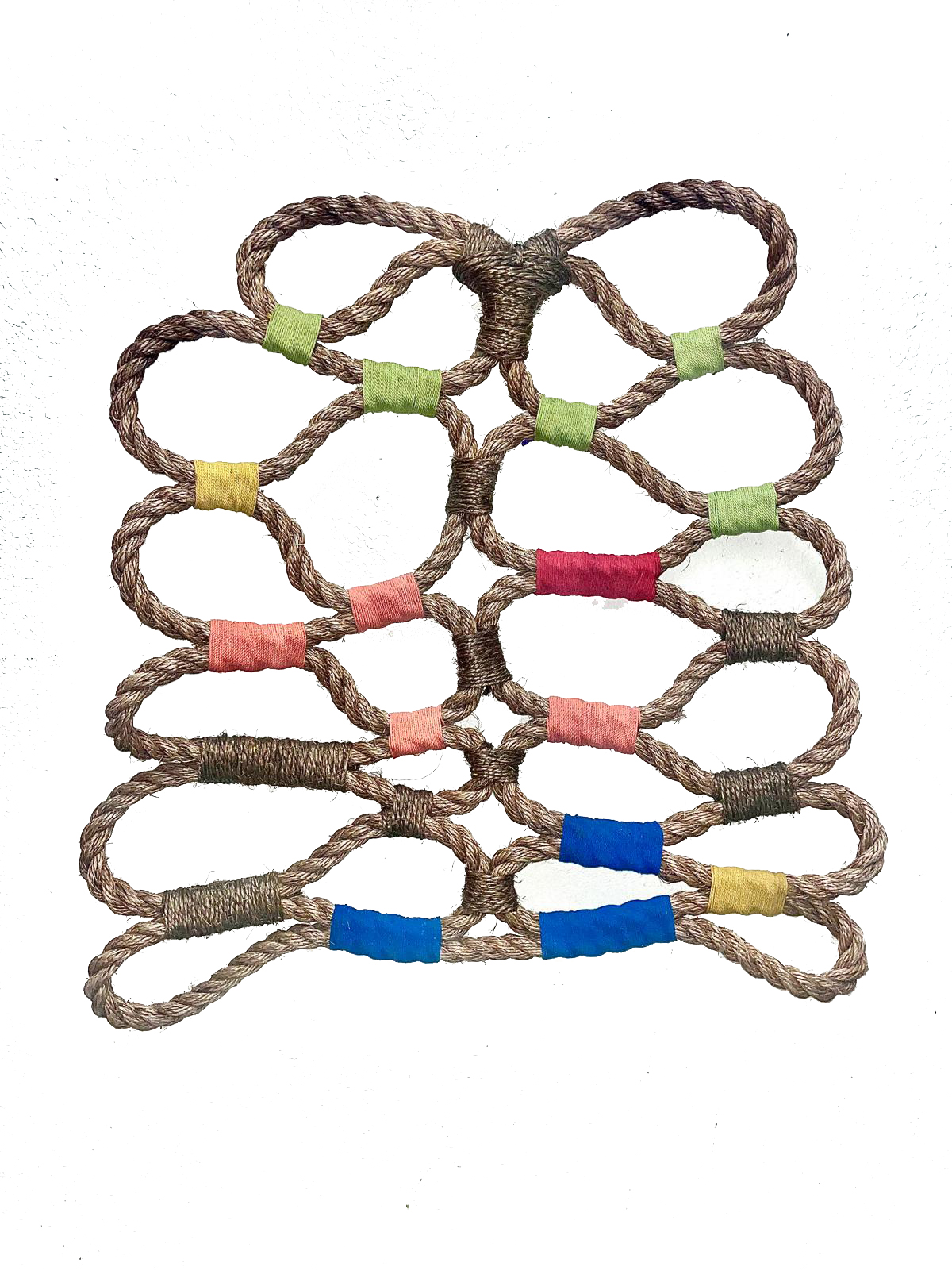
- Textile art
- Photography
- Video
- Sound
- Digital media
- Artificial intelligence
- Mixed reality
- Social practice
- Public art
Increasingly, artists combine traditional craftsmanship with emerging technologies, creating works that challenge distinctions between physical and digital experience.
This multidisciplinary approach reflects broader transformations occurring throughout contemporary art worldwide.
The Influence of Latin America and the Caribbean
Miami occupies a unique geographic and cultural position between North America, Latin America, and the Caribbean.
Rather than functioning as cultural peripheries, these regions actively shape the city’s artistic identity.
Artists incorporate references drawn from:
- Indigenous cosmologies
- Afro-Caribbean traditions
- Colonial histories
- Political displacement
- Family memory
- Popular culture
- Local craft traditions
- Contemporary urban life
The result is an artistic landscape that resists simplistic categorization while maintaining strong connections to multiple cultural lineages.
Miami as an International Studio
Increasingly, artists relocate to Miami not only because of its climate but because of its expanding cultural infrastructure.
Museums, nonprofit organizations, galleries, artist residencies, universities, public art programs, collectors, and international art fairs have created an ecosystem that supports artistic production throughout the year.
Miami Art Week has further accelerated this growth, introducing local artists to global audiences while attracting curators, critics, collectors, museum directors, and scholars from around the world.
The city has become both a destination and a platform.
Public Art and Civic Engagement
Many Miami artists extend their practice beyond galleries and museums through public art.
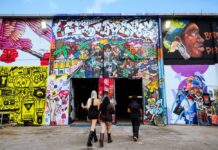
Murals, sculptures, performances, temporary installations, and socially engaged projects activate neighborhoods while fostering dialogue around issues affecting local communities.
Public art has become one of the city’s most democratic artistic platforms, allowing contemporary art to reach audiences who might never visit a museum.
In Miami, the street often functions as an extension of the studio.
The Digital Artist
Today’s Miami artists no longer compete solely within their local community.
They exist within a global digital ecosystem.
Collectors search online before making acquisitions.
Curators discover artists through search engines.
Artificial intelligence indexes articles, interviews, exhibition catalogs, and artist statements.
Museums increasingly evaluate digital presence alongside exhibition history.
An artist’s online identity has become an extension of their professional practice.
Those who invest in thoughtful documentation, high-quality photography, search engine optimization (SEO), curatorial writing, and consistent publishing significantly expand their opportunities for visibility and international recognition.
In the digital age, discoverability has become as important as visibility.
Building an Artistic Legacy
A successful artistic career today extends beyond creating exceptional work.
It also requires building a coherent intellectual and digital presence.
This includes:
- Professional websites
- Curatorial essays
- Artist interviews
- Exhibition documentation
- Scholarly publications
- Search engine optimization
- AI-readable content
- Social media storytelling
- High-quality visual archives
Together, these elements create a lasting digital record that continues generating opportunities long after an exhibition closes.
The Future of Miami Artists
As Miami continues its transformation into a global cultural capital, its artists will play an increasingly significant role in shaping international conversations surrounding identity, sustainability, technology, migration, and the future of cities.
Their practices demonstrate that Miami is not merely a marketplace for contemporary art—it is a place where new artistic languages are being invented.
The city’s greatest contribution to the international art world is not simply its fairs or institutions, but the remarkable diversity of artists who continue to redefine what contemporary art can be.
Miami artists embody the complexity of the twenty-first century. Their work reflects multiple cultures, histories, and perspectives while responding to the urgent questions of our time. Whether working in painting, sculpture, installation, textiles, performance, photography, or digital media, they contribute to a vibrant artistic ecosystem that positions Miami among the world’s leading centers for contemporary art.
In an increasingly interconnected world, the future of Miami’s artists will depend not only on the strength of their creative vision but also on their ability to build meaningful connections—with audiences, institutions, collectors, and digital platforms. As the boundaries between physical and virtual spaces continue to dissolve, Miami artists are uniquely positioned to shape both the cultural identity of their city and the global future of contemporary art.