Home Blog Page 9

Burgoyne Diller

Burgoyne Diller

Burgoyne Diller artist

Burgoyne Diller was an influential American artist known for his significant contributions to the field of abstract painting. His works are characterized by a strong emphasis on color, form, and composition. Diller was particularly associated with the movement of American modernism, which flourished in the early and mid-20th century, embracing new artistic expressions and breaking away from traditional forms.

Early Life and Background
Burgoyne Diller was born in 1884 in New York City, where he was exposed to vibrant artistic currents from an early age. His education included studying at the National Academy of Design, where he honed his technical skills in drawing and painting. Diller’s formative years were marked by an evolving interest in avant-garde movements, especially as he navigated the dynamic art scene of New York during the 1910s and 1920s.

Artistic Development
Diller’s artistic journey led him to experiments with abstraction, where he sought to convey emotions and ideas through non-representational forms. He was notably influenced by the European avant-garde, particularly the works of artists such as Wassily Kandinsky and Paul Klee, who emphasized the importance of color and abstract forms in their art. This influence prompted Diller to develop his own style, which retained a unique American sensibility while exploring the possibilities of color dynamics and spatial relationships.

Major Works and Exhibitions
Throughout his career, Diller created numerous paintings that showcased his mastery of color and form. His works often employed geometric shapes and vibrant colors, resulting in compositions that evoke a sense of rhythm and movement. Diller exhibited extensively, including solo and group exhibitions at prominent venues such as the Art Institute of Chicago and the Whitney Museum of American Art, where his contributions to abstract art were critically acclaimed.

Legacy and Impact
Burgoyne Diller’s impact on American modernism continues to be recognized today. He played a crucial role in promoting abstract art within the United States during a transformative period in art history. His works are held in several prestigious collections, reflecting the lasting appreciation for his innovative approach to painting and his dedication to the exploration of abstraction. Through his artistic vision, Diller has inspired generations of artists to explore color, form, and abstraction, solidifying his legacy as a key figure in American art.

Burgoyne Diller art movement?

Burgoyne Diller was a significant figure in the development of abstract art in the United States during the 20th century. He was among the artists who contributed to the evolution of Abstract Expressionism and emphasized the emotive potential of non-representational forms.

Overview of Burgoyne Diller’s Contribution

Burgoyne Diller’s work primarily focuses on purging the painted surface of all elements that are not purely visual. His approach has been described as an attempt to concentrate on the visual experience itself, without reference to any external subjects. Diller began his exploration in abstract painting in 1935, expressing his thoughts through art that reflected his experiences and surroundings, particularly during his time in Chicago.

Historical Context and Development

Diller’s contributions took place during a transformative period in art history, with Abstract Expressionism emerging as a major movement in the 1940s and 1950s. This movement was perceived as exhibiting total originality, which allowed it to merge into the larger narrative of international art history. Diller’s work and philosophy aligned with this movement, as he sought to articulate a language of forms and colors that spoke to the human experience without the constraints of figurative representation.

Influences and Techniques

His artistic practice was deeply influenced by the socio-cultural environment of his time, particularly the dynamics of the computer age and technological advancements. This dynamic led him to experiment with forms that engaged with contemporary themes and ideas. Diller’s palette and compositional structure exhibited a unique blend of simplicity and complexity, drawing on the visual language that emerged in the modernist context.

Reception and Impact

The impact of Diller’s work has been significant within the American art scene. Abstract artists and critics have recognized his contributions as shaping the dialogue surrounding abstract art’s role within society. His paintings were not just visually compelling but also aimed to evoke sensations and reflections on modern life, echoing the sensibilities inherent in the works of his contemporaries.

Diller’s journey through abstract art continues to resonate in contemporary discussions about the movement, as he remains a pivotal figure in understanding the evolution of abstract painting and its reception in America during the 20th century. His legacy is reflective of a broader artistic commitment to exploring the essence of visuality and its emotional impact.

Burgoyne Diller’s paintings are characterized by their focus on abstract forms and the exploration of visual perception. His work is deeply rooted in geometrical abstraction and reflects a significant aspect of the American abstract art movement.

Characteristics of Diller’s Paintings

Diller’s paintings often emphasize clean lines and bold colors, utilizing geometric shapes to convey a sense of order and balance. His approach involved the use of pure, flat colors that were sometimes executed in a way to create a luminous effect. The simplicity of the forms in his compositions invites viewers to engage with the visual elements, prompting a deeper reflection on the underlying aesthetics.

Techniques and Styles

Diller is known for his innovative use of materials and techniques, which include layering and a meticulous application of paint. He frequently employed a technique of using pressure-sensitive tape to achieve crisp, straight edges in his works, allowing for precision in his geometric designs. This method enhanced the overall clarity of the forms and was part of a broader trend in abstract painting during the mid-20th century.

Notable Works

While many specific titles of Diller’s paintings may vary, his oeuvre encompasses several distinctive series that highlight his evolution as an artist. These series are often linked with the exploration of color theory and spatial relationships. His work represents a vital segment of the post-World War II artistic landscape, contributing to the dialogue around Abstraction-Creation and geometric abstraction in America.

Influence and Legacy

Diller’s influence on American abstract painting is seen in his dedication to exploring how non-representational forms can encapsulate complex emotional undercurrents. His works engage with the viewer on a visual level, allowing for personal interpretations while adhering to a rigorous artistic methodology. The legacy of Burgoyne Diller continues to be relevant, influencing contemporary artists who explore the realms of geometry and abstraction.

​Through his innovative techniques and thoughtful compositions, Burgoyne Diller’s paintings are a crucial part of the narrative surrounding American abstract art, marking him as an essential figure in a transformative era of artistic expression.


Sources
[1] Un relief de Burgoyne Diller, Wall Construction (1938), entre au musée de Grenoble, https://www.semanticscholar.org/paper/e712a4665e3c3e3950bc80fd86c64f3d78dd4a19
[2] Interview: Burgoyne Diller Talks with Harlan Phillips, https://www.semanticscholar.org/paper/df9414b33c5f8d00852b9d59b1976d087ba9bb42
[3] Burgoyne Diller : paintings, sculptures, drawings, https://www.semanticscholar.org/paper/c8af45fd54dfcff6e540c1f11d1bd85a262cfab4
[4] [Interview]: Burgoyne Diller Talks with Harlan Phillips, https://www.semanticscholar.org/paper/f82a6df37501200563819d3e6292fc8449b5a779
[5] Burgoyne Diller : studies for the 3 themes : May 8-June 6, 1986, https://www.semanticscholar.org/paper/74a0c2c7ff0b45b44d3443a3549bca894e523854
[6] The early career of Burgoyne Diller: 1925-45, https://www.semanticscholar.org/paper/9eaab56c8166e6875521734a472131a9043f0f8e
[7] The Man Who Lost America: A Biography of Gentleman Johnny Burgoyne, https://www.semanticscholar.org/paper/ec81b2ac71245c01915dce8d7691e232d30a29fb
[8] THE MAN WHO LOST AMERICA A Biography of Gentleman Johnny Burgoyne, https://www.semanticscholar.org/paper/1ad70780176b9d76bc7c148b691e6445c9f054c4
[9] Burgoyne of Saratoga: A Biography. By Gerald Howson. (New York: Times, 1979. xviii + 360 pp. Illustrations, appendixes, notes, bibliography, and index. $17.50.), https://www.semanticscholar.org/paper/7ff4558e1b5f5e00f079614bf7e84e4a4a5267cc
[10] Foggy Mountain Troubadour: The Life and Music of Curly Seckler by Penny Parsons, and: Dwight Diller: West Virginia Mountain Musician by Lewis M. Stern (review), https://www.semanticscholar.org/paper/b4c161c82d3a00bf990138794cb20eaab97293c9
[11] The Learning Company: A Strategy for Sustainable Development, https://www.semanticscholar.org/paper/f483674cc19dd9715d28870ae57ce1d20fdd246d
[12] The Operas of Rameau: Genesis, Staging, Reception ed. by Graham Sadler, Shirley Thompson, and Jonathan Williams (review), https://www.semanticscholar.org/paper/54b27095e0390bc45f4abd02647fb5209b2e5a14
[13] George Washington: A Biography, https://www.semanticscholar.org/paper/5d227d190e1953a471a60f67a9c46d48c1e13be1
[14] Towards the Learning Company: Concepts and Practices, https://www.semanticscholar.org/paper/c53da98016b395782791363e49b4bb456b5940f1
[15] The Presidents, First Ladies, and Vice Presidents: White House Biographies, 1789-2005. Daniel C. Diller and Stephen L. Robertson. Washington, DC: CQ Press, 2005, 291 pp. $46.00 (paper), ISBN: 1568029853, https://www.semanticscholar.org/paper/9e687a3a9ad9a1e05daa5c4fadbe2980836a4156
[16] Augustus Granville Dill: A Case Study in the Conceptualization of a Black Public Sociology, https://www.semanticscholar.org/paper/6ceda110a01272300273ccdf50a5f78fce4a122b
[17] The Extrinsic Elements of Harper Lee’s to Kill a Mockingbird, https://www.semanticscholar.org/paper/06681b90037fa21d6114ba217d7d88ba7a13ad7d
[18] Stephen Dill Lee: a Biography., https://www.semanticscholar.org/paper/297df64e2c402c286db66b1f7f549e46c61b6a4a
[19] The Greek Codices of Palla Strozzi and Guarino Veronese, https://www.semanticscholar.org/paper/7734188f870139d313bf4efe67c618c0693d8667
[20] Women of the Moon, https://www.semanticscholar.org/paper/8e78c2a53bad75021957ff8de0e26d97caaf70f9

[21] On the Relevance of Abstract Art: A Memoir, https://www.semanticscholar.org/

paper/8742ba62610eb3e66d4f6c558b71e78db7c063f6
[22] Public Art and the Perils of Canonization: The Case of Swing Landscape by Stuart Davis, https://www.semanticscholar.org/ paper/859e5a3238c3ac93b01b77246045d4bb503b850b

Universidades y colegios que ofrecen programas en artes visuales

AURÈLIA MUÑOZ
AURÈLIA MUÑOZ

Universidades y colegios que ofrecen programas en artes visuales

En Miami, hay varias universidades y colegios que ofrecen programas en artes visuales y campos relacionados, cubriendo una variedad de niveles de estudio, desde programas técnicos hasta programas de maestría y doctorado. Aquí te dejo algunas de las instituciones educativas más destacadas que ofrecen programas en artes visuales:

1. University of Miami (UM)

  • Programa: Bachelor of Fine Arts (BFA), Master of Fine Arts (MFA), y Doctorado en Arte.
  • Descripción: La Universidad de Miami es una de las instituciones más prestigiosas de la región y ofrece programas completos en Bellas Artes a través de su Department of Art and Art History. El BFA es ideal para aquellos que buscan una formación técnica en diversas disciplinas de las artes visuales, mientras que el MFA es un programa avanzado que permite a los estudiantes especializarse en sus áreas de interés, como pintura, escultura, fotografía, o arte digital.
  • Ubicación: Coral Gables, FL.

2. Miami International University of Art & Design

  • Programa: Bachelor’s Degree en Bellas Artes y Associate’s Degree en Diseño Gráfico, Moda, Fotografía, y más.
  • Descripción: Esta universidad ofrece una variedad de programas enfocados en artes visuales y diseño. Aunque su enfoque principal es el diseño, también cubre áreas como las bellas artes, brindando una formación técnica sólida en diferentes disciplinas visuales.
  • Ubicación: Miami, FL.

3. Florida International University (FIU)

  • Programa: Bachelor’s in Studio Art, Master’s in Art History, y programas de Arte Digital.
  • Descripción: FIU es una de las universidades más grandes de Miami y ofrece un programa de licenciatura en Arte Studio, que abarca pintura, escultura, y arte digital. También tiene una maestría en Historia del Arte, lo que puede ser útil para quienes buscan una comprensión teórica más profunda del arte.
  • Ubicación: Miami, FL.

4. The Art Institute of Miami

  • Programa: Bachelor’s Degree en Diseño Gráfico, Fotografía, y más.
  • Descripción: Parte de la red de universidades de arte de los Estados Unidos, esta institución ofrece títulos en áreas como el diseño gráfico y la fotografía, con un enfoque práctico y creativo. Aunque no se enfoca exclusivamente en las bellas artes, su formación técnica en arte y diseño es muy sólida.
  • Ubicación: Miami, FL.

5. New World School of the Arts

  • Programa: Bachelor of Fine Arts (BFA) en Artes Visuales.
  • Descripción: Nueva escuela de artes enfocada en estudiantes de nivel secundario y universitario. Ofrece un programa de BFA en Bellas Artes, con énfasis en el desarrollo de habilidades prácticas y teóricas en las artes visuales, abarcando desde el dibujo y la pintura hasta el arte digital.
  • Ubicación: Miami, FL.

6. Miami Dade College (MDC)

  • Programa: Associate’s Degree en Bellas Artes, y una Licenciatura en Diseño Gráfico.
  • Descripción: Miami Dade College ofrece programas accesibles en artes visuales, incluidos programas de Licenciatura y Certificados en Diseño Gráfico y Artes Visuales. Es una excelente opción para aquellos que buscan una formación técnica en un entorno accesible y asequible.
  • Ubicación: Miami, FL.

7. The Little Haiti Cultural Complex (Programas Comunitarios y Talleres)

  • Programa: Talleres y clases de arte comunitarias.
  • Descripción: Aunque no ofrece títulos universitarios, el Little Haiti Cultural Complex es un importante centro cultural que ofrece programas de arte y talleres para la comunidad. Aquí se pueden aprender técnicas de pintura, escultura, y otras formas de arte visual, además de participar en exposiciones y eventos.
  • Ubicación: Little Haiti, Miami, FL.

8. Barry University

  • Programa: Bachelor of Fine Arts (BFA) y programas de Artes Visuales.
  • Descripción: Barry University ofrece una Licenciatura en Bellas Artes con énfasis en la exploración de diversas disciplinas artísticas, desde la pintura hasta la escultura. Además, ofrecen un programa en arte terapéutico, que puede ser útil para quienes buscan combinar la psicología con el arte.
  • Ubicación: Miami Shores, FL.

9. Zayas Art Institute (Programas de Arte para Adultos)

  • Programa: Talleres de arte y clases privadas.
  • Descripción: Ofrece talleres y clases de arte para estudiantes de todas las edades, con un enfoque en el arte contemporáneo, el diseño, y la pintura. Es un lugar ideal para aquellos que buscan clases de arte más personalizadas y menos formales.
  • Ubicación: Miami, FL.

Resumen:

  1. University of Miami – BFA, MFA, Doctorado en Artes Visuales.
  2. Miami International University of Art & Design – Programas en Bellas Artes y Diseño.
  3. Florida International University – BFA en Studio Art, MA en Historia del Arte.
  4. The Art Institute of Miami – Programas en Diseño y Fotografía.
  5. New World School of the Arts – BFA en Artes Visuales.
  6. Miami Dade College – Asociado en Artes Visuales, Licenciatura en Diseño Gráfico.
  7. The Little Haiti Cultural Complex – Talleres y programas comunitarios de arte.
  8. Barry University – BFA en Bellas Artes.
  9. Zayas Art Institute – Talleres de arte.

Estas instituciones no solo proporcionan una educación formal en artes visuales, sino que también fomentan la creatividad y el intercambio cultural, contribuyendo al vibrante panorama artístico de Miami.

Art Coach vs. Art Life Coach

Art Coach vs. Art Life Coach

Art Coach vs. Art Life Coach: Understanding Two Distinct Paths of Artistic Development

In today’s increasingly complex art world, artists are often encouraged to seek guidance beyond traditional education. As careers become more self-directed and the boundaries between personal and professional life continue to blur, two roles have emerged with growing visibility: the Art Coach and the Art Life Coach. While these titles may appear similar, they represent fundamentally different approaches to supporting artists.

Understanding the distinction between the two can help artists identify the type of guidance most aligned with their needs and aspirations.

What Is an Art Coach?

An Art Coach focuses primarily on the artist’s professional and creative development. Their role is centered on helping artists refine their practice, strengthen their portfolio, develop strategic goals, and navigate the contemporary art ecosystem.

An Art Coach may assist with:

  • Artistic direction and conceptual development
  • Portfolio reviews
  • Artist statements and biographies
  • Exhibition planning
  • Pricing strategies
  • Gallery and curator outreach
  • Personal branding and visibility
  • Career planning and goal setting

In many ways, the Art Coach functions as a mentor, strategist, and industry advisor. Their primary concern is helping artists improve their work, increase opportunities, and build sustainable careers.

The relationship is largely oriented toward measurable professional outcomes.

What Is an Art Life Coach?

An Art Life Coach, by contrast, places greater emphasis on the artist as a person rather than solely on the artwork or career.

While professional goals may still be discussed, the focus extends to the emotional, psychological, and personal dimensions of creative life. The Art Life Coach recognizes that artistic success is often influenced by factors such as confidence, motivation, fear, burnout, self-doubt, work-life balance, and personal fulfillment.

An Art Life Coach may help artists:

  • Overcome creative blocks
  • Develop confidence and self-belief
  • Clarify personal values
  • Navigate career transitions
  • Manage stress and anxiety
  • Improve productivity and focus
  • Align artistic goals with life goals
  • Cultivate resilience and emotional well-being

Rather than concentrating on exhibitions, collectors, or market positioning, the Art Life Coach asks deeper questions:

What kind of life do you want your art practice to support?

How can your creative work align with your broader sense of purpose and fulfillment?

The Difference Between Career and Life

The distinction ultimately comes down to focus.

The Art Coach primarily addresses:

The Work

  • Artistic practice
  • Professional growth
  • Visibility
  • Market opportunities
  • Strategic development

The Art Life Coach primarily addresses:

The Artist

  • Personal growth
  • Mindset
  • Motivation
  • Emotional well-being
  • Life balance

One asks:

“How can I help you build a stronger art career?”

The other asks:

“How can I help you build a more meaningful life through art?”

Why Artists Often Need Both

Contemporary artists face challenges that extend far beyond the studio. They must simultaneously function as creators, entrepreneurs, marketers, communicators, and cultural participants.

As a result, technical excellence alone rarely guarantees a fulfilling career. Likewise, personal fulfillment without professional direction can leave artists feeling disconnected from their ambitions.

Many artists find that the most effective support combines both approaches: strategic guidance for career advancement and personal coaching that nurtures resilience, clarity, and purpose.

The healthiest artistic careers are often those in which professional success and personal well-being evolve together rather than in opposition.

A New Model for Artistic Growth

Historically, artists sought guidance through apprenticeships, academic institutions, or gallery representation. Today, the pathways are more diverse and decentralized. Coaching has emerged as a valuable resource for artists navigating a rapidly changing cultural landscape.

Whether one chooses an Art Coach, an Art Life Coach, or a combination of both, the essential goal remains the same: to help artists create with greater clarity, confidence, and intention.

The question is not simply how to become a better artist, but how to build a creative life that is both professionally sustainable and personally meaningful.

In that distinction lies the true difference between an Art Coach and an Art Life Coach.

Minimalism Art movement Artists

Kube-in-action-Minimal Earring Collection-UPC-78836268628

Minimalism Art movement Artists

Ludwig Mies van der Rohe , German , 1886 – 1969
John McLaughlin , American , 1898 – 1976
Bice Lazzari , Italian , 1900 – 1981
Ruth Vollmer , American , 1903 – 1982
Antonio Calderara , Italian , 1903 – 1978
Myron Stout , American , 1908 – 1987
Agnes Martin , Canadian , 1912 – 2004
Gego , German , 1912 – 1994
Tony Smith , American , 1912 – 1980
Ad Reinhardt , American , 1913 – 1967
Johannes Jan Schoonhoven , Dutch , 1914 – 1994
Mathias Goeritz , German , 1915 – 1990
Ronald Bladen , American , 1918 – 1988
Mira Schendel , Swiss , 1919 – 1988
Anne Truitt , American , 1921 – 2004
William Turnbull , British , 1922 – 2012
Genevieve Asse , French , born 1923
Ellsworth Kelly , American , born 1923
Richard Artschwager , American , 1923 – 2013
Anton Heyboer , Dutch , 1924 – 2005
Anthony Caro , British , born 1924
Paul Brach , American , 1924 – 2007 , 16 artworks
Herbert Zangs , German , 1924 – 2003 , 14 artworks
Martin Barre , French , 1924 – 1993 , 21 artworks
Marcel Barbeau , Canadian , born 1925 , 16 artworks
Edward Krasinski , Polish , 1925 – 2004 , 15 artworks
Francois Morellet , French , born 1926 , 33 artworks
Moshe Kupferman , Jewish , 1926 – 2003 , 38 artworks
Warren Rohrer , American , 1927 – 1995 , 36 artworks
James Bishop , French , born 1927 , 10 artworks
Donald Judd , American , 1928 – 1994 , 144 artworks
Sol LeWitt , American , 1928 – 2007 , 74 artworks
Marcia Hafif , American , born 1929 , 16 artworks
Peter Joseph , British , born 1929 , 18 artworks
Lyman Kipp , American , born 1929 , 12 artworks
Jo Baer , American , born 1929 , 18 artworks
Alex Hay , American , born 1930 , 11 artworks
Rodolfo Arico , Italian , 1930 – 2002 , 31 artworks
Robert Ryman , American , born 1930 , 40 artworks
Frederic Matys Thursz , Americans , 1930 – 1992 , 14 artworks
Enrico Castellani , Italian , born 1930 , 22 artworks
Charlotte Posenenske , Jewish , 1930 – 1985 , 37 artworks
Joan Hernandez Pijuan , Spanish , 1931 – 2005 , 40 artworks
Robert Morris , American , 1931 – 2018 , 24 artworks
Ralph Hotere , New Zealander , 1931 – 2013 , 26 artworks
Jef Verheyen , Belgian , 1932 – 1984 , 11 artworks
Marc Vaux , British , born 1932 , 22 artworks
Bernard Cohen , British , born 1933 , 24 artworks
Dan Flavin , American , 1933 – 1996 , 23 artworks
Victor Bonato , German , born 1934 , 18 artworks
Irma Blank , German , born 1934 , 15 artworks
Yves Gaucher , Canadian , 1934 – 2000 , 33 artworks
Bob Law , British , 1934 – 2004 , 15 artworks
Walter Darby Bannard , American , born 1934 , 28 artworks
John McCracken , American , 1934 – 2011 , 42 artworks
Robert Huot , American , born 1935 , 19 artworks
Roman Cotosman , American , 1935 – 2006 , 10 artworks
Simone Forti , Italian , born 1935 , 15 artworks
Carl Andre , American , born 1935 , 0 artworks
Walter De Maria , American , 1935 – 2013 , 14 artworks
Leo Valledor , American , 1936 – 1989 , 19 artworks
Nanda Vigo , Italian , born 1936 , 10 artworks
Joachim Bandau , German , born 1936 , 19 artworks
Frank Stella , American , born 1936 , 123 artworks
Robert Grosvenor , American , born 1937 , 12 artworks
Nasreen Mohamedi , Indian , 1937 – 1990 , 27 artworks
Manfred Kuttner , German , 1937 – 2007 , 13 artworks
Niele Toroni , French , born 1937 , 11 artworks
James Licini , Swiss , born 1937 , 11 artworks
Grazia Varisco , Italian , born 1937 , 21 artworks
Robert Mangold , American , born 1937 , 37 artworks
Tess Jaray , British , born 1937 , 18 artworks
Michel Parmentier , French , 1938 – 2000 , 10 artworks
Angelo de Sousa , Portuguese , 1938 – 2011 , 21 artworks
Daniel Buren , French , born 1938 , 16 artworks
Brice Marden , American , born 1938 , 124 artworks
Jan Groth , Norwegian , born 1938 , 15 artworks
Larry Bell , American , born 1939 , 47 artworks
Jean-Pierre Raynaud , French , born 1939 , 10 artworks
Imi Knoebel , German , born 1940 , 15 artworks
Ettore Spalletti , Italian , born 1940 , 19 artworks
Peter Downsbrough , American , born 1940 , 10 artworks
Phil Sims , American , born 1940 , 15 artworks
Robert Swain , American , born 1940 , 10 artworks
Claude Rutault , French , born 1941 , 21 artworks
Hanne Darboven , German , 1941 – 2009 , 15 artworks
Richard Tuttle , American , born 1941 , 45 artworks
Gunter Umberg , German , born 1942 , 10 artworks
Joseph Marioni , American , born 1943 , 16 artworks
Christopher Wilmarth , American , 1943 – 1987 , 15 artworks
Fred Sandback , American , 1943 – 2003 , 16 artworks
Kishio Suga , Japanese , born 1944
Olivier Mosset , Swiss , born 1944
Michael Heizer , American , born 1944
Gianni Piacentino , Italian , born 1945
Fernando Calhau , Portuguese , 1948 – 2002
Alan Charlton , British , born 1948
Rudolf de Crignis , American , 1948 – 2006
Hiroshi Sugimoto , Japanese , born 1948
Katsuhito Nishikawa , Japanese , born 1949
Alfio Giuffrida , Italian , born 1953
Roni Horn , American , born 1955
Gisela Colon , American , born 1966
Yui Yaegashi , Japanese , born 1985

Servicio de Declaración de Artista

Servicio de Asesoría: para tu Declaración de Artista

Servicio de Declaración de Artista

Cada artista debe poseer un Art Statement único y expresada con claridad y profundidad tu arte. El servicio de Declaración de Artista se enfoca para ayudarte a sacar a la luz tu identidad creativa a través de un texto auténtico y potente que conecte emocionalmente con el público, curadores y coleccionistas.

¿Qué incluye el servicio?

Redacción personalizada
Nos sumergimos en tu proceso creativo para comprender la esencia de tu práctica artística. A partir de entrevistas y referencias a tu obra, elaboramos una declaración coherente, auténtica y alineada con tus intenciones y visión.

Asesoría conceptual
Si no sabes por dónde empezar o necesitas claridad sobre cómo definir tu propuesta artística, te ofrecemos sesiones de acompañamiento creativo para ayudarte a articular tus ideas con mayor precisión.

Edición profesional
¿Ya tienes una declaración escrita? Te ayudamos a perfeccionarla. Afinamos el tono, la estructura y la cohesión para asegurar que tu texto comunique con fuerza y claridad.

Somos artistas, curadores y crítico de arte con:

  • Sensibilidad artística: Comprendemos la complejidad del lenguaje visual y trabajamos desde el respeto por tu proceso.
  • Enfoque personalizado: No usamos fórmulas genéricas. Cada declaración que redactamos es única, como tu obra.
  • Compromiso con la autenticidad: Queremos que tu voz resuene y sea reconocida por su honestidad y profundidad.

Tu obra ya habla por sí sola. Nuestra misión es poner en palabras lo que tus imágenes, materiales y gestos expresan, para que tu declaración de artista sea una herramienta poderosa de comunicación, conexión e identidad.

Confluences: Aurore Brunet, Alejandro Caiazza, Stephan Beauvais, and Michael Banks at Gallery on First

Screenshot

Confluences: Aurore Brunet, Alejandro Caiazza, Stephan Beauvais, and Michael Banks at Gallery on First

Gallery on First, located in Sanford, Florida, is an eclectic contemporary art space officially founded in 2005 by American patron and collector Howard Marks. The gallery operates within the historic Hotchkiss Building (built in 1887) and has established itself as a cultural landmark in Central Florida. Its curatorial focus is on contemporary American and international art, giving significant space to self-taught, outsider, and folk art.

Under the premise of prioritizing originality and accessibility, the institution exhibits works by global creators while maintaining a close connection with the local creative community. One of its most distinctive features is its open studio concept, a format that invites visitors to interact directly with the artists, learn about their processes, and witness the evolution of the works, transcending mere passive contemplation in favor of a dynamic and creative exchange.

On this occasion, the gallery presents a group exhibition bringing together the visions of four prominent international artists:


Aurore Brunet (France, 1974)

Screenshot

Born in Toulouse, Aurore Brunet demonstrated a deep interest in the visual arts from an early age. She trained under Berta Maillol, granddaughter of the renowned sculptor Aristide Maillol, an experience that strengthened her fascination with Impressionist painting. Her aesthetic approach combines the chromatic richness of Impressionism with contemporary supports and découpage, a technique based on adhering paper or fabric cutouts to various surfaces which, when sealed with varnish, simulate a painted finish. In 1997, her work received the Grand Prize at a major regional art exhibition in France, a competition that included more than 300 artists.

Alejandro Caiazza (Argentina, 1972)

Screenshot

Originally from Santa Fe, Argentina, Alejandro Caiazza grew up and trained in Venezuela before launching his international career and becoming part of Manhattan’s Lower East Side art scene. He is widely recognized for a raw, visceral, and highly expressive style that merges Neo-Expressionism, Art Brut, and Outsider Art. Through a distinctive iconography, his work addresses fundamental tensions of the human condition, including migration, marginalized communities, madness, absurdity, existential anxiety, and the use of sarcasm as a critical tool.

Stephan Beauvais (France, 1975)

Screenshot

Born in Arras, France, Stephan Beauvais develops an intimate visual narrative rooted in memory, affection, and introspection. His artistic language relies on a soft and subdued palette that creates atmospheres of silence and contemplation. His paintings function as invitations to pause, offering viewers a space for reflection and emotional resonance, sheltered from the noise and acceleration of contemporary life.

Michael Banks (United States, 1972)

Screenshot

Born in Alabama, Michael Banks has developed a body of work centered on the exploration of the psyche and the fragile emotional balance of everyday life. His visual language emerges from the hybridization of contemporary popular culture and urban street art. As a self-taught artist associated with Outsider Art, Banks investigates the complexities of the human soul, revealing both the social masks that conceal personal emotions and the inner demons with which individuals coexist. His work is distinguished by thematic consistency, unconventional materials, and a highly recognizable aesthetic identity.

Visitors are invited to contemplate and enjoy the confluence of artistic languages and perspectives presented by these four creators at Gallery on First, located at 211 East First Street, Sanford, FL 32771.

Philippe Vergne and the Future of The Bass: A Defining Moment for Miami’s Contemporary Art Landscape

Philippe Vergne and the Future of The Bass

Philippe Vergne and the Future of The Bass: A Defining Moment for Miami’s Contemporary Art Landscape

The appointment of Philippe Vergne as Artistic Director and Chief Curator of The Bass marks one of the most significant institutional developments in Miami’s contemporary art ecosystem in recent years. More than a leadership transition, this decision signals the museum’s ambition to position itself as a major international platform for contemporary artistic discourse at a moment when Miami continues to redefine its cultural identity on the global stage.

Vergne arrives with one of the most distinguished curatorial and museum leadership careers of his generation. Over the past three decades, he has held key positions at some of the world’s most influential contemporary art institutions, including the Musée d’Art Contemporain in Marseille, the Walker Art Center in Minneapolis, the Dia Art Foundation in New York, MOCA Los Angeles, and most recently the Serralves Museum of Contemporary Art in Porto. His trajectory reflects a rare combination of intellectual rigor, curatorial experimentation, and institutional vision.

What makes this appointment particularly compelling is its timing. The Bass is entering a new phase of expansion, supported by a major capital investment and an ambitious architectural development project. At the same time, the museum has increasingly distinguished itself through exhibitions that bridge global contemporary practices with Miami’s unique cultural geography. Vergne’s appointment suggests a desire not simply to grow physically, but to deepen the museum’s intellectual and artistic impact.

Throughout his career, Vergne has championed artists whose work challenges conventional narratives and expands the social role of contemporary art. His curatorial philosophy has consistently emphasized dialogue, critical inquiry, and the museum as a site of civic engagement rather than mere cultural consumption. In recent statements, he has argued that museums have evolved from spaces of contemplation into spaces of active engagement with the complexities of contemporary society.

For Miami, this perspective could prove transformative. The city occupies a unique position between North America, Latin America, the Caribbean, and Europe. Yet despite its prominence as an art market destination, it continues to search for a deeper institutional identity capable of reflecting its multicultural realities. Vergne’s international experience and commitment to artist-centered dialogue may offer a framework through which The Bass can strengthen its role as a museum that not only presents contemporary art but also actively participates in shaping cultural conversations.

Equally important is the collaborative structure of the new position. Working alongside Executive Director Silvia Cubiñá, Vergne will contribute not only to exhibitions but also to educational initiatives, collection development, and the museum’s expansion strategy. Such an integrated role acknowledges that contemporary museums are no longer defined solely by exhibitions but by their capacity to connect artistic production, public engagement, and institutional responsibility.

The question now is not whether Philippe Vergne can elevate The Bass—his record suggests he can—but how his vision will interact with Miami itself. The most successful museum leaders do not impose models from elsewhere; they listen, adapt, and build upon the particularities of place. Vergne has already emphasized the importance of conversation before defining a curatorial agenda, a promising indication that his approach will emerge from engagement rather than prescription.

As Miami’s cultural institutions continue to mature, the arrival of Philippe Vergne may be remembered as a pivotal moment in the evolution of The Bass. His appointment represents more than a change in leadership; it reflects an aspiration to position the museum as a site where contemporary art, critical thought, and public life intersect with renewed relevance and international significance.

Charo Oquet

Charo Oquet
Charo Oquet Are you in?, 2020 Mixed media Dimensions variable

Charo Oquet

Born in Santo Domingo
Currently based in Miami, FL. United States

Oquet has presented numerous solo exhibitions at museums and galleries worldwide, including the Bass Museum in Miami Beach; Casal Solleric in Palma de Mallorca; and the Convento de Santo Domingo in Lanzarote, Canary Islands, Spain, curated by Antonio Zaya.

His work has also been featured in major international exhibitions, including Relational Undercurrents: Contemporary Art of the Caribbean Archipelago at the Museum of Latin American Art (MOLAA), Long Beach, California (2017); GAGA NOW! Art, Race, and Fluidity in the Dominican Republic and Haiti at the Martin E. Segal Theatre, CUNY, New York (2016); the 1st Asunción Biennial at the Salazar Museum, Paraguay (2015); and Be.Bop: European Body Politics, Spiritual Revolutions & the Scramble for Africa at Nikolaj Kunsthal, Copenhagen; Ballhaus Naunynstraße, Berlin; and Art Labour Archives (2015).

Additional international presentations include the 1st Afri-Perfoma Biennial Live Art Festival in Harare, Zimbabwe (2013); Mami Wata, curated by Henry Drewal at the Fowler Museum at UCLA (2008); Subliminals in Beijing, China (2007); Away at UNESCO Headquarters in Paris (2006); After Columbus.com at Kunstnernes Hus, Oslo, Norway (2003); the V Caribbean Biennial at the Museo de Arte Moderno de Santo Domingo (2001, 2003); En Ruta PR’02 at M&M Projects, Puerto Rico, curated by Antonio Zaya; the Centro Atlántico de Arte Moderno (CAAM), Gran Canaria, Spain; and the Govett-Brewster Art Gallery, New Zealand.

Charo Oquet
Charo Oquet
Are you in?, 2020
Mixed media
Dimensions variable
$5,000.00
In stock
Charo Oquet
Charo Oquet
Work Info:
Charo Oquet
The Trickster, 2021-23
Mix media
Dimensions variable
$5,000.00
In stock

Miami Art Week: A Global Celebration of Contemporary Art

Dr. Funkenstein Acrylics

Miami Art Week: A Global Celebration of Contemporary Art

Miami Art Week has firmly established itself as one of the most anticipated cultural events of the year, attracting visitors from around the world. This vibrant and dynamic celebration of contemporary art transforms the city into an unparalleled epicenter of creativity, innovation, and artistic expression. With renowned art fairs such as Art Basel Miami Beach, Untitled, Art Miami, and several others, Miami has become a global stage where art lovers, collectors, curators, and artists converge to explore the latest trends in the art world.

A City Transformed by Art

During Art Week, Miami is not just a city but a living, breathing canvas. The streets, galleries, and public spaces are infused with an electric atmosphere as people from all over the world come together to engage with some of the most cutting-edge and thought-provoking works of contemporary art. Miami’s local community plays an integral role in this transformation, as the city’s galleries, museums, and cultural venues host special exhibitions and events, turning the city into an interactive art hub.

The Miami Art Week experience extends beyond the traditional art fairs, offering visitors a diverse range of experiences. There is something for everyone, from intimate artist talks and exclusive gallery viewings to large-scale installations and immersive art experiences. The city’s famed cultural districts, such as the Wynwood Walls, Design District, and Little Havana, become even more vibrant during Art Week, hosting established and emerging artists pushing the boundaries of creativity.

The Heart of Miami Art Week: Art Basel Miami Beach

At the heart of Miami Art Week is Art Basel Miami Beach, the U.S. counterpart to the prestigious Swiss fair. Every December, Art Basel welcomes an international audience of art collectors, dealers, curators, and museum professionals to experience one of the world’s most celebrated contemporary art fairs. The fair’s extensive collection of works spans painting, sculpture, photography, video, and large-scale installations. The artists and galleries featured at Art Basel offer a rare opportunity to engage with the most significant developments in the art world, providing insight into contemporary art’s current landscape and future trajectory.

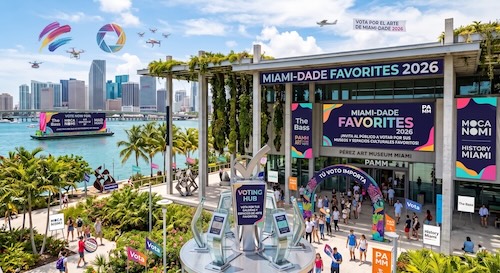
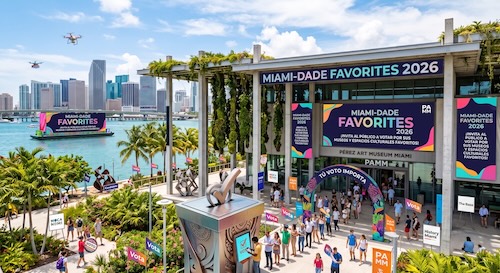
What makes Art Basel Miami Beach so unique is its extraordinary collection of works and its collaborative spirit. Many major art institutions and museums in Miami, such as the Pérez Art Museum Miami (PAMM) and the Institute of Contemporary Art (ICA), use Art Basel’s timing to host exclusive exhibitions, transforming the entire city into a sprawling art experience.

Untitled, Art Miami, and Beyond

In addition to Art Basel, Miami Art Week features other notable fairs, such as Untitled and Art Miami, which have become fixtures of the city’s cultural calendar. Untitled is celebrated for its unique atmosphere, often considered more intimate than larger fairs, and is known for showcasing a carefully curated selection of contemporary art. Featuring galleries worldwide, the fair stands out for its open-air venue with stunning ocean views and its commitment to presenting innovative and boundary-pushing works. Visitors can enjoy everything from experimental installations to thought-provoking contemporary sculptures.

Art Miami, the city’s longest-running contemporary art fair, has become a mainstay in the Miami Art Week circuit. Known for its diverse range of modern and contemporary works, the fair features art from over 125 international galleries. Art Miami is particularly notable for its focus on emerging and established artists, offering a unique opportunity for collectors to acquire significant pieces while engaging with cutting-edge art trends. This diversity ensures that there’s something for everyone, making Art Miami an inclusive part of Miami Art Week.

In addition, Miami Art Week also features a host of satellite fairs, such as PULSE Miami, NADA Miami, and SCOPE, each bringing its distinct flavor to the city’s cultural landscape. Often attracting emerging artists, these fairs provide a platform for new voices in the contemporary art world. The city becomes a canvas, with pop-up shows, public art installations, and street performances offering an eclectic mix of visual experiences.

A Hub of Global Exchange

Miami’s significance in the art world is not just its role as a host city during Art Week but also the city’s increasing influence as a year-round cultural center. Miami’s international reputation as a global art hub continues to grow as its art scene becomes more integrated into the international conversation on contemporary art. The city’s proximity to Latin America, combined with its rapidly growing number of collectors and artists, makes it a crossroads of global cultural exchange. This year-round cultural vibrancy ensures that visitors and locals alike are always connected to the global art scene.

For visitors, Miami Art Week is an unforgettable experience—a celebration of creativity and connection that transcends borders. Whether you’re an art collector looking for your next acquisition or a first-time visitor, seeing the world’s top artists, galleries, and institutions come together in one dynamic city is a rare and exhilarating event.

Miami has truly earned its place as the center of contemporary art in the world, and Art Week serves as a reminder of the city’s vital role in shaping the art world’s future. For the local community and international visitors, Miami Art Week offers a unique opportunity to experience the best global creativity while immersing oneself in the diverse cultural energy that defines Miami.

Contemporary Tapestry — From Narrative Cloth to Critical Surface

Art Therapy and Narrative Textiles

Contemporary Tapestry — From Narrative Cloth to Critical Surface

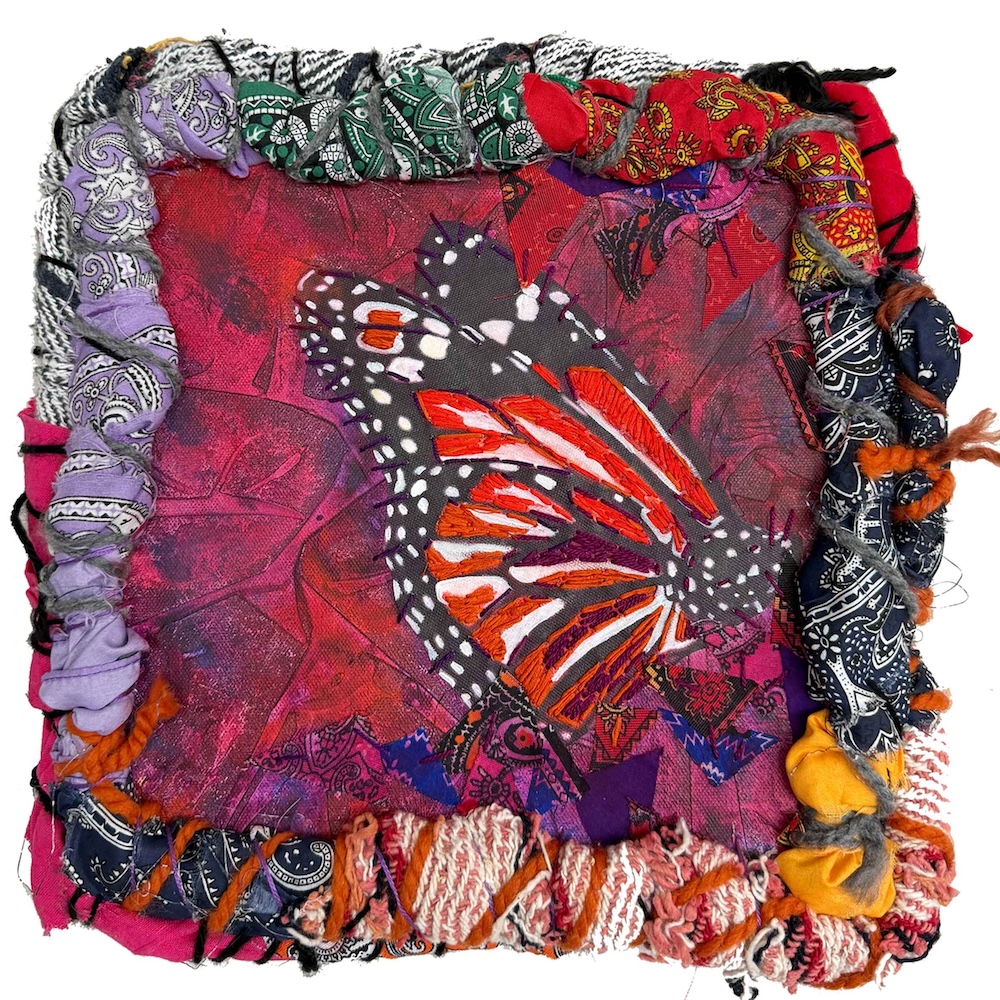
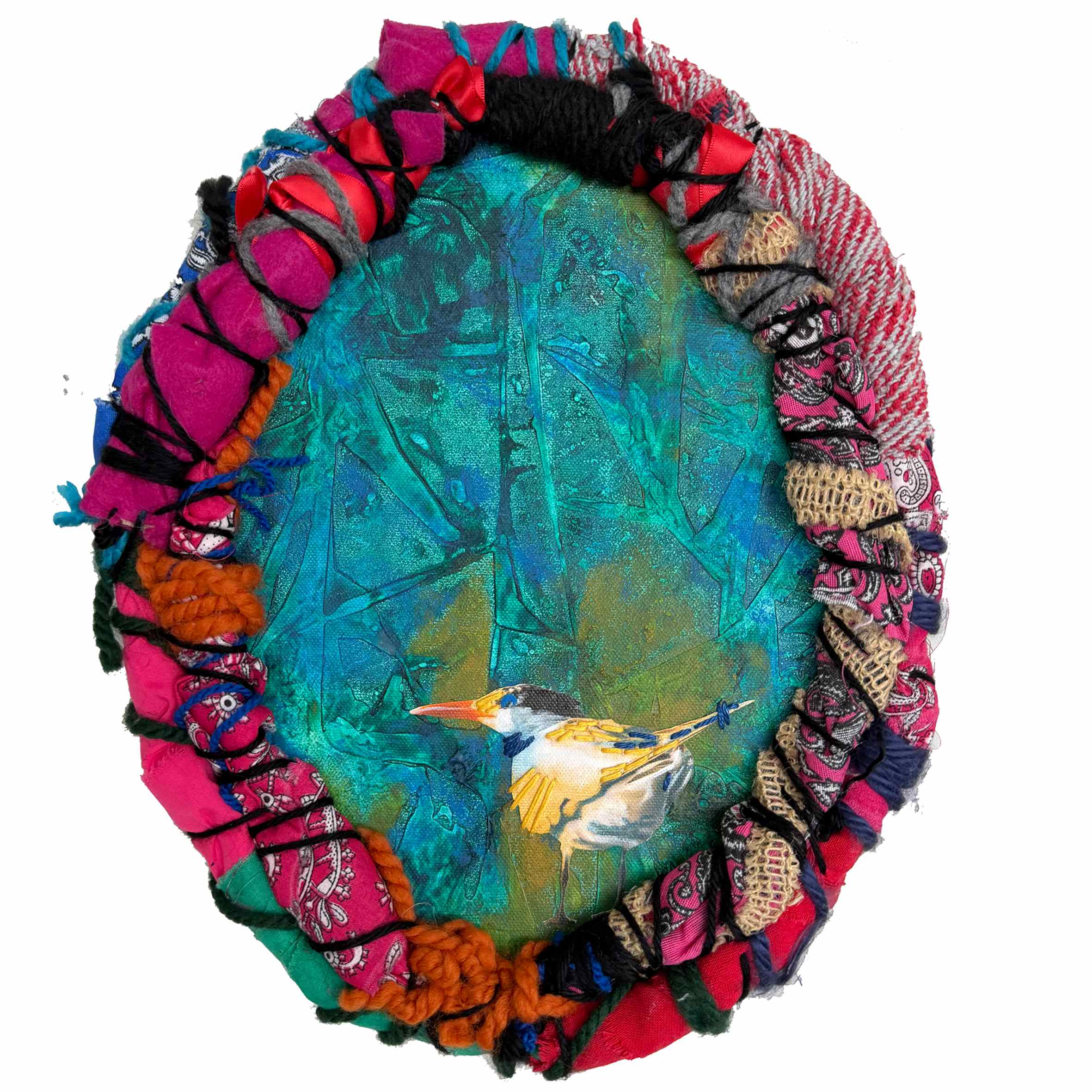
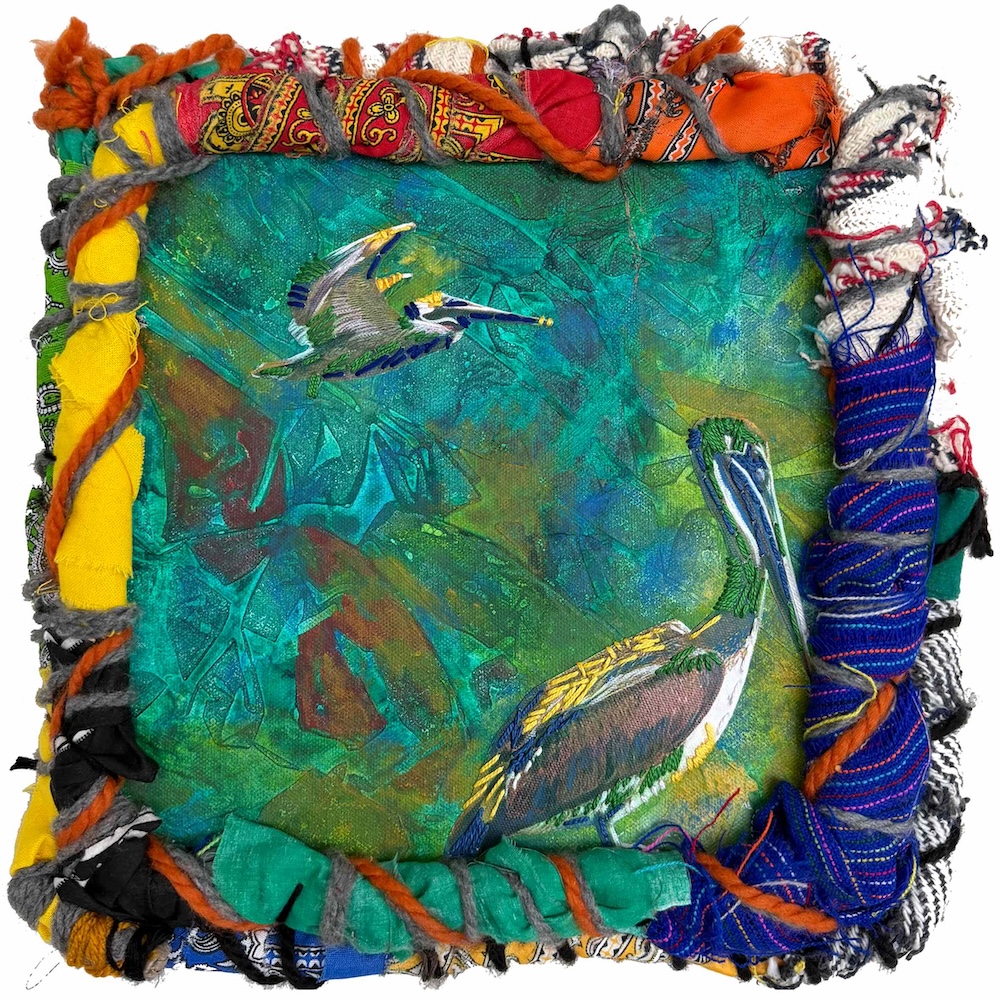
Tapestry, traditionally defined as the weaving of images through the interlacing of warp and weft, has undergone one of the most profound transformations in the history of visual art. Once a medium of decoration, insulation, and narrative storytelling, tapestry has re-emerged in the 21st century as a critical, conceptual, and spatial practice—a surface that thinks, remembers, and constructs meaning.

The Ancestral Image: Tapestry as Narrative System

Tapestry is among the earliest image-making technologies. Long before painting assumed its central place in Western art, textiles functioned as vehicles of storytelling and symbolic communication. In ancient Peru, tapestry served as a primary medium of meaning in the absence of written language, encoding cosmology and social order into woven form.

In medieval Europe, monumental tapestries such as The Lady and the Unicorn were both decorative and functional, insulating castle walls while presenting complex allegorical imagery.

Across cultures, tapestry has always operated at the intersection of:

  • image and structure
  • function and symbolism
  • material and narrative

Modernism and the Revaluation of Textile

The 20th century marked a decisive turning point. Artists such as Anni Albers redefined weaving and tapestry as forms of modernist experimentation, emphasizing structure, repetition, and material intelligence over ornament.

Simultaneously, major modern artists—including Alexander Calder and Fernand Léger—collaborated with weaving ateliers to translate their visual language into tapestry, expanding its status within the canon of fine art.

Yet despite these advances, tapestry remained peripheral—its association with craft and decoration limiting its institutional recognition.

The Break: “New Tapestry” and the 1970s

The true rupture occurred in the 1960s and 1970s, particularly through the Lausanne Biennials, where what became known as “New Tapestry” redefined the medium entirely.

Artists abandoned the flat wall-hanging format, creating:

  • suspended fibers
  • monumental, sculptural forms
  • experimental constructions with unconventional materials

These works dissolved the boundary between tapestry and sculpture, marking a shift toward what we now understand as fiber art in the expanded field.

This moment also intersected with feminist art movements, which reclaimed textile practices as sites of intellectual and political agency.

Contemporary Tapestry: Beyond the Wall

In contemporary art, tapestry no longer belongs exclusively to the wall. It has become:

  • installation
  • sculpture
  • hybrid media

Artists such as Annika Ekdahl rework historical formats—drawing on Renaissance and Baroque traditions—while integrating contemporary themes and visual strategies.

Others incorporate unexpected materials—plastic, metal, digital imagery—challenging the very definition of tapestry. Recent exhibitions highlight how contemporary works integrate elements such as industrial materials and digital motifs, expanding the medium’s conceptual range.

Crucially, many contemporary artists treat tapestry not as a fixed object, but as a site of negotiation between painting, textile, and sculpture.

Material Expansion and Conceptual Depth

What defines contemporary tapestry is not technique alone, but its material and conceptual elasticity.

Artists today:

  • weave with unconventional fibers (synthetics, found objects)
  • merge tapestry with painting, collage, and digital imagery
  • explore scale—from intimate works to architectural installations

The medium becomes a platform for addressing contemporary issues:

  • identity and sexuality
  • politics and conflict
  • memory and migration

As noted in recent critical discourse, tapestry has become a means of expressing “conflicting impulses” and complex narratives through layered material systems.

Labor, Time, and the Politics of Slowness

Tapestry remains one of the most labor-intensive art forms. Its slow production—thread by thread—imbues each work with duration and embodied time.

In contrast to digital immediacy, tapestry asserts:

  • the value of process
  • the visibility of labor
  • the persistence of the handmade

This temporal dimension is not incidental; it is central to the medium’s contemporary relevance.

Tapestry as Contemporary Condition

In 2026, tapestry is experiencing what many describe as a renaissance. Contemporary artists are revisiting this ancient medium not out of nostalgia, but because it offers something uniquely suited to our time:

  • a way to think through complex systems and interconnections
  • a material language for layered, fragmented realities
  • a structure that holds multiple narratives simultaneously

It is no longer simply an image woven in thread. It is a field of relations—between past and present, material and meaning, structure and story.

Closing: The Image Woven in Time

Tapestry endures because it embodies a paradox: it is one of the oldest art forms, yet among the most adaptable.

From ancestral storytelling textiles to contemporary installations, it continues to evolve while retaining its essential logic—the transformation of thread into image, and image into meaning.

In contemporary art, tapestry is no longer decorative.
It is epistemological—a way of knowing, constructing, and understanding the world through the act of weaving itself.