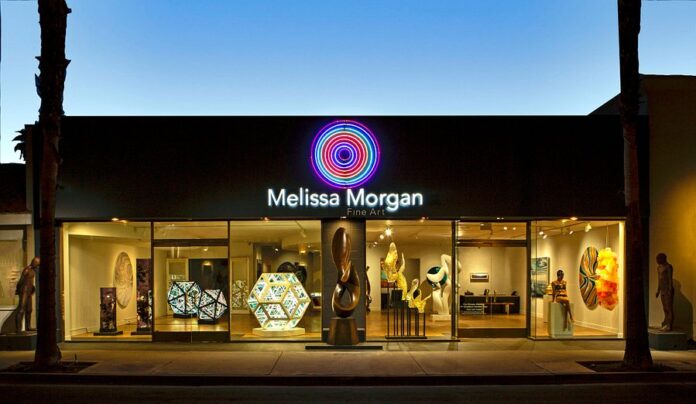
Experience the Intersection of Form and Balance Opening Reception: Friday, October 17 | 5–7 PM Melissa Morgan Fine Art | 73-660 El Paseo, Palm Desert, CA
Melissa Morgan Fine Art is pleased to announce the opening of Experience the Intersection of Form and Balance, a new exhibition featuring works by Nobuhito Nishigawara, Leo Marmol, and Curt Brill.
This thoughtfully curated presentation unites three artists whose practices explore the delicate tension between material, form, and emotion. From Marmol’s luminous cold-wax paintings to Nishigawara’s meditative ceramic abstractions and Brill’s expressive figurative sculptures, the exhibition invites viewers to reflect on the harmony and contrast within contemporary material expression.
Join us for an evening of art, conversation, and community as we celebrate the opening of our 2025–2026 exhibition season.
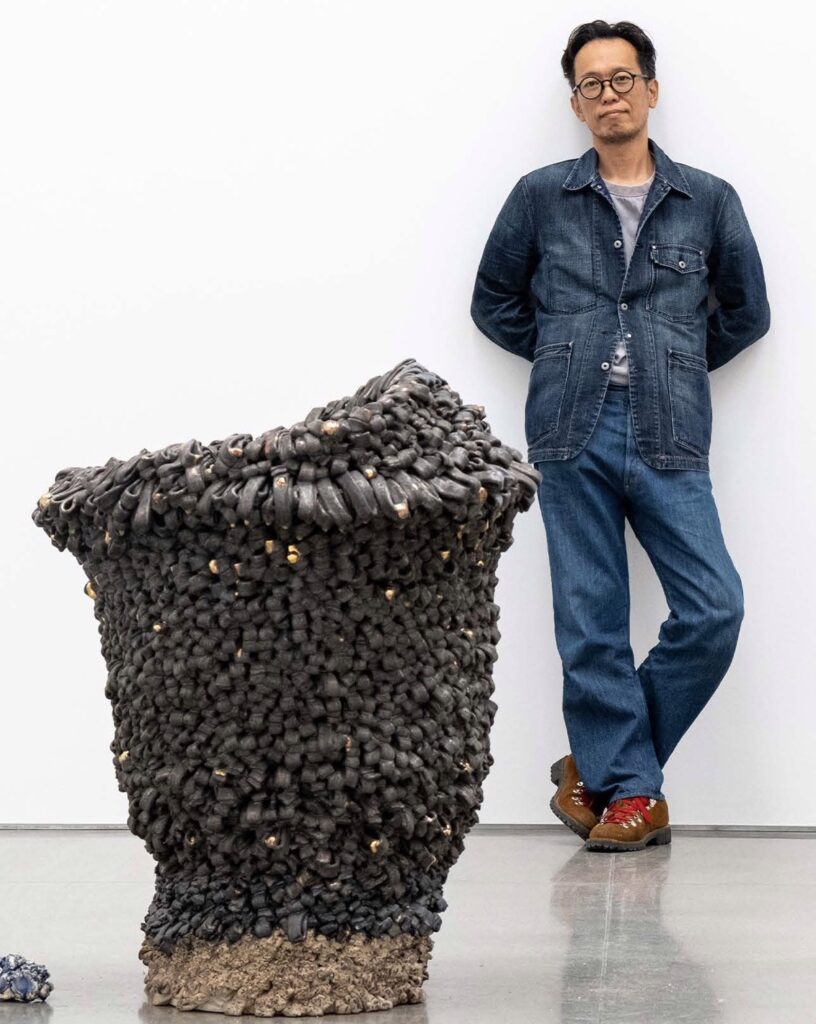
Nobuhito Nishigawara presents ceramic works that fuse contemporary sculpture with traditional Japanese influences. His expressive forms challenge and reinterpret the functional history of clay through a conceptual lens.
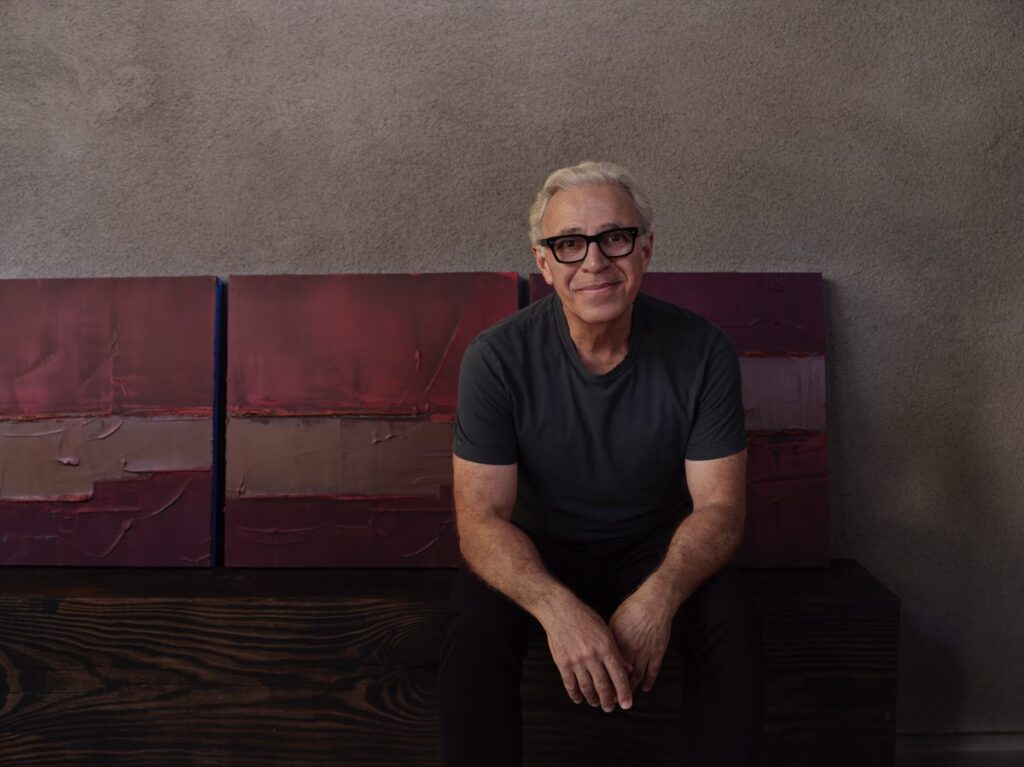
Leo Marmol, FAIA, partner of the celebrated architecture firm Marmol Radziner, explores abstraction through richly layered cold wax and oil paintings that evoke the desert landscape and architectural memory.
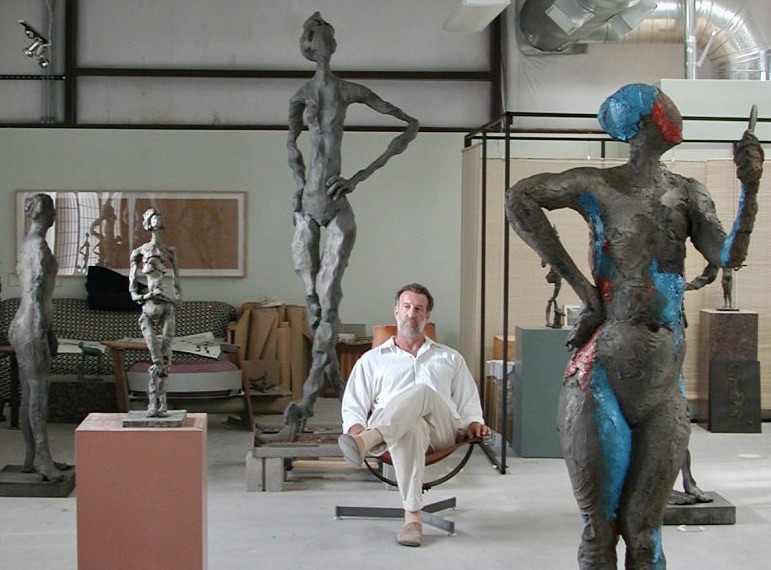
Curt Brill, known for his emotive and sensual sculptures, adds a figurative counterbalance to the exhibition. His work captures the stillness and intimacy of human moments through gracefully rendered form.
Gary Nader Art Centre celebrates the Nobel Peace Prize awarded to María Corina Machado
Gary Nader Art Centre celebrates the Nobel Peace Prize awarded to María Corina Machado
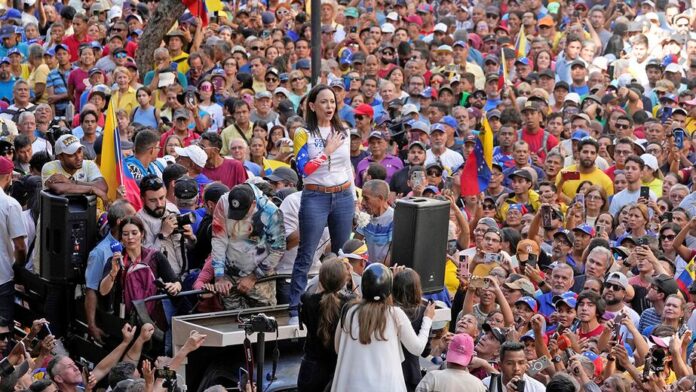
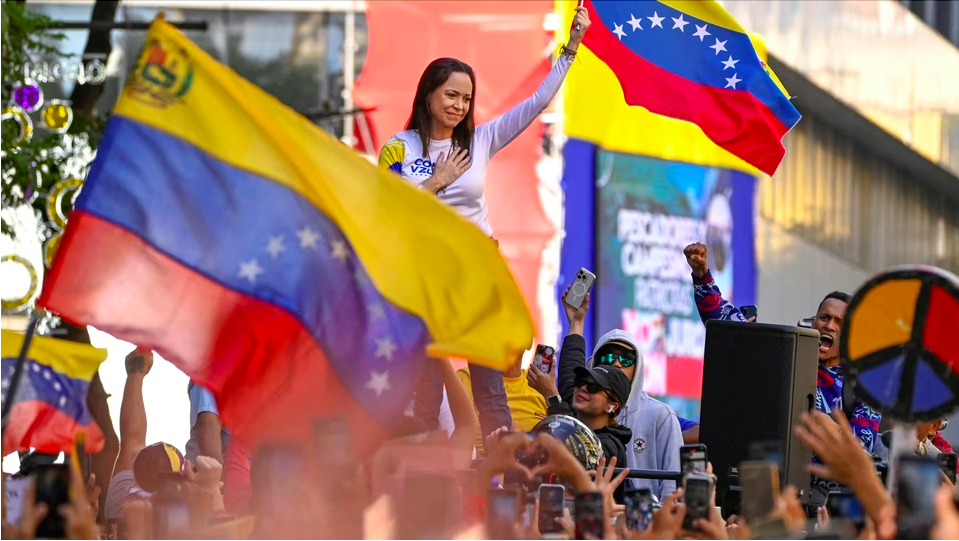
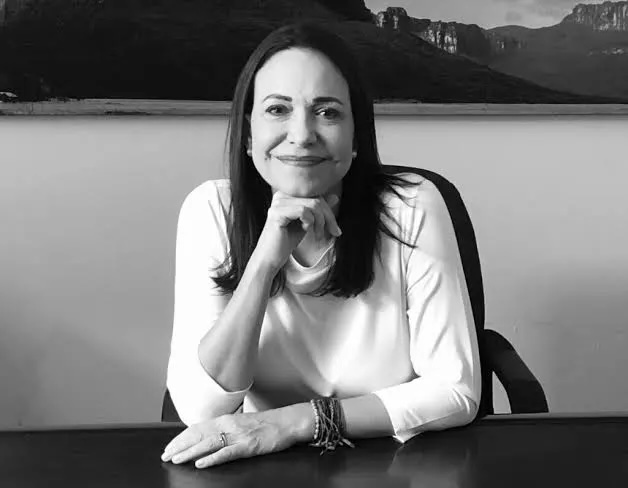
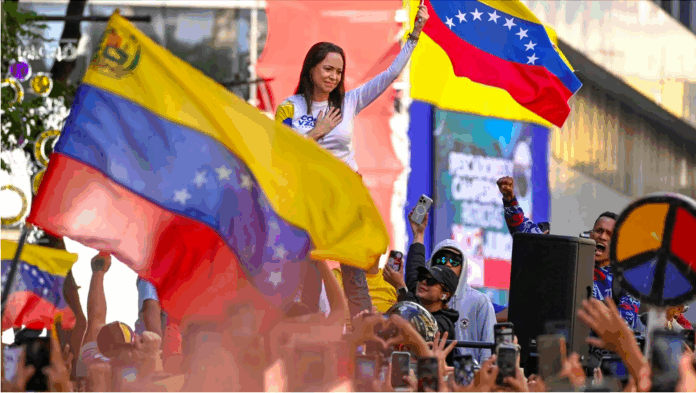
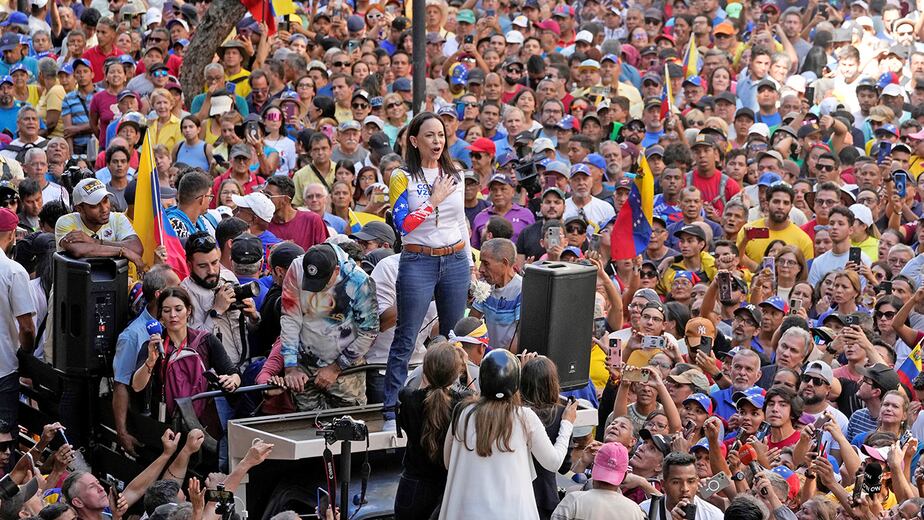
Gary Nader Art Centre proudly celebrates the historic recognition awarded today to María Corina Machado, who has been honored with the 2025 Nobel Peace Prize for her steadfast defense of freedom, democracy, and human rights for the Venezuelan people.
Machado thus becomes the first Venezuelan to receive the Nobel Peace Prize, a milestone in Latin American history and a powerful symbol of hope for all those who believe in the transformative power of truth and courage.
For more than four decades, Gary Nader has devoted his life to promoting Latin American art and culture, with special pride in elevating the visibility of women artists and creators who have transcended barriers through their talent and voice. For this reason, this prize not only honors a political trajectory but also celebrates the courage and sensitivity of a woman who has defended freedom as an art form in itself.
“As a Latin American and a friend of the Venezuelan people, I deeply celebrate this recognition of María Corina Machado. It is a tribute to courage, faith, and dignity. Venezuela has given the world artists, thinkers, and leaders who have transformed pain into creation, and this news reminds us that freedom is also a form of art — the art of resisting, believing, and rebuilding. This Nobel belongs to all who keep dreaming of a free, just, and luminous Latin America.”
— Gary Nader, Founder of Gary Nader Art Centre, Nader Museum, and Nader Sculpture Park.
This recognition of María Corina Machado reaffirms the conviction that freedom, justice, and equal opportunity — also in art — are the foundations of every truly human society.
From the Gary Nader Art Centre, the mission remains the same: to celebrate creativity, resilience, and beauty as universal languages that unite people.
ABOUT GARY NADER ART CENTRE:
Located in Miami’s Wynwood Arts District, the Gary Nader Art Centre is one of the world’s most prestigious and dynamic galleries. With a strong focus on modern and contemporary art, it has gained international acclaim for its groundbreaking exhibitions and its pivotal role in promoting global artistic excellence, with a particular emphasis on Latin American contributions. The gallery regularly hosts solo and group shows featuring iconic artists such as Basquiat, Botero, Chagall, Cruz-Diez, Dubuffet, Kahlo, Picasso, Rivera, Lam, Warhol, and many more.
As the largest gallery in the world — spanning 55,000 square feet — the Gary Nader Art Centre houses a main exhibition hall, the Nader Museum, the immersive Botero Immersed Experience (featuring the world’s largest private collection of works by the Colombian master), and the Nader Sculpture Park, located in the Miami Design District. This one-of-a-kind outdoor exhibition space features over 50 monumental sculptures by renowned international artists. In a short time, it has become a cultural must-see for both locals and tourists and a premier venue for fashion shows, musical performances, cultural events, and private gatherings.
With a private collection of more than 2,000 artworks from the 20th and 21st centuries, the Centre offers an expansive and profound perspective on global modern and contemporary art. Founded by Gary Nader in 1985, the gallery has become a cornerstone of Miami’s art scene. Nader’s vision and dedication have been essential in building the Centre’s global reputation and expanding its impact on the international art world.
American Museum of the Cuban Diaspora to Host Conference on María Corina Machado's Nobel Peace Prize Nomination
American Museum of the Cuban Diaspora to Host Conference on María Corina Machado’s Nobel Peace Prize Nomination
The American Museum of the Cuban Diaspora, led by President Marcell Felipe, cordially invites members of the press to a conference celebrating the nomination of Venezuelan civic leader María Corina Machado Parisca for the Nobel Peace Prize.
The nomination, initiated by the American Museum of the Cuban Diaspora on August 17, 2024, with leadership of this institution’s Chairman, Marcell Felipe and of MDC President Madeline Pumariega and received support from prominent educational institutions, Miami Dade College, Florida International University, St. Thomas University, and Barry University. The presidents of these institutions, who are qualified to nominate candidates for the Nobel Peace Prize, played a pivotal role in promoting María Corina’s nomination.
Notably, U.S. Secretary of State Marco Rubio, Senator Rick Scott, and Representatives Mario Díaz-Balart, Carlos Giménez, and María Elvira Salazar lent their support to the initiative, underscoring the significance of María Corina’s work.
Conference Details:
– Date: Monday, October 13, 2025
– Time: 11:00 a.m.
– Location: American Museum of the Cuban Diaspora, 1200 Coral Way, Miami, FL 33145
Participants:
– Presidents of Miami Dade College, Florida International University, St. Thomas University, and Barry University
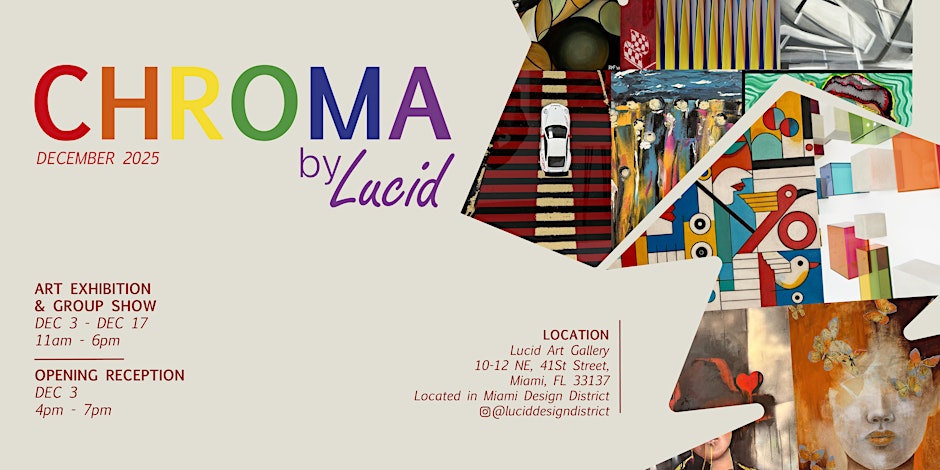
Chroma 2025 Artists: Cari Cohen, Carina Adur, Debora Levy, Graciela Durand Pauli, Graciela Montich (Curator), Gustavo Miranda, Heather Lynn, Kevin Fletcher, Mauro Arbiza, Miriam Marchese, Monica Wallis, Mulata Von Kindy, Nadine Vogel, Patricia Calero, Payal Tak (Owner of Lucid Design District), Robert Frankel, Sandra de Souza, Sariah Sami Najam, Sebastian de la Paz, Shayla Manee, Vanessa Gilbert, and Dhilan Tak.
Lucid Design District Announces Artists Selected for CHROMA 2025 During Miami Art Week
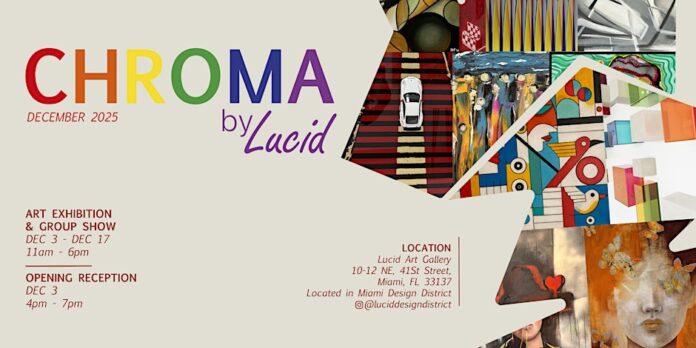
CHROMA 2025 – Vital Impulses in Contemporary Art, running from December 3–17, 2025
The Opening Reception will take place Wednesday, December 3, from 4:00–7:00 PM at Lucid Design District, 10 NE 41st Street, Miami, FL 33137.
CHROMA 2025, a highly anticipated international art exhibition, returns to the Lucid Design District this December, promising its most globally diverse and creatively compelling show to date. Under the guiding theme, “Vital Impulses in Contemporary Art,” CHROMA 2025 will explore the primal, instinctual drive that fuels modern artistic creation and the power of unbridled expression.
The exhibition is proud to present a compelling mix of 22 artists, featuring 8 returning talents and 14 new voices. This diverse roster represents a truly global perspective, with artists hailing from regions as far-reaching as Australia, Argentina, Canada, Ecuador, and Venezuela, in addition to the United States.
CHROMA 2025 will showcase the breadth of contemporary practice across a vibrant array of mediums, including painting, sculpture, ceramics, functional design, murals, and kinetic art. The curatorial approach is designed to immerse viewers in a multi-sensory environment that highlights the bold and essential role of color and form in today’s art landscape.
Curated by Graciela Montich, CHROMA 2025 presents eight returning artists alongside fourteen new participants from across the globe. This year’s theme, Vital Impulses in Contemporary Art, probes the instinctual drive behind creation, inviting audiences to consider how art channels resilience, sustainability, and shared humanity across borders.
“We have sought works that provoke reflection, awaken emotion, and spark dialogue between artist and audience,” says Montich. “The 2025 selection exemplifies the extraordinary range of impulses that define contemporary art today.”
Participating Artists Include:
Cari Cohen (Miami) Carina Adur (Argentina) Debora Levy (San Diego) Graciela Durand Pauli (Argentina) Graciela Montich, Curator (Argentina) Gustavo Miranda (Miami) Heather Lynn (Bethesda) Kevin Fletcher (Miami) Mauro Arbiza (Uruguay) Miriam Marchese (Argentina) Monica Wallis (Miami) Mulata Von Kindy (Australia) Nadine Vogel (Folly Beach) Patricia Calero (Venezuela/Miami) Payal Tak, Owner of Lucid Design District (Miami) Robert Frankel (Chicago) Sandra de Souza (Peru/Miami) Sariah Sami Najam (Washington, D.C.) Sebastian de la Paz (Ecuador/Miami) Shayla Manee (Falls Church) Vanessa Gilbert (Canada) Dhilan Tak (Miami)
Chroma 2025 Artists: Cari Cohen, Carina Adur, Debora Levy, Graciela Durand Pauli, Graciela Montich (Curator), Gustavo Miranda, Heather Lynn, Kevin Fletcher, Mauro Arbiza, Miriam Marchese, Monica Wallis, Mulata Von Kindy, Nadine Vogel, Patricia Calero, Payal Tak (Owner of Lucid Design District), Robert Frankel, Sandra de Souza, Sariah Sami Najam, Sebastian de la Paz, Shayla Manee, Vanessa Gilbert, and Dhilan Tak.
Event Details
The public is invited to experience the exhibition first-hand at the official Opening Reception on Tuesday, December 3, 2025, from 4:00 PM to 7:00 PM at the Lucid Design District.
Attendance is FREE with RSVP. Interested art lovers and collectors are encouraged to stay tuned for the official link to reserve their complimentary attendance spot.
For art collectors, the allure of CHROMA 2025 lies not only in the sheer diversity of media and international talent but also in the immersive and thoughtfully designed environment created by Lucid, ensuring a unique and memorable viewing experience.
About CHROMA:
CHROMA is an annual exhibition series held at the Lucid Design District, dedicated to showcasing powerful, internationally sourced contemporary art. Following the success of previous years, including CHROMA 2024, the exhibition continues its mission to be a crucial platform for both emerging and established artists on the global stage.
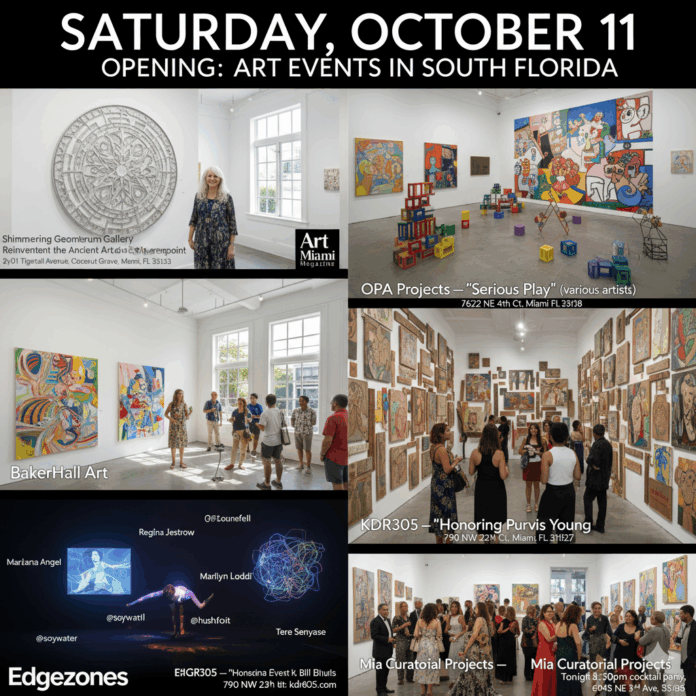
Art Happenings This Saturday, October 11, Across Miami
Art Happenings This Saturday, October 11, Across Miami
As Miami’s vibrant art scene comes alive this weekend, galleries, artist-run spaces, and cultural institutions from Allapattah to Wynwood are opening their doors for a day filled with exhibitions, performances, artist talks, and special events. Below is your curated guide to the most exciting Saturday, October 11 happenings — from immersive installations to intimate walkthroughs and celebrations of creative community.
Little River district
Mia Curatorial Projects | Meet & Greet Cocktail Party Join us tonight at 7:30 PM for an intimate evening of art, conversation, and cocktails at Mia Curatorial Projects. Connect with artists, curators, and collectors in a relaxed creative atmosphere. 6945 NE 3rd Ave, Miami, FL 33138
Allapattah
Arts Connection Foundation | Healing Music Experience Sound Bath: Healing Music Experience with Zoel and Beto A meditative journey using ancient flutes, deep didgeridoo, ancestral drums, and the whispers of nature — releasing the invisible weight we all carry. 7 – 9 PM • 676 NW 23rd St, Miami, FL 33127 artsconnectionfoundation.org
Baker–Hall | Artist Walkthrough Everything Mixing Always – Featured Artist: Regina Durante Jestrow Join textile artist Regina Durante Jestrow for a final walkthrough of her exhibition exploring layered abstraction, material memory, and improvisation. 2 – 3 PM • 294 NW 29th St, Miami, FL 33142 bakerhall.art
Edge Zones | Closing Event Beyond Performance Featuring Mariana Angel, Tere Senyase García, and Hush Fell (Marilyn Loddi & Bill Bilowit) — artist tours and final performances celebrating interdisciplinary experimentation. 6 – 9 PM • 3317 NW 7th Ave Circle, Miami, FL 33127 edgezonesartcenter.org
Coconut Grove
Bernice Steinbaum Gallery | Opening Reception Shimmering Geometries: Reinventing the Ancient Art of Silverpoint – by Carol Prusa Luminous silverpoint works evoke celestial forms and geometric abstraction in this captivating solo exhibition. 4 – 7 PM • 2101 Tigertail Ave, Miami, FL 33133 bernicesteinbaum.gallery
Coral Way
Zapata Gallery | Opening Reception Liminal Space – by Lianet Martínez A solo exhibition exploring transformation through painting, sculpture, and immersive installation. 7 – 10 PM • 1333 SW 22nd St, Miami, FL 33145 zapatagallery.com
Dania Beach
MAD Arts | Opening Reception The Junk Machine – by ClownVamp A pink AI-powered robot generates surreal “junk mail,” reflecting on our digital age’s shift from curiosity to excess. 6 – 9 PM • 481 S Federal Hwy, Dania Beach, FL 33004 madartsdania.com
Kendall
Miami Dade College Kendall Campus Gallery | Closing Event Theater of Spaces – with Carola Bravo Join the artist for an immersive walkthrough of her video installations — an intimate exploration of space, perception, and transformation. 11:30 AM – 3:30 PM • 11011 SW 104th St, Miami, FL 33176 mdc.edu/kendall
Little River / Little Haiti
Locust Projects | Art Talk Good Times, Buenos Tiempos, Bon Moman: On Outlaw Culture Dr. Terri Francis and Aldeide Delgado discuss media, race, and community in connection with William Cordova’s exhibition algo•ritmos (2 tienes santo pero no eres babalao). 3 – 5 PM • 297 NE 67th St, Miami, FL 33138 locustprojects.org
Stanek Gallery Miami | Special Event A Decade Forward: 10-Year Anniversary Celebration & Silent Auction Featuring live music by Joziah Council, interactive mural by Bella Lucy, food, drinks, and works by emerging and established artists. 6 – 9 PM • 8375 NE 2nd Ave, Miami, FL 33138 stanekgallerymiami.com
Mia Curatorial Projects | Meet & Greet Cocktail Party Connect with artists, curators, and collectors at an evening of art, conversation, and cocktails hosted by Mia Curatorial Projects. 7:30 PM • 6945 NE 3rd Ave, Miami, FL 33138 miacuratorialprojects.com
MiMo District
OPA Projects | Opening Reception Serious Play Featuring Karel Appel, Anner Cohen, Alexander James, Adam Parker Smith, Frank Stella, Emma Stone-Johnson, and Susanne Zagorni. An exhibition exploring the balance between curiosity and control. 6 – 9 PM • 7622 NE 4th Ct, Miami, FL 33138 opaprojects.com
Wynwood
META Miami | Art Talk El Origen: Cosmogonías Americanas – with Antonio Briceño A conversation revisiting mythological and archetypal figures from Indigenous cultures across the Americas. 12 PM • 2751 N Miami Ave, Suite 1, Miami, FL 33127 metamiami.com
Lelia Mordoch Gallery | Exhibition & Performance Disappearance – featuring Daniel Fiorda, Santiago Betancur & Eden Grey Presented by Daniel Fiorda Projects and Eden Grey, with a live electronic performance at 9:30 PM. 5 – 10 PM • 2300 N Miami Ave, Miami, FL 33127 leliamordochgallery.com
The Doris Den | Artist Talk LASONIC POSES: BBOYS Locked in Molecular Motion – by Louiedeology
5 – 7 PM • 114 NW 25th St, Miami, FL 33127 Curated by Pablo De León. Originally presented at WYN 317 Gallery, this solo show returns for a special Hispanic Heritage Month celebration during Wynwood Art Walk.
You are cordially invited to the Opening Reception on Saturday, October 11th, from 4:00 to 7:00 PM at the Bernice Steinbaum Gallery 2101 Tigertail Avenue, Miami, FL 33133
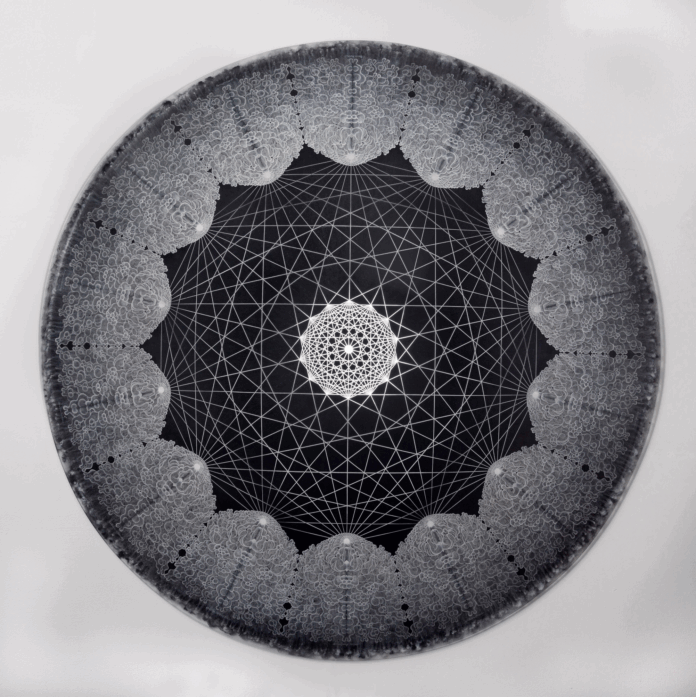
Carol Prusa revitalizes the centuries-old drawing medium of silverpoint at a moment when art is continually redefined through bold shifts in subject, scale, and technique. This fine, delicate line, unmistakably bearing the artist’s hand, affirms human presence in an increasingly digital age. Though silverpoint is notoriously demanding, its newfound expansiveness and adaptability hold a special allure for Prusa, who reinvents the medium with precision and imagination.
For her, silverpoint is more than a tool; it is an intimate channel of communication, offering respite from the dizzying speed of our techno-centric world. The same is true for her viewers, who are drawn into its quiet beauty. Her luminous works cast star-like patterns across gallery walls, their shimmering globes revealing intricate, abstract geometries beneath the surface. These celestial forms emerge from a painstaking process: Prusa first sandblasts her panels, then applies gesso, silverpoint, and titanium-white pigment, creating the impression of a heavenly constellation suspended in space.
The gallery is open on Monday, Wednesday, and Friday from 10:00 AM to 4:00 PM, or by appointment.
For more information, please contact us at (305) 860-3681.
Gary Nader Art Centre celebra el Premio Nobel de la Paz otorgado a María Corina Machado
Gary Nader Art Centre celebra el Premio Nobel de la Paz otorgado a María Corina Machado
Gary Nader Art Centre celebra con orgullo el histórico reconocimiento otorgado hoy a María Corina Machado, quien ha sido distinguida con el Premio Nobel de la Paz 2025 por su firme defensa de la libertad, la democracia y los derechos humanos del pueblo venezolano.
Machado se convierte así en la primera venezolana en recibir el Nobel de la Paz, un hecho que marca un hito en la historia de América Latina y representa un poderoso símbolo de esperanza para quienes creen en el poder transformador de la verdad y la valentía.
Desde hace más de cuatro décadas, Gary Nader ha dedicado su vida a promover el arte y la cultura latinoamericana, impulsando con especial orgullo la visibilidad de las mujeres artistas y creadoras que han trascendido barreras con su talento y su voz. Por ello, este premio no solo celebra una trayectoria política, sino el coraje y la sensibilidad de una mujer que ha defendido la libertad como un arte en sí mismo.
“Como latinoamericano y como amigo del pueblo venezolano, celebro profundamente este reconocimiento a María Corina Machado. Es un premio a la valentía, a la fe y a la dignidad. Venezuela ha dado al mundo artistas, pensadores y líderes que han transformado el dolor en creación, y esta noticia nos recuerda que la libertad también es una forma de arte: el arte de resistir, de creer y de reconstruir. Este Nobel pertenece a todos los que siguen soñando con una América Latina libre, justa y luminosa.”
— Gary Nader, fundador del Gary Nader Art Centre, Nader Museum y Nader Sculpture Park.
Este reconocimiento a María Corina Machado reafirma la convicción de que la libertad, la justicia y la igualdad de oportunidades —también en el arte— son las bases de toda sociedad verdaderamente humana.
Desde Gary Nader Art Centre, la misión sigue siendo la misma: celebrar la creatividad, la resiliencia y la belleza como lenguajes universales que unen a los pueblos.
Gary Nader Art Centre celebrates the Nobel Peace Prize awarded to María Corina Machado
SOBRE GARY NADER ART CENTRE:
Ubicado en el Wynwood Arts District de Miami, el Gary Nader Art Centre es una de las galerías más prestigiosas y dinámicas del mundo. Con un enfoque sólido en el arte moderno y contemporáneo, ha alcanzado reconocimiento internacional por sus exposiciones innovadoras y su papel fundamental en la promoción de la excelencia artística global, con un énfasis especial en las contribuciones del arte latinoamericano. La galería presenta de forma regular exposiciones individuales y colectivas de artistas icónicos como Basquiat, Botero, Chagall, Cruz-Diez, Dubuffet, Kahlo, Picasso, Rivera, Lam, Warhol, entre muchos otros.
Como la galería más grande del mundo —con una superficie de 55,000 pies cuadrados—, el Gary Nader Art Centre alberga una gran sala de exposiciones, el Nader Museum, la experiencia inmersiva Botero Immersed (que reúne la mayor colección privada de obras del maestro colombiano) y el Nader Sculpture Park, ubicado en el Miami Design District. Este espacio de exhibición al aire libre, único en su estilo, cuenta con más de 50 esculturas monumentales de reconocidos artistas internacionales. En poco tiempo, se ha convertido en una visita cultural imperdible tanto para locales como turistas, así como en un lugar predilecto para desfiles de moda, presentaciones musicales, eventos culturales y reuniones privadas.
Con una colección privada de más de 2,000 obras de los siglos XX y XXI, el Centro ofrece una perspectiva amplia y profunda del arte moderno y contemporáneo a nivel global. Fundado por Gary Nader en 1985, la galería se ha consolidado como un pilar de la escena artística de Miami. La visión y dedicación de Nader han sido esenciales para construir el prestigio internacional del Centro y ampliar su impacto en el mundo del arte.
Para más información:
Gary Nader Art Centre
Email: [email protected]
Telf: 305-576-0256
Web: www.garynader.com
The INK Miami Art Fair is renowned for its emphasis on modern and contemporary works on paper, standing out as a distinctive satellite fair during Miami’s Art Week.
Since its inception in 2006, the fair has gained a reputation for showcasing a wide array of 20th-century masterworks and newly published editions by prominent international contemporary artists.
Each year, INK Miami selects a diverse range of exhibitors—national and international publishers, non-profits, and galleries—noted for their exceptional ability to present a diverse range of limited-edition prints, attracting a dedicated audience of museum curators and serious collectors.
Set in a lush open-air courtyard, the fair offers visitors a unique experience, as transformed suites serve as gallery spaces for exploration.
Its participation in Miami’s Art Week has solidified its status as a key event for enthusiasts of works on paper.
Fair admission is free with registration.
INK Miami Art Fair 2025
Fair Location
Suites of Dorchester 1850 Collins Ave., Miami Beach, FL 33139
Fair Dates
December 3–7, 2025
Special Events
OPENING BRUNCH:
Wednesday, December 3
9am–Noon
PULP PARTY:
Thursday, December 4
7pm–9pm
Schedule
Wednesday, December 3 9am–7pm
Thursday, December 4 10am–9pm
Friday, December 5 10am–7pm
Saturday, December 6 10am–7pm
Sunday, December 7 10am–3pm
2025 Exhibitors
Aspinwall Editions
Childs Gallery
David Krut Projects
Flying Horse Editions / UCF
Graphicstudio / USF
Gregg Shienbaum Fine Art
Harlan & Weaver
Haystack
Island Press
Jim Kempner Fine Art
Kingsland Editions
Kress Contemporary
Manneken Press
Mixografia®
Pia Gallo LLC
PS Marlowe
Stoney Road Press, Ireland
TAG Fine Arts, UK
Tandem Press
The Tolman Collection, Tokyo
INK Miami Art Fair // December 3-7, 2025 Suites of Dorchester, 1850 Collins Avenue, Miami Beach, FL 33139
New collectors, strong sales, and a bustling crowd show marketstrength at the IFPDA Print Fair
With lines around the block and robust sales, the world’s premier print fair saw recordattendance and strong interest from a new generation of collectors.
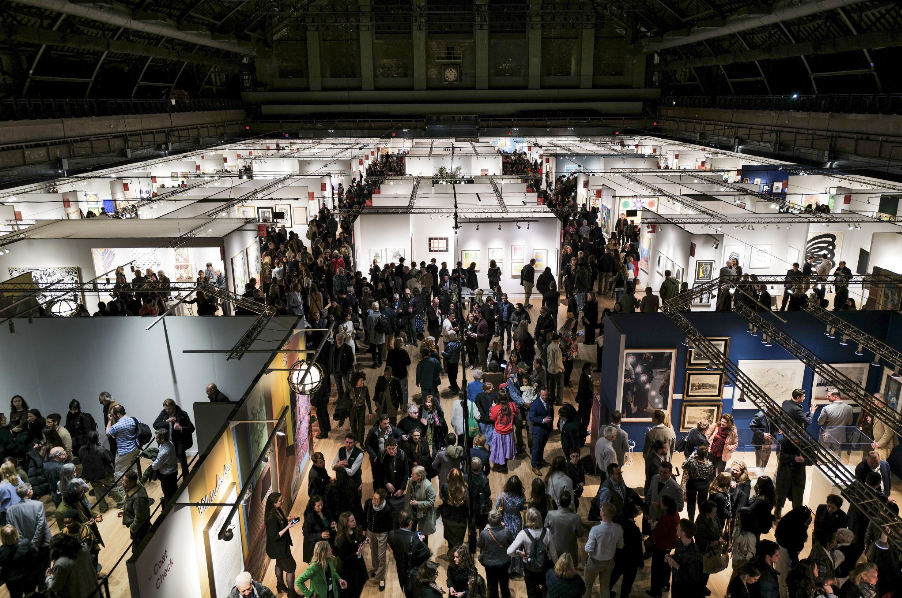
The crowd at the opening night of IFPDA Print Fair 2025. Photo by Rommel Demano / BFA.
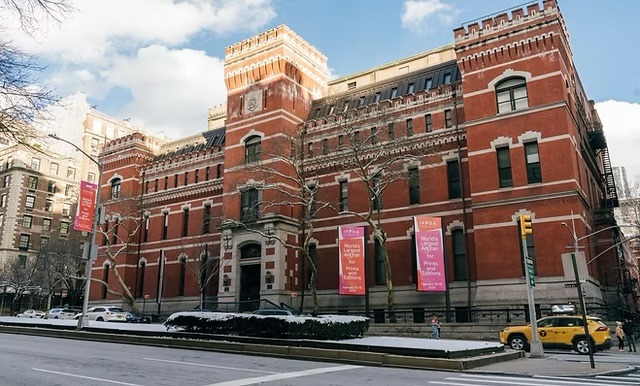
Park Avenue Armory 643 Park Avenue, New York, NY
OPENING DAY VIP Preview Thursday, April 9, 2026 Invitation and VIP Pass Only 5 – 9 PM
PUBLIC HOURS Friday, April 10, 2026 11 AM – 7 PM Saturday, April 11, 2026 11 AM – 7 PM Sunday, April 12, 2026 11 AM – 5 PM
On Sunday, March 30, the 2025 edition of the IFPDA Print Fair concluded with presentations from more than 70 galleries, publishers, and print studios from across the U.S., U.K., Canada, Europe, and Africa. Returning to the historic Park Avenue Armory, the Fair offered prints, editions, and drawings ranging from Old and Modern Masters to the ultra-contemporary, with prices from a few hundred dollars to just under $2 million.
Sales were notably strong during the bustling opening night and on closing day, with attendees racing to make acquisitions before the fair closed at 5 PM. Overall attendance increased 14%,with a 57% rise in VIP registrations and queues around the block on opening night, a testimony to the booming market for prints and multiples. More than 21,000 people attendedthe Fair over four days, including 5,000 visitors on opening night.
“This was hands down our most successful fair by every measure: sales, attendance, and the strength of the booth presentations and programming, ” said IFPDAExecutive Director JennyGibbs.
“Opening night was spectacular, with our regular VIPs and an influx of new collectors who came to buy. I heard from exhibitors selling classic material—Miró, Chagall—to Gen Z clients who grew up with these names and were excited to acquire them for themselves.”
Across the Fair, works on view challenged traditional understandings of printmaking, expanding the medium through cast bronze works, textiles, and immersive installations. A centerpiece of this year’s fair was an extraordinary installation by noted artist Mickalene Thomas, titled l’espace entre les deux (2025).
Commissioned by the IFPDA, produced by the Jordan Schnitzer Family Foundation, and organized by Sharon Coplan with production assistance from Two Palms, Thomas’s installation greeted visitors upon entering the Fair.
Spread over two rooms, the work featured three-dimensional cast pulp paper plants, stacks of books, light fixtures, and screen-printed wallpapers and floors. These elements were complemented by Thomas’s iconic rhinestone-adorned collages of Black female subjects—recasting them as muses and models while referencing the 1970s African-American magazine Jet. Together, they created a striking trompe l’oeil illusion of stepping inside one of Thomas’s signature domestic interior paintings.
“The response to Mickalene Thomas’s installation at the IFPDA Print Fair was outstanding!” said Jordan Schnitzer, collector, philanthropist, and founder of the Jordan Schnitzer Family Foundation. “Working with print publisher Two Palms Press of New York, Mickalene Thomas pushed the envelope and created the most exciting work of art with paper that has ever been produced. Over 5,000 people attended the opening night, and standing with Mickalene, we saw how people were completely overwhelmed by her artistic genius.”
The IFPDA Print Fair will return to the Park Avenue Armory next year with new dates: April 9–12, 2026. The IFPDA has recently expanded its membership to include drawing dealers, and the 2026 fair promises to showcase more unique works on paper alongside its signature focus on prints and editions—from Old Masters to the ultra-contemporary.
Notable Sales
Highlights from the 2025 Fair included:
A major screenprint on canvas by Jean Dubuffet, Site de Mémoire III (1979), sold for a reported six-figure price (Pace Prints).
Works by Ruth Asawa, Hayley Barker, Katherine Bradford, Marcel Dzama, Nate Lowman, Yayoi Kusama, Donald Judd, Emma McIntyre, Raymond Pettibon, Elizabeth Peyton, Gerhard Richter, Ed Ruscha, Zeinab Saleh, and Josh Smith, priced between $1,200 and $250,000 (David Zwirner).
A major new editioned mural by Rashid Johnson and new work by Amy Sherald (Hauser & Wirth).
Works by Louise Bourgeois, Alyson Shotz, Kiki Smith, Rashid Johnson, Nari Ward, Thomas Schütte, and Donald Judd, priced from $5,000 to $140,000 (Carolina Nitsch).
Major works by Roy Lichtenstein and Richard Serra (Gemini G.E.L. at Joni Moisant Weyl).
Twelve works, including prints by Mel Bochner, Victoria Burge, Vija Celmins, Tara Donovan, Sol LeWitt, Agnes Martin, Sylvia Plimack Mangold, Liliana Porter, Kay Rosen, Lorna Simpson, and Kiki Smith (Krakow Witkin Gallery).
A large etching by Grayson Perry, priced between $60,000 and $75,000, several etchings from David Hockney’sSix Fairy Tales from the Brothers Grimm (1969), and works by Jonas Wood, George Condo, Rashid Johnson, and Jane Hammond, as well as a rare 19th-century woodblock print by Swiss artist Félix Vallotton (Galerie Maximillian).
Prints by George Condo, Henri Matisse, Jane Hammond, and Richard Serra (Berggruen Gallery).
Multiple sets of prints by Yinka Ilori, and other works by Christiane Baumgartner, Yinka Shonibare CBE, and Cornelia Parker (Cristea Roberts Gallery).
Works by Etel Adnan, Jacqueline de Jong, Sean Scully, Kiki Smith, Donald Judd, Marion Verboom, Jean Dubuffet, and Louise Nevelson, ranging from $2,000 to $11,000 (Lelong Editions).
A screenprint by Njideka Akunyili Crosby, The Beautyful Ones May Have Arrived, sold for $50,000, and Seitu Ken Jones’sSelf Reflection and Front Reflection (a set of two prints) sold for $3,400 each (Highpoint Center for Printmaking).
A $30,000 woodcut by Friedrich Capelari (Hill-Stone).
An impression of The Declaration of Independence printed in 1833 on parchment-type paper for Peter Force, following his request to the State Department (The Old Print Shop Inc.).
A $23,000 portfolio of prints by artists Karen J. Revis, Althea Murphy-Price, LaToya M. Hobbs, and Tanekeya W. Harris (Black Women of Print).
Several editions by Sarah Crowner, and others by Martin Puryear, Stanley Whitney, Charline von Heyl, and Marina Adams (ULAE).
Works by Katherine Bradford (Divers), José Antonio Suárez Londoño (El Río and Herkimer. Desvelos), and Vija Celmins (Snowflakes), ranging from $1,500 to $20,000 (Harlan & Weaver).
Two impressions of a $10,000 etching by Elizabeth Peyton and one impression of a $5,500 etching by John Currin (The Paris Review).
Prints by George Condo, Louis Fratino, and Kara Walker (Burnet Editions).
Works by Edward Hopper and Carol Wax (Childs Gallery).
BNY Wealth—the Fair’s VIP Partner—presented a special exhibition featuring selections from the BNY Archives and Art Collection, curated by art historian and author Susan Tallman.
Drawing inspiration from a letter written by Alexander Hamilton to George Washington on “the subject of money,” the exhibition explored the inextricable links between nation, money, and art. It established a dialogue between historical and colonial American artifacts and contemporary works.
Among the highlights were Ed Ruscha’sParadise (1986) and Jasper Johns’s monumental pair of prints Flags I and II (1973), published by ULAE—both of which drew particular admiration from visitors. Also on view was a rare copper plate used for engraving an early stock certificate from the Bank of New York, the first publicly traded company associated with the New York Stock Exchange.
Talks and Programming
The Fair’s programming drew full audiences and strong engagement throughout. Highlights included artist talks with David Salle, Terry Winters, Christiane Baumgartner, and Mickalene Thomas in conversation with collector Jordan Schnitzer.
Curators from leading institutions—including The Metropolitan Museum of Art, Smithsonian American Art Museum, Harvard Art Museums, Milwaukee Art Museum, The Blanton Museum of Art, and The Courtauld Institute of Art—also participated in panels and discussions.
Awards and Grants
The 13th Annual Richard Hamilton Acquisition Prize, funded by ChampionScott Partners, was awarded to the Asheville Art Museum (North Carolina). The $10,000 prize supports museum acquisitions made at the IFPDA Print Fair. The museum used the funds to acquire Robert Rauschenberg’sAutobiography (1968) from Josh Pazda Hiram Butler, and Dorothea Rockburne’sW.I.M.P. #2 (1999) from Gemini G.E.L. at Joni Moisant Weyl.
The second edition of the IFPDA Foundation’s Curatorial Travel Grant Program awarded grants to curators attending from the following institutions:
Kunsthaus Zürich (Zurich, Switzerland)
Hayward Gallery, The Courtauld Institute of Art, and Whitechapel Gallery (London, U.K.)
Museum of Fine Arts Leipzig (Leipzig, Germany)
Asheville Art Museum (Asheville, NC)
Staatliche Schlösser, Gärten und Kunstsammlungen Mecklenburg-Vorpommern (Schwerin, Germany)
California African American Museum (Los Angeles, CA)
San Antonio Museum of Art (San Antonio, TX)
Queensland Art Gallery | Gallery of Modern Art (South Brisbane, QLD, Australia)
Worcester Art Museum (Worcester, MA)
Notable Attendees
The 2025 IFPDA Print Fair welcomed an impressive roster of distinguished guests from across the art world. Among them was Larry Gagosian, who spent several hours exploring the Fair on closing day, along with prominent collectors Jordan Schnitzer and Janice Oresman.
Artists in attendance included Marilyn Minter, Mickalene Thomas, Lothar Osterburg, Yashua Klos, Polly Apfelbaum, Cavier Coleman, Kiya Kim, Christiane Baumgartner, Kiki Smith, Jamel Robinson, Andrew Raftery, Laura McPhee, Judith Solodkin, and Derrick Adams.
The Fair also drew numerous prominent museum curators, including Christophe Cherix, newly appointed Director of the Museum of Modern Art (MoMA) and former Chief Curator of Drawings and Prints; Adam Weinberg, former Alice Pratt Brown Director of the Whitney Museum of American Art; Nadine Orenstein, Drew Heinz Curator in Charge of Drawings and Prints at The Metropolitan Museum of Art; Esther Adler, Curator in the Department of Drawings and Prints at MoMA; Elizabeth Rudy, Carl A. Weyerhaeuser Associate Curator of Prints at the Harvard Art Museums; Constance McPhee, Drawings & Prints Curator at The Met; Marjorie Shelley, Senior Conservator at The Met; Catherine Daunt, Curator of Modern and Contemporary Prints at the British Museum; and Clare Bell, Associate Director at the New York Public Library.
Other notable attendees included independent curator, art advisor, and publisher Sharon Coplan; former Armory Show director Nicole Berry; novelist Angela Flournoy; Michael Novak, Artistic Director of the Paul Taylor Dance Company; art dealer and curator Maty Sall; multi-hyphenate performer and comedian Tina Fey; and Nolé Marin, widely recognized as a judge on America’s Next Top Model.
Exhibitor Quotes
“The Fair had such great energy. I loved seeing so many young people interested and buying. The IFPDA Print Fair has become a world-class event, simply unparalleled — where else can you see such a range, from exquisite Munch and German Expressionists to master prints by Ed Ruscha and Richard Serra, and even a site-specific installation by Mickalene Thomas.” — Carolina Nitsch, Owner, Carolina Nitsch Gallery (New York, NY)
“The Print Fair was livelier than ever, with a great mix of collectors in attendance. We always meet many new people at this fair who are deeply engaged and eager to learn about the works we have on view.” — Elleree Erdos, Director of Prints & Editions, David Zwirner (New York, NY)
“We had a great fair — and great sales. The quality of the visitors, in addition to the quantity, has been exceptional!” — Joni Weyl, Owner, Gemini G.E.L. at Joni Moisant Weyl (New York, NY)
“It was busy, busy, busy every day with lots of enthusiastic new and returning collectors. We saw so many of our Aspen and New York collectors at the fair, which was incredibly rewarding. We sold across the board, including many of David Hockney’s Six Fairy Tales from the Brothers Grimm etchings (1969). Other notable sales included works by Jonas Wood, George Condo, Grayson Perry, Rashid Johnson, several works by Jane Hammond, and a rare 19th-century woodblock print by Swiss artist Félix Vallotton. Being back at the Armory was amazing — and nostalgic — as I’ve been coming here for various art shows for decades.” — Albert Sanford, Owner, Galerie Maximillian (Aspen, CO)
“At IFPDA, we find profound pleasure in the sense of community that flourishes here. One experiences the continuum of time — past, present, and future — reflected in the art on the walls and in the interactions with fellow attendees. Immersing oneself in the diverse environments and aesthetics of each booth is truly captivating, offering invaluable lessons about the richness of our shared cultural landscape. Within the print community, it’s vital to recognize the multitude of personalities and subcultures that coexist. There is space for everyone; sometimes it’s simply in a different setting — and that is perfectly fine.” — Dr. Tanekeya W. Harris, Founder and Artist, Black Women of Print (United States)
“Berggruen Gallery is proud to have exhibited at this edition of the IFPDA Print Fair, marking our first year of participation. The gallery was thrilled to see the engagement of local collectors, curators, students, and artists.” — Sloane Black, Digital Communications Manager, Berggruen Gallery (San Francisco, CA)
“The Fair was a great success with strong sales and many new connections. Happily, we sold works by nine different artists.” — Andrew Witkin, Co-Founder, Krakow Witkin Gallery (Boston, MA)
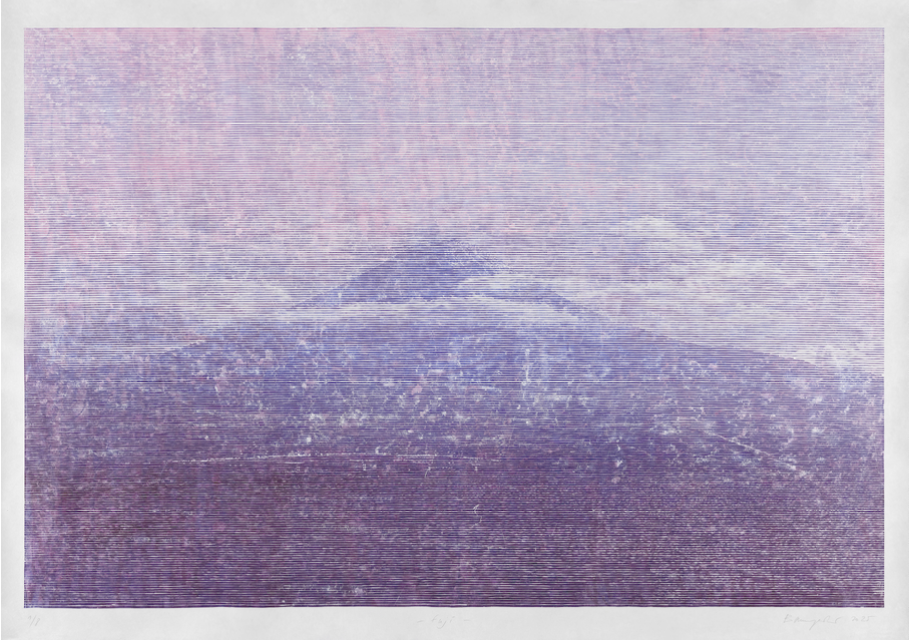
“We were delighted with sales at the IFPDA, with works ranging from $1,000–$30,000. Highlights included multiple copies of Christiane Baumgartner’s major new Fuji woodcut, several sets of Yinka Ilori’s new portfolio Paradise for All, as well as works by Yinka Shonibare, Anni Albers, Cornelia Parker, and Clare Woods.” — David Cleaton-Roberts, Co-Director, Cristea Roberts Gallery (London, U.K.)
“The 2025 IFPDA Print Fair managed to expand on the great success of the IFPDA’s 2024 return to the Park Avenue Armory. Curators, artists, and collectors relish the opportunity to see new works alongside historical and museum-worthy prints made over the last 550 years. The Fair has a family-reunion-like atmosphere, as friends gather from all over the world to catch up and collect the treasures offered by our member dealers.” — Ron Rumford, Dolan//Maxwell (Philadelphia, PA)
“There was a lot of good energy at the Fair — positive feedback and strong accompanying sales.” — Gregory Burnet, Founder, Burnet Editions (New York, NY)
“It was a great show — heartwarming to see so many people come out to visit and enjoy the vast selection of art on display.” — John Szoke, Owner, John Szoke Gallery (New York, NY)
“The Fair was busy and bustling with collectors of all ages ready to support the printmaking arts! We met many enthusiastic visitors eager to learn more about printmaking, as well as seasoned collectors hungry for the technical and artistic details behind the works. It was exciting to see collectors supporting both emerging artists on a national stage and established names in the field.” — Alex Blaisdell, Gallery Director, Highpoint Center for Printmaking (Minneapolis, MN)
IFPDA Print Fair 2025 – Exhibitor List
The 2025 IFPDA Print Fair brought together an exceptional roster of exhibitors — leading international galleries, publishers, and institutions dedicated to the art of printmaking and works on paper.
Exhibitors:
Anderson Ranch Arts Center (Invitational)
Atelier-Galerie A. Piroir
Berggruen Gallery
Bernard Jacobson Graphics
Black Women of Print (Invitational)
BNY Wealth (Special Project)
Borch Editions
Burnet Editions
Cade Tompkins Projects
Carolina Nitsch
Center Street Studio
Childs Gallery
Cirrus Gallery & Cirrus Editions Ltd.
Cristea Roberts Gallery
Crown Point Press
David Zwirner
Dolan//Maxwell
Durham Press
F.L. Braswell Fine Art
Flowers Gallery
Flying Horse Editions
Fredric Snitzer Gallery
Galerie Maximillian
Galerie Myrtis – Fine Art & Advisory
Gallery Neptune & Brown
Gemini G.E.L. at Joni Moisant Weyl
Georgina Kelman :: Works on Paper
Gilden’s Art Gallery
Goya Contemporary Gallery / Goya-Girl Press
Graphicstudio | USF
Harlan & Weaver
Hauser & Wirth
Highpoint Editions
Hill-Stone
Isselbacher Gallery
Jim Kempner Fine Art
John Szoke Gallery
Jörg Maass Kunsthandel
Jungle Press Editions
Knust Kunz Gallery Editions
Krakow Witkin Gallery
Lelong Editions
LeRoy Neiman Center for Print Studies
Lower East Side Printshop
Manneken Press
Mixografia
Pace Prints
Paragon
Paramour Fine Arts
Paulson Fontaine Press
Josh Pazda Hiram Butler
Peter Blum Gallery
Planthouse
Polígrafa Obra Gràfica
Print Center New York (Invitational)
Rabley Gallery
Rosenberg & Co. (Invitational)
Shore Publishing
Stoney Road Press
Tamarind Institute
Tandem Press
The Artists’ Press (Invitational)
The Fabric Workshop and Museum (Invitational)
The Old Print Shop
The Paris Review (Invitational)
The Tolman Collection Tokyo
ULAE
Weyhe Gallery
William P. Carl Fine Prints
Wingate Studio
World House Editions
Zucker Art Books
Immersive Installation by Mickalene Thomas
An immersive, site-specific installation composed of works on paper and printed matter by Mickalene Thomas anchored the 2025 IFPDA Print Fair. The installation was sponsored by the Jordan Schnitzer Family Foundation and Two Palms, highlighting Thomas’s innovative engagement with printmaking and spatial design.
Alexander Droesch Senior Account Executive, Cultural Counsel 📧 [email protected]
About the IFPDA and IFPDA Foundation
Founded in 1987, the International Fine Print Dealers Association (IFPDA) is the world’s leading organization dedicated to fine art prints — spanning Old Masters to contemporary works — with over 150 members vetted for excellence in quality, value, and professionalism.
Each year, the IFPDA presents the IFPDA Print Fair in New York, the largest international art fair devoted exclusively to prints and printmaking, representing more than 550 years of print history.
Proceeds from the Fair benefit the IFPDA Foundation, which supports museums and nonprofit organizations through grants for curatorial internships, exhibitions, research, educational initiatives, and scholarly publications.
Through its public programming, digital presence, and global network, the IFPDA promotes knowledge, fosters scholarship, and encourages dialogue around collecting prints. The annual IFPDA Book Award recognizes outstanding scholarly excellence and original research in the field of print studies.
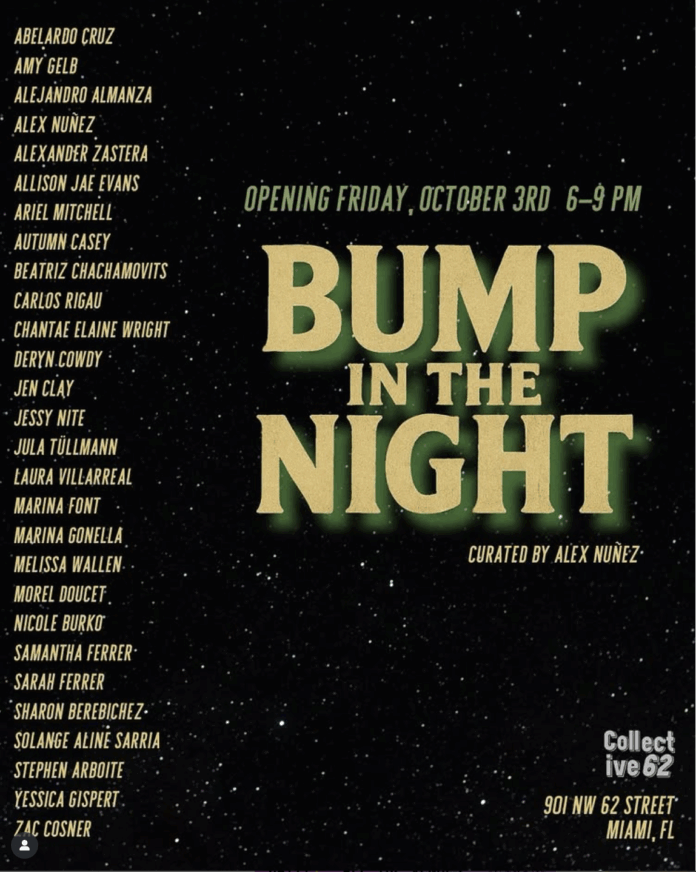
Collective 62 Presents “Bump in the Night” – A Group Exhibition Exploring the Shadows of Miami Nightlife Opening Reception: Friday, October 3, 2025 | 6:00 – 9:00 PM 901 NW 62 Street, Miami, FL
Miami, FL – Miami comes alive after dark, and within its vibrant nightlife lurk shadows of the surreal, the grotesque, and the fantastic. Bump in the Night, opening Friday, October 3, 2025, from 6:00 to 9:00 PM at Collective 62, is a group exhibition curated by Alex Nuñez that delves into the mysteries, myths, and monsters that awaken when the city sleeps.
Nearly a year in the making, Bump in the Night brings together 28 artists whose works summon visions of hedonistic revelry, urban legends, and nocturnal creatures that haunt the edges of imagination. Through painting, sculpture, installation, and mixed media, the exhibition offers a surreal and immersive exploration of nightlife’s uncanny undercurrents.
Bump in the Night is a group exhibition at Collective 62 that summons visions of hedonistic revelry, urban myths, and the creatures that come alive when the city sleeps.
The opening night celebration will feature drinks courtesy of Chawar Miske, alongside the unveiling of this evocative and daring exhibition that invites audiences to confront the creepy, the freaky, and the nocturnal in a playful, yet thought-provoking way.