Home Blog Page 27

La Cosmogonía Personal: El Fundamento Invisible del Artist Statement

La Cosmogonía Personal: El Fundamento Invisible del Artist Statement

La Cosmogonía Personal: El Fundamento Invisible del Artist Statement

Cómo tu forma de interpretar el mundo determina qué y cómo creas

Cuando hablamos de escribir un artist statement, a menudo nos centramos en aspectos formales: claridad, estructura, extensión, tono. Discutimos qué incluir y qué omitir, cómo evitar la vaguedad poética o la densidad académica excesiva. Sin embargo, existe una dimensión más profunda y fundamental que raramente se aborda: la cosmogonía personal que sustenta toda práctica artística.

Este concepto —que trasciende lo técnico y lo formal— es la verdadera materia prima del statement. No se trata de qué materiales usas o qué estilo prefieres, sino de cómo interpretas el mundo. Y esa interpretación, lejos de ser arbitraria o puramente individual, está configurada por una red compleja de experiencias, contextos y condiciones que te han moldeado desde antes de que tomaras consciencia de ellas.

Cosmogonía: más allá del mito

Tradicionalmente, el término “cosmogonía” refiere a los relatos míticos sobre el origen del universo: cómo surgió el cosmos del caos, cómo los dioses crearon la tierra y el cielo, cómo emergió la vida. Cada cultura antigua —desde los griegos hasta los mayas, desde los nórdicos hasta los yoruba— desarrolló su propia cosmogonía: una narrativa fundacional que explicaba no solo el inicio de todo sino también el orden subyacente del mundo.

En el contexto del pensamiento artístico contemporáneo, sin embargo, la cosmogonía adquiere un significado más íntimo y operativo. Tu cosmogonía personal es tu forma particular de interpretar el mundo: el sistema —muchas veces inconsciente— de valores, creencias, sensibilidades y marcos de referencia que determina qué te llama la atención, qué te inquieta, qué consideras importante, y cómo te relacionas con lo que te rodea.

No es solo “tu punto de vista” en un sentido superficial. Es la arquitectura profunda de tu percepción: el conjunto de lentes a través de los cuales filtras la experiencia y produces significado. Y esa arquitectura no es abstracta ni universal: está profundamente enraizada en las condiciones específicas de tu existencia.

El Zeitgeist hegeliano: no creamos en el vacío

El filósofo alemán Georg Wilhelm Friedrich Hegel introdujo el concepto de Zeitgeist (espíritu de la época) para señalar que el pensamiento humano —incluida la producción artística— no ocurre en aislamiento abstracto sino que está intrínsecamente conectado con su contexto histórico y cultural. Cada época tiene su propio “espíritu”: un conjunto de ideas, valores, problemáticas y sensibilidades dominantes que moldean la forma en que pensamos, creamos y nos relacionamos.

Para Hegel, ningún filósofo, artista o pensador produce desde un punto cero absoluto. Incluso las mentes más originales están inmersas en su tiempo, respondiendo —consciente o inconscientemente— a las corrientes intelectuales, políticas y sociales que definen su contexto.

Esta idea tiene implicaciones cruciales para comprender tu práctica artística. No produces desde un vacío neutral. Tu trabajo emerge de una red de condiciones históricas, sociales, culturales, familiares y personales que configuran tu cosmogonía particular. Reconocer esto no es limitar tu originalidad sino entender las fuerzas que la posibilitan.

Las capas de tu cosmogonía personal

Tu forma de interpretar el mundo —y por lo tanto, la raíz de tu práctica artística— está configurada por múltiples capas de experiencia que interactúan entre sí:

1. Contexto religioso y espiritual

Haber nacido y crecido en una familia católica, judía, musulmana, protestante, budista, menonita, atea o agnóstica no es un dato biográfico neutro. Cada tradición espiritual porta una cosmogonía específica: una forma de entender el tiempo (cíclico vs. lineal), el cuerpo (sagrado vs. pecaminoso), la imagen (permitida vs. prohibida), el ritual (comunitario vs. íntimo), la relación con lo trascendente.

Ejemplo:

Un artista criado en tradición católica puede tener una relación profunda con la iconografía visual, el martirio como narrativa, el cuerpo sufriente como sitio de lo sagrado. Incluso si ya no practica la religión, esos esquemas permanecen como sedimento cultural que informa su sensibilidad estética.

Un artista criado en tradición judía podría tener una relación compleja con la representación figurativa (debido a la prohibición bíblica de imágenes), privilegiando en cambio la textualidad, la interpretación múltiple, el debate como forma de conocimiento.

Un artista criado en tradición musulmana puede estar profundamente marcado por la geometría sagrada, la caligrafía como forma artística elevada, la noción de belleza como reflejo de lo divino.

Un artista criado en familia atea en una sociedad religiosa puede desarrollar una sensibilidad hacia el conflicto entre fe y razón, hacia la búsqueda de sentido sin marcos trascendentales.

No se trata de determinismo: puedes rechazar, reinterpretar o subvertir estas influencias. Pero ignorar que existen es perder de vista una fuente fundamental de tu cosmogonía.

2. Contexto geográfico y territorial

Haberte criado en un entorno urbano o rural, en una gran metrópolis o un pueblo pequeño, en zona costera o montañosa, en región industrializada o agrícola —cada una de estas geografías moldea tu percepción del espacio, el tiempo, la comunidad, el ritmo.

Contrastes fundamentales:

Ciudad vs. Campo:

  • La ciudad privilegia la velocidad, el anonimato, la multiplicidad, la fragmentación visual, el ruido constante
  • El campo privilegia la lentitud, la comunidad reconocible, los ciclos naturales, el silencio como elemento activo

Centro vs. Periferia:

  • Crecer en el centro (geográfico, económico, cultural) de un país vs. su periferia genera relaciones diferentes con la visibilidad, el acceso, la legitimación
  • La periferia a menudo desarrolla estrategias de traducción, negociación y resistencia que el centro no necesita

Movilidad vs. Arraigo:

  • Haber migrado múltiples veces vs. haber permanecido en el mismo lugar genera cosmogonías radicalmente diferentes sobre pertenencia, identidad, hogar

Estas experiencias espaciales no son decorativas: son constitutivas de cómo percibes, cómo te mueves, qué te llama la atención, qué te inquieta.

3. Contexto socioeconómico y educativo

Haber tenido acceso (o no) a educación universitaria, a viajes internacionales, a museos y galerías, a bibliotecas; provenir de clase trabajadora, clase media o clase privilegiada; haber experimentado precariedad económica o estabilidad financiera —cada una de estas condiciones configura qué encuentros son posibles, qué lenguajes están disponibles, qué problemáticas son visibles.

El privilegio de acceso:

Estudiar en una universidad con programa de artes visuales te expone a historia del arte, teoría crítica, terminología especializada, redes profesionales. Esto no es mejor o peor en términos absolutos, pero sí genera una cosmogonía diferente a la de alguien que es autodidacta, que aprendió en talleres comunitarios, o que llegó al arte desde otros campos.

La educación como filtro:

Lo que estudias —arte, filosofía, ingeniería, medicina— configura tu forma de pensar. Un artista con formación en biología puede tener una sensibilidad particular hacia procesos orgánicos, temporalidades no-humanas, sistemas complejos. Un artista con formación en arquitectura puede pensar espacialmente de formas que otros no. Un artista autodidacta puede tener una libertad respecto a convenciones académicas que otros deben desaprender.

La precariedad como condición:

Crear desde la precariedad económica no es solo una limitación material sino una posición epistemológica: genera conocimiento sobre fragilidad, temporalidad, valor, trabajo, que la estabilidad no produce.

4. Contexto familiar y afectivo

La estructura familiar donde creciste —nuclear, extendida, monoparental, adoptiva, institucional— y las dinámicas afectivas que la caracterizaban (cuidado, violencia, ausencia, sobre-presencia) configuran tu relación con la intimidad, la autoridad, el cuerpo, el conflicto.

Ejemplos:

Un artista que creció en familia numerosa puede tener una relación con el espacio, el ruido y la privacidad diferente a quien creció solo.

Un artista que experimentó violencia doméstica puede desarrollar una sensibilidad aguda hacia las tensiones entre superficie y profundidad, lo visible y lo oculto.

Un artista que perdió a un padre tempranamente puede tener una relación particular con la ausencia, la memoria fragmentada, los objetos como portadores de presencia.

5. Contexto histórico y político

La época en que naciste y los eventos que marcaron tu formación —dictaduras, revoluciones, guerras, crisis económicas, pandemias, movimientos sociales— configuran tu relación con la autoridad, la esperanza, el futuro, lo colectivo.

Generaciones marcadas:

Artistas latinoamericanos formados durante dictaduras militares tienen una relación con el cuerpo, la desaparición, la memoria y el archivo radicalmente diferente a generaciones posteriores.

Artistas formados durante el auge del internet y las redes sociales tienen una cosmogonía de la imagen, la viralidad, la autorepresentación distinta a generaciones analógicas.

Artistas que vivieron migraciones forzadas, desplazamientos, exilios tienen una relación con el territorio, la pertenencia, la identidad que el sedentarismo voluntario no produce.

De la cosmogonía al statement: el ejercicio del reconocimiento

Cuando te enfrentas a escribir tu artist statement, no estás simplemente describiendo qué haces o qué te interesa. Estás, consciente o inconscientemente, reconociendo el origen de tu mirada: las grietas específicas por donde tu mundo interior dialoga con lo que te rodea.

Este reconocimiento tiene varias dimensiones:

1. Identificar las fuentes

Antes de escribir, es útil preguntarte:

  • ¿Qué elementos de mi contexto religioso/espiritual informan mi sensibilidad estética?
  • ¿Cómo mi geografía de origen moldea mi relación con el espacio, el tiempo, el ritmo?
  • ¿Qué accesos o limitaciones educativas configuraron mi lenguaje y mis referencias?
  • ¿Qué dinámicas familiares moldearon mi relación con la intimidad, el conflicto, la autoridad?
  • ¿Qué eventos históricos o políticos definieron mi generación y mi percepción del mundo?

No se trata de incluir todas estas respuestas explícitamente en tu statement, sino de tener claridad sobre los cimientos de tu cosmogonía.

2. Encontrar las resonancias

Una vez identificadas estas fuentes, el siguiente paso es reconocer cómo resuenan en tu trabajo:

  • ¿Por qué me atrae este material específico y no otro?
  • ¿Por qué esta problemática me inquieta más que otras?
  • ¿Por qué trabajo de esta manera particular y no de otra?

Ejemplo:

Si creciste en una familia donde el silencio era castigo, tu interés por el sonido, el ruido, la voz —o precisamente por el silencio como elemento cargado— no es casual. Tu cosmogonía personal incluye una educación afectiva específica sobre lo audible y lo inaudible que informa tu práctica.

Si creciste en una ciudad donde la arquitectura colonial convive con edificios modernos en estado de deterioro, tu interés por la ruina, la superposición temporal, la memoria arquitectónica tiene raíces específicas en esa geografía.

3. Articular sin sobre-explicar

El statement no debe ser un psicoanálisis exhaustivo ni una autobiografía detallada. Pero sí debe dejar entrever las conexiones entre tu cosmogonía y tu producción.

Evita:

“Crecí en una familia católica conservadora en un pueblo pequeño. Mi padre era ingeniero y mi madre ama de casa. Tuve tres hermanos. En la adolescencia cuestioné la religión. A los 18 me mudé a la ciudad para estudiar arte…”

Esto es narración biográfica lineal sin conexión conceptual con tu trabajo.

Prefiere:

“Mi trabajo con textiles bordados surge de una tensión particular: crecí en un contexto donde el bordado era labor femenina doméstica, desvalorizada, invisible. Al mismo tiempo, era el espacio donde las mujeres de mi familia hablaban libremente, donde circulaban historias que no se decían en otros lugares. Esa paradoja —el bordado como sitio simultáneo de opresión y de resistencia— es el origen de mi interés por…”

Aquí mencionas contexto específico (bordado como labor doméstica) pero inmediatamente lo conectas con tu investigación artística (paradoja opresión/resistencia).

4. Reconocer las capas invisibles

Parte de tu cosmogonía opera bajo la superficie de tu consciencia. Son sensibilidades, intuiciones, rechazos o atracciones que no siempre puedes explicar completamente pero que guían tus decisiones creativas.

El proceso de escribir tu statement puede ayudarte a hacer visible lo invisible: a reconocer patrones, a identificar por qué ciertos temas te obsesionan mientras otros te resultan irrelevantes, a entender qué fuerzas moldearon tu particular forma de estar en el mundo.

La cosmogonía como autenticidad

En un campo artístico saturado, donde las tendencias circulan rápidamente y la presión por la novedad es constante, la cosmogonía personal se convierte en tu ancla de autenticidad. No en el sentido ingenuo de “ser tú mismo” como si existiera un yo esencial pre-cultural, sino en el sentido más profundo de crear desde la consciencia de tus condiciones de posibilidad.

Cuando produces arte reconociendo tu cosmogonía:

1. Evitas la imitación superficial

No copias lo que está de moda en Nueva York o Berlín si eso no resuena con tu experiencia particular. O, si lo haces, lo haces conscientemente, como acto de traducción o crítica, no como mímesis acrítica.

2. Encuentras tu voz específica

Tu combinación particular de contextos —religioso, geográfico, socioeconómico, familiar, histórico— es única. Nadie más tiene exactamente esa constelación de experiencias. Esa singularidad es tu potencial.

3. Produces conocimiento situado

Tu trabajo no pretende hablar desde ningún lugar (lo cual es imposible) sino desde tu lugar específico. Y ese lugar, lejos de limitar tu relevancia, puede conectar con otros lugares, otras experiencias, precisamente por su especificidad.

4. Desarrollas una práctica sostenible

Cuando tu trabajo surge de tu cosmogonía profunda —no de modas pasajeras ni de lo que imaginas que el mercado o las instituciones quieren— tienes motivación interna para sostenerlo en el largo plazo.

El statement como cartografía cosmogónica

Visto así, el artist statement no es un documento promocional ni un requisito burocrático. Es un ejercicio de cartografía de tu cosmogonía personal: el intento de mapear —siempre parcial, siempre provisional— las fuerzas que configuran tu mirada y, por lo tanto, tu práctica.

Cada vez que reescribes tu statement (lo cual deberías hacer periódicamente), estás refinando ese mapa. Estás identificando con mayor precisión qué capas de tu experiencia están activas en tu trabajo actual, qué nuevas influencias han entrado en juego, qué aspectos de tu cosmogonía has comenzado a cuestionar o rechazar.

El statement como documento vivo:

A los 25 años, tu cosmogonía privilegia ciertos elementos (quizás la rebeldía contra tu contexto de origen, la exploración de identidad, el descubrimiento de referentes).

A los 40, después de migraciones, pérdidas, transformaciones políticas, tu cosmogonía se ha reconfigurado. Nuevas capas se han vuelto relevantes; otras se han sedimentado.

Tu statement debe evolucionar con esa reconfiguración continua.

La intersección entre experiencia y consciencia

La frase que abre este artículo lo señala con precisión: el arte, cuando es honesto consigo mismo, siempre nace desde la intersección entre la experiencia y la consciencia.

Experiencia sin consciencia produce arte instintivo, visceral, pero que no puede articularse, defenderse, contextualizarse. Es intuición pura sin lenguaje.

Consciencia sin experiencia produce arte cerebral, teórico, pero que no resuena vitalmente. Es concepto sin arraigo.

La intersección —ese punto donde reconoces conscientemente las experiencias que te han moldeado y cómo estas informan tu producción— es donde emerge una práctica artística madura y propia.

Tu statement debe operar en esa intersección. No basta con sentir intensamente (experiencia); debes poder articular de dónde viene esa intensidad y cómo se manifiesta en tu trabajo (consciencia). Pero tampoco basta con teorizar abstractamente (consciencia); debe haber un anclaje visceral en vivencias concretas (experiencia).

Ejemplos de cosmogonías articuladas en statements

Ejemplo 1: Cosmogonía religiosa + migración

“Crecí en una comunidad menonita donde las imágenes eran consideradas vanidad pecaminosa. El arte visual no existía; solo la funcionalidad austera y la Palabra escrita. Migré a los 18 para estudiar arte, un acto de ruptura que mi familia vivió como traición. Mi trabajo surge de esa tensión irresuelta: el deseo de crear imágenes combatido por siglos de iconoclastia interiorizada. Produzco pinturas que sistemáticamente destruyo, fotografío y re-presento. Lo que exhibo no es nunca la pintura original sino su documentación: la imagen que sobrevive a su propia prohibición.”

Qué hace bien:

  • Identifica fuente cosmogónica específica (menonita, iconoclastia)
  • Conecta biografía (migración, ruptura) con producción (crear/destruir)
  • Articula tensión conceptual (deseo vs. prohibición interiorizada)
  • Explica decisiones formales (fotografía de pintura destruida) como consecuencia de cosmogonía

Ejemplo 2: Cosmogonía geográfica + clase

“Nací en la periferia industrial de São Paulo, donde la contaminación del río Tietê era hecho cotidiano. Mi padre trabajaba en una fábrica textil que vertía desechos químicos directamente al agua. Esta geografía tóxica —donde lo productivo y lo destructivo eran inseparables— moldea mi comprensión de lo que significa ‘desarrollo’. Trabajo con textiles teñidos en aguas contaminadas recolectadas de diferentes ríos industrializados de América Latina. Los colores que obtengo —impredecibles, inestables, a veces tóxicos al tacto— materializan la paradoja del progreso capitalista: su belleza superficial construida sobre destrucción ambiental y explotación laboral.”

Qué hace bien:

  • Conecta geografía específica (periferia industrial) con sensibilidad estética (lo tóxico como material)
  • Incorpora clase (padre obrero) sin sentimentalismo
  • Teoriza a partir de experiencia (desarrollo como paradoja)
  • Justifica metodología (teñir con agua contaminada) como consecuencia de cosmogonía

Ejemplo 3: Cosmogonía familiar + histórica

“Mi madre sobrevivió la dictadura militar argentina; mi padre desapareció cuando yo tenía dos años. Crecí entre silencio y fragmentos: historias nunca completas, fotografías ocultas, nombres que no se pronunciaban. Esta educación en la ausencia configura mi relación con el archivo. No me interesa la memoria como recuperación total —imposible cuando los cuerpos nunca regresaron— sino como práctica de convivencia con lo incompleto. Trabajo con documentos familiares dañados, fotografías con rostros borrados, cartas con párrafos censurados, generando instalaciones donde la ausencia tiene presencia material.”

Qué hace bien:

  • Nombra trauma histórico específico sin espectacularizarlo
  • Conecta experiencia familiar (desaparición, silencio) con metodología artística (archivo fragmentado)
  • Teoriza la memoria sin caer en lugar común (“memoria como deber”)
  • Justifica decisiones formales (documentos dañados) como necesidad conceptual, no estética

Ejercicio práctico: excavando tu cosmogonía

Antes de escribir (o reescribir) tu statement, dedica tiempo a este ejercicio de excavación:

1. Completa estas frases sin censura:

  • Crecí en un contexto donde…
  • En mi familia/comunidad se valoraba…
  • En mi familia/comunidad se prohibía o desaprobaba…
  • El primer contacto significativo que tuve con el arte fue…
  • Los eventos históricos/políticos que marcaron mi formación fueron…
  • Mi relación con [tema de tu trabajo] comenzó cuando…
  • Me atrae [tu material/proceso] porque…
  • Me incomoda o rechazo [lo opuesto a tu trabajo] porque…

2. Identifica patrones:

Lee tus respuestas. ¿Qué temas se repiten? ¿Qué tensiones emergen? ¿Qué conexiones no habías visto antes entre tu historia y tu trabajo?

3. Traza conexiones:

¿Cómo esos contextos específicos (religioso, geográfico, familiar, histórico) configuran:

  • Los temas que te obsesionan
  • Los materiales que eliges
  • La forma en que trabajas
  • Lo que quieres que tu obra haga en el mundo

4. Escribe desde ese reconocimiento:

Ahora, con consciencia de tu cosmogonía, escribe tu statement. No necesitas incluir todo explícitamente, pero cada afirmación debe estar enraizada en ese auto-conocimiento profundo.

Conclusión: El arte honesto nace desde la intersección

Tu cosmogonía personal —esa red compleja de contextos, experiencias y condiciones que configuran tu forma de interpretar el mundo— no es un accidente biográfico irrelevante para tu práctica artística. Es su fundamento invisible, la arquitectura profunda desde donde produces sentido.

Identificar esa cosmogonía no es ejercicio de narcisismo autobiográfico sino de rigor intelectual. Es reconocer que no creas desde un vacío neutral sino desde un lugar específico, histórico, situado. Y que ese lugar —con sus privilegios y limitaciones, sus accesos y exclusiones, sus posibilidades y restricciones— es precisamente lo que hace posible tu voz particular.

Cuando escribes tu artist statement desde consciencia de tu cosmogonía, dejas de producir textos genéricos que podrían describir el trabajo de cientos de artistas. Produces, en cambio, un mapa preciso de cómo tu experiencia particular del mundo genera tu forma particular de creación.

Ese es el primer paso —imprescindible, fundacional— hacia una práctica artística sólida, sostenible y profundamente propia. No porque sea más “auténtica” en algún sentido esencial, sino porque está conscientemente arraigada en las condiciones reales que te produjeron como sujeto creador.

El arte honesto —el que resuena, el que importa, el que perdura— siempre nace desde esa intersección entre la experiencia vivida y la consciencia reflexiva de cómo esa experiencia moldea lo que haces. Tu statement debe encarnar esa intersección.

Major art fairs in 2026

¿Qué son las bellas artes?

Major art fairs in 2026 include Art Basel (June), Frieze London (October), Art Basel Miami Beach (December), and The Armory Show (New York). Many other fairs will take place globally, such as TEFAF Maastricht (Netherlands), Art Dubai (UAE), and various local and regional art festivals. Exact dates for some 2026 events are still being announced. 

2026 Major Art Fairs

  • Art Basel (Basel, Switzerland): June 15-21 
  • The Armory Show (New York, USA): Typically held in March, with specific 2026 dates pending 
  • Frieze New York (New York, USA): Usually coincides with New York Art Week in May, with specific 2026 dates pending 
  • Frieze London (London, UK): Typically held in October, with specific 2026 dates pending 
  • Art Basel Miami Beach (Miami, USA): Typically held in December 
  • TEFAF Maastricht (Maastricht, Netherlands): Typically held in March, with specific 2026 dates pending 
  • Art Dubai (Dubai, UAE): Typically held in March, with specific 2026 dates pending 

Other Notable Fairs and Festivals

  • Photo Basel (Basel, Switzerland): June 16-21 
  • Volta Basel (Basel, Switzerland): Dates TBA for 2026 
  • Fort Lauderdale Art Festival: Part II is scheduled for February 21-22, 2026 
  • Downtown Stuart Art Festival: February 21-22, 2026 
  • Longboat Key Festival of the Arts: February 21-22, 2026 
  • Downtown Venice Art Classic: February 21-22, 2026 
  • Hyde Park Village Art Fair (Tampa, FL): March 7-8, 2026 
  • Venice Biennale (Venice, Italy): This event occurs every two years, with the next likely happening in 2026 (note: this is not technically an art fair) 

Vladimir Issaev School of Classical Ballet

Vladimir Issaev School of Classical Ballet

Vladimir Issaev School of Classical Ballet

Ballet Master & Choreographer  

VLADIMIR ISSAEV is currently Ballet Master, Choreographer & Artistic Director of Arts Ballet Theatre of Florida former Ballet Master of Ballet Nacional de Caracas – Teresa Carreño and Miami City Ballet School. He was born in Siberia, Russia, 1954. At the age of 11 he began his ballet studies at the Choreographic School of Voronezh, obtaining the degree of “Ballet Artist” in 1973.

2009 Best Arts Educator of the State of Florida by the Florida Alliance for Arts Education.

2002 “Best New Choreographer” at the Dance Under the Stars Choreographic Competition in Palm Springs, California.

2002 Honorable Merit Diploma from the Terpsihora Foundation for the Advancement of the Arts of Dance of Saint Petersburg, Russia, in recognition for his outstanding performance enhancing the art of classical ballet on the Vaganova Style in the United States.

2000 Most influential Ballet teacher by the National Foundation of the Advancement of the Arts

Mr. Issaev is currently Ballet Master, Choreographer & Artistic Director of Arts Ballet Theatre of Florida former Ballet Master of Ballet Nacional de Caracas – Teresa Carreño and Miami City Ballet School. He was born in Siberia, Russia, 1954. At the age of 11 he began his ballet studies at the Choreographic School of Voronezh, obtaining the degree of “Ballet Artist” in 1973.

After working as a ballet dancer for several years at the Opera House of Ufa ( Nureyev’s home town) and Opera House of Odessa, dancing the whole classical and modern repertoire, he was admitted at the State Institute of Arts Lunacharsky G.I.T.I.S. in Moscow to make his superior studies for Ballet Master & Choreographer under the tutelage of the great Russian Masters such as Eugeny Rudenco and Guerman Pribilov (both direct pupils of Nicolai Tarazov) Yulii Plagt (Vaganova’s direct pupil), Rastizlav Zaharov, Larissa Trembovelskaya, Tamara Varlamova, Raiza Struchkova, Tamara Tkachenko, Boris Jojlov, Marina Kondratieva, Eugeny Valukin, and Ludmila Kolenchenko. He graduated in 1986 as Ballet Master and Master Choreographer with the highest grades and honors of the Institution.

He has been Academic and Artistic Director at the Choreographic School of Frounze, where he held this position as the youngest director of all the ballet schools in the Soviet Union territory at that time and as a Ballet Master for the disciplines of Classical Ballet, Character Dance, Court Dances and Pas de Deux.

He relocated in Venezuela in 1987 and worked as Ballet Master and Regisseur for the Ballet Metropolitano de Caracas during one year. In 1988, he was invited by Mo. Vicente Nebrada to take the place of Ballet Master at the Ballet Nacional de Caracas- Teresa Carreño. He traveled to Puerto Rico invited by Ballet Concierto de Puerto Rico to hold a Russian Ballet Seminar where he remained working as Ballet Master and Director of Rehearsals. During that time he worked as assistant to the famous Choreographer and ballet dancer Papa Beriozoff for Don Quixote having Julio Bocca and Eleonora Cassano as soloists.

He returned to Venezuela in 1991 to continue his work as Ballet Master for Ballet Nacional de Caracas- Teresa Carreño and repetiteur for the principal roles of its classical and neoclassical repertoire. During all those years he prepared, with the finest technical skills, the principal dancers of the company for their soloist roles: Susana Riazuelo (now at Nacho Duato’s Dance Company, Spain, as principal), Marifé Gimenez, (Soloist at Ballet Florida) David Fonnegra (Principal of Diablo Ballet, California), Mary Carmen Catoya (principal of Miami City Ballet), Marcela Figueroa ( Ballet Concierto de Puerto Rico) , Robert Wohlert (Staatsballett Berlin) , Claudio Sandoval ( Ballet Theatre of Harlem), Pedro Szalay ( Richmond Ballet) , Roger Fonnegra ( Festival Ballet Providence) Abdo Sayegh, ( Minnesota Dance Theater) Rolando Troconis, ( Rhode Island Dance Theater) Zong Miao ( Boston Ballet), who, among others, are also joining other international relevant ballet companies.

As a Choreographer he has mounted several ballets in Russia, United States, Puerto Rico and Venezuela for the Choreographer School of Voronezh and Frounze, the Ballet School Teresa Carreño, Ballet Metropolitano de Caracas, Ballet Nacional de Caracas Teresa Carreño – Second Company and for the Ballet Nacional de Caracas Teresa Carreño itself, Ballet Concerto de Puerto Rico, Arts Ballet Theatre of Florida, Miami City Ballet School, The Georgia Youth Ballet, The Vaganova Ballet Academy (Kirov) in Saint Petersburg, Russia. Among his many works we find: “Swan Lake”, II & IV Acts for Ballet Nacional de Caracas together with Mo. Vicente Nebrada, (I & III Acts); “Chipollino” (Music: Karen Kachaturian) two acts Ballet for Ballet Concierto de Puerto Rico, Ballet Juvenil de Venezuela and Georgia Youth Ballet and “Nutcracker Suites” for Ballet Nacional de Caracas -Second Company , The Ballet School of Teresa Carreño Cultural Center and Arts Ballet Theatre of Florida, “The Seasons’ for The Vaganova Ballet Academy- Mariinsky Ballet.

Vladimir Issaev School of Classical Ballet does not discriminate on the basis of any race, color, gender, marital status, age, sexual orientation, disability, religious preference and national or ethnic origin.

Raúl Martínez González (1927-1995)

raúl martínez gonzález

Raúl Martínez González (1927-1995)

Pintores Cubanos by Pedro Sarracino’s albums

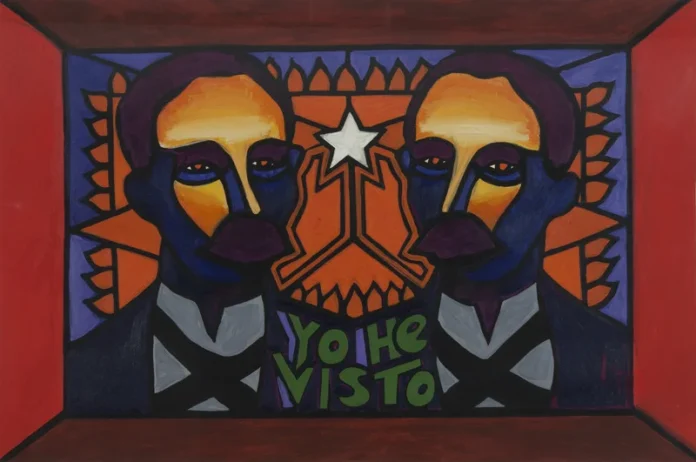
Raúl Martínez González (1927-1995) Raúl Martínez González (Publio Amable Raúl Martínez González, 1927-1995). Pintor, diseñador y fotógrafo cubano. Uno de los exponentes más importantes del expresionismo abstracto de mediados del siglo XX, y paradigma del pop art en Cuba.

Su obra y su vida han estado relacionadas con todos los momentos claves de la cultura cubana después de 1959. Así, lo vemos participando del proceso germinal del cine cubano, de la fundación y apogeo de la Casa de las Américas, de la creación y desarrollo del Instituto Cubano del Libro, del fomento y extensión de la fotografía de connotación artística, de la inolvidable era del cartel cubano y de los grandes proyectos de nuestro teatro, entre otros acontecimientos.

Nació en Ciego de Ávila, en la antigua provincia de Camagüey, el 1 de noviembre de 1927. Tuvo su primer encuentro con el mundo de las imágenes y la lectura en las aventuras de Tarzán y otros personajes que aparecían en los periódicos dominicales de la época. En 1940 se trasladó a La Habana para estudiar dibujo. Trabajó en diversos oficios, desde office boy hasta dependiente de tienda. En 1946 ingresó en la Academia Nacional de Bellas Artes San Alejandro, donde permaneció sólo durante dos cursos, pues su exigua economía no le permitió continuar.
En 1947 presentó por primera vez una obra suya, en el XXIV Salón del Círculo de Bellas Artes. Exhibió en ese mismo Salón en 1949 y 1950, y recibió mención honorífica en ambas ocasiones. En esa época compartía la pintura con la poesía y descubrió el teatro; atraído por las comedias musicales, comenzó a dibujar a la actriz Judy Garland a partir de fotografías de revistas.

En 1951 participó en una exposición de dibujo organizada por la Sociedad Cultural Nuestro Tiempo -que dirigía Harold Gramatges-, de la que fue miembro fundador. La Sociedad Cultural Nuestro Tiempo, que aspiraba a iniciar al público en la valoración del arte contemporáneo, le proporcionó su primer acercamiento a un grupo de intelectuales de renombre, e influyó en su formación por el desprejuiciado intercambio con músicos, literatos, bailarines y pintores.

Cuando conoció las propuestas de integración interdisciplinaria de la obra The new vision, de Moholy Nagy, solicitó una de las becas ofrecidas por el Instituto de Diseño de Chicago, en los Estados Unidos, que dirigía dicho artista, y al cual ingresó en 1952. Allí se enfrascó en la solución de problemas de diseño básico, escultura, fotografía, grabado y tipografía. Fascinado por los chorreados de pintura de los lienzos gigantescos de Jackson Pollock y por las poderosas mujeres de De Kooning, comprendió el tratamiento que el expresionismo abstracto estaba haciendo de las vivencias personales, con nuevos planteamientos sobre el espacio, la estructura y la forma. A partir de entonces y durante toda la década viajó en reiteradas ocasiones a Chicago y a Nueva York.

Después de su regreso de Chicago, en 1954 su amigo Sandú Darié Laver lo recomendó a Luis Martínez Pedro, quien deseaba contratar a un dibujante para la agencia publicitaria OTPLA. El trabajo de publicidad allí realizado entre 1954 y 1960, y la experiencia de Chicago, fueron herramientas que supo aprovechar al máximo en toda su carrera artística, en especial por la esencia diseñística y fotográfica de su producción.

En poco tiempo superó la bidimensionalidad de la abstracción geométrica, a partir de los criterios ofrecidos por su colega Sandú Darié Laver , y comenzó a aplicar lo aprendido en las obras de Kline, Tobey y Rotkho. Entonces compartía ya las propuestas del Grupo Los Once (1953-1955), constituido por creadores de tendencia informalista y consecuente postura ética, que buscaban un lenguaje contemporáneo, en contraposición al de la Escuela de La Habana.

Martínez se sumó al repudio de gran cantidad de artistas a la Bienal Hispanoamericana de Arte que organizaron el Instituto Nacional de Cultura del gobierno de Fulgencio Batista y el Consejo de Hispanidad franquista, y optó por participar en la exposición de plástica cubana contemporánea que se propuso como “Anti-Bienal”. Los creadores afines del Grupo Los Once se reunían entonces en la sede de La Sociedad Cultural Nuestro Tiempo, en el Parque Central de La Habana y el café Las Antillas, para debatir sobre su contemporaneidad y su rebeldía ante la injusticia social, además de para «hacer la bohemia». Este artista multifacético comenzó en 1958 a realizar murales en distintos centros de la capital. A partir de 1960 y hasta el final de su vida diseñó revistas y libros de prestigiosas instituciones culturales, carteles para obras de teatro y de cine, escenografías de piezas teatrales, y experimentó la conjunción de pintura y fotografía en espectáculos de teatro y danza. Asumió la dirección artística del magazín Lunes de Revolución y fue profesor de diseño en la Facultad de Arquitectura de la Universidad de La Habana y en la Escuela Nacional de Arte.

En la década del sesenta sobresalieron dos exposiciones suyas: la personal Homenajes, de 1964, y, conjuntamente con Mario García Joya y Luc Chessex, ¿Foto-mentira!, de 1966, por un significativo cambio en su poética. La primera mostraba el inicio de su experimentación con el collage, en fragmentos de impresos, fotografías y objetos, con brochazos gestuales por fondo, o aplicados sobre los fragmentos superpuestos. Con esa muestra el artista transitaba del expresionismo abstracto al pop. ¿Foto-mentira!, mediante la reiteración de una misma imagen para resaltar la mentira de la fotografía, afirmaba la verdad del arte.

A partir de esas formas redundantes se consolidó el pop, que cultivó en imágenes cíclicas de José Martí, Ernesto Che Guevara, Camilo Cienfuegos, Fidel Castro y otros héroes anónimos, utilizando la fotografía como pilar e insistiendo en la reiteración de la imagen estructurada con un movimiento lineal y cinematográfico. Hacia 1970 Martínez conformó el retrato colectivo de la nación mediante el procedimiento de yuxtaponer fotografías -una nueva dimensión del collage-, con fuerte colorido e insertando en las superficies otros símbolos de la cubanidad como flores, frutas y animales del país, y alguna que otra cita postmoderna.

En la vertiente de arte popular, que cultivó durante esa década, una de sus obras principales fue el tríptico Isla 70, donde los semblantes de líderes políticos y gente de pueblo mostraban las más variadas tonalidades del verde, para documentar simbólicamente la proeza que fue la cosecha cañera de aquel año. Como las demás piezas, esta respondía a una estética, respaldada en buena medida por la fotografía, más cercana al diseño.

En 1972 se realizó una emisión de sellos con la imagen de su obra Fénix, perteneciente a la colección permanente del Museo Nacional de Bellas Artes (Cuba). En 1978 en la Galería Habana realizó una exposición que tituló La gran familia, retomada en 1984 en el marco del proyecto que representó a Cuba en la XLI Bienal de Venecia -con obras de Martínez, del fotógrafo Mario García Joya y de artesanos del círculo de Antonia Eiriz.

En la década siguiente continuó desarrollando la conjunción de diseño y fotografía en las series Murales y banderas, Dibujos para colorear y La conquista. Desde 1983 participó en proyectos de inserción del arte en la vida social, como Telarte y Arte en la Carretera. Retomó el tema martiano en 1986, al desplegar en tempera sobre cartulina una serie inspirada en los Versos Sencillos, que tituló Pinta mi amigo el pintor, la cual fue exhibida en la Galería Habana. Más adelante volvió al collage fotográfico, para desarrollar el tema del amor en obras de gran erotismo.

En 1988 el Museo Nacional de Bellas Artes (Cuba) organizó la primera retrospectiva de su obra. A partir de 1990 volvió a la introspección de su primera etapa abstracta en los óleos de su serie Islas 90 y comenzó a escribir sus memorias, tituladas Yo Publio. En 1994 fue acreedor, junto con el título de Doctor Honoris Causa otorgado por el Instituto Superior de Arte, del Premio Nacional de Artes Plásticas en su primera edición, en reconocimiento a su larga y fecunda trayectoria artística. Murió en La Habana el 2 de abril de 1995.

PREMIOS Y RECONOCIMIENTOS
1949 Mención Honorífica en el Salón del Círculo de Bellas Artes en La Habana.
1950 Mención Honorífica en el Salón del Círculo de Bellas Artes.
1951 Medalla de Plata en la Cuban Painting Exhibition, Universidad de Tampa, EE.UU.
1959 Premio al mejor conjunto fotográfico en el Salón Integración Racial, La Habana.
1960 Primer Premio de Fotografía en el Concurso Carnaval de La Habana.
1965 Medalla de Bronce en la Feria Internacional del Libro IBA, Leipzig, RDA.
1971 Medalla de Plata en la Exposición internacional del Libro IBA, Leipzig, RDA.
1981 Distinción por la Cultura Nacional.
1983 Medalla Alejo Carpentier.
1994 Doctor Honoris Causa del Instituto Superior de Arte.
1995 Premio Nacional de Artes Plásticas, otorgado por vez primera

EXPOSICIONES PERSONALES
1948 – Expone una decena de obras de corte académico en el vestíbulo del teatro Ada, en Matanzas.
1950 – Segunda exposición personal, en el Lyceum, La Habana.
1952 – Realiza dos exposiciones personales: una en la Raúl Martinez Galería Matanzas y otra en el Lyceum. 1964 – Homenajes, en la que se inicia en el Pop, a través del collage.
1966 – Comienza a trabajar la iconografía martiana, conjugando elementos de la pintura popular y el POP.
1975 – Expone sus dibujos y diseños en el Centro de Estudios Cubanos de New York.
1978 – La Gran Familia, en la Galería HABANA. Esta exhibición viajó a Santiago de Cuba.
1980 – Raúl Martínez. Abstracciones del 57 al 66. En la Galería L, en La Habana.
1984 – Expone en la l Bienal de La Habana.
1985 – Pinta mi amigo el pintor, temperas en la Galería HABANA.
1986 – Exhibe una muestra de collages sobre el tema de la conquista en la ll Bienal de La Habana.
1988 – Nosotros, Muestra retrospectiva de julio a diciembre en el Museo Nacional.
1989 – De la conquista, en el vestíbulo del Cine Chaplin, La Habana. – Raúl Martínez, Museo Xawerego, Varsovia, Polonia. – Selección de la muestra retrospectiva expuesta en el Museo Nacional, en la Galería Latinoamericana,Cracovia.
1992 – Comentarios de la Conquista, (nov. dic.) , nueva serie de collages. – Islas 90, en la Galería Juan David, La Habana.
1994 – Nueva muestra de pintura abstracta en el Centro Wifredo Lam. – Exposición antológica en la Galería Los Lavaderos, en Santa Cruz de Tenerife, Islas Canarias.

EXPOSICIONES COLECTIVAS
1953 – Expone con el Grupo Los Once, en las galerías: Lyceum y La Rampa.
1954 – Se suma a la exposición Plástica Cubana Contemporánea (Anti Bienal), en repudio a la organizada por el Instituto Nacional de Cultura; batistiana, y el Consejo de Hispanidad, franquista, con motivo del centenario martiano.
1955 – Participa en dos exposiciones de pintura abstracta con el grupo Los Once.
1959 – Integración Racial, en el Palacio de Bellas Artes, La Habana.
1960 – Participa en la ll Bienal Interamericana de México, Palacio de Bellas Artes, México.
1961 – Exhibe obras en el Salón de Mayo de París y su edición de La Habana. – Expone colectivamente en Montreal, Canadá y en la Galería Ewan Phillips, en Londres, Inglaterra.
1970 – Participa en el Salón 70 con su obra ISLA 70, Museo Nacional, La Habana.
1975 – Participa en una muestra de pintura en el Museo de Arte Moderno de México.
1977 – Expone colectivamente en la muestra Cultura, Art et Revolution. Láffiche cubaine contemporaine, en el Centro George Pompidou, Paris.
1979 – Participa en el Salón de Dibujo de la Fundación Joan Miró, Barcelona.
1980 – Participa en el ler Salón de Pintura y Escultura Carlos Enríquez, en el Centro de Arte Internacional, La Habana. – Participa en la lX Bienal de Brno, Checoslovaquia y en la Xlll Bienal Internacional de Varsovia.
1982 – Participa en la Bienal de Venecia.
1983 – Participa en dos exposiciones colectivas en los EU, de fotografía y carteles cubanos y en el ll Salón Michoacano Internacional Textil en miniatura, en México.
1984 – Participa junto a Mario García Joya y artesanos cubanos en la realización de la instalación La Gran Familia , para la lV Bienal de Venecia.
1991 – Participa en la X Bienal Internacional de Gráfica de Valparaíso, Chile y en la lll Bienal Internacional de cuenca, Ecuador. 

How to Appreciate Art: A Comprehensive Guide to Art Evaluation

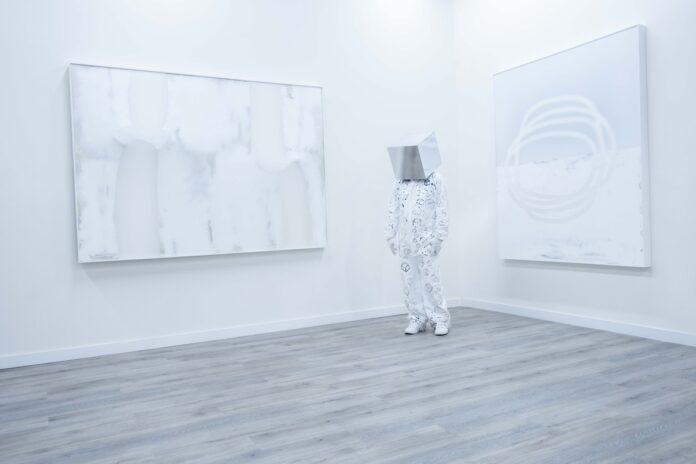
Kube Man by Rafael Montilla - photo Ricardo Cornejo
How to Appreciate Art.

How to Appreciate Art: A Comprehensive Guide to Art Evaluation

Art appreciation is a skill that deepens with practice and understanding. Here’s a thoughtful approach to evaluating and appreciating artwork:

What is Art Evaluation?

Art evaluation is the process of examining, analyzing, and forming judgments about artwork based on various criteria including technical skill, aesthetic qualities, historical context, and emotional impact. It goes beyond personal taste to understand what makes a work significant or effective.

Art Evaluation is Not Simply Liking or Disliking

True art appreciation transcends immediate personal preference. You can recognize the quality, importance, or skillfulness of a work even if it doesn’t align with your personal taste. Evaluation involves understanding the artist’s intentions, technical achievements, and cultural significance rather than just deciding whether something appeals to you emotionally.

How to Appreciate a Work of Art?

Meaningful appreciation requires examining both the context surrounding the work and the work itself.

THE BACKGROUND/CONTEXT OF THE WORK OF ART

When Was the Painting Created? The time period matters enormously. A painting created in 1450 should be evaluated differently from one made in 1950. Historical context helps you understand what was innovative, what materials were available, and what cultural forces influenced the artist.

Is the Painting Abstract or Representational? Understanding whether the work attempts to depict reality or explores form, color, and composition abstractly shapes how you approach it. Representational works might be judged on accuracy or interpretation of subjects, while abstract works focus on formal qualities and emotional resonance.

What Type of Painting is It? Genre matters: portraits, landscapes, still lifes, history paintings, and religious works each have different conventions and purposes. Knowing the genre helps you understand what the artist was attempting and what standards apply.

What School or Movement is the Painting Associated With? Is it Renaissance, Impressionist, Expressionist, Cubist? Each movement had specific goals, techniques, and philosophies. Understanding these helps you see what the artist was responding to or rebelling against.

Where Was the Picture Painted? Geography influences art. Italian Renaissance painting differs from Northern Renaissance work. Regional traditions, available materials, and cultural values all leave their mark.

At What Point Was the Artist in His Career? What Was His Background? Early works often show experimentation or influence from teachers. Mature works might demonstrate mastery or radical innovation. Knowing the artist’s training, influences, and life circumstances adds dimension to your understanding.

Where Was the Intended Location of the Painting? A small devotional work for private meditation differs from a massive altarpiece or a palace ceiling fresco. The intended setting affects scale, subject matter, and viewing distance.

THE WORK OF ART ITSELF

What Materials Were Used in the Creation of the Painting? Oil paint allows different effects than tempera, watercolor, or acrylic. Canvas behaves differently from wood panel or plaster. Understanding materials helps you appreciate technical choices and constraints.

What is the Content & Subject Matter of the Painting? What is depicted? What story is being told? What symbols appear? Subject matter can carry religious, political, personal, or cultural significance that enriches your understanding.

How to Appreciate Composition in a Painting? Composition is how elements are arranged within the picture plane. Look for:

  • Balance (symmetrical or asymmetrical)
  • Focal points where the eye is drawn
  • How space is divided
  • Movement and rhythm through the composition
  • Use of foreground, middle ground, and background
  • Golden ratio or other organizing principles

Strong composition creates visual harmony and guides the viewer’s experience.

How to Appreciate Line and Shape? Lines can be actual (drawn or painted) or implied (created by edges or the viewer’s eye connecting elements). They can be smooth, jagged, flowing, or geometric. Shapes can be organic or geometric, positive or negative. Notice how lines and shapes create structure, movement, and emotional tone.

How to Appreciate Colour? Consider the palette: warm or cool tones, complementary or analogous colors, vibrant or muted. Look at how color creates mood, depth, emphasis, and harmony. Notice color relationships and contrasts. Some artists are colorists who make color itself a primary focus.

How to Appreciate Texture and Brushwork? Texture can be actual (thick impasto) or illusionistic. Brushwork might be invisible and smooth, or visible and expressive. The handling of paint reveals the artist’s process and can convey energy, delicacy, spontaneity, or control.

How to Appreciate Beauty in a Painting? Beauty is complex and culturally influenced. It might involve harmony, proportion, technical virtuosity, or emotional truth. Some art intentionally challenges conventional beauty to make you think or feel differently. Consider whether beauty is the goal, and if not, what replaces it.

How Does The Painting Compare With Others? Comparing works by the same artist shows development. Comparing with contemporaries reveals what was conventional versus innovative. Comparing across time periods highlights changing values and techniques.

Tips on How to Appreciate Abstract Art

Abstract art can be challenging because it doesn’t provide familiar subjects as entry points. Try:

  • Focusing on formal elements: color, line, shape, composition, texture
  • Noticing your emotional response to these elements
  • Understanding the artist’s intentions or the movement’s philosophy
  • Spending time with the work—abstract art often reveals itself slowly
  • Letting go of the need to “understand” and allowing pure visual experience

How to Evaluate Art: A Few Final Questions

  • What was the artist trying to achieve, and did they succeed?
  • What emotions or ideas does the work evoke?
  • What technical skills are demonstrated?
  • How does this work contribute to art history or cultural conversation?
  • What makes this work unique or significant?
  • Does the work reveal new meanings upon repeated viewing?

History of Art Criticism: Famous Critics

Art criticism as a discipline has evolved over centuries. Notable critics include John Ruskin (19th century British critic who championed Turner and Pre-Raphaelites), Clement Greenberg (20th century American critic influential in promoting Abstract Expressionism), and many others who shaped how we understand and value art through their writing and analysis.

It’s Impossible to Appreciate All Art!

This is an important truth. Not every work will resonate with you, and that’s perfectly acceptable. Cultural differences, personal experiences, and individual sensibilities all affect what speaks to us. The goal isn’t to love everything, but to develop tools for understanding and appreciating quality, innovation, and significance even in works that don’t personally move you. Some art requires knowledge or context you may not have; some art addresses experiences distant from your own. Appreciation is a journey, not a destination.

TANYA WEDDEMIRE GALLERY debuts GREGORY SAINT AMAND “PLAYTIME”

TANYA WEDDEMIRE GALLERY


TANYA WEDDEMIRE GALLERY debuts GREGORY SAINT AMAND “PLAYTIME” to The Hamptons Fine Art Fair | JULY 10-13, 2025 | BOOTH 412 | Southampton Fairgrounds

Tanya Weddemire Gallery proudly presents Gregory Saint Amand Solo Exhibition at the Hamptons Fine Art Fair 2025 with PLAYTIME, a vibrant and emotionally rich presentation that pulls from the artist’s summer memories in Haiti and his deep reflections on childhood, freedom, and identity.

Amand’s newest body of work is a continuation of his PLAYTIME series. Mixed Media pieces on cardboard, collaged with handwritten notes layered across the works like emotional fingerprints. They offer viewers insight into Amand’s thoughts during the creative process. “The writing captures what visuals sometimes lose,” he says. “Each piece is making me as much as I’m making it.” The goal is to have the work appreciated even more as gems would be unearthed by viewers, piecing together parts of the story of his childhood and journey of self-discovery.

There are tiny nods to Amand’s childhood through his inclusion of the Hot Wheels cars that he played with, the subjects wearing oversized helmets preparing them to start driving to destinations unseen, and the spicy chili peppers, reminding Amand of his grandmother’s cooking.

PLAYTIME narrates the physicality of sport, the innocence of youth, and the evolving nature of how we play. Amand shares, “Over time, I realized it’s also about the interpersonal games, the risks, the investments, the relationships.” The theme of freedom and autonomy pulses throughout the show. He draws a direct link to 1804, the year of the Haitian Revolution. The Haitian revolution served as a reminder to be free we must break barriers. Tying the idea of liberation to the very act of becoming. Haiti is written directly onto the works, grounding each piece in a cultural lineage that is both personal and revolutionary. Gregory Saint Amand invites us to ride, fly, fall, and most importantly play again.

about GREGORY SAINT AMAND, also known as GOGO, is a contemporary and figurative American and Haitian artist. He was born in New York but spent much of his early formative years growing up in Haiti. His perspective on what speaks to human consciousness and understanding, the visual lexicons that influence our communication and culture, is gentle but observantly powerful in its nature. He displays his conversation with art, loving to paint in layers to open the canvas and its limits, bringing about a never-ending exploration. His signature vision is evident in the work, which uses bright colors, inks, and other intriguing mediums and details. He plays with ideas that carry weight and then juxtaposes them with more light-hearted subjects. GOGO attended and graduated from The Cooper Union School of Art. His work has been shown at LA Art Show, Scope Art Show, Art on Paper has been featured in multiple venues and publications such as the ARTNEWS, Huffington Post, The Grio, Crème, Art Voice, 101 Top Artist, and MILK mag, to name a few.

about TANYA WEDDEMIRE GALLERY

The Tanya Weddemire Gallery is a Brooklyn-based art gallery that thrives from being a vital source and representation of the arts. It’s a premier art destination dedicated to showcasing the work of emerging and established artists. Its mission is to deepen the value and importance of art by enriching each person’s perspective on life explorations through exhibits. The gallery applies thoughtful and intentional curation while integrating cultural and historical connections to all their shows that can include, but are not limited to, paintings, sculptures, drawings, photography, fashion, and furniture. Renowned for its impact on the art scene, the Tanya Weddemire Gallery has been featured in respected publications such as Forbesblk, Vanity Fair, ARTNEWS, Art in America, Brooklyn Rail, Industry City Publication, Amsterdam News, Black Art Magazine, PR News Wire, Brooklyn Reader, Hyperallergic, Bleucalf, Voice of America, and Park Magazine. Located at Industry City Building 2 : 254 36th Street, Brooklyn, New York 1123

.

PLAYTIME will be on view at The Hamptons Fine Art Fair from July 10–13, 2025

BOOTH 412 at the Southampton Fairgrounds

For more information about Tanya Weddemire Gallery, please visit:

Website:Tanyaweddemiregallery.org

PRESS CONTACT
[email protected]

INSTAGRAM | @tanyaweddemiregallery
FACEBOOK | @tanyaweddemiregallery
ARTSY | Tanya Weddemire Gallery

Gego: Gertrud Goldsmidt (1912-1994)

Gego (Gertrud Goldschmidt)

Gego: Gertrud Goldsmidt (1912-1994)

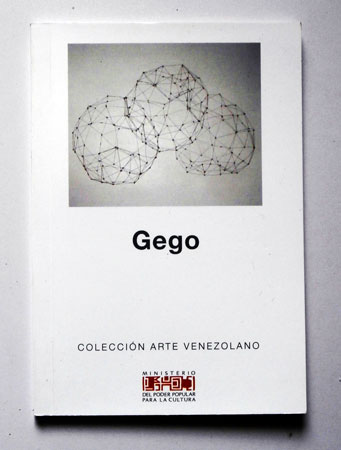
Gego (Gertrud Goldschmidt): Arquitectura del vacío, poética de la línea. Artistas venezolanos

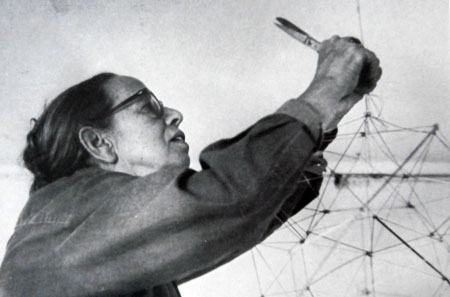
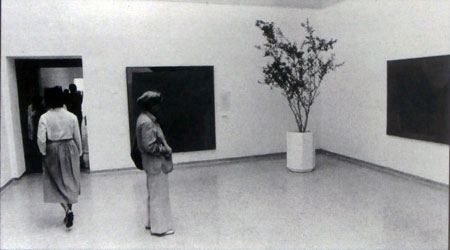
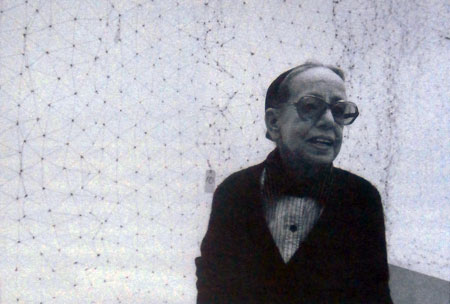
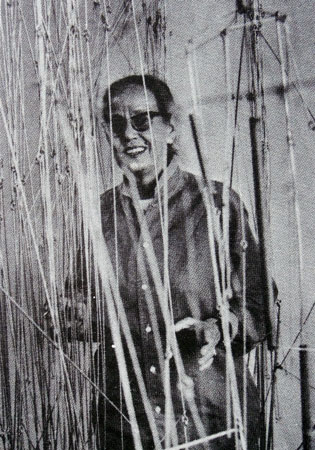
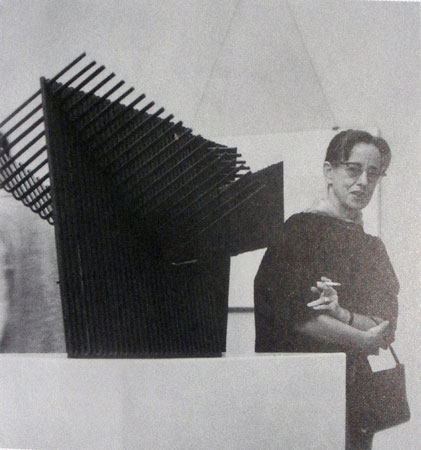
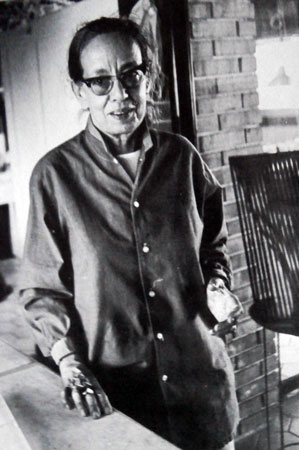
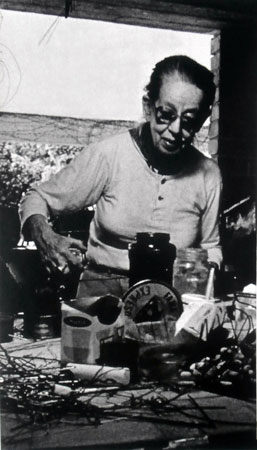
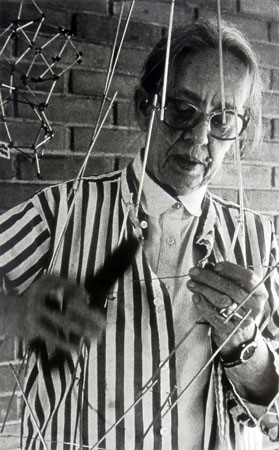
Gertrud Goldschmidt, conocida internacionalmente como Gego, es una de las figuras más singulares y profundas del arte moderno latinoamericano. Nacida en Hamburgo, Alemania, y radicada en Venezuela desde finales de los años treinta, Gego desarrolló una obra que transformó radicalmente la comprensión de la línea, el espacio y la estructura en el arte contemporáneo.

Formada como arquitecta en Stuttgart, su pensamiento visual nunca se desligó del rigor estructural. Sin embargo, su obra se aleja deliberadamente del objeto cerrado para entrar en una dimensión poética, inestable y abierta: una arquitectura del aire, donde la línea no delimita, sino que vibra.

De la arquitectura al espacio vivo

Gego no utilizó la geometría como sistema de orden, sino como campo de exploración. Su formación técnica le permitió dominar la estructura, pero su sensibilidad la llevó a subvertirla. Frente al legado rígido del constructivismo, Gego introdujo lo que ella misma denominó una “geometría sensible”: una estructura que respira, que se quiebra, que no se impone sino que se deja atravesar por la mirada.

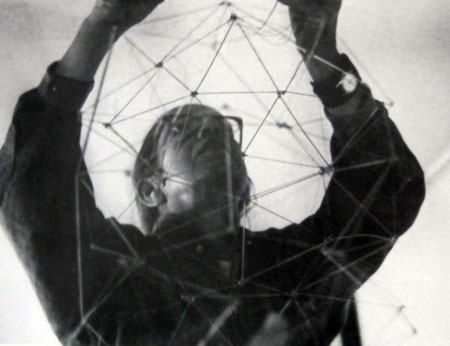
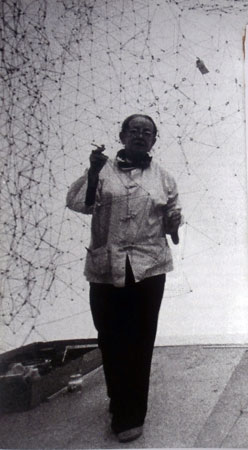
Sus famosas Reticuláreas —instalaciones compuestas por redes de alambre suspendidas en el espacio— no son esculturas en el sentido tradicional, sino dibujos tridimensionales que ocupan el aire. En ellas no existe un centro ni un límite; la obra es una trama infinita que se extiende en todas direcciones, como una metáfora del pensamiento y del tiempo.

La línea como pensamiento

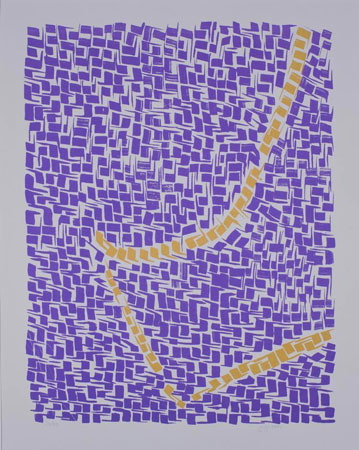
Para Gego, la línea no era un borde ni una frontera, sino una entidad viva. En su obra, la línea tiembla, se superpone, se entrelaza y se pierde. No encierra formas: las sugiere. No describe objetos: produce relaciones.

Esta concepción la separa del arte geométrico tradicional. Mientras la abstracción moderna buscaba la perfección, Gego introduce la fragilidad, el error, la inestabilidad. Cada retícula es distinta; ninguna es idéntica a otra. Como los vínculos humanos, como la memoria, como el lenguaje.

Retícula, cuerpo y ciudad

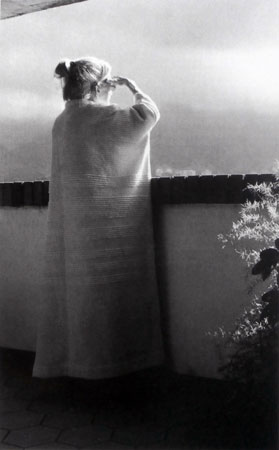
En obras como Contemplando la ciudad (1984), Gego conecta directamente sus estructuras con el paisaje urbano. La ciudad aparece como una red de tensiones invisibles: trayectorias, desplazamientos, superposiciones. La retícula deja de ser una forma abstracta y se convierte en un mapa emocional del habitar.

Sus estructuras no se miran desde afuera: se atraviesan. El espectador se convierte en parte de la obra, atrapado dentro de una arquitectura sin muros, donde el cuerpo dialoga con la transparencia.

Docencia y legado

Gego fue también una figura clave en la educación artística venezolana. Fue profesora de diseño en la Universidad Central de Venezuela y en el Instituto Neumann, influyendo decisivamente en generaciones de artistas, diseñadores y arquitectos.

Su pensamiento no separaba arte y vida, estructura y emoción, técnica y poesía. Para ella, crear era una forma de pensar el mundo.

Más allá de la escultura

Aunque suele clasificarse como escultora, Gego excede cualquier categoría. Su obra pertenece tanto al dibujo como a la arquitectura, tanto a la instalación como a la poesía visual. Es una artista del entre: entre lo sólido y lo invisible, entre lo matemático y lo orgánico, entre lo moderno y lo profundamente humano.

En una época dominada por certezas formales, Gego nos enseñó que la verdadera estructura no es la que encierra, sino la que conecta.

Gego hoy

A través de exposiciones, catálogos y la labor de la Fundación Gego, su obra continúa revelando una verdad esencial:
que el espacio no es vacío,
que la línea no es límite,
y que el arte, cuando es profundo, se convierte en una forma de pensar con el cuerpo.

VISU CONTEMPORARY PRESENTS DAVID LACHAPELLE EXHIBITION, “VANISHING ACT”

VISU CONTEMPORARY PRESENTS DAVID LACHAPELLE EXHIBITION, “VANISHING ACT”

VISU CONTEMPORARY PRESENTS DAVID LACHAPELLE EXHIBITION, “VANISHING ACT, ” NOVEMBER 29, 2025 – JANUARY 31, 2026

Miami Beach Art Gallery Unveils Exhibition, Including The World Premiere of New Work by Photographer David LaChapelle Exploring the Swiftly Shifting World We Inhabit, Where the Acceleration of Events Gives the Impression That Time Itself Races Forward Faster Each Day

VISU Contemporary Announces Its New Exhibition for 2025

VISU Contemporary announces its new exhibition for 2025 featuring works by internationally acclaimed photographer David LaChapelle.

The expansive presentation, titled “Vanishing Act,” curated by VISU Contemporary gallery owner Bruce Halpryn, will be on display from November 29, 2025, through January 31, 2026, and will feature over 30 significant photographs from the artist’s career, including the world premiere of 9 new works.

The free and public grand opening with David LaChapelle will be held on Friday, December 5, 2025, from 6–9 p.m., with additional press preview opportunities available earlier in the week.

LaChapelle, whose career spans over four decades, continues to confront the paradoxes of beauty and decay, artifice and authenticity, with a unique visual language that merges theatricality, spirituality, and social critique. “Vanishing Act” gathers landmark works from across his career alongside new and never-before-seen pieces that reflect the deepening urgency of his practice today.

Highlights of the Exhibition Include the World Premiere of the Following Works:

Will the World End in Fire, Will the World End in Ice (2025)
Over the past three decades, LaChapelle has explored the tension between nature and civilization through meticulously staged still-life photography. In series like Seismic Shift (2012) and Aristocracy (2014), he depicted symbols of wealth, flooded museums, and deserted private jets, undone by environmental or societal collapse.

This narrative evolved in Gas (2014), where overgrown forests reclaim abandoned fuel stations, and deepened with Spree (2019–2020), a haunting image of a cruise ship frozen in an arctic seascape. Inspired by Shackleton’s doomed expedition and the unchecked growth of the cruise industry, Spree eerily mirrored the onset of the global pandemic, completed just days before lockdowns and no-sail orders took effect.

In 2025, LaChapelle revisits this world in Will the World End in Fire, Will the World End in Ice, capturing the same vessel now illuminated by a haunting sun.

Negative Currency (1990–2025)
In this ongoing series, LaChapelle transforms global banknotes into glowing, negative icons that appear more like precious gems than instruments of commerce. Originally inspired by Andy Warhol’s One Dollar Bill (1962), the newest additions feature currencies from Cuba, Venezuela, and North Korea. These luminous new works highlight the tension between value and image, reminding us that societies, like individuals, must continually adapt in order to survive and reimagine value beyond the purely economic.

Other Works on Display Include:

Tower of Babel (2024)
Drawing from the biblical myth of hubris and disconnection, Tower of Babel presents a fragile human monument set against a digitally projected Los Angeles skyline. Constructed from handmade sets and populated by a diverse cast of figures, the work critiques the noise and fragmentation of modern digital culture. LaChapelle describes it as “a scene where everyone is speaking, but no one is listening.”

Sacred Figures Reimagined
Spirituality runs as a central thread throughout the exhibition, embodied in intimate and reverent tableaus like Annunciation (2019), Our Lady of the Flowers (2018), and The Sorrows (2021). In these works, LaChapelle reinterprets traditional Christian iconography through a contemporary lens.

A Selection of LaChapelle’s Classic and Seminal Works Will Also Be on View, Including:

  • Earth Laughs in Flowers (2008–2011) – Still life photographs inspired by Dutch Vanitas, reflecting on mortality and material culture.
  • Gas and Land SCAPE (2012–2014) – Surreal, futurescapes gas stations and oil refineries reclaimed by nature.
  • Biombos (1986–2017) – Stained glass panels of hand-painted negatives reflect on faith, loss, and transcendence.
  • For Men Will Be Lovers of Self & The Sorrows (2021) – A diptych of contemporary parables addressing vanity, vulnerability, and the search for grace.

“Vanishing Act” arrives at a moment of global uncertainty and cultural introspection. With his singular ability to create narratives that blend theatricality and intimacy, LaChapelle presents a visual archive of a world in flux, where beauty meets crisis, and spirituality finds space within the chaos.

The exhibition reflects on what we’ve built, what has disappeared, and what remains sacred.

“For a young gallery in Miami Beach to be presenting new, world-premiere works by David LaChapelle is nothing short of extraordinary,” said Bruce Halpryn, owner and curator of VISU Contemporary.
“Our mission has always been to showcase cutting-edge, thought-provoking art that resonates with today’s cultural pulse. To be one of two galleries representing LaChapelle’s work in the Americas is a tremendous honor, and speaks to Miami’s growing stature as an art world capital.”

LaChapelle will be available for select press interviews in person at the gallery from Wednesday, December 3, through Saturday, December 6, with virtual opportunities available before, during, and post Miami Art Week.

About David LaChapelle

David LaChapelle is an American photographer and filmmaker known for his iconic portraits, surrealist tableaux, and visionary fine art photography.

LaChapelle was born in Connecticut in 1963 and attended high school at the North Carolina School of The Arts. Originally enrolled as a painter, he developed an analogue technique by hand-painting his own negatives to achieve a sublime spectrum of color before processing his film.

At age seventeen, LaChapelle moved to New York City. Following his first photography show at Gallery 303, he was hired by Andy Warhol to work at Interview Magazine.

Through his mastery of color, unique composition, and imaginative narratives, LaChapelle began to expand the genre of photography. His staged tableau, portrait, and still life works challenged devices of traditional photography, and his work quickly gained international interest.

By 1997, The New York Times predicted, “LaChapelle is certain to influence the work of a new generation…in the same way that Mr. Avedon pioneered so much of what is familiar today.”

In the decades since, LaChapelle has become one of the most published photographers throughout the world, with an anthology of books including LaChapelle Land (1996), Hotel LaChapelle (1999), Heaven to Hell (2006), Lost & Found, and Good News (2017).

Simultaneously, his work has expanded into music video, film, and stage projects. His 2005 feature film Rize was released theatrically in 17 countries. Many of his still and film works have become iconic archetypes of America in the 21st Century.

LaChapelle has photographed some of the most recognizable figures in film, music, art, politics, and sports, including Aaliyah, Alicia Keys, Amy Winehouse, Andy Warhol, Angelina Jolie, Anna Kournikova, Anna Nicole Smith, Avicii, Britney Spears, Canelo Álvarez, Charli XCX, Cher, Christina Aguilera, Courtney Love, David Beckham, David Bowie, David Byrne, David Hockney, Dennis Hopper, Diana Damrau, Doja Cat, Dolly Parton, Drew Barrymore, Dua Lipa, Eartha Kitt, Elizabeth Taylor, Elton John, Eminem, Faye Dunaway, Gisele, Gloria Estefan, Hillary Clinton, Ice Spice, Jackie Chan, Janet Jackson, Jeff Koons, Julian Assange, Kanye West, Kehinde Wiley, Keke Palmer, Kim Kardashian, Lady Gaga, Lana Del Rey, Lance Armstrong, Leonardo DiCaprio, Lil’ Kim, Liza Minnelli, Lizzo, Madonna, Marc Anthony, Mariah Carey, Marilyn Manson, Mary J. Blige, Michael Jackson, Miley Cyrus, Muhammed Ali, Naomi Campbell, Nicki Minaj, Pamela Anderson, Paris Hilton, Ricky Martin, Rita Ora, Sade, Sabrina Carpenter, Serena Williams, Snoop Dogg, Sofia Coppola, Stevie Nicks, The Weeknd, Travis Scott, Tupac Shakur, Uma Thurman, Whitney Houston, and many others.

In the fall of 2023, LaChapelle was honored with the “Lorenzo il Magnifico” Lifetime Achievement Award at the XIV Florence Biennale.

Over the past 40 years, LaChapelle has exhibited internationally in galleries and museums including:

  • National Portrait Gallery (London)
  • Musée de Monnaie (Paris)
  • Barbican Centre (London)
  • Victoria and Albert Museum (London)
  • Tel Aviv Museum of Art
  • Musée D’Orsay (Paris)
  • Groninger Museum (The Netherlands)
  • Palazzo delle Esposizioni (Rome)
  • Palazzo Reale (Milano)
  • National Portrait Gallery (Washington D.C.)
  • Casa dei Tre Oci (Venice)
  • La Venaria Reale (Turin)
  • MUDEC (Milan)
  • Fotografiska (New York)
  • Salone Degli Incanti (Trieste)
  • North Carolina Museum of Art

For more information, visit davidlachapelle.com or follow on Instagram @david_lachapelle.

“The still image stops time.” – David LaChapelle


About VISU Contemporary

Established in 2022, VISU Contemporary is where South Beach’s vibrant energy meets the evolving edge of contemporary art. Founded with a sharp curatorial vision, the gallery is a space for artists who challenge form, narrative, and material — from internationally recognized names to rising talents whose work resonates with today’s cultural pulse.

VISU Contemporary has exhibited bold, provocative voices such as David LaChapelle, Tyler Shields, Amber Cowan, Dustin Yellin, Barry Ball, Tamary Kudita, Rose Marie Cromwell, and others whose practices blur the lines between photography, sculpture, painting, and new media.

The gallery is especially drawn to artists who experiment with material — glass, metal, stone, painting, and beyond — pushing the boundaries of contemporary surrealism, abstraction, and conceptual art.

More than just a gallery, VISU is a platform. Located in the heart of South Beach, it serves as a cultural connector — a place where collectors, curators, and curious minds converge to experience art that is as thought-provoking as it is visually arresting.

For more information, visit visugallery.com or follow on Instagram @visu.gallery.

Ancestral Lines Exhibition in conjunction with FAMA

Ancestral Lines Exhibition in conjunction with FAMA

Ancestral Lines Exhibition in conjunction with FAMA

The Coral Springs Museum of Art opened its Ancestral Lines exhibition on April 4, 2025, in collaboration with the Fiber Artists Miami Association (FAMA), showcasing more than 60 original fiber artworks that delve into ancestry, cultural memory, and personal heritage. The exhibition invites viewers to reflect on how traditions are inherited, honored, and transformed through time through the tactile power of textile art.

Installed across the museum’s Main and East galleries, Ancestral Lines features a wide range of techniques — including weaving, embroidery, mixed-media textiles, and installation work — created by members of FAMA, a collective committed to advancing contemporary textile art. The show explores each artist’s unique connection to their lineage, often addressing themes of identity, memory, and the emotional resonance of familial traditions.

The exhibition was curated by Juliana Forero, Director of the Coral Springs Museum of Art, who developed the theme by engaging with the artists’ personal histories and uncovering the deeper significance behind their works. Forero’s own immigrant experience informed her approach, emphasizing the ways in which artistic practice can reconnect individuals to their roots.

Many of the participating artists have used their work to bridge gaps between generations, cultures, and experiences. While the museum does not publish a complete list of all contributors, a few of the artists whose work and involvement are noted through the exhibition and related events include Evelyn Politzer, a FAMA co-founder and fiber artist whose practice centers on yarn, thread, and fabric; and Fonteyne Art, whose installation Inherited Ties reflects a deeply personal engagement with cultural heritage.

Ancestral Lines also included interactive components — such as an immersive weaving activity facilitated by FAMA — and performance elements like a textile-based interpretive piece by Rosa dos Ventos, presented during the opening reception. The opening marked not only the debut of the exhibition, but also celebrated the fifth anniversary of FAMA, highlighting the growth of the organization from its origins during the pandemic into a group of hundreds of practicing fiber artists.

The stories behind the works are as diverse as the techniques themselves. Some artists revisited traditions learned in childhood or documented through research, while others used textile media to address broader themes of memory, loss, and belonging. The collective result is a multi-layered narrative that underscores how textiles can embody both emotional resonance and cultural history within the simple act of thread and fabric.

Ancestral Lines remains on view through July 5, 2025, offering visitors the opportunity to engage with more than 60 original pieces that illuminate the many ways heritage is woven into contemporary artistic practice.

The Eye, The Lens, The Story

The Eye, The Lens, The Story

The Eye, The Lens, The Story is our first all photography based exhibition at The CAMP Gallery. Featuring works from: Xan Padron, Marisa S. White, Naomi White, Remijin Camping, Natalie Obermaier, Rosana Machado Rodriguez, Alice de Kruijs, and Carol Erb the exhibition focuses on what has caught the eye of these artists. Divided by subject the exhibition will look at landscape and architectural photography, portraiture and objects while focusing on the moment of the image and what it can suggest. The eye of the photographer is, naturally, paramount to the art of photography. The artist strives to capture what is unique, but also familiar often reporting back to the viewer where we are in the present.
Starting with Xan Padron, his work focuses on streets across the globe showing the passage of time against the immobility of architecture. Many things are happening, simultaneously in the frozen image – elements of life, commuting, crossing paths, and the travel of time. The works question much about life, one thing being is how many nameless faces one encounters in a day, and how interestingly those encounters often become a distraction to the day, and sometimes an almost insistent rejection of community. Marisa S. White, known for her unique eye ‘weaves’ unexpected images into one composition guiding the viewer to look outside of the ordinary and to delve into the imagined. Her works also fill in voids of expression as they offer alternative views on the mundane, replacing that with what can be considered as imagination reawakening the sometimes banality of life. Naomi White, often focuses her attention towards the environment but on occasion turns her eye towards the individual and the intimate. In the selection of works included in this exhibition, White tempts us to look closely at the compositions her small works have orchestrated inviting an almost voyeuristic approach. RemiJin Camping, based in Miami works in many photographic applications exploring what often seems like layers on her topic. For her works in this exhibition, the subject is nature – but not the nature we encounter, but the nature she creates. Through different processes she sharpens her image and focuses on an unexpected encounter between the object, herself, and the viewer. Seeing this series of works as an expression of life, and that brings what we least expect, so too do these images – bring forth a perspective very much unexpected.
Natalie Obermaier through layers and strips presents her works for the exhibition as collages – hand woven ones, at that adding a new approach to representations of women under the cloak of fashion. What becomes interesting, considering the above is the layers not just of the work, but the symbolism at its root. Considering the plastering of an image upon someone, wether through fashion or adaptation to ones environment, or circle, Obermaier enhances this by suggesting there is more than the surface. It is the culmination of all the layers of an individual that make a person and therefore her work asks for acceptance for all that one is – the good, the bad, the beautiful, the unknown. Rosana Machado Rodriquez prints her images on textiles and embroideries faces into the composition exploring the ‘intersection of nature, memory and shared experiences.’ In so doing, she highlights the connection between nature and the individual arguing the dependence of both on the other, the protection offered by both, and subtly suggests the destructive quality of both humankind and nature, with one caveat – nature destroys to to regenerate, humans destroy to control and erase. The idea of this erasure is also seen in the ‘ghost like’ portraits, or memories stitched on the works showing the temporal quality of all life. Alice De Kruijs, also focuses on the small and intimate and presents works swirling in the mystical of foreign cultures and enhances this experience with twists and jumbles of threads, adding to the layers, exoticism and erotic. In some instances apparently hiding the faces of her subjects, De Kruijs, compels one to imagine, and in so doing, on one hand reinforces the exotic, but also criticizes this tendency as reductive of self.
Lastly, Carol Erb looks at architecture, and the angles and shadows edged by light. Looking towards a romanticized landscape Erb’s works herald in a warm invitation to explore the landscapes she sees as though just discovered. Through her work one is able to imagine what once was, what could be and what still remains, wrapping different stories throughout each piece.

Page 27 of 277
1 25 26 27 28 29 277