Home Blog Page 18

Comprehensive Guide to Artist Materials and Methods: A Modern Educational Resource

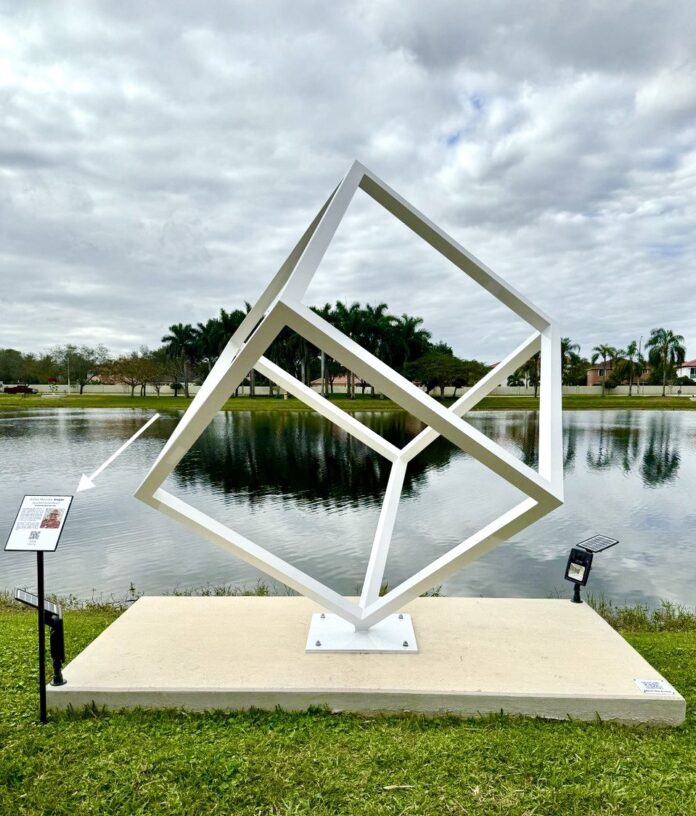
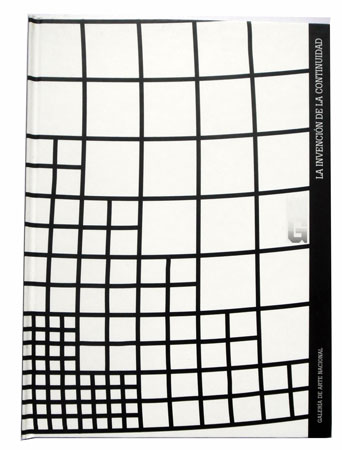
Gego (Gertrud Goldschmidt)

Comprehensive Guide to Artist Materials and Methods: A Modern Educational Resource

Introduction

For artists seeking to master the technical foundations of their craft, understanding materials and methods is essential. A comprehensive instructional series has emerged as a modern equivalent to the classic “Artist’s Handbook,” offering detailed instruction on surfaces, tools, and materials used in contemporary art making. This educational resource breaks down complex technical processes into three distinct volumes, each focusing on crucial aspects of artistic practice.

Volume 1: Surfaces and Grounds

The first volume addresses the fundamental question of surface preparation, covering everything from traditional canvas to unconventional supports. According to the materials covered, artists learn proper preparation techniques and creative texturing methods for diverse surfaces.

Canvas Preparation

The instructional content includes step-by-step demonstrations on several canvas-related techniques:

  • Stretching paper for painting
  • Applying canvas to stretcher bars
  • Adhering canvas to wooden supports

Alternative Surfaces

Beyond traditional canvas, the volume explores numerous surface options including:

  • Wood panels and their proper preparation
  • Metal surfaces
  • Layered constructs
  • Custom-cut panels
  • Engraved surfaces
  • Inlaid constructs
  • Paper substrates
  • Illustration board

Complex Formats

The instruction covers creating diptychs (two-panel works) and triptychs (three-panel works), addressing the unique considerations these formats require.

Volume 2: Brushes and Tools

This volume provides an extensive examination of the implements artists use to create their work, covering both conventional and specialized equipment.

Brush Selection and Care

Practical concerns addressed include traditional brush types and their applications, custom brush options, proper brush washing techniques, and brush maintenance for longevity.

Studio Equipment

Various tools and equipment are investigated, helping artists understand which tools produce specific textures, appropriate palette selection, and studio equipment essentials. The comprehensive approach ensures artists can make informed decisions based on their individual artistic requirements and working methods.

Volume 3: Pigments, Mediums, and Varnishes

This volume deconstructs the chemical and physical properties of painting materials, providing clarity on products that often confuse beginning and intermediate artists.

Painting Pigments

The instructional material covers pigments across multiple binders: oil-based pigments, water-based pigments, and pigment characteristics and properties.

Mediums and Additives

Artists learn about the various substances that modify paint behavior, including different medium types and their effects, additives and their specific functions, and how mediums interact with different pigment types.

Varnishing Techniques

Proper finishing techniques receive detailed attention, including varnish types and their applications, correct varnishing procedures, and when and how to apply protective coatings.

Educational Purpose and Approach

This instructional series serves as an educational resource designed specifically for contemporary artists. Unlike historical manuals that may contain outdated information or materials no longer in common use, this modern approach addresses current materials and techniques while maintaining rigorous technical standards.

The comprehensive nature of the series—covering surfaces, tools, and materials in separate volumes—allows artists to focus on specific areas of interest or work through the entire curriculum systematically. The demonstrations and explanations offer accessible ways to understand complex technical processes.

Conclusion

Understanding materials and methods forms the foundation of skilled artistic practice. This three-volume series provides contemporary artists with the technical knowledge needed to make informed decisions about surfaces, tools, and materials. From surface preparation to final varnishing, the comprehensive coverage ensures artists at various skill levels can develop or refine their technical proficiency.

Whether an artist works in traditional formats or explores unconventional approaches, this educational resource offers practical guidance grounded in demonstrated techniques. By demystifying the technical aspects of art making—from why certain mediums behave as they do to how different surfaces accept paint—the series empowers artists to work with confidence and intention.


Note: This article is based on the descriptive information provided about the instructional series. For specific techniques, measurements, or detailed procedures, artists should consult the actual content directly.

Art Material Brands

Art Supply Brands

3M
A. Gallo
Acrylicos Vallejo
Akashiya
Akua
Ampersand
Amsterdam
Aqua Art
Ara
Arcare
Arches
Aristo
Arta
Art-K
Arteina
Artfix
Artograph
Artools
Art Pakk
Art Spectrum
Atelier
Awagami Factory
Baohong
Belle Arti
BFK Rives
B.I.G. Etching Ground
Big Squeeze
Biyomap
Blockx
Blue Earth
Bob Ross
Bockingford
Borciani e Bonazzi
Bostik
Bristle Magic
Brush and Pencil
Brush Flush
Brusho
Bruynzeel
Canaletto
Canson
Cappelletto
Caran d’Ache
Centropen
Charbonnel
Charvin
Chelsea Classical Studio
Chris Daunt
Chroma
Claessens
Clairefontaine
Clearprint
Cloverleaf
Coates
Cobra
Cold Wax Academy
Coliro
Color Wheel Company
Colorist
Colour Shapers
Connoisseur
Conté à Paris
Copic Markers
Cornelissen
Corri Cor
Cranfield
Cre8
Crescent
Cretacolor
CWR
Da Vinci
Daler-Rowney
Daniel Smith
DAS
Daylight Company
Derivan
Derwent
Diane Townsend
Dr. Ph. Martin’s
Dynasty
EC Lyons
Eli-Chem Resins
Escoda
Essdee
Etchr
Evo-Stik
Faber-Castell
Fabriano
Fimo
Fleur
Flexcut
Flexitable
Fome
Frank Herring
Frazer Price
Fredrix
Frisket Film
Gamblin
Gatorfoam
Gelli Plate
General Pencil Company
Giotto
Golden
Goldline
Grafix
Hahnemühle
Hand Book Journal Company
Handover
Hanco
Heritage
Higgins
Hightide
Holbein
Iceflow
Inscribe
Isabey
Isaro
IUILE
Jackson’s
Jackman’s Art Materials
Jacquard
Jakar
Jo Sonja’s
Jullian
Kaweco
Keba
Khadi
Kiss-Off
Kleenedge
Kiwo
Koh-I-Noor
Korn’s
Kremer
Krylon
KUM
Kuretake
Lambeth
Lascaux
Lawrence
Lefranc Bourgeois
Legion
Lenox
Leuchtturm1917
Lion
Liquitex
Liz Deakin
Logan
Loxley
Lukas
Lutea
LuxArchival
Lyra
M+R
M. Graham & Co
Mabef
Magic Color
Magnani 1404
Maimeri
Makers Cabinet
Manetti
Manuscript
Mapac
Marabu
Masters
Masterson
Matisse
Maximair
Michael Harding
Mijello
Milan
Millford
Milliput
Mod Podge
Moleskine
Molotow
Montana
Mount Vision
Multimedia Artboard
Mylar
Native Lighting
Natural Earth Paint
New Wave
Nitram
Norfolk
Old Holland
Omega
One Shot
Palomino
Panart
PanPastel
Pebeo
Peg and Awl
Pelikan
Pentel
Permaset
Pfeil
Pilot
Pink Pig
Pith
Plaster Cast
Pooki Press
Portable Painter
Posca
Princeton
Pro Arte
R&F
Raphaël
Rapid
Rembrandt
Renaissance Workshop Materials
Revere Platinum
RGM
Rhodia
Richeson
R. K. Burt
Roberson
Rohrer & Klingner
Roman Szmal
Rosa
Rosemary & Co
Rotring
Royal & Langnickel
Royal Talens
Royal Watercolour Society
RTF Granville
Sakura
Saral
Saunders Waterford
Schmincke
Schneider
Seawhite
Sekisui
Sennelier
Sharpie
ShinHan
Shiva
Silver Brush
Sinopia
Slama
Snowdon
Somerset
SpectraFix
Spectrum Noir
Speedball
Stabilo
Staedtler
Stanley
St Cuthberts Mill
Stillman & Birn
Stonehenge
Strathmore
Studio Designs
Studio Essentials
Surrey
Swann Morton
System3
Tacwise
Ternes Burton
Terry Ludwig Pastels
Tervakoski
The Masters
Tintoretto
Tombow
Tom Norton
TotalCast
Toucan
Traveler’s Company
Tri-Art
True Grain
TubeWringer
Turner Colour Works
UART
UHU
Uni-Ball
Union
Unison Colour
Van Gogh
Viarco ArtGraf
Vistaplan
Waterside Designs
Weber
West
William Mitchell Calligraphy
Williamsburg
Willow Wolfe
Winsor & Newton
Woodzilla
Wolff’s
ystudio
Yupo
Zecchi
Zieler

Regina Durante Jestrow: Solo Show – Curious Geometries – Miami International Airport

Regina Durante Jestrow

Regina Durante Jestrow: Solo Show – Curious Geometries – Miami International Airport

Between Tradition and Innovation: Regina Durante Jestrow’s “Curious Geometries” at Miami International Airport

  • Miami International Airport – Gate D31 – 2100 Northwest 42nd Avenue Miami, FL, 33142 United States

A Textile Exhibition in Transit Space

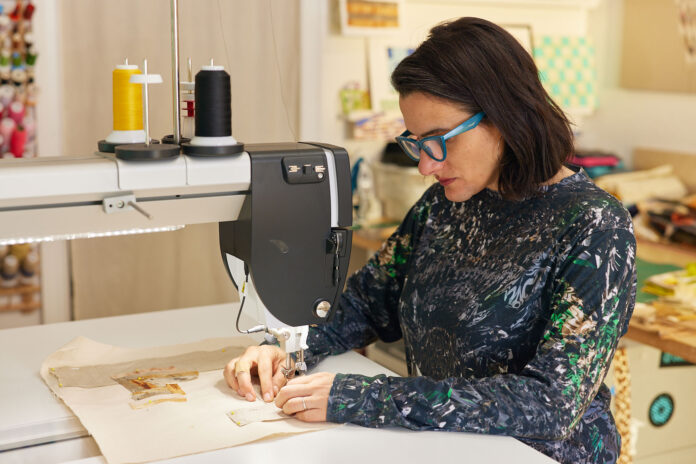
Running from September 18, 2025, through March 9, 2026, at Miami International Airport’s Gates D31 Gallery, Curious Geometries transforms a liminal space of perpetual motion into an unexpected site of contemplation. Regina Durante Jestrow’s exhibition of large-scale sewn and quilted artworks occupies Concourse D, post-security—a location that positions art within the daily flow of thousands of travelers. This institutional choice by MIA Galleries proves remarkably astute, as Jestrow’s work speaks directly to themes of movement, layering, and the collision of cultural narratives that airports inherently embody.

The Quilting Continuum: Craft, Activism, and Contemporary Practice

Jestrow’s artistic lineage is both deeply rooted and deliberately progressive. Her work exists in conversation with the legendary Gee’s Bend quilters, whose improvisational geometric compositions have been recognized as significant contributions to American abstract art. The influence of mid-twentieth-century textile innovator Anni Albers—who elevated weaving to the realm of fine art at the Bauhaus and Black Mountain College—resonates in Jestrow’s commitment to material experimentation and structural rigor. Additionally, the artist acknowledges Rosie Lee Tompkins, whose explosive color sensibility and spiritual intensity redefined contemporary quilting, and Venezuelan sculptor Gego, whose linear abstractions in metal share surprising kinship with Jestrow’s sewn geometries.

This constellation of influences positions Jestrow within a crucial lineage of artists who have challenged hierarchies separating craft from fine art, domestic labor from intellectual production, and feminine traditions from the masculine-dominated canon of geometric abstraction.

Material Culture and Urban Ecology

What distinguishes Curious Geometries from purely formal exercises in pattern-making is Jestrow’s profound engagement with material culture and place-specificity. The artist sources repurposed fabrics from throughout Miami, including—in a gesture both practical and conceptually resonant—from Miami International Airport’s Interior Design Department itself. This self-referential loop transforms the exhibition site into both venue and collaborator, as materials that once functioned within the airport’s infrastructure return as art objects for contemplation.

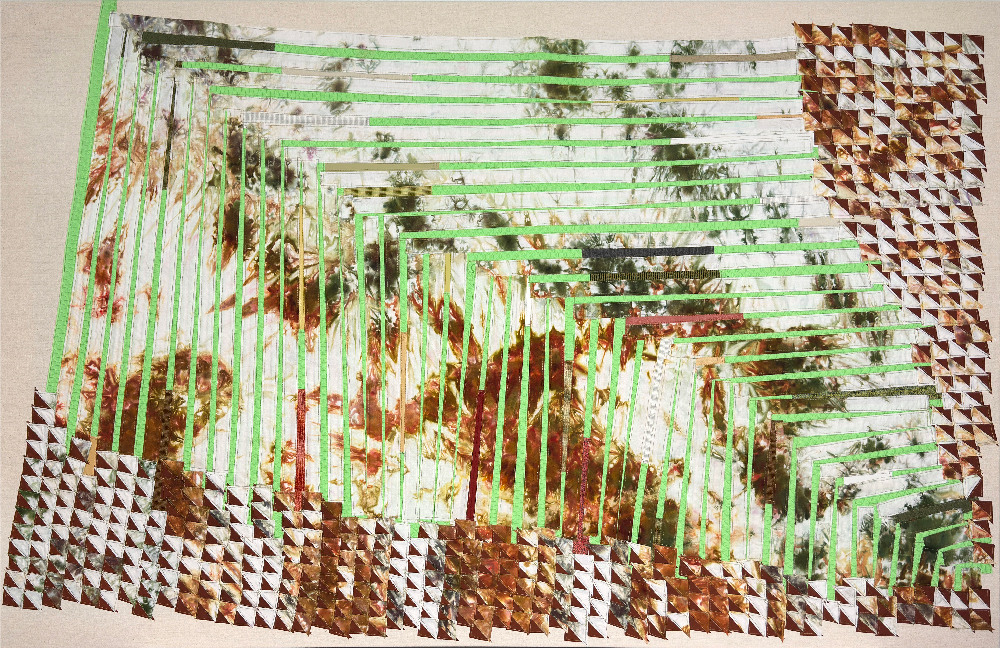
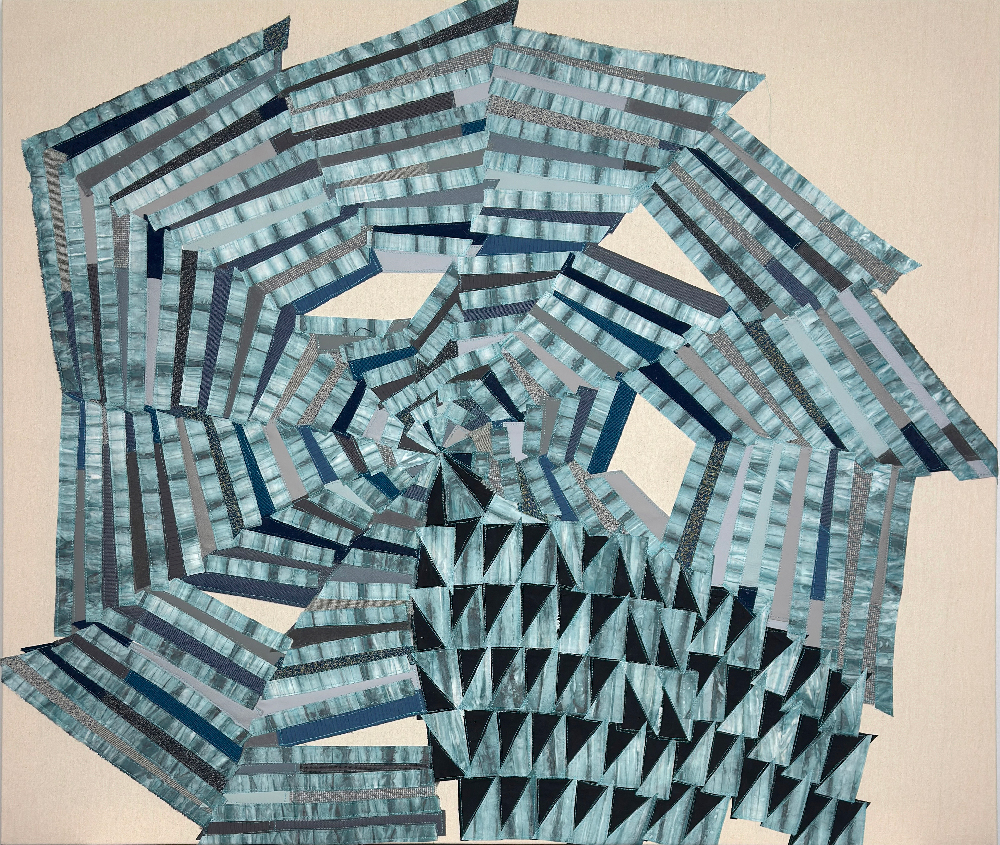
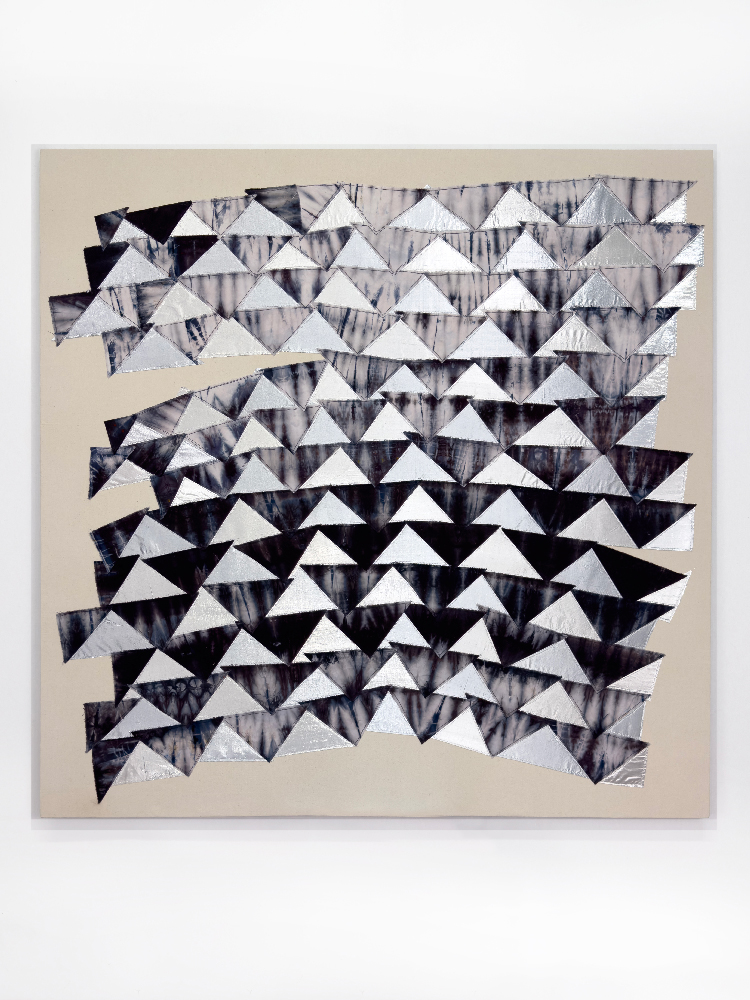
The Italian-American artist, who relocated to Miami from Queens, New York, demonstrates a sophisticated understanding of her adopted city’s layered ecologies and multicultural textures. Her vibrant color palettes—described as tropical and bold—reflect Miami’s specific light, architecture, and cultural vibrancy. The incorporation of unconventional materials including repurposed neoprene, sequins, and faux leather offers what the artist describes as “part homage to Miami’s pop culture pulse, part playful experimentation with texture and shine.”

Technical Innovation and Improvisational Precision

Jestrow’s technical methodology merges precision with improvisation, structure with spontaneity. She constructs her textile-based works by stitching together long fabric strips and hundreds of triangles, employing repetition as both formal strategy and meditative practice. Her process incorporates hand-dyeing techniques using natural and reactive dyes, inks, and acrylics, creating richly varied surfaces that carry both personal and cultural resonance.

The exhibition includes stretched compositions—works pulled taut across canvas stretchers that read as paintings from a distance—and free-form art quilts that hang with the fluid dimensionality inherent to unstretched fabric. This format variation creates visual dialogue between containment and freedom, between the pictorial tradition of stretched canvas and the sculptural qualities of textile arts.

Aerial Perspectives and Pattern as Place

One of the exhibition’s most compelling conceptual dimensions emerges in the relationship between Jestrow’s geometric patterns and aerial views. For travelers moving through an airport—people who will soon view cities and landscapes from above—the works offer patterns that “mimic aerial views,” transforming abstract geometry into cartographic suggestion. The irregular, organic relationships between geometry and gesture that characterize the series evoke both urban grids and natural formations, the planned and the spontaneous, the mapped and the wild.

This tension between structure and flow runs throughout the exhibition. Jestrow’s compositions pulse with energy, their accumulations and repetitions creating rhythm that echoes both urban patterns and natural systems. The artist’s statement that her work explores “the irregular, organic, and often playful relationships between geometry and gesture” proves evident in pieces that refuse the rigidity of pure geometric abstraction while maintaining clear structural intelligence.

Activist Traditions and Contemporary Concerns

Jestrow’s practice engages seriously with the activist values that historically shaped quilt-making traditions. From abolitionist-era quilts that may have served as Underground Railroad signals to the AIDS Memorial Quilt that transformed collective grief into public testimony, quilting has functioned as a medium for social commentary and community building. The artist’s incorporation of thrift shop finds and repurposed clothing addresses contemporary concerns about textile waste—an industry responsible for massive environmental impact.

Her artistic exploration is explicitly rooted in women’s rights and history, acknowledging the generations of women whose creative labor in textile arts was dismissed as mere craft or domestic necessity. By exhibiting large-scale textile works in a major public art venue, Jestrow participates in the ongoing project of validating women’s creative traditions within institutional contexts historically reserved for painting and sculpture.

The Exhibition in Context: Public Art and the Traveling Audience

MIA Galleries’ presentation of Curious Geometries at Gate D31 represents a sophisticated understanding of airport art programming. Unlike static museum audiences who choose to engage with specific exhibitions, airport viewers encounter art during transitional moments—often stressed, distracted, or preoccupied with travel logistics. Jestrow’s work proves ideally suited to this context: visually arresting enough to capture attention amid environmental chaos, yet layered with sufficient complexity to reward sustained contemplation for those with time before boarding.

The exhibition includes more than a dozen pieces, most created in 2025, combined with selected earlier works from 2020-2022. This chronological range allows viewers to perceive Jestrow’s evolving relationship with patterns, textures, colors, and shapes—her consistent interrogation of geometry rendered “always curious,” as exhibition materials note.

Career Trajectory and Institutional Recognition

Born in 1978, Jestrow has built an impressive exhibition record that demonstrates growing institutional recognition of her work. Recent solo projects include “Everything Mixing Always” at Baker-Hall (2025) and “Lots of Little Pieces (aka My Favorite Color is Glitter)” at Miami-Dade College Kendall Gallery (2025). Her work has entered significant public and private collections including the Beth Rudin DeWoody Collection, the Miami-Dade County Department of Cultural Affairs, and Miami International Airport’s MIA Galleries.

The artist has received numerous grants and awards, including the South Florida Cultural Consortium award (2023), multiple Miami Individual Artists (MIA) Grants (2022-2025), The Ellies Visual Arts Award from Oolite Arts (2021), and Artist Access Grants from Miami-Dade County and FUNdarte (2021-2025). Her residencies at The Sam and Adele Golden Foundation (2024), The Jentel Foundation (2022), and as Artist in Residence in the Everglades (2014) have provided crucial time and space for experimentation and development.

Fiber as Paint, Pattern as Narration

The exhibition materials note that in Curious Geometries, “fiber mimics paint”—a crucial observation about Jestrow’s relationship to art historical traditions. Her stretched compositions employ textile techniques to achieve effects associated with painting: color field interactions, compositional balance, gestural energy. Yet the works simultaneously assert their textile identity through visible stitching, fabric texture, and dimensional layering impossible in traditional painting.

This productive ambiguity—the way Jestrow’s works oscillate between categories—enacts the exhibition’s stated goal of spaces “where the boundaries between craft and fine art quietly unravel.” The qualifier “quietly” proves significant; this is not aggressive boundary-dissolution but rather a gentle, confident assertion that such boundaries need not exist, that quilting can operate as fully within the realm of contemporary abstract art as any painted canvas.

Conclusion: Contemplation in Transit

Curious Geometries succeeds on multiple registers: as formal investigation of geometric abstraction, as engagement with textile traditions and innovations, as site-specific response to Miami’s cultural ecology, and as intervention in the utilitarian space of airport infrastructure. For the hurried traveler, the works offer moments of visual pleasure and unexpected pause. For those with time to contemplate, they reveal sophisticated material intelligence, historical consciousness, and conceptual depth.

Regina Durante Jestrow’s exhibition demonstrates that quilting—often dismissed as domestic craft—can carry the full weight of contemporary art discourse while maintaining connections to activist traditions and community practices. In an airport, a space defined by departures and arrivals, her works create what the exhibition description aptly terms “a site of contemplation and curiosity”—a space where pattern and material collide with memory, where personal and collective histories accumulate into something both structurally rigorous and emotionally resonant.

As fiber mimics paint and handmade patterns suggest aerial views, Jestrow’s Curious Geometries invites us to reconsider both what quilting can be and where serious contemporary art can meaningfully exist. The answer, it turns out, might just be Gate D31, Concourse D, where travelers pause between destinations and discover that the boundaries we draw around art forms are as permeable and improvisational as Jestrow’s vibrant geometric compositions.

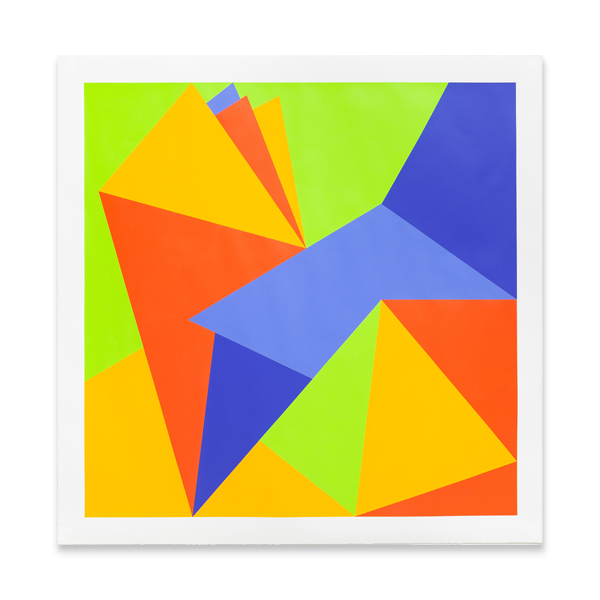
KAREN RIFAS: paper. color. lines.

Karen Rifas
Karen Rifas

2020
acrylic on Arches 140lb hot pressed paper
45 x 45 inches
114.3 x 114.3 cm

KAREN RIFAS: paper. color. lines.

Save The Date

OPENING RECEPTION

Friday, February 6, 2026 | 5-9pm

LnS Gallery is delighted to present paper. color. lines, an exhibition of acrylic on paper paintings produced by Karen Rifas over a decade of persistence, charting a sustained investigation into geometry, structure, and color.
Paper, a medium that admits no erasure or disguise, has long been associated with material honesty, a quality that allows Rifas to use this arena as a site of investigation rather than a preparatory space. Utilizing chromatic tension, shifting scales and a keen sense of balance, Rifas composes complete works of art within a draftsman’s arena, where the white space of the paper is animated, or subdued, by it’s kaleidoscopic counterparts. 
Join us for an opening reception Friday, February 6, 2026, from 5:00 to 9:00pm in the presence of the artist. Refreshments will be served. Please feel free to contact the gallery for further inquiry.

Known for a bold body of work centered on studies of geometry, form, & color, Karen Rifas (b. 1942, Chicago, IL) brings contemplative works to her viewers that question the delicate balance between the made & the discovered. Informed by her surroundings, Rifas has documented the constant flux of Miami (among other destinations of inspiration) through a visual language backed by mathematical precision finished with unexpected palettes that evoke a sense of serenity. In the words of the artist, “My work serves as an illusion for a delusional era. In a world overwhelmed by noise… I find refuge in a surreal yet structured realm of color, line, and form.”

Rifas received a BFA and MFA from the University of Miami (1985, 1987 respectively) and steadily made her mark on the national & international art scenes, having consistently exhibited across both from the late 1980’s onward. From solo & group exhibitions, public art projects, and distinguished collections alike, Rifas has accumulated an extensive curriculum.

Notable solo exhibitions include Defining Spaces: Selections from the Karen Rifas Papers, in 2019 (Dimensions Variable, Miami, FL) To Weave a Threshold, and Miami to Maine, in 2022 and 2025 (Emerson Dorsch Gallery, Miami, FL). Parallelly, she has exhibited in group exhibitions such as Artful Books, in 2021 (curated by Barbara Young at the Museum of Art and Sciences, Daytona Beach, FL) At the Edge, (Oolite Arts, Miami Beach, FL) and In the Company of Women: At Large, (LnS Gallery, Miami, FL) both in 2022.

Recent achievements include participation in the Oolite Arts Home + Away Residency at Mass MoCA (North Adams, MA), the Artist-in-Residence Program at the Deering Estate (Cutler Bay, FL), as well as receiving an Ellies Creator Award, and a commission for the Miami Dade Civil & Probate Courthouse titled “Building Blocks of Color,” by way of the Art In Public Places Initiative of Miami, FL (all 2025). Additionally, she received the prestigious Michael Richards Lifetime Achievement Award presented by Oolite Arts in 2019. Her work will also be featured with prominent placement in the upcoming publications, “That’s the Way I See it,” – an exploration on Miami’s public art by Robin Hill, and “Miami Art Boom,” an deep dive into the transition of Miami’s local vision to international presence by Elisa Turner.

Karen Rifas’s work resides in the permanent collections of The Bass Museum of Art (Miami Beach, FL), Perez Art Museum, Miami (Miami, FL), Museum of Contemporary Art (North Miami, FL), NSU Art Museum (Ft. Lauderdale, FL), and Museo de Arte de Ponce (Ponce, Puerto Rico).

LnS GALLERY
2610 SW 28th Lane, Miami FL 33133
305 781 6164
[email protected]
WWW.LNSGALLERY.COM

HOURS
Tuesday-Friday 11:00am-6:00pm
Saturday 12:00-5:00pm
Sunday and Monday by appointment

Artists

¿Qué es el arte?
¿Qué es el arte?

Es inspirador ver cómo el panorama del arte en Estados Unidos se está transformando, con la presencia de tantos curadores afroamericanos influyendo en las principales ferias y exposiciones. Cada uno de ellos trae una perspectiva única y está dejando una huella significativa en el mundo del arte. Aquí hay algo sobre cada uno:

Allison Glenn

Allison Glenn tiene una habilidad especial para desenterrar conexiones sutiles entre obras de arte que, a primera vista, podrían parecer dispares. Su curaduría a menudo revela narrativas ocultas y entrelaza piezas para crear una experiencia más rica y sorprendente para el espectador. Piensa en cómo su enfoque en el arte contemporáneo desafía las expectativas y abre nuevas conversaciones sobre la creatividad actual.

Yolanda Wisher

Yolanda Wisher, con su profundo conocimiento del arte de la palabra hablada, está redefiniendo cómo interactuamos con la poesía en el espacio museístico. Su trabajo en Philadelphia Contemporary es un recordatorio de que el arte no solo se mira, sino que se escucha y se vive, creando puentes entre la literatura, la performance y las artes visuales de una manera innovadora.

Adrienne Edwards

Adrienne Edwards es una visionaria en el campo del arte de la performance. Su trabajo en el Whitney Museum va más allá de la simple exhibición, buscando la intersección entre el cuerpo, el espacio y el tiempo. Ella tiene una capacidad única para transformar la galería en un escenario vivo, donde cada movimiento y cada sonido son una parte esencial de la experiencia artística.

Yesomi Umolu

Yesomi Umolu aporta una perspectiva global y una aguda sensibilidad espacial a la Bienal de Arquitectura de Chicago. Su trasfondo en diseño arquitectónico le permite curar exposiciones que no solo muestran edificios, sino que exploran cómo el entorno construido moldea nuestras vidas y percepciones, tejiendo narrativas complejas a través del espacio.

Erin J. Gilbert

Erin J. Gilbert está construyendo un puente hacia el pasado y el futuro a través de su trabajo en los Archivos de Arte Americano. Su misión de expandir la colección de manuscritos afroamericanos es fundamental para asegurar que las voces históricas de estos artistas no solo sean recordadas, sino que sigan inspirando a las generaciones venideras.

Rayna Andrews

Rayna Andrews, como archivista, es la guardiana silenciosa del legado. Su meticuloso trabajo de organización y catalogación no solo preserva la historia, sino que la hace accesible, permitiendo que las historias y obras de artistas afroamericanos emerjan con claridad y profundidad para académicos y el público en general.

Brittany Webb

Brittany Webb tiene la importante tarea de dar nueva vida al legado de John Rhoden. No solo está catalogando y exhibiendo su obra, sino que está creando un marco para que la escultura de Rhoden sea vista y comprendida por una audiencia más amplia, asegurando que su impacto resuene en el panorama artístico.

Zoé Whitley

Zoé Whitley es una curadora con una visión aguda para el arte internacional. Su papel en el Pabellón Británico de la Bienal de Venecia demuestra su capacidad para dar voz a artistas que desafían las convenciones y para presentar obras que invitan a una profunda reflexión sobre las identidades culturales y las narrativas globales en el arte contemporáneo.

Naima J. Keith

Naima J. Keith posee una habilidad innata para identificar y nutrir el talento emergente. Su doble rol en Prospect New Orleans y Expo Chicago subraya su compromiso con la vanguardia del arte, creando plataformas cruciales para que artistas y galerías incipientes muestren su visión y encuentren su lugar en el diálogo artístico global.

Diana Nawi

Diana Nawi, como co-curadora de Prospect New Orleans, se distingue por su enfoque innovador en exposiciones que trascienden los límites tradicionales del museo. Su trabajo a menudo invita a los artistas a interactuar con el paisaje urbano y social, convirtiendo la ciudad misma en una galería dinámica y en constante evolución.

Elvira Dyangani Ose

Elvira Dyangani Ose es una fuerza impulsora en The Showroom, empujando los límites de lo que el arte puede ser y hacer. Su liderazgo se centra en comisionar obras y programas que no solo exhiben talento, sino que también desafían las convenciones y fomentan una plataforma vibrante para el arte experimental y comprometido.

Juana Williams

Juana Williams es una curadora con una profunda conexión con la historia del arte y una visión fresca para el arte contemporáneo. Su trabajo en el Urban Institute for Contemporary Art promete traer exposiciones que no solo cautiven visualmente, sino que también enriquezcan nuestra comprensión de las contribuciones históricas y actuales de artistas.

Vera Grant

Vera Grant tiene una habilidad particular para entrelazar el arte moderno y contemporáneo con ricas narrativas culturales, especialmente las africanas y afroamericanas. En el Museo de Arte de la Universidad de Michigan, su liderazgo curatorial está forjando un espacio donde el arte dialoga con la historia, la identidad y la experiencia humana de manera profunda.

Kristina Newman-Scott

Kristina Newman-Scott es una líder en el campo de las artes que cree en el poder transformador de la cultura. Su dirección en BRIC, una organización que ofrece una vasta programación cultural gratuita, refleja su compromiso con la accesibilidad y la diversidad, llevando el arte a la comunidad de Brooklyn de una manera vibrante y multifacética.

Kelli Morgan

Kelli Morgan es una voz crítica en el estudio del arte americano, con una especialización en la historia de la raza. Su curaduría no solo presenta obras, sino que las contextualiza dentro de marcos históricos y sociales complejos, invitando a una relectura y un análisis más profundo de las narraciones visuales y sus implicaciones.

Ndubuisi C. Ezeluomba

Ndubuisi C. Ezeluomba aporta una perspectiva única y arraigada al arte africano, siendo originario de Benin City. Su profundo conocimiento de las tradiciones y la historia del continente le permite curar exposiciones en el Museo de Arte de Nueva Orleans que no solo muestran la belleza del arte africano, sino que también desvelan sus significados culturales y espirituales.

Jamillah James

Jamillah James tiene un ojo agudo para el arte emergente y desafiante, y su co-curaduría de la Trienal del New Museum es una prueba de ello. Su trabajo se enfoca en dar visibilidad a voces frescas y globales, construyendo un diálogo vital sobre las direcciones futuras del arte contemporáneo y sus ramificaciones culturales.

Margot Norton

Margot Norton, como co-curadora de la Trienal del New Museum, se distingue por su capacidad para identificar tendencias y artistas que están empujando los límites del arte contemporáneo a escala global. Su visión contribuye a crear una plataforma internacional que celebra la experimentación y el diálogo cultural.

V. Mitch McEwen

V. Mitch McEwen, con su doble rol como curadora de IdeasCity y profesora de arquitectura, teje el arte, el diseño y las ciudades en una conversación dinámica. Su enfoque en el futuro de los entornos urbanos, con la cultura como fuerza motriz, demuestra cómo el arte puede ser una herramienta para imaginar y construir realidades más inclusivas y sostenibles.

Larry Ossei-Mensah

Larry Ossei-Mensah es un curador que entiende el arte como una experiencia multidisciplinar. En el Museo de Arte Contemporáneo de Detroit, su enfoque expansivo busca entrelazar exposiciones, eventos en vivo y publicaciones, creando un ecosistema vibrante donde el arte no solo se exhibe, sino que se vive y se comparte con una comunidad diversa de creativos.

Legacy Russell

Legacy Russell es una curadora y escritora cuya obra se sumerge en las intersecciones de género, performance y nuevos medios. En el Studio Museum de Harlem, su visión explora cómo las narrativas digitales y las identidades fluidas están redefiniendo el arte contemporáneo, ofreciendo una perspectiva fresca y a menudo subversiva.

Akili Tommasino

Akili Tommasino, con su retorno al Museo de Bellas Artes de Boston en un nuevo rol, no solo aporta un conocimiento profundo del arte moderno y contemporáneo, sino también un compromiso con la diversidad y la inclusión. Su iniciativa para exponer a estudiantes de color al mundo del arte es un testimonio de su visión de un campo más equitativo y accesible.

Naomi Beckwith

Naomi Beckwith es una curadora con una capacidad excepcional para organizar exposiciones que no solo son visualmente impactantes, sino también profundamente resonantes en términos de contenido social y cultural. Su trabajo en el Museo de Arte Contemporáneo de Chicago, abordando temas complejos como la experiencia afroamericana, demuestra su compromiso con el arte como un vehículo para el diálogo y la reflexión.

N’Goné Fall

N’Goné Fall, como comisaria general de Season Africa 2020, es una figura central en la promoción de la cultura africana a nivel global. Su ambiciosa iniciativa busca presentar una visión del mundo desde la perspectiva africana, abarcando todas las disciplinas creativas y mostrando el dinamismo y la innovación del continente.

Jade Powers

Jade Powers está forjando un camino con un enfoque en la documentación y la interpretación del arte, especialmente de artistas afroamericanos. Su trabajo en el Kemper Museum, y previamente en el Saint Louis Art Museum, demuestra una dedicación a desvelar y contextualizar obras que enriquecen la narrativa del arte contemporáneo.

Lauren Haynes

Lauren Haynes es una curadora influyente que ha demostrado una profunda capacidad para organizar exposiciones significativas que exploran la identidad y el poder cultural. Su papel en el Armory Show y en el Crystal Bridges Museum destaca su compromiso con la curaduría de arte contemporáneo que resuena con audiencias diversas.

Hamza Walker

Hamza Walker es conocido por su pensamiento incisivo y su habilidad para fomentar el diálogo interdisciplinario en el arte. Su rol en Frieze Los Ángeles, uniendo conversaciones y música, subraya su interés en la experimentación y en cómo las diferentes formas de expresión pueden converger para crear experiencias artísticas enriquecedoras.

Linda Harrison

Linda Harrison es una líder visionaria que está transformando el Museo de Newark, enfocándose en la diversificación y la inclusión. Su dirección refleja un compromiso con hacer que el museo sea un espacio más representativo y accesible, impulsando iniciativas que celebran una gama más amplia de voces y narrativas artísticas.

Franklin Sirmans

Franklin Sirmans, como director del Pérez Art Museum Miami y curador de una sección especial en Frieze New York, es un defensor de las plataformas que han dado voz a artistas de color. Su tributo a Just Above Midtown demuestra un compromiso con reconocer y recontextualizar legados importantes en la historia del arte afroamericano, asegurando que su impacto perdure.

Adrienne Edwards

Adrienne Edwards es una visionaria en el campo del arte de la performance. Su trabajo en el Whitney Museum va más allá de la simple exhibición, buscando la intersección entre el cuerpo, el espacio y el tiempo. Ella tiene una capacidad única para transformar la galería en un escenario vivo, donde cada movimiento y cada sonido son una parte esencial de la experiencia artística.

Akili Tommasino

Akili Tommasino, con su retorno al Museo de Bellas Artes de Boston en un nuevo rol, no solo aporta un conocimiento profundo del arte moderno y contemporáneo, sino también un compromiso con la diversidad y la inclusión. Su iniciativa para exponer a estudiantes de color al mundo del arte es un testimonio de su visión de un campo más equitativo y accesible.

Alexander Calder

Con Alexander Calder, el arte cinético encontró su expresión más lúdica y poética en los móviles que le hicieron famoso en todo el mundo. Sus móviles son composiciones delicadas de placas de metal y alambre, suspendidas y perfectamente equilibradas, que danzan con la más mínima brisa, haciendo que el arte respire y cambie constantemente.

Allison Glenn

Allison Glenn tiene una habilidad especial para desenterrar conexiones sutiles entre obras de arte que, a primera vista, podrían parecer dispares. Su curaduría a menudo revela narrativas ocultas y entrelaza piezas para crear una experiencia más rica y sorprendente para el espectador. Piensa en cómo su enfoque en el arte contemporáneo desafía las expectativas y abre nuevas conversaciones sobre la creatividad actual.

Brittany Webb

Brittany Webb tiene la importante tarea de dar nueva vida al legado de John Rhoden. No solo está catalogando y exhibiendo su obra, sino que está creando un marco para que la escultura de Rhoden sea vista y comprendida por una audiencia más amplia, asegurando que su impacto resuene en el panorama artístico.

Carlos Cruz-Diez

El venezolano Carlos Cruz-Diez dedicó su vida a investigar el color como un fenómeno autónomo y en constante cambio. Sus famosas Fisiocromías crean una infinidad de gamas cromáticas que solo se revelan al moverse el espectador, haciendo sentir el color como una entidad viva y dinámica.

Courtney J. Martin

Courtney J. Martin se distingue por su enfoque en la instalación site-specific y el apoyo a artistas emergentes a través de plataformas como el Frieze Artist Award. Su trabajo en la Dia Art Foundation refleja una profunda comprensión de cómo el arte interactúa con el espacio y cómo se puede fomentar la experimentación contemporánea.

Diana Nawi

Diana Nawi, como co-curadora de Prospect New Orleans, se distingue por su enfoque innovador en exposiciones que trascienden los límites tradicionales del museo. Su trabajo a menudo invita a los artistas a interactuar con el paisaje urbano y social, convirtiendo la ciudad misma en una galería dinámica y en constante evolución.

Elias Crespin

El artista venezolano Elías Crespín lleva el legado cinético a la era digital con sus esculturas móviles motorizadas. Sus obras, compuestas por elementos ligeros controlados por motores programados, coreografían movimientos complejos que se disuelven y reconstituyen en el espacio, demostrando cómo la tecnología puede expandir los límites del arte cinético.

Elvira Dyangani Ose

Elvira Dyangani Ose es una fuerza impulsora en The Showroom, empujando los límites de lo que el arte puede ser y hacer. Su liderazgo se centra en comisionar obras y programas que no solo exhiben talento, sino que también desafían las convenciones y fomentan una plataforma vibrante para el arte experimental y comprometido.

Erin J. Gilbert

Erin J. Gilbert está construyendo un puente hacia el pasado y el futuro a través de su trabajo en los Archivos de Arte Americano. Su misión de expandir la colección de manuscritos afroamericanos es fundamental para asegurar que las voces históricas de estos artistas no solo sean recordadas, sino que sigan inspirando a las generaciones venideras.

Franklin Sirmans

Franklin Sirmans, como director del Pérez Art Museum Miami y curador de una sección especial en Frieze New York, es un defensor de las plataformas que han dado voz a artistas de color. Su tributo a Just Above Midtown demuestra un compromiso con reconocer y recontextualizar legados importantes en la historia del arte afroamericano, asegurando que su impacto perdure.

Hamza Walker

Hamza Walker es conocido por su pensamiento incisivo y su habilidad para fomentar el diálogo interdisciplinario en el arte. Su rol en Frieze Los Ángeles, uniendo conversaciones y música, subraya su interés en la experimentación y en cómo las diferentes formas de expresión pueden converger para crear experiencias artísticas enriquecedoras

Jade Powers

Jade Powers está forjando un camino con un enfoque en la documentación y la interpretación del arte, especialmente de artistas afroamericanos. Su trabajo en el Kemper Museum y el Saint Louis Art Museum demuestra una dedicación a desvelar y contextualizar obras que enriquecen la narrativa del arte contemporáneo.

Jamillah James

Jamillah James tiene un ojo agudo para el arte emergente y desafiante, y su co-curaduría de la Trienal del New Museum es una prueba de ello. Su trabajo se enfoca en dar visibilidad a voces frescas y globales, construyendo un diálogo vital sobre las direcciones futuras del arte contemporáneo y sus ramificaciones culturales.

Jean Tinguely

Si Gabo buscaba la elegancia del movimiento y Calder su poesía, Jean Tinguely exploraba el lado ruidoso, caótico y a menudo absurdo de la maquinaria. Sus esculturas cinéticas son ingeniosos ensamblajes de chatarra que producen movimientos erráticos y sonidos chirriantes, satirizando y celebrando al mismo tiempo la tecnología.

Jesús Rafael Soto

Otro gigante venezolano, Jesús Rafael Soto, es célebre por sus Penetrables e Integraciones. Sus obras exploran la relación entre el espectador, la obra y el espacio utilizando elementos suspendidos que, al ser atravesados, generan ilusiones de vibración y desmaterialización, invitando a una experiencia física y sensorial.

Juana Williams

Juana Williams es una curadora con una profunda conexión con la historia del arte y una visión fresca para el arte contemporáneo. Su trabajo en el Urban Institute for Contemporary Art promete traer exposiciones que no solo cautiven visualmente, sino que también enriquezcan nuestra comprensión de las contribuciones históricas y actuales de artistas.

Julio Le Parc

El artista argentino Julio Le Parc es un maestro de la luz y la interacción. Sus instalaciones cinéticas a menudo sumergen al espectador en entornos cambiantes donde la luz, el reflejo y el movimiento son los protagonistas, buscando activar la conciencia del público y liberarlo de la pasividad tradicional.

Kelli Morgan

Kelli Morgan es una voz crítica en el estudio del arte americano, con una especialización en la historia de la raza. Su curaduría no solo presenta obras, sino que las contextualiza dentro de marcos históricos y sociales complejos, invitando a una relectura y un análisis más profundo de las narraciones visuales y sus implicaciones.

Kristina Newman-Scott

Kristina Newman-Scott es una líder en el campo de las artes que cree en el poder transformador de la cultura. Su dirección en BRIC, una organización que ofrece una vasta programación cultural gratuita, refleja su compromiso con la accesibilidad y la diversidad, llevando el arte a la comunidad de Brooklyn de una manera vibrante y multifacética.

Larry Ossei-Mensah

Larry Ossei-Mensah es un curador que entiende el arte como una experiencia multidisciplinar. En el Museo de Arte Contemporáneo de Detroit, su enfoque expansivo busca entrelazar exposiciones, eventos en vivo y publicaciones, creando un ecosistema vibrante donde el arte no solo se exhibe, sino que se vive y se comparte con una comunidad diversa de creativos.

László Moholy-Nagy

Pionero de la Bauhaus, László Moholy-Nagy estaba obsesionado con la luz, el movimiento y el espacio. Su obra más célebre, el Modulador espacio-luminoso, proyecta patrones de luz y sombra que transforman el espacio, demostrando que la luz puede ser un material artístico en sí mismo.

Lauren Haynes

Lauren Haynes es una curadora influyente que ha demostrado una profunda capacidad para organizar exposiciones significativas que exploran la identidad y el poder cultural. Su papel en el Armory Show y en el Crystal Bridges Museum destaca su compromiso con la curaduría de arte contemporáneo que resuena con audiencias diversas.

Legacy Russell

Legacy Russell es una curadora y escritora cuya obra se sumerge en las intersecciones de género, performance y nuevos medios. En el Studio Museum de Harlem, su visión explora cómo las narrativas digitales y las identidades fluidas están redefiniendo el arte contemporáneo, ofreciendo una perspectiva fresca y a menudo subversiva.

Linda Harrison

Linda Harrison es una líder visionaria que está transformando el Museo de Newark, enfocándose en la diversificación y la inclusión. Su dirección refleja un compromiso con hacer que el museo sea un espacio más representativo y accesible, impulsando iniciativas que celebran una gama más amplia de voces y narrativas artísticas.

Margot Norton

Margot Norton, como co-curadora de la Trienal del New Museum, se distingue por su capacidad para identificar tendencias y artistas que están empujando los límites del arte contemporáneo a escala global. Su visión contribuye a crear una plataforma internacional que celebra la experimentación y el diálogo cultural.

N’Goné Fall

N’Goné Fall, como comisaria general de Season Africa 2020, es una figura central en la promoción de la cultura africana a nivel global. Su ambiciosa iniciativa busca presentar una visión del mundo desde la perspectiva africana, abarcando todas las disciplinas creativas y mostrando el dinamismo y la innovación del continente.

Naima J. Keith

Naima J. Keith posee una habilidad innata para identificar y nutrir el talento emergente. Su doble rol en Prospect New Orleans y Expo Chicago subraya su compromiso con la vanguardia del arte, creando plataformas cruciales para que artistas y galerías incipientes muestren su visión y encuentren su lugar en el diálogo artístico global.

Naomi Beckwith

Naomi Beckwith es una curadora con una capacidad excepcional para organizar exposiciones que no solo son visualmente impactantes, sino también profundamente resonantes en términos de contenido social y cultural. Su trabajo en el Museo de Arte Contemporáneo de Chicago, abordando temas complejos como la experiencia afroamericana, demuestra su compromiso con el arte como un vehículo para el diálogo y la reflexión.

Naum Gabo

Naum Gabo, figura clave del constructivismo ruso, fue uno de los primeros en teorizar y experimentar con la idea de que el movimiento debía ser un elemento esencial en la escultura. Su obra como Escultura cinética nos enseñó que la escultura podía no ser solo materia, sino también la energía y el espacio que la rodeaban.

Ndubuisi C. Ezeluomba

Ndubuisi C. Ezeluomba aporta una perspectiva única y arraigada al arte africano, siendo originario de Benin City. Su profundo conocimiento de las tradiciones y la historia del continente le permite curar exposiciones en el Museo de Arte de Nueva Orleans que no solo muestran la belleza del arte africano, sino que también desvelan sus significados culturales y espirituales.

Nicolas Schöffer

El artista húngaro-francés Nicolas Schöffer es conocido como el padre del arte cibernético. Sus esculturas incorporaban sensores y motores para reaccionar al entorno, creando un arte interactivo y autónomo que se adelantó a muchas discusiones actuales sobre la inteligencia artificial y la creatividad.

Rayna Andrews

Rayna Andrews, como archivista, es la guardiana silenciosa del legado. Su meticuloso trabajo de organización y catalogación no solo preserva la historia, sino que la hace accesible, permitiendo que las historias y obras de artistas afroamericanos emerjan con claridad y profundidad para académicos y el público en general.

Theo Jansen

El holandés Theo Jansen ha trascendido los límites del arte cinético con sus impresionantes Strandbeesten (Bestias de Playa). Estas enormes esculturas cinéticas, impulsadas por el viento, fusionan la ingeniería, el arte y la biología, creando criaturas autónomas que celebran la belleza de la mecánica y la interacción con la naturaleza.

V. Mitch McEwen

V. Mitch McEwen, con su doble rol como curadora de IdeasCity y profesora de arquitectura, teje el arte, el diseño y las ciudades en una conversación dinámica. Su enfoque en el futuro de los entornos urbanos, con la cultura como fuerza motriz, demuestra cómo el arte puede ser una herramienta para imaginar y construir realidades más inclusivas y sostenibles.

Vera Grant

Vera Grant tiene una habilidad particular para entrelazar el arte moderno y contemporáneo con ricas narrativas culturales, especialmente las africanas y afroamericanas. En el Museo de Arte de la Universidad de Michigan, su liderazgo curatorial está forjando un espacio donde el arte dialoga con la historia, la identidad y la experiencia humana de manera profunda.

Victor Vasarely

El húngaro Victor Vasarely es el indiscutible padre del Op Art. Sus pinturas y gráficos se basan en ilusiones ópticas que generan la percepción de movimiento en una superficie estática, engañando la retina y haciendo que sus obras vibren y se transformen ante los ojos del espectador.

Yaacov Agam

El israelí Yaacov Agam es otro de los grandes nombres del arte cinético, centrado en obras que cambian y se transforman a medida que el espectador se mueve. Sus creaciones retan la noción de un punto de vista único, celebrando la fluidez de la percepción y la participación activa del observador.

Yesomi Umolu

Yesomi Umolu aporta una perspectiva global y una aguda sensibilidad espacial a la Bienal de Arquitectura de Chicago. Su trasfondo en diseño arquitectónico le permite curar exposiciones que no solo muestran edificios, sino que exploran cómo el entorno construido moldea nuestras vidas y percepciones, tejiendo narrativas complejas a través del espacio.

Yolanda Wisher

Yolanda Wisher, con su profundo conocimiento del arte de la palabra hablada, está redefiniendo cómo interactuamos con la poesía en el espacio museístico. Su trabajo en Philadelphia Contemporary es un recordatorio de que el arte no solo se mira, sino que se escucha y se vive, creando puentes entre la literatura, la performance y las artes visuales de una manera innovadora.

Zoé Whitley

Zoé Whitley es una curadora con una visión aguda para el arte internacional. Su papel en el Pabellón Británico de la Bienal de Venecia demuestra su capacidad para dar voz a artistas que desafían las convenciones y para presentar obras que invitan a una profunda reflexión sobre las identidades culturales y las narrativas globales en el arte contemporáneo.

Save The date: Saturday, January 31 2026

Art Miami Magazine
Save The Date / Art Miami Magazine

Save The date: Miami Saturday, January 31 2026

This Saturday’s exhibitions across Miami highlight a vibrant cross-section of contemporary practices, from painting and sculpture to film, photography, and installation. Together, these shows reflect the city’s dynamic cultural landscape, bringing forward emerging and established artists whose works engage memory, materiality, identity, and place. Visitors are invited to experience Miami as a living gallery—where experimentation, dialogue, and community intersect through art.

Locust Projects

Meet the Artist Reception
This Too Shall PassEma Ri
Primera gran exposición individual de la artista, con video, sonido y obras murales abstractas que exploran el cuerpo, el espíritu y fuerzas invisibles de la naturaleza.
7 – 9 PM
297 NE 67th St, Miami, FL 33138
https://locustprojects.org


Andrew Reed Gallery

Opening Reception
Holding Time (Part I)Kate Bickmore
Pinturas al óleo, acuarelas y una instalación floral inmersiva que examina las plantas como portadoras de sanación a través del tiempo.
6 – 8 PM
800 NW 22nd St, Miami, FL 33127
https://andrewreedgallery.com


Bernice Steinbaum Gallery

Opening Reception
Beyond FibersAurora Molina
Figuras híbridas surrealistas y narrativas bordadas que exploran el poder y el teatro político.
4 – 7 PM
2101 Tigertail Avenue, Miami, FL 33133
https://bernicesteinbaumgallery.com


Museum of Contemporary Art of the Americas

Public Talk
Conversación con Hernán Pacurucu sobre el rol de las bienales y los ecosistemas del arte contemporáneo.
11 AM
12063 SW 131st Ave, Miami, FL 33186
https://mocaa.org


Favalora Museum & Sardiñas Gallery

Closing Reception
A Final Encore
Clausura de cinco exposiciones individuales con obras de Tony Fernandez, Teresa Cabello, Oscar Garcia Gonzalez, Mylene Leon y Frank Izquierdo.
2 – 4 PM
16401 NW 37th Ave, Miami Gardens, FL 33054
https://favaloramuseum.org


The CAMP Gallery

Film Screening
Vision/Version in MotionPablo Power
Proyección única de filmes experimentales inspirados en la escena independiente de Miami en los años 90.
6 – 9 PM
791–793 NE 125th St, North Miami, FL 33161
https://thecampgallery.com


Shenandoah Branch Library

Opening Reception + Drawing Workshop
SerpiaNatalia Navarro López
Exposición de dibujo desarrollada dentro del programa Art + Art History de FIU.
11 AM – 1 PM
2111 SW 19th St, Miami, FL 33145
https://mdpls.org


OTRAS CIUDADES – SUR DE FLORIDA

Lowe Art Museum (Coral Gables)

Guided Tour
Renaissance and Baroque Masterpieces
Recorrido por las galerías Kress y Imagined Worlds.
11 AM – 12 PMFREE
1301 Stanford Drive, Coral Gables, FL 33146
https://lowe.miami.edu


Coral Springs Museum of Art (Coral Springs)

Workshop & Artist Talk
Visual Language — Taller con Lisa McNamara
10 AM – 1 PM • $40 / $30 Miembros
In Conversation — con Tommaso Fattovich y Lisa McNamara
3 – 4 PMFREE
2855A Coral Springs Drive, Coral Springs, FL 33065
https://coralspringsmuseum.org


Arts Warehouse (Delray Beach)

Artist & Curator Talk
This Is. The End.Khaulah Naima Nuruddin
Conversación con la artista y la curadora Tayina Deravile.
2 PMFREE
313 NE 3rd Street, Delray Beach, FL 33444
https://artswarehouse.org


African-American Research Library and Cultural Center (Fort Lauderdale)

Cultural Conversation
Selma Is Now – Legacy, Lens, and Liberation
Con Doug McCraw y Cheva Orrin.
3:30 – 5 PM
2650 Sistrunk Boulevard, Fort Lauderdale, FL 33311
https://www.broward.org/Library

Aura Copeland Gallery

PHOTO TENT EXHIBITION
Art Opening
Saturday, January 31 | 6–10 PM
(@auracopeland_gallery)
https://auracopelandgallery.com


Miami Art Hangar

Private Tour: Juan Maldonado Collection
Private Art Tour
Saturday, January 31 | 1–4 PM
(@miamiarthang)
https://miamiarthangar.com


Bernice Steinbaum Gallery

Beyond Fibers — Aurora Molina
Opening Reception
Saturday, January 31 | 4–7 PM
https://bernicesteinbaumgallery.com


David Castillo Gallery

Landscapes — Lenca
Last Day
Saturday, January 31 | 10 AM–6 PM
https://davidcastillogallery.com


Galería La Cometa (Miami)

On the Way Home — Luis Roldán
Last Day
Saturday, January 31 | 11 AM–4 PM
https://galerialacometa.com


Fredric Snitzer Gallery

Inside Out — Deborah Brown
Last Day
Saturday, January 31 | 11 AM–5 PM
https://snitzer.com


Piero Atchugarry Gallery

In Orbit with Untraceable Balance — Emil Lukas (Curated by René Morales)
Eva y Linda — Eva Olivetti & Linda Kohen
Last Day
Saturday, January 31 | 11 AM–5 PM
https://pieroatchugarrygallery.com


The CAMP Gallery

Delivered — Katie Davis
In-Between-Ness — Ana Garces Kiley
Last Day
Saturday, January 31 | 11 AM–5 PM
https://thecampgallery.com


Thrive Art District (Fort Lauderdale)

Art Walk at Thrive
Galerías abiertas, artistas locales, DJ en vivo, comida y vendors.
6 – 10 PM
710 NW 5th Ave, Fort Lauderdale, FL 33311
https://thriveartdistrict.com


Hollywood Art and Culture Center (Hollywood, FL)

Opening Exhibition
A Legacy of Place: The Art and Architecture of Brooks Scarpa Huber

Teresa Cabello: Fragmentos de fuerza y fragilidad

Teresa Cabello: Fragmentos de fuerza y fragilidad

Teresa Cabello: Fragmentos de fuerza y fragilidad

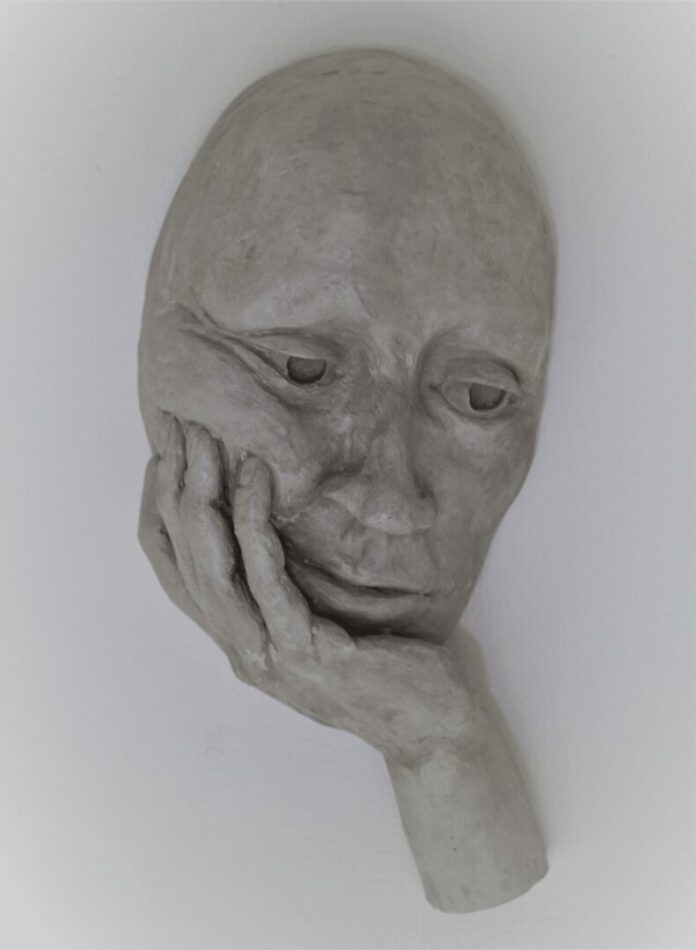
El arte, ese vasto e inagotable territorio de la expresión humana, tiene sus guardianes silenciosos, aquellos que con sus manos y su espíritu construyen puentes entre lo efímero y lo eterno. Teresa Cabello es, sin duda, una de esas arquitectas de la memoria. Nacida en la vibrante Caracas de 1959, su camino se ha bifurcado en las sendas de la escultura, la pintura y la cerámica, pero todas han conducido a un mismo destino: la búsqueda de la verdad en la fragilidad y la fortaleza.

La dualidad es una de las constantes en su obra. Desde las aulas de Arquitectura hasta su graduación Cum Laude en Artes en el I.U. Armando Reverón, Cabello aprendió a ver el mundo a través de la línea y la forma, pero también del alma. Su arte, en esencia, es un canto a la figura fragmentada. No es un canto de lamento, sino un eco de resistencia, de denuncia, de recuerdo. Cada una de sus piezas no es solo una obra de arte, es un vestigio, una cicatriz que no habla de pérdida, sino de la más pura y radical afirmación de la vida.

Su trayectoria es un mapa de logros, un rastro de su incansable espíritu. Sus huellas se encuentran en el Monumento al Niño Venezolano en Caracas, y su visión se extendió hasta la dirección de la Biennale Wynwood en Miami. Sus obras han viajado por el mundo, desde las ferias más prestigiosas de América, Europa y Asia, como Artexpo NY, Beijing y Shanghái, hasta el corazón cultural de su tierra en la FIA Caracas. Pero más allá de los reconocimientos y las exposiciones, su legado reside en la enseñanza, en la siembra del arte en academias y centros culturales, convencida de que su poder es la única herramienta capaz de forjar ciudadanos libres y conscientes.

En el universo de Teresa Cabello, el arte no es un mero adorno; es un refugio, una verdad desnuda. Es un lenguaje honesto que no teme a la adversidad, sino que la transforma en oportunidad. Su práctica trasciende el simple gesto estético y se convierte en un ejercicio de consciencia. Nos recuerda que la belleza no reside en la perfección pulida, sino en la imperfección, en la grieta. Es allí, en esas fisuras que el mundo nos deja, donde reside la verdadera solidez del espíritu humano. En este mundo frenético que nos invita a la prisa, la obra de Cabello nos ofrece un ancla: la posibilidad de detenernos, de contemplar, y de encontrar en nuestras propias grietas la belleza esencial de nuestra existencia.

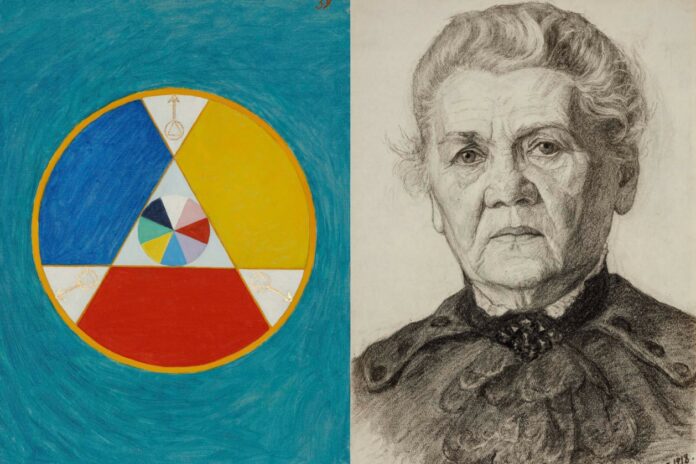
Anna Cassel: The Invisible Architect of Spiritual Vision

Anna Cassel
Anna Cassel

Anna Cassel: The Invisible Architect of Spiritual Vision

To write about Anna Cassel is to confront the profound silences that shape art history—the absences, the unrecorded lives, the creative contributions that vanished into collaborative obscurity. Cassel (1860-1930) was one of the five Swedish women who formed the spiritualist group “The Five” (De Fem) alongside Hilma af Klint, Cornelia Cederberg, Sigrid Hedman, and Mathilda Nilsson. While af Klint has recently achieved international recognition as a pioneer of abstract art, Cassel and the other members of The Five remain largely unknown, their spiritual seeking and artistic contributions overshadowed by their more famous companion.

Yet to understand af Klint’s work and spiritual practice requires understanding the collective context in which it emerged. The Five was not simply a support group for af Klint’s individual genius but a genuine spiritual collective in which all five women participated as equals, contributing to the séances, automatic writings, and drawings that formed the foundation of their shared practice. Anna Cassel was integral to this work, and her spiritual journey—though less documented—deserves examination both in its own right and for what it reveals about women’s spiritual seeking at the turn of the twentieth century.

Anna Cassel was born in 1860 into a Swedish family about which we know frustratingly little. The sparse biographical information available tells us she never married, that she worked as a handwork teacher, and that she shared lodgings with Hilma af Klint for a period. These bare facts sketch the outlines of a life that would have been considered unremarkable by conventional standards—a single woman of modest means, earning her living through respectable but unglamorous work. Yet this surface ordinariness concealed a rich inner life devoted to spiritual exploration and metaphysical investigation.

The formation of The Five in 1896 represented a deliberate choice by these women to create space for spiritual practice outside the constraints of conventional religion and social expectation. The Lutheran Church dominated Swedish religious life, but for many, including Cassel and her companions, it offered inadequate answers to fundamental questions about the nature of reality, the fate of the soul, and the purpose of existence. Spiritualism and theosophy, by contrast, promised direct access to spiritual knowledge through practice rather than through clerical mediation or scriptural authority.

For unmarried women like Cassel, spiritualism offered particular freedoms and possibilities. In the séance room, conventional social hierarchies dissolved. A working-class woman could serve as medium for communications of cosmic importance. Gender, which limited women’s authority in almost every other sphere, became an asset in spiritualist practice, as women were believed to possess greater sensitivity to spiritual influences and more permeable boundaries between material and spiritual realms. This feminine spiritual authority stood in stark contrast to women’s exclusion from ordained ministry in conventional churches.

The Five’s practice centered on weekly séances conducted with remarkable discipline and seriousness over many years. The women would gather, often at Cassel’s apartment, create a meditative atmosphere through prayer or contemplation, and then enter into receptive states during which they believed spiritual entities—the “High Masters”—could communicate through them. These communications took the form of automatic writing, in which the medium’s hand would write or draw without conscious direction, and later in auditory messages that the women transcribed.

Cassel served as medium for several spiritual entities during The Five’s sessions. The detailed séance notebooks that survive—now housed with af Klint’s archive—record Cassel channeling beings named Gregor, Clemens, and others who offered spiritual teachings, moral guidance, and instructions for the group’s development. The content of these communications reveals the eclecticism characteristic of turn-of-the-century spiritualism: references to Christian concepts sat alongside theosophical ideas about karma and reincarnation, scientific metaphors about evolution and energy, and mystical teachings about the nature of consciousness and cosmic unity.

What was the phenomenological reality of Cassel’s experience during these séances? This question resists definitive answer, yet speculation informed by historical and psychological understanding can illuminate possibilities. Cassel may have experienced dissociative states in which aspects of her own consciousness manifested as seemingly external voices or presences. She may have accessed intuitive knowledge through a relaxation of ordinary rational control. She may have experienced genuine alterations in consciousness that contemporary neuroscience might explain through changes in brain state and activity patterns but which felt subjectively like communication with external intelligences.

What remains certain is that Cassel experienced these communications as real and meaningful, structuring years of her life around practices designed to facilitate them. The commitment this required should not be underestimated. The Five met regularly for over a decade, maintaining their practice with remarkable consistency despite the demands of employment, family obligations, and the skepticism or disapproval they may have encountered from those outside their circle.

The automatic drawings produced during The Five’s séances represent collaborative spiritual-artistic production in which individual authorship becomes difficult or impossible to assign. When Cassel’s hand moved across the page, guided by what she experienced as external intelligence, was she the artist? Was the spiritual entity she channeled the creator? Or was the drawing a product of the collective field generated by all five women together? These questions challenge fundamental assumptions about artistic authorship, creativity, and the individualism that has dominated Western art since the Renaissance.

Cassel’s drawings from these sessions—those that survive and are identifiable as hers—show abstract forms, symbols, and geometric patterns similar to those produced by the other members of The Five. Spirals, circles, botanical forms, and letter-like symbols appear frequently, suggesting a shared symbolic vocabulary developed through the group’s collective practice. These images predate af Klint’s “Paintings for the Temple” and likely influenced their symbolic content and formal language, though the precise relationship between the collective automatic drawings and af Klint’s later independent work remains a matter of scholarly investigation and debate.

The question of influence and contribution within The Five raises complex issues. When af Klint received the commission in 1904 to create “The Paintings for the Temple,” she understood this as a directive from the High Masters channeled specifically to her. Yet this commission emerged from and depended upon the spiritual foundation established through The Five’s collective practice. The symbolic language, the spiritual worldview, the very understanding of art as spiritual communication—all these were developed collaboratively before af Klint began her independent visionary paintings.

Should we therefore understand Cassel and the other members of The Five as collaborators in af Klint’s achievement? Or does af Klint’s transformation of their shared spiritual vocabulary into monumental paintings constitute a distinct and individual contribution? The question reveals how poorly our frameworks for understanding creativity and achievement accommodate collaborative and spiritually-oriented practices. We want individual heroes, singular geniuses, clear lines of attribution. The Five’s practice resists these desires.

For Cassel, the spiritual search appears to have been its own reward, not a means to artistic recognition or achievement. There is no evidence she sought to create paintings like af Klint’s or aspired to be known as an artist. Her spirituality was lived as practice, devotion, and service rather than as a path to creative production or public recognition. This orientation reflects a different understanding of spirituality’s purpose—not self-expression or personal development but alignment with divine will and participation in cosmic processes beyond individual ego.

The theosophical teachings that shaped The Five’s practice emphasized spiritual evolution both individual and collective. Humans were understood to be evolving toward higher consciousness through successive incarnations, gradually shedding material attachment and developing spiritual faculties. This evolutionary framework gave spiritual practice cosmic significance—individual development contributed to humanity’s collective advancement. For Cassel, participating in séances and receiving spiritual communications was not merely personal enrichment but contribution to humanity’s spiritual progress.

This sense of participation in something larger than oneself may have made the obscurity of Cassel’s individual contribution less troubling than it appears from contemporary perspectives. If the goal was serving higher spiritual purposes rather than personal recognition, then whether her name would be remembered became less important than whether the work was done faithfully. This subordination of ego to spiritual service represents an orientation increasingly foreign to contemporary individualist culture yet common in many spiritual traditions.

The practical circumstances of Cassel’s life shaped her spiritual practice in important ways. Her work as a handwork teacher—teaching sewing, embroidery, and other textile crafts to girls—was respectable but economically marginal. She would not have had independent wealth or significant leisure time. The fact that she sustained a demanding spiritual practice alongside employment speaks to her dedication and suggests that spiritualism provided meaning and purpose that compensated for the limitations of her material circumstances.

Living situations also mattered. Cassel’s periods of sharing lodgings with af Klint would have facilitated their spiritual collaboration, allowing for spontaneous conversations, shared reading and study, and easy coordination of séance schedules. The domestic intimacy of women living together created spaces for spiritual exploration free from male oversight or interruption. These shared households functioned as informal spiritual communities where everyday life and spiritual practice interpenetrated.

The social dimensions of The Five’s practice deserve emphasis. These women supported each other through the challenges, doubts, and skepticism that spiritual seeking often entails. When one member questioned an experience or interpretation, others could provide reassurance and alternative perspectives. When spiritual communications proved difficult to understand, the group could collectively work toward interpretation. This mutual support was not merely practical but spiritually significant—the group itself became a container for spiritual experience, a collective field within which individual openings to non-ordinary consciousness became possible.

After af Klint received her individual commission in 1904, The Five’s collective séances continued but with altered dynamics. The group still met, still received communications, but increasingly the focus shifted toward supporting af Klint’s work on “The Paintings for the Temple.” How did Cassel experience this shift? Did she feel displaced or subordinated? Or did she understand af Klint’s commission as fulfillment of their collective spiritual work, with af Klint serving as the instrument through which their shared spiritual seeking would manifest in material form?

The historical record provides no clear answers to these questions. We have af Klint’s extensive writings, notebooks, and retrospective accounts of The Five’s activities, all filtered through her perspective and purposes. Cassel’s own voice, her subjective experience, her understanding of their spiritual work—these are largely absent from the archive. This absence itself tells us something important about whose perspectives are preserved and whose are lost, whose inner lives are deemed worthy of documentation and study.

What we can say with certainty is that Cassel continued her spiritual practice throughout her life. She remained connected to af Klint and to spiritual seeking even as The Five’s formal séances apparently ceased sometime around 1908. Cassel attended lectures by Rudolf Steiner, the founder of Anthroposophy, along with af Klint, suggesting ongoing engagement with new spiritual teachings and frameworks. She lived until 1930, dying four years before af Klint, having spent more than three decades devoted to spiritual exploration and practice.

The lack of information about Cassel’s later life raises questions that cannot be answered definitively. Did she continue to serve as medium for spiritual communications? Did she maintain spiritual practices independently? How did she understand the trajectory of her spiritual development over decades of seeking? Did she achieve the states of consciousness, the spiritual knowledge, the evolutionary advancement that theosophy promised? And by what measures would such achievement be judged?

These questions point toward fundamental tensions in how we evaluate spiritual seeking. From external perspectives, Cassel’s life might appear marked by absence—no marriage, no children, no public recognition, no lasting artistic or literary production. Yet from within a spiritual framework, the inner transformation and development that cannot be externally verified might be the only achievements that truly matter. The problem is that we cannot access Cassel’s inner life with sufficient clarity to know what she experienced or how she evaluated her own spiritual journey.

This epistemological limitation is not unique to Cassel but characteristic of spiritual experience generally. Mystical states, spiritual insights, and consciousness transformations are fundamentally subjective, accessible only to the experiencer. They can be reported and described but never fully conveyed or verified. This creates inevitable skepticism in secular contexts but also protects spiritual experience from reduction to external measurement or validation.

Contemporary reassessment of The Five and Cassel’s role within the group must resist the temptation to simply invert existing hierarchies—to elevate Cassel and diminish af Klint in the name of recovering women’s contributions. The reality is more complex: The Five represented genuine spiritual collaboration that enabled af Klint’s later independent work while also having value and meaning for its participants independent of that work. Cassel’s spiritual seeking mattered whether or not it produced paintings, and the collaborative field The Five created was itself an achievement.

What Cassel’s story reveals most clearly is the profound erasure of women’s spiritual labor and creative contribution in historical records and collective memory. Countless women throughout history have engaged in spiritual practices, mystical experiences, and religious innovations that left few traces because they occurred outside institutional structures, because they were deemed less important than men’s comparable activities, or because the women themselves did not seek or were denied opportunities for public recognition and documentation.

Recovering these lost histories is difficult and frustrating work. Sources are sparse, perspectives are limited, and silence pervades the archives where we hope to find evidence of women’s inner lives and spiritual experiences. Yet the effort matters because it challenges narratives that position women as passive recipients of male spiritual authority rather than active seekers and innovators in their own right. The Five and Cassel’s participation in it demonstrate that women created spaces for spiritual authority and experience outside patriarchal control even when those spaces left minimal historical traces.

Anna Cassel’s spirituality was characterized by commitment, collaboration, and service. She participated faithfully in demanding practices over many years, contributing to a collective spiritual project whose full significance she may not have been able to foresee. She subordinated personal recognition to spiritual purposes, serving as medium and collaborator rather than seeking individual distinction. And she sustained her spiritual seeking across decades, remaining engaged with questions of consciousness, reality, and cosmic purpose throughout her life.

In an era increasingly interested in collaborative and relational models of creativity, in spirituality outside conventional religious institutions, and in recovering women’s contributions to cultural and intellectual history, Anna Cassel’s example has renewed relevance. She reminds us that creative and spiritual work often emerges from collective practice rather than individual genius, that many who contribute essentially to important cultural developments leave minimal historical traces, and that the value of spiritual seeking cannot be measured solely by its external products or public recognition.

The challenge Cassel’s story poses to us is how to write histories and create accounts that acknowledge and honor contributions that resist conventional documentation. How do we value spiritual practice that produced no permanent material artifacts? How do we assess collaboration when individual contributions cannot be clearly distinguished? How do we recover women’s inner lives and spiritual experiences when the archives preserve primarily external facts and events?

These questions have no simple answers, but asking them is essential work. Anna Cassel lived a life devoted to spiritual seeking, participated in practices that contributed to remarkable artistic innovations, and sustained faith in dimensions of reality beyond the material and measurable. Her obscurity is art history’s failure, not hers. And her example invites us toward humility about what we can know, attention to what has been erased, and recognition that significance and achievement take forms that exceed our usual measures and often our capacity to perceive them.

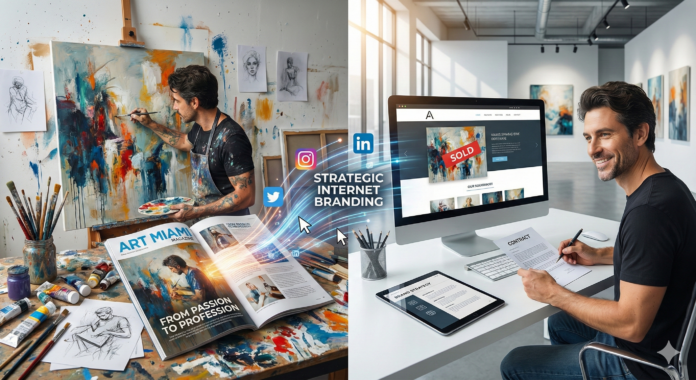
From Passion to Profession: Transforms Visual Artists into Full-Time

From Passion to Profession: Visual Artists into Full-Time Creatives
From Passion to Profession: How Art Miami Magazine Transforms Visual Artists into Full-Time Creatives Through Strategic Internet Branding

From Passion to Profession: How Art Miami Magazine Transforms Visual Artists into Full-Time Creatives Through Strategic Internet Branding

The transition from aspiring visual artist to full-time creative professional represents one of the most challenging journeys in the contemporary art world. Research consistently demonstrates that most visual artists struggle to generate sustainable income from their creative practice alone. According to The Creative Independent’s 2018 comprehensive survey of 1,016 visual artists, nearly half reported that only 0-10% of their income came from their art practice, while just 17% earned 75-100% of their income through their artwork. More alarmingly, studies show that over 80% of artists in the United States earn less than $20,000 annually from their art. These sobering statistics underscore a fundamental challenge: raw talent and artistic vision, while essential, prove insufficient for building a sustainable creative career in today’s highly competitive marketplace.

Against this backdrop of economic precarity, Art Miami Magazine has emerged as a vital resource for visual artists seeking to transform their creative passion into viable, full-time careers. Founded in 2012, this Miami-based publication provides artists with the strategic guidance, marketing insights, and professional development tools necessary to navigate the complex intersection of artistic integrity and commercial viability. Through its comprehensive approach—combining artist coaching, public relations services, marketing consultation, and educational content—Art Miami Magazine addresses the critical gap between artistic talent and business acumen that prevents so many talented creators from achieving financial sustainability.

The Economic Realities Facing Contemporary Visual Artists

Before exploring how Art Miami Magazine facilitates artists’ professional development, it’s essential to understand the systemic challenges that make full-time artistic careers so elusive. Research from multiple sources paints a sobering picture of the visual arts economy. The 2019 Livelihoods of Visual Artists Data Report identified three key barriers to career sustainability: lack of work opportunities, lack of financial return, and insufficient time to spend on artistic practice. These interconnected challenges create a vicious cycle where artists must pursue supplementary employment to survive, which in turn reduces the time available for creating and marketing their work.

The portfolio career model, while offering some risk mitigation through income diversification, often perpetuates rather than solves the problem of financial instability. A 2022 study published in Project MUSE examining arts portfolio careers found that although multiple income streams can protect against complete financial collapse, many artists still experience low pay, periods of underemployment, and unemployment. The research demonstrated that artists engage in various categories of work—including teaching, freelance projects, and non-arts employment—to supplement their creative income, with significant time devoted to activities outside their core artistic practice.

Recent market data reveals both challenges and opportunities. According to Grand View Research, the global online art market was valued at $11.09 billion in 2024, with online platforms accounting for approximately 18% of total art sales. While this represents significant growth from pre-pandemic levels, when online sales comprised a much smaller fraction of the market, it also highlights how the vast majority of art transactions still occur through traditional channels requiring substantial gatekeeping and institutional validation.

The Critical Role of Internet Branding in Artistic Career Development

In an increasingly digital marketplace, internet branding has evolved from optional enhancement to essential foundation for artistic career sustainability. Research published in Social Sciences journal in 2024 investigating the impact of digital presence on emerging visual artists’ careers found that effective online presence requires not merely producing and showcasing artistic work, but actively managing an artistic brand, engaging meaningfully with audiences, and leveraging networking opportunities. The study, which focused on professional illustrators at early and emerging career stages, identified four critical objectives that digital presence must achieve: branding, engagement, networking, and conversion.

Building Recognition Through Strategic Digital Branding

Branding in the digital context refers to raising awareness so that an artist’s work becomes instantly recognizable across platforms and contexts. Research demonstrates that artists who maintain consistent visual identities—including unified color palettes, typography, logos, and messaging—receive substantially higher engagement rates than those with inconsistent presentation. According to Pinterest Business data cited in marketing studies, accounts with consistent branding receive 23% higher repin rates and increased click-through rates to websites. This consistency creates cognitive shortcuts for potential collectors and galleries, making artists more memorable in an oversaturated digital marketplace.

Art Miami Magazine recognizes that successful internet branding begins with clarity about artistic identity and unique value proposition. The publication’s guidance emphasizes helping artists articulate their distinctive style, medium, core themes, and philosophical underpinnings. This foundational work of defining artistic identity then informs all subsequent branding decisions, from website design to social media aesthetics. LinkedIn’s creative industry research indicates that artists with clearly defined unique value propositions generate 40% more inquiries from corporate clients and art consultants, demonstrating the tangible business impact of strategic brand positioning.

The magazine’s approach to artist branding extends beyond mere visual consistency to encompass storytelling and narrative development. Contemporary research on social media effectiveness shows that posts with compelling narratives drive 22% higher engagement rates than standard promotional content. Art Miami Magazine helps artists develop origin stories, process narratives, and thematic explorations that create emotional connections with audiences, transforming casual viewers into engaged followers and potential collectors.

Platform Strategy and Content Management

Strategic platform selection represents another critical component of effective internet branding. Recent studies show that businesses actively managing their social presence across carefully chosen platforms see 3x higher engagement rates than those taking scattered approaches. Instagram, with 2 billion monthly active users and robust commerce features, has become particularly crucial for visual artists. Research indicates that 83% of Instagram users discover new products through the platform’s content, making it a powerful sales channel when properly leveraged.

Art Miami Magazine provides artists with sophisticated guidance on platform-specific strategies. For Instagram, this includes creating visually consistent content that reflects brand identity, utilizing Instagram Shopping for seamless product discovery, implementing strategic hashtag combinations (3-5 per post for targeted reach), and leveraging Stories and Reels for behind-the-scenes content. Pinterest’s search-driven environment offers different advantages, with 445 million monthly active users actively seeking inspiration and products. The platform delivers 2.3x higher ROI than traditional social media advertising, according to industry data, making it particularly valuable for artists selling original works and prints.

Research from Sprout Social demonstrates that artists maintaining consistent posting schedules see 78% higher engagement rates than those posting randomly. Art Miami Magazine helps artists develop content calendars that balance various content types: showcasing finished works, sharing creative process, offering educational insights, and revealing personal inspirations. This balanced approach prevents feed fatigue while maintaining audience interest across multiple touchpoints.

Website Development as Digital Portfolio Foundation

While social media platforms provide essential visibility and engagement opportunities, professional websites serve as the cornerstone of sustainable internet branding. The 2024 study on digital presence and artistic careers emphasized that artists need websites as their primary portfolio and sales infrastructure, with social media functioning as traffic drivers to this owned digital real estate. This distinction proves critical because platform algorithms change unpredictably, potentially decimating organic reach overnight, while owned websites provide stable, controllable brand homes.

Art Miami Magazine advocates for professional website development that balances aesthetic excellence with user experience optimization. Key elements include high-quality portfolio galleries with zoomable images, comprehensive artist statements articulating vision and process, clear calls-to-action for purchases or commissions, integrated e-commerce functionality, mobile responsiveness, and fast loading times. The publication also emphasizes search engine optimization (SEO) to increase organic discoverability, recognizing that artists need to be found by collectors actively searching for work in their medium or style.

Email Marketing and Direct Audience Relationships

While often overlooked in discussions of digital branding, email marketing represents one of the most valuable tools for artists building sustainable careers. Unlike social media followers who can disappear with algorithm changes or platform migrations, email lists constitute owned audiences that artists can reach directly. Art Miami Magazine helps artists develop email strategies including newsletter schedules, exclusive content for subscribers, early access to new works, and story-driven communication that deepens collector relationships.

Research on creator economies demonstrates that artists with robust email lists generate significantly more direct sales than those relying solely on social media. Email marketing also facilitates the crucial transition from transaction-based relationships to ongoing patron relationships, where collectors follow artists’ careers long-term and make multiple purchases over years.

Analytics and Data-Driven Optimization

Effective internet branding requires continuous refinement based on performance data. Art Miami Magazine emphasizes the importance of monitoring analytics to understand what content resonates, which platforms drive sales, and where audiences engage most meaningfully. Key metrics include engagement rates, click-through rates, conversion rates, audience demographics, and content performance patterns.

This data-driven approach enables artists to focus energy on strategies producing tangible results rather than pursuing tactics that consume time without generating income or opportunities. The 2024 MDPI study on digital presence found that artists who regularly analyzed their digital performance and adjusted strategies accordingly achieved significantly better career outcomes than those maintaining static approaches.

Audience Engagement and Community Building

Beyond establishing brand presence, successful internet strategies require active engagement with audiences. The MDPI research on digital presence emphasized that engagement—defined as interaction with audiences and creation of community with engaged consumers—proves essential for amplifying brand awareness through word-of-mouth and social sharing.

Art Miami Magazine teaches artists engagement strategies including responding promptly to comments and messages, asking questions to stimulate conversation, sharing behind-the-scenes glimpses of creative processes, hosting live streams or virtual studio tours, and creating opportunities for audience participation. Interactive content drives 2x more engagement than standard content according to LinkedIn Business insights, making participatory approaches particularly valuable for community building.

This engagement focus aligns with broader shifts in art market dynamics. Contemporary collectors, particularly younger demographics, increasingly seek authentic relationships with artists rather than transactional purchasing experiences. Research shows that 65% of art buyers in 2023 were under 40 years old, representing a demographic that values direct artist connection, transparency about creative processes, and ongoing dialogue about work meaning and context.

Networking in Digital Spaces for Career Advancement

The third objective of effective digital presence—networking—involves developing relationships with gatekeepers including curators, gallery owners, art critics, and fellow artists to create work opportunities. While social media platforms facilitate unprecedented access to art world professionals, Art Miami Magazine emphasizes that artists must approach digital networking strategically rather than opportunistically.

Effective digital networking strategies include engaging thoughtfully with galleries’ and curators’ content, participating in online artist communities and forums, collaborating with peer artists on digital projects, attending virtual exhibition openings and artist talks, and sharing others’ work generously. The 2020 research on successful visual artist careers found that social capital—networks of relationships with other artists, curators, and art professionals—significantly influenced career advancement and sustainability.

Art Miami Magazine’s position within Miami’s vibrant art ecosystem provides particular advantages for artists seeking networking opportunities. The publication’s connections to local galleries, museums, curators, and collectors create bridges between emerging artists and established art world figures. By featuring artists in its online and print content, the magazine facilitates visibility to decision-makers who might otherwise never encounter artists’ work.

Conversion: Translating Digital Presence into Sales

The ultimate measure of internet branding effectiveness for professional artists lies in conversion—the transformation of digital visibility into artwork sales and commissions that provide necessary financial resources to continue producing art. Research demonstrates that successful conversion requires seamless integration of multiple elements: strong branding that creates recognition and trust, engagement that builds relationships and emotional investment, networking that provides opportunities and validation, and optimized sales infrastructure that facilitates transactions.

Art Miami Magazine helps artists develop comprehensive conversion strategies including e-commerce store integration enabling direct online art purchases, clear pricing that reflects work value while remaining accessible, professional product photography that accurately represents work quality, detailed artwork descriptions that provide context and meaning, secure payment processing that builds buyer confidence, and transparent shipping and return policies that reduce purchase friction.

Recent market data reveals the significant potential of online sales channels. According to Art Basel and UBS research, online art sales grew 7% in 2023 to reach $11.8 billion, now accounting for 18% of the global art market. Perhaps most encouragingly for emerging artists, 48% of art dealers and 81% of mid-tier auction house staff expected online sales to increase in 2024, demonstrating industry confidence in digital channels’ growth trajectory.

The COVID-19 pandemic accelerated adoption of online purchasing, with many collectors who previously relied exclusively on in-person viewing becoming comfortable with digital transactions. This behavioral shift creates unprecedented opportunities for artists who establish strong internet branding and optimize their digital sales infrastructure.

Beyond Digital: Integrating Online and Offline Strategies

While internet branding provides essential foundation for contemporary artistic careers, the MDPI research on digital presence concluded that artists must complement their digital work with interactions in the physical world to maximize career advancement opportunities. Art Miami Magazine recognizes this reality and provides guidance on integrating online and offline strategies synergistically.

The publication helps artists leverage digital presence to secure physical world opportunities including gallery exhibitions, art fair participation, residency programs, and collector studio visits. Conversely, offline activities generate content and connections that amplify digital presence. Exhibition openings provide photography opportunities and engagement material for social media. Studio visits can be documented and shared with audiences unable to attend in person. Art fair participation creates urgency around new work releases and collection expansions.

This integrated approach acknowledges that while digital platforms democratize access and visibility, traditional art world gatekeepers including galleries, museums, and major collectors still significantly influence market success and career validation. Strategic internet branding helps artists access these traditional channels more effectively while also creating alternative revenue streams through direct sales.

Addressing the Business Skills Gap

One critical challenge facing visual artists attempting to transition to full-time careers involves the business skills gap. Art education traditionally emphasizes creative development and art historical context while providing minimal training in marketing, finance, pricing strategy, contract negotiation, or business management. The Creative Independent survey found that 74% of artists learned financial stability strategies through trial and error, 67% through observing peers, and only small percentages through formal education programs.

Art Miami Magazine directly addresses this educational gap through its Art Coach Service and Artists Marketing Consultant offerings. These programs provide personalized guidance on business fundamentals including pricing artwork appropriately (considering materials, labor, overhead, and market positioning), developing client contracts that protect artists’ interests, managing finances and taxes as self-employed creative professionals, writing effective grant applications, and approaching galleries and curators professionally.

The publication’s bilingual approach (offering content in both English and Spanish) recognizes the diversity of Miami’s artistic community and ensures accessibility for artists from various cultural and linguistic backgrounds. This inclusive approach expands the potential impact of business education and marketing guidance to artists who might otherwise face language barriers in accessing professional development resources.

Case Studies and Real-World Application

Art Miami Magazine’s effectiveness in helping artists transition to full-time careers manifests through numerous success stories from artists who have implemented the publication’s strategies. While specific revenue figures and artist names vary, consistent patterns emerge across successful cases: artists who invest in professional internet branding see measurable increases in website traffic, social media engagement, and direct inquiries from collectors and galleries.

Artists who develop consistent posting schedules and engage authentically with their audiences build loyal followings that translate into sales. Those who optimize their websites for user experience and e-commerce functionality generate more direct sales, reducing dependence on galleries and external platforms that take significant commission percentages. Artists who participate actively in digital networking and maintain visibility through Art Miami Magazine’s own platforms receive more opportunities for exhibitions, collaborations, and press coverage.

The publication’s own digital presence demonstrates the principles it teaches. With an established website, active social media presence, regular content publication, and email marketing to its community of artists, galleries, and art enthusiasts, Art Miami Magazine models the strategic internet branding it advocates for individual artists.

The Future of Artist Careers in Digital Contexts

Looking forward, the importance of internet branding for visual artists’ career sustainability will only intensify. Market projections indicate continued growth in online art sales, with the global online art market expected to reach $11.1 billion by 2035 according to Market Research Future, representing a compound annual growth rate of 4.98% from 2025 to 2035. This growth trajectory, combined with younger collectors’ preference for digital discovery and purchasing, positions artists with strong internet branding advantageously for long-term success.

Emerging technologies including artificial intelligence tools for content creation, virtual and augmented reality for artwork presentation, blockchain technology for provenance and authenticity verification, and evolving social media platforms will continue transforming how artists build careers and connect with audiences. Art Miami Magazine’s commitment to providing current, practical guidance positions it to help artists navigate these technological shifts strategically.

The publication also recognizes broader cultural shifts affecting artistic careers. The “Great Wealth Transfer” currently underway, as Baby Boomers transfer trillions of dollars to younger generations, will reshape collector demographics and purchasing behaviors. Millennial and Gen Z collectors, who have grown up with digital technology, expect seamless online experiences, authentic artist relationships, and values alignment (including sustainability and social justice considerations) from the artists they support.

Conclusion: Strategic Support for Sustainable Creative Careers

The transformation from struggling artist to full-time creative professional requires far more than talent and dedication. It demands strategic business thinking, sophisticated marketing implementation, consistent brand development, authentic audience engagement, and persistent networking—all while maintaining artistic integrity and continuing to create meaningful work. For most artists attempting this transition in isolation, the challenges prove overwhelming, contributing to the discouraging statistics about artists’ incomes and career sustainability.

Art Miami Magazine’s comprehensive approach addresses these multifaceted challenges by providing accessible education, practical tools, strategic guidance, and community support. The publication’s emphasis on internet branding—representing approximately 40% of its strategic focus—reflects contemporary marketplace realities where digital presence increasingly determines artistic career trajectories. By helping artists develop recognizable brands, engage authentically with audiences, network effectively with gatekeepers, and convert visibility into sales, Art Miami Magazine facilitates the economic sustainability that allows artists to pursue their creative callings full-time.

The research evidence consistently demonstrates that artists who implement strategic internet branding achieve better career outcomes than those relying on talent alone or pursuing haphazard digital approaches. Art Miami Magazine synthesizes this research into actionable frameworks, making sophisticated marketing and branding strategies accessible to artists regardless of their business background or technical expertise.

As the art market continues evolving toward greater digitalization, the artists who thrive will be those who master both creative excellence and strategic self-promotion. Art Miami Magazine positions itself as an essential partner in this journey, helping visual artists transform their passion into profession through proven, research-backed strategies that honor artistic integrity while building commercial viability. For artists committed to making their creative practice financially sustainable, the publication offers not merely inspiration or general advice, but concrete, implementable systems for building careers that support both artistic vision and human livelihood.


Word Count: ~4,200 words

References

Art Basel & UBS. (2024). The Art Basel and UBS Art Market Report 2024.

Contemporary Art Issue. (2025). How much money do contemporary artists make?

Grand View Research. (2024). Online art market size and share: Industry report, 2033.

Market Research Future. (2025). Online art market size, share, industry growth 2034.

Petrides, L., & Vila de Brito, M. (2024). The impact of digital presence on the careers of emerging visual artists. Social Sciences, 13(6), 313.

Project MUSE. (2022). Motivations and intentionality in the arts portfolio career: An investigation into how visual and performing artists construct portfolio careers.

Sprout Social. (2025). Social media strategy for artists: 7 steps to digital success.

The Creative Independent. (2018). A study on the financial state of visual artists today.

The Livelihoods of Visual Artists. (2019). Summary report. Arts Council England.

Visual Artists Association. (2023). 3 steps to building online presence as an artist.

El Error Fatal de la Escritura Poética en el Arte Contemporáneo

Jackson Pollock
Jackson Pollock

El Error Fatal de la Escritura Poética en el Arte Contemporáneo

Por qué describir “nubes rosadas que lloran” no es crítica de arte

Uno de los malentendidos más perniciosos y extendidos en el mundo del arte contemporáneo es la creencia de que escribir sobre arte consiste en visitar una exposición y producir descripciones líricas de lo que se observa. Esta confusión —que podríamos llamar el “síndrome de la prosa poética”— representa no solo un error metodológico sino una traición fundamental a lo que la escritura sobre arte debería hacer.

La trampa de la descripción poética

La escena se repite con frecuencia inquietante: un escritor entra a una galería, se encuentra con una instalación de hilos suspendidos del techo, y su mente inmediatamente comienza a tejer metáforas. Los hilos le recuerdan “pinceladas ágiles en el aire”, evocan “la fragilidad de la existencia humana”, o sugieren “paisajes íntimos donde la memoria se entrelaza con el deseo”. El texto resultante es florido, evocativo, incluso hermoso en su construcción literaria.

Pero está completamente equivocado.

Este tipo de escritura —que confunde la crítica de arte con la creación literaria— opera bajo la premisa de que el valor reside en la capacidad del autor para generar asociaciones poéticas o narrativas sugerentes. Se escribe como si se tratara de una novela, una crónica personal, o un ensayo de impresiones subjetivas donde la obra funciona meramente como disparador de la imaginación del escritor.

El problema fundamental: la fantasía reemplaza al concepto

Lo que ocurre en esta aproximación es una sustitución peligrosa: en lugar de analizar la obra a través de sus propios términos conceptuales, el escritor construye un mundo paralelo de fantasía que poco o nada tiene que ver con las intenciones, el contexto o el marco teórico del trabajo artístico.

Cuando alguien escribe que los hilos “evocan la delicadeza de las relaciones humanas en la era digital”, sin investigar qué motivó realmente a la artista a trabajar con ese material, qué precedentes históricos informan su uso, o qué discursos contemporáneos está abordando el proyecto, lo que tenemos no es escritura sobre arte sino proyección personal disfrazada de análisis.

Esta práctica es problemática por varias razones:

Invisibiliza el trabajo conceptual del artista. La artista pasó meses investigando las propiedades físicas del hilo, estudiando cómo otros artistas han trabajado con materiales similares, desarrollando una metodología específica de instalación, y posicionando su obra dentro de conversaciones artísticas particulares. Todo ese trabajo intelectual desaparece bajo el manto de las metáforas ajenas.

Descontextualiza la obra. El arte no existe en el vacío. Cada pieza dialoga con tradiciones, responde a problemáticas específicas, se sitúa dentro de genealogías artísticas. Ignorar estos contextos es reducir la obra a mero estímulo visual.

Privilegia la voz del escritor sobre la del artista. La escritura poética sobre arte a menudo dice más sobre quien escribe que sobre la obra misma. El autor se convierte en protagonista, usando la exposición como excusa para desplegar su propia capacidad literaria.

Perpetúa la idea elitista de que el arte es inefable. Si solo podemos hablar de arte a través de metáforas vagas y lenguaje místico, estamos sugiriendo que el arte opera en un plano superior a la razón, accesible solo a través de sensibilidades especiales. Esto aleja al público general y refuerza barreras de exclusión.

Lo que realmente necesitamos: contextualización conceptual

La alternativa no es escribir de manera árida o técnica hasta el punto de la inaccesibilidad, sino fundamentar el análisis en los conceptos que realmente articulan la obra. Esto implica un trabajo riguroso que incluye:

1. Investigar la génesis del proyecto

¿Qué llevó a la artista a trabajar con este material, este formato, este tema? La mayoría de los proyectos artísticos contemporáneos surgen de investigaciones específicas, experiencias vividas, o preguntas intelectuales concretas. Conocer este origen es fundamental.

Ejemplo transformado:

En lugar de: “Los hilos caen como lágrimas suspendidas en el tiempo, evocando la melancolía de memorias olvidadas.”

Podríamos escribir: “Después de perder a su madre por Alzheimer, la artista comenzó a investigar cómo la memoria física —tejida, literalmente, en textiles domésticos— porta historias familiares. Los hilos en esta instalación provienen de ropa heredada, deshilachada manualmente durante meses como acto de duelo y archivo.”

2. Situar la obra en diálogos históricos y contemporáneos

Ningún artista trabaja en aislamiento. Cada proyecto existe en relación con otros trabajos, movimientos, teorías. Nuestra labor es trazar esas conexiones.

Ejemplo transformado:

“Esta estrategia de suspensión y deshilachado dialoga con precedentes como las esculturas de cuerda de Eva Hesse en los años 60, donde el material blando funcionaba como resistencia a la rigidez del minimalismo masculino. Pero mientras Hesse trabajaba con la ambigüedad formal, esta artista ancla explícitamente su proceso en narrativas biográficas específicas, un giro que conecta con prácticas contemporáneas de artistas como Doris Salcedo, quien también utiliza textiles como archivos de trauma.”

3. Incorporar marcos teóricos relevantes

El arte contemporáneo está en constante diálogo con teoría: filosofía, estudios culturales, psicoanálisis, teoría feminista, postcolonialismo. Estos marcos no son adornos académicos sino herramientas que permiten comprender dimensiones de la obra que de otro modo permanecerían invisibles.

Ejemplo transformado:

“La decisión de exhibir estos hilos suspendidos —ni completamente caídos ni firmemente sostenidos— puede leerse a través del concepto de ‘suspensión’ que desarrolla la teórica Lauren Berlant: ese estado de contingencia donde algo está por resolverse pero aún no lo hace, generando una ansiedad productiva en el espectador. La instalación materializa literalmente esta condición psicológica contemporánea.”

4. Analizar decisiones formales como portadoras de significado

Cada elección material, espacial, cromática, técnica es una decisión conceptual. La altura a la que cuelgan los hilos, la luz que los atraviesa, el espacio entre cada uno —todo significa.

Ejemplo transformado:

“Que los hilos no lleguen al suelo no es detalle decorativo sino decisión crucial: niegan al espectador el gesto reconfortante del cierre narrativo. Esta suspensión espacial replica la experiencia del duelo inconcluso, donde la ausencia nunca se resuelve en presencia ni en olvido total.”

De la impresión personal al análisis fundamentado

Esto no significa que la experiencia subjetiva del escritor deba eliminarse completamente. Pero debe funcionar como punto de partida —no de llegada— hacia un análisis más profundo.

Estructura problemática:

  1. Veo hilos
  2. Me recuerdan X cosa
  3. Escribo poéticamente sobre esa asociación
  4. Fin

Estructura productiva:

  1. Veo hilos
  2. Investigo: ¿Por qué la artista eligió este material?
  3. Contextualizo: ¿Quién más ha trabajado así? ¿En qué tradiciones se inscribe?
  4. Teorizo: ¿Qué conceptos iluminan este trabajo?
  5. Analizo: ¿Cómo las decisiones formales materializan esos conceptos?
  6. Escribo integrando toda esa investigación

El rol del escritor de arte como mediador contextual

La función primordial de quien escribe sobre arte no es demostrar su propia sensibilidad poética sino fungir como mediador contextual: esa figura que conecta la obra con sus múltiples contextos (histórico, teórico, biográfico, social, político) de manera que el público pueda acceder a capas de significado que de otro modo permanecerían opacas.

Esto requiere:

  • Investigación seria: Leer el statement del artista, revisar su trayectoria, consultar entrevistas, conocer el contexto de producción.
  • Conocimiento del campo: Familiaridad con historia del arte, teoría contemporánea, debates actuales en el mundo artístico.
  • Capacidad analítica: Habilidad para identificar conexiones, trazar genealogías, aplicar marcos teóricos apropiados.
  • Claridad comunicativa: Escribir de manera accesible sin simplificar excesivamente, encontrar el balance entre rigor y legibilidad.

Consecuencias de perpetuar el error

Cuando la escritura poético-impresionista domina el discurso sobre arte, las consecuencias son múltiples y nocivas:

Para los artistas: Su trabajo conceptual se vuelve invisible, reducido a estímulo para fantasías ajenas. Años de investigación se evaporan bajo metáforas que nada tienen que ver con sus intenciones.

Para el público: Se perpetúa la idea de que el arte contemporáneo es hermético, inaccesible, solo interpretable por “sensibles” capaces de generar asociaciones poéticas. Esto aleja a audiencias que podrían conectar genuinamente con las obras si se les proporcionara contexto adecuado.

Para el campo: Se degrada la escritura sobre arte a género literario decorativo en lugar de herramienta crítica y pedagógica esencial. Perdemos oportunidades de debate serio, de construcción de conocimiento, de expansión del campo.

Para la credibilidad profesional: Cuando curadores, críticos y teóricos escriben así, contribuyen a la percepción de que el mundo del arte es charlatanería pretenciosa donde cualquiera puede decir cualquier cosa siempre que suene bonito.

Hacia una escritura responsable y útil

La escritura sobre arte debe aspirar a ser:

Informativa: Proporcionar datos, contextos, genealogías que el lector no podría descubrir solo mirando.

Analítica: Ofrecer herramientas conceptuales para comprender la obra en su complejidad.

Respetuosa: Con el trabajo intelectual del artista, con la inteligencia del lector, con la seriedad del campo.

Clara: Sin sacrificar rigor, escribir de manera que invite a la comprensión, no que la obstaculice.

Conectiva: Tender puentes entre la obra, su contexto histórico, teorías relevantes, y preocupaciones contemporáneas.

Conclusión: escribir al servicio de la obra, no al servicio del ego

El problema fundamental de la escritura poético-impresionista sobre arte es que coloca al escritor en el centro, cuando el centro debe estar ocupado por la obra y el trabajo conceptual que la sustenta.

Cuando un texto sobre una instalación de hilos habla más de “lágrimas suspendidas” y “paisajes de memoria” que de por qué la artista deshilachó durante meses ropa de su madre fallecida, o cómo ese gesto dialoga con precedentes históricos del arte textil como resistencia y archivo, o qué teorías sobre duelo y materialidad iluminan el proyecto —entonces hemos fallado.

No porque la poesía sea inválida, sino porque hemos confundido géneros. La poesía tiene su lugar y su valor. Pero escribir sobre arte requiere otro tipo de trabajo: investigar, contextualizar, analizar, conectar. Requiere subordinar nuestras fantasías personales al servicio de comprender lo que la obra realmente hace, dice, y significa.

La próxima vez que te encuentres frente a una exposición con el impulso de escribir sobre “colores vibrantes que danzan” o “formas que susurran secretos”, detente. Pregúntate en cambio: ¿Qué investigación precedió a esta obra? ¿Con qué tradiciones dialoga? ¿Qué conceptos la articulan? ¿Qué teorías la iluminan? ¿Qué contextos la hacen posible y necesaria?

Ahí, en ese territorio menos seductor pero infinitamente más valioso, es donde comienza la verdadera escritura sobre arte.

Page 18 of 277
1 16 17 18 19 20 277