Home Blog Page 177

Thelma Golden

Thelma Golden
Thelma Golden

Thelma Golden

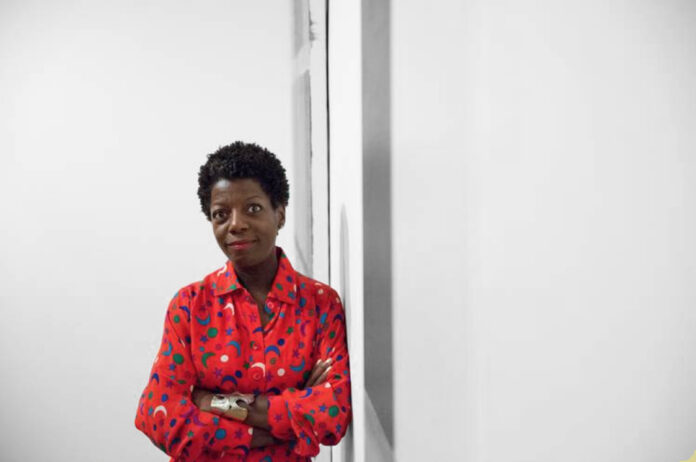
Thelma Golden is Director and Chief Curator of The Studio Museum in Harlem, an art museum founded in 1968 whose mission is to serve as the nexus for artists of African descent locally, nationally and internationally. Golden began her career at the Studio Museum in 1987 before joining the Whitney Museum of American Art in 1988. In a decade at the Whitney, she was a member of the curatorial team for the 1993 Biennial, organized numerous groundbreaking exhibitions including 1994’s Black Male: Representations of Masculinity in American Art, and served as Director of the Whitney Museum at Phillip Morris. She returned to the Studio Museum in 2000 and was named Director and Chief Curator in 2005. While at the Studio Museum, Golden has organized many notable exhibitions including Chris Ofili: Afro Muses 1995-2005, Black Romantic, Freestyle, Frequency, Glenn Ligon: Stranger and Gordon Parks: A Harlem Family 1967. Under her leadership, the Studio Museum has gained increasing renown as a global leader in the exhibition of contemporary art, a center for innovative education and a site for diverse audiences to exchange ideas about art and society.

Golden holds a B.A. in Art History and African American Studies from Smith College and honorary doctorates from Bard College, the City College of New York, Columbia University, and Smith College. Golden was appointed to the Committee for the Preservation of the White House by President Obama in 2010, and in 2015 joined the Barack Obama Foundation’s Board of Directors. Golden was the recipient of the 2016 Audrey Irmas Award for Curatorial Excellence. In 2018, Golden was awarded a J. Paul Getty Medal. She is an active lecturer and panelist speaking about contemporary art and culture at national and international institutions.

Experience

  • The Studio Museum in HarlemThe Studio Museum in Harlem 23 years 9 months
    • Director and Chief Curator 2005 – Present · 18 years 9 months
    • Deputy Director for Exhibitions and Programs 2000 – 2005 · 5 years
  • Special Projects Curator Peter Norton Family Foundation 1998 – 1999
  • Whitney Museum of American Art Whitney Museum of American Art 7 years
    • Associate Curator and Director of Branch Museums 1993 – 1995
    • Branch Director Branch Director 1991 – 1993
  • Curatorial Assistant to Dr. Kellie Jamaica Center for Arts and Learning, Inc. 1990 – 1991
  • Curatorial Assistant Whitney Museum of American Art 1988 – 1990
  • Curatorial Fellow The Studio Museum in Harlem 1987 – 1988

Miyoko Ito

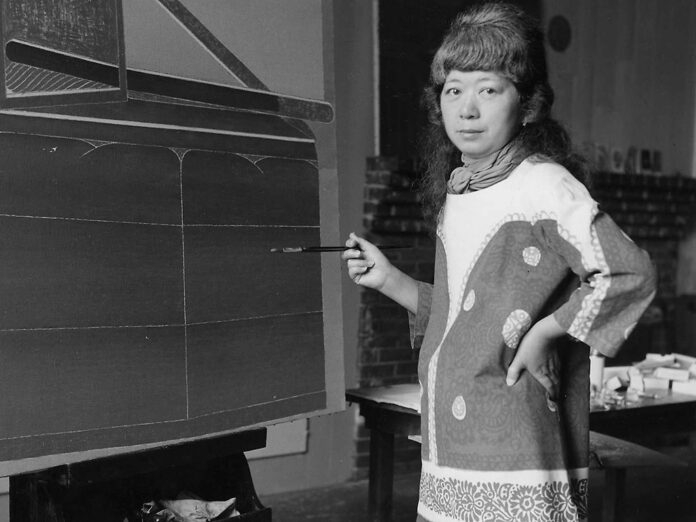
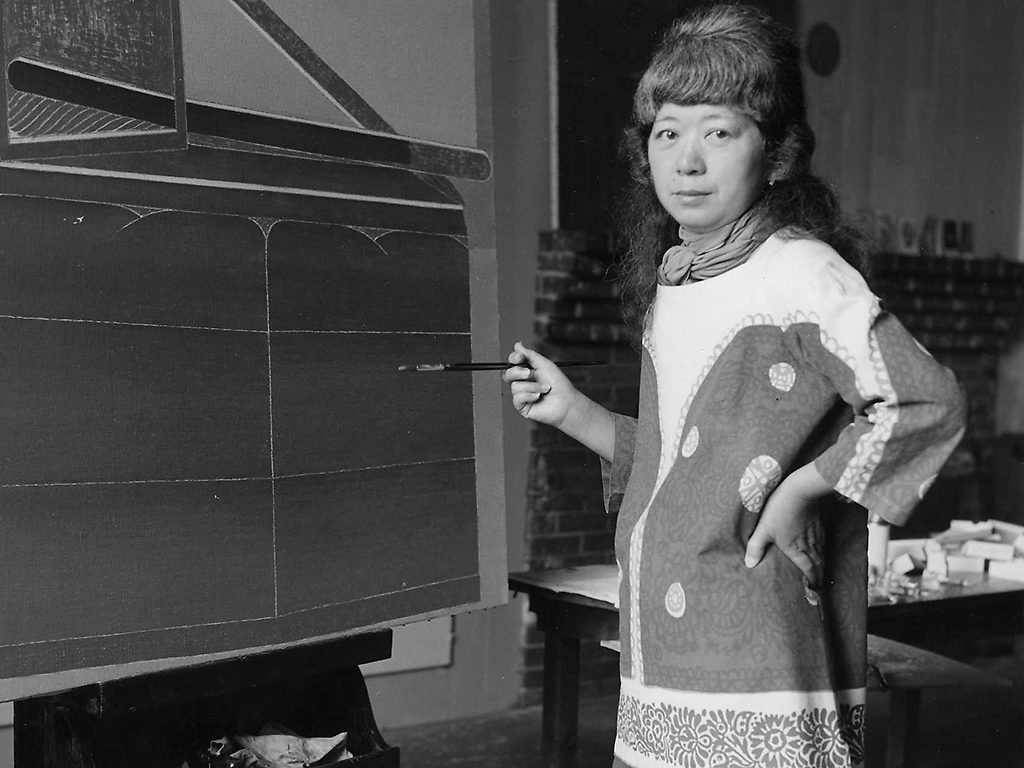
Miyoko Ito in Adams Studio in 1970. Portrait by Bernice B. Perry

Miyoko Ito (1918–1983) A Luminous Legacy from Abstract Reveries

Review: “A Sanctuary Between Japan and America” by Jerry Saltz

In the evocative portrayal “A Sanctuary Between Japan and America,” Jerry Saltz crafts a poignant journey through the life and artistry of Miyoko Ito. The piece is a vivid tapestry, interweaving personal memories with art critique. Saltz captures Ito’s resilience amidst hardships— from racial tensions in Berkeley to the traumatic Japanese internment camps, echoing the vibrancy and depth of Ito’s paintings. The meticulous description of Ito’s artworks, like “beads and bumps of paint accumulate,” offers readers an almost tactile experience. It is particularly intriguing how Saltz juxtaposes Ito’s adventures with her artistic expressions, suggesting that her early years in Japan deeply informed her art. The article doesn’t just introduce us to an artist but immerses us in her world, revealing the “shimmers of supernal otherness” that pervade Ito’s works. An essential read for anyone keen to explore the intersection of personal history, cultural heritage, and artistic expression.

Miyoko Ito, the luminous American painter of Japanese descent, intricately wove her unique life experiences into her canvases, culminating in a legacy of introspective and intricate abstract art. Born in Berkeley, CA, in 1918, her early life was marked by the significant disruption of being incarcerated in the Tanforan internment camp for Japanese Americans during World War II. This painful chapter didn’t deter her spirit, and she subsequently pursued her passion for art, attending institutions like the University of California at Berkeley, Smith College, and finally, the School of the Art Institute in Chicago, where she blossomed as a painter.

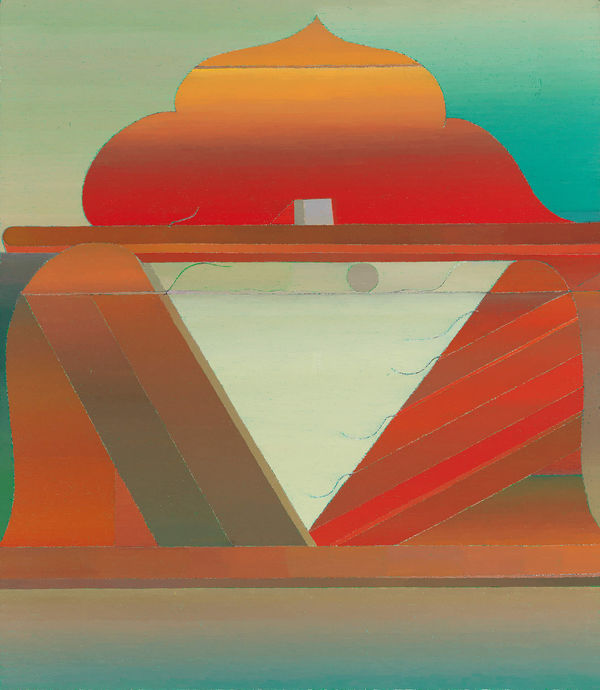
Miyoko Ito, Island in the Sun, 1978. Oil on canvas, 38 x 33 inches.
Miyoko Ito, Island in the Sun, 1978. Oil on canvas, 38 x 33 inches. Courtesy John B. Pittman. [Gradient red and green, curved and cusped shades. A red pointed mound sits atop a pale green inverted triangle inside angular red and green rectangles.]

Ito’s technique was one of laborious love. Often working from sunrise to sunset, she immersed herself in her art, building layers of paint, each brushstroke meticulously crafted. While her paintings remained abstract, they resonated with the atmospheric evocations of landscapes, interiors, and the human body. Chicago, with its vibrant art scene, influenced Ito profoundly. She once remarked how the city bestowed a “sense of surrealism upon her.”

Despite the initial observational quality of her paintings, Ito’s artistry began to veer towards the abstract under the influence of masters like Georges Braque and Hans Hofmann. Yet, her abstracts always retained their sense of grounding. Her canvases, whether invoking the landscapes of Japan or the vistas of California, were suffused with a profound sense of place, albeit not bound to a specific geographical location. Her work often embodied an otherworldly aura, creating mirages from the mind that encapsulated the “no place and every place.”

Remarkably, even in a landscape dominated by the Chicago Imagists, Ito carved out a distinctive niche for herself. Despite her art’s pictorial ambiguity, by the 1960s, she became a beacon in the realm of abstract painting in Chicago. While her images emerged from a solitary space, often a spare bedroom in her home, they resonated deeply with a broader audience.

One of the defining characteristics of Ito’s later works is how she treated her canvases. Attaching the canvas edges with partially driven nails, she emphasized the raw materiality of her medium. This elemental treatment of canvas paralleled the pure, non-objective compositions she painted, creating a cohesive unity in her work.

While Miyoko Ito may have once described herself modestly as “a painter wife who has raised two children,” her legacy is far-reaching. Her contributions to the world of abstract art are celebrated, with her works gracing esteemed institutions like the Whitney Museum of American Art, the Art Institute of Chicago, and the Smithsonian American Art Museum.

In Ito’s art, we witness a relentless spirit, an artist undeterred by societal and personal challenges. Her canvases glow, not just with the meticulously layered paint, but with the intensity of a life fully lived, of challenges faced head-on, and of a profound understanding of both the world and the self.

Biography

Miyoko Ito was born in Berkeley, California, to Japanese parents in 1918. As a young girl, she spent several years with her mother and sister in Japan, where she first experimented with calligraphy and painting. Ito followed her father in attending the University of California, Berkeley, where she studied watercolor under John Haley, Erle Loran, and Worth Ryder. Months before her graduation in 1942, Ito was sent to Tanforan, an internment camp south of San Francisco. Released years before her new husband, she briefly matriculated at Smith College before transferring to the School of the Art Institute of Chicago, where she received a scholarship but never graduated. Although her efforts were highly susceptible to regionalization, Ito participated in the 1975 Whitney Biennial and was honored with a retrospective exhibition at the Renaissance Society in 1980. She was represented by Phyllis Kind Gallery in Chicago and New York from the late 1960s through her death in 1983. Recent exhibitions include solo presentations at the University of California, Berkeley Art Museum and Pacific Film Archive, 2017; Adam Baumgold Gallery, New York, 2006 and 2014; VeneKlasen/Werner, Berlin, 2012; and No Vacancies, a group presentation at Marianne Boesky Gallery, New York, 2015.

Miyoko Ito in Adams Studio in 1970. Portrait by Bernice B. Perry
Miyoko Ito in Adams Studio in 1970.
Portrait by Bernice B. Perry.

Cover photo: https://www.macdowell.org/special-projects/legacy-miyoko-ito

Artwork: Artistsspace.org

Raúl Lozza

Raúl Lozza
Raúl Lozza

Exploring the Vibrant Geometry of Raúl Lozza

Concrete Art Movement Artist.

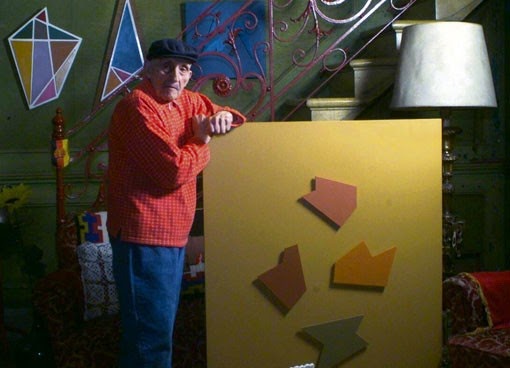
Among the pioneers of the Latin American concrete art movement, Argentinian artist Raúl Lozza stands out for his meticulous compositions brimming with color, dynamism, and optical intrigue. Though largely immersed in geometry, his body of work reveals a creative spirit enraptured by the interplay of shapes, colors, and the effects they produce on the viewer.

From Buenos Aires to Paris

Born in Buenos Aires in 1911, Lozza embarked on his artistic journey through drawing and painting classes as a teenager. In the 1930s, he co-founded the Asociación de Arte Concreto-Invención, an artistic collective that propelled the concrete art style in Argentina. This movement centered on abstract geometric forms and precise aesthetic order rather than figural representation.

In 1936, Lozza traveled to Paris to further hone his skills. There he mingled with giants of modern art like Piet Mondrian, connecting with European abstractionists. Back in Buenos Aires, he continued developing his signature style based on geometric abstraction.

The Magnetic Pull of Geometry

At the core of Lozza’s visual language sits his passion for geometry. Reminiscent of artistic contemporaries like Josef Albers, Lozza explored the dynamic interplay of squares, rectangles, circles, and lines. By subtly tweaking shapes and the relationships between them, his compositions generate flux, rhythm, and intrigue.

Lozza produced varied series where geometry takes center stage. The “Perfection of Forms” pays homage to the grandeur of geometric purity. The “Movimiento Generativo” series reveals shapes progressively transforming into new configurations. Other series highlight hypnotic vibrations produced through color and line.

Kinetic Illusions and Optical Effects

While grounded in geometry, Lozza’s work activates visual perception through clever illusions and optical effects. By leveraging contrast, repetition and placement, his designs seem to pulsate, swell and contract before the viewer’s eye. These kinetics usher the viewer into an experience that feels alive.

Lozza also produced actual moving pieces such as his “Cinetic Sections,” marrying concrete art and technology. These mobiles used geometry to showcase perpetual motion.

Universal Language

While concrete art flourished in Latin America, Lozza’s aesthetic vocabulary transcends boundaries. His work speaks a universal language where shapes, colors and composition produce visceral reactions. While intensely rational, his designs unlock new ways of seeing through a sublime interplay of forms.

Over his decades-long career until his death in 1991, Raúl Lozza helped propel concrete art from Latin America onto the global stage. Through masterful geometric compositions, he proves that precision and technical rigor can unleash boundless visual fascination.

Concrete Art Movement Artists:

Joaquín Torres García, Spanish, 1874–1949
Theo van Doesburg, Dutch, 1883–1931
Georges Vantongerloo, Belgian, 1886–1965
Josef Albers, German, 1888–1976
Alberto Magnelli, Italian, 1888–1970
Camille Graeser, Swiss, 1892–1980
Adolf Fleischmann, German, 1892–1968
Leo Leuppi, Swiss, 1893–1972
Henryk Stazewski, Polish, 1894–1988
Marcelle Cahn, French, 1895–1981
Galliano Mazzon, Italian, 1896–1978
Atanasio Soldati, Italian, 1896–1953
Otto Gustav Carlsund, Russian, 1897–1948
Robert Strubin, Swiss, 1897–1965
Fritz Glarner, American, 1899–1972
Friedrich Vordemberge-Gildewart, German, 1899–1962
Cesar Domela, Dutch, 1900–1992
Lolo Soldevilla, Cuban, 1901–1971
Hans Hinterreiter, Swiss, 1902–1989
Richard Paul Lohse, Swiss, 1902–1988
Leon Arthur Tutundjian, French, 1905–1968
Bruno Munari, Italian, 1907–1998
Sandu Darie, Romanian, 1908–1991
Luigi Veronesi, Italian, 1908–1998
Max Bill, Swiss, 1908–1994
Richard Mortensen, 1910–1993
Aurelie Nemours, French, 1910–2005
Raul Lozza, Argentinean, 1911–2008
Olle Baertling, Swedish, 1911–1981
Lothar Charoux, Austrian, 1912–1987
Verena Loewensberg, Swiss, 1912–1986
Mario Ballocco, Italian, 1913–2008
Carmelo Arden Quin, French, 1913–2010
Carmen Herrera, American, 1915
Pablo Palazuelo, Spanish, 1916–2007
Lennart Rodhe, Swedish, 1916–2005
Gottfried Honegger, Swiss, 1917
Mario Nigro, Italian, 1917–1992, 10
Nadir Afonso, Portuguese, 1920
Lidy Prati, Argentinean, 1921–2008
Tomás Maldonado, Argentinean, 1922
Ivan Serpa, Brazilian, 1923–1973
Günter Fruhtrunk, German, 1923–1982
Luis Sacilotto, Brazilian, 1924–2003
Gyula Kosice, Argentinean, 1924
François Morellet, French, 1926
Yaacov Agam, Israeli, 1928
Cesar Paternosto, Argentinean, 1931
Rubem Ludolf, Brazilian, 1932–2010
Andrzej Nowacki, Polish, 1953
Silvestre, Cuban, 1966

JÓVENES CON FIA

JÓVENES CON FIA
JÓVENES CON FIA

JÓVENES CON FIA

Por: Nicomedes Febres Luces

Hoy se inaugura a las 11 a.m. en medio de inmensas dificultades el Salón de Jóvenes con FIA en la Universidad Católica Andrés Bello por vigésima tercera vez consecutiva y bajo la curaduría de Elizabeth Marín. Verán el trabajo de unos sesenta jóvenes elegidos por ella y que representa sin dudas el Arte de nuestros jóvenes artistas. Gracias a Elizabeth, a la Universidad Católica Andrés Bello, a nuestros patrocinantes, a nuestros jóvenes artistas participantes y a todos aquellos que apuestan por el futuro de Venezuela. Ha sido un esfuerzo titánico.

JÓVENES CON FIA
JÓVENES CON FIA

JOSE GREGORIO Y GALLEGOS

Rómulo Gallegos
Rómulo Gallegos

JOSE GREGORIO Y GALLEGOS

Por, Nicomedes Febres Luces

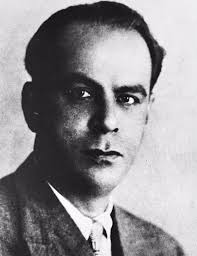
Antes de hacerse famoso por su novela Doña Bárbara una década después, Rómulo Gallegos escribió en el número 27 del 6 de julio de 1919 de la revista femenina Actualidades, muy exitosa entonces y sin ser un chupacirios, un artículo muy sentido sobre la muerte de José Gregorio Hernández que conmocionó a la ciudad por lo abrupta e inesperada. Dice al respecto nuestro novelista: “Pocas veces he visto en Caracas una manifestación de duelo más espontánea, general y profunda por la muerte del señor Doctor José Gregorio Hernández. Fue arrollado el domingo 29 de junio pasado. La noticia dolorosa se divulgó pronto produciendo una dolorosa impresión de estupor y pena.” Luego el escritor apunta sobre el personaje: “Unía a sus vastísimos conocimientos y a su inteligencia lúcida aquél don especial del médico por vocación, que con pronta penetración acierta a desentrañar los males del organismo”. “El doctor Hernández era un hombre raro en nuestros días por su humildad sincera, condición predominante de su carácter y por sus ideas y costumbres profundamente religiosas. Ajusto su vida leal y estrictamente a los principios de su credo católico: desprendido de los intereses y vanidades del mundo”. Luego señala: “No tuvo jamás miras interesadas, propósito de lucro, ni siquiera la vanidad del sabio seducido por el brillo de la ciencia moderna. Fue un sacerdote de la ciencia. Nunca hizo distinciones entre el cliente opulento y el mísero, y en el tugurio del proletario desamparado y enfermo solía dejar las monedas con el que el magnate recompensara sus servicios. Por eso el clamor de duelo del pueblo de Caracas era voz entrañable y sincera, que lamentaba la desaparición eterna de aquél justo que fue siempre su amigo invariable en las horas de quebranto e infortunio”. “Los altos dignatarios nacionales tomaron parte en ese duelo: el señor Ministro de Instrucción Pública participó la infausta nueva al señor general Juan Vicente Gómez, presidente electo de la República”. “El Doctor Márquez Bustillos, presidente provisional hizo acto de presencia en la capilla ardiente en uno de los salones del edificio de la Universidad. Solemnísimo fue el acto. El pueblo llevó en hombros el féretro hasta el Cementerio General del Sur y los jardines del Ávila despojáronse de sus flores para la tumba del ilustre desaparecido y las lágrimas de dolor corrieron incontenibles y copiosas como la mejor y más pura ofrenda a su memoria”.

En la foto Rómulo Gallegos antes de ser presidente electo más de dos décadas después en 1947

Geometría Diversa

Victor Vasarely
Victor Vasarely

Geometría Diversa

Un Hito Artístico en Tiempos de Renovación y Solidaridad

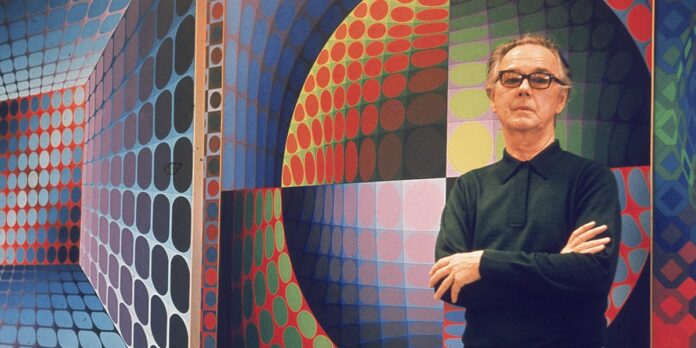
El arte siempre ha sido un medio de expresión que trasciende fronteras y tiempos difíciles, y “Geometría Diversa” es un claro ejemplo de cómo el arte puede ser una fuente de inspiración y ayuda en momentos críticos. Esta exposición de gran envergadura, que marca la inauguración de los nuevos espacios de la Quinta San Pedro, sede de la Fundación Centro de Terapias Integrales de Venezuela (CTIVE), representa un hito significativo en la vida cultural del país. Organizada bajo la curaduría de María Antonia González y la museografía de Nanín García, “Geometría Diversa” presenta una selección impresionante de obras de 37 artistas cinéticos de renombre, junto con emergentes talentos del mundo del arte.

Este evento artístico no solo celebra la belleza de la geometría y el movimiento en el arte, sino que también se erige como un símbolo de resiliencia en un momento en el que el mundo se recupera de los impactos de la pandemia. Después de un período de limitaciones y distanciamiento, “Geometría Diversa” es un recordatorio de la importancia del arte como un medio para unir a las personas y restaurar el espíritu humano.

La lista de artistas participantes en esta exposición es impresionante y diversa, abarcando desde los maestros consagrados como Jesús Soto, Carlos Cruz-Diez y Víctor Vasarely, hasta artistas emergentes como J.J. Moros y Mechi de Tulio. Cada uno de ellos aporta su visión única al mundo de la geometría cinética, explorando la interacción entre formas y colores de una manera que desafía la percepción y estimula la mente.

Sin embargo, “Geometría Diversa” va más allá de ser simplemente una exhibición de arte; también tiene un propósito noble. Los fondos recaudados a través de la venta de estas obras se destinan a beneficiar a los niños con diversidad funcional que reciben atención terapéutica sin costo en CTIVE. Esta iniciativa solidaria es un testimonio del poder del arte para marcar una diferencia en la vida de las personas y brindarles esperanza y apoyo en momentos difíciles.

En resumen, “Geometría Diversa” no es solo una exposición de arte, sino un símbolo de resiliencia, renovación y solidaridad. Es un recordatorio de que el arte tiene la capacidad de unir a las personas, inspirar el cambio y, en este caso, hacer una diferencia tangible en la vida de los más vulnerables. En un mundo que busca sanar y avanzar, “Geometría Diversa” brilla como un faro de esperanza y creatividad.

Jesús Soto
Carlos Cruz-Diez
Victor Vasarely
Julio Le Parc
Pancho Salazar
César Andrade
Édgar Negret
Édgar Guinand
Enrique Sardá
Rafael Barrios
Darío Pérez Flores

Emergentes
J.J. Moros
Joaquín Latorraca
Héctor Ramírez
Ani Villanueva
Mechi de Tulio
Alberto Sánchez
Adriana Dorta
Juan Alejandro Vegas
María Eva Rojas
María Angélica Viso
María Elisa Pifano

Aurélie Nemours

Aurélie Nemours
Aurélie Nemours

Aurélie Nemours: La Maestra de la abstracción geométrica

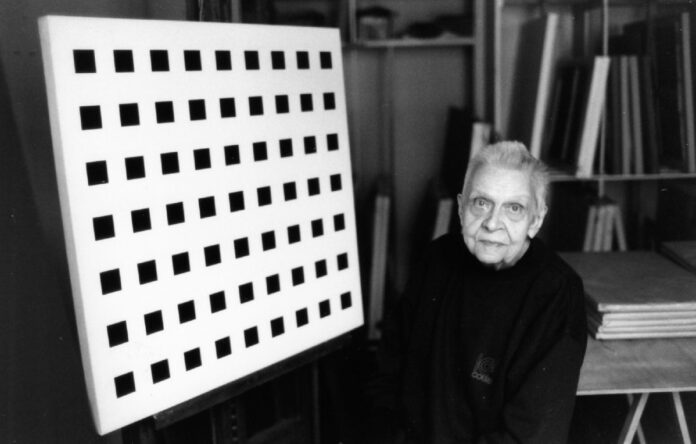
Nurélie Nemours fue una pintora abstracta geométrica francesa que vivió entre 1910 y 2005. Su obra se caracteriza por el uso de formas simples y colores planos, organizados en composiciones equilibradas y armoniosas.

Nemours es considerada una de las principales figuras del arte abstracto geométrico del siglo XX. Su obra es un ejemplo de la belleza y la complejidad del arte no figurativo.

A lo largo de su carrera, Nemours siguió explorando y desarrollando su estilo. Su obra es un ejemplo de la diversidad y la riqueza del arte abstracto geométrico.

Influencias

Las principales influencias de Nemours fueron el movimiento De Stijl, el constructivismo ruso y el minimalismo. De Stijl, en particular, tuvo un gran impacto en su obra, inspirándole el uso de formas simples y colores planos.

Nemours comenzó su carrera artística en la década de 1930, pero no fue hasta la década de 1950 que desarrolló su estilo característico. En esta época, se interesó por el movimiento De Stijl, que buscaba crear un arte que fuera puro, objetivo y universal. Las obras de Nemours de esta época se caracterizan por el uso de líneas rectas, cuadrados y rectángulos, organizados en composiciones geométricas.

En la década de 1960, Nemours comenzó a experimentar con nuevos materiales y técnicas. Utilizaba materiales industriales como el metal y el plástico, y técnicas como el collage y el assemblage. Sus obras de esta época son más abstractas y complejas que sus obras anteriores.

El mundo del arte ha estado marcado por innumerables talentos a lo largo de la historia, pero pocos han logrado cautivar la imaginación de la manera en que lo hizo Aurélie Nemours. Esta artista francesa, nacida el 29 de octubre de 1910 en París y fallecida el 27 de febrero de 2005, se convirtió en una de las figuras más influyentes en el arte abstracto del siglo XX. Su obra no solo trascendió las fronteras geográficas, sino que también desafió las barreras convencionales del arte.


Los Primeros Pasos en el Arte
Aurélie Nemours descubrió su pasión por el arte desde una edad temprana. Aunque su formación académica fue en música, finalmente decidió estudiar pintura en la prestigiosa Academia de la Grande Chaumière de París. Allí, desarrolló sus habilidades y comenzó a experimentar con diferentes estilos y técnicas artísticas.


Abrazando lo Abstracto
A mediados del siglo XX, el mundo del arte estaba experimentando una revolución. El arte abstracto estaba en pleno auge, y Nemours se encontraba en el epicentro de esta revolución. Inspirada por las obras de artistas como Piet Mondrian y Kazimir Malevich, Aurélie Nemours abrazó el arte abstracto como su forma de expresión.
Su trabajo se caracteriza por la simplicidad geométrica, la precisión matemática y la exploración del color y la forma. Sus obras se componen principalmente de líneas rectas y formas geométricas básicas, como cuadrados y rectángulos. A través de la repetición y la variación de estos elementos, logró crear composiciones visualmente impactantes y altamente evocadoras.


La Importancia del Color
Aurélie Nemours entendía que el color tenía un poder innegable en la percepción visual y emocional del arte. Sus obras presentaban una paleta de colores cuidadosamente seleccionados y distribuidos de manera precisa. A través de la yuxtaposición de colores y la interacción entre ellos, lograba transmitir una sensación de profundidad y movimiento en sus obras, a pesar de su aparente simplicidad.


El Impacto Duradero
La obra de Nemours no solo fue influyente en el ámbito artístico de su época, sino que también dejó una huella perdurable en las generaciones futuras de artistas abstractos. Su enfoque en la simplicidad, la geometría y el color siguió siendo una fuente de inspiración para artistas contemporáneos y continúa influyendo en el arte abstracto en la actualidad.


Reconocimiento y Legado

Las obras de abstracción geométrica de Aurélie Nemours son un testimonio de su genio artístico y su profundo compromiso con la exploración de la forma y el color. A través de la geometría, Nemours crea composiciones que son al mismo tiempo rigurosamente estructuradas y visualmente cautivadoras. Sus obras a menudo se componen de líneas rectas, cuadrados y rectángulos dispuestos con precisión matemática, lo que da como resultado una sensación de orden y equilibrio. Sin embargo, lo que distingue a sus creaciones es la manera en que juega con el color. Nemours emplea una paleta de colores cuidadosamente seleccionados para lograr una interacción dinámica entre las formas geométricas, creando así una experiencia visual que va más allá de lo puramente estético. Sus obras son un estudio de cómo el color puede transformar la percepción y la interpretación de la forma, lo que brinda al espectador una experiencia única y enriquecedora.

Cada obra de Nemours es un mundo en sí misma, una invitación a la contemplación y la reflexión. A medida que el espectador se adentra en sus creaciones, se encuentra inmerso en un diálogo silencioso entre las formas y los colores, una conversación que evoca emociones y reflexiones profundas. La abstracción geométrica de Aurélie Nemours no solo desafía las convenciones del arte, sino que también despierta la mente y el espíritu, recordándonos la capacidad del arte para trascender las palabras y comunicar a un nivel intuitivo y emocional.

El legado de Aurélie Nemours perdura a través de su arte atemporal y su contribución invaluable al movimiento abstracto. Su capacidad para llevar la simplicidad a un nivel de profundidad y significado asombrosos sigue siendo una inspiración para artistas y amantes del arte en todo el mundo. A través de su obra, Aurélie Nemours nos recuerda que la belleza y el poder del arte a menudo residen en la pureza de la forma y el color, invitándonos a explorar el vasto mundo de lo abstracto y contemplar la profundidad que puede encontrarse en la simplicidad aparente.

Obras destacadas

Algunas de las obras más destacadas de Nemours incluyen:

“Le navire Argo” (1957): una pintura geométrica que representa un barco en un mar de color azul.
“Composition 277” (1964): un collage que combina materiales industriales y formas abstractas.
“Sans titre (carré noir)” (1970): una pintura minimalista que consiste en un cuadrado negro sobre un fondo blanco.
Reconocimiento

Aurélie Nemours recibió numerosos premios y reconocimientos a lo largo de su carrera, incluido el prestigioso Premio Nacional de Artes en Francia en 1986, el Premio Guggenheim (1964) y el Premio de la Fundación de Arte Contemporáneo (1980).. Su trabajo se exhibe en museos y galerías de todo el mundo, y sus obras se encuentran en colecciones permanentes de algunas de las instituciones artísticas más importantes. Su obra se ha expuesto en museos de todo el mundo, incluyendo el Museo de Arte Moderno de Nueva York, el Museo de Arte Contemporáneo de Los Ángeles y el Museo Nacional de Arte Moderno de París.

Hoy todos quieren ser artistas visuales

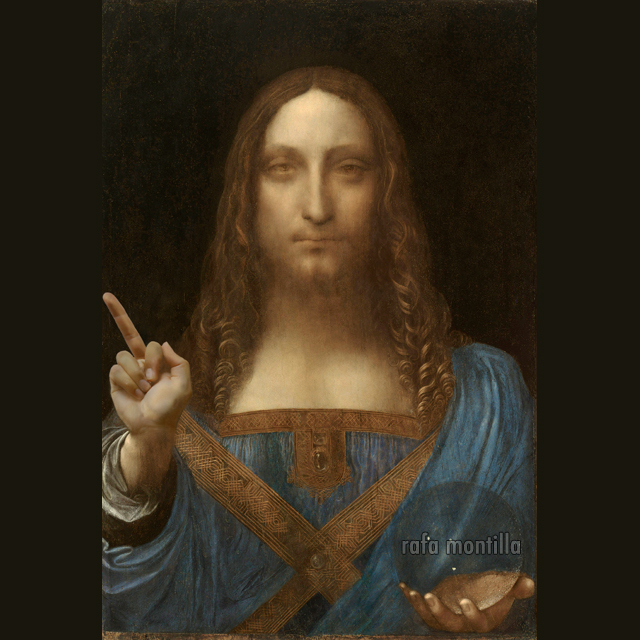
Leonardo_da_Vinci_Salvator_Mundi_c.1500

Hoy todos quieren ser artistas visuales

Por GADU

Hoy todos quieren ser artistas plásticos, pintores, escultores, y cuanta vaina se pueda crear lo denominan arte. Yo creo que todo esto se puede lograr a medida que vas adquiriendo conocimientos y técnicas para desarrollar un proyecto. Me explico: no puedes hoy intervenir un objeto y denominarlo arte solo porque tiraste unos chorros de pintura y se te ocurrió decir que es una pieza artística. Eso se denominaría “arte utilitario”, el cual esta bien cuestionado por muchos conocedores de la materia.

No puedes dibujar y hacer algo que ya otra persona hizo porque eso es plagio, así cambies los colores de la pieza y trates de modificar y ocultar rasgos. Hay que hacerse un nombre con el tiempo, y eso solo se logra participando en cuanto evento de arte y exposiciones te puedas inscribir, cumpliendo las bases de cada evento, elaborar un curriculum y nutrirlo de experiencias.

Veo con mucho estupor que cualquier pendejo se hace llamar artista y cualquier artista se hace el pendejo con este tema. Cualquiera podría pensar que soy un pendejo a quien llaman artista, pero al menos me preceden mi constancia, y mis años de estar dedicado solo al arte naif. No sé si soy bueno, pero les aseguro que cada pieza mía le dará color y vida a su hogar, oficina o espacio. Son 26 años dedicado exclusivamente a pintar y a hacer lo que me gusta. He visto crecer y caer a muchos; el arte se siente y depende mucho de tu estado de vida. Hay personas que no entienden que se requiere de un estado tranquilo y paz para desarrollar un proyecto alegre y lleno de color. Habrá quien pinta atormentado y saca un proyecto adelante con éxito, pero no es mi caso.

Por otra parte, veo cómo cada quien da valor a su pieza como le da la gana, si bien es cierto que para uno su trabajo no tiene precio, también es bien cierto que debe ser curado, tazando y de acuerdo a tu trayectoria sumar un valor, pero en distintas ferias de arte me tropiezo con piezas de valores exuberantes que no sabes a quién carajo se le ocurrió esa suma. Peor aun: ver personas que por solo esnobismo compran y se hartan de presumir. No me refiero a nadie en particular, pero existen. Yo soy un artista naif, y me considero uno de los mejores. No pretendo con esto crear polémica, pero aconsejo a los nuevos coleccionistas de arte que se fijen mucho en la trayectoria de cada artista, que su pieza no solo sea una simple decoración de pared o espacio, porque el arte, si es bueno, le servirá a futuro, o dejará entre sus objetos un legado.
Gadu

Mundo de Arte en Miami

Primary Colors: blue, red, yellow

Participé en una exposición colectiva que fue considerada un gran éxito por muchos. Esta exhibición brindó una oportunidad invaluable para los artistas de Miami en general, permitiéndoles mostrar su excepcional arte. En mi caso, la experiencia no fue tan positiva. Presenté dos esculturas pequeñas que fueron ubicadas juntas en un solo pedestal. Al hablar con uno de los organizadores y expresarle mi inquietud, me respondió que él no estaba a cargo de la disposición de las obras y me instó a hablar con xxx, quien había organizado la exhibición. Agradecí su respuesta y continué mi recorrido. Más tarde, me crucé con otro de los organizadores y le compartí la misma preocupación sobre las dos esculturas. Su respuesta fue que él había actuado como curador y consideraba que solo una de las piezas era una escultura completa, mientras que la otra era un boceto con una maderita que no le gustaba y se la quite, además de la limitación de pedestales.
Ante esta situación, mantuve mi serenidad, que es una de mis características personales distintivas. Solo escuche su perspectiva y me pregunté por qué este talentoso artista había permitido que su opinión personal influyera en su rol como montador de las obras de la expisicion y se olvido lo que es el arte conceptual. Esta experiencia me llevó a reflexionar que no todos apreciamos ni respetamos el arte de los demás. En el mundo del arte, cada obra es valorada de manera única por su creador, y a veces los pensamientos y comentarios de terceros son su percepción y no debe influyen en la obra ya creada.
Sin embargo, me sentí frustrado por la falta de comunicación previa sobre las limitaciones de espacio y la disposición de las obras en la exposición. Habría sido más constructivo que nos contactaran con anticipación para discutir la mejor manera de presentar mi obra, o incluso considerar si era apropiado exhibirla en esas condiciones.

En un mundo donde la búsqueda de la expresión artística ha tomado caminos inesperados, mi amigo, el apasionado artista GADU, me envió un revelador artículo. En este texto, GADU aborda la inquietante tendencia de que en la actualidad cualquiera puede autodenominarse artista, mientras que la etiqueta de “curador” se ha vuelto igualmente accesible para todos. Durante mi tiempo como director de la Galería Hernan Gamboa, a menudo me decían: “Eres el curador”, a lo que siempre respondía: “No, no estudié historia del arte y, por respeto a los curadores, no me atrevo a autodenominarme como tal”. Este dilema refleja una preocupación que GADU plantea con valentía en su artículo, el cual les recomiendo leer, pues está escrito con la franqueza que caracteriza a Chepa Candela “Sin pelos en la lengua”.

GADU expone su perspectiva sobre la proliferación de aspirantes a artistas plásticos, pintores y escultores, y cuestiona la autenticidad de lo que se proclama como arte en la actualidad. En su artículo, aboga por la importancia de adquirir conocimientos y técnicas antes de autodenominarse artistas, así como por el valor de construir una trayectoria a lo largo del tiempo, participando en eventos y exposiciones, y nutriendo un curriculum con experiencias genuinas.

Esta reflexión nos invita a considerar la verdadera esencia del arte y cómo se valora en la sociedad actual. GADU, con sus 26 años dedicados exclusivamente al arte naif, nos muestra la importancia de la dedicación y el compromiso en esta disciplina. Además, nos desafía a cuestionar la manera en que valoramos y tasamos las obras de arte, y cómo el esnobismo puede distorsionar esta valoración.

En última instancia, el artículo de GADU nos recuerda que el arte va más allá de la mera decoración y que, cuando es auténtico y significativo, puede dejarnos un legado valioso para el futuro.

Pueden leerlo en este link https://artmiamimagazine.com/hoy-todos-quieren-ser-artistas-visuales/

German Expressionism

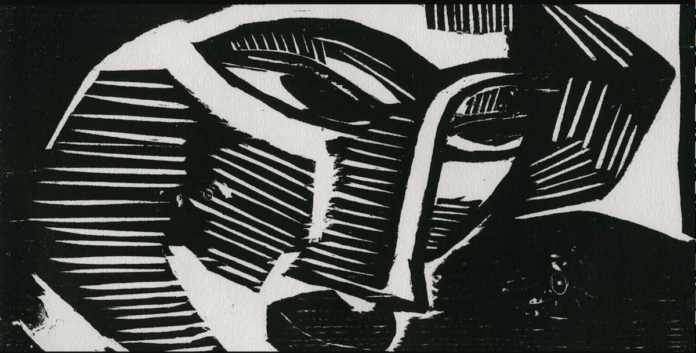
german expressionism artwork

German Expressionism: Unveiling the Soul of the Early 20th Century

German Expressionism, a dynamic art movement that emerged in the early 20th century, is a testament to the power of inner emotions over objective reality. This movement, characterized by its bold use of simplified shapes, vivid colors, and expressive brushwork, sought to break free from the constraints of traditional representation. Instead, it delved into the depths of the human psyche, revealing a world of heightened emotions, societal critique, and existential pondering.
One of the defining features of German Expressionism was its departure from the objective portrayal of reality. Artists, in their quest to express their innermost feelings, employed high angles, deep shadows, and chiaroscuro lighting to create an emotional landscape that transcended the boundaries of conventional art. This movement thrived on distorting the visual world to evoke intense moods and provoke viewers to confront their innermost thoughts.
At its core, German Expressionism was driven by a desire to articulate emotional experiences and challenge the prevailing norms of art. In contrast to the detached, intellectualized art of the era, Expressionists focused on the raw and visceral. Through their works, they grappled with the complexities of modern urban life, the solace found in nature and religion, and the primal power of the human body. Their art became a means of confronting the profound changes sweeping society at the time.
Expressionism in Germany was not confined to visual art; it permeated literature, theater, film, and more. It was a holistic movement that aimed to effect profound societal changes, reminding individuals of their inherent humanity. As the movement gained momentum, it extended its reach into politics, economics, social structures, publishing, music, film, and architecture, making it a cultural force that challenged the status quo.
However, German Expressionism was ephemeral, existing in transition and change. Much of its output was printed on cheap paper, and as the National Socialists rose to power in Germany, Expressionism was condemned, destroying many works. Nonetheless, the legacy of German Expressionism endures as a testament to the power of art to reflect and challenge the world it inhabits. This movement continues to inspire and provoke thought, reminding us of the enduring allure of the human spirit in its rawest form.

German Expressionism Artists:

Ernst Ludwig Kirchner, a prominent figure in the Die Brücke movement, produced vibrant and emotionally charged artworks that epitomize the essence of German Expressionism. His paintings, such as “Street, Dresden,” are characterized by bold colors, jagged lines, and distorted figures, conveying a sense of urban anxiety and inner turmoil.

Franz Marc, associated with Der Blaue Reiter, explored spirituality and the connection between humans and nature in his Expressionist art. His masterpiece, “The Large Blue Horses,” is a prime example of his use of vivid, symbolic colors and abstract forms to convey a profound sense of harmony and spiritual unity.

Wassily Kandinsky, another member of Der Blaue Reiter, pushed the boundaries of artistic expression with his abstract works. His painting “Composition VII” is a symphony of colors, shapes, and lines that transcends reality, embodying the movement’s emphasis on inner experiences and emotional expression.

Egon Schiele, known for his raw and provocative art, captured the human form in a deeply expressive and often unsettling manner. His self-portraits and portraits of others, like “Portrait of Wally Neuzil,” are marked by contorted figures and intense psychological insight, reflecting the darker aspects of human existence.

Emil Nolde, a member of Die Brücke and later the Berlin Secession, brought a sense of mysticism to his Expressionist works. His painting “The Prophet” conveys a sense of spiritual ecstasy through bold colors and fluid forms, showcasing Nolde’s unique approach to the movement.

Paul Klee‘s art, influenced by Expressionism, Surrealism, and Cubism, is a testament to his innovative and whimsical style. Works like “Senecio” blend abstraction and childlike imagination, reflecting Klee’s exploration of the inner world and the fantastical.

Otto Dix is renowned for his searing critiques of German society during the Weimar Republic. His series “The War” presents a harrowing depiction of the horrors of World War I, combining graphic realism with Expressionist elements to convey the psychological trauma of war.

Käthe Kollwitz‘s emotionally charged graphic works, such as “The Mothers,” poignantly portray the human condition, particularly the suffering of women and families during times of war and hardship. Her powerful prints and sculptures exemplify the social conscience of German Expressionism.

Erich Heckel, a founding member of Die Brücke, played a pivotal role in the movement. His woodcuts and paintings, like “Roquairol,” often feature stylized, elongated figures in a raw and primitivist style, capturing the essence of urban life and human connection.

Oskar Kokoschka‘s Expressionist portraits, including “Portrait of Alma Mahler,” reveal a profound emotional intensity. His bold use of color and dynamic brushwork convey the inner turmoil and passion of his subjects, reflecting the spirit of the movement.

Max Beckmann‘s art, characterized by its dark and brooding themes, delved into the complexities of human existence. His painting “The Night” is a haunting reflection of the post-war disillusionment and moral decay, a recurrent motif in his Expressionist works.

August Macke, associated with Der Blaue Reiter, infused his works with vibrant colors and a sense of optimism. His painting “Tightrope Walker” exemplifies his playful and joyful approach to depicting life, capturing the movement’s celebration of the human spirit.

Karl Schmidt-Rottluff, a co-founder of Die Brücke, embraced the use of woodcuts and bold, angular forms. His graphic works, like “Two Men” and “Nude,” showcase his knack for distilling the essence of the subject and the emotional intensity of Expressionism.

George Grosz‘s satirical and critical approach to art is evident in works like “Eclipse of the Sun.” His sharp social commentary, often laced with dark humor, reveals the tumultuous times of Weimar Germany and the political turmoil through an Expressionist lens.

Max Pechstein‘s colorful and expressive paintings, such as “Indian and Woman,” reflect his fascination with non-Western art and cultures. His vivid use of color and flattened forms contribute to the movement’s exploration of primitivism and subjectivity.

Gabriele Münter, a key member of Der Blaue Reiter, produced vibrant landscapes and still-life paintings. Her work, like “Jawohl, Blaue Reiter,” radiates a sense of harmony and spirituality, in line with the movement’s ideals.

Alexej von Jawlensky’s portraits, characterized by their colorful abstractions and spiritual depth, are exemplified by works such as “Variation.” His exploration of the human face as a vessel of emotion and inner life aligns with Expressionism’s focus on the subjective.

Anselm Kiefer, although working in a later period, draws inspiration from German Expressionism. His monumental and layered artworks, like “Breaking of the Vessels,” grapple with history, memory, and mythology, reflecting the movement’s ongoing influence.

Georg Baselitz, known for his inverted and often provocative imagery, challenges conventions in his art. His expressive paintings, such as “Big Night Down the Drain,” confront societal norms and explore the depths of the human.

Adolf Harms Verlag Hamburg
Akademischer Verband für Literatur und Musik, Vienna
Josef Albers American, born Germany. 1888–1976
Allianz-Verlag, Zürich
Altershilfe des Deutschen Volkes
Amsler & Ruthardt
Associated American Artists, New York
Avalun Verlag
Julius Bard Verlag, Berlin
Black Sun Press, New York
Buchholz Gallery, New York
Cahiers d’Art, Paris
Carl Reissner Verlag, Dresden
Bruno Cassirer
Paul Cassirer, Berlin
Hyperion Verlag
Cologne Sonderbund
Contemporary Print Group, New York
Friedrich Dehne
Delphin-Verlag, Munich
Deutscher Kunstverein, Berlin
Otto Dix German, 1891–1969
Dresdner Verlag, Dresden
E.A. Seemann, Leipzig
Édition Art d’Aujourd’hui, Boulogne
Éditions Cosmopolites, Paris
Éditions “Cahiers d’Art”, Paris
Elena Gottschalk Verlag, Berlin
Ernst Wasmuth, Berlin
Eugen Rentsch Verlag, Zurich
Euphorion Verlag, Berlin
Lyonel Feininger American, 1871–1956
Alfred Flechtheim
Editions Fourcade, Paris
Frankfurter Kunstverein
Freie Secession
Adolph Fürstner
Galerie Ferdinand Möller
Galerie Goldschmidt and Wallerstein, Berlin
Galerie Goyert
O. W. Gauss
Genossenschaft Pan GmbH, Berlin
George Weidenfeld & Nicolson, London
Gerlach & Wiedling, Vienna and Leipzig
Gesellschaft der Erfurter Museumsfreunde, Erfurt
Gesellschaft für vervielfältigende Kunst
Editions Girsberger, Zurich
Hans Goltz
Goltzverlag, Munich
Graphik-Verlag Heinrich Mock
Graphik Verlag München GmbH
Graphisches Kabinett J. B. Neumann
Grillen-Presse, Hamburg
Fritz Gurlitt
Hans Heinrich Tilgner Verlag, Berlin
Hauswedell & Co.
Stanley William Hayter British, 1901–1988
Erich Heckel German, 1883–1970
Heinrich Böhme Verlag, Hannover
Heinrich F.S. Bachmair
Walter Helbig German, 1878–1968
Verlag Jakob Hermelin, Ulm
S. Hirzel, Leipzig
Hochstimm Verlag, Berlin
Dr. Karl Hoenn
Rudolf Hoffmann German, 1882–1941
Horen Verlag, Berlin-Grunewald
Insel
Izo NKP, Moscow
Franz Maria Jansen German, 1885–1958
Johannes Presse, Vienna
Kandinsky-Gesellschaft, Braunschweig
Kastner & Lossen
Kentaur Verlag
Kestner-Gesellschaft, Hannover
Verlag Gustav Kiepenheuer
Paul Klee German, born Switzerland. 1879–1940
Max Klinger German, 1857–1920
Klinkhardt & Biermann, Leipzig
Komitee “Künstlerhilfe” der “Internationalen Arbeiterhilfe,” Berlin
Kreis der Freunde des Bauhauses
Kunsthütte Chemnitz, Chemnitz
Künstlergruppe Brücke, Dresden
Künstlergruppe Brücke, Berlin
Künstlerspende für das deutsche Buchmuseum, Leipzig
Kunstverein für die Rheinlande und Westfalen
Verlag Karl Lang, Darmstadt
The Limited Editions Club, New York
Malik-Verlag, Berlin
Gerhard Marcks German, 1889–1981
Marées-Gesellschaft, R. Piper & Co., Munich
Marlborough Fine Art Ltd., London
Marlborough Graphics Ltd., London
Maximilian-Presse, Hamburg
Paul Mehnert
A. R. Meyer, Berlin-Wilmersdorf
Mourlot, Paris
Otto Mueller German, 1874–1930
Müller & Co. Verlag, Potsdam
Georg Müller Verlag, Munich
Edvard Munch Norwegian, 1863–1944
Münchener Neue Secession
Nassauischer Kunstverein, Neues Museum Wiesbaden
Neue Künstlervereinigung München
Neuland-Verlag
J. B. Neumann
New Directions Books, New York
Wilhelm Niemeyer, Hamburg German
Karl Nierendorf
Emil Nolde German, 1867–1956
November Verlag, Kiel
Éditions Orobitz et Cie., Paris
J. J. Ottens
Pan-Presse (Verlag Paul Cassirer)
Max Pechstein German, 1881–1955
R. Piper & Co., Munich
Propyläen-Verlag, Berlin
Querschnitt Verlag, Frankfurt am Main
Ernest Rathenau
Revista Acadêmico Editora, Rio de Janeiro
Emil Richter
Rikola Verlag, Verlag Neuer Graphik, Vienna
Ludwig Schames, Frankfurt
Rosa Schapire German
Heinar Schilling
Schlesischer Künstlerbund, Breslau
Schweizerische Graphische Gesellschaft
Sirius-Verlag, Zurich
Staatliches Bauhaus, Weimar
Theodor Stroefer
Stroganov Academy
Tendances Nouvelles
E. W. Tieffenbach
Tribune Company, Chicago, Illinois
Wilhelm Uhde, Burg Lauenstein, Oberfranken
Universal Limited Art Editions, West Islip, New York
unpublished
Utopia-Verlag, Weimar
Curt Valentin German, 1902–1954
Verbindung für historische Kunst
Verbindung zur Förderung deutscher Kunst, Berlin
Vereinigung bildender Künstler Österreichs
Verlag Arndt Beyer, Leipzig
Verlag der Dichtung, Potsdam
Verlag der Gäste, Kattowitz
Verlag der Münster-Presse
Verlag Der Sturm, Berlin
Verlag der Wochenschrift DIE AKTION
Verlage des Kreises Graphischer Künstler und Sammler, Arndt Beyer, Leipzig
Verlag Graphisches Kabinett Günther Franke, Munich
Verlag neue Jugend, Berlin
Verlag Neue Kunsthandlung, Berlin
Verlag Neue Kunst Hans Goltz
Verlag der Aufbruch, Kurt Virnerburg, Berlin
Alexander von der Becke, Verlag des graphischen Werkes von Käthe Kollwitz
Verlag von Grethlein & Co., Zürich/Leipzig
Werbedienst der deutschen Republik
Wiener Verlag, Vienna
Wiener Werkstätte, Vienna
J.E. Wolfensberger, Zurich
Kurt Wolff Verlag
Peter Zingler’s Kabinett, Frankfurt

Page 177 of 278
1 175 176 177 178 179 278