Home Blog Page 143

Public Art Archive

Art in public places in Miami, FL

PAA Database

The Public Art Archive™ (PAA) is a free, continually growing, online and mobile database of completed public artworks throughout the U.S. and abroad. By uniting records from public art organizations and artists into one comprehensive resource, PAA aims to provide universal access to the complex stories that characterize public artworks not as static objects, but as dynamic, interconnected keepers of history, context and meaning. PAA’s mission “to make public art more public” has guided the program’s growth into one of the largest active databases of public art. Since the Archive’s inception in 2010, public art organizations and artists have submitted informational text, images, and additional multimedia files describing completed public artworks at no cost. 

  • Document and support best practices in cataloging public artworks across the globe;
  • Provide free access to information about public artworks in one central repository;
  • Raise awareness about the significance of public art;
  • Develop resources to inform diverse audiences about the breadth and depth of what constitutes public art;
  • Encourage sustained engagement with public art to support discovery and education;
  • Preserve the transforming history of public spaces to continue to learn from public art practice.

Products & Services

Developed with the mission of making public art more public, the Public Art Archive provides free and low-cost resources for the public art field. Built for artists, administrators, consultants, planners, educators, and researchers, audiences of all ages can engage with public art through our suite of services and offerings. Click the links below to learn more about how PAA can support your needs.

Public Art in Private Development Database

The Public Art Archive is proud to announce it will now house the Public Art in Private Development (PAPD) Database, originally built and maintained by art lawyer and subject expert Sarah Conley Odenkirk.

About the PAPD Database

The PAPD Database represents years of work by Sarah Conley Odenkirk and her team to gather documents, analyze information from communities around the United States, and compile it into an accessible database. When the project began in 2013, it focused on finding out how many communities across the country have some sort of ordinance or policy that relates to public art for private development. As it turns out, the answer is quite a few.

Since 2013, Odenkirk and her team have added more than 90 communities, and the numbers will continue to grow as the PAA team begins its stewardship of the database.

What’s in the PAPD Database?

All public art requirements, including those in private development, are defined and specified in ordinances, policies, and other supporting documentation like master plans and development guidelines. These requirements evolve in different ways and for a variety of reasons, often involving complex strategic planning and policy implementation processes. Numerous parties contribute to this process, including municipal administrators and city attorneys, who work in coordination to ensure the resulting policy facilitates constructive community involvement. The resources in this database allow users to understand the nature and scope of existing PAPD programs and can help municipalities and developers define and implement best practices for their circumstances and communities.

The database contains all underlying documentation, including publicly-available and online material. Wherever possible, all citations to reference information are included, as well as the specific people to contact for each program. Where applicable and feasible, you will also find the actual legal text.

Odenkirk and her team made efforts to contact every public art administrator for each community to verify that the information is up to date and complete. As part of the migration of this database to the Public Art Archive, the PAA team reviewed each policy link to update the documentation as needed. Nevertheless, we will continue to update this database from time to time with new information and communities. If you discover that any of the material needs to be updated or revised or that we missed your community altogether.

Sarah Conley Odenkirk continues to be a resource and represents artists and communities around the country. She is the founder of ArtConverge, a law firm providing legal strategies and thought leadership for the arts. Reach out to Sarah via.

Email Us: [email protected]
Call Us: (303) 629-1166

Arte vs. Artesanía, Diseño e Ilustración

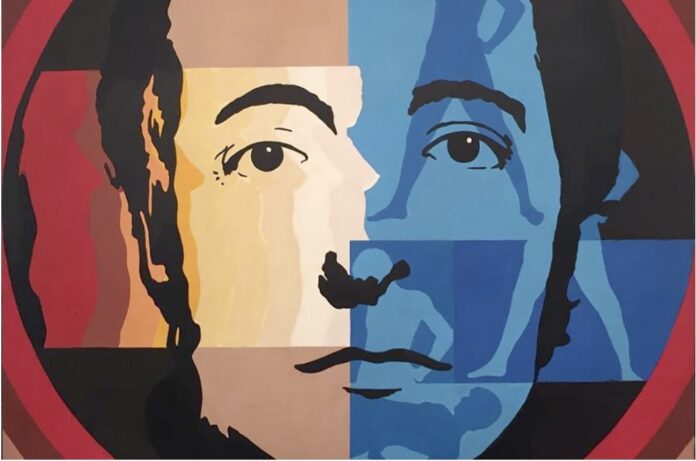
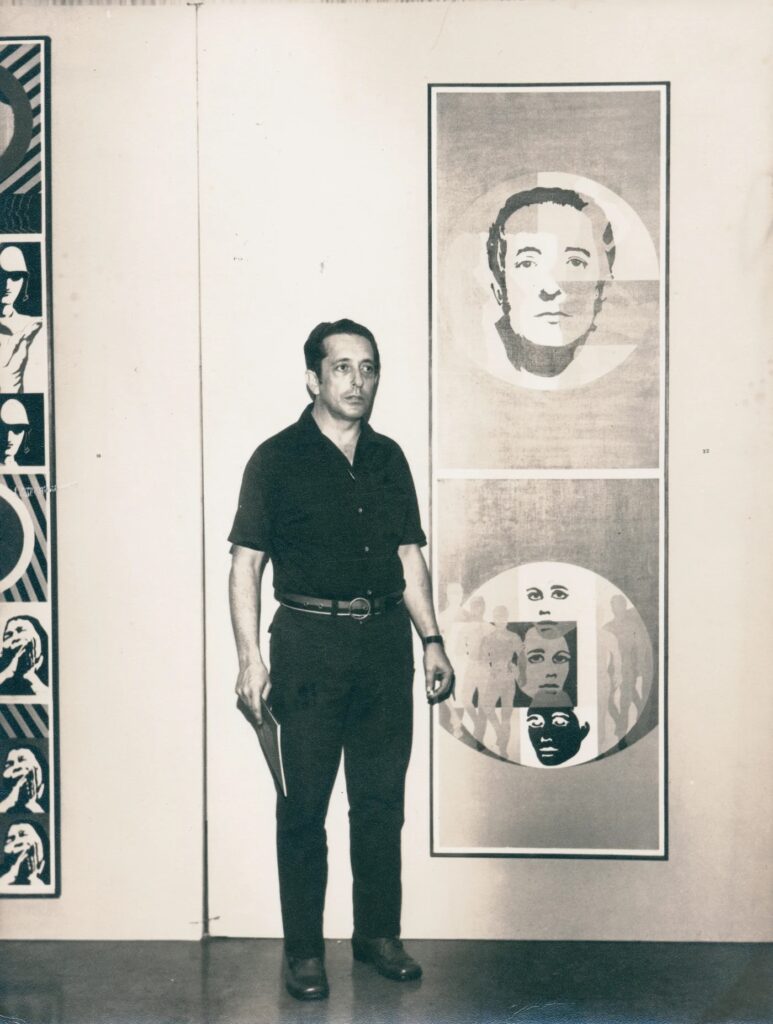
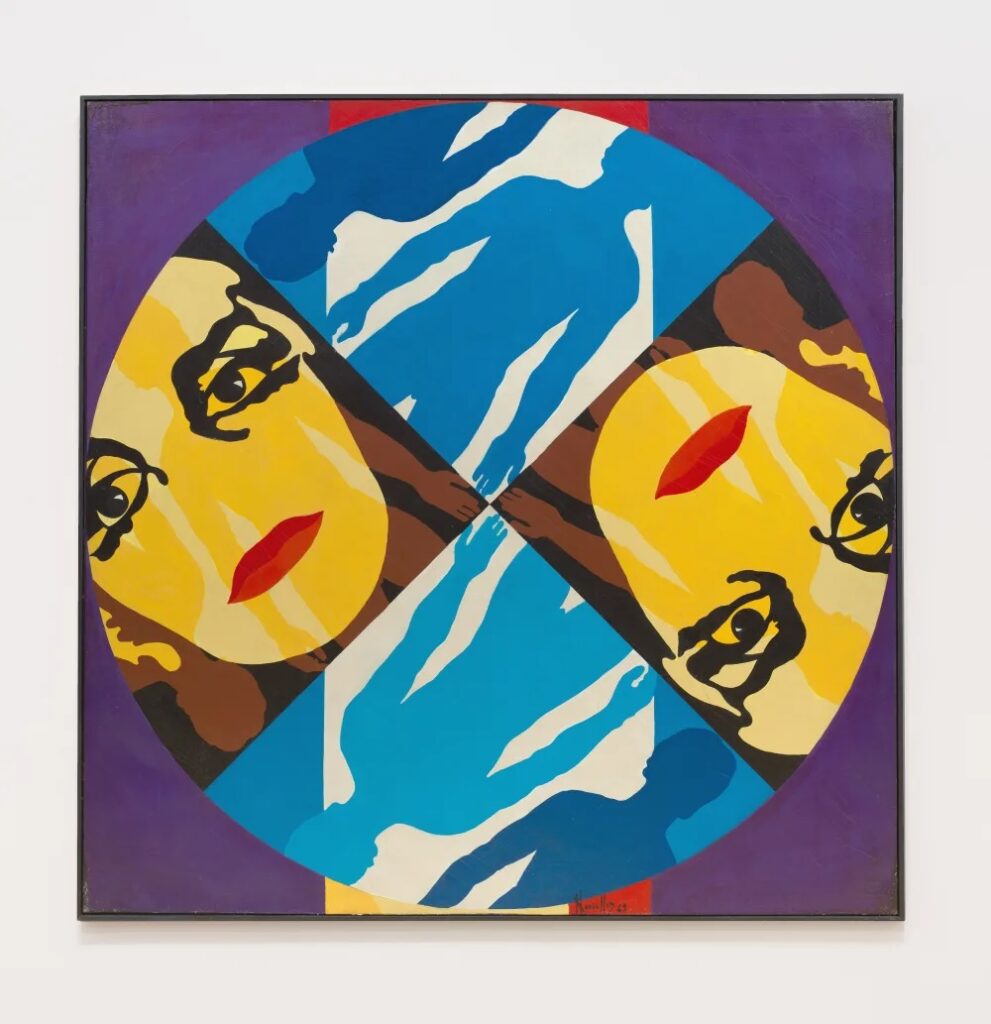
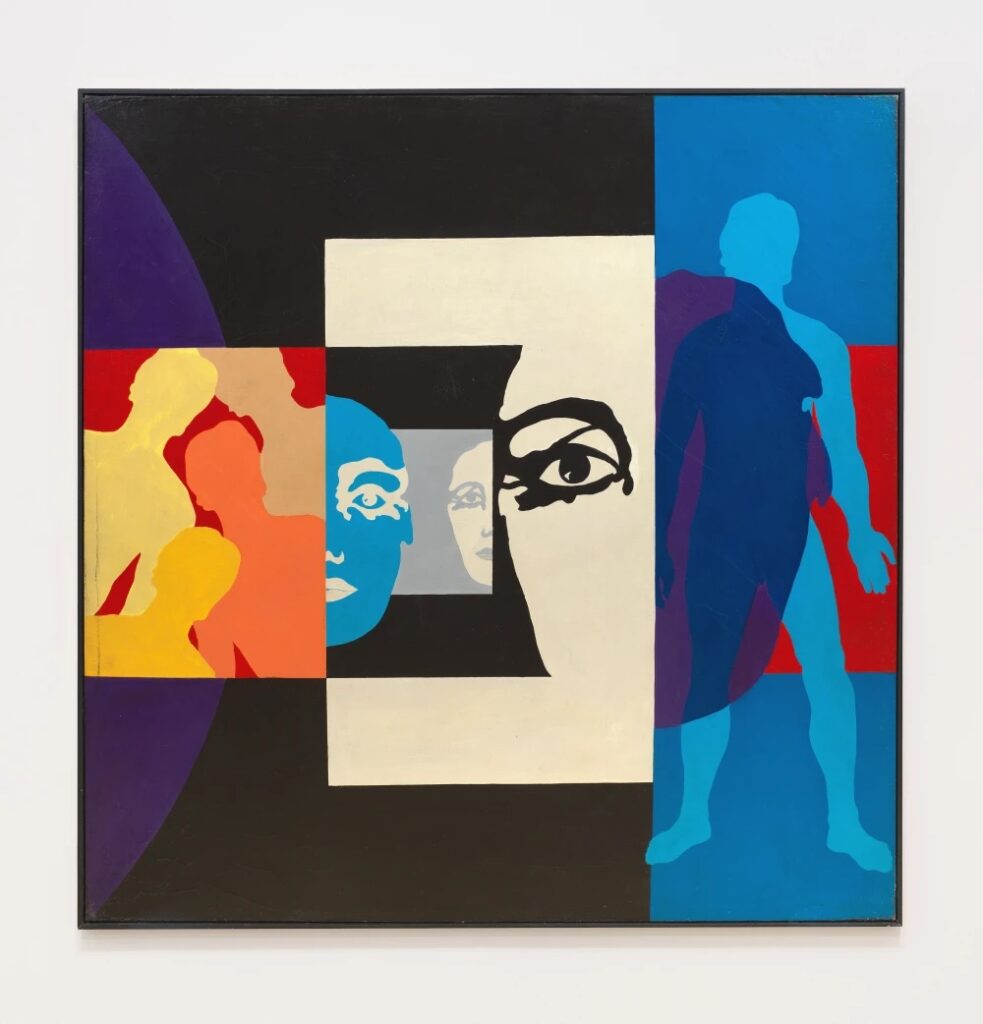
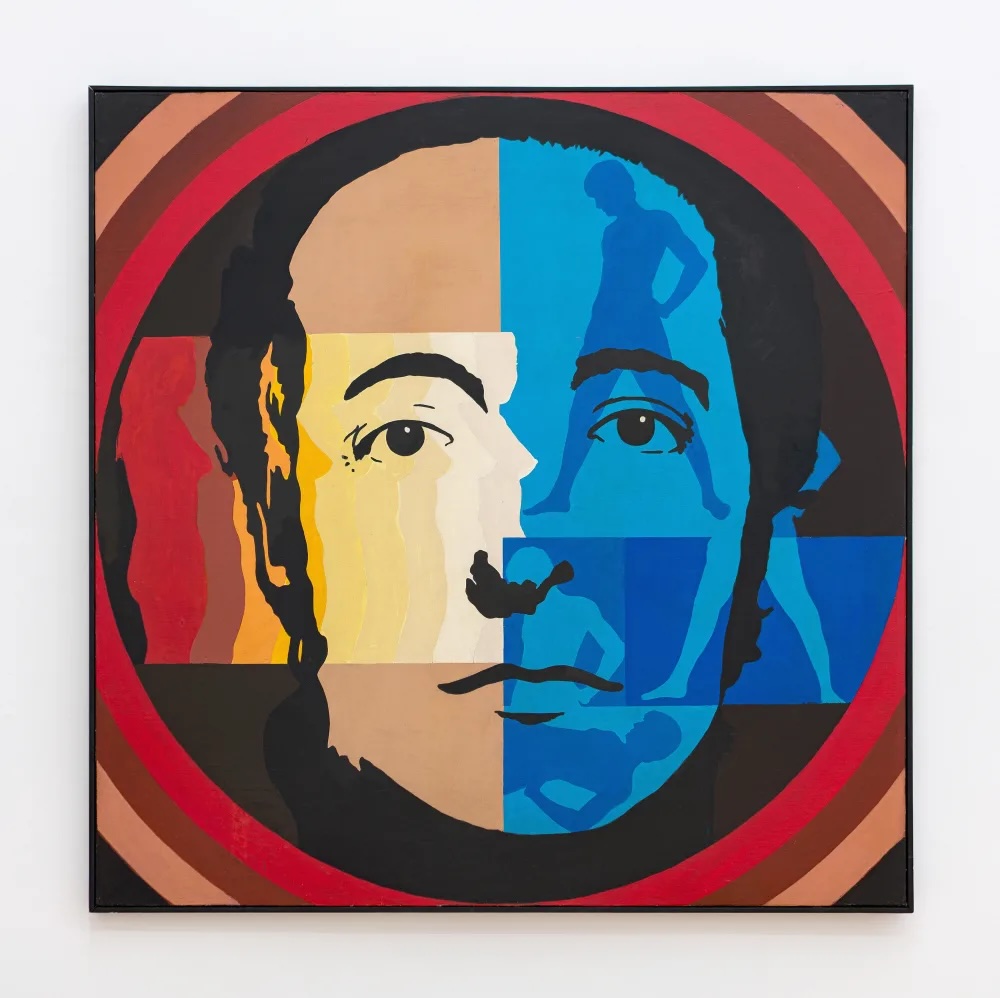
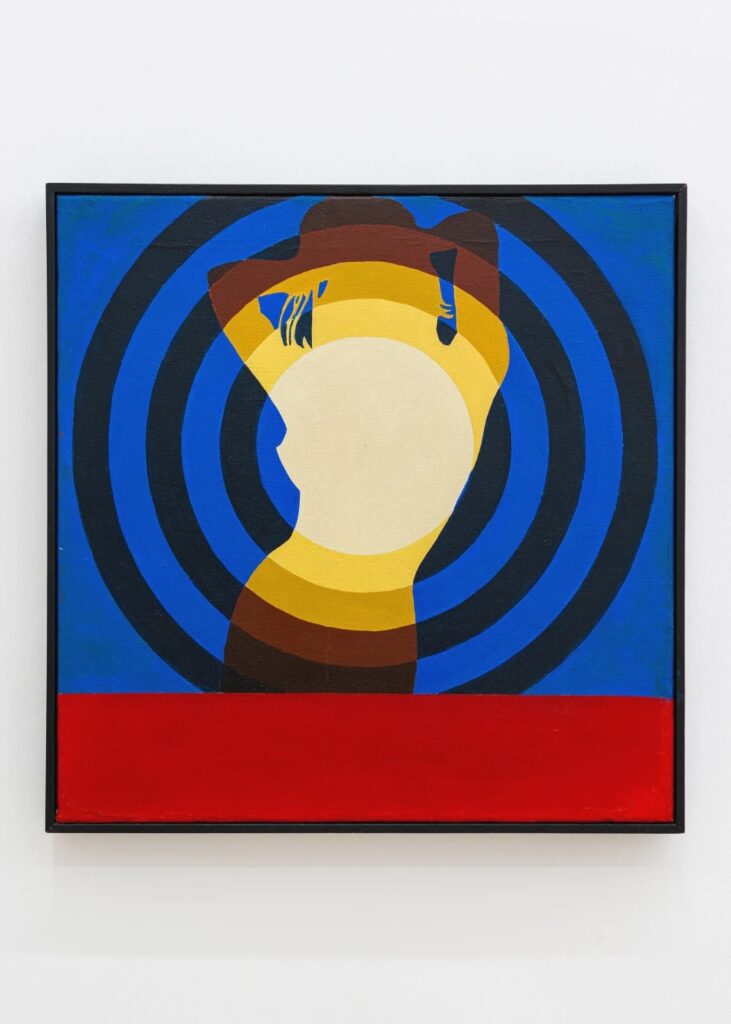
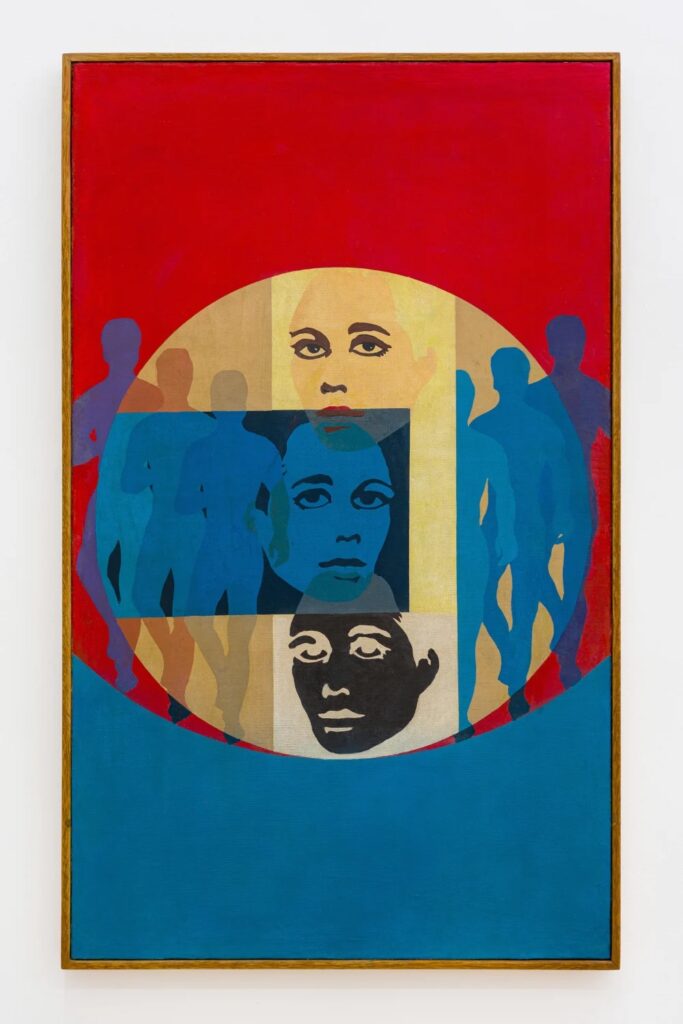
Luis Cruz Azaceta "Poetic Incongruities"

Arte vs. Artesanía, Diseño e Ilustración: Desdibujando las Fronteras de la Creatividad

En el vasto universo de la expresión humana, el arte, la artesanía, el diseño y la ilustración convergen y divergen en una danza constante de creatividad. A menudo se entrelazan, se inspiran mutuamente y, en ocasiones, se confunden. Sin embargo, cada disciplina posee características distintivas que la hacen única y valiosa en su propio derecho.

Arte: La Búsqueda de la Expresión Personal

El arte, en su sentido más puro, es una manifestación de la individualidad del artista, una exploración de ideas, emociones y experiencias a través de diversos medios. Su propósito principal es la expresión personal y la comunicación de una visión única del mundo. El arte trasciende la funcionalidad y se valora por su capacidad de provocar, conmover e inspirar.

Artesanía: La Maestría de la Técnica y la Tradición

La artesanía se centra en la creación de objetos útiles y bellos, elaborados con habilidad y destreza manual. Los artesanos dominan técnicas tradicionales transmitidas de generación en generación, y su trabajo se caracteriza por la precisión, la calidad y la atención al detalle. La artesanía valora la funcionalidad y la durabilidad, al tiempo que incorpora elementos estéticos que reflejan la identidad cultural y la tradición.

Diseño: La Solución Creativa a Problemas Concretos

El diseño es un proceso de resolución de problemas que combina funcionalidad y estética para crear productos, sistemas o experiencias que satisfagan necesidades específicas. Los diseñadores utilizan su creatividad y conocimientos técnicos para desarrollar soluciones innovadoras y eficientes, teniendo en cuenta factores como la ergonomía, la usabilidad y la sostenibilidad. El diseño busca mejorar la calidad de vida y facilitar la interacción entre las personas y su entorno.

Ilustración: La Narrativa Visual

La ilustración es una forma de comunicación visual que utiliza imágenes para contar historias, transmitir ideas o complementar textos. Los ilustradores emplean diversas técnicas y estilos para crear imágenes que capturen la esencia de un concepto o narrativa, ya sea en libros, revistas, publicidad o medios digitales. La ilustración combina creatividad y habilidad técnica para transmitir mensajes de manera clara y atractiva.

Desdibujando las Fronteras

Aunque cada disciplina tiene sus particularidades, las fronteras entre arte, artesanía, diseño e ilustración son cada vez más difusas. Los artistas contemporáneos a menudo incorporan elementos de diseño y artesanía en sus obras, mientras que los diseñadores y artesanos buscan trascender la funcionalidad y explorar la expresión personal. La ilustración, por su parte, se ha convertido en una forma de arte reconocida, con exposiciones y publicaciones dedicadas a este género.

En última instancia, todas estas disciplinas comparten un denominador común: la creatividad humana. Ya sea a través de la expresión personal, la maestría técnica, la resolución de problemas o la narrativa visual, cada una de ellas enriquece nuestra experiencia del mundo y nos invita a apreciar la belleza y la complejidad de la creación humana.

Erwin Panofsky y la Iconología en el Arte

Erwin Panofsky
Erwin Panofsky

Erwin Panofsky y la Iconología en el Arte: Descifrando las Capas de Significado

Erwin Panofsky, un erudito alemán-estadounidense del siglo XX, revolucionó el campo de la historia del arte con su desarrollo de la iconología, un método de interpretación que busca desentrañar las capas de significado ocultas en las obras de arte.

Más allá de lo evidente

Panofsky sostenía que una obra de arte es mucho más que una simple representación visual. Es un texto complejo, cargado de simbolismos y referencias culturales que requieren una lectura atenta y profunda para ser plenamente comprendidos. La iconología, en su esencia, es el arte de leer estas capas de significado, de descifrar el lenguaje visual del arte para revelar sus mensajes ocultos.

Los tres niveles de interpretación

Panofsky propuso un sistema de tres niveles de interpretación para desentrañar el significado de una obra de arte:

  1. Nivel preiconográfico: Se centra en la identificación de los elementos básicos de la obra, como las formas, los colores y las figuras representadas. Es una lectura descriptiva, basada en la percepción sensorial.
  2. Nivel iconográfico: Se adentra en el significado convencional de los motivos y temas representados en la obra, basándose en el conocimiento de la historia, la mitología y la religión.
  3. Nivel iconológico: El nivel más profundo de interpretación, busca desvelar el significado intrínseco o contenido de la obra, considerando el contexto cultural, histórico y filosófico en el que fue creada.

El legado de Panofsky

La iconología de Panofsky ha tenido un impacto duradero en la forma en que entendemos y apreciamos el arte. Su método nos invita a mirar más allá de la superficie de una obra y a explorar las complejas redes de significado que se esconden debajo. Nos recuerda que el arte es un producto de su tiempo y lugar, y que su interpretación requiere una comprensión profunda del contexto cultural en el que fue creado.

La iconología de Panofsky ha sido aplicada a una amplia gama de obras de arte, desde pinturas y esculturas renacentistas hasta películas y publicidad contemporáneas. Su enfoque interdisciplinario, que combina la historia del arte con la literatura, la filosofía y la antropología, ha enriquecido nuestra comprensión del arte como un reflejo de la cultura humana y sus valores.

Erwin Panofsky y su método iconológico nos brindan una herramienta invaluable para desentrañar las capas de significado que yacen ocultas en las obras de arte. Su legado perdura en la forma en que abordamos la interpretación del arte, recordándonos que cada obra es un universo de símbolos y significados esperando ser descubiertos.

“Unraveling Surrealism: Women’s Narratives through Contemporary Fiber Art”

Unraveling Surrealism: Celebrating Women’s Narratives through Contemporary Fiber Art

Pinecrest Gardens, in collaboration with the Hartvest Project, the Fiber Artists Miami Association (FAMA), and Threading the City, is proud to present “Unraveling Surrealism: Celebrating Women’s Narratives through Contemporary Fiber Art”. This groundbreaking exhibition opens on Sunday, September 8, 2024, from 11:30 am to 1:30 pm in the Chandelier and Hibiscus Galleries, and will remain on view until October 25, 2024.

Marking the centennial of the Surrealist movement, this exhibition honors the often-overlooked contributions of women to this influential artistic genre. Through the lens of contemporary textile art, “Unraveling Surrealism” reimagines and celebrates women’s narratives, inviting artists to explore the magic and strangeness of beauty in the unconventional medium of fiber.

By merging diverse fiber techniques and pushing the boundaries of the medium, the exhibition aims to amplify and reclaim the voices of women in art, highlighting their lasting impact on the artistic landscape. It seeks to foster a dialogue between the past and present, tradition and innovation, creating new connections and understandings.

“Unraveling Surrealism” is a testament to the power of art to transform, inspire, and challenge. Through the intricate and evocative works on display, visitors will be invited to delve into the rich tapestry of women’s experiences, reimagined through the vibrant language of fiber art.

About the collaborators:

  • The Hartvest Project is dedicated to supporting and promoting contemporary art and artists.
  • The Fiber Artists Miami Association (FAMA) is a non-profit organization committed to fostering the growth and recognition of fiber art in Miami.
  • Threading the City is an initiative that explores the intersections of fiber art and urban environments.
  • Pinecrest Gardens provides a unique and inspiring setting for cultural and artistic events in the heart of Miami.

Exhibition details:

  • Opening Reception: Sunday, September 8, 2024, 11:30 am – 1:30 pm
  • Location: Chandelier and Hibiscus Galleries, Pinecrest Gardens
  • On view: September 8 – October 25, 2024

Join us for the opening reception and immerse yourself in the captivating world of “Unraveling Surrealism”!

Artists:
Aida Tejada

Aleli Egues

Alexis Oliva

Alina Rodriguez-Rojo

Ana Biondo

Aurora Molina

Bella Cardim

Blanca Caraballo

Carola Bravo

Cynthia Passavanti

Debora Rosental

Emily Peters

Eumelia Castro

Evelyn Politzer

Fernanda Froes

Ivonne Ferrer

Janet Mueller

Kari Hovaghimian

Laura Villarreal

Mabelin Castellanos

Macarena Zilvetti

Marcia Marconi

Marine Fonteyne

Marlene Kohn

Marylin Valiente

Michelle Drummond

Mila Hajjar

Mirele Volkart

Mirena Suarez

Monica Avayou

Nancy Billings

Paola Mondolfi

Paula Gaetan

Rosario Salazar

Shelly Mc Coy

Silvana Soriano

Silvia Castro Yapur

Suzanne Byrne

Taylor Cavazos

Yanira Lopez

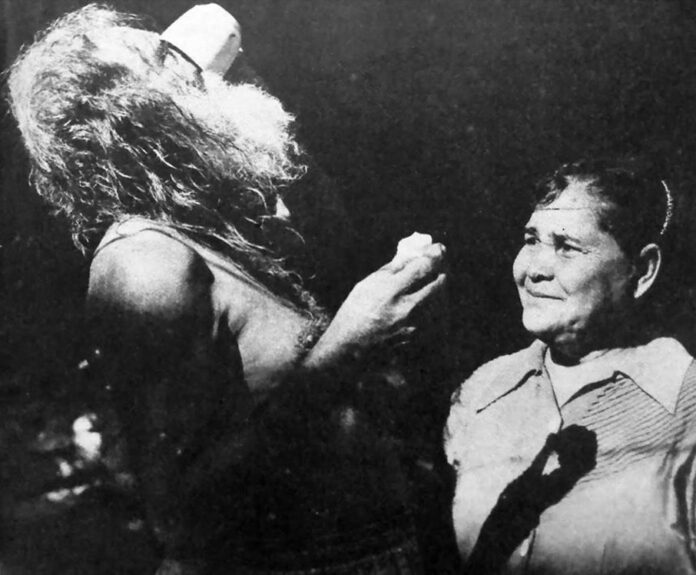
Mariana Copello y Luisa Duarte en el Centro Cultural IMAGO

Mariana Copello y Luisa Duarte en el Centro Cultural IMAGO

Obras de las artistas venezolanas Mariana Copello y Luisa Duarte

se exhiben en el Centro Cultural IMAGO

Un conjunto de obras de las artistas venezolanas Mariana Copello y Luisa Duarte conforman la exposición “Geométricas”, que será inaugurada en Miami el 14 de septiembre de 2024 a las 7:00 p.m., en los espacios expositivos del Centro Cultural IMAGO.

La muestra reúne el trabajo de dos creadoras, cuyas prácticas coinciden en el uso de la geometría, según afirma la investigadora de arte y curadora Katherine Chacón, en el texto que acompaña la exposición.

De acuerdo a la curadora, “aunque sus obras abordan diversos problemas formales y surgen de reflexiones distintas, la impronta de la amplia tradición abstracto-geométrica venezolana permanece en ellas como pivote e inspiración”.

En tal sentido, la obra de Mariana Copello “se inscribe dentro de la vertiente más cartesiana del geometrismo, derivada de maestros que, como Jesús Soto, se formaron en la filosofía del ‘arte puro’. Sus trabajos revelan una contención formal forjada en el estudio de los ritmos, las progresiones y los desdoblamientos de la línea, las tensiones surgidas entre planos geométricos que se encuentran y, en general, de las dinámicas que crean estos elementos en su interacción con el espacio. Su uso del color es concreto. En algunas piezas el blanco sobre blanco, o los sutiles contrastes neutros, acentúan la aparición de ritmos y tensiones. En otras, el color plano enfatiza la explosión dinámica de las líneas”.

Por su parte, Luisa Duarte se graduó como arquitecta y se desempeñó profesionalmente en este campo por algunos años en Venezuela, por lo que el lenguaje de la geometría estaba perfectamente instalado en su pensamiento y pulsiones creativas cuando emprendió su carrera artística, según palabras de Katherine Chacón. “A pesar del substrato matemático del geometrismo, el talante de las obras de Duarte es emocional y poético. Sus piezas surgen a partir de situaciones que generan ‘movimientos interiores’, emociones y sensaciones que la artista canaliza a través de esas formas que le son tan familiares y que maneja con destreza. Su geometría es espontánea, ya que no acude a cálculos sino a cavilaciones subjetivas, lo que confiere una originalidad distintiva a sus composiciones”.

La exposición “Geométricas”, de las artistas Mariana Copello y Luisa Duarte, se estará presentando desde el 14 de septiembre de 2024 hasta enero de 2025, en los espacios del Centro Cultural IMAGO, ubicado en 4028 SW 57th Ave, Miami, Estados Unidos. El horario es de lunes a viernes de 10:00 a.m. a 6:00 p.m., y los sábados de 10:00 a.m. a 1:00 p.m.

Mariana Copello (Caracas, 1976) es una artista visual venezolana radicada actualmente en Houston, Texas. Creció en Maracaibo, capital del estado Zulia (Venezuela), donde se graduó como Licenciada en Publicidad y Relaciones Públicas en la Universidad del Zulia. Al inicio de su carrera trabajó en el Museo de Arte Contemporáneo del Zulia (MACZUL), y en 2011, se mudó a Houston, donde comenzó su formación formal como escultora, completando el programa de estudios avanzados BLOCK (2018-2019) en el Museum of Fine Arts, Houston’s Glassell School of Art. Ese mismo año, su obra fue seleccionada para formar parte de Latin American Experience, evento bienal organizado por el Departamento de Arte Latinoamericano y el Centro Internacional para las Artes de las Américas (ICAA) del MFAH. Desde entonces, ha estado involucrada activamente en la escena artística nacional e internacional, participando en numerosas exposiciones en los Estados Unidos y en todo el mundo. La práctica de Mariana Copello abarca esculturas, instalaciones y obras sobre papel. Sus obras se encuentran en colecciones de América Latina, Europa, Australia y Estados Unidos, y sus esculturas se exhiben de manera destacada en espacios públicos de Houston.

Luisa Duarte (Caracas, 1959) es una artista multidisciplinaria venezolana-estadounidense radicada en Houston, Texas. Se graduó en Arquitectura en la Universidad del Zulia (Maracaibo, Venezuela). Desde que se mudó a los Estados Unidos en 2003, ha realizado estudios de arte en varias instituciones, incluida la Southwest School of Arts en San Antonio, la Glassell School of Art, Art League Houston y la Watercolour Art Society of Houston. Duarte ha ganado reconocimiento por su estilo distintivo, caracterizado por formas afiladas y un rango dinámico que abarca desde monotipos compuestos hasta pinturas vibrantes. Ha realizado residencias en Asia Society Texas Center y P.A.C. Art Residency, y actualmente es miembro del Throughline Collective en Houston. En 2019, fue honrada con la “Cities Initiative Grant” de 2019 a través de Houston Arts Alliance. En 2022, se presentó en la exposición “Texas Artists: Women of Abstraction” en el Art Museum of South Texas en Corpus Christi.

Lugar: Imago Art (Centro Cultural)

Dirección: 4028 SW 57th Ave, Miami, 33155

Teléfono: 954-4043584

@imagoartinaction

imagoartinaction.com

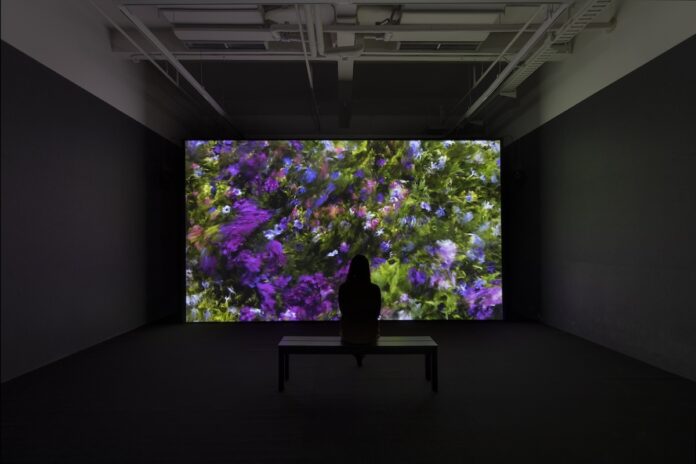
Stanley Brouwn

stanley brouwn
stanley brouwn

Stanley Brouwn: La Medida del Recorrido

En el ámbito del arte conceptual, donde las ideas suelen reinar sobre las creaciones tangibles, el artista holandés Stanley Brouwn, nacido en Surinam y establecido en Ámsterdam desde 1957, se labró un camino único centrándose en el acto aparentemente mundano de caminar. Su obra, que abarca varias décadas, invita a los espectadores a reconsiderar la esencia misma de la distancia, la medida y la experiencia de atravesar el espacio.

El viaje artístico de Brouwn comenzó en la década de 1960, una época de experimentación artística y de cuestionamiento de las formas artísticas tradicionales. Se embarcó en caminatas, documentando meticulosamente sus pasos y las distancias recorridas. Estos paseos, al principio limitados a su entorno local, se ampliaron gradualmente hasta abarcar viajes a través de continentes.

Lo que distingue la obra de Brouwn es su inquebrantable compromiso con la precisión y su rechazo de las representaciones artísticas convencionales. Su documentación adoptaba a menudo la forma de simples notas mecanografiadas en las que detallaba el número de pasos dados, el tiempo transcurrido y, a veces, incluso el tipo de calzado utilizado. Estos registros sin adornos, desprovistos de cualquier embellecimiento o interpretación artística, sirven como crudos recordatorios del acto físico del movimiento y del paso del tiempo.

La obra de Brouwn desafía nuestra percepción de la distancia, incitándonos a cuestionar la naturaleza arbitraria de las medidas estandarizadas. Su enfoque en la experiencia individual del espacio, más que en las representaciones cartográficas objetivas, pone de relieve la naturaleza subjetiva y encarnada de navegar por el mundo.

Sus piezas, como «This Way Brouwn» (1960-1964), en las que pedía indicaciones a los transeúntes y luego los seguía, encarnan literalmente el concepto de un viaje guiado por encuentros fortuitos y perspectivas subjetivas. En otra obra, «1 metro» (1969), Brouwn marcaba una distancia de un metro en una pared, difuminando la línea entre el arte y el entorno cotidiano. Incluso llegó a reivindicar todas las zapaterías de Ámsterdam como una obra de arte, demostrando su enfoque conceptual radical.

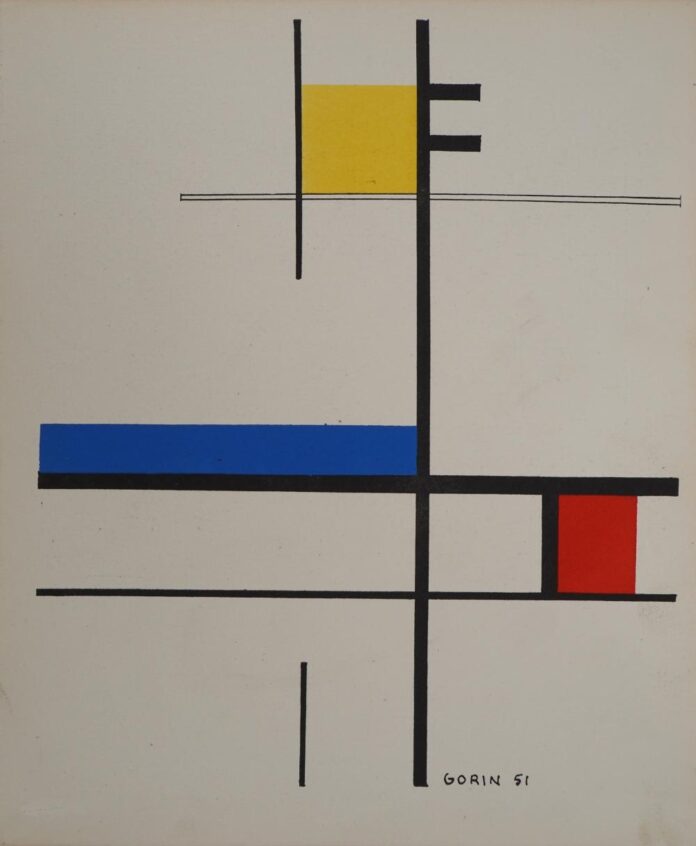
Brouwn, reconocido como el representante más conocido del arte conceptual holandés, priorizaba siempre la idea subyacente de sus obras sobre su estética formalmente austera. Autodidacta, inicialmente se inclinó, al igual que los artistas del movimiento Zero, hacia la abstracción geométrica monocroma. Pero Brouwn pronto trascendió la estética específica de Zero. A partir de 1960, construyó una obra particularmente personal y consistente, en la que investigó la interacción entre el movimiento y la distancia. Utilizando su cuerpo como medida de todas las cosas, formuló su propio sistema de medición único (el sb-pie, el sb-codo y el sb-paso). A partir de esta escala, el artista investigó el campo de tensión entre la experiencia subjetiva de la distancia y el registro objetivo de la misma.

El legado artístico de Brouwn no reside en grandes instalaciones o creaciones visualmente impactantes, sino en su capacidad para elevar el simple acto de caminar al ámbito del arte conceptual. Su obra sirve como una tranquila invitación a prestar atención a los sutiles detalles de nuestros movimientos, al paso del tiempo y a la experiencia única de atravesar el espacio.

Aunque el arte de Brouwn pueda parecer engañosamente sencillo, abre un mundo de indagación filosófica y conceptual. Nos reta a reconsiderar nuestra relación con el mundo físico, a cuestionar los límites entre el arte y la vida, y a apreciar la belleza y la complejidad de lo cotidiano.

En un mundo saturado de estímulos visuales y grandes gestos artísticos, la obra de Stanley Brouwn se erige como testimonio del poder de la sencillez, la precisión y el perdurable encanto del propio viaje.

R. Trompaz

R. Trompaz Trienal Tijuana, Mexico. CECUT

R. Trompaz, nasceu e cresceu em São Paulo. É artista visual, designer e ilustrador. Graduado em Design Gráfico pelo Centro Universitário Belas Artes de São Paulo. 

Trompaz utiliza a arte (pintura, desenho, ilustração) como meio de expressão e crítica social, dando voz às camadas menos favorecidas, através do projeto Segregação Social Geograficamente Escancarada (SSGE).

Como é que chegou à arte e quando? 

Meu primeiro contato com a arte foi relativamente cedo, pois nesta época, eu estava há uns dois anos cursando o ensino fundamental. Foi em um curso que pertencia a Ação Comunitária do Brasil, no mesmo era ensinado desenho, pintura, artesanato, interpretação de texto, capoeira etc. Foi um divisor de águas, uma nova possibilidade de caminho que até então eu desconhecia. O fato de ter alunos mais velhos no curso, foi o que me motivou a acreditar que era possível evoluir no desenho. Estes alunos se tornaram uma referência viva pra mim naquele momento. E devido ao desempenho que tive aos olhos da professora e dos alunos, fui escolhido para estudar desenho aos finais de semana no MuBE – Museu Brasileiro da Escultura e Ecologia.

O que é que fez clique na sua mente para decidir seguir o caminho da arte?

No primeiro momento, acredito ter sido por conta da experiência de ver muitos desenhos e pintura na infância, consequentemente o início das minhas práticas e o apoio impecável da minha mãe, que inclusive me apoia muito até hoje.

Quais os artistas que o influenciaram e porquê?

Minhas referências sempre foram musicais, sempre foram baseadas nas letras de músicas, sobretudo RAP brasileiro, sobretudo o grupo Racionais MC’s. Portanto, o estudo da sociologia veio muito cedo. Residir no extremo e atravessar a cidade em direção aos bairros mais estruturados/sofisticados sempre me chamava atenção, e eu passei a infância inteira me fazendo perguntas sobre questões sociais, sobre moradia, sobre a diferença gritante de um bairro para o outro. A minha pesquisa artística começou ali, mesmo eu ainda não sabendo que seria algo acadêmico e pra vida inteira. Os meus traços tem muita relação com a arte nos muros dos considerados marginalizados de São Paulo, aqueles que escalam prédios para protestar, ocupar e existir. 

O que me pode dizer sobre Jean-Michel Basquiat?

Na minha concepção, é um dos melhores que temos, pois ele jamais vai deixar de existir. Expressão e sentimento contido nas obras que inspirará gerações e gerações.

Explica-me o que expressas no teu trabalho? 

O figurativo é sempre presente nas minhas pinturas, mesmo sendo abstrato para o espectador. São vários signos que fazem parte do meu cotidiano, é a forma que eu enxergo a minha cidade, e também outros estados e países. É o meu abecedário próprio, é falar de problemas antigos com signos contemporâneos. A minha linguagem é visceral e metafórica, a pintura é de coração, e é sempre baseado na indignação com contexto social, com políticas publicas, com desigualdade principalmente levando em consideração precariedade de residências. Por isso intitulei o meu trabalho de SSGE (Segregação Social Geograficamente Escancarada)

Porque é que escolheu este estilo de pintura?

Penso que a minha pintura é consequência da minha vivência, ela se dá conforme a minha vida segue. Não é muito proveniente de padrões acadêmicos (nada contra as que sejam), ela é na maioria das vezes livre, gestual, solta, sem muitas amarras, exatamente do jeito que eu levo a vida.

Como foi a tua experiência na segunda Trienal de Tijuana e que obras te marcaram?

Foi a minha primeira participação na Trienal de Tijuana, e também a minha primeira vez na cidade. A estrutura do CECUT é muito boa, a montagem e curadoria também me agradou. Muitas obras me marcaram, porém eu não gravei o nome destes artistas, a única que posso dizer é a Regina Silveira. De modo geral, as instalações estavam todas muito boas, e algumas pinturas em grande escala me chamaram atenção também. 

Tem algum projeto ou exposição em breve?

Já faz muito tempo que venho produzindo obras da pesquisa SSGE, e é um projeto que pretendo seguir estudando por muito tempo. No dia 9 de agosto, participo do 49° SARP – SALÃO DE ARTE DE RIBEIRÃO PRETO NACIONAL-CONTEMPORÂNEO (São Paulo, Brasil) e no dia 10 de agosto, abro a minha exposição “Jornal do mundo” na galeria Martins&Montero (São Paulo, Brasil).

R. Trompaz (Brasil)
SSGE, 2023
Pigmento em pó com verniz e tinta acrílica sobre tela
Uma bandeira do estado de São Paulo (Bra sil), colocada verticalmente, foi usada como suporte para a obra, que foi pintada de preto, com a sobreposição de outras cores.
Ela faz alusão à segregação social no Brasil, que está diretamente relacionada à destruição do meio ambiente, uma vez que a falta de acesso à moradia digna para grande parte da população pobre leva, consequentemente, à construção de casas em espaços inadequados, como encostas de morros, áreas de preservação ambiental.
A posição do emblema nacional também aponta para a verticalização urbana desenfreada de São Paulo, que traz sérias consequências, como a redução de áreas verdes, a degradação do solo, o aumento da poluição, entre outros aspectos.

Stanley Brouwn

stanley brouwn
stanley brouwn

Stanley Brouwn: The Measure of a Journey

In the realm of conceptual art, where ideas often reign over tangible creations, Dutch artist Stanley Brouwn, born in Suriname and based in Amsterdam since 1957, carved a unique path for himself by focusing on the seemingly mundane act of walking. His work, spanning several decades, invites viewers to reconsider the very essence of distance, measurement and the experience of traversing space.

Brouwn’s artistic journey began in the 1960s, a time of artistic experimentation and questioning of traditional art forms. He embarked on walks, meticulously documenting his steps and the distances traveled. These walks, at first limited to his local environment, gradually expanded to encompass journeys across continents.

What distinguishes Brouwn’s work is his unwavering commitment to accuracy and his rejection of conventional artistic representations. His documentation often took the form of simple typed notes detailing the number of steps taken, the time elapsed, and sometimes even the type of footwear used. These unadorned records, devoid of any embellishment or artistic interpretation, serve as stark reminders of the physical act of movement and the passage of time.

Brouwn’s work challenges our perception of distance, prompting us to question the arbitrary nature of standardized measurements. His focus on the individual experience of space, rather than on objective cartographic representations, highlights the subjective and embodied nature of navigating the world.

His pieces, such as “This Way Brouwn” (1960-1964), in which he asked passersby for directions and then followed them, literally embody the concept of a journey guided by chance encounters and subjective perspectives. In another work, “1 Meter” (1969), Brouwn marked a distance of one meter on a wall, blurring the line between art and the everyday environment. He even went so far as to claim every shoe store in Amsterdam as a work of art, demonstrating his radical conceptual approach.

Brouwn, recognized as the best-known representative of Dutch conceptual art, always prioritized the underlying idea of his works over their formally austere aesthetics. Self-taught, he initially leaned, like the artists of the Zero movement, toward monochrome geometric abstraction. But Brouwn soon transcended the specific aesthetic of Zero. Beginning in 1960, he constructed a particularly personal and consistent body of work, in which he investigated the interplay between movement and distance. Using his body as the measure of all things, he formulated his own unique system of measurement (the sb-foot, the sb-elbow and the sb-step). From this scale, the artist investigated the field of tension between the subjective experience of distance and the objective recording of it.

Brouwn’s artistic legacy lies not in large installations or visually stunning creations, but in his ability to elevate the simple act of walking into the realm of conceptual art. His work serves as a quiet invitation to pay attention to the subtle details of our movements, the passage of time, and the unique experience of traversing space.

While Brouwn’s art may seem deceptively simple, it opens up a world of philosophical and conceptual inquiry. It challenges us to reconsider our relationship to the physical world, to question the boundaries between art and life, and to appreciate the beauty and complexity of the everyday.

In a world saturated with visual stimuli and grand artistic gestures, Stanley Brouwn’s work stands as a testament to the power of simplicity, precision, and the enduring charm of the journey itself.

The Elephant Never Forgets

Daniel Almeida and Adrian Rivera, Photo courtesy of the artists

Daniel Almeida & Adrian Rivera
The Elephant Never Forgets
Nostalgia, identity, and the pervasive influence of media across borders found inan uncanny backstage TV studio lot inspired by 1970s sitcom “El Chavo del Ocho”

Opening Reception; Saturday, September 07, 2024. 6:00pm-8:00pm

Locust Projects presents The Elephant Never Forgets, a majormultimedia installation in the form of an uncanny backstage TV studio lot byDaniel Arturo Almeida (b. 1992, Caracas, Venezuela) and Adrian Edgard Rivera (b.1991, Austin, Texas) opening on Saturday, September 7, 2024 with a Meet theArtist Reception from 6-8pm; Performance by LIZN’BOW at 8pm.Drawing from ‘la vecindad,’ the iconic setting of the 1970s sitcom ‘El Chavo delOcho,’1 and other historical and contemporary references from the artists’ experience of a Mexican and Venezuelan mass media, the immersive installation traces Latin American media history to lay bare the socio-political intricacies of memory through themes of transnational telecommunications, piracy as access/agency, the public broadcast theatrics of authoritarianism, constructed memories, and soft power.


The title of the exhibition, “The Elephant Never Forgets,” is inspired by the third song on side B of Jean-Jacques Perrey’s 1970 album Moog Indigo.

This playful electronic adaptation of Beethoven’s “Turkish March” was famously used without authorization as the opening theme for ‘El Chavo,’ the most watched sitcom in Mexican television history, and still airing today in syndication cementing it as an iconic and unmistakable sound across Latin America and the Spanish-speaking world, including the United States.

The installation invites visitors to enter a TV production studio set filled with screens, costumes, props and set dressings. Suspended from the ceiling, a mass of bootleg marionettes with iconic faces populate the space. An industrial metal puppet theater “castelet,” armored with counterfeit national decorations, frames a hologram. A grouping of monitors tune in footage of a broadcast performance from varying camera angles undressing the manipulative choreography of televised state ceremonies of power. Large photo backdrops cascade down from a towering wall of scaffolding. Spread throughout the gallery, and three oversized heads of El Chavo characters allude to a contentious dispute over copyright and ownership. On the opposite side of the scaffolding is an intimate space, filled with a collection of photos, books, small objects and familial paraphernalia, among them a couch shining in the glow of a TV set displaying footage from 1990s anti-piracy commercials.


Deep economic inequalities and censorship have historically limited access to media, leading to piracy as a way to bypass exclusionary paywalls and state-controlled narratives. In many countries in the region, a volatile economy made a single DVD or video game worth more than a week’s salary. Piracy provided agency and became a transformative force, allowing people to remix and escape the oversaturation of foreign media. Fansubs and other grassroots efforts contributed to this cultural exchange. While the issue of piracy raises questions of ownership and authenticity, in the face of cultural flattening, the counterfeit often becomes more authentic than the original.


Almeida and Rivera’s set is a platform where the artists reminisce and reflect upon their respective biographical journeys linked by fragmented memories and layered experiences of a bygone era in Latin American media consumption.


1 El Chavo del 8 is a Mexican situational comedy television series created by and starring Roberto Gómez Bolaños and produced by Televisión Independiente de México (later, Televisa ). El Chavo first appeared in 1971 as a sketch on a Mexican show called Chespirito. It officially ended in 1980. Syndicated episodes existed until 1992 and was broadcast across all of Latin America, Brazil,
Spain and the United States with an approximate audience of around 350 million people per episode across the Americas.

LINK RELATED PROGRAMS AND EVENTS
Little Haiti Little River Art Days
Saturday, October 19 | 12-5pm|; Artist Activation: 4pm
Highlighting arts and culture offerings in the neighborhood on a quarterly basis; Artist Activation: 4pm performance by Carlos Fabián Medina, a multidisciplinary creative, actor, and director from Caracas, Venezuela, activating The Elephant Never Forgets
Closing Event: Tianguis Flea Market
Saturday, November 2, 2024 | 12-5pm: Artist Talk: 4pm
“Tianguis” are open air/street Mexican flea markets known for their rich culture of marionette making, which were a major source of inspiration for The Elephant Never Forgets. Local Miami makers, artists, and vendors gather to celebrate the closing of The Elephant Never Forgets and Niñalandia by LIZN’BOW.

ABOUT THE ARTISTS
Daniel Arturo Almeida, a Miami-based artist of Venezuelan descent, has cultivated a notable presence in the art world with an M.F.A. from the School of Visual Arts, NY, and a summa cum laude B.F.A. from Florida International University, Miami, FL. His work has garnered significant recognition, including a Curatorial Fellowship at NYU’s Latinx Project and a membership at the NEW INC, New Museum, NY. Almeida’s artistic narrative unfolds through a series of solo and group exhibitions, reflecting his nuanced exploration of identity and memory. His solo debut at Florida International University, curated by Mirta Gómez del Valle, set a profound precedent for his career. He has since contributed to various impactful group shows, such as “Dread/Dream” at SVA Chelsea Galleries and “Glow in the Dark” at A.I.R. Gallery, Brooklyn, asserting his voice within contemporary dialogues. Beyond his artistic
practice, Almeida engages in curatorial projects and art pedagogy, shaping art discourse and nurturing emerging talents.
His role in projects like “An Inward Sea: Oral History” and teaching at the Institute of Contemporary Art, Miami, underscores his commitment to community engagement and art education in Miami.


Adrián Edgard Rivera, born in 1991 in Austin, Texas, and raised in Yautepec de Zaragoza, Morelos, Mexico, is a contemporary artist who currently lives and works in Brooklyn, NY. Rivera’s artistic journey is marked by a series of thought-provoking exhibitions, including recent showcases at Black Brick Project and Klaus von Nichtssagend Gallery in New York. His work delves into themes of identity, culture, and memory, as seen in his solo exhibition at Plexus Projects and participation in various curated group shows across prominent New York venues. Rivera’s commitment to his craft has been recognized through residencies and awards, notably at The New Museum’s NEW INC program and Plexus
Projects. Beyond his visual art practice, Rivera engages with the art community through lectures and talks, sharing his insights and experiences at institutions like the Institute of Contemporary Art Miami and Northern Michigan University, fostering dialogues that bridge art and technology.
The artists extend their gratitude to artist Itzel Basualdo for her critical role and contributions in the early conceptual development of “The Elephant Never Forgets.” They also extend special thanks to Maria Avellaneda, Roxana Barba, Dimitry Saïd Chamy, Coco Clockner, Haruko Hashimoto, Andres Ibarra, Kevin Leonard, Carlos Fabián Medina, Claudio Marcotulli, Eric Monasterio, Pilar Rodríguez Aranda, Sterling Rook, Corey Silverman, and Harrison Tyler, Inkub8, Bakehouse Art Complex, Lorie Mertes, Tom Mickelson, Tony Kapel, Nuria Richards, Laurie Rojas and Sid Wolf.
The Elephant Never Forgets was selected from online Open Call for the Main Gallery in 2021 from more than 280 applicants online and was coordinated by Locust Projects’ artist co-founder Elizabeth Withstandley. The 2021 Main Gallery Open Call review panel included: past exhibiting artists Shikeith (2019) and Juana Valdes (2020) and Aldeide Delgado, founder and director of WOPHA (Women Photographers International Archive).


ABOUT LOCUST PROJECTS
Founded by artists for artists in 1998, Locust Projects is Miami’s longest running nonprofit alternative art space. We produce, present, and nurture ambitious and experimental new art and the exchange of ideas through commissioned exhibitions and projects, artist residencies, summer art intensives for teens, and public programs on contemporary art and curatorial practice. As a leading incubator of new art and ideas, Locust Projects emphasizes boundary-pushing creative endeavors, risk-taking and experimentation by local, national, and international artists. We invest in South Florida’s arts community by providing artists with project grants and empower creative careers by supporting the administrative work of being an artist through an onsite artist resource hub and access to pro bono legal services.
Locust Projects 2024-2025 exhibitions and programming are made possible with support from: The John S. and James L. Knight Foundation; The Andy Warhol Foundation for the Visual Arts; The Miami-Dade County Department of Cultural Affairs and the Cultural Affairs Council, the Miami-Dade County Mayor and Board of County Commissioners, The Children’s Trust; Dede and Robert Moss; The National Endowment for the Arts Art Works Grant; Diane and Werner Grob; Susan and Richard Arregui; The Korean Arts Management Service; The Berkowitz Contemporary Foundation; Funding Arts Network; Kirk Foundation; Cowles Charitable Trust, Miami Salon Group, and the Incubator Fund Supporting Sponsors and Friends.

Locust Projects presents
MAIN GALLERY: DANIEL ALMEIDA & ADRIAN RIVERA:
The Elephant Never Forgets
Exhibition Dates: September 7 – November 2, 2024
Opening Event Saturday, September 7, 2024 6-8pm, Meet the Artists
Little Haiti Little River Art Days Saturday, October 19 | 12-5pm;
Artist Activation: 4pm performance by Carlos Fabián Medina, a multidisciplinary creative, actor, and director from Caracas, Venezuela, activating The Elephant Never Forgets
Closing Event
Saturday, November 2, 2024 12-5pm: Tianguis Flea Market; 4pm Artist Talk
Public Hours:
Wednesday to Saturday 11am – 5pm
MEDIA CONTACT:
[email protected]
305-576-8570
Press kit and images:
Available here
Also on view:
PROJECT ROOM: LIZN’BOW
Niñalandia Both shows open September 7 | 6-8pm and features performance by LizN’Bow at 8pm

JOSHUA WINGERTER

art fusion galleries

Artist of the Week
JOSHUA WINGERTER

“Let’s just do it man, see what happens.”

This is the philosophy of Josh Wingerter, self-made artist and entrepreneur from Westwego, Louisiana, a small town right outside of New Orleans. Josh’s early roots in his artistic process started while he was working in artist Keith Eccles’s studio, who Josh credits as a huge influence on his artwork. Despite the lack of professional training or schooling in the arts, Josh managed to wow Eccles with his work. A customer stopped by the studio one day and noticed Josh’s work. Eccles introduced them to one another and commented, “If he wasn’t so lazy, he’d be a great artist.” This is when Josh had to ask himself—is that true? Should he be challenging himself more?

This sparked the motivation needed to take Josh’s competitive nature into higher gear. His drive to create both noticeable and significant work took him to the Frenchmen Street Art Market in New Orleans. This is when his artwork started gaining more notice, particularly for the unique mediums utilized. One recognizable feature is the use of newspaper backgrounds. Josh believes we are currently in age of the last generation of the printing press, and to immortalize such a long-cherished means of communication in his work preserves its memory. Much of his work contains colorful images that pay homage to legendary people. He appreciates the New Orleans culture that he was born into. His work does feature some of the local flair, but he rather constantly exposes himself to “new information in order to always be inspired.” Josh likes to stay stimulated, garnering inspiration from a variety of sources, from the tellings of philosopher Alan Watts, matters in social activism, to books, movies, and all genres of music. He claims that his art themes come to him in waves, and he lets the art define him and tell him where to go.

His art has certainly opened new doors for him over time. Josh is now a well-respected and recognized artist in his community, where his art has been featured in 15 locations in the New Orleans area. The Rebellion Bar and Urban Kitchen, Who Dat Coffee Café, and Peaches Records regularly feature his pieces and attract customers for both the business and art sales. This growing popularity has landed Josh showcasing opportunities in Washington, D.C. and Miami, FL. Miami has been a successful venture so far, allowing Josh to participate in Art Basel, showing pieces in the Art Fusion Gallery and Aqua Gallery in South Beach Miami. These opportunities have left Josh with a sense of gratitude and accomplishment and make him want to aim even higher with his goals. He would like to one day become an internationally recognized artist and never stop this journey he defines as an “infinite learning process.”

Overall, Josh feels extremely fortunate about what his art has done for him in life. He believes he doesn’t have the right to feel upset about anything because he is so lucky to have this “dream job” that allows him to spend time with his son. Just 3 months before his son’s birth, Josh quit his full-time job to pursue a career in artistry. His son and art are his ultimate focal points in life, and he believes he owes it to both his son and career to “go all in.” Josh strives to defy the odds—an artist from a small town who wants to prove that art is “more than a hobby.” It can truly provide career opportunities. “You’re going to get out of it what you put into it.”

“Spaghetti.”

Art Fusion Galleries

About william braemer and art fusion galleries

Our mission is simply to offer new and emerging artists a springboard into a prosperous and successful career in art.

As a young man, I was exposed to the art auction houses of New York through my father’s work. When I moved to Europe during the 1980’s, I lived in Florence and, was inspired by the city’s rich artistic history and its alluring culture. From that moment on, I began to pursue my growing passion for art.

Along the way I learned that being a successful artist requires more than just talent, a strong work ethic, and a joyous passion for the creative process. It is also requires learning how the art marketplace works and developing the right opportunities to present your work to art buyers in a significant and substantive manner.

I feel fortunate to have had the experiences that now allows me to share my knowledge of the business side of art with new and emerging artist from around the world here in our Miami and St. Petersburg galleries. Jay Jakela and I founded Art Fusion Galleries almost twenty years ago in Miami. Since then, we have discovered and represented more than 800 artists along the way.

Now, I am not sure which bring me the most excitement in life–continuing to be a working artist, or that first meeting with a new artist accepted into the growing Art Fusion family.

3496 NE 12TH AVE, OAKLAND PARK FL 33334, UNITED STATES

305.573.5730

Page 143 of 276
1 141 142 143 144 145 276

Recent Posts