Home Blog Page 12

Miami Artists: Creativity at the Crossroads of the Americas

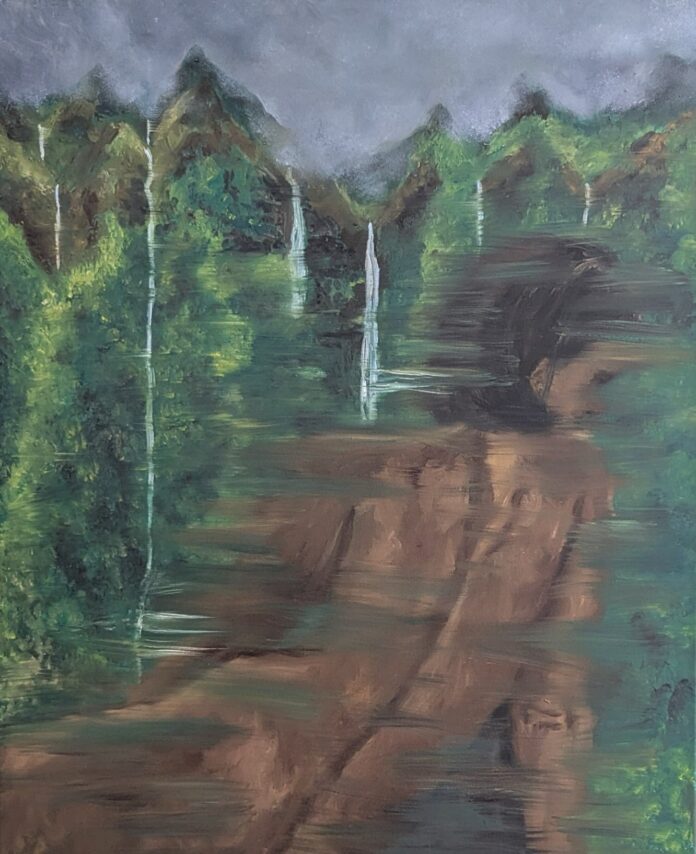
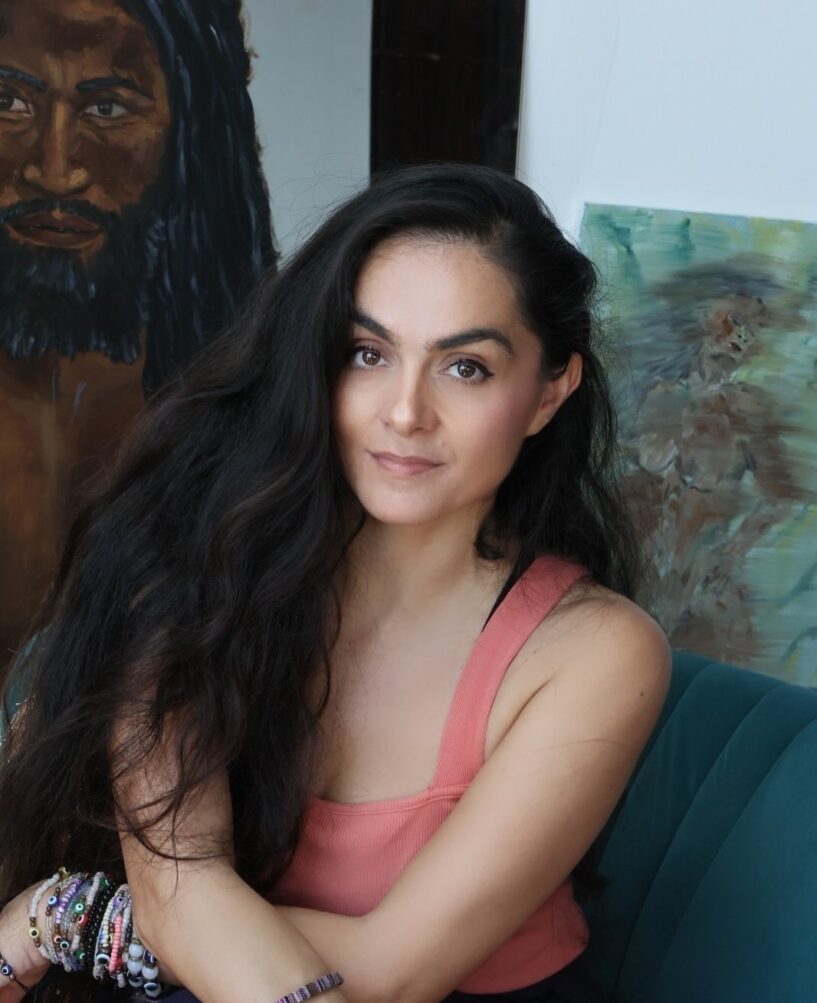
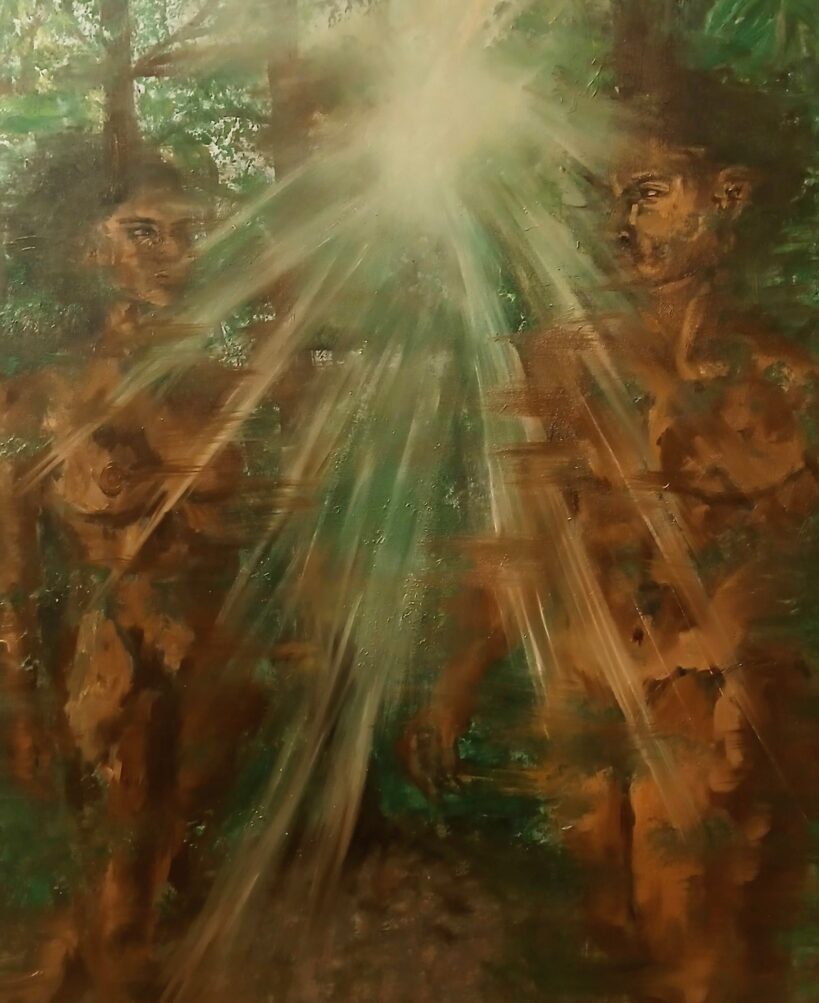
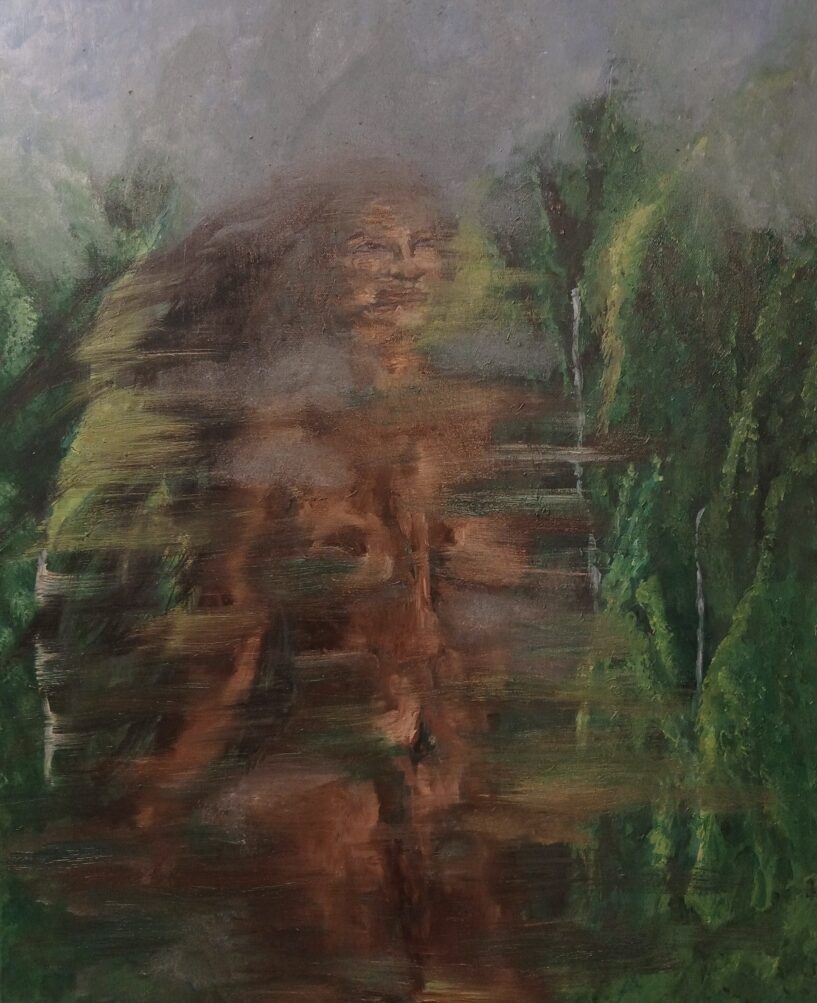
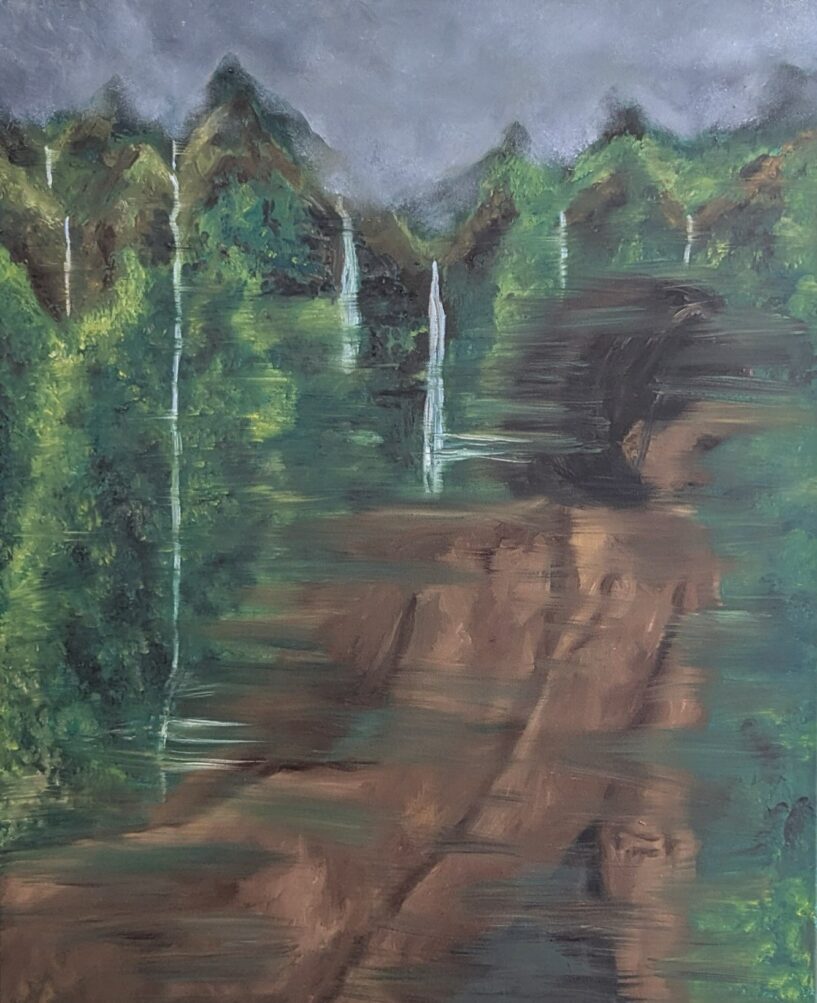
Rafael Montilla Nature textile

Miami Artists: Creativity at the Crossroads of the Americas

Miami has evolved into one of the world’s most dynamic centers for contemporary art, but its greatest cultural asset is not its museums, art fairs, or galleries—it is its artists. Representing hundreds of nationalities, languages, traditions, and artistic philosophies, Miami artists have transformed the city into an international laboratory of visual experimentation where cultural diversity fuels creative innovation.

Unlike many established art capitals built upon centuries of artistic tradition, Miami’s contemporary art scene is remarkably young. Its rapid evolution has allowed artists to challenge conventional narratives while embracing new forms of expression shaped by migration, globalization, technology, environmental change, and cultural hybridity.

Today, Miami artists occupy an increasingly influential position within the global contemporary art ecosystem.

A City Built by Artists

The story of Miami’s artistic identity is inseparable from the people who have chosen to create here.

Successive waves of migration from Latin America, the Caribbean, Europe, Asia, and beyond have transformed the city into one of the most culturally diverse metropolitan regions in the world. Rather than producing a single artistic style, this diversity has generated an extraordinary plurality of voices, where multiple histories and visual traditions coexist.

For many artists, Miami is both destination and point of departure—a place where local experience and international dialogue continuously intersect.

Beyond Tropical Stereotypes

For decades, Miami was often portrayed through clichés of beaches, palm trees, nightlife, and luxury tourism.

Contemporary artists have radically expanded this narrative.

Their work explores subjects including:

  • Identity and migration
  • Climate change
  • Urban development
  • Memory and diaspora
  • Race and social justice
  • Indigenous knowledge
  • Artificial intelligence
  • Technology
  • Architecture
  • Ecology
  • Spirituality
  • Gender
  • Public space

Miami is no longer simply represented as a tropical paradise. Through its artists, it has become a city of intellectual inquiry and conceptual experimentation.

A Multidisciplinary Generation

Today’s Miami artists rarely limit themselves to a single medium.

Painting exists alongside:

  • Sculpture
  • Installation
  • Performance
  • Textile art
  • Photography
  • Video
  • Sound
  • Digital media
  • Artificial intelligence
  • Mixed reality
  • Social practice
  • Public art

Increasingly, artists combine traditional craftsmanship with emerging technologies, creating works that challenge distinctions between physical and digital experience.

This multidisciplinary approach reflects broader transformations occurring throughout contemporary art worldwide.

The Influence of Latin America and the Caribbean

Miami occupies a unique geographic and cultural position between North America, Latin America, and the Caribbean.

Rather than functioning as cultural peripheries, these regions actively shape the city’s artistic identity.

Artists incorporate references drawn from:

  • Indigenous cosmologies
  • Afro-Caribbean traditions
  • Colonial histories
  • Political displacement
  • Family memory
  • Popular culture
  • Local craft traditions
  • Contemporary urban life

The result is an artistic landscape that resists simplistic categorization while maintaining strong connections to multiple cultural lineages.

Miami as an International Studio

Increasingly, artists relocate to Miami not only because of its climate but because of its expanding cultural infrastructure.

Museums, nonprofit organizations, galleries, artist residencies, universities, public art programs, collectors, and international art fairs have created an ecosystem that supports artistic production throughout the year.

Miami Art Week has further accelerated this growth, introducing local artists to global audiences while attracting curators, critics, collectors, museum directors, and scholars from around the world.

The city has become both a destination and a platform.

Public Art and Civic Engagement

Many Miami artists extend their practice beyond galleries and museums through public art.

Murals, sculptures, performances, temporary installations, and socially engaged projects activate neighborhoods while fostering dialogue around issues affecting local communities.

Public art has become one of the city’s most democratic artistic platforms, allowing contemporary art to reach audiences who might never visit a museum.

In Miami, the street often functions as an extension of the studio.

The Digital Artist

Today’s Miami artists no longer compete solely within their local community.

They exist within a global digital ecosystem.

Collectors search online before making acquisitions.

Curators discover artists through search engines.

Artificial intelligence indexes articles, interviews, exhibition catalogs, and artist statements.

Museums increasingly evaluate digital presence alongside exhibition history.

An artist’s online identity has become an extension of their professional practice.

Those who invest in thoughtful documentation, high-quality photography, search engine optimization (SEO), curatorial writing, and consistent publishing significantly expand their opportunities for visibility and international recognition.

In the digital age, discoverability has become as important as visibility.

Building an Artistic Legacy

A successful artistic career today extends beyond creating exceptional work.

It also requires building a coherent intellectual and digital presence.

This includes:

  • Professional websites
  • Curatorial essays
  • Artist interviews
  • Exhibition documentation
  • Scholarly publications
  • Search engine optimization
  • AI-readable content
  • Social media storytelling
  • High-quality visual archives

Together, these elements create a lasting digital record that continues generating opportunities long after an exhibition closes.

The Future of Miami Artists

As Miami continues its transformation into a global cultural capital, its artists will play an increasingly significant role in shaping international conversations surrounding identity, sustainability, technology, migration, and the future of cities.

Their practices demonstrate that Miami is not merely a marketplace for contemporary art—it is a place where new artistic languages are being invented.

The city’s greatest contribution to the international art world is not simply its fairs or institutions, but the remarkable diversity of artists who continue to redefine what contemporary art can be.

Miami artists embody the complexity of the twenty-first century. Their work reflects multiple cultures, histories, and perspectives while responding to the urgent questions of our time. Whether working in painting, sculpture, installation, textiles, performance, photography, or digital media, they contribute to a vibrant artistic ecosystem that positions Miami among the world’s leading centers for contemporary art.

In an increasingly interconnected world, the future of Miami’s artists will depend not only on the strength of their creative vision but also on their ability to build meaningful connections—with audiences, institutions, collectors, and digital platforms. As the boundaries between physical and virtual spaces continue to dissolve, Miami artists are uniquely positioned to shape both the cultural identity of their city and the global future of contemporary art.

LnS Gallery Celebrates America’s 250th Anniversary with a Historic Exhibition of Original World War I Posters

50th anniversary of the United States

LnS Gallery Celebrates America’s 250th Anniversary with a Historic Exhibition of Original World War I Posters

MIAMI, FL — In celebration of Independence Day and the 250th anniversary of the United States, LnS Gallery presents a special exhibition of original World War I posters, opening during the gallery’s First Friday Reception on Friday, July 3, 2026, from 4:00 to 8:00 PM.

The exhibition brings together a remarkable selection of historic lithographs created during one of the most defining periods in American history. Featuring iconic Liberty Bond and American Red Cross posters, the presentation explores how artists employed powerful imagery to inspire patriotism, encourage civic responsibility, and mobilize millions of Americans during World War I.

Among the highlights is Edwin Howland Blashfield’s celebrated December 16th to 23d – Where Columbia Sets Her Name Let Every One of You Follow Her – Red Cross Christmas Roll Call (1918), a color lithograph that remains one of the era’s most significant examples of American wartime illustration. Examples of this historic poster are held in the permanent collections of the Smithsonian National Museum of American History, the Hoover Institution Library & Archives at Stanford University, and the Wisconsin Historical Society.

More than historical artifacts, these posters demonstrate the enduring power of visual communication. Created to unite a nation during wartime, they reveal how illustration, graphic design, and printmaking became essential tools for shaping public opinion, promoting humanitarian efforts, encouraging financial support through Liberty Bonds, and preserving the collective memory of a generation.

As the United States commemorates 250 years of independence, the exhibition offers visitors an opportunity to reflect on the role artists have played in documenting history, inspiring action, and strengthening civic identity. The works stand as lasting reminders that art can transcend aesthetics to become a catalyst for unity, service, and national purpose.

Guests are invited to attend the opening reception and experience this exceptional collection of original World War I posters while celebrating Independence Day through the lens of American visual culture.

First Friday Reception

Friday, July 3, 2026
4:00 PM – 8:00 PM

Venue

LnS Gallery
2610 SW 28th Lane
Miami, FL 33133

Gallery Hours
Tuesday–Friday: 11:00 AM – 6:00 PM
Saturday: 12:00 PM – 5:00 PM
Sunday and Monday: By appointment

Please note: In observance of Independence Day, LnS Gallery will be closed on Saturday, July 4, 2026.

COUNT IT ALL JOY! Opens at Green Space Miami with a Celebration of Resilience, Community, and Contemporary Art

COUNT IT ALL JOY

COUNT IT ALL JOY! Opens at Green Space Miami with a Celebration of Resilience, Community, and Contemporary Art

MIAMI, FL — July 16, 2026Green Space Miami presents COUNT IT ALL JOY!, a dynamic group exhibition curated by Donnamarie Baptiste and Arsimmer McCoy, opening with a public reception on Thursday, July 16, 2026, from 6:00 PM at Green Space Miami, 7200 Biscayne Boulevard, Miami, FL 33138.

Bringing together fifteen contemporary artists working across a wide range of disciplines, COUNT IT ALL JOY! explores the many ways joy can be experienced, expressed, and shared. Rather than presenting joy as a fleeting emotion, the exhibition considers it an act of resilience—a space for healing, reflection, comfort, and collective belonging.

Through painting, sculpture, textiles, photography, sound, and interactive installations, the participating artists invite visitors to reflect on the universal human desire for connection and renewal. Each work offers a personal perspective while contributing to a broader conversation about finding beauty and hope amid life’s complexities.

COUNT IT ALL JOY

The exhibition features works by:

  • Christopher Mitchell (@neoero)
  • Clarence Josey II (@unkleclarence)
  • Destyni Swoope (@deswitit)
  • Dimitry Chamy (@2urn_)
  • Genesis Moreno (@babyyy_g__)
  • Germane Barnes (@germane.barnes)
  • Jason Aponte (@japonteart)
  • Jed-Lee Metayer (@jedleemetayer)
  • Maggie Steber (@maggiesteber)
  • MaiYap (@maiyapfineart)
  • Marcus Torbert (@mfwhom_)
  • Michelle Drummond (@drum_strings)
  • Shamar Watt (@bongowattz)
  • Sophie Wong (@sophewong)
  • Sydney Maubert (@queensydneyrose)

Curators Donnamarie Baptiste and Arsimmer McCoy have assembled an exhibition that embraces multiple artistic voices and cultural perspectives, demonstrating how art can become a shared language of empathy, restoration, and celebration.

Visitors are invited to join the opening reception for an evening of drinks, music, and light bites, while celebrating the artists and the spirit of the exhibition. In keeping with the exhibition’s theme, guests are encouraged to wear whatever brings them joy, transforming the opening into an expression of personal identity and collective celebration.

As communities continue to navigate social, cultural, and personal challenges, COUNT IT ALL JOY! reminds us that joy is not merely a destination but an intentional practice—one capable of strengthening relationships, fostering resilience, and creating meaningful spaces for connection.

Guests are encouraged to RSVP through Green Space Miami’s social media channels.

Opening Reception
Thursday, July 16, 2026
6:00 PM

Exhibition Venue
Green Space Miami
7200 Biscayne Boulevard
Miami, FL 33138

Curated by
Donnamarie Baptiste
Arsimmer McCoy

Image: Sea of Memories by Maggie Steber, Miami, Florida, May 2007.

Art and the Beautiful Game: Africa on the World Stage

Art and the Beautiful Game: Africa on the World Stage

Art and the Beautiful Game: Africa on the World Stage

Scott Galvin Community Center North Miami
1600 NE 126th St, North Miami, FL 33181

Timed to coincide with the world’s most anticipated international football tournament in Miami, Art and the Beautiful Game: Africa on the World Stage brings together more than 50 artists from over 25 African nations and the global diaspora in a sweeping, museum-scale celebration of sport as a catalyst for artistic innovation and cultural connection.

Presented by AfriKin at Maison AfriKin in the Scott Galvin Community Center, the exhibition transforms the venue into a dynamic arena of ideas — a space where global audiences converge to consider how the game transcends the boundaries of stadium and screen to shape identity, memory, and collective imagination.

Across painting, sculpture, photography, textile, video, and immersive installation, artists explore how football has inspired both intimate acts of personal expression and expansive narratives of shared cultural history. The sport becomes more than competition; it is revealed as choreography, ritual, resistance, aspiration, and spectacle. It is a language spoken across continents.

In a city defined by movement, migration, and exchange, the exhibition underscores how games create common ground across traditions, generations, and rivalries. The field becomes a metaphor for the world stage — a site of visibility, power, and possibility. Through contemporary African perspectives, the exhibition honors the resilience, athleticism, creativity, and joy embedded within sports culture while examining how art reframes these themes across time and geography.

Large-scale installations and interactive works extend the experience beyond observation, inviting visitors to step into environments that evoke the energy of the stadium, the rhythm of the crowd, and the intimacy of neighborhood pitches. Sound, motion, and spatial design immerse audiences in the emotional architecture of the game.

Art and the Beautiful Game positions Africa not at the margins of global sport, but at its creative center — illuminating how artists across the continent and diaspora reinterpret one of the world’s most beloved pastimes as a powerful force for storytelling, solidarity, and transformation.

What to Expect

From the first whistle to the final goal, AfriKin is curating unforgettable experiences around matches. Whether you’re a die-hard football fanatic or just here for the good energy, this is the place to be.

Expect:

  • Cultural Music — Live DJs and curated playlists to keep the energy high
  • Cultural Cuisine — From jollof to jerk, expect your taste buds to travel the world
  • Live Commentary & Game Analysis — AfriKin style, blending football insight with cultural flavor
  • Art, Fashion, & Community Showcases — Spotlighting creators and innovators across the Diaspora
  • Screens + Immersive Viewing — Because every goal deserves a celebration!

Are You Ready?

Whether you call it footballfútbol, or the beautiful game, one thing’s for sure — AfriKin is where Miami comes to celebrate it. So grab your jersey, call your crew, and get ready to cheer, dance, eat, and connect.

Gallery Night | El Tiempo es Oro (Precious Time)

El Tiempo es Oro (Precious Time)

Gallery Night | El Tiempo es Oro (Precious Time)

Books & Books Coral Gables
265 Aragon Ave, Coral Gables, FL 33134

Join us as we welcome artist Ileana Tolibia Lorenzo for an exciting Gallery Night spotlighting her work in our latest month-long exhibition.

El Tiempo es Oro (Precious Time) presents a series of small-scale collage works composed of photocopied fragments of older drawings and paintings alongside more recent intuitive ink sketches. Through lines, textures, and figures, each section explores the theme of dreams and memories of immigration.

This event is FREE and open to the public! Please RSVP only if you intend to join us.

About The Exhibition

As part of the process of creating these collages, I visited local coffee shops in Coral Gables, including Books & Books, Tinta y Café, Madruga Bakery, and Pasión del Cielo, immersing myself in the atmosphere and character of each space.

While spending time in these cafés over coffee, a sandwich, or a pastelito, I arranged the elements of each composition in response to the sensory impressions around me—the music playing in the background, the movement of a chair, the aroma of coffee, the presentation of food, the presence of books and collected objects, and the distinctive architecture and interiors of each location. To me, each place represents a particular moment in time while embodying a unique cultural identity.

Drawing from these experiences, I assembled visual landscapes that weave together metaphorical and emotional narratives, opening dialogues about identity, community, and the shared moments that connect us across time and place.

– Ileana Tolibia Lorenzo

About The Artist

Ileana Tolibia Lorenzo was born and raised in Cuba, where she studied at the prestigious National Academy of Fine Arts San Alejandro before immigrating to Miami in the mid-1990s. She earned a Bachelor of Fine Arts from New World School of the Arts in 2006 and completed a Master of Fine Arts in Studio Art, with a concentration in Painting, at the University of Miami in 2023. During her graduate studies, she received both a Merit Award and a Teaching Assistant Fellowship.

Tolibia has exhibited extensively throughout the United States, with exhibitions at notable institutions and venues including David Castillo Gallery, Edge Zones Contemporary Art, Miami Art Museum, Bakehouse Art Complex, Girls’ Club, and the Florida Museum of Women Artists, among others.

Since 1992, she has received numerous awards and distinctions in both Cuba and the United States. In 2013, her work was featured in Art Capsules: The Contemporary Art Scene in Central Florida and Beyond, a publication highlighting contemporary visual artists working in the region. She has also been awarded an Artist Access Grant, and her work has been published in IRREVERSIBLE Magazine and Iberoamericana International Magazine.

Working across multiple disciplines, Ileana Tolibia Lorenzo explores themes of motherhood, dreams, memories of immigration, identity, displacement, and cultural experience. Her practice engages with personal and collective histories, contributing to contemporary conversations in painting and visual art.

Hampton Art Lovers Presents: In the Paint featuring Ernie Barnes

In the Paint featuring Ernie Barnes

Hampton Art Lovers Presents | In the Paint featuring Ernie Barnes

Historic Ward Rooming House Miami, FL
249 NW 9th St, Miami, FL 33136

In the Paint: Ernie Barnes and the Art of the Game is presented as a companion exhibition to Get in the Game: Sports, Art, Culture at Pérez Art Museum Miami. While that exhibition situates sport within a broad global and cultural framework, this presentation offers a focused exploration of Black athletic movement, performance, rhythm, and visibility through works drawn from The Norwood Collection.

At the center of the exhibition is the work of Ernie Barnes, the celebrated artist and former professional football player whose paintings transformed the athletic body into a powerful visual language of motion, improvisation, tension, and grace. Barnes’s figures do not merely depict movement—they embody it. Elongated and rhythmic, his compositions capture the sensation of exertion, anticipation, collision, and release from the inside out.

Barnes’s work can be understood through the language of straight ahead jazz—structured yet improvisational, disciplined yet expressive. Like jazz musicians working within a composition while discovering freedom inside it, Barnes’s figures move across the picture plane with syncopation and elasticity. Repetition and variation coexist. Bodies stretch, lean, collide, and resolve like visual phrases carried by rhythm and momentum. In this way, the athlete becomes not only a competitor, but also a performer improvising within the structure of the game.

The exhibition opens with a section devoted to Paul Robeson, establishing performance itself as a foundational framework for understanding athletics, embodiment, and public visibility. Through archival theatre programmes, concert ephemera, and commemorative material—including OthelloShow Boat, and the Salute to Paul Robeson cultural celebration—the exhibition presents Robeson as athlete, actor, singer, and global cultural figure.

Robeson’s extraordinary career and subsequent persecution during the McCarthy era reveal the complicated relationship between Black excellence, public influence, and political consequence. At the height of his career in the 1940s, Robeson earned the equivalent of more than $2 million annually in today’s dollars, placing him among the most prominent cultural figures of his era. Yet because of his outspoken political advocacy and commitment to justice, he became the target of intense political persecution. Blacklisted, surveilled, and stripped of his passport, his income collapsed dramatically, revealing the consequences that can accompany visibility and influence when they are used to challenge injustice.

Robeson’s presence establishes a larger historical context for the exhibition: the Black body not only as a site of athletic achievement, but also as a site of performance, intellect, cultural production, and resistance.

From this foundation, the exhibition moves into the neighborhood arena, where athletic identity first takes shape. Works such as Head Over HeelsMain Street Pool Hall, and The Drum Major connect sport to community life, rhythm, ritual, and collective performance traditions deeply rooted within Black culture. Alongside these works, Alonzo Adams’s Basketball Scene extends this visual language of movement and improvisation through everyday spaces of play and gathering.

The exhibition then turns toward anticipation and competitive intensity. In The Bench, Barnes captures the psychological stillness that exists before action unfolds. That tension expands through Portfolio of FootballVictory in Overtime – Carolina Panthers, and Back Stretch, where bodies collide, strain, and extend under pressure.

This section is anchored by gelatin silver prints by Herb Scharfman, drawn from original negatives and capturing iconic moments featuring figures such as Joe Louis, Floyd Patterson, and Rocky Marciano. If Barnes renders what athletic movement feels like, Scharfman reveals the decisive instant itself—the split second where performance, danger, and history converge.

From competition emerges aspiration. In Dreams Unfold, created for the Basketball Hall of Fame, Barnes presents the athlete as a figure of becoming—where discipline, imagination, and persistence evolve into achievement and recognition.

In its final movement, the exhibition expands onto the international stage. Barnes’s Olympic imagery, alongside Romare Bearden’s Olympic poster and Barrington Watson’s The Athlete’s Nightmare, situate the athlete within a global framework of spectacle, national identity, aspiration, and psychological pressure. Watson’s lithograph—created as part of The Commonwealth Print Portfolio for the 1978 Commonwealth Games—introduces a critical counterpoint to triumph, revealing the emotional burden carried beneath public performance.

The exhibition concludes with Basil Watson’s Usain Bolt to the World II (Maquette), a sculptural study for the artist’s monumental tribute to the Jamaican sprinter. Here, the athlete is transformed into icon and monument, embodying movement elevated into collective memory.

Presented in Overtown—a neighborhood long shaped by music, migration, performance, resilience, and Black cultural production—In the Paint situates athletics within a broader continuum of Black expressive life. The exhibition ultimately invites viewers to consider sport not simply as competition, but as choreography, improvisation, ritual, and performance: a language through which the body carries memory, identity, discipline, aspiration, and history.

Manifesto: There Are No Basics in Abstract Art

Sheroanawë Hakihiiwë
Sheroanawë Hakihiiwë, Puu motho shipe [stinging vines / bejucos urticantes], 2023. Acrylic paint on paper, 23.6 × 31.5 inches (60 × 80 cm). Artwork © Sheroanawë Hakihiiwë. Collection Fondation Cartier pour l'art contemporain.

Manifesto: There Are No Basics in Abstract Art

For too long, abstract art has been introduced through a phrase that should never have existed: “Abstract Art Basics.”

We reject it.

The word “basics” belongs to systems of instruction, to disciplines governed by rules, formulas, and predetermined outcomes. It suggests that creativity can be reduced to a sequence of steps and that artistic freedom can be mastered through repetition.

Abstract art was born to oppose precisely that idea.

Abstraction did not emerge to replace one academic system with another. It emerged to liberate painting from obligation—from representation, imitation, and every imposed convention that dictated what art should be.

There are no universal principles that define abstract art.

There are no mandatory compositions.

There are no obligatory color harmonies.

There are no correct gestures.

There are no fixed techniques.

There are no rules.

What exists are possibilities.

Color is not a decorative element; it is presence, emotion, energy, and thought.

Texture is not an effect; it is experience. It records the physical encounter between the artist, the material, and time itself.

Material is not secondary to the image. It is the image.

The surface is not merely a support. Canvas, wood, metal, paper, fabric, stone, or found objects are active participants in the work. Every surface possesses its own history, resistance, and voice.

Abstract art begins with these realities—not with instructions.

Every abstract artist creates a personal language. No vocabulary is inherited. No grammar is universal. Every mark, every layer, every stain, every incision invents its own meaning.

To teach abstraction as a collection of “basics” is to misunderstand its very nature.

Education should not manufacture imitation.

It should cultivate perception.

It should encourage curiosity instead of certainty.

It should value experimentation over perfection.

It should celebrate discovery rather than obedience.

The greatest moments in abstract art were never produced by artists following established rules. They were created by artists who questioned every convention, transformed every material, and accepted uncertainty as the foundation of creation.

Abstract art is not a destination.

It is an investigation.

It is not a method.

It is a way of thinking.

It is not about learning what others have already discovered.

It is about discovering what has never existed before.

The future of abstraction does not belong to those who teach formulas.

It belongs to those who continue asking questions.

Therefore, we reject the language of “Abstract Art Basics.”

We affirm instead that abstract art is an open field where color, texture, material, and surface become the instruments of infinite exploration.

Freedom is not the result of mastering rules.

Freedom is the absence of them.

Abstract Art: Texture and Color

Cordelia Urueta.
Cordelia Urueta.

Abstract Art: Texture and Color

For decades, painting instructors have introduced students to abstraction through a phrase that has become almost universal: “Abstract Art Basics.” Although well-intentioned, this expression reveals a fundamental misunderstanding of what abstract art truly is.

The word “basics” implies a fixed set of foundational rules, principles, or procedures that every artist must learn before creating. Such an assumption may be appropriate in representational painting, where perspective, anatomy, composition, or color theory often function as shared conventions. However, abstract art emerged precisely by challenging the idea that artistic expression should be governed by predetermined rules.

To speak of “Abstract Art Basics” is therefore paradoxical. The concept of “basics” contradicts the philosophical essence of abstraction. Abstract art is not a system of formulas waiting to be mastered. It is a field of freedom, intuition, experimentation, and discovery.

What truly defines abstract art is not a prescribed methodology but the artist’s relationship with color, texture, material, and surface. These are not rules; they are possibilities.

Color becomes emotion rather than description. Texture becomes language rather than decoration. Materials cease to be merely tools and become active participants in the creative process. The surface—whether canvas, wood, metal, paper, fabric, or an unconventional support—is not simply a place to paint but a space where matter, gesture, and perception interact.

Every abstract artist invents a personal visual vocabulary. One artist may communicate through thick impasto and layered pigments, another through transparent washes, raw earth, industrial compounds, fibers, sand, wax, or found objects. None of these approaches is more “correct” than another because abstraction rejects the notion of a universal grammar.

History confirms this diversity. From the spiritual geometry of early abstraction to the expressive gestures of postwar painting, from Color Field painting to material abstraction and contemporary mixed media, abstract art has continually reinvented itself. Its greatest strength has always been its refusal to accept fixed definitions.

Teaching abstract art should therefore encourage investigation rather than imitation. Instead of asking students to memorize “the basics,” educators should invite them to explore the expressive potential of pigment, texture, materiality, and the physical qualities of the surface itself. The objective is not to reproduce a style but to cultivate an authentic visual language.

Abstract art begins where certainty ends. It is an open territory in which color acquires emotional presence, texture records the passage of thought, and materials speak with their own voices. The artist’s responsibility is not to follow established rules but to discover relationships that have never existed before.

Perhaps it is time to replace the misleading expression “Abstract Art Basics” with a more accurate understanding: Abstract Art is an exploration of color, texture, material, and surface—without fixed rules, only infinite possibilities.

Amanda Linares

Amanda Linares
Amanda Linares

Amanda Linares Artist Reception Celebrates Summer Residency at MOAD at MDC

MIAMI, FL — The Museum of Art and Design (MOAD) at Miami Dade College invites the public to an artist reception celebrating the summer residency of Cuban-born visual artist Amanda Linares on Saturday, July 18, from 5:00 to 7:00 p.m. at the MDC Kendall Campus Art Gallery.

The reception offers visitors an opportunity to meet the artist, learn about her multidisciplinary practice, and experience the culmination of a residency that has transformed the gallery into an active studio and collaborative learning environment.

Throughout the summer term, Linares has created new work while engaging with Miami Dade College students, campus groups, and members of the public. Designed to foster dialogue between artists and audiences, the residency invites visitors into the creative process, encouraging conversations about multidisciplinary artmaking, artistic experimentation, and the role of the artist within educational institutions.

Amanda Linares (Havana, 1989) is a Cuban-born visual artist who lives and works in Miami. Her artistic practice expands like branches, embracing a wide range of media, including drawing, graphic design, installation, photography, and mixed-media works. She earned a technical degree in printmaking from the San Alejandro Academy of Fine Arts in Havana and a Bachelor of Fine Arts in Graphic Design from the New World School of the Arts in Miami.

Influenced by literature and spatial awareness, Linares constructs poetic visual narratives that investigate identity, displacement, absence, memory, and reconnection. Through reflection, transparency, revelation, found objects, and typographic interventions, she creates immersive works that invite viewers to reconsider the relationship between language, space, and personal experience. Although her practice continues to evolve, it remains deeply rooted in exploring universal human experiences through an intimate and multidisciplinary approach.

Since completing her studies, Linares has exhibited at the Deering Estate, the Patricia & Phillip Frost Art Museum at Florida International University, the Orlando Museum of Art, and Oolite Arts, among other institutions and cultural venues.

The residency reflects MOAD’s ongoing commitment to supporting artists by providing resources, creative space, and opportunities for meaningful public engagement. By opening the studio to visitors, the program highlights artistic experimentation, interdisciplinary practice, and the importance of dialogue between artists and their communities.

Refreshments will be served during the reception.

Free parking is available in the Miami Dade College Kendall Campus parking lot adjacent to the gallery.

Event Details

Amanda Linares Artist Reception
Saturday, July 18, 2026
5:00 – 7:00 p.m.

MDC Kendall Campus Art Gallery
Building M-123
11011 SW 104th Street
Miami, FL 33176

Please note that MOAD may photograph or record the event and its attendees. By entering the venue, visitors consent to the use of photographs, video, and audio recordings for promotional and educational purposes.

MOAD’s exhibitions and public programs are made possible through the support of the Miami-Dade County Department of Cultural Affairs, the Cultural Affairs Council, the Miami-Dade County Mayor and Board of County Commissioners, the State of Florida Division of Arts and Culture, and the generous support of the John S. and James L. Knight Foundation.

Image: Amanda Linares in her studio, 2025. Courtesy of the artist. Photo by Mateo Serna Zapata.

Announcing ICA Miami’s 2026 Exhibition Program

Sheroanawë Hakihiiwë
Sheroanawë Hakihiiwë, Puu motho shipe [stinging vines / bejucos urticantes], 2023. Acrylic paint on paper, 23.6 × 31.5 inches (60 × 80 cm). Artwork © Sheroanawë Hakihiiwë. Collection Fondation Cartier pour l'art contemporain.

Announcing ICA Miami’s 2026 Exhibition Program

First Solo U.S. Museum Exhibitions for Manuel Chavajay, Harmony Korine, Sheroanawë Hakihiiwë, Diego Singh, and Manoucher Yektai

First Expansive Survey of Carroll Dunham in More than 25 Years

Large-scale Stairwell Commission by Naudline Pierre

MIAMI, May 12, 2026 — Boundary-breaking artists across generations, media, and geographies are the spotlight of the Institute of Contemporary Art, Miami (ICA Miami)’s 2026–27 year of exhibitions. Featuring works from the 1940s to present day, the program builds on ICA Miami’s more than decade-long focus on generating dialogues between historical works and the most exciting global practices taking shape today. The exhibitions reinforce ICA Miami’s distinct role in deepening appreciation and scholarship for rising artists and those meriting renewed attention, with numerous exhibitions serving as artists’ first U.S. museum presentations. Three debut U.S. solo museum exhibitions open this spring for Miami-based multidisciplinary artist and filmmaker Harmony Korine, Tz’utujil Maya artist Manuel Chavajay, and Iranian artist and poet Manoucher Yektai — together offering a multifaceted perspective on the state of global modernism. Complementing these solo presentations is an expansive collection exhibition featuring four distinctive positions on the museum’s permanent collection including recent acquisitions that have not yet been on view at the museum. The exhibition showcases the diversity and depth of one of the most robust and active acquisition programs in the United States.

The fall season follows with the first museum survey in 25 years for Carroll Dunham, opening timed to Miami Art Week and bringing renewed attention to the work of this influential American painter. Reflecting the deep connections of the museum and its audiences to Latin America, ICA Miami also presents the first U.S. solo museum exhibitions for indigenous Yanomami (Venezuela) artist Sheroanawë Hakihiiwë, presented in partnership with the Fondation Cartier pour l’art contemporain, and for the rising Miami-based Argentinian-born painter Diego Singh.

“ICA Miami is dedicated to leading the global conversation and generating significant new scholarship and interdisciplinary dialogues across generations of art history, including some of the most important artists working today,” said Alex Gartenfeld, ICA Miami’s Irma and Norman Braman Artistic Director. “In addition to continuing our history of creating first U.S. museum platforms for both rising and influential artists, our 2026-27 season brings to the fore voices from across our globally representative collection. We are also proud to highlight pivotal Miami-based artists Harmony Korine and Diego Singh, reflecting our commitment to championing our city as a center of cultural production and a source for scholarship and education.”

SPRING 2026 SEASON

Perfect Nonsense: Harmony Korine

April 15 – October 18, 2026

Marking the first U.S. museum survey for the legendary and multifaceted work of Harmony Korine (b. 1973), the exhibition traces the full arc of the Miami-based artist and renowned filmmaker’s career, bringing together over 75 works and situating his practice within a continuum of image-making that collapses distinctions between cinema, contemporary art, and popular culture. Since entering the public consciousness at 19 after writing the screenplay for the 1995 generation-defining feature Kids, Korine has continually expanded the language of cinema while redefining notions of the counterculture and exploring novel image-making technologies. Simultaneously, Korine’s activities have crossed the boundaries of discipline and form. Perfect Nonsense captures the expansive worlds of painting, photography, collage, zines, and drawing that he has created since adolescence, offering a new contextualization of his practice and its relationship with the rich contemporary culture of Miami and the American South.

Harmony Korine: Perfect Nonsense is organized by the Institute of Contemporary Art, Miami, and curated by Alex Gartenfeld, Irma and Norman Braman Artistic Director and Gean Moreno, Director of the Art + Research Center at ICA Miami, with curatorial research assistance from Donna Honarpisheh, Associate Curator, Art + Research.

Four Rooms: Selections from ICA Miami’s Permanent Collection

April 30 – October 4, 2026

“Four Rooms” assembles a suite of four exhibitions comprising works from the museum’s permanent collection, each organized by one of the museum’s curators, with a focus on recent acquisitions. The resulting presentations, which take the form of vignettes, demonstrate both the diversity and the historical depth of ICA Miami’s collection. The exhibition is a continuation of the museum’s ongoing approach to generating dialogue between newly commissioned works and works from the last 50 years and is a testament to the museum’s mission to advance the exchange of art and ideas. Together, these works offer a lens through which to consider the shifting contours of artistic production within an increasingly interconnected global context.

Spirit Matter, curated by Donna Honarpisheh, Associate Curator, Art + Research, brings together diverse experimentations with material that transform matter into portals of spiritual encounter across global contexts. In an exhibition dedicated to grisaille, Gean Moreno, Director of ICA Miami’s Art + Research Center, presents works that meditate on the body and its traces, where presence, memory, and identity emerge through black-and-white photography and subtle performative gestures. The museum’s Associate Curator, Amanda Morgan, invites viewers to reflect on intimacy and one’s relationship to the spaces of everyday life. Her exhibition brings together works that feature emotionally laden domestic objects and built environments that imply presence without depicting the human form. Finally, Alex Gartenfeld, Artistic Director, highlights a concise presentation of the museum’s wide-ranging examples of minimalism, including a recent major acquisition of a work by Miriam Schapiro.

Manuel Chavajay: Xojowi ja qa tee ruachulew (Mother Earth Dances)

April 30 – November 22, 2026

The first solo institutional exhibition of the Tz’utujil Maya artist Manuel Chavajay (b. 1982), presents a selection of works produced over the past three years, including paintings made with marine oil and featuring traditional embroidery patterns depicting the landscape around Lake Atitlán, intervened earthenware pots, and remnants of site-specific performances. Together, the works focus on two important themes that have developed in Chavajay’s work: a growing concern over the increased pollution of Lake Atitlán in the Guatemalan Highlands, where the Tz’utujil live, and an ongoing meditation on the connection of the land to the cosmos, as understood in Tz’utujil ancestral knowledge. Land — including Lake Atitlán — in the context of his work is understood not as a resource to extract or as an inert ground but as a core aspect of Indigenous identity, tracing historical connections, cultural practices, and ancestral legacies.

Manuel Chavajay: Xojowi ja qa tee ruachulew is presented by the Institute of Contemporary Art, Miami, and curated by Gean Moreno, Director of the Art + Research Center at ICA Miami.

Manoucher Yektai: The Stranger and the Tree

April 30 – November 22, 2026

Featuring some 30 oil paintings by Iranian artist and poet Manoucher Yektai (b. 1921, Tehran; d. 2019), this exhibition is the artist’s first solo U.S. museum presentation. A founding member of the New York School and major figure in abstract expressionism, Yektai is known for his richly impastoed canvases, which move between still life, landscape, portrait, and color field. This exhibition, titled after a 2005 poem by the artist, traces four distinct series created between 1948 and 1963, revealing Yektai’s development from surrealist-inflected abstraction to his signature gestural abstraction. The artist’s work charts a unique course in art history, drawing on Persian rugs, Iranian flora, calligraphic forms, domestic table settings, and mystical poetry. The results fuse Iranian and American visual vocabularies, Parisian modernism, and gestural painting, articulating a distinctly transnational vision.

Manoucher Yektai: The Stranger and the Tree is organized by the Institute of Contemporary Art, Miami, and curated by Donna Honarpisheh, Associate Curator, Art + Research Center at ICA Miami.

FALL 2026 SEASON

Sheroanawë Hakihiiwë: We Will All Be Together

November 19, 2026 – March 28, 2027 

The first solo exhibition in a major U.S. institution by artist Sheroanawë Hakihiiwë (b. 1971, Sheroana, Venezuela), is presented by ICA Miami in partnership with the Fondation Cartier pour l’art contemporain, and will showcase over 50 works, including new commissions, an animated film, and a site-specific installation. Hakihiiwë, who lives in the Poripori community of Venezuela, draws inspiration from the traces and forms of Amazonian flora and fauna, particularly the motifs of the forest in which he lives. Through his practice, Hakihiiwë builds new visual languages and sites of memory by recording his cultural heritage, ancestral tales, and ties to the environment. This project reflects the Fondation Cartier’s and ICA Miami’s shared commitment to representing the significance of the natural world and ecology in their programs.

Sheroanawë Hakihiiwë: We Will All Be Together is curated by Gean Moreno, Curator and Director of the Knight Foundation Art + Research Center at ICA Miami, and Michela Alessandrini, Curator at the Fondation Cartier pour l’art contemporain.

Naudline Pierre

November 19, 2026 – November 2027

Naudline Pierre will present a new work created for ICA Miami’s three-story stairwell, expanding her signature depictions of encounters between the earthly and otherworldly onto a monumental scale. Throughout her multimedia practice, the Brooklyn-based contemporary artist draws from fantasy and iconography to conjure alternate worlds, engaging with mythological and art historical iconographies. Swirling with jewel-toned texture, her works center ecstasy, devotion, and tenderness in epic scenes that generate space for rescue and healing. The stairwell commission will debut this fall, with additional details forthcoming.

Naudline Pierre is organized by the Institute of Contemporary Art, Miami, and curated by Donna Honarpisheh, Associate Curator of Art + Research.

Carroll Dunham 

December 1, 2026 – March 14, 2027 

The first major museum survey of American artist Carroll Dunham (b. 1949) in over 25 years features more than 40 paintings tracing the evolution of his career. The artist, who lives and works between New York and Connecticut, has exhibited his work globally, and his drawings and paintings are featured in major institutional collections worldwide. The upcoming retrospective illuminates the artist’s playful approach to figure and form, which often references the art historical canon to reflect on human psychology and the construction of thought.

Carroll Dunham is organized by the Institute of Contemporary Art, Miami, and curated by Alex Gartenfeld, Irma and Norman Braman Artistic Director and Gean Moreno, Director of the Art + Research Center at ICA Miami, with curatorial research assistance from Donna Honarpisheh, Associate Curator, Art + Research.

Diego Singh 

December 1, 2026 – April 25, 2027 

ICA Miami presents the first U.S. museum exhibition of Miami-based artist Diego Singh, featuring more than a dozen works spanning the last two decades, alongside several new large-scale paintings. The exhibition foregrounds Singh’s material-driven, psychologically penetrating approach to abstraction. His canvases are often built through as many as 30 layers of oil and acrylic paint applied over the course of months or years. Within these densely worked surfaces, Singh constructs paintings in which signs, words, and coded references hover between recognition and abstraction. Drawing upon sources as varied as advertising, popular culture, art history, and the visual rhetoric of political violence and authoritarianism of his native Argentina, Singh’s vividly chromatic compositions examine how meaning is produced, obscured, and continually re-read. A publication will accompany the exhibition.

Diego Singh is organized by the Institute of Contemporary Art, Miami, and curated by Alex Gartenfeld, Irma and Norman Braman Artistic Director and Amanda Morgan, Associate Curator. 

Image captions (top to bottom): Harmony Korine, Shirley’s Temple, 2016, watercolor on linen. Craig Robins Collection; Ming Fay, Money Tree Floating Vine 1, 1990s/2025. Collection of Institute of Contemporary Art, Miami. Courtesy of the artist and kurimanzutto Mexico City / New York. Photo by Zach Hyman. © Ming Fay Estate; Manuel Chavajay, Untitled (hay días que se acercan las montañas y los volcanes), 2025, oil, spray, and charcoal on canvas, 140 × 200 cm. Photo Bruno Lopes, Courtesy of Pedro Cera; Manoucher Yektai, Untitled, 1948, Oil on canvas, 24 x 18 ⅛ in. (61 x 46.1 cm) 24 ⅞ x 19 ⅛ in. (63.2 x 48.6 cm) framed. Courtesy of Manoucher Yektai Estate; Sheroanawë Hakihiiwë, Puu motho shipe [stinging vines / bejucos urticantes], 2023. Acrylic paint on paper, 23.6 × 31.5 inches (60 × 80 cm). Artwork © Sheroanawë Hakihiiwë. Collection Fondation Cartier pour l’art contemporain; Naudline Pierre. Photo by Molly Matalon; Carroll Dunham, Flood (Deep Blue), 1995-1996, mixed media on canvas, 69 x 102 in. (175 x 259 cm). Rachel and Jean-Pierre Lehmann Collection; Diego Singh, In my Yellow Eye (Sin Nombre 3), 2022-2024, 96 x 72 inches, Oil on linen. Photography: Armando Vaquer. Courtesy of CENTRAL FINE and Luhring Augustine Gallery.

Sustainability Commitment

ICA Miami is committed to reducing its climate footprint by adopting best practices for sustainability and partnering with organizations that focus on conservation. As part of this effort, ICA Miami has adopted sustainable shipping methods for all exhibitions and implements carbon offsets for select major exhibitions. ICA Miami is also the first museum in Florida to support the use of renewable energy and the growth of the sector. The museum matches 100% of its electricity consumption through the procurement of Renewable Energy Certificates (RECs). In 2020, the museum was among the original grantees for the first Frankenthaler Foundation funding for sustainability efforts in the arts.

About the Institute of Contemporary Art, Miami

The Institute of Contemporary Art, Miami (ICA Miami) is dedicated to promoting continuous experimentation in contemporary art, advancing new scholarship, and fostering the exchange of art and ideas throughout the Miami region and internationally. Through an energetic calendar of exhibitions and programs, and its collection, ICA Miami provides an important international platform for the work of local, emerging, and under-recognized artists, and advances the public appreciation and understanding of the most innovative art of our time. Launched in 2014, ICA Miami opened its new permanent home in Miami’s Design District in 2017, and in 2024 announced its expansion with the acquisition of a second site on the same block at 23 NE 41st Street in the Miami Design District, set to open in 2027. The museum’s central location positions it as a cultural anchor within the community and enhances its role in developing cultural literacy throughout the Miami region. The museum offers free admission, providing audiences with open, public access to artistic excellence year-round.

The Institute of Contemporary Art, Miami is located at 61 NE 41st Street, Miami, Florida, 33137. For more information, visit www.icamiami.org or follow the museum on Instagram and explore the ICA Miami Channel for inside looks at ICA Miami exhibitions and the practices of the most exciting artists working today.