Home Blog Page 8

How to Grow Your Art Business in 2026: 8 Pillars That Actually Work

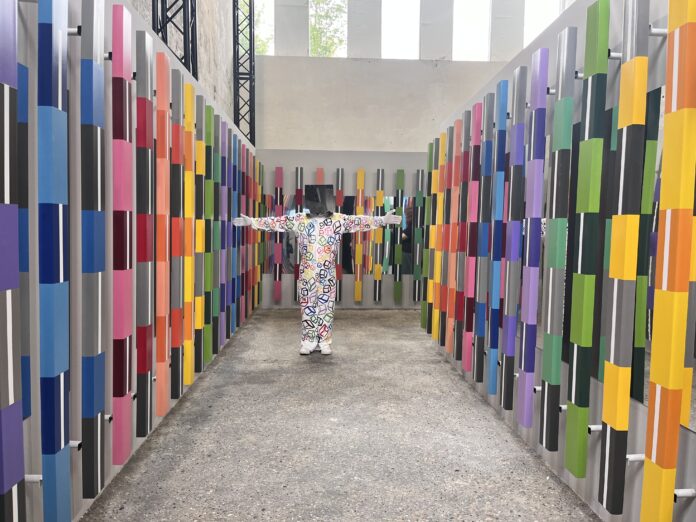
Kube Man Performance — Venezuelan Pavilion — Venice Biennale 2024-

How to Grow Your Art Business in 2026: 8 Pillars That Actually Work

The art market is no longer a gallery waiting room. It’s a living, breathing digital ecosystem where algorithms, authentic storytelling, and brand clarity determine who thrives — and who disappears. The artist who masters both the aesthetic and the algorithmic will own 2026.

01 · Build an Unforgettable Artist Identity — Before Marketing Anything

In art criticism, we evaluate work through the lens of iconography, style evolution, and cultural position. In digital marketing, we call this brand positioning. For artists, these are the same thing — and most artists get this catastrophically wrong by trying to appeal to everyone.

Your artist brand is not your logo or your website color palette. It’s the consistent, resonant answer to three questions that every collector, gallery director, or media editor asks within three seconds of encountering your work:

What do you make? For whom? Why does it matter?

From an SEO standpoint, your identity also defines your topical authority cluster — the network of themes and concepts that signal to search engines what you unambiguously own. Diffuse artists rank for nothing. Focused artists rank for everything within their niche.

Action checklist:

  • Define your 3-word brand essence — e.g., “sacred geometric abstraction” or “post-colonial portraiture”
  • Identify your primary collector persona: age, income, location, cultural values, buying behavior
  • Articulate your artistic thesis in one paragraph you could say at a dinner party
  • Map your work to a cultural lineage — what tradition do you extend, subvert, or rupture?
  • Audit every online touchpoint: does each one reinforce the same identity?

02 · Master the Search Landscape: How Collectors Actually Find Art

Most artist websites are SEO disasters. They’re beautiful digital brochures with no discoverability, no content strategy, and page titles like “Home | Jane Smith Art.”

In 2026, the search environment for art is more nuanced than ever. Google’s AI Overviews now mediate many informational queries. Visual search via Google Lens and Pinterest has matured. Long-tail collector intent queries like “original oil painting mountain landscape under $2000” represent some of the highest-converting search traffic available to independent artists.

Keyword Architecture for Artists: 3 Tiers

  • Tier 1 — Brand: your name, studio name, unique artwork titles
  • Tier 2 — Style: “contemporary abstract acrylic painting,” “large format charcoal portraiture”
  • Tier 3 — Buyer Intent: “buy original abstract art online,” “commission custom portrait artist”

Each tier requires different content types and page structures.

💡 PhD Insight: Collector search queries skew highly descriptive and emotionally driven. “Art that feels like solitude” or “moody blue abstract painting for living room” are real, high-converting searches. Optimize for human emotion, not just medium and style.

Technical SEO Non-Negotiables in 2026

  • Core Web Vitals: Your portfolio must load in under 2.5 seconds — large image files are the silent traffic killer
  • Structured Data Markup: Implement schema.org/VisualArtwork on every artwork page to feed Google’s visual search
  • Image Alt Text as Narrative: Describe the artwork’s emotional content, not just its physical attributes
  • Individual Artwork Pages: Each piece deserves its own URL, title tag, and description — not just a grid thumbnail
  • Internal Linking Architecture: Connect artworks to blog content, series pages, and your artist statement

03 · Write Like an Art Critic. Rank Like an SEO Expert.

Art criticism — serious, rigorous, contextual writing about art — is the single most underutilized content asset in the artist’s marketing arsenal. And it’s exactly what Google rewards in 2026 under its E-E-A-T framework (Experience, Expertise, Authoritativeness, Trustworthiness).

When you write a 1,500-word essay about the conceptual development of a new series — tracing its influences, articulating its formal choices, situating it in contemporary discourse — you’re simultaneously:

  1. Demonstrating expertise to human readers
  2. Building topical authority with search engines
  3. Creating the kind of content that galleries and collectors reference when evaluating you seriously

Content Types That Compound Over Time

  • Process Documentation: Deep-dive essays on how and why you make work — evergreen content with high engagement
  • Series Concept Notes: Curatorial-level writing for each body of work (300–800 words minimum per series)
  • Collector Education Content: “How to buy original art,” “What to know before commissioning a portrait” — builds trust and captures buyer-intent search
  • Art Historical Context: Position your work within movements and traditions — signals authority to both humans and algorithms
  • Studio Journal: Consistent, dated entries that build chronological authority and feed your long-tail keyword profile

04 · Platform Strategy: Where to Show Up, How to Dominate

A critical mistake artists make is treating social media as a broadcast channel rather than a market intelligence and relationship infrastructure. The platforms are not megaphones — they’re ecosystems with distinct economies of attention, trust, and transaction.

Platform Hierarchy for Visual Artists in 2026

Instagram remains the primary visual discovery channel, but its 2026 algorithm rewards Reels and carousel content with strong first-frame retention. Static grid posts have significantly reduced organic reach. Your strategy must be video-forward and consistent — three posts per week minimum, process videos prioritized.

TikTok and YouTube Shorts represent the highest organic reach opportunity for artists right now. “Process reveal” videos — showing a finished work at frame one, then taking the viewer through the creation — consistently outperform every other content format for artist accounts.

Pinterest is the most underrated platform in the art business. It functions as a visual search engine with a 90-day content lifespan (vs. Instagram’s 2-hour lifespan). A well-structured account with keyword-rich boards and pin descriptions can drive consistent collector traffic for years.

🎯 Strategic Principle: Choose 2 platforms for deep investment, 1 for presence, and 0 for reluctant performance. A focused presence on two platforms will always outperform a diluted, exhausted presence on five.


05 · Build Your Collector List: The Only Audience You Actually Own

Every algorithm change is a reminder of the same brutal truth: you don’t own your social media audience. Instagram can throttle your reach overnight. TikTok can be banned. Your email list is the only collector relationship infrastructure that is entirely yours — and it’s statistically the highest-converting channel available to artists selling at any price point.

Average email marketing ROI sits at approximately $36 for every $1 spent. For artists with established lists and compelling work, this ratio frequently exceeds $100:1 during new release campaigns.

The Studio Letter Framework

  • Frequency: Monthly minimum, bi-weekly if you have active studio practice to share
  • Structure: One personal story → One work in focus → One collector opportunity (first access, new availability, commission opening)
  • Tone: Write as an artist to an intimate reader — not as a brand to a consumer. No marketing language.
  • Subject Lines: “The painting I almost destroyed” outperforms “New work available” by approximately 300%
  • Segmentation: Separate past buyers from subscribers — buyers deserve first access and priority messaging

06 · Leverage AI Tools Without Losing Your Artistic Voice

AI tools in 2026 are neither the savior of the art business nor its executioner. They’re powerful leverage instruments — for those who understand them conceptually, not just technically.

The risk for artists isn’t that AI replaces them. The risk is that artists use AI to sound like every other artist using AI — homogenizing their voice into algorithmic mediocrity. The critical skill of 2026 is using AI to amplify your irreplaceable specificity, not substitute for it.

Where AI actually helps artists:

  • SEO Research: Identify long-tail keyword opportunities, analyze competitor content gaps, generate content briefs — then write with your own voice
  • Visual Marketing: Generate mockup environments (artwork in rooms, on walls) without expensive photography — Midjourney and Firefly excel here
  • Admin Leverage: Automate inquiry responses, draft artist statements, create exhibition proposal templates — free your creative time
  • Audience Insight: Analyze email response data and social comments to identify what resonates most with your specific audience

07 · Price Like You Understand Value Theory — Because You Should

Pricing is not just economics. It’s semiotics. The price of your work communicates your position in the market hierarchy, your confidence in your practice, and your assumptions about who deserves to own your work. Chronic underpricing is both a financial error and a critical one — it signals self-doubt to the very collectors whose confidence you need.

Revenue Architecture for Independent Artists

StreamRoleMargin
Original WorkBrand-building asset, primary market signal60–80%
Limited Edition PrintsVolume revenue — editions of 50–10070–85%
Digital ProductsCourses, guides, packs — infinitely scalable95%+
CommissionsPremium custom work — scarcity & service premium55–70%
LicensingInterior design, editorial, product — passive income90%+

The goal is a stacked revenue model where originals build prestige, prints create accessibility, and digital products generate passive income — each reinforcing the others.


08 · Measure What Matters. Iterate Without Losing Your Soul.

You can’t optimize what you don’t measure. But you also can’t sustain what doesn’t align with your practice.

The Compound Artist Framework is a 90-day cycle of output, measurement, analysis, and refinement. Every quarter, review your top-performing content, best-converting traffic sources, email open rates, and revenue by channel. Identify the 20% of activities generating 80% of results — and double down.

The 5 metrics that actually matter:

  1. Email list growth rate
  2. Average revenue per collector
  3. Organic search traffic trend
  4. Studio-to-sale conversion rate
  5. Content engagement depth (time on page — not likes or followers)

The Artist Who Understands Both Worlds Wins Both

The conventional narrative pits artistic integrity against commercial strategy, as if seriousness about your work is incompatible with seriousness about your market. This is a false and costly dichotomy that keeps brilliant artists invisible and financially precarious.

The artists who will define the 2026 art market bring doctoral-level rigor to both halves of their career: the depth and criticality of their practice, and the intelligence and discipline of their business. These are not competing commitments. They’re the same commitment — to doing the work well.

Your aesthetic vision deserves an infrastructure worthy of it.

The market doesn’t discover great art by accident. It discovers great art that has been made findable. Go be found.
Lo Mejor de ARCO 2026: El Arte Que Intenta Salvarnos Mientras el Mundo Arde

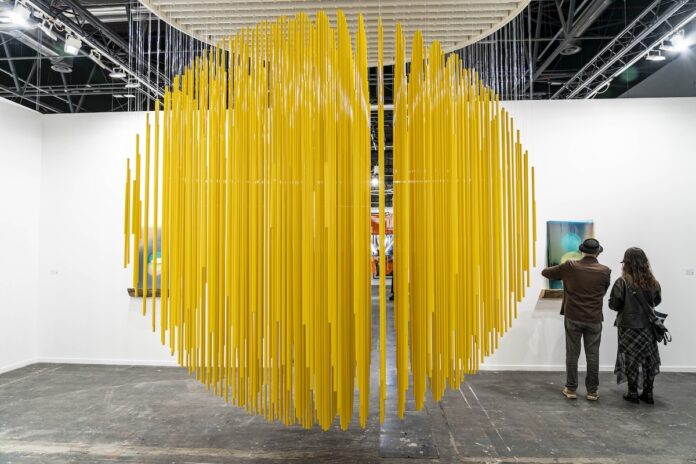
Jesus Soto
Jesus Soto

Lo Mejor de ARCO 2026: El Arte Que Intenta Salvarnos Mientras el Mundo Arde

ARCOmadrid · 45ª Edición · IFEMA Madrid

ARCO 2026 cierra con 95 000 visitantes y consolida la Semana del Arte

Madrid huele a pintura fresca y a urgencia. Cuarenta y cinco años después de su primera edición, ARCOmadrid regresa a los pabellones 7 y 9 de IFEMA con 211 galerías de 30 países, más de 1.300 artistas, y una pregunta que nadie formula en voz alta pero que flota sobre cada obra, cada stand, cada conversación susurrada entre coleccionistas: ¿para qué sirve el arte cuando el mundo se está desmoronando?

La respuesta de esta edición no es cómoda. Tampoco pretende serlo.

Una Feria en Estado de Emergencia (y lo Sabe)

Hay algo sintomático en el hecho de que el espacio más emocionalmente denso de ARCOmadrid 2026 no sea ningún stand de galería sino el Guest Lounge, un proyecto llamado ‘350.000 hectáreas’ — la cifra exacta de bosques gallegos arrasados por los incendios forestales del verano pasado en Ourense. Diseñado por el estudio Manuel Bouzas + SalazarSequeroMedina, el espacio de 1.200 metros cuadrados está construido enteramente con madera quemada recuperada de esos mismos bosques: vigas, revestimientos, lámparas de finísimas chapas obtenidas del pelado de los troncos carbonizados.

El arquitecto Pablo Sequero lo describió con precisión: es “un laboratorio material, un ejercicio de arquitectura efímera que sirve de altavoz y refuerza un mensaje de activismo sobre la crisis climática.” El resultado es sobrecogedor. Entrar en ese espacio es enfrentarse a algo que el arte contemporáneo rara vez logra con tanta economía de medios: la materialización del duelo ecológico. El olor a madera carbonizada no es metáfora. Es evidencia.

Este gesto inaugural lo dice todo sobre la temperatura moral de esta edición: ARCOmadrid 2026 no está aquí para decorar paredes. Está aquí, con más o menos convicción según el stand que visitemos, para testimoniar.

ARCO2045: El Futuro Como Espejo del Presente

La sección central de esta edición, ARCO2045: El futuro, por ahora, comisariada por José Luis Blondet y Magalí Arriola, tiene la valentía conceptual de articularse en dos espacios simultáneos dentro de la feria — una ruptura con la tradición de un solo espacio temático — creando lo que los propios comisarios describen como una sensación de déjà-vu, un extraño efecto de memoria futura.

La propuesta reúne galerías de primera línea: Pace Gallery con Paulina Olowska, François Ghebaly con Candice Lin, Capitain Petzel con Barbara Bloom, Proyectos Ultravioleta con Akira Ikezoe, y Carlier | Gebauer con Nicole Miller, entre otras. El diseño arquitectónico del espacio, a cargo del Estudio Angela Juarranz, fue concebido como “un dispositivo de vínculo entre pasado y futuro, una estructura que no ilustra el tiempo, sino que lo despliega.” Filosofía hecha mampara.

Lo que Blondet y Arriola proponen es audaz pero también arriesgado: invitar al arte a imaginar los lenguajes que todavía no existen. En el mejor de los casos, funciona. La presencia de artistas como Candice Lin (cuya práctica atraviesa la biología, la historia colonial y los cuerpos no normativos) o Barbara Bloom (maestra de la arqueología ficcional del objeto) aporta una densidad intelectual que transciende el ejercicio especulativo. En el peor, algunos stands de esta sección parecen más interesados en la elegancia formal de la pregunta que en atreverse a responderla.

La Obra del Año: Kubra Khademi y el Escándalo Necesario

Si hay una obra que define ARCOmadrid 2026, es ‘Pan, Trabajo, Libertad’ de la artista afgana Kubra Khademi, presentada por la galería parisina Éric Mouchet. Y no porque sea la más sofisticada formalmente — aunque lo es — sino porque es la más urgente.

La serie nace de una carta abierta que Khademi envió en marzo de 2022 a las mujeres más poderosas del mundo — Angela Merkel, Hillary Clinton, Kamala Harris, Jacinda Ardern, Sanna Marín, Ursula von der Leyen, Ellen Johnson Sirleaf, entre otras — pidiéndoles que defendieran los derechos de las mujeres afganas ante el régimen talibán. No recibió ni una sola respuesta. El silencio institucional de la feminidad en el poder fue su detonante creativo.

La respuesta de Khademi fue pintarlas a todas desnudas, a tamaño natural. No como provocación erótica, sino como afirmación filosófica: la desnudez como nivelación del poder, como recordatorio de la humanidad compartida, como exigencia de responsabilidad que ningún protocolo diplomático puede silenciar. Las escenas culminan en una gran orgía sáfica — la pieza más “polémica” según cierta prensa pudibunda — que Khademi describe como “el poder de la feminidad, el amor y la ternura frente a la guerra y la violencia del patriarcado.”

La artista, que vive como refugiada en Francia desde 2015 tras huir de Afganistán después de que una performance callejera en Kabul le valiera una condena a muerte, habla desde la experiencia extrema. Su declaración al respecto es incontestable: “La energía de las mujeres desnudas no es vergonzosa. Lo que es vergonzoso es el silencio de la humanidad ante el drama de las mujeres afganas.”

En términos críticos, esta serie pertenece a la mejor tradición de la pintura política desde Goya hasta Daumier: usa el cuerpo humano no como objeto de contemplación estética sino como campo de batalla ideológico. La incomodidad que genera es exactamente su función. Cualquier feria que se llame a sí misma contemporánea necesita obras que provoquen esa incomodidad. ARCO la tiene. En ese stand está la razón de ser de toda la feria.

Los Premios: Lo Que el Sistema Decide Que Importa

Los galardones de esta edición dibujan un mapa coherente de los valores que ARCOmadrid 2026 quiere proyectar:

Proyectos Ultravioleta (Guatemala) se lleva el Premio Lexus al Mejor Stand y Contenido Artístico, un reconocimiento que celebra a una de las galerías más rigurosas del circuito latinoamericano y que en esta edición participaba tanto en el Programa General como en ARCO2045.

Esther Gatón gana el X Premio Cervezas Alhambra de Arte Emergente por su proyecto Lazos y Calles — una artista vallisoletana cuya práctica navega entre la instalación, el texto y la exploración del espacio doméstico como territorio político. Un premio bien otorgado.

June Crespo (galería Ehrhardt Florez) recibe el Premio Adquisición Catapulta, en colaboración con la National Gallery of Canada — un puente transatlántico que sitúa a una escultora española en una de las colecciones públicas más importantes del mundo anglosajón.

Julia Scher (galería Esther Schipper) y Jonas Englert (Anita Beckers) se reparten el XXI NEWARTaward@ARCO, galardón que premia la investigación artística más innovadora. La presencia de Scher — veterana del arte tecnológico y la vigilancia — en una feria que debate intensamente sobre inteligencia artificial no es ninguna coincidencia.

Luis Gordillo (Prats Nogueras Blanchard) recibe el Premio ENATE, un reconocimiento al maestro de la pintura española contemporánea cuya obra en el Guest Lounge pasará a la colección ENATE. A sus 87 años, Gordillo sigue siendo irrebatible.

Cristina Lucas (Albarrán Bourdais) gana el Premio Pilar Forcada ART Situacions por D.A.N.C.E. (Dynamic Algorithm, Neural Creative Evolution) 3, una obra que sitúa a la artista en el epicentro del debate sobre IA y autoría artística.

La galería Elvira González recibe el II Premio Juana de Aizpuru, en homenaje a su trayectoria histórica — y en tácito reconocimiento de que en esta edición, la ausencia de la galería Helga de Alvear (fundadora de ARCO, presente en todas las ediciones desde 1982) deja un vacío imposible de llenar.

Perfiles | Arte Latinoamericano: El Sur del Mundo Habla

La sección Perfiles | Arte Latinoamericano, comisariada por José Esparza Chong Cuy, consolida algo que ARCOmadrid ha construido sistemáticamente desde 2011: su posición como el principal punto de encuentro entre el arte latinoamericano y el mercado europeo. Más del 31% de la presencia internacional proviene de once países de América Latina, con especial peso de Brasil y Argentina.

El formato — un artista por galería, propuestas individuales de profundidad — permite una lectura menos apresurada, más cercana a la monografía que al escaparate. Entre los artistas de esta sección: Harold Mendez (Patron + Commonwealth and Council), Paloma Contreras (Pequod Co.), Las Nietas de Nonó (Embajada), y Gabriel Branco (Galatea), cuyas pinturas al óleo y cera de abeja sobre tela demuestran que la pintura de carácter sigue siendo un lenguaje vigente y radical.

El primer Premio Engel & Völkers de la sección recayó en la galería Commonwealth and Council + Patron, confirmando el interés institucional por artistas latinoamericanos que operan en el eje cultural Norte-Sur con plena conciencia crítica de ese tránsito.

Opening: La Apuesta por lo que Todavía No Tiene Nombre

La sección Opening. Nuevas Galerías, comisariada por Rafa Barber y Anissa Touati, reúne 19 galerías con menos de ocho años de trayectoria de 15 países. Es, siempre, la sección más impredecible y necesaria de la feria: el lugar donde el futuro del mercado asoma antes de que el mercado lo haya domesticado.

Entre los espacios destacados: El Chico, Villa Magdalena, Enhorabuena Espacio, Spiritvessel (con Víctor Jaenada) y Window Project. La valentía de estas galerías — que, como señaló el propio Barber, se presentan ante un público diverso sin garantías de ventas — merece más que un reconocimiento simbólico. Son el tejido conectivo sin el cual las ferias acaban siendo museos de lo ya consagrado.

El Elefante en la Sala: El IVA del 21%

Imposible hablar de ARCO 2026 sin hablar de la rabia contenida que recorre sus pasillos. El primer día de feria, a las 12:45 horas, las galerías españolas realizaron una protesta simbólica fotográfica con pancarta para denunciar el IVA cultural del 21% — el más alto de Europa — que sigue sin rebajarse a pesar de años de demandas del sector.

En Francia, Alemania o Portugal ese impuesto se mueve entre el 5% y el 8%. En España, montar un stand en ARCO cuesta de media unos 50.000 euros. La aritmética es cruel. El año pasado fue un apagón de diez minutos. Este año es una fotografía. La directora de la feria, Maribel López, ha vuelto a reclamar públicamente la reforma: sin esa rebaja, las galerías españolas compiten en condiciones de desventaja estructural en su propia casa.

Esta protesta no es un dato periférico. Es la condición de posibilidad de todo lo demás. El arte que vemos en ARCO existe a pesar de un sistema fiscal que lo penaliza. Que lo mejor de esta edición haya llegado a las paredes de IFEMA con ese obstáculo encima dice mucho de la terquedad admirable de galeristas, artistas y coleccionistas españoles.

Lo Que Esta Edición Revela

ARCOmadrid 2026 no es la mejor feria de arte del mundo. No pretende serlo. Lo que sí es — y esto tiene un valor que las métricas del mercado no saben medir bien — es una feria con conciencia. Una feria que en su 45ª edición se atreve a construir espacios de duelo ecológico con madera quemada, a exponer los cuerpos de las líderes mundiales como acto de denuncia, a debatir sobre inteligencia artificial y autoría, a mantener el pulso con América Latina, a premiar a una artista emergente que trabaja con lazos y calles, y a protestar contra su propio sistema tributario mientras vende.

Esa tensión — entre el mercado y la resistencia, entre la esperanza y el diagnóstico, entre el futuro y la catástrofe presente — no se resuelve. No tiene que resolverse. El arte que importa vive en esa tensión.

La directora Maribel López lo dijo al inaugurar la feria desde el Guest Lounge, rodeada de madera carbonizada: “El arte que hay aquí es un arte del presente. Aporta esa idea de esperanza y de posibilidad.”

Tiene razón. Y también la tienen quienes, en esos mismos pasillos, pintan líderes desnudas, construyen espacios con los restos de un bosque que ardió, y protestan con pancarta en mano contra el sistema que los obliga a hacerlo todo cuesta arriba.

El futuro, por ahora, tiene esa forma: contradictoria, urgente, hermosa e incómoda.

ARCOmadrid 2026. IFEMA Madrid, Pabellones 7 y 9. 4–8 de marzo de 2026. Organizado por IFEMA MADRID. Dirección: Maribel López. Próxima edición: ARCOlisboa, mayo de 2026.

Artistas Presentes: Zadie Xa, Martha Jungwirth, Leiko Ikemura, Tobias Spichtig, Travis Boyer, Andrius Desplazes, Dagoberto Rodríguez, Melanie Smith, Christine Streuli, Takashi Murakami, Oli Epp, Thomas Ruff, William Kentridge, Vanessa Beecroft, Marina Abramović, Alfredo Jaar, Wael Shawky, Pablo Palazuelo, José Guerrero, Carlos Cruz-Diez, Philippe Decrauzat, Natasza Niedziółtka, Julio Vaquero, Félix de la Concha, Antonio Saura, Soledad Sevilla, Pablo Genovés, Lua Ribeira, Guillermo Pérez Villalta, José Manuel Broto, Serzo, Matthew Benedict, Peter Krauskopf, Juan Garaizabal, Margarita Paksa, José Galindo, Zehra Doğan, Patricia Fernández, Sylvie Selig, Rodolfo Abularach, Patricia Fernández.

Galerías

1 MIRA MADRID / 2 MIRA ARCHIV — Madrid — Spain
ACB — Budapest — Hungary
ADN GALERIA — Barcelona — Spain
ALARCÓN CRIADO — Seville — Spain
ALBARRÁN BOURDAIS — Madrid / Menorca / Teruel — Spain
ALMEIDA & DALE — São Paulo — Brazil
ALONSO GARCÉS — Bogotá — Colombia
ÁLVARO ALCÁZAR — Madrid — Spain
ÁNGELES BAÑOS — Badajoz — Spain
ÀNGELS BARCELONA — Barcelona — Spain
ANI MOLNÁR — Budapest — Hungary
ANINAT — Santiago — Chile
ANITA BECKERS — Frankfurt — Germany
ANNE-SARAH BÉNICHOU — Paris — France
ARRÓNIZ — Mexico City — Mexico
ARTNUEVE — Murcia — Spain
ATM — Gijón — Spain
BALCONY — Lisbon — Portugal
BARBARA THUMM — Berlin — Germany
BÄRBEL GRÄSSLIN — Frankfurt — Germany
BARÓ — Palma de Mallorca / Abu Dhabi / Paris — Spain / UAE / France
BEATRIZ GIL — Caracas — Venezuela
BELMONTE — Madrid — Spain
BERNIER / ELIADES — Brussels / Athens — Belgium / Greece
BLUE VELVET — Zurich / Madrid — Switzerland / Spain
BOMBON PROJECTS — Madrid / Barcelona — Spain
CAPITAIN PETZEL — Berlin — Germany
CARLIER | GEBAUER — Madrid / Berlin — Spain / Germany
CARLOS / ISHIKAWA — London — United Kingdom
CARMEN ARAUJO — Caracas — Venezuela
CARRERASMUGICA — Bilbao — Spain
CASA TRIÂNGULO — São Paulo — Brazil
CASADO SANTAPAU — Madrid — Spain
CASAS RIEGNER — Bogotá — Colombia
CAYÓN — Madrid / Menorca / Manila — Spain / Philippines
CHANTAL CROUSEL — Paris — France
CHARIM GALERIE — Vienna — Austria
CHERTLÜDDE — Berlin — Germany
CHIQUITA ROOM — Barcelona — Spain
CIBRIÁN — San Sebastián — Spain
CONTEMPORARY FINE ARTS — Berlin / Basel — Germany / Switzerland
CRISTINA GUERRA CONTEMPORARY ART — Lisbon — Portugal
CRONE — Vienna / Berlin — Austria / Germany
DEL INFINITO — Buenos Aires — Argentina
DÉPENDANCE — Brussels — Belgium
DOUBLE V — Marseille / Paris — France
EHRHARDT FLÓREZ — Madrid — Spain
EL APARTAMENTO — Madrid / Havana — Spain / Cuba
ELBA BENÍTEZ — Madrid — Spain
ELVIRA GONZÁLEZ — Madrid — Spain
ERIC MOUCHET — Paris / Brussels — France / Belgium
ESPACIO MÍNIMO — Madrid — Spain
ESPACIO VALVERDE — Madrid — Spain
ESTHER SCHIPPER — Berlin / Paris / Seoul / New York — Germany / France / South Korea / USA
ETHALL — Barcelona — Spain
F2 GALERÍA — Madrid — Spain
FERMAY — Palma de Mallorca — Spain
FERNÁNDEZ-BRASO — Madrid — Spain
FERNANDO PRADILLA — Madrid — Spain
FLORIT / FLORIT — Palma de Mallorca — Spain
FOCO — Lisbon — Portugal
FORMATOCOMODO — Madrid — Spain
FORTES D’ALOIA & GABRIEL — São Paulo / Rio de Janeiro / Lisbon — Brazil / Portugal
FRANCESCA MININI — Milan — Italy
FRANCISCO FINO — Lisbon — Portugal
FREIJO — Madrid — Spain
GALERÍA ALEGRÍA — Hospitalet del Llobregat — Spain
GALERÍA DE LAS MISIONES — Montevideo / José Ignacio / Mahón — Uruguay / Spain
GALERÍA MASCOTA — Mexico City — Mexico
GILDA LAVIA — Rome — Italy
GREEN ART — Dubai — UAE
GREGOR PODNAR — Vienna — Austria
GUILLERMO DE OSMA — Madrid — Spain
HARLAN LEVEY PROJECTS — Brussels — Belgium
HENRIQUE FARIA — New York — USA
HERLITZKA & CO. — Buenos Aires — Argentina
HOUSE OF CHAPPAZ — Barcelona — Spain
JAHN UND JAHN — Munich / Lisbon — Germany / Portugal
JOCELYN WOLFF — Paris — France
JORGE LÓPEZ — Valencia — Spain
JOSÉ DE LA MANO — Madrid — Spain
JUAN SILIÓ — Madrid / Santander — Spain
KADEL WILLBORN — Düsseldorf — Germany
KLEMM’S — Berlin — Germany
KRINZINGER — Vienna — Austria
KUBIKGALLERY — Porto / Lisbon — Portugal
LA CAJA NEGRA — Madrid — Spain
LA COMETA — Bogotá / Medellín / Miami / Madrid — Colombia / USA / Spain
LEANDRO NAVARRO — Madrid — Spain
LEHMANN — Porto — Portugal
LELONG — Paris / New York — France / USA
LEVY — Berlin / Hamburg — Germany
LIA RUMMA — Naples / Milan — Italy
LIVIA BENAVIDES — Lima — Peru
LIVIE — Zurich — Switzerland
LOEVENBRUCK — Paris — France
LOHAUS SOMINSKY — Munich — Germany
LOMBARDI-KARGL — Vienna — Austria
LUCIANA BRITO — São Paulo — Brazil
LUIS ADELANTADO VALENCIA — Valencia — Spain
LUISA STRINA — São Paulo — Brazil
MAI 36 — Zurich / Madrid — Switzerland / Spain
MAIS SILVA — Porto — Portugal
MAISTERRA — Madrid — Spain
MARC DOMÈNECH — Barcelona — Spain
MARTA CERVERA — Madrid — Spain
MARTINS & MONTERO — São Paulo / Brussels — Brazil / Belgium
MASSIMO MININI — Brescia — Italy
MAX ESTRELLA — Madrid — Spain
MAYORAL — Barcelona / Paris — Spain / France
MC GALERÍA — Buenos Aires — Argentina
MEESSEN — Brussels — Belgium
MEMORIA — Madrid — Spain
MEYER RIEGGER — Berlin / Karlsruhe / Basel / Seoul — Germany / Switzerland / South Korea
MICHEL REIN — Paris / Brussels — France / Belgium
MIGUEL MARCOS — Barcelona — Spain
MIGUEL NABINHO — Lisbon — Portugal
MONITOR — Lisbon / Rome / Pereto — Portugal / Italy
MOR CHARPENTIER — Paris / Bogotá — France / Colombia
MPA / MOISÉS PÉREZ DE ALBÉNIZ — Madrid — Spain
NÄCHST ST. STEPHAN ROSEMARIE SCHWARZWÄLDER — Vienna — Austria
NEUGERRIEMSCHNEIDER — Berlin — Germany
NF / NIEVES FERNÁNDEZ — Madrid — Spain
NICOLAI WALLNER — Copenhagen — Denmark
NORA FISCH — Buenos Aires — Argentina
NORDENHAKE — Berlin / Mexico City / Stockholm — Germany / Mexico / Sweden
NORDÉS — A Coruña — Spain
NUEVEOCHENTA — Bogotá — Colombia
P420 — Bologna — Italy
P74 — Ljubljana — Slovenia
PARRA & ROMERO — Madrid / Ibiza — Spain
PATRICIA READY — Santiago — Chile
PEDRO CERA — Lisbon / Madrid — Portugal / Spain
PELAIRES — Palma de Mallorca — Spain
PERROTIN — Paris / Hong Kong / New York / Seoul / Tokyo / Shanghai / Los Angeles / London / Dubai — France / China / USA / South Korea / Japan / UK / UAE
PETER KILCHMANN — Zurich / Paris — Switzerland / France
PINKSUMMER — Genoa — Italy
PLAN B — Berlin / Cluj — Germany / Romania
POGGI — Paris — France
POLÍGRAFA OBRA GRÀFICA — Barcelona — Spain
PONCE + ROBLES — Madrid — Spain
PORTAS VILASECA — Rio de Janeiro — Brazil
PRATS NOGUERAS BLANCHARD — Barcelona / Madrid — Spain
PROJECTESD — Barcelona — Spain
PROMETEO GALLERY — Milan — Italy
PROYECTOS ULTRAVIOLETA — Guatemala City — Guatemala
RAFAEL ORTIZ — Madrid / Seville — Spain
RAFAEL PÉREZ HERNANDO — Madrid — Spain
RAQUEL ARNAUD — São Paulo — Brazil
RICHARD SALTOUN — London / Rome / New York — UK / Italy / USA
RÍO & MEÑAKA — Madrid — Spain
ROCIOSANTACRUZ — Barcelona — Spain
ROLF ART — Buenos Aires — Argentina
ROSA SANTOS — Valencia / Madrid — Spain
RUTH BENZACAR — Buenos Aires — Argentina
SABRINA AMRANI — Madrid — Spain
SENDA — Barcelona — Spain
SET ESPAI D’ART — Valencia — Spain
SOCIÉTÉ — Berlin — Germany
STUDIO TRISORIO — Naples — Italy
SUPERFÍCIE — São Paulo — Brazil
T20 — Murcia / Madrid — Spain
TATJANA PIETERS — Ghent — Belgium
THADDAEUS ROPAC — Paris / Salzburg / Seoul / London / Milan — France / Austria / South Korea / UK / Italy
THE GOMA — Madrid — Spain
THE RYDER PROJECTS — Madrid — Spain
THOMAS SCHULTE — Berlin — Germany
TRAVESÍA CUATRO — Madrid / Guadalajara / Mexico City — Spain / Mexico
VERA CORTÊS — Lisbon — Portugal
VERA MUNRO — Hamburg — Germany
VERMELHO — São Paulo — Brazil
VISTAMARE — Milan / Pescara — Italy
W—GALERÍA — Buenos Aires / Pueblo Garzón — Argentina / Uruguay
ZANDER — Cologne / Paris — Germany / France
ZIELINSKY — São Paulo / Barcelona — Brazil / Spain

4710 GALLERY — Tbilisi — Georgia
ADA — Rome — Italy
CALLIRRHOË — Athens — Greece
DES BAINS — London — United Kingdom
DIALOGUE — Lisbon — Portugal
EL CHICO — Madrid — Spain
ENHORABUENA ESPACIO — Madrid — Spain
EXO EXO — Paris — France
GRATIN — New York — United States
KALI — Lucerne — Switzerland
LINSE — Buenos Aires — Argentina
METHOD — New Delhi / Mumbai — India
OG GALLERY — Istanbul — Turkey
RAVNIKAR — Ljubljana — Slovenia
RESERVOIR — Cape Town — South Africa
SELEBE YOON — Dakar — Senegal
SPIRITVESSEL — Ampurdá — Spain
VILLA MAGDALENA — Donostia — Spain
WINDOWS PROJECT — Tbilisi — Georgia

A GENTIL CARIOCA — Kelton Campos Fausto — Rio de Janeiro / São Paulo — Brazil
BARRO — Agustina Woodgate — Buenos Aires — Argentina
COMMONWEALTH AND COUNCIL — Harold Mendez — Los Angeles — USA
CRISIS — Patricia Rengifo — Lima / Madrid — Peru / Spain
EMBAJADA — Las Nietas de Nonó — San Juan — Puerto Rico
GALATEA — Gabriel Branco — São Paulo / Salvador — Brazil
ISLA FLOTANTE — Roberto Jacoby — Buenos Aires — Argentina
N.A.S.A.L. — Miguel Cintra Robles — Guayaquil / Mexico City — Ecuador / Mexico
PATRON — Harold Mendez — Chicago — USA
PEQUOD CO. — Paloma Contreras — Mexico City — Mexico
QUADRA — Ana Claudia Almeida — Rio de Janeiro / São Paulo — Brazil
YEHUDI-HOLLANDER PAPPI — Julia Gallo — São Paulo — Brazil

OBJECT/SUBJECT: Pop-up at The Shop

Claudia Ariano
Ariano Design Studio and Studio AF

OBJECT/SUBJECT | Pop-up at The Shop
The Bass Museum, Miami Beach

On Sunday, March 1, The Bass Museum of Art in Miami Beach hosted OBJECT/SUBJECT, a one-day pop-up event that brought together contemporary artists to explore the intersection of design, jewelry, and fine art. Curated by Claudia Ariano and Angie Ferrer and presented by Ariano Design Studio and Studio AF, the event transformed The Shop at The Bass into a temporary exhibition space dedicated to wearable art.

The pop-up featured a curated collection of one-of-a-kind rings created or intervened by more than fifty invited artists. Each piece functioned as a miniature artwork, blurring the boundaries between jewelry, sculpture, and design object. The project encouraged artists to experiment with scale and material while maintaining the intimate relationship that jewelry establishes with the body.

Visitors were invited to explore the collection throughout the afternoon, encountering rings that ranged from delicate wearable designs to bold conceptual statements. While small in scale, the works reflected a wide spectrum of artistic practices, demonstrating how contemporary artists can translate their visual language into objects meant to be worn, collected, and experienced in everyday life.

All pieces were exhibited and made available for purchase during the event, offering collectors a rare opportunity to acquire unique artist-made objects. Selected works will continue to be available at The Shop at The Bass, extending the life of the project beyond the one-day presentation.

OBJECT/SUBJECT ultimately served as a celebration of craftsmanship, creativity, and artistic community in Miami, highlighting how collaboration between artists, designers, and cultural institutions can create new platforms for experimentation and collecting.

Participating artists included: Alette Simmons, Andres Michelena, Carola Bravo, Carolina Sardi, Carol Jazzar, Carri Skoczek, Carlos Rodriguez Cardenas, Claudia Ariano, Daniel Fiorda, Dimitry Said Chamy, Duane Brant, Emilio Adan Martinez, Evelyn Politzer, Freddy Jouwayed, Giannina Dwin, Glexis Nova, Gustavo Matamoros, Jeanne Jaffe, Julieta Pinedo, Julia Zurilla, Karelle Levy, Karla Kanto, Karla Kantorovich, Kerry Phillips, Kristen Thiele, Liliana Hernandez, LILI(ANA), Lisu Vega, Luis Crump, Marcotulli, Marina Font, Marina Gonella, Marisabella Telleria, Mary Larsen, Melissa Wallen, Mette Tommerup, Natalia Garcia Lee, Nick Gilmore, Pat Olesko, Patricia Rivera, Pip Brant, Ralph Provisero, Regina Jestrow, Rene Barge, Richard Garet, Robert Chambers, Roberto Montes de Oca, Robert Thiele, Silvana Soriano, and Terry Esguerra.

Nadia Díaz

Nadia Díaz Graverán
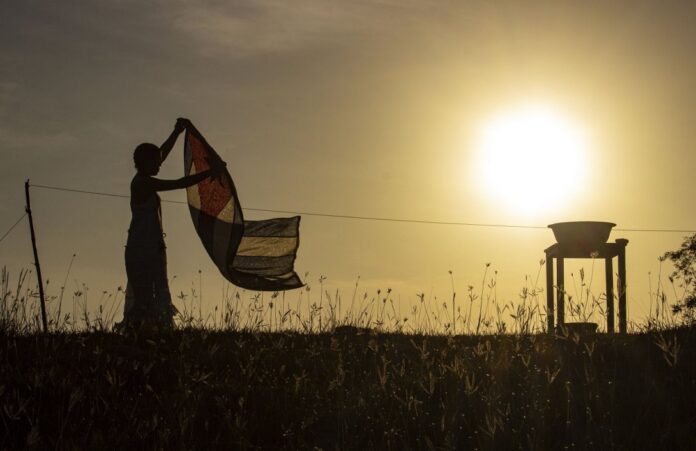
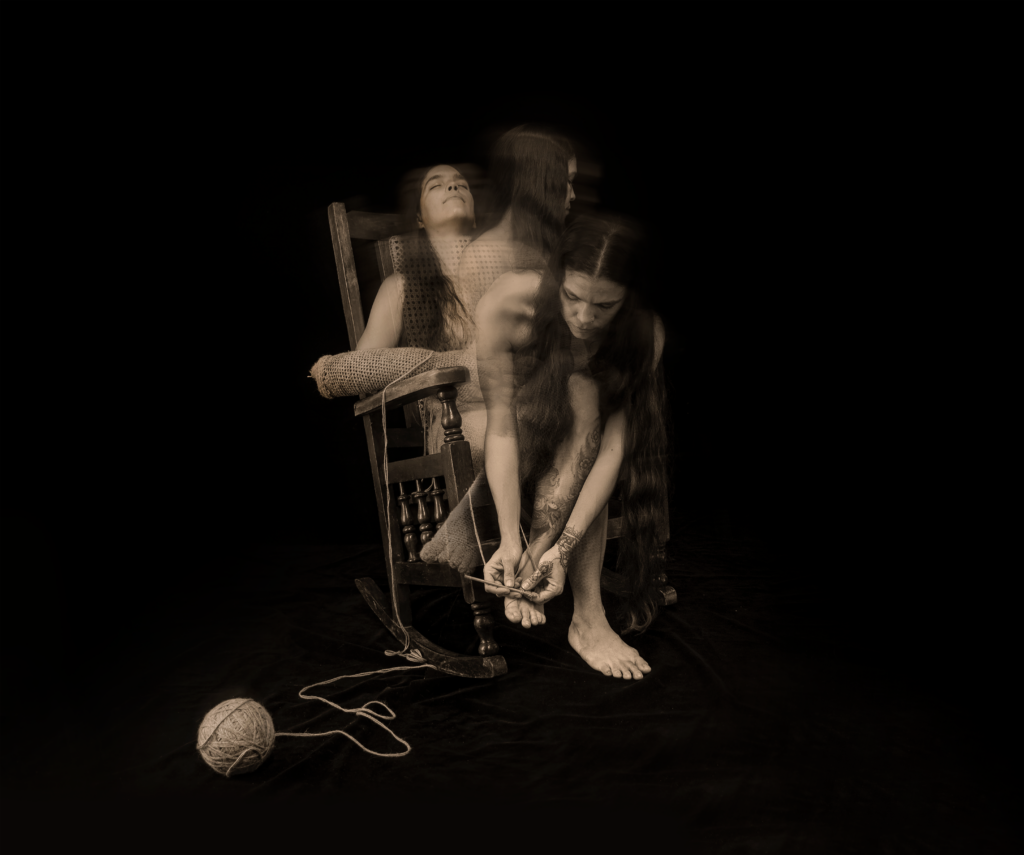
Obra de la artista Nadia Díaz Graverán, lavando la bandera cubana. | Imagen: Proyecto Sendero del Polen

Nadia Díaz: artista multidisciplinar cubana que explora la memoria, la feminidad y el poder

Nadia Díaz es una artista multidisciplinaria cubana cuya obra explora los territorios de la memoria, la feminidad y el poder a través de prácticas profundamente personales y procesuales. Su trabajo no solo se inserta en el contexto del arte contemporáneo, sino que se desarrolla como un acto de vida, donde la creación y la existencia se entrelazan. Díaz toma como punto de partida su experiencia directa como mujer, madre y habitante de la Cuba actual, y a partir de allí dialoga con tradiciones ancestrales, filosofías orientales y los materiales más cotidianos para construir obras que son a la vez testimonio, reflexión y ritual.

En esta entrevista, Díaz aborda la manera en que se aproxima a cosmovisiones indígenas —como la Navajo y la Wixárika (Huichol)— y cómo incorpora sus enseñanzas de belleza, equilibrio y espiritualidad sin caer en la apropiación superficial. También reflexiona sobre la tensión entre verdad y ficción en el arte contemporáneo, y sobre cómo su proceso creativo, profundamente orgánico y meditativo, se enfrenta a las limitaciones materiales y económicas de la Cuba contemporánea.

Nadia Díaz
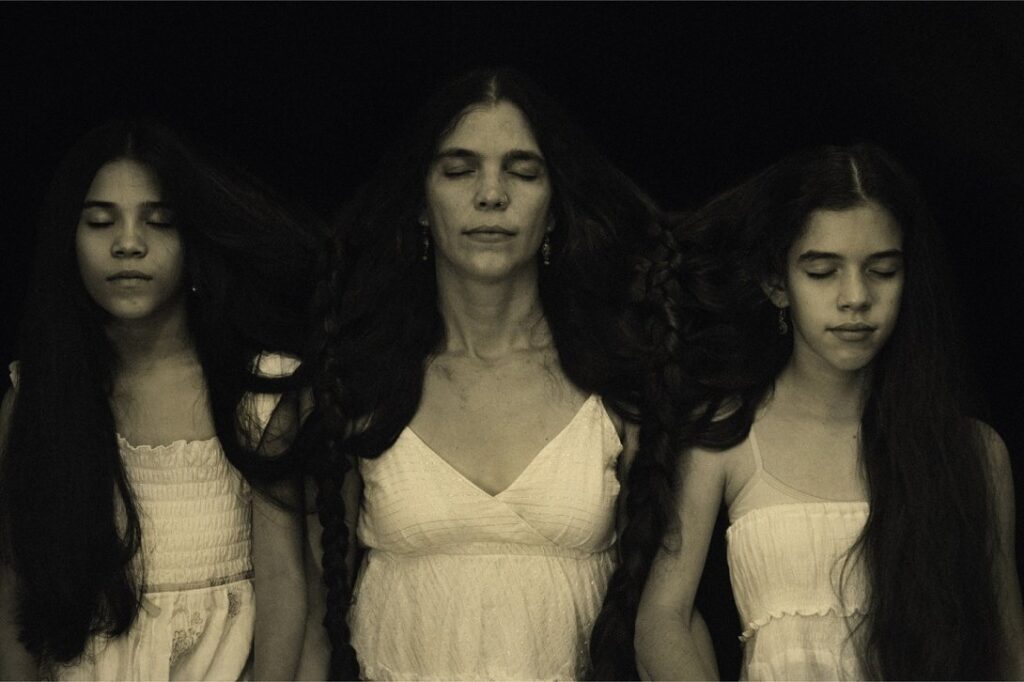
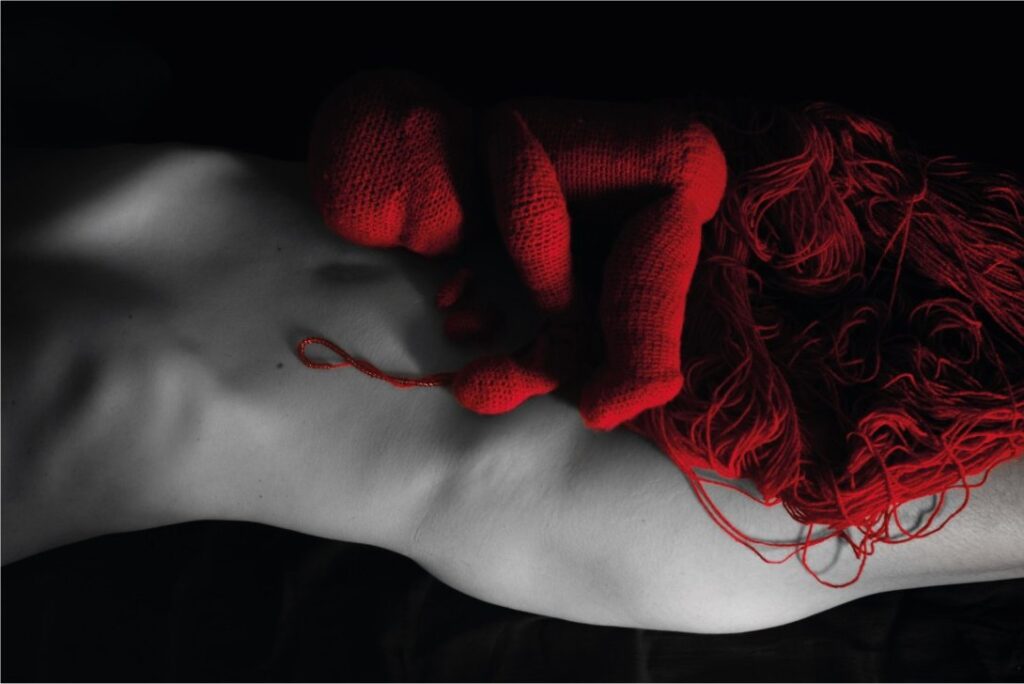
Obra de la artista Nadia Díaz Graverán. | Imagen: Proyecto Sendero del Polen

A lo largo de la conversación, Nadia nos invita a pensar el arte como un medio para la evolución personal y espiritual, más que como un fin en sí mismo, y nos recuerda que la belleza —entendida como armonía, presencia y atención— puede coexistir incluso en medio de la crisis, la sombra y la escasez. La entrevista revela no solo la obra de Díaz, sino también su ética, su filosofía de vida y su compromiso con la autenticidad y la verdad, ofreciendo una mirada única sobre la creación artística que trasciende lo visual para habitar lo profundamente humano.

AMM: Mencionas que Sendero del Polen proviene de un proverbio Navajo en el que la belleza se presenta como una filosofía de vida: la belleza de estar conectados con este hogar que es la Tierra. En la cosmovisión Navajo, el concepto de hózhǫ́ no se limita a la idea occidental de belleza estética; se refiere más bien a un estado de armonía, equilibrio y orden cósmico que se camina activamente a lo largo de la vida.

Por otro lado, también haces referencia al pueblo Wixárika (Huichol) y a su tradición artística de tablas de estambre y trabajo con cuentas, prácticas profundamente ligadas a su concepto de nierika: el portal espiritual, la capacidad de ver más allá de lo visible.

En ese sentido, ¿cómo has transitado el delicado proceso de beber de estas filosofías ancestrales —Navajo y Wixárika— sin caer en una apropiación cultural superficial? ¿Has tenido contacto directo con estas comunidades, o tu aproximación ha sido principalmente bibliográfica, intuitiva o mediada?

Además, ¿de qué manera tu contexto específico como mujer cubana, madre y artista que trabaja en Calabazar transforma y reinterpreta estas cosmogonías, en lugar de simplemente replicarlas? Finalmente, ¿cómo negocias el respeto por lo sagrado de estas tradiciones con la libertad propia de la creación artística contemporánea?

ND. Siempre me han fascinado las culturas que están conectadas a la naturaleza con respeto y admiración, no solo como supervivencia física sino como aprendices espirituales. 

El concepto Navajo de belleza expresa mucho de lo que siento como persona, donde la belleza y el bienestar son un estado, no un factor externo, esto es algo que he comprendido con el paso de los años y que cada día intento dejarle a los míos como legado, sobre todo en una tierra ahora deshecha que puede quitarte los sueños con facilidad. El pueblo Wixarika es un maestro de vivir en su propio mundo y su arte es parte inseparable de su cultura, donde cada pequeño detalle es un mensaje simbólico cargado de poder. Beber de ellos no es algo forzado, somos hijos de la misma tierra Americana, es información que llevamos, solo hay que escucharla.

Nadia Díaz-
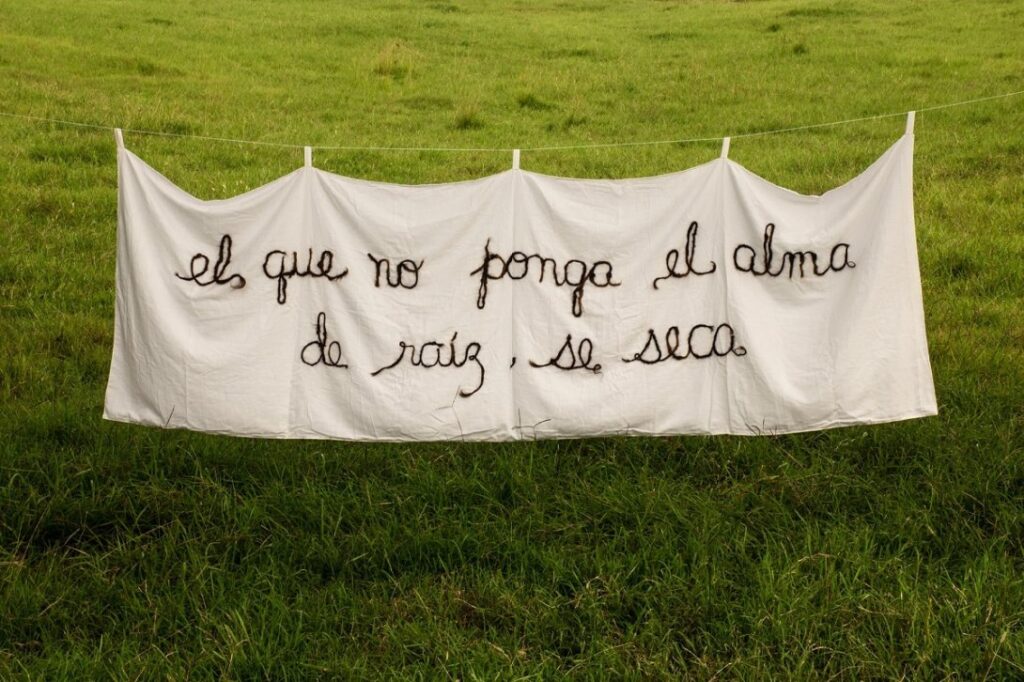
Obra de la artista Nadia Díaz Graverán. | Imagen: Proyecto Sendero del Polen

Me encantaría tener la experiencia directa de compartir con ellos, pero en este caso me apropio de una técnica que aprendí de libros y luego observando en los medios ya que me da libertad y velocidad de realización, en comparación con otras como el bordado o el tejido en telar. Dibujar con hilo sobre superficies es algo que disfruto tremendamente y que atesoro como poder personal. Me interesan las facilidades que me aporta como artista y los aprendizajes que me deja como persona, pues el tiempo invertido en cada obra me transforma. Reproducir su cultura no es mi objetivo, sino expresarme a través de métodos que siento propios, dándome el placer de activarlos y disfrutarlos mientras cuento el mensaje que me atraviesa, siempre desde el respeto a la tradición y la cultura de donde provienen. 

AMM: Afirma vivir “en la búsqueda de un equilibrio constante que me permita, principalmente, evolucionar como ser humano, ser humilde, aprender cada día un poquito más y siempre trabajar con la verdad”. Este compromiso con la verdad aparece reiteradamente: “Como madre, cada momento es una oportunidad de enseñar y aprender… Es importante que cada cosa sea dicha de la manera correcta, que la verdad esté presente, aunque duela o se confunda”.

En el arte contemporáneo existe una tensión entre verdad (autenticidad, testimonio, experiencia vivida) y ficción (construcción, performance, representación). Tu obra opera claramente desde el testimonio —sangre real en pañales reales, tu cuerpo real, fetos tejidos durante un embarazo real.

¿Cómo defines “trabajar con la verdad” en tu práctica artística? ¿Existe algún límite en lo que estás dispuesta a exponer, alguna verdad demasiado íntima o dolorosa que decides proteger del escrutinio público?

¿Cómo proteges a tus hijos —esos “tres testigos invariables”— cuando gran parte de tu obra los incluye implícita o explícitamente? ¿Han tenido edad suficiente para consentir o comprender que su gestación, nacimiento y crianza son también material artístico público?

Describes tu trabajo como profundamente procesual: “Respeto los procesos de cada pieza, casi todas pasan por un estado de concepción, gestación y luego nacimiento, en el que empiezo con mucho furor, las dejo madurar, y después las termino”. Esta temporalidad orgánica —que puede tomar meses o años— contrasta violentamente con las demandas del mercado del arte contemporáneo, que exige producción constante, deadlines, obras terminadas para exposiciones con fechas fijas.

ND. Para mí, la obra y la vida se entrelazan, van juntas, no son eventos aislados o personajes ficticios, esto que lees, esto que ves, esto que sientes, soy yo. “Trabajar con la verdad” no es una opción, es un camino que se abre ante el cual no hay arma ni defensa, solo aceptación, no implica que sea fácil, solo es verdad. Hablo de mi experiencia como el territorio que más conozco, porque es allí donde aprendo en un proceso cíclico y creativo. Hay cosas que no se cuentan porque están hechas de silencio, y otras que no se callan porque su propósito es romper ese silencio… 

Mis hijos son importantes en la misión de esta vida, una responsabilidad que asumo siempre desde el amor, con todos sus rostros. Ellos saben quién soy y cuanto les contengo, siempre desde el respeto, cada arquetipo que encarnan está en conexión con ellos, lo han disfrutado, comprendido e identificado. Son parte del material con el que construyo mi obra, que no es más que la propia vida. 

Trabajar con un tiempo propio tiene sus riesgos, pero sobre todo satisfacciones, no busco un final en función de fechas o eventos, solo cuando la obra está lista se manifiesta y concluye. Es cierto que mi producción tiene un ritmo más pausado, orgánico o gestual guiado por el impulso creativo o el rigor de la técnica. Todo esto me lleva a intervalos en los que me aparto de las redes, las exhibiciones, las muchedumbres y el estar pendiente, es un estado en el que solo estamos ellas y yo, en medio de lo cotidiano y los deberes, siempre hay un momento de creación, imprescindible para mi equilibrio personal. He ahí su gran valor, el estado meditativo que propicia el aprendizaje y desarrollo, algo que disfruto tremendamente. Claro que hay un tiempo para cada cosa, de introspección y de compartir lo creado, de aplicar e impulsar propósitos más externos o económicos, pero esto, aunque importante, no puede ser el motor que mueve mi mundo. Creo que el arte es una necesidad visceral que no puede ser ignorada, no importa su discurso, solo debe ser real, auténtico y sincero. Doy gracias por la posibilidad de seguir haciendo aquí y ahora y aunque no siempre puedo alimentar con ello a los míos, si puedo seguir creciendo. 

Nadia Díaz-
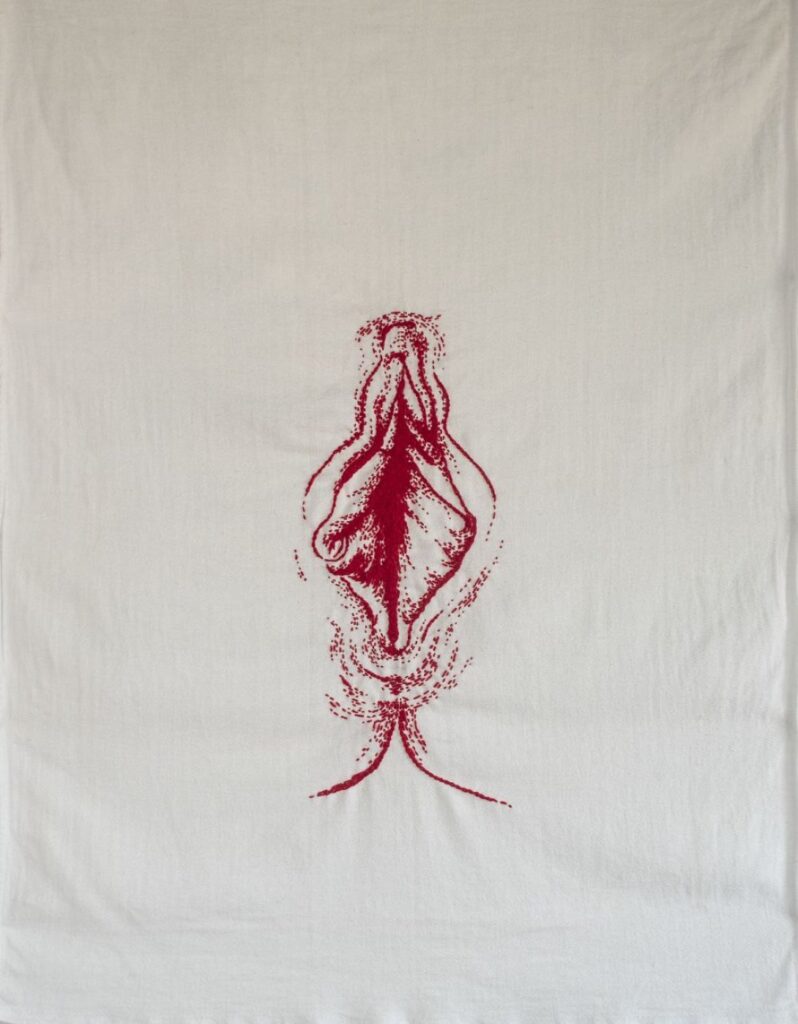
Obra de la artista Nadia Díaz Graverán. | Imagen: Proyecto Sendero del Polen

AMM: Vives en la Cuba actual, en Calabazar, donde mencionas “las constantes situaciones que conlleva este hacer en la Cuba de aquí y ahora”.

¿Cómo impacta la escasez material, las dificultades económicas y las limitaciones de infraestructura cultural en tu práctica procesual? ¿Es posible evolucionar espiritualmente como ser humano cuando hay urgencias materiales básicas?

Algunas filosofías orientales (budismo, yoga) que mencionas como influencias, proponen desapego material y contemplación, pero ¿cómo se vive eso en una economía de carencia?

¿Existe el privilegio de la lentitud contemplativa, o es también una forma de resistencia política trabajar a tu propio ritmo en un contexto que exige supervivencia inmediata?

ND. Esta pregunta es muy importante. Crear en un país desecho exige mucha entereza, implica estar convencido de que eso es lo que quieres y debes hacer. El impacto es directo, violento en ocaciones, brutal, despiadado, pero a la vez es poético e imprescindible. Hoy vivimos unas de las etapas literalmente más oscuras de la historia de la nación. Soy de los 80, nací en una familia militar en medio del fervor revolucionario, creí en ella hasta que poco a poco fue perdiendo el encanto, la magia y la luz. Como madre hoy me enfrento a situaciones que me sacan de mi centro, de mi paz, de mi estabilidad mental y emocional, sin embargo nada de eso puede ser suficiente para frenar el impulso de crear, porque ese acto me permite volver y encontrarme, si no fuera así estaría muy loca. Ahora mismo escribo en la oscuridad, y siento que he aprendido de todas esas filosofías lo mismo que me ha enseñado mi experiencia vital: el bienestar es un estado, no una situación externa, hay que encontrarlo y propiciarlo de todas todas. Es muy fácil estar en paz teniendo todo resuelto, es en la carencia en que se manifiesta la más cruda belleza. No estoy para nada conforme ni de acuerdo con nuestra situación, quiero una isla libre y limpia, solo busco la manera de seguir adelante entre carencias apremiantes, donde la realidad no deja de sorprenderte cada día y te exige más, y más, y más. 

Nadia Díaz-

La escasez material golpea directamente en nuestras vidas y en la producción de la obra. Muchas veces he de pensar en función del material que tengo, del que puedo importar, transformar o reciclar, y esto no nos hace menos a mi o a mí obra, solo reales, auténticas, vivas. Creo que sí, que darme el derecho de trabajar a mi ritmo es un privilegio en estos tiempos, y tener el arte como resguardo o punta de flecha también.

  1. AMM: Evolución como Ser Humano: Arte como medio, no como fin

Afirmas que vives “en la búsqueda de un equilibrio constante que me permita, principalmente, evolucionar como ser humano, ser humilde, aprender cada día un poquito más”.

Esta declaración sitúa tu evolución personal —no tus obras físicas— como el objetivo primordial de tu práctica. Es una inversión radical de prioridades: el arte no es el fin, sino el medio para tu transformación espiritual.

Esta visión conecta profundamente con filosofías orientales como el Karma Yoga (yoga de la acción correcta, donde el proceso importa más que el resultado) y con prácticas contemplativas donde la creación artística funciona como meditación activa. También resuena con el concepto alquímico occidental de la Magnum Opus —la Gran Obra— que no es producir oro material, sino transmutar al alquimista mismo.

¿Cómo mides tu evolución como ser humano? En un mundo obsesionado con métricas —ventas, seguidores, exposiciones, reconocimiento crítico— tú propones una métrica invisible e íntima.

¿Hay momentos en que sientes que has retrocedido espiritualmente pese a haber producido obras exitosas? ¿O momentos en que no has creado nada “visible” pero has evolucionado profundamente?

ND. Si, el proceso para mí es lo más importante, es donde aprendo, cambio, me deconstruyo y transformo, es mi maestro, todo ello enriquece la obra resultante. Realmente no he “medido” mi evolución personal, pero si contemplo resultados tangibles respecto a mi persona, familia y trabajo, principalmente en lo cotidiano, donde las pequeñas cosas son los grandes maestros. Amo esa intimidad donde nacen las ideas, donde se gestan las piezas y cada experiencia pasa a ser parte de ellas, porque están tejidas con el hilo de la vida, invisible pero real. A veces la presión externa entra, y una ve que todo afuera tiene un ritmo y una velocidad mayor, que hay exigencias que se deben cumplir y estándares que se deben seguir. Nada de ello puede ser primordial, no más que crecer como persona, ser sincero en lo que hablas y compartes y construir una obra que sea auténtica, porque dice de tí, de lo que crees, lo que eres, lo que te preocupa y completa. Intento ser siempre transparente (aunque cueste) no mentirme, ni a los míos, lo que cuento en mis piezas siempre viene de algo que me marcó, me atravesó o tocó dentro. No puedo hablar de lo que no conozco, ni defender lo que no entiendo, es así de simple. Hay momentos intensos, donde una puede pensar que ha retrocedido o se ha estancado, pero naturalmente es imposible, la evolución siempre es hacia adelante, quizás en ocasiones no se vea o se sienta como tal, pero siempre estamos evolucionando. Creo que el error más común es comparar tu experiencia con la de otros, ahí es donde te pierdes, cada viaje es personal y depende de las decisiones que tomamos en él, el regalo de nuestro libre albedrío, de ahí nace el merecimiento y por supuesto, cada uno es individual. 

Nadia Díaz-
Obra “Mujer que se teje a sí misma”, de la artista Nadia Díaz Graverán. | Imagen: Proyecto Sendero del Polen

AMM: Crisis, sombra y belleza: Integrar lo no-armónico

    ¿Qué papel juegan el fracaso, la duda y la oscuridad en este proceso evolutivo?

    Todas las tradiciones espirituales que mencionas reconocen que el crecimiento genuino a menudo ocurre en crisis, no en momentos de armonía. Hablas de “placeres, dolores, miedos, tabúes, rabias, perdones” en tu trabajo.

    ¿Cómo integras las partes de ti misma que no son “bellas” según el concepto Navajo de hózhǫ́?

    ¿Es posible caminar en belleza cuando estás atravesando la rabia, el miedo o la desesperación de la realidad cubana contemporánea?

    ND. Si, es posible, de eso se trata, de encontrar belleza en todo, hasta en lo que nos repugna. Actualmente estamos en medio de un caos silencioso, que no sabemos cómo, cuándo, ni dónde va a eclosionar, no hay promesas de nada, solo especulaciones y espectativas. Todo esto se te agolpa en el alma, te estruja, sacude, desbarata y sale por la vía más fácil de escape, en mi caso: el arte. Tenerlo de aliado me ha sanado en muchas ocasiones, y lo seguirá haciendo hasta que me despida de este mundo, porque es mi naturaleza, soy creadora. Hablo no solo desde el arte visual, cuando sirvo la comida diaria y la presento hermosamente a pesar de las carencias, es arte, cuando explicas a un hijo una verdad de manera sencilla pero irrevocable que sabes que lo ayudará a comprender el mundo y lo recordará para siempre, es arte. Cuando siembras para comer, recoges tu basura, escuchas una canción, compartes un juego que solo sucede en apagón, cuando te conviertes en cada cosas que haces, es arte, y todo ello, es belleza. Las partes que no son hermosas se integran de manera natural, porque son también la vida y su curso, pruebas importantes para aprender, romperse y continuar. La Cuba de hoy tiene mucho que evolucionar, liberar, limpiar, aprender y reconstruir, así como todos los cubanos. Esta pequeña parte que soy intenta poner su semilla, cuidar de su siembra y, a pesar de todo, cosechar su belleza.

    Nadia Díaz es una artista cubana multidisciplinaria y licenciada en Escultura por la prestigiosa Academia Nacional de Bellas Artes San Alejandro de La Habana.. Su trabajo profundiza en la memoria, feminidad, y dinámica de poder a través de un lenguaje visual simbólico que entrelaza lo personal y el colectivo. Influenciado por el conocimiento textil transmitido de su madre y una infancia que se dedica a ambientes militares, El arte de Díaz reflexiona sobre la autoridad, tradición, insularidad, ciclos de vida, y la relación entre humanos y la naturaleza.

    Su práctica creativa combina a la perfección técnicas tradicionales y contemporáneas., utilizando una amplia gama de medios como el bordado, tejeduría, cerámica, grabado, cestería, escultura, instalación, fotografía, video arte, arte digital, astrología, y tarot. Central en su proceso es la idea de la creación artística como camino de transformación personal y simbólica..

    Entre sus exposiciones individuales se encuentran Línea de la vida (Centro Hispanoamericano de Cultura, 2022–2023) y Viaje a la tierra del hermano venado (Casa de las Américas, 2019–2020). Ha participado en exposiciones colectivas por toda Cuba., España, los Estados Unidos, China, Colombia, México, y el Reino Unido. Las apariciones notables incluyen arte digital y eventos NFT como Lo que menos sufrimiento genere (Factoría Habana, 2025), la XI Bienal Internacional de Arte Textil MIFA Miami (2025), el Festival de Intercambio de Arte AEF en Madrid (2024), y Atravesar el Caribe a la sombra de una Ceiba en el Centro Wilfredo Lam (2024).

    Su obra forma parte de colecciones privadas en Madrid., Suiza, Miami, toronto, y el reino unido, así como entre los coleccionistas de arte digital de todo el mundo.

    Nadia Díaz
    Obra de la artista Nadia Díaz Graverán. | Imagen: Proyecto Sendero del Polen

    Fotos: https://www.arbolinvertido.com/ y https://www.artemorfosis.com/

    Más Allá del Cubo Blanco

    Cómo leer el arte abstracto sin sentirte perdido
    Cómo leer el arte abstracto sin sentirte perdido

    Más Allá del Cubo Blanco

    Un reconocimiento obligado al inicio de este artículo: la publicación de Art Info Magazine ha tenido el coraje y la lucidez de articular, con claridad y sin eufemismos, una transformación que muchos en el mundo del arte percibimos pero pocos se atreven a nombrar en voz alta. Su guía para curadores en 2026 es un documento que merece lectura detenida. Lo que sigue es un diálogo crítico y expandido con esas ideas.

    La Muerte del Cubo y su Larga Agonía

    Hubo un tiempo en que la galería de arte moderna fue una idea radical. Las paredes blancas, el silencio, la luz artificial controlada, la ausencia de contexto: todo aquello que Brian O’Doherty analizó en sus célebres ensayos publicados en Artforum entre 1976 y 1981, reunidos bajo el título Inside the White Cube, representó en su momento una ruptura con la recargada sala decimonónica, donde los cuadros se apilaban del suelo al techo como mercancía en un almacén burgués. El artista y crítico O’Doherty argumentó cómo la modernidad generó un espacio neutral para aislar cada obra de su contexto inmediato y de todo aquello que pudiera distraer la experiencia del espectador hacia el objeto mismo. Dentro de estos preceptos, la obra de arte debía ser asimilada y percibida dentro de su lógica interna, y no puesta en relación con su contexto cultural, económico o político. Yale University

    Era una promesa de pureza. Y como toda promesa de pureza, terminó revelándose como una ideología disfrazada de neutralidad.

    Lo que O’Doherty llamó “cubo blanco” no era, en realidad, un espacio inocente. Era — y sigue siendo donde sobrevive — una máquina cultural diseñada para producir un tipo específico de espectador: educado, silencioso, con tiempo libre y capital cultural suficiente para saber qué hacer ante una tela monocroma o una instalación de neón. El crítico Paco Barragán ha señalado que la historia real del cubo blanco es más compleja y anterior a la narrativa de O’Doherty: fue la Secesión vienesa, la Galería Nacional de Berlín y la Bauhaus quienes entre 1900 y 1930 inventaron, experimentaron y desarrollaron el espacio expositivo de pared blanca, antes de que Alfred Barr y el MoMA lo ajustaran y perfeccionaran para representar la ideología formalista del arte. Tripadvisor

    Sea cual sea su genealogía exacta, el diagnóstico es el mismo en 2026: ese modelo ha agotado su potencial transformador. Había nacido como liberación y se convirtió en convención. La pregunta no es si debe morir, sino qué lo reemplaza.

    El Visitante como Cuerpo que Aprende

    El primer gran eje de la transformación curatorial contemporánea tiene que ver con una constatación neurológica que la museología tardó demasiado en asumir: los seres humanos no somos ojos montados sobre patas. Somos cuerpos enteros.

    Los museos contemporáneos se están transformando en espacios de percepción total. Hoy, visitar una exposición implica no solo mirar, sino también escuchar, oler, tocar e incluso sentir físicamente el conocimiento. En este nuevo paradigma, la experiencia multisensorial ya no es un recurso estético: es el eje central de una museología que entiende al visitante como un cuerpo que aprende, recuerda y se emociona. Arts Help

    Este cambio no es caprichoso ni decorativo. Responde a evidencia científica acumulada durante décadas. Muchos científicos e investigadores utilizan técnicas de aprendizaje multisensorial, basadas en experimentar a través de todos los sentidos para ayudar a reforzar la memoria. Se ha demostrado que cuando los visitantes activan más sentidos, son capaces de recordar mejor las cosas después de su experiencia. Palaciodelaesmeralda

    Las implicaciones para la práctica curatorial son enormes. Iniciativas como la “Tate Sensorium” en Londres, que incorporó sonidos, olores y degustaciones en la interpretación de obras de arte, demostraron el enorme potencial de un enfoque integral, capaz de estimular la imaginación y generar recuerdos más duraderos. Wikipedia Estas no son excentricidades de una institución con presupuesto sobrante. Son señales de un cambio de paradigma.

    El diseño museístico del siglo XXI debe orquestar estímulos sin saturar al visitante, creando armonía entre lo que se percibe y lo que se comprende. Los sentidos, bien empleados, son un lenguaje universal: pueden hacer visible lo invisible, reactivar la memoria y conectar pasado y presente de una manera que las palabras solas no consiguen. Arts Help

    La pregunta que todo curador debe hacerse hoy — y que Art Info Magazine formula con precisión admirable en su guía — ya no es “¿cómo se ve esta exposición?” sino algo más exigente y más honesto: si un visitante cerrase los ojos al entrar, ¿qué se llevaría consigo?

    Neurodiversidad: Del Gesto Ético a la Obligación Profesional

    Junto a la apertura sensorial viene otra transformación que define la práctica curatorial de 2026: el diseño para la neurodiversidad ha pasado de ser un mérito opcional — el tipo de iniciativa que aparecía al final de una nota de prensa como prueba de buenas intenciones — a convertirse en un estándar profesional irrenunciable.

    El diseño museográfico sensorial se basa en el uso de todos los sentidos humanos para interactuar con el entorno del museo. En la museología sensorial, esto implica incorporar estímulos táctiles, auditivos, olfativos y gustativos en las exposiciones. Smarthistory Pero más allá de la técnica, hay una apuesta filosófica de fondo: diseñar desde la pluralidad sensorial implica asumir que no existe un visitante estándar, sino una diversidad de cuerpos que sienten, perciben y aprenden de manera distinta. Arts Help

    La accesibilidad se amplía al permitir que más personas disfruten de las exposiciones a través de experiencias multisensoriales. The Archaeologist Las réplicas táctiles en impresión 3D de artefactos y esculturas; los paisajes sonoros direccionales que guían el recorrido sin depender de la lectura; los mapas sensoriales previos a la visita para personas con autismo o hipersensibilidad: todas estas son herramientas que ya existen, que ya funcionan, y que aún son excepcionales en la mayoría de las instituciones cuando deberían ser la norma.

    El curador del siglo XXI no puede permitirse diseñar exposiciones para un visitante ideal que llegue descansado, en silencio, con suficiente tiempo y sin ninguna condición neurológica que complique la experiencia. Ese visitante ideal es una ficción estadísticamente minoritaria.

    La Fatiga del Algoritmo: Por Qué el Arte Físico Nunca Ha Importado Más

    Hay una paradoja en el corazón de la cultura contemporánea que los curadores más perspicaces están aprendiendo a explotar. Vivimos en la era de la saturación digital — más imágenes, más contenido, más estímulos visuales que en cualquier momento anterior de la historia humana — y, sin embargo, la hambre por la experiencia física y presencial no hace más que crecer.

    La pantalla produce imágenes infinitas pero no produce presencia. No produce el peso de un óleo centenario en una sala silenciosa. No produce el olor de la cera en un templo budista visitado como espacio expositivo, ni la resonancia de un gong que activa la misma obra desde otro ángulo. El diseño multisensorial de las exposiciones de los museos no se limita simplemente a diseños superficiales para el disfrute, sino que actúa como un catalizador mediador que juega un papel básico y crítico en el compromiso emocional, la reminiscencia y la relevancia personal. Red Emerald

    En este contexto, integrar obras de inteligencia artificial o piezas digitales en el espacio físico requiere un cuidado especial. La tentación institucional ha sido crear lo que algunos críticos llaman “la caja negra” al final del recorrido: una sala oscura con pantallas parpadeantes donde van a morir las obras digitales, aisladas del resto de la exposición como si fueran una atracción de feria. Ese error de diseño traiciona tanto a las obras digitales como al conjunto de la muestra. La clave está en la integración: en tratar una pieza generativa o un video de inteligencia artificial con el mismo rigor contextual y espacial que un grabado del siglo XVII, permitiendo que el diálogo entre ambos produzca un significado que ninguno de los dos podría generar en soledad.

    La Logística Como Argumento Político

    Uno de los aspectos más incómodos — y más necesarios — del debate curatorial en 2026 es el que raramente aparece en los textos teóricos: el dinero, la logística, el carbono.

    Las instituciones del arte han construido durante décadas un modelo de circulación internacional de obras que depende de cajas de embalaje de madera contrachapada, vuelos de carga intercontinentales, y seguros calculados sobre valores de mercado inflados por décadas de especulación. Ese modelo es, simultáneamente, económicamente insostenible y medioambientalmente indefendible.

    Los materiales de embalaje sostenibles — micelios de hongos, plástico reciclado oceánico, materiales de ciclo cerrado — ya existen y su adopción como estándar industrial no es una utopía verde sino una necesidad económica. El transporte por tierra y mar, durante décadas visto como la opción más lenta y menos conveniente, es hoy la opción financieramente más razonable cuando se internalizan los costes reales, incluidos los impuestos al carbono que los gobiernos están progresivamente incorporando.

    Un curador que en 2026 diseña una exposición sin modelar sus costes logísticos reales, sin incluir un análisis de impacto ambiental del transporte, y sin explorar opciones de producción local o regional, no está siendo simplemente descuidado. Está siendo anacrónico.

    La Periferia como Centro: La Revolución de las Bienales Regionales

    Quizás la transformación más significativa y menos comprendida del panorama curatorial contemporáneo sea la redistribución geográfica del poder cultural. Las grandes capitales del arte — Nueva York, Londres, Basilea, París — siguen siendo nodos importantes de circulación y mercado. Pero han dejado de ser los únicos lugares donde ocurre algo que importe.

    La segunda edición de la Bienal de Malta, bajo la dirección artística de la curadora internacional Rosa Martínez, inaugurará en marzo de 2026 con el título CLEAN | CLEAR | CUT, con un foco explícito en el papel del Mediterráneo como uno de los centros neurálgicos del cambio global. ENIGMA Joyería En el otro extremo del mundo, la Bienal de Antioquia de 2025 se convirtió en un catalizador de cambio social y económico, recibiendo más de 400.000 visitantes y reuniendo más de 160 artistas nacionales e internacionales, en la primera bienal verdaderamente descentralizada de Colombia, cubriendo las nueve subregiones de Antioquia y fusionando tradición ancestral con tecnología de vanguardia. Emerald By Love

    La primera Bienal Internacional de Arte y Ciudad de Bogotá, BOG25, celebrada entre septiembre y noviembre de 2025, buscó posicionar a Bogotá en el gran circuito del arte internacional, con un modelo curatorial tripartita que reunió a historiadores del arte, críticos e investigadores para resignificar el espacio público bogotano de maneras poéticas, disruptivas y creativas. Visit my Colombia

    Y en el nivel más expansivo, la quinta edición de BIENALSUR en 2025 tuvo lugar en más de 135 sedes de 35 países, desplegando una cartografía transnacional del arte contemporáneo que conecta simultáneamente espacios de arte, creadores, públicos y comunidades de todos los continentes. Wikipedia

    Lo que está ocurriendo no es una mera descentralización decorativa. Es una reconfiguración profunda de quién tiene derecho a producir narrativas culturales y desde dónde. Las bienales del llamado “nuevo modelo”, que tienen como punto de inflexión la primera Bienal de La Habana en 1984, comenzaron a celebrarse en emplazamientos geopolíticos periféricos y han demostrado su capacidad para generar sinergias locales y favorecer diálogos que de otra manera serían difíciles de propiciar. Wikipedia

    Para el curador independiente, estas “periferias” ofrecen algo que Nueva York o Londres raramente ofrecen ya: la posibilidad de ser una voz que defina, en lugar de una voz que compita. En una feria de arte de Basilea, eres uno entre miles. En la Bienal de Malta o en la Bienal de Antioquia, estás ayudando a construir la identidad cultural de una región entera. La diferencia no es de escala sino de responsabilidad.

    La Exposición como Ecosistema

    El cubo blanco era un contenedor. Recibía objetos, los neutralizaba de su contexto, los ofrecía a la contemplación, y luego los devolvía al mercado o al almacén. Era, en el fondo, una cámara de compensación entre la producción artística y la circulación económica.

    La exposición del futuro — que en muchos casos ya es el presente — es otra cosa. Es un ecosistema: un conjunto de relaciones entre objetos, cuerpos, narrativas, contextos locales, tecnologías, memorias y posibilidades de acción que no puede reducirse a ninguno de sus componentes por separado.

    Diseñar ese ecosistema exige del curador habilidades que ningún programa académico tradicional enseñaba hasta hace muy poco: conocimientos de diseño sensorial, de logística sostenible, de tecnología aplicada, de economía cultural, de accesibilidad universal. Y exige, sobre todo, una disposición a renunciar al protagonismo intelectual del curador como “mente maestra” que orquesta el discurso desde arriba para asumir un papel más honesto y más difícil: el de facilitador de encuentros que no podría haber previsto por completo.

    La exposición mejor diseñada no es la que el curador controla perfectamente. Es la que sigue produciendo significado cuando el curador se va a casa.


    Fuentes consultadas: Art Info Magazine (magazine.artinfoland.com); EVE Museología+Museografía (evemuseografia.com); Brian O’Doherty, Dentro del cubo blanco — La ideología del espacio expositivo (CENDEAC, 2011); Paco Barragán, “El cubo blanco y el fracaso del curador” (artepuntoes.com, 2024); Artishock Revista, análisis crítico del ensayo de O’Doherty (artishockrevista.com, 2021); Malta Biennale 2026 (maltabiennale.art / finestresullarte.info); BIENALSUR (bienalsur.org); Bienal de Antioquia BIAM 2025 (bienalantioquia.com); Bienal Internacional de Arte y Ciudad BOG25, Secretaría de Cultura de Bogotá (culturarecreacionydeporte.gov.co); Arteinformado, crítica de la 16ª Bienal de Sharjah (arteinformado.com, 2025).

    Comprehensive PPC growth strategy for a visual artist’s business

    caldas-candara

    Comprehensive PPC growth strategy for a visual artist’s business

    By implementing this PPC growth strategy, you can effectively reach your target audience, drive sales, and establish your brand as a leading visual artist. Let me know if you’d like to dive deeper into any specific area!

    To create a comprehensive PPC growth strategy for a visual artist’s business, What we will do, if you hire us. We’ll first conduct a Google Ads Competitor Analysis to identify their strategies. Based on the findings, We’ll craft a tailored PPC strategy, including data segmentation, ad strategies, and short-, mid-, and long-term plans to help you grow your business. Here’s the step-by-step approach:

    Step 1: Google Ads Competitor Analysis

    1. Identify Competitors:
      • Research visual artists or art-related businesses running Google Ads (e.g., art galleries, online art marketplaces, or individual artists).
      • Use tools like SEMrushSpyFu, or Google Ads Auction Insights to identify competitors bidding on similar keywords.
    2. Analyze Their PPC Strategy:
      • Keywords: Identify the keywords they’re targeting (e.g., “buy abstract art,” “custom paintings for sale,” “contemporary art prints”).
      • Ad Copy: Review their ad messaging, CTAs, and unique selling points (e.g., “Limited Edition Artworks,” “Commission Your Custom Piece”).
      • Landing Pages: Analyze where their ads lead (e.g., portfolio pages, online stores, or contact forms).
      • Bidding Strategy: Determine if they’re using manual CPC, automated bidding, or focus on specific locations.
    3. Evaluate Their Strengths and Weaknesses:
      • Note what they’re doing well (e.g., strong CTAs, visually appealing ads) and where they’re lacking (e.g., poor landing page experience, limited ad extensions).

    Step 2: PPC Growth Strategy for Visual Artists

    Based on the competitor analysis, here’s a tailored PPC strategy:

    1. Data Segmentation Strategies

    • Audience Segmentation:
      • Collectors: Target high-income individuals searching for “luxury art” or “original paintings for sale.”
      • Interior Designers: Focus on keywords like “art for home decor” or “large wall art.”
      • Art Enthusiasts: Reach people searching for “contemporary art prints” or “emerging artists.”
    • Geographic Segmentation:
      • Focus on areas with high art demand (e.g., major cities, art hubs like Miami or New York).
    • Device Segmentation:
      • Optimize for mobile users (e.g., quick purchases) and desktop users (e.g., detailed portfolio browsing).

    2. Ad Strategies

    • Ad Copy:
      • Highlight unique selling points: “Commission Custom Artwork,” “Limited Edition Prints,” “Worldwide Shipping Available.”
      • Use emotional triggers: “Transform Your Space with Unique Art,” “Own a Piece of Creativity.”
    • Ad Extensions:
      • Use sitelink extensions to direct users to specific pages (e.g., “Shop Now,” “View Portfolio,” “Contact for Commissions”).
      • Add callout extensions like “Free Shipping,” “Secure Payments,” “Certified Authenticity.”
      • Use structured snippets to showcase categories (e.g., “Abstract Art,” “Landscape Paintings,” “Digital Art”).
    • Visual Ads:
      • Use Google Display Ads to showcase your artwork with eye-catching visuals.
      • Create responsive display ads that adapt to different formats (banners, squares, etc.).
    • Retargeting Ads:
      • Target users who visited your website but didn’t convert with ads like “Finish Your Purchase” or “Explore More Art.”

    3. General Strategies

    • Keyword Strategy:
      • Focus on long-tail keywords (e.g., “affordable abstract art for sale,” “custom portrait paintings”).
      • Use negative keywords to avoid irrelevant traffic (e.g., “free art,” “art classes”).
    • Landing Page Optimization:
      • Ensure landing pages are visually appealing, fast-loading, and mobile-friendly.
      • Include clear CTAs like “Buy Now,” “Request a Commission,” or “Contact for Pricing.”
    • Budget Allocation:
      • Start with a modest budget and scale up based on performance.
      • Allocate more budget to high-performing campaigns (e.g., retargeting, high-intent keywords).

    Step 3: Short-, Mid-, and Long-Term Strategies

    Short-Term (0-3 Months)

    • Launch Campaigns:
      • Start with search ads targeting high-intent keywords (e.g., “buy art online,” “custom paintings for sale”).
      • Run display ads to build brand awareness.
    • Retargeting:
      • Set up retargeting campaigns for website visitors.
    • A/B Testing:
      • Test different ad copies, visuals, and CTAs to identify top performers.
    • Local Targeting:
      • Focus on local ads for art shows, exhibitions, or studio visits.

    Mid-Term (3-6 Months)

    • Expand Keyword Reach:
      • Add more long-tail keywords based on search term reports.
      • Experiment with broader match types to capture new audiences.
    • Leverage Data:
      • Use performance data to refine audience segments and bidding strategies.
    • Seasonal Campaigns:
      • Run holiday-themed campaigns (e.g., “Gift Original Art for the Holidays”).
    • Collaborations:
      • Partner with galleries or interior designers for co-branded ads.

    Long-Term (6+ Months)

    • Brand Building:
      • Invest in YouTube ads to showcase your creative process or artist story.
      • Use Google Discovery Ads to reach art enthusiasts on YouTube, Gmail, and Discover.
    • Automation:
      • Implement smart bidding strategies (e.g., Target ROAS, Maximize Conversions).
    • International Reach:
      • Expand campaigns to target global art markets (e.g., Europe, Asia).
    • Content Integration:
      • Sync PPC campaigns with blog content or video series (e.g., “The Story Behind My Art”).

    Step 4: Monitoring and Optimization

    • Track KPIs:
      • Monitor CTR, conversion rate, cost per conversion, and ROAS.
    • Regular Audits:
      • Conduct monthly audits to identify underperforming keywords or ads.
    • Adapt to Trends:
      • Stay updated on art market trends and adjust campaigns accordingly.

    The Sacred Green Stone: Emeralds and the Art of Colombia’s Indigenous Peoples Before the Conquest

    Emeralds and the Art of Colombia's Indigenous
    Emeralds and the Art of Colombia's Indigenous

    The Sacred Green Stone: Emeralds and the Art of Colombia’s Indigenous Peoples Before the Conquest

    Sources: Museo del Oro del Banco de la República (Bogotá), Wikipedia scholarly entries on Muisca Art, Muisca Religion, and the Spanish Conquest of the Muisca; Smarthistory (academic art history platform); Natural Emerald Company historical research; Banco de la República cultural encyclopedia (banrepcultural.org); University of Yale indigenous studies program.


    A Civilisation the World Forgot

    When the Spanish conquistadors descended the Opón Mountains into the high Andean plateau in early 1537, they stumbled upon something they had not expected: a sophisticated, prosperous, and well-organized civilization — one that rivaled, in many respects, anything Europe could claim at the time. At this time the Muisca were one of four major civilizations in the New World, alongside the Incas, Mayas and Aztecs, but the ones history rarely discusses. They had formed a mostly peaceful confederation of tribes sharing a common language and religion, preferring a harmonious existence based around sun and moon worship (human sacrifices were rare), high-quality jewellery, pottery, and textiles. They were also excellent farmers, with salt mines and a huge supply of emeralds from eastern Boyacá. Colombia Corners

    They are the forgotten civilization of pre-Columbian America. And at the heart of their culture — their art, their religion, their economy, and their mythology — was the emerald.


    The Muisca: Masters of the Altiplano

    The art of the indigenous inhabitants of the Altiplano Cundiboyacense is well studied by many researchers who published their work from the very beginning of colonial times. The conquistador who made first contact with the Muisca, Gonzalo Jiménez de Quesada, wrote in his memoirs about a skilled and well-organized civilisation of traders and farmers. Wikipedia

    The Muisca had an economy and society considered to have been one of the most powerful of the American Post-Classic stage, mainly because of the precious resources of the area: gold and emeralds. When the Spaniards arrived in Muisca territory, they found a prosperous state. The abundance of salt, emeralds, and coal brought these commodities to a de facto currency status. Wikipedia

    The Muisca made pottery and textiles, mined emeralds and salt, but lacked the gold and beeswax needed to create their signature gold pieces. For those raw materials, they bartered with neighboring peoples. Gold was not reduced to the use of the elite or the Muisca chiefs, and was not the principal object of prestige — it was mainly used for religious offering purposes. Instead, all Muisca families decorated their doors and windows with gold objects. Wikipedia

    This is a crucial distinction that European observers fundamentally misunderstood: the Muisca were not accumulating wealth in the Western sense. They were engaging in a cosmic dialogue with their gods.


    The Emerald in Muisca Cosmology: The Colour of the Underworld

    To understand why emeralds were so central to Muisca culture, one must first understand their worldview. The Muisca were a deeply religious people. They believed that the world was divided into three parts: the Supramundo above, the Inframundo below, and the Mundo Medio in the middle, where humans existed. For the Muisca, the underworld was green — and this was the symbolic value of emeralds. This colour represented water, fertility, and the force of life, which is why they incorporated so many of these emeralds in their religious offerings. Diario Joya

    Among the Muisca, emerald was a symbol of fertility. It was also revered as a mythological ancestor to their tribe. Red Emerald

    In the Muisca territories there were numerous natural locations considered sacred, including lakes, rivers, forests and large rocks. People gathered here to perform rituals and sacrifices mostly with gold and emeralds. Wikipedia

    The emerald was not jewellery. It was theology made tangible.


    The Legend of Fura and Tena: When Tears Became Stones

    Every civilization creates origin myths for its most precious things. The Muisca story of how emeralds came to exist is one of the most moving in the pre-Columbian world.

    The legend of Fura and Tena tells how the emeralds were created, and the rocks that contain them. Are, the supreme god and creator of the territory and people of the Muzos, created on the banks of the sacred river the first human beings, calling the woman Fura and the man Tena, granting them immortality on the condition that they remain faithful to each other. Diario Joya

    Their peace was shattered by the arrival of a mysterious stranger called Zarbi. Fura was tempted by the stranger. As punishment, the two lovers were transformed into mountains, and from Fura’s weeping — deep and eternal — the emeralds were born, as green tears rising from the entrails of the earth. This story speaks not only of love and punishment, but also of the spiritual bond between human emotions and nature — a relationship the Muisca respected profoundly. Zipaquiraturistica

    Today, in the municipality of Muzo in western Boyacá, two hills known as Fura and Tena rise above the Guaquimay River, separated by water as a symbol of the separation the lovers were forced to endure. For the indigenous Muzo people, these mountains were considered sacred places where their gods dwelled, and where they built altars for sacrifices. ENIGMA Joyería

    It is worth noting that the two largest emeralds ever found — discovered in 1999 in the mines of Muzo — were named Fura and Tena in honour of this legend, carrying the mythology of a lost civilisation into the present day.


    The Art of Goldwork: Tunjos and the Language of Offering

    For Muisca goldsmiths, art had a double significance: aesthetic expression and religious symbolism. Among Muisca goldwork, the tunjos stand out — small human figures made in a single piece from thin sheet metal, in the form of a triangular plaque, stylizations made using the lost-wax technique. Todacolombia

    The tunjos served three purposes: as decoration of temples and shrines, for offering rituals in the sacred lakes and rivers, and as pieces in funerary practices to accompany the dead into the afterlife. Ceramic human tunjos were kept in the houses of the Muisca, together with emeralds. Wikipedia

    Muisca gold pieces are distinct from those of other Pre-Columbian peoples in terms of their use, manufacture, and appearance. The Muisca votive offerings were not worn as clothing or jewellery, but instead were used for symbolic purposes. They were often small enough to hold in the hand — sometimes as small as 1.5 cm. The tunjos were lost-wax casts using tumbaga, a gold alloy containing as much as 70% copper. Furthermore, Muisca objects are identifiable by their rough surfaces, in contrast to the polished gold of surrounding regions. Wikipedia

    The Muisca society was in essence egalitarian, with slight differences in terms of jewellery use. The guecha warriors, priests and caciques were allowed to wear multiple types of jewellery, while common people used fewer ornaments. Golden or tumbaga jewellery consisted of diadems, nose pieces, breastplates, earrings, pendants, tiaras, bracelets, and masks. Wikipedia


    The Muisca Raft: The Greatest Artwork of Pre-Columbian Colombia

    No object better illustrates the fusion of emeralds, gold, and sacred ritual in Muisca culture than the Balsa Muisca — the Muisca Raft — housed today in the Museo del Oro in Bogotá.

    Gold embodied profound meaning in the cosmogony of pre-Columbian societies as a sacred metal — a recipient of the Sun’s energy, a life-giving star, the source of fertility. Gold objects were not considered symbols of material wealth; they highlighted prestige and served as religious offerings. This marvellous piece, an outstanding example of a votive figure, is 19.5 cm long, 10.1 cm wide, and 10.2 cm high. It was made during the late period of the Muisca culture, sometime between 1200 and 1500 AD, cast as a single piece in a clay mould using the lost-wax technique, in high-grade gold (over 80%) alloyed with native silver and copper. Colombia Travel

    The ritual it depicts consisted of making offerings to the deity Chibchachun, the god of merchants and goldsmiths. The types of offerings placed on the raft consisted of emeralds and gold, typically in the form of tunjos. The figure standing at the centre is believed to be the cacique, identified through hieratic scale — depicted larger than any other figure. The heavily adorned figure stands prominently at centre, flanked by twelve smaller figures wearing masks, carrying canes, and rowing. Smarthistory

    By the reports of the Spanish chroniclers, when the Muisca cacique died, his nephew who succeeded him was acknowledged by his people in a ceremony that took place on a lake and included sailing on a raft and offering pieces of gold and emeralds that were thrown into the water. Banco de la República

    The Muiscas conceived gold as part of a cycle they had to carry out to maintain nature’s balance. As they understood gold as a gift from the sun, they gave it back to the sun god and other gods as an offering through a ritual called “ATA-TA.” At times of the El Dorado ceremony, the Cacique would be covered with gold dust and embark on a reed raft laden with gold and emerald offerings. Arts Help

    The raft was found in 1969, hidden in a ceramic pot inside a cave in the municipality of Pasca. It has never left Colombia. It has become an emblem of the nation, and the Bank of the Republic divulged it on banknotes. Today it is a symbol of Colombia and of Colombian identity, recognized as a masterpiece of the country’s indigenous ancestral culture. Banco de la República


    Sacred Geography: The Lakes as Portals

    The Muisca religion centred on two main deities: Sué for the Sun and Chía for the Moon. The supreme being was Chiminigagua, who created light and the Earth. The Muisca worshipped their gods at sacred sites — both natural, such as Lake Guatavita, the Siecha Lakes and Lake Tota, and constructed: the Sun and Moon Temples. Important lakes for rituals included Lake Guatavita, Lake Iguaque, Lake Fúquene, Lake Tota, the Siecha Lakes, Lake Teusacá and Lake Ubaque. Wikipedia

    At these semi-annual festivals, the Caciques and the principal chiefs, bearing valuable gifts of gold-dust and emeralds, were paddled out in canoes to the exact middle of the lake, this point being determined by the intersection of two ropes stretching from four temples erected at four equidistant points on its banks. Once they arrived at this spot, the offerings were cast into the lake. Red Emerald

    These lakes were not merely bodies of water. They were mouths of the earth — passages through which offerings reached the divine. One of the most extraordinary finds at the edges of Lake Guatavita during a later drainage attempt was, according to historical records, an emerald the size of a hen’s egg.


    Architecture and the Lost Temples

    While the other three great pre-Columbian civilisations — the Maya, Aztec, and Inca — are known for grand stone architecture, the modest Muisca architecture has left very little physical trace. The houses, called bohíos or malokas, and temples where spiritual gatherings took place honouring the gods and where tunjos, emeralds, and offerings were sacrificed, were made of degradable materials such as wood. Wikipedia

    This is why so little survives. Not because the Muisca were less sophisticated — but because their architecture was organic, integrated into the land rather than imposed upon it. And because what was built from wood burns.


    The Conquest: When the Sacred Became Plunder

    In March 1537, Gonzalo Jiménez de Quesada led approximately 200 surviving soldiers up into Muisca territory. The Muisca were renowned for their intricately crafted goldwork and abundant emeralds. They were among the richest societies in all the New World. That wealth, however, became the impetus for their conquest. The plunder stolen by Jiménez de Quesada’s men nearly rivalled Francisco Pizarro’s sacking of the Inca. Earthasweknowit

    The final haul was 200,000 gold pesos and 1,800 emeralds. Earthasweknowit

    The spiritual heart of the Muisca world was destroyed in a single night. The Temple of the Sun, built to worship the Sun god Sué, one of the two main deities in the Muisca religion, was a temple filled with gold, emeralds, cloths, and mummies. While Gonzalo Jiménez de Quesada ordered his men to leave the Sun Temple, two of his soldiers entered the temple at night and found the mummies sitting on elevated platforms inside. Their torches accidentally set the temple, made of wooden poles and clay, on fire. Before this, the conquistadors had looted the temple and taken more than 300 kilograms of gold, worth 80,000 ducats at the time. Wikipedia

    Spanish demand for emeralds exhausted ancient Muisca mines, while introduced livestock transformed the Andean ecosystem. Ancientwarhistory

    The emeralds the Spanish extracted from the Chivor and Somondoco mines — stones that the Muisca had used as offerings to their gods, as symbols of the fertile underworld, as tears crystallized from a mythological love story — were pried from their sacred context, stripped of meaning, and shipped to Europe to be reset in the crowns of foreign kings.


    What Survives

    The Museo del Oro in the Colombian capital Bogotá houses the biggest collection of golden objects in the world, from various Colombian cultures including the Muisca. Wikipedia It is one of the most extraordinary museums on earth — not because of the monetary value of what it contains, but because of what those objects tell us about a civilisation that understood the relationship between art, nature, ritual, and community in ways that the conquistadors were entirely incapable of comprehending.

    People often consider indigenous peoples unsophisticated, but nothing could be further from the truth. In reality, with respect to art, many of these indigenous artisans were more skilled in ancient techniques than we could fully understand. Yale University

    The emerald was not a commodity to the Muisca. It was the colour of the underworld made solid. It was a tear. It was an ancestor. It was an offering returned to the earth that had produced it.

    When the Spanish looked at an emerald in 1537, they saw wealth measured in ducats. When a Muisca looked at the same stone, they saw the earth breathing.

    That difference is the distance between a civilization and its destruction.


    For further research: Museo del Oro, Banco de la República, Bogotá (banrepcultural.org) • Smarthistory: Muisca Raft (smarthistory.org) • Wikipedia: Muisca Art, Muisca Religion, Spanish Conquest of the Muisca • Universidad de los Andes, Bogotá • Natural Emerald Company historical archive (emeralds.com)

    How Audiences Select Premium Seating for Major Concerts

    istockphoto-1344233773-612x612

    How Audiences Select Premium Seating for Major Concerts

    In the context of contemporary cultural consumption, attending a major concert is no longer a spontaneous act but a carefully considered decision. From our perspective, audiences approach live music as an artistic experience in which perspective, sound, and spatial context play a decisive role. For an informed readership engaged with the arts, understanding how concertgoers evaluate their options offers insight into the evolving relationship between technology, culture, and audience expectations.

    The Cultural Significance of Seat Selection in Live Music

    Seating is not a logistical detail but an extension of the artistic encounter. We observe that proximity, elevation, and orientation within a venue directly influence how the performance is perceived. The dialogue between performer and audience is shaped by physical space, making seat selection a curatorial choice rather than a purely practical one. This awareness reflects a more sophisticated audience, attentive to how spatial dynamics affect musical interpretation and emotional resonance.

    Comparative Analysis as a Contemporary Audience Practice

    The modern concertgoer engages in a process of comparison that mirrors broader trends in cultural consumption. Evaluating multiple sources allows audiences to contextualize their choices, balancing access, perspective, and value. Within this landscape, it is widely acknowledged that many fans compare options on several website`s tickets like Hellotickets before choosing seats for major concerts. This practice illustrates how digital platforms have become integral tools in shaping the live music experience before it unfolds.

    Transparency and Editorial Integrity in Cultural Access

    Transparency in pricing and availability is essential to maintaining trust between cultural institutions, intermediaries, and audiences. We consider clarity not merely a commercial requirement, but an ethical one. When costs and conditions are presented without ambiguity, audiences can focus on the artistic merit of the event rather than administrative concerns. Such openness aligns with the standards expected in cultural journalism and reinforces the credibility of the platforms involved.

    Digital Interfaces as Mediators of Artistic Experience

    Digital tools now function as mediators between the audience and the performance space. Detailed seating visualizations, accurate venue representations, and contextual information enable a more informed engagement with the event. We regard these interfaces as part of the cultural ecosystem, shaping expectations and framing the live experience. When executed with precision, they enhance anticipation and deepen the audience’s connection to the forthcoming performance.

    Trust, Accuracy, and the Preservation of Cultural Value

    Reliability in information is fundamental to preserving the integrity of cultural events. Audiences rely on accurate descriptions and real-time availability to align their expectations with reality. From our standpoint, consistency and precision are indispensable in sustaining confidence, particularly among readers and patrons who approach live music as a form of artistic enrichment rather than casual entertainment.

    The Impact of Informed Choices on Artistic Appreciation

    An informed approach to seat selection enriches the overall appreciation of a concert. When audiences consciously choose their vantage point, they engage more deeply with the performance, attuned to nuances of sound, staging, and interaction. This deliberate preparation elevates the experience, reinforcing the idea that cultural engagement begins well before the curtain rises.

    Conclusion

    The process by which audiences select seating for major concerts reveals a broader transformation in how art is accessed and experienced. Comparison, transparency, and informed decision-making have become integral to contemporary cultural participation. From our perspective, this evolution reflects a mature and discerning audience, one that recognizes the importance of context and preparation in fully appreciating live music as an artistic expression.

    Jean Hélion

    Jean Hélion

    Jean Hélion was a pioneering figure in 20th-century modernism whose career encompassed radical abstraction and a profoundly personal return to figuration. Born in Couterne, Orne, in 1904, he initially pursued chemistry. However, he was soon drawn to art, captivated by the interplay of shape, color, and essence, and his early years in Paris immersed him in the avant-garde movements of the 1920s and 1930s, where he emerged as a leading voice in abstract painting. Alongside artists such as Piet Mondrian and Theo van Doesburg, he engaged with geometric abstraction, co-founding the influential group Abstraction-Création in 1931. His work from this period featured bold, dynamic compositions emphasizing structure, rhythm, and formal purity, placing him at the forefront of European modernism.

    However, Hélion’s trajectory took a dramatic turn in the late 1930s when he began reintegrating figuration into his work, rejecting the strict non-representational approach that had defined his earlier years. This shift, considered controversial by his avant-garde peers, reflected his growing interest in the human condition and everyday life. His wartime experiences—including his capture and escape from a German prisoner-of-war camp during World War II—further deepened his commitment to depicting human figures, often rendered in exaggerated, almost surreal forms that echoed his abstract roots.

    Hélion’s postwar paintings, infused with vibrant color and a sense of poetic realism, positioned him as a unique figure bridging abstraction and figuration. His ability to move fluidly between these modes reflected artistic rebellion and an evolving philosophy that embraced both the intellectual rigor of modernism and the visceral immediacy of lived experience. Beyond painting, he was an astute critic and writer, authoring several books examining art’s philosophical underpinnings and its role in society.

    His legacy is one of duality and defiance. He was an artist who refused to be confined by a singular style. Whether through the rigorous structures of his early abstractions or the enigmatic figures of his later years, Hélion’s work remains a testament to the ever-shifting dialogue between form and meaning in modern art.

    NADA New York

    ADA New York

    NADA New York

    The New Art Dealers Alliance (NADA), the definitive non-profit organization dedicated to the cultivation, support, and advancement of new voices in contemporary art, is pleased to announce the exhibitor list for the 12th edition of NADA New York, the organization’s annual art fair championing galleries at the forefront of contemporary art. The fair will be held May 13–17, 2026 at The Starrett-Lehigh Building, located in West Chelsea’s gallery district at 601 West 26th Street.

    The 12th edition will bring together over 110 galleries, art spaces, and nonprofit organizations spanning 15 countries and 46 cities—from Tbilisi and Tokyo to Mexico City and Philadelphia—with 45 NADA Members and 53 first-time exhibitors including Brigitte Mulholland (Paris), The Address (Brescia), FORGOTTEN LANDS (Christiansted), Central Server Works (Los Angeles), and Post Times (New York).

    Returning this year is the TD Bank Curated Spotlight, a flagship initiative expanding access for participating galleries and artists, organized by Anthony Elms, Artistic Director at the Mattress Factory in Pittsburgh. The fair will also feature NADA Presents, the organization’s signature programming series of conversations, performances, and events. Additional details on Curated Spotlight participants and NADA Presents programming will be announced in the coming weeks.

    Since 2002, NADA has worked on the ground floor of contemporary art, building pathways and fostering lasting connections for galleries, artists, institutions, and collectors through year-round programming and partnerships. This work includes the NADA Acquisition Gift for PAMM, NADA Collects, the NADA Member Mentorship Program, and the NADA UKS Norwegian Residency, among others. This spring, the organization will announce new initiatives expanding its work across the arts ecosystem.

    “NADA New York continues to be one of the most exciting platforms for discovery during New York’s art week, and this year’s edition returning to the iconic Starrett-Lehigh reflects that spirit. We’re proud to present a community of galleries doing some of today’s most compelling work, with TD Bank’s Curated Spotlight, this year organized by Anthony Elms, helping NADA do more for the spaces it champions. There is a lot more to come from NADA this spring,” said NADA Executive Director Heather Hubbs.

    Highlights will include solo presentations from Malcolm McCormick at Afternoon Projects, Vancouver; Jonathan Torres at EMBAJADA, San Juan; Effie Wanyi Li at FOUNDRY SEOUL, Seoul; Xiaoyi Gao at Gene Gallery, Shanghai; Keiko Narahashi at Tappeto Volante Projects, New York; Margaret R. Thompson at Red Arrow, Nashville; and Kyla Kegler at Rivalry Projects, Buffalo. Highlights from NADA Projects will include Yuki Nagashima at AKIINOUE, Tokyo; Eric Oglander at KDR, Miami; Kay Seohyung Lee at Yiwei Gallery, Los Angeles; and Eric Rannestad at Chilli, London.

    NADA New York is an extension of the organization’s commitment to the city, both as the cultural mecca in which the association’s headquarters and exhibition space are located, as well as a global epicenter of emerging and established artists. This March 6–8, the New Art Dealers Alliance will host NADA Ceramics, a curated art and design showcase featuring the work of over 40 artists and galleries at The Locker Room, located at 253 Church Street in Tribeca, with an Opening Reception on Friday, March 6, 4–8pm. In December, the organization will host the 24th edition of NADA Miami.

    NADA New York
    May 13–17, 2026

    VIP Preview (by Invitation)
    Wednesday, May 13, 10am–4pm

    Open to the Public
    Wednesday, May 13, 4–7pm
    Thursday, May 14, 11am–7pm
    Friday, May 15, 11am–7pm
    Saturday, May 16, 11am–7pm
    Sunday, May 17, 11am–5pm

    The Starrett-Lehigh Building
    601 W 26th Street, 3rd Floor
    New York, NY 10001

    Enter on 11th Avenue
    Between 26th St. & 27th St.

    Exhibitors 

    5U Space | Philadelphia
    ABRI MARS | New York
    ada gallery | Richmond
    Afternoon Projects | Vancouver
    ARDEN + WHITE GALLERY | New Canaan
    Bill Arning Exhibitions | Kinderhook
    Big Ramp | Philadelphia
    BONIAN SPACE | Beijing
    galerie burster | Berlin & Karlsruhe
    Central Server Works | Los Angeles
    Chozick Family Art Gallery | New York
    COHJU | Kyoto
    CON ALTURA | New York
    Cub_ism Artspace | Shanghai
    D. D. D. D. | New York & Singapore
    de boer | Los Angeles & Antwerp
    Luis De Jesus Los Angeles | Los Angeles
    DIMIN | New York
    Dohing Art | Seoul
    EMBAJADA | San Juan
    Emmanuelle G. Contemporary | Greenwich
    Deanna Evans Projects | New York
    FORGOTTEN LANDS | Christiansted
    FOUNDRY SEOUL | Seoul
    Gattopardo | Los Angeles
    Asya Geisberg Gallery | New York
    Gene Gallery | Shanghai
    Halsey McKay Gallery | East Hampton & New York
    HESSE FLATOW | New York & Amagansett
    Huxley-Parlour | London
    Iragui | Paris
    IRL GALLERY | New York
    JDJ | New York
    JO-HS | New York & Mexico City
    la BEAST gallery | Los Angeles
    La Loma | Los Angeles
    Latitude | New York
    Galerie Isabelle Lesmeister | Regensburg
    L.L. Contemporary | Toronto
    LOBSTER CLUB | Los Angeles
    Marinaro | New York
    Massey Klein | New York
    Milk Moon Gallery | Telluride
    Montague Contemporary | New York
    Morgan Lehman Gallery | New York
    Mrs. | New York
    Brigitte Mulholland | Paris
    Megan Mulrooney | Los Angeles
    MYTH Gallery | St. Petersburg
    New Dracula Theater | New York
    Oolong Gallery | Rancho Santa Fe
    PIEDRAS | Buenos Aires
    Plato Gallery | New York
    Post Times | New York
    Proxyco | New York
    re.riddle | San Francisco
    Red Arrow | Nashville
    TOMAS REDRADO ART | Miami & José Ignacio
    Rivalry Projects | Buffalo
    Galerie Nicolas Robert | Montreal & Toronto
    SAENGER Galería | Mexico City
    SARAHCROWN | New York
    Sears-Peyton Gallery | New York
    SITUATIONS | New York
    smoke the moon | Santa Fe
    Soho Revue | London
    SoMad | New York
    the Spaceless Gallery | New York
    Spinello Projects | Miami
    Tache | London
    Tappeto Volante Projects | New York
    Trotter&Sholer | New York
    Ulterior Gallery  | New York
    Galleri Urbane | Dallas
    Western Exhibitions | Chicago
    Wishbone | Montreal

    NADA Projects:
    95 Gallon Gallery
     | New York
    The Address | Brescia
    ai. gallery | London
    AKIINOUE | Tokyo
    ALA Projects | Miami
    Baker—Hall | Miami
    Blah Blah Gallery | Philadelphia
    Gallery Bogart | Kansas City
    Espacio Andrea Brunson | Santiago
    Capsule | Shanghai
    Ceibo Gallery | Miami
    Central Art Garage | Ottawa
    CH64 Gallery | Tbilisi
    Chilli | London
    CONSTITUCIÓN | Buenos Aires
    Essex Flowers | New York
    Eunoia | Kobe
    Feia | Los Angeles
    Fountain House Gallery | New York
    Francis Gallery | Los Angeles
    Hidrante | San Juan
    Gillian Jason Gallery | London
    KATES-FERRI PROJECTS | New York
    KDR | Miami
    Kutlesa | New York
    mimo | New York
    Miriam Gallery | New York
    Nagas | New York
    Orange Crush + Little Oaks | New York
    P.A.D. | New York
    Gallery Playlist | Busan & San Francisco
    RAINRAIN | New York
    ro art services | Chicago
    Schaffner Projects | Portland, ME
    Secret Project Robot | New York
    Shazar Gallery | Naples
    Southside Contemporary | Richmond
    THIRD BORN | Mexico City
    The Valley | Taos
    Voltz Clarke Gallery | New York
    VSG Contemporary | Chicago
    Yiwei Gallery  | Los Angeles

    Luka Carter
    Pictured: Luka Carter

    NADA Ceramics 2026

    The New Art Dealers Alliance (NADA) is pleased to present NADA Ceramics, a curated showcase of ceramic art and design featuring work by more than 40 artists, galleries, and studios.

    NADA Ceramics will take place March 6 through March 8, 2026, across two floors of The Locker Room at 253 Church Street in Tribeca.

    Visitors are invited to explore a wide range of work, from functional objects to sculptural pieces, and to connect directly with participating exhibitors throughout the weekend.

    Participants
    All’Bout Clay (Larry Ossei-Mensah, Dave Kim, & studio members)
    Anthony Rodriguez
    Audrée Anid & Aaron Eidman
    Aziza Mirzan
    BKLYN CLAY (Anders Hamilton, Gustav Hamilton, Sarah Allwine, Jennifer Waverek)
    Catalina Oz
    E.C.C.E. (Elliot Camarra)
    Evamarie Pappas
    Good Connection (Katie James)
    Gu
    House of Quentin Jones
    Julia Fernandez
    Keith Simpson
    Laura the gallery (Komie Kim Le, Gerardo Rosales, Raina Lee, SunYoung Park)
    Luis De Jesus Los Angeles (Laura Karetzky)
    Luka Carter
    Maggie Boyd
    Mark Harrington
    Matthias Merkel Hess
    Maya Strauss
    Melissaweisspottery
    New Discretions (Betsy Lin Seder & Letitia Quesenberry)
    NonPorous Ceramics (Madeline Wheeler)
    PATRON (Alex Chitty, Kay Hofmann, Noe Martinez, Harold Mendez, Soo Shin)
    Powerhouse Arts (PHA’s ceramics fabrication team)
    QAMI JAN
    Salon 21 (Maura Wright + additional artists)
    Salt Tile Co. (Rita Salt)
    Shinobu Habauchi
    SITUATIONS (Richard Nam)
    Sophie Haulman
    Stefanie Haining
    Value Form (Ben Koditschek)
    Veda Sun 
    Vessel Garden (Molly Bernstein)
    Voloshyn Gallery (Abi Shehu)
    Wassaic Project (Lauren Cohen, Madeline Donahue, Grace Hager, Eve Biddle)
    Wen-You Cai & Mariko Taniguchi Russell
    Weston Ware (Heather Weston)
    Yalala (Manny Mireles)

    Page 8 of 277
    1 6 7 8 9 10 277