Home Blog Page 63

Contemporary Minimalism Art Movement in Asia

Contemporary Minimalism Art Movement in Asia

Contemporary Minimalism Art Movement in Asia

Minimalism, as an art movement, emerged in the 1960s in the United States and Europe, emphasizing simplicity, reduction, and clarity of form. Over time, its influence has spread globally, finding unique interpretations across regions. In Asia, contemporary minimalism has evolved into a dynamic and culturally rich movement, blending the universal principles of reduction with deep-rooted local traditions, philosophies, and aesthetics.

Philosophical and Cultural Roots

Asian minimalism draws heavily from indigenous philosophies such as Zen Buddhism, Taoism, and traditional aesthetics like wabi-sabi in Japan, which celebrates imperfection, impermanence, and simplicity. Similarly, in China, the concept of “wu wei” (effortless action) resonates strongly with the minimalist ethos of restraint and balance. These cultural underpinnings have given Asian minimalism a spiritual and meditative dimension that distinguishes it from Western iterations.

Contemporary Interpretations

In Japan, artists and architects continue to refine minimalism as a cultural language. Figures like Tadao Ando in architecture and artists inspired by Mono-ha (“School of Things”) emphasize the material’s essence and spatial harmony. Their works strip away excess while creating spaces that encourage contemplation.

In South Korea, contemporary minimalism in art and design often merges technology with simplicity. The Dansaekhwa movement, for example, explored monochromatic painting and repetitive gestures, aligning both with minimalist discipline and Korean traditions of meditative practice.

In China, contemporary artists reinterpret minimalism by juxtaposing ancient calligraphic traditions with abstract, pared-down forms. The works often highlight tensions between rapid modernization and cultural continuity, using minimal language to express complex socio-political realities.

Cross-Disciplinary Influence

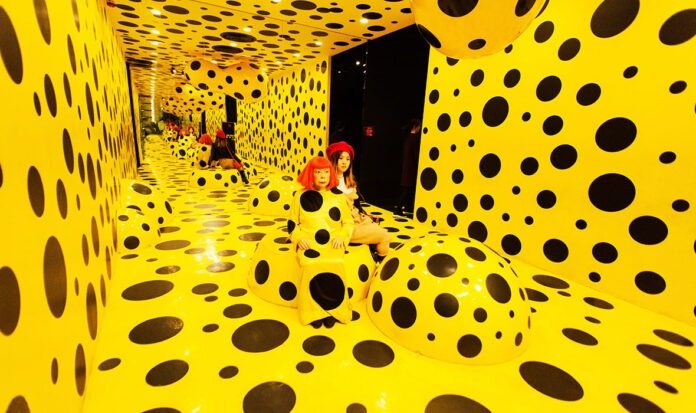
Minimalism in Asia today transcends visual arts, influencing architecture, interior design, fashion, and digital art. From Muji’s functional design aesthetic to contemporary installations in major biennales, the minimalist approach serves both as an artistic statement and a lifestyle philosophy.

Global Recognition

Asian minimalism has gained significant visibility in international art fairs and exhibitions. Its dialogue with Western minimalism reveals both convergences—such as the pursuit of essence—and divergences rooted in cultural heritage. Collectors, curators, and critics increasingly value the distinctiveness of Asian voices in the minimalist discourse.

The contemporary minimalism art movement in Asia is not merely a regional adaptation of Western ideas; it is a robust and evolving expression shaped by centuries-old traditions and modern challenges. By balancing restraint with cultural depth, Asian minimalism continues to redefine what simplicity means in a rapidly changing global art landscape.
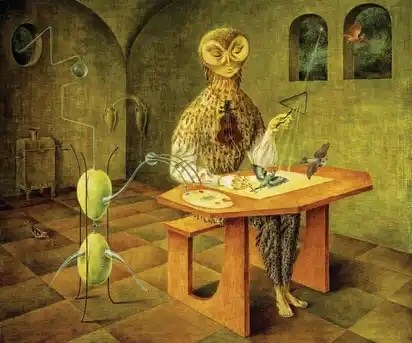
Remedios Varo

Remedios Varo

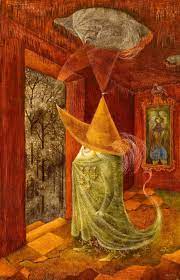
Remedios Varo: The Alchemist of Impossible Worlds

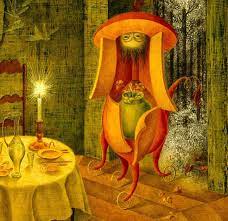
Remedios Varo (1908–1963) remains one of modern art’s most enigmatic and visionary figures. Her paintings are not mere images but philosophical laboratories, where geometry, mysticism, science, and spirituality converge into a new pictorial language. To enter her universe is to step into a realm where art functions as alchemy, where the invisible becomes visible, and where everyday life is transformed into cosmic ritual.

Between Geometry and Faith

Born in Spain, Varo grew up in a household where technical precision and mystery coexisted. Her engineer father taught her to draft and measure, while Catholic rituals filled her early environment with a sense of transcendence. This duality—geometry and devotion, science and belief—became the foundation of her creative vision. From an early age, she suspected that reality was not fixed but could be dismantled, reassembled, and transformed.

Surrealism and Beyond

In Paris, Varo encountered the Surrealist movement and absorbed its fascination with dreams, automatism, and the unconscious. However, she soon realized the limitations of Breton’s circle: too many muses, too few equals, too much dogma disguised as freedom. Rather than surrendering to pure chance, Varo cultivated a disciplined, almost scientific approach to the imagination. She treated dreams as experiments, visions as prototypes. Her sketchbooks were filled with instruments to measure emotions, machines that distilled moonlight, and architectures in which physics and metaphysics intertwined.

For Varo, the artist was not a passive dreamer but an alchemist—someone who carefully designed transformations between matter and spirit.

Mexico: A Laboratory of Exile

Exiled by war and persecution, Varo arrived in Mexico in 1941 carrying more drawings than possessions. The country became her true laboratory, where European knowledge could merge with indigenous mythologies, Catholic mysticism, and the esoteric undercurrents of everyday life.

Unlike the monumental murals of Rivera or Orozco, Varo worked in microcosms—intimate, secret universes where women were not muses but inventors, scientists, and creators of worlds. Alongside Leonora Carrington and Kati Horna, she developed a distinctly feminine surrealism: corrosive, playful, spiritual, and deeply philosophical.

The Alchemy of the Everyday

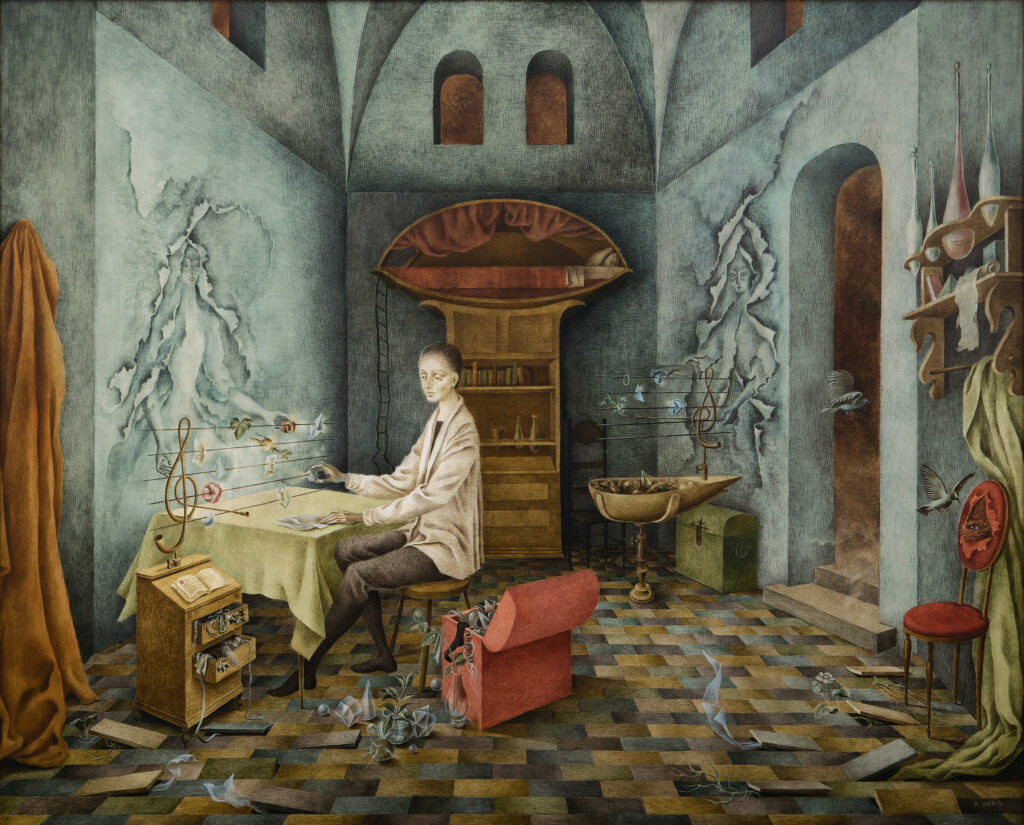
Varo’s paintings are infused with a mystical logic. In “Creation of the Birds” (1957), a hybrid woman-bird sits at a desk, transforming moonlight into living creatures with the precision of a laboratory experiment. The work is not fantasy but “poetic engineering,” a visual treatise on how art transforms energy into life.

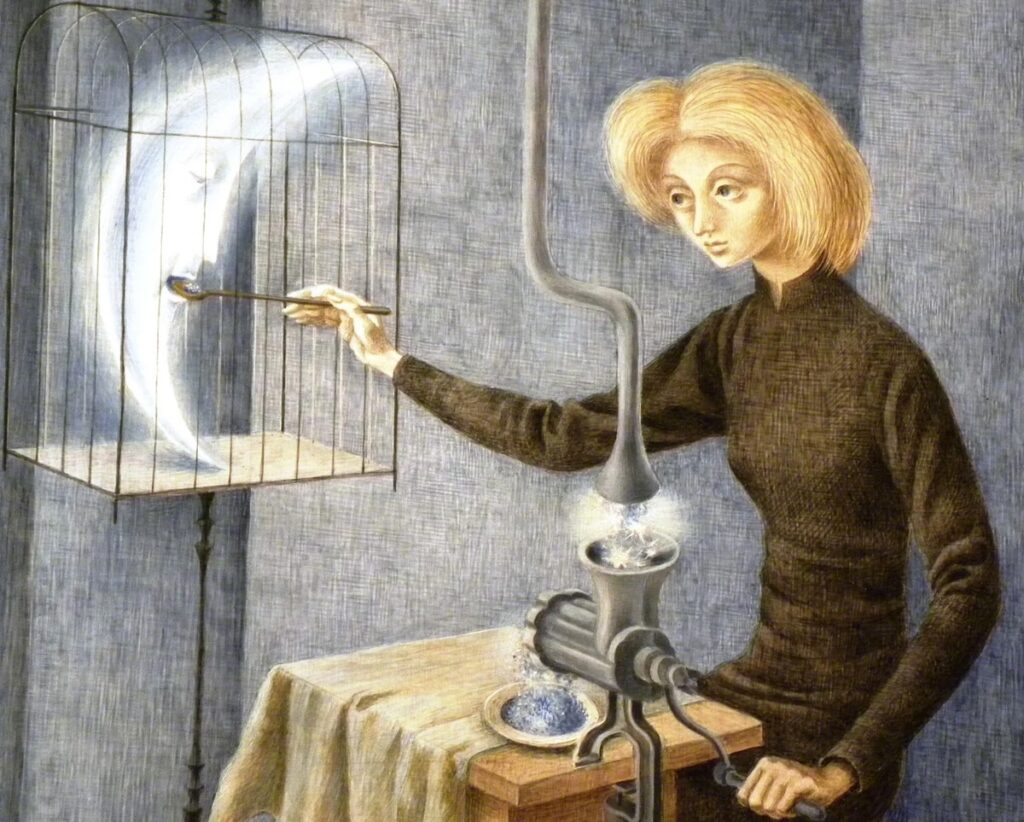
In “Papilla Estelar” (1958), a woman grinds stardust into flour to feed the moon, reversing hierarchies between domestic labor and cosmic sustenance. What patriarchal culture considered “minor”—the kitchen—becomes the foundation of the universe.

Moreover, in “Woman Leaving the Psychoanalyst” (1960), a figure steps out of therapy, leaving behind the ghost of authority and paternal discourse. Here, liberation is not abstract but enacted through symbolic exorcism.

Through these works, Varo redefined both mysticism and femininity. Her women are alchemists, not muses; engineers of the spirit, not objects of desire.

Philosophy in Motion

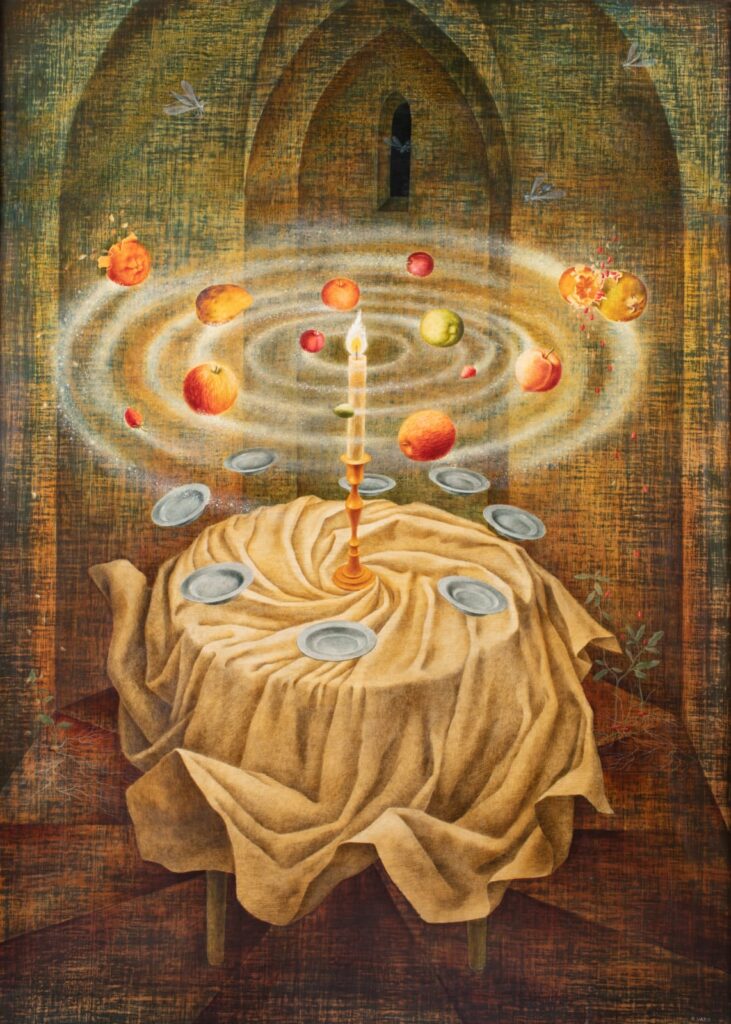
Varo’s art is a philosophy of impermanence. In works like “The Escape” (1961) or “Still Life Reviving” (1963), objects and figures are constantly in motion: fruit spins in cosmic orbits, boats drift across cloud seas, and rivers lead inward as much as outward. Stability is a myth; life is perpetual transformation.

Against the monumental permanence of muralism and the random spontaneity of Surrealism, Varo proposed a third way: the methodical design of impossible worlds. Her canvases read like encrypted manuals for survival—protocols of escape, blueprints of freedom, guides to reimagining the universe.

Legacy of a Visionary

Remedios Varo died suddenly in 1963 at 54, just as her artistic laboratory had reached its complete clarity. For decades, her work was overlooked by art history, dismissed as eccentric or minor. However, her paintings, like dormant seeds, waited to germinate.

Today, Varo’s recognition is undeniable. Feminist movements have reclaimed her as a radical voice, museums worldwide exhibit her masterpieces, and collectors vie for her works at record prices. However, her actual value lies not in the market but in the living power of her art.

Varo reminds us that art can be both mystical and methodical, scientific and magical. Her paintings are not escapes from reality but profound reconfigurations of it. In a world obsessed with certainties, she invites us to embrace transformation.

As viewers, we are not passive spectators of her canvases—we are participants in her experiments. Each time we gaze at her works, we become apprentices in her laboratory of impossible worlds, carrying forward her alchemy of imagination, philosophy, and deep humanity.

Lee Krasner

Lee Krasner
Lee Krasner

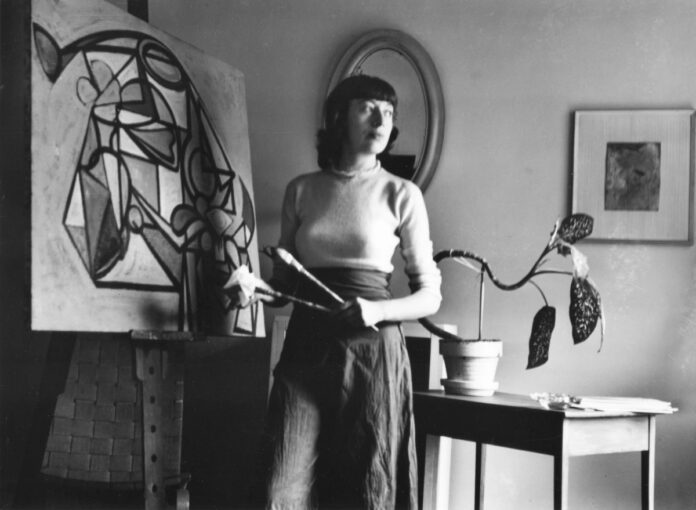
Lee Krasner: El gesto, la lucha y la persistencia del arte

En la historia del arte del siglo XX, Lee Krasner (1908–1984) representa una figura de fuerza, evolución y compromiso radical con la pintura. Aunque durante décadas su nombre estuvo a la sombra del de su esposo, Jackson Pollock, hoy se reconoce a Krasner como una de las grandes protagonistas del Expresionismo Abstracto, una artista cuya obra desafió convenciones tanto estéticas como sociales, y cuya voz pictórica se impuso con intensidad, inteligencia y sensibilidad.

Orígenes y formación: una artista en construcción

Nacida en Brooklyn, Nueva York, en una familia de inmigrantes judíos de origen ruso, Lena (Lee) Krasner mostró interés por el arte desde temprana edad. Fue una de las pocas mujeres admitidas en la prestigiosa Cooper Union, y posteriormente estudió en la National Academy of Design. A finales de los años 1930, se unió al Federal Art Project, un programa del New Deal que apoyaba a artistas durante la Gran Depresión.

En esa época comenzó a interesarse por las vanguardias europeas, especialmente por el cubismo y el surrealismo, y por las ideas de Hans Hofmann, con quien estudió. De él recibió tanto estímulo como críticas machistas. Una vez, al elogiar una de sus obras, le dijo: “Es tan buena que uno no pensaría que fue hecha por una mujer.” Ese tipo de comentarios marcarían su carrera, pero también avivarían su determinación.

El encuentro con Pollock y el mundo del Expresionismo Abstracto

En 1942 conoció al joven y desconocido Jackson Pollock, con quien compartiría una intensa relación personal y artística. Se casaron en 1945 y se instalaron en Springs, Long Island, donde ambos desarrollaron algunos de sus trabajos más importantes. Aunque a menudo fue retratada como la “mujer detrás del genio”, lo cierto es que Krasner fue clave en la carrera de Pollock, conectándolo con figuras del mundo del arte, como Clement Greenberg y Peggy Guggenheim, y también en su evolución pictórica.

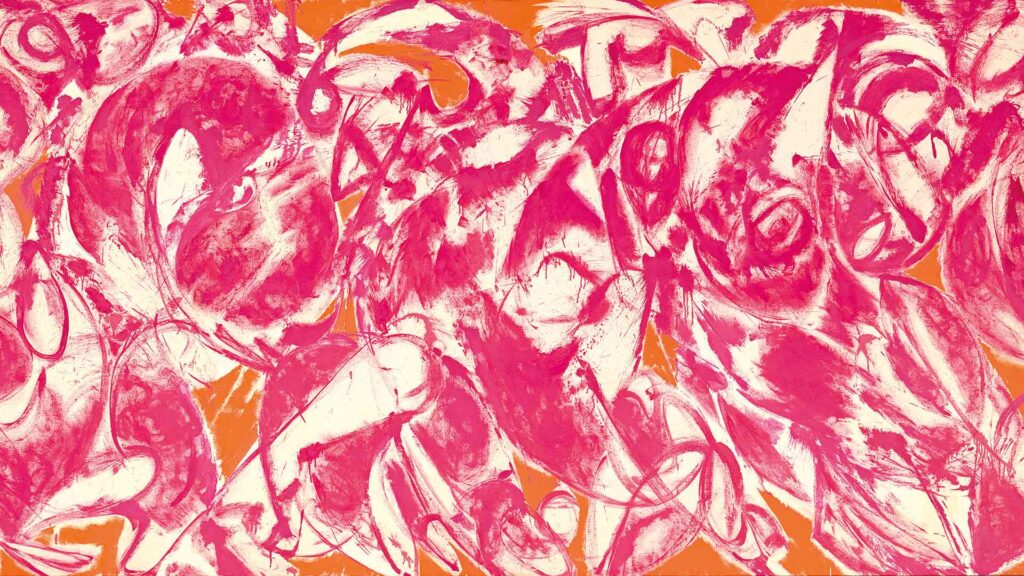
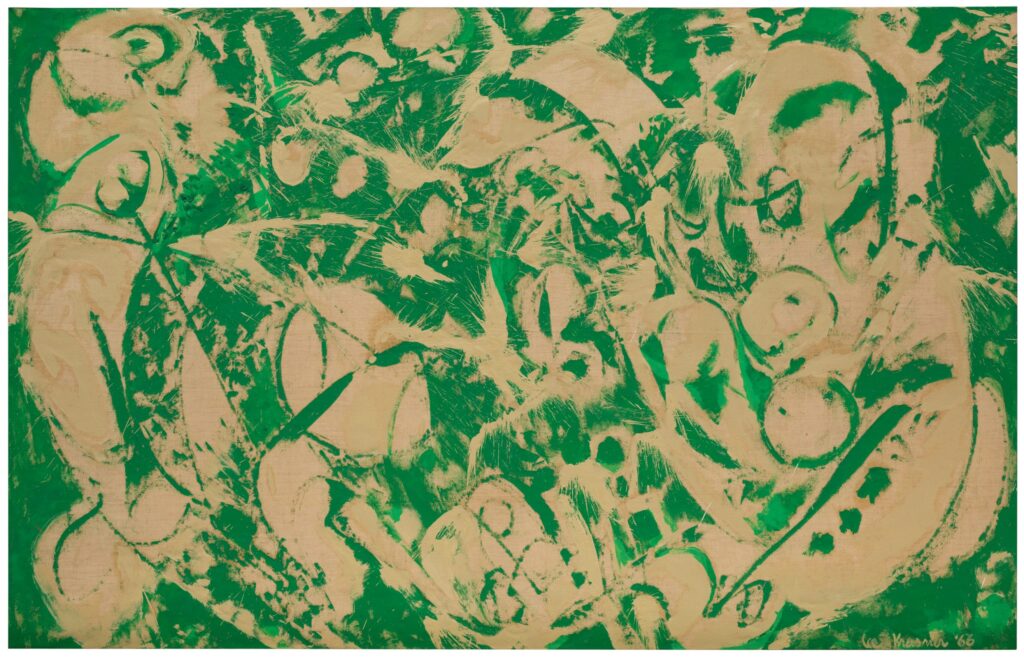
Mientras tanto, Krasner siguió desarrollando su propio lenguaje. Aunque compartía con los expresionistas abstractos el gusto por el gesto, la libertad formal y la escala monumental, su obra se distinguía por una estructura más orgánica y un uso vibrante del color y del ritmo. A diferencia del dramatismo caótico de algunos de sus contemporáneos, su pintura era reflexiva, matérica, construida con capas y con memoria.

El collage como lenguaje y ruptura

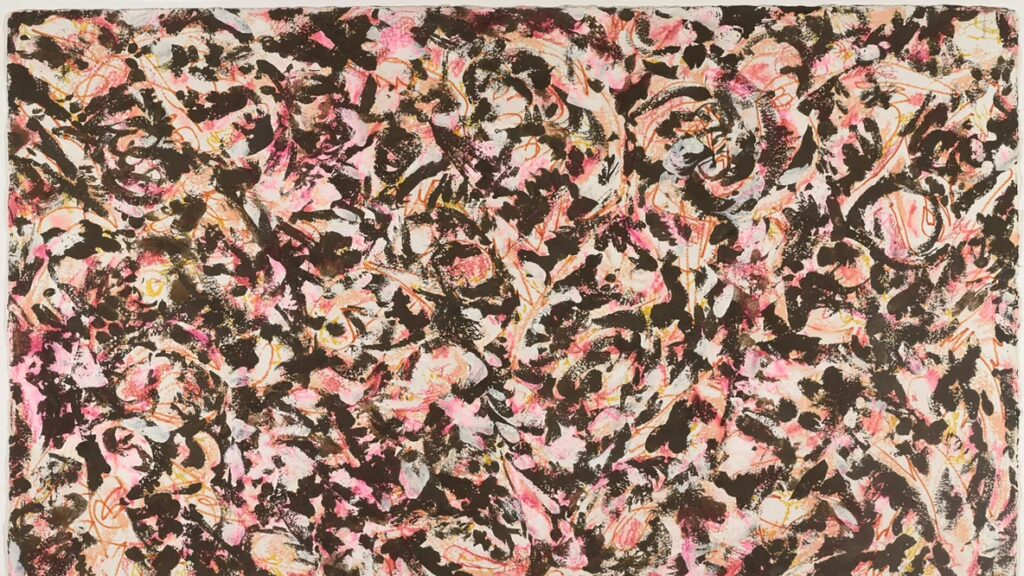
Tras la muerte de Pollock en 1956, en un accidente automovilístico, Krasner entró en un período de renovación creativa. Durante los años 50 y 60, creó algunas de sus series más potentes, como los “collages” realizados con fragmentos de obras anteriores destruidas por ella misma. En un acto de dolor y transformación, recompuso el pasado en nuevas formas, afirmando con fuerza su autonomía artística.

Estas obras, que combinaban elementos de pintura, dibujo y collage, fueron decisivas para consolidar su identidad como artista plenamente independiente, no sólo como parte del “círculo de Pollock”. Su lenguaje visual oscilaba entre lo lírico y lo estructural, entre lo biográfico y lo universal.

Una obra en constante evolución

A lo largo de su carrera, Krasner fue capaz de reinventarse constantemente. Nunca se aferró a una fórmula, lo que tal vez retrasó su reconocimiento comercial en un mercado que a menudo premia la repetición. Sin embargo, esta versatilidad fue precisamente una de sus mayores fortalezas.

Sus series de grandes formatos como Primary Series o Umber Paintings muestran una fuerza expresiva monumental, marcada por el duelo, la madurez y la energía de lo vital. En ellas, el gesto se convierte en respiración, en expansión física del cuerpo sobre la superficie.

Reconocimiento tardío y legado

Durante su vida, Krasner tuvo que enfrentarse a un sistema artístico profundamente sexista. No obstante, logró importantes hitos, como exposiciones en el Whitney Museum o en la Galería Marlborough. En 1984, poco antes de su muerte, el Museum of Modern Art (MoMA) organizó una importante retrospectiva, algo excepcional para una mujer en esa época.

Tras su fallecimiento, la crítica ha reevaluado su legado con profundidad. Hoy en día, Lee Krasner es considerada una de las figuras centrales del Expresionismo Abstracto, junto a artistas como Willem de Kooning, Mark Rothko o Franz Kline. Su trabajo ha sido fundamental para abrir espacio a las mujeres en la pintura de gran formato, y su valentía creativa ha inspirado a generaciones de artistas contemporáneas.

Síntesis

La historia de Lee Krasner es una historia de resistencia y construcción. Construcción de una obra, de una identidad artística, de un lenguaje personal que supo romper con el silencio al que se quería condenar a muchas mujeres en el arte moderno. En sus lienzos —vigorosos, complejos, profundamente humanos— resuenan las luchas del siglo XX, pero también una apuesta por la autenticidad, la transformación y el poder del arte como forma de vida.

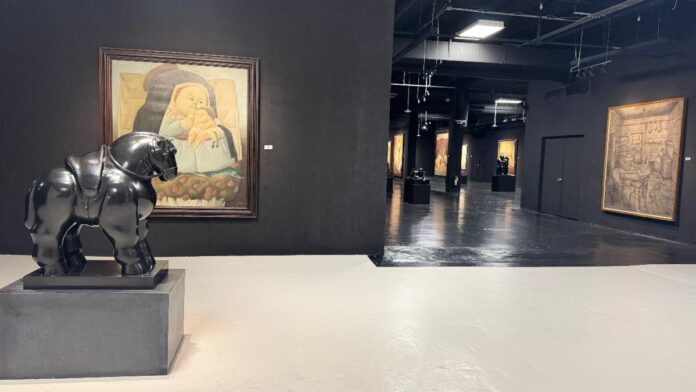
Botero Immersed in Gary Nader Art Centre

Botero Immersed in Gary Nader Art Centre

“Botero Immersed” concludes its presentation at the Gary Nader Art Center: last days to enjoy the experience

After nearly four consecutive years in Miami, the Gary Nader Art Centre announces the final weeks of Botero Immersed, the immersive experience dedicated to Colombian Master Fernando Botero. The exhibition will remain open until Wednesday, October 22, 2025, marking the closing of a chapter that has brought thousands of visitors closer to the legacy of one of Latin America’s most influential artists.

Created by Gary Nader and accompanied by the music of 22-time GRAMMY Award-winning producer Emilio Estefan, Botero Immersed offers a 360° audiovisual journey through the most emblematic themes of Botero’s universe —the circus, bullfighting, everyday life in Latin America, and his reinterpretations of the great masters— through immersive projections, light, and sound.

A milestone in Miami’s cultural life

Launched in December 2021 and extended several times due to popular demand, the show became one of the most talked-about cultural experiences in the city.

Beyond welcoming thousands of visitors, Botero Immersed established itself as a premier setting for high-profile events that enhanced its relevance within Miami’s cultural life.

“Botero Immersed was conceived to celebrate the greatness of an extraordinary artist and to share his work with audiences in a contemporary and captivating way. Closing this cycle fills us with gratitude: for the response of the public, for the dedication of an outstanding team, and for the creative collaboration of Emilio Estefan, whose music elevated the entire experience. This conclusion is not a farewell, but the prelude to new ways of honoring Botero’s enduring legacy,” said Gary Nader, founder and director of the Gary Nader Art Centre.

Access to photos of Botero Immersed here: Botero Immersed Media Link

Visitor Information

Botero Immersed will remain open to the public until Wednesday, October 22, 2025, with visiting hours from Tuesday through Saturday, 10:00 a.m. to 6:00 p.m. Tickets are priced at $20 per person and may be purchased both at the entrance of the Gary Nader Art Centre and online at www.boteroimmersed.com

ABOUT GARY NADER ART CENTRE:

Located in Miami’s Wynwood Arts District, the Gary Nader Art Centre is one of the world’s most prestigious and dynamic galleries. With a strong focus on modern and contemporary art, it has gained international acclaim for its groundbreaking exhibitions and its pivotal role in promoting global artistic excellence, with a particular emphasis on Latin American contributions. The gallery regularly hosts solo and group shows featuring iconic artists such as Basquiat, Botero, Chagall, Cruz-Diez, Dubuffet, Kahlo, Picasso, Rivera, Lam, Warhol, and many more.

As the largest gallery in the world — spanning 55,000 square feet — the Gary Nader Art Centre houses a main exhibition hall, the Nader Museum, the immersive Botero Immersed Experience (featuring the world’s largest private collection of works by the Colombian master), and the Nader Sculpture Park, located in the Miami Design District. This one-of-a-kind outdoor exhibition space features over 50 monumental sculptures by renowned international artists. In a short time, it has become a cultural must-see for both locals and tourists and a premier venue for fashion shows, musical performances, cultural events, and private gatherings.

With a private collection of more than 2,000 artworks from the 20th and 21st centuries, the Centre offers an expansive and profound perspective on global modern and contemporary art. Founded by Gary Nader in 1985, the gallery has become a cornerstone of Miami’s art scene. Nader’s vision and dedication have been essential in building the Centre’s global reputation and expanding its impact on the international art world.

For more information: 

Gary Nader Art Centre  

Email: [email protected]

Phone: 305-576-0256

Web: www.garynader.com

Sophie Taeuber-Arp

Sophie Taeuber-Arp
Sophie Taeuber-Arp

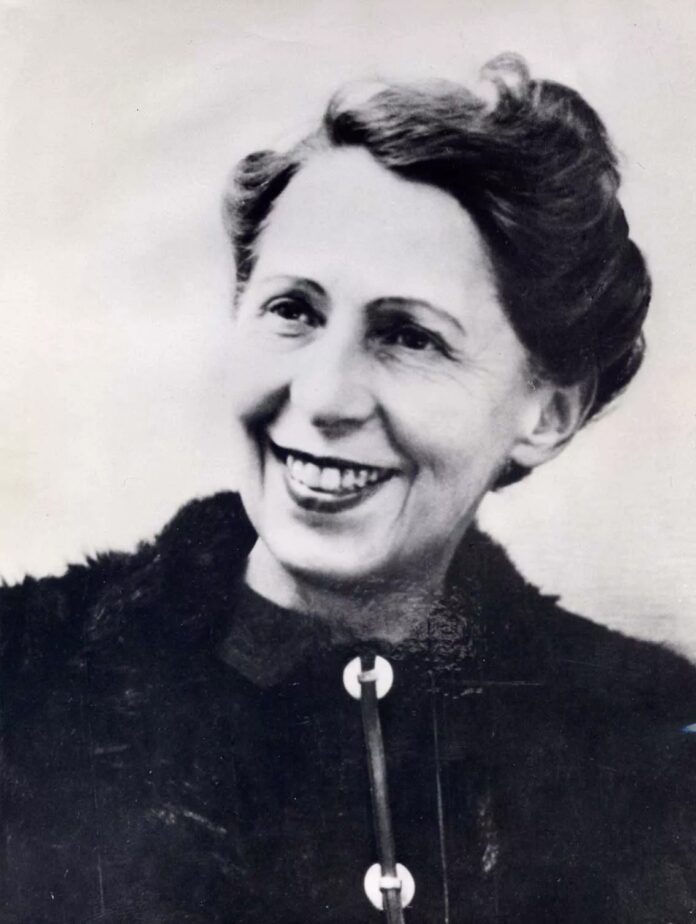
Sophie Taeuber-Arp: Geometría, movimiento y modernidad radical

En la narrativa del arte moderno del siglo XX, pocas figuras encarnan con tanta coherencia la fusión entre arte, diseño y vida como Sophie Taeuber-Arp (1889–1943). Su trabajo abarcó disciplinas tan diversas como la pintura, la danza, la escultura, la arquitectura de interiores, el diseño textil y la marioneta. Visionaria, rigurosa y profundamente moderna, Taeuber-Arp fue una de las primeras artistas en romper conscientemente con las jerarquías tradicionales entre las artes mayores y menores, abriendo paso a un arte integrado, funcional y abstracto.

Formación y primeros pasos: entre danza y diseño

Nacida en Davos, Suiza, Taeuber-Arp se formó inicialmente en escuelas de artes aplicadas en St. Gallen, Hamburgo y Múnich, donde se empapó de las ideas reformistas del Jugendstil y la Secesión vienesa. Su enfoque hacia el arte era multidisciplinar desde el principio: estudió danza con Rudolf von Laban, lo que influiría en su comprensión del movimiento, la composición y la rítmica formal.

En 1916, en plena Primera Guerra Mundial, se integró al círculo de Cabaret Voltaire en Zúrich, epicentro del movimiento Dada, donde conoció a Jean (Hans) Arp, su futuro esposo y colaborador. En este entorno de vanguardia, donde el absurdo y la ruptura con la lógica tradicional eran bienvenidos, Sophie empezó a desarrollar un lenguaje visual propio, basado en la abstracción geométrica, la modularidad y el orden dinámico.

Dadaísmo y abstracción constructiva

Aunque formó parte del grupo Dada de Zúrich, el trabajo de Taeuber-Arp se distinguía por su precisión formal y su rechazo a la mera provocación caótica. Mientras muchos dadaístas apelaban al azar y lo irracional, Sophie incorporaba la lógica del diseño, la geometría y el equilibrio visual. Su obra temprana, que incluye tapices, bordados y relieves abstractos, se adelantó en años a los desarrollos de movimientos como el constructivismo ruso o el neoplasticismo de Mondrian y Van Doesburg.

Uno de sus gestos más radicales fue realizar composición abstracta a través del bordado y el textil, medios históricamente relegados a lo decorativo o femenino. Al utilizar estos soportes para desarrollar lenguajes puramente abstractos, Taeuber-Arp desdibujó la frontera entre arte y diseño, cuestionando las jerarquías patriarcales del mundo artístico.

Diseño, arquitectura y funcionalismo

Entre 1916 y 1929, Taeuber-Arp enseñó en la Escuela de Artes Aplicadas de Zúrich, donde también dirigió el taller textil. Durante esta etapa, su producción fue intensísima y diversa. Diseñó interiores, como el del Aubette Café en Estrasburgo (1928), en colaboración con Jean Arp y Theo van Doesburg. Este proyecto es considerado una obra total (Gesamtkunstwerk), en la que arquitectura, color, forma y funcionalidad se integran plenamente, anticipando la estética de la Bauhaus y la arquitectura moderna.

Sophie Taeuber-Arp también diseñó marionetas para obras como El rey ciervo (1918), donde combinaba humor, abstracción y precisión constructiva. Estas piezas no eran meramente utilitarias: eran esculturas móviles que sintetizaban sus intereses en la forma, el ritmo y la narrativa visual.

Últimos años y legado

En los años 30, ante el auge del nazismo, Sophie y Jean Arp se trasladaron a Francia. Su participación en los círculos internacionales de arte moderno continuó, con colaboraciones editoriales en revistas como Plastique y su relación con grupos como Cercle et Carré y Abstraction-Création. Su compromiso con la abstracción geométrica y con la idea de un arte universal, integrador y funcional nunca se desvió.

Trágicamente, Sophie Taeuber-Arp falleció en 1943 a causa de una intoxicación por monóxido de carbono, mientras vivía en el exilio en Suiza, huyendo de la ocupación nazi. Tenía 53 años.

Revalorización crítica

Durante décadas, su figura quedó relegada a un papel secundario, muchas veces eclipsada por la fama de su esposo. Sin embargo, investigaciones recientes y exposiciones retrospectivas —como la organizada por la Tate Modern, el MoMA y el Kunstmuseum Basel entre 2021 y 2022— han permitido una relectura profunda de su importancia. Hoy se reconoce a Sophie Taeuber-Arp como una pionera absoluta del arte moderno, cuya práctica interdisciplinaria prefigura movimientos como el minimalismo, el arte cinético y el arte conceptual.

Su vida y obra rompen con la narrativa lineal y masculina de la historia del arte. Su legado nos obliga a pensar en un arte sin jerarquías, donde diseño, danza, arquitectura, pintura y escultura pueden convivir y dialogar.

Análisis final

Sophie Taeuber-Arp fue una artista total en una época que apenas comenzaba a concebir esa posibilidad. Su obra, rigurosa y libre al mismo tiempo, ofrece una de las visiones más lúcidas del arte como estructura viva, integradora y transformadora. En un siglo de revoluciones estéticas, ella construyó una nueva manera de habitar el arte: desde la forma, desde la función, desde la libertad.

Printing company makes millions of dollars from its visual artists & photographers.

Printing company makes millions of dollars from its visual artists & photographers.

Inside the Print-On-Demand Industry: Why Artist Royalties Are Declining

Another day, another shock for artists: print-on-demand companies are reclaiming millions of dollars from the very creators who helped grow their platforms. For photographers, visual artists, and fine art collectors, the dream of transforming their work into a profitable online business is becoming more complicated, as industry practices frequently prioritize the platforms’ profits over the artists’ earnings.

The Allure of Print-On-Demand

At first glance, print-on-demand (POD) platforms seem like a dream for artists. They allow creators to upload their work and instantly sell prints, merchandise, and apparel without worrying about inventory, shipping, or upfront costs. With platforms advertising global reach and easy monetization, it’s no surprise that countless artists flock to these services hoping to turn their art into a sustainable income stream.

The Hidden Costs

What many artists fail to realize is that POD companies set the rules. While creators get exposure, the royalty structure is often skewed. Artists might earn a fraction of what the product sells for, and fees can creep in for printing, shipping, and even platform maintenance. In some cases, contracts allow companies to retroactively adjust royalties or reclaim funds if they deem sales “incorrect” or “unauthorized,” leaving artists in financial limbo.

Declining Royalties

Reports from within the industry reveal a troubling trend: artist royalties are steadily declining. Some platforms have altered payout structures or increased hidden costs, while still promoting high sales potential to lure new creators. The result? Artists invest time, energy, and creativity, only to see diminishing returns while the platform profits grow.

Why This Matters

For professional artists trying to sustain a career, this shift is significant. Income unpredictability makes it difficult to plan projects, invest in materials, or grow an audience. Beyond the financial impact, it also affects the creative ecosystem: talented artists may leave POD platforms, limiting the diversity of voices and styles available to collectors and fans.

Navigating the POD Landscape

Artists can protect themselves by:

  • Carefully reviewing contracts and royalty agreements before signing.
  • Tracking their sales and payouts regularly to ensure accuracy.
  • Considering alternative avenues such as independent websites, direct commissions, or local galleries.
  • Joining artist advocacy groups to share knowledge and push for fairer industry practices.

The print-on-demand model isn’t inherently bad—it can empower artists to reach audiences worldwide—but creators need to approach it with eyes wide open. Awareness, vigilance, and strategic planning are the best defenses against declining royalties and exploitative practices.

A Celebration of Peace and Love: October 9 2025 at Strawberry Fields

A Celebration of Peace and Love: October 9 at Strawberry Fields NY
© @strawberryfieldsny

A Celebration of Peace and Love: October 9 at Strawberry Fields NY

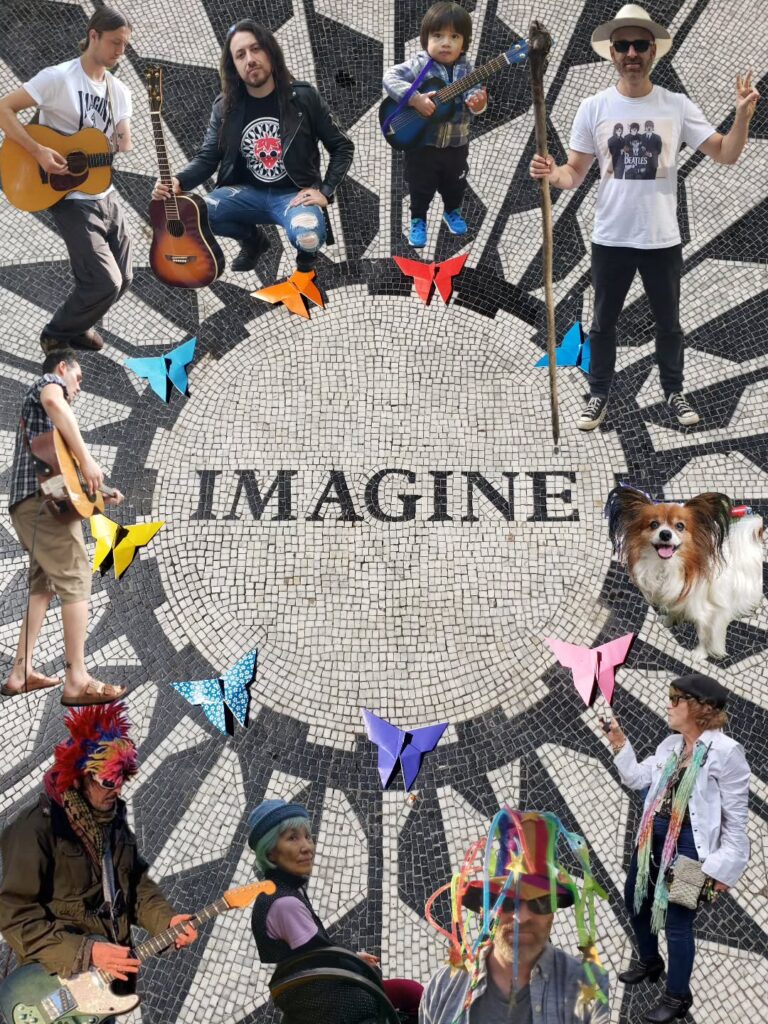
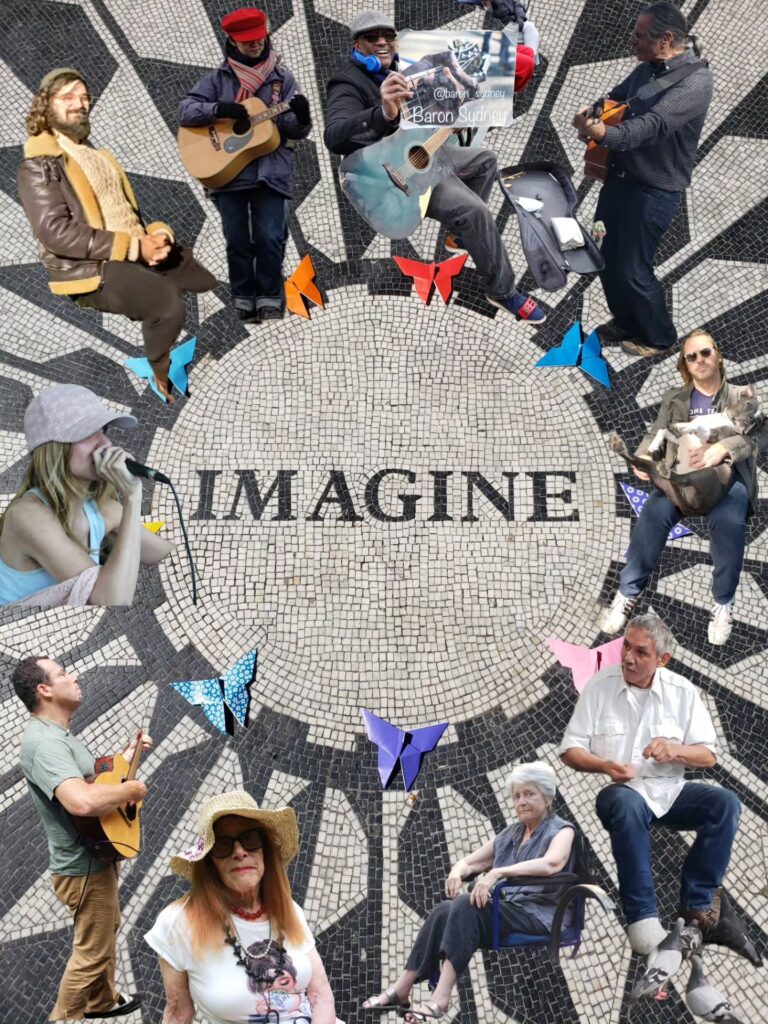
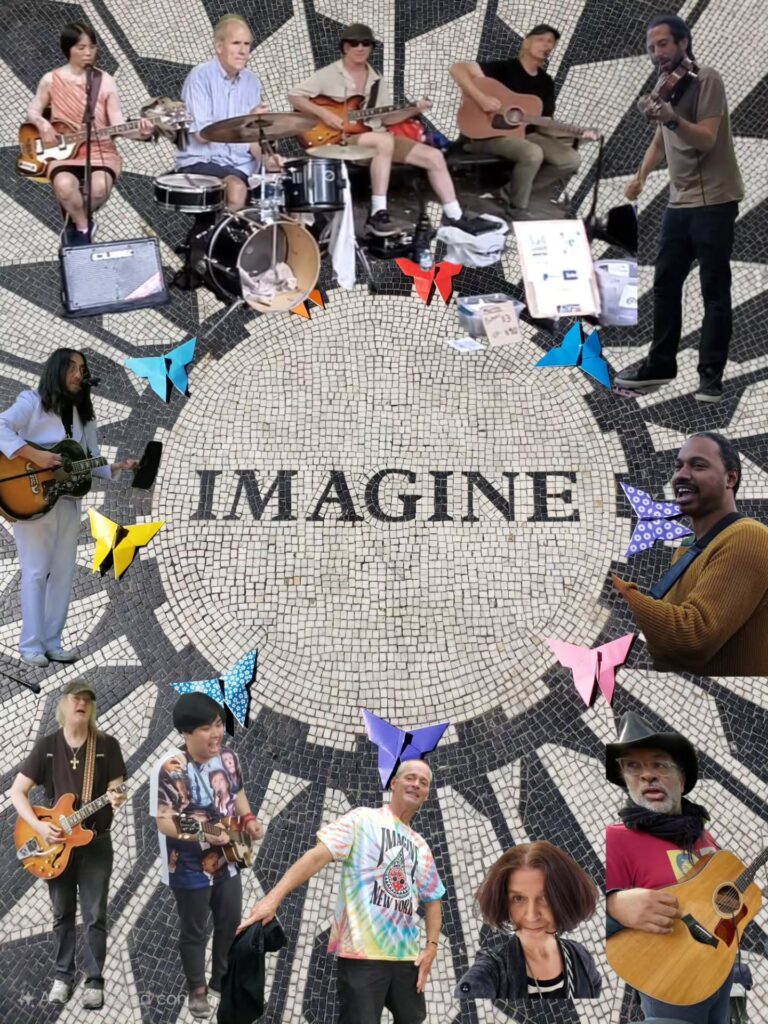
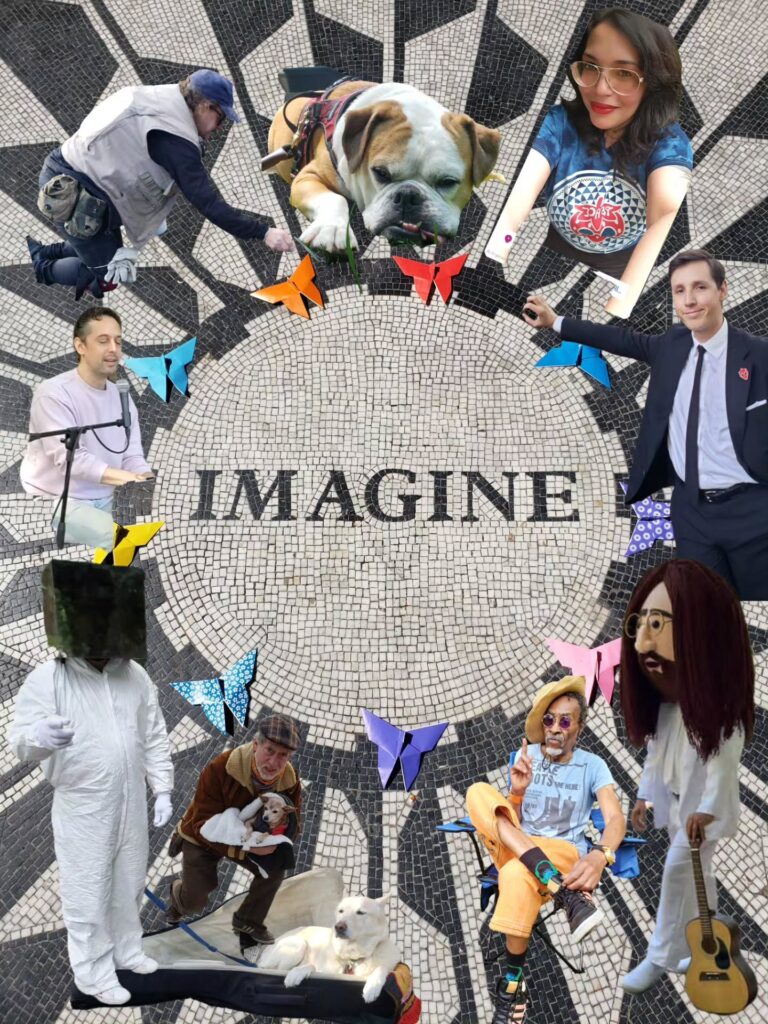
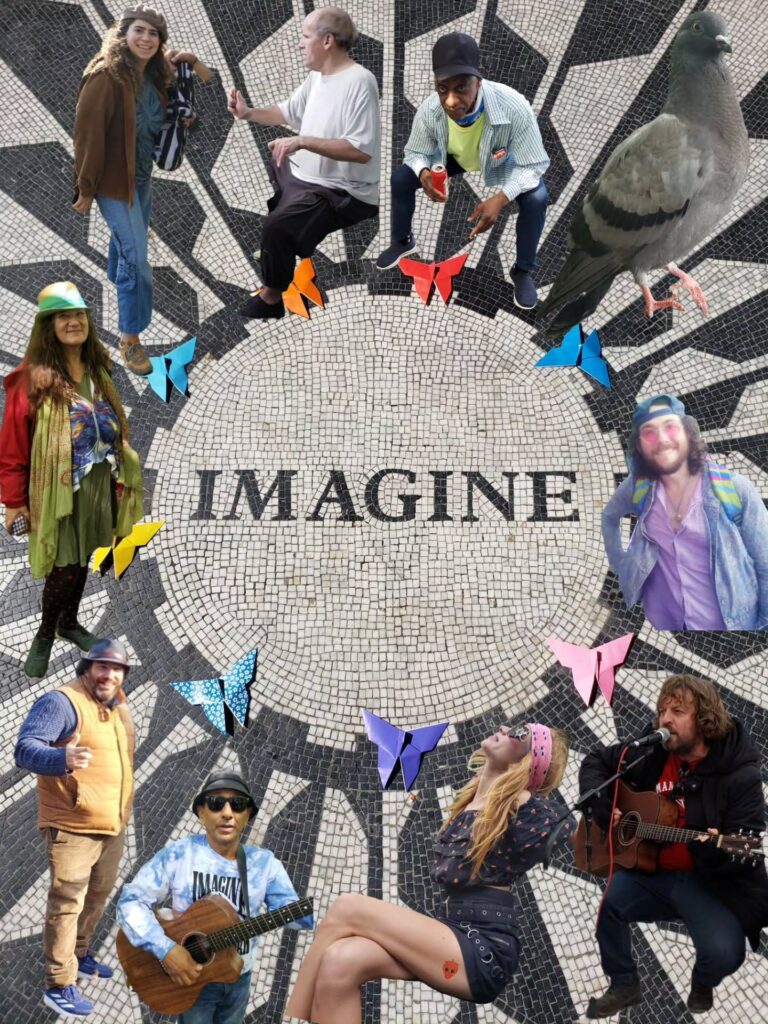
Every year on October 9, fans, musicians, and peace advocates from around the world gather at Strawberry Fields in Central Park, New York City, to honor the birthday of John Lennon—the legendary musician, songwriter, and activist born on this date in 1940.

The heart of this tribute is the “Imagine” mosaic, a gift from the city of Naples, Italy, which has become an international symbol of hope, unity, and peace. On this day, the memorial transforms into a living stage where people of all ages and nationalities come together to celebrate Lennon’s legacy through music, reflection, and community.

From early in the morning until late into the night, singers and musicians fill the air with Beatles classics and Lennon’s solo works, creating an atmosphere of joy and remembrance. Visitors lay flowers, light candles, and leave messages of peace, turning the space into both a celebration and a vigil.

For many, the highlight of the day is the communal singing of Imagine. Its timeless message—of a world without borders, greed, or division, where humanity lives as one—resonates deeply in today’s turbulent times. The simple yet powerful lyrics continue to inspire tears, smiles, and a shared belief in the possibility of a more harmonious world.

The annual gathering is more than a birthday tribute. It is a celebration of peace, love, and the enduring power of music to unite people across cultures. In a city as diverse as New York, Strawberry Fields becomes, for one day, a true reflection of Lennon’s dream: a global community brought together by the universal language of music and the hope for a better tomorrow.

Imagine – John Lennon

Imagine there’s no heaven
It’s easy if you try
No hell below us
Above us, only sky

Imagine all the people
Livin’ for today
Ah

Imagine there’s no countries
It isn’t hard to do
Nothing to kill or die for
And no religion, too

Imagine all the people
Livin’ life in peace
You

You may say I’m a dreamer
But I’m not the only one
I hope someday you’ll join us
And the world will be as one

Imagine no possessions
I wonder if you can
No need for greed or hunger
A brotherhood of man

Imagine all the people
Sharing all the world
You

You may say I’m a dreamer
But I’m not the only one
I hope someday you’ll join us
And the world will live as one

Valeria Hinojosa presenta el libro “En busca de la suavidad: Sanar en un mundo herido”

Valeria Hinojosa presenta el libro “En busca de la suavidad: Sanar en un mundo herido”

Valeria Hinojosa presenta el libro “En busca de la suavidad: Sanar en un mundo herido”

Publicado por la editorial Harper Collins Español, este libro es un testimonio íntimo y poderoso sobre cómo encontrar propósito, bienestar y conexión en un mundo acelerado. Está a la venta desde el 30 de septiembre. Valeria Hinojosa lo presentará en la librería Books & Books, de Coral Gables, el sábado 18 de octubre, a las 5 pm. 

“En busca de la suavidad” es un libro de memorias ingeniosas, honestas y conmovedoras, en las que su autora explora el trauma generacional, la identidad, el amor, la salud mental, la migración y los desafíos de la creación de contenido. “Con esta publicación quiero guiarte a crear una vida que saque lo más puro de ti, soltando el miedo a recrearte, y abriendo espacio para florecer sin pedir disculpas”, asegura la autora. 

Valeria es creadora de contenido consciente y bilingüe, eco emprendedora, escritora y activista medioambiental. Nació en Bolivia, pero se mudó a Estados Unidos a los 18 años y, ahora de 37 años,vive en una pequeña y tranquila ciudad de Florida.“En busca de la suavidad” está dividido en cuatro pilares: Energía de Raíces, de Creatividad, de Despertar y de Vida Suave. 

Para el autor bestseller Ismael Cala, el libro “es una medicina espiritual para quienes han normalizado el cansancio y olvidado la belleza de ir más lento”. 

La sinopsis de la publicación dice lo siguiente: A sus 27 años, Valeria Hinojosa (@waterthruskin) estaba viviendo el sueño americano: trabajaba en la banca privada en Miami, con un salario de seis cifras, un condominio frente al mar y acceso a los eventos más exclusivos de la ciudad. Pero detrás de su constante intento de encajar con su cabello teñido de rubio, piel aclarada por evitar el sol y ropa de diseñador impecable, luchaba contra la depresión, la adicción y una profunda desconexión con su verdadero yo. Cuando le ofrecieron un ascenso importante, Valeria tomó una decisión que le cambiaría la vida: dejó todo atrás y eligió un camino de autocuración, propósito y conexión con la naturaleza. Sin embargo, esta transformación requirió mucho más que una sola decisión. Fue un camino interno hacia aceptar que somos sombra y luz. Humanos en constante evolución emocional, espiritual, física y profesional.

Además de ser una reconocida creadora de contenido y emprendedora, Valeria se ha convertido en una voz destacada en el activismo medioambiental y el bienestar holístico. Su trabajo ha aparecido en diversos medios internacionales, como Forbes, Vogue, WWD, People, Elle, Telemundo y El País.

Thats The Way I See It: Book Release & Signing At Dalé Zine

Thats The Way I See It: Book Release & Signing At Dalé Zine

Thats The Way I See It: Book Release & Signing At Dalé Zine

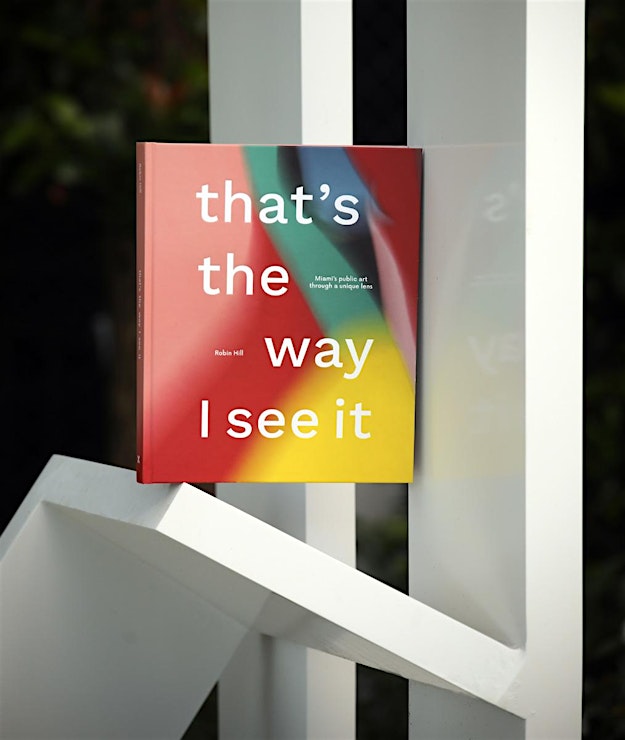
Join us on Thursday, September 25 at 7 pm at Dalé Zine for the launch of That’s the Way I See It: Miami’s Public Art by Robin Hill

Dale Zine: 50 Northeast 40th Street Miami, FL 33137

Join us on Thursday, September 25 at 7 pm at Dalé Zine for the launch of That’s the Way I See It: Miami’s Public Art by photographer Robin Hill. Published by EXILE Projects, this colorful new book spotlights 50 of Miami’s most iconic public artworks, reimagined through Hill’s witty reflections and playful, abstract photos. Think of it as a guide to our city as one giant outdoor museum—with essays by Hill and architecture critic Alastair Gordon, plus a full-spread map to take on your own art adventures. Grab a copy, meet the artist, and celebrate Miami’s creative spirit at a lively evening that promises good books, good vibes, and great conversation.

Berthe Morisot

Berthe Morisot
Berthe Morisot

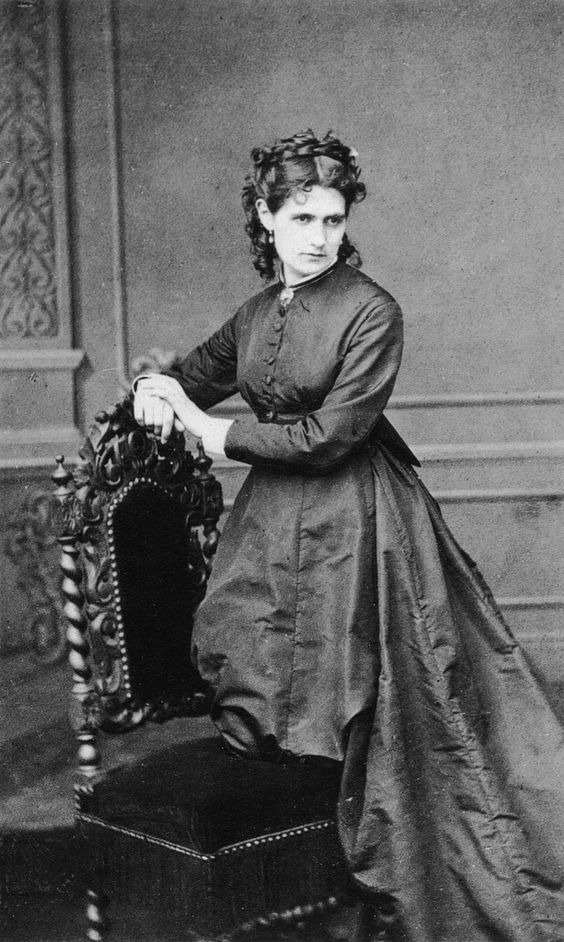
Berthe Morisot: La mirada impresionista que desafió las convenciones

En la historia del arte del siglo XIX, el nombre de Berthe Morisot (1841–1895) destaca no solo por su indiscutible talento como pintora, sino también por su capacidad para abrirse camino en un mundo artístico dominado por hombres, y por convertirse en una de las figuras centrales del movimiento impresionista. Su obra, marcada por una sensibilidad única y una libertad formal notable, supo captar la fugacidad del instante, la intimidad doméstica y la luminosidad del mundo moderno con una voz propia, firme y coherente.

Inicios y formación: una vocación cultivada en lo privado

Berthe Morisot nació en Bourges, Francia, en el seno de una familia burguesa culta que valoraba la educación artística. Tanto ella como su hermana Edma recibieron formación en dibujo y pintura desde jóvenes, algo inusual pero no imposible para mujeres de su clase. Las dos estudiaron con el paisajista Camille Corot, quien alentó su trabajo al aire libre (plein air) y su interés por la naturaleza, base esencial de la estética impresionista.

Aunque Berthe y Edma se prepararon con seriedad, el destino artístico de ambas fue distinto: Edma abandonó la pintura tras casarse, mientras que Berthe decidió consagrar su vida al arte, pese a las restricciones sociales impuestas a las mujeres.

Del Salón a la rebelión impresionista

Durante la década de 1860, Morisot expuso en el Salón de París, el principal escaparate artístico del momento. Sin embargo, como muchos de sus futuros compañeros impresionistas, pronto se sintió asfixiada por las normas academicistas del jurado oficial.

Su encuentro con Édouard Manet en 1868 fue un punto de inflexión. No solo trabaron una intensa relación artística (y familiar, pues Berthe acabaría casándose con el hermano de Manet, Eugène), sino que su diálogo pictórico impulsó a Morisot hacia una mayor experimentación técnica y libertad expresiva. Lejos de ser una discípula pasiva, Morisot influyó también en Manet, quien incorporó aspectos más sueltos y vaporosos a su pincelada tras conocerla.

En 1874, fue la única mujer que participó en la primera exposición impresionista, junto a Monet, Renoir, Degas, Pissarro y otros. A lo largo de su carrera, participaría en siete de las ocho exposiciones del grupo, consolidándose como una de sus integrantes más constantes y comprometidas.

Temas y estilo: la poética de lo íntimo

Morisot abordó temas acordes a su contexto social, pero lo hizo con una mirada radicalmente moderna. Sus obras se centran en escenas de la vida doméstica, retratos femeninos, madres e hijas, jardines, niños jugando o mujeres en momentos de introspección. Pero lejos de ser triviales o “menores”, estas representaciones son espacios de exploración emocional y formal.

Su estilo se caracteriza por una pincelada suelta, colores luminosos, una preferencia por los tonos claros y una composición abierta, donde las formas se disuelven en la atmósfera. Morisot perseguía, como los impresionistas, la captación del instante, pero su sensibilidad enfatizaba la fragilidad, la sutileza y la experiencia íntima del sujeto femenino.

A diferencia de muchos de sus colegas varones, que observaban la vida moderna desde el exterior, Morisot la vivía desde dentro. No pintaba a las mujeres como objetos de deseo, sino como sujetos pensantes, melancólicos, activos, presentes.

Reconocimiento y legado

Durante su vida, Morisot recibió el respeto de sus compañeros artistas, pero nunca gozó del mismo reconocimiento público que sus pares masculinos. Incluso tras su muerte en 1895, su obra fue eclipsada durante décadas por una crítica que la consideraba “delicada” o “menor”, calificativos que enmascaraban una profunda subestimación del arte hecho por mujeres.

Sin embargo, en las últimas décadas, el trabajo de Morisot ha sido objeto de una reevaluación crítica profunda. Importantes exposiciones retrospectivas en el Musée d’Orsay (2019), la National Gallery of Art en Washington, y otras instituciones, han devuelto a Morisot el lugar que merece: el de una pintora radical, cofundadora del impresionismo, y figura indispensable para comprender tanto la historia del arte moderno como la historia del papel de las mujeres en la cultura visual occidental.

Análisis final

Berthe Morisot rompió barreras desde dentro, sin necesidad de grandes gestos manifiestos. Su obra no solo es un testimonio de una sensibilidad refinada y una técnica audaz, sino también un acto de resistencia y afirmación. Fue, en muchos sentidos, una precursora del arte feminista, aunque sin proclamas, solo con su pintura.

Su legado no se limita a lo estético: es también político y simbólico. En un mundo que relegaba a las mujeres al margen del arte, ella pintó el centro. Y lo hizo con luz.

Page 63 of 275
1 61 62 63 64 65 275

Recent Posts