Home Blog Page 35

Natural vs Synthetic Pigments: The Great Debate in Artist Materials

Natural vs Synthetic Pigments: The Great Debate in Artist Materials

Natural vs Synthetic Pigments: The Great Debate in Artist Materials

The shelves of art supply stores present a seemingly simple array of colorful tubes and jars, but behind each product lies a fundamental choice: natural or synthetic pigments. This distinction goes far beyond mere origin stories—it encompasses questions of performance, safety, sustainability, cost, historical authenticity, and artistic philosophy. For centuries, artists had no choice but to use natural pigments ground from minerals, plants, and animals. The advent of synthetic pigments in the 18th and 19th centuries revolutionized artistic practice, but also sparked debates that continue today. Understanding both types empowers artists to make informed decisions aligned with their values and creative needs.

Defining Natural and Synthetic Pigments

Natural pigments are derived directly from the earth and living organisms with minimal chemical processing. Earth pigments like ochres, siennas, and umbers come from colored clays and mineral deposits containing iron oxides, manganese, and other naturally occurring compounds. Mineral pigments are ground from rocks and gemstones—lapis lazuli for ultramarine, malachite for green, azurite for blue. Historical organic pigments came from plants (madder root, indigo), animals (cochineal insects, cuttlefish ink), and even stranger sources like Indian yellow from cattle urine.

Synthetic pigments are manufactured through chemical processes, creating compounds that may or may not exist in nature. Some synthetics replicate natural pigments’ chemistry at lower cost—synthetic ultramarine matches natural lapis lazuli’s chemical structure. Others represent entirely new molecules impossible to find in nature, like phthalocyanine blues and greens or quinacridone reds and violets. The line sometimes blurs: are calcined (heat-treated) earth pigments still “natural”? Is synthetic iron oxide fundamentally different from mineral iron oxide? These questions reveal the complexity beneath simple categorizations.

The Case for Natural Pigments

Natural pigments connect artists to ancient traditions stretching back to prehistoric cave painters. Using the same ochres and earth colors employed for 40,000 years creates tangible links to artistic heritage. For artists interested in historical techniques—egg tempera icon painting, fresco, traditional watercolor—authentic natural pigments offer period accuracy impossible to achieve with modern synthetics.

The environmental argument for natural pigments appeals to sustainability-minded artists. Earth pigments require minimal processing: extraction, washing, grinding, and drying. No complex chemical synthesis, no petroleum feedstocks, no toxic byproducts requiring special disposal. When sourced responsibly, earth pigments represent genuinely renewable resources. Small-scale pigment makers harvest ochres from local deposits, creating regionally distinctive colors while supporting traditional practices and local economies.

Natural earth pigments offer unmatched permanence for certain colors. Yellow ochre, red ochre, raw and burnt sienna, raw and burnt umber, and similar earth colors have proven their lightfastness and stability over millennia. Cave paintings retain their color after tens of thousands of years. Renaissance frescoes still glow with earth-toned vitality. This tested longevity surpasses laboratory accelerated aging tests for synthetic pigments with mere decades of real-world exposure.

The subtle, complex character of natural pigments attracts many artists. Earth colors contain multiple mineral components creating nuanced, slightly textured colors that avoid synthetic flatness. Natural ultramarine’s subtle violet undertone and granulating texture differ from synthetic ultramarine’s smoother character. These variations—once limitations—now represent desirable qualities distinguishing handmade from industrial materials.

For certain applications, natural pigments remain unmatched. Fresco painting traditionally uses only lime-proof earth and mineral pigments that bond chemically with wet plaster. Icon painters seeking authentic Byzantine techniques require natural pigments prepared according to historical methods. These specialized uses keep traditional pigment makers in business and ancient knowledge alive.

The Limitations of Natural Pigments

Despite their appeal, natural pigments present significant challenges. Availability and consistency vary considerably. Natural ultramarine from lapis lazuli costs hundreds of dollars for tiny amounts—genuine lapis suitable for pigment grows rarer as Afghan mines deplete. Even earth pigments vary between deposits and within single sources, making consistent color matching difficult for artists requiring uniformity.

Many historical natural pigments are highly toxic or environmentally destructive. Orpiment and realgar, stunning yellow and orange arsenic sulfides, can release deadly arsenic compounds. Vermilion contains mercury. Lead white, despite its beautiful handling properties, causes severe poisoning. Extracting cinnabar for vermilion devastated mercury mining regions. While these pigments are “natural,” they’re hardly safe or sustainable.

The limited color range of truly permanent natural pigments restricts palettes significantly. Ancient artists lacked bright, permanent yellows beyond ochres, clear magentas, intense violets, or clean, bright greens. The reason ultramarine was so precious wasn’t just its beauty but its rarity—few natural sources provided intense, permanent blues. Natural pigments typically offer excellent earth tones, acceptable reds and blues, but poor yellows, greens, violets, and oranges, with many options being fugitive (prone to fading).

Performance issues plague many natural organic pigments. Madder lake, buckthorn berries, and sap green fade rapidly in light. Natural indigo requires complex preparation and behaves differently from modern pigments. Dragon’s blood resin and gamboge, while creating gorgeous colors, lack permanence for serious artwork. These limitations explain why artists enthusiastically adopted synthetic alternatives when they became available.

Cost prohibits natural pigments for many artists. Beyond ultramarine’s astronomical price, even earth pigments from specialty producers cost considerably more than synthetic equivalents. Hand-harvested, artisanally prepared pigments support traditional practices but price out students, emerging artists, and those working on large scales.

The Case for Synthetic Pigments

Synthetic pigments democratized color, making brilliant, permanent hues available to all artists regardless of wealth. The 1826 synthesis of ultramarine blue transformed painting by providing affordable access to a color previously reserved for the most important commissions. Cadmium yellows, oranges, and reds—introduced in the early 20th century—gave artists warm, opaque brilliance impossible to achieve with natural pigments. Modern quinacridones, phthalocyanines, and other organic synthetics expanded the palette to include colors never seen in nature.

Consistency represents a major advantage of manufactured pigments. Each batch of cadmium red medium from a reputable manufacturer matches previous batches within tight tolerances. Artists can confidently specify colors knowing they’ll receive identical material for years or decades. This standardization enables reproducible results and simplifies color matching across works or series.

Performance characteristics of modern synthetics often surpass natural equivalents. Phthalocyanine blue and green offer extraordinary tinting strength—a tiny amount colors large volumes—with perfect lightfastness and chemical stability. Quinacridone pigments provide transparent, vibrant reds and violets with none of madder’s fugitivity. Titanium white delivers covering power and brightness impossible with natural alternatives. These performance advantages aren’t mere conveniences but fundamental capabilities enabling techniques and effects impossible with historical palettes.

The safety profile of many synthetics represents genuine progress. Modern azo yellows replace toxic chrome and lead yellows without performance sacrifice. Pyrrole reds substitute for mercury-laden vermilion. While not all synthetics are safe—cadmiums and cobalts require careful handling—chemical synthesis allows designing pigments with specific properties including reduced toxicity. As understanding of health hazards grows, manufacturers reformulate products using safer alternatives.

Cost-effectiveness makes synthetic pigments accessible to artists at all levels. Students can afford full palettes of permanent, high-quality colors. Muralists can cover large surfaces without financial ruin. The economy of synthetic production doesn’t necessarily indicate inferior quality—it reflects industrial efficiency and economies of scale.

Modern synthetic pigments undergo rigorous testing unavailable for historical materials. Lightfastness ratings, chemical stability data, and compatibility information help artists make informed choices. While thousand-year-old frescoes prove natural ochres’ permanence, accelerated aging tests confirm that quality synthetic pigments will last centuries under proper conditions. This scientific validation provides confidence about archival quality.

The Limitations of Synthetic Pigments

Environmental concerns about synthetic pigment production are substantial and growing. Manufacturing requires significant energy, often from fossil fuels. Many organic synthetics derive from petroleum. Chemical synthesis creates waste streams requiring treatment and disposal. Heavy metal pigments like cadmiums and cobalts raise concerns about mining impacts and eventual disposal of paint waste. While earth pigment extraction also affects landscapes, the scale and nature of industrial chemical production presents different challenges.

Toxicity issues affect certain synthetic pigments despite overall safety improvements. Cadmium pigments, widely considered essential for certain colors, contain a toxic heavy metal linked to kidney damage and cancer. Proper handling minimizes risks, but concerns persist, especially regarding environmental accumulation. Cobalt pigments present similar issues. Some modern organic synthetics, while less acutely toxic, lack long-term health and environmental impact data. The “unknown unknowns” of newly developed chemicals worry some artists and environmentalists.

The overwhelming variety of synthetic pigments paradoxically complicates choices. Manufacturers offer dozens of yellows, blues, and reds with subtle distinctions and varying quality. Marketing terms like “hue” indicate synthetic substitutes formulated to approximate other colors, sometimes poorly. Navigating this abundance requires expertise many artists lack, potentially leading to poor choices like fugitive pigments marketed as permanent or unnecessarily expensive specialty colors.

Loss of traditional knowledge accompanies reliance on industrial pigments. As fewer artists prepare pigments from raw materials, understanding of these fundamental skills diminishes. The sensory experience of grinding pigments, understanding their textures and behaviors, and developing intimate material knowledge becomes rare. While this specialization allows artists to focus on creating rather than materials preparation, something valuable disappears when ancient crafts fade.

Some artists find synthetic pigments lack natural pigments’ subtle complexity. Machine-ground synthetic ultramarine, while chemically identical to natural, may exhibit different texture and granulation. Earth pigments’ slight variations and impurities create visual richness some find absent in precisely formulated synthetics. Whether this represents genuine difference or romanticization remains debated, but perception matters in subjective domains like art.

Cultural and philosophical objections arise for artists committed to traditional practices, natural materials, or opposition to industrial production. Using synthetic pigments feels wrong to those viewing art as communion with natural materials or continuation of pre-industrial traditions. These concerns, while perhaps not practical, reflect legitimate values about what art-making should be and represent.

Comparative Performance: Specific Colors

Examining specific colors reveals where each type excels. For earth tones, natural pigments generally equal or exceed synthetics. Natural yellow ochre, siennas, and umbers offer permanence, subtle complexity, and proven longevity matching synthetic iron oxides while often exhibiting more interesting texture. Synthetic Mars colors (Mars yellow, Mars orange, Mars red, Mars violet) provide consistent, economical alternatives with good performance but arguably less character.

In blues, synthetic ultramarine perfectly replicates natural lapis at a fraction of the cost with identical permanence and similar behavior, making it arguably the most successful synthetic substitute ever created. Phthalocyanine blues offer colors impossible from natural sources—intense, clean, extraordinarily strong—representing synthetic pigments at their best. Prussian blue, while historically significant, is less stable than modern phthalos. Natural azurite’s granulation and unique color are beautiful but the pigment is expensive, toxic, and less permanent than modern blues.

For reds, the comparison is complex. Cadmium reds provide warm, opaque brilliance no natural pigment matches, though toxicity concerns are real. Quinacridone reds offer transparent, permanent alternatives to fugitive madder lake, vastly superior in lightfastness. Natural red ochres remain excellent for earth reds but can’t match cadmium’s intensity. The verdict: modern synthetics decisively win for bright, permanent reds.

Yellows strongly favor synthetics. Natural permanent yellows are limited to ochres—beautiful but muted. Historical bright yellows (orpiment, chrome yellow, Naples yellow) are toxic. Indian yellow was made through animal cruelty and is fugitive. Modern cadmium yellows, despite toxicity concerns, provide unmatched warm, opaque brilliance. Azo yellows like Hansa offer permanent, bright, economical alternatives. For yellows, synthetics represent almost pure advantage.

Greens historically came from toxic minerals (verdigris, emerald green) or were simply mixed from blues and yellows. Viridian, a 19th-century synthetic, provides permanent, transparent blue-green impossible to achieve naturally. Phthalocyanine greens offer intense color with incredible tinting strength. Natural malachite is expensive and less permanent. Synthetics win decisively.

Violets and purples barely existed in permanent natural pigments. Synthetic dioxazine violet, cobalt violet, and quinacridone violets provide colors largely absent from historical palettes, dramatically expanding artistic possibilities. This represents synthetics enabling rather than replacing.

Whites present interesting comparison. Titanium white’s opacity and brightness surpass natural alternatives, representing synthetic advantage. However, lead white’s handling properties and flexibility keep it in production despite toxicity, suggesting natural pigments can remain superior for specific qualities even when synthetics excel in other measures.

Best Practices: Choosing Between Natural and Synthetic

Rather than declaring one type universally superior, practical artists evaluate pigments individually based on specific needs. The following framework helps navigate choices:

Prioritize performance and permanence. Regardless of origin, choose pigments rated lightfast (ASTM I or II), suitable for your medium, and proven stable. A permanent synthetic outperforms a fugitive natural pigment every time. Both natural ochres and synthetic phthalos can be excellent if they meet performance criteria.

Consider safety for your situation. Artists with health vulnerabilities, those working in home studios without proper ventilation, or those concerned about environmental exposure might avoid toxic pigments whether natural (lead, arsenic) or synthetic (cadmium). Others with proper facilities and precautions may accept these risks for performance benefits.

Match pigments to purpose. Historical reproduction work requires period-appropriate natural pigments. Contemporary experimental work might embrace the brightest synthetics. Murals and student work benefit from economical synthetics. Small-scale, artisanal work might justify expensive natural pigments.

Evaluate environmental impact holistically. Local earth pigments minimally processed may have lower environmental footprint than synthetics, but toxic natural pigments like cinnabar are environmental disasters. Some synthetics use less material and energy than extracting and transporting natural equivalents. Consider the complete lifecycle, not just the “natural” label.

Don’t assume natural equals safe or synthetic equals dangerous. Arsenic is natural. Many modern organic pigments are far safer than historical natural pigments. Evaluate specific pigments’ safety profiles, not categories.

Quality matters more than category. Poorly processed natural pigments perform badly; cheap synthetic pigments may be fugitive or adulterated. High-quality pigments of either type from reputable suppliers generally outperform low-quality alternatives regardless of origin.

Consider combining both types. Many professional palettes mix natural earth tones with synthetic blues, reds, and yellows, exploiting each type’s strengths. This pragmatic approach prioritizes results over ideology.

The Future: Convergence and Innovation

The boundary between natural and synthetic continues blurring. Biotechnology enables microorganisms to produce traditional organic pigments sustainably—”natural” pigments from fermentation rather than plants or animals. Are these natural or synthetic? Nanotechnology allows precise control of mineral pigment properties, enhancing natural materials through high-tech processing. Synthetic biology might create entirely new pigment-producing pathways in engineered organisms.

Environmental pressure drives development of truly sustainable synthetics: replacing petroleum feedstocks with plant-based alternatives, reducing manufacturing energy through better chemistry, and designing pigments that safely degrade rather than accumulate in ecosystems. Meanwhile, renewed interest in traditional techniques sustains artisanal natural pigment production, preserving knowledge while supplying niche markets.

The future likely holds not triumph of one category but increasingly sophisticated understanding of specific pigments’ properties, impacts, and appropriate applications. As analytical techniques improve, we better understand why certain pigments perform as they do, enabling targeted improvements whether through refined natural processing or designed synthetic molecules.

Conclusion: Beyond Binary Thinking

The question “which is better, natural or synthetic pigments?” has no single answer because it asks the wrong question. Both categories contain excellent, mediocre, and poor options. Natural earth pigments offer permanence, tradition, and sustainability for certain colors. Synthetic phthalocyanines and quinacridones provide intense, permanent hues impossible from natural sources. Toxic natural arsenic compounds and toxic synthetic cadmiums both require careful handling. Cheap, fugitive pigments of either type waste artists’ time and compromise archival quality.

The best approach evaluates each pigment individually: Is it permanent? Safe to handle? Appropriate for the intended medium and application? Environmentally acceptable? Available at reasonable cost? Consistent in quality? These practical questions matter more than romantic notions about “natural” purity or faith in “scientific progress.”

Ultimately, artists serve their work by understanding materials deeply—knowing not just that a color is blue, but which blue, from what source, with what properties and limitations. Whether grinding earth pigments collected from local cliffs or squeezing the latest synthetic from industrial laboratories, the goal remains the same: creating enduring art that expresses vision while respecting materials, health, and environment. Both natural and synthetic pigments offer paths toward this goal, and wise artists walk both paths selectively, choosing each step based on where they want to go rather than ideology about how they should travel.

La Esmeralda: Reina Verde de las Piedras Preciosas

La Esmeralda- Reina Verde de las Piedras Preciosas

La Esmeralda: Reina Verde de las Piedras Preciosas

La esmeralda ha cautivado a la humanidad durante milenios, siendo considerada una de las cuatro piedras preciosas más valiosas junto al diamante, el rubí y el zafiro. Su característico verde intenso ha sido símbolo de poder, riqueza y renovación en prácticamente todas las culturas que han tenido el privilegio de contemplarla.

Origen y Composición

La esmeralda es una variedad del mineral berilo, compuesta químicamente por silicato de berilio y aluminio. Su fórmula química es Be₃Al₂(SiO₃)₆, y lo que le otorga ese color verde tan distintivo es la presencia de trazas de cromo y, en algunos casos, vanadio. Estas impurezas, paradójicamente, son las que convierten a un simple berilo en una de las gemas más codiciadas del mundo.

Se forma en condiciones geológicas muy específicas, típicamente en rocas metamórficas o en vetas hidrotermales, donde la combinación de berilio, aluminio y los elementos cromóforos se encuentra en las proporciones exactas. Este proceso requiere millones de años y condiciones de presión y temperatura muy particulares, lo que explica su rareza.

El Color: Su Característica Más Preciada

El color de la esmeralda es su atributo más valioso y el principal criterio para determinar su calidad. El tono ideal es un verde intenso y saturado, ni demasiado claro ni excesivamente oscuro, con una ligera tonalidad azulada. Los gemólogos evalúan el color en tres dimensiones: tono, saturación y luminosidad.

Las esmeraldas colombianas son particularmente apreciadas por su verde puro y brillante, a menudo con un sutil toque cálido. Las procedentes de Zambia suelen exhibir un verde más azulado y ligeramente más oscuro. Brasil produce esmeraldas de tonos variados, desde verdes claros hasta intensos, mientras que las afganas y pakistaníes muestran verdes profundos y saturados.

Es importante destacar que el color en las esmeraldas es más valioso que la claridad, a diferencia de lo que ocurre con los diamantes. Una esmeralda de color excepcional con inclusiones visibles puede ser más valiosa que una piedra más limpia pero de color inferior.

Cualidades y Características Físicas

La esmeralda tiene una dureza de 7.5 a 8 en la escala de Mohs, lo que la hace relativamente dura pero no tanto como el diamante o el zafiro. Sin embargo, su verdadero talón de Aquiles no es su dureza sino su tenacidad. Las esmeraldas son notoriamente frágiles debido a las inclusiones naturales que casi siempre contienen, conocidas poéticamente en el comercio de gemas como “jardín” por su apariencia de paisajes verdes en miniatura.

Estas inclusiones son tan características que los gemólogos las utilizan como una especie de “huella digital” para identificar el origen geográfico de la piedra. Lejos de ser consideradas defectos, en las esmeraldas estas marcas son aceptadas como parte de su carácter natural, y una esmeralda completamente libre de inclusiones es tan rara que inmediatamente levanta sospechas de ser sintética.

Para proteger estas gemas y realzar su belleza, tradicionalmente se tratan con aceites o resinas que rellenan las fisuras superficiales, una práctica aceptada en la industria desde hace siglos. El aceite de cedro era el tratamiento clásico, aunque hoy se utilizan también resinas sintéticas más estables.

Principales Yacimientos

Colombia es indiscutiblemente el productor más importante de esmeraldas, aportando entre el 70% y 90% de la producción mundial. Las minas de Muzo, Chivor y Coscuez son legendarias, produciendo gemas de calidad excepcional durante más de 500 años. Los españoles conquistadores quedaron fascinados con las esmeraldas que encontraron en manos de los indígenas, y estas piedras se convirtieron en uno de los tesoros más codiciados del Nuevo Mundo.

Zambia se ha convertido en el segundo productor mundial, con minas que producen esmeraldas de excelente calidad, particularmente apreciadas por su color verde azulado único. Brasil, Zimbabue, Afganistán, Pakistán, Madagascar y Rusia también cuentan con depósitos significativos, cada uno aportando esmeraldas con características distintivas.

La Esmeralda en la Joyería

En el mundo de la alta joyería, la esmeralda ocupa un lugar privilegiado. Su verde vibrante contrasta magníficamente con el brillo blanco de los diamantes y el lustre cálido del oro, convirtiéndola en la piedra central de algunas de las joyas más icónicas de la historia.

El corte más característico y que lleva su nombre es el “corte esmeralda”, un corte rectangular de esquinas recortadas con facetas escalonadas. Este corte no solo protege las esquinas vulnerables de la piedra, sino que también maximiza su color y permite apreciar su claridad. Otros cortes populares incluyen el óvalo, el cabujón para piedras con muchas inclusiones, y ocasionalmente cortes redondos o de pera.

Las casas de joyería más prestigiosas del mundo, como Cartier, Van Cleef & Arpels, Bulgari y Tiffany & Co., han creado piezas legendarias con esmeraldas. Elizabeth Taylor poseía una de las colecciones privadas más impresionantes, incluyendo un conjunto de esmeraldas colombianas regalado por Richard Burton. La duquesa de Windsor, Grace Kelly y Angelina Jolie son solo algunas de las figuras que han lucido esmeraldas extraordinarias en momentos históricos.

En la joyería contemporánea, la esmeralda se combina frecuentemente con diamantes en diseños que van desde lo clásico hasta lo vanguardista. Los anillos de compromiso con esmeraldas han ganado popularidad entre quienes buscan una alternativa distintiva al diamante tradicional. Collares, pendientes, pulseras y broches con esmeraldas continúan siendo expresiones supremas de lujo y buen gusto.

La Esmeralda en el Arte y la Cultura

Más allá de la joyería, la esmeralda ha dejado una huella profunda en el arte, la literatura y la cultura mundial. En el antiguo Egipto, Cleopatra era conocida por su obsesión con las esmeraldas, que se extraían de minas en el desierto oriental egipcio. Los egipcios asociaban el verde con la fertilidad y el renacimiento, y colocaban esmeraldas en las tumbas como símbolos de vida eterna.

Los incas y aztecas veneraban las esmeraldas mucho antes de la llegada de los europeos, utilizándolas en ceremonias religiosas y como ofrendas a sus dioses. Para ellos, estas piedras eran sagradas, conectadas con la naturaleza y el poder divino.

En el arte religioso cristiano, la esmeralda simbolizaba la fe, la esperanza y la vida eterna. Se dice que el Santo Grial podría haber sido tallado de una gran esmeralda. En la tradición islámica, el verde es el color sagrado del paraíso, y las esmeraldas eran altamente valoradas en las cortes mogoles de la India, donde se tallaban con inscripciones del Corán y se engarzaban en las joyas más exquisitas.

La literatura está salpicada de referencias a esta gema: desde “La Esmeralda” de Edgar Allan Poe hasta el personaje de Esmeralda en “El Jorobado de Notre Dame” de Víctor Hugo. En “El Mago de Oz”, la Ciudad Esmeralda representa un lugar de maravilla y posibilidad.

Simbolismo y Propiedades Atribuidas

A lo largo de la historia, se han atribuido a las esmeraldas numerosas propiedades místicas y curativas. En la tradición ayurvédica, se creía que las esmeraldas mejoraban la memoria, aumentaban la inteligencia y traían prosperidad. Los antiguos romanos pensaban que las esmeraldas aliviaban la fatiga ocular y representaban a Venus, la diosa del amor y la belleza.

En la gemoterapia moderna, aunque sin respaldo científico, se dice que las esmeraldas equilibran el chakra del corazón, promueven el equilibrio emocional y fomentan el amor incondicional. También se les atribuye la capacidad de mejorar la intuición y proporcionar claridad mental.

Tradicionalmente, las esmeraldas han sido piedras de nacimiento para el mes de mayo y se regalan en el 20º y 35º aniversario de matrimonio, simbolizando amor duradero y renovación constante.

Esmeraldas Sintéticas y Tratadas

Con la tecnología moderna, es posible crear esmeraldas sintéticas en laboratorio que son químicamente idénticas a las naturales. Los métodos más comunes incluyen el proceso hidrotermal y el de flujo fundido. Estas esmeraldas sintéticas son legítimas y se venden abiertamente, pero a precios significativamente menores que las naturales, y siempre deben ser identificadas como tales.

El desafío viene con las imitaciones y falsificaciones, como vidrio coloreado o dobletes (dos materiales pegados). La tecnología gemológica avanzada puede identificar estas imitaciones, pero el comprador promedio necesita confiar en gemólogos certificados y vendedores reputables.

Cuidado y Conservación

Dada su fragilidad relativa, las esmeraldas requieren cuidados especiales. Deben protegerse de golpes y cambios bruscos de temperatura. La limpieza debe hacerse suavemente con agua tibia y jabón suave, evitando limpiadores ultrasónicos o de vapor que podrían dañar los aceites de tratamiento o agravar las fisuras existentes.

Es recomendable quitarse las joyas con esmeraldas antes de realizar actividades físicas intensas, trabajos manuales o al aplicar cosméticos y perfumes, ya que los químicos pueden afectar los tratamientos de la piedra.

El Mercado Actual

El mercado de las esmeraldas ha experimentado un crecimiento significativo en las últimas décadas. Las esmeraldas de alta calidad pueden alcanzar precios que rivalizan e incluso superan a los diamantes del mismo peso. En subastas internacionales, esmeraldas excepcionales han alcanzado cifras millonarias.

La demanda proviene principalmente de coleccionistas, casas de joyería de lujo y compradores en mercados emergentes como China e India. La certificación gemológica por laboratorios reconocidos como GIA, Gübelin o SSEF es cada vez más importante para establecer autenticidad, origen y nivel de tratamiento.

Conclusión

La esmeralda continúa siendo una de las piedras preciosas más fascinantes y deseadas del mundo. Su verde incomparable, su rica historia cultural y su belleza singular la mantienen en el pináculo de las gemas preciosas. Ya sea engarzada en una joya de alta costura, exhibida en un museo o estudiada por gemólogos, la esmeralda sigue capturando la imaginación humana como lo ha hecho durante milenios.

Para artistas, joyeros, coleccionistas y admiradores, la esmeralda representa mucho más que un mineral: es un fragmento de la belleza natural de la Tierra, un testimonio del tiempo geológico y un símbolo perpetuo de elegancia, renovación y vida.

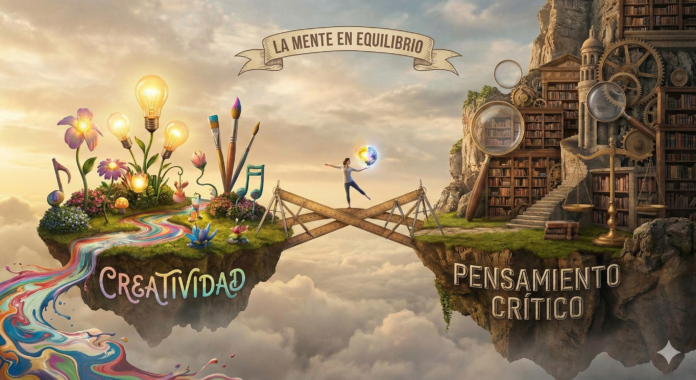
Creatividad y Pensamiento Crítico: Dos Fuerzas Fundamentales en la Práctica Artística

Creatividad y Pensamiento Crítico

Creatividad y Pensamiento Crítico: Dos Fuerzas Fundamentales en la Práctica Artística

En la historia del arte, la creatividad suele presentarse como un impulso misterioso, casi mágico, que permite al artista materializar mundos inéditos. Sin embargo, reducir la creación artística a un simple acto de inspiración espontánea ha sido una de las grandes simplificaciones del discurso cultural. La creatividad no surge en el vacío: se alimenta, se forma y se afina a través de un ejercicio intelectual esencial para cualquier artista serio—el pensamiento crítico.

A lo largo de los siglos, los movimientos artísticos más innovadores han surgido cuando la imaginación se ha encontrado con la capacidad de cuestionar, analizar y redefinir los límites de lo establecido. Desde las rupturas formales de las vanguardias europeas hasta los lenguajes contemporáneos que emergen en diálogo con la tecnología, el pensamiento crítico ha sido el motor que transforma la intuición en visión y la visión en obra.

La creatividad como proceso, no como mito

En el imaginario colectivo, la creatividad se asocia con la chispa repentina, el destello de genialidad, el “momento Eureka”. Pero los estudios sobre la práctica artística revelan que la creatividad es, sobre todo, un proceso sostenido. Requiere observación, acumulación de referentes, apertura a la experimentación y, especialmente, la capacidad de ver conexiones donde otros no las perciben.

El artista creativo no solo inventa imágenes; inventa relaciones. Combina materiales, discursos, símbolos y experiencias para generar nuevos significados. Sin embargo, ese proceso estaría incompleto sin la pregunta fundamental que acompaña a toda investigación crítica: ¿por qué?

El pensamiento crítico como fundamento de la obra “pura”

Hablar de “obras puras” no implica neutralidad ni ausencia de influencia, sino una profunda coherencia interna. Para alcanzar esa claridad, el artista debe ser capaz de analizar su propio proceso y el contexto en el que trabaja.

El pensamiento crítico permite:

  • cuestionar las narrativas dominantes del arte,
  • distinguir entre influencia y dependencia,
  • comprender las implicaciones culturales y filosóficas de cada decisión,
  • identificar los sesgos personales que moldean la mirada,
  • evaluar la validez de las fuentes e informaciones que circulan especialmente en la era digital.

En un mundo saturado de imágenes, opiniones y contenidos superficiales, el artista que no ejerce pensamiento crítico corre el riesgo de convertirse en repetidor, no en creador.

La relación entre información y criterio en la era digital

Hoy, investigar es un acto indispensable. Internet es un océano vasto, pero también engañoso. Para un artista —y para cualquier profesional del arte— la capacidad de analizar, filtrar y contextualizar la información es tan importante como la habilidad técnica.

El pensamiento crítico permite navegar ese mar sin naufragar en lo anecdótico o lo falso. También evita que la obra se convierta en una respuesta automática a tendencias efímeras. Un artista informado y crítico construye desde la raíz, no desde la imitación.

Creatividad + pensamiento crítico = visión artística

La creatividad abre puertas; el pensamiento crítico decide cuáles vale la pena cruzar.
La creatividad imagina posibilidades; el pensamiento crítico construye significado.
La creatividad inventa formas; el pensamiento crítico les da propósito.

Juntas, estas dos facultades forman la base de una práctica artística sólida, consciente y trascendente. Son las herramientas que permiten al artista no solo producir imágenes, sino contribuir a la cultura, cuestionarla y expandirla.

En un mundo donde abundan las voces pero escasean las reflexiones profundas, el artista que combina imaginación con lucidez se convierte en algo más que un creador: se convierte en un agente de claridad en medio del ruido.

Color y Percepción: La Experiencia Subjetiva de la Luz

Color y Percepción: La Experiencia Subjetiva de la Luz

Color y Percepción: La Experiencia Subjetiva de la Luz

El color no existe en el mundo físico de la misma manera que lo experimentamos. Lo que llamamos “color” es en realidad una construcción sofisticada de nuestro cerebro, una interpretación de diferentes longitudes de onda de luz que impactan nuestra retina. Esta realidad plantea una de las preguntas más fascinantes de la neurociencia y la filosofía: ¿experimentamos todos el color de la misma manera?

La Física del Color

Cuando la luz solar atraviesa un prisma, se descompone en el espectro visible que conocemos como arcoíris. Cada “color” corresponde a una longitud de onda específica: el rojo tiene ondas más largas (aproximadamente 700 nanómetros), mientras que el violeta tiene las más cortas (alrededor de 380 nanómetros). Pero estos números no tienen color en sí mismos, son simplemente frecuencias electromagnéticas viajando por el espacio.

El Mecanismo de la Percepción

Nuestros ojos contienen células especializadas llamadas conos, de las cuales tenemos tres tipos. Cada tipo es sensible a diferentes rangos de longitud de onda: uno responde principalmente al rojo, otro al verde y otro al azul. Cuando la luz entra en nuestro ojo, estos conos se activan en diferentes combinaciones y grados, enviando señales eléctricas al cerebro. Es en el córtex visual donde ocurre la verdadera magia: el cerebro interpreta estos patrones de activación neuronal y crea la experiencia consciente del color.

Variaciones en la Percepción

No todas las personas perciben el color de manera idéntica. El daltonismo, que afecta principalmente a los hombres, resulta de deficiencias en uno o más tipos de conos. Las personas con deuteranomalía, la forma más común, tienen dificultad distinguiendo entre rojos y verdes. Pero incluso entre personas con visión “normal” del color, existen variaciones sutiles en la percepción.

Un fenómeno particularmente intrigante es la tetracromatía, una condición en la que algunas personas, principalmente mujeres, poseen un cuarto tipo de cono. Estas personas pueden teóricamente distinguir hasta 100 millones de colores diferentes, comparado con el millón que percibe una persona típica. Para una tetracromática, un atardecer no es simplemente naranja y púrpura, sino una sinfonía de matices que el resto de nosotros ni siquiera podemos imaginar.

El Contexto lo es Todo

La percepción del color es profundamente contextual. El mismo tono puede parecer completamente diferente dependiendo de los colores que lo rodean, un fenómeno conocido como contraste simultáneo. El vestido que dividió internet en 2015, que algunas personas veían azul y negro mientras otras juraban que era blanco y dorado, demostró cómo nuestro cerebro hace suposiciones sobre la iluminación ambiental que afectan dramáticamente nuestra percepción del color.

Influencias Culturales y Lingüísticas

La forma en que categorizamos y nombramos los colores también está moldeada por nuestra cultura y lenguaje. Algunos idiomas tienen docenas de palabras para diferentes tonos de lo que nosotros simplemente llamaríamos “azul”, mientras que otros no distinguen lingüísticamente entre lo que nosotros llamamos “azul” y “verde”. Investigaciones sugieren que estas diferencias lingüísticas pueden influir en cómo percibimos y recordamos los colores, aunque el debate sobre hasta qué punto el lenguaje moldea la percepción continúa.

El Problema Filosófico del Qualia

Esto nos lleva a uno de los enigmas más profundos de la conciencia: el problema del qualia. ¿Cómo puedo saber si mi experiencia subjetiva del rojo es la misma que la tuya? Podríamos estar de acuerdo en llamar “rojo” a la misma longitud de onda de luz, pero la experiencia interna, la “rojedad” del rojo, podría ser completamente diferente para cada uno de nosotros. Este problema ilustra la brecha entre la descripción objetiva y la experiencia subjetiva, un abismo que la ciencia aún no ha logrado cerrar completamente.

Conclusión

El color revela la naturaleza colaborativa de la percepción. No es simplemente algo que está “ahí fuera” en el mundo, esperando ser descubierto. Es una construcción activa, una interpretación que nuestro cerebro crea a partir de datos sensoriales en bruto. Esta realidad no hace que el color sea menos real o menos importante; al contrario, nos recuerda que la experiencia consciente es uno de los fenómenos más extraordinarios del universo. Cada vez que admiramos un arcoíris o elegimos la pintura para una habitación, estamos participando en un proceso neural increíblemente complejo que transforma ondas electromagnéticas en la rica paleta de experiencias que dan color a nuestras vidas.

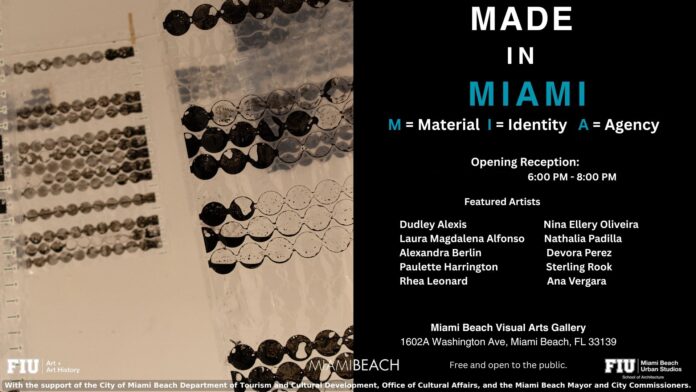
Made in Miami

Made in Miami
Made in Miami

Made in Miami

Thursday, Dec 18 2025 – 6 – 8 PM
1602A Washington Ave.
Miami Beach, FL 33139

Made in Miami is a group exhibition celebrating the city’s vibrant community of artists whose practices span installation, painting, experimental media, feminist perspectives, and explorations of place and culture. Opening on Tuesday, December 2, 2025, from 6–9pm, the exhibition will be on view through January 22, 2026.

Featuring the work of ten Miami artists, Dudley Alexis, Laura Magdalena Alfonso, Alex Berlin, Paulette Harrington, Rhea Leonard, Nina Ellery Oliveira, Nathalia Padilla, Devora Perez, Sterling Rook, and Ana Vergara, Made in Miami showcases the creativity and diversity of artists shaping Miami’s cultural landscape. Together, their works highlight the city as both a source of inspiration and a site of experimentation, dialogue, and exchange. Their practices span installation, painting, experimental media, feminist inquiry and reflections on place and culture, offering a multifaceted view of the city as both muse and laboratory.

The opening reception invites the community to connect directly with the artists and their practices, celebrating the collective energy that makes Miami’s art scene thrive.

A spotlight on Miami’s creative talent unfolds at the Miami Beach Visual Arts Gallery with Made in Miami, a group exhibition highlighting the breadth and vitality of the city’s contemporary art scene.

Made in Miami remains on view through January 22, 2026. The opening reception welcomes guests to meet the artists, explore their work firsthand and engage with the creative community that continues to shape Miami’s evolving cultural landscape.

Miami Beach Visual Arts Gallery

1602A Washington Ave.
Miami Beach, FL 33139

SPECTRUM MIAMI AND RED DOT MIAMI SHAPE THE FUTURE OF CONTEMPORARY ART

SPECTRUM MIAMI AND RED DOT MIAMI SHAPE THE FUTURE OF CONTEMPORARY ART

SPECTRUM MIAMI AND RED DOT MIAMI SHAPE THE FUTURE OF CONTEMPORARY ART

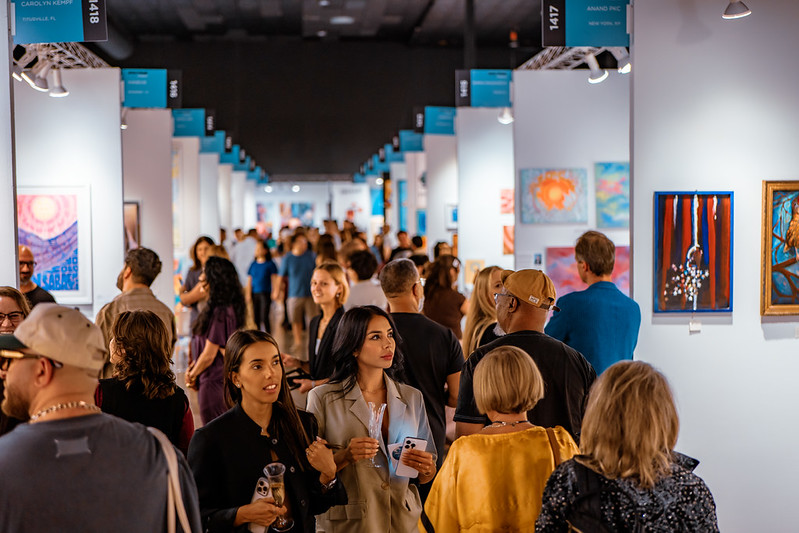
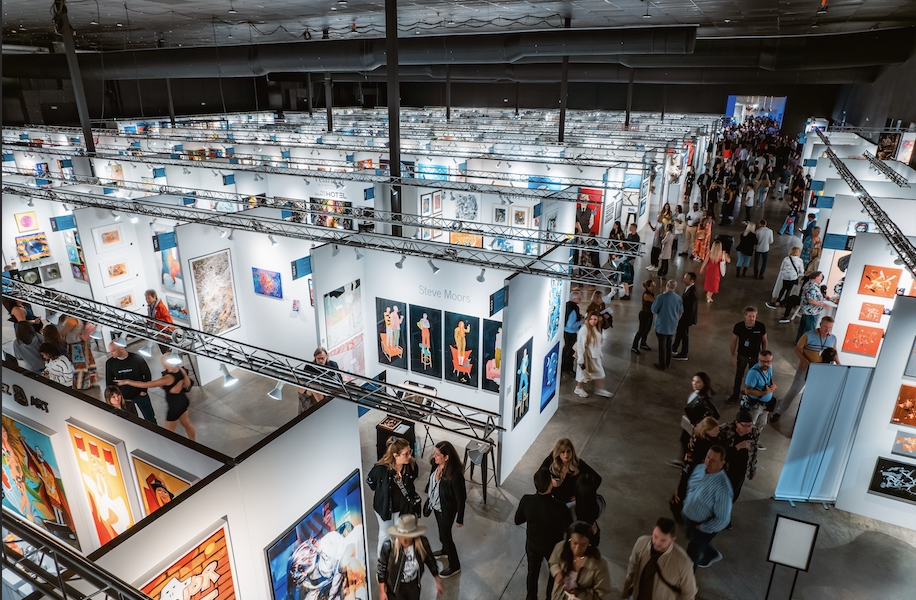
Spectrum Miami and Red Dot Miami celebrated its 15th year and 20th year respectively during Miami Art Week at Mana Wynwood Convention Center, December 3—7, with a five-day industry-fueled extravaganza that saw artists and collectors from around the world enjoying the latest innovations and trends the art world has to offer.

The annual Opening Night VIP Preview took place on Wednesday, December 3, presented by Empress 1908 Gin, with musical entertainment provided by DJ Joey Paradis. Thousands of the world’s most affluent art dealers, collectors, artists, gallery owners, curators and art enthusiasts attended the preview for a first look at the inspirational works by the more than 1,000 artists showcased by over 280 exhibitors from around the world. In addition to visiting two of the longest running fairs during Miami Art Week, avid art enthusiasts and industry leaders returned to enjoy [SOLO], highlighting established and independent emerging artists. 

“We saw a record attendance at this year’s fairs,” says Eric Smith, president of Redwood Art Group. “Spectrum Miami and Red Dot Miami had an increased number of activations for attendees to enjoy, including the Spectrum Taste District and our second edition of the Spectrum Art Theater that was a huge hit. Our diverse range of international exhibitors and featured artists included globally recognized celebrities, such as the late Ozzy Osbourne, who debuted his collection this year in collaboration with Save The Chimps—catching the attention of global media outlets such as Rolling Stone.  We’d like to thank all of our sponsors and partners and to everyone who attended the fairs for an extremely successful Miami Art Week. We look forward to welcoming everyone to Artexpo New York in April next year.”

This year’s program featured an extensive series of daily activities for attendees, that included the Spotlight Program, a focused look at several cutting-edge galleries and artists chosen by the Redwood Art Group selection committee; Art Labs, a series of outstanding projects by leading galleries, art institutions, and art collectives within the fair; Meet the Artists and Live Demonstrations, presenting an interactive experience—allowing attendees to get up-close-and-personal with the artists; and The Discoveries Collection, – selections of artwork chosen by the Spectrum Miami curatorial team that make up a group of amazing discoveries throughout the fair, each priced at $3,000 or less.

  • Spectrum FOCUS — an expanded Jason Perez Art Collective exhibit — presented an art experience and special gathering of outsider art, street, art, pop art, and urban art, complete with live painting demonstrations by some of today’s most innovative artists.
  • Save the Chimps unveiled the Ozzy Osbourne Collection with Save The Chimps, an interspecies collection that was in high demand throughout the fair and brought international media attention.  
  • The Spectrum Art Theater presented by the Better Days Foundation, featured daily live demonstrations by a lineup of talented artists including Mathilda, Ash Almonte, Jerry Rodriguez, Niccolo Uggioli, Shannon Kay, Peter Spacek, Andrew Curtiss and Elena Salova.
  • The new Spectrum Taste District featured LALO Tequila and Mabi Artisanal Tea, along with an art vending machine that was the first of its kind.

Artists and galleries received special honors as recipients of this year’s awards, as follows:

  • Spotlight Award: Alejandro Robles, Antoinette Schultze, Bula Barua, Charlotte Fonne, Alex Lanier
  • Directors’ Award: Jason Perez Art and Eric Von Seibert 
  • Best Booth Design: Peter Spacek and Yachman / IS Fine Art
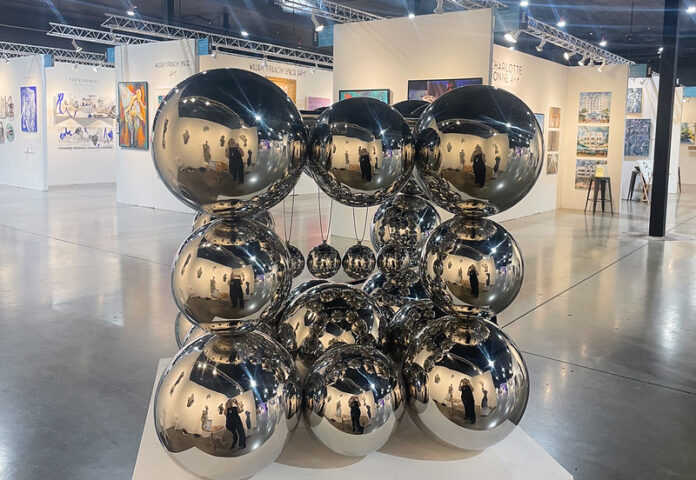
  • Sculpture Award: Prescott Studio, Antoinette Prien Schultze, and The Gift Promise
  • Award of Excellence: Casa Poidomani and Brinton Farrand 
  • Best New Exhibitor: Nirnur, Tarman Art, and Christian Burnham 
  • Best International Exhibitor: Eri Yoshida and Artistinct
  • Best [SOLO] Exhibitor: Taul Arts Studio, Fine Art Svitlana Glaser, and Luis Ros Art

Spectrum Miami exhibitors were thrilled by the strong turnout of collectors, with impressive sales, commissions, and notable placements by galleries and [SOLO] artists reported throughout the show. Here are some highlights from this year’s exhibitor sales:

  • Returning exhibitor Nutted a Bustsaw multiple sales once again this year, including The Echo Chamber, Two Sisters, among several others.
  • Brinton Farrand’s return to Spectrum resulted in placements of multiple prints, plus several of his iconic originals. 
  • Eric Von Seibertwas back for a third year and placed his new Mininaut, plus Hibiscus, Chromatic Heart, and took several commissions and other orders.
  • Chadwick Conceptssold 9 paintings and had the privilege of personally installing five of them at lovely condos in Edgewater and Miami Beach—all new collectors.
  • Brad Antifolkwas pleased to place his pieces, including Art is Sorry, Teenage Blues, What’s So Funny, Passion is Such a Delicate, I’m Gonna Explode, You Can Still Change, LIfe is Unusual, among others.
  • Luis Ros Artplaced his Re-Emergence on the first day for $15,000 with pending sales for other pieces.
  • First time exhibitor Antoinette Schultzeplaced one of her iconic sculpture, and a Long Island New York client is taking 2 indoor works and one large outdoor piece.
  • Marcy Stone’sPlayful Current, Free Flowing, and an Untitled piece  all found new homes.
  • Andrea Tarmanreported selling multiples of her innovative  resin Astronauts, plus Blooming Pages and other pieces. 
  • Charlotte Fonne was busy with sales both during and after the fair, totaling 9 pieces to date.
  • First time exhibitor Yachmann / IS Fine Art placed Ihoans Sebastian Lopez’s – Bullamong others and made great contacts for future sales.
  • Attendees were immersed on arrival in striking visuals through Art on View, setting the tone for the experience ahead.
  • Guests explored the elegance of the Empress Gin bar, before immersing themselves in Red Dot’s galleries, where End to End, K Art Projects USA, Artavita, and a mix of returning and new exhibitors celebrated creativity and global artistic expression.
  • Tony Pharo energized the End to End Gallery booth with his Unraveled Youth solo show and interactive activation, drawing crowds throughout the fair.
  • Kris and Angela Gebhardt returned to Booth 401 in the Gebhardt Gallery, with Angela’s oversized, striking pieces serving as the centerpiece. 
  • K Art Projects USA wowed visitors with their innovative Do Not Disturb installation, which stopped attendees in their tracks—and sent five pieces home with lucky collectors.
  • Red Dot’s Estrella Galicia Lounge was a great place to stop and decide which art piece was going home. 

Red Dot Miami featured galleries received special honors as recipients of this year’s awards, with the following winners:

  • Spotlight Award: John Denis, Nguyen Thanh Gallery, OSJ Art Factory, Scarcity Hub
  • Directors’ Award: K-Art Projects USA, End to End Gallery, AND Echelon Fine Art
  • Best Booth Design: AGI Booth and Perseus Gallery 
  • Sculpture Award: K-Art Projects USA – Juan Luis Perez and Trifecta Glass Art Lounge
  • Best New Exhibitor: Julia McLarin and Space G 
  • Best International Exhibitor: Gallery Steiner and Gallery Harang 
  • Award of Excellence: Drew Marc Gallery, MIDO Galeria, and Gebhardt Gallery 

Showcasing artwork that ranged from watercolors to sculpture, from mixed media to Street Art, here is a sampling of highlights from this year’s exhibitor sales:

  • End to End Galleryhosted Tony Pharo and had a sold exhibit with multiple pieces from his Unraveled Youth Collection along with multiple other placements.
  • Gebhardt Gallery placed several of Kris Gebhardt’s figurative paintings and a sculpture. One of Angela Gebhardt’s large mixed-media works sold before the fair opened, with two more placed during the event, followed by an additional sculpture order after the fair.
  • Famespace‘s Worthwhile Baggage sold multiple pieces including Treasure Box; Paulofame’s work was a hit placing several pieces, including Kobe, Michael Jackson, and Several other artists also placed their works in new collections.
  • SAB Gallery had their own booth for the first time and had a very successful fair showcasing a palette of women artists, including Paper Birdwell, who placed several pieces, Sabrina Evans’ Get Nakedalong with others, Anouk Vigneau placed multiple pieces, Leah Kirsch’s Waiting For a Sign, and several other artists’ works.
  • First time exhibitor Scarcity Hubfocused on artist Elena Salova’s amazing works and placed Green Dream and Stars, Stripes & Steel among others.
  • Mecenavie Gallerywas jumping with interest and placed multiple artists’ works. The most activity was with returning artist Eka Peradze’s Freedom Collection that sold multiple pieces over the five-day event.
  • Galeria Azur’sbooth was a busy place with collectors interested in multiple artists’ work. Zaima Zayed’s When Calm Embraced Me and Sara Lynn Green Soul Burst and Soul Dialogue went to new collections along with several other pieces.
  • K-Art Projects USA’sDo Not Disturb installation resulted in 10 pieces placed; Carmine Billardello placed two of his Love Collection installation; Evangeline Ang’s installation is also enjoying a new home; three commissions were taken for the artist Dabers; and other featured artists also sold. 
  • It was a knock out success for  They placed several originals, plus multiple prints.
  • Dane Fine Art was pleased that Frank Stella’s Exotic Birds and Brainwash’s Flowerfound new homes, along with other great placements.

Spectrum Miami and Red Dot Miami have grown to become the ultimate destination for the fine art industry professional and contemporary art enthusiast who collectively seek a more accessible experience with exhibits showcasing the world’s most progressive portfolios by some of today’s elite artists, galleries, and emerging talents, with tens of thousands of art aficionados and collectors flocking to see the artwork of more than 1,000+ artists showcased by over 280 exhibitors.

SPECTRUM MIAMI AND RED DOT MIAMI SHAPE THE FUTURE OF CONTEMPORARY ART

Spectrum Miami and Red Dot Miami will return next year to the Mana Wynwood Convention Center, from December 2—6, 2026.For more information, visit redwoodartgroup.com/spectrum-miami/ and redwoodartgroup.com/red-dot-miami/.

About Spectrum Miami

Now in its 15th year, Spectrum Miami, a curated contemporary art fair held at Mana Wynwood, takes place annually in December as part of the popular Miami Art Week. Spectrum Miami is where contemporary meets extraordinary, featuring the works of more than 200 exhibiting galleries and artists from the Florida region and around the globe. The five-day show attracts more than 40,000 visitors and high-net-worth collectors who interact with the specially curated programming, while celebrating the fine art experience with music, entertainment, and other special events. Spectrum Miami has emerged as one of the best-attended cultural events in Miami by highlighting thousands of innovative works among Miami’s top talent. For more information about Spectrum Miami, visit redwoodartgroup.com/spectrum-miami/.

About Red Dot Miami

Now in its 20th year, Red Dot Miami, a curated gallery-only contemporary art fair located in Mana Wynwood, takes place annually in December as part of the popular Miami Art Week. Red Dot Miami features up to 75 modern and contemporary galleries representing over 500 leading contemporary artists from primary and secondary markets throughout the world. The five-day fair attracts more than 40,000 visitors and high-net-worth collectors who interact with the specially curated programming. Red Dot Miami has enriched the city’s arts scene beyond measure since its inception in 2006, becoming one of the leading satellite shows during Miami Art Week. For more information about Red Dot Miami, visit redwoodartgroup.com/red-dot-miami/

About Redwood Art Group

Since 2009, Redwood Art Group (RWAG) has been revolutionizing the global fine art community by helping artists and gallery owners grow their businesses through fine art exhibitions and publications, art business education, mentoring, marketing, and social media. Today, RWAG owns and operates fine art fairs across the country: Artexpo New York, Spectrum Miami, Art San Diego, Art Santa Fe, Red Dot Miami and the newly installed Artexpo Dallas. Artexpo New York, the world’s largest fine art trade show for 47 years and counting, attracts more than 20,000 art enthusiasts, including nearly 5,000 industry buyers. Spectrum Miami and Red Dot Miami take place during Miami Art Week, an annual attraction that draws over 150,000 art collectors to the city. Over the past fifteen years, RWAG has welcomed hundreds of thousands of visitors to their events, sold millions of dollars’ worth of art, and helped thousands of unrepresented and established artists launch or grow their careers. Aside from hosting multiple high-end art shows throughout the year, RWAG also owns Art Business News. For more information, visit redwoodartgroup.com

PANTONE 11-4201 Cloud Dancer: Exploring the 2026 Color Palettes

PANTONE 11-4201 Cloud Dancer: Exploring the 2026 Color Palettes

PANTONE 11-4201 Cloud Dancer: Exploring the 2026 Color Palettes

By Laurie Pressman
Vice President, Pantone Color Institute™
December 4, 2025

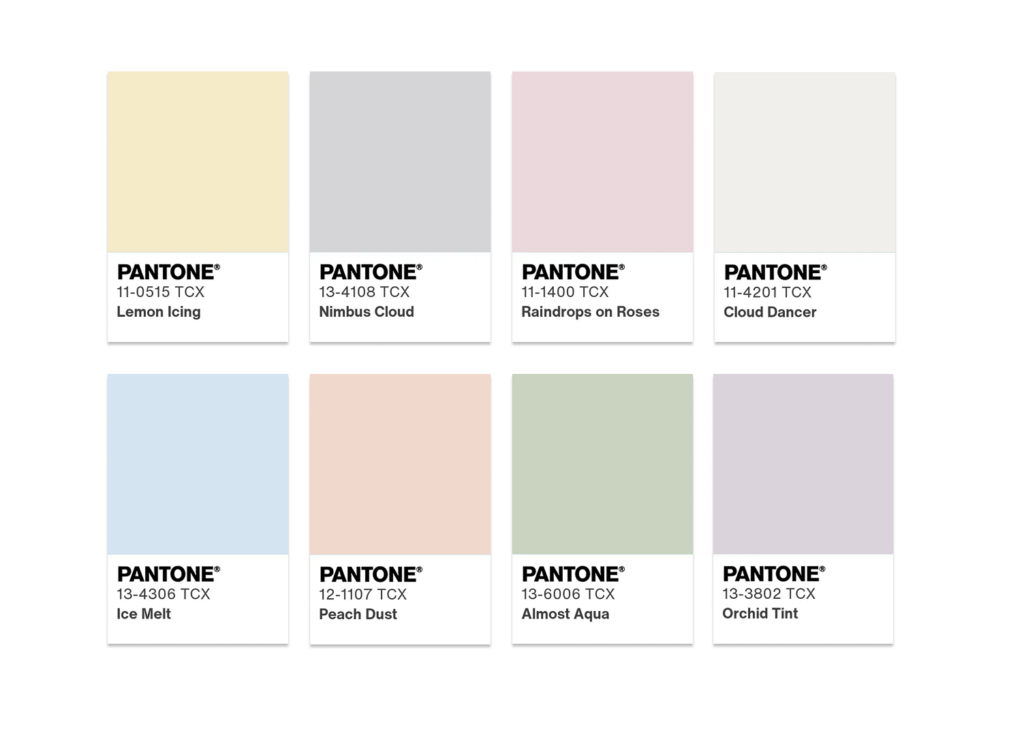
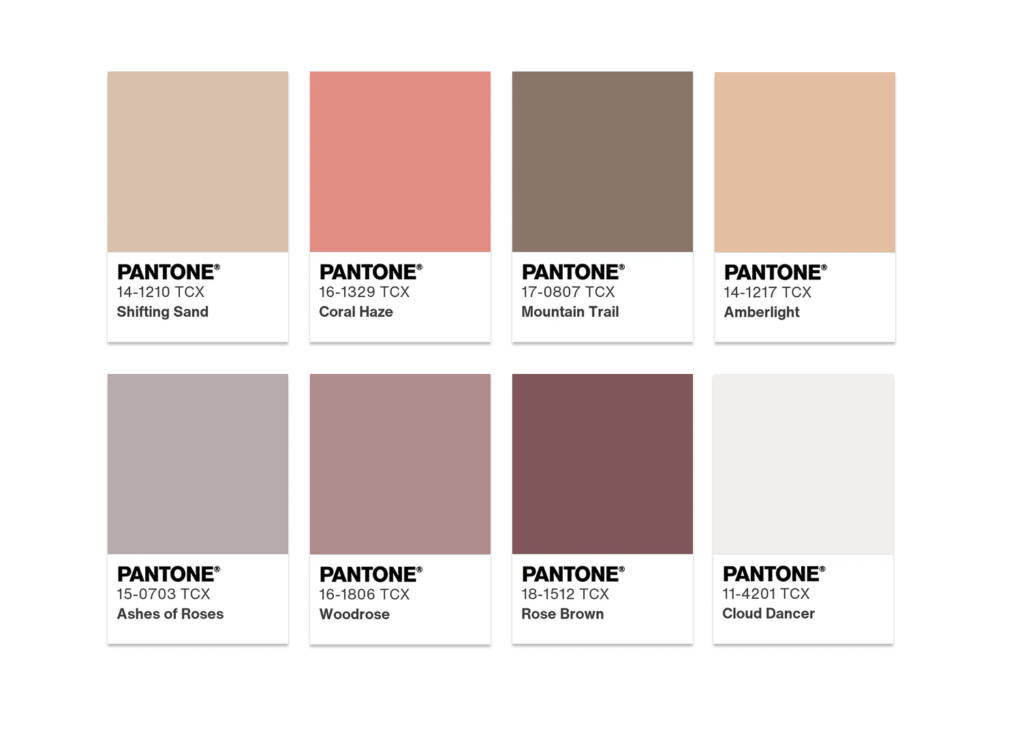
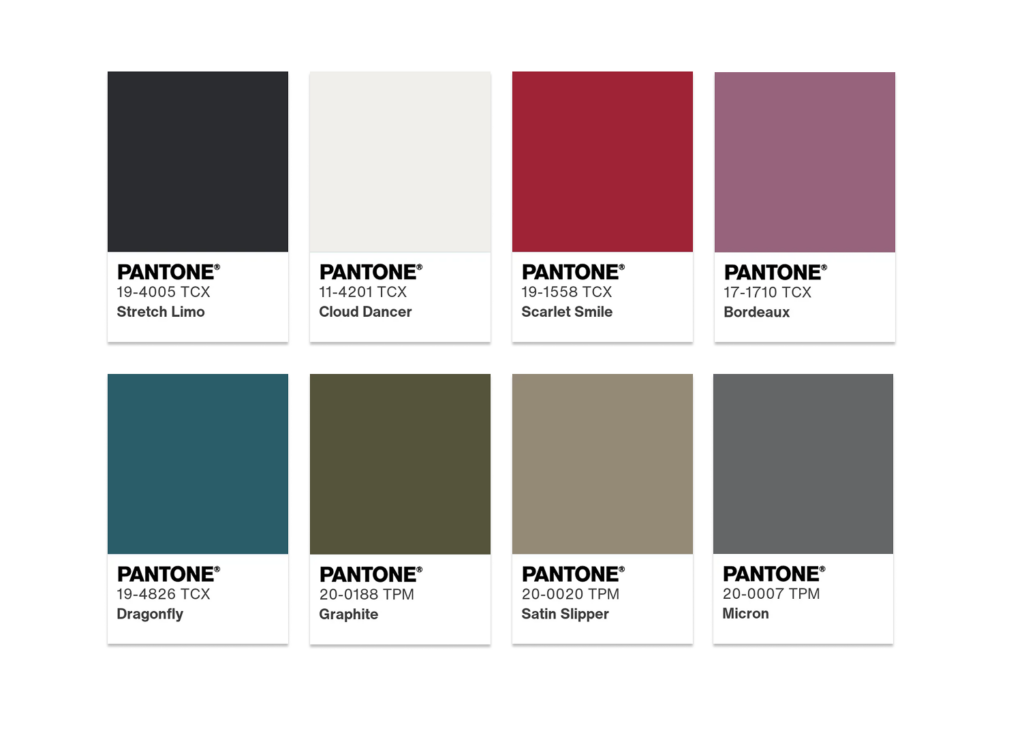
As we welcome PANTONE 11-4201 Cloud Dancer as the Pantone Color of the Year 2026, designers across industries are invited to embrace its subtle yet expressive energy. A diaphanous white with a soft, airy presence, Cloud Dancer is both grounding and elevating—a neutral that speaks with emotion.

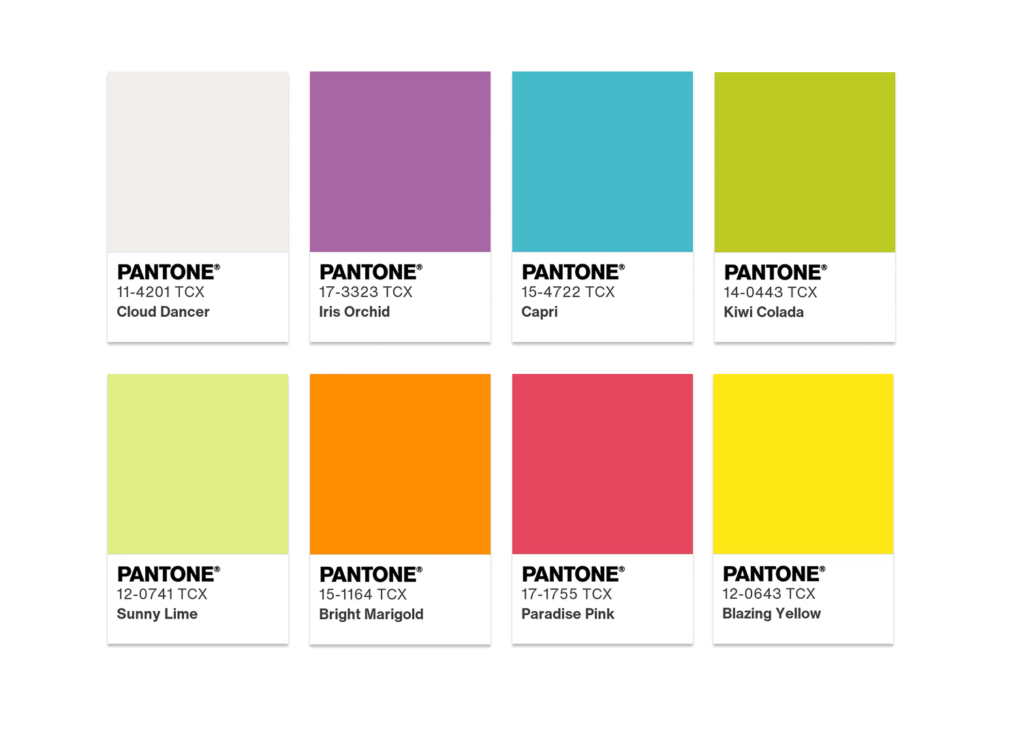
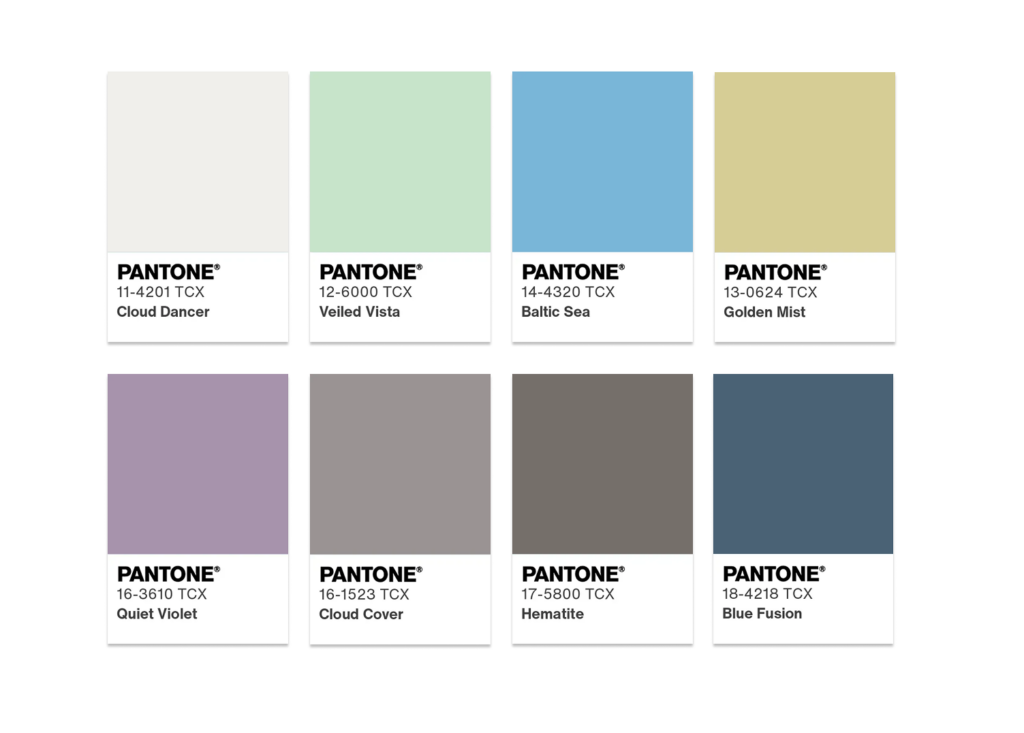
To inspire your creative process, the Pantone Color Institute™ has developed seven distinct palettes that integrate Cloud Dancer into diverse moods and applications. Whether you’re working in fashion, beauty, interiors, product design, or digital media, these palettes offer a bridge between clarity and imagination.

Each color story below includes curated harmonies available via Pantone Connect, making it easy to explore, download, and apply these palettes to your own work.

1. Powdered Pastels

A blend of gentle neutrals and pastels offers Cloud Dancer a soft landing. The effect is quiet, nuanced, and deeply calming—perfect for wellness, minimal fashion, or serene interiors.

Mood: Subtle, calming, and refined
Palette Vibe: Creams, blushes, soft lavenders, muted sage.

2. Take a Break

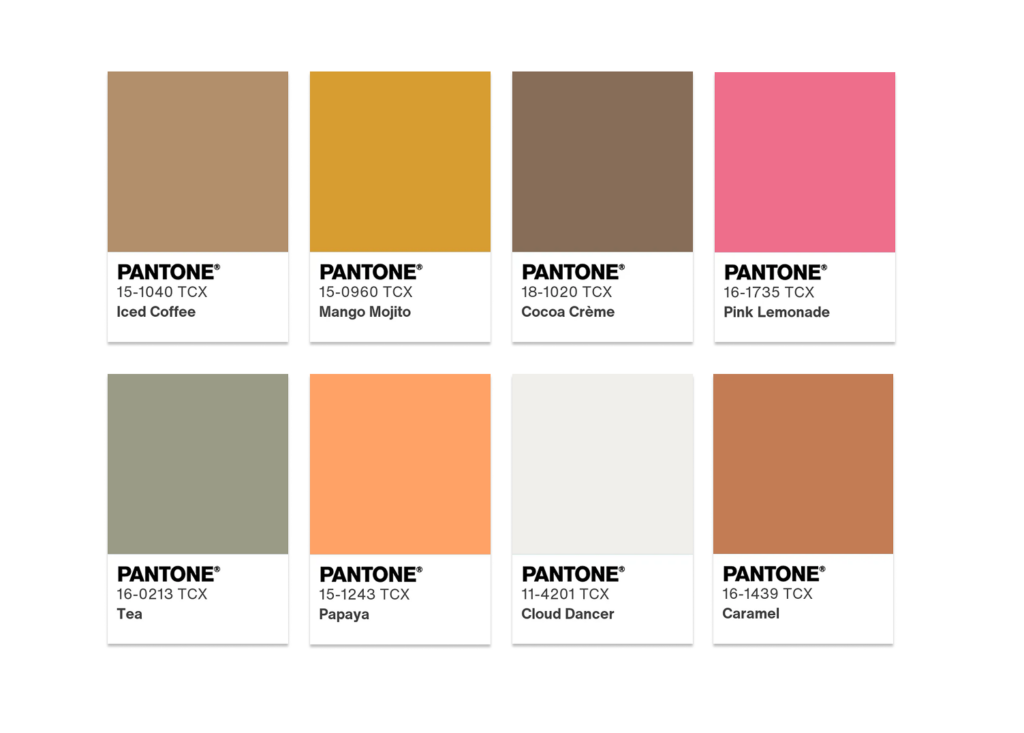
A playful and flavorful mix of colors inspired by sweet treats and tropical drinks. Cloud Dancer adds lightness to a palette bursting with personality—from Papaya and Pink Lemonade to Caramel, Cocoa Crème, and even Mango Mojito.

Mood: Lighthearted, indulgent, spontaneous
Palette Vibe: Fruity pastels, creamy browns, vivid coral

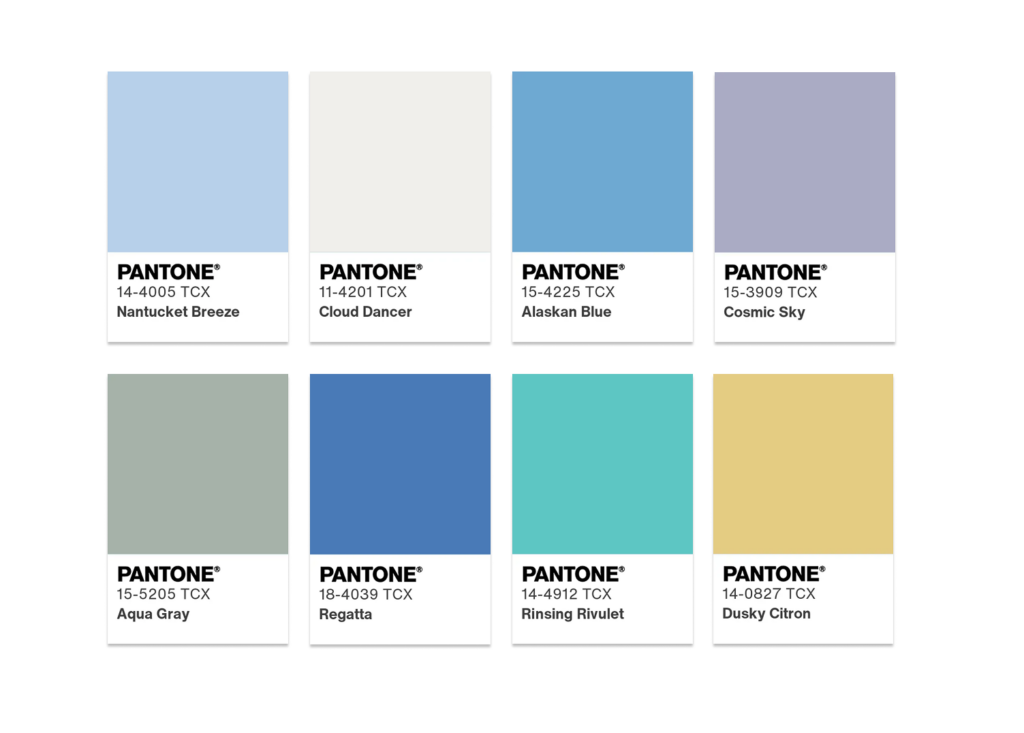
3. Atmospheric

Cloud Dancer floats through misty skies, breezy blues, and deep, watery greens in this elevated and meditative palette. Ideal for ethereal design and nature-inspired environments.

Mood: Uplifting, ethereal, and introspective
Palette Vibe: Gray skies, oceanic greens, pale sunlight

4. Comfort Zone

Rooted in nature, this palette surrounds Cloud Dancer with organic, earthy tones. It’s about emotional warmth, connection, and creating safe spaces—perfect for wellness brands, home decor, and lifestyle design.

Mood: Grounded, restorative, and nurturing
Palette Vibe: Clay, sand, moss, soft brown-greens

5. Tropic Tonalities

Imagine a tropical escape, and Cloud Dancer becomes the gentle cloud above a sea of bold huesturquoise waters, vibrant florals, zesty citrus, and radiant sun. A palette for designs that celebrate life.

Mood: Joyful, lively, and adventurous
Palette Vibe: Teal, flamingo pink, mango, ocean blue

6. Light & Shadow

This elegant, contrast-rich palette embraces the grayscale with softened colors fading into deeper tones. Cloud Dancer brings in the light—creating dimension and sophistication.

Mood: Minimalist, modern, balanced
Palette Vibe: Dusty mauves, deep charcoal, soft shadows

7. Glamour & Gleam

Black and white meet glamour in this bold and luxurious palette. Cloud Dancer plays the role of light against rich reds, teals, wine tones, and shimmering metallics. Ideal for high-fashion or editorial design.

Mood: Dramatic, glamorous, vintage-inspired
Palette Vibe: Lipstick red, graphite, vintage wine, silver satin

Designing with Cloud Dancer in 2026

Whether you lean toward serenity or boldness, natural or expressive palettes, Cloud Dancer adapts with grace. It acts as a soft neutral, a background, or a central note—bringing clarity and emotion into every composition.

Explore these palettes in detail and apply them to your projects via Pantone Connect, where you’ll find downloadable harmonies, tools, and applications for every creative discipline.

Start designing with Cloud Dancer today.
Discover Pantone Connect

Mateo Blanco: Art as a Mirror of the Human Spirit

Mateo Blanco

Mateo Blanco: Art as a Mirror of the Human Spirit

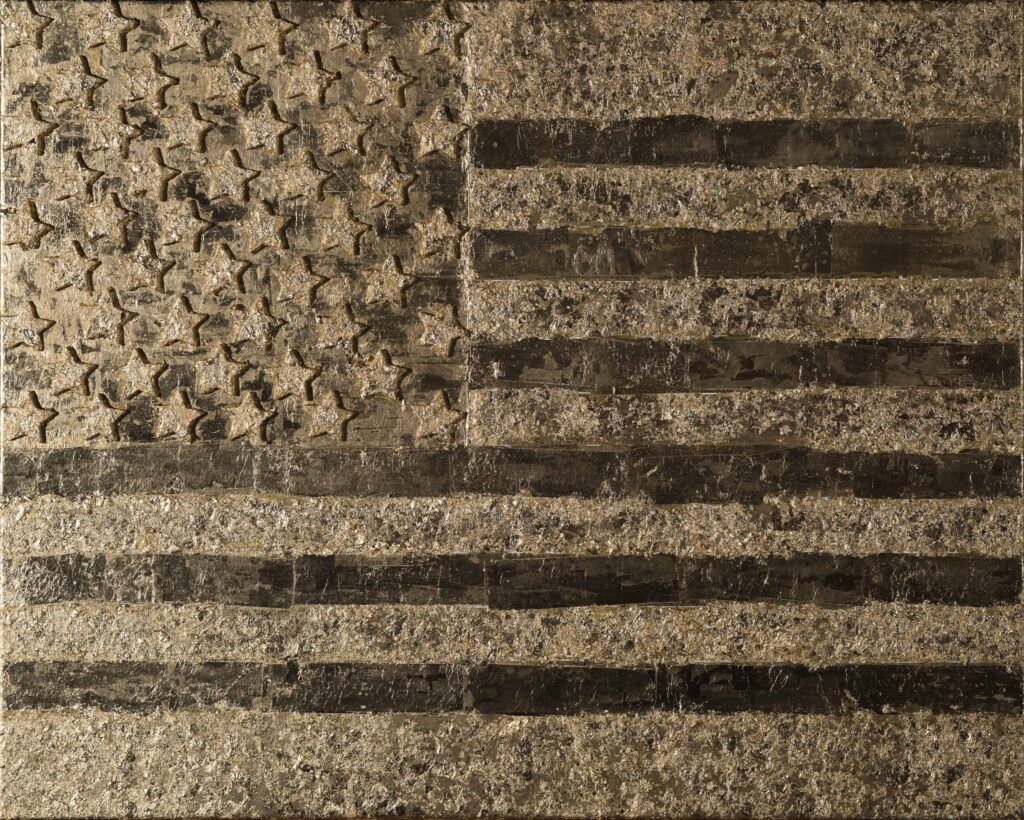
In this powerful conversation, multidisciplinary artist Mateo Blanco opens a window into the emotional and philosophical depths of his creative practice. Known for pushing the boundaries of material and meaning, Blanco discusses how memory, identity, and transformation shape his visual narrative. He reflects on the influence of historical figures like Débora Arango and Jasper Johns, and how both Colombian and American cultural legacies fuel his evolving body of work.

From his fascination with flags as symbols of freedom to an upcoming series inspired by the Statue of Liberty, Blanco shares how art becomes both mirror and messenger—a tool for healing, questioning, and preserving truth. This interview reveals an artist grounded in discipline, driven by vision, and committed to using creativity as a lifelong dialogue between personal experience and collective history.

AMM. What does the visual narrative communicate to us?

MB. The visual narrative communicates a quiet but powerful dialogue between memory, identity, and transformation. Through layered forms, subtle tensions, and intentional silences, the work invites the viewer to slow down and feel rather than immediately understand. It suggests that meaning is not fixed, but revealed over time—through looking, remembering, and emotionally engaging. The narrative becomes an open space where personal and collective histories intersect, allowing each viewer to complete the story from their own inner experience.

AMM. Does art help you in other areas of your life? If so, which ones?

MB. Yes. Art helps me in every area of my life. It sharpens the way I observe the world, teaches me patience, and reminds me to listen—both to others and to myself. Through art, I’ve learned discipline, resilience, and how to embrace uncertainty without fear. It guides the way I think, how I make decisions, and how I relate to people. Art is not separate from my life; it’s the lens through which I understand it, heal through it, and grow beyond it.

AMM. How do you develop your artistic skills?

MB. I develop my artistic skills through constant observation, discipline, and deep respect for those who came before me. I learned profoundly from Débora Arango, a true pioneer of modern art in Colombia, whose courage, honesty, and freedom taught me that art must be fearless and truthful. Her legacy showed me that technique is important, but integrity and conviction are essential.

I also visit museums regularly to study the best of the best—masterpieces that set the highest standards of excellence. Standing in front of great works allows me to learn directly from history, to understand composition, strength, silence, and intention. Combined with daily practice and self-reflection, this dialogue between past masters and my own experience continues to shape and refine my artistic voice.

AMM. What motivates you to create, and where do you find inspiration?

MB. I’m motivated by an inner necessity to understand life and human emotion through art. America is a huge inspiration for me—its ideas of freedom and identity are why I’m known for creating art with all kinds of materials, especially my flags, which are a constant source of inspiration. I’ve been influenced by artists like Jasper Johns and Débora Arango, and next year I’ll create a special series inspired by the Statue of Liberty to celebrate 250 years of America independence, with new flags and works centered on liberty.

AMM. Describe why art is important to society.

MB. Art is essential to society because it preserves memory, questions power, and gives voice to what cannot be said with words alone. It reflects who we are, challenges us to think deeper, and helps us see one another with greater empathy. Art is not decoration—it is consciousness, freedom, and a mirror that allows society to understand itself and imagine a better future.

AMM. How do you see yourself?

MB. I see myself as a student of life and history, someone in constant evolution. I’m an observer, a listener, and a creator who carries responsibility—toward memory, culture, and truth. I don’t see myself as separate from society, but as part of its dialogue, using art as a way to question, preserve, and give meaning to the human experience.

AMM. What advice can you give to young artists?

When I was a child, I visited museums and saw beautiful works of art, and I dreamed of one day seeing my own art there. Today, I see that dream fulfilled—my work is displayed in museums across the United States and around the world. That experience taught me something powerful: dreams are real when you commit to them.

My advice to young artists is this—believe deeply in your vision and protect it with discipline. Nothing meaningful happens without persistence, sacrifice, and honesty. Every time I see my work in a museum, I remember that child I once was and I’m reminded that consistency and faith turn imagination into reality. Create with purpose, work with rigor, and aim to make something that truly inspires people. If you believe in your dream and work for it relentlessly, anything is possible.

Mateo Blanco

Larissa Linhares: A Dialogue Between Life and Art

Larissa Linhares

Larissa Linhares: A Dialogue Between Life and Art

In this intimate interview, the artist opens up about the deep connection between creativity, spirituality, and personal growth. Through thoughtful reflections, they explore how art becomes a vehicle for truth, memory, and healing—not only for the artist but for society as a whole. Their words invite us to consider art not just as expression, but as a sacred, lifelong journey of meaning, identity, and connection.

AMM. What does the visual narrative communicate to us?

LL. My visual narrative communicates inner truth, memory, and connection. It speaks about identity, spirituality, and lived experience, inviting the viewer to pause, reflect, and feel beyond images.

AMM. Does art help you in other areas of your life?

LL. Yes, profoundly. Art supports my mental, physical, and spiritual life. It gives me a way to express myself and to understand my inner world. Through my art, I connect with God and the Universe. There is a sacred and intimate relationship between my creative practice and my spiritual journey.

AMM. How do you develop your artistic skills?

LL. Since childhood, I have felt different. I was a philosophical child who questioned the world and searched for deeper meaning. I felt a strong connection with nature and the sky, and this sensitivity shaped my artistic development. Over time, life itself became my teacher.

What motivates you to create, and where do you find inspiration?

My motivation comes from my life and my history. I draw inspiration from my people, my experiences, nature, and spirituality. My art is my living history—it evolves as I evolve.

AMM. Why is art important to society?

LL. Art is vital. We live in a fast, urgent, and digital world. Art asks us to slow down, to reflect, and to reconnect with ourselves and others. It brings hope, encourages critical thinking, transmits energy, and creates space for introspection and healing.

AMM. How do you see yourself as an artist?

LL. I see myself exhibiting in museums, presenting solo exhibitions, and building a permanent body of work, having my own study. I also see myself in dialogue with other artists and people, sharing ideas, experiences, and collective growth.

AMM. What advice would you give to young artists?

LL. Don’t give up. If you love art, continue and persist. The world will always need artists—not only to create beauty and inner thinking, but to help humanity survive and evolve through the next millennia.

Art Canvas

Art Canvas
Art Canvas

Art Canvas

Conservation and Maintenance of Canvas Art: Historical Development and Contemporary Practice

Abstract

The preservation of canvas paintings represents one of the most critical challenges in art conservation. This article examines the evolution of conservation practices for canvas-based artworks, from early interventionist approaches to contemporary preventive conservation strategies. By exploring the historical development of maintenance techniques, material science innovations, and ethical frameworks that guide modern practice, this study provides a comprehensive overview of how the field has transformed our understanding of artistic preservation while addressing the ongoing tension between maintaining historical integrity and ensuring long-term stability.

Introduction

Canvas has served as the primary support material for paintings since the Renaissance, offering artists portability, scale, and textural possibilities that rigid panels could not provide. However, the organic nature of canvas—typically linen, cotton, or hemp—makes it inherently vulnerable to environmental fluctuations, mechanical stress, and chemical degradation. The maintenance and conservation of canvas paintings therefore demands both technical expertise and philosophical consideration of what it means to preserve cultural heritage across centuries.

The field of art conservation has undergone dramatic transformation over the past two centuries, shifting from craft-based practices passed down through apprenticeships to scientifically grounded methodologies informed by materials science, chemistry, and ethics. This evolution reflects broader changes in how societies value and conceptualize art objects, moving from viewing paintings as renewable commodities to recognizing them as irreplaceable cultural documents.

Historical Development of Canvas Conservation

Early Practices (16th-18th Centuries)

The earliest approaches to canvas maintenance were largely pragmatic and often destructive by contemporary standards. When paintings deteriorated, artists or craftsmen would transfer the paint layer to a new support, strip away darkened varnishes with caustic materials, or overpaint damaged areas without documentation. These interventions prioritized aesthetic appearance over material authenticity, reflecting a worldview in which the image held greater value than the physical object itself.

During the 17th century, the practice of lining—adhering a deteriorated canvas to a new support fabric—emerged as a response to structural failures in aging paintings. Early lining techniques employed animal glue adhesives and required heating the painting, often causing additional damage through the application of excessive heat and pressure. The Pettenkofer method, developed in the 19th century, attempted to regenerate aged varnishes through alcohol vapors but frequently resulted in blanching and further deterioration.

The Emergence of Professional Conservation (19th-20th Centuries)

The 19th century witnessed the professionalization of art conservation, though practices remained heavily interventionist. Museums began employing dedicated restorers, yet the field lacked standardized training or ethical guidelines. The controversial 1947 cleaning of paintings at the National Gallery in London sparked public debate about the appropriate extent of intervention, ultimately leading to greater transparency and the development of conservation ethics.

Post-World War II reconstruction efforts and growing museum collections created urgent demand for systematic conservation approaches. The establishment of the International Institute for Conservation (IIC) in 1950 and the formation of professional organizations worldwide marked a turning point toward scientific methodology and ethical standards. Conservation emerged as a distinct discipline requiring specialized education combining art history, chemistry, and practical skills.

The Preventive Conservation Revolution (Late 20th Century-Present)

Beginning in the 1970s, the conservation field experienced a paradigm shift toward preventive conservation—controlling environmental conditions to minimize deterioration rather than relying solely on interventive treatments. This approach recognized that every treatment, however skillful, alters the original artwork and that prevention represents the most ethical and cost-effective strategy for long-term preservation.

The development of climate control systems, improved lighting technologies, and sophisticated monitoring equipment transformed museum environments. Research into the mechanisms of canvas deterioration—including the role of relative humidity fluctuations, light exposure, and pollutants—provided scientific justification for environmental standards. The concept of “minimal intervention” gained prominence, with conservators prioritizing reversible treatments and comprehensive documentation.

Materials Science and Canvas Degradation

Canvas Structure and Composition

Traditional canvas supports consist of woven plant fibers, predominantly linen (from flax) or cotton, chosen for their strength, flexibility, and relatively fine weave. The canvas undergoes sizing with animal glue or other materials to reduce absorbency before receiving a ground layer—typically lead white or gesso—that provides a smooth, white surface for paint application. This multilayered structure creates a complex system in which each component responds differently to environmental conditions and aging.

At the molecular level, canvas fibers comprise cellulose polymers that undergo hydrolysis and oxidation over time, leading to embrittlement and loss of mechanical strength. The rate of degradation depends on numerous factors including fiber quality, processing methods, environmental exposure, and the chemical composition of applied materials. Research using techniques such as scanning electron microscopy and Fourier-transform infrared spectroscopy has revealed the mechanisms by which canvas deteriorates at microscopic and molecular scales.

Mechanisms of Deterioration

Canvas paintings face multiple deterioration pathways that often interact synergistically. Physical damage includes tears, punctures, and deformations caused by handling, transport, or structural failures. Environmental factors—particularly fluctuations in relative humidity—cause dimensional changes in hygroscopic canvas fibers, leading to cyclic stress on the paint layer and potential cracking or flaking. Sustained humidity extremes can trigger mold growth or complete fiber breakdown.

Chemical degradation proceeds through oxidation reactions accelerated by light exposure, atmospheric pollutants, and acidic compounds migrating from backing boards or frames. The ground layer, often containing lead compounds, can undergo chemical transformations that affect adhesion and optical properties. Paint layers themselves may develop brittleness, while varnishes oxidize and cross-link, becoming insoluble and discolored. Understanding these complex degradation pathways has enabled conservators to develop targeted prevention and treatment strategies.

Contemporary Conservation Methodologies

Examination and Documentation

Modern conservation begins with comprehensive examination using both traditional connoisseurship and advanced imaging technologies. Visual inspection under various lighting conditions reveals surface condition, previous interventions, and areas of concern. Raking light emphasizes surface texture and deformations, while ultraviolet illumination causes certain materials to fluoresce, revealing varnish layers and retouching.

Advanced imaging techniques have revolutionized conservation examination. X-radiography penetrates paint layers to reveal canvas condition, previous repairs, and compositional changes. Infrared reflectography visualizes underdrawing and pentimenti—artist’s alterations hidden beneath paint layers. Digital microscopy enables detailed documentation of paint structure and deterioration patterns. These non-invasive methods provide crucial information for treatment planning while creating permanent records of the artwork’s condition.

Structural Treatments

When structural intervention becomes necessary, contemporary conservators employ methods designed to provide support while minimizing alteration to original materials. Strip-lining—adhering fabric strips around canvas edges—can stabilize minor weaknesses without fully lining the painting. When full lining proves unavoidable, conservators use modern adhesives such as BEVA film (a synthetic thermoplastic resin) that can be activated at lower temperatures than traditional glue-paste methods and remain more reversible.

Increasingly, conservators explore alternatives to traditional lining. Loose-lining techniques attach a new canvas to the stretcher behind the original without adhering the two fabrics together, providing support through mechanical rather than adhesive means. For severely compromised canvases, conservators may employ localized consolidation using reversible adhesives applied only where necessary, respecting the principle of minimal intervention.

Surface Cleaning and Retouching

Cleaning represents one of the most sensitive and controversial aspects of canvas conservation. Varnish removal requires careful testing to identify appropriate solvents that dissolve deteriorated coatings without affecting original paint. Conservators employ polarity charts and systematic testing protocols to select cleaning systems, working under magnification with swabs dampened in precisely formulated solutions.

Contemporary retouching philosophy emphasizes reversibility and distinguishability. Conservators use stable, removable paints—typically synthetic resins such as urea-aldehydes or MSA (mineral spirit acrylic)—to reintegrate losses. Retouching approaches range from visible textured fills to illusionistic compensation that becomes apparent only under magnification or ultraviolet light, with the chosen method reflecting the artwork’s function and institutional philosophy.

Environmental Control and Preventive Strategies

Climate Management

Modern museums maintain sophisticated environmental monitoring and control systems designed to provide stable conditions that minimize deterioration. The widely accepted standards of 50% relative humidity (±5%) and 20-21°C temperature reflect research into optimal conditions for mixed collections, though conservators increasingly recognize that paintings may tolerate broader ranges if fluctuations occur gradually.

Recent research challenges the paradigm of strict environmental control, suggesting that gradual seasonal variations may be less damaging than mechanical systems hunting to maintain narrow setpoints. The concept of “appropriate” rather than “ideal” conditions acknowledges economic realities and recognizes that excessive climate control can itself pose risks, including mechanical system failures. This more nuanced approach considers object-specific needs, building capabilities, and sustainability concerns.

Light Management and Display Considerations

Light exposure causes irreversible photochemical degradation of both paint and support materials, making illumination management critical for preservation. International standards recommend limiting cumulative light exposure while maintaining appropriate visibility for viewing. Museums typically employ low light levels (50-200 lux) for paintings, with particularly light-sensitive works displayed in reduced lighting or temporary exhibitions.

Light-emitting diode (LED) technology has transformed museum lighting by providing energy-efficient illumination with minimal infrared and ultraviolet emissions. Modern display cases and gallery spaces incorporate UV-filtering glazing, while motion-activated lighting systems reduce cumulative exposure in storage areas. Some institutions implement “light budgets” that calculate allowable exposure time for vulnerable works, rotating displays to distribute photochemical damage across collection items.

Integrated Pest Management

Organic canvas materials remain vulnerable to biological attack by insects, rodents, and microorganisms. Contemporary integrated pest management (IPM) programs employ monitoring, environmental control, and physical barriers rather than relying on toxic pesticides. Regular inspection using traps and visual surveys enables early detection, while maintaining appropriate relative humidity levels (below 65%) inhibits mold growth and reduces insect activity.

When infestations occur, conservators employ targeted treatments including anoxic environments (oxygen-free chambers that asphyxiate insects), freezing protocols, or localized pesticide application. These methods avoid whole-building fumigation with toxic compounds that can damage artworks and pose health risks. Preventive strategies including quarantine procedures for incoming objects and maintaining clean, monitored environments have proven more effective than reactive chemical treatments.

Ethical Frameworks in Contemporary Practice

The Principle of Reversibility

Reversibility has emerged as a cornerstone ethical principle in art conservation, mandating that treatments should not prevent future intervention or preclude alternative approaches as knowledge advances. While absolute reversibility remains impossible—any treatment alters the object to some degree—conservators strive to employ materials and methods that can be safely removed or modified without causing damage.

This principle influences material selection, with conservators favoring synthetic adhesives and consolidants that can be dissolved in relatively mild solvents over irreversible natural products. Documentation practices ensure that future conservators understand previous interventions and can make informed decisions about subsequent treatments. The reversibility principle reflects humility about the limits of current knowledge and respect for the rights of future generations to access cultural heritage.

Respect for Original Materials and Artist Intent

Contemporary conservation ethics emphasize preserving original materials as primary documents carrying historical and aesthetic information. This perspective contrasts with earlier practices that viewed paintings primarily as images rather than artifacts. Conservators now recognize that canvas texture, brushwork, material choices, and even the evidence of aging contribute to a painting’s meaning and historical value.

Determining and respecting artist intent presents complex challenges, particularly for works that artists expected to change over time or that employ inherently unstable materials. Recent research into artists’ techniques, interviews with living artists, and examination of technical treatises inform conservation decisions. However, conservators acknowledge that perfect restoration to original appearance remains impossible and often undesirable, as attempts to reverse natural aging can destroy historical information and aesthetic qualities that have developed over time.

Balancing Preservation and Access

Museums and conservators continuously negotiate the tension between preserving artworks for future generations and making them accessible for study and enjoyment today. Every display, loan, or handling event carries risk, yet objects locked away serve no social function. Contemporary practice seeks sustainable equilibrium through risk assessment, improved handling protocols, and digital surrogates that enable remote access without endangering originals.

The COVID-19 pandemic accelerated adoption of digital imaging technologies that provide high-resolution access to artworks, reducing the need for physical loans and enabling virtual exhibitions. However, conservators and curators recognize that direct engagement with original objects remains irreplaceable for aesthetic experience and scholarly research. Balancing these competing demands requires ongoing dialogue among stakeholders including conservators, curators, educators, and communities with cultural connections to collection objects.

Recent Advances and Future Directions

Nanotechnology and Advanced Materials

Recent research explores nanotechnology applications in conservation, including nanoparticle consolidants that penetrate deeply into degraded canvas fibers and nano-structured cleaning systems that remove unwanted materials while protecting original surfaces. These technologies promise greater efficacy with reduced risk, though conservators approach new materials cautiously, requiring extensive testing before widespread adoption.

Advanced polymers developed specifically for conservation applications offer improved stability, reversibility, and working properties compared to adapted materials borrowed from other industries. Research continues into “smart” materials that respond to environmental conditions, potentially providing self-regulating support systems for vulnerable paintings. However, the conservation field maintains appropriate skepticism about technological solutions, recognizing that long-term stability remains uncertain for recently developed materials.

Computational Methods and Artificial Intelligence

Machine learning algorithms increasingly assist conservators in analysis and decision-making. Computer vision systems can detect and map deterioration patterns across large canvases more consistently than human observation, while predictive models estimate future degradation based on environmental conditions and material properties. These tools enhance rather than replace human expertise, providing data to inform professional judgment.

Digital documentation has evolved beyond static photography to include three-dimensional scanning, multispectral imaging, and hyperspectral analysis that captures information across electromagnetic spectrum. These datasets enable virtual restoration experiments, assist in treatment planning, and create permanent records of artworks’ condition. As computational methods advance, conservators must consider how to preserve and provide long-term access to digital documentation, recognizing that file formats and storage media face their own obsolescence challenges.

Sustainability in Conservation Practice

The conservation field increasingly addresses its environmental impact, questioning whether climate-controlled storage and energy-intensive treatments align with broader sustainability goals. Some institutions explore passive environmental management using building design and natural ventilation rather than mechanical systems, while others implement renewable energy and improved efficiency to reduce carbon footprints.

Conservators also reconsider material choices, seeking low-toxicity alternatives to traditional solvents and adhesives that pose health and environmental risks. The field grapples with whether sustainability concerns might justify accepting slightly higher deterioration rates in exchange for dramatically reduced energy consumption, particularly for objects of lesser significance. These discussions reflect conservation’s evolving role in addressing global challenges beyond preserving individual artworks.

Conclusion

The conservation and maintenance of canvas paintings represents a dynamic field that continually refines its approaches in response to advancing knowledge, technological capabilities, and evolving ethical frameworks. From early interventionist practices that prioritized aesthetic appearance to contemporary methodologies emphasizing minimal intervention and preventive care, the field has undergone profound transformation that mirrors broader societal changes in valuing cultural heritage.

Contemporary conservators benefit from sophisticated analytical tools, scientifically formulated materials, and accumulated knowledge about long-term treatment outcomes. Yet fundamental challenges remain: organic materials inevitably deteriorate, interventions always alter original objects to some degree, and absolute consensus on appropriate approaches proves elusive. The field’s strength lies in its commitment to transparency, documentation, and ongoing critical examination of its practices and assumptions.

Looking forward, conservation must navigate tensions between preservation and access, tradition and innovation, individual object care and systemic sustainability. As climate change, economic pressures, and social expectations reshape cultural institutions, conservators will continue adapting their practices while maintaining core commitments to material authenticity, respect for artist intent, and responsibility to future generations. The paintings themselves—material witnesses to artistic creativity and historical change—remain the ultimate focus of these efforts, deserving our most thoughtful and informed stewardship.

Conservation and Maintenance of Canvas Art: Historical Development and Contemporary Practice

Abstract

The preservation of canvas paintings represents one of the most critical challenges in art conservation. This article examines the evolution of conservation practices for canvas-based artworks, from early interventionist approaches to contemporary preventive conservation strategies. By exploring the historical development of maintenance techniques, material science innovations, and ethical frameworks that guide modern practice, this study provides a comprehensive overview of how the field has transformed our understanding of artistic preservation while addressing the ongoing tension between maintaining historical integrity and ensuring long-term stability.

Introduction

Canvas has served as the primary support material for paintings since the Renaissance, offering artists portability, scale, and textural possibilities that rigid panels could not provide. However, the organic nature of canvas—typically linen, cotton, or hemp—makes it inherently vulnerable to environmental fluctuations, mechanical stress, and chemical degradation. The maintenance and conservation of canvas paintings therefore demands both technical expertise and philosophical consideration of what it means to preserve cultural heritage across centuries.

The field of art conservation has undergone dramatic transformation over the past two centuries, shifting from craft-based practices passed down through apprenticeships to scientifically grounded methodologies informed by materials science, chemistry, and ethics. This evolution reflects broader changes in how societies value and conceptualize art objects, moving from viewing paintings as renewable commodities to recognizing them as irreplaceable cultural documents.

Historical Development of Canvas Conservation

Early Practices (16th-18th Centuries)

The earliest approaches to canvas maintenance were largely pragmatic and often destructive by contemporary standards. When paintings deteriorated, artists or craftsmen would transfer the paint layer to a new support, strip away darkened varnishes with caustic materials, or overpaint damaged areas without documentation. These interventions prioritized aesthetic appearance over material authenticity, reflecting a worldview in which the image held greater value than the physical object itself.

During the 17th century, the practice of lining—adhering a deteriorated canvas to a new support fabric—emerged as a response to structural failures in aging paintings. Early lining techniques employed animal glue adhesives and required heating the painting, often causing additional damage through the application of excessive heat and pressure. The Pettenkofer method, developed in the 19th century, attempted to regenerate aged varnishes through alcohol vapors but frequently resulted in blanching and further deterioration.

The Emergence of Professional Conservation (19th-20th Centuries)

The 19th century witnessed the professionalization of art conservation, though practices remained heavily interventionist. Museums began employing dedicated restorers, yet the field lacked standardized training or ethical guidelines. The controversial 1947 cleaning of paintings at the National Gallery in London sparked public debate about the appropriate extent of intervention, ultimately leading to greater transparency and the development of conservation ethics.

Post-World War II reconstruction efforts and growing museum collections created urgent demand for systematic conservation approaches. The establishment of the International Institute for Conservation (IIC) in 1950 and the formation of professional organizations worldwide marked a turning point toward scientific methodology and ethical standards. Conservation emerged as a distinct discipline requiring specialized education combining art history, chemistry, and practical skills.

The Preventive Conservation Revolution (Late 20th Century-Present)

Beginning in the 1970s, the conservation field experienced a paradigm shift toward preventive conservation—controlling environmental conditions to minimize deterioration rather than relying solely on interventive treatments. This approach recognized that every treatment, however skillful, alters the original artwork and that prevention represents the most ethical and cost-effective strategy for long-term preservation.

The development of climate control systems, improved lighting technologies, and sophisticated monitoring equipment transformed museum environments. Research into the mechanisms of canvas deterioration—including the role of relative humidity fluctuations, light exposure, and pollutants—provided scientific justification for environmental standards. The concept of “minimal intervention” gained prominence, with conservators prioritizing reversible treatments and comprehensive documentation.

Materials Science and Canvas Degradation

Canvas Structure and Composition

Traditional canvas supports consist of woven plant fibers, predominantly linen (from flax) or cotton, chosen for their strength, flexibility, and relatively fine weave. The canvas undergoes sizing with animal glue or other materials to reduce absorbency before receiving a ground layer—typically lead white or gesso—that provides a smooth, white surface for paint application. This multilayered structure creates a complex system in which each component responds differently to environmental conditions and aging.

At the molecular level, canvas fibers comprise cellulose polymers that undergo hydrolysis and oxidation over time, leading to embrittlement and loss of mechanical strength. The rate of degradation depends on numerous factors including fiber quality, processing methods, environmental exposure, and the chemical composition of applied materials. Research using techniques such as scanning electron microscopy and Fourier-transform infrared spectroscopy has revealed the mechanisms by which canvas deteriorates at microscopic and molecular scales.

Mechanisms of Deterioration

Canvas paintings face multiple deterioration pathways that often interact synergistically. Physical damage includes tears, punctures, and deformations caused by handling, transport, or structural failures. Environmental factors—particularly fluctuations in relative humidity—cause dimensional changes in hygroscopic canvas fibers, leading to cyclic stress on the paint layer and potential cracking or flaking. Sustained humidity extremes can trigger mold growth or complete fiber breakdown.

Chemical degradation proceeds through oxidation reactions accelerated by light exposure, atmospheric pollutants, and acidic compounds migrating from backing boards or frames. The ground layer, often containing lead compounds, can undergo chemical transformations that affect adhesion and optical properties. Paint layers themselves may develop brittleness, while varnishes oxidize and cross-link, becoming insoluble and discolored. Understanding these complex degradation pathways has enabled conservators to develop targeted prevention and treatment strategies.

Contemporary Conservation Methodologies

Examination and Documentation

Modern conservation begins with comprehensive examination using both traditional connoisseurship and advanced imaging technologies. Visual inspection under various lighting conditions reveals surface condition, previous interventions, and areas of concern. Raking light emphasizes surface texture and deformations, while ultraviolet illumination causes certain materials to fluoresce, revealing varnish layers and retouching.

Advanced imaging techniques have revolutionized conservation examination. X-radiography penetrates paint layers to reveal canvas condition, previous repairs, and compositional changes. Infrared reflectography visualizes underdrawing and pentimenti—artist’s alterations hidden beneath paint layers. Digital microscopy enables detailed documentation of paint structure and deterioration patterns. These non-invasive methods provide crucial information for treatment planning while creating permanent records of the artwork’s condition.

Structural Treatments

When structural intervention becomes necessary, contemporary conservators employ methods designed to provide support while minimizing alteration to original materials. Strip-lining—adhering fabric strips around canvas edges—can stabilize minor weaknesses without fully lining the painting. When full lining proves unavoidable, conservators use modern adhesives such as BEVA film (a synthetic thermoplastic resin) that can be activated at lower temperatures than traditional glue-paste methods and remain more reversible.

Increasingly, conservators explore alternatives to traditional lining. Loose-lining techniques attach a new canvas to the stretcher behind the original without adhering the two fabrics together, providing support through mechanical rather than adhesive means. For severely compromised canvases, conservators may employ localized consolidation using reversible adhesives applied only where necessary, respecting the principle of minimal intervention.

Surface Cleaning and Retouching

Cleaning represents one of the most sensitive and controversial aspects of canvas conservation. Varnish removal requires careful testing to identify appropriate solvents that dissolve deteriorated coatings without affecting original paint. Conservators employ polarity charts and systematic testing protocols to select cleaning systems, working under magnification with swabs dampened in precisely formulated solutions.

Contemporary retouching philosophy emphasizes reversibility and distinguishability. Conservators use stable, removable paints—typically synthetic resins such as urea-aldehydes or MSA (mineral spirit acrylic)—to reintegrate losses. Retouching approaches range from visible textured fills to illusionistic compensation that becomes apparent only under magnification or ultraviolet light, with the chosen method reflecting the artwork’s function and institutional philosophy.

Environmental Control and Preventive Strategies

Climate Management

Modern museums maintain sophisticated environmental monitoring and control systems designed to provide stable conditions that minimize deterioration. The widely accepted standards of 50% relative humidity (±5%) and 20-21°C temperature reflect research into optimal conditions for mixed collections, though conservators increasingly recognize that paintings may tolerate broader ranges if fluctuations occur gradually.

Recent research challenges the paradigm of strict environmental control, suggesting that gradual seasonal variations may be less damaging than mechanical systems hunting to maintain narrow setpoints. The concept of “appropriate” rather than “ideal” conditions acknowledges economic realities and recognizes that excessive climate control can itself pose risks, including mechanical system failures. This more nuanced approach considers object-specific needs, building capabilities, and sustainability concerns.

Light Management and Display Considerations

Light exposure causes irreversible photochemical degradation of both paint and support materials, making illumination management critical for preservation. International standards recommend limiting cumulative light exposure while maintaining appropriate visibility for viewing. Museums typically employ low light levels (50-200 lux) for paintings, with particularly light-sensitive works displayed in reduced lighting or temporary exhibitions.

Light-emitting diode (LED) technology has transformed museum lighting by providing energy-efficient illumination with minimal infrared and ultraviolet emissions. Modern display cases and gallery spaces incorporate UV-filtering glazing, while motion-activated lighting systems reduce cumulative exposure in storage areas. Some institutions implement “light budgets” that calculate allowable exposure time for vulnerable works, rotating displays to distribute photochemical damage across collection items.

Integrated Pest Management

Organic canvas materials remain vulnerable to biological attack by insects, rodents, and microorganisms. Contemporary integrated pest management (IPM) programs employ monitoring, environmental control, and physical barriers rather than relying on toxic pesticides. Regular inspection using traps and visual surveys enables early detection, while maintaining appropriate relative humidity levels (below 65%) inhibits mold growth and reduces insect activity.

When infestations occur, conservators employ targeted treatments including anoxic environments (oxygen-free chambers that asphyxiate insects), freezing protocols, or localized pesticide application. These methods avoid whole-building fumigation with toxic compounds that can damage artworks and pose health risks. Preventive strategies including quarantine procedures for incoming objects and maintaining clean, monitored environments have proven more effective than reactive chemical treatments.

Ethical Frameworks in Contemporary Practice

The Principle of Reversibility

Reversibility has emerged as a cornerstone ethical principle in art conservation, mandating that treatments should not prevent future intervention or preclude alternative approaches as knowledge advances. While absolute reversibility remains impossible—any treatment alters the object to some degree—conservators strive to employ materials and methods that can be safely removed or modified without causing damage.

This principle influences material selection, with conservators favoring synthetic adhesives and consolidants that can be dissolved in relatively mild solvents over irreversible natural products. Documentation practices ensure that future conservators understand previous interventions and can make informed decisions about subsequent treatments. The reversibility principle reflects humility about the limits of current knowledge and respect for the rights of future generations to access cultural heritage.

Respect for Original Materials and Artist Intent

Contemporary conservation ethics emphasize preserving original materials as primary documents carrying historical and aesthetic information. This perspective contrasts with earlier practices that viewed paintings primarily as images rather than artifacts. Conservators now recognize that canvas texture, brushwork, material choices, and even the evidence of aging contribute to a painting’s meaning and historical value.

Determining and respecting artist intent presents complex challenges, particularly for works that artists expected to change over time or that employ inherently unstable materials. Recent research into artists’ techniques, interviews with living artists, and examination of technical treatises inform conservation decisions. However, conservators acknowledge that perfect restoration to original appearance remains impossible and often undesirable, as attempts to reverse natural aging can destroy historical information and aesthetic qualities that have developed over time.

Balancing Preservation and Access

Museums and conservators continuously negotiate the tension between preserving artworks for future generations and making them accessible for study and enjoyment today. Every display, loan, or handling event carries risk, yet objects locked away serve no social function. Contemporary practice seeks sustainable equilibrium through risk assessment, improved handling protocols, and digital surrogates that enable remote access without endangering originals.

The COVID-19 pandemic accelerated adoption of digital imaging technologies that provide high-resolution access to artworks, reducing the need for physical loans and enabling virtual exhibitions. However, conservators and curators recognize that direct engagement with original objects remains irreplaceable for aesthetic experience and scholarly research. Balancing these competing demands requires ongoing dialogue among stakeholders including conservators, curators, educators, and communities with cultural connections to collection objects.

Recent Advances and Future Directions

Nanotechnology and Advanced Materials

Recent research explores nanotechnology applications in conservation, including nanoparticle consolidants that penetrate deeply into degraded canvas fibers and nano-structured cleaning systems that remove unwanted materials while protecting original surfaces. These technologies promise greater efficacy with reduced risk, though conservators approach new materials cautiously, requiring extensive testing before widespread adoption.

Advanced polymers developed specifically for conservation applications offer improved stability, reversibility, and working properties compared to adapted materials borrowed from other industries. Research continues into “smart” materials that respond to environmental conditions, potentially providing self-regulating support systems for vulnerable paintings. However, the conservation field maintains appropriate skepticism about technological solutions, recognizing that long-term stability remains uncertain for recently developed materials.

Computational Methods and Artificial Intelligence

Machine learning algorithms increasingly assist conservators in analysis and decision-making. Computer vision systems can detect and map deterioration patterns across large canvases more consistently than human observation, while predictive models estimate future degradation based on environmental conditions and material properties. These tools enhance rather than replace human expertise, providing data to inform professional judgment.

Digital documentation has evolved beyond static photography to include three-dimensional scanning, multispectral imaging, and hyperspectral analysis that captures information across electromagnetic spectrum. These datasets enable virtual restoration experiments, assist in treatment planning, and create permanent records of artworks’ condition. As computational methods advance, conservators must consider how to preserve and provide long-term access to digital documentation, recognizing that file formats and storage media face their own obsolescence challenges.

Sustainability in Conservation Practice

The conservation field increasingly addresses its environmental impact, questioning whether climate-controlled storage and energy-intensive treatments align with broader sustainability goals. Some institutions explore passive environmental management using building design and natural ventilation rather than mechanical systems, while others implement renewable energy and improved efficiency to reduce carbon footprints.

Conservators also reconsider material choices, seeking low-toxicity alternatives to traditional solvents and adhesives that pose health and environmental risks. The field grapples with whether sustainability concerns might justify accepting slightly higher deterioration rates in exchange for dramatically reduced energy consumption, particularly for objects of lesser significance. These discussions reflect conservation’s evolving role in addressing global challenges beyond preserving individual artworks.

Conclusion

The conservation and maintenance of canvas paintings represents a dynamic field that continually refines its approaches in response to advancing knowledge, technological capabilities, and evolving ethical frameworks. From early interventionist practices that prioritized aesthetic appearance to contemporary methodologies emphasizing minimal intervention and preventive care, the field has undergone profound transformation that mirrors broader societal changes in valuing cultural heritage.

Contemporary conservators benefit from sophisticated analytical tools, scientifically formulated materials, and accumulated knowledge about long-term treatment outcomes. Yet fundamental challenges remain: organic materials inevitably deteriorate, interventions always alter original objects to some degree, and absolute consensus on appropriate approaches proves elusive. The field’s strength lies in its commitment to transparency, documentation, and ongoing critical examination of its practices and assumptions.

Looking forward, conservation must navigate tensions between preservation and access, tradition and innovation, individual object care and systemic sustainability. As climate change, economic pressures, and social expectations reshape cultural institutions, conservators will continue adapting their practices while maintaining core commitments to material authenticity, respect for artist intent, and responsibility to future generations. The paintings themselves—material witnesses to artistic creativity and historical change—remain the ultimate focus of these efforts, deserving our most thoughtful and informed stewardship.

References

Key Books and Conference Proceedings

Conserving Canvas (2023). Edited by Cynthia Schwartz, Ian McClure, and Jim Coddington. Getty Conservation Institute, Los Angeles. Available online: https://www.getty.edu/publications/conserving-canvas/

  • Comprehensive proceedings from the 2019 Yale symposium on canvas conservation, the first major international conference on the subject since 1974.

On Canvas: Preserving the Structure of Paintings (2020). Stephen Hackney. Getty Museum Publications. ISBN: 978-1606066263

  • First comprehensive analysis of the history, practice, and conservation of painting on canvas.

Conservation of Easel Paintings (2012). Joyce Hill Stoner and Rebecca Anne Rushfield. Routledge/Taylor & Francis, Hoboken.

  • Standard reference text for paintings conservation covering materials, techniques, and treatment approaches.

Conservation of Paintings: Research and Innovations (2000). Gustav A. Berger and William H. Russell. Archetype Publications, London.

  • Seminal work on structural conservation and lining techniques.

Professional Organizations and Guidelines

American Institute for Conservation (AIC)

International Institute for Conservation of Historic and Artistic Works (IIC)

  • Studies in Conservation (journal)
  • Professional standards and conferences

Key Journal Articles

Böhme, N., Anders, M., Reichelt, T., Schuhmann, K., Bridarolli, A., & Chevalier, A. (2020). “New treatments for canvas consolidation and conservation.” npj Heritage Science, 8(1). https://www.nature.com/articles/s40494-020-0362-y

  • Research on nanocellulose and nanoparticle-based consolidants for canvas conservation.

Bridarolli, A., Odlyha, M., Łukomski, M., Krarup-Andersen, C., et al. (2020). “Novel nanomaterials to stabilise the canvas support of paintings assessed from a conservator’s point of view.” Heritage Science, 8(1). https://heritagesciencejournal.springeropen.com/articles/10.1186/s40494-020-00367-2

  • Comparative study of traditional and nano-based conservation materials.

Young, C.R.T., & Hibberd, R.D. (1999). “Biaxial tensile testing of paintings on canvas.” Studies in Conservation, 44(2), 129-141. https://doi.org/10.1179/sic.1999.44.2.129

  • Groundbreaking research on mechanical properties of canvas supports.

Berger, G.A., & Russell, W.H. (1988). “An Evaluation of the Preparation of Canvas Paintings Using Stress Measurements.” Studies in Conservation, 33(4), 187-204.

  • Important study on structural behavior of canvas paintings.

Berger, G.A., & Russell, W.H. (1990). “Deterioration of Surfaces Exposed to Environmental Changes.” Journal of the American Institute for Conservation, 29(1), 45-76.

  • Research on environmental effects on painting stability.

Andersen, C.K., & Fuster-López, L. (2019). “Insight into Canvas Paintings’ Stability and the Influence of Structural Conservation Treatments.” In The Mechanics of Art Materials and Its Future in Heritage Science, 13-20. Smithsonian Institution Scholarly Press.

  • Recent research on how conservation treatments affect painting behavior.

de Carbonnel, K.V. (1980). “A Study of French Painting Canvases.” Journal of the American Institute for Conservation, 20(1), 3-20. https://doi.org/10.1179/019713680806028830

  • Historical analysis of canvas materials used by French artists.

Additional Resources

Getty Conservation Institute

Smithsonian Institution – Museum Conservation Institute

  • Research publications on conservation science and methodology

National Park Service – Exhibit Conservation Guidelines

  • Standards for exhibition and preventive conservation

Heritage Science Journal (Open Access)

Note on Citations

This article synthesizes established conservation principles and practices from the sources listed above. For the most current research and technical specifications, readers should consult recent issues of Studies in Conservation, Journal of the American Institute for Conservation, and Heritage Science, as well as the AIC Conservation Wiki for practical guidance on materials and techniques.

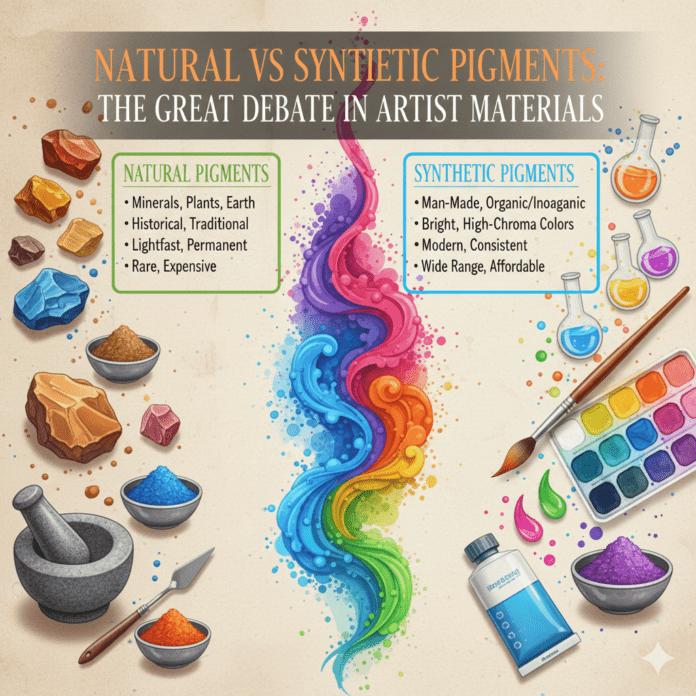
Page 35 of 275
1 33 34 35 36 37 275

Recent Posts