Home Blog Page 29

VISU CONTEMPORARY PRESENTS DAVID LACHAPELLE EXHIBITION, “VANISHING ACT”

VISU CONTEMPORARY PRESENTS DAVID LACHAPELLE EXHIBITION, “VANISHING ACT”

VISU CONTEMPORARY PRESENTS DAVID LACHAPELLE EXHIBITION, “VANISHING ACT, ” NOVEMBER 29, 2025 – JANUARY 31, 2026

Miami Beach Art Gallery Unveils Exhibition, Including The World Premiere of New Work by Photographer David LaChapelle Exploring the Swiftly Shifting World We Inhabit, Where the Acceleration of Events Gives the Impression That Time Itself Races Forward Faster Each Day

VISU Contemporary Announces Its New Exhibition for 2025

VISU Contemporary announces its new exhibition for 2025 featuring works by internationally acclaimed photographer David LaChapelle.

The expansive presentation, titled “Vanishing Act,” curated by VISU Contemporary gallery owner Bruce Halpryn, will be on display from November 29, 2025, through January 31, 2026, and will feature over 30 significant photographs from the artist’s career, including the world premiere of 9 new works.

The free and public grand opening with David LaChapelle will be held on Friday, December 5, 2025, from 6–9 p.m., with additional press preview opportunities available earlier in the week.

LaChapelle, whose career spans over four decades, continues to confront the paradoxes of beauty and decay, artifice and authenticity, with a unique visual language that merges theatricality, spirituality, and social critique. “Vanishing Act” gathers landmark works from across his career alongside new and never-before-seen pieces that reflect the deepening urgency of his practice today.

Highlights of the Exhibition Include the World Premiere of the Following Works:

Will the World End in Fire, Will the World End in Ice (2025)
Over the past three decades, LaChapelle has explored the tension between nature and civilization through meticulously staged still-life photography. In series like Seismic Shift (2012) and Aristocracy (2014), he depicted symbols of wealth, flooded museums, and deserted private jets, undone by environmental or societal collapse.

This narrative evolved in Gas (2014), where overgrown forests reclaim abandoned fuel stations, and deepened with Spree (2019–2020), a haunting image of a cruise ship frozen in an arctic seascape. Inspired by Shackleton’s doomed expedition and the unchecked growth of the cruise industry, Spree eerily mirrored the onset of the global pandemic, completed just days before lockdowns and no-sail orders took effect.

In 2025, LaChapelle revisits this world in Will the World End in Fire, Will the World End in Ice, capturing the same vessel now illuminated by a haunting sun.

Negative Currency (1990–2025)
In this ongoing series, LaChapelle transforms global banknotes into glowing, negative icons that appear more like precious gems than instruments of commerce. Originally inspired by Andy Warhol’s One Dollar Bill (1962), the newest additions feature currencies from Cuba, Venezuela, and North Korea. These luminous new works highlight the tension between value and image, reminding us that societies, like individuals, must continually adapt in order to survive and reimagine value beyond the purely economic.

Other Works on Display Include:

Tower of Babel (2024)
Drawing from the biblical myth of hubris and disconnection, Tower of Babel presents a fragile human monument set against a digitally projected Los Angeles skyline. Constructed from handmade sets and populated by a diverse cast of figures, the work critiques the noise and fragmentation of modern digital culture. LaChapelle describes it as “a scene where everyone is speaking, but no one is listening.”

Sacred Figures Reimagined
Spirituality runs as a central thread throughout the exhibition, embodied in intimate and reverent tableaus like Annunciation (2019), Our Lady of the Flowers (2018), and The Sorrows (2021). In these works, LaChapelle reinterprets traditional Christian iconography through a contemporary lens.

A Selection of LaChapelle’s Classic and Seminal Works Will Also Be on View, Including:

  • Earth Laughs in Flowers (2008–2011) – Still life photographs inspired by Dutch Vanitas, reflecting on mortality and material culture.
  • Gas and Land SCAPE (2012–2014) – Surreal, futurescapes gas stations and oil refineries reclaimed by nature.
  • Biombos (1986–2017) – Stained glass panels of hand-painted negatives reflect on faith, loss, and transcendence.
  • For Men Will Be Lovers of Self & The Sorrows (2021) – A diptych of contemporary parables addressing vanity, vulnerability, and the search for grace.

“Vanishing Act” arrives at a moment of global uncertainty and cultural introspection. With his singular ability to create narratives that blend theatricality and intimacy, LaChapelle presents a visual archive of a world in flux, where beauty meets crisis, and spirituality finds space within the chaos.

The exhibition reflects on what we’ve built, what has disappeared, and what remains sacred.

“For a young gallery in Miami Beach to be presenting new, world-premiere works by David LaChapelle is nothing short of extraordinary,” said Bruce Halpryn, owner and curator of VISU Contemporary.
“Our mission has always been to showcase cutting-edge, thought-provoking art that resonates with today’s cultural pulse. To be one of two galleries representing LaChapelle’s work in the Americas is a tremendous honor, and speaks to Miami’s growing stature as an art world capital.”

LaChapelle will be available for select press interviews in person at the gallery from Wednesday, December 3, through Saturday, December 6, with virtual opportunities available before, during, and post Miami Art Week.

About David LaChapelle

David LaChapelle is an American photographer and filmmaker known for his iconic portraits, surrealist tableaux, and visionary fine art photography.

LaChapelle was born in Connecticut in 1963 and attended high school at the North Carolina School of The Arts. Originally enrolled as a painter, he developed an analogue technique by hand-painting his own negatives to achieve a sublime spectrum of color before processing his film.

At age seventeen, LaChapelle moved to New York City. Following his first photography show at Gallery 303, he was hired by Andy Warhol to work at Interview Magazine.

Through his mastery of color, unique composition, and imaginative narratives, LaChapelle began to expand the genre of photography. His staged tableau, portrait, and still life works challenged devices of traditional photography, and his work quickly gained international interest.

By 1997, The New York Times predicted, “LaChapelle is certain to influence the work of a new generation…in the same way that Mr. Avedon pioneered so much of what is familiar today.”

In the decades since, LaChapelle has become one of the most published photographers throughout the world, with an anthology of books including LaChapelle Land (1996), Hotel LaChapelle (1999), Heaven to Hell (2006), Lost & Found, and Good News (2017).

Simultaneously, his work has expanded into music video, film, and stage projects. His 2005 feature film Rize was released theatrically in 17 countries. Many of his still and film works have become iconic archetypes of America in the 21st Century.

LaChapelle has photographed some of the most recognizable figures in film, music, art, politics, and sports, including Aaliyah, Alicia Keys, Amy Winehouse, Andy Warhol, Angelina Jolie, Anna Kournikova, Anna Nicole Smith, Avicii, Britney Spears, Canelo Álvarez, Charli XCX, Cher, Christina Aguilera, Courtney Love, David Beckham, David Bowie, David Byrne, David Hockney, Dennis Hopper, Diana Damrau, Doja Cat, Dolly Parton, Drew Barrymore, Dua Lipa, Eartha Kitt, Elizabeth Taylor, Elton John, Eminem, Faye Dunaway, Gisele, Gloria Estefan, Hillary Clinton, Ice Spice, Jackie Chan, Janet Jackson, Jeff Koons, Julian Assange, Kanye West, Kehinde Wiley, Keke Palmer, Kim Kardashian, Lady Gaga, Lana Del Rey, Lance Armstrong, Leonardo DiCaprio, Lil’ Kim, Liza Minnelli, Lizzo, Madonna, Marc Anthony, Mariah Carey, Marilyn Manson, Mary J. Blige, Michael Jackson, Miley Cyrus, Muhammed Ali, Naomi Campbell, Nicki Minaj, Pamela Anderson, Paris Hilton, Ricky Martin, Rita Ora, Sade, Sabrina Carpenter, Serena Williams, Snoop Dogg, Sofia Coppola, Stevie Nicks, The Weeknd, Travis Scott, Tupac Shakur, Uma Thurman, Whitney Houston, and many others.

In the fall of 2023, LaChapelle was honored with the “Lorenzo il Magnifico” Lifetime Achievement Award at the XIV Florence Biennale.

Over the past 40 years, LaChapelle has exhibited internationally in galleries and museums including:

  • National Portrait Gallery (London)
  • Musée de Monnaie (Paris)
  • Barbican Centre (London)
  • Victoria and Albert Museum (London)
  • Tel Aviv Museum of Art
  • Musée D’Orsay (Paris)
  • Groninger Museum (The Netherlands)
  • Palazzo delle Esposizioni (Rome)
  • Palazzo Reale (Milano)
  • National Portrait Gallery (Washington D.C.)
  • Casa dei Tre Oci (Venice)
  • La Venaria Reale (Turin)
  • MUDEC (Milan)
  • Fotografiska (New York)
  • Salone Degli Incanti (Trieste)
  • North Carolina Museum of Art

For more information, visit davidlachapelle.com or follow on Instagram @david_lachapelle.

“The still image stops time.” – David LaChapelle


About VISU Contemporary

Established in 2022, VISU Contemporary is where South Beach’s vibrant energy meets the evolving edge of contemporary art. Founded with a sharp curatorial vision, the gallery is a space for artists who challenge form, narrative, and material — from internationally recognized names to rising talents whose work resonates with today’s cultural pulse.

VISU Contemporary has exhibited bold, provocative voices such as David LaChapelle, Tyler Shields, Amber Cowan, Dustin Yellin, Barry Ball, Tamary Kudita, Rose Marie Cromwell, and others whose practices blur the lines between photography, sculpture, painting, and new media.

The gallery is especially drawn to artists who experiment with material — glass, metal, stone, painting, and beyond — pushing the boundaries of contemporary surrealism, abstraction, and conceptual art.

More than just a gallery, VISU is a platform. Located in the heart of South Beach, it serves as a cultural connector — a place where collectors, curators, and curious minds converge to experience art that is as thought-provoking as it is visually arresting.

For more information, visit visugallery.com or follow on Instagram @visu.gallery.
Ancestral Lines Exhibition in conjunction with FAMA

Ancestral Lines Exhibition in conjunction with FAMA

Ancestral Lines Exhibition in conjunction with FAMA

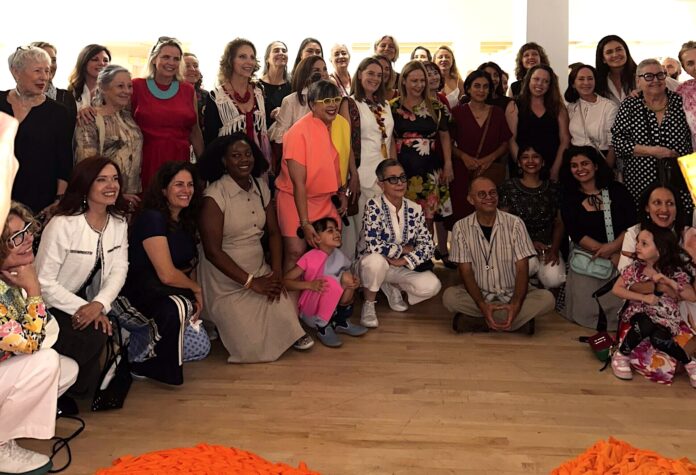
The Coral Springs Museum of Art opened its Ancestral Lines exhibition on April 4, 2025, in collaboration with the Fiber Artists Miami Association (FAMA), showcasing more than 60 original fiber artworks that delve into ancestry, cultural memory, and personal heritage. The exhibition invites viewers to reflect on how traditions are inherited, honored, and transformed through time through the tactile power of textile art.

Installed across the museum’s Main and East galleries, Ancestral Lines features a wide range of techniques — including weaving, embroidery, mixed-media textiles, and installation work — created by members of FAMA, a collective committed to advancing contemporary textile art. The show explores each artist’s unique connection to their lineage, often addressing themes of identity, memory, and the emotional resonance of familial traditions.

The exhibition was curated by Juliana Forero, Director of the Coral Springs Museum of Art, who developed the theme by engaging with the artists’ personal histories and uncovering the deeper significance behind their works. Forero’s own immigrant experience informed her approach, emphasizing the ways in which artistic practice can reconnect individuals to their roots.

Many of the participating artists have used their work to bridge gaps between generations, cultures, and experiences. While the museum does not publish a complete list of all contributors, a few of the artists whose work and involvement are noted through the exhibition and related events include Evelyn Politzer, a FAMA co-founder and fiber artist whose practice centers on yarn, thread, and fabric; and Fonteyne Art, whose installation Inherited Ties reflects a deeply personal engagement with cultural heritage.

Ancestral Lines also included interactive components — such as an immersive weaving activity facilitated by FAMA — and performance elements like a textile-based interpretive piece by Rosa dos Ventos, presented during the opening reception. The opening marked not only the debut of the exhibition, but also celebrated the fifth anniversary of FAMA, highlighting the growth of the organization from its origins during the pandemic into a group of hundreds of practicing fiber artists.

The stories behind the works are as diverse as the techniques themselves. Some artists revisited traditions learned in childhood or documented through research, while others used textile media to address broader themes of memory, loss, and belonging. The collective result is a multi-layered narrative that underscores how textiles can embody both emotional resonance and cultural history within the simple act of thread and fabric.

Ancestral Lines remains on view through July 5, 2025, offering visitors the opportunity to engage with more than 60 original pieces that illuminate the many ways heritage is woven into contemporary artistic practice.

The Eye, The Lens, The Story

The Eye, The Lens, The Story

The Eye, The Lens, The Story is our first all photography based exhibition at The CAMP Gallery. Featuring works from: Xan Padron, Marisa S. White, Naomi White, Remijin Camping, Natalie Obermaier, Rosana Machado Rodriguez, Alice de Kruijs, and Carol Erb the exhibition focuses on what has caught the eye of these artists. Divided by subject the exhibition will look at landscape and architectural photography, portraiture and objects while focusing on the moment of the image and what it can suggest. The eye of the photographer is, naturally, paramount to the art of photography. The artist strives to capture what is unique, but also familiar often reporting back to the viewer where we are in the present.
Starting with Xan Padron, his work focuses on streets across the globe showing the passage of time against the immobility of architecture. Many things are happening, simultaneously in the frozen image – elements of life, commuting, crossing paths, and the travel of time. The works question much about life, one thing being is how many nameless faces one encounters in a day, and how interestingly those encounters often become a distraction to the day, and sometimes an almost insistent rejection of community. Marisa S. White, known for her unique eye ‘weaves’ unexpected images into one composition guiding the viewer to look outside of the ordinary and to delve into the imagined. Her works also fill in voids of expression as they offer alternative views on the mundane, replacing that with what can be considered as imagination reawakening the sometimes banality of life. Naomi White, often focuses her attention towards the environment but on occasion turns her eye towards the individual and the intimate. In the selection of works included in this exhibition, White tempts us to look closely at the compositions her small works have orchestrated inviting an almost voyeuristic approach. RemiJin Camping, based in Miami works in many photographic applications exploring what often seems like layers on her topic. For her works in this exhibition, the subject is nature – but not the nature we encounter, but the nature she creates. Through different processes she sharpens her image and focuses on an unexpected encounter between the object, herself, and the viewer. Seeing this series of works as an expression of life, and that brings what we least expect, so too do these images – bring forth a perspective very much unexpected.
Natalie Obermaier through layers and strips presents her works for the exhibition as collages – hand woven ones, at that adding a new approach to representations of women under the cloak of fashion. What becomes interesting, considering the above is the layers not just of the work, but the symbolism at its root. Considering the plastering of an image upon someone, wether through fashion or adaptation to ones environment, or circle, Obermaier enhances this by suggesting there is more than the surface. It is the culmination of all the layers of an individual that make a person and therefore her work asks for acceptance for all that one is – the good, the bad, the beautiful, the unknown. Rosana Machado Rodriquez prints her images on textiles and embroideries faces into the composition exploring the ‘intersection of nature, memory and shared experiences.’ In so doing, she highlights the connection between nature and the individual arguing the dependence of both on the other, the protection offered by both, and subtly suggests the destructive quality of both humankind and nature, with one caveat – nature destroys to to regenerate, humans destroy to control and erase. The idea of this erasure is also seen in the ‘ghost like’ portraits, or memories stitched on the works showing the temporal quality of all life. Alice De Kruijs, also focuses on the small and intimate and presents works swirling in the mystical of foreign cultures and enhances this experience with twists and jumbles of threads, adding to the layers, exoticism and erotic. In some instances apparently hiding the faces of her subjects, De Kruijs, compels one to imagine, and in so doing, on one hand reinforces the exotic, but also criticizes this tendency as reductive of self.
Lastly, Carol Erb looks at architecture, and the angles and shadows edged by light. Looking towards a romanticized landscape Erb’s works herald in a warm invitation to explore the landscapes she sees as though just discovered. Through her work one is able to imagine what once was, what could be and what still remains, wrapping different stories throughout each piece.

Exploring the Miami Fine Art Gallery Scene: Where Culture Meets Creativity

Morozumi Osamu
Morozumi Osamu

Exploring the Miami Fine Art Gallery Scene: Where Culture Meets Creativity

Miami is renowned not only for its stunning beaches and vibrant nightlife but also for its dynamic and evolving fine art scene. Over the past few decades, the city has emerged as an international hub for contemporary and fine art, boasting a diverse range of galleries that celebrate global voices, local talent, and everything in between.

A Cultural Crossroads

Miami’s geographic and cultural position as a bridge between the Americas has made it fertile ground for artistic expression. The city is home to a large Latin American population, and this influence is seen in much of the work displayed in its galleries—from traditional forms to bold contemporary expressions. The fine art galleries here often showcase work that speaks to issues of identity, migration, environment, and political history, making Miami a destination not just for art lovers, but for critical thinkers and cultural explorers.

Notable Fine Art Galleries in Miami

  • David Castillo Gallery – Located in the heart of the Miami Design District, this gallery is known for representing underrepresented voices in contemporary art, including women and LGBTQ+ artists, and artists of color. Its exhibitions often fuse social commentary with elegant curation.
  • Locust Projects – A nonprofit gallery that supports experimental and innovative art practices, Locust Projects gives artists the freedom to create site-specific installations that might not be possible in a commercial gallery setting.
  • Fredric Snitzer Gallery – One of Miami’s longest-standing fine art galleries, Snitzer has been instrumental in putting Miami artists on the global map. The gallery represents many leading contemporary artists from the U.S. and Latin America.
  • Pan American Art Projects – With a focus on artists from Latin America and the Caribbean, this gallery blends historical perspectives with modern innovation, bridging generational voices and national borders.
  • Spinello Projects – Known for its cutting-edge programming, this gallery pushes the envelope with politically engaged and genre-defying work, frequently featuring emerging Miami-based talent alongside international names.

Miami Art Week and Beyond

The city’s reputation as a fine art capital is amplified every December during Miami Art Week, when Art Basel Miami Beach takes center stage. The influx of collectors, curators, and artists from around the world brings added attention to local galleries, many of which host special exhibitions, parties, and artist talks.

Yet, beyond the art fair spotlight, Miami’s galleries remain active throughout the year, building a sustainable art ecosystem that fosters both established and emerging artists. From Coral Gables to Wynwood, Little Haiti to Downtown, each neighborhood offers its own aesthetic and cultural flavor, enriching the overall experience for visitors and collectors alike.

Supporting the Arts in Miami

Many fine art galleries in Miami are community-driven and work closely with nonprofits, museums, and universities to promote art education and accessibility. They host public programming including lectures, workshops, and artist residencies, ensuring that art is not just seen, but felt and understood.

Final Thoughts

Miami’s fine art gallery scene is a reflection of the city itself—vibrant, diverse, and always evolving. Whether you are a seasoned collector, an art student, or a curious traveler, exploring these galleries offers a unique window into the artistic soul of the city. As Miami continues to grow as a cultural destination, its fine art galleries stand at the forefront of global creativity and dialogue.

Miami’s Rising Stars: Contemporary Artists Worth Investing In Today

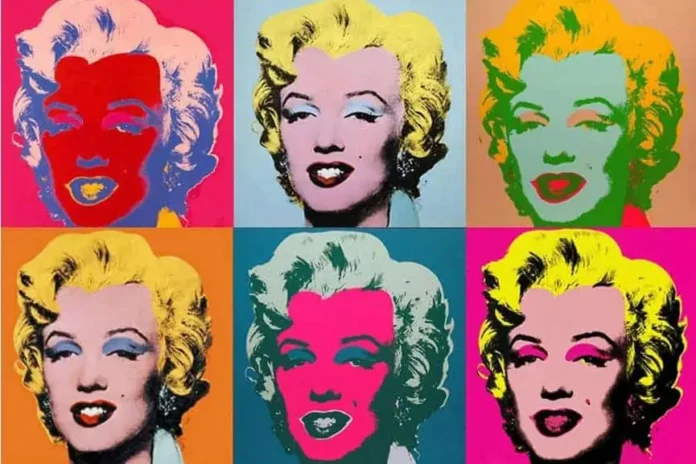
Andy Warhol
Andy Warhol

Miami, long celebrated for its vibrant cultural scene and as a global hub for contemporary art, continues to foster an impressive new generation of emerging artists. These rising stars are not only redefining creative boundaries but also catching the eyes of collectors and curators alike. Whether you’re a seasoned investor or a first-time buyer, now is the moment to pay attention to the talent blossoming in the Magic City.

Why Invest in Emerging Artists?

Investing in emerging artists allows collectors to support talent at a formative stage, often resulting in more affordable prices and the potential for high future returns—both culturally and financially. Miami’s contemporary art ecosystem, supported by institutions like Art Basel Miami Beach, Pérez Art Museum Miami (PAMM), and an ever-evolving network of artist-run spaces, offers fertile ground for discovery.

Artists to Watch in 2025

1. Amanda Linares
A Cuban-American painter based in Little Haiti, Linares blends surrealism and magical realism to address themes of memory, exile, and femininity. Her bold use of color and symbolism has earned her spots in recent group shows at Locust Projects and Fountainhead Residency.

2. Omar Delgado
A multidisciplinary artist, Delgado’s large-scale installations explore urban decay, digital identity, and Afro-Caribbean heritage. With recent features at Spinello Projects and a growing base of collectors in Latin America, Delgado’s work is a promising long-term investment.

3. Sofia Rojas
Working primarily in ceramics and mixed media, Rojas creates textured, organic sculptures that reflect Miami’s tropical landscape and environmental challenges. Her recent solo show at Laundromat Art Space received critical acclaim for its originality and ecological message.

4. Malik Baptiste
This self-taught painter and illustrator uses stark contrasts and abstract figures to convey the emotional nuances of Black identity and experience. A 2025 Oolite Arts grant recipient, Baptiste is gaining attention both locally and nationally.

5. Elena Navarro
With a background in architecture and visual arts, Navarro’s work reimagines public and private spaces through immersive video installations. Recently exhibited at Dimensions Variable and selected for a residency in Berlin, her practice is rapidly expanding internationally.

Where to See and Buy

Miami’s thriving gallery scene offers multiple touchpoints to engage with new talent. Venues such as Spinello Projects, Primary, Nina Johnson Gallery, and artist collectives like Void Projects and Bridge Red Studios frequently host exhibitions featuring emerging voices. Meanwhile, events like Art Week, NADA Miami, and Untitled Art Fair provide exposure on a global scale.

Final Thoughts

Investing in art is more than acquiring a physical object—it’s a commitment to supporting ideas, narratives, and cultural evolution. Miami’s new wave of contemporary artists is rich with promise, and now is the time to explore, engage, and invest in the future of art.

Whether you’re growing a collection or beginning your journey as a patron of the arts, Miami’s rising stars are lighting the way forward.

Art Basel Miami Beach 2025: A Historic Edition Featuring Latin American Momentum and Cuba’s Debut

Art Basel Miami Beach 2023

Art Basel Miami Beach 2025: A Historic Edition Featuring Latin American Momentum and Cuba’s Debut

Art Basel Miami Beach 2025 is set to be one of the most groundbreaking editions in the fair’s history. From December 5–7, the international art fair will bring together 285 galleries from 44 countries, including 41 first-time participants, underscoring the growing influence of Latin American, Indigenous, and diasporic voices in the global art scene.

A major highlight of this year’s edition is the historic debut of Cuba through El Apartamento, the first gallery based in Havana to participate in the fair. This symbolic inclusion reinforces Miami’s unique role as a cultural bridge between North and South America.

Latin America is strongly represented with galleries from Mexico, Brazil, Argentina, Chile, Colombia, Peru, Uruguay, Guatemala, and Cuba. The fair will also see an expansion of the alternative art scene from New York, and nearly 50 galleries from California, reflecting a growing wave from the U.S. West Coast.

“This is a bold, ambitious, and deeply relevant edition,” said Bridget Finn, Director of Art Basel Miami Beach. “It highlights the vitality of artistic production across the Americas and serves as a gateway for introducing pioneering international artists and new perspectives into the U.S. market.”

Art Basel Miami Beach 2025 will continue its multi-sector format, including:

  • Galleries – the main sector showcasing modern and contemporary works,
  • Nova – focused on works created within the last three years,
  • Positions – dedicated to solo projects by emerging artists,
  • Survey – spotlighting historically significant works from 1900 to 1999.

The fair will also align with the inaugural Art Basel Awards, with gold medalists announced during the event. Notable finalists include renowned artists Cecilia Vicuña, Nairy Baghramian, and Meriem Bennani.

With its rich blend of emerging talent and international powerhouses, Art Basel Miami Beach 2025 not only promises a dynamic showcase of contemporary creativity but also positions itself as a leading platform for cultural dialogue in today’s art world.

Where Art Sleeps: Inside America’s Hidden Museums

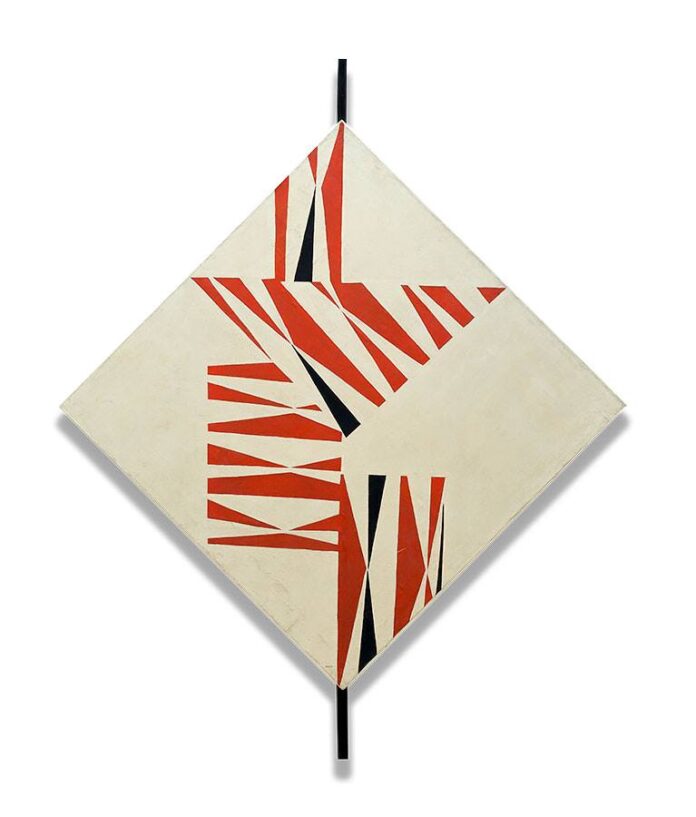
Sandú Darié (1908-1991)
Sandú Darié (1908-1991) "Pintura transformable" 1957, Óleo sobre tela y Varillas de madera 133.5 x 134 cm. Colección Museo Nacional de Bellas Artes de Cuba

Where Art Sleeps: Inside America’s Hidden Museums

Behind the bright lights of museum galleries and art fairs lies a quieter world — one few ever see. It’s where masterpieces rest between exhibitions, where fragile canvases and monumental sculptures wait patiently for their next public debut. In these vast, climate-controlled spaces, history and innovation coexist in silence.

Across the United States, a network of specialized companies protects the unseen collections of museums, foundations, and private collectors. Their work blends precision, science, and reverence — ensuring that each artwork, whether centuries old or freshly created, remains perfectly preserved. From custom-built crates to advanced security systems, these facilities form the invisible backbone of the art world, safeguarding culture one piece at a time.

Below, we explore some of the most trusted names redefining the art of care, storage, and transport.

Artemis
Artemis provides secure, museum-grade art storage and management solutions for private collectors and institutions, offering climate-controlled environments and white-glove handling for fine art and valuable collections.

The Box Company
Specializing in custom art packing and transportation, The Box Company ensures the safe movement and preservation of artworks through expertly crafted crates and precision logistics.

Cooke’s Crating and Fine Art Transportation
With decades of experience serving museums and galleries, Cooke’s Crating delivers comprehensive art logistics — from packing and storage to national and international transport — all under strict climate and security controls.

Icon Fine Arts Services
Icon Fine Arts Services offers tailored solutions for art storage, installation, and conservation, trusted by major collectors and cultural institutions for their attention to detail and state-of-the-art facilities.

Minnesota Street Project Art Services
Based in San Francisco, Minnesota Street Project Art Services combines storage, transportation, and installation expertise with a commitment to sustainability and accessibility, supporting artists, collectors, and museums alike.

Rafael Montilla (Cube Man): The Reflection of the Cube in Central Park

Kube Man in NYC
Kube Man in NYC

Rafael Montilla (Cube Man): The Reflection of the Cube in Central Park

Cesar Sasson, Correocultural.com

Rafael Montilla (Cube Man): The Reflection of the Cube in Central Park

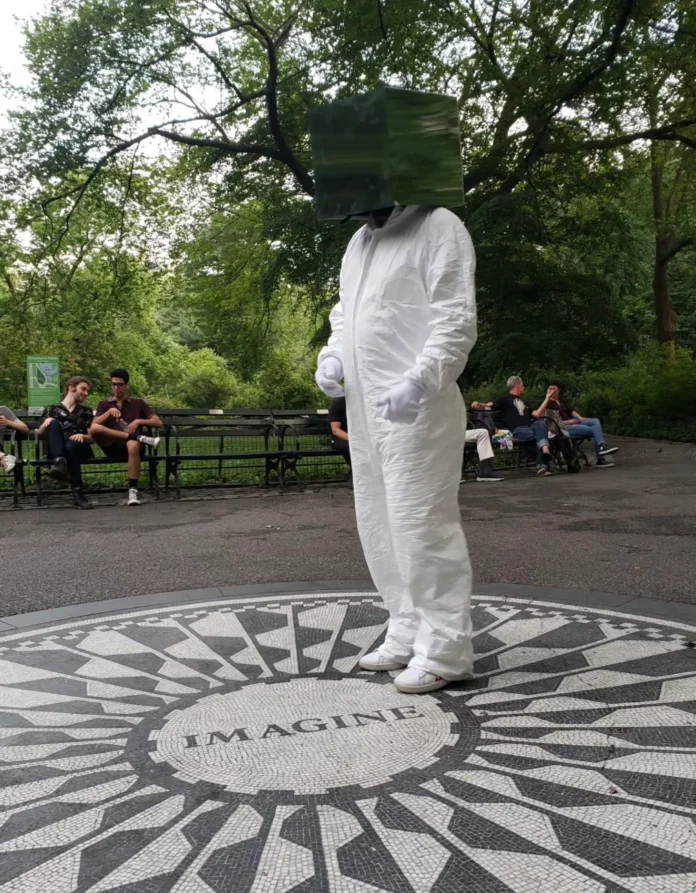
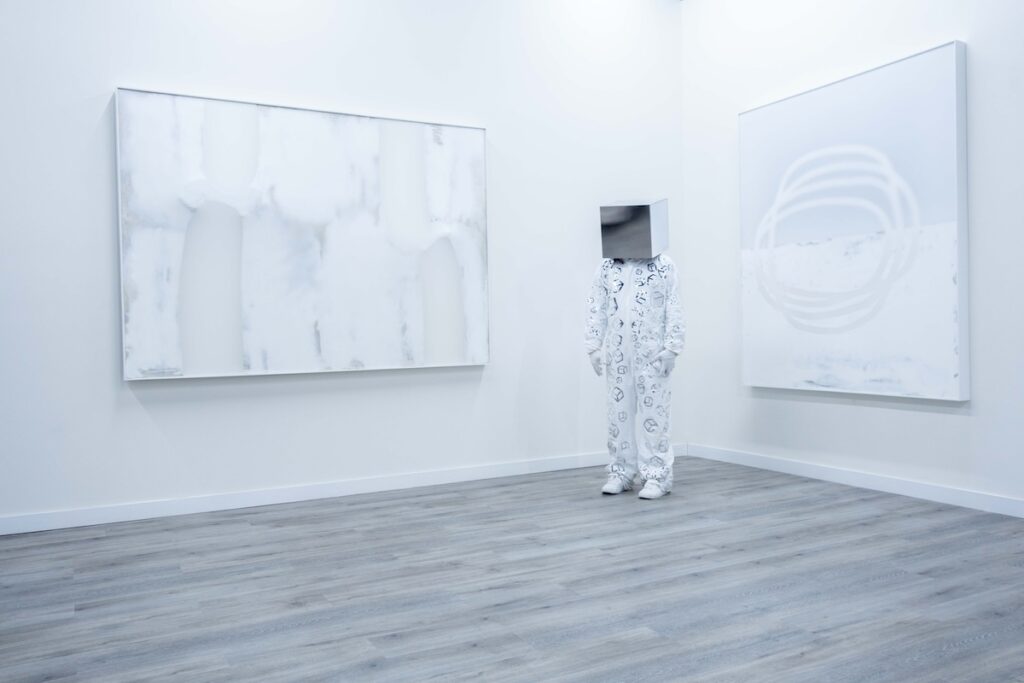
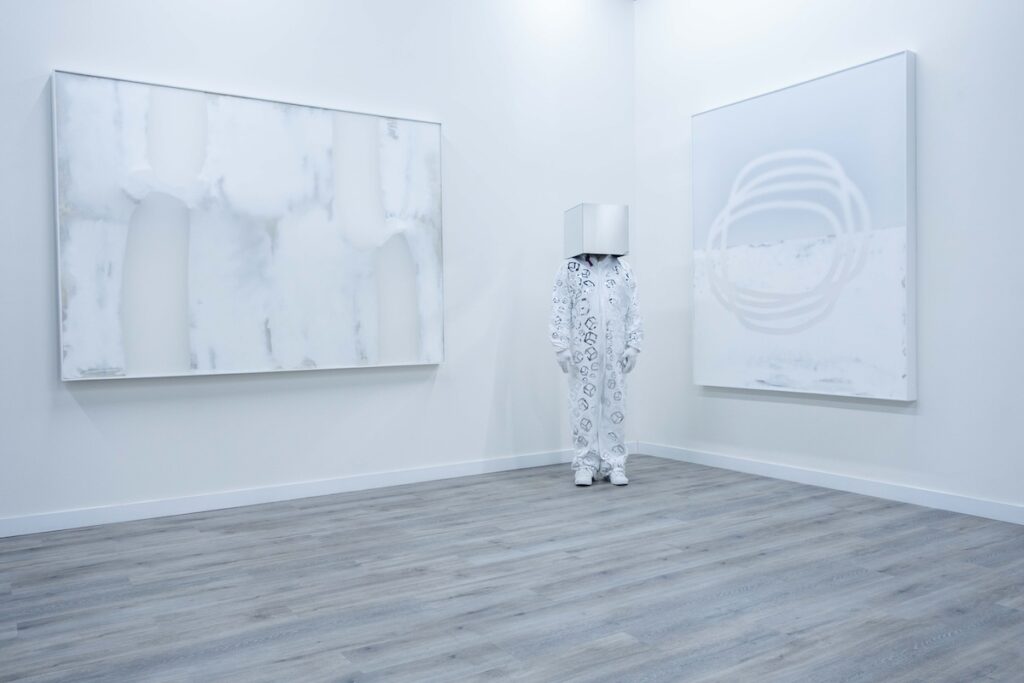
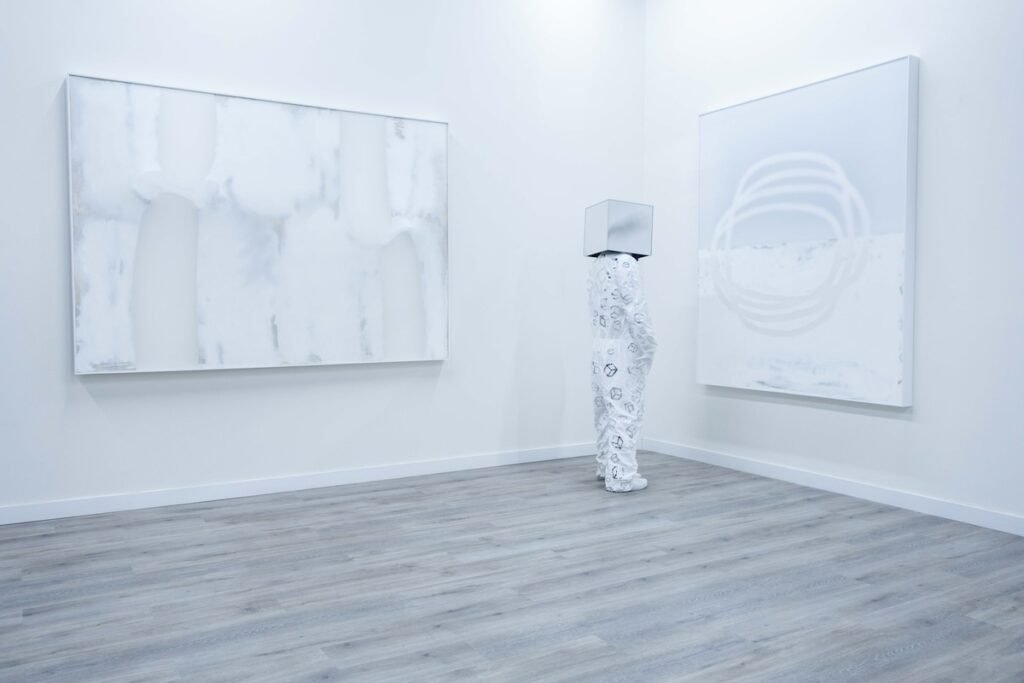
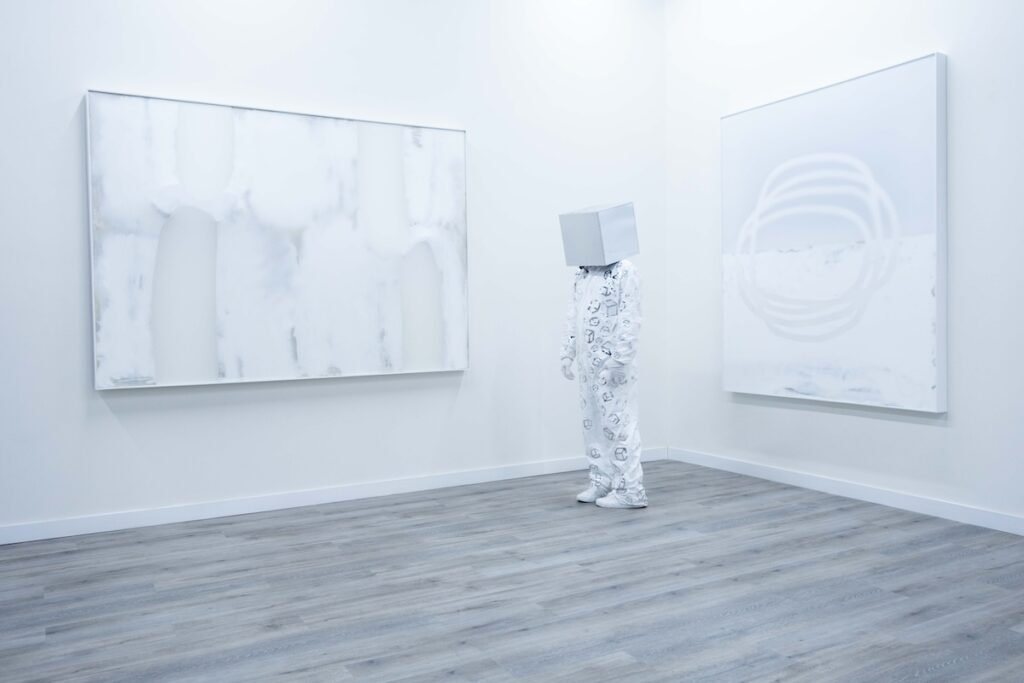
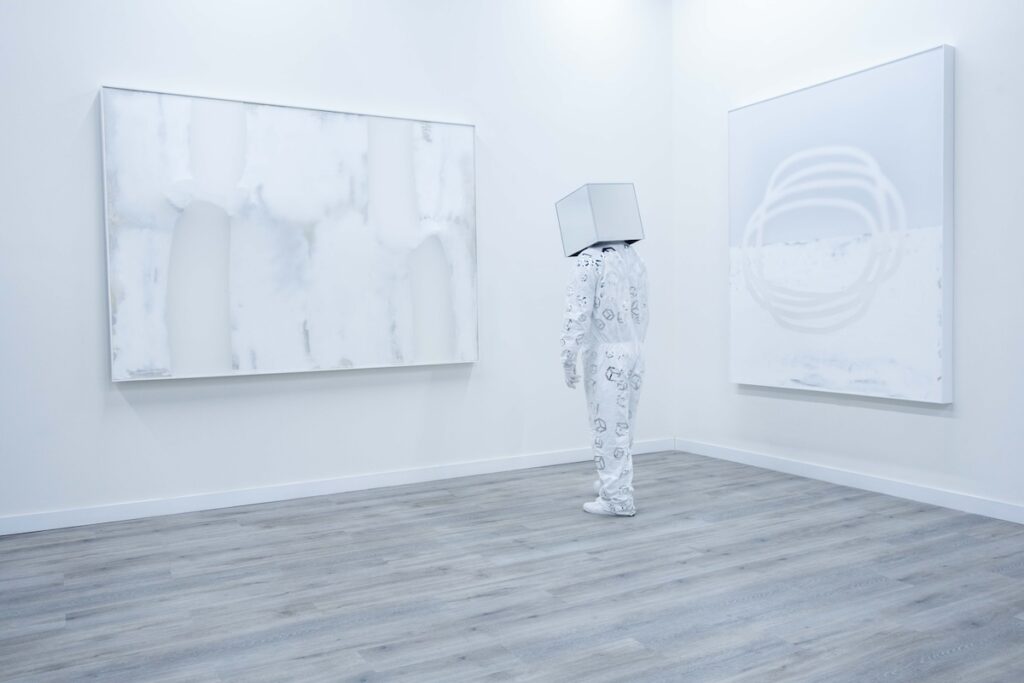
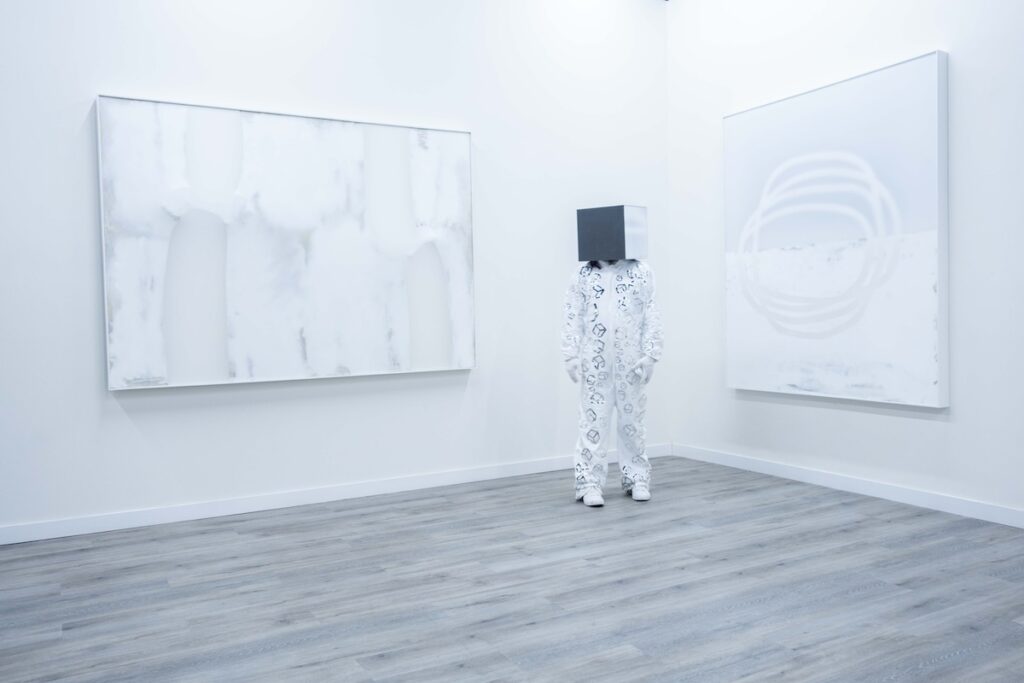
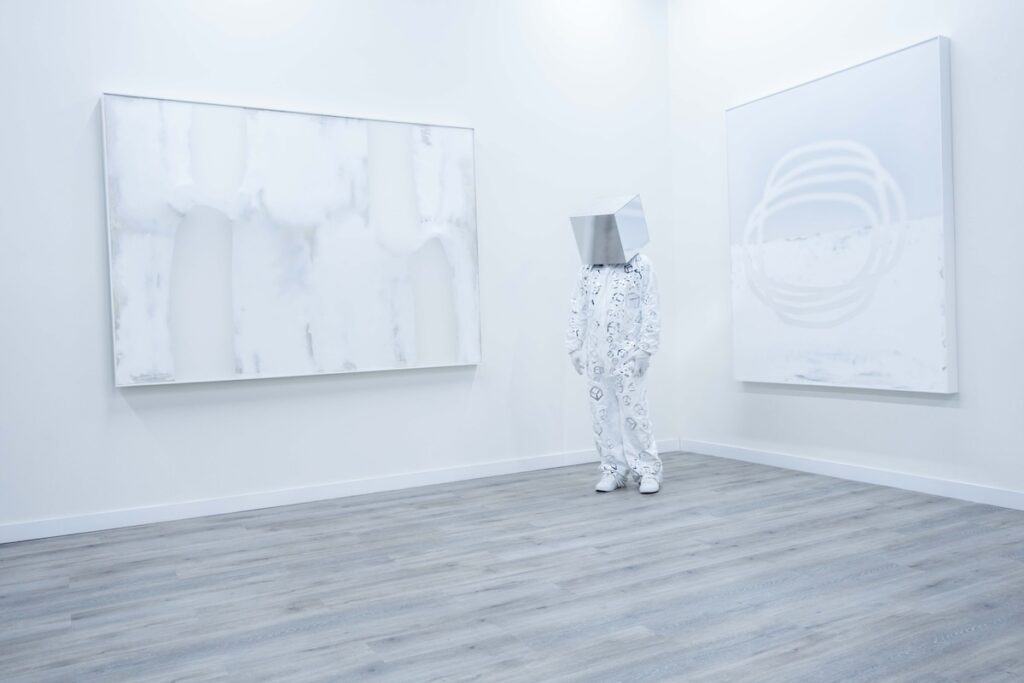
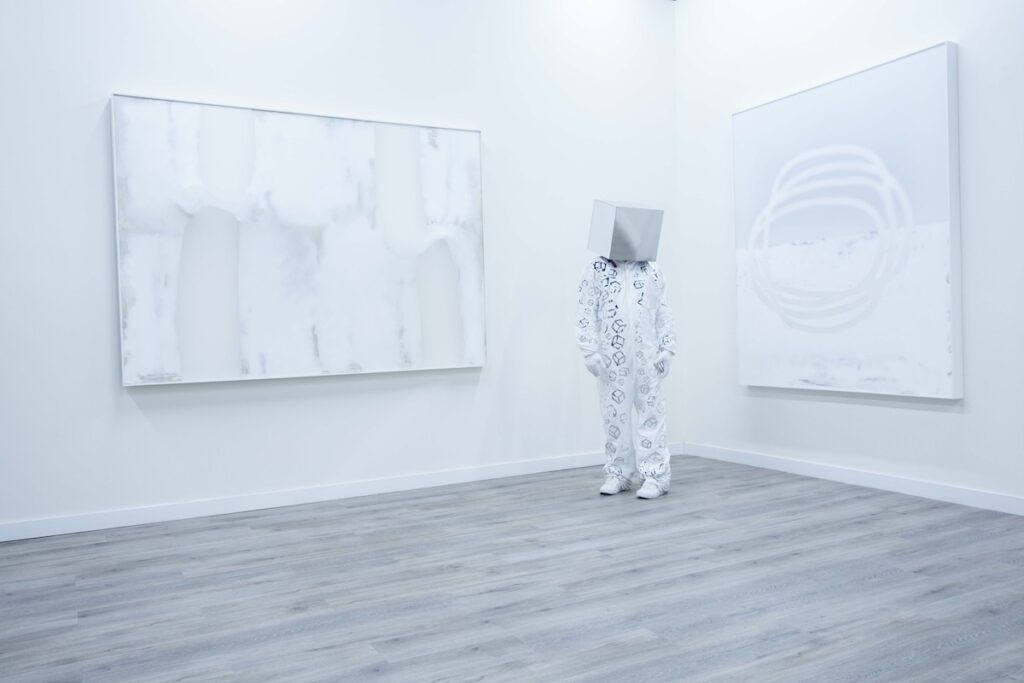
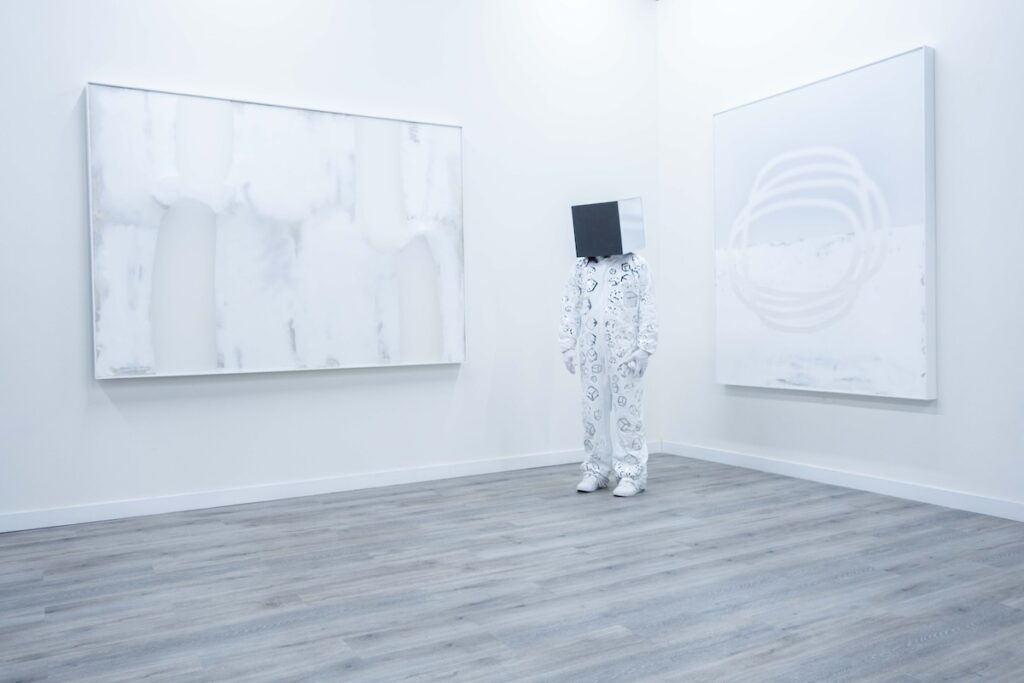
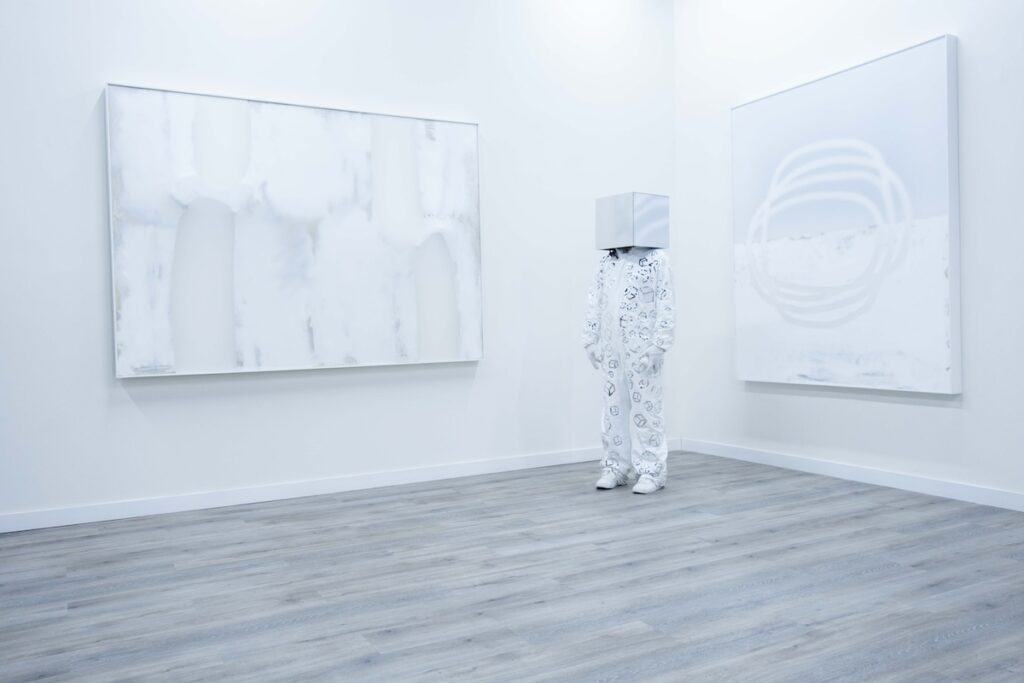
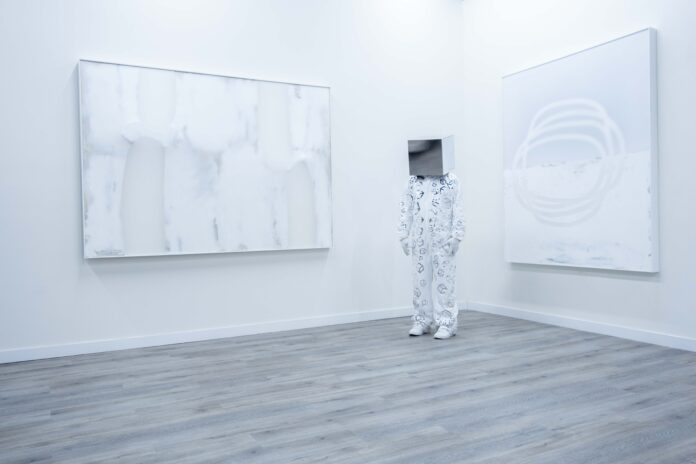
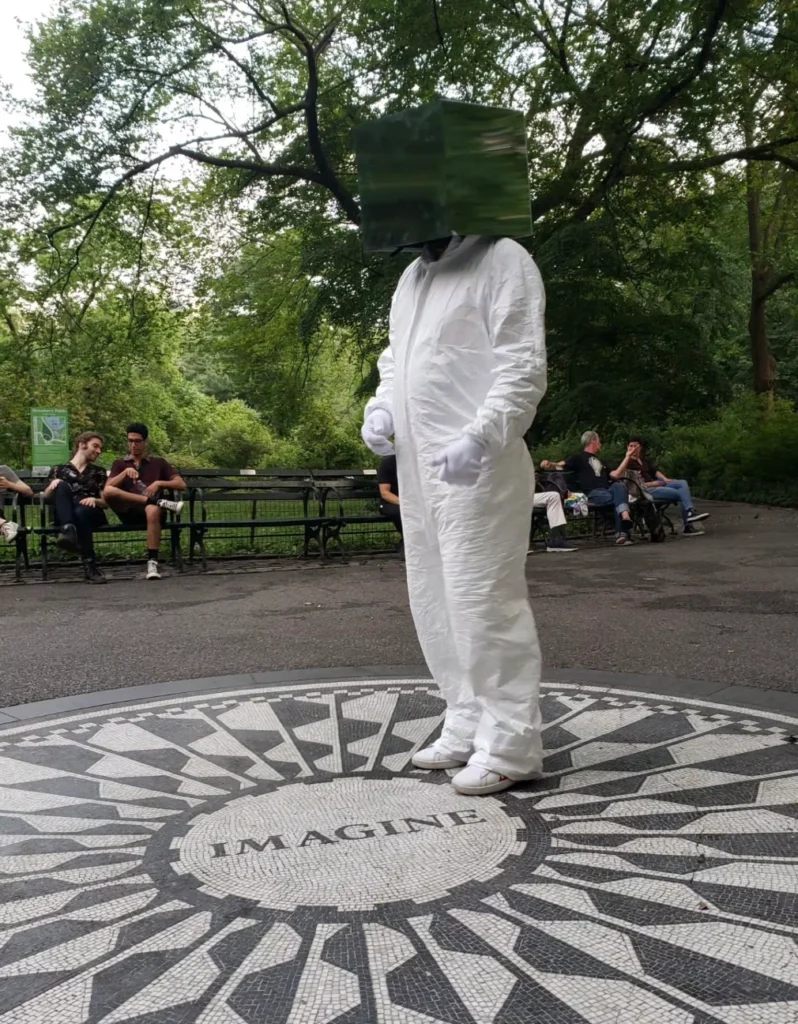
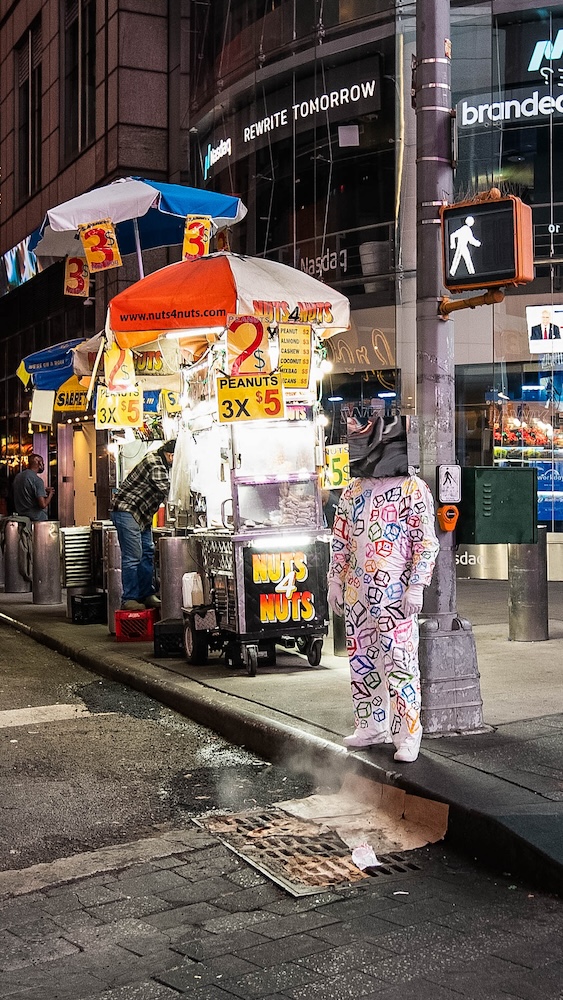
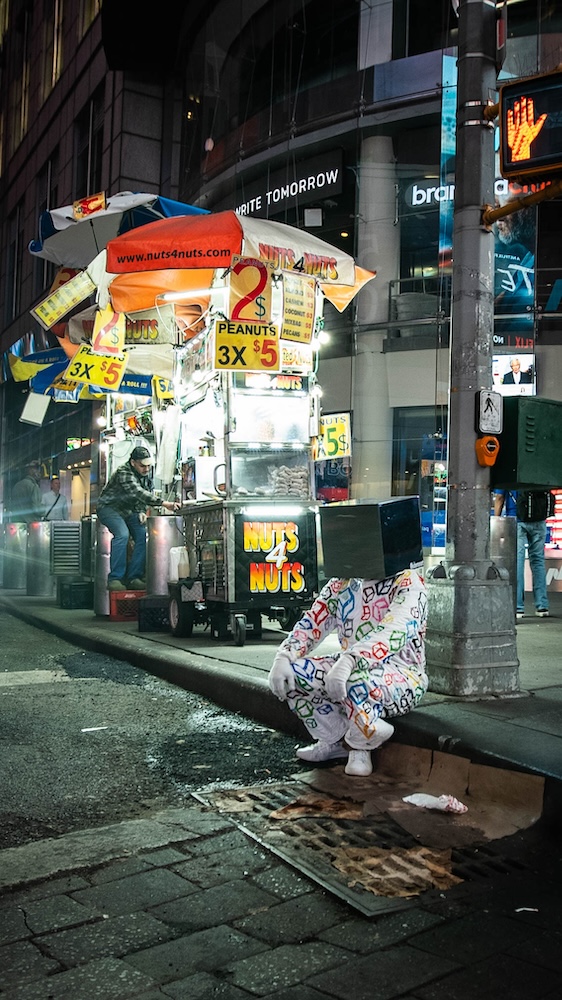
Venezuelan artist Rafael Montilla —known as Cube Man— will take part in a tribute to John Lennon at the Imagine Shrine in Central Park. His performance, conceived around the cube as both symbol and mirror, engages in a dialogue with Lennon’s memory and his dream of a world without borders.

Acción en homenaje a John Lennon, Central Park

Each year, my wife, daughters and I had a tradition we never failed to honor during our trips to New York: walking to the Imagine Shrine in Central Park West, a circular mosaic that commemorates John Lennon, located near the Dakota Building, where he lived and where he was killed. There, seated on a bench, we would spend a few minutes reflecting on life, on the power of music, and on the need to imagine a world that is fairer and more humane. It was an intimate moment of pause, connection, and remembrance.

That is why I find it profoundly meaningful that the Venezuelan artist Rafael Montilla, known as Cube Man, has been invited to participate in a tribute to Lennon in that very place on October 9, the date of the musician’s birth. On this occasion, Montilla will reaffirm his poetics of the cube: a form that, in his hands, ceases to be a mere geometric volume and becomes a symbol of thought, resonance, and hope. Rooted in the tradition of geometric abstraction, his work transcends aesthetics to become a visual and spiritual manifesto—a search for harmony and balance that echoes Lennon’s universal ideal of imagining a different world: more just, luminous, and free of boundaries.

The cube is one of the oldest and most powerful forms accompanying art and human thought—from Malevich and Suprematism, which elevated it to an emblem of the absolute, to Sol LeWitt’s minimalism, which transformed it into a serial and rational structure. As an elemental figure in geometry, a symbol of stability, order, and mathematical perfection, it has also appeared in architecture and in modern utopias as a promise of clarity and permanence. Yet in Montilla, this order is subverted: the cube upon his head disrupts the logic of stability and becomes a critical device. It conceals his identity, turning him into an anonymous subject, mask and mirror at once, shifting the focus toward the viewer and opening a space where the personal dissolves into the collective.

That mirror erases Montilla’s face and returns the gaze to those who look at him: they see themselves, but also the sky and the earth reflected on its six faces. It is a performance that speaks not of the “I,” but of the “we.” An action in harmony with the lyrics of Imagine, which dream of a world in which we are reflected in one another, beyond race, religion, or nationality.

In that gesture lies a luminous paradox: the artist disappears so that the other may appear. And in the context of a tribute to Lennon—whose voice continues to invite us to dream of a humanity without borders—Montilla’s action resonates with renewed strength. The cube ceases to be mere geometry to become a mirror of the human and a reflection of the possible.

Source: https://correocultural.com/2025/10/rafael-montilla-cube-man-el-reflejo-del-cubo-en-central-park/

Rafael Montilla (Cube Man): el reflejo del cubo en Central Park

Kube Man
Kube Man - photo: Ricardo Cornejo

Rafael Montilla (Cube Man): el reflejo del cubo en Central Park

Kube Man, Acción de calle

Cesar Sasson: Correocultural.com

El artista venezolano, Rafael Montilla —conocido como Cube Man— participará en un homenaje a John Lennon en el Imagine Shrine de Central Park. Su performance, construido en torno al cubo como símbolo y espejo, dialoga con la memoria de Lennon y su sueño de un mundo sin fronteras.

Teníamos por costumbre viajar cada año a Nueva York con mi esposa e hijas, y en esa tradición había un ritual que nunca dejamos de cumplir: caminar hasta el Imagine Shrine en Central Park West, un mosaico circular que recuerda a John Lennon, situado muy cerca del edificio Dakota, donde vivió y donde fue asesinado. Allí, sentados en un banco, dedicábamos unos minutos a reflexionar sobre la vida, la fuerza de la música y la necesidad de imaginar un mundo más justo y más humano. Era un momento íntimo de pausa, de conexión y de memoria.

Por eso me resulta profundamente significativo que el artista venezolano Rafael Montilla, conocido como Cube Man, haya sido invitado a participar en un homenaje a John Lennon en ese mismo lugar el próximo 9 de octubre, fecha del natalicio del músico. En esta ocasión, Montilla reafirma su poética del cubo: una forma que, en sus manos, deja de ser mero volumen geométrico para transformarse en símbolo de pensamiento, resonancia y esperanza. Su trabajo, enraizado en la tradición de la abstracción geométrica, trasciende la estética para convertirse en un manifiesto visual y espiritual: una búsqueda de armonía y equilibrio que dialoga con el ideal universal de imaginar —como Lennon— un mundo distinto, más justo, luminoso y sin fronteras.

El cubo es una de las formas más antiguas y poderosas que ha acompañado al arte y al pensamiento humano: desde Malevich y el Suprematismo, que lo elevaron a emblema de lo absoluto, hasta el minimalismo de Sol LeWitt, que lo transformó en estructura serial y racional. Figura elemental en la geometría, símbolo de estabilidad, orden y perfección matemática, también ha estado presente en la arquitectura y en las utopías modernas como promesa de claridad y permanencia. Pero en Montilla este orden se trastoca: el cubo sobre su cabeza interrumpe la lógica de lo estable y lo convierte en un dispositivo crítico. Oculta su identidad, lo vuelve un sujeto anónimo, máscara y espejo a la vez, desplazando el protagonismo hacia el espectador y abriendo un espacio donde lo personal se disuelve en lo colectivo.

Ese espejo borra el rostro de Montilla y devuelve la mirada a quienes lo observan: se ven a sí mismos, pero también al cielo y a la tierra reflejados en sus seis caras. Es un performance que no habla del “yo”, sino del “nosotros”. Una acción en consonancia con la letra de Imagine, que sueña con un mundo donde nos reflejamos unos en otros, sin distinción de raza, religión o nacionalidad.

En ese gesto se condensa una paradoja luminosa: el artista desaparece para que aparezca el otro. Y en el marco de un homenaje a Lennon, cuya voz sigue invitándonos a soñar con una humanidad sin fronteras, la acción de Montilla resuena con fuerza. El cubo deja de ser solo geometría, para convertirse en espejo de lo humano y en reflejo de lo posible.

Kube Man by Rafael Montilla Photos: Ricardo Cornejo

Source: https://correocultural.com/2025/10/rafael-montilla-cube-man-el-reflejo-del-cubo-en-central-park/

The Art of Textiles: What You Need to Know

The Art of Textiles: What You Need to Know

The Art of Textiles: What You Need to Know

A Guide to Luxury Fibers and Timeless Textile Crafts

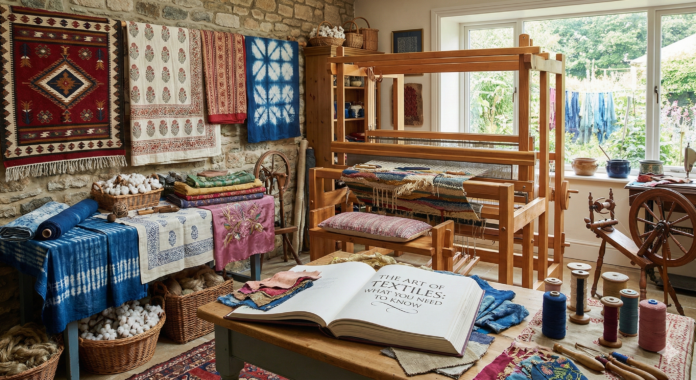
Textiles are more than materials—they are a visual language made of fiber, structure, and touch. From the luxurious softness of cashmere, alpaca, and mohair to the sustainable beauty of Tencel and raffia, each fiber carries its own character, history, and expressive potential. In contemporary textile art, materials are not simply chosen for comfort or durability, but for how they shape form, texture, and meaning.

This guide explores both the natural fibers that define high-quality textiles and the time-honored techniques that bring them to life. Embroidery, needlepoint, cross-stitch, crochet, and macramé are not just crafts—they are visual practices rooted in rhythm, repetition, and gesture. These techniques transform thread into surface, pattern into narrative, and cloth into an expressive medium that resonates across cultures and generations.

For visual artists, understanding textiles means understanding how material becomes message. The warmth of wool, the fluidity of jersey, the strength of raffia, or the refined drape of Tencel all influence how a piece communicates. Whether creating, collecting, or curating, knowing the properties of fibers and the traditions behind textile techniques deepens your ability to read, appreciate, and work with textile-based art.

Textiles sit at the intersection of craft, sustainability, and visual culture. By learning how fibers and techniques interact, artists and collectors alike gain insight into what makes a textile piece not just beautiful, but meaningful.

Fibre A general term encompassing all natural and synthetic textile materials used in fabric production. Fibers form the foundation of textiles, whether sourced from plants, animals, minerals, or manufactured synthetically.

Cashmere An ultra-luxurious fiber obtained from the soft undercoat of cashmere goats. Prized for its exceptional softness, lightweight warmth, and refined elegance, cashmere is one of the most coveted materials in high-end textiles.

Wool A natural protein fiber from sheep, valued for its durability, insulation, and breathability. Wool regulates temperature naturally, resists wrinkles, and offers timeless versatility across seasons.

Cotton A soft, natural fiber harvested from cotton plants. Breathable, hypoallergenic, and easy to care for, cotton is celebrated for its comfort, absorbency, and crisp, clean feel in warm climates.

Raffia A natural fiber derived from raffia palm leaves, known for its organic texture and tropical aesthetic. Lightweight and eco-friendly, raffia brings an artisanal, relaxed elegance to textiles and home furnishings.

Alpaca A luxurious fiber from alpacas, softer and warmer than sheep’s wool. Hypoallergenic and silky to the touch, alpaca offers exceptional thermal properties without the weight, making it ideal for refined, comfortable pieces.

Mohair A lustrous fiber from Angora goats, distinguished by its brilliant sheen and resilience. Mohair drapes beautifully, resists wrinkles, and adds a sophisticated shimmer to fabrics while maintaining excellent durability.

Jersey A soft, stretchy knit fabric traditionally made from cotton, wool, or synthetic fibers. Known for its comfort and flexibility, jersey drapes elegantly and moves with the body, offering effortless, casual sophistication.

Tencel An eco-conscious fiber made from sustainably sourced wood pulp. Tencel combines the softness of silk with exceptional breathability and moisture-wicking properties, offering a luxurious feel with minimal environmental impact.

Knitting A textile craft that creates fabric by interlocking loops of yarn using needles. Knitting produces versatile, stretchy textiles ranging from delicate lacework to chunky cable knits, offering endless possibilities for garments and home décor.

Crochet A technique using a single hooked needle to create interlocking loops and chains of yarn. Crochet allows for intricate patterns, three-dimensional textures, and decorative edgings, producing everything from delicate doilies to bold statement pieces.

Needlepoint A precise form of canvas embroidery where yarn is stitched through an open-weave canvas to create detailed designs. Needlepoint produces durable, richly textured pieces ideal for pillows, upholstery, and decorative art with heirloom quality.

Embroidery The art of decorating fabric with needle and thread, creating ornamental designs through various stitching techniques. Embroidery adds dimension, color, and personalized detail to textiles, from subtle monograms to elaborate pictorial scenes.

Cross-Stitch A counted thread embroidery technique using X-shaped stitches to form patterns on even-weave fabric. Cross-stitch creates crisp, geometric designs with a charming, traditional aesthetic, perfect for samplers and decorative accents.Macramé A fiber art using knotting techniques rather than weaving or knitting to create textured patterns. Macramé produces boho-chic pieces with natural, organic appeal—from wall hangings and plant hangers to decorative home accessories with dimensional beauty.

Tool Essentials

  • Scissors & Cutting Tools
    (Lil’ Scissors, Big Scissors)
  • Measuring & Marking Tools
    (Tape Measure, Stitch Markers)
  • Pom Pom & Craft Tools
    (Pom Pom Maker)
Page 29 of 278
1 27 28 29 30 31 278