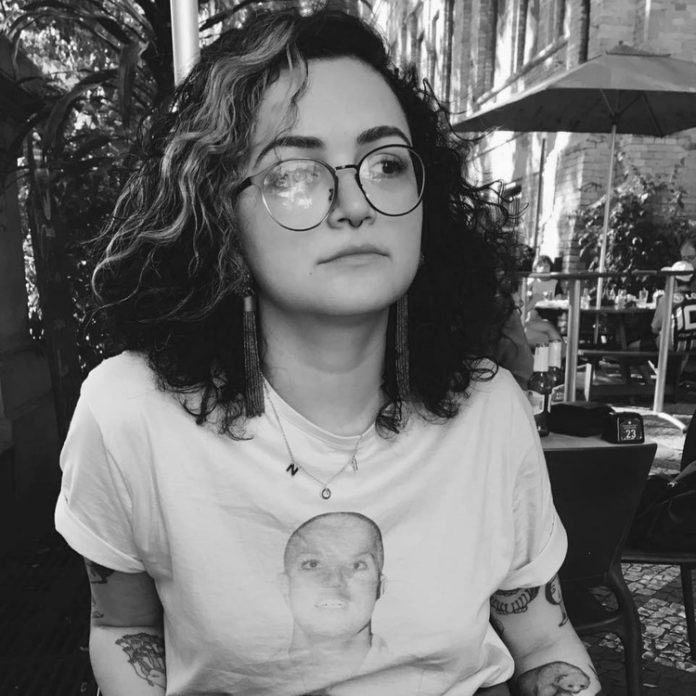
Fernanda Medeiros. Vive y trabaja en Brasil. Historiadora del arte, curadora, investigadora y productora. Actualmente es curadora adjunta, coordinadora de operaciones y coordinadora de los Centros de Curaduría y Comunicación del Museo de Arte Rio Grande do Sul (MARGS) en Porto Alegre, RS, Brasil. Especialista en curaduría por el Postgrado Lato Sensu en Prácticas Curatoriales en el Instituto de Artes (IA) de la Universidad Federal de Rio Grande do Sul (UFRGS) y Licenciada en Historia en la Pontificia Universidad Católica de Rio Grande do Sul (PUC- RS) y estudiante de pregrado de la Licenciatura en Historia del Arte, también por la IA-UFRGS. Es profesora/colaboradora del curso de posgrado (especialización lato sensu) en Historia y Gestión de Colecciones, a través del Programa de Posgrado en Historia de la Universidad de Passo Fundo (PPGH / UPF), en alianza con el Instituto Histórico de Passo Fundo (IHPF). Es la fundadora y editora de Cactus Edições, un sello de publicaciones de artistas. Trabajó en Bronze Residência y creó el festival de video arte C4NN3S y la feria de publicaciones Folhagem. Fue coordinadora del Centro de Documentación e Investigación de la Fundación Vera Chaves Barcellos (2012-2019) y socia es fundadora, curadora y productora de Acervo Independente (2014-2017).
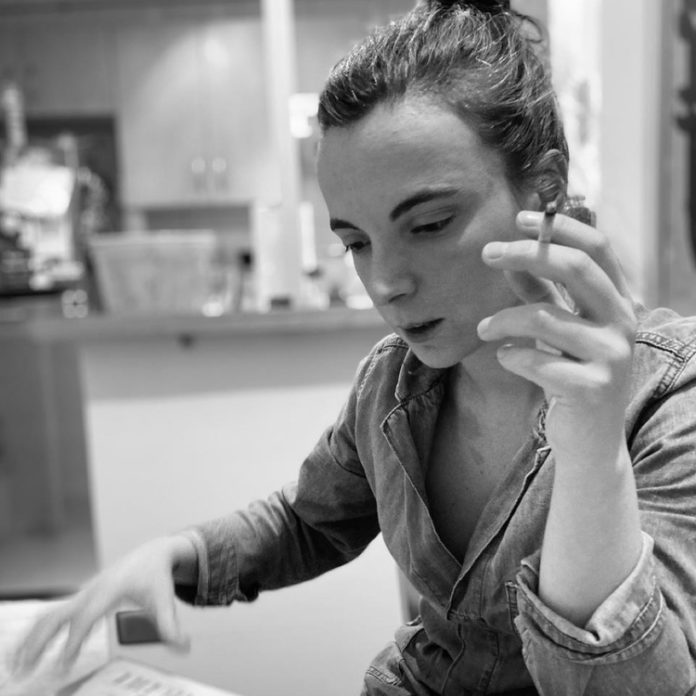
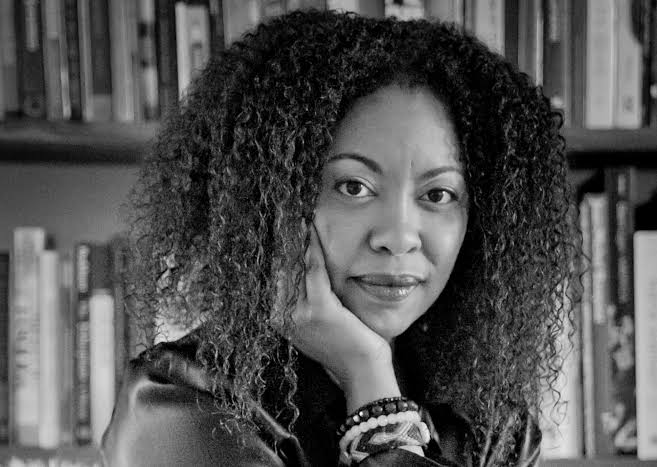
Amalia Cross (Viña del Mar, 1989)es historiadora del arte y curadora. Licenciada en Arte por la Pontificia Universidad Católica de Valparaíso (PUCV), magíster en Teoría e historia del arte por la Universidad de Chile y candidata a Doctora en Historia por la Pontificia Universidad Católica de Chile (beca CONICYT). Entre 2013 y 2015 trabajó como investigadora para el Catálogo razonado del Museo de Arte Contemporáneo de la Universidad de Chile. Y entre 2016 y 2020 se desempeñó como profesora en el Instituto de Arte de la PUCV. Ha centrado su trabajo de investigación y escritura sobre museos, colecciones y archivos de arte latinoamericano. Ha sido co-curadora, junto a María Berríos, de la exposición “Alberto Cruz: El cuerpo del arquitecto no es el de un solo hombre” (MAVI-2017) y curadora de las exposiciones “El museo en tiempos de revolución” (MNBA – 2019) y “1872” (Palacio Pereira – 2021). Entre sus publicaciones recientes destacan: “¡Las musas se tomaron el museo!” (Seminario internacional de investigación, 12 Bienal del Mercosur, 2020), “El Happening de las gallinas de Carlos Leppe: documentación y peritaje” (D21 Editores, 2020), “Historias de boicot: sobre las causas y consecuencias de la participación de Chile en el boicot a la X Bienal de Sao Paulo, 1969” (Peter C. Marzio Award , ICAA – Museum of Fine Arts, Houston, 2019) y el libro Álvaro Guevara La tela, el papel y el cuadrilátero (Mundana Ediciones, 2019). Es co-editora del sello independiente Ediciones JGV.
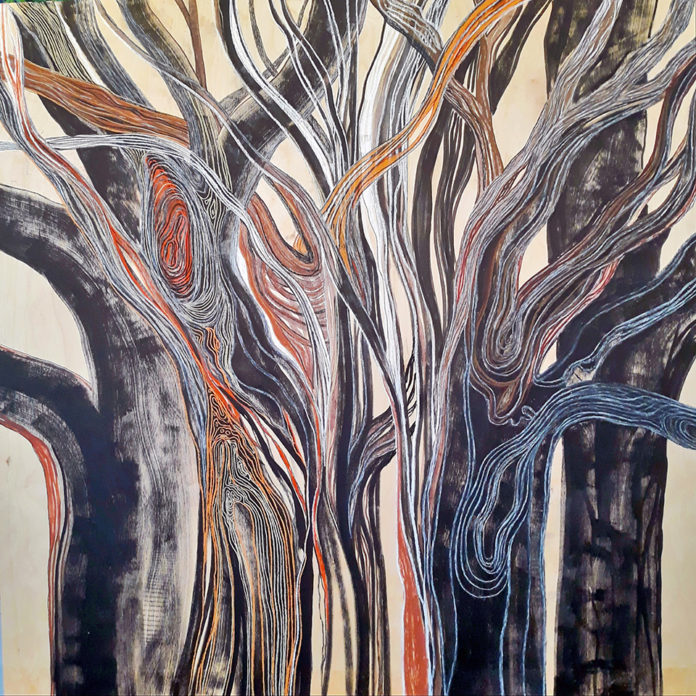
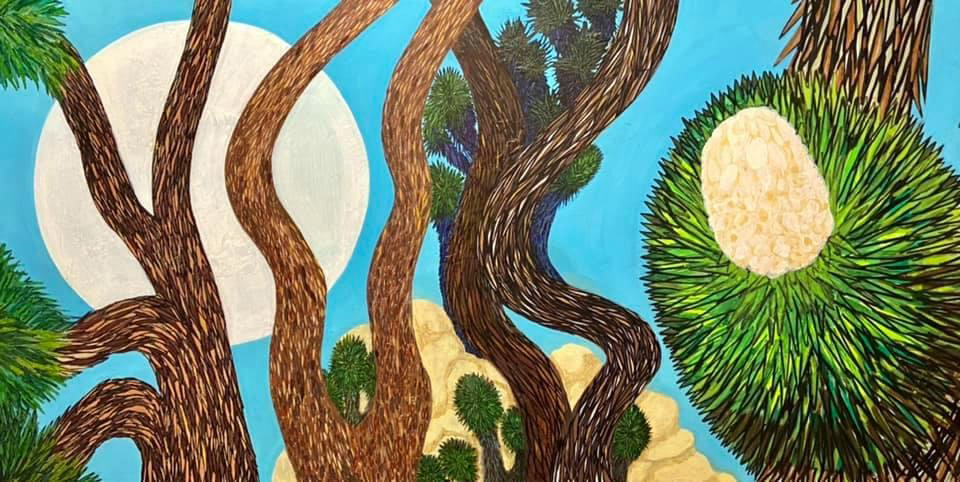
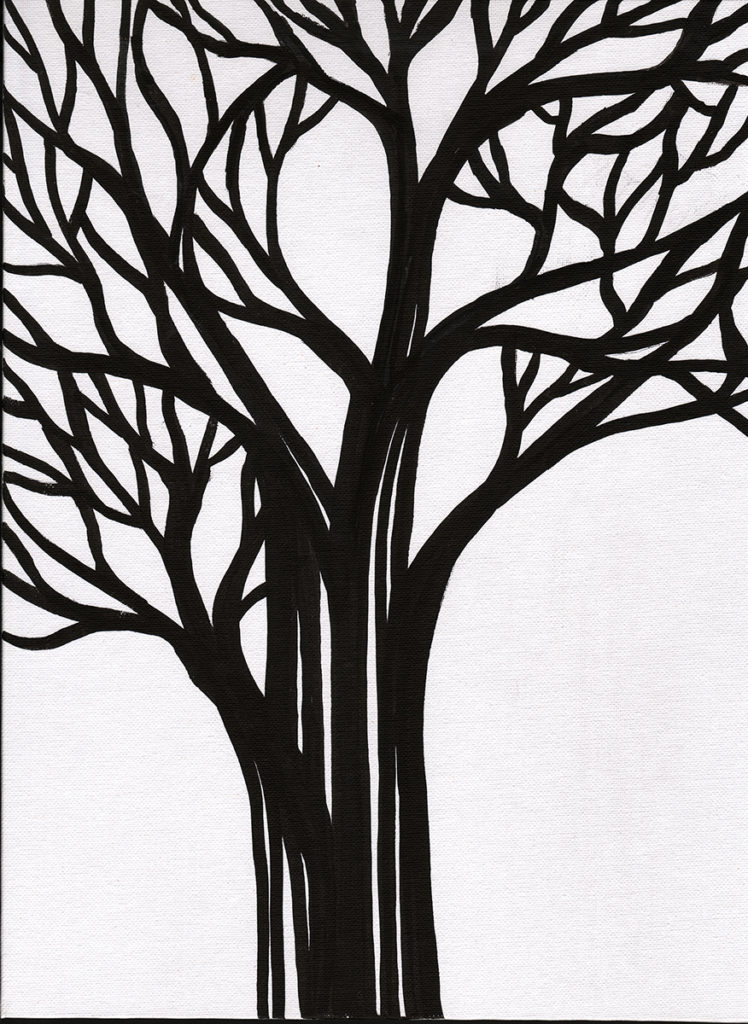
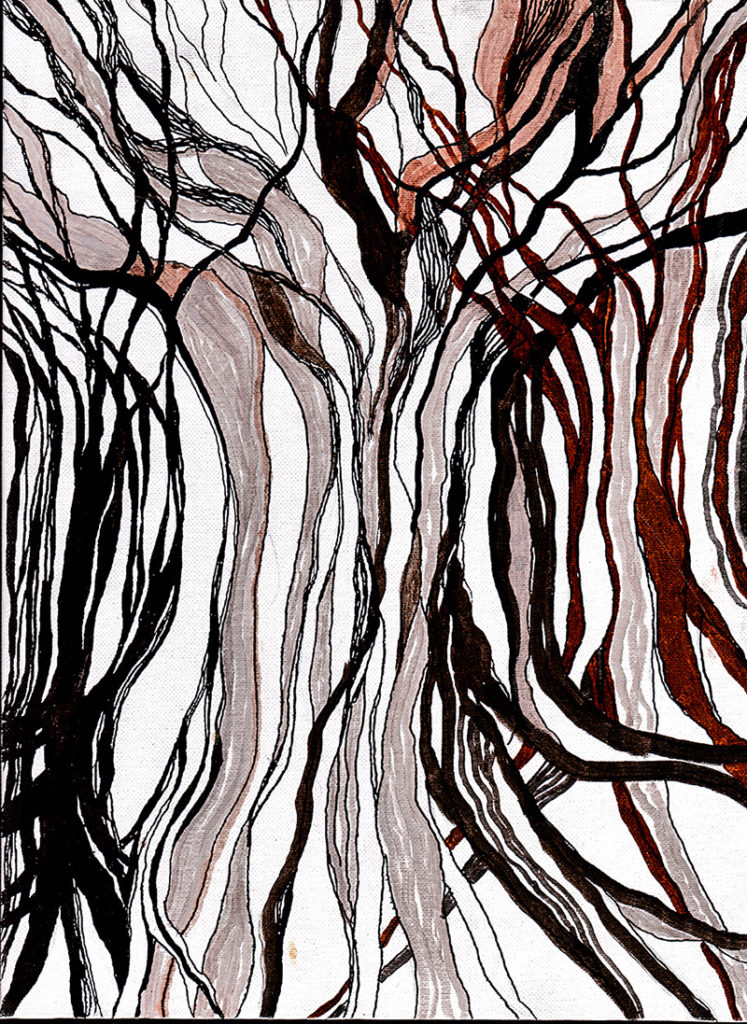
Lorien Suarez-Kanerva Wooded Terrain #1 (an ongoing studio painting) 2021
By Lorien Suárez-Kanerva
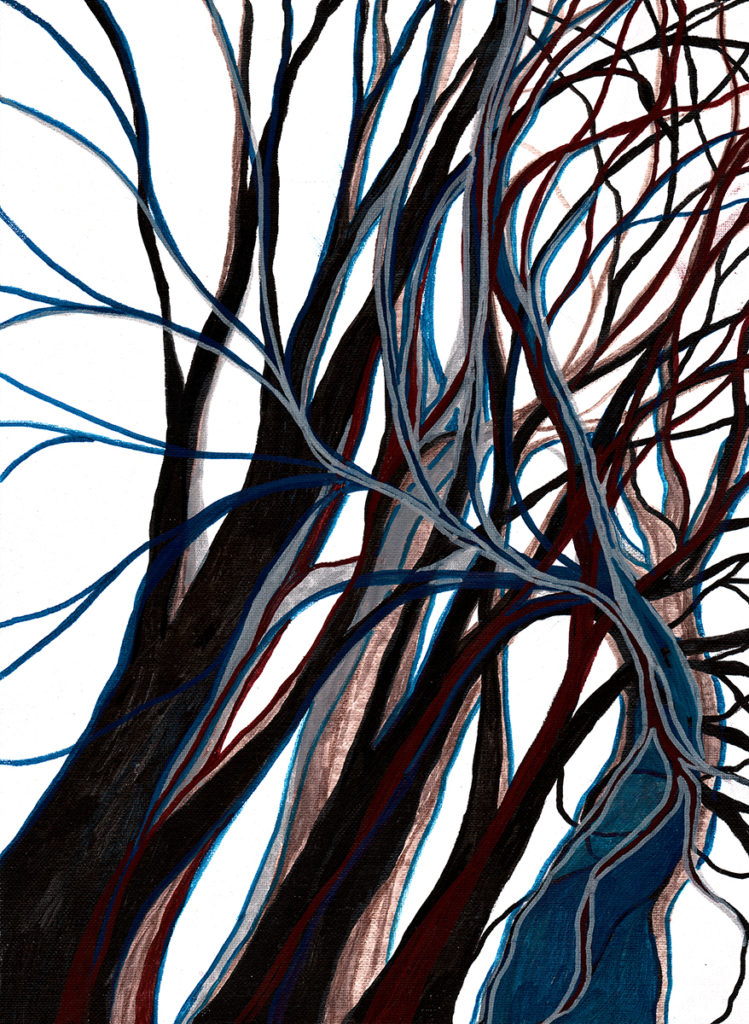
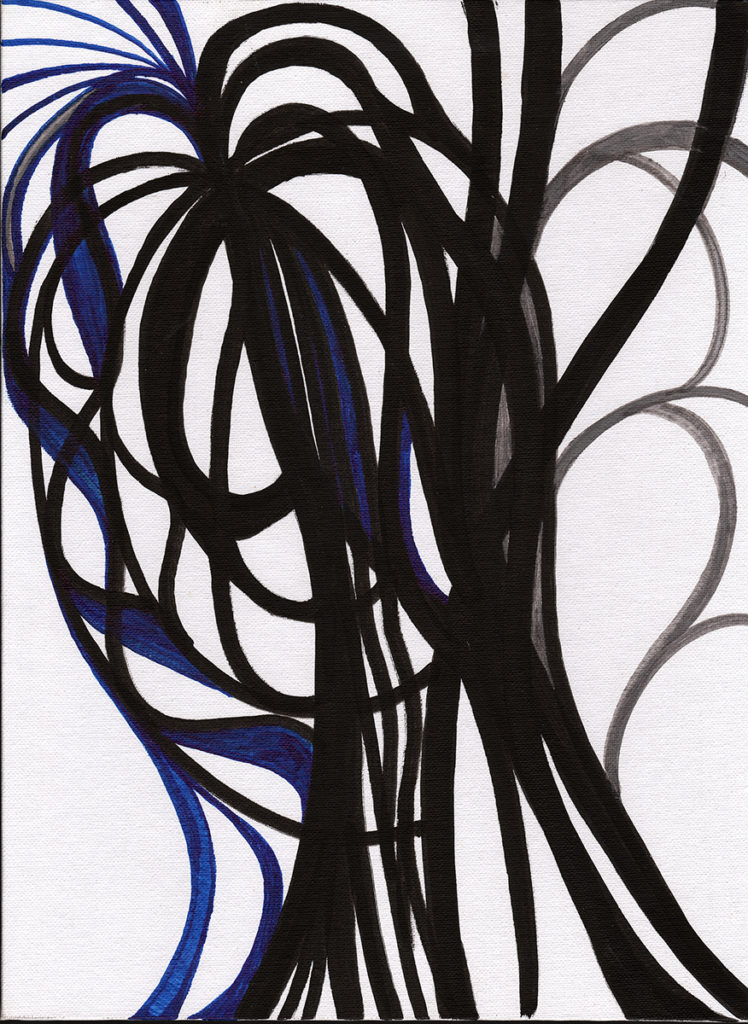
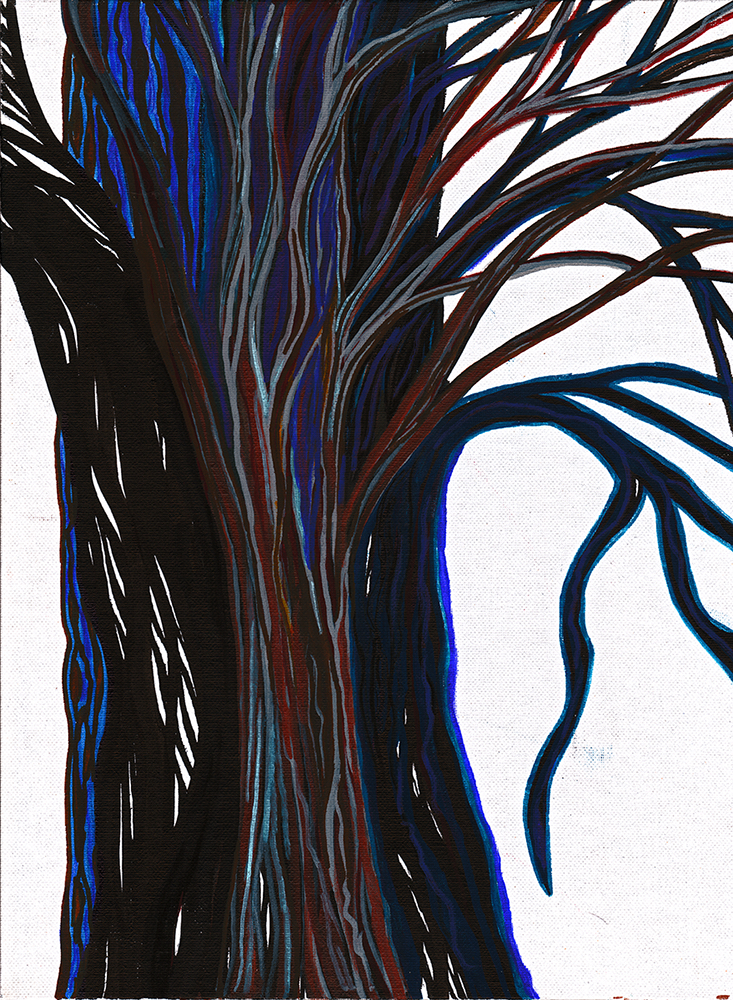
Lorien Suarez-Kanerva Wooded Terrain #2 (an ongoing studio painting) 2021
New Artwork Series “Wooded Terrain”
Artist/Palm Desert, California
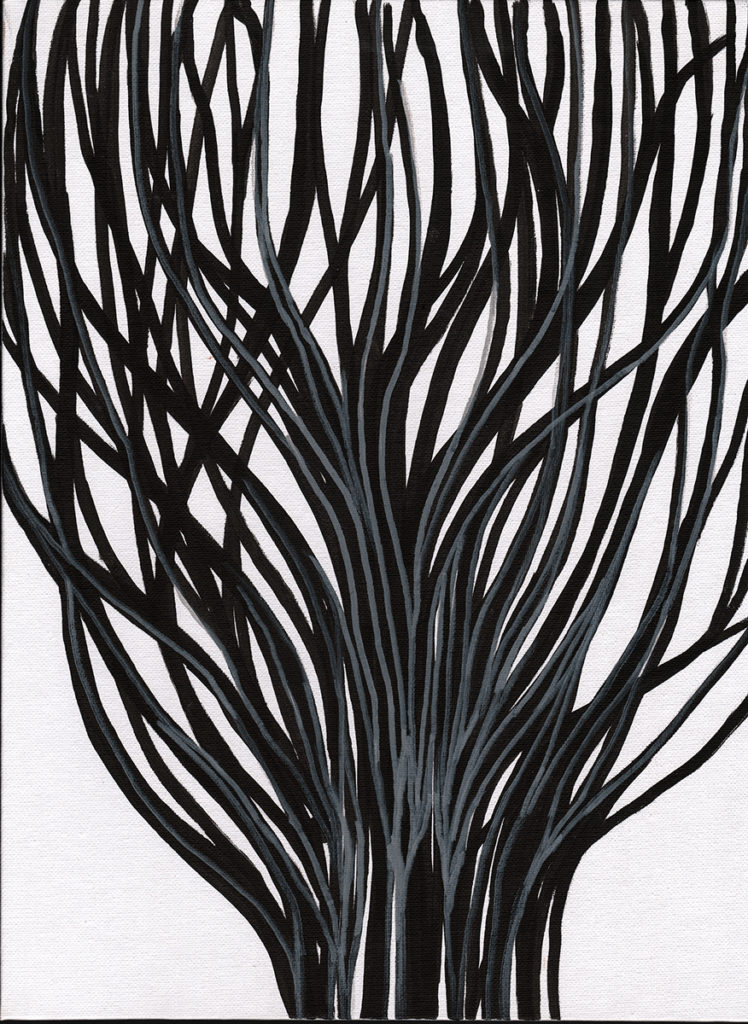
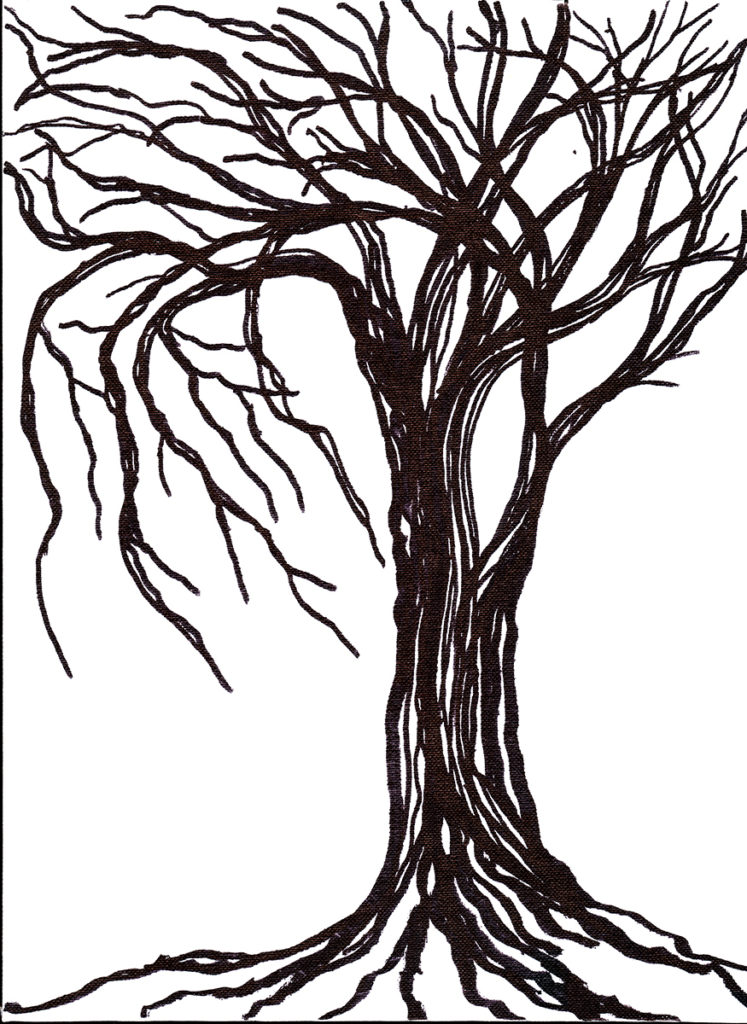
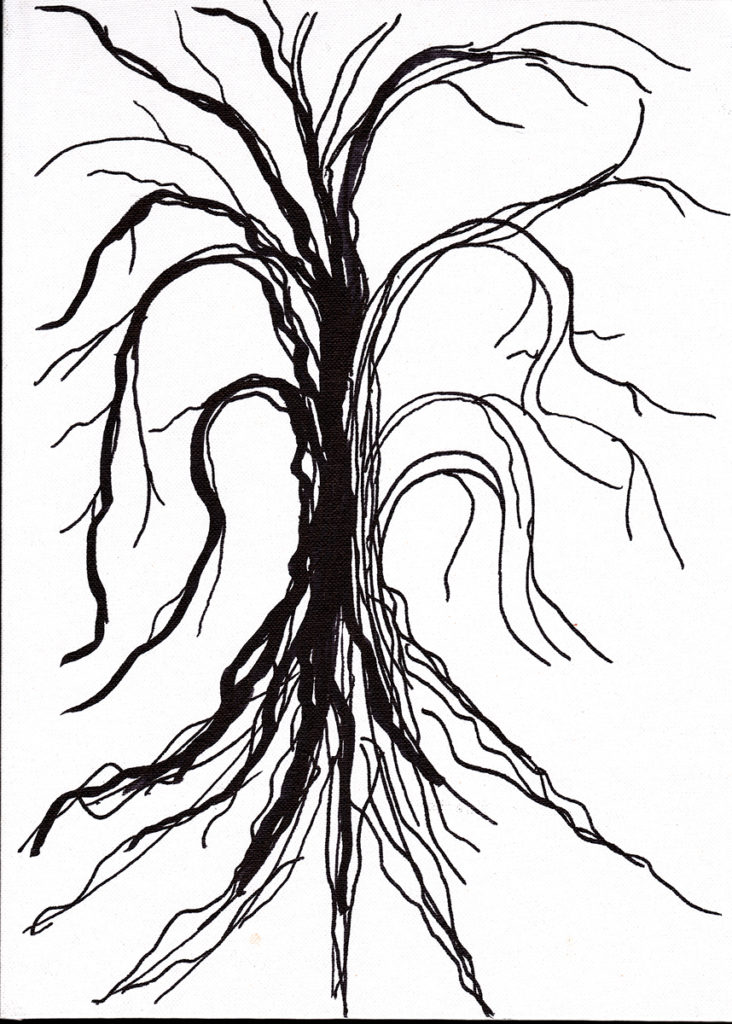
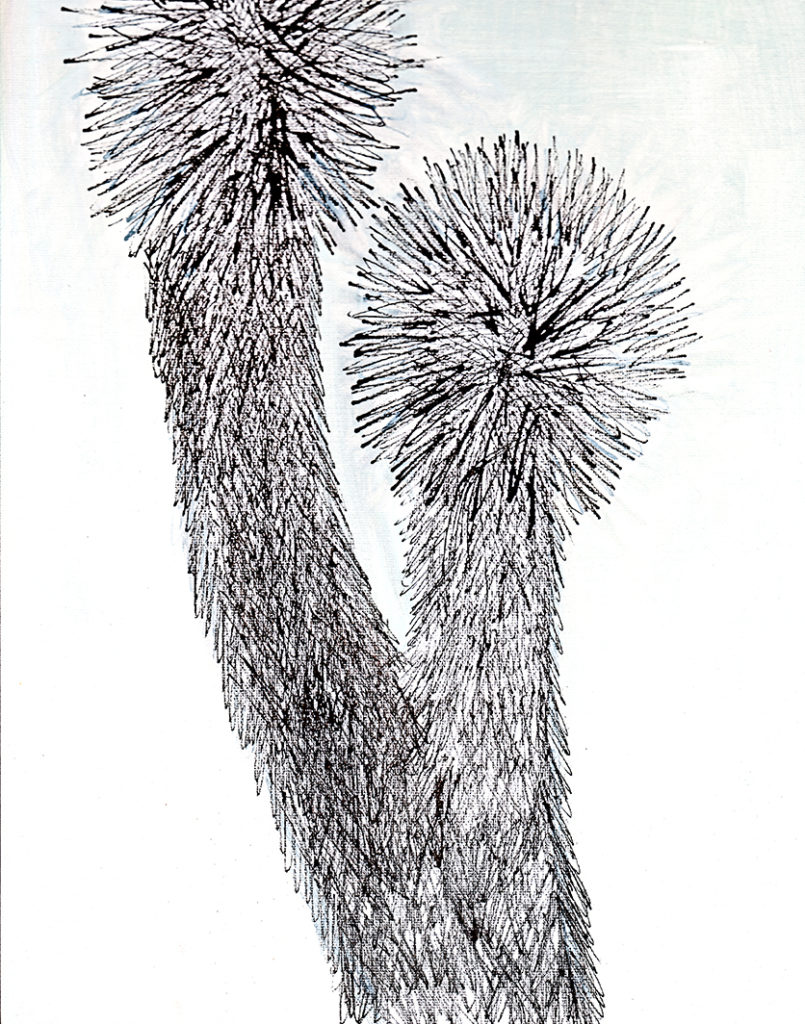
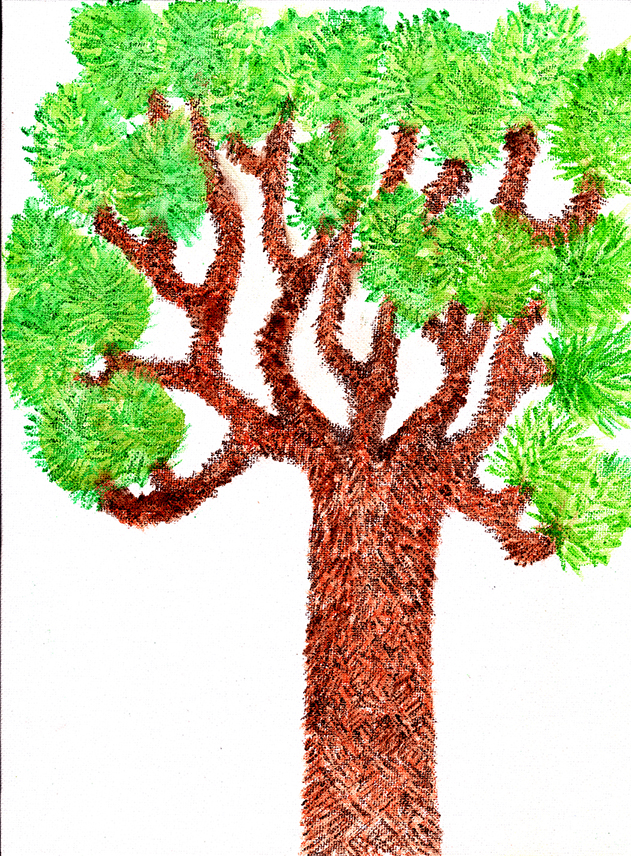
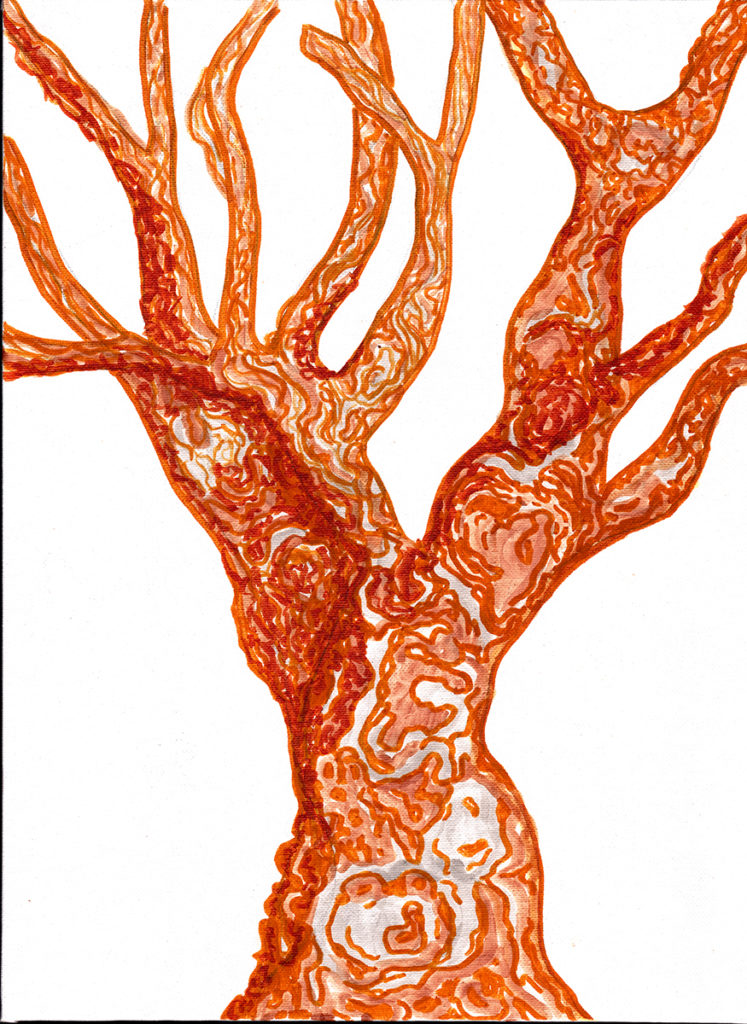
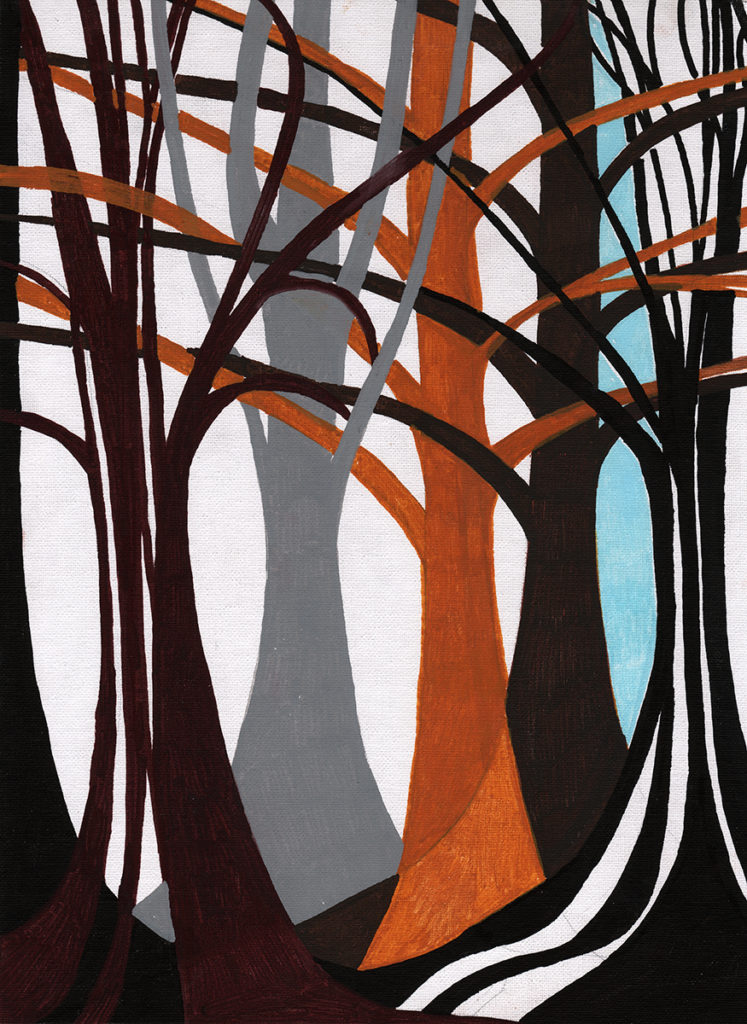
Over the last couple of months, I became creatively captivated by trees. I studied photographs, videos, and books, especially about trees’ anatomy and their fractal patterns. While doing this research, I created studies of a variety of trees.
Lorien Suarez-Kanerva Wooded Terrain Study # 1, 2021
Suzanne Simard in her TED Talk “How Trees Talk to Each Other?” addressed something that I had somehow sensed about trees. I appreciate and respect trees with their extensive lifespans reaching well beyond ours. Discovering that forests and old trees have an extensive repository of Wisdom and a root network through which they share resources and information was awe-inspiring.
Lorien Suarez-Kanerva Wooded Terrain Study #4, 2021
In his work, “Earth and Reveries of Will,” Gaston Bachelard makes observations from a phenomenologist’s perspective that address trees’ significance at a symbolic level. “To understand its role adequately, one must, at least once in one’s life, have loved a majestic tree and been moved by its counsel of solidity.”
To expand on this symbolic meaning of trees, Bachelard reflects on Virginia Woolf’s description of an Oak tree in her writing, “Orland: A Biography.”
Lorien Suarez-Kanerva Wooded Terrain Study #7, 2021
The dreamer moors his irresolute heart to the heart of the tree,…suddenly the dreamer who experiences the intimate hardness of the tree understands that the tree is not hard for nothing,…it gives to human beings a towering image of legitimate pride…and returns us to the peaceful condition of solidity. Gaston Bachelard, “Earth and Reveries of Will,” Chapter 3: Metaphors on Hardness and Solidity
Bachelard elaborates on the qualities that the tree represents.
Lorien Suarez-Kanerva Wooded Terrain Study #6, 2021
One who experiences images in all their original force knows well that no image appears by chance, that every image that has been restored to its psychic reality has deep roots. Ibid.
Alongside trees, landscapes don’t just exist to be contemplated; they have a dynamic character. “A landscape is a state of mind…gauging its forces and resistances.” Ibid. I use the term terrain to connect the title and this series with this expanded consideration of the terrain as a landscape with symbolic value.
Lorien Suarez-Kanerva Wooded Terrain Study #3, 2021
The dynamic character of landscapes rests with how these respond to forces and resistances. I find this reflection of interest to me as an artist since it connects with the beauty that I perceive from weathering. As landscapes and living forms adapt to the action of forces on them from their environment, the particular form of response they present creates a variation and transformation that’s unique to the circumstances of the specific hardship experienced.
Bachelard expands this analysis of the adaptation process by introducing the added matter of the will. The will becomes activated to meet the challenges presented by the environment.
Lorien Suarez-Kanerva Wooded Terrain Study #5, 2021
The resistant world lifts us out of our static reality, beyond ourselves, initiating us into the mysteries of energy. Henceforth we are awakened beings. Hammer or trowel in hand, we no longer stand alone – we have an adversary, something to accomplish. However insignificant it may be, we have, as a result of this, a cosmic destiny. Chapter 1: The Dialectics of Imaginary Energies
Lorien Suarez-Kanerva Wooded Terrain #3 (an ongoing studio painting) 2021
Here, I would venture to suggest that trees are, just as much as human beings, also exerting a will to adapt to adversity. In essence, trees are also “in handling diverse and quite distinctive types of matter, [developing their] own individual patterns of flexibility and resolution. Not only do [they] become adept at the crafting of forms, [trees] become materially skillful at balancing [their] strength against the resistance of matter…the [tree] at work elevates the subject to a higher plane, to an enhanced or dynamized level of existence.” Ibid.
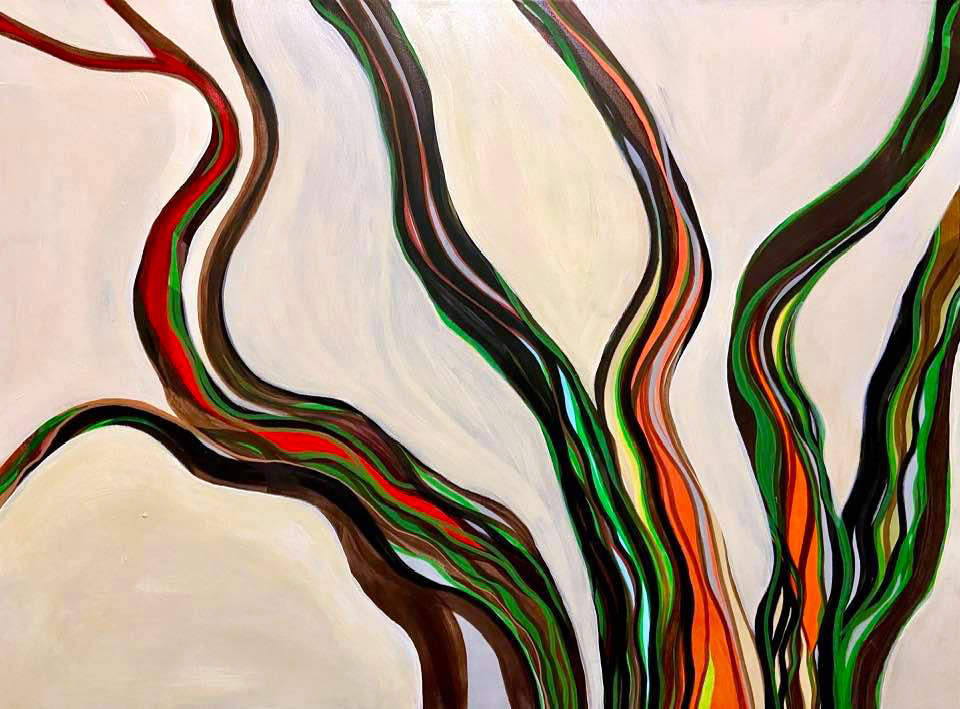
Currently, I have begun two new artworks in the series Wooded Terrain #2 focusing on Joshua Trees and Wooded Terrain #3 focused on the Tasmanian Snow Gum Tree. This is an ongoing project to share in the near future.
Lorien Suarez-Kanerva Wooded Terrain Study #12, 2021
Lorien Suarez-Kanerva Wooded Terrain Study #11, 2021
Lorien Suarez-Kanerva Wooded Terrain Study #10, 2021
Lorien Suarez-Kanerva Wooded Terrain Study #9, 2021
Lorien Suarez-Kanerva Wooded Terrain Study #8, 2021
Lorien Suarez-Kanerva Wooded Terrain Study #2, 2021
Recently, Pulitzer Prize-winning art critic Jerry Saltz got himself in some trouble when he tweeted: “A good critic always puts more into writing about art work than the artist put into making it. The artist only creates. The critic must plumb that creation & also write creatively enough to deliver the full volume of the art while also creating a thing of beauty & clarity itself.”
The howls of those who make the art were loud and long, and to his credit, Saltz later apologized for the tweet, saying he intended merely to note that critics are creators in their own right, and that good criticism is art in and of itself.
Pulitzer Prize-winner Jerry Saltz stirred up a recent Twitter controversy with comments about the role of the critic. (Dia Dipasupil/Getty)
The tempest over Saltz’s tweet dovetailed with some thinking I’ve been doing about what I do in this space. It has been almost exactly nine years since I first published my very first Biblioracle column in the dearly departed Printers Row book section, and I still don’t have a concise description of my role here. When asked, I say that I write about books and stuff.
Yes, I am a recommender of books, an unparalleled expert on that front if I do say so myself after these nine years, but this is not my full purpose. What else am I?
I am confident that I’m not a critic of the kind Saltz is thinking of. For me, critics are a combination of judge, historian and teacher, and when done well it truly is an art form in and of itself. Good criticism can help contextualize a work as part of the broader culture. It can help us see things about a work of art that might otherwise be hidden. Art does not need critics to come into existence, but it is invariably better off for the work of critics. A good critic can even make you appreciate something that you didn’t know you were even interested in.
A good example close to home is the recently departed Tribune architecture critic Blair Kamin, who won a Pulitzer Prize of his own in 1999. Writing about the architecture of the city, Kamin not only judged quality, but enhanced our understanding of the role architecture plays in the past, present and future of Chicago.
A good critic like that literally helps you see better, and when the critic sees problems, as Kamin did with his Pulitzer-winning series on the late-’90s development of the lakefront, the community is strengthened. I didn’t know I cared about architecture until I read Kamin.
Sometimes you will read my commentaries about a specific book and this will look like a review, but in my mind, they are almost always what I like to call an “enthusiasm.” I choose to write about a book, because it excites me and I’m eager to pass the word on to others. My goal is not to weigh the merits of the book as a reviewer, but to sing its praises.
Perhaps that’s what I am, an “enthusiast” for books and reading. An enthusiast need not be a Pollyanna — in fact, I’m more likely to be a worrywart than an optimist — but the enthusiast wants the object of their enthusiasm to thrive.
That’s me.
What a privilege to have had a role as a public enthusiast for nine years.
John Warner is the author of “Why They Can’t Write: Killing the Five-Paragraph Essay and Other Necessities.”
John Warner is the author of the novel “The Funny Man” and writes the Biblioracle column for Printers Row Journal. An editor at large for McSweeney’s Internet Tendency, he is a visiting professor at the College of Charleston in South Carolina.
María Elena Ortiz is Associate Curator at the Pérez Art Museum Miami (PAMM), where she curated At the Crossroads: Critical Film and Video from the Caribbean (2014) and the upcoming exhibition, Firelei Báez (2015). Previously, she worked as the Curator of Contemporary Arts at the Sala de Arte Público Siqueiros in Mexico City, where she organized several projects including Carlos Motta, The Shape of Freedom and Rita Ponce de León: David. Ortiz has also collaborated with institutions such as New Langton Arts, San Francisco; Teorética, San Jose, Costa Rica; the Museum of Craft and Folk Art, San Francisco; and Tate Modern, London. In 2012, she curated Wherever You Roam at the Museum of Latin American Art, Long Beach. Ortiz has contributed to writing platforms such as Fluent Collaborative, Curating Now, and Dawire. She has a Masters in Curatorial Practice from the California College of the Arts (2010). In 2014, she was the recipient of the The Colección Patricia Phelps de Cisneros (CPPC) and Independent Curators International (ICI) Travel Award for Central America and the Caribbean. As part of this research, Ortiz will be presenting an upcoming screening program titled, Video Islands, at Anthology Film Archives in New York.
It’s clear that the landscape of the U.S. art world is undergoing a vital transformation, with a burgeoning presence of Black curators driving significant change. The fact that a mere 4% of professionals in curatorial, conservation, education, and leadership roles in U.S. museums are African American, as highlighted by the Mellon Foundation report, underscores the immense importance of these individuals. Each of the curators listed below is not just filling a role; they’re actively shaping narratives, diversifying collections, and creating more inclusive and dynamic spaces for art and artists.
Key Contributions of Influential Curators
Here’s a look at the significant impact each of these curators is making:
Adrienne Edwards: A leading voice in performance art, Adrienne transforms museum spaces into dynamic stages, fostering a deeper engagement with live artistic expression. Her work at the Whitney highlights the vital role of performance within institutional contexts.
Akili Tommasino: Akili brings a keen eye for modern and contemporary art to the Museum of Fine Arts Boston, while also championing diversity within the museum field through initiatives aimed at empowering students of color.
Allison Glenn: Allison excels at crafting nuanced group exhibitions that forge unexpected connections between artworks. Her curatorial approach invites fresh perspectives and broadens conversations around contemporary art.
Brittany Webb: Brittany is dedicated to preserving and promoting the legacy of sculptor John Rhoden. Her work at the Pennsylvania Academy of Fine Arts is crucial for ensuring his significant contributions are widely recognized and celebrated.
Courtney J. Martin: As a curator for the Frieze Artist Award and Deputy Director at Dia Art Foundation, Courtney champions site-specific installations and supports emerging artists, pushing the boundaries of how art engages with its physical environment.
Diana Nawi: Co-curating for Prospect New Orleans, Diana is known for her innovative approach to citywide exhibitions, transforming urban landscapes into vibrant platforms for artistic engagement and community interaction.
Elvira Dyangani Ose: As Director of The Showroom in London, Elvira is challenging traditional notions of art by commissioning experimental works and providing crucial platforms for artists to debut their solo exhibitions.
Erin J. Gilbert: Erin is strategically building and expanding the African American manuscript collection at the Archives of American Art, ensuring that invaluable historical voices and artistic narratives are preserved for future generations.
Franklin Sirmans: As Director of the Pérez Art Museum Miami and a Frieze New York curator, Franklin is a powerful advocate for platforms that elevate artists of color, actively reimagining and honoring the legacies of groundbreaking spaces like Just Above Midtown.
Hamza Walker: Hamza fosters interdisciplinary dialogue in the art world, particularly at Frieze Los Angeles. His approach seamlessly integrates conversations and music, highlighting the rich connections between various artistic mediums and forms of expression.
Jade Powers: Jade is dedicated to documenting and interpreting the contributions of African American artists within museum collections. Her work enriches the narrative of contemporary art by ensuring these vital voices are visible and understood.
Jamillah James: As a co-curator for the New Museum Triennial, Jamillah is instrumental in identifying and showcasing emerging global artists, fostering an international dialogue around the future directions of contemporary art.
Juana Williams: Juana brings a unique blend of historical insight and contemporary vision to her role, curating exhibitions that connect past contributions with present artistic expressions, particularly those of Black women artists.
Kelli Morgan: A critical race historian, Kelli meticulously contextualizes American art within complex social and historical frameworks. Her curatorial practice encourages deeper analysis of visual narratives and their societal implications.
Kristina Newman-Scott: As President of BRIC, Kristina is a driving force for accessible and diverse cultural programming in Brooklyn. Her leadership ensures that art remains a vibrant and integral part of community life.
Larry Ossei-Mensah: Larry champions an expansive, multidisciplinary approach to museum programming at the Museum of Contemporary Art Detroit. He believes in creating dynamic experiences that extend beyond traditional exhibitions, engaging diverse communities.
Lauren Haynes: Lauren consistently curates compelling exhibitions that explore identity and cultural power, particularly in her work at Crystal Bridges Museum and as a curator for The Armory Show’s Focus section.
Legacy Russell: Legacy’s work as a writer and curator delves into the intersections of gender, performance, and new media. At the Studio Museum in Harlem, she explores how digital narratives and fluid identities redefine contemporary artistic expression.
Linda Harrison: As Director and CEO of the Newark Museum, Linda is leading a significant charge in diversifying museum leadership and collections. Her vision is making the institution more inclusive and representative of broader cultural narratives.
Margot Norton: As a co-curator for the New Museum Triennial, Margot is key in identifying and presenting cutting-edge global artists, shaping the discourse around contemporary art’s most innovative trends.
N’Goné Fall: As the General Commissioner for Season Africa 2020, N’Goné is a pivotal figure in showcasing African creativity and perspectives on a global stage, spanning diverse artistic disciplines and cultural expressions.
Naima J. Keith: Naima is a vital force in nurturing emerging talent, with key roles at Prospect New Orleans and Expo Chicago. She creates crucial platforms for new artists and galleries to gain visibility and influence.
Naomi Beckwith: Naomi excels at curating impactful exhibitions with profound social and cultural resonance at the Museum of Contemporary Art Chicago. Her work often addresses complex themes related to the Black experience, fostering critical dialogue.
Ndubuisi C. Ezeluomba: Ndubuisi brings a rich, authentic perspective to African art at the New Orleans Museum of Art. His curatorial practice deeply explores the cultural and spiritual meanings embedded within these works.
Rayna Andrews: As an archivist at the Smithsonian Archives of American Art, Rayna plays a critical role in preserving and making accessible historical records of African American artists, ensuring their stories and contributions endure.
V. Mitch McEwen: V. Mitch uniquely connects art, design, and urban development through her curatorial work with IdeasCity. She explores how culture can drive the future of cities, envisioning more inclusive and sustainable environments.
Vera Grant: Vera is adept at weaving together modern and contemporary art with rich cultural narratives, particularly those of African and African American heritage, enriching the collection and dialogue at the University of Michigan Museum of Art.
Yesomi Umolu: As Artistic Director of the Chicago Architecture Biennial, Yesomi brings a global perspective and spatial sensibility to her curatorial vision, exploring how built environments shape our lives and perceptions.
Yolanda Wisher: As Curator of Spoken Word at Philadelphia Contemporary, Yolanda uniquely integrates poetry and performance into visual art spaces, bridging disciplines and creating immersive auditory and visual experiences.
Zoé Whitley: Zoé is a perceptive international art curator, notably for the British Pavilion at the Venice Biennale. She consistently champions artists who challenge conventions, presenting work that sparks profound reflection on global identities and narratives.
The collective efforts of these 30 individuals are not just about representation; they are about fundamentally transforming the art world, making it more diverse, inclusive, and reflective of the complex, multicultural societies we inhabit.
Toña Vegas – Energy Matters Triptic- 2018- 63″ x 26″- Watercolor, ink & oil on yupo paper- Photo @pedrowazzan
The long night. The sound of the water says what I think.
Gochiku
The recent work of Toña Vegas gathered in “Energy Matters” seems to be guided by and to propitiate an ineffable knowledge. The patient and methodical contemplation of nature that the artist has carried out as part of her existential experience has led her to understand the hidden essence shared by everything—the breath of cosmic life that is energy. In the pieces displayed, she transfers that energy by registering their tracings or by picturing their waves and effluvia.
Toña Vegas – Shizen series- 2018- 15″ x 12″- Perforated Shizen paper & black gesso- Photo @pedrowazzan
In the contemporary critical perspective, rooted in the western philosophical tradition, the fact that art produces a diverse mode of knowledge—in which forms and images involving both the spectator and the artist access a subtle understanding of reality and a special awareness of the world—is often left aside.
Toña Vegas- Energy matters. Homage to Oscar Perez- 2018- 101″ X 80″- Ink & oil on yupo paper- Photo @tonyavegasofficial
Following this idea, “Energy Matters” is presented as a sensitive lesson that suggests the great mystery of who and what we are—part of a nature that contains us, part of a cosmos that inhabits us, and part of an energy that transforms and continues towards infinity temporal space.
Toña Vegas – Energy Matters Triptic II – 2018- -12″x29″- Watercolor, ink & oil on yupo paper- Photo @pedrowazzan
In the works of the Shizen and Scripture series, the “silent writings” of the sea, the surfaces of rocks, the bark and leaves of trees, or the shapes of clouds—“unveiled” by subjecting photographs of these elements to a high contrasting technique—have been transcribed into perforations on black-painted paper or, as in Traces, into the “positive” silhouettes of its contours. The Energy Matters series comprises paintings executed by Vegas using her fingers; this allows her to materialize her own energy pictorially. In the process, guided by her senses and intuition, energy appears simultaneously as structure and vibration in layers that overlap and interweave, creating a complex and deep space. These pieces are also traces, vestiges of an energy that is transformed into lines and stains, of a continuous flow suggesting skins of animals, leaves fluttering in a breeze, the wall of an old cave, or a burning emotion.
Toña Vegas – Scriptures. Leaves & Bark – 2018- 34″ x 24″ – Perforated Hahnemulhe paper & black gesso -Traces. Bark- Hahnemulhe paper & black gesso- Photo @pedrowazzan
The nature of some works of art could be related to Eastern philosophical practices which incorporate subjectivity and non-explicit notions as parts of the knowledge process. As in Taoism—where the teacher does not teach what he knows as something that he possesses and transmits rationally and objectively—the work of Toña Vegas communicates knowledge in a poetic way, through “brushstrokes of meaning” that trigger understanding. This process assumes the relativity of the cognitive experience and, subsequently, the immeasurability of any notion of reality.
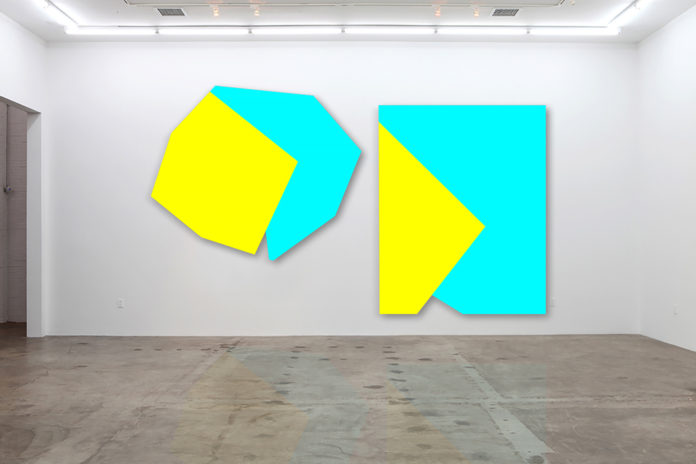
Holland Cotter reports in the New York Times that Ellsworth Kelly has passed away. Recognized for his elegant and vibrant works that blend hardedge abstraction with Minimalism, Kelly lived in Spencertown, New York. His death was announced today by Matthew Marks of Matthew Marks Gallery.
Kelly was born on May 31, 1923 in Newburgh, New York. After his discharge from the Army in 1945, he studied painting at the School of the Museum of Fine Arts in Boston from 1946 to 1947. In 1948, he moved to Paris and encountered numerous European artists, including Brancusi, Picabia, and Giacometti, among others. Here, he began to craft an aesthetic that incorporated strategies of chance with a tracing of motifs found in life. Returning to New York in 1954, Kelly further harnessed his output and distanced himself from Action Painting, instead focusing on a single shape or working with shaped canvases. These spare yet significant methods of working were examined and refined in much of his subsequent signature work. In his recent paintings, Kelly distilled his palette, often to white or black, and introduced new forms.
Of Kelly’s 1996 retrospective at the Guggenheim Museum in New York, James Meyer wrote for Artforum: “What can we learn from a retrospective of Kelly’s work? The rewards of sticking to one’s guns.”
FRAGMENTOS E IDENTIDAD. COLLAGES DE RICARDO CARBONELL
Ricardo Carbonell Rupture #3
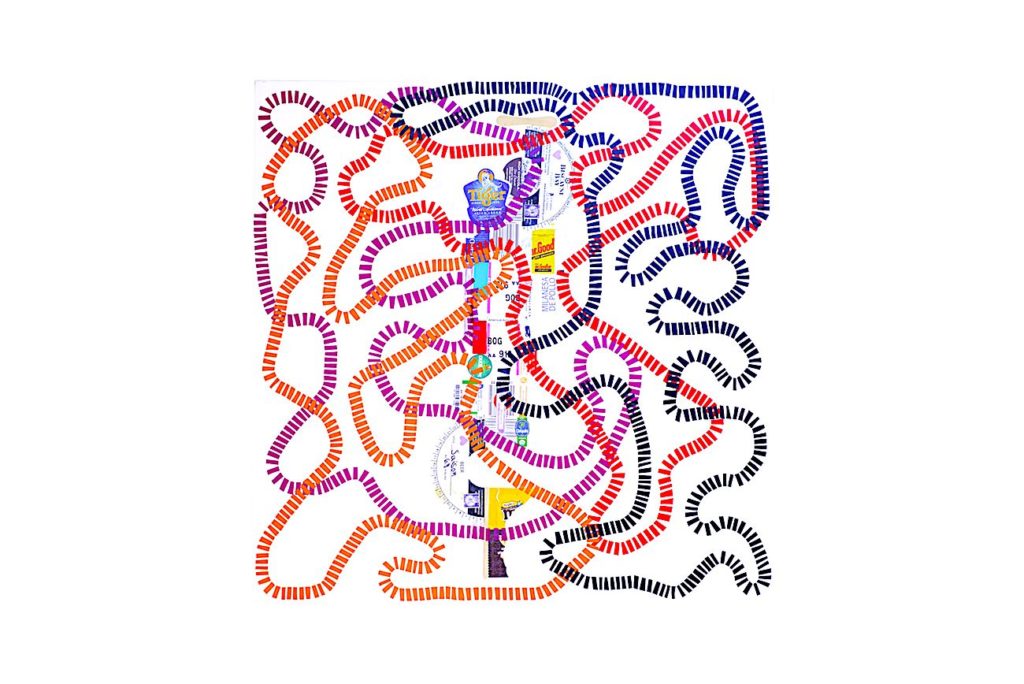
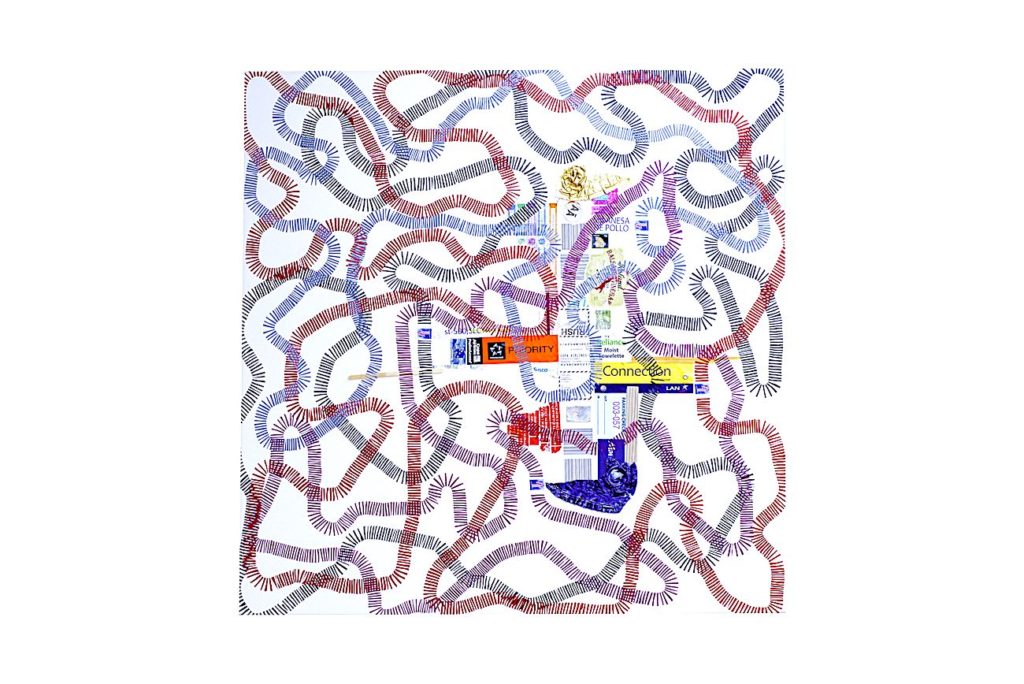
Converso en esta oportunidad con el artista del collage Ricardo Carbonell, quien, desde Caracas, Venezuela, me comenta sobre su obra y sus inicios en este transitar del arte. Carbonell (Caracas, 1952) abogado de profesión, se desenvuelve conjuntamente desde hace más de dos décadas, en el difícil —a veces ingrato— quehacer del artista. La consolidación de su vida profesional como abogado, no fue nunca obstáculo para desarrollar en paralelo una expresión plástica que desde niño ya se manifestaba a través del dibujo y la pintura. Pero es el collage, esa expresión artística intimista y en su caso, de cortes y pegados precisos, lo que ha sido su línea de investigación por tantos años, convirtiéndose en el eje fundamental de su trabajo.
Sus herramientas, mayoritariamente objetos del cotidiano, papeles de distinto gramaje, tirros coloridos, exacto y tijeras, dan forma a maravillosos collages cargados de dinamismo compositivo dispuestos sobre el soporte, en tela o papel. Y es que esta técnica que ya tiene en su haber un recorrido de varias centurias, irrumpió con fuerza en las vanguardias de la primera mitad del siglo XX y se mantiene en el discurso plástico de los artistas contemporáneos.
Ricardo Carbonell Road Series #11 2019 collage on canvas 40×40 inches
Carbonell imprime un sello personal a su obra, —un género que abarca estilos, técnicas, materiales y soportes variados— con el uso de cintas plásticas para electricidad en cortes y composiciones diversas. Es un artista metódico, organizado y en algunas de sus series —si no todas—, la nomenclatura numérica se convierte en parte del registro de la pieza, seguido de una palabra que denomina un color. Algo así, como si de un código se tratase. La serie Columnas, desarrollada en años recientes, es un ejemplo de ello. El artista dispone en vertical, bloques de cintas adhesivas en tonalidades diversas a modo de columnas, asignando un número a cada color, con lo que cada pieza se denomina según los colores utilizados en su elaboración. El artista comenta: “…dado que la paleta de los tapes o cintas adhesivas es escasa, le asignamos a cada color un número…”. Me explica que dispone de una gama de apenas 9 colores y en ocasiones, el fondo blanco del soporte se convierte en columnas inadvertidas que dan peso visual a la composición.
Ricardo Carbonell SErie aL-15-8
La serie Collages, ha sido producida entre 2013-2019 y en palabras del artista, refiere a “…un sueño y su realización, que culminó con la ejecución de 138 obras…”. Elementos coleccionados por años, dan vida a este cuerpo de trabajo con el que el artista motiva al espectador a crear sus propias historias; objetos reconocidos por el colectivo y que podrían “hablarle” de una cotidianidad a otra. Es así como el cambio de uso de los objetos, les imprime otro carácter y es desde esa otra dimensión —la artística— en la que se han insertado, desde la cual tendrán una nueva identidad.
Tickets de transporte público, envoltorios de golosinas, pegatinas de tiendas por departamento, llaves, paletas de helado, restos de algún hilo colorido, entradas a eventos, trozos de alambre, cápsulas de precinto de botellas de vino, todo suma en polícroma composición sobre el soporte. Una mirada intimista, muy cercana al recuerdo cotidiano.
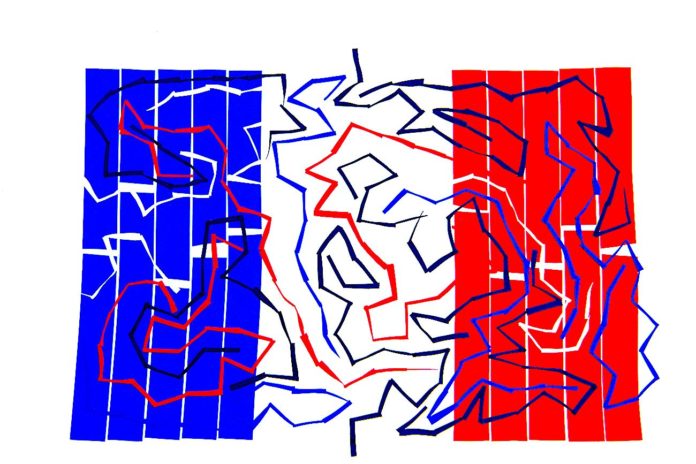
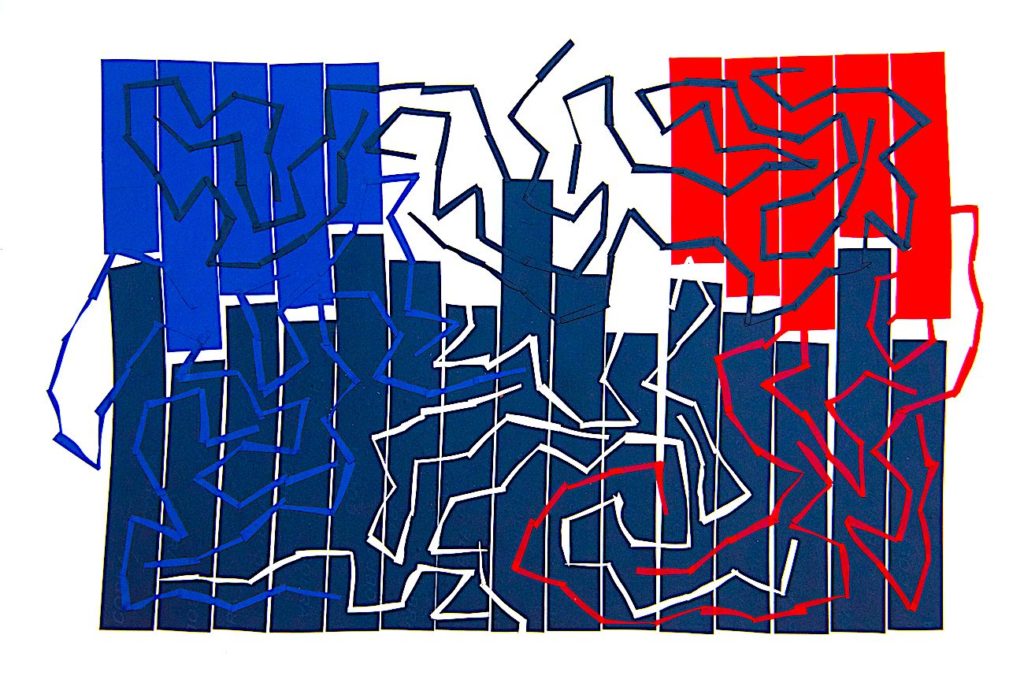
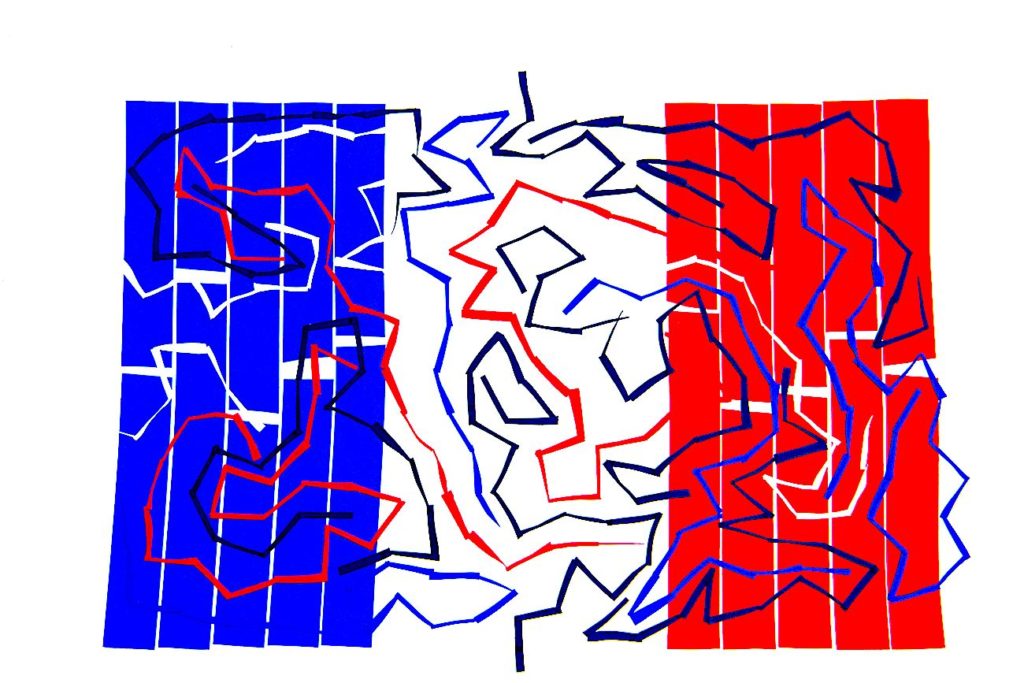
En noviembre de 2015, un trágico hecho conmovió a la Ciudad Luz. París, la cuna del glamour, la gastronomía y la moda, se vio sacudida por múltiples explosiones que dejaron un saldo trágico de muerte y destrucción, entre ellos el ataque al Teatro Bataclan. La serie París Bataclán, nace de esa situación infortunada. Así lo relata el artista: “Ante esa negativa realidad ejecutamos a las horas de los acontecimientos,…una serie de seis (6) obras…”. De nuevo el carácter intimista de una técnica desarrollada en el silencio de un estudio de muy poco espacio, da pie para el desarrollo de un cuerpo de trabajo basado en los colores de la bandera francesa —azul, rojo y blanco—. El artista articula franjas verticales atravesadas por líneas laberínticas dispuestas sobre el plano. Las franjas, —columnas fracturadas y en ocasiones, interrumpidas por el color negro—, expresan la consternación de la tragedia. París, la ciudad idílica, ha quedado indefectiblemente impactada.
Ricardo Carbonell Road Serie 8 2019 collage on canvas 40×40 inches
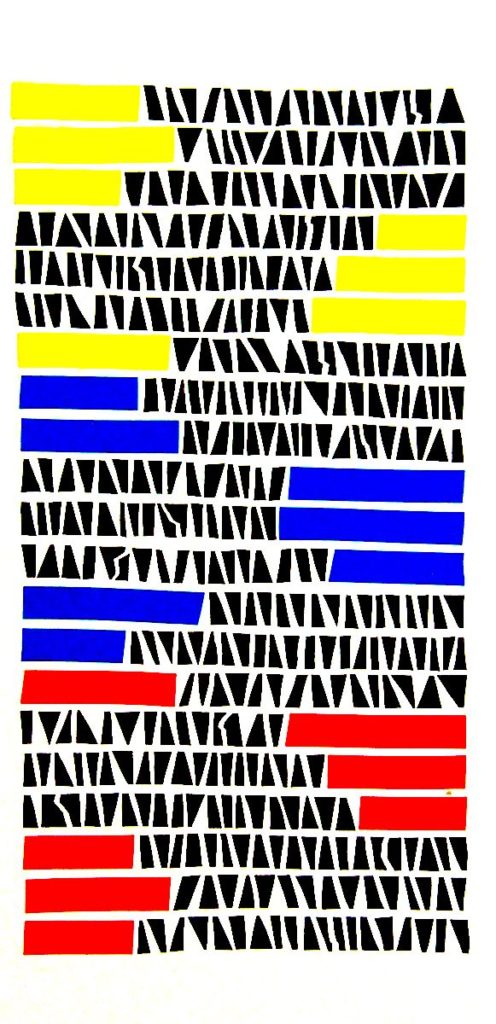
Otra de sus series, Rupture, es una obra de carácter político con un componente de silente repudio a lo que acontece en su país natal, Venezuela. Un cuerpo de trabajo de 14 piezas elaboradas en tapes de colores amarillo, azul y rojo —los del tricolor nacional— dispuestos de manera horizontal sobre el lienzo como soporte. Las 7 estrellas blancas originalmente ubicadas en la franja central azul del estandarte nacional, dan paso a elementos triangulares en color negro, colocados en un ordenamiento específico a lo largo de toda la obra, y que expresan el oscurantismo por el que atraviesa la sociedad venezolana. Es la ruptura de la constitucionalidad, de una democracia venida a menos y de un sistema comunista impuesto por el régimen gobernante.
Ricardo Carbonell Paris Bataclan Series V
La obra de Ricardo Carbonell se nutre del cotidiano, de sus vivencias y de la observación consciente de hechos y realidades que lo marcan no solo en lo personal, pero además tienen repercusión en lo colectivo. Como espectador, no me distrae el colorido y la composición estéticamente agradable de sus piezas. En ocasiones me cuestionan en dialogo amable. Y cuando el arte es cuestionador, puedo llegar a ser empático con el artista, desde la conexión emocional con la obra a través de percepciones y sentimientos personales. Intentar interpretar qué ha sucedido entre el objeto en desuso y su escogencia por parte del artista —para infundirle nueva vida— es algo que queda en la mente del espectador. Enero 11, 2021
NOTA: Imágenes cortesía del artista y de MIA Curatorial Projects.
Toña Vegas – Energy Matters Triptic- 2018- 63″ x 26″ Watercolor, ink & oil on yupo paper- Photo @pedrowazzan
La larga noche; el sonido del agua dice lo que pienso.
Gochiku
El trabajo reciente de Toña Vegas reunido en «Energy Matters» parece guiado por y para propiciar un conocimiento que es inefable. La contemplación paciente y metódica de la naturaleza que la artista ha realizado como parte de su experiencia existencial, la ha llevado a comprender la esencia recóndita que comparte todo lo que contiene ese soplo de vida cósmica que es la energía, y que ella transvasa, en las piezas que hoy vemos, a través del registro de sus huellas gráficas o de la «pictorialización» de sus ondas y efluvios.
Toña Vegas Shizen series 2018- 15″ x 12″ Perforated Shizen paper & black gesso Photo @pedrowazzan
Para la perspectiva crítica contemporánea, arraigada en los constructos derivados de la tradición filosófica occidental, queda de lado frecuentemente el hecho de que el arte comporta un modo diverso de conocimiento, en el que, a través de formas e imágenes, tanto el espectador como el artista acceden a una comprensión sutil de la realidad y a una especial conciencia del mundo.
Siguiendo esto, «Energy Matters» se presenta como una lección sensible que nos asoma al gran misterio de lo que somos: partes de una naturaleza que nos contiene, de un cosmos que nos habita y de una energía que se transforma y continúa hacia la infinitud espacio-temporal.
Toña Vegas- Energy matters. Homage to Oscar Perez- 2018 – 101″ X 80″ Ink & oil on yupo paper- Photo @tonyavegasofficial
En las obras de las series Shizen y Scripture las «escrituras calladas» del mar, las superficies rocosas, las cortezas vegetales, los follajes o las nubes —«develadas» al someter a alto contraste fotografías de estos elementos— han sido transcritas en surcos perforados en papel pintado de negro o, como en Traces, en las siluetas «en positivo» de sus contornos. La serie Energy Matters comprende pinturas ejecutadas usando los dedos como medios que permiten a la artista materializar pictóricamente su propia energía. En el proceso, guiado por la sensorialidad y la intuición, esta aparece simultáneamente como estructura y vibración, en capas que se superponen y entretejen, creando un espacio complejo y profundo. Estas piezas constituyen también huellas, vestigios de una energía que se transforma en trazos y manchas, en un caudal continuamente sugerente en el que aparecen, a un tiempo, la piel de un animal, hojas movidas por la brisa, la pared de una antigua gruta, o una emoción que abrasa.
Toña Vegas – Energy Matters Triptic II – 2018 – 12″ x29″ Watercolor, ink & oil on yupo paper- Photo @pedrowazzan
La naturaleza de la obra de arte –o quizás de algunas muy especiales, como las aquí exhibidas– se emparenta con las prácticas filosóficas orientales, que incorporan la subjetividad y las nociones no explícitas como partes del proceso de conocimiento. Como en el taoísmo, donde el maestro no enseña lo que sabe como algo que posee y que trasmite racional y objetivamente, la obra de Toña Vegas comunica un saber de modo poético, a través de «pinceladas de sentido» que desencadenan el entendimiento, pero asumiendo dentro de sí la relatividad de la experiencia cognitiva y, más allá, lo inabarcable de toda noción de realidad.
Toña Vegas – Energy Matters Triptic II – 2018 12″ x29″ Watercolor, ink & oil on yupo paper- Photo @pedrowazzan