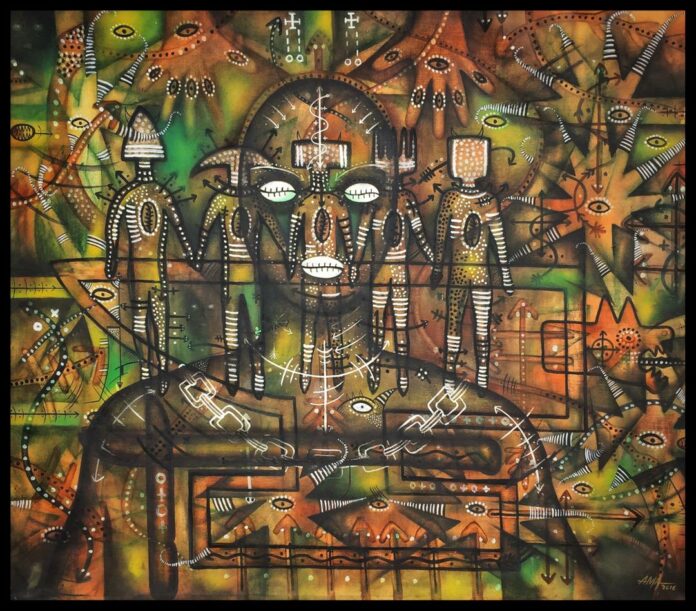
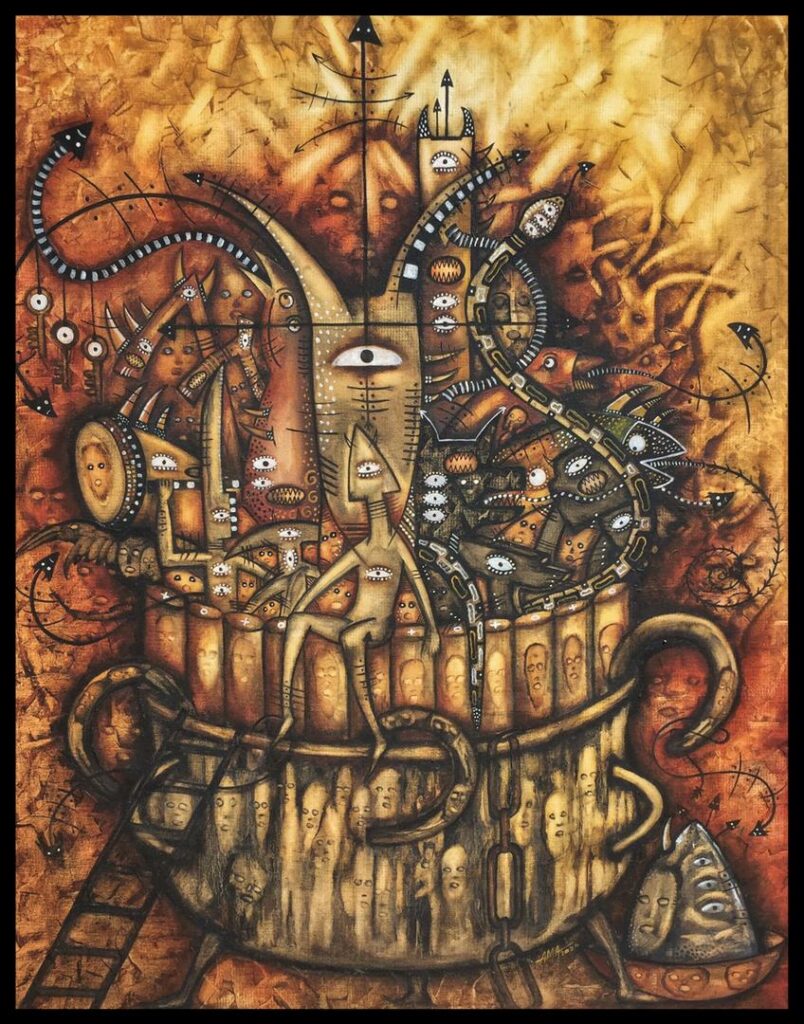
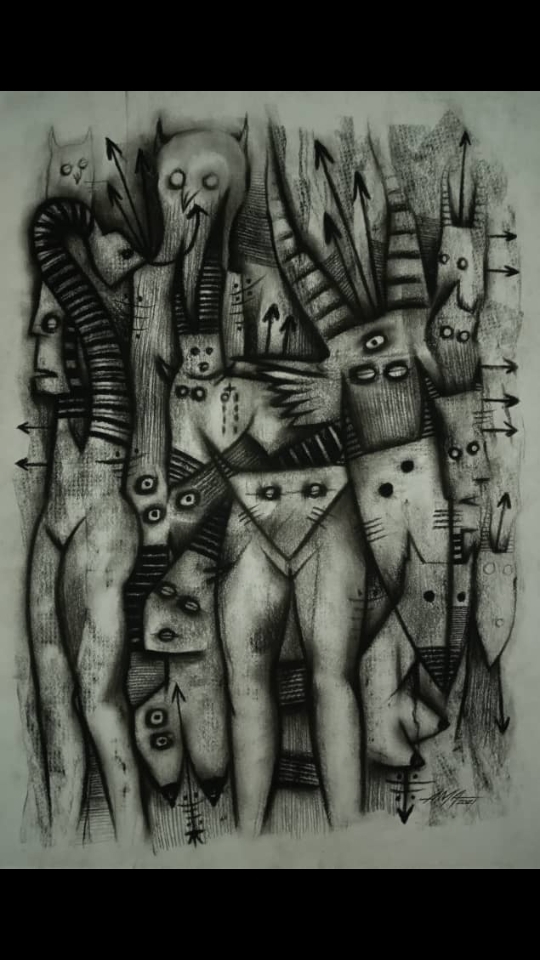
Michel Pérez Sosa artista visual
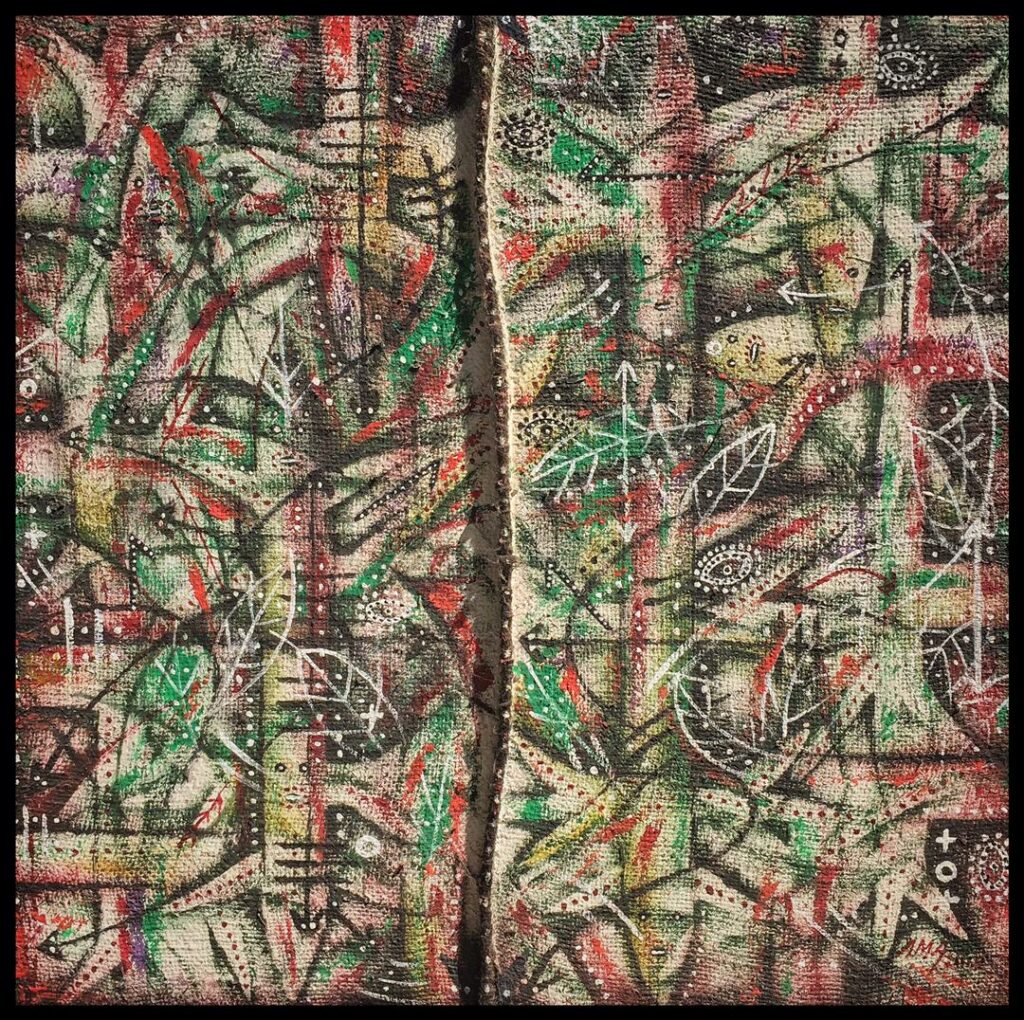
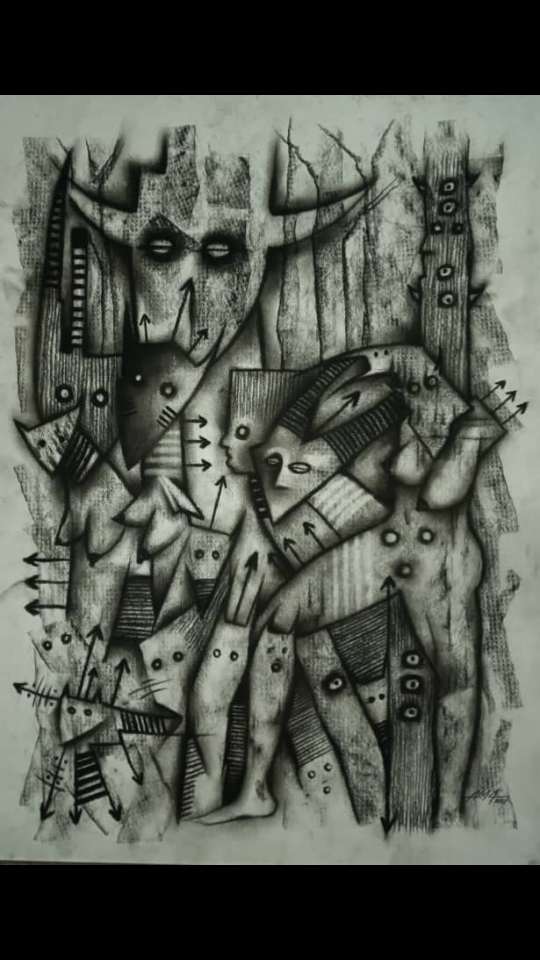
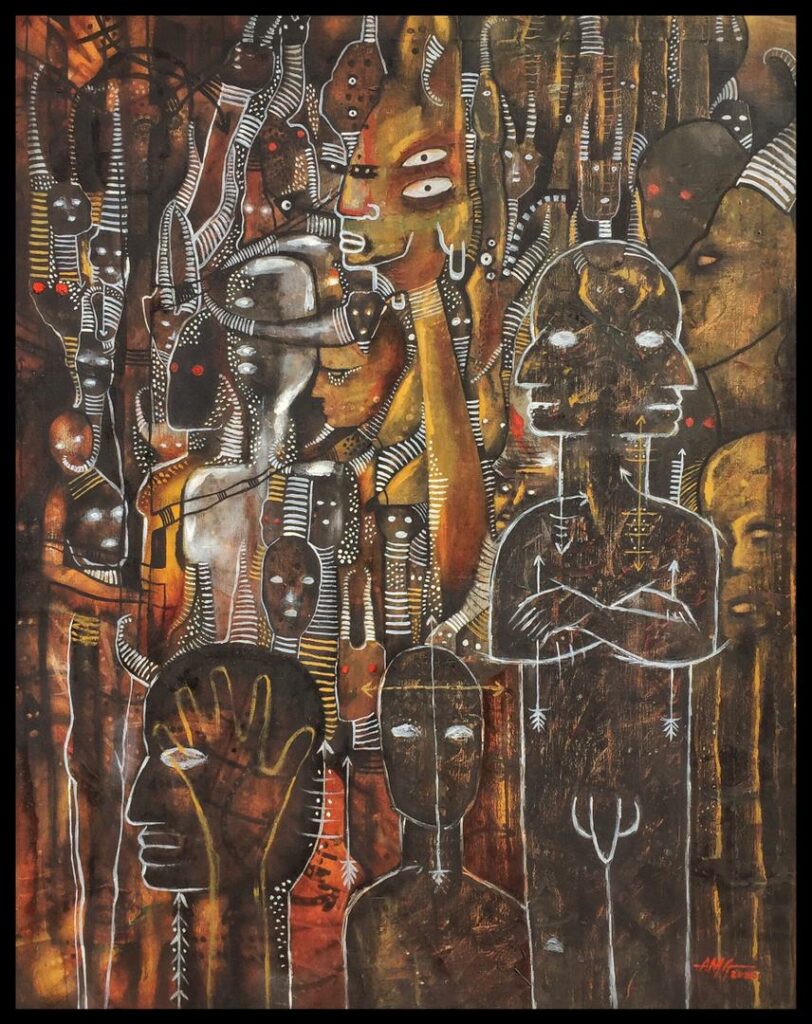
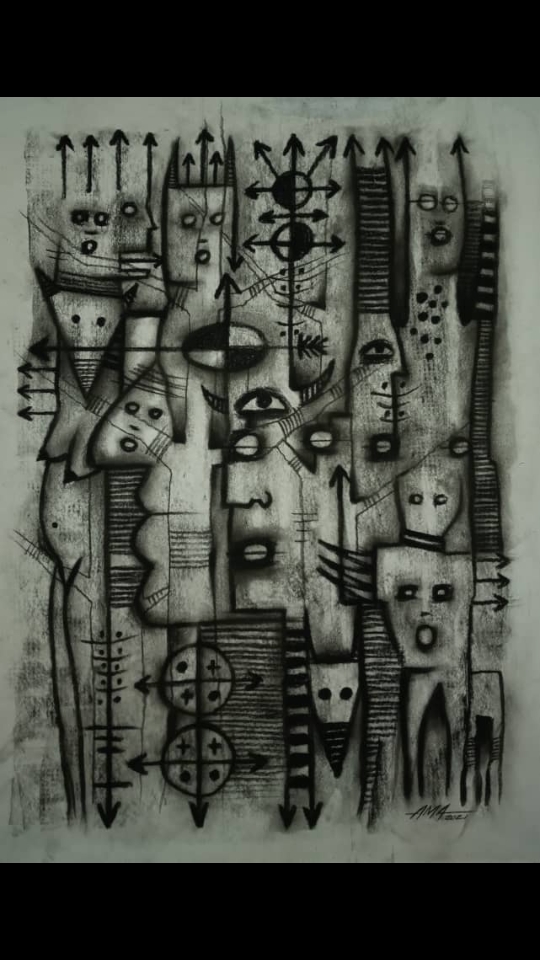
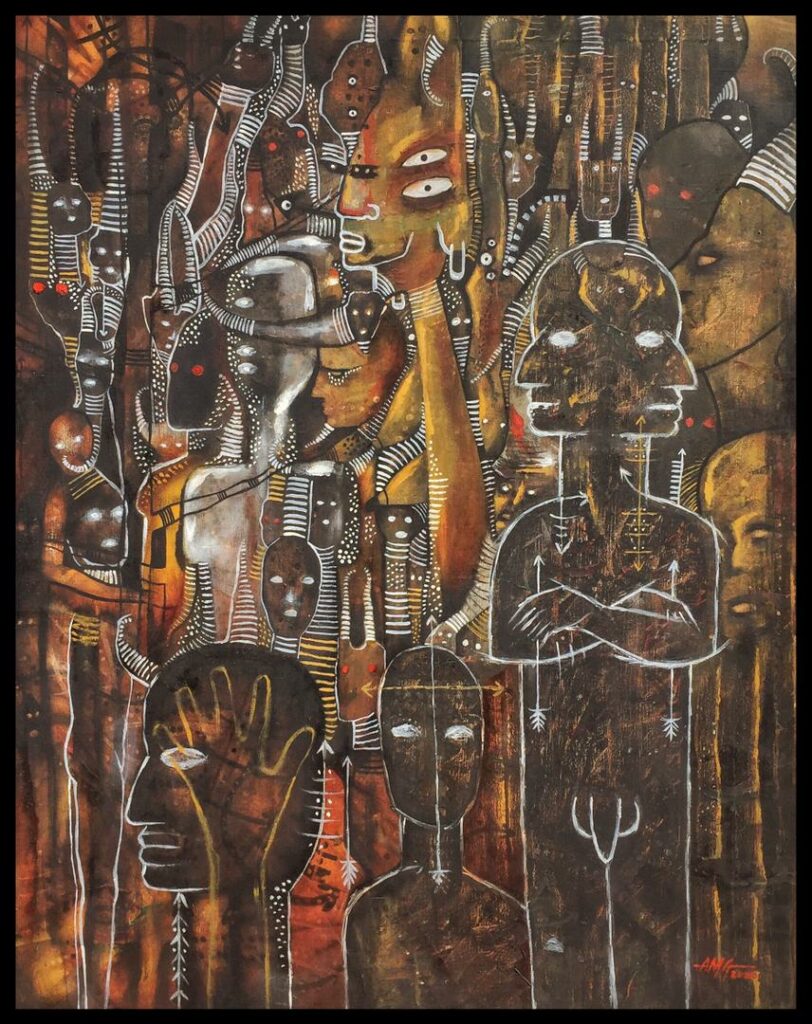
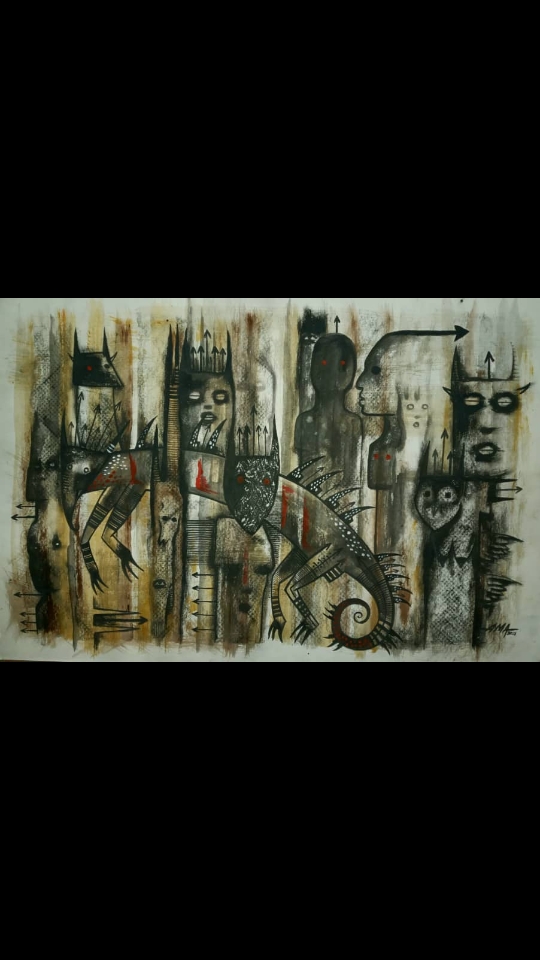
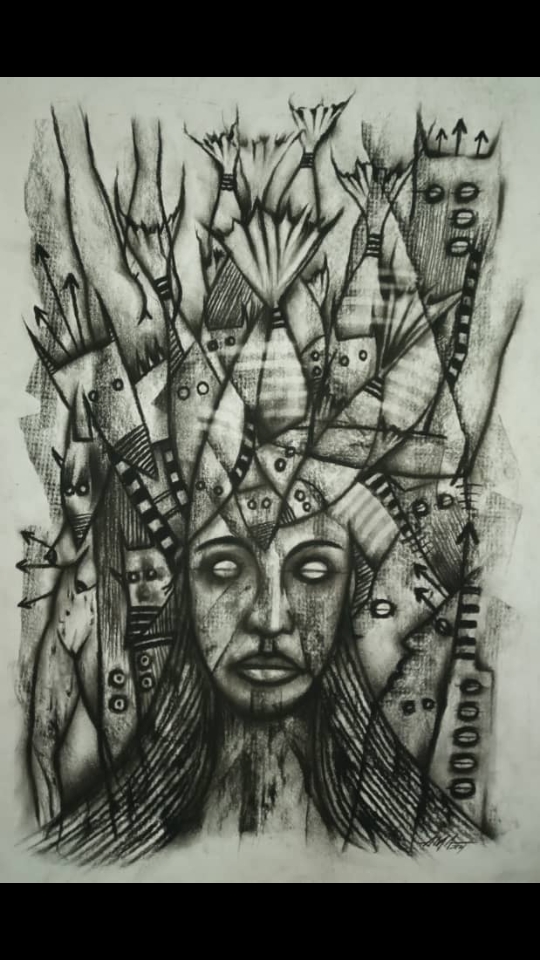
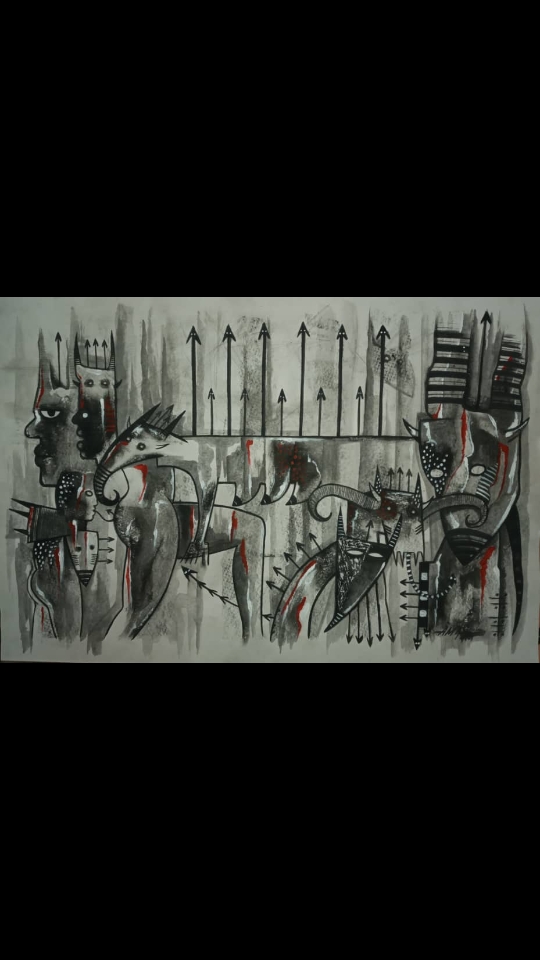
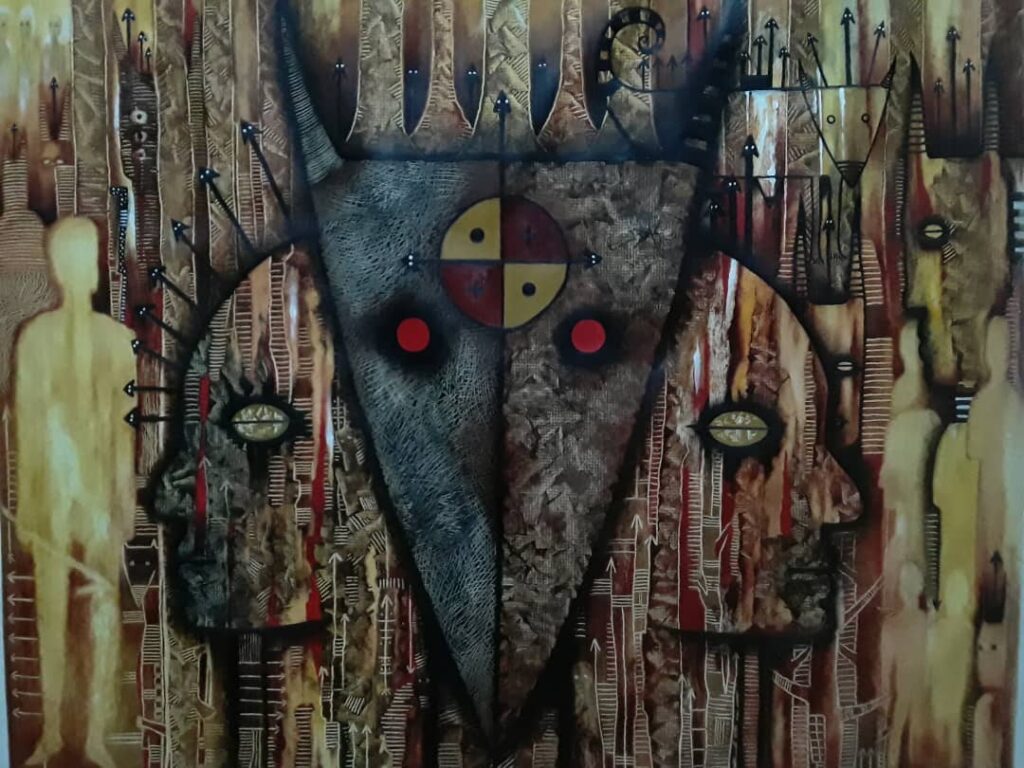
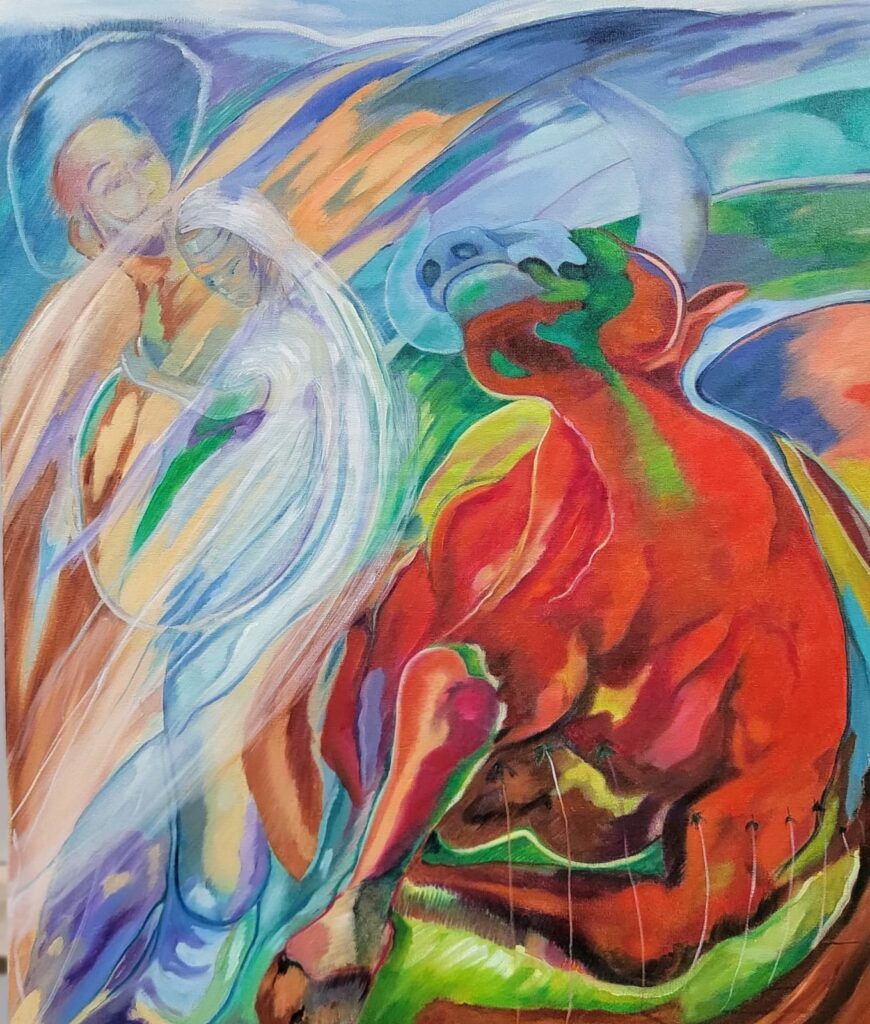
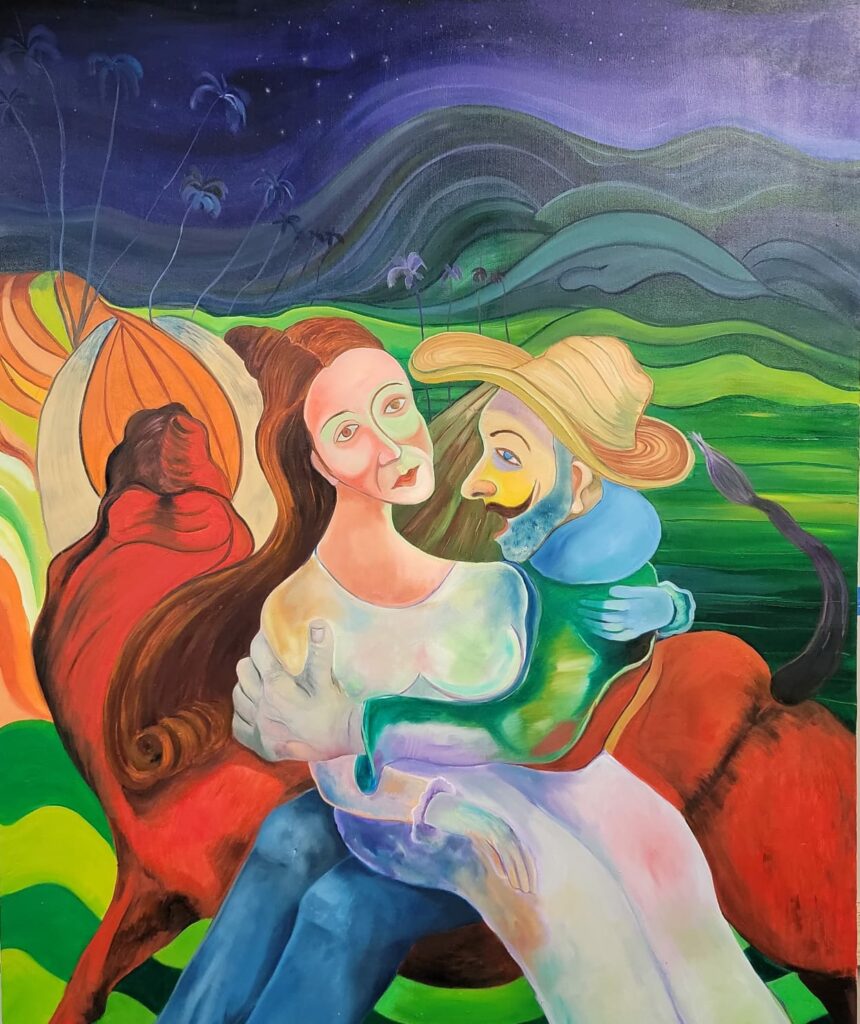
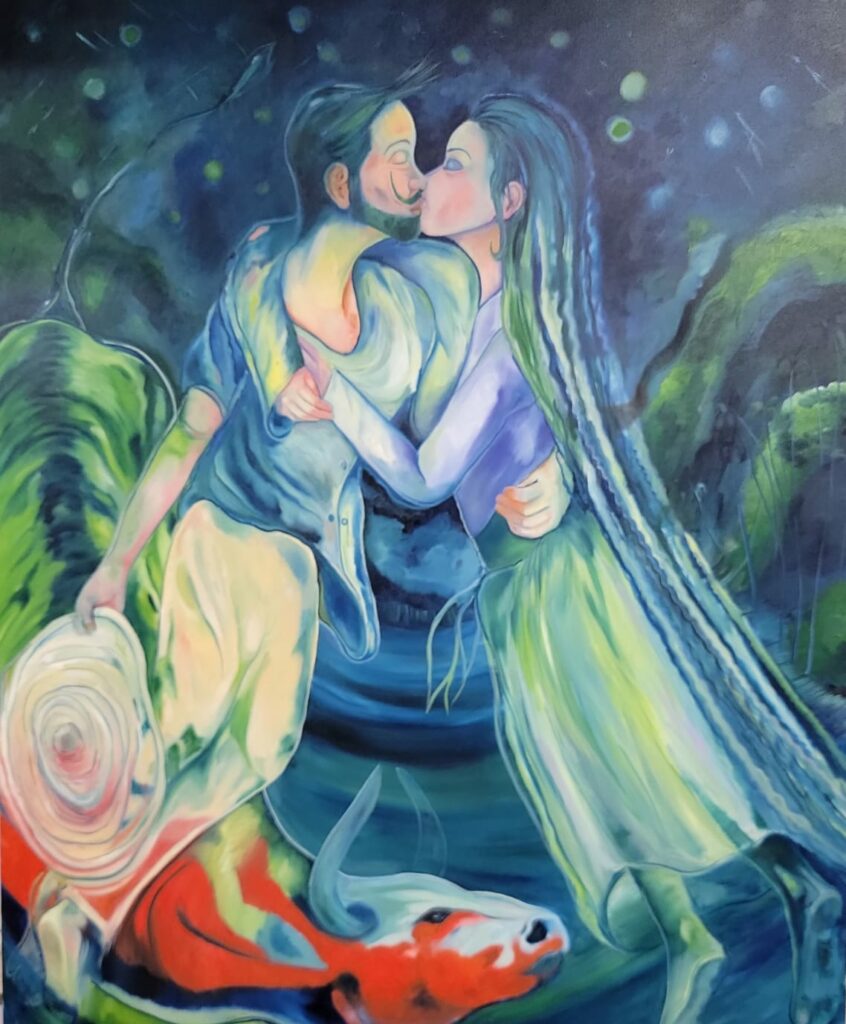
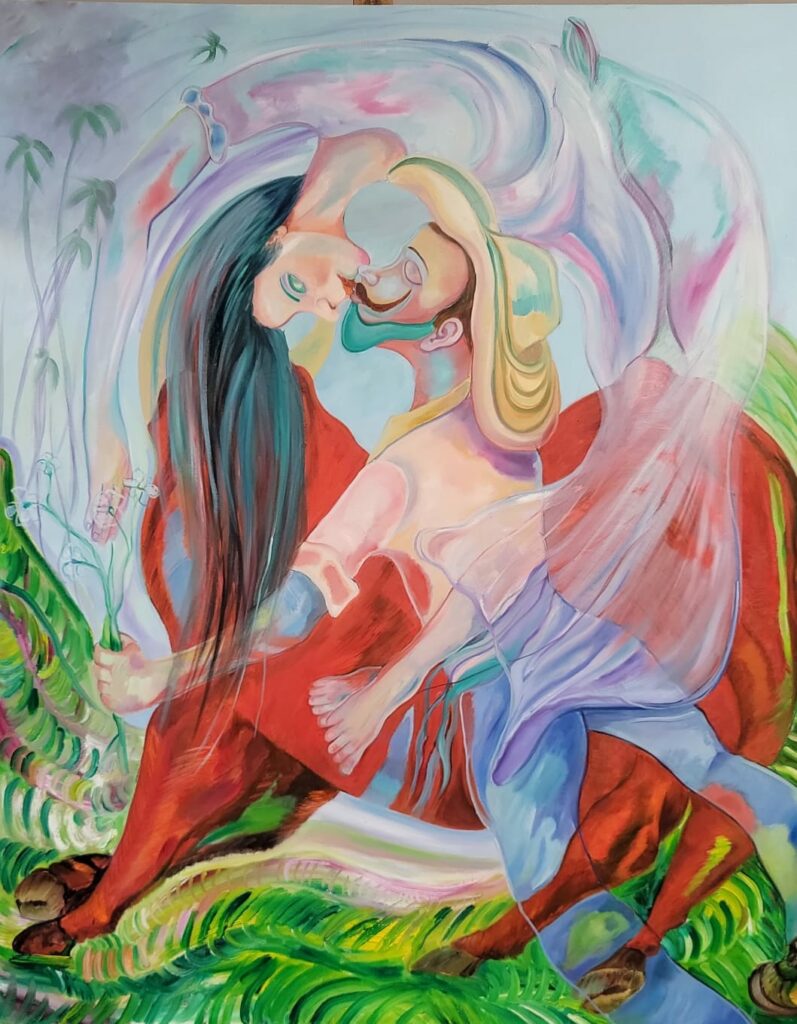
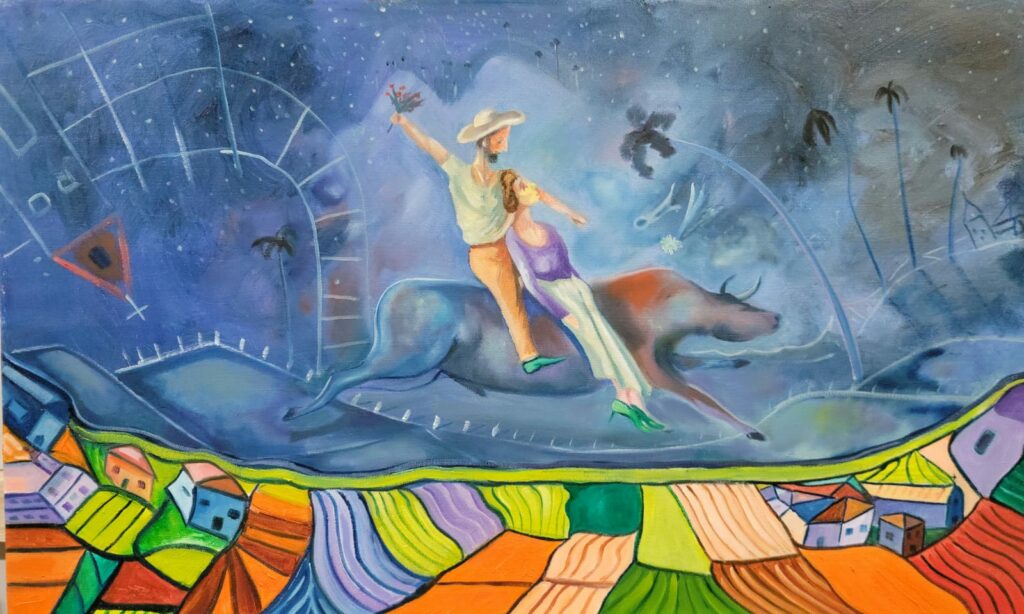
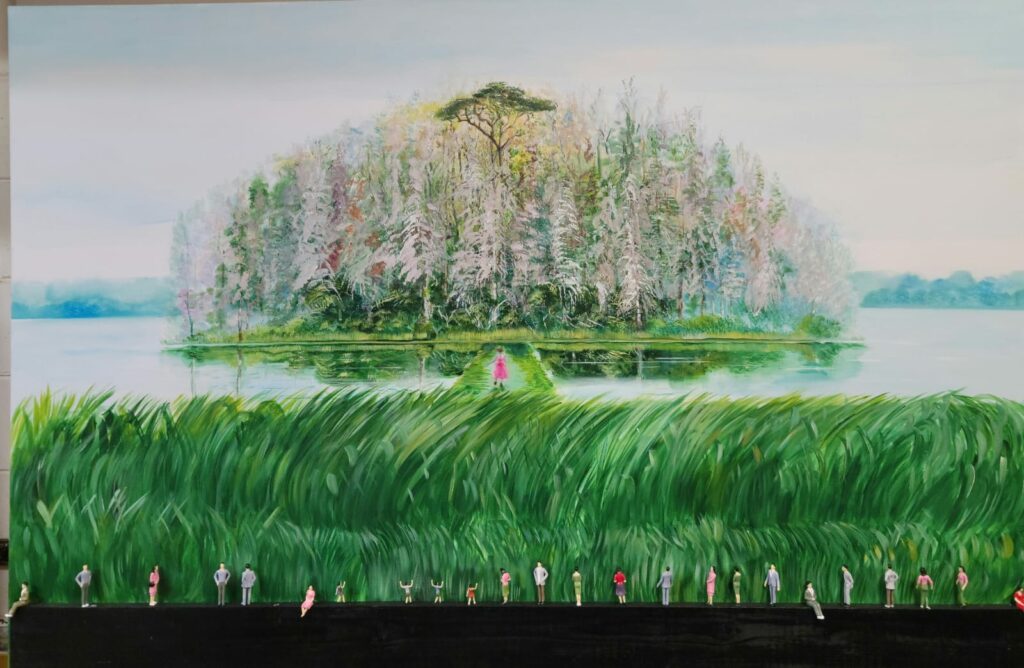
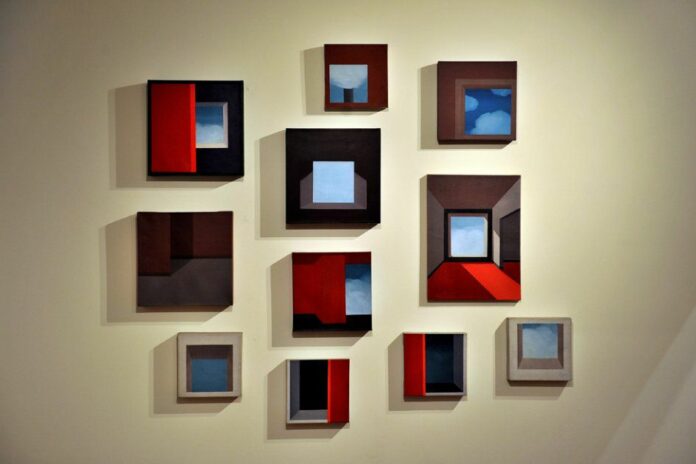
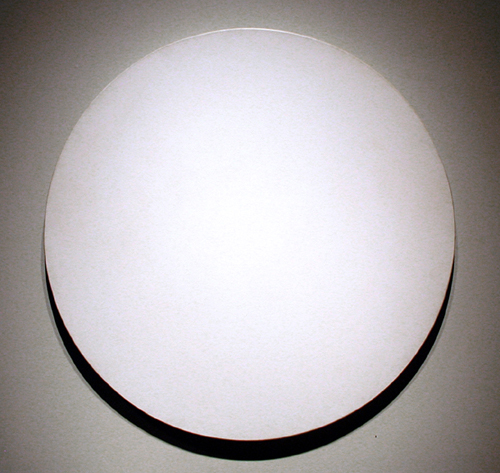
Ana Mercedes Hoyos (1942-2014) artista colombiana. Estudió artes plásticas en la Universidad de los Andes y en la Universidad Nacional de Bogotá, pero no se graduó en ninguna de ellas por dedicarse a la pintura. En 1966 Hoyos comenzó a exponer su obra, muy cercana al arte pop. Su interés por la investigación de las variaciones del color y las transparencias del óleo le llevó a la abstracción, con superficies muy claras, cercanas al blanco, con variaciones tonales casi imperceptibles.
Una de sus series más importantes, titulada “Ventanas”, está compuesta por pinturas de pequeño formato, cuadradas, en las que líneas verticales, horizontales y diagonales enmarcan un paisaje abstracto. Tras esta representación arquitectónica y geométrica dio paso a la serie “Atmosferas”, compuesta por cuadros de superficies abstractas que tienden al blanco con tono azulados. Así, en esta etapa su obra (1969-1979) se basa en criterios cromáticos, no representativos.
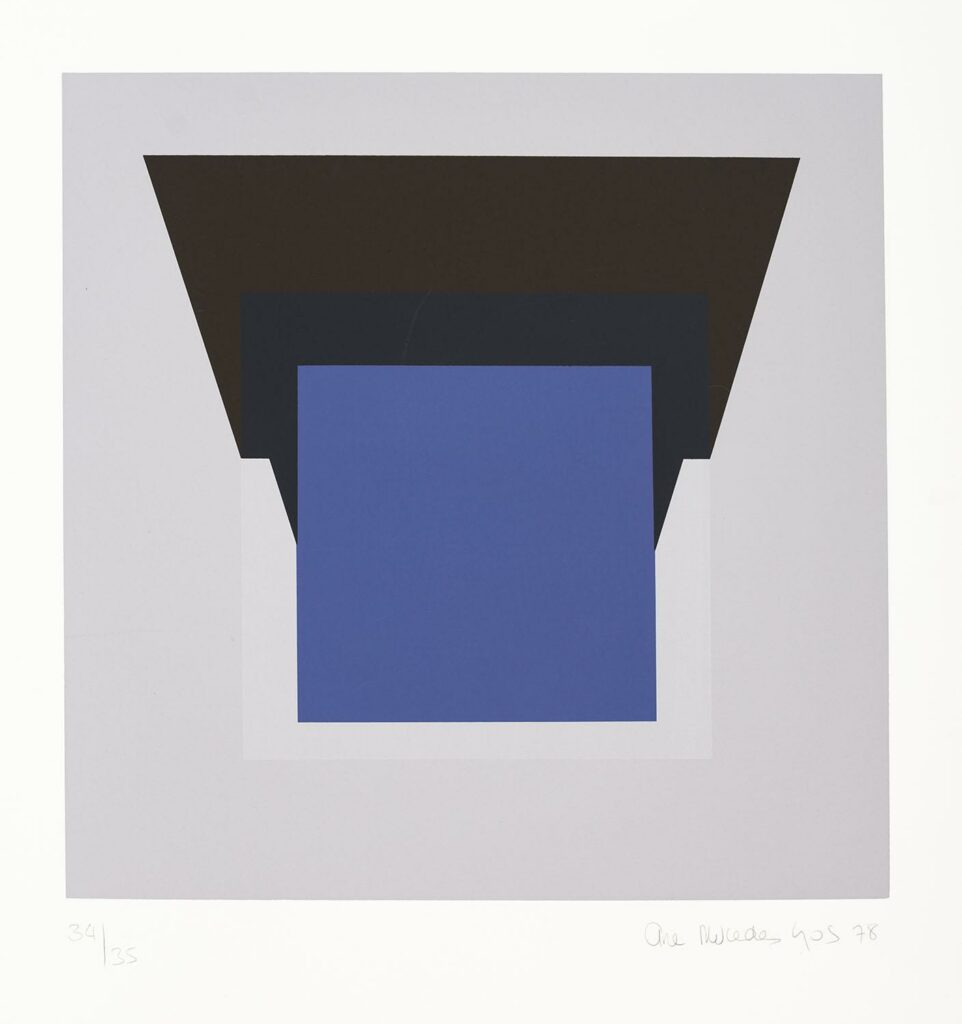
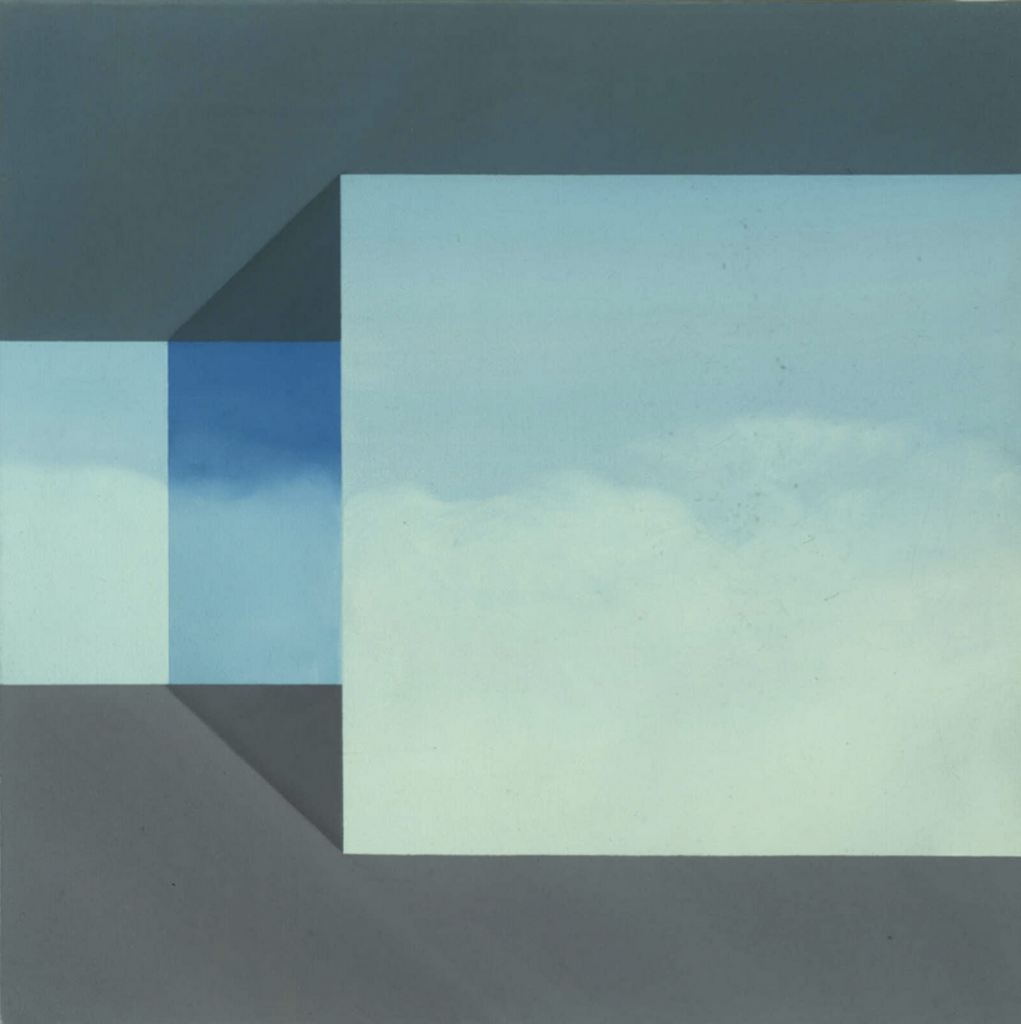

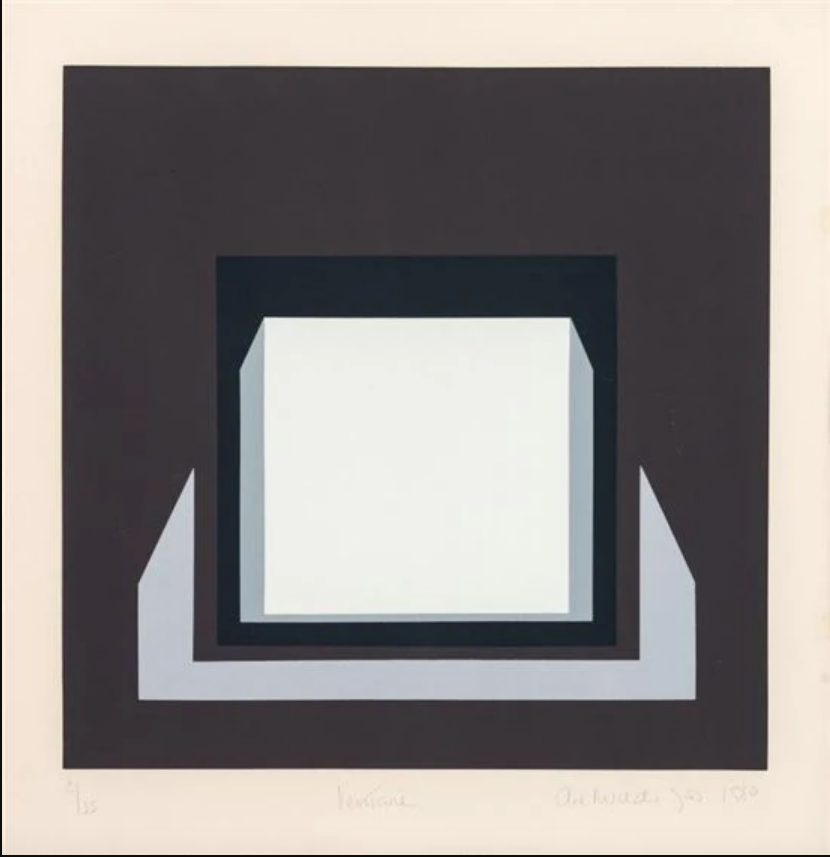
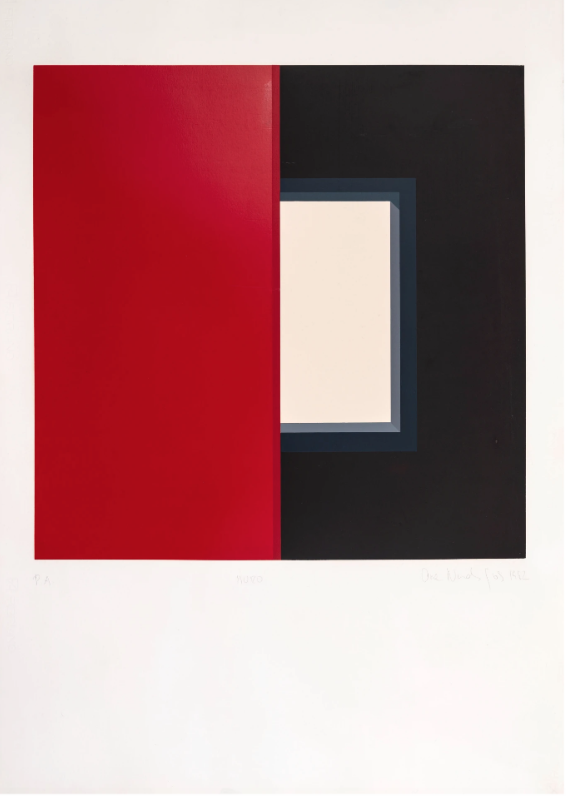
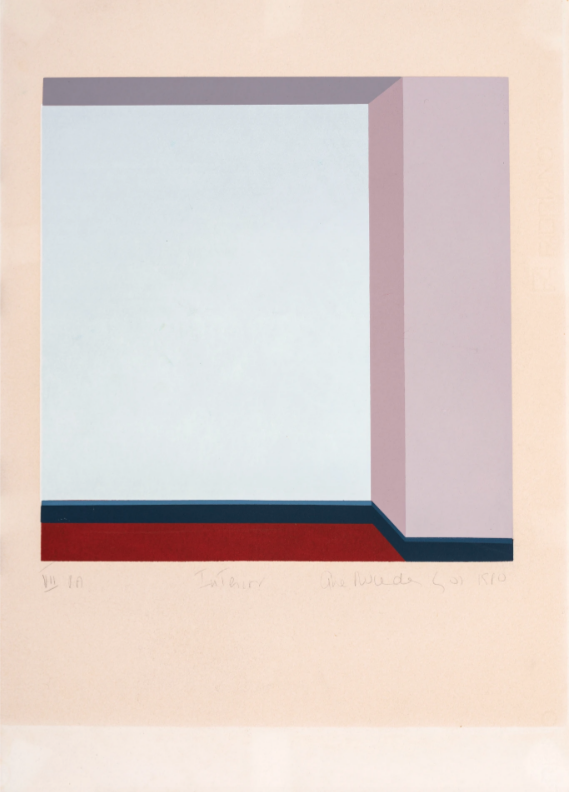
GEOMETRIA SENSÍVEL
Una geometría que pueda integrar, desde luego, las diferentes propiedades perceptivas, con el fin de presentarse como una especie de interfaz entre percepción y expresión: es lo que llamaremos una geometría sensible.

The 1998 record price for Ana Mercedes Hoyos was for Caribe Dos Sandas (a triptych)
The 1999 record price for Ana Mercedes Hoyos was for Patillas de la cordialidad
The 2000 record price for Ana Mercedes Hoyos was for Plátanos
The 2002 record price for Ana Mercedes Hoyos was for Bazurto
The 2004 record price for Ana Mercedes Hoyos was for SANDÍA DE LA CORDIALIDAD
The 2005 record price for Ana Mercedes Hoyos was for PAPAYA
The 2006 record price for Ana Mercedes Hoyos was for Marina
The 2008 record price for Ana Mercedes Hoyos was for La procesión en la fiesta de San Basilio
The 2009 record price for Ana Mercedes Hoyos was for SANDÍA DE LA CORDIALIDAD I
The 2011 record price for Ana Mercedes Hoyos was for Sandía
The 2012 record price for Ana Mercedes Hoyos was for Palenquera
The 2013 record price for Ana Mercedes Hoyos was for Bazurto
The 2014 record price for Ana Mercedes Hoyos was for MURAL IN THREE PARTS
The 2016 record price for Ana Mercedes Hoyos was for BAZURTO
The 2017 record price for Ana Mercedes Hoyos was for Tamboreras de la banda de Malangana
The 2018 record price for Ana Mercedes Hoyos was for Bodegón de Palenque
The 2019 record price for Ana Mercedes Hoyos was for Porcelana y mar
The 2020 record price for Ana Mercedes Hoyos was for Bodegón
The 2021 record price for Ana Mercedes Hoyos was for Bodegón
The 2022 record price for Ana Mercedes Hoyos was for Porcelana del mediodía
The 2023 record price for Ana Mercedes Hoyos was for Palangana del mediodía (fragmento)
2017
2014
2008
2023
2015
Ana Mercedes Hoyos was a Colombian Postwar & Contemporary painter who was born in 1942. Their work is currently being shown at Nueveochenta Gallery in Bogota. Numerous key galleries and museums such as Nueveochenta Gallery have featured Ana Mercedes Hoyos’s work in the past.Ana Mercedes Hoyos’s work has been offered at auction multiple times, with realized prices ranging from 175 USD to 245,000 USD, depending on the size and medium of the artwork. Since 1998 the record price for this artist at auction is 245,000 USD for MURAL IN THREE PARTS, sold at Sotheby’s New York in 2014. Ana Mercedes Hoyos has been featured in articles for ARTFIXdaily and Art Nexus. The most recent article is Phillips to Offer 100 Years of Latin American Art on November 22 written for ARTFIXdaily in November 2016. The artist died in 2014.
Alberto Abbati
Nobuya Abe
Vincenzo Accame
Carla Accardi
Enrico Accatino
Vito Acconci
Francesco Acerbis
Lorenzo Aceto
Valerio Adami
Natale Addamiano
Marc Adrian
Roy Adzak
Afro
Soshana Afroyim
Yaacov Agam
Vincenzo Agnetti
Edoer Agostini
Torres Agüero
Giuseppe Ajmone
Anni Albers
Josef Albers
Pierre Alechinsky
Carlo Alfano
Alessandro Algardi
Jean Allemand
Giuseppe Allosia
Adriano Altamira
Roberto Alvarez Rios
Getulio Alviani
Giuseppe Amadio
Giovanni Anceschi
Carl Andre
Franco Angeli
Marc Angeli
Peter Angermann
Giovanni Anselmo
Horst Antes
Willy Anthoons
Anzo
Marina Apollonio
Karel Appel
Shusaku Arakawa
Nobuyoshi Araki
Arcangelo
Federico Arcuri
Carmelo Arden – Quin
Rodolfo AricÒ
Stefano Arienti
Ario
Mario Arlati
Fernandez Arman
Armodio
François Arnal
Luis Eduardo Arnal
Hans Arp
Eduardo Arroyo
Huguette Arthur-bertrand
Aykaz Arzumanyan
Giovanni Asdrubali
Antonio Asis
Franco Assetto
Gianfranco Asveri
Pablo Atchugarry
Terry Atkinson
Bernard Aubertin
Charles Avery
Edmondo Bacci
Francis Bacon
Carla Badiali
Donald Baechler
William Bailey
Enrico Baj
Sebastiano Balbo
Guido Baldessari
John Baldessari
Roberto Marcello Baldessari
Nanni Balestrini
Stephan Balkenol
Walter Ballmer
Marina Ballo Charmet
Mario Ballocco
Vincenzo Balsamo
Giuseppe Banchieri
Bruno Bani
Paolo Baratella
Ida Barbarigo
Miquel Barcelo
Alberto Bardi
Eduard Bargheer
Giancarlo Bargoni
Mirko Baricchi
Matthew Barney
José Barrias
Paolo Barrile
Hermann Bartels
Luciano Bartolini
Gianfranco Baruchello
Mirko Basaldella
Georg Baselitz
Gabriele Basilico
Carlo Battaglia
Mary Hilde Bauermeister
Henri Baviera
Juan Bay
Vanessa Beecroft
Franz Beer
Sigfrido Martin Begué
Giorgio Bellandi
Claude Bellegarde
Hans Bellmer
Franco Bemporad
Davide Benati
Vasco Bendini
Enzo Benedetto
Giacomo Benevelli
Mirella Bentivoglio
Aldo Bergolli
Cesare Berlingeri
Mieczysław Berman
Carlo Bernardini
Valerio Berruti
Vinicio Berti
Gianni Bertini
Angelo Giuseppe Bertolio
Pierre Bettencourt
Joseph Beuys
Alfonso Fratteggiani Bianchi
Domenico Bianchi
Lino Bianchi Barriviera
Remo Bianco
Alberto Biasi
Giuseppe Biasio
Mike Bidlo
Bielo
Raffaele Bielò
Gastone Biggi
Annibale Biglione
Umberto Bignardi
Max Bill
Tomaso Binga
Mario Bionda
Hans Bischoffshausen
Julius Heinrich Bissier
Andrea Bizanzio
Irma Blank
André Bloc
Norman Bluhm
Umberto Boccioni
Franco Boccola
Mel Bochner
John Bock
Renata Boero
Alighiero Boetti
Marinus Boezem
Luigi Boille
Carlos Boix
Gaudin Bolivar
Giorgio Bompadre
Agostino Bonalumi
Eros Bonamini
Beppe Bonetti
Uberto Bonetti
Carlo Bonfà
Arturo Bonfanti
Aroldo Bonzagni
Enrico Bordoni
Rocco Borella
Enrica Borghi
Aldo Borgonzoni
Davide Boriani
Pompeo Borra
Ferruccio Bortoluzzi
Jean Francois Bory
Dino Boschi
Aldo Boschin
Martha Boto
Francis Bott
Denis Bowen
Angelo Bozzola
Silvano Bozzolini
Regina Bracchi
Mario Bracigliano
Martin Bradley
George Brecht
Candice Breitz
Angelo Brescianini
Italo Bressan
Remo Brindisi
Willy Muller Brittnau
James Brown
Stefano Brunello
Enzo Brunori
GÜnter Brus
Gianni Brusamolino
Antonio Bueno
Xavier Bueno
Sami Burhan
Alberto Burri
Umberto Buscioni
Dino Buzzati
Vincenzo Cabiati
Enzo Cacciola
John Cage
Corrado Cagli
Angelo Cagnone
Alexander Calder
Antonio Calderara
Sophie Calle
Nino Calos
Lamberto Calzolari
Pier Paolo Calzolari
Riccardo Camoni
Sara Campesan
Massimo Campigli
Giovanni Campus
Carlo Cane
Paolo Canevari
Pasqualino Cangiullo
Franco Cannilla
Pedro Cano
Domenico Cantatore
Robert Capa
Giuseppe Capogrossi
Giovanni Cappelli
Carmelo Cappello
Bruno Caraceni
Erberto Carboni
Carlo Carchietti
Enrique Careaga
Arturo Carmassi
Giorgio Carmelich
Eugenio Carmi
Cioni Carpi
Carlo Carrà
Ugo Carrega
Mariano Carrera
Nicola Carrino
Dino Caruso
Luciano Caruso
Federico Casati
Andrea Cascella
Pietro Cascella
Felice Casorati
Bruno Cassinari
Pino Castagna
Enrico Castellani
Stefano Cattaneo
Maurizio Cattelan
Alik Cavaliere
Alberto Cavalieri
Emilio Cavallini
Guglielmo Achille Cavellini
Giancarlo Cazzaniga
Cch
Vincenzo Cecchini
Bruno Ceccobelli
Ugo Celada Da Virgilio
Luigi Centra
Mino Ceretti
Mario Ceroli
César
Giuseppe Cesetti
Michael Challenger
Schatz Chan
Jake & Dinos Chapman
Serge Charchoune
Ferdinando Chevrier
Sandro Chia
Giuseppe Chiari
Ennio Chiggio
Alfredo Chighine
Hsiao Chin
Henri Chopin
Henry Chopin
Christo
Giorgio Ciam
Heinz Cibulka
Marco Cingolani
Claudio Cintoli
Carlo Cioni
Carlo Ciussi
Jürgen Claus
Antoni Clavé
Jack Clemente
Fabrizio Clerici
Christo Coetzee
Max Cole
Ettore Colla
Mat Collishaw
Gianni Colombo
Joe Colombo
Roberto Colombo
Roberto Comini
Pietro Consagra
Michelangelo Conte
Ivan Contreras Brunet
Ivan Contreras-brunet
Silvio Coppola
Corneille
Antonio Corpora
Riccardo Corte
Teresa Cos
Liliana Cossovel
Claudio Costa
Rodolfo Costa
Toni Costa
Franco Costalonga
Flavio Costantini
Sonia Costantini
Paolo Cotani
Tullio Crali
Guido Crepax
Mario Cresci
Roberto Crippa
James Croak
Dalila Crotti
Carlos Cruz-diez
Enzo Cucchi
Pirro Cuniberti
Edward S. Curtis
Jorg Czischke
Antonio D’agostino
Alessandro D’ambrosio
Domenico D’oora
Maria Helena Vieira Da Silva
Dadamaino
Karl Fred Dahmen
Giuliano Dal Molin
Mario Guido Dal Monte
Franco Daleffe
Salvador Dali’
Riccardo Dalisi
Gunter Damisch
Sergio Dangelo
Betty Danon
Hanne Darboven
Ian Davenport
Sandro De Alexandris
Juan De Andrés
Marcello De Angelis
Mario De Biasi
Giorgio De Chirico
Gino De Dominicis
Fernando De Filippi
Leonida De Filippi
Renato De Fusco
Giuseppe De Gregorio
Jose’ De Guimaraes
Willem De Kooning
Pino De Luca
Tomaso De Luca
Pierluigi De Lutti
Bona De Mandiargues
Riccardo De Marchi
Nicola De Maria
Francesco De Molfetta
Maria Luisa De Romans
Niki De Saint Phalle
Daniel De Spirt
Bruno De Toffoli
Gabriele De Vecchi
Paul De Vree
Maxime Defert
Ad Dekkers
Lucio Del Pezzo
Juan Del Prete
Beauford Delaney
Enrico Della Torre
Mario Dellavedova
Mino Delle Site
Mario Deluigi
Wim Delvoye
Hugo Demarco
Pino Deodato
Fortunato Depero
Gerard Deschamps
Giuseppe Desiato
Gianni Dessi
Jean Dewasne
Gioppe Di Bella
Bruno Di Bello
Lucia Di Luciano
Nino Di Salvatore
Nunzio Di Stefano
Antonio Dias
Jim Dine
Nicolay Diulgheroff
Pierre Dmitrienko
Milan Dobeš
Juraj Dobrovic
NoËl Dolla
Hisao Domoto
Piero Dorazio
Gillo Dorfles
Gerardo Dottori
Gianni Dova
John Dowell
Angelo Dozio
Peter Dreher
Lia Drei
Angel Duarte
Jean Dubuffet
Marcel Duchamp
François Dufrêne
Joseph Duncan
Colette Dupriez
Jean Dupuy
Evgeni Dybsky
Chiara Dynys
Marcel Dzama
Latifa Echakhch
Pablo Echaurren
Ulrich Egger
Jorge Eielson
Abidin Elderoglu
Kelly Ellsworth
Salvatore Emblema
Tracey Emin
Ulrich Erben
Wolfram Erber
Errò
Elliot Erwitt
Servulo Esmeraldo
Diego Esposito
Enzo Esposito
Hermann Esrichter
Joao Maria Ester
Amelia Etlinger
Agenore Fabbri
Franco Fabiano
Luciano Fabro
Celestino Facchin
Wojciech Fangor
Marcello Fantoni
Gianfranco Fasce
Jean Fautrier
Francesco Fedeli
Fernanda Fedi
Luis Feito Lopez
Sergio Fergola
Sergio Fermariello
Augustín Fernández
Cesare Fernicola
Agostino Ferrari
Enea Ferrari
Vincenzo Ferrari
Italo Ferro
Gianfranco Ferroni
Raffa Festa
Tano Festa
Rainer Fetting
Robert Filliou
Novello Finotti
Ennio Finzi
Emanuela Fiorelli
Giosetta Fioroni
Lothar Fischer
Salvatore Fiume
Dan Flavin
Dario Perez Flores
Andrea Fogli
Piero Fogliati
Jean Michel Folon
Franco Fontana
Giovani Fontana
Lucio Fontana
Attilio Forgioli
Edoardo Franceschini
Giancarlo Francesconi
Franco Francese
Nino Franchina
Ruth Francken
Giovanni Frangi
Reale Franco Frangi
Giovanni Franko
Nato Frascà
Pierluigi Fresia
Ivo Friščić
Hans Fritz
Tikashi Fukushima
Walter Fusi
Giuseppe Gabellone
Amadeo Gabino
Yannis Gaitis
Maurizio Galimberti
Aldo Galli
Omar Galliani
Pinot Gallizio
Giuseppe Gallo
Albino Galvano
Marcolino Gandini
Augusto Garau
Fernando Garbellotto
Franco Garelli
Alberto Garutti
Luciano Gaspari
Bruna Gasparini
Marco Gastini
Winfred Gaul
Rupprecht Geiger
Franco Gentilini
Gilbert & George
Martino Gerevini
Mimmo Germanà
Karl Gerstner
Ghazel
Quinto Ghermandi
Luciano Ghersi
Luigi Ghirri
Franca Ghitti
Riccardo Giacconi
Mario Giacomelli
Ralph Gibson
Ormond Gigli
Piero Gilardi
Edoardo Giordano
Fabio Giorgetti
LÉon Gischia
Piero Giunni
Hans JÖrg Glattfelder
Rodrigo Godà
Henri Goetz
Kuno Gonschior
Gonzalo Gonzalez
Paul Goodwin
Gianni Gori
Jean Gorin
Antony Gormley
Claudio Granaroli
Gotthard Graubner
Alan Green
Ezio Gribaudo
Giorgio Griffa
Franco Grignani
Vicentiu Grigorescu
Pat Grimshaw
Laura Grisi
Frantisek Gross
George Grosz
Gruppo Mid
Jonathan Guaitamacchi
Carlo Guarienti
Riccardo Guarneri
Giuliano Guatta
Costantino Guenzi
Giuseppe Guerreschi
Francesco Guerrieri
Franco Guerzoni
Virgilio Guidi
Elisabetta Gut
Renato Guttuso
William H. Bailey
Abraham Habbah
Raimond Hains
Vera Haller
Peter Halley
Herbert Hamak
Al Hansen
Keith Haring
Guy Harloff
Hans Hartung
Raoul Hausmann
Rolf Hegetusch
Bernard Heidsieck
Damien Hirst
David Hockney
Thomas Hoepker
Oskar Holweck
Jenny Holzer
Sadaharu Horio
John Hoyland
Tsai Hsia Ling
Gilbert Hsiao
Max Huber
Richard Huelsenbeck
Ralph Humphrey
Friedensreich Hundertwasser
Roberto Iaboni
Mimmo Iacopino
Paolo Icaro
Antonio Ievolella
Toshimitsu Imai
Aldo Indelicato
Emilio Isgrò
Vivien Isnard
Alexandre Istrati
Marcel Janco
Christian Jankowski
Jorge Jaramillo
Jozef Jarema
Maria Jarema
Sarah Jeffries
Paul Jenkins
Raimer Jochims
Francesco Jodice
Mimmo Jodice
Ray Johnson
Joe Jones
Eduardo Jonquieres
Asger Jorn
Kenneth Josephson
Donald Judd
Koji Kamoji
Ho Kan
Allan Kaprow
Constantin Karahalios
Ioannis Kardamatis
Alex Katz
Massimo Kaufmann
Ono Kazunori
Michael Kenny
Nikos Kessanlis
Shohei Kimura
Koji Kinutani
Thorsten Kirchhoff
Peter Klasen
Yves Klein
Jan Knapp
Julie Knifer
Robert Knight
Ibrahim Kodra
John Franklin Koenig
JiŘÍ KolÁŘ
Slavko Kopac
Vladimír Kopecký
Bogdan Korczowski
Alex Kosta
Joseph Kosuth
Eva Kotatkova
Jannis Kounellis
Martin Krampen
Metka Krasovec
Les Krims
Elke Krystufek
Moshe Kupferman
Yayoi Kusama
Ugo La Pietra
Guido La Regina
Ketty La Rocca
Maria Lai
Wifredo Lam
Edoardo Landi
André Lanskoy
Robert Lapoujade
Mikhail Larionov
Emilio Rodriguez LarraÍn
John Latham
Luciano Lattanzi
René Laubies
Pier Luigi Lavagnino
Bice Lazzari
Walter Lazzaro
Julio Le Parc
Vladimir Vasil’evich Lebedev
Jean-jacques Lebel
Walter Leblanc
Fernand Léger
Anselmo Legnani
Thomas Lenk
Leoncillo
Jean Leppien
Carlo Levi
Felice Levini
Sol Lewitt
Riccardo Licata
Roy Lichtenstein
Osvaldo Licini
Antonio Ligabue
Umberto Lilloni
Bengt Lindström
Luca Lischetti
Marcello Lo Giudice
Francesco Lo Savio
Richard Paul Lohse
Richard Long
Trento Longaretti
Robert Longo
Alberto Longoni
Arrigo Lora Totino
Jaque Louis
Peter Lowe
Richard Lucas
Wolfgang Ludwig
Gino Luggi
Raffaele Luongo
Markus Lüpertz
Boris Lurie
Adolf Luther
Urs Luthi
Luthi Urs, David Weiss, Willy Spiller
Heinz Mack
Luigi Magnani
Alberto Magnelli
Teodosio Magnoni
Nataly Maier
Estuardo Maldonado
David Malek
Robert Mallary
Renato Mambor
Man Ray
Pompilio Mandelli
Alfred Manessier
Paul Mansouroff
Margherita Manzelli
Giuseppe Maraniello
Conrad Marca – Relli
Elio Marchegiani
Giancarlo Marchese
Lucia Marcucci
Enzo Mari
Elio Mariani
Pompeo Mariani
Umberto Mariani
Leonardo Mariani Travi
Filippo Tommaso Marinetti
Marino Marini
Francesco Marino Di Teana
Silvia Mariotti
Gino Marotta
Armando Marrocco
Alfredo Marsala
Phillip Martin
Rafael Martinez
Alberto Martini
Arturo Martini
Sandro Martini
Titina Maselli
Paolo Masi
Joanpere Massana
Manfredo Massironi
Georges Mathieu
Georges Mathieu
Vittorio Matino
Roberto Matta
Eliseo Mattiacci
Carlo Mattioli
Paola Mattioli
Fabio Mauri
Almir Mavignier Da Silva
Galliano Mazzon
Paul Mccarthy
Steve Mccurry
John Dwyer Mclaughlin
Jonathan Meese
Christian Megert
Juan Nicolas Mele’
Pietro Melecchi
Gino Meloni
Fausto Melotti
Nevio Mengacci
Aldo Mengolini
Jacques Mennessons
Gisella Meo
Mario Merz
Plinio Mesciulam
Edouard Mesens
Joachim Metz
Eugenio Miccini
Michael Antony Michaeledes
Duane Michals
Rolando Mignani
Eleanore Mikus
Umberto Milani
Raúl Milian
Yves Millecamps
Paolo Minoli
Giuseppe Minoretti
Riccardo Minuti
Jean Miotte
Antoni Miralda
Joan Mirò
Alain Arias Misson
Ottavio Missoni
Igor Mitoraj
Aimone Modonesi
Ignazio Moncada
Aldo Mondino
Jonathan Monk
Alvaro Monnini
Luigi Montanarini
Gian Marco Montesano
Rolando Monti
Charlotte Moorman
Carmen Gloria Morales
Albano Morandi
Giorgio Morandi
Marcello Morandini
Gino Morandis
Alberto Moravia
FranÇois Morellet
Mattia Moreni
Guido Moretti
Maria Morganti
Philippe Morisson
Ennio Morlotti
Leonardo Mosso
Sadamasa Motonaga
Otto Muehl
Maria Mulas
Bruno Munari
Vik Muniz
Rosario Murabito
Edo Murtic
Zoran Antonio Music
Magdalo Mussio
Hidetoshi Nagasawa
Michael Najjar
Katsumi Nakai
Ayako Nakamiya
Louis Nallard
Carlo Nangeroni
Maurizio Nannucci
Gualtiero Nativi
Matteo Negri
Yehuda Neiman
Giorgio Nelva
Aurelie Nemours
Shirin Neshat
Ugo Nespolo
Tuan Nguyen
Valerio Nicolai
Vanna Nicolotti
Davide Nido
Mario Nigro
Hermann Nitsch
Georges Noel
Yoshiko Noma
Koloman Novak
Ladislav Novak
Gastone Novelli
Mario Nuti
Nuvolo
Rinaldo Nuzzolese
Henrik Olesen
Jules Olitski
Claudio Olivieri
Erik H. Olson
Shigeru Onishi
Luigi Ontani
Roman Opalka
Dennis Oppenheim
Luciano Ori
Ben Ormenese
Gottardo Ortelli
Stephanie Oursler
Nino Ovan
Jürgen Paatz
Achille Pace
Carlo Pace
Adrian Paci
Stanislao Pacus
Nam June Paik
Marco Paladini
Mimmo Paladino
Urano Palma
Panamarenko
Gina Pane
Ivo Pannaggi
Ideo Pantaleoni
Giulio Paolini
Antonio Paolino
Maria Papa
Antonio Papasso
Luigi Paracchini
Antonio Paradiso
Gianfranco Pardi
Ico Parisi
Adriano Parisot
Robert & Shana Parkeharrison
Olivia Parker
Tancredi Parmeggiani
Claudio Parmiggiani
Pino Pascali
Victor Pasmore
Paolo Pasotto
Luca Maria Patella
Paolo Patelli
Enrico Paulucci
Dario Pecoraro
Pino Pedano
Henk Peeters
Luc Peire
Gianni Pellegrini
Fabio Peloso
A.r. Penck
Michelangelo Penso
Rafael Perez
Michele Perfetti
Achille Perilli
Mario Persico
Romano Perusini
Alessandro Pessoli
Cesare Peverelli
Paola Pezzi
Gianluca Piaccione
Gianni Piacentino
Pablo Picasso
Gianriccardo Piccoli
Lorenzo Piemonti
Otto Piene
Ercole Pignatelli
Lamberto Pignotti
Pino Pinelli
Gaetano Pinna
Jorge Piqueras
Franca Pisani
Vettor Pisani
Michelangelo Pistoletto
Ario Pizzarelli
Piero Pizzi Cannella
Armando Pizzinato
Giovanni Pizzo
Karl Plattner
Fabrizio Plessi
Sigmar Polke
Pierluigi Pollio
Arnaldo Pomodoro
Giò Pomodoro
Yves Popet
André Poujet
Bogdanka Poznanovic
Concetto Pozzati
Luca Pozzi
Enrico Prampolini
Hiero Prampolini
Vladimir Preclik
Luigi Presicce
Salvador Presta
Dolores Previtali
Emilio Prini
Michele Provinciali
Bruno Pulga
Pierluigi Pusole
Bruno Querci
Marc Quinn
Andrea Raccagni
Mario Raciti
Paolo Radi
Mario Radice
Betty Radin
Sergio Ragalzi
Arnulf Rainer
Rudolph Rainer
Tomas Rajlich
Carol Rama
Amilcare Rambelli
Saverio Rampin
Alfredo Rapetti
Giorgio Rastelli
Robert Rauschenberg
Martial Raysse
Antonio Recalcati
Mauro Reggiani
David Reimondo
Wolfgang Reindel
Ad Reinhardt
Remo Remotti
Sandi Renko
Edda Renouf
Carl Fredrik Reuterswärd
Manlio Rho
Gerhard Richter
Hans Richter
Franz Ringel
Alvarez Rios
Giuseppe Rivadossi
Romano Rizzato
Gianni Robusti
Joaquin Roca Rey
Dorothea Rockburne
Christian Roeckenschuss
Michael Rogler
Franco Rognoni
Volf Roitman
Hans Rolf
Alessandro Roma
Bepi Romagnoni
Paola Romano
Bruno Romeda
Sergio Romiti
Ottone Rosai
Kay Rosen
Mario Rossello
Horacio Garcia Rossi
Raffaele Rossi
Mimmo Rotella
Dieter Roth
Claudio Rotta Loria
Piero Ruggeri
Ed Ruscha
Fathi Goudah Saad
Bruno Saetti
Lucio Saffaro
Massimo Salvadori
Salvo
Roberto Sambonet
Pupino Samona
Fred Sandback
Patric Sandri
Sandra Sandri
Antonio Sanfilippo
Jean Sanfourche
Giovanni Santi Sircana
Giuseppe Santomaso
Michele Santonocito
Pasquale Santoro
Amedeo Sanzone
Sarenco
Franco Sarnari
Alessandro Sarra
Sergio Sarri
Germano Sartelli
Arcangelo Sassolino
Aligi Sassu
Key Sato
Satoru Satu
Jan Saudek
Angelo Savelli
Antonio Scaccabarozzi
Emilio Scanavino
Manuel Scano
Luca Scarabelli
Salvatore Scarpitta
Xanti Alexander Schawinsky
Paolo Scheggi
Hubert Scheibl
Thomas Scheibl
Paolo Schiavocampo
Mario Schifano
Gérard Schlosser
Aldo Schmid
Carolee Schneemann
Gerard Schneider
Nicolas Schoffer
Jan Schoonhoven
Werner Schreib
Frank Schroder
Friedrich Schroeder-sonnenstern
Raoul Schultz
Thomas Schutte
Peter Schuyff
Rudolf Schwarzkogler
Toti Scialoja
Paolo Scirpa
Filippo Scroppo
Tazio Secchiaroli
Antonio Secci
Luigi Senesi
Daniel Senise
Sermidi Sergio
Rino Sernaglia
Jaroslav Serpan
Gino Severini
Artan Shalsi
Cindy Sherman
Shozo Shimamoto
Brandon Shimmel
Susumu Shingu
Harush Shlomo
Willi Siber
Mario Signori
Turi Simeti
Gianni Emilio Simonetti
Adriena Simotova
David Simpson
Mario Sironi
Sissi
Richard Smith
Tracey Snelling
Francisco Sobrino
Giacomo Soffiantino
Sebastiano Sofia
Atanasio Soldati
Franca Sonnino
Ettore Sordini
Afroyim Soshana
Jesus Rafael Soto
Ettore Sottsass
Pierre Soulages
Giangiacomo Spadari
Renato Spagnoli
Giuseppe Spagnulo
Ettore Spalletti
Adriano Spatola
Luigi Spazzapan
Ferdinand Spindel
Aldo Spinelli
Daniel Spoerri
Alessandra Spranzi
Mauro Staccioli
Richard Stankiewicz
Vito Stassi
Hans Staudacher
Klaus Staudt
Henryk Stazewski
Tino Stefanoni
Joel Stein
Heinrich Steiner
Ugo Sterpini
Harold Stevenson
Sigfried Strasser
Guido Strazza
Luiso Sturla
Oswaldo Subero
Josef Sudek
Jiro Sugawara
Gaston Suisse
Yasuo Sumi
Mario Surbone
Miroslav Sutej
Graham Sutherland
Douglas Swan
Gilbert Swimberghe
Cesare Tacchi
Emilio Tadini
Aldo Tagliaferro
Naoya Takahara
Shu Takahashi
Antoni Tàpies
Ernesto Tatafiore
Tato
Vittorio Tavernari
Giorgio Teardo
Monica Temporiti
Piet Teraa
Joe Tilson
Jean Tinguely
Rirkrit Tiravanija
Marco Tirelli
Christian Tobas
Mark Tobey
Nicola Toffolini
Luis Tomasello
Fiorenzo Tomea
Riccardo Tommasi Ferroni
Timothy Tompkins
Stanley Tomshinsky
Fernando Tonello
Jorrit Tornquist
Niele Toroni
Mimmo Totaro
Kazuko Toyofuku
Tomonori Toyofuku
Angelo Tozzi
Mario Tozzi
Antonio Trotta
Valeriano Trubbiani
Tuan
Nguyen Tuan
Giulio Turcato
Patrick Tuttofuoco
Tv Boy
Cy Twombly
Josep Ucles Cifuentes
Gunther Uecker
Vittorio Ugolini
Giuseppe Uncini
Ursula
Maurice Utrillo
Franco Vaccari
Sergio Vacchi
Tino Vaglieri
Valentino Vago
Italo Valenti
Giovanni Valentini
Nanni Valentini
Walter Valentini
Mateo Van De Heuvel
Ger Van Dyck
Jan Willem Van Dyken
Ernest Van Leyden
Serge Vandercam
Gregorio Vardanega
Grazia Varisco
Victor Vasarely
Nico Vascellari
Ben Vautier
Emilio Vedova
Vladimir Velickovic
Mario Velocci
Bernar Venet
Jùlia Ventura
André Verdet
Alessandro Verdi
Marcel Henry Verdren
Angelo Verga
Jef Verheyen
Arturo Vermi
Claudio Verna
Luigi Veronesi
Dany Vescovi
Renzo Vespignani
Claude Viallat
Vinicio Vianello
Lorenzo Viani
Simonetta Vigevani Jung
Nanda Vigo
Roger Vilder
Emilio Villa
Giorgio Villa
Jacques Villegle’
André Villers
Franco Viola
Antonio Virduzzo
Cristina Volpi
Renato Volpini
Wolf Vostell
Wal
Andy Warhol
Gillian Wearing
Lawrence Weiner
Simona Weller
Tom Wesselmann
Franz West
Minor White
Ludwig Wilding
Adolfo Wildt
Joel- Peter Witkin
Roger Wittevrongel
Francesca Woodman
Maurice Wyckaert
William Xerra
Helidon Xhixha
Amy Yao
Jose’ Maria Yturralde
Yvaral
Leon Zack
Piergiorgio Zangara
Guido Zanoletti
Romano Zanotti
Giorgia Zanuso
Gianfranco Zappettini
Michele Zaza
Franco Zazzeri
Giancarlo Zen
Robert Zeppel – Sperl
Dali Zhang
Giuseppe Zigaina
Helmut Zimmermann
Carlo Zinelli
Valentino Zini
Gilberto Zorio
Carmelo Zotti
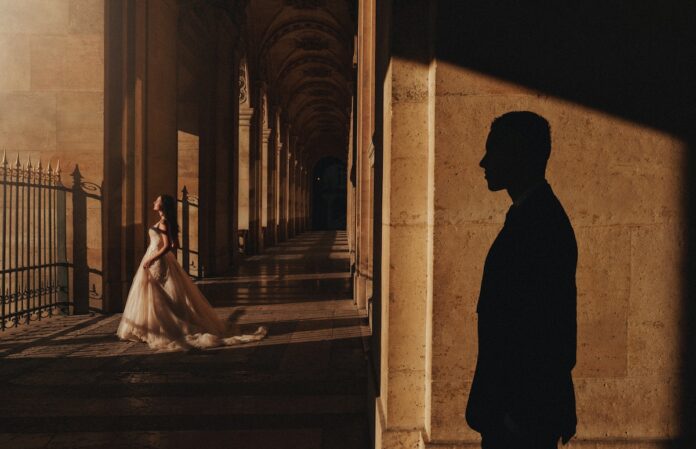
The WPC was founded in 2013 as a cooperative effort by The Federation of European Photographers (FEP) and Professional Photographers of America (PPA). Its singular goal is to unite photographers in a spirit of friendship and cooperation. A Governing Committee has been created to conduct the ongoing affairs of the competition, also supported by the UAPP (United Asian Professional Photography). The brotherhood and sisterhood of photography is a bond that transcends language, culture, and geography. That’s the foundation behind the World Photographic Cup, a one of a kind international team competition.
Despite the recent difficulties due to the pandemic, the WPC has been held continuously every year, and we are pleased to announce
that the WPC 2023, edition number 10 of this unique and inimitable competition is open.
The governing Committee of WPC is constantly looking at entries and categories that reflect the ever changing perception of images and also respecting the core roots of photography. In the 2023 competition there will be two new categories described below. Also for the 2023 competition we are presenting a visual guide to category descriptions to assist in your image selection. The goal is to avoid confusion or having images challenged due to interpretation of the English language descriptions. This year (2023) will see two categories split into two making a total of 8 categories.
The Nature Category will now recognize Wildlife (wildlife in their NATURAL habitat) and Landscape (scenic) images. In the wildlife category images must be in the animals natural habitat. The Portrait category will also be split defining images that reflect the natural appearance of subjects and Illustrative Portrait images that are more illustrative and highly manipulated.
This category is for photography that is devoted to displaying natural elements such as landscapes, cityscapes, plants, flowers, trees and close-ups of natural scenes and textures. Aerial, macro and astrophotography are included in this category. It is allowed to crop, rotate, selective dodging and burn, reduce noise, sharpen, adjust colour/black-and-white, apply grain and minor cleaning jobs like removing sensor dust or chromatic aberration. It is also allowed to combine several photos to one (photo stitching, focus stacking, multi-exposure, etc), shot at the same time and on the same place as a consecutive sequence, seconds or minutes apart). It is NOT allowed to add, delete or move elements by cloning, healing, patching, content aware fill, liquify or similar tools. The original captured image (in RAW or jpg) must be available if requested by the WPC.
Team Australia : Forough Yavari
Team Brazil : Luciano Honorato
Team Canada : Jo-Anne Oucharek
Team Czech Republic : Petr Jan Juračka
Team Ecuador : Sebastián Rodríguez
Team Guatemala : Maria Fleischmann
Team Italy : Alessandro Grasso
Team Japan : Kazutoshi Kawakami
Team New Zealand : Amber Griffin
Team Norway : Tone Balslev Haugerud
Team Panama : Javier Alejandro Solis
Team Philippines : Christopher Magsino
Team Singapore : Teo Chin Leong
Team Spain : MERCHE LLOBERA RODRÍGUEZ
Team United Kingdom : David Keep
Team United States : Ben Shirk
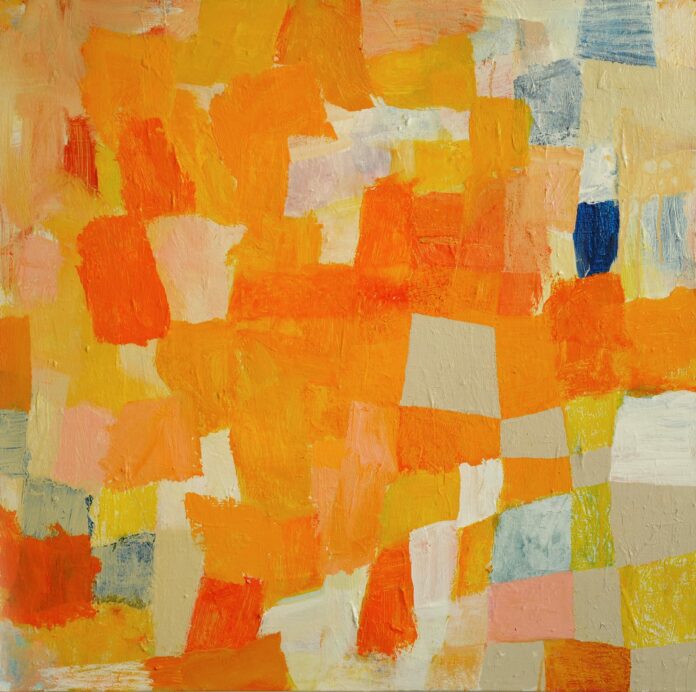
Mar 18-Apr 08, 2023 — Opening Sat, Mar 18 – 6-8 PM
Visu Contemporary is thrilled to announce In Pieces, a solo exhibition of new paintings by contemporary abstract artist Alexander Peters. The exhibit will be on display at the gallery from March 18th to April 8th, 2023, with an opening reception on March 18th from 6pm to 8pm.
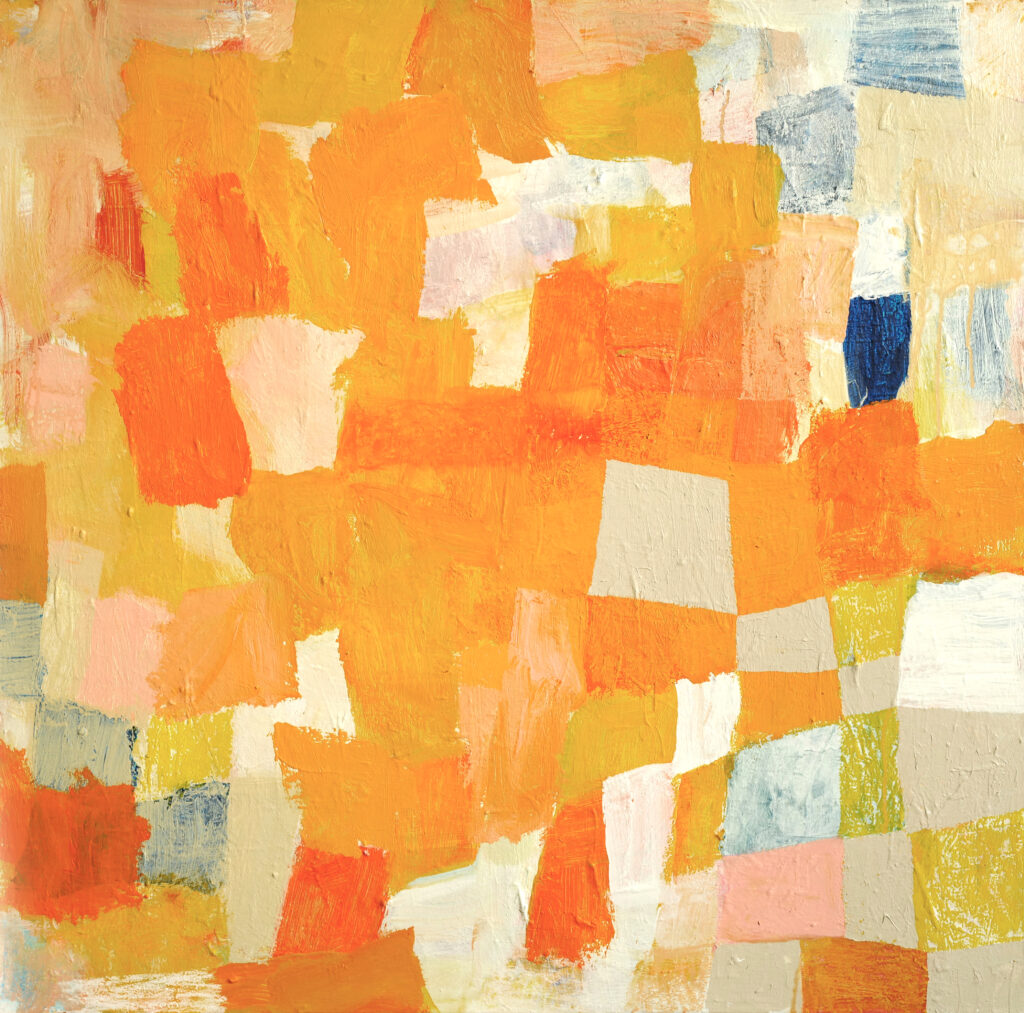
In Pieces features a collection of striking, large-scale and smaller works which blur the boundaries between abstraction and representation. Through bold brushstrokes, rich textures, and intricate layering, Peter’s works invite viewers to explore the nuances of color, shape, and form. The paintings are a testament to Peter’s talent for creating dynamic and immersive visual works which challenge our perceptions and stimulate our senses.
“The artistic vision for the journey of the show is rooted in the grid, and the distortion and break-down of that rigid pattern of construction. Linear lines and this lattice framework exist all around us, particularly in urban environments, architecture, technology, even dance, but imperfections infiltrate these designs through various circumstances. Whether via urban decay, natural erosions, visual deceptions or by other means — these structures become broken, or ‘in pieces’ and take on a new life. Grids can also be seen as a metaphor for the way we perceive the world around us, as we often try to impose order on the chaos of our experiences. But that chaos persists, regardless of our futile attempts to remove it,” said Peters. “Alexander Peter’s paintings are a true celebration of the medium,” said Visu Contemporary’s Owner, Blake Pearson. “His work is a perfect blend of emotion, energy, and technique, and we are elated to showcase it at Visu Contemporary.”
Peters is a rising star known for his fearless experimentation and willingness to push the boundaries of the medium. With an insatiable need to paint almost every day, Peter’s works develop over the weeks and months by creating shapes, forms and textures with each new layer of paint. Abstract landscapes seem to inadvertently emerge from his canvases, however there is no specific point of reference other than the intuitive actions and choices that Peters makes in the process of creation.
Concurrently a Principal Dancer for Miami City Ballet, Peters on stage exudes an exquisite charm – a sort of lightheartedness mixed with a dash of mischief, all carried out with the self-assuredness of a king. A recipient of a Princess Grace Award and the Mae L. Wien Award, Peters is a critically acclaimed American dancer.
In Pieces is a must-see exhibition for anyone interested in contemporary abstract art. Don’t miss your chance to experience the power and beauty of Alexander Peter’s paintings.
For more information about In Pieces and other upcoming exhibits at Visu Contemporary, please visit www.visugallery.com
Visu Contemporary is an artist first gallery where emphasis is placed on quality and presentation. VISU Contemporary’s mission is to contribute to the art history canon by presenting provocative and inclusive exhibitions, projects, installations, collaborations and performances with the goal of making each exhibition a must-see, while inspiring curiosity and intrigue from every visitor.
Alexander Peters: In Pieces
VISU CONTEMPORARY 2160 Park Avenue, Miami Beach
Opening – Meet the Artist – Mar 18, 2023 – 6-8 PM
Mar 18-Apr 08, 2023
Contact:
Blake Pearson
Visu Contemporary
305-496-5180
[email protected]
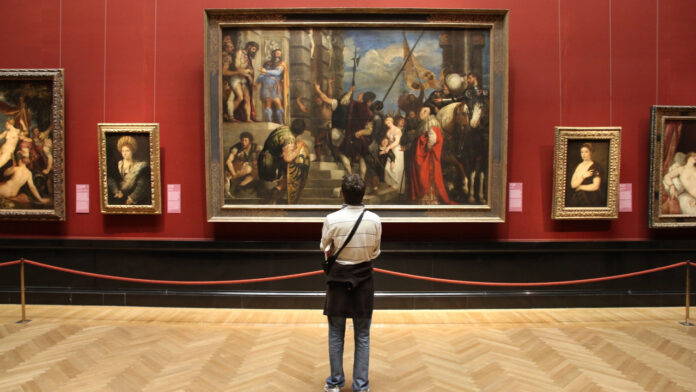
Iván de la Nuez
Es tinta y, en breve, extinta.
Si no aparece pronto un antídoto potente, este es, a corto plazo, el destino de la crítica de arte contemporáneo. Entre la multitud de indicios, un ejemplo reciente: varios artistas son interpelados sobre el papel de la crítica en la validación de sus respectivos trabajos. Y las respuestas de, entre otros, Carlos Garaicoa, Joan Fontcuberta o Eulalia Valldosera, no pueden ser más desoladoras. Para la legitimidad de estos creadores, la importancia de la crítica resulta casi nula. Lo más inquietante de sus argumentos no es, sin embargo, su beligerancia sino su condescendencia; el modo en que pasan la mano por la cabeza a esa innecesaria (y menor) compañera de viaje.
Que la crítica, salvo excepciones, ocupa el último lugar en la jerarquía del actual sistema del arte -por debajo de directores, coleccionistas, comisarios y artistas- no es, precisamente, un secreto. Al extremo de que lo alarmante no está en la proximidad de su extinción, sino en la indiferencia conque esta sería recibida. Pocas veces un género -o como quiera que le clasifiquemos- hizo coincidir con tanta fruición su propensión a suicidarse con las intenciones de exterminio que le acosan desde el exterior.
Hay un conjunto de temas gremiales que explican parcialmente esta crisis. Que el trabajo de los críticos alcanza una escasa notoriedad y un limitado acceso a los circuitos pedagógicos. Que la mayoría de discursos circulan al interior de la tribu, en catálogos que sólo leen los entendidos. Que la presencia en los medios de comunicación es insignificante. Que en Internet y sus blogs son mucho más importantes las noticias, opiniones y comentarios sobre ella que la crítica propiamente dicha. Que el mercado profesional, con su tapón generacional, depara un multiempleo de supervivencia donde el crítico suele ser, al mismo tiempo, juez, parte, sospechoso y culpable. Que la propia crítica contemporánea rebasa, y refuta, la tesis del artista como genio, mientras que los escritores de renombre que se aproximan al arte, con todos los medios a su disposición, persisten en la idea romántica del aura. Que el arquetipo de curator de éxito, en el que se fijan las nuevas generaciones, no ha necesitado una obra escrita para llegar a lo más alto y sufre una alergia crónica al ISBN…
Dicho esto, tal vez valga la pena una previsión: cuando aquí se habla de la crítica de arte afiliada a lo escrito -tinta de la escritura y de la impresión- no se trata de una caprichosa sobrevaloración de lo literario. Simplemente, obedece a que la crítica, todavía, sigue siendo el puente entre la cultura visual y la cultura escrita. Enlaza el arte con la literatura y, aún más importante, es el nexo ideal entre el arte y la lectura. En este punto, vale la pena preguntarse si los críticos hoy gozamos de lectores. Y, también, si gozan hoy los lectores con los críticos. La rotundidad del “no” a estas dos preguntas desborda cualquier queja de tipo sindical y revela un manojo de carencias intelectuales que alientan desde dentro a esta situación.
No es posible exigir un lugar bajo el sol atizando frases tales como “táctica curatorial”, “dinámica procesual”, “enjambre dialéctico”, que configuran un lenguaje de secta, muy parecido a ese que tanto abunda entre los forenses de CSI, o entre el doctor House y sus colaboradores.
Ante la hecatombe, Hegel. Decía el filósofo, y sostiene Agamben, que el artista es el “hombre sin contenido”, porque es capaz de ir “más allá” del propio arte y desaparecer más allá de sí mismo. En sentido contrario, tal vez valga la pena experimentar la crítica como una zona marcada por el contenido sin hombre. Como un camino propio que, sin renunciar del todo al artista, no se detendría absolutamente en las tareas de su legitimidad, ni en tanto que garantía de su lugar en el mundo, ni como balanza de su grandeza. Puestos ya a no ser necesarios, los críticos podrían ensayar (en la dimensión literaria de este verbo) la fortuna eventual de conseguir una autonomía intelectual “más allá del artista”. A fin de cuentas, si existen y triunfan artistas sin crítica, el ensayo nos regala la posibilidad de concebir, llegado el caso, una crítica sin artistas.
Esa eventualidad cuenta con ejemplos fructíferos. Pensemos en Henry James, Oscar Wilde, Edith Warthon, Gilbert K. Chesterton, Paul Auster, Don Delillo, Roberto Bolaño, César Aira o Enrique Vila-Matas. Cuando no les han convenido los creadores “realmente existentes” para hacerlos intervenir en sus obras, se los han inventado. Y no por ello constatamos alguna merma en la utilidad crítica que activan sus libros. ¿Qué son autores de ficción? Esto es muy relativo, sobre todo porque no parece que el principal malestar de la cultura contemporánea provenga de lo que concebimos como ficción sino de aquello que percibimos como verdad. Con toda su acreditada fantasía, ninguno de esos autores ha imaginado una ficción tan gigantesca como las famosas armas de destrucción masiva, o como el alegato de Noam Chomsky -ese martillo de todas las mentiras de este mundo- cuando afirmó que las matanzas de Pol Pot eran exageraciones del New York Times.
En todo caso, hay ejemplos de ensayistas que nos sitúan en otra frontera y expanden sus argumentos creativos por caminos liberados de cualquier corset. Ajenos al estudio acabado y bien cerradito que no duda en poseer la verdad, sólo la verdad y nada más que la verdad; con su drama griego de andar por casa y su correspondiente triada de planteamiento-nudo-desenlace, los ensayos más fértiles -entendidos como los fundó Montaigne- se resisten a ser encapsulados como non-fiction. Esta clasificación industrial, conviene sin duda a las editoriales, las academias universitarias y los suplementos culturales, pero tiene poco que ver con la promiscuidad que despliegan las creaciones contemporáneas. Así, George Bataille es capaz de escribir un libro, La oscuridad no engaña, que “no se dirige a los hombres cuya vida no es interiormente violenta”. Eliot Weinberger, en Rastros kármicos, fecha un artículo de apenas cuatro páginas entre 1499 y 1991, a la vez que define a Islandia como “la sociedad más perfecta del mundo, de la cual ninguna otra tiene nada que aprender”. Vázquez Montalbán, en sus crónicas bajo el seudónimo de Jack el Decorador, consiguió renovar la crítica de diseño desde unos episodios que eran, al mismo tiempo, un libro de crítica, la antología de unos pequeños tratados de frivolidad, una novela negra y, finalmente, la parodia de todo eso. Severo Sarduy entrevé una aventura carnal en Barroco para abrir un sendero inédito entre la cultura barroca y la postmodernidad. Un académico como Roger Bartra incorpora viñetas y diálogos imaginarios en La jaula de la melancolía, su pionera interpretación de la modernidad mexicana. Por la parte que le toca, en Deseo de ser piel roja, Miguel Morey nos propone… Bueno, este cada cual tiene que leerlo sin brújula porque no se puede describir, ni sintetizar, ni escolarizar y ahí radica, intacta, gran parte de su virtud.
Estos y otros ejemplos ensanchan el horizonte de tal manera que rompen los prejuicios a la hora de asumir como ensayos formatos que están fuera de la literatura en su sentido convencional. Exposiciones como Lo que ocurre, basada en la teoría de los accidentes de Paul Virilio, o Comunidad, de Pedro G. Romero, cumplen con los rigores de un ensayo visual en toda la línea.
El ensayo crítico, especialmente el artístico, puede ser entendido en su aserción teatral: es una aproximación previa e imperfecta a una realidad que no está constituida del todo (no es todavía la “función real”). Más bien, sus tareas están encaminadas a armar los planos de un escenario futuro, a una posibilidad por venir.
Ensayar sin complejos desde, por y más allá del arte no parece un mal remedio para esa crítica que hoy deambula como una especie en peligro de extinción. Sin conceder la menor importancia a las cápsulas que la encierran en un género, un gueto sin salida y desde el que sus enunciados importarán siempre un pimiento.
Y eso que, bien mirados, los pimientos tienen su importancia. Los del padrón, por ejemplo. En el ritual de comerlos, te la juegas y avanzas hasta que ¡pum!, aparece uno por sorpresa que pica y cambia las percepciones preconcebidas. A unos les disgustará, pero hay otros que, secretamente, no han buscado otra cosa que ese accidente y ese ardor para asomarse el precipicio.
Última lección de un ejemplo prosaico: tanto en el sentido del sabor como del conocimiento, a veces una buena crítica está obligada a saber mal.
______________
Publicada en El País en diciembre, 2007.
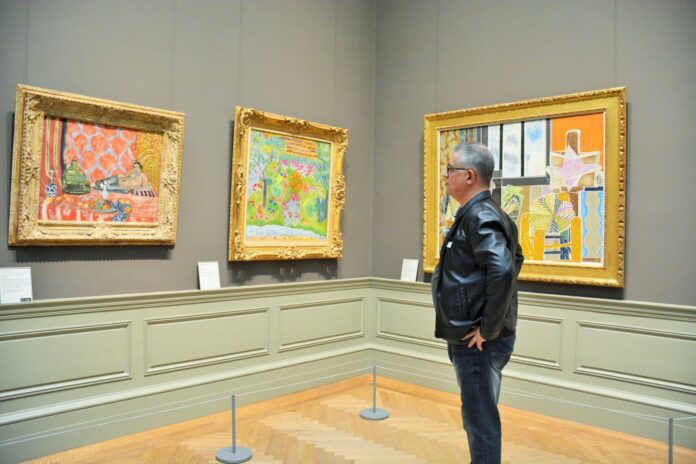
Reseñar una obra o hacer la parodia sobre un texto, no es crítica. El crítico de arte que se asume como tal, escribe o habla sobre el producto artístico y sus creadores, lo hace valiéndose de una valoración estética, basándose en la historia del arte y sus disciplinas.
Mínimo tendrá que tener un ojo ya entrenado en la observación de obras en cualquier periodo y un hábito de lectura. En su labor selecciona, compara y emite juicios de labor, no hace escritos para quedar bien con el artista remitiéndose simplemente a producir textos curatoriales.
Se le considera a Denis Diderot (1713-1784) como el padre de la crítica de arte. Sentó las bases en salones abiertos al público, que en ese entonces, actuaban como centros para la difusión de artistas y obras, propiciando modas y gustos, por lo que fueron punto de crítica y debate. Diderot escribió sus impresiones sobre estos salones arriesgándose a proponer y comentar lo que a muchos les parecía bien.
No existe una carrera o maestría en crítica de arte. En la actualidad algunas escuelas ofrecen licenciatura en curaduría y gestión en arte. Ser curador cada día se pone en boga, deciden qué se expone, cómo debe ser una museografía, establecen conexiones con museos y centros culturales, formulan catálogos y aún más adquieren el papel de críticos.
El crítico además de ser un observador, arriesga. No es monedita de oro y tampoco tiene la última palabra en estos menesteres. Las argumentaciones son las que cuentan y sobre todo depende del color del cristal con el que se mire.
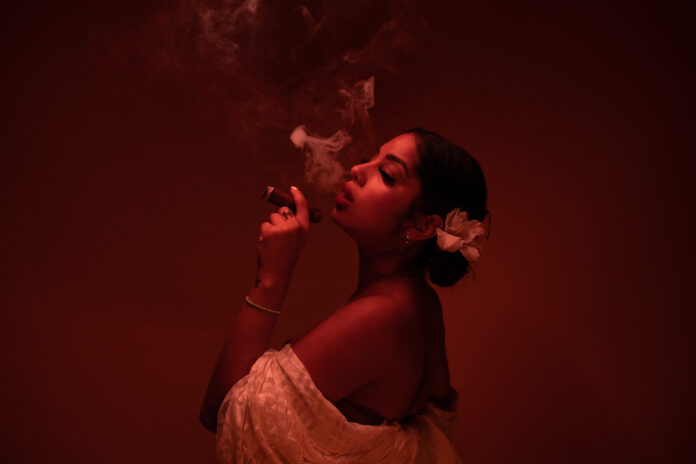
“It’s not one story, it’s our story”
An artist’s vision of the Latinx experience
Local artist Alejandra Estefania is transforming artistic storytelling in Latinx communities by combining cinematic documentation with technology. Through the American Passport Experience, Alejandra turns real people into works of art utilizing a mix of photography, videography, music, poetry, physical and digital artwork.
Growing up in North Carolina, Alejandra felt disconnected from her identity as a Latina. It wasn’t until she attended art school in Miami that she was exposed to the various Latinx cultures present in the United States. She became inspired by the journeys of those around her and wanted to find unique ways to celebrate their stories.
“Culture is the main focus of my work and my principal source of inspiration,” Alejandra explains.
”I aim for my work to represent the diversity of the communities around me and empower them to take pride in their heritage.”
One of the goals of The American Passport Experience is to create a space for healing within Latinx communities and families. Alejandra was inspired by a conversation with her father that deepened her understanding of his struggles as an immigrant. “It healed how I felt and saw him, and it hit me too – the power of storytelling,” Alejandra says. “We’re able to forgive one another when we understand one another.” Part of the creative process involves collecting first-hand accounts of life stories and archiving them for future generations.
Last year during Hispanic Heritage Month, The American Passport Experience raised awareness of everyday contributions by Hispanic Americans. By showcasing their stories on social media, the Cultura, Courage y Fe campaign encouraged others to embrace their past and allow it to shape their present. Alejandra’s vision is to have Latinos identify themselves through her storytelling while also educating outsiders on how diverse yet unifying the immigrant experience can be.
Alejandra’s vision for The American Passport Experience will ultimately culminate into an immersive physical experience that utilizes cutting-edge technology to bring the stories collected into a new light. We’re excited to share our upcoming work. For more information or to schedule an interview with Alejandra, please contact me directly.
Miami, FL.
Yo Space has been located in the culturally rich community of Little Haiti since 2011. A tight-knit environment where artists can come to flourish and interact with people who will help them take their craft to the next level, creatively and professionally.
Yo Miami
Comprehensive Creative Solutions
Over the past decade, Yo Miami has organically grown a reliable network of creatives including designers, muralists, musicians, comedians, breweries, chefs, and more.
We connect you with our extensive creative network, simplifying the process of developing and communicating your vision and bringing your ideas to life.
Facilitating seamless synergy by:
-Curating murals, visual arts displays, and interactive installations
-Producing recurring and one-time events (Art, Comedy, Music and more)
-Food and Beverage solutions, including local and national craft breweries, chefs, and caterers
-A wide range of other creative solutions for all your commercial, residential, or other needs.
Founded in April 2011, what began as a passion for art, music and our 305 culture has evolved into a comprehensive network of artists, musicians, DJs, comedians, craft breweries, chefs and more.
Bringing together creatives from all walks of life, we shine a light on the elements of Miami culture that deserve to be recognized and celebrated.
Our goal is to serve as an ecosystem where creative people interact and grow together, leading to a sum community greater than its individual parts.
I get asked all the time, “What is it that Yo Miami does exactly?” and it took a long time to have a satisfactory answer. What made it all the more frustrating was that I knew a company needs an identity in order to grow. Eventually a phrase from a magazine article jumped out and things almost audibly clicked into place: Ecosystem.
“Everything in the natural world is connected. An ecosystem is a community of living and non-living things that work together. Ecosystems have no particular size.”
The more I read, with every line I was more certain that I’d found the word that best summed up the entirety of what I was trying to create with Yo Miami.
“An ecosystem can be as large as a desert or a lake or as small as a tree or a puddle. If you have a terrarium, that is an artificial ecosystem. The water, water temperature, plants, animals, air, light and soil all work together. If there isn’t enough light or water or if the soil doesn’t have the right nutrients, the plants will die. If the plants die, animals that depend on them will die. If the animals that depend on the plants die, any animals that depends on those animals will die. Ecosystems in nature work the same way. All the parts work together to make a balanced system.”
If interested in a studio please submit the following to [email protected] with the subject “Studio Inquiry”: Brief Bio, Link to portfolio or attach 5-7 images of your work, Past exhibitions/CV, References (if applicable)
www.yospacemiami.com
294 NE 62nd Street
Miami, FL 33138
Accessibility: ADA Compliant
185 NE 59th St
Miami, FL
Accessibility: ADA Compliant
Parking: Street Parking
Public Transportation: 9 and 10 Metrobus run on NE 2nd Ave, the closet stop is on NE 59th Street
Email
[email protected]
Laundromatartspace.com
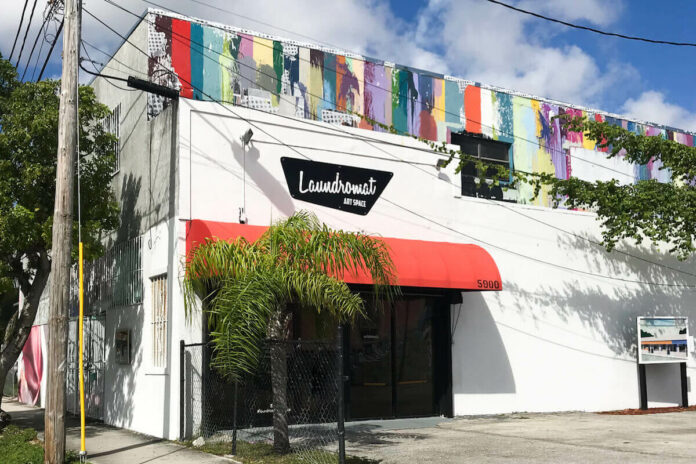
Laundromat Art Space is an artist-run studio and exhibition complex which focuses on the development of local artists and provides innovative curatorial opportunities and artistic programming for the community. Founded in 2015 by a group of artist friends, all finishing up residencies at other organizations, with the idea of launching their own space. Today, LAS makes it’s home in a reclaimed laundromat turned into a studio space located in the neighborhood of Little Haiti in Miami, FL.
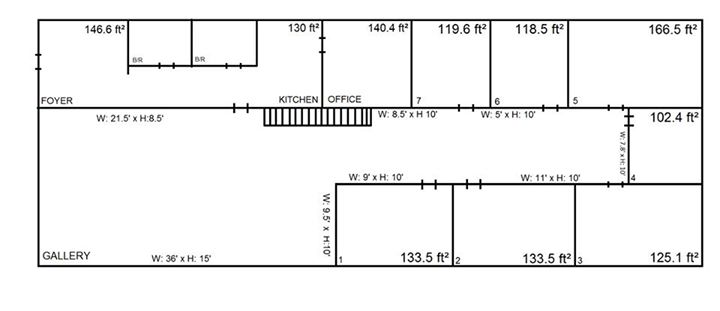
The 4,500 sq ft venue houses 11 studios and a gallery. LAS holds contemporary art exhibitions showcasing local, national and international work. Resident artists have the unique opportunity to be part of an environment which fosters collaboration between multidisciplinary artists.
Laundromat Art Space is 100% artist-run and independent under the direction of
Ronald Sánchez. Exhibition and curatorial strategy are overseen by Sánchez. In addition to in-house curation, resident artists are invited to propose shows. Laundromat also actively invites guest curators and encourages collaborations with independent curators and artist-run spaces, via resident artist connections and/or via solicited open calls for proposals.
b. 1973 Caracas, Venezuela
Initially trained as Aeronautical Engineer, Claudio Marcotulli received his B.F.A from Emerson College in Boston and M.F.A from the Miami International University of Art and Design in 2005. Since then, his work has been exhibited internationally and has received support from The Knight Foundation, Live Arts Miami and South Florida PBS.
Claudio Marcotulli uses media, sculpture and performance to create works that investigate his interest in technology and nature by illuminating existential questions around these subjects. His projects range from sculpture and performance installations to film and digital imagery that often reference memory, natural elements and issues of climate change with a surrealistic approach.
Marcotulli also explores principles of aerodynamics that reveal the science and poetry behind the mechanics of flight.
http://www.claudiomarcotulli.com/
Denise Treizman is an artist born and raised in Chile, who has an MFA in Fine Arts from the School of Visual Arts, New York. She creates sculptures and installation-based works, combining found objects with drawings, weavings and ceramics. Her work questions pervasive consumer culture, waste and excess by re- appropriating overlooked and underutilized materials into playful works of art. Guided by intuition, she explores material relationships, chance and resourcefulness. For Denise, the city is the ultimate creative source, providing her with an unending supply of eclectic and everyday objects. Working both on the street and the studio, she examines how worthless fragments can be transformed into unexpected art experiences. Her process is at once an act of artistic ownership over her materials as well as an exploration of the infinite possibilities that they afford her.
Treizman has been a resident at the Vermont Studio Center Residency receiving the Robert Sterling Clark Foundation fellowship award for Latin American Artists (Johnson, VT), Ox-Bow Residency (Saugatuck, MI), NARS Foundation (Brooklyn, NY), ACRE Residency (Steuben, WI), Triangle Workshop (Salem, NY) and MASS MoCA Assets for the Artists Residency. (North Adams, MA). She was a fellow at the Bronx’s Museum Artist in the Marketplace program (AIM program) Between 2015-2018,she was a studio resident at the Elizabeth Foundation for the Arts Studio Program in New York City. Treizman has had solo exhibitions at Cuchifritos Gallery (New York, NY), Wave Hill’s Sunroom Project Space (Bronx, NY), Soho20 Gallery +/- Project Space (Brooklyn, NY) Proto Gallery (Hoboken, NJ) and at Proto Gomez Gallery (New York, NY)
www.denisetreizman.com
Devora Perez lives and works in Miami. She received her bachelor’s degree from New World School of the Arts, and is currently an MFA candidate at Florida International University. Perez is interested in the
domestic setting and its influence on gender, race, and class in society. In her work she challenges domesticity through the use of everyday materials such as caulk, cement, plastic, and wood, and uses them in unconventional ways. Through formal and minimal design, Perez emphasizes color, texture, and
even the industrial material itself. While some pieces may seem fragile and light others are heavy and dense both visually and physically. These discrepancies in weight between the works and the use of
shadows are meant to construct divisions and separate spaces.
devoraperez.com
Donna Ruff grew up in Miami Beach and has relocated there after years in New York and Santa Fe, New Mexico. She earned an MFA from Rutgers University, where she focused on printmaking and installation. She has been chosen to create site-specific installations at the Eldridge Street Project on the Lower East Side of New York, PS 122, and for ArtSPACE in New Haven, Connecticut. Exhibitions include Speaking Volumes at the Kohler Art Center in Wisconsin; Fireworks at the Hunterdon Museum in New Jersey; Paper[space] at the Philadelphia Art Alliance; 4th International Graphic Triennialein Prague; Feedback: Artist to Artist at Kunstlerhaus Bethanien in Berlin, Germany, and All the News That’s Fit to Print, at the Center for Contemporary Art in Santa Fe, which she co-curated. She has been included in numerous gallery exhibitions and her work is in the collections of the Victoria & Albert Museum, Morgan Library, New Mexico Museum of Art, Library of Congress, Yale Art Museum, and Smith College, as well as other public and private collections. Publications that have featured her work include American Craft Magazine, New American Paintings, and Book Art: Iconic Sculptures and Installations Made from Books, published by Gestalten. She is represented by Rick Wester Fine Art in New York.
www.donnaruffstudio.com
Juan Henriquez started his studies in art in 1995 at Julio Arraga Art School and then at Neptalí Rincón Superior Art Academy, both in Maracaibo, Venezuela. He continues with experimentation workshops in graphic arts, art restoration, photography, cultural promotion, acting and art direction for cinema. He was a co-founder member of La Tintota Art Collective developing public art projects, art labs and collective exhibitions with the support and mentoring of art masters José Ramón Sánchez and Victor Fuenmayor. His work has been featured in national and international art exhibitions, solo art shows in Belgium, Romania, Brazil, Argentina, Colombia, Peru, the Dutch Caribbean and the United States. In 2002 he received the “Young Artist” award at the 27th National Art Salon of Aragua, Maracay. He is currently a represented artist of D’Museo, featuring his work in International Art Fairs such as Art Lima in Peru and Barcú in Colombia.
Julia belongs to the generation of Venezuelan artists from the late nineties, whose proposals use contemporary experimental languages. The written word, photographic imagery, contextual art and the interdisciplinary research of the art methods are the central columns of her work and her intellectual development. Julia Zurilla is an artist recognized for her experience with video and technological media, transforming written narratives into visual images.
Her work has been exhibited at international museums, art biennales, institutions and galleries such as: Coral Gables Museum in Miami, Museo de Arte Contemporáneo MAC Lima in Perú; Americas Society Art Gallery in New York; Cisneros Fontanals Art Foundation CIFO in Miami, Theâtre La Colonie in Paris, Cinemateca Distrital in Bogotá, Biennal of Contemporary Art in Mérida, FIA Caracas, Galería de Arte Nacional, Museo de Bellas Artes and Museo de Arte Contemporáneo de Caracas, Sziget Festival in Budapest, Galería Carmen Araujo in Caracas, Galería Odalys in Madrid. Since 2017 lives and works in Miami, FL.
Jose Luis Garcia lives and works in Hialeah, FL. Garcia earned their Bachelor of Fine Arts in Visual Art from New World School of the Arts/University of Florida and their Master of Fine Arts in Studio Art from Florida International University. Garcia is a Photo-Based Artist, who works throughout the gamut of the photographic medium and often uses family archives as the source of their work. Selected Solo exhibitions include “Family Aggregate” at the Photography Gallery at FIU Biscayne Bay Campus, “Forget Me Not”, and “In My Mind’s Eye” at the Miami Beach Urban Studios. Selected group exhibitions include “CAP Lab: Overload” at the Vizcaya Museum & Gardens, “End to End” at the Patricia & Phillip Frost Art Museum, and “Body + Memory + City” with PhotoAlicante Photography Festival in partnership with Doral Contemporary Art Museum (DORCAM), in Alicante, Spain. Garcia has taught various K-12 educational residencies as a Teaching Artist with Arts for Learning Miami, led workshops with Miami Dade Public Libraries’ The Vasari Project, is an Adjunct Professor at Miami Dade College Wolfson Campus, Broward College North Campus, and teaches Photography at New World School of the Arts in the Highschool Division.
www.avantgarci.com
American, born Mexico (1971). Works and lives in Miami, FL.
Villarreal is an interdisciplinary artist working at the intersection of fiber, painting, and
photography. Through the use of embroidery, paint, and textile on paper and canvas,
Villarreal creates a transdisciplinary language and poetry inspired by the vivid colors and ancient traditions of her Mexican roots. In the late 1990s, she immigrated to the United States, a process that underscored the economic and social disparities between the two countries. Creating tensions among her multimedia works, Villarreal integrates both environmental geographies in her life, questioning issues of identity, sense of place, longing, and memory.
Villarreal holds a MA in Analysis and Management of Contemporary Art from the
University of Barcelona, Spain. She studied at the University of North Carolina, the New York School of Visual Arts, and the Art Students League in New York. Select individual exhibitions include the Instituto Cultural de Mexico in Miami, the Coral Gables Museum, the Embassy of Chile in Washington D.C., the Centro Cultural Fatima in Mexico, and the Mexican Consulate in Los Angeles. She participated in Parc Lima, Chaco Chile, and Pinta Miami. She has curated for the Mexican Cultural Institute in Miami, part of the Consulate dedicated to the promotion of Mexican artists in the US, and currently directs art education programs for young audiences in the city of Key Biscayne, Florida.
www.lauravillareal.com
Lisu Vega is an artist which turned out into fashion designer. Her degree in Experimental Graphic gave her the right tools to explore stamping from the paper to the fabrics. From 2010 her collections are a reflection of the exploration of all aspects and techniques in the art world. She creates versatile pieces that can be mixed and combined with a very strong graphic DNA, product of her research and art background.
www.lisuvega.com
Nick Mahshie was born in Southwest Miami-Dade County, Florida and lives and works in Miami, Florida. Mahshie received a Masters of Design degree in Fashion, Body & Garment in 2017 from The School of the Art Institute of Chicago, and a Bachelors of Fine Arts in Painting from Rhode Island School of Design in 2007. Shifting freely between Art & Design practices, his work makes clear reference to the visual language of saturated Miami culture while challenging the seductive palette of both our landscape and
our sartorial inclinations. His background in Painting, Fashion, and Print Design coalesce in the immersive installations, wearable sculpture and designed objects he creates. Selected Exhibitions include “No Vacancy Miami Beach” (2021) The International Inn, Miami Beach, Florida, “Exile Books + Printed Matter” (2021) NADA Art Fair, Miami, Florida, “Diverse Networks” (2020) Oolite Arts, Miami Beach, Florida. Mahshie has been invited as an artist-in-residence at AGA Lab, Amsterdam, Netherlands (2019),
Residencia Corazón, La Plata, Argentina (2008), and as the Printmaking Artist-in-residence at Oolite Arts, Miami Beach, Florida (2018-22).
Pablo Constriciani is an Argentinean artist residing in Miami since 1998. He earned his Masters in Painting at the National University of Fine Arts of La Plata, Buenos Aires, Argentina. He has recently participated in exhibitions at Arch Gallery & Karpio-Facchini Gallery, Miami; Morgan Lehman Gallery, New York; Light Contemporary, London; Mackey Gallery, Houston; Solar Art Gallery, East Hampton and Art Center South Florida, Miami. He has exhibited also in the Art Fairs: Scope London; Scope New York and Scope Miami; Art Toronto; Fiac Paris; Art Miami and Arte Americas, His work has been reviewed in publications such as Art in America; Art Nexus; Arte al Dia; New Times and Miami Herald and El Nuevo Herald. Pablo Contrisciani’s works are held by public and corporate collectors from USA, Latin America and Europe. www.pablocontrisciani.com
(b. 1981) was born and raised in Miami, Florida. After graduating high school Thické enlisted in the US Army to embark on a journey of exploration and transformation. The army provided Thické with the opportunity to see the world via his travels, but it would be a volunteer based photography class in South Korea, that would take Thické from amateur explorer of culture and customs, to the intentional, stirring, and impressive images we see of his work today. Roscoè pursued his passion for visual arts by studying photography and design at Broward College. Thické’s work is centered around the resilience of spirit, affliction of memory, and the art in “seeing”. Roscoè is an Oolite Arts Residency allum and was awarded a residency at the African American Research Library of Fort Lauderdale in 2021. During the pandemic, The Bass museum called upon Roscoè and other local artists to create work for their Work from Home series. Artists were asked to explore their everyday lives as it pertains to the diaspora while addressing climate change. Roscoè’s contribution to “Work from Home” included photographs of family in black and white featured along Miami Beach’s boardwalk pathway between The Bass and Lincoln Road. Thické’s work was on view at the Art and Culture center in Hollywood, Fl, for the exhibition Introspective a Reckoning of the Soul; a collaborative exhibition where he showcased four 16×20 still images collectively titled “The box is a trap”. Roscoè was nominated and granted the opportunity to be apart of the Atlantic Center of the Arts/Oolite Arts, artist development residency, in New Smyrna beach (ACA Home and Away), and recently spoke on a panel about art and activism through a partnership with the Broward County Library. Roscoè B. Thické III will expand his scope of work through his recent achievement, the 2021 Ellie Schneiderman Creator award (The Ellies).
Roxana Barba, born in Lima, Peru, is a Miami-based artist, whose practice incorporates interdisciplinary uses of performance, video art, installation and mixed media. At times minimalistic and meditative, and at times layered with multi-sensory storytelling, her artwork gestures towards personal and cosmic paradigms. Roxana often seeks to disarm power structures by drawing connections between healing rituals and delicate atmospheres that strive to use poetry as a gesture of denunciation.
Her interest in cross-disciplinary collaborations and improvisational practices in the development of site-specific works have received support from The Knight Foundation and South Florida PBS, as well as commissions from Miami Light Project, PAXy and Foundation for Emerging Arts and Technologies and invitations to present at the Perez Art Museum Miami and Miami Performance Festival. Her films have also screened and toured internationally.
She is currently working on her new piece Amaru en los Cielos, to be presented in October, 2021 as part of Miami Light Project’s Here & Now Festival 2021 and Kanay, a cross disciplinary performance in collaboration with artist Claudio Marcotulli, set to premiere in 2022. Both works are part of her current artistic research into Andean indigenous cosmovision and iconography.
Roxana pursued undergraduate visual arts studies in her native Perú prior to receiving her BFA in Dance from New World School of the Arts (Miami, Florida). She has been in residency at Cucalorus Film Festival (North Carolina, US) and Correlacion Contemporanea (Peru) and became a resident artist at Laundromat Art Space in May, 2021.
Juan Henriquez started his studies in art in 1995 at Julio Arraga Art School and then at Neptalí Rincón Superior Art Academy, both in Maracaibo, Venezuela. He continues with experimentation workshops in graphic arts, art restoration, photography, cultural promotion, acting and art direction for cinema. He was a co-founder member of La Tintota Art Collective developing public art projects, art labs and collective exhibitions with the support and mentoring of art masters José Ramón Sánchez and Victor Fuenmayor. His work has been featured in national and international art exhibitions, solo art shows in Belgium, Romania, Brazil, Argentina, Colombia, Peru, the Dutch Caribbean and the United States. In 2002 he received the “Young Artist” award at the 27th National Art Salon of Aragua, Maracay. He is currently a represented artist of D’Museo, featuring his work in International Art Fairs such as Art Lima in Peru and Barcú in Colombia.
Past Resident Artists:
Jay Bellicchi
Geraldine Bello
Jorge Chirinos
Paul Fentress
Jose Luis Garcia
Marina Gonella*
Anna Goraczko
Gabi Gutwirth
Jean Paul Mallozzi*
Dre Martinez*
David McCauley*
Christin Paige Minnotte*
Rosa Naday Garmendia
Lily Noches
David Olivera
Reginald O’Neal
Luna Palazzolo
Barbara Percorelli
Erin Parish
Bianca Pratorius*
Sarah Rifkin
Fereshteh Toosi
Michael Williams*