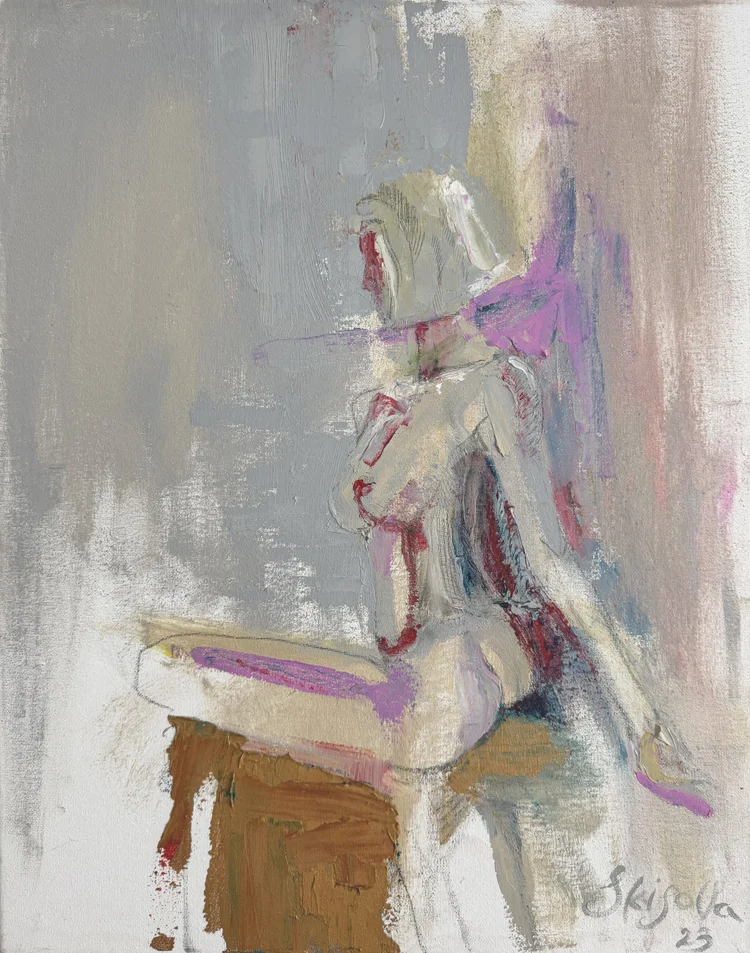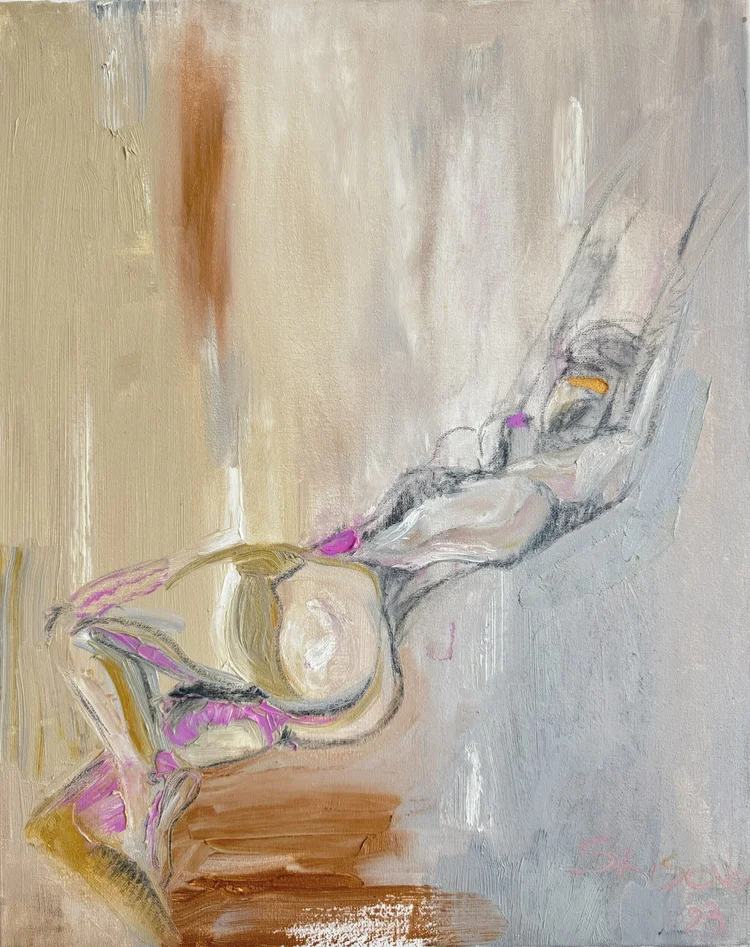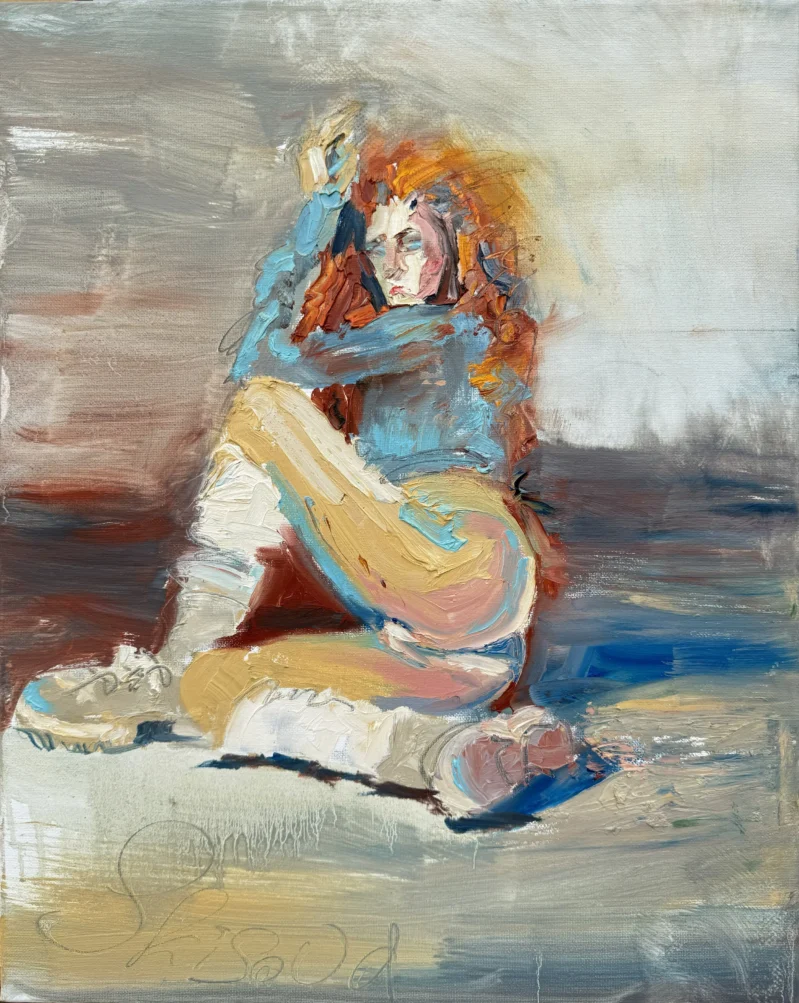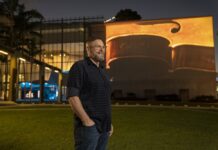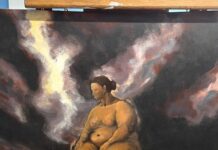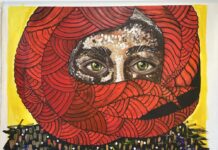
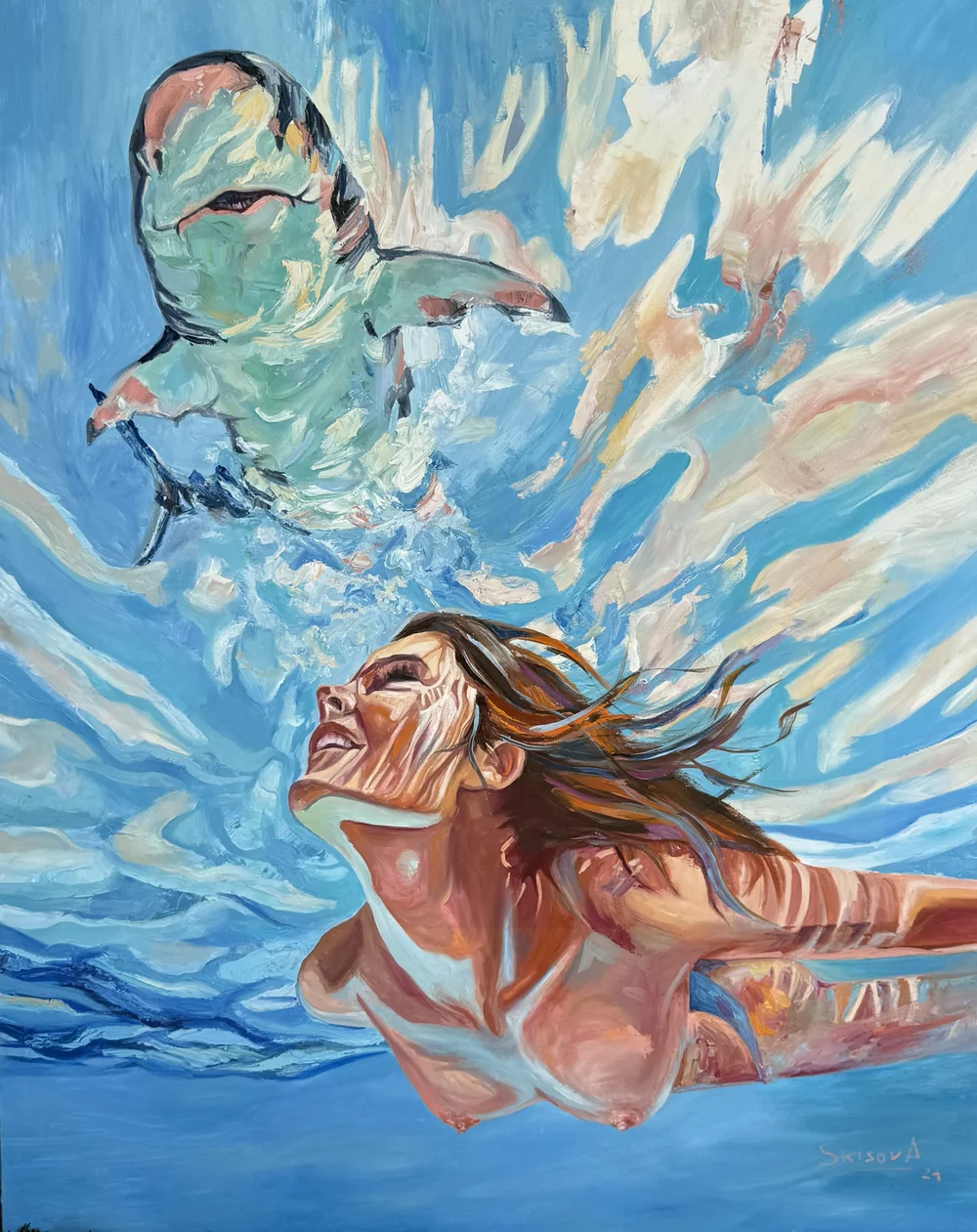
In this thought-provoking interview with Art Miami Magazine, artist Anastasiia Skisova explores the complex relationship between visibility, identity, and autonomy in the representation of the female body. Reflecting on vulnerability, emotional distance, and the tension between artistic control and freedom, Skisova questions whether being seen necessarily means being understood—or possessed. Through her paintings, the female figure emerges as an autonomous presence that resists imposed meanings, challenges the viewer’s gaze, and preserves the right to remain unknowable.
AMM: Can the female body be made visible through painting without becoming an object of possession or interpretation? How do you negotiate the tension between representation and autonomy?
Anastasiia Skisova: I do not think this contradiction can disappear. To paint a body is to make it visible, and visibility always allows interpretation and judgment. But visibility is not the same as availability. I cannot control the viewer’s response, but I can refuse to make the figure perform or explain herself. She retains an inner space that remains inaccessible. For me, autonomy means that being seen does not make her fully knowable or available for possession.
AMM: Can the nude body ever exist outside cultural meanings, or does the absence of clothing simply reveal another layer of social and historical interpretation?
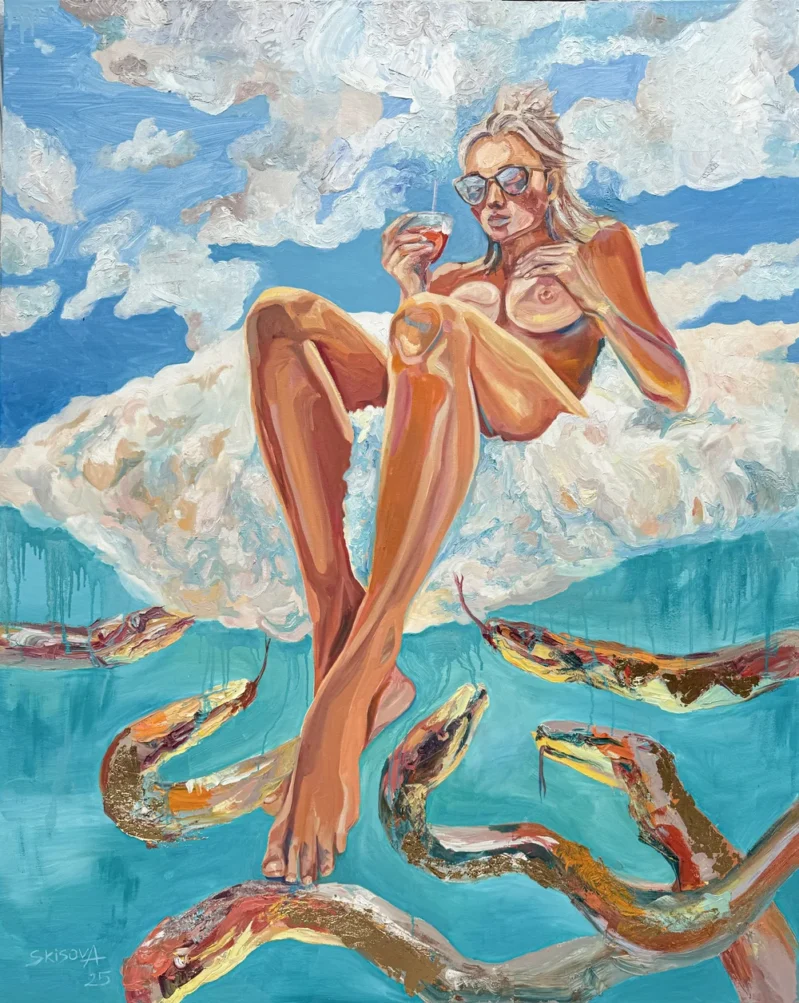
AS: I do not believe the body can ever be completely neutral. Nudity does not erase culture or history; it often makes them more visible. My intention is not to remove identity, but to suspend some immediate social signals, clothing, profession, status, prescribed roles. This allows the figure to be encountered first as a presence, before she becomes a category. The body remains culturally situated, but it cannot be fully explained by the meanings imposed on it.
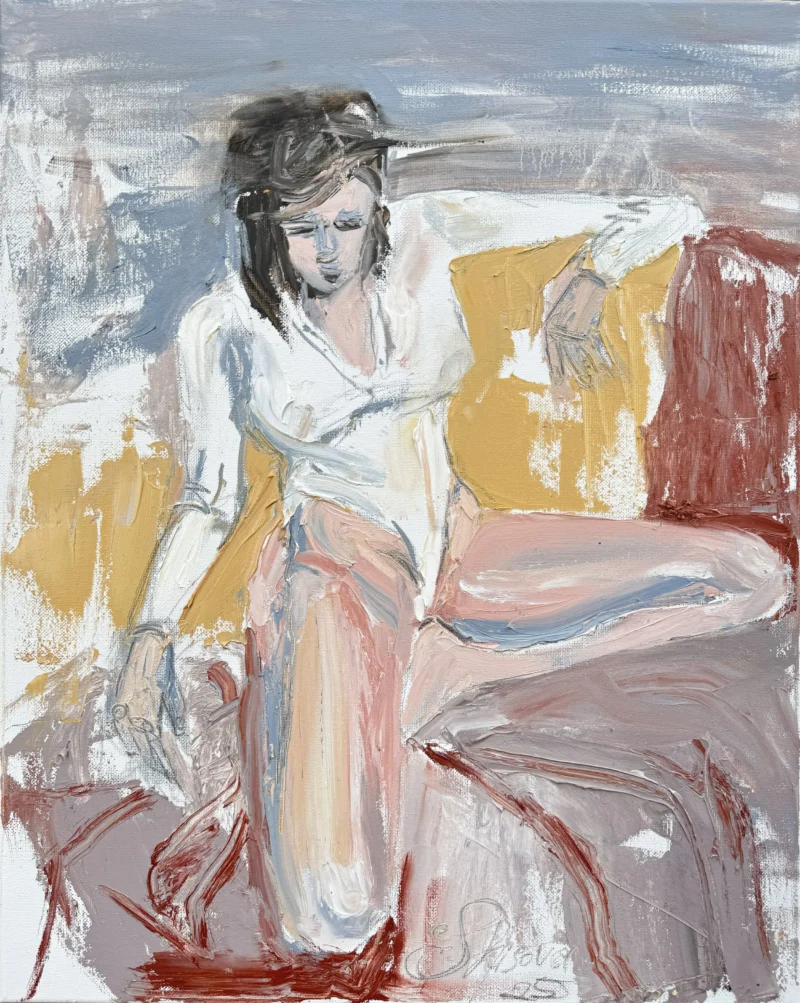
AMM: Your architectural background suggests an interest in structure, proportion, and control. At what point does artistic control give way to the autonomy of the painted figure?
AS: Structure does not necessarily mean domination. My architectural background helps me organize posture, rhythm, light, and space, but I do not want structure to close the meaning of the figure. Control ends when the painting begins to resist my original intention, when a gesture, tension, or expression creates something I did not plan. I create the conditions, but I also have to listen to what emerges. Freedom begins when the figure becomes more complex than my design for her.
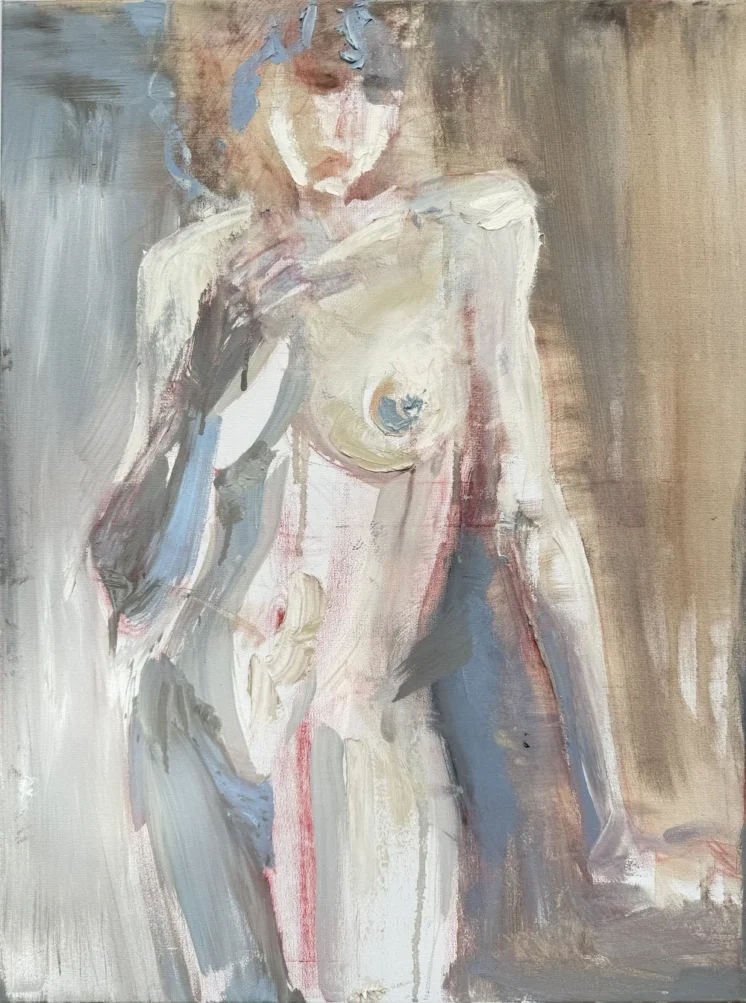
AMM: The emotional distance in your figures seems to resist the viewer’s desire for intimacy or psychological access. Is this distance primarily a philosophical position, or does it also reflect something personal?
AS: It is both philosophical and personal. I am interested in figures who do not owe the viewer emotional access, but I also recognize a need for protection in that distance. For me, distance is not the absence of emotion. It allows emotion to remain complex without becoming a performance or confession. The figure may be vulnerable, but she does not have to explain that vulnerability. Her silence is not emptiness; it is a boundary she controls.
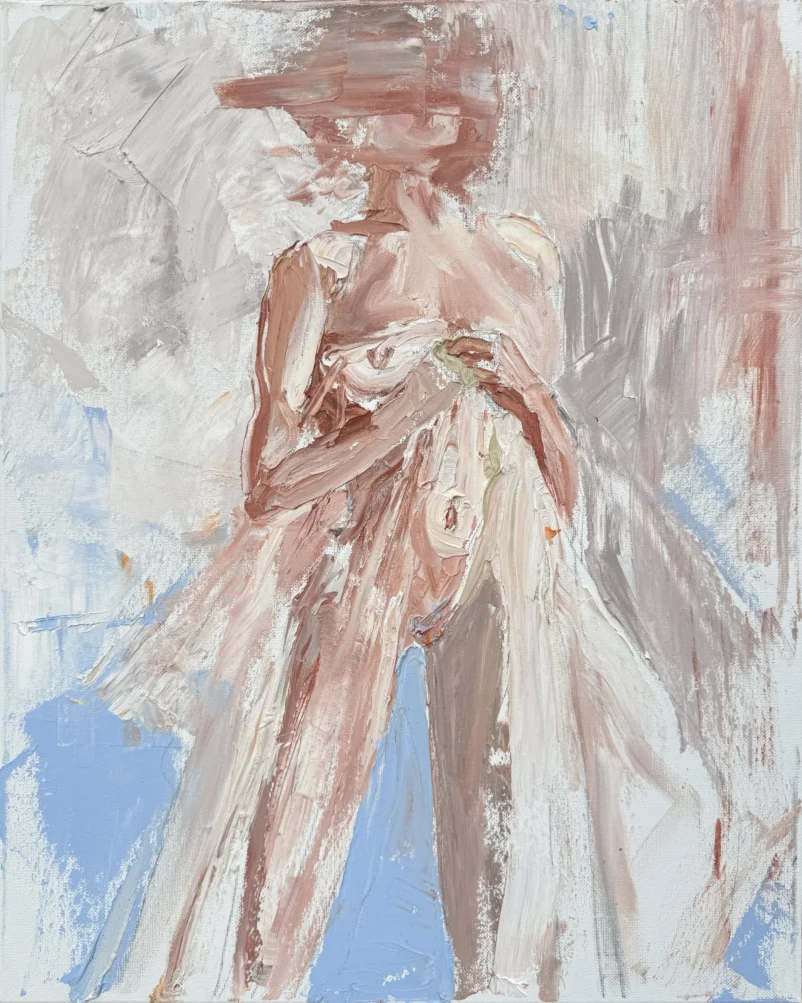
AMM: Every act of representation is shaped by the artist’s own perspective. How do you confront the limitations of your gaze when painting the female body, and what might remain invisible even to you?
AS: My gaze is also limited by my history, education, cultural inheritance, and personal experience. I cannot claim to see the female body outside those influences or to understand every experience it can contain. Painting makes me aware of those limits rather than allowing me to escape them. What I may still resist seeing are the places where my own desire for beauty, order, or protection becomes another form of control. That question remains open, and it is part of why I continue painting.