
Kara Walker: The Shadow of History and the Ethics of Visibility — Revealing What History Tried to Erase
Kara Walker’s artistic proposal stands as one of the most radical and intellectually uncompromising interventions in contemporary art. Through silhouettes, monumental installations, sculpture, film, and architectural environments, Walker forces audiences to confront the traumatic foundations of American history without the comforting filters of nostalgia, patriotism, or historical euphemism. Her work does not seek to aestheticize violence, nor to sensationalize suffering. Rather, Walker constructs a visual language designed to expose what dominant historical narratives have systematically attempted to conceal: the psychological, racial, and sexual violence embedded within the cultural construction of the United States.
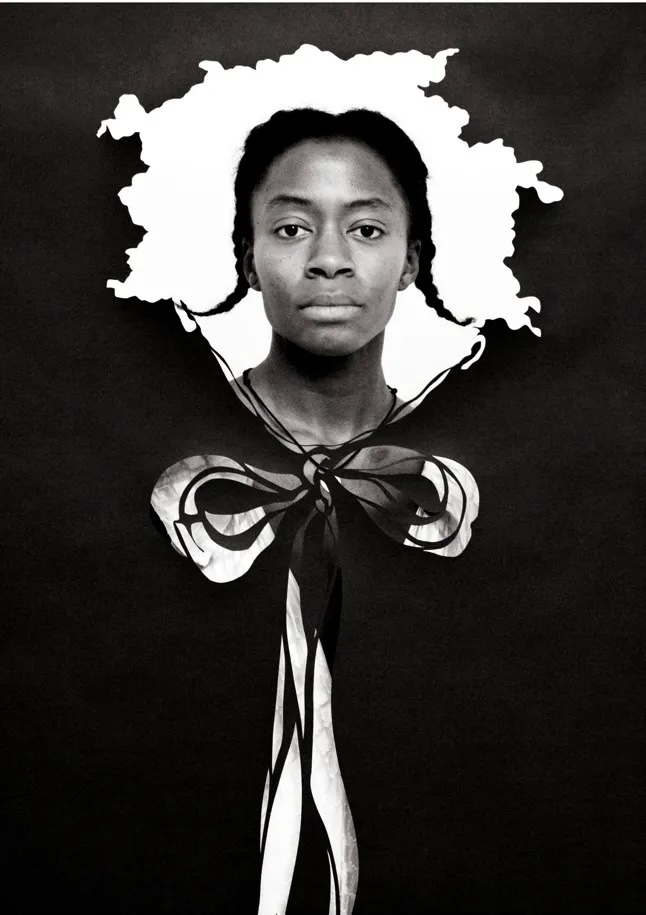
Walker’s genius lies in her ability to transform historical memory into a theatrical and immersive experience. Her iconic cut-paper silhouettes initially appear deceptively elegant, recalling the refined domestic portraiture popular during the eighteenth and nineteenth centuries. Yet this visual familiarity quickly collapses. As viewers approach the works, scenes of brutality, sexual exploitation, racial caricature, and grotesque power relations emerge with disturbing clarity. Walker weaponizes the silhouette itself, a medium historically associated with decorum and social refinement, transforming it into a mechanism of historical revelation.
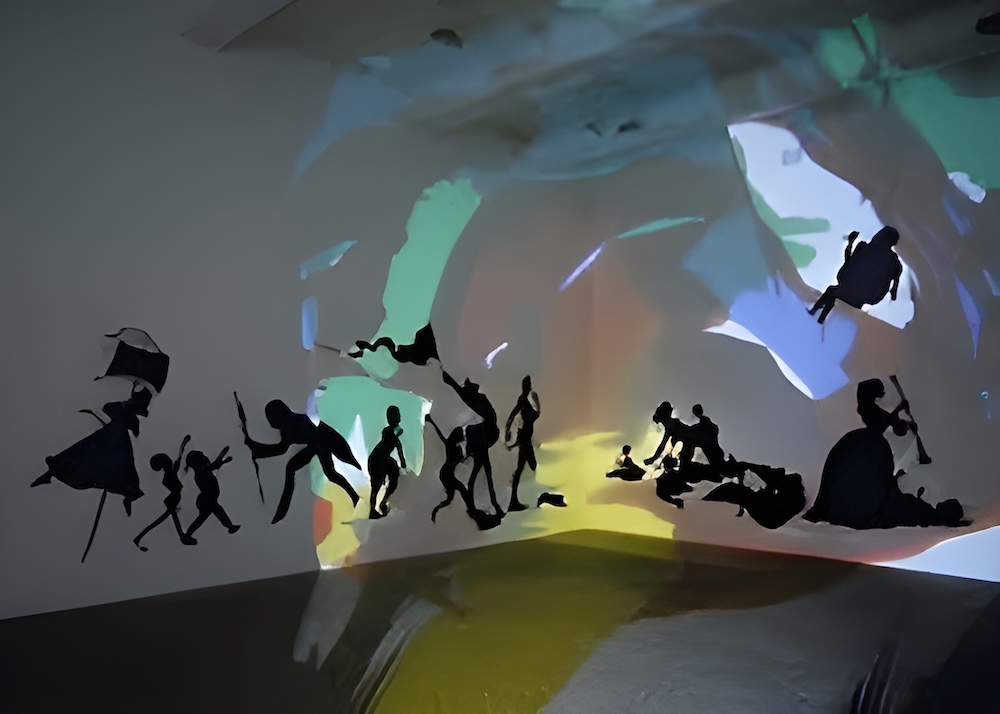
What Walker ultimately seeks is not simply to represent slavery, but to reveal how its psychological structures continue to inhabit the present. Her installations operate as spaces of discomfort where viewers become implicated within the narrative. In works such as Darkytown Rebellion or Insurrection!, the spectator’s own shadow merges with the projected imagery, dissolving the safe distance between observer and history. The audience is no longer external to the violence; it becomes part of the visual and moral architecture of the work.
This is why Walker’s proposal cannot be reduced to political provocation alone. Her work functions as a critical archaeology of visual culture. She dismantles the sentimental mythology of the antebellum South and exposes how popular imagery, literature, monuments, and historical narratives have sanitized slavery into a consumable fiction. Pieces such as Gone: An Historical Romance of a Civil War… parody the romanticized imagery of the Old South, revealing beneath its aesthetic surface a theater of coercion, domination, and abuse.
Walker’s monumental works further expand this critique. In A Subtlety, the colossal sugar sphinx installed in Brooklyn’s former Domino Sugar Factory transformed sugar itself into a material witness to histories of colonial exploitation, forced labor, and transatlantic commerce. Likewise, Fons Americanus reimagined imperial monumentality as a counter-history of the Atlantic world, centering drowned bodies, displacement, and racial violence rather than triumphalist narratives of empire.
What makes Kara Walker’s artistic proposal so profoundly important is that she insists history is not finished. The past is not distant; it continues to structure contemporary consciousness. Her work asks viewers to inhabit the “queasy space” between memory and denial, forcing society to recognize the invisible psychological injuries inherited through generations of racial violence.
Walker does not offer redemption or easy reconciliation. Instead, she asks us to see clearly — perhaps for the first time — what really happened, and to understand how deeply those histories continue to shape the present. Her art becomes both accusation and mirror: a theater of shadows where collective memory can no longer hide from itself.