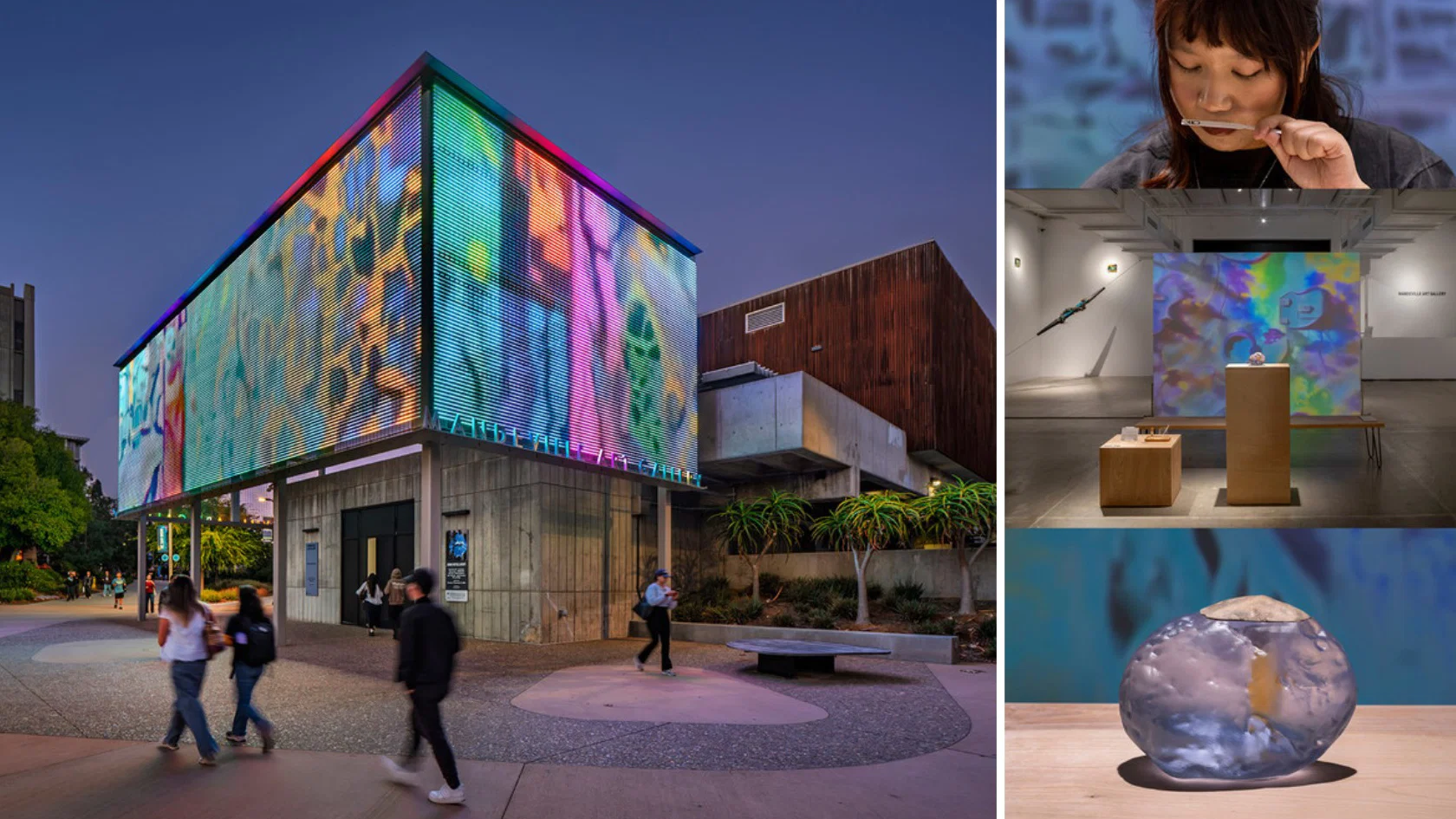
The professional levels of visual arts studies follow a clear path of progression, each level building upon the skills and knowledge gained in the previous one. This structured journey offers different degrees of specialization and depth in the field, inspiring students to advance in their artistic careers. Below is a description of the most common levels of education in visual arts:
1. Technical or Preparatory Training (Art Schools and Technical Courses)
At this level, students acquire a solid technical foundation in various visual arts disciplines, such as drawing, painting, sculpture, photography, graphic design, and more. Art schools or centers specializing in technical education focus on developing practical skills, equipping students with the confidence and preparation they need to succeed in the field.
- Duration: Generally 2 to 3 years.
- Degree: Technical Diploma or Certificate.
2. Bachelor’s Degree (Undergraduate)
The next level is the university degree, typically offered under titles such as Bachelor of Fine Arts (BFA), Bachelor of Visual Arts, or similar degrees. This level of study is not just about practical skills, but also about academic and theoretical exploration, providing students with a stimulating intellectual environment.
- Duration: 3 to 4 years.
- Degree: Bachelor of Fine Arts (BFA), Bachelor of Visual Arts, Bachelor of Graphic Design, etc.
At this stage, students explore various areas of visual arts, such as painting, sculpture, photography, video art, printmaking, and design, while developing their style and theoretical understanding of art.
3. Master’s Degree (Postgraduate)
The next level is the master’s in visual arts, which is for those seeking greater specialization and a more rigorous academic approach. At this stage, students typically choose a specialization, such as contemporary art, sculpture, painting, digital design, multimedia art, etc. In addition to artistic practice, students dive deeper into critical analysis, art theory, and research methodologies.
- Duration: Generally 1 to 2 years.
- Degree: Master of Fine Arts (MFA), Master in Art, etc.
This level is aimed at those who want to pursue a professional career as artists, curators, educators, or even researchers in visual arts.
4. Doctorate (Ph.D. or Doctorate in Fine Arts)
The doctorate is the highest level of study focused on academic research and high-level artistic production. Doctorates in visual arts are less common and are intended for those who wish to combine artistic creation with in-depth research on art theory, art history, or any field of visual arts in an academic context.
- Duration: Typically 3 to 5 years, depending on the research.
- Degree: Doctorate in Arts (Ph.D. in Art) and Fine Arts (DFA).
At this level, artists may also produce a thesis or a series of works that are innovative and contribute to the development of the field. A Ph.D. can open doors to academic positions in universities, as well as for high-impact artistic projects.
5. Specialized Courses and Workshops (Continuing Education)
In addition to formal studies, specialized courses, workshops, and seminars allow artists to continue their education throughout their careers. These short-term programs enable artists to refine specific techniques, learn new digital tools, explore contemporary trends in art, or learn about art management and the art market.
- Duration: Varies from a few days to several months.
- Degree: No formal degree is awarded, but certifications or diplomas are often provided.
Art schools, universities, art galleries, or even online platforms can organize these programs. They are popular among professionals already working in the art field who want to continue developing their skills.
Summary of Levels:
- Technical Training: Diploma or Certificate.
- Bachelor’s Degree in Visual Arts: BFA (Bachelor of Fine Arts).
- Master’s in Fine Arts (MFA): Master of Fine Arts.
- Doctorate in Visual Arts: Ph.D. or DFA (Doctor of Fine Arts).
- Specialized Courses and Workshops: Continuing education without formal degree.
Each level offers different opportunities for personal and professional development in the visual arts field, allowing artists and creatives to find the path that best suits their interests and goals.