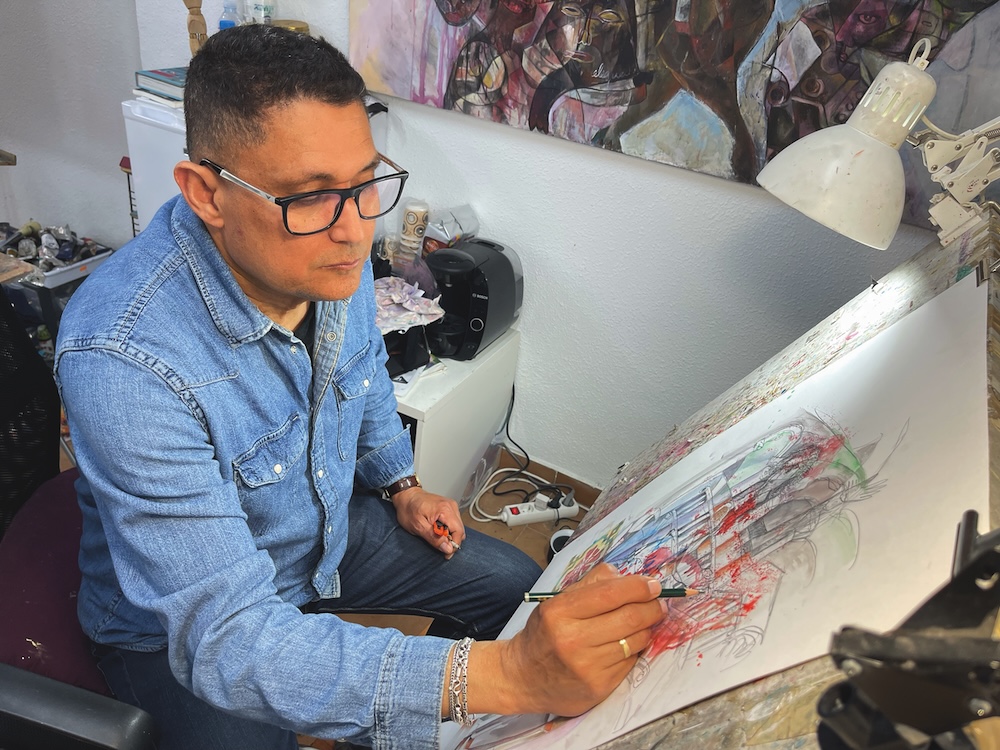
Excavating the Image: Time, History, and Mestizaje in the Work of Felipe Alarcón
@felipealarconoficial
F-alarconart.com
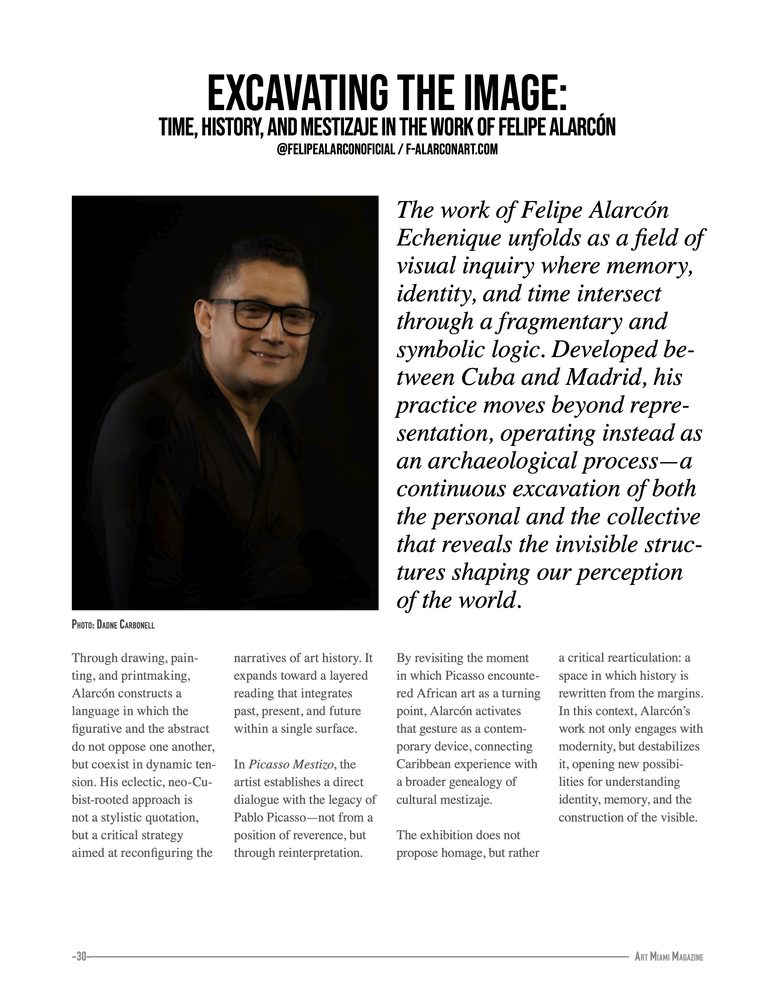
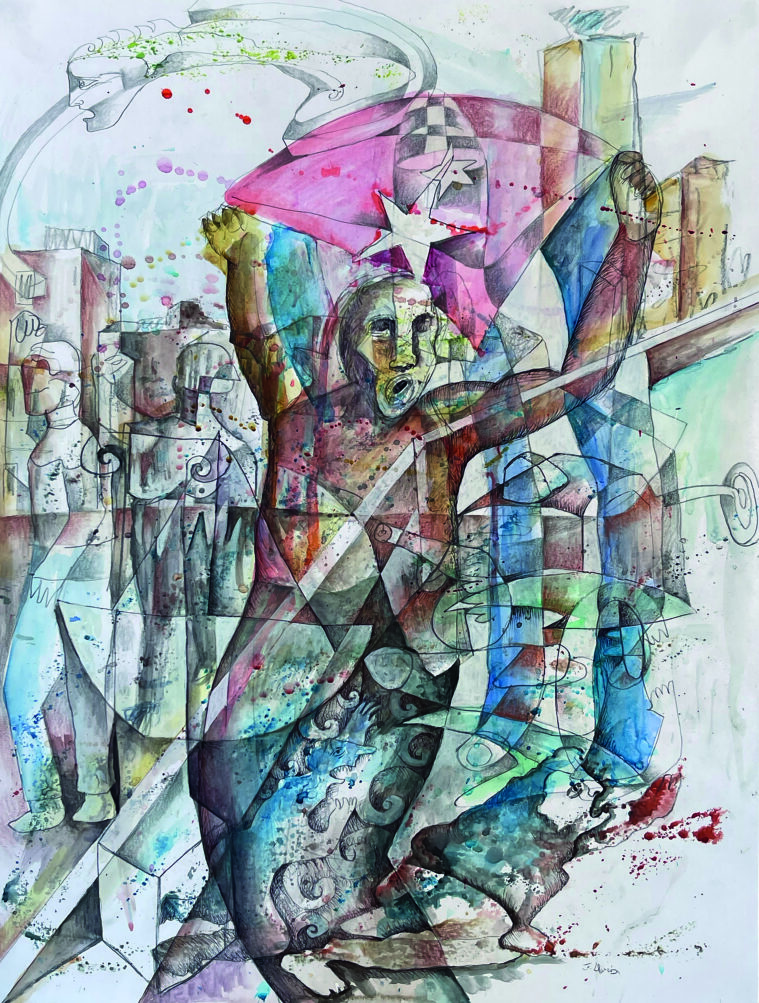
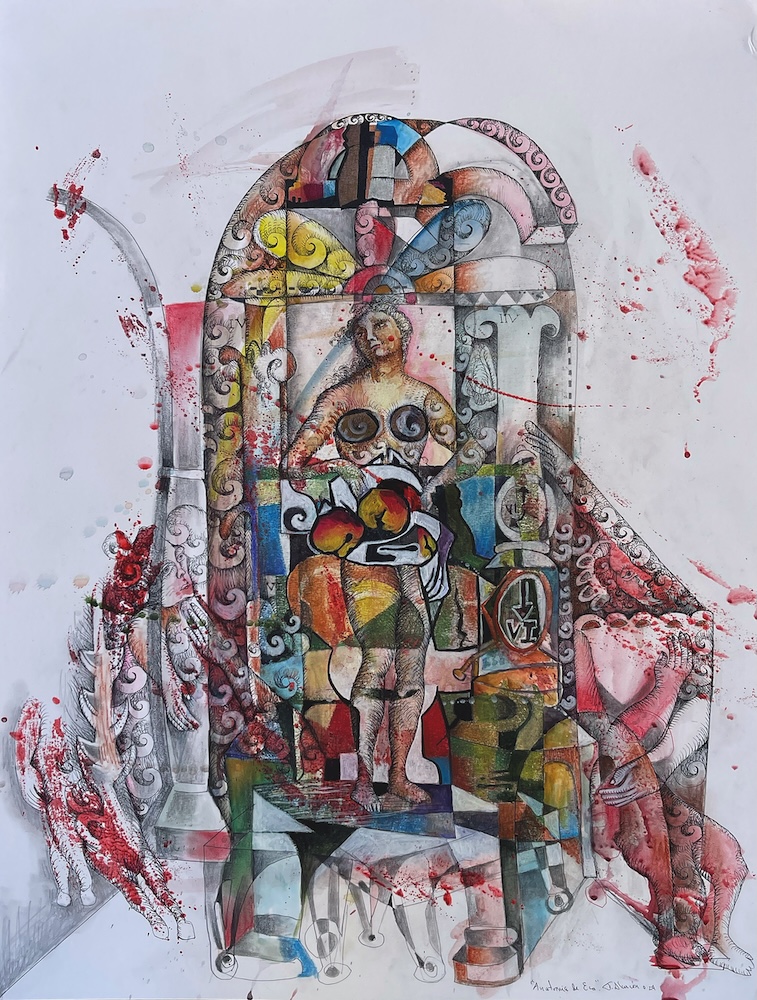
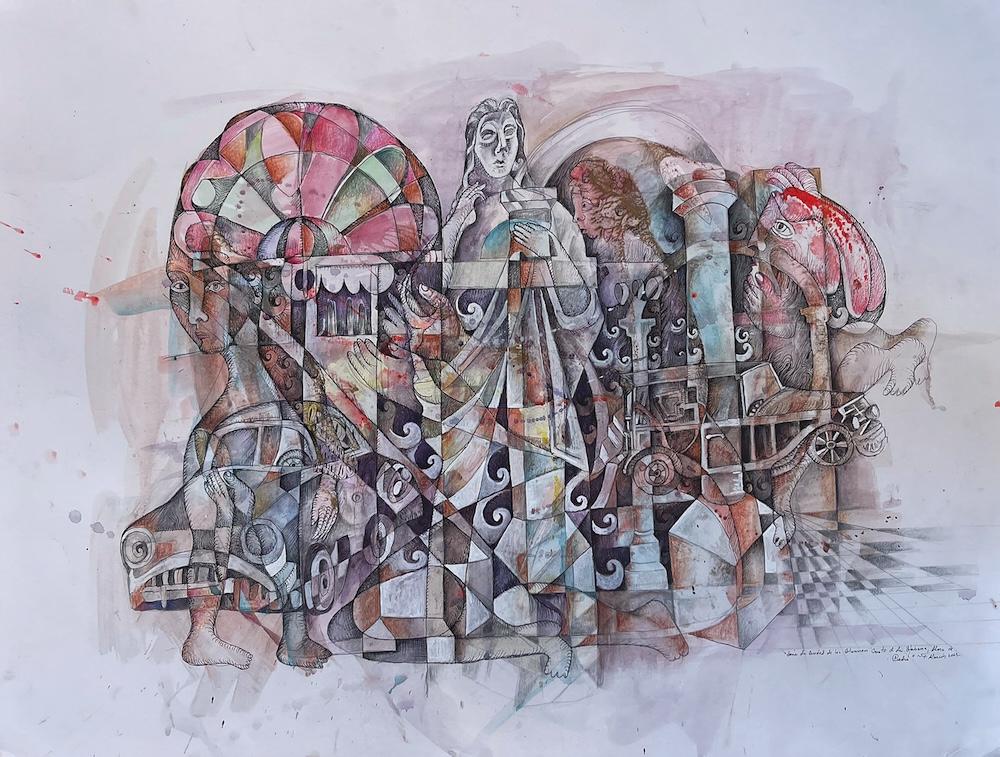
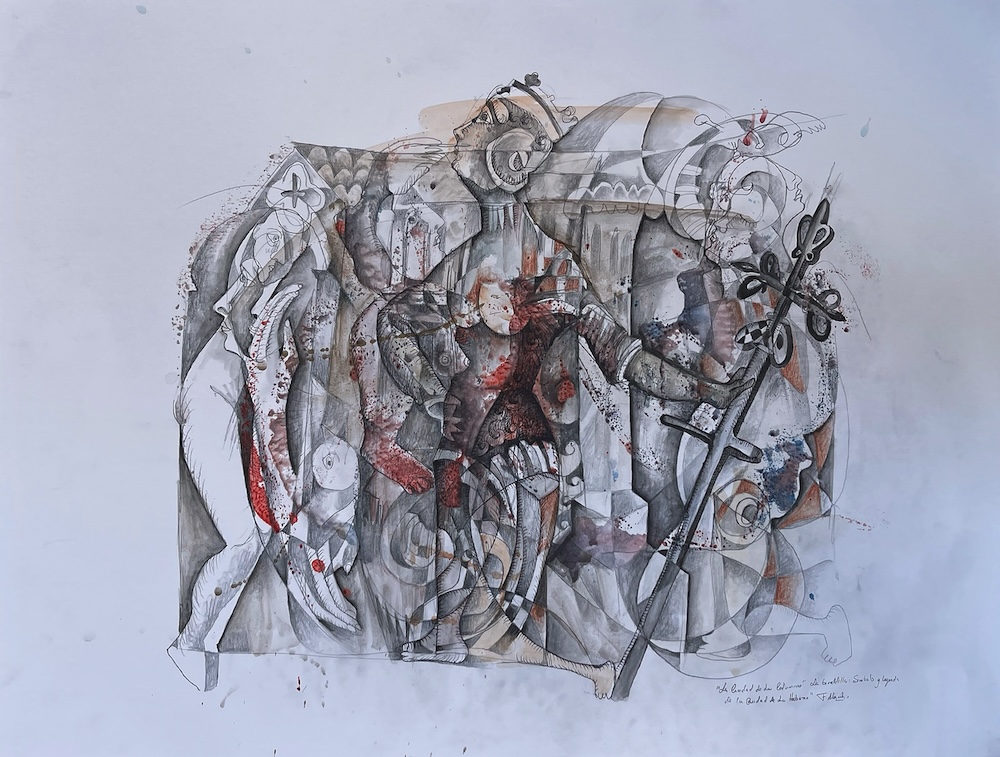
The work of Felipe Alarcón Echenique unfolds as a field of visual inquiry where memory, identity, and time intersect through a fragmentary and symbolic logic. Developed between Cuba and Madrid, his practice moves beyond representation, operating instead as an archaeological process—a continuous excavation of both the personal and the collective that reveals the invisible structures shaping our perception of the world.
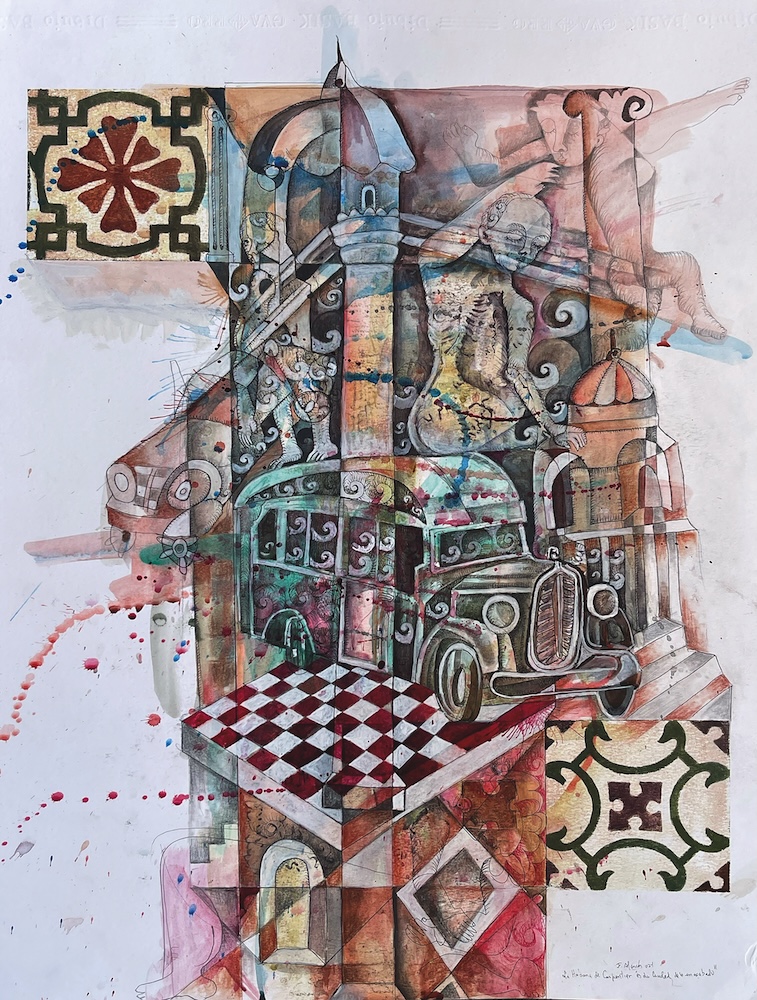
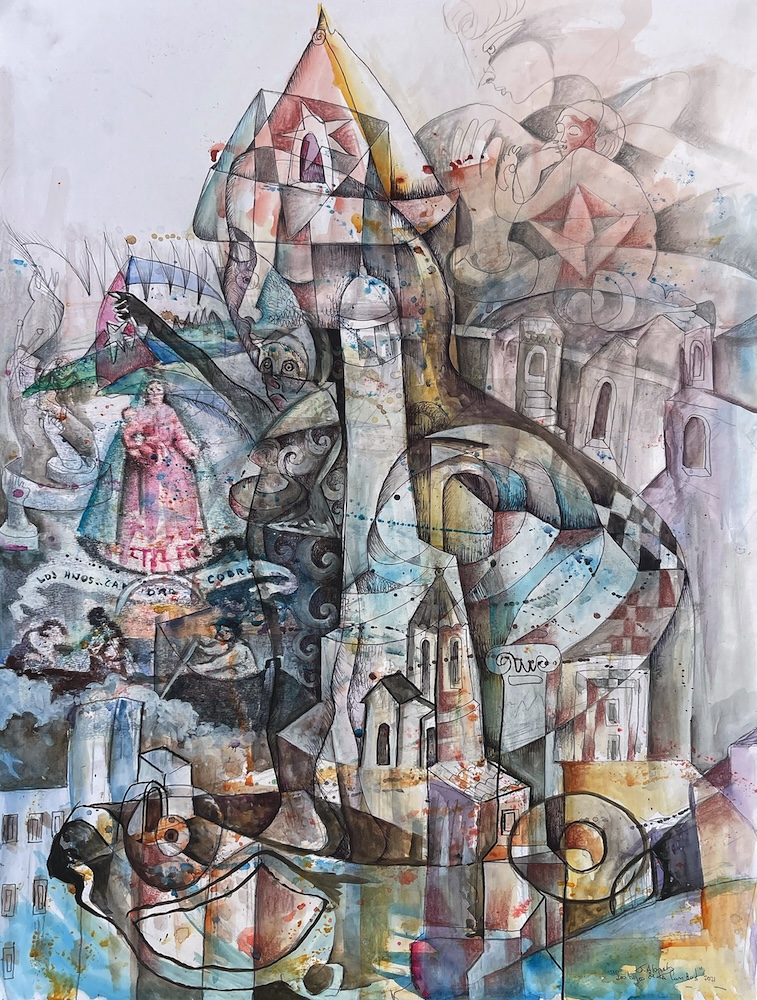
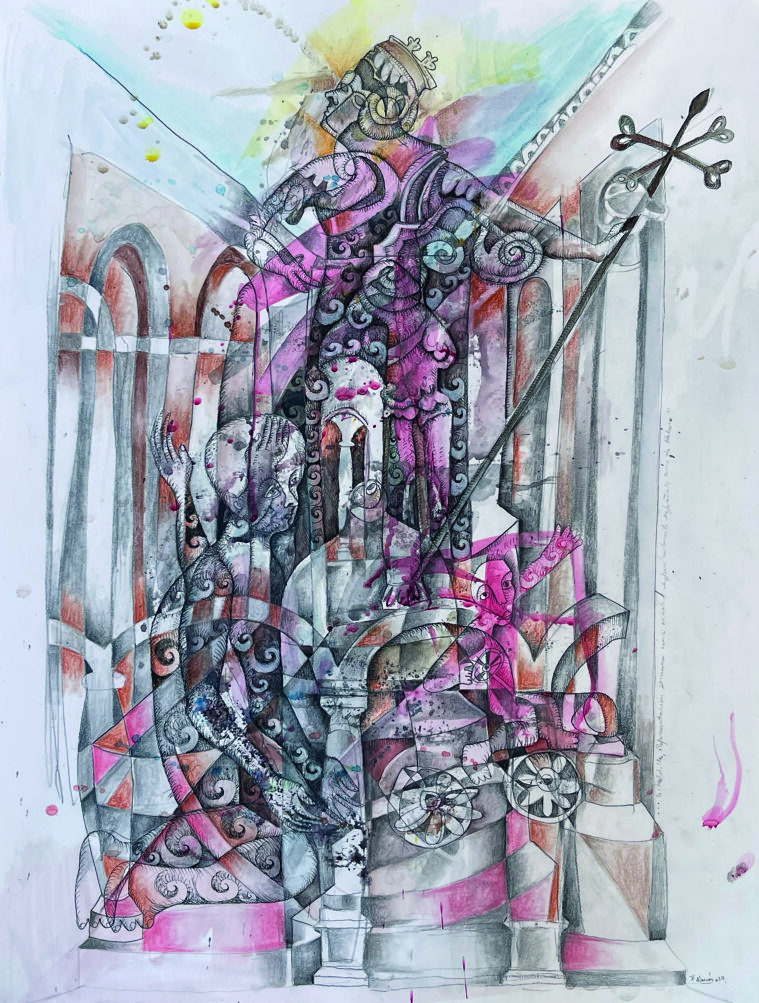
Through drawing, painting, and printmaking, Alarcón constructs a language in which the figurative and the abstract do not oppose one another, but coexist in dynamic tension. His eclectic, neo-Cubist-rooted approach is not a stylistic quotation, but a critical strategy aimed at reconfiguring the narratives of art history. It expands toward a layered reading that integrates past, present, and future within a single surface.
In Picasso Mestizo, the artist establishes a direct dialogue with the legacy of Pablo Picasso—not from a position of reverence, but through reinterpretation. By revisiting the moment in which Picasso encountered African art as a turning point, Alarcón activates that gesture as a contemporary device, connecting Caribbean experience with a broader genealogy of cultural mestizaje.
The exhibition does not propose homage, but rather a critical rearticulation: a space in which history is rewritten from the margins. In this context, Alarcón’s work not only engages with modernity, but destabilizes it, opening new possibilities for understanding identity, memory, and the construction of the visible.