
Home Blog Page 9

The Sacred Green Stone: Emeralds and the Art of Colombia’s Indigenous Peoples Before the Conquest

Emeralds and the Art of Colombia's Indigenous

The Sacred Green Stone: Emeralds and the Art of Colombia’s Indigenous Peoples Before the Conquest

Sources: Museo del Oro del Banco de la República (Bogotá), Wikipedia scholarly entries on Muisca Art, Muisca Religion, and the Spanish Conquest of the Muisca; Smarthistory (academic art history platform); Natural Emerald Company historical research; Banco de la República cultural encyclopedia (banrepcultural.org); University of Yale indigenous studies program.


A Civilisation the World Forgot

When the Spanish conquistadors descended the Opón Mountains into the high Andean plateau in early 1537, they stumbled upon something they had not expected: a sophisticated, prosperous, and well-organized civilization — one that rivaled, in many respects, anything Europe could claim at the time. At this time the Muisca were one of four major civilizations in the New World, alongside the Incas, Mayas and Aztecs, but the ones history rarely discusses. They had formed a mostly peaceful confederation of tribes sharing a common language and religion, preferring a harmonious existence based around sun and moon worship (human sacrifices were rare), high-quality jewellery, pottery, and textiles. They were also excellent farmers, with salt mines and a huge supply of emeralds from eastern Boyacá. Colombia Corners

They are the forgotten civilization of pre-Columbian America. And at the heart of their culture — their art, their religion, their economy, and their mythology — was the emerald.


The Muisca: Masters of the Altiplano

The art of the indigenous inhabitants of the Altiplano Cundiboyacense is well studied by many researchers who published their work from the very beginning of colonial times. The conquistador who made first contact with the Muisca, Gonzalo Jiménez de Quesada, wrote in his memoirs about a skilled and well-organized civilisation of traders and farmers. Wikipedia

The Muisca had an economy and society considered to have been one of the most powerful of the American Post-Classic stage, mainly because of the precious resources of the area: gold and emeralds. When the Spaniards arrived in Muisca territory, they found a prosperous state. The abundance of salt, emeralds, and coal brought these commodities to a de facto currency status. Wikipedia

The Muisca made pottery and textiles, mined emeralds and salt, but lacked the gold and beeswax needed to create their signature gold pieces. For those raw materials, they bartered with neighboring peoples. Gold was not reduced to the use of the elite or the Muisca chiefs, and was not the principal object of prestige — it was mainly used for religious offering purposes. Instead, all Muisca families decorated their doors and windows with gold objects. Wikipedia

This is a crucial distinction that European observers fundamentally misunderstood: the Muisca were not accumulating wealth in the Western sense. They were engaging in a cosmic dialogue with their gods.


The Emerald in Muisca Cosmology: The Colour of the Underworld

To understand why emeralds were so central to Muisca culture, one must first understand their worldview. The Muisca were a deeply religious people. They believed that the world was divided into three parts: the Supramundo above, the Inframundo below, and the Mundo Medio in the middle, where humans existed. For the Muisca, the underworld was green — and this was the symbolic value of emeralds. This colour represented water, fertility, and the force of life, which is why they incorporated so many of these emeralds in their religious offerings. Diario Joya

Among the Muisca, emerald was a symbol of fertility. It was also revered as a mythological ancestor to their tribe. Red Emerald

In the Muisca territories there were numerous natural locations considered sacred, including lakes, rivers, forests and large rocks. People gathered here to perform rituals and sacrifices mostly with gold and emeralds. Wikipedia

The emerald was not jewellery. It was theology made tangible.


The Legend of Fura and Tena: When Tears Became Stones

Every civilization creates origin myths for its most precious things. The Muisca story of how emeralds came to exist is one of the most moving in the pre-Columbian world.

The legend of Fura and Tena tells how the emeralds were created, and the rocks that contain them. Are, the supreme god and creator of the territory and people of the Muzos, created on the banks of the sacred river the first human beings, calling the woman Fura and the man Tena, granting them immortality on the condition that they remain faithful to each other. Diario Joya

Their peace was shattered by the arrival of a mysterious stranger called Zarbi. Fura was tempted by the stranger. As punishment, the two lovers were transformed into mountains, and from Fura’s weeping — deep and eternal — the emeralds were born, as green tears rising from the entrails of the earth. This story speaks not only of love and punishment, but also of the spiritual bond between human emotions and nature — a relationship the Muisca respected profoundly. Zipaquiraturistica

Today, in the municipality of Muzo in western Boyacá, two hills known as Fura and Tena rise above the Guaquimay River, separated by water as a symbol of the separation the lovers were forced to endure. For the indigenous Muzo people, these mountains were considered sacred places where their gods dwelled, and where they built altars for sacrifices. ENIGMA Joyería

It is worth noting that the two largest emeralds ever found — discovered in 1999 in the mines of Muzo — were named Fura and Tena in honour of this legend, carrying the mythology of a lost civilisation into the present day.


The Art of Goldwork: Tunjos and the Language of Offering

For Muisca goldsmiths, art had a double significance: aesthetic expression and religious symbolism. Among Muisca goldwork, the tunjos stand out — small human figures made in a single piece from thin sheet metal, in the form of a triangular plaque, stylizations made using the lost-wax technique. Todacolombia

The tunjos served three purposes: as decoration of temples and shrines, for offering rituals in the sacred lakes and rivers, and as pieces in funerary practices to accompany the dead into the afterlife. Ceramic human tunjos were kept in the houses of the Muisca, together with emeralds. Wikipedia

Muisca gold pieces are distinct from those of other Pre-Columbian peoples in terms of their use, manufacture, and appearance. The Muisca votive offerings were not worn as clothing or jewellery, but instead were used for symbolic purposes. They were often small enough to hold in the hand — sometimes as small as 1.5 cm. The tunjos were lost-wax casts using tumbaga, a gold alloy containing as much as 70% copper. Furthermore, Muisca objects are identifiable by their rough surfaces, in contrast to the polished gold of surrounding regions. Wikipedia

The Muisca society was in essence egalitarian, with slight differences in terms of jewellery use. The guecha warriors, priests and caciques were allowed to wear multiple types of jewellery, while common people used fewer ornaments. Golden or tumbaga jewellery consisted of diadems, nose pieces, breastplates, earrings, pendants, tiaras, bracelets, and masks. Wikipedia


The Muisca Raft: The Greatest Artwork of Pre-Columbian Colombia

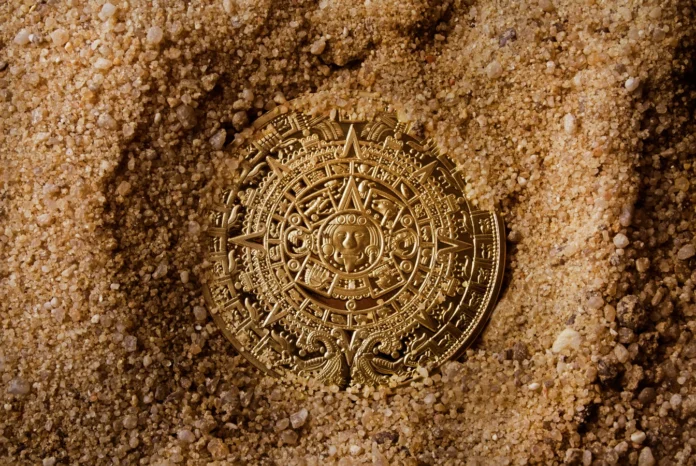
No object better illustrates the fusion of emeralds, gold, and sacred ritual in Muisca culture than the Balsa Muisca — the Muisca Raft — housed today in the Museo del Oro in Bogotá.

Gold embodied profound meaning in the cosmogony of pre-Columbian societies as a sacred metal — a recipient of the Sun’s energy, a life-giving star, the source of fertility. Gold objects were not considered symbols of material wealth; they highlighted prestige and served as religious offerings. This marvellous piece, an outstanding example of a votive figure, is 19.5 cm long, 10.1 cm wide, and 10.2 cm high. It was made during the late period of the Muisca culture, sometime between 1200 and 1500 AD, cast as a single piece in a clay mould using the lost-wax technique, in high-grade gold (over 80%) alloyed with native silver and copper. Colombia Travel

The ritual it depicts consisted of making offerings to the deity Chibchachun, the god of merchants and goldsmiths. The types of offerings placed on the raft consisted of emeralds and gold, typically in the form of tunjos. The figure standing at the centre is believed to be the cacique, identified through hieratic scale — depicted larger than any other figure. The heavily adorned figure stands prominently at centre, flanked by twelve smaller figures wearing masks, carrying canes, and rowing. Smarthistory

By the reports of the Spanish chroniclers, when the Muisca cacique died, his nephew who succeeded him was acknowledged by his people in a ceremony that took place on a lake and included sailing on a raft and offering pieces of gold and emeralds that were thrown into the water. Banco de la República

The Muiscas conceived gold as part of a cycle they had to carry out to maintain nature’s balance. As they understood gold as a gift from the sun, they gave it back to the sun god and other gods as an offering through a ritual called “ATA-TA.” At times of the El Dorado ceremony, the Cacique would be covered with gold dust and embark on a reed raft laden with gold and emerald offerings. Arts Help

The raft was found in 1969, hidden in a ceramic pot inside a cave in the municipality of Pasca. It has never left Colombia. It has become an emblem of the nation, and the Bank of the Republic divulged it on banknotes. Today it is a symbol of Colombia and of Colombian identity, recognized as a masterpiece of the country’s indigenous ancestral culture. Banco de la República


Sacred Geography: The Lakes as Portals

The Muisca religion centred on two main deities: Sué for the Sun and Chía for the Moon. The supreme being was Chiminigagua, who created light and the Earth. The Muisca worshipped their gods at sacred sites — both natural, such as Lake Guatavita, the Siecha Lakes and Lake Tota, and constructed: the Sun and Moon Temples. Important lakes for rituals included Lake Guatavita, Lake Iguaque, Lake Fúquene, Lake Tota, the Siecha Lakes, Lake Teusacá and Lake Ubaque. Wikipedia

At these semi-annual festivals, the Caciques and the principal chiefs, bearing valuable gifts of gold-dust and emeralds, were paddled out in canoes to the exact middle of the lake, this point being determined by the intersection of two ropes stretching from four temples erected at four equidistant points on its banks. Once they arrived at this spot, the offerings were cast into the lake. Red Emerald

These lakes were not merely bodies of water. They were mouths of the earth — passages through which offerings reached the divine. One of the most extraordinary finds at the edges of Lake Guatavita during a later drainage attempt was, according to historical records, an emerald the size of a hen’s egg.


Architecture and the Lost Temples

While the other three great pre-Columbian civilisations — the Maya, Aztec, and Inca — are known for grand stone architecture, the modest Muisca architecture has left very little physical trace. The houses, called bohíos or malokas, and temples where spiritual gatherings took place honouring the gods and where tunjos, emeralds, and offerings were sacrificed, were made of degradable materials such as wood. Wikipedia

This is why so little survives. Not because the Muisca were less sophisticated — but because their architecture was organic, integrated into the land rather than imposed upon it. And because what was built from wood burns.


The Conquest: When the Sacred Became Plunder

In March 1537, Gonzalo Jiménez de Quesada led approximately 200 surviving soldiers up into Muisca territory. The Muisca were renowned for their intricately crafted goldwork and abundant emeralds. They were among the richest societies in all the New World. That wealth, however, became the impetus for their conquest. The plunder stolen by Jiménez de Quesada’s men nearly rivalled Francisco Pizarro’s sacking of the Inca. Earthasweknowit

The final haul was 200,000 gold pesos and 1,800 emeralds. Earthasweknowit

The spiritual heart of the Muisca world was destroyed in a single night. The Temple of the Sun, built to worship the Sun god Sué, one of the two main deities in the Muisca religion, was a temple filled with gold, emeralds, cloths, and mummies. While Gonzalo Jiménez de Quesada ordered his men to leave the Sun Temple, two of his soldiers entered the temple at night and found the mummies sitting on elevated platforms inside. Their torches accidentally set the temple, made of wooden poles and clay, on fire. Before this, the conquistadors had looted the temple and taken more than 300 kilograms of gold, worth 80,000 ducats at the time. Wikipedia

Spanish demand for emeralds exhausted ancient Muisca mines, while introduced livestock transformed the Andean ecosystem. Ancientwarhistory

The emeralds the Spanish extracted from the Chivor and Somondoco mines — stones that the Muisca had used as offerings to their gods, as symbols of the fertile underworld, as tears crystallized from a mythological love story — were pried from their sacred context, stripped of meaning, and shipped to Europe to be reset in the crowns of foreign kings.


What Survives

The Museo del Oro in the Colombian capital Bogotá houses the biggest collection of golden objects in the world, from various Colombian cultures including the Muisca. Wikipedia It is one of the most extraordinary museums on earth — not because of the monetary value of what it contains, but because of what those objects tell us about a civilisation that understood the relationship between art, nature, ritual, and community in ways that the conquistadors were entirely incapable of comprehending.

People often consider indigenous peoples unsophisticated, but nothing could be further from the truth. In reality, with respect to art, many of these indigenous artisans were more skilled in ancient techniques than we could fully understand. Yale University

The emerald was not a commodity to the Muisca. It was the colour of the underworld made solid. It was a tear. It was an ancestor. It was an offering returned to the earth that had produced it.

When the Spanish looked at an emerald in 1537, they saw wealth measured in ducats. When a Muisca looked at the same stone, they saw the earth breathing.

That difference is the distance between a civilization and its destruction.


For further research: Museo del Oro, Banco de la República, Bogotá (banrepcultural.org) • Smarthistory: Muisca Raft (smarthistory.org) • Wikipedia: Muisca Art, Muisca Religion, Spanish Conquest of the Muisca • Universidad de los Andes, Bogotá • Natural Emerald Company historical archive (emeralds.com)
How Audiences Select Premium Seating for Major Concerts

istockphoto-1344233773-612x612

How Audiences Select Premium Seating for Major Concerts

In the context of contemporary cultural consumption, attending a major concert is no longer a spontaneous act but a carefully considered decision. From our perspective, audiences approach live music as an artistic experience in which perspective, sound, and spatial context play a decisive role. For an informed readership engaged with the arts, understanding how concertgoers evaluate their options offers insight into the evolving relationship between technology, culture, and audience expectations.

The Cultural Significance of Seat Selection in Live Music

Seating is not a logistical detail but an extension of the artistic encounter. We observe that proximity, elevation, and orientation within a venue directly influence how the performance is perceived. The dialogue between performer and audience is shaped by physical space, making seat selection a curatorial choice rather than a purely practical one. This awareness reflects a more sophisticated audience, attentive to how spatial dynamics affect musical interpretation and emotional resonance.

Comparative Analysis as a Contemporary Audience Practice

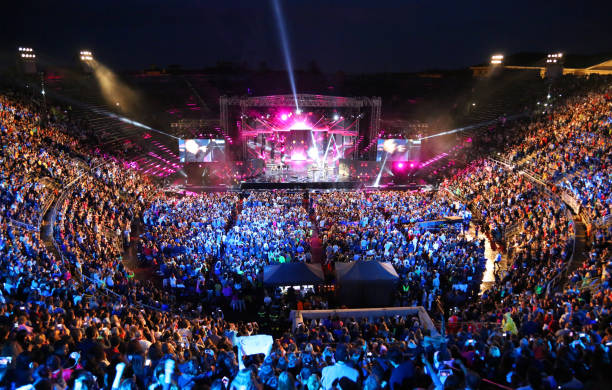
The modern concertgoer engages in a process of comparison that mirrors broader trends in cultural consumption. Evaluating multiple sources allows audiences to contextualize their choices, balancing access, perspective, and value. Within this landscape, it is widely acknowledged that many fans compare options on several website`s tickets like Hellotickets before choosing seats for major concerts. This practice illustrates how digital platforms have become integral tools in shaping the live music experience before it unfolds.

Transparency and Editorial Integrity in Cultural Access

Transparency in pricing and availability is essential to maintaining trust between cultural institutions, intermediaries, and audiences. We consider clarity not merely a commercial requirement, but an ethical one. When costs and conditions are presented without ambiguity, audiences can focus on the artistic merit of the event rather than administrative concerns. Such openness aligns with the standards expected in cultural journalism and reinforces the credibility of the platforms involved.

Digital Interfaces as Mediators of Artistic Experience

Digital tools now function as mediators between the audience and the performance space. Detailed seating visualizations, accurate venue representations, and contextual information enable a more informed engagement with the event. We regard these interfaces as part of the cultural ecosystem, shaping expectations and framing the live experience. When executed with precision, they enhance anticipation and deepen the audience’s connection to the forthcoming performance.

Trust, Accuracy, and the Preservation of Cultural Value

Reliability in information is fundamental to preserving the integrity of cultural events. Audiences rely on accurate descriptions and real-time availability to align their expectations with reality. From our standpoint, consistency and precision are indispensable in sustaining confidence, particularly among readers and patrons who approach live music as a form of artistic enrichment rather than casual entertainment.

The Impact of Informed Choices on Artistic Appreciation

An informed approach to seat selection enriches the overall appreciation of a concert. When audiences consciously choose their vantage point, they engage more deeply with the performance, attuned to nuances of sound, staging, and interaction. This deliberate preparation elevates the experience, reinforcing the idea that cultural engagement begins well before the curtain rises.

Conclusion

The process by which audiences select seating for major concerts reveals a broader transformation in how art is accessed and experienced. Comparison, transparency, and informed decision-making have become integral to contemporary cultural participation. From our perspective, this evolution reflects a mature and discerning audience, one that recognizes the importance of context and preparation in fully appreciating live music as an artistic expression.

Jean Hélion

Jean Hélion

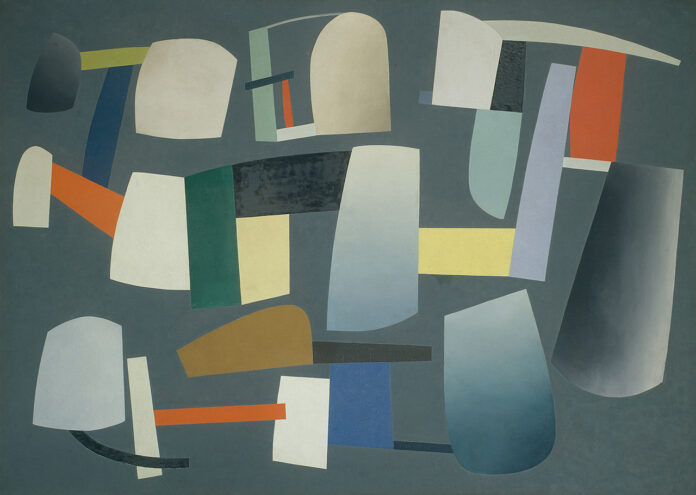
Jean Hélion was a pioneering figure in 20th-century modernism whose career encompassed radical abstraction and a profoundly personal return to figuration. Born in Couterne, Orne, in 1904, he initially pursued chemistry. However, he was soon drawn to art, captivated by the interplay of shape, color, and essence, and his early years in Paris immersed him in the avant-garde movements of the 1920s and 1930s, where he emerged as a leading voice in abstract painting. Alongside artists such as Piet Mondrian and Theo van Doesburg, he engaged with geometric abstraction, co-founding the influential group Abstraction-Création in 1931. His work from this period featured bold, dynamic compositions emphasizing structure, rhythm, and formal purity, placing him at the forefront of European modernism.

However, Hélion’s trajectory took a dramatic turn in the late 1930s when he began reintegrating figuration into his work, rejecting the strict non-representational approach that had defined his earlier years. This shift, considered controversial by his avant-garde peers, reflected his growing interest in the human condition and everyday life. His wartime experiences—including his capture and escape from a German prisoner-of-war camp during World War II—further deepened his commitment to depicting human figures, often rendered in exaggerated, almost surreal forms that echoed his abstract roots.

Hélion’s postwar paintings, infused with vibrant color and a sense of poetic realism, positioned him as a unique figure bridging abstraction and figuration. His ability to move fluidly between these modes reflected artistic rebellion and an evolving philosophy that embraced both the intellectual rigor of modernism and the visceral immediacy of lived experience. Beyond painting, he was an astute critic and writer, authoring several books examining art’s philosophical underpinnings and its role in society.

His legacy is one of duality and defiance. He was an artist who refused to be confined by a singular style. Whether through the rigorous structures of his early abstractions or the enigmatic figures of his later years, Hélion’s work remains a testament to the ever-shifting dialogue between form and meaning in modern art.

NADA New York

ADA New York

NADA New York

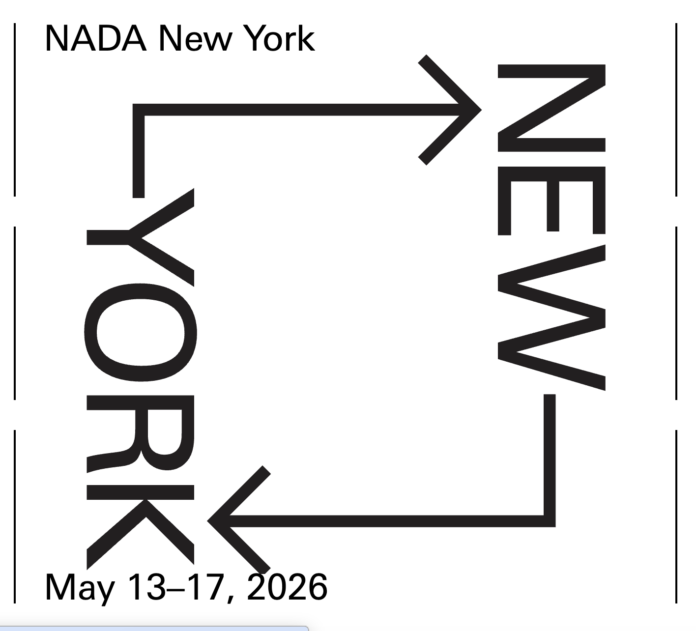
The New Art Dealers Alliance (NADA), the definitive non-profit organization dedicated to the cultivation, support, and advancement of new voices in contemporary art, is pleased to announce the exhibitor list for the 12th edition of NADA New York, the organization’s annual art fair championing galleries at the forefront of contemporary art. The fair will be held May 13–17, 2026 at The Starrett-Lehigh Building, located in West Chelsea’s gallery district at 601 West 26th Street.

The 12th edition will bring together over 110 galleries, art spaces, and nonprofit organizations spanning 15 countries and 46 cities—from Tbilisi and Tokyo to Mexico City and Philadelphia—with 45 NADA Members and 53 first-time exhibitors including Brigitte Mulholland (Paris), The Address (Brescia), FORGOTTEN LANDS (Christiansted), Central Server Works (Los Angeles), and Post Times (New York).

Returning this year is the TD Bank Curated Spotlight, a flagship initiative expanding access for participating galleries and artists, organized by Anthony Elms, Artistic Director at the Mattress Factory in Pittsburgh. The fair will also feature NADA Presents, the organization’s signature programming series of conversations, performances, and events. Additional details on Curated Spotlight participants and NADA Presents programming will be announced in the coming weeks.

Since 2002, NADA has worked on the ground floor of contemporary art, building pathways and fostering lasting connections for galleries, artists, institutions, and collectors through year-round programming and partnerships. This work includes the NADA Acquisition Gift for PAMM, NADA Collects, the NADA Member Mentorship Program, and the NADA UKS Norwegian Residency, among others. This spring, the organization will announce new initiatives expanding its work across the arts ecosystem.

“NADA New York continues to be one of the most exciting platforms for discovery during New York’s art week, and this year’s edition returning to the iconic Starrett-Lehigh reflects that spirit. We’re proud to present a community of galleries doing some of today’s most compelling work, with TD Bank’s Curated Spotlight, this year organized by Anthony Elms, helping NADA do more for the spaces it champions. There is a lot more to come from NADA this spring,” said NADA Executive Director Heather Hubbs.

Highlights will include solo presentations from Malcolm McCormick at Afternoon Projects, Vancouver; Jonathan Torres at EMBAJADA, San Juan; Effie Wanyi Li at FOUNDRY SEOUL, Seoul; Xiaoyi Gao at Gene Gallery, Shanghai; Keiko Narahashi at Tappeto Volante Projects, New York; Margaret R. Thompson at Red Arrow, Nashville; and Kyla Kegler at Rivalry Projects, Buffalo. Highlights from NADA Projects will include Yuki Nagashima at AKIINOUE, Tokyo; Eric Oglander at KDR, Miami; Kay Seohyung Lee at Yiwei Gallery, Los Angeles; and Eric Rannestad at Chilli, London.

NADA New York is an extension of the organization’s commitment to the city, both as the cultural mecca in which the association’s headquarters and exhibition space are located, as well as a global epicenter of emerging and established artists. This March 6–8, the New Art Dealers Alliance will host NADA Ceramics, a curated art and design showcase featuring the work of over 40 artists and galleries at The Locker Room, located at 253 Church Street in Tribeca, with an Opening Reception on Friday, March 6, 4–8pm. In December, the organization will host the 24th edition of NADA Miami.

NADA New York
May 13–17, 2026

VIP Preview (by Invitation)
Wednesday, May 13, 10am–4pm

Open to the Public
Wednesday, May 13, 4–7pm
Thursday, May 14, 11am–7pm
Friday, May 15, 11am–7pm
Saturday, May 16, 11am–7pm
Sunday, May 17, 11am–5pm

The Starrett-Lehigh Building
601 W 26th Street, 3rd Floor
New York, NY 10001

Enter on 11th Avenue
Between 26th St. & 27th St.

Exhibitors 

5U Space | Philadelphia
ABRI MARS | New York
ada gallery | Richmond
Afternoon Projects | Vancouver
ARDEN + WHITE GALLERY | New Canaan
Bill Arning Exhibitions | Kinderhook
Big Ramp | Philadelphia
BONIAN SPACE | Beijing
galerie burster | Berlin & Karlsruhe
Central Server Works | Los Angeles
Chozick Family Art Gallery | New York
COHJU | Kyoto
CON ALTURA | New York
Cub_ism Artspace | Shanghai
D. D. D. D. | New York & Singapore
de boer | Los Angeles & Antwerp
Luis De Jesus Los Angeles | Los Angeles
DIMIN | New York
Dohing Art | Seoul
EMBAJADA | San Juan
Emmanuelle G. Contemporary | Greenwich
Deanna Evans Projects | New York
FORGOTTEN LANDS | Christiansted
FOUNDRY SEOUL | Seoul
Gattopardo | Los Angeles
Asya Geisberg Gallery | New York
Gene Gallery | Shanghai
Halsey McKay Gallery | East Hampton & New York
HESSE FLATOW | New York & Amagansett
Huxley-Parlour | London
Iragui | Paris
IRL GALLERY | New York
JDJ | New York
JO-HS | New York & Mexico City
la BEAST gallery | Los Angeles
La Loma | Los Angeles
Latitude | New York
Galerie Isabelle Lesmeister | Regensburg
L.L. Contemporary | Toronto
LOBSTER CLUB | Los Angeles
Marinaro | New York
Massey Klein | New York
Milk Moon Gallery | Telluride
Montague Contemporary | New York
Morgan Lehman Gallery | New York
Mrs. | New York
Brigitte Mulholland | Paris
Megan Mulrooney | Los Angeles
MYTH Gallery | St. Petersburg
New Dracula Theater | New York
Oolong Gallery | Rancho Santa Fe
PIEDRAS | Buenos Aires
Plato Gallery | New York
Post Times | New York
Proxyco | New York
re.riddle | San Francisco
Red Arrow | Nashville
TOMAS REDRADO ART | Miami & José Ignacio
Rivalry Projects | Buffalo
Galerie Nicolas Robert | Montreal & Toronto
SAENGER Galería | Mexico City
SARAHCROWN | New York
Sears-Peyton Gallery | New York
SITUATIONS | New York
smoke the moon | Santa Fe
Soho Revue | London
SoMad | New York
the Spaceless Gallery | New York
Spinello Projects | Miami
Tache | London
Tappeto Volante Projects | New York
Trotter&Sholer | New York
Ulterior Gallery  | New York
Galleri Urbane | Dallas
Western Exhibitions | Chicago
Wishbone | Montreal

NADA Projects:
95 Gallon Gallery
 | New York
The Address | Brescia
ai. gallery | London
AKIINOUE | Tokyo
ALA Projects | Miami
Baker—Hall | Miami
Blah Blah Gallery | Philadelphia
Gallery Bogart | Kansas City
Espacio Andrea Brunson | Santiago
Capsule | Shanghai
Ceibo Gallery | Miami
Central Art Garage | Ottawa
CH64 Gallery | Tbilisi
Chilli | London
CONSTITUCIÓN | Buenos Aires
Essex Flowers | New York
Eunoia | Kobe
Feia | Los Angeles
Fountain House Gallery | New York
Francis Gallery | Los Angeles
Hidrante | San Juan
Gillian Jason Gallery | London
KATES-FERRI PROJECTS | New York
KDR | Miami
Kutlesa | New York
mimo | New York
Miriam Gallery | New York
Nagas | New York
Orange Crush + Little Oaks | New York
P.A.D. | New York
Gallery Playlist | Busan & San Francisco
RAINRAIN | New York
ro art services | Chicago
Schaffner Projects | Portland, ME
Secret Project Robot | New York
Shazar Gallery | Naples
Southside Contemporary | Richmond
THIRD BORN | Mexico City
The Valley | Taos
Voltz Clarke Gallery | New York
VSG Contemporary | Chicago
Yiwei Gallery  | Los Angeles

Luka Carter
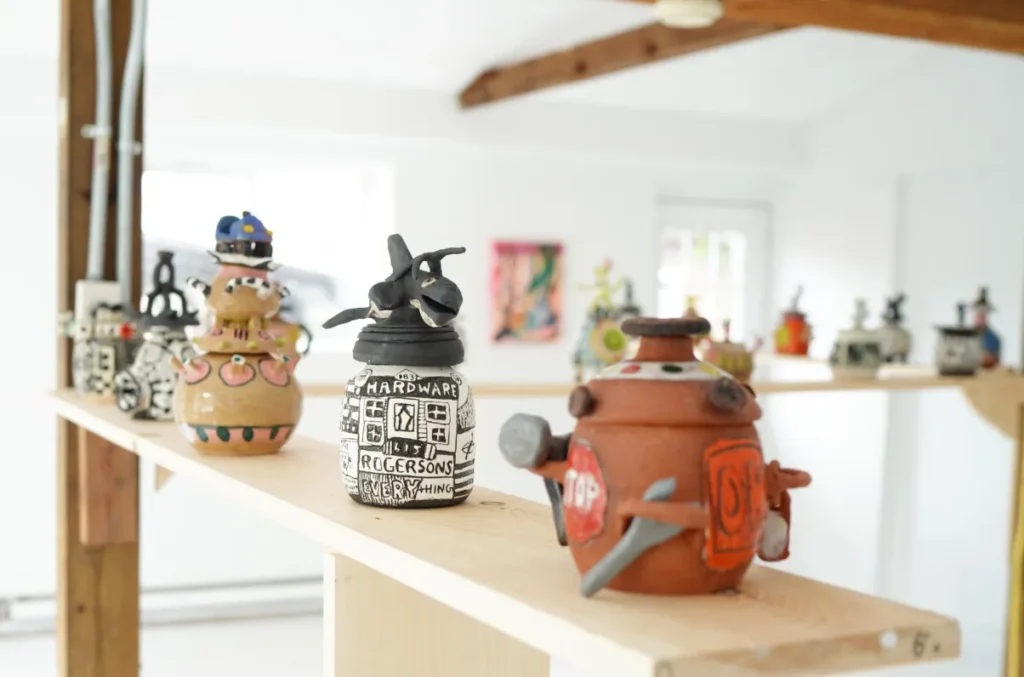
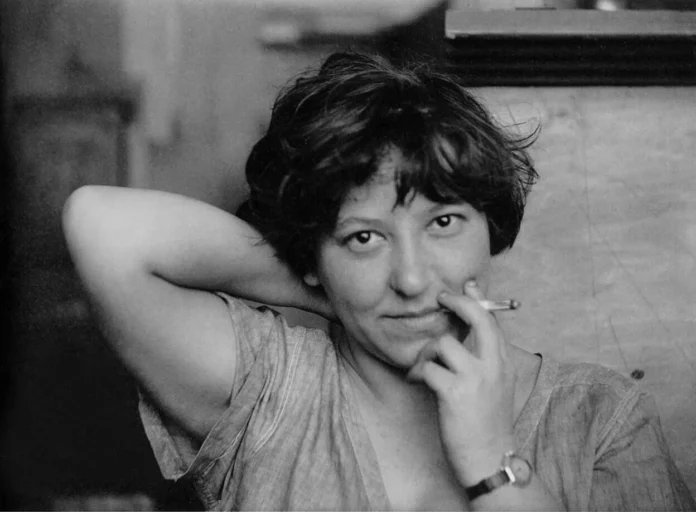
Pictured: Luka Carter

NADA Ceramics 2026

The New Art Dealers Alliance (NADA) is pleased to present NADA Ceramics, a curated showcase of ceramic art and design featuring work by more than 40 artists, galleries, and studios.

NADA Ceramics will take place March 6 through March 8, 2026, across two floors of The Locker Room at 253 Church Street in Tribeca.

Visitors are invited to explore a wide range of work, from functional objects to sculptural pieces, and to connect directly with participating exhibitors throughout the weekend.

Participants
All’Bout Clay (Larry Ossei-Mensah, Dave Kim, & studio members)
Anthony Rodriguez
Audrée Anid & Aaron Eidman
Aziza Mirzan
BKLYN CLAY (Anders Hamilton, Gustav Hamilton, Sarah Allwine, Jennifer Waverek)
Catalina Oz
E.C.C.E. (Elliot Camarra)
Evamarie Pappas
Good Connection (Katie James)
Gu
House of Quentin Jones
Julia Fernandez
Keith Simpson
Laura the gallery (Komie Kim Le, Gerardo Rosales, Raina Lee, SunYoung Park)
Luis De Jesus Los Angeles (Laura Karetzky)
Luka Carter
Maggie Boyd
Mark Harrington
Matthias Merkel Hess
Maya Strauss
Melissaweisspottery
New Discretions (Betsy Lin Seder & Letitia Quesenberry)
NonPorous Ceramics (Madeline Wheeler)
PATRON (Alex Chitty, Kay Hofmann, Noe Martinez, Harold Mendez, Soo Shin)
Powerhouse Arts (PHA’s ceramics fabrication team)
QAMI JAN
Salon 21 (Maura Wright + additional artists)
Salt Tile Co. (Rita Salt)
Shinobu Habauchi
SITUATIONS (Richard Nam)
Sophie Haulman
Stefanie Haining
Value Form (Ben Koditschek)
Veda Sun 
Vessel Garden (Molly Bernstein)
Voloshyn Gallery (Abi Shehu)
Wassaic Project (Lauren Cohen, Madeline Donahue, Grace Hager, Eve Biddle)
Wen-You Cai & Mariko Taniguchi Russell
Weston Ware (Heather Weston)
Yalala (Manny Mireles)

Women of PACPalm Beach Modern + Contemporary (PBM+C)Women of PAC

Palm Beach Modern + Contemporary (PBM+C)
Palm Beach Modern + Contemporary (PBM+C) presented by Art Miami

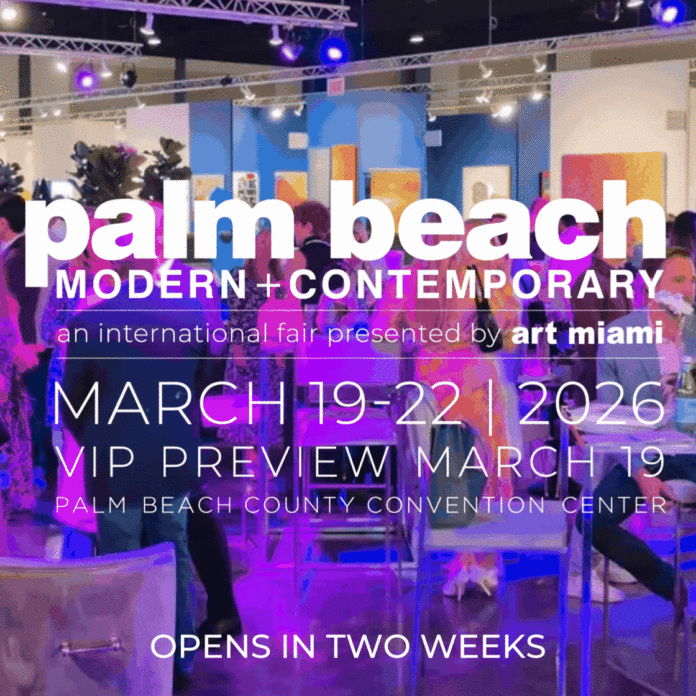
Palm Beach Modern + Contemporary (PBM+C) presented by Art Miami, returns in just two weeks for its highly anticipated ninth edition with an exclusive, invitation-only VIP Preview on Thursday, March 19, benefiting the Ann Norton Sculpture Gardens, followed by public days through Sunday, March 22, 2026, at the Palm Beach County Convention Center.

Recognized as a premier destination for both serious and budding collectors, the 2026 edition of PBM+C delivers a curated show of investment-quality works from world-class galleries, featuring exceptional blue-chip contemporary, modern, classical modern, post-war, and pop artworks, alongside today’s most compelling contemporary voices offering something for every level of collector!

Participating Galleries
ADAMAR FINE ARTS Miami | ADELSON GALLERIES Palm Beach | A GREAT GALLERY Miami | ALDO CASTILLO GALLERY Naples | ANALOG CONTEMPORARY Philadelphia | ARIEL JAKOB GALLERY Paris | ART STUDIO SLABAK Miami | ART UNIFIED Venice | ARTVICE Bern | ASCASO GALLERY Miami | AVANT GALLERY Miami | BOCCARA GALLERY New York | BOZLU ART Istanbul | C FINE ART New York | CST GALLERY Naples | DANIELE COMELLI ART GALLERY Genova | DEAN BORGHI FINE ART New York | D FINE ART GALLERY Miami | DUQUE ARANGO GALERIA Medellin | EDWARD SPITZ GALLERY Rome | ETHAN COHEN GALLERY New York | GALERIA CORTINA Barcelona | GALLERY GOT Paris | GALLERY MAKOWSKI Lille | GAMA GALLERY Turkey | HAVELTON ARTS Colorado | KEDRIA ARTS Pontiac | KLEIN Manchester | KUBIX CONTEMPORARY ART Miami | LATIN ART CORE Miami | LAURENT MARTHALER CONTEMPORARY Montreux | LIQUID ART SYSTEM Capri | MASTERWORKS FINE ART GALLERY Palo Alto | MATTHEW SWIFT GALLERY Gloucester | MIDO GALLERY Medellin | NISTICOVICH GALLERY Tel Aviv | OLIVER COLE GALLERY Miami | PARK AVENUE CONTEMPORARY ART New Smyrna Beach | PERSEUS GALLERY New York | PRIVEEKOLLEKTIE CONTEMPORARY ART | DESIGN Heusden aan de Maas | REBECCA HOSSACK ART GALLERY London | RYAN GREEN GALLERY Calgary | SOBERING GALERIE Paris | STEIDEL CONTEMPORARY Lake Worth Beach | TAGLIALATELLA GALLERIES New York | THE BONNIER GALLERY Miami | UNIQUITY ART GALLERY Cape Town | VERTU FINE ART Boca Raton | VOGELSANG GALLERY Brussels | WALTER WICKISER GALLERY New York | YVEL Tel Aviv.

Special Exhibitions

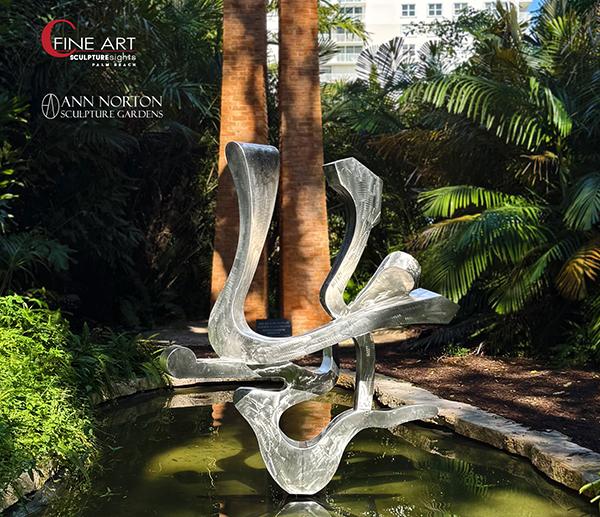
PBM+C VIP Preview Beneficiary, Ann Norton Sculpture Gardens, will once again serve as a satellite venue for the fair and will showcase an exciting exhibition by 2026 Artist in Residence Kevin Barrett, Organic Abstractions, curated by PBM+C Exhibitor, Cheryl Sokolow of C Fine Art. The selected works underscore the artist’s expansive range of scale, process, and aesthetic across a variety of fabricated materials including bronze, stainless steel, and aluminum.

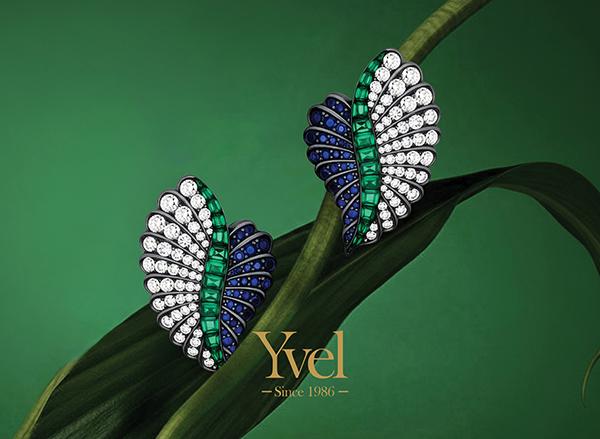
Yvel, the Official Jeweler of PBM+C, Presents Art to Wear, Where Jewelry Becomes Wearable Artistry. Yvel’s Art to Wear collection redefines jewelry as a true form of wearable art, seamlessly blending innovation and creativity. Breaking traditional boundaries, each piece is designed not just as an accessory but as an artistic expression—bold, unique, and inspired by the belief that art extends beyond galleries into everyday life.
VIP Preview:
Thursday, March 19 | 5PM – 9PM
Benefiting the Ann Norton Sculpture Gardens


Public Hours:
Fri, March 20 | 11AM – 6PM
Sat, March 21 | 11AM – 6PM
Sun, March 22 | 11AM – 6PM 


Palm Beach County Convention Center
650 Okeechobee Blvd, West Palm Beach, FL 33401


Parking
Valet available.
Public parking at the Convention Center Parking Garage
Additional parking garages are available across the street at The Square


Courtesy Trolley
Provided to/from Ann Norton Sculpture Gardens Friday – Sunday, 11am – 4pm


Brightline
Less Traffic. More Art. Go Brightline to Palm Beach Modern + Contemporary & skip the traffic! City to City in just 30 minutes. MIA to FLL to WPB. Once you arrive, Brightline’s new mobility service can get you from the station to the event and back so you can be car-free & carefree. #BrightlinePlus. www.gobrightline.com/train-tickets


WWW.ARTPBFAIR.COM

Varvara Stepanova

Varvara Stepanova
Varvara Stepanova

Varvara Stepanova (1894–1958): Constructivism, Labor, and the Politics of Form

Varvara Fyodorovna Stepanova (Варва́ра Фёдоровна Степа́нова) stands as one of the most intellectually rigorous and politically committed figures of the Russian avant-garde. Born into a peasant family in 1894, she traversed a remarkable trajectory—from provincial origins to the epicenter of revolutionary cultural production—ultimately becoming a foundational architect of Constructivism alongside her lifelong partner and collaborator, Alexander Rodchenko. If Constructivism sought to dismantle the autonomy of art and reforge it as an instrument of social transformation, Stepanova was among its most lucid theorists and disciplined practitioners.

Education, Early Formation, and the Cubo-Futurist Moment

Stepanova received formal training at the Kazan Art School, where she met Rodchenko. Their partnership—intellectual as much as personal—would become one of the most generative collaborations in twentieth-century art. In pre-revolutionary Moscow, she moved within the same creative milieu as Wassily Kandinsky, among others. The shared apartment anecdote—Rodchenko, Kandinsky, and Stepanova under one roof—captures not merely bohemian proximity but a crucible of competing modernisms: Kandinsky’s spiritual abstraction, Rodchenko’s analytic materialism, and Stepanova’s emerging synthesis of form and function.

Before fully embracing Constructivism, Stepanova engaged with Cubo-Futurism, producing dynamic compositions and artist’s books that fractured pictorial space into rhythmic geometries. These works already reveal her preoccupation with movement, industrial dynamism, and the destabilization of traditional representation. Yet unlike many avant-gardists, she did not remain in the realm of experimental form for its own sake. The Revolution of 1917 provided a historical mandate: art must leave the easel and enter life.

Constructivism and the Refusal of the “Autonomous” Artwork

Constructivism, articulated in dialogue with figures such as Vladimir Tatlin and theorized in polemical debates across Moscow’s artistic institutions, rejected the romantic conception of the artist as solitary genius. Instead, it positioned the artist as a worker among workers—a constructor of visual culture within a new socialist society. Stepanova was not peripheral to this shift; she was central to its operationalization.

Her move from painting to applied design was neither capitulation nor compromise. It was ideological clarity. Textile design, clothing prototypes, stage design, photomontage, and graphic work for journals such as LEF became the laboratories through which she tested Constructivist principles. The grid, the diagonal, and bold chromatic contrasts were not aesthetic ornaments but structuring devices aligned with industrial reproducibility and collective use.

Textile Design and the Social Body

Perhaps nowhere is Stepanova’s revolutionary commitment more visible than in her textile and clothing designs of the early 1920s. Working with state-supported textile factories, she developed patterns that translated avant-garde geometry into mass-produced fabrics. The aim was explicit: to dissolve the boundary between high art and everyday life. Clothing was reconceived as utilitarian, standardized, and emancipatory—freeing women from restrictive bourgeois fashion and aligning the body with modern labor.

Her sportswear designs in particular articulate a new vision of the socialist body: active, rational, gender-progressive. In these works, form follows function with uncompromising clarity. Ornament gives way to structure; decoration becomes systemic. The female body is neither fetishized nor concealed but integrated into the rhythms of collective production.

Emancipation, Labor, and the Revolutionary Woman

The Russian Revolution opened unprecedented possibilities for women’s participation in political and cultural life. Stepanova exemplified this transformation. As an artist working within state-supported institutions—an exceptional circumstance in global art history at the time—she contributed to visual programs that aligned with broader legislative reforms: equal labor rights, the eight-hour workday, wage negotiation, and juridical equality between men and women.

Importantly, her contribution to women’s emancipation was not rhetorical but material. By designing functional garments and accessible textiles, she restructured the visual economy of daily life. Her work supported the ideological claim that gender equality must be embedded in the material conditions of production and representation. In this sense, she was not merely an artist of the Revolution; she was a designer of its social fabric.

Photomontage, Typography, and Visual Communism

Stepanova’s graphic design and photomontage further consolidated what might be termed a visual communism: an aesthetic language of diagonals, sans-serif typography, stark contrasts, and dynamic asymmetry that continues to shape global design. Working closely with Rodchenko, she participated in the development of a visual rhetoric that merged agitation and clarity. The page became a site of construction—images and text engineered for maximum ideological legibility.

Her approach was distinct from that of contemporaries such as El Lissitzky. Where Lissitzky often maintained a quasi-architectural transcendence, Stepanova insisted on immediacy and functionality. Her compositions rarely indulge in metaphysical speculation; they operate as directives, instructions, prototypes.

Legacy and Reassessment

With the rise of Socialist Realism in the 1930s, the experimental fervor of the avant-garde receded under state orthodoxy. Like many of her peers, Stepanova’s radical formal experiments were curtailed. Yet her impact persists—not only in museum retrospectives but in the very grammar of contemporary design: modular grids, bold typographic interventions, and the conviction that visual form carries ideological weight.

From a curatorial perspective, Stepanova demands a reframing of modernism’s canon. Too often overshadowed by Rodchenko in Western narratives, she must be recognized not as adjunct but as co-author of Constructivist methodology. Her career complicates the dichotomy between fine art and applied art, revealing that the most radical gesture of the early Soviet avant-garde was not the invention of abstraction but its insertion into the structures of everyday life.

Varvara Stepanova’s project was nothing less than the reengineering of perception in service of collective emancipation. In her hands, geometry became politics; fabric became manifesto; and design became destiny.

Karen Rifas’s solo exhibition

Karen Rifas’s solo exhibition

Today Friday, March 6, 2026 | 6-9pm

Movement and Form in

Karen Rifas’s paper. color. lines.

Join us, Friday, March 6 from 6-9pm for a First Friday Reception in the company of Karen Rifas’s solo exhibition, paper. color. lines. The evening’s programming will feature a special dance performance inspired by the flow of the works on view with Jorge Dasiel, Sun Jennifer Park, and Mary Helene Spring choreographed by Dale Andree starting promptly at 6:45pm. 

About the Exhibition

paper. color. lines.

LnS Gallery is pleased to present paper. color. lines., an exhibition of acrylic-on-paper paintings by Karen Rifas, produced over more than a decade of sustained practice and inquiry into geometry, structure, and color.

A grounding figure in Miami’s artistic history, Rifas has maintained an active presence since the 1980s. This exhibition highlights the evolution of her acrylic-on-paper works across a pivotal decade in her long career, marking a near-exclusive shift toward painting.

Paper—a medium that admits neither erasure nor disguise—has long been associated with material honesty. For Rifas, it becomes not a preparatory surface but a site of investigation. Through chromatic tension, shifting scales, and a keen sense of balance, she composes fully resolved works within a draftsman’s arena, where the white space of the paper is animated—or quieted—by its kaleidoscopic counterparts.

About the Performance

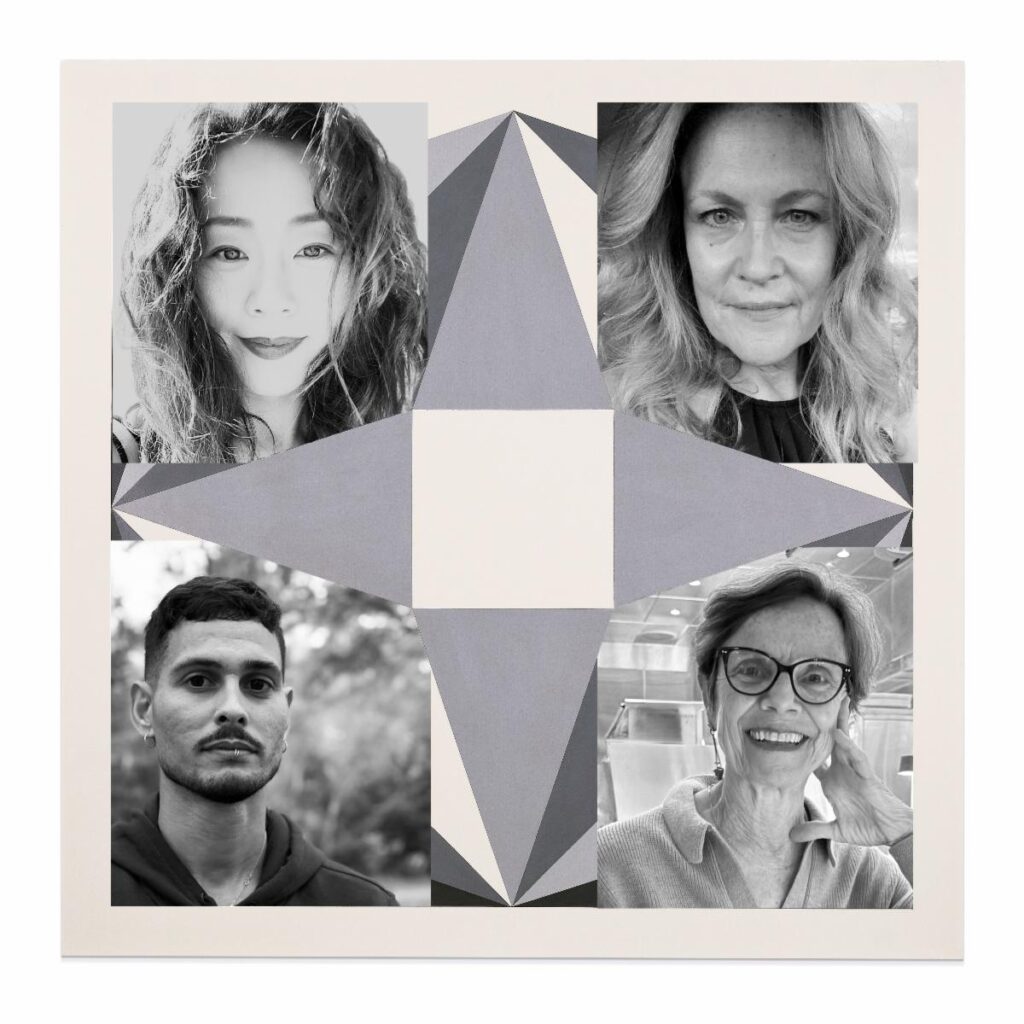
Sun Jennifer Park is a choreographer, dancer, and scholar who holds a PhD in Philosophy of Dance from Hanyang University in Seoul. Her work explores the relationship between physical movement and the human spirit, bridging intellectual inquiry and embodied practice.

Jorge Dasiel Rosales is a Cuban dancer with more than a decade of experience in Latin and contemporary dance, as well as acrobatics. He has been evaluated in contemporary dance by Cuba’s National Council of the Performing Arts.

Mary Helene Spring holds an MFA in Dance from NYU’s Tisch School of the Arts and a BA in Dance from Mount Holyoke College. Her artistic development has been deeply influenced by her collaboration with Dale Andree.

Director Dale Andree has been dancing, choreographing, and teaching in Miami for over forty years. Long connected to the artistic spaces shaped by Karen Rifas, he approaches this project as an exploration of humanity through abstract form.

LnS GALLERY

2610 SW 28th Lane, Miami FL 33133

305 781 6164

[email protected]

WWW.LNSGALLERY.COM


HOURS

Tuesday-Friday 11:00am-6:00pm

Saturday 12:00-5:00pm

Sunday and Monday by appointment

An Evening of Live Jazz, Fine Drinks, and Special Guest Laurence Gartel

Live Jazz
Live Jazz

An Evening of Live Jazz, Fine Drinks, and Special Guest Laurence Gartel

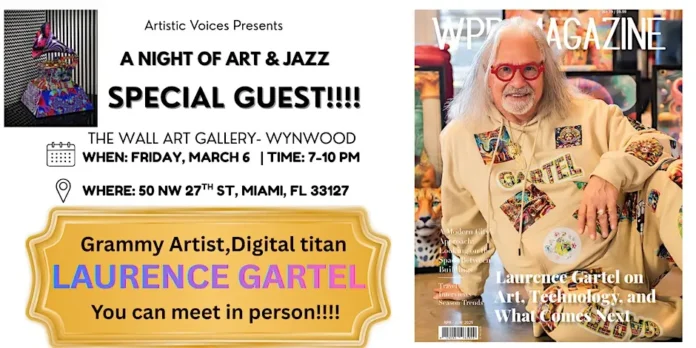
This month, Art & Music at the Wall returns with a vibrant evening where live jazz, digital art, and conversation converge. Taking place in Miami on Friday, March 6, the event will feature a special appearance by Laurence Gartel—widely recognized as the “Father of Digital Art” and one of the early pioneers who helped shape the movement long before it entered the mainstream. Gartel will share reflections on his creative journey, the evolution of digital expression, and the stories behind his iconic works.

The evening continues with live jazz by AN QU4TET, an ensemble formed by four students from the Frost School of Music, rooted in the tradition of improvisation and spontaneous creation. Guests will also enjoy curated artworks, fine drinks provided by Bar Tulio’s, and an intimate gallery atmosphere designed for collectors, creatives, and cultural enthusiasts alike.

Friday, March 6, 2026
7:00 PM – 10:00 PM
The Wall Art Gallery
50 NW 27th Street, Miami, FL 33127

Admission is free; a suggested ticket via Eventbrite supports Artistic Voices’ nonprofit mission to foster and expand access to academic music. Contributions are welcome even if you cannot attend.

Get ticket to support Artistic Voices

The Meaning of Gold Artifacts in Pre-Columbian Cultures

by STELLA SARMIENTO

The Meaning of Gold Artifacts in Pre-Columbian Cultures

by STELLA SARMIENTO

Through the years of studying Pre-Columbian and Pre-Hispanic Cultures, I find fascinating how all they created in GOLD, were designed as an interpretation of their everyday lives and believes. Each piece is important not only for its Artistic value but for the intrinsic content that led to the creation of each piece.
Symbols were of great importance in the Cultures, and they represented all that surrounded them: Nature, Animals, Objects, Humans, their Heavens, Life and Death, these were given symbols that were then captured in their extraordinary works of Gold.

GOLD was considered as the “Secret Glint” an interplay of LIGHT and SHADE, an exchange of ENERGY a relationship between the GOLD and the SUN, being the SUN a god in many of the Cultures.
They associate the GOLD with the SUN due to the similarity of the GOLD Color with the SUN, converting it in the Sacred Metal.
GOLD also determined:
SOCIAL or RELIGIOUS Levels, GOLD was worn mostly but not uniquely by the SHAMANS who were the Religious highest levels and most important members of the Societies.
It also had a connotation of Protection and Reverence and so it is, that in our Latin American Countries even today, people wear gold in high carat content not only as an adornment but also as a protector from EVIL, following the laws of our Ancient Cultures.

“Goldsmiths” were associated with MAGIC, though they transformed the METAL from Profane to a SACRED State.
Their techniques in the transformation of GOLD were very primitive, but some of those primitive steps are still used today with some modern added technology.
Let’s look at some samples of their Creations with the Meaning and Interpretation of each piece:

This is the representation of a Shaman with many added symbols:
The Top part of the Crown has been designed with SPIRALS (which represent ETERNAL Life – Life after Death).
To the right and Left of the FACE you will se in a schematic shape the profile of a BIRD on each side (BIRDS were one of the most important symbols in Pre-Columbian Cultures as they represented Good Fortune: They believed that they would always bring Good News in their returning FLIGHTS).
On top of the Head is a BIRD in 3D design.
He is playing the Flute the instrument of the wind (the connector with the sacred spiritual world).

The Jaguar with Spirals (left Picture) – JAGUARS were worshiped as gods.

Represented with the CURLED Tail, a shape that was depicted in many other designs as on the picture on the right, where the schematic Human Figure of the TOLIMA Cultures has the 4 extremities in the center of the figure and the tail of the JAGUAR in two directions on the bottom of the design.

Women Sitting Down with Birds
This Quimbaya Culture Design has a couple of important symbols:
The woman is holding on her hands 4 BIRDS which represent GOOD Fortune.
On her nose and from the BIRDS detach NOSE ORNAMENTS which were used for many different reasons: to disguise the wearers’ face during the rituals and as an adornment as well.

Thousands of Nose Ornaments were designed

         WOMEN played a very important role in the Cultures

They were highly respected due to the capability of procreation and in many cases, they occupied governmental positions, they were unique to the stamping of fabrics with mineral colors.

         Pre-Columbian Jewelry Designs

Cultures created MAGNIFICENT Jewelry Designs, pieces that remain in the Museums of Pre-Columbian Cultures around the World.

Sitios Web de Arte que Realmente Funcionan

Build Your Art Career in Three Simple Steps

Sitios Web de Arte que Realmente Funcionan (y Cómo Hacer que el Tuyo También Lo Haga)

El internet lo cambió todo. En cuestión de minutos, puedes visitar millones de lugares, conectarte con personas de todo el mundo y acceder a información que antes requería semanas de investigación. Para los artistas, esto es una revolución. Ahora tienes acceso al mundo del arte como nunca antes, y el mundo del arte tiene acceso a ti. Pero, ¿cómo aprovechar al máximo esta oportunidad? La respuesta está en los sitios web de arte que realmente funcionan.

¿Qué Hace que un Sitio Web de Arte Sea Bueno?

Un buen sitio web de arte no es solo una galería en línea. Es tu tarjeta de presentación digital, tu vitrina global y tu herramienta de conexión. Los mejores sitios no solo muestran tu trabajo, sino que también te ayudan a informarte, exponerte, hacer conexiones y avanzar en tu carrera. Aquí te cuento cómo lograrlo.

Ejemplos de Sitios que Marcan la Diferencia

  1. Sitios de Recursos para Artistas
    Imagina un lugar donde los artistas pueden encontrar todo lo que necesitan: desde proveedores de materiales hasta oportunidades de exposición. Sitios como sculptor.org son un ejemplo perfecto. Ofrecen enlaces a herramientas, técnicas, recursos legales, fundiciones, concursos y hasta trabajos. Además, ayudan a los artistas a mejorar su presencia en línea, algo que muchos no saben hacer por sí mismos.
    • ¿Lo mejor? Estos sitios no solo informan, sino que también generan negocios. Artistas reportan más tráfico a sus páginas y, en algunos casos, incluso consiguen comisiones gracias a estos enlaces.
  2. Comunidades en Línea
    Sitios como artistresource.org (aunque ya no está activo) demostraron el poder de las comunidades locales en línea. Este sitio conectaba a artistas del Área de la Bahía de San Francisco, ofreciendo información sobre clases, eventos, espacios para colgar arte y hasta oportunidades laborales.
    • ¿La clave? Un boletín semanal con información actualizada sobre exposiciones, talleres y eventos. Los artistas podían mantenerse informados sin siquiera visitar el sitio.
    • Aunque era un proyecto sin fines de lucro mantenido por voluntarios, logró impactar a miles de artistas y estudiantes de arte.
  3. Gigantes del Arte en Línea
    Luego están los pesos pesados, como artnet.com. Este sitio es el Amazon del mundo del arte. Con enlaces a cientos de galerías, una revista en línea, una base de datos de subastas y hasta horóscopos para artistas, Artnet lo tiene todo.
    • ¿Lo más impresionante? Su base de datos de subastas, con casi 2 millones de registros de ventas de obras de arte. Si quieres saber cuánto vale una pieza de un artista, aquí es donde buscas.
    • Además, ofrece servicios para artistas individuales, permitiéndoles crear páginas web con su obra, biografía y información de contacto. ¿El costo? Desde $1000 al año. ¿El beneficio? Exposición global.

Cómo Hacer que tu Sitio Web Funcione

Si estás pensando en crear tu propio sitio web (o mejorar el que ya tienes), aquí tienes algunos consejos infalibles:

  1. Mantén la Simplicidad
    Nada mata el interés más rápido que un sitio web lento y sobrecargado. Evita gráficos pesados, textos largos y animaciones innecesarias. La gente quiere ver tu arte, no esperar a que se cargue una página.
  2. Actualiza Constantemente
    Un sitio web estático es un sitio web muerto. Asegúrate de añadir nuevo contenido regularmente: nuevas obras, exposiciones, noticias, etc. Si los visitantes ven siempre lo mismo, dejarán de volver.
  3. Sé Específico con tus Servicios
    ¿Ofreces talleres? ¿Aceptas comisiones? ¿Vendes obras directamente? Sea lo que sea, asegúrate de que esté claro en tu sitio. Y no olvides hacer que el proceso de pago sea fácil y seguro.
  4. Mantén las Tarifas Razonables
    Si decides cobrar por servicios o membresías, asegúrate de que los precios sean accesibles. La gente es reacia a gastar grandes cantidades en línea, especialmente si no te conoce.
  5. Incluye un CV o Resumen
    Tu sitio web debe tener una sección dedicada a tu trayectoria. Incluye exposiciones, premios, publicaciones y cualquier logro relevante. Y si puedes, añade un CV visual con imágenes de tus obras más importantes y una breve explicación de por qué son especiales.

El Futuro de los Sitios Web de Arte

El internet sigue evolucionando, y con él, las oportunidades para los artistas. Los sitios web ya no son solo vitrinas; son comunidadesherramientas de investigación y plataformas de venta. Ya sea que te unas a un sitio existente o crees el tuyo propio, la clave está en aprovechar estas herramientas para conectar con el mundo.

Así que, ¿qué estás esperando? Actualiza tu sitio web, únete a una comunidad en línea o explora nuevas plataformas. El mundo del arte está en línea, y tú deberías estar ahí también. 🎨✨

PD: Si necesitas inspiración, visita sitios como artnet.com o busca comunidades locales de artistas. Y recuerda: un buen sitio web no es un lujo, es una necesidad. ¡A por ello!

Page 9 of 277
1 7 8 9 10 11 277