Home Blog Page 40

Kim Bartelt: Poetics of Paper, Form, and Transience

Kim Bartelt
Kim Bartelt: Poetics of Paper, Form, and Transience

Kim Bartelt: Poetics of Paper, Form, and Transience

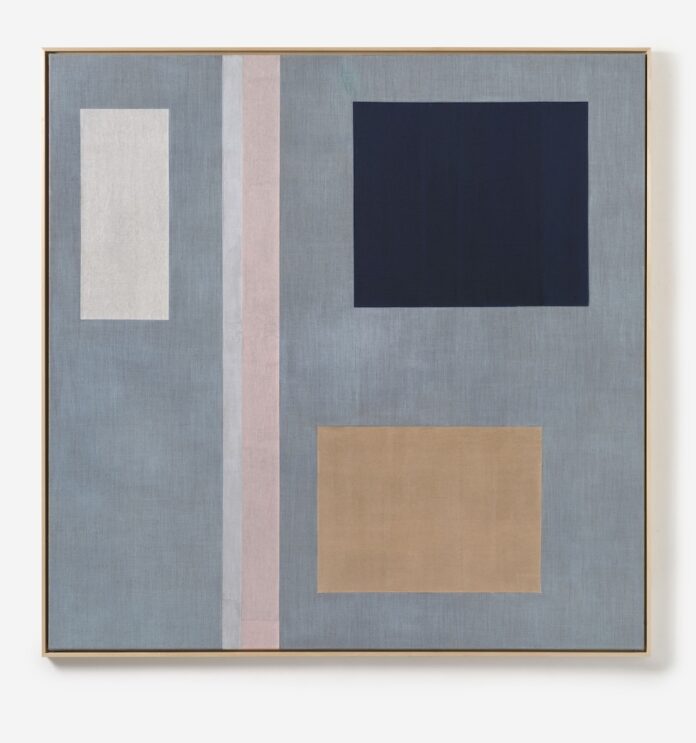
Through the elusive simplicity of both form and colour, the work of Kim Bartelt meditates on the ephemerality of the world and the poetic contradictions at the heart of contemporary human experience. Her paintings and collages reveal a unique fusion of painting and sculpture, inviting viewers into contemplative spaces where tension between permanence and transience, visibility and silence, is gently unveiled.

Technique: Layering Paper into Canvas

Bartelt’s method is distinct: she carefully layers sheets of paper — often of different thicknesses and translucencies — onto canvas. The resulting works occupy a hybrid space between two‑ and three‑dimensional art, where the clarity of geometric forms contrasts with the intimate texture of paper. These compositions draw the viewer inward, revealing a pulsing internal landscape that conveys the fragile interplay between the seen and unseen.

Her raw linen and jute canvases, particularly in the series titled Raw, serve as backdrops for abstract explorations of shape. Here, found and residual tissue papers — remnants from quotidian encounters such as flower purchases or wrapping from shops in Paris — gain new life. Their delicate translucence and idiosyncrasies — creases, folds, and raw edges — speak to histories embedded in overlooked materials, and only up close does their layered fragility become fully apparent.

Visual Language and Abstraction

Drawing on the language of geometric abstraction, Bartelt’s visual vocabulary is deliberately restrained, anchored in squares and rectangles that harmonize complex emotional states into compositional balance. Her choice of colour is quiet yet radiant: neither wholly opaque nor aggressively vibrant, her canvases maintain a luminosity that feels substantial despite their lightness. This quality echoes the serene luminosity found in the works of early Renaissance painters such as Fra Angelico and Piero della Francesca, influences that resonate in her approach to tone and surface.

Bartelt’s decision to move away from traditional liquid paint toward collaged surfaces reflects a broader inquiry into painting as object. Her works incorporate elements over which she exerts limited control — the paper cuttings themselves are residues of everyday life. In this sense, her art embodies both intentional structure and ephemeral circumstance, foregrounding materials that are byproducts rather than overt artistic impositions.

Origins and Artistic Development

Born in Berlin, Germany, Bartelt initially intended to study architecture but redirected her path toward art history in Paris before completing a foundation year at Parsons Paris. She later moved to the United States, studying Fine Art at the Parsons School of Design in New York. While working on commercial set painting for large campaigns, she began collecting discarded paper sheets, gradually integrating them into her art practice. These early, minimal paper collages — weightless and translucent — seemed to transcend their materiality, setting the tone for her long‑term artistic exploration.

Since returning to Germany in 2003, Bartelt has continued to work with canvas and paper. More recently, her investigations into space and volume have expanded into large‑scale sculptural works — structures that possess a megalithic presence despite often being composed of deceptively fragile materials such as packing material and papier‑mâché.

Exhibitions and Recognition

Bartelt has presented numerous solo exhibitions internationally. Notable recent shows include:

  • Cadogan Gallery, Milan (2023)
  • Cadogan Gallery, London (2022)

Her work was featured in An Endless Curve – Art Perspectives III at the Circle Culture Gallery in Berlin, and in A Double Presentation, Wilhelm Hallen #2 in 2021. She has also exhibited in Mexico City, Ghent, London, and Berlin.

In 2019 Bartelt participated in artist residencies at Numeroventi in Florence, Italy and Joya AiR in Almeria, Spain.

Her work has appeared in publications including Repubblica (2023), Capital Magazine (2022), AD Germany (2020), and Wall Street Magazine (2020). Her pieces are held in private collections across Germany, Switzerland, France, Italy, the UK, Israel, India, Brazil, and the USA.

Critical Reception

According to curator and writer Lorena Juan, Bartelt’s practice presents a “study of the poetics of the connective tissue of life,” revealing **the silent mind maps of the support infrastructures running in the backdrop of our existence.” Her art does not merely express inner states, but responds intuitively to the contemporary human condition — an age marked by global complexity and subtle detachment.

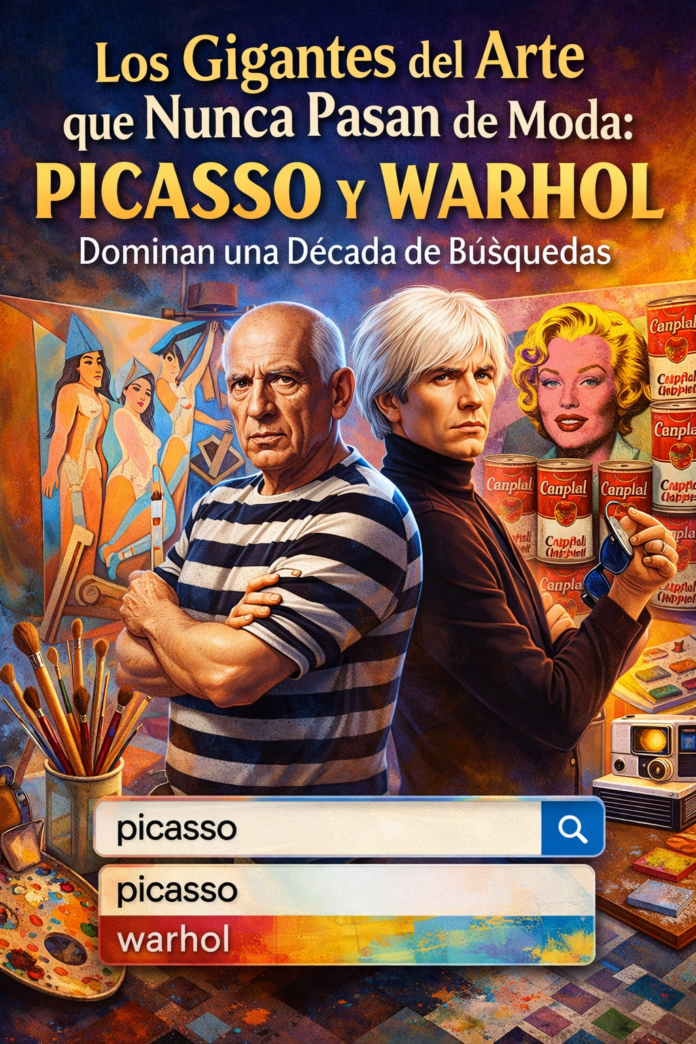
Los Gigantes del Arte:Picasso y Warhol Dominan una Década de Búsquedas

Picasso y Warhol Dominan una Década de Búsquedas

Los Gigantes del Arte: Picasso y Warhol Dominan una Década de Búsquedas

En el vertiginoso mundo del arte contemporáneo, donde artistas emergentes pueden alcanzar la fama viral en cuestión de semanas gracias a las redes sociales, existe un dato que desafía toda lógica del hype digital: Pablo Picasso y Andy Warhol llevan una década entera dominando las búsquedas en Artnet, el sitio especializado más importante en cotizaciones y tendencias del mercado artístico global.

Tanto en 2015 como en 2025, estos dos titanes ocupan los primeros dos puestos de la lista de artistas más buscados. No es una casualidad pasajera ni un fenómeno nostálgico, sino la confirmación de una verdad incómoda para quienes apuestan por lo efímero: en el mercado del arte, los nombres clásicos no solo perduran, sino que se fortalecen con el tiempo.

La Permanencia Frente a la Tendencia

Salvador Dalí completa el podio de artistas que se mantienen en el top 10 desde hace una década, un trío que representa tres pilares fundamentales del arte del siglo XX: Picasso como el revolucionario del cubismo y arquitecto de la modernidad artística, Warhol como el profeta del pop art y la cultura de masas, y Dalí como el maestro del surrealismo y la provocación visual.

Según el análisis de Artnet, aunque es común que artistas emergentes experimenten picos súbitos de popularidad impulsados por las redes sociales y comiencen a ver crecer sus cotizaciones exponencialmente, estos fenómenos suelen ser pasajeros. Los nombres establecidos, aquellos que han resistido décadas de escrutinio crítico y transformaciones culturales, son los que verdaderamente perduran en el tiempo y en las carteras de los coleccionistas serios.

En los últimos diez años, la lista de los artistas más buscados ha experimentado solo algunos cambios, pero los que han ocurrido resultan reveladores sobre las dinámicas del mercado. Mientras Picasso y Warhol permanecen inamovibles en los tres primeros puestos, otras posiciones han visto rotaciones que reflejan cambios en los gustos coleccionistas y las estrategias de las casas de subasta.

Un Mercado Estratificado por Épocas

El informe de Artnet no solo identifica a los artistas más buscados en general, sino que ofrece una mirada detallada a las preferencias por categorías artísticas. En el arte impresionista y moderno, lideran Piet Mondrian, Claude Monet y Mark Rothko. Curiosamente, aunque Picasso es el más buscado en términos generales, cuando se trata específicamente de esta categoría, cae al quinto puesto, evidenciando que su obra abarca múltiples clasificaciones del mercado.

En el arte de posguerra, François-Xavier Lalanne ocupa el primer lugar, seguido por Gerhard Richter. Ambos artistas representan diferentes aproximaciones a la creación contemporánea: Lalanne con sus esculturas zoomorfas que fusionan arte y diseño funcional, y Richter con su exploración constante de la pintura abstracta y figurativa.

El campo del arte contemporáneo tiene un ganador indiscutible: Jean-Michel Basquiat. El artista neoyorquino fallecido prematuramente en 1988 no solo encabeza esta categoría, sino que posee tres de las obras mejor vendidas y seis en la lista de las diez mejores. Basquiat representa un caso fascinante de revalorización póstuma: su obra, que en vida alcanzó precios respetables pero no estratosféricos, se ha convertido en el epítome del arte contemporáneo cotizado, con récords que superan los cien millones de dólares.

La Fotografía: Un Mercado Aparte

La fotografía artística, aunque incluida en el análisis, opera en una escala económica completamente diferente. Los valores en este medio no alcanzan los tres millones de dólares, una fracción de lo que pueden alcanzar pinturas o esculturas de artistas comparables. La obra mejor vendida en fotografía es “Noire et blanche” de Man Ray, vendida por 2.878 millones de dólares, una cifra impresionante dentro de su categoría pero modesta en comparación con los récords de pintura o escultura.

Esta disparidad refleja percepciones arraigadas sobre la reproducibilidad de la fotografía frente a la unicidad de otros medios, aunque los fotógrafos de arte producen ediciones limitadas. El mercado aún valora de manera diferenciada aquello percibido como único frente a lo potencialmente múltiple.

Geografía del Poder Económico y Cultural

Los datos de Artnet confirman lo que podría parecer obvio pero que vale la pena articular explícitamente: los dos mercados más importantes de arte son Estados Unidos, en primer lugar, y China en segundo. Esta distribución no es casual sino estructural, reflejando lo que el marxismo denominaba la relación entre superestructura y estructura económica.

Las potencias económicas dominan todos los mercados, incluido el del arte. Nueva York, Los Angeles, Hong Kong y Beijing se han consolidado como epicentros donde se concentran las transacciones más significativas, las casas de subasta más prestigiosas y los coleccionistas con mayor poder adquisitivo. El arte, a pesar de su aspiración a la trascendencia, opera dentro de las lógicas del capital global.

En cuanto a las instituciones que facilitan estas transacciones, Christie’s se lleva el primer puesto como casa de subastas, seguida por Sotheby’s. Ambas compañías británicas centenarias han sabido adaptarse a los cambios tecnológicos y geográficos del mercado, expandiendo sus operaciones a Asia y desarrollando plataformas digitales sin perder el aura de exclusividad que las caracteriza.

Las Tendencias Contradictorias del Mercado Actual

Los datos del primer semestre de 2025 revelan tendencias contradictorias que obligan a repensar suposiciones sobre la dirección del mercado. Aunque la categoría de posguerra y contemporánea siguió siendo la más lucrativa, generando poco más de 1.800 millones de dólares en ventas, experimentó una caída del 12,7 por ciento respecto al mismo período de 2024.

Sorprendentemente, la categoría de Antiguos Maestros fue la única que registró crecimiento. Entre enero y junio, las ventas aumentaron un 24,4 por ciento, alcanzando los 289,5 millones de dólares, a pesar de que menos lotes encontraron compradores. Esto sugiere que, aunque hay menos obras disponibles, aquellas que llegan al mercado alcanzan precios significativamente más altos.

Este fenómeno podría interpretarse como un regreso a valores seguros en momentos de incertidumbre económica. Los Antiguos Maestros representan la inversión más conservadora y establecida del mercado artístico, con trayectorias de valorización documentadas a lo largo de siglos.

El Colapso del Ultracontemporáneo

La categoría que experimentó la mayor contracción fue la del arte ultracontemporáneo, con ventas totales de poco más de 117,2 millones de dólares, una caída dramática del 31,3 por ciento con respecto al mismo período del año anterior. Esta categoría, que incluye obras de artistas nacidos después de 1974, había sido el sector más dinámico y especulativo del mercado en años recientes.

La desaceleración del ultracontemporáneo refleja la contracción general del mercado de los últimos dos años, pero también señala un cambio en la psicología coleccionista. Menos piezas de esta categoría llegaron a subasta, sugiriendo que tanto vendedores como casas de subasta se muestran cautelosos ante un sector que ha perdido el momentum especulativo que lo caracterizó durante la década anterior.

Lecciones para Coleccionistas e Inversionistas

Los datos de Artnet ofrecen lecciones valiosas para quienes participan en el mercado del arte, ya sea por pasión coleccionista o como estrategia de inversión. La primera y más clara es que la calidad establecida tiende a mantener su valor mejor que las apuestas especulativas por artistas emergentes. Picasso, Warhol y Dalí no dominan las búsquedas por nostalgia, sino porque sus obras continúan siendo activos confiables en un mercado volátil.

La segunda lección es que diferentes sectores del mercado responden a diferentes dinámicas. Los Antiguos Maestros ofrecen estabilidad y crecimiento en momentos de contracción, mientras que el ultracontemporáneo presenta oportunidades de alto riesgo y alta recompensa que funcionan mejor en períodos de expansión económica.

Finalmente, el mercado del arte permanece profundamente conectado con las estructuras del poder económico global. Ignorar esta realidad en favor de narrativas puramente estéticas o culturales es perder de vista cómo funcionan realmente las valoraciones y transacciones.

El Futuro de los Clásicos

Mientras el mundo digital continúa transformando cómo descubrimos, consumimos y valoramos el arte, la persistencia de Picasso y Warhol en la cima sugiere que ciertas jerarquías culturales resisten las disrupciones tecnológicas. Estos artistas no solo crearon obras innovadoras en su momento, sino que construyeron narrativas y marcas que trascienden generaciones.

La pregunta que queda abierta es si algún artista contemporáneo logrará eventualmente desplazar a estos gigantes o si estamos destinados a vivir en un mercado donde el siglo XX mantiene su dominio cultural y económico sobre el XXI. Por ahora, los viejos maestros no solo funcionan, sino que definen los términos del juego.

Source: https://www.perfil.com/noticias/cultura/pablo-picasso-y-andy-warhol-encabezan-desde-hace-10-anos-la-lista-de-artistas-mas-buscados-como-sigue-la-lista.phtml

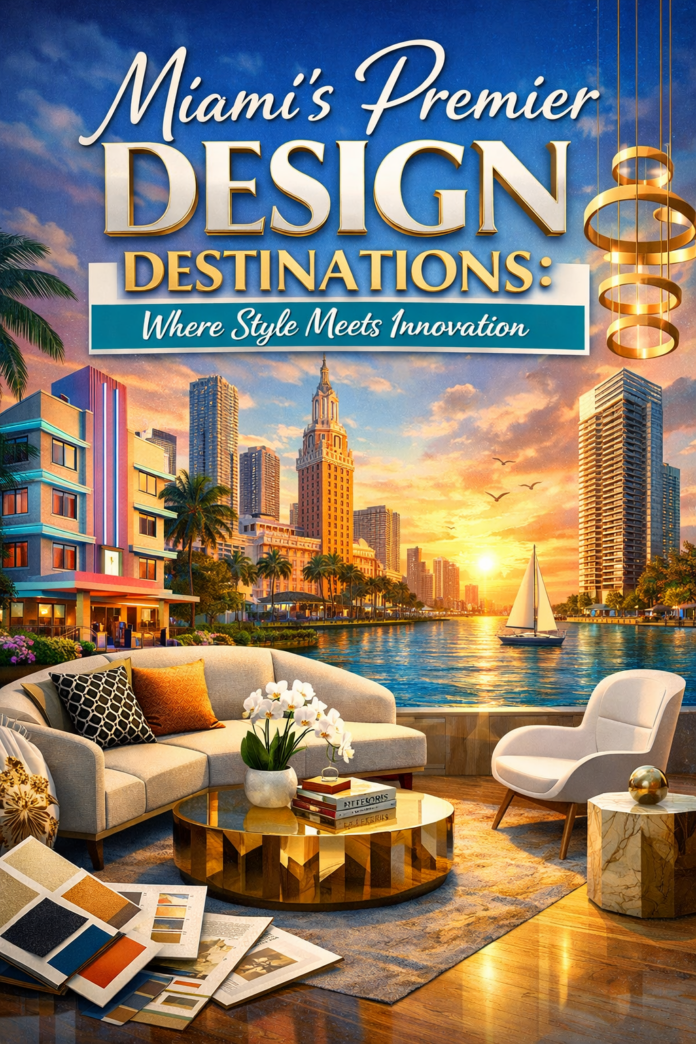
Miami’s Premier Design Destinations: Where Style Meets Innovation

Miami's Premier Design Destinations

Miami’s Premier Design Destinations: Where Style Meets Innovation

Miami has evolved into one of America’s most dynamic design capitals, where Latin American influences blend seamlessly with international aesthetics. At the heart of this creative revolution stand two distinct neighborhoods that have become essential destinations for design enthusiasts, architects, and tastemakers from around the world.

Nestled in the upper east side of Miami, the Design District has transformed from an overlooked warehouse area into a 18-block creative enclave that rivals any design destination globally. This carefully curated neighborhood represents the vision of developer Craig Robins, who reimagined the area as a place where art, design, fashion, and dining converge.

Walking through the District feels like stepping into an open-air museum. Public art installations dot nearly every corner—from Buckminster Fuller’s geodesic Fly’s Eye Dome to Zaha Hadid’s sculptural furniture displayed along palm-lined streets. The neighborhood’s commitment to integrating art into everyday life creates an atmosphere where creativity isn’t confined to galleries but spills onto sidewalks and storefronts.

The design showrooms here represent the world’s most prestigious brands. Luxury furniture houses like Kartell, B&B Italia, and Poliform showcase their latest collections in stunning flagship stores. These aren’t mere retail spaces but immersive environments where visitors can experience how cutting-edge design translates into livable luxury. Interior designers and architects regularly make pilgrimages to source pieces for high-end residential and commercial projects throughout the Americas.

Fashion plays an equally prominent role. Hermès, Dior, Louis Vuitton, and other luxury maisons have established elaborate boutiques that double as architectural statements. The District has become Miami’s answer to Rodeo Drive or Madison Avenue, though with a distinctly tropical sensibility that sets it apart from its more traditional counterparts.

The culinary scene matches the neighborhood’s design pedigree. Michelin-starred chefs and James Beard Award winners have opened restaurants that treat dining as a multisensory design experience. Michael Schwartz’s Michael’s Genuine and Brad Kilgore’s Alter exemplify how food, interior design, and service can create cohesive artistic statements.

The Institute of Contemporary Art, Miami anchors the neighborhood’s cultural offerings with a striking building designed by Aranguren + Gallegos Arquitectos. Its exhibitions push boundaries and spark conversations, reinforcing the District’s role as more than a shopping destination but as a genuine creative community.

Brickell Avenue: Where Glass Towers Define Urban Sophistication

Just south of downtown, Brickell Avenue presents an entirely different vision of Miami design—one defined by soaring residential towers, sleek corporate headquarters, and cosmopolitan energy. Known as Miami’s financial district, Brickell has experienced explosive growth over the past two decades, becoming a vertical neighborhood where international architecture firms compete to create the most striking silhouettes against the tropical sky.

The architectural landscape here tells the story of Miami’s ambitions. Towers designed by renowned architects like Arquitectonica, Revuelta Architecture International, and international firms have created a canyon of glass and steel that feels more Singapore or Hong Kong than traditional Florida. Each building strives to distinguish itself through distinctive design elements—cantilevered balconies, asymmetrical facades, innovative glass treatments that respond to Miami’s intense sunlight.

Inside these towers, residential design reaches rarefied heights. Penthouses and luxury condominiums feature interiors by celebrated designers, with custom kitchens, spa-like bathrooms, and smart home technology seamlessly integrated into minimalist aesthetics. Floor-to-ceiling windows frame dramatic views of Biscayne Bay, creating living spaces where the line between interior and exterior dissolves.

The street level offers a different experience entirely. Brickell Avenue’s sidewalks buzz with energy as professionals, residents, and visitors navigate between office towers, boutique hotels, and an ever-expanding roster of restaurants and bars. Design-forward establishments like Komodo, with its striking Southeast Asian-inspired interior, and the Edition Hotel’s lobby and outdoor spaces demonstrate how hospitality design has elevated the neighborhood’s sophistication.

Brickell City Centre, a massive mixed-use development, exemplifies contemporary urban design thinking. The complex integrates retail, residential, hotel, and office space under a climate ribbon—an architectural canopy that provides shade and channels breezes through the open-air shopping areas. This innovative approach to Miami’s climate challenges represents the kind of design problem-solving that defines the neighborhood’s forward-thinking character.

The neighborhood’s design showrooms cater to developers, corporate clients, and affluent residents furnishing their high-rise homes. While less concentrated than the Design District, Brickell’s design trade serves the practical needs of those creating and inhabiting Miami’s vertical urbanism.

Two Neighborhoods, One Design Ecosystem

Though distinct in character, the Design District and Brickell Avenue function as complementary poles of Miami’s design world. The Design District offers curated, experiential engagement with design as art and aspiration, while Brickell demonstrates how design principles scale to create an entire urban ecosystem.

Together, they illustrate Miami’s maturation from a seasonal resort city into a year-round cultural capital where design isn’t merely imported but created, debated, and lived. The Latin American collectors who visit Art Basel Miami Beach, the developers transforming the skyline, and the creative professionals who’ve relocated here all contribute to an environment where design matters deeply.

For visitors seeking to understand Miami’s creative pulse, experiencing both neighborhoods provides essential context. Start with coffee in the Design District, absorbing the careful curation and artistic energy. Then head to Brickell for sunset drinks at a rooftop bar, where the view encompasses the architectural ambitions that continue reshaping this city’s identity.

Miami’s design story is still being written, but in these two neighborhoods, the narrative is already compelling—a testament to what happens when vision, investment, and creative energy converge in one of America’s most dynamic cities.

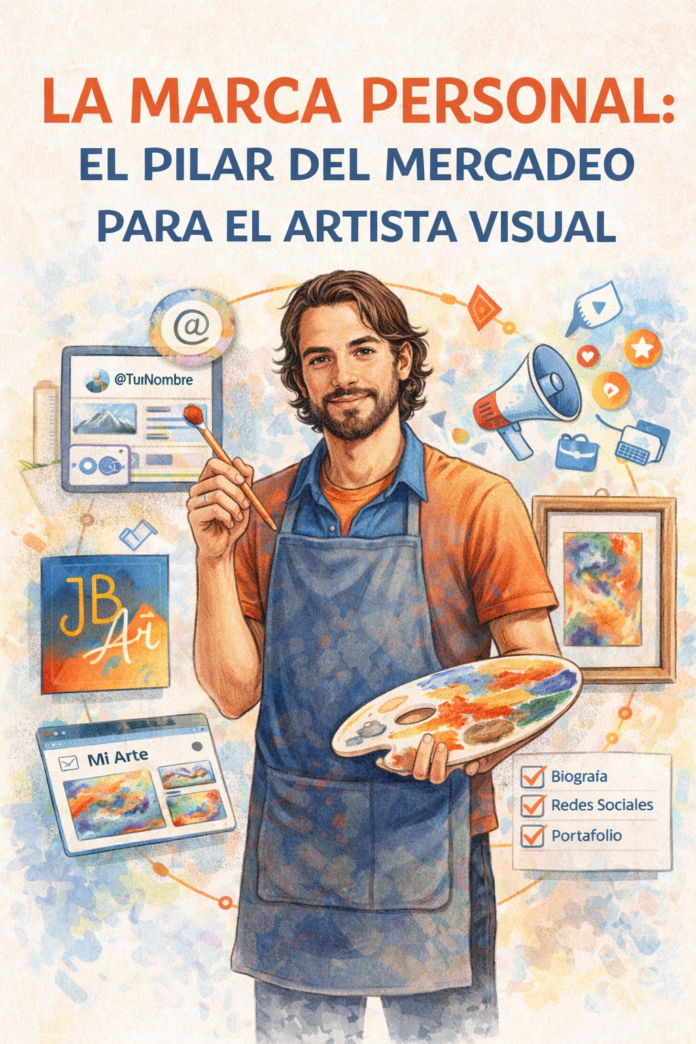
Estrategia de Marca Personal par Artistas Latinos

La Marca Personal: El Pilar del Mercadeo para el Artista Visual

Estrategia de Marca Personal par Artistas Latinos

1. Identidad de Marca

  • Definir tu propuesta única de valor (PUV): ¿Qué te distingue como artista? ¿Qué mensaje transmite tu arte?
  • Biografía profesional auténtica: Claridad en tu trayectoria, inspiración, técnicas, raíces culturales y visión.
  • Estética visual coherente: Logo, paleta de colores, tipografía y estilo gráfico que reflejen tu identidad artística.

2. Presencia Digital

  • Sitio web profesional: Con portafolio, biografía, contacto, prensa, tienda en línea (si aplica) y blog para compartir procesos e ideas.
  • Redes sociales clave: Instagram y TikTok para mostrar procesos y piezas; LinkedIn y Facebook para conexiones profesionales.
  • Google Business Profile: Optimizado para que te encuentren fácilmente en búsquedas locales.
  • SEO local y de contenido: Optimiza tu web con palabras clave como “artista latino en Miami” o “arte contemporáneo Miami”.

3. Contenido Estratégico

  • Publica:
    • Obras terminadas y en proceso.
    • Videos cortos explicando tu técnica o inspiración.
    • Historias o reels sobre tu día a día como artista.
    • Participaciones en exposiciones o ferias.
  • Crea:
    • Un boletín mensual con novedades y eventos.
    • Colaboraciones con marcas, otros artistas o causas sociales.

4. Red de Contactos y Posicionamiento Físico

  • Eventos en Miami:
    • Participa en ferias de arte locales (Wynwood, Little Havana, Art Basel Miami Satellite Events).
    • Aplica a exposiciones colectivas en galerías.
    • Conecta con espacios culturales latinos (Koubek Center, PAMM, CCEMiami).
  • Talleres y charlas:
    • Ofrece talleres presenciales o en línea sobre tu técnica o experiencia como artista latino.
    • Participa en paneles o entrevistas con medios locales o latinos.
  • Material físico de apoyo:
    • Tarjetas de presentación con QR a tu portafolio.
    • Catálogos impresos o postales para dejar en espacios culturales.

5. Alianzas Estratégicas

  • Con otras marcas o artistas latinos.
  • Con fundaciones o instituciones que promuevan el arte y la cultura hispana.

1. Identidad de Marca: La Base de Tu Presencia Artística

Una marca personal fuerte comienza con una identidad clara y auténtica. Para un artista visual, especialmente uno con raíces culturales profundas como muchos artistas latinos en Miami, tu identidad no solo comunica tu estilo estético, sino también tu historia, valores y punto de vista.

¿Qué debes definir?

Propuesta Única de Valor (PUV):
Responde preguntas como:

  • ¿Qué hace que tu arte sea diferente de otros artistas?
  • ¿Qué historia personal te inspira?
  • ¿Qué sentimientos o temas quieres provocar en el espectador?

Crea un statement artístico que explique tu visión con pocas palabras. Esto será tu brújula para todas las comunicaciones futuras.

Elementos visuales de tu marca

  • Logo personal o firma artística que represente tu estilo y nombre.
  • Paleta de colores consistente en todas tus plataformas.
  • Tipografías y estilo visual coherentes que se usen en publicaciones, sitio web, tarjetas y catálogos.

La biografía perfecta

Escribe una biografía clara y evocadora para tu sitio y redes (versión corta y larga). Menciona:

  • Origen cultural
  • Educación o formación artística
  • Técnicas principales
  • Logros y exposiciones
  • Influencias e inspiración

Tip profesional: describe tu trabajo en primera persona (“Yo creo…”) para generar autenticidad y conexión humana.

2. Presencia Digital: Cómo Ser Encontrado y Recordado Online

Tu presencia digital es tu tarjeta de presentación global. No importa dónde vivan tus futuros coleccionistas, tu marca debe alcanzar audiencias más allá de Miami.

Sitio web profesional

Tu propio dominio es esencial. Este debe incluir:

  • Portafolio de obras con títulos, descripciones y dimensiones
  • Biografía
  • CV artístico
  • Contacto
  • Blog (opcional, pero recomendado)
  • Tienda en línea o forma de contacto para ventas

Optimiza tu sitio con palabras clave como “artista latino en Miami”, “arte contemporáneo Miami”, etc. Esto mejora tu SEO local y posiciona tu página en motores de búsqueda.

Redes Sociales

No necesitas estar en todas, pero sí en las que mejor funcionan para arte:

  • Instagram: principal plataforma visual.
  • TikTok: para mostrar procesos, videos cortos y detrás de escenas.
  • YouTube o IGTV: para videos más largos, entrevistas o recorridos del estudio.

Crea una estrategia editorial con publicaciones regulares, historias y contenido interactivo.

Google Business Profile

Aunque no parezca obvio, tener un perfil de Google ayuda a que tu estudio o exposiciones sean encontrados por personas en Miami que buscan artistas locales.

3. Contenido Estratégico: Lo Que Debes Compartir y Por Qué

El contenido no es solo publicar obras — es contar una historia.

Tipos de publicaciones que generan impacto:

1. Obras terminadas
Muestra trabajos con buena iluminación, descripciones y proceso creativo.

2. Proceso creativo
Videos, fotos, bocetos y comentarios sobre por qué haces lo que haces.

3. Reflexiones y micro‑ensayos
Publica sobre tus influencias, tus métodos o temas que te importan.

4. Eventos y exposiciones
Promociona y documenta tu participación en ferias, galerías o proyectos comunitarios.

Estrategias extras:

  • Lives con otros artistas
  • Entrevistas
  • Testimonios de coleccionistas
  • Series educativas para tu audiencia

Un calendario editorial mensual te ayudará a mantener consistencia.

4. Red de Contactos y Posicionamiento Físico: Tu Huella en el Mundo Real

Aunque lo digital es vital, el mundo físico sigue siendo clave para un artista visual. Miami, con su vibrante escena cultural, es un lugar ideal para poner en práctica estas estrategias:

Participa en eventos artísticos locales

  • Ferias en Wynwood
  • Exhibiciones en Little Havana
  • Eventos durante Art Basel Miami
  • Proyectos comunitarios con centros culturales

Exposiciones y galerías

La inclusión de tu trabajo en espacios físicos expone tu arte a nuevos públicos y coleccionistas. Aunque no sea una galería tradicional, puedes participar en “pop‑ups”, cafés, librerías o estudios colectivos.

Networking intencional

Asiste no solo como espectador sino como participante activo. Lleva siempre:

  • Tarjetas de presentación
  • Catálogos o folletos
  • Un portafolio impreso elegante (para reuniones o invitaciones)

Tip: Tener un QR que dirija a tu portafolio digital facilita que incluso nuevas conexiones sigan interactuando contigo después del evento.

5. Alianzas Estratégicas: Poder en Comunidad

Las colaboraciones pueden catapultar tu marca personal de maneras que solos no suceden.

¿Con quién colaborar?

  • Otros artistas latinos o multidisciplinares
  • Marcas de moda, diseño o branding cultural
  • Instituciones educativas o culturales
  • Galerías, colectivos artísticos, festivales

¿Qué tipo de alianzas funcionan?

  • Proyectos artísticos conjuntos
  • Series de exposiciones itinerantes
  • Talleres o charlas para públicos locales
  • Colaboraciones con marcas para productos o merchandising

Una red sólida amplifica tu voz y el alcance de tu obra.

Painting surfaces

Painting surfaces
Painting surfaces

1. PROFESSIONAL COMPARISON TABLE

Canvas Types — Texture, Weight, Best Use, Durability

Canvas TypeTextureWeight OptionsBest ForDurabilityNotes
Canvas Rolls & By The MeterSmooth–rough (depends on weave)Light, Medium, HeavyLarge-scale works, murals, custom stretching, professional studios⭐⭐⭐⭐⭐Maximum control over size, tension & priming
Stretched CanvasMedium texture (standard) or fineLight to heavy depending on brandAcrylic, oil, mixed media, gallery-ready pieces⭐⭐⭐⭐Ready-to-use, consistent tension, exhibition-friendly
Canvas Stretcher Bars (frame component)N/AN/AArtists stretching their own canvas⭐⭐⭐⭐⭐Archival-grade frames for professional presentation
Canvas Boards & PanelsSmooth–mediumRigid, no flexPlein-air, realism, studies, classrooms⭐⭐⭐⭐Portable, sturdy, ideal for detail & travel
Canvas PadsLight textureLightweightPractice, experimentation, sketching on canvas⭐⭐⭐Tear-off convenience, not archival
Canvas SamplesVariesVariesTesting media, selecting surfaces⭐⭐⭐⭐⭐Helps artists choose ideal weave, weight & priming

2. BUYER’S GUIDE — BEST SURFACE BY ART TECHNIQUE

For Acrylic Painting

  • Best: Stretched Canvas, Canvas Rolls
  • Why: Versatile surface, takes heavy body mediums, gels, pastes.
  • Texture preference: Medium or fine weave.

For Oil Painting

  • Best: Linen Canvas Rolls (stretched on bars), Stretched Canvas
  • Why: Linen resists sagging, offers superior longevity for oils.
  • Pro tip: Choose double-primed for oil.

For Realism & Fine Detail

  • Best: Canvas Panels, Smooth Linen, Fine-Weave Stretched Canvas
  • Why: Rigid supports reduce brush drag for precision.

For Water-Mixable Oils

  • Best: Stretched Canvas, Canvas Panels
  • Why: Accepts water-mixable oils without oversaturation.

For Mixed Media, Collage, Heavy Texture

  • Best: Stretched Canvas, Heavy-Weight Canvas Rolls
  • Why: Holds texture mediums and structural gels without warping.

For Sketching, Concept Studies, Student Work

  • Best: Canvas Pads
  • Why: Affordable, portable, tear-off sheets.

For Muralists or Large Format Painters

  • Best: Canvas Rolls & By the Meter
  • Why: Unlimited scale, customizable.

For Testing Materials

  • Best: Canvas Samples
  • Why: Compare weave, weight, priming before investing.

3. FULL EDITORIAL ARTICLE

Art Miami Magazine — Materials & Technique Section

Choosing the Perfect Canvas: A Professional Guide for Artists

By Art Miami Magazine Editorial Team

In the world of fine art, the canvas is far more than a surface—it’s the foundation on which ideas transform into enduring visual statements. Whether you’re a painter exploring new mediums, an emerging artist refining technique, or a professional preparing for exhibition, choosing the right canvas can profoundly shape both the process and the result.

With so many formats, textures, and materials available, understanding canvas types is essential. Below, we break down the industry’s most trusted surfaces and how to choose the best one for your artistic practice.

Canvas Rolls & By The Meter — For Artists Who Build Their Own Vision

Canvas rolls represent total freedom. Sold in continuous lengths and available in cotton, linen, or polyester blends, they allow artists to control every detail—size, tension, weave, priming, and finish. Large-scale painters, muralists, and professional studios rely on rolls for flexibility and cost efficiency. When you’re creating monumental works or want full authority over your materials, this is the way to go.

Best for: professional painters, large works, custom sizes
Media: acrylic, oil, mixed media

Stretched Canvas — The Studio Staple

The most widely used surface in contemporary painting, stretched canvas offers convenience, consistency, and a ready-to-paint experience. Pre-mounted on wooden stretcher bars, it maintains balanced tension and comes pre-primed for acrylic or oil. Its clean edges and professional presentation make it a favorite for exhibitions and collectors.

Best for: acrylic painters, oil painters, gallery-ready works
Media: acrylic, oil, mixed media

Canvas Stretcher Bars — The Architecture Behind the Art

Often overlooked, stretcher bars are the unseen engineering of a professional canvas. Available in slim, gallery, and museum profiles, they determine the stability and longevity of the artwork. High-quality, kiln-dried stretcher bars prevent warping and allow for re-tensioning over time—an essential feature for archival practice.

Best for: artists who stretch their own canvas
Media: all media when paired with proper canvas

Canvas Boards & Panels — Portable Precision

Canvas boards combine primed canvas with a rigid backing such as MDF, wood, or archival board. These surfaces offer zero flex, making them ideal for artists who value precision or work outdoors. Their durability has made them a favorite among plein-air painters, students, and realists seeking control over detail.

Best for: plein-air painting, highly detailed finishes, studies
Media: acrylic, oil, gouache

Canvas Pads — Practice and Exploration Made Easy

Canvas pads provide primed canvas sheets bound like a sketchbook—a perfect solution for experimentation or fast-paced work. They’re lightweight, affordable, and versatile, making them a staple for art students, beginners, and professionals developing concepts prior to final execution.

Best for: studies, experiments, fast sketches
Media: acrylic, oil, dry media

Canvas Samples — The Smart Artist’s Secret

Every painter knows: texture matters. Canvas samples offer a hands-on way to compare weave, priming, absorbency, and weight before investing in larger quantities. For artists refining their practice, samples are essential tools for discovering the perfect match for technique and aesthetic.

Best for: choosing final surfaces
Media: all media (varies by type)

Final Thoughts

Selecting the right canvas is a critical step in shaping the voice, longevity, and expressive potential of your art. Understanding how different formats respond to media, scale, and technique empowers artists to elevate their practice with intention and professionalism.

Art is built on foundations—your canvas is the first stroke.

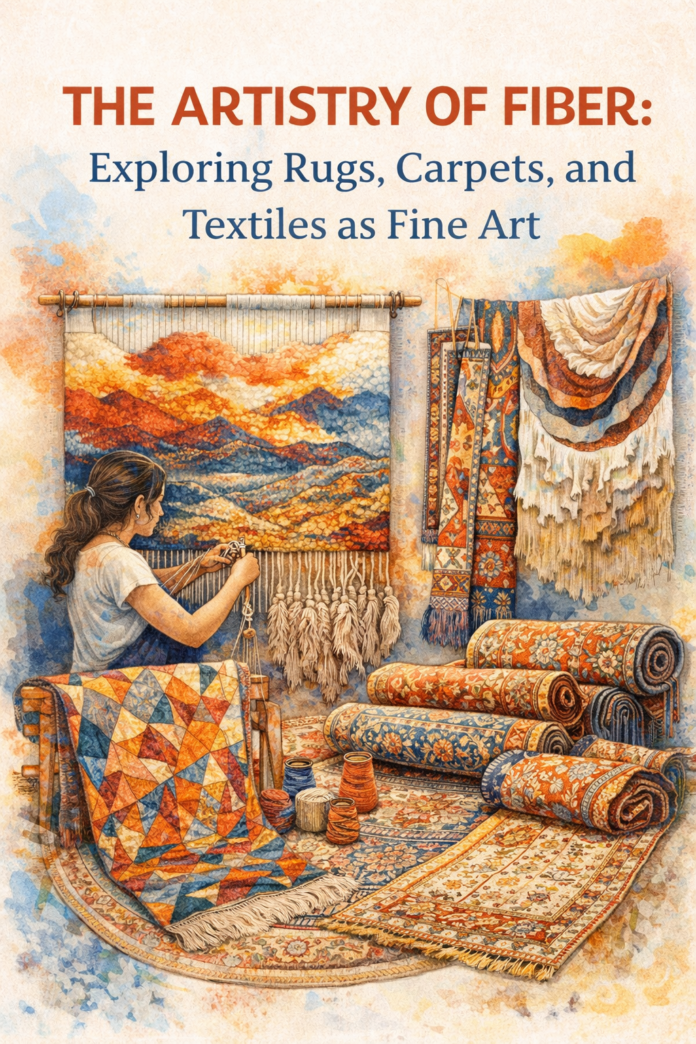
The Artistry of Fiber in Miami: Weaving Culture, Community, and Creativity

Miami Artistry of Fiber

The Artistry of Fiber in Miami: Weaving Culture, Community, and Creativity

Miami’s vibrant art scene is known for its diversity and dynamic energy, and in recent years fiber and textile arts have emerged as powerful modes of artistic expression in the city. From contemporary exhibitions to artist‑led workshops and community collectives, Miami is becoming a significant hub for the Artistry of Fiber—a form of practice that blends craft, culture, history, and innovation.

Fiber Arts Associations and Community Organizations

One of the key forces behind Miami’s growing fiber art presence is the Fiber Artists Miami Association (FAMA), an artist‑initiated collective dedicated to educating, advancing, and elevating textile traditions and contemporary fiber techniques. This nonprofit group supports local artists, educators, historians, and textile enthusiasts through exhibitions, professional development, and community‑centered programming that often features repurposed, reused, and innovative materials. Fiber Artists- Miami+1

FAMA also collaborates with spaces like The CAMP Gallery in North Miami, where immersive fiber exhibitions such as A Room of Our Own explore personal identity, freedom, and the relationship between space and materials, demonstrating how fiber art can transcend traditional craft categories and become a site for conceptual exploration. thecampgallery.com+1

Miami Fiber Artists and Contemporary Makers

Miami’s fiber scene includes a mix of established and emerging artists who bring unique cultural perspectives to their practice:

  • Verónica Buitrón, an Ecuadorian textile designer based in Miami, works with natural fibers, hand‑dyes, and traditional Andean techniques, linking her art to ancestral craft traditions. Fiber Artists- Miami
  • Aurora Molina is a Miami‑based fiber artist, educator, and co‑founder of FAMA who has developed collaborative studio spaces and educational programs like Play Studio Artelier, fostering hands‑on fiber art exploration for all ages. aurora-molina Edited

These artists—and many others associated with FAMA—reflect Miami’s multicultural fabric, incorporating diverse techniques such as weaving, knotting, dyeing, and experimental textile processes.

Exhibitions and Institutional Support

Miami’s cultural institutions have also embraced fiber art in major exhibitions. In 2025, the Institute of Contemporary Art, Miami (ICA Miami) presented a retrospective of Olga de Amaral, a Colombian master of contemporary textile art, showcasing more than 50 works spanning six decades. This exhibition highlighted the technical depth and poetic resonance of fiber materials, emphasizing how textiles can express memory, landscape, and cultural identity in profound ways. Institute of Contemporary Art, Miami

Fiber art also features in regional exhibitions that spotlight underrepresented voices, particularly female artists whose work weaves personal and collective histories into fiber‑based installations and sculptural pieces. WLRN

Workshops, Studios, and Learning Spaces

Fiber artistry thrives in hands‑on environments throughout Miami. Organizations and art studios regularly offer workshops focused on textile techniques, weaving, and material exploration. For example, broader art workshop programs in neighborhoods like Wynwood provide spaces for artists and community members to learn, experiment, and showcase their work in inclusive settings. Home

Where Fiber Meets Miami’s Cultural Landscape

Fiber art in Miami intersects with the city’s broader cultural identity—rooted in Latin American, Caribbean, African, and Indigenous traditions. This intersectionality is reflected in both the content of the work and the communities that support it. Artists integrate personal heritage, natural materials, and contemporary discourse into pieces that resonate with local and global audiences alike.

Whether found in gallery exhibitions, community studios, or public art projects, the Artistry of Fiber in Miami is more than a visual practice—it’s a living language of texture, history, and cultural dialogue.

Loló Soldevilla (1901–1971)

Loló Soldevilla
Loló Soldevilla

Loló Soldevilla (1901–1971)

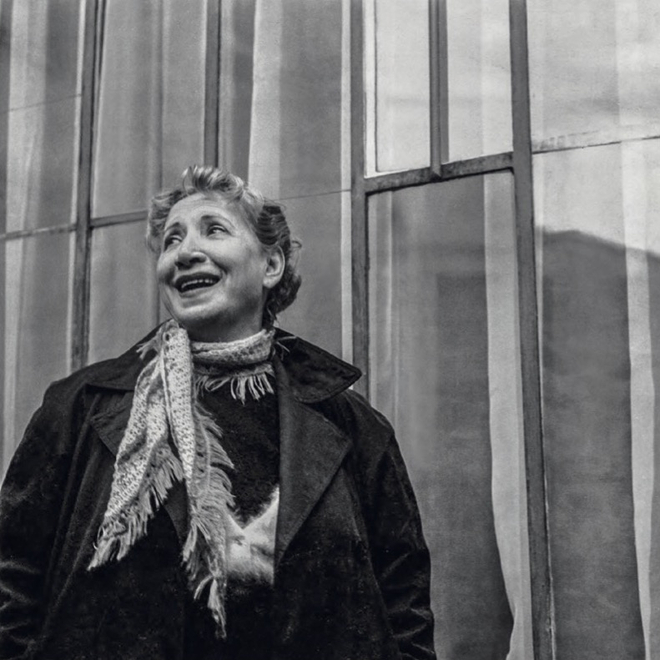
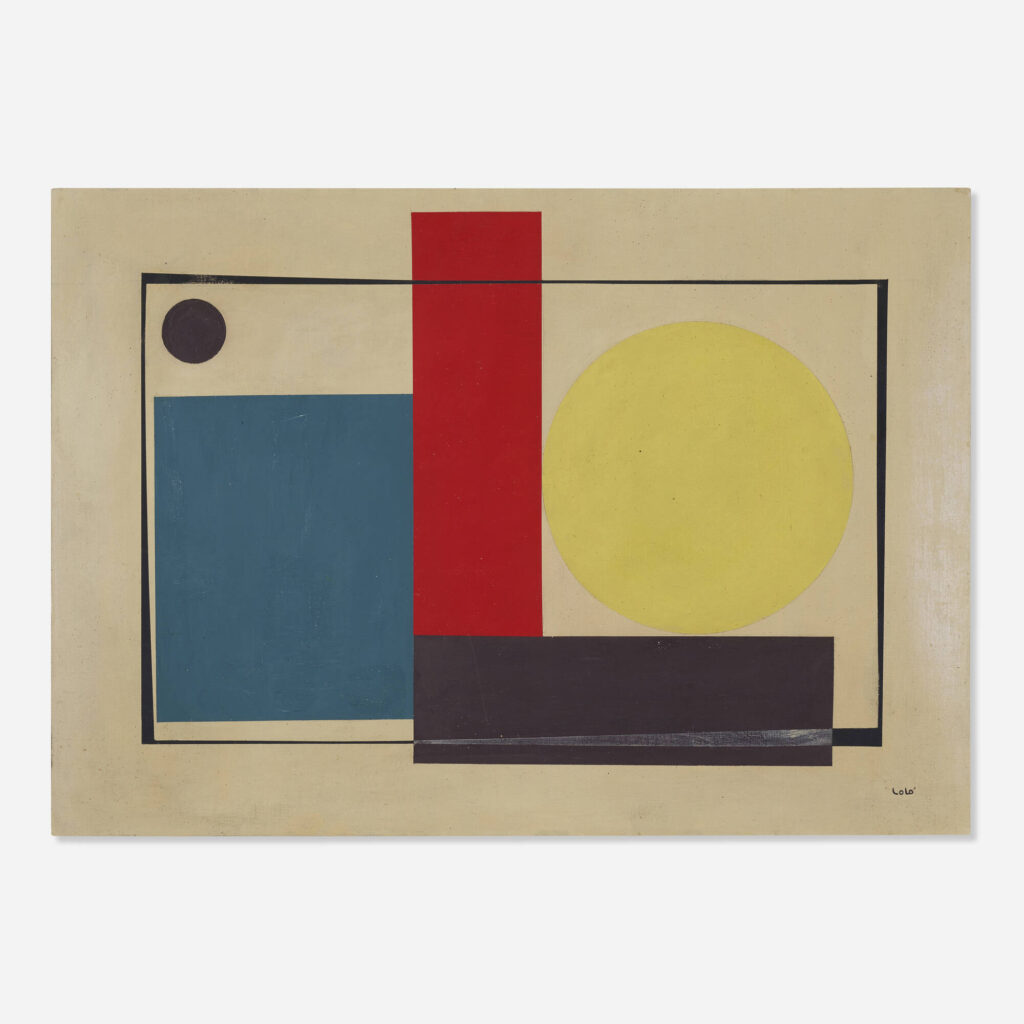
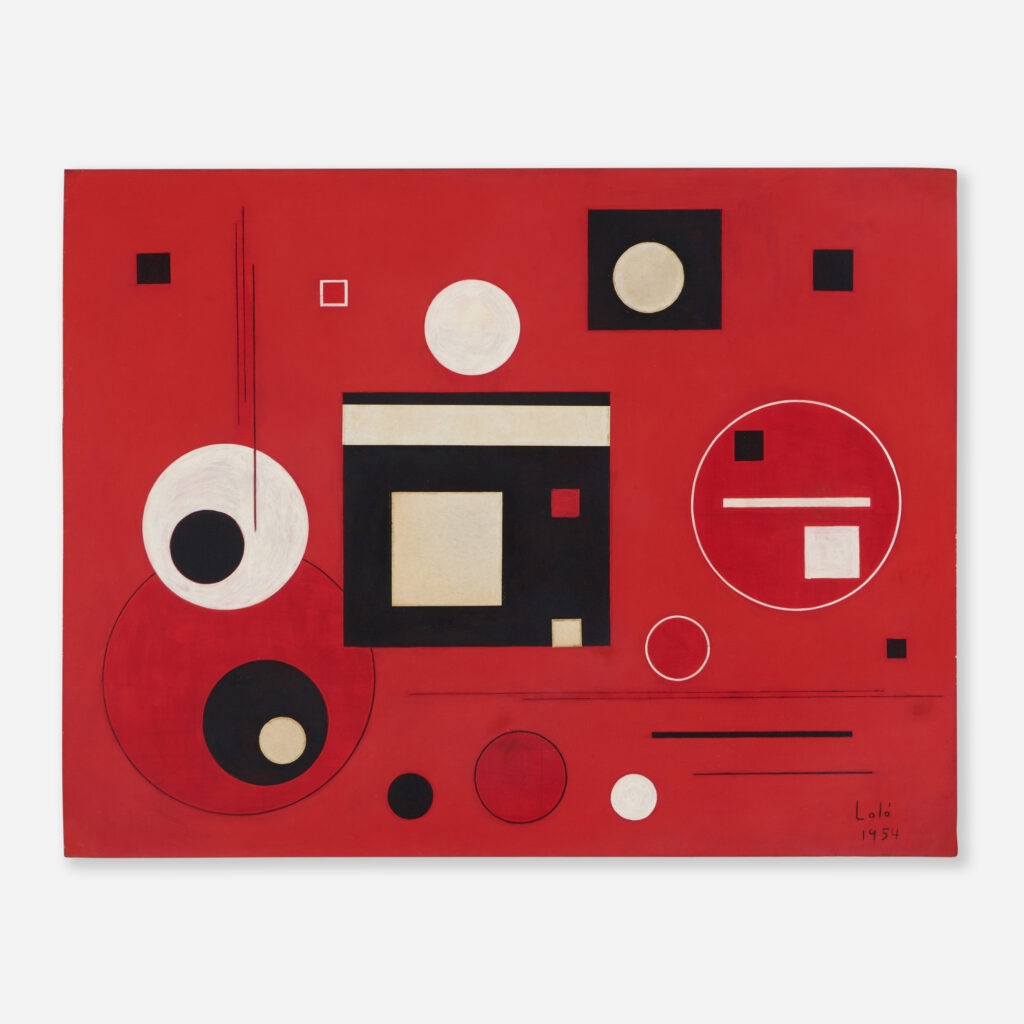
Loló Soldevilla, born Dolores Soldevilla Nieto, was a Cuban painter, sculptor, draftsman, and printmaker, and one of the key figures of geometric abstraction and kinetic art in Latin America. She began painting in 1948 and studied sculpture at the Académie de la Grande Chaumière in Paris. There, she immersed herself in the Parisian avant-garde, forming ties with artists like Eusebio Sempere and participating in influential exhibitions, including at Realités Nouvelles.

Loló Soldevilla

Returning to Cuba in the mid-1950s, Soldevilla played a pivotal role in introducing abstract trends to the island. She co-founded the Color-Luz Gallery and joined the group Diez Pintores Concretos, becoming a central figure in the Cuban abstract movement. Her work is known for its vibrant exploration of color, form, and light—often incorporating artificial illumination in her reliefs.

Beyond her artistic practice, she was a cultural promoter, educator, toy designer, journalist, and art critic. She authored literary and critical works such as Ir, venir, volver a ir and El farol.

Loló Soldevilla

Posthumously, Soldevilla’s legacy has continued to grow, with major retrospectives and international exhibitions, including Cuba: Art and History from 1868 to Today (Montreal Museum of Fine Arts, 2008), affirming her role as a pioneer of Latin American modernism.

The Artistry of Fiber in Miami

Miami Artistry of Fiber

The Artistry of Fiber in Miami, FL

Miami pulses with color, texture, and cultural fusion—a city where Latin American heritage, Caribbean vibrancy, and international cosmopolitanism converge. Within this dynamic cultural landscape, fiber arts thrive in unexpected and exciting ways, reflecting the city’s unique identity while connecting to ancient textile traditions from around the world. From museum galleries to artist studios, from Little Havana to Wynwood, Miami’s fiber art scene weaves together the city’s multicultural tapestry into something distinctly its own.

A City Woven from Many Threads

Miami’s population represents a remarkable confluence of cultures, with strong roots in Cuba, Haiti, Colombia, Venezuela, Brazil, and beyond. Each community brings its own textile traditions, creating a rich ecosystem where fiber arts serve as both cultural preservation and contemporary innovation.

Walk through Little Havana and you might encounter traditional Cuban embroidery techniques passed down through generations. Visit Little Haiti and discover vibrant Haitian drapo Vodou flags, intricate beaded and sequined textiles that blur the line between religious object and fine art. In Coral Gables, galleries showcase Latin American textile art that ranges from pre-Columbian-inspired weavings to cutting-edge fiber installations.

This cultural diversity means that Miami’s fiber art scene isn’t monolithic—it’s a conversation between traditions, a place where a Venezuelan artist might collaborate with a Bahamian quilter, where Peruvian weaving techniques influence contemporary wall hangings, and where the color palette of the Caribbean informs every creative choice.

Institutions Championing Fiber Art

Miami’s museums and cultural institutions have increasingly recognized fiber arts as essential to understanding both historical and contemporary art. The Pérez Art Museum Miami (PAMM) regularly features textile works in its collection and exhibitions, showcasing how fiber arts intersect with questions of identity, migration, and cultural memory—themes that resonate deeply in Miami’s immigrant communities.

The museum has exhibited works by artists who use textiles to explore diaspora, displacement, and belonging—subjects that speak directly to Miami’s experience as a city of newcomers and exiles. From Haitian flag makers to contemporary artists using thread to map migration routes, these exhibitions demonstrate how fiber arts can carry profound political and personal meanings.

The Bass Museum of Art in Miami Beach has also showcased textile installations that transform gallery spaces, inviting viewers to experience fiber art as immersive environment rather than merely decorative object. These institutional commitments signal a broader recognition that in a city like Miami—where so many cultures meet—textile arts offer unique insights into the human experience.

The Climate Factor: Tropical Fiber Arts

Miami’s tropical climate influences its fiber arts in distinctive ways. The heat and humidity require different approaches to materials and display than you’d find in temperate regions. Artists working in Miami must consider how natural fibers respond to moisture, how to prevent mold and deterioration, and how to create works that breathe in the subtropical environment.

This has led to innovative material choices. Some artists incorporate synthetic fibers that withstand humidity better than natural materials. Others embrace the climate, using techniques like natural indigo dyeing that thrive in warm, outdoor conditions. The outdoor art scene—including Art Basel Miami Beach and various street art festivals—has inspired fiber artists to create weather-resistant installations that can survive Miami’s intense sun and sudden rainstorms.

The color palette of Miami fiber art often reflects the environment: the turquoise of Biscayne Bay, the hot pinks and oranges of bougainvillea, the deep greens of tropical foliage, the brilliant whites of Art Deco architecture against azure skies. These colors appear again and again in Miami textiles, creating a regional aesthetic that’s immediately recognizable.

Wynwood and the Contemporary Scene

The Wynwood Arts District, famous for its street art and murals, has also become home to a vibrant community of fiber artists who push boundaries and challenge conventions. Here, textile art intersects with street culture, fashion, and contemporary art movements.

Artists in Wynwood create large-scale fiber installations, yarn bombing projects that soften urban landscapes, and textile works that incorporate found materials from Miami’s streets and beaches. The neighborhood’s warehouse spaces provide room for ambitious projects—massive weavings that stretch twenty feet high, intricate macramé installations that transform entire rooms, textile sculptures that engage with Miami’s architecture and light.

The annual Art Basel Miami Beach brings international fiber artists to the city, creating dialogue between Miami’s local practitioners and global trends. These encounters spark collaborations and inspire new directions, ensuring that Miami’s fiber art scene remains connected to worldwide conversations while maintaining its distinctive local flavor.

The Craft Community: Makers and Markets

Beyond gallery walls, Miami’s fiber arts thrive in a robust craft community. Local markets, pop-up shops, and craft fairs showcase the work of weavers, embroiderers, quilters, and textile designers who create everything from wearable art to home textiles.

The Coconut Grove Farmers Market, various art walks, and specialty craft fairs provide venues for fiber artists to connect directly with collectors and enthusiasts. These spaces democratize access to fiber art, making it available to people who might never visit a museum or high-end gallery.

Miami’s fashion industry also intersects with fiber arts. The city’s position as a Latin American fashion capital means that textile design informs clothing, accessories, and fashion-forward fiber art. Some artists move fluidly between creating gallery pieces and designing fabrics for Miami’s vibrant fashion scene, breaking down artificial barriers between art, craft, and design.

Education and Transmission

Several organizations and schools in Miami offer fiber arts education, ensuring that traditional techniques survive while encouraging innovation. Community centers in Little Haiti teach Haitian flag-making to younger generations. Cultural organizations in Little Havana preserve Cuban embroidery and lace-making traditions. Art schools incorporate contemporary fiber arts into their curricula, teaching students to see thread and fabric as legitimate artistic mediums.

These educational efforts matter deeply in a city where many cultural traditions exist in diaspora, separated from their original contexts. Fiber arts classes become spaces of cultural continuity, where knowledge passes from elder to youth, where languages and stories are shared alongside stitches and knots, where identity itself is woven and rewoven.

Public Art in Fiber

Miami has embraced fiber-based public art in ways that transform urban spaces. Yarn bombing projects add color and softness to concrete and steel. Textile installations in public parks invite interaction and play. Community weaving projects—where residents contribute to collaborative textile works—create art that belongs to everyone, reflecting collective identity rather than individual vision.

These public fiber art projects often address social issues. Artists have created quilts commemorating victims of violence, woven installations highlighting environmental concerns, and collaborative textiles celebrating Miami’s diversity. The accessibility of fiber techniques means that community members can participate directly in creating public art, making the artistic process as important as the finished work.

The Collector’s Market

Miami’s position as an international art market hub has benefited fiber artists. Collectors who come to Art Basel and other events discover textile works alongside paintings and sculptures. Interior designers seeking statement pieces for Miami’s luxury condos and hotels commission custom fiber art that complements Florida’s aesthetic while offering the warmth and texture that hard surfaces lack.

The city’s design district showcases high-end textiles from around the world—Moroccan rugs, Colombian textiles, Brazilian fiber art—educating Miami’s affluent collectors about fiber arts’ global scope while supporting artists who work in these mediums. This commercial success helps sustain artists and validates fiber arts as investment-worthy, not merely decorative afterthoughts.

Looking Forward: The Future of Fiber in Miami

Miami’s fiber art scene continues to evolve, shaped by the city’s ongoing demographic changes, its response to climate challenges, and its position at the crossroads of the Americas. Young artists are combining traditional techniques with new technologies, using digital design to plan weavings or incorporating LED lights into textile installations. Others respond to environmental concerns, creating works from recycled materials or addressing themes of ocean plastic pollution and habitat loss.

The city’s cultural institutions increasingly recognize that to tell Miami’s story, they must include the textile traditions that immigrants brought with them, the fiber arts that express identity when words fail, the weavings and stitchings that quite literally hold communities together.

Conclusion: Threading Miami’s Story

In Miami, fiber arts are never just about technique or aesthetics—they’re about survival, adaptation, and celebration. They carry memories of homelands left behind and dreams of new futures. They preserve ancestral knowledge while embracing innovation. They transform the city’s walls, fill its homes, adorn its bodies, and tell its stories.

The artistry of fiber in Miami reflects the city itself: colorful, resilient, woven from many sources into something new and vital. As long as people gather to create, to share techniques, to transform thread and fabric into meaning, Miami’s fiber arts will continue to thrive—a testament to the human need to make beauty, to connect past and present, and to weave individual threads into a stronger, more vibrant collective fabric.

In a city built by immigrants and refugees, by dreamers and survivors, every textile tells a story of journey and arrival, of loss and hope, of endings and beginnings. Miami’s fiber arts remind us that we are all woven together, that our individual threads gain strength and beauty when combined, and that the act of creation itself—patient, deliberate, transformative—offers a way to make sense of displacement, to claim space, and to say: we were here, we made this, we matter.

South Florida’s Got Talent with the Alhambra Orchestra

Alhambra Orchestra
Alhambra Orchestra

South Florida’s Got Talent: A Night of Rising Stars with the Alhambra Orchestra

Concert Features Concerto Winners & World Premiere by Young Composer

Time: 7:30 PM – 9:00 PM
Venue: Herbert and Nicole Wertheim School of Music & Performing Arts,
FIU Wertheim Performing Arts Center
10910 SW 17th Street, Miami, FL 33199
Tickets: $10 Adults | $5 Seniors & Students
Available at: alhambraorchestra.eventbrite.com

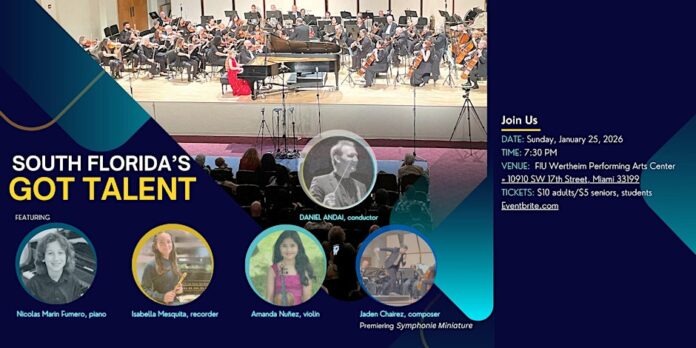
Miami, FL – January 25, 2026 — Join the Alhambra Orchestra for one of its most anticipated annual events, South Florida’s Got Talent, an unforgettable evening celebrating the region’s brightest young musicians. Taking place Sunday, January 25, 2026, at 7:30 PM at the FIU Wertheim Performing Arts Center, this vibrant program will spotlight the top three winners of the Concerto Competition and feature the world premiere of “Symphonie Miniature” by Jaden Chairez, the winner of the orchestra’s Composition Competition.

The evening opens with Mozart’s energetic Overture to The Marriage of Figaro, setting a joyful and refined tone. From there, audiences will be captivated by the extraordinary skill, passion, and artistry of the featured soloists, representing the next generation of classical talent in South Florida.

“This concert is always a highlight of our season,” says a representative of the Alhambra Orchestra. “It’s a chance to support young musicians and experience the future of classical music—today.”

EVENT DETAILS

Concert: South Florida’s Got Talent
Presented by: Alhambra Orchestra
Date: Sunday, January 25, 2026
Time: 7:30 PM – 9:00 PM
Venue: Herbert and Nicole Wertheim School of Music & Performing Arts,
FIU Wertheim Performing Arts Center
10910 SW 17th Street, Miami, FL 33199
Tickets: $10 Adults | $5 Seniors & Students
Available at: alhambraorchestra.eventbrite.com


Don’t miss this uplifting evening of youthful brilliance, world premieres, and timeless classics. Support the stars of tomorrow—today.


Alhambra Music, Inc.
5794 SW 40th Street, PMB 189
Miami, FL 33155
Phone: (305) 668-9260

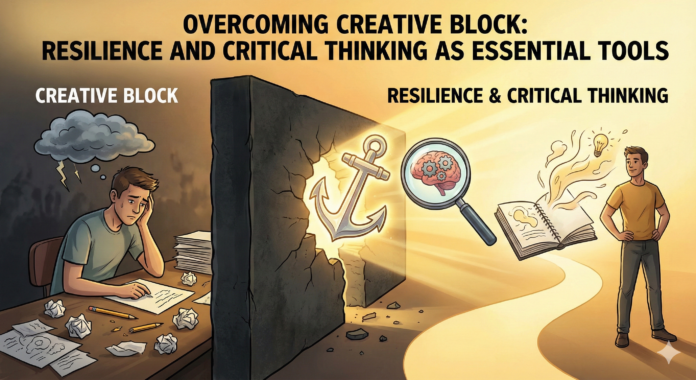
Overcoming Creative Block: Resilience and Critical Thinking as Essential Tools

Overcoming Creative Block: Resilience and Critical Thinking as Essential Tools

Overcoming Creative Block: Resilience and Critical Thinking as Essential Tools

This is a profound topic that moves beyond standard advice like “take a walk” or “try a new medium.” While those tactical shifts can help, true, persistent creative blocks are often rooted in deeper psychological and intellectual hurdles.

Framing the solution through the lenses of resilience (emotional stamina) and critical thinking (intellectual rigor) turns overcoming a block into a skill that can be developed, rather than a magical moment of inspiration you have to wait for.

Here is an exploration of how resilience and critical thinking serve as essential tools for overcoming creative block.

The Nature of the Beast: What is Creative Block?

Creative block is rarely a simple lack of ideas. More often, it is a complex cocktail of fear (of failure, of judgment), perfectionism, mental fatigue, or a lack of clarity about the project’s direction.

When blocked, the brain’s limbic system (responsible for fight-or-flight responses) often takes over, viewing the creative task as a threat. This shuts down the prefrontal cortex, where complex planning and idea generation happen.

To overcome this, we need tools that soothe the emotional brain (resilience) and re-engage the logical brain (critical thinking).

Tool 1: Resilience – The Emotional Engine

Resilience in creativity is not just about “toughing it out.” It is the capacity to recover quickly from difficulties; it is emotional elasticity. When blocked, resilience is what allows you to stay at the desk when every instinct is screaming at you to flee.

1. Decoupling Self-Worth from Output

The most paralyzing element of a creative block is the belief that “if I make something bad right now, I am bad.” This intense pressure makes starting impossible.

  • The Resilient Shift: Resilience allows an artist to recognize that a day of bad work is just a day of bad work. It is not a verdict on their talent or future. By accepting that failure is an inevitable part of the process, the stakes are lowered, making it easier to begin.

2. Tolerating Discomfort and Uncertainty

Creativity is inherently uncertain. You are bringing something new into existence, which means you don’t know if it will work. This uncertainty causes anxiety, which fuels blocks.

  • The Resilient Shift: Instead of trying to eliminate the anxiety, a resilient person learns to sit with it. They recognize that the feeling of “I don’t know what I’m doing” is actually a sign that they are doing real work, not just repeating past successes.

3. The “Bounce Back” Mechanism

Blocks often occur after a setback—a rejection, harsh feedback, or a project that flopped.

  • The Resilient Shift: Resilience is the speed at which you process that setback. Instead of spiraling for weeks, resilience helps you acknowledge the pain, learn what you can, and return to the work. It turns a full stop into a comma.

Tool 2: Critical Thinking – The Intellectual Navigator

If resilience provides the fuel to keep going, critical thinking provides the steering wheel. Often, a block isn’t emotional; it’s structural. You are blocked because you don’t know how to solve the problem in front of you.

Critical thinking is the ability to step back from the work, detach from it emotionally, and analyze it objectively.

1. Diagnosing the Problem (The “Why”)

When blocked, we often generalize: “I’m stuck. I can’t do this.”

  • The Critical Shift: Critical thinking demands specificity. It asks: Why am I stuck? Is the scope too big? Do I lack a necessary technical skill? Is the concept flawed at its core? By interrogating the block itself, you transform a vague, overwhelming feeling into a concrete set of problems to be solved.

2. Breaking Down Overwhelm

A massive project often causes a freeze response because the brain cannot compute the entire path to the finish line.

  • The Critical Shift: Critical thinking allows you to deconstruct the whole into manageable parts. Instead of trying to “write a novel,” critical thinking suggests, “Today, I only need to figure out why the protagonist walks into that room.” It turns a mountain into a series of climbable steps.

3. Objective Evaluation vs. Inner Critic

The “inner critic” is an emotional bully that says, “This is garbage.” The critical thinker is an objective editor that says, “This paragraph isn’t working because the transition is abrupt.”

  • The Critical Shift: When you apply critical thinking, you stop judging the work morally (good/bad) and start evaluating it functionally (working/not working). This reduces the emotional sting and provides a clear path for revision. It allows you to run strategic experiments rather than flailing randomly hoping for inspiration.

Synthesis: How They Work Together

Resilience and Critical Thinking are most effective when used in tandem. One without the other is insufficient for long-term creative health.

  • Resilience without Critical Thinking leads to burnout. You keep banging your head against the wall, showing up every day, but you never step back to analyze why the wall isn’t breaking. You have stamina, but no strategy.
  • Critical Thinking without Resilience leads to paralysis by analysis. You can perfectly diagnose every flaw in your work and every reason why it might fail, but you lack the emotional courage to push through that knowledge and create anyway.

The Synergistic Approach to a Block:

When you hit a wall, the process should look like this:

  1. Activate Resilience: Acknowledge the frustration without judgment. Tell yourself, “This feels terrible, and that’s okay. I can handle this discomfort. I will not quit today.”
  2. Activate Critical Thinking: Step back from the canvas/page/screen. Ask, “What is the specific friction point? Is it the concept, the execution, or my energy levels? What is the smallest possible problem I can solve right now?”
  3. Execute: Use the small solution identified by critical thinking, supported by the emotional stamina provided by resilience.

By cultivating these two traits, we stop viewing creative blocks as insurmountable failures of talent, and instead see them as inevitable, manageable parts of the creative process that require specific intellectual and emotional tools to navigate.

Page 40 of 284
1 38 39 40 41 42 284