

Ferreira Gullar
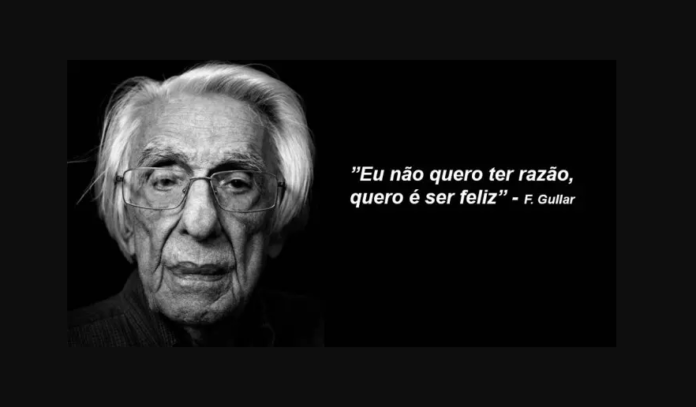
Poemas de Ferreira Gullar
José Ribamar Ferreira nació en São Luís, Maranhão, el 10 de septiembre de 1930 y falleció en Río de Janeiro en 2016: fue poeta, dramaturgo, ensayista, cronista y crítico de arte, conocido bajo el seudónimo de Ferreira Gullar.
“Su poesía evoca con extraordinaria intensidad y maestría poética las horas vitales de una biografía que se va construyendo a medida que se cuenta”. Tomados de la edición bilingüe de Corregidor de Poema sucio / En el vértigo del día, al cuidado de Paloma Vidal y Mario Cámara.
UNA VOZ
Su voz cuando canta
me recuerda un pájaro pero
no un pájaro cantando:
me recuerda un pájaro volando.
Una parte de mí
es todo el mundo:
otra parte es nadie:
fondo sin fondo.
Una parte de mí
es multitud:
otra parte extrañeza
y soledad.
Una parte de mí
pesa, pondera:
otra parte
delira.
Una parte de mí
almuerza y cena:
otra parte
se espanta.
Una parte de mí
es permanente:
otra parte
se sabe de repente.
Una parte de mí
es sólo vértigo:
otra parte,
lenguaje.
Traducir una parte
en la otra parte
-que es una cuestión
de vida o muerte –
¿será arte?
Paseo en Lima
Bajo este árbol
siento en la cara el calor
de sus flores coloradas (como
si dentro de un relámpago
Podrían ser de trapo
estas flores, podía
ser de tela este
fulgor vegetal-
que es la misma materia de la flor,
de la palabra
y de la alegría en el corazón del hombre.
LA ALEGRÍA
El sufrimiento no tiene
ningún valor.
No enciende un halo
alrededor de tu cabeza, no
ilumina ningún trecho
de tu carne oscura
(ni aún lo que iluminaría
el recuerdo o la ilusión
de una alegría).
Sufrís vos, sufre
un perro herido, un insecto
que el insecticida envenena.
¿Será mayor tu dolor
que el de ese gato que viste
la columna rota a palos
arrastrándose y a los gritos por el desaguadero
sin ni siquiera poder morir?
La justicia es moral, la injusticia
no. El dolor
te iguala a ratas y cucarachas
que también dentro de las cloacas
espían el sol
y en su cuerpo repugnante de entre las heces
quieren estar contentas.
Ovni
Soy una cosa entre las cosas
El espejo me refleja
Yo (mis
ojos)
reflejo el espejo
Si me aparto un paso
el espejo me olvida:
-refleja la pared
la ventana abierta
Yo guardo el espejo
el espejo no me guarda
(yo guardo el espejo
la ventana la pared
rosa
yo me guardo a mí mismo
reflejado en él):
soy posiblemente
una cosa donde el tiempo
tuvo un error
Aprendido
Del mismo modo que te abriste a la alegría
ábrete ahora al sufrimiento
que es el fruto de ella
y su contrario ardiente
Del mismo modo
que de la alegría fuiste
al fondo
y te perdiste en ella
te hallaste
en esa pérdida
deja que el dolor se ejerza ahora
sin mentiras
ni disculpas
y en tu carne se vaporice
toda ilusión
que la vida sólo consume
lo que la alimenta.
Las peras
Las peras, en el plato,
se pudren.
El reloj, sobre ellas,
mide
su muerte?
Paremos el péndulo. De-
tendríamos, así, la
muerte de las frutas?
Ah si las peras se cansaran
de sus formas y de
su dulzura! Las peras,
concluídas, se gastan en el
fulgor de estar listas
para nada.
El reloj
no mide. Trabaja
en el vacío: su voz se desliza
fuera de los cuerpos.
Todo es cansancio
de sí. Las peras se consumen
en su sosiego
dorado. Las flores, en el cantero
diario, arden,
arden, en azules y rojos. Todo
se desliza y está solo.
El día
común, día de todos, es la
distancia entre las cosas.
Pero el día del gato, el felino
y sin palabras
día del gato que pasa entre los muebles
es pasar. No entre los muebles. Pa-
sar como yo
paso: entre nada.
El día de las peras
es su putrefacción.
Es tranquilo el día
de las peras? Ellas
no gritan, como
el gallo.
Gritar
para qué? si el canto
es apenas un arco
efímero fuera del
corazón?
Sería preciso que
el canto no cesara
nunca. No por el
canto (canto que los
hombres oyen) sino
porque can-
tando el gallo
no tiene muerte.
Canción para no morir
Cuando te vayas,
muchacha blanca, como la nieve,
llévame.
Si acaso no puedes
cargarme de la mano,
niña blanca de nieve,
llevame en el corazón.
Si en el corazón no puedes
acaso llevarme,
muchacha de sueño y de nieve,
llévame en tu recuerdo.
Y si allí tampoco puedes
por tanta cosa que lleves
conmovida en tu pensamiento
niña blanca de nieve
llévame en el olvido.
SUBVERSIVA
La poesía
cuando llega
no respeta nada.
Ni padre ni madre.
Cuando llega
de cualquiera de sus abismos
desconoce el Estado y la Sociedad Civil
infringe el Código de Aguas
relincha
como puta
nueva
frente al Palacio de la Alvorada
Y solo después
reconsidera: besa
en los ojos de los que ganan mal
acuna en brazos
a los que tienen sed de felicidad
y de justicia
Y promete incendiar el país.
Poesía concreta

Poesía concreta es un género de la poesía. En este género, lo visual y espacial tienen el mismo nivel de importancia que la rima y el ritmo en la poesía lírica. Los inicios históricos de la poesía concreta se hallan en los años 1930 cuando se acuñó el término “concreto” como apellido para esta escuela. Como plan estético, el concretismo fue un impulso ideológico importante en el desarrollo de las artes en la mitad del siglo XX y no sólo en la poesía. Se centra en un objetivo lógico y natural.
Autores
España: Joan Brossa, Juan Eduardo Cirlot, Fernando Millán, Josep Maria Junoy, Ernesto Giménez Caballero, Gustavo Vega, Juan Hidalgo, José Luis Castillejo, Cooperativa de Producción Artística y Artesana, Felipe Boso, Francisco Pino, Guillem Viladot, Isidoro Valcárcel Medina, Ulises Carrión, José-Miguel Ullán, Ángel Sánchez, Antonio Gómez, Francisco Peralto, Bartolomé Ferrando, J. M. Calleja, Eduardo Scala, Carles Santos, José-Carlos Beltrán, Fátima Miranda, Eduard Escoffet, Rafael Peralto, Toni Prat, J. Brustenga-Etxauri, Edu Barbero, Ibírico, César Reglero, Francisco Aliseda, Xavier Canals, Isabel Jover, Carmen Peralto, Rafael Marín, Antonio Orihuela, J. Ricart, Josep Sou, Miguel Jiménez, Nieves Salvador, Agustín Calvo Galán, José Luis Campal, Sergi Quiñonero, Alain Arias-Misson entre otros.
Argentina: Edgardo Antonio Vigo, Silvio de Gracia, Juan Carlos Romero, Ruben Mario Tani, Gladys Afamado, Susana Fernández Sachaos, Laura Andreoni, María Rosa Andreotti, Alejandra Bocquel, Roberto Cignoni, Claudia del Río, Lilian Escobar, Rosa Farfán, Fernando Fazzolari, Paula Ferraresi, Ariel Gangi, León Ferrari, Adolfo Nigro, Ruben Grau, Hilda Paz, Luis Pazos/Horacio D´Alessandro, Víctor F. Sitá, Javier Ildefonso Sobrino, Alejandro Thornton, Roxana Villarino, Mauro Cesari.
Chile: Martín Gubbins, Felipe Cussen, Kurt Folch, Sergio Pinto Briones, Carlos Cociña.
Italia: Carlo Belloli, Maurizio Nannucci, Franco Vaccari, Mario Diacono, Adriano Spatola, Arrigo Lora Totino
Bélgica: Paul Van Ostaijen, Paul de Vree, Mark Insingel, Renaat Ramon, Guy Bleus, Adriaan de Roover
Uruguay: Clemente Padín, Juan Ángel Italiano, Julio Campal, Luis Camnitzer, Eduardo Milán.
Perú: Henrich Helberg, Manongo Mujica, Carlos Zuñiga, Roger Contreras, José Luis Ayala.
Martín Litwak presenta el libro “Paraísos fiscales e infiernos tributarios”


Martín Litwak presenta el libro “Paraísos fiscales e infiernos tributarios”
Martín Litwak es un abogado argentino, afincado en Miami, especializado en planificación patrimonial internacional y estructuración de fondos de inversión. Es fundador de Untitled, un estudio de abogados “boutique” y el primer Legal Family Office de las Américas, y actualmente se desempeña como CEO de la firma.
Presenta su segundo libro, “Paraísos fiscales e infiernos tributarios: una mirada diferente sobre las jurisdicciones offshore y la competencia fiscal”, sobre cuestiones tributarias y de fiscalidad internacional en la que aborda temas como la competencia fiscal entre países; el uso de jurisdicciones de baja o nula tributación; y la permanente tensión que existe entre individuos y gobiernos por temas tributarios. El flamante libro trata también el tema de la planificación patrimonial internacional e incluye reflexiones del autor sobre cuestiones novedosas, como el cobro de impuestos a plataformas digitales; las criptomonedas; o el uso de robots. En 2018 Litwak había publicado su primera obra, “Cómo protegen sus activos los más ricos y por qué deberíamos imitarlos”, que es una desmitificación de las llamadas jurisdicciones offshore, también conocidas como “paraísos fiscales”, y al mismo tiempo una guía práctica de opciones para la eficiente estructuración de patrimonios. Litwak obtuvo su título de abogado en la Universidad de Buenos Aires (Argentina, 1998) y su Maestría en Finanzas en la Universidad del CEMA (Argentina, 2000). Su práctica profesional también fue habilitada en Inglaterra & Gales, y en las Islas Vírgenes Británicas.
GEAN MORENO
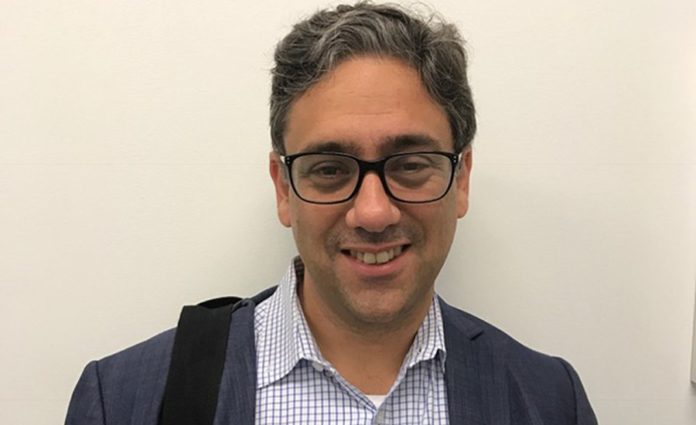
GEAN MORENO
Curator of Programs at ICA Miami
Born/raised in Colombia, Lives/works in Miami, FL. Moreno is currently Curator of Programs at ICA Miami, where he established and runs the Art + Research Center. He was on the Advisory Committee for the 2017 Whitney Biennial, and serves on the editorial and advisory committees of several publications and foundations. He is the founder and current co-director of [NAME] Publications, a press dedicated to art and designtheory. His texts have appeared in numerous catalogues and anthologies, and he has written for various publications, including e-flux journal, Art in America, Kaleidoscope, and MONU— Magazine for Urbanism. His most recent book, Notes sur la maison moire, co-authored with Ernesto Oroza, was published in French by Cite Du Design, in conjunction with the Biennale Internationale Design Saint-Etienne.
Gean Moreno is currently Curator of Programs at ICA Miami, where he established and runs the Art + Research Center. He was on the Advisory Committee for the 2017 Whitney Biennial, and serves on the editorial and advisory committees of several publications and foundations. He is the founder and current co-director of [NAME] Publications, a press dedicated to art and design theory. His texts have appeared in numerous catalogues and anthologies, and he has written for various publications, including e-flux journal, Art in America, Kaleidoscope, and MONU—Magazine for Urbanism. His most recent book, Notes sur la maison moire, co-authored with Ernesto Oroza, was published in French by Cite Du Design, in conjunction with the Biennale Internationale Design Saint-Etienne.
CONTRIBUTION TO THE FUNAMBULIST MAGAZINE:
– “Podcast Transcripts: A Global System of Objects” (with Ernesto Oroza), in The Funambulist 6 (Jul-Aug 2016) Object Politics.
PODCAST CONVERSATIONS:
– A Political & Philosophical Reading of the Systems of Objects (recorded on April 4, 2014)
Source: https://thefunambulist.net/contributors/gean-moreno
There are few people more in touch with the Miami art scene than Gean Moreno. The writer and artist is a veteran of Miami’s vangard, most recently becoming the Institute of Contemporary Art’s curator of programs. Before joining the ICA, Moreno worked as the artistic directer the Miami art nonprofit Cannonball, where he hosted artists-in-residence like Dawn Kasper, Molly Zuckerman-Hartung, and Mary Mattingly, and programmed a educational courses like “Art in the Age of Technological Ressurrection” taught by Anton Vidokle. Before serving Cannonball, Moreno was the programming director at Locust Projects, a not for profit exhibition space in Miami’s Design District.
Source: https://www.artspace.com/magazine/contributors/picks/ica-curator-and-critic-gean-morenos-favorite-works-from-nada-miami-beach-2016-54382
Cover photo: artspace.com
IDEAS PARA ARTISTAS QUE QUIERAN EXPONER EN MIAMI

Comenzamos con una propuesta muy innovadora para artistas que deseen exponer en Miami.
CREAMOS UNA FORMA MUY INNOVADORA DE EXPONER EN EL SUR DE LA FLORIDA
Si eres artista en Sudamérica y mostrar tu arte fuera de tu país.
Nuestro consejo siempre fue no pagar por exponer, no equivocarse, no pensar que por venir y que te vean la cara en las galerías vas a acabar exponiendo como si nunca hubieran visto un artista en persona.
Ahora, en estos comienzos de 2021 queremos empezar el año mejor que nunca: creando un nuevo proyecto. Para ello, vamos a seleccionar a un grupo de artistas que pueden estar en cualquier país del mundo y vamos a iniciar la experiencia piloto durante un año. Si todo el mundo queda satisfecho, podremos continuar.
10 formas de desbloquear el poder de tu creatividad para crear mejor obras de arte

10 formas de desbloquear el poder creativo para crear mejor obras de arte.
Para todos los que hemos tomado como nuestra bandera a la Creatividad
¿Qué es el poder creativo?
Un hecho conocido sobre los humanos es que, si bien nuestro cerebro es increíblemente poderoso, las personas solo utilizan una fracción de su potencial. La razón por la que hacemos eso se debe a dos cosas:

Nuestro cerebro está constantemente bombardeado con información para mantenerse al día.
Y nuestra mente subconsciente.
De hecho, nuestro cerebro es capaz de almacenar grandes cantidades de información, pero nuestra mente delega esta tarea en nuestra mente subconsciente. Por ejemplo, toda la información que obtenemos de nuestros sentidos se traslada a nuestra mente subconsciente.

Por qué lo hace, nuevamente, nuestro cerebro explotaría si tuviera que revisar y procesar cada detalle por sí solo.

Pero al mismo tiempo, el funcionamiento actual de nuestro cerebro suele ser la gran barrera a la que se enfrentan las personas al desbloquear el poder de su mente. En esencia, acceder a nuestra mente subconsciente es usar el poder de nuestra mente y lo que es.

Una habilidad. Una definición simple es que la creatividad es la capacidad de imaginar o inventar algo nuevo. Como veremos en la obra de Betancourt más adelante, la creatividad no es la capacidad de crear de la nada, pero la
capacidad de generar nuevas ideas mediante la combinación, cambiar o volver a aplicar las ideas existentes.Algunas ideas creativas son sorprendentes y brillantes, mientras que otros son sólo, bueno, ideas prácticas simples que nadie parece haber pensado todavía. Lo creamos o no, todo el mundo tiene la capacidad creativa considerable. Basta con mirar cómo los niños son creativos.En los adultos, la creatividad con demasiada frecuencia ha sido suprimida mediante la
educación, pero todavía está allí y puede ser vuelto a despertar este es la parte de la propuesta de este libro. A menudo, todo lo que se necesita para ser creativo es
hacer un compromiso con la creatividad y tomar el tiempo para ello.
Una Actitud. La creatividad es también una actitud: la capacidad de aceptar el cambio y la novedad, la disposición a jugar con las ideas y posibilidades, una flexibilidad de perspectiva, el hábito de disfrutar del trabajo, mientras se busca la manera de mejorarlo. Estamos socializados para aceptar sólo un pequeño número de cosas permitidas o normales.

¿Cómo funciona tu poder creativo? Desbloquear el poder de nuestra creatividad se reduce a comprender cómo funciona nuestra mente subconsciente. Ya sea que busquemos ser creativos o exitosos en áreas de nuestra vida, necesitaremos la ayuda de nuestra mente subconsciente. Y para aprovechar eso, la mejor manera es ver nuestra mente subconsciente como un mono salvaje. La gente ha hecho esa comparación en el pasado y el argumento tiene sentido. [1] El mono salvaje es un animal que no se cansa fácilmente. Después de todo, se trata como la columna vertebral de nuestras mentes. Necesita tanta energía como sea posible. También nos trae información aleatoria. Es por eso que solo obtenemos información vital cuando la necesitamos. Pero el aspecto más importante es que nuestra mente subconsciente puede brindarnos muchas oportunidades para que tengamos éxito y crezcamos. Todo lo que necesitamos hacer es tener un propósito en mente.
10 formas de usar el poder creativo
Entonces, ¿qué podemos hacer para llevarnos bien con nuestro mono salvaje? ¿Cómo podemos desbloquear nuestro poder mental y tener más oportunidades y crecimiento?

Mi teoría es nutrir a este mono salvaje, pero también buscar otras tácticas para hacer crecer nuestra mentalidad.

Para aquellos que buscan desbloquear su poder mental, aquí hay algunas estrategias que les sugiero:

1. Sea consciente de lo que está metiendo en su cabeza El primer paso para desbloquear el poder de su mente es eliminar los pensamientos que tienen emociones negativas. Esto significa eliminar el diálogo interno negativo y dejar de lado el miedo. Este es un paso importante ya que estos destruyen su sistema de creencias actual. Si bien es posible que no sea alguien de fe, hay ciertas cosas en las que cree. ¿Qué crees de tu trabajo? Si lo encuentra aburrido, su mente creerá y le hará sentir y actuar sobre esas emociones. ¿Qué tal la relación que tienes con tus hijos, familiares, pareja o compañeros de trabajo? Esas creencias se filtrarán en cómo tratas a quienes te rodean. ¿Qué opinas de tu vida en general? Esa creencia influirá en cómo ve su vida. Esos son ejemplos, pero también se aplican a otros aspectos de la vida. Así que asegúrese de no albergar miedo ni de ver esos aspectos de forma negativa.
2. Trabaja en el deseo
Mientras que nuestra mente subconsciente actúa sobre la negatividad, también actuará sobre la positividad. En particular, se alimenta del deseo transmitido. Una vez más, el poder de nuestra mente debe tener un objetivo en mente y, si ese objetivo está alimentado por el deseo, nuestra mente lo impulsará.Lo sabemos porque lo hemos visto una y otra vez. Los emprendedores que triunfan, los atletas que se convierten en el número uno y muchas otras personas exitosas lo lograron gracias a un profundo deseo.
Y lo mejor de todo es que podemos desbloquearlo a través de algunos métodos sencillos:
-Cuando aprenda algo, dedique más tiempo a dejar que la información se asimile. Si es de una sesión de capacitación, extienda la sesión por sí mismo y siga practicando.
-Configure su mente subconsciente para buscar oportunidades para utilizar la información para lograr sus objetivos.
-No tenga miedo de explorar y ampliar sus habilidades también en esa área.
Trabajo
La creatividad es sinónimo de esfuerzo, dedicación, trabajo y valor para apartarse de lo ya establecido. Son muy contados los casos, en la literatura científica, de personas muy creativas que no lleven sus hombros cargados de
todos sus anhelos creativos, la entrega total de días y noches al problema objeto de estudio.
Olvidan que la creatividad no se consigue sin esforzarse y trabajar duro. A la larga esta labor rendirá sus frutos.
Visualizar el futuro
El hombre y la mujer creativa siempre está visualizando el futuro, sin dejar de vivir el presente; en ocasiones a corto, mediano o largo plazo. Además tiene
proyectos para esas visualizaciones que a veces le llenan de vida sus años y también le permiten sobrepasar situaciones difíciles de la vida cotidiana, es decir, se convierten en el mejor medicamento autodesarrollador de su personalidad. Llenar de futuro nuestra vida es poblarla de sueños, proyectos e ideales a lograr, pero sobre todo de salud. Vivir una vida plena es no dejar que termine el día sin haber propiciado el crecimiento de un proyecto imposible, sin haber sido feliz al pensarlo, sin haber aumentado tus sueños al ver las multiples posibilidades de realizarlo, sin haber tenido el valor y coraje de comenzar a vivir y
luchar porque se realidad.
A partir de los alimentos imprimibles a los derechos de los robots, ciencia ficción y los hechos científicos son cada vez más difíciles de distinguir. Ambos comienzan con imágenes en el ojo de la mente. La visualización podría cambiar el futuro.
Imaginemos un momento en el futuro lleno de tecnologías "mágicas". Las granjas verticales, teletransporte de 3-D de alimentos imprimible, y la biotecnología avanzada erradicado el hambre en todo el mundo y la reversión de edad se ha convertido en posible, y la longevidad humana ha llegado a varios cientos de años. La automatización, la inteligencia artificial (IA), y la nueva era de los robots avanzados auto-replicantes han liberado a la humanidad de la idea
arcaica de trabajo. El "trabajo" palabra ha desaparecido del léxico humano.
Donde los seres humanos pasen su tiempo en la búsqueda de reinos superiores de la exploración artística, cognitivo y científica.
Imaginar un futuro en el que estamos bailando entre las estrellas. Esta futuro visualización que acabo de describir puede sonar a ciencia ficción para la mayoría de la gente, pero el hecho es, tecnólogos y científicos de todo el mundo en este momento están tratando de hacer estos futuros en una realidad.
Para algunos, la visualización que se ha descrito anteriormente puede sonar como una pesadilla distópica terrible, pero para otros, puede sonar como una verdadera utopía. Los gobiernos, filósofos y universidades debatirán estos escenarios durante años. El futuro comienza a formarse mediante la visualización de lo que queremos, lo que nos gusta, y lo que temer. Como dijo una vez el filósofo Alan Watts, "La tecnología es destructiva sólo en las manos de personas que no se dan cuenta de que son uno y el mismo proceso que el universo."
Hoy en día, la ciencia ficción y los hechos científicos son cada vez difíciles de distinguir. escritores de ciencia ficción casi juegan en el reino de la fantasía para estar por delante de nuestra ciencia actual. Cada nuevo título suena como una parodia o una broma de los inocentes. Entonces, ¿dónde surgen de estas futuras ideas? ¿Cuál es la conexión entre la visualización y el mundo material?
Podemos utilizar el poder de la visualización futuro de influir en nuestro futuro? ¿Por qué nos limitamos nuestra imaginación cuando ahora sabemos que laciencia ficción y la fantasía se están convirtiendo en realidades? El futuro se
construirá en la imaginación de la gente valiente que cree todo es posible. Me imagino que en un futuro próximo tendremos la posibilidad de grabar nuestras De la imaginación a la realidad en un abrir y cerrar de ojos. Este es el futuro.
Autoestima
La autoestima es vital para que se alcance la plena expresión de la creatividad. Es uno de los reguladores de la personalidad más importantes , pues involucra el valor o concepto acerca de uno mismo, lo que la persona piensa y
siente, y la imagen que tiene de sí misma. La autoestima está conformada por:
autoconocimiento, autoconcepto, autoevaluación, autoaceptación y autorrespeto.
Una buena autoestima implica vivir intensamente cada momento, además poseer entre sus valores la integridad, honestidad, responsabilidad, comprensión y compasión consigo misma. Cree en las cosas que piensa o hace. Cuando estamos ante la presencia de alguien así, nos irradia optimismo, deseos de realizar cosas y respeto por lo que hacemos.Cuando poseemos este tipo de autoestima al conocernos a nosotros mismos conocemos al otro, al aceptarnos, aceptamos a los demás, al apreciarse se puede valorar a los demás.

La autoestima alta o adecuada no es sinónimo de felicidad y éxito total, representa también momentos de infelicidad y de aprendizaje ante los fracasos; además, el reconocer sus propias limitaciones y convertirlas en fortalezas. Este
poder de la creatividad llamando autoestima tiene una serie de indicadores que se mencionan continuación:

-Conocer , respetar y expresar sus sentimientos permitiéndole a los demás expresarse con libertad.
-Apreciar y respetarse así mismo.
-Ser consciente de sus cambios adoptando y aceptando nuevos valores haciendo las innovaciones pertinentes.
-Recibir con satisfacción su trabajo , estudio o labor diaria ejecutándolo eficientemente y mejorando su desempeño.
-Autoevaluandose y evitando emitir juicios negativos sobre los demás.
-Ejecutar sus decisiones y disfrutar su éxito.
-Conocer y controlar sus respuestas.
-Reconocer sus errores y aprender de ellos.
-Maneja positivamente sus frustaciones y enojos, evitando respuestas hostiles que lastimen a los demás.
-Asumir sus responsabilidades y percibirlas como un vínculo de crecimiento.
-Fomentar con los demas relaciones sinceras y duraderas.
-Conocer sus derechos y obligaciones defendiéndolos y desarrollándolos.
-Experimentar una vida plena y de libertad, evita sentirse culpable y amenazar a los demás.
-Buscar actualizarse y aprender nuevas cosas para vivir de acuerdo con el presente.
-Estar orgulloso de sí mismo y de los demás.
-Confíar en sí mismo y en los demás.

3. Tenga las fuentes adecuadas
Un bloqueo común al que se enfrenta la gente es la falta de conocimiento.
A menudo, las personas saben que ciertas áreas son problemas en sus vidas, pero no saben por dónde empezar.
O tal vez de dónde obtienen su información no es la mejor fuente. Cualquiera que sea el caso, es importante que busquemos el conocimiento adecuado y que lo desafiemos también. La gente se conforma con leer un solo libro, leer un artículo o asistir a un seminario. Pero, ¿es cierto ese contenido?
El hecho de que una persona haya dicho algo no significa que sea automáticamente cierto. Como alguien que todavía está aprendiendo, es nuestro trabajo tomar la información al pie de la letra y resolverla.
¿Ha ejecutado esa información en su mente? ¿Tiene sentido? ¿La información se aplica a su situación específica? ¿Puedes usarlo? ¿Lo has probado?
Eso no quiere decir nunca buscar respuestas o rechazar todo, sino más bien sopesar la información y medirla.
4. Dese un impulso para aprender
Al alimentarse del punto anterior, su hambre de conocimiento y aprendizaje no debe ser pequeña. Pero no debería ser tan grande que solo esté aprendiendo y no solicitando.

Si bien es un acto de equilibrio, esta es una de las claves para desbloquear el poder de tu mente. Para hacerlo, considere cómo va a digerir la información:
Asegúrese de que lo que está leyendo sea algo que le apasione.
No solo eso, sino que al aplicar esa información, encuentre razones para entusiasmarse con ella. Asegúrese de que lo que está haciendo lo inspire.

Poder de la creatividad: el conocimiento
La creatividad y el conocimiento son un matrimonio. El individuo creativo se aproxima al conocimiento como alimento para despegar. A los distintos poderes que pueden aparecer entre conocimiento y creatividad les dedicaremos un espacio
Las personas creativas quieren saber cosas - todo tipo de cosas- sólo para conocerlas. El conocimiento no requiere una razón. La pregunta: "¿Por qué quiere saber eso?" Parece extraño para la persona creativa, que es probable que
responda, "Porque yo no sé la respuesta." El conocimiento es agradable y útil a menudo lleno de situaciones sorprendentes, extrañas e inesperadas. Por ejemplo,
una vez que estaba intentando reparar mí teléfono móvil que se me había caído en la calle, sin éxito aparente, cuando un espectador, que pasaba me preguntó
intrigado: "¿Sabe usted lo que está haciendo?" Le respondí con calma: "No, eso es por lo que estoy haciendo."
A continuación, el conocimiento, y especialmente el amplio, es necesario para que la creatividad florezca en toda su plenitud. Mucha creatividad surge de las variaciones de lo conocido o combinaciones de dos o más ideas conocidas. Las mejores ideas surgen de una mente bien equipada. Nada puede
venir de la nada. Además las personas creativas quieren saber por qué. ¿Cuáles son las razones detrás de las decisiones, problemas, soluciones, acontecimientos,
hechos, y así sucesivamente? ¿Por qué así y no de otra manera? Y por qué no probar esto o aquello?
Abundante conocimiento
Otro poder es la abundancia de conocimientos que el alumno necesita para resolver una tarea que el maestro requiere o viceversa. Ya sea la preparación de Múltiples respuestas,
Abundante conocimiento, Asombrarse, Contextualización, Conocimiento, un seminario, taller, tesis, monografía, entre otros; es fundamental que el alumno y educador estén lo más actualizados posible en cuanto a la información existente
con relación a dicha tarea, para no correr el riesgo de crear lo ya creado, y con el fin de que su trabajo sea cada día mejor.
Sin un conocimiento de la tarea a resolver será difícil apreciar cuáles serían los elementos prioritarios o relevantes para solucionarla. Recordemos que el conocimiento que se dispone en el mundo actual aumenta vertiginosamente cada segundo .No sólo existe más información, sino que mucho del conocimiento nuevo reemplaza, amplifica o hasta muestra como erróneo al anterior, nos encontramos con una constante inundación de nuevos descubrimientos, teorías, investigaciones, cambios de paradigmas o planteamientos de problemas de los cuales no debemos estar al margen si deseamos ser creativos. Estar bien informados requiere visitar con frecuencia bibliotecas, librerías y otras fuentes de consulta como Internet. Es necesario desarrollar una cultura de disfrute por estos centros de información y también exigir más a nuestra sociedad que dichas instituciones respondan en mayor medida a los intereses y necesidades de alumnos y profesores. Para algunos profesores un alumno ha aprendido cuando es capaz de repetir exactamente el contenido de la clase anterior. No obstante, esto conlleva la idea de que el conocimiento se encuentra muy separado del pensamiento. Por otra parte, los profesores que defienden una enseñanza no tradicional consideran que
la repetición no es el indicador más fiel del aprendizaje, ellos parten de una
relación dialéctica entre contenidos y pensamientos, es decir, uno no puede
pensar sin un contenido a través del cual hacerlo. Por supuesto, no todos los
contenidos son igualmente significativos y útiles.
Contextualización
El conocimiento se debe adquirir valorando la importancia del mismo para
el campo de aplicación, lo cual sucede si se imparte estableciendo una relación
directa con el trabajo que se realizará . Además se contextualiza el conocimiento
cuando los educadores logran poner en un contexto apropiado el conocimiento
.
37
37
que imparten, de acuerdo con las condiciones histórico – sociales en que
viven.Estos consideran que nuestra psique se da en, por y para un sistema de
actividades y comunicación donde cada alumno llega con una historia y cultura
que deben respetarse y enriquecerse.
Estrategias para aprender
Una persona educada según una concepción reflexiva y creativa de la
educación se enriquece de diferentes estrategias para emplear el conocimiento en
diferentes contextos. Además, es un cuestionador y un creyente cauteloso de las
verdades que aparecen a través de la voz del maestro o de los libros de texto, y
un constructor de puentes imaginarios para que transiten las ideas invisibles para
la mayoría y, en un momento determinado, se hagan visibles.
Valentía para enfrentarse al conocimiento inesperado
El maestro creativo tiene la valentía de convertir cada clase en una fiesta de la
experimentación, de modo que propicia la construcción mediada del conocimiento,
lleno de sorpresas y situaciones inesperadas, es decir, lleva a los alumnos no a
consumir el conocimiento sino a producirlo.
Múltiples respuestas
Nos han acostumbrado a lo largo de nuestra educación y fundamentalmente en
los exámenes a buscar una respuesta ante los problemas que se nos plantean,
por ejemplo, en los exámenes se pide “buscar la respuesta correcta”28Es
necesario buscar varias respuestas ante las situaciones desconocidas, para esto
es válida la combinación de ideas y orientaciones provenientes de diferentes
campos de pensamiento. Los educadores debemos evitar la actitud de poseer
siempre la respuesta correcta y pensar que cuando el alumno no responde
exactamente lo que deseamos es porque está equivocado. Además, es valioso
que cuando se formula una pregunta y un alumno la responde correctamente, se
pregunte al grupo si puede existir otra respuesta adecuada. Con esto último se
38
38
modela la actitud de que ante una pregunta pueden existir muchas respuestas
correctas, tantas como personas existen en el grupo.
Asombrarse
Uno de los poderes más importantes y al alcance de cualquier persona es la
capacidad de asombro. Tal sentido de asombro permite sorprenderse ante
cualquier pregunta cuestionadora o trabajo imaginativo que se realiza; ésta es una
actitud que se caracteriza por hacer ver los conocimientos insignificantes o ya muy
conocidos como algo extraordinario ante los ojos nuestros..
Los salones de clase deberían alimentarse con el asombro que, cuando
aparece en el alumno que está aprendiendo, implica un cuestionamiento profundo
y una mirada imaginativa a la información que se está edificando. El educador
debe provocar con más frecuencia que dicho asombro surja en el salón de clase,
para lo cual puede dar al alumno tareas para la casa cuya solución no pueda
encontrar a través de una simple explicación y que, como consecuencia de esto, el
estudiante se llene de preguntas e incógnitas a resolver.
My Complaint to AIRBNB
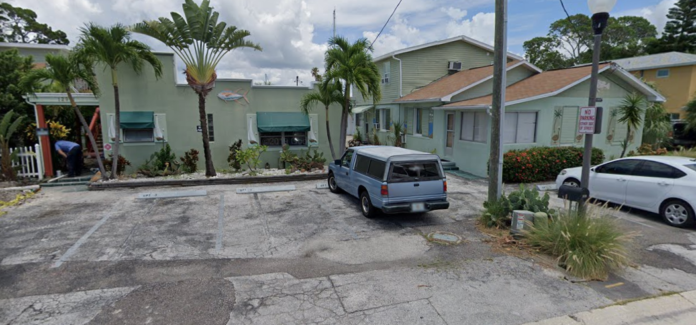
I’VE CHECKED INTO MY AIRBNB AND THINGS AREN’T AS I EXPECTED—IT WAS A NIGHTMARE UNFOLDING BEFORE MY EYES, WHEN I SAW THE PLACE.
Complaint to AIRBNB by Cynthia Lopez
I went to St Petersburg to rest and relax after the closure of the Pandemic. The pictures and description of the place I rented from Airbnb were inviting, “cozy living in this perfectly located 1 bedroom, 1 bath space” “it makes up for comfort and is in the best location on the beach! Providing a relaxing Florida beach vibe”.
When I arrived, I thought I was in the wrong place, definitely not “cozy” from the outside. The window awnings were ripped, the neighborhood was dirty, and it did not look secure. The property was located behind a building whose garbage was facing me at all times (the building had its back to us, the garbage cans of the building were in front of the unit that we rented). To get to the beach I had not only to walk past this building in front of us but also had to go across the main road. The rented apartment was dark, the walls were dirty, there was an inside door locked with a padlock (totally not cozy on the inside either), but worst of all, the stairs outside made noise every time people would go up and down the stairs. For the few minutes I was there checking the place, a gentleman went up and down the stairs at least twice, the noise he made was loud. It sounded as if the stairs were inside the rented property. This would not have led me to the peace that I came seeking. Noises like that don’t allow me to relax.
The reason I did not document by taking pictures, was because I felt so insecure, that I decided not to stay in the apartment for a longer period of time. Anyhow, how do you take a picture of not being a safe neighborhood? Or of it being cozy or not cozy? or of it not being the best location on the beach?.
I left right away, there was no need for me to stay in the parking lot. At that point, I just wanted to get out of there. I called Airbnb to explain what was happening. I was on hold for more than two hours. After speaking to a rep, who transferred me to a supervisor, I was placed on hold for more time, and when they answered, the only thing they could tell me was that someone would call me back. At that time I contacted the owner of the place I rented through Airbnb. She did not cooperate much with me either, it was when I decided to stay at a hotel in the city.
Since then I have tried to get a refund, which has been an uphill battle. Airbnb washes its hands of all liability, according to them the owner of the apartment is the one who decides whether to give a refund or not. I, the customer, have no rights. The last person who contacted me (July 27), was a supervisor from the Airbnb support team named Kanica ([email protected]). She told me that there was nothing to do. The owners refused to refund the $ of the rent since I did not take photos, my claims could not be proven. And I wonder, Airbnb represents people renting their places, but are not responsible when guests are deceived? Airbnb is not responsible for the operation?. I do not understand. The client, the one that rents the properties is not protected?. What happened to “customer’s satisfaction?. Is this the best answer you can give an unsatisfied customer?. As Kanica told me that Airbnb has nothing to do about the client not feeling safe. The best you can tell to an unsatisfied customer is, “there is nothing We can do about it”?. Kanika, would you take your family to a place where you didn’t feel safe?. Isn’t Airbnb responsible for making sure that they are offering a quality service?. Does Airbnb never check the places being offered on their web page?. Think a little bit, if I had been comfortable and everything had been as described online, I would have had no need to pay for a hotel when my Airbnb was paid in full.
Complaint to AIRBNB, address: 12971 Pelican Lane #2 MADEIRA BEACH, FL 33708
Alejandro Cardona nos ayuda a ser ricos

Alejandro Cardona nos ayuda a ser ricos
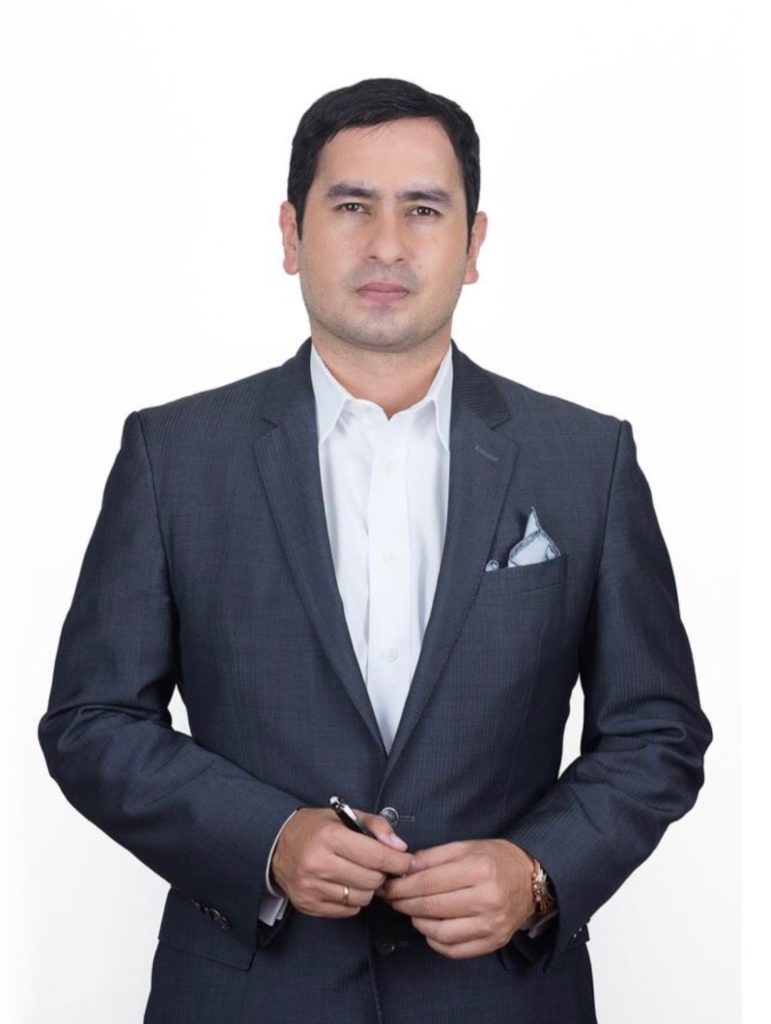
Llama ya! Seminario “Creando riqueza”, con Alejandro Cardona. Este fin de semana, 8 y 9 de agosto. ONLINE. El mejor seminario de educación financiera y trading en la bolsa de valores de Estados Unidos. Reservas e información: 855-289-6285 o 786-789-3033
www.seminariocreandoriqueza.com
En tiempos de crisis siempre es positivo ver ejemplos de inteligencia y perseverancia como el de nuestro siguiente invitado. Nació en Colombia y vino de muy joven a terminar de prepararse a Estados Unidos, donde hizo estudios universitarios. Tiene unos valores que lo han llevado a construir una hermosa familia y, en cuanto a lo que nos atañe hoy, es una voz a escuchar en temas relacionados con el manejo del dinero y de la prosperidad económica; !nos ayuda a ganar dinero sin movernos de casa!
Erwin Pérez
Periodista y Publicista (Miami, USA)786-277-8497
NEOPLASTICISMO
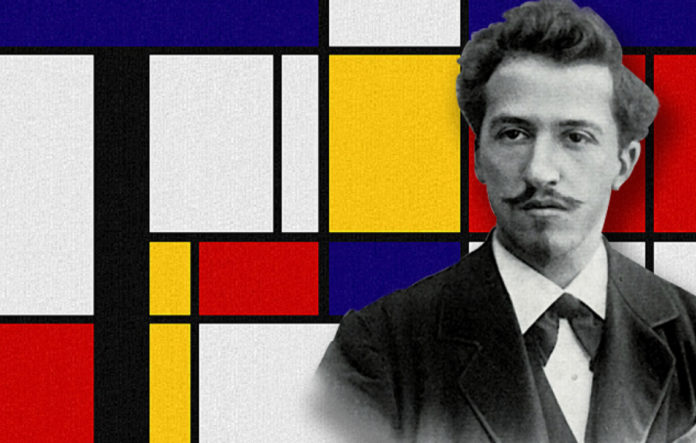
NEOPLASTICISMO
El movimiento De Stijl (el estilo), o movimiento neoplástico, que tuvo una vida activa desde 1917 hasta 1931, puede caracterizarse en lo esencial a través de la obra de tres hombres: los pintores Mondrian y van Doesburg y el arquitecto Rietveld. “Si se libera a los medios de expresión de todo lo que tienen de particular, estarán en armonía con el fin último del arte, que es llegar a un lenguaje universal.” (van Doesburg) Fue un movimiento revolucionario que centró sus objetivos en un plano teórico casi exclusivamente estético.
La filosofía neoplatónica del matemático Dr. Schoenmaekers quien en su libro La Nueva Imagen del Mundo, se refirió a la preeminencia cósmica de la ortogonalidad en los siguientes términos “los dos extremos absolutos fundamentales que conforman nuestro planeta son: la línea de fuerza horizontal, es decir, la trayectoria de la Tierra alrededor del sol, y el movimiento vertical y profundamente espacial de los rayos que tiene su origen en el centro del sol.” Más adelante, escribe:
“Los tres colores principales son esencialmente el amarillo, el azul y el rojo. No existen más colores que ellos… El amarillo es el movimiento de la radiación… El azul, el color de contraste con el amarillo… En cuanto color, el azul es el firmamento, es línea, horizontalidad. El rojo es la cópula del amarillo y del azul… El amarillo se irradia, el azul se aleja y el rojo flota“.

El desarrollo estético y programático del movimiento De Stijl puede dividirse en tres fases. La primera fase, de 1916 a 1921, es de formación y se centra fundamentalmente en Holanda, con alguna participación exterior; a la segunda fase, de 1921 a 1925, hay que considerarla como un período de plenitud y expansión internacional, mientras que la tercera fase, de 1925 a 1931, hay que verla como un período de transformación y finalmente de desintegración.
En 1917 Mondrian se encuentra en un punto de partida intelectualmente nuevo, en el que su obra comprende una serie de composiciones consistentes en planos de color, rectangulares y flotantes. En esta encrucijada ha abandonado para siempre la paleta y la técnica pictórica de su período postcubista (1912 – 1312) y también la nerviosa linealidad a trazos y formato elíptico de su estilo oceánico. Llega a formulaciones que considera ser un orden plástico puro y totalmente nuevo. En 1924 se produjo una ruptura con van Doesburg, motivada porque este último introdujo la diagonal en sus obras.
%5B1%5D.jpg)
1917 es también el año de la famosa silla roja y azul diseñada por Rietveld. En la forma de la silla se materializaron por primera vez las franjas y los planos de composición como elementos articulados y desplazados en el espacio. Lo destacado de esta silla, aparte de su articulación expuesta a la vista, es que se han empleado exclusivamente colores primarios en conjunción con una estructura lineal negra; una combinación que, complementada con el gris y el blanco, habría de convertirse en la gama de colores canónica del movimiento De Stijl.

Otras obras importantes de Rietveld son el estudio del Dr. Hartog (1920), la silla Berlín (1923) y la casa Schröder (1924). La casa Schröder era a la vez elementalista, funcional y sin precedentes. Se la podía ver igualmente como no monumental y dinámica; como anticúbica en su forma y antidecorativa en su color. Sin embargo, por muy ingeniosamente que se las arreglase para parecer lo contrario, acabó construyéndose, de hecho, por razones tanto técnicas como financieras, como una estructura tradicional de ladrillo y madera.