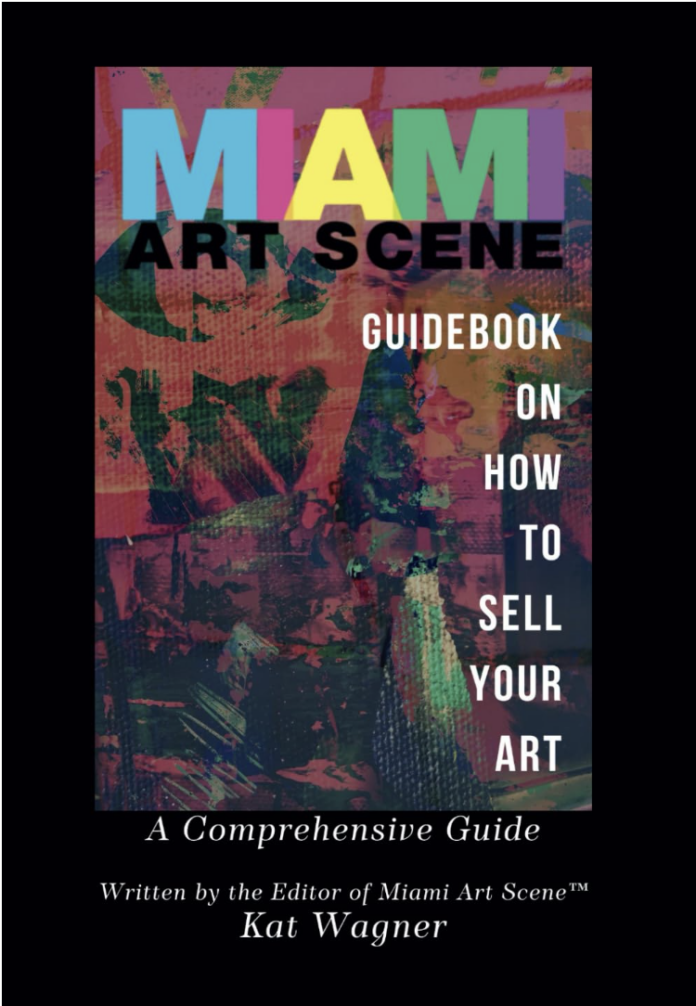
Book Review: Miami Art Scene’s Guidebook On How To Sell Your Art
Rating: ★★★★★ (5/5)
If you’ve ever struggled with pricing your work, felt awkward promoting yourself, or wondered how to actually make money from your art, this book is for you.
Katerina Wagner’s Miami Art Scene’s Guidebook On How To Sell Your Art cuts through the noise with practical, no-nonsense advice for artists at any career stage. Unlike vague “follow your dreams” books, this is a real manual for navigating the business side of art without losing your soul in the process.
What Makes It Essential
Wagner writes from genuine authority—as founder and editor of Miami Art Scene™, she’s embedded in the contemporary art world daily. Her background spans advertising, marketing, and gemology (yes, really), giving her a unique lens on value, branding, and market positioning.
The book tackles the hard stuff head-on: pricing anxiety, rejection, self-doubt, and slow sales. But it doesn’t just acknowledge these challenges—it provides actionable strategies to overcome them.
What You’ll Learn
How to define your artistic identity as a marketable brand (without selling out)
Pricing strategies that respect your work and market realities
Building an online presence that actually converts viewers into buyers
Navigating galleries, art fairs, and networking without feeling sleazy
Overcoming imposter syndrome and the guilt around charging money for art
Why It Works
The book’s greatest strength is its refusal to romanticize the art business. Wagner addresses uncomfortable truths with empathy and then gives you concrete tools to move forward. Her digital marketing advice is particularly strong—she treats Instagram and websites as primary sales tools, not afterthoughts.
Each chapter is structured around outcomes you can implement immediately. This isn’t theory—it’s tested, Miami-market-validated guidance from someone who talks to collectors, gallerists, and artists every single day.
Who Needs This Book
Emerging artists making first sales
Self-taught artists without MFA networks
Mid-career artists struggling with consistent sales
Anyone transitioning from hobby to professional practice
The Bottom Line
Miami Art Scene’s Guidebook On How To Sell Your Art is the practical manual the art world has been missing. Wagner respects both the art and the artist while refusing to pretend that passion alone pays bills.
This book won’t make you rich overnight. But it will give you the tools, strategies, and confidence to build a sustainable art practice where you control your career, connect with collectors, and actually make a living doing what you love.
If you’re serious about selling your art, this is required reading.
Unlock the secrets to turning your artistic passion into a thriving business. Miami Art Scene’s Guidebook On How to Sell Your Art is the ultimate guide for artists ready to take their work from the studio to the marketplace. Whether you’re just starting out or looking to grow your art career, this book offers practical advice, strategies, and inspiring real-world examples to help you succeed. You’ll discover how to define your unique artistic identity and connect with your ideal audience. Price your work fairly and profitably without undervaluing your talent. Build an online presence that showcases your art and attracts buyers. Navigate sales through galleries, art fairs, and networking. Overcome common challenges like rejection, slow sales, and self-doubt. With chapters dedicated to marketing, understanding sales channels, and building long-term success, this comprehensive guide equips you with the tools to confidently sell your art and share your creativity with the world.
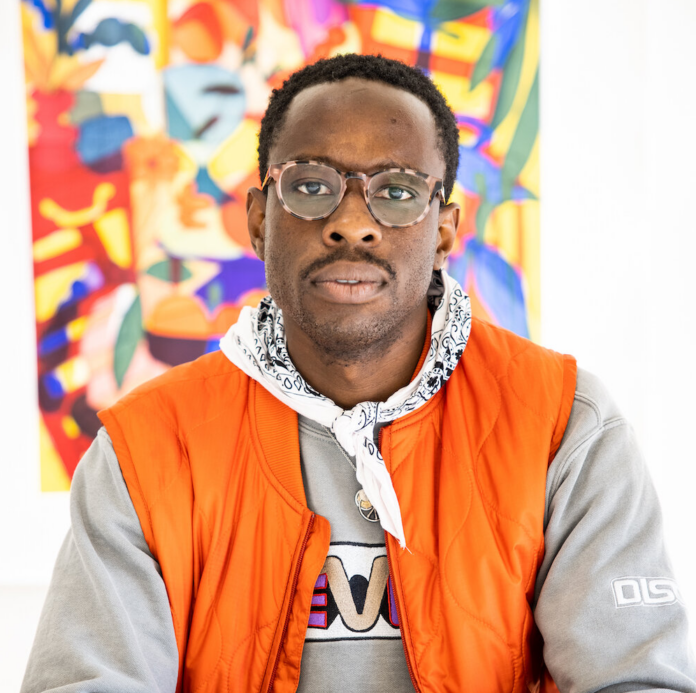
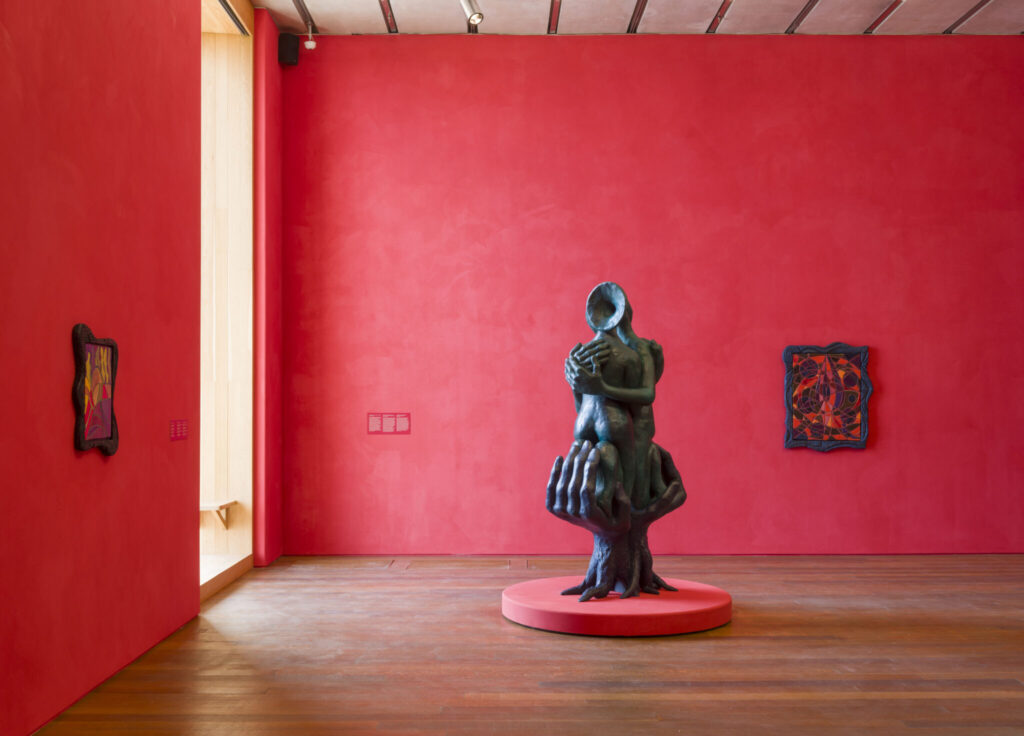
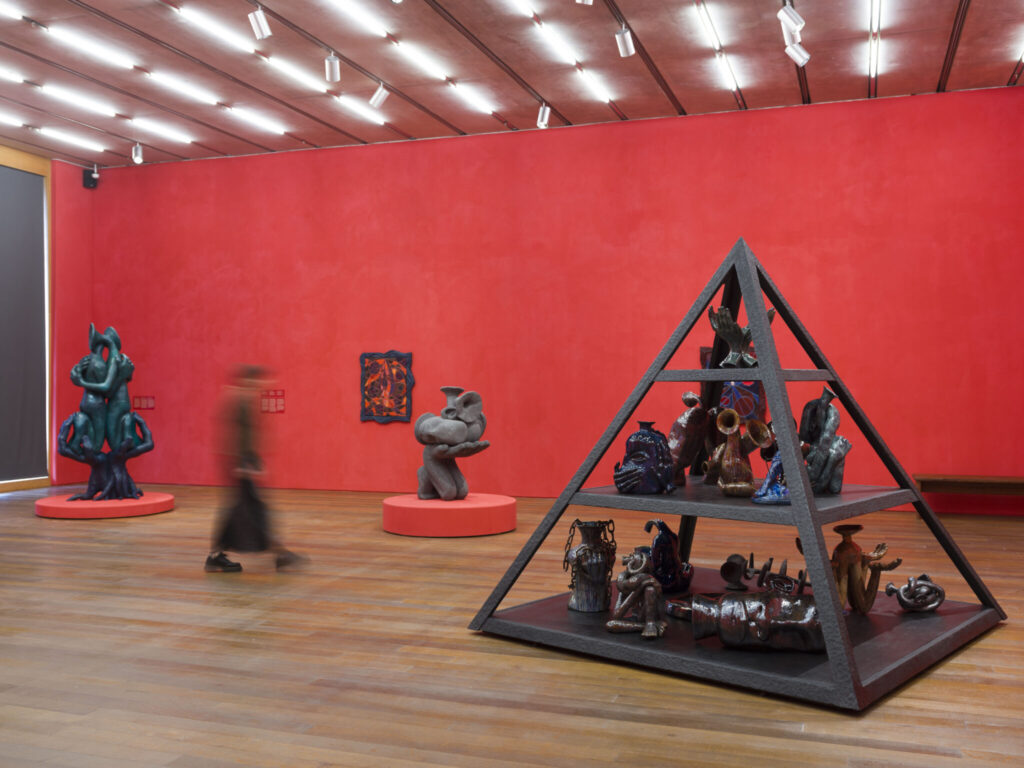
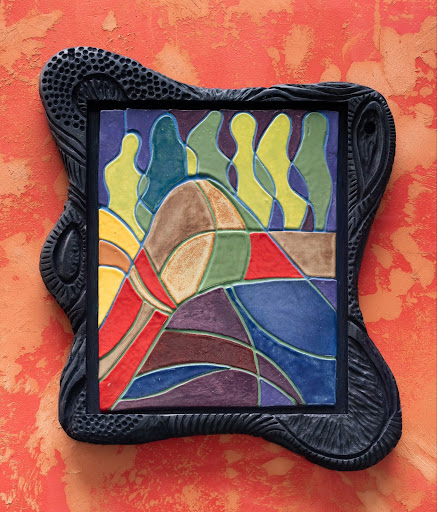
Miami-born artist Woody De Othello presents coming forth by day, a new series of ceramic and wood sculptures, tiled wall works, and a large-scale bronze that explore the primordial relationship between body, earth, and spirit. The immersive installation will feature grounding natural materials such as clay-painted walls and subtle herbal scents.
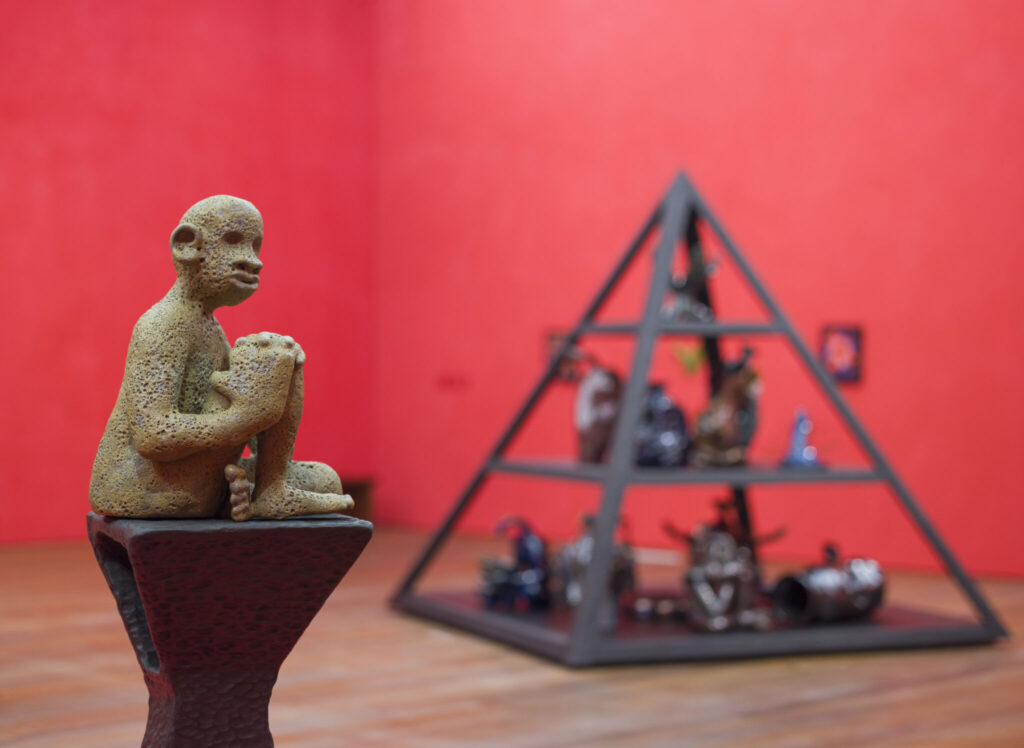
Rooted in precolonial and diasporic African traditions, Othello draws inspiration from spiritual practices, hermetic philosophy, and cultural artifacts—including nkisi power figures, Dogon ritual objects, and Egyptian pyramids. His anthropomorphic sculptures, with their richly glazed surfaces, suggest a quiet vitality—the forms appear to lean, rest, or embrace, as if shaped by the weight of memory and emotion.
Known for his hand-built ceramics, Othello animates everyday objects—clocks, mirrors, phones, vessels—blurring the line between body and object. In doing so, he highlights the ways we feel, emote, and communicate, while revealing the unseen forces that shape our daily lives.
As Othello’s first solo museum exhibition in Miami, coming forth by day reflects his deep connection to the city and his ongoing exploration of his ancestral heritage. Through material experimentation and sculptural gesture, the exhibition considers how objects carry history, absorb meaning, and serve as vessels for both spiritual and emotional experience.
In this professional learning workshop inspired by Woody De Othello: coming forth by day, explore how the artist recasts still lifes of everyday objects into works with deep ancestral, spiritual, and anthropomorphic qualities. Together, we will investigate Othello’s sculptural practices to decipher the power of art to transform the ordinary into the extraordinary.
This workshop aims to lay a foundation for educators to implement object-based curriculum into their art classrooms through exhibition-specific exercises. Guided by PAMM teaching artists, participate in an inquiry-driven exploration of Othello’s large-scale sculptural works. Build your understanding of the artist’s sculptural practice and the broader sociohistorical and ancestral frameworks that provide the transformative source material for his work. Then, create your own sculptural works that transform everyday objects by subverting expectations, playing with scale and composition, and incorporating personal.
All K-12 educators, including teachers and paraprofessionals, museum professionals, and other informal educators, are welcome to attend. Light breakfast, lunch, and free parking will be provided for all participants. For updates to any workshop details, please check pamm.org/events. For more information or any questions, email [email protected].
Please RSVP to our event, even if you have registered on Frontline.
Things to do in Miami: Progressive Art Brunch Feb 22, 2026
Open to all visitors from 11—4 pm. Progressive Art Brunch brings together participating galleries several Sundays throughout the year. The event highlights the current programming at each venue and enables visitors a more intimate look at the exhibitions on view.
Progressive Art Brunch brings together participating galleries several Sundays throughout the year.
The event highlights the current programming at each venue and enables visitors a more intimate look at the exhibitions on view.
The galleries are located in the Performing Arts, Little Haiti and Little River Arts Districts.
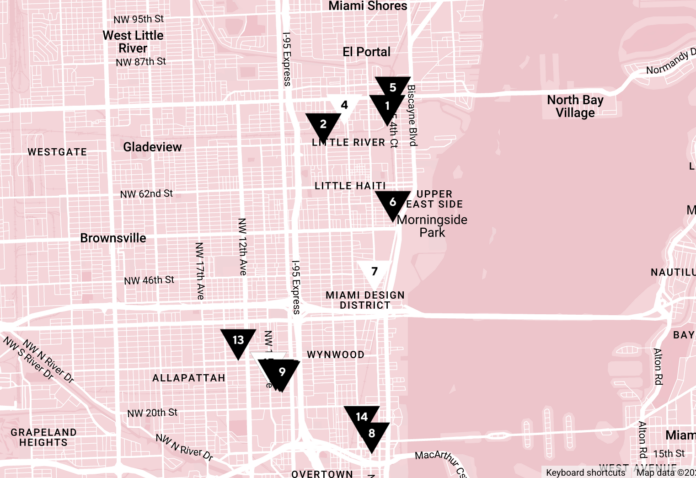
Art Miami Magazine: We’ve created a curated route to make your Progressive Art Brunch experience seamless and efficient. This optimized path minimizes travel time and groups galleries by proximity, allowing for an easy and enjoyable art crawl. The route can be followed from south to north or reversed from north to south, depending on your starting point.
PARADA 1 – Downtown / Omni
Ascaso Gallery 1325 NE 1st Ave, Miami, FL 33132
Fredric Snitzer Gallery 1540 NE Miami Ct, Miami, FL 33132
PARADA 2 – NW 22nd Street Cluster (Wynwood / Allapattah)
Andrew Reed Gallery 800 NW 22nd St, Miami, FL 33127
Top Things to Do in Miami for Art Lovers: Best Exhibitions Saturday, February 21 2026
Looking for the best things to do in Miami? If you’re an art enthusiast, you’re in the right place. Miami’s vibrant art scene offers world-class exhibitions, cutting-edge galleries, and immersive cultural experiences that rival any global art capital. This comprehensive guide highlights the top art exhibitions and must-visit galleries that should be on every art lover’s Miami itinerary.
SAVE THE DADE
Saturday, February 21
A Full-Day Art Guide Across South Florida
From museum openings and public art tours to gallery receptions, lectures, festivals, and community gatherings, Saturday, February 21 activates the entire South Florida cultural landscape. Plan your route — it’s a marathon of art.
Coral Way
Zapata Gallery | Opening Exhibition
La infinita medida de los sueños Group exhibition from the Luciano Méndez Collection of Contemporary Cuban Art, curated by Dannys Montes de Oca. 7 PM 1333 SW 22nd St, Miami, FL 33145
Cutler Bay
The Moss Center | Community Event
Reuse-A-Palooza A free celebration of creativity and sustainability presented by The Things Lab and Debris Free Oceans. 12–4 PM 10950 SW 211 St, Cutler Bay, FL 33189
Doral / Miami Springs / Medley
MIFA | Art Talk
Ediciones Experimentales Conversation with Nicolás Gerardi in collaboration with NF Art & Design. 11 AM 5900 NW 74th Ave, Miami, FL 33166
Hollywood
The Center for the Arts at Hollywood
Center Salon Exhibition + Art Auction Fundraising exhibition featuring 57 South Florida artists. 5–8 PM 1650 Harrison St, Hollywood, FL 33020
Little River
Simetría doméstica Space
Mini Fair + Visual Art Runway + Works from Back Room Curated by Estefanía Papescu, including artist books and a 6 PM runway presentation. 2–6 PM 224 NW 71st St, Miami, FL 33150
Little River
Mahara+Co | Opening Reception
In Practice Featuring Nicole Burko, Matthew Forehand, Lisa Gomez, Gonzalo Hernandez, Crystal Pearl Molinary, Pedro Sena, Corinne Bernard. 6–8 PM 224 NW 71st St, Miami, FL 33150
Miami Gardens
Favalora Museum | Opening Reception
The Paths of the Pilgrim — Emilio Hector Rodriguez When Dreams Become Reality — Ramon Carulla 2–5 PM 16401 NW 37th Ave, Miami Gardens, FL 33054
North Miami
The Camp Gallery | Closing Reception
Vision/Version — Pablo Power Live poetry by Pop Up Poetry MIA + craft cocktails. 3–6 PM 791 NE 125 St, North Miami, FL 33161
Pinecrest Gardens
Chandelier Gallery | Panel Discussion
Bridging the Gap: From Studio Practice to Public Art Conversation with Patricia Romeu, Indra Alam and participating artists. 11:30 AM – 1:30 PM
11000 Red Rd, Pinecrest, FL 33156
Westchester
Patricia & Phillip Frost Art Museum FIU
David C. Driskell & Friends: Creativity, Collaboration, and Friendship Exploring African American art and community legacy. Live jazz by Black Nimbus. 1–3 PM 10975 SW 17th St, Miami, FL 33199
South Miami
SOMI Art Fest — 41st Annual Festival
Over 100 artists, live music, and community celebration along Sunset Drive. 10 AM – 6 PM
Coral Gables
Sardinas Gallery
Andrea Huffman: Boundless Palace Revisited Fiber works inspired by Florida’s environment. 2 PM
Hialeah
Milander Center for Arts & Entertainment
José Martí Art Exhibit — Final Day Last chance to view this exhibition.
Miami Beach
The Bass Museum of Art
Breakfast at The Bass Meet Associate Curator Jasa McKenzie. 10:30 AM – 12 PM 2100 Collins Ave, Miami Beach
Downtown Miami
Pérez Art Museum Miami (PAMM)
Professional Learning: Extra-Ordinary Objects Workshop inspired by Woody De Othello: coming forth by day. 9 AM – 4 PM 1103 Biscayne Blvd, Miami
Miami Beach
The Official Art Deco Walking Tour
Presented by the Miami Design Preservation League. 10:30 AM – 12:30 PM 1001 Ocean Drive, Miami Beach
Miami Design District
Public Art Tour
Explore art and architecture across the district. 11 AM – 12 PM Palm Court, 140 NE 39th St, Miami
Fort Lauderdale
NSU Art Museum
Dr. Rocky Ruggiero Lecture: Imagery and Meaning in Italian Renaissance Painting 3–4 PM
Jason Galbut’s large-scale works approach painting through a materially grounded yet seemingly incoherent logic. His practice registers both painting’s past and present, constructing surfaces through deliberate, methodical processes while navigating a maze of contradictions and uncertainties.
Tension Between Structure and Perception
Across the four works presented in the exhibition, Galbut establishes a dynamic tension between material rigor and perceptual ambiguity. Intricate surfaces—resolute in their deployment—conceal earlier decisions that remain partially visible. This layering reflects what might be called decisive uncertainty: a condition mirrored in procedural contradictions such as order and cacophony, precision and excess, vast scale and detailed gesture.
Through this push and pull between methodical construction and disjunctive process, the works resist linear engagement. They are not paintings to be “read” sequentially, but to be experienced as fields of accumulated decisions.
Procedure vs. Lived Experience
Galbut’s paintings unfold through deliberative procedure and embodied perception, holding structural clarity in tension with Maurice Merleau-Ponty’s assertion: “The world is not what I think, but what I live through.”
In Galbut’s work, procedure does not resolve into lived experience, nor does embodiment resolve into structure. Instead, each complicates the other. Confident procedural action, sustained labor, and elaborate construction anchor the work physically, yet the perceptual field remains indeterminate. The paintings are stable objects that resist stable meaning.
“Painting Beside Itself”
David Joselit’s concept of “painting beside itself”—where meaning unfolds through networks extending beyond the canvas—is folded back into the picture plane in Ivy. Rather than projecting outward into social or institutional systems, Galbut internalizes these networks through material and structural interdependencies.
Multiple discrete components negotiate with one another to form a unified structure, signaling a drive toward cohesion. Yet while Galbut’s procedures physically reinforce the work’s fractured fragility, its internal networks invite engagement without demanding full deciphering.
Ivy raises epistemological questions not only through depiction, but through presence: What is this? Why is it here? What is it doing?
Meaning emerges through accumulated material decisions—construction, revision, fastening, layering—rather than through symbolic narrative.
Couture, The Grid, and Material Rebellion
In works such as Parade, Season, and Medal, the body is implied precisely through its absence. These paintings become visually electrified costume dramas, with structure functioning like tailoring—shaping and containing expressive gestures radiating with color, texture, and materiality.
Parade features brightly colored straps harnessed around a reflective platinum-leaf grid, evoking Alexander McQueen’s metallic couture. Here, the grid—once a reductive modernist device—becomes a site of affect and material rebellion.
Season, composed of yellow, red, and orange painted straps intersected by diagonal 24-karat gold leaf, conjures opulence and theatrical transformation.
Medal, with interlocking pink and blue straps laid over gold leaf, pushes couture into gilded excess.
Unlike early modernist grids that aimed for purity and self-reflexivity, Galbut re-coutures the grid as a tactile, emotional field. These strategies foreground the felt dimension of experience, emphasizing both the embodied impulse behind the work and the persistent gap between language and painting.
Knowledge Without Resolution
Galbut’s one-word titles project certainty and confidence—mirroring the boldness of his material processes. Yet despite meticulous construction, the paintings remain elusive.
T. S. Eliot’s question—“Where is the knowledge we have lost in information?”—echoes through these works. Their material logic accumulates without resolving, layering sense until synthesis becomes impossible. Knowledge does not arrive at clarity; it expands only to reveal its own limits.
Painting as Slow Presence
In an era defined by the erosion of physical contact, Galbut’s insistence on material engagement resonates deeply. The care and precision embedded in each work reflect a striving for resolution amid human turbulence.
Though demanding to make, these paintings do not demand from the viewer. They embody an understanding that painting is a slow medium—one that does not need to be fully understood to be fully experienced.
255 NE 69th Street Unit D
Miami, Florida 33138
+786-566-0542 [email protected]
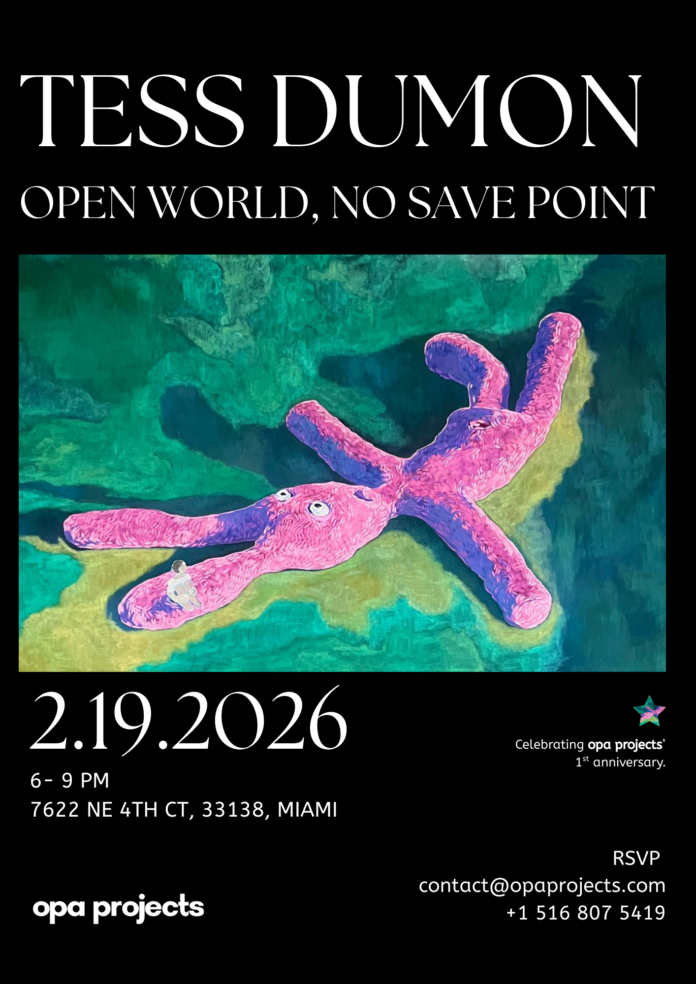
As we celebrate opa project‘s 1st anniversary, we are delighted to invite you to a private cocktail event for the opening of OPEN WORLD, NO SAVE POINT by Tess Dumon.
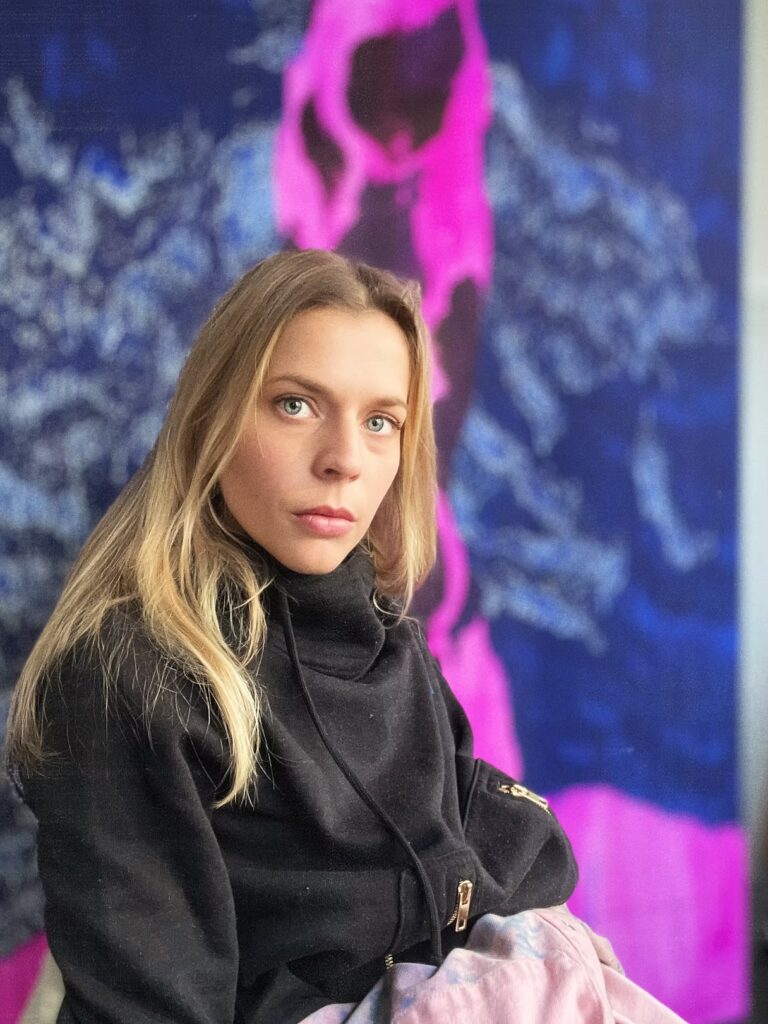
With Open World, No Save Point, opa presents the first solo exhibition in Miami by Paris-based artist Tess Dumon. Her paintings unfold as suspended environments where dream, memory, and decision quietly converge, proposing not escape but orientation within an uncertain present.
Opa projects brings together artists with distinct approaches to question our perception of the everyday and the ability of art to transcend the obvious.
Private Opening Reception: Thursday, February 19, 2026 | 6-9 PM
Exhibition dates: February 19 – March 28, 2026 Location: opa projects, 7622 NE 4th Ct, 33138 Miami
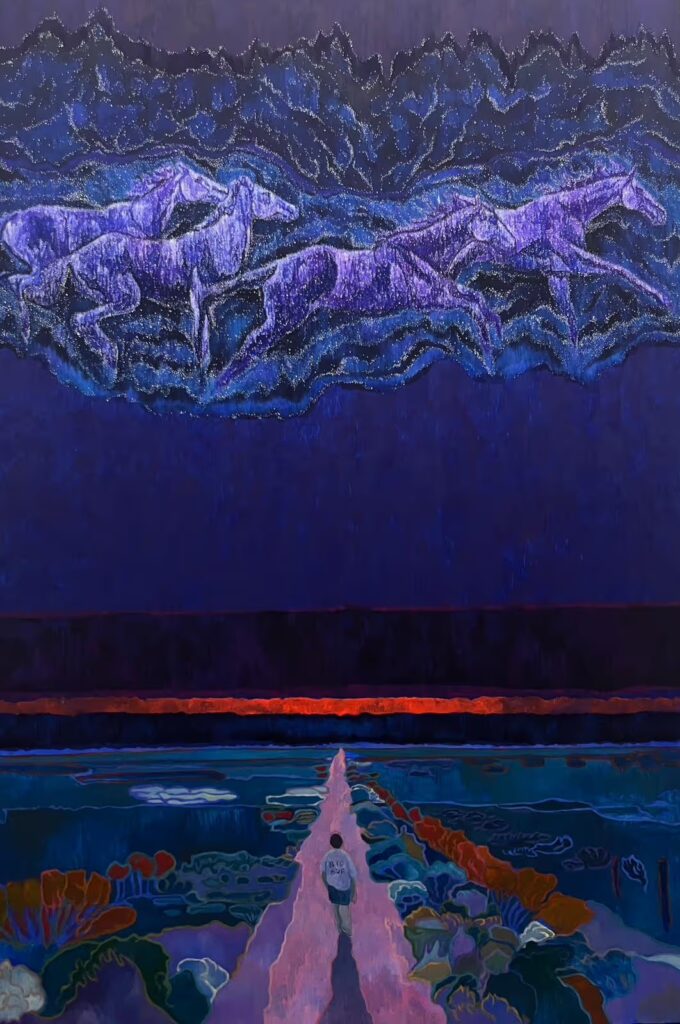
opa projects is proud to present Open World, No Save Point. For this solo exhibition, Tess Dumon presents a new series of paintings that borrow the language of video games—open worlds, portals, checkpoints—to create poetic, immersive landscapes. Her universe is quiet, nocturnal, and charged with magic. Horizons glow, paths appear, reflections open into other states of reality. Each image feels like a moment just before something happens.
Dumon’s figures do not chase victory. They pause, drift, cross. They inhabit fragile spaces where direction matters more than destination. The paintings offer a rare experience: slowing down, paying attention, and allowing mystery to remain.
Presented by Opa in Miami, Open World, No Save Point resonates with a city shaped by movement and reinvention. It proposes a different kind of progress—gentle, intuitive, and deeply poetic—where there are no shortcuts, no resets, only the beauty of moving forward.
El Museo Americano de la Diáspora Cubana (MADC) y la Fundación para los Derechos Humanos en Cuba (FHRC) presentan oficialmente la “Baraja Castrista”, un juego de naipes que expone a las figuras clave que sostienen la estructura del régimen en La Habana. ¿Quién es quién dentro de la cúpula gobernante?
La baraja reúne a 56 nombres —rostros, cargos y trayectorias— de quienes hoy ocupan posiciones determinantes en la toma de decisiones del aparato estatal o integran el círculo íntimo de la familia de Raúl Castro. Entre las cartas figuran los principales jefes militares y responsables de los órganos represivos y de seguridad adscritos al Ministerio del Interior y a las Fuerzas Armadas.
“Nunca se había realizado un trabajo tan completo sobre el liderazgo del régimen castrista. Esta investigación llega en un momento crucial, cuando Cuba está más cerca que nunca de un cambio democrático tras sesenta y siete años de dictadura”, afirmó Marcell Felipe, presidente del Museo Americano de la Diáspora Cubana.
Por su parte, Tony Costa, presidente de la Fundación para los Derechos Humanos en Cuba, subrayó el sentido histórico del proyecto: “Una Cuba libre se construirá sobre la verdad, la justicia y la dignidad de su pueblo. Bajo esa premisa nació la iniciativa de esta baraja’.
Miguel Cossío, director ejecutivo del MADC y autor del proyecto, destacó que la “Baraja Castrista” constituye además una herramienta muy útil para agencias del gobierno de Estados Unidos interesadas en comprender con mayor precisión la arquitectura del poder en la isla.
Los investigadores de la FHRC, Luis Domínguez y Rolando Cartaya, explicaron que el estudio fue más allá de los cargos oficiales. “Al analizar a estos miembros de la nomenclatura cubana, logramos reconstruir árboles genealógicos, identificar vínculos familiares, fechas de nacimiento y otros datos relevantes que permiten entender cómo opera realmente el círculo de poder.
La “Baraja Castrista” ya está disponible para su difusión pública.
American Museum of the Cuban Diaspora
305.529.5400
thecuban.org
1200 Coral Wy, Miami, FL 33145
El nacimiento de la tragedia Nietzsche y Jackson Pollock-entre lo apolíneo y lo dionisíaco
El nacimiento de la tragedia (Nietzsche) + Jackson Pollock
Cuando el arte deja de “representar” y empieza a suceder
Entre 1872 y los años 40–50 del siglo XX hay un puente inesperado: Nietzsche piensa la tragedia griega como una fusión de fuerzas opuestas (lo apolíneo y lo dionisíaco), y Pollock convierte la pintura en un acontecimiento físico donde el cuerpo toma el mando. Juntos, iluminan una pregunta que sigue vigente: ¿cómo dar forma a la intensidad sin domesticarla?
1) Nietzsche: la primera gran obra filosófica como manifiesto estético
El nacimiento de la tragedia (1872) no se presenta como una filosofía “seca”, sino como una apuesta: la cultura se comprende mejor desde el arte. El libro vuelve a la tragedia griega para explicar cómo una civilización puede mirar el dolor de frente sin convertirlo en simple moraleja.
El núcleo conceptual es famoso por una razón: Nietzsche distingue dos “impulsos artísticos” o art drives:
Lo apolíneo: medida, claridad, armonía, contención.
Lo dionisíaco: exceso, arrebato, música, embriaguez, disolución momentánea del yo.
La tragedia surge cuando ambos no se cancelan, sino que se funden: forma suficiente para contener el vértigo, y vértigo suficiente para que la forma no sea una jaula. Esta lectura (fusión apolíneo/dionisíaco) es central en resúmenes de referencia como Britannica. Encyclopedia Britannica+1 La Stanford Encyclopedia of Philosophy también subraya la relevancia de esta distinción en la estética nietzscheana. Stanford Encyclopedia of Philosophy
Pull quote (para destacar): “La tragedia no ‘elige’ entre forma y éxtasis: las obliga a convivir.”
2) El “enemigo” de la tragedia: el optimismo racional
Nietzsche no critica la razón por existir, sino por convertirse en dogma cultural: cuando la vida exige explicación total, el misterio queda prohibido. En esa lógica, el “optimismo” socrático —la fe en que todo puede justificarse y aclararse— termina por secar el terreno donde la tragedia respiraba. Britannica resume este diagnóstico de forma directa: el racionalismo socrático y su optimismo habrían “matado” la tragedia griega. Encyclopedia Britannica
Aquí aparece una idea clave para leer a Pollock: Nietzsche no pide oscuridad por capricho; pide un arte capaz de hospedar lo que la claridad sola no alcanza.
3) Pollock: el cuadro como campo de acción
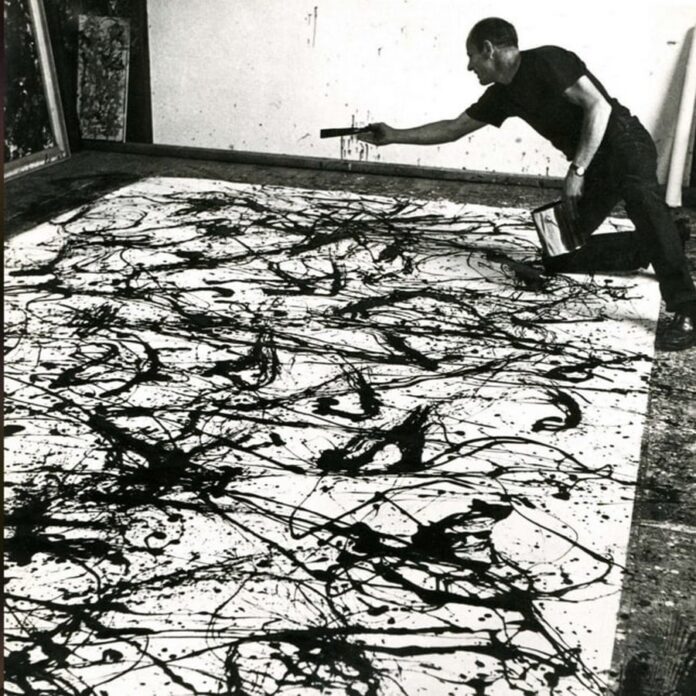
Con Pollock, la pintura deja de ser “imagen” para volverse situación. El MoMA describe su método de manera concreta: colocar el lienzo en el suelo y verter, gotear y salpicar esmalte, a veces directamente desde el recipiente o con palos/utensilios. The Museum of Modern Art+1
Este dato técnico importa porque redefine el papel del artista: no pinta “desde fuera” del cuadro, sino dentro de su órbita, alrededor, encima, a escala corporal.
Pull quote: “En Pollock, la composición no se dibuja: se negocia con el cuerpo.”
4) Rosenberg y el nombre del fenómeno: action painting
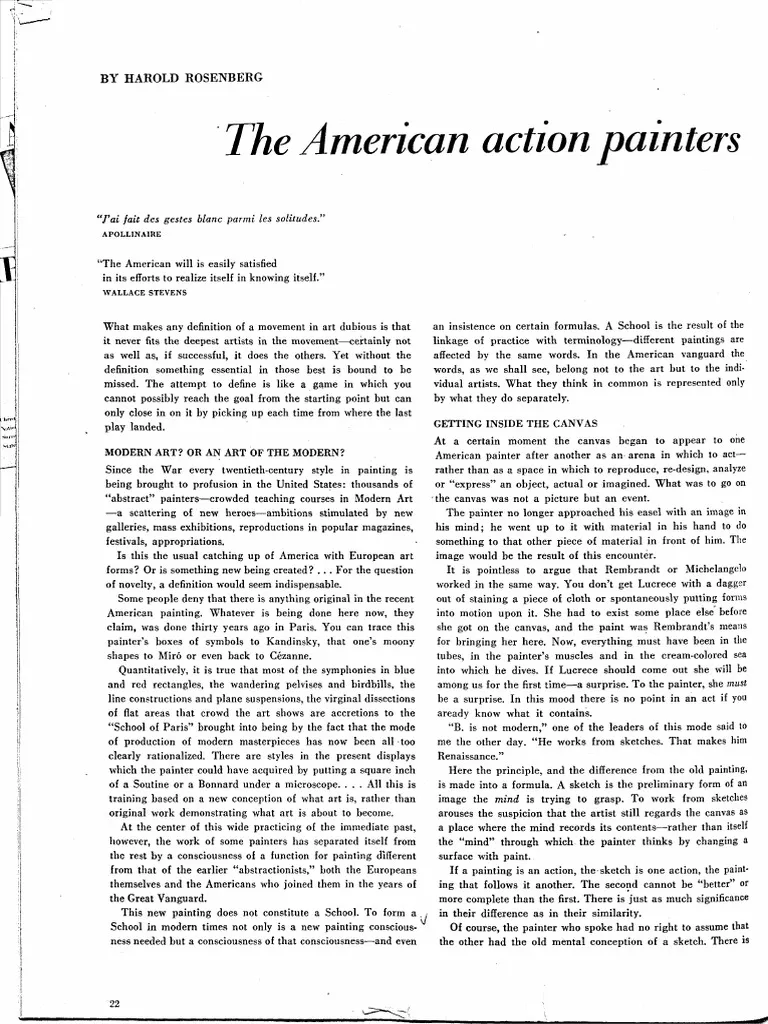
El crítico Harold Rosenberg captó algo decisivo: en esta pintura, lo central no es sólo el resultado, sino el acto mismo de hacerlo. El Tate lo sintetiza con una frase histórica: el término “action painting” fue acuñado por Rosenberg en su artículo “The American Action Painters”, publicado en ARTnews en diciembre de 1952. Tate
Este encuadre crítico no convierte el lienzo en “teatro” por metáfora: describe una transformación real del estatuto del cuadro. Ya no es una ventana; es un lugar donde algo ocurre.
5) Nietzsche x Pollock: Dioniso no es caos; Apolo no es frialdad
La lectura rápida diría: Pollock = dionisíaco (derrame, trance, energía). Pero Nietzsche nunca definió lo dionisíaco como simple desorden. Lo dionisíaco es potencia, desborde, música interna—y justamente por eso necesita un contrapunto: algún tipo de forma.
En Pollock, esa “forma” no es clásica ni geométrica, pero existe como:
ritmo (densidades y pausas),
capas (tiempo acumulado),
trayectorias (cruces, nudos, respiraciones),
escala (el lienzo como entorno).
Ahí está el punto nietzscheano más fértil: el cuadro funciona como una tragedia abstracta donde el exceso no se moraliza ni se explica; se organiza sin perder su filo.
Caja editorial AMM: 5 ideas clave para el lector
La tragedia nace de una fusión (Apolo + Dioniso), no de un “equilibrio” tibio. Encyclopedia Britannica+1
Pollock convierte el proceso en parte del significado: el lienzo en el suelo, el goteo, el cuerpo como herramienta. The Museum of Modern Art+1
Rosenberg pone nombre a esa mutación: action painting. Tate
Leer a Pollock con Nietzsche no es “ilustrar” filosofía: es entender cómo el arte moderno reabre el problema trágico (forma vs. fuerza).
En síntesis
Nietzsche buscaba un arte que no mintiera con serenidad falsa: un arte capaz de mirar el abismo y, aun así, producir forma. Pollock, desde otro siglo, propone algo similar sin palabras: una pintura donde la forma nace del riesgo, y el riesgo no se disculpa—se vuelve método.
Si quieres, lo maqueto aún más “revista” para Art Miami Magazine:
versión corta (900–1,100 palabras) para web,
versión larga (1,800–2,400) con subtítulos más breves, pull quotes extras y una caja final de “Lecturas recomendadas” (SEP, Britannica, MoMA, Tate).
The eighty-second edition of the Whitney Biennial—the longest-running survey of contemporary art in the United States—features work of 56 artists, duos, and collectives that reflects the current moment and examines various forms of relationality, including interspecies kinships, familial relations, geopolitical entanglements, technological affinities, shared mythologies, and infrastructural supports.
Whitney Biennial 2026 offers a vivid atmospheric survey of contemporary American art shaped by a moment of profound transition. Rather than offering a definitive answer to life today, this Whitney Biennial foregrounds mood and texture, inviting visitors into environments that evoke tension, tenderness, humor, and unease. Together, the works capture the complexity of the present and propose imaginative, unruly, and unexpected forms of coexistence.
Whitney Biennial 2026 is co-organized by Whitney curators Marcela Guerrero, the DeMartini Family Curator, and Drew Sawyer, the Sondra Gilman Curator of Photography with Beatriz Cifuentes, Biennial Curatorial Assistant, and Carina Martinez, Rubio Butterfield Family Fellow.
Leadership support for the 2026 Whitney Biennial is provided by David Cancel, and Stephanie March and Dan Benton.
Major support is provided by the Adam D. Weinberg Artists First Fund; Marcia Dunn and Jonathan Sobel; The Holly Peterson Foundation; the Kapadia Equity Fund; The KHR McNeely Family Foundation | Kevin, Rosemary, and Hannah Rose McNeely; and the Whitney’s National Committee.
Significant support is provided by Sotheby’s.
2026 Biennial Committee Co-Chairs: Sarah Arison, Paul Arnhold and Wes Gordon, Suzanne and Bob Cochran, Salvador Espinoza and Jonathan Rozoff, Amanda and Glenn Fuhrman, Further Forward Foundation, Becky Gochman, Christina Hribar, Stephanie and Tim Ingrassia, Peter H. Kahng, Deepa Kumaraiah and Sean Dempsey, Miyoung Lee and Neil Simpkins, Dawn and David Lenhardt, Sueyun and Gene Locks, George Petrocheilos and Diamantis Xylas, Nancy and Fred Poses, Dr. Jan Siegmund and Dr. Benjamin Maddox, Ron and Ann Pizzuti, Jackson Tang, Teresa Tsai, and Todd White and Cameron Carani.
2026 Biennial Committee: Shelley Fox Aarons and Philip Aarons; Susan and Matthew Blank; Estrellita and Daniel Brodsky; James Keith Brown and Eric Diefenbach; Yolanda Colón-Greenberg and Craig Greenberg; Stephen Dull; Charlotte Feng Ford; Christy and Bill Gautreaux; Elaine Goldman and John Benis; Grace Gould and Jonathan Goldberg; Marieluise Hessel; Judelson Family Foundation; Michèle Gerber Klein; Gina Feldman Love and Steven Feldman; Joel Lubin; Bernard I. Lumpkin and Carmine D. Boccuzzi; Marc S. Solomon, Cindy Levine & Interlaken LLC; The Robert Mapplethorpe Foundation; Jamie Watson in memory of Emmett Watson; George Wells and Manfred Rantner; Casey and Lauren Weyand; and an anonymous donor.
Generous support is provided by The James Howell Foundation, The Keith Haring Foundation Exhibition Fund and the Trellis Art Fund.
Biennial funding is also provided by endowments created by Emily Fisher Landau, Leonard A. Lauder, and Fern and Lenard Tessler.
Curatorial research and travel for this exhibition were funded by an endowment established by Rosina Lee Yue and Bert A. Lies, Jr., MD.
Support is also provided by the Marshall Weinberg Fund for Performance, endowed in honor of his parents Anna and Harold Weinberg who taught him the meaning of giving.
The Whitney Biennial and Hyundai Terrace Commission are a multiyear partnership with Hyundai Motor. The Hyundai Terrace Commission is an annual site-specific installation on the Whitney Museum’s fifth-floor outdoor gallery.
Artist List
Basel Abbas & Ruanne Abou-Rahme Basel Abbas (he/him) Born 1983 in Nicosia, Cyprus Ruanne Abou-Rahme (she/her) Born 1983 in Boston, MA Live in Brooklyn, NY and Palestine
Kelly Akashi Born 1983 in Los Angeles, CA Lives in Altadena, CA
Kamrooz Aram (he/him) Born 1978 in Shiraz, Iran Lives in New York, NY
Ash Arder (she/they) Born 1988 in Muscatawing (Flint, MI) Lives in Waawiyatanong (Detroit, MI)
Teresa Baker (she/her) Born 1985 in Mandan/Hidatsa Lives in Los Angeles, CA
Sula Bermudez-Silverman (she/her) Born 1993 in New York, NY Lives in Los Angeles, CA
Zach Blas (he/him) Born 1981 in Point Pleasant, WV Lives in Toronto, Canada
Enzo Camacho & Ami Lien Enzo Camacho (they/them) Born 1985 in Manila, Philippines Ami Lien (they/them) Born 1987 in Dallas, TX Live in Berlin, Germany and New York, NY
Leo Castañeda (he/him) Born 1988 in Cali, Colombia Lives in Miami, FL
CFGNY (Daniel Chew, Ten Izu, Kirsten Kilponen, and Tin Nguyen) Founded 2016 Based in Brooklyn, NY
Nani Chacon (she/her) Born 1980 in Gallup, NM Lives in Albuquerque, NM Navajo Nation
Maia Chao (she/her) Born 1991 in Providence, RI Lives in Philadelphia, PA
Joshua Citarella (he/him) Born 1987 in New York, NY Lives in New York, NY
Mo Costello (she/her) Born 1989 in Seattle, WA Lives in Athens, GA
Taína H. Cruz (she/her) Born 1998 in New York, NY Lives in New Haven, CT
Carmen de Monteflores (she/they) Born 1933 in San Juan, Puerto Rico Lives in Berkeley, CA
Ali Eyal (he/him) Born 1994 in Baghdad, Iraq Lives in Los Angeles, CA
Andrea Fraser (she/her) Born 1965 in Billings, MT Lives in Los Angeles, CA
Mariah Garnett (she/they) Born 1980 in Portland, ME Lives in Los Angeles, CA
Ignacio Gatica Born 1988 in Santiago, Chile Lives in New York, NY and Santiago, Chile
Jonathan González (they/them) Born 1991 in Queens, NY Lives in New York, NY and Philadelphia, PA
Emilie Louise Gossiaux (they/them) Born 1989 in New Orleans, LA Lives in New York, NY
Kainoa Gruspe (he/him) Born 1995 in Louisville, KY Lives in Honolulu, HI
Martine Gutierrez (she/her) Born 1989 in Berkeley, CA Lives in New York, NY
Samia Halaby (she/her) Born 1936 in Palestine Lives in New York, NY
Raven Halfmoon (she/her) Born 1991 in Oklahoma City, OK Lives in Norman, OK Caddo Nation
Nile Harris with Dyer Rhoads Nile Harris (he/him) Born 1995 in Miami, FL Dyer Rhoads (he/him) Born 1996 in Portland, ME Live in Brooklyn, NY
Aziz Hazara (he/him) Born 1992 in Wardak, Afghanistan Lives in Berlin, Germany
Margaret Honda (she/her) Born 1961 in San Diego, CA Lives in Los Angeles, CA
Akira Ikezoe (he/him) Born 1979 in Kochi, Japan Lives in New York, NY
Mao Ishikawa (she/her) Born 1953 in Okinawa under US Administration Lives in Okinawa, Japan
Cooper Jacoby (he/him) Born 1989 in Princeton, NJ Lives in Miami, FL and Paris, France
David L. Johnson (he/him) Born 1993 in New York, NY Lives in New York, NY
kekahi wahi (Sancia Miala Shiba Nash and Drew K. Broderick) Founded 2020 Based in Honolulu, Kona, Oʻahu, HI
Young Joon Kwak (they/them) Born 1984 in Queens, NY Lives in Los Angeles, CA
Michelle Lopez (she/her) Born 1970 in Bridgeport, CT Lives in Philadelphia, PA
José Maceda (he/him) Born 1917 in Manila, Philippines Died 2004 in Quezon City, Philippines
Agosto Machado (he/him) Born in New York, NY Lives in New York, NY
Oswaldo Maciá (he/him) Born 1960 in Cartegena de Indias, Colombia Lives in Santa Fe, NM and London, United Kingdom
Emilio Martínez Poppe (he/him) Born 1993 in Baltimore, MD Lives in New York, NY
Isabelle Frances McGuire (she/her) Born 1994 in Austin, TX Lives in Chicago, IL
Kimowan Metchewais (he/him) Born 1963 in Oxbow, SK, Canada Died 2011 in Saint Paul, AB, Canada Cree, Cold Lake First Nations
Nour Mobarak (she/her) Born 1985 in Cairo, Egypt Lives in Athens, Greece and Bainbridge Island, WA
Erin Jane Nelson (she/her) Born 1989 in Neenah, WI Lives in Santa Fe, NM
Precious Okoyomon (they/them) Born 1993 in London, United Kingdom Lives in Brooklyn, NY
Aki Onda (they/them) Born 1967 in Tenri, Nara, Japan Lives in Mito, Ibaraki, Japan
Pat Oleszko (she/her) Born 1947 in Detroit, MI Lives in New York, NY
Malcolm Peacock Born 1994 in Raleigh, NC Lives in Brooklyn, NY
Sarah M. Rodriguez Born 1984 in Honolulu, HI Lives in Ojo Caliente, NM
Gabriela Ruiz (she/her) Born 1991 in San Fernando Valley, CA Lives in Los Angeles, CA
Jasmin Sian (she/her) Born 1969 in the Philippines Lives in New York, NY
Jordan Strafer (she/her) Born 1990 in Miami, FL Lives in New York, NY and Athens, Greece
Sung Tieu (she/her) Born 1987 in Hai Duong, Vietnam Lives in Berlin, Germany
Julio Torres Born 1987 in San Salvador, El Salvador Lives in New York, NY
Anna Tsouhlarakis (she/her) Born 1977 in Lawrence, KS Lives in Boulder, CO Navajo Nation and Creek
Johanna Unzueta Born 1974 in Santiago, Chile Lives in Berlin, Germany and New York, NY
The Whitney is the only museum dedicated to American art and artists. Gertrude Vanderbilt Whitney founded the Museum in 1930, taking a bold stand for American artists who were often overlooked. Today, our collection features works by over 4,000 artists, including luminaries like Edward Hopper, Georgia O’Keeffe, Jean-Michel Basquiat, Alexander Calder, and Faith Ringgold. Our signature exhibition, the Whitney Biennial, is the longest-running survey of American art, where artists test boundaries, spark conversation, and shape culture.
Every visit to the Whitney is an invitation to engage with the pressing issues and leading artists of our time through an array of exhibitions and programming for all ages. Robust free and discounted offerings, such as Free Friday Nights and Free Second Sundays, ensure that the Whitney is as accessible as it is inspirational. Located in the heart of New York City’s vibrant Meatpacking District, our Renzo Piano-designed building features state-of-the-art galleries and sweeping skyline views of the Statue of Liberty and the Empire State Building from our terraces. After viewing the galleries, visitors can grab a drink and a bite at Studio Bar and Frenchette Bakery or explore neighborhood attractions like the High Line and Little Island. The Whitney is your home for discovering the richness and complexity of American art.