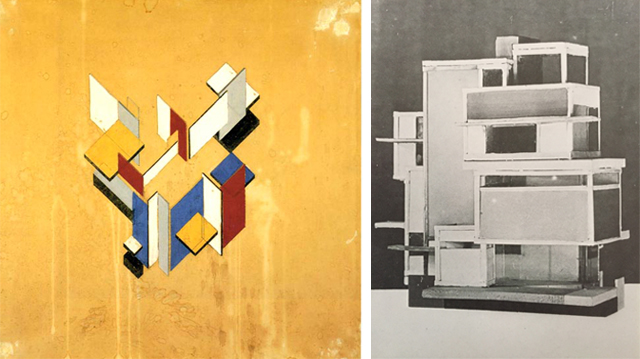
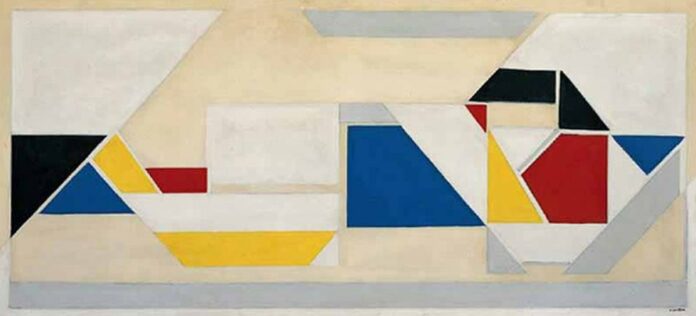
1923, Maison d’Artiste, Theo van Doesburg and Cornelis van Eesteren’s
De Stijl
El término De Stijl, que significa “estilo” en holandés, también conocido como Neoplasticismo o Constructivismo holandés, representó un nuevo enfoque en las artes plásticas basado en relaciones universales. Surgió en Ámsterdam en 1917 con la unión de varios artistas holandeses que compartían la idea de sustituir lo individual por lo universal en el arte.
Entre sus principales exponentes destacan los pintores Piet Mondrian, Theo Van Doesburg y Vilmos Huszar, el poeta Antony Kok y el arquitecto Jacobus Johannes Pieter Oud.
Mediante un estilo abstracto, los artistas de De Stijl buscaban establecer leyes de armonía y equilibrio aplicables tanto al arte como a la vida. Rechazaban cualquier referencia figurativa o simbólica que imitara la realidad. Su objetivo era impulsar un arte puro, creando un lenguaje visual moderno basado en elementos básicos como líneas, figuras geométricas y colores primarios, con el propósito de integrar el arte en la vida cotidiana y transformar la sociedad.
El movimiento reaccionó contra los excesos decorativos del Art Decó y promovió una visión abstracta y espiritual para la formación de un nuevo orden mundial tras la Primera Guerra Mundial. Sus ideas teóricas fueron influenciadas por las obras abstractas de Piet Mondrian y el libro “De lo espiritual en el arte” de Vasili Kandinski.
Desde la primera publicación de la revista De Stijl, quedó claro que la guerra fue un detonante clave en la formación del movimiento. Holanda, al ser un país neutral, se convirtió en un centro de vanguardia en diseño. En su manifiesto, la revista enfatizaba la lucha por una nueva conciencia universal en oposición al individualismo predominante de la época.
Características del movimiento De Stijl:
Simplicidad y Abstracción: Reducción de formas a sus elementos esenciales, utilizando líneas rectas y figuras geométricas básicas como cuadrados y rectángulos.
Colores Primarios: Uso exclusivo de rojo, amarillo y azul, junto con blanco, negro y gris, aplicados sin degradaciones ni sombras.
Racionalización: Composiciones equilibradas a través de ritmos asimétricos, evitando la ornamentación excesiva.
Integración de Artes: Unificación de pintura, arquitectura y diseño gráfico bajo el concepto de “arte total”.
Rechazo de lo Figurativo: Eliminación de referencias a la realidad, en favor de la expresión pura de líneas y colores.
El movimiento De Stijl representó una respuesta a los tiempos tumultuosos del siglo XX y redefinió la relación entre el arte y la vida cotidiana. La obra de sus artistas estableció principios que influyeron en el arte moderno, el diseño y la arquitectura, sentando las bases del minimalismo y el diseño contemporáneo. Su legado sigue presente, demostrando que la búsqueda de la armonía y el equilibrio en el arte puede transformar la sociedad.
Estrategia de crecimiento orgánico efectiva online
Haz tu propio mercadeo en línea.
Estrategia de crecimiento orgánico efectiva para un negocio de artistas visuales. Qué haremos si nos contrata, primero analizamos las estrategias de tus competidores investigando su presencia en línea, contenido, tácticas de SEO y participación en redes sociales. Con base en los hallazgos, elaboramos una estrategia personalizada para ayudarte a aumentar tu audiencia, atraer compradores potenciales y posicionar tu marca como un artista visual destacado. Así es como lo abordamos:
Paso 1: Análisis de Competidores
Identificar Competidores:
Investiga a artistas visuales exitosos en tu nicho (pintores, escultores, artistas digitales).
Enfócate en artistas con alta visibilidad en línea, gran engagement y ventas activas.
Analizar su Estrategia de SEO:
Usa herramientas como Ahrefs, SEMrush o Ubersuggest para identificar:
Sus palabras clave mejor posicionadas (ej. “arte abstracto contemporáneo”, “pinturas modernas de paisajes”).
Fuentes de backlinks (galerías, blogs, artículos en prensa).
Brechas de contenido (¿qué están mostrando que tú no?).
Revisa la estructura de su sitio web, títulos meta y descripciones.
Evaluar su Estrategia de Contenido:
Analiza su portafolio, blog o secciones de diario.
Identifica su contenido más atractivo (ej. videos detrás de escena, declaraciones de artista, tutoriales).
Busca temas recurrentes, formatos y tono.
Redes Sociales y Engagement:
Estudia sus plataformas sociales (Instagram, Pinterest, Linkedin, YouTube).
Observa su frecuencia de publicación, tipos de contenido (ej. reels, stories, videos time-lapse) y tasas de engagement.
Identifica hashtags, colaboraciones y tendencias que usan para crecer.
Ventas y Monetización:
Revisa cómo venden su trabajo (ej. tienda en línea, colaboraciones con galerías, impresión bajo demanda).
Identifica estrategias de precios, ediciones limitadas u ofertas exclusivas.
Paso 2: Estrategia de Crecimiento Orgánico para Artistas Visuales
Con base en el análisis de competidores, aquí tienes una estrategia personalizada:
1. Construir una Presencia en Línea Sólida
Optimización del Sitio Web:
Crea un sitio web profesional con un portafolio, declaración de artista y página de contacto.
Usa URLs amigables para SEO (ej. www.tunombre.com/pinturas-abstractas).
Añade un blog o diario para compartir tu proceso creativo, inspiraciones y actualizaciones.
SEO Local:
Reclama tu perfil en Google My Business.
Usa palabras clave basadas en tu ubicación (ej. “artista abstracto en Miami”).
Lista tu trabajo en directorios locales o plataformas de arte.
2. Estrategia de Contenido
Muestra tu Proceso:
Comparte videos time-lapse de tu trabajo en progreso.
Escribe publicaciones sobre tu inspiración, técnicas y desafíos.
Storytelling:
Comparte la historia detrás de cada obra (ej. “¿Qué inspiró esta pintura?”).
Crea una serie de videos o reels explicando tu trayectoria artística.
Contenido Evergreen:
Escribe guías como “Cómo Comenzar a Coleccionar Arte” o “Consejos para Artistas Visuales Principiantes.”
Reutiliza Contenido:
Convierte publicaciones de blog en infografías, posts para redes sociales o boletines de email.
3. Crecimiento en Redes Sociales
Enfoque por Plataforma:
Instagram: Publica imágenes de alta calidad de tu trabajo, reels de tu proceso y stories con encuestas o preguntas. Usa hashtags como #ArteAbstracto, #ArtistaContemporáneo, #ArteParaVender.
Pinterest: Crea tableros para tu obra, inspiraciones y consejos de arte.
TikTok/YouTube: Comparte videos cortos de tu proceso creativo, tutoriales o vlogs de artista.
Engagement:
Responde a comentarios y mensajes directos.
Colabora con otros artistas o influencers para promoción cruzada.
Hashtags y Tendencias:
Usa hashtags populares y participa en desafíos (ej. #ArtReel, #ArtistOnInstagram).
4. Email Marketing
Construye una lista de emails ofreciendo un recurso gratuito (ej. “10 Consejos para Decorar con Arte”).
Envía boletines mensuales con:
Nuevos lanzamientos de obra.
Actualizaciones detrás de escena.
Descuentos exclusivos o acceso anticipado a colecciones.
Usa segmentación para personalizar emails (ej. coleccionistas, entusiastas del arte).
5. Construir Backlinks y Alianzas
Colabora con blogs de arte, galerías y revistas en línea para entrevistas o features.
Envía tu trabajo a plataformas como Saatchi Art, Artsy o Etsy.
Asóciate con negocios locales (ej. cafés, hoteles) para exhibir tu obra.
6. Participación en la Comunidad
Organiza eventos virtuales o presenciales (ej. tours de estudio, sesiones de pintura en vivo).
Únete a comunidades en línea (ej. Reddit’s r/Art, grupos de arte en Facebook).
Interactúa con seguidores pidiendo feedback o sugerencias para nuevos proyectos.
7. Ventas y Monetización
Tienda en Línea:
Vende piezas originales, impresiones o mercancía en tu sitio web.
Ofrece ediciones limitadas o colecciones exclusivas.
Comisiones:
Promociona servicios de obras personalizadas en tu sitio y redes sociales.
Ingresos Pasivos:
Licencia tu obra para impresiones, mercancía o descargas digitales.
8. Análisis y Mejora Continua
Usa Google Analytics para monitorear tráfico y comportamiento de usuarios.
Revisa métricas de redes sociales (engagement, crecimiento de seguidores).
Actualiza tu estrategia regularmente basándote en datos de desempeño.
Paso 3: Cronograma de Ejecución
Meses 1-2:
Realiza análisis de competidores y búsqueda de palabras clave.
Optimiza tu sitio web para SEO y configura perfiles en redes sociales.
Publica 2-3 entradas de blog o videos de alta calidad por semana.
Meses 3-4:
Aumenta tu presencia en redes sociales con publicaciones diarias y colaboraciones.
Inicia campañas de email marketing.
Construye backlinks a través de alianzas.
Meses 5-6:
Organiza un evento virtual o sesión de pintura en vivo.
TEFAF NEW YORK REVEALS GLOBAL EXHIBITOR LIST FOR NEXT EDITION, MAY 9-13, 2025
Bringing together 91 world-class dealers, presenting modern and contemporary art, jewelry, antiquities, and design.
TEFAF New York is honored to return to its home at the Park Avenue Armory with a prestigious roster of 91 exhibitors from around the world. From May 9 to 13, 2025, the event will showcase captivating pieces of modern and contemporary art, jewelry, antiquities, and design. An invitation-only collectors’ preview will be held on Thursday, May 8, 2025.
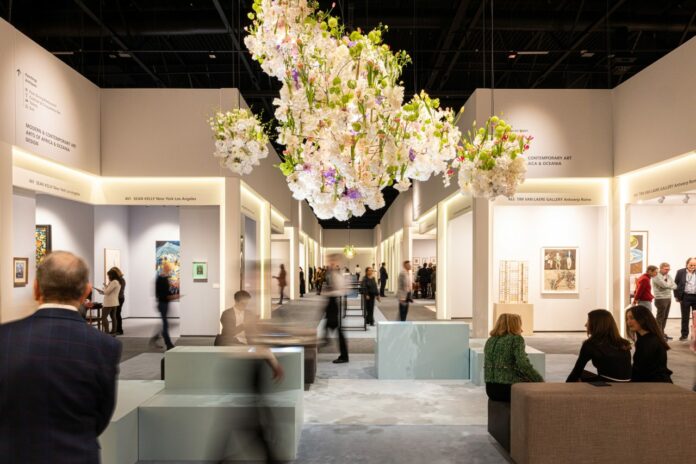
In addition to the exhibitor booths throughout the Park Avenue Armory’s expansive 55,000- square-foot Wade Thompson Drill Hall, the fair showcases beautifully curated displays within the Armory’s historic period rooms—an exclusive feature granted only to TEFAF.
Dominique Savelkoul, TEFAF’s Managing Director since September 2024, is eager to attend her first TEFAF New York in this role. She comments, “I am excited to see the vibrant convergence of the global art community at TEFAF New York. This year, the exhibitors showcase the varied artistry that TEFAF New York is renowned for, bringing together remarkable talent, quality, and aesthetic appeal. TEFAF is excited to offer this diverse collection in New York and looks forward to another successful event.”
This year, TEFAF welcomes AXA XL as its Global Lead Partner. After 21 years as the lead partner of TEFAF Maastricht, AXA XL has expanded its support of TEFAF to a global stage. Bank of America continues as the Lead Partner of TEFAF New York, which has been integral to the fair since Spring 2017.
United by shared values and their enduring partnerships with TEFAF, AXA XL, and Bank of America, continue to advance the role of the arts as a bridge for cultural understanding, heritage preservation, and global connectivity.
TEFAF New York 2025 Exhibitor List
The 2025 roster features 78 returning dealers and 13 new exhibitors and presents renowned galleries from 13 countries, 21 cities, and 4 continents.
Four exhibitors are returning to TEFAF New York this year after an absence.
David Aaron Ltd
Beck & Eggeling International Fine Art
Boghossian
Luciana Brito Galeria
Ben Brown Fine Arts
Galerie Gisela Capitain
CARIDI
Carpenters Workshop Gallery
Galerie Chastel-Maréchal
Galerie Chenel
Galleria Continua
Paul Coulon
Massimo De Carlo
DeLorenzo Gallery
Demisch Danant
Didier Ltd
Di Donna Galleries
Laffanour / Galerie Downtown
Charles Ede
Eykyn Maclean
FD Gallery
Friedman Benda
Gagosian
Gana Art
Thomas Gibson Fine Art
David Gill Gallery
Gladstone Gallery
Gomide & Co
Richard Green
Hazlitt Holland-Hibbert
Hemmerle
Hostler Burrows
Anna Hu Haute Joaillerie
Ben Hunter
Annely Juda Fine Art
Karma
Sean Kelly
Ana Khouri
Tina Kim Gallery
Galerie Kreo
Galerie Jacques Lacoste
Landau Fine Art
Lebreton
Galerie Lefebvre
Lisson Gallery
Yves Macaux Gallery
Galleria d’Arte Maggiore g.a.m.
Galerie Marcilhac
Galerie Marcelpoil
The Mayor Gallery
Fergus McCaffrey
Anthony Meier
Mennour
Mignoni
Mitterrand
Modernity
Richard Nagy Ltd
Edward Tyler Nahem
Galerie Nathalie Obadia
Ortuzar
Osborne Samuel
The Page Gallery
Lucas Ratton
Almine Rech
Robilant + Voena
Galeria Nara Roesler
Thaddaeus Ropac
Salon 94
Richard Saltoun Gallery
Adrian Sassoon
Galerie Patrick Seguin
Marc Selwyn Fine Art
Skarstedt
Sprüth Magers
Stellan Holm Gallery
Templon
Tornabuoni Art
Leon Tovar Gallery
David Tunick, Inc.
Vallois
Galerie Georges-Philippe & Nathalie Vallois
Van de Weghe
Venus Over Manhattan
Axel Vervoordt
Waddington Custot
Offer Waterman
Galerie Maria Wettergren
White Cube
W&K-Wienerroither & Kohlbacher
Yares Art
David Zwirner
ABOUT TEFAF
Dijsselhofplantsoen 14 1077 BL Amsterdam The Netherlands
TEFAF is a not-for-profit foundation that champions expertise, excellence, and diversity in the global art community. This is evidenced by the exhibitors selected for its two fairs, which occur annually in Maastricht and New York. TEFAF is an expert guide for private and institutional collectors, inspiring art lovers and buyers everywhere.
ABOUT TEFAF NEW YORK
TEFAF New York was founded in early 2016, initially as two annual art fairs in New York at the Park Avenue Armory. Today, TEFAF New York is one singular annual fair that encapsulates modern and contemporary art, jewelry, antiquities, and design, featuring around 90 leading exhibitors from around the globe. Tom Postma Design, celebrated for its work with leading museums, galleries, and art fairs, is responsible for the fair’s innovative design, which has reimagined the spectacular spaces at the historic Park Avenue Armory, giving them a lighter, contemporary look and feel.
ABOUT TEFAF MAASTRICHT
TEFAF Maastricht is widely regarded as the world’s premier fair for fine art, antiques, and design, covering 7,000 years of art history, from ancient to contemporary. Featuring over 270 prestigious dealers from some 22 countries, TEFAF Maastricht is a showcase for the finest artworks currently on the market. Alongside the traditional areas of Old Master paintings, antiques, and classical antiquities that cover approximately half of the fair, you can also find modern and contemporary art, photography, jewelry, 20th-century design, and works on paper.
ABOUT AXA XL Global Lead Partner AXA XL Insurance is the P&C (Property & Casualty) and specialty risk division of AXA, known for solving even the most complex risks. AXA XL offers traditional and innovative insurance solutions and services in over 200 countries and territories.
As part of its specialty risk offering, AXA XL protects a range of objects, including fine art, antiquities, antiques, jewelry, watches, classic cars, raw and polished gemstones, and bullion, from thousands of years to weeks old.
Over the past 50 years and well into the future, AXA XL, a leading global insurer of fine art and specie, has and will continue to redefine how it serves and services its collector, museum, corporate, gallery, conservator, and artist clients across Europe, the UK, the Americas, Asia and the Pacific region, with a sincere consideration for the way valuable objects are insured and cultural patrimony is protected.
ABOUT BANK OF AMERICA Lead Partner of TEFAF New York Bank of America is one of the world’s leading financial institutions, serving individual consumers, small and middle-market businesses and large corporations with a full range of banking, investing, asset management and other financial and risk management products and services. The company provides unmatched convenience in the United States, serving approximately 69 million consumer and small business clients with approximately 3,700 retail financial centers, approximately 15,000 ATMs (automated teller machines) and award-winning digital banking with approximately 58 million verified digital users. Bank of America is a global leader in wealth management, corporate and investment banking and trading across a broad range of asset classes, serving corporations, governments, institutions and individuals around the world. Bank of America offers industry-leading support to approximately 4 million small business households through a suite of innovative, easy-to-use online products and services. The company serves clients through operations across the United States, its territories and more than 35 countries. Bank of America Corporation stock is listed on the New York Stock Exchange (NYSE: BAC).
TEFAF New York
Opening Hours May 8 by invitation only Friday, May 9 – Monday, May 12 | 11 AM – 7 PM Tuesday, May 13 | 11 AM – 6 PM
Ticket Info $60 One day single entry $80 Multiple entry $25 Students The ticket shop will open in March 2025
For further information, please visit our website PRESS CONTACTS
Established in 1987, the IFPDA is the preeminent international membership organization for galleries, dealers, and publishers specializing in prints and editions. Join us at the Park Avenue Armory, March 27th through the 30th, for the IFPDA Print Fair, a celebration of 550+ years of prints and printmaking
Anderson Ranch Arts Center | Snowmass Village, CO | B27 The Artists’ Press | White River, ZA | C07 Berggruen Gallery | San Francisco, CA | A19 Black Women of Print | | A43 Peter Blum Edition | New York, NY | A07 BORCH Editions | Copenhagen, DK | A11 F.L. Braswell Fine Art | Chicago, IL | C13 Burnet Editions | New York, NY | C23 William P. Carl Fine Prints | Durham, NC | A09 Center Street Studio | Milton, MA | A45 Childs Gallery | Boston, MA | A37 Cristea Roberts Gallery | London, GB | A25 Crown Point Press | San Francisco, CA | C17 Dolan/Maxwell | Philadelphia, PA | A33 Durham Press | Durham, PA | C05 The Fabric Workshop and Museum | Philadelphia, PA | A41 Flowers Gallery | London, GB | B17 Flying Horse Editions | Orlando, FL | B31 Gemini G.E.L. at Joni Moisant Weyl | New York, NY | C03 Gilden’s Art Gallery | London, GB | C27 Goya Contemporary Gallery / Goya-Girl Press | Baltimore, MD | C15 Graphicstudio/USF | Tampa, FL | C25 Harlan & Weaver | New York, NY | A13 Hauser & Wirth | New York, NY and other locations | C11 Highpoint Editions | Minneapolis, MN | C33 Hill-Stone | South Dartmouth, MA | C39 Isselbacher Gallery | New York, NY | A05 Bernard Jacobson Gallery | London, GB | C35 Jungle Press Editions | New York, NY | A51 Georgina Kelman :: Works on Paper | New York, NY | A15 Jim Kempner Fine Art | New York, NY | C37 Knust Kunz | München, DE | C45 Lelong Editions | New York, NY | Paris, FR | B01 LeRoy Nieman Center for Print Studies | New York, NY | B03 Lower East Side Printshop | New York, NY | A29 Jörg Maass Kunsthandel | Berlin, DE | A27 Manneken Press | Bloomington, IL | A21 Galerie Maximillian | Aspen, CO | A39 Mixografia | Los Angeles, CA | A17 Galerie Myrtis * Fine Art & Advisory | Baltimore, MD | C19 Gallery Neptune & Brown | Washington, DC | A49 Carolina Nitsch | New York, NY | B07 The Old Print Shop | New York, NY | C49 Pace Prints | New York, NY | A03 Paragon | London, GB | C53 Paramour Fine Arts | Franklin, MI | B25 The Paris Review | New York, NY | B15 Paulson Fontaine Press | Berkeley, CA | C41 Josh Pazda Hiram Butler | Houston, TX | A23 Atelier-Galerie A. Piroir | Montreal, QC | B13 Planthouse | New York, NY | B29 Polígrafa Obra Gràfica | Barcelona, ES | C09 Print Center New York | New York, NY | C43 Rabley Gallery | London, GB | Wiltshire, GB | B05 Rosenberg & Co | New York, NY | A47 Shore Publishing | New York, NY | A35 Fredric Snitzer Gallery | Miami, FL | B33 Stoney Road Press | Dublin, IE | C47 John Szoke Gallery | New York, NY | A57 Tamarind Institute | Albuquerque, NM | C31 Tandem Press | Madison, WI | C29 The Tolman Collection Tokyo | New York, NY | A53 Cade Tompkins Projects | Providence, RI | B11 ULAE | New York, NY | B19 Weyhe Gallery | Mt. Desert, ME | C21 Wingate Studio | Hinsdale, NH | A55 Krakow Witkin Gallery | Boston, MA | C51 World House Editions | Middlebury, CT | B23 Zucker Art Books | Alford, MA | A31
Outsider Art Fair New York 2025
Feb 27, 2025 Mar 2, 2025
Outsider Art Fair Announces Exhibitors for its 33rd Editionand a Curated Space of Brazilian Self-Taught Art
OAF New York February 27 – March 2, 2025 Metropolitan Pavilion 125 W 18th Street
Aloïse Corbaz (1886–1964), Untitled (Figures with Blue Eyes) – Double-Sided, c. 1950s, colored pencil on paper. Courtesy of Ricco Maresca Gallery.
Bill Traylor (1854–1949), Figures, Construction, Black, Brown, and Red, 1939/42, pencil and poster paint on cardboard. Courtesy of Fleisher Ollman Gallery.
Adolf Wölfli (1864–1930), New Yorker Haven, 1925, colored pencil and graphite on paper. Courtesy of Ricco Maresca Gallery.
New York, NY – January 16, 2025 – The Outsider Art Fair (OAF), the premier fair dedicated to Self-Taught Art, Art Brut, and Outsider Art, is pleased to announce its exhibitor list for 2025. The 33rd edition of the fair, taking place at the Metropolitan Pavilion from February 27 to March 2, will feature 66 exhibitors from 40 cities across 9 countries.
Visitors to the fair can expect to see art by acknowledged masters such as Henry Darger (1892–1973), William Edmondson (1874–1951), Augustin Lesage (1876–1954), Judith Scott (1943–2005), and Bill Traylor (1854–1949), alongside works by living artists like Noviadi Angkasapura, JJ Cromer, Shuvinai Ashoona, M’onma, Julian Martin, Margot, Dan Miller, and Leopold Strobl.
OAF is excited to welcome back renowned dealers such as Fleisher/Ollman Gallery (Philadelphia), which will devote its entire presentation to works from the estate of long-time American Folk Art Museum board member Audrey B. Heckler. This will include works by James Castle (1899–1977), Sam Doyle (1906–1985), Howard Finster (1916–2001), Martín Ramírez (1895–1963), and Bill Traylor. Ricco/Maresca Gallery (New York) will present works from the collection of advertising pioneer Robert M. Greenberg. Built over more than 40 years, this collection holds outstanding works by Darger, Traylor, and Adolf Wölfli (1864–1930), among others.
Other returning exhibitors include Aarne Anton/Nexus Singularity (New York), Cavin-Morris Gallery (New York), and Marion Harris (Connecticut and New York), all of whom have exhibited with OAF since its founding. After a five-year hiatus, original exhibitor Henry Boxer (London) will also be participating once again.
This year’s Curated Space, Follow My Moves, will showcase Self-Taught art from Brazil, curated by São Paulo-based Mateus Nunes. The exhibition will feature works by renowned artists such as Amadeo Luciano Lorenzato (1900–1995), Chico da Silva (1910–1985), Conceição dos Bugres (1914–1984), and Maria Lira Marques (b. 1945).
Other booth highlights include paintings by Maurice Sullins (1910–1995) at Hana Pietri (Chicago), works by manga artist Takashi Nemoto at Akio Nagasawa Gallery (Tokyo), and pieces from the Canadian Arctic and other contemporary Inuit artists at Feheley Fine Arts (Toronto). Zürcher Gallery will feature a solo show of drawings by American poet Ted Joans (1928–2003), and James Barron will exhibit the work of Janet Sobel (1893–1968), whose abstract paintings were championed by Peggy Guggenheim in the 1940s and were recently featured in a solo exhibition at Houston’s Menil Collection.
The 2025 edition will welcome eighteen first-time exhibitors, including Akio Nagasawa Gallery (Tokyo), BravinLee Programs (New York), Court Tree Collective (Brooklyn), Diamond (New York), Espacio KB (Bogotá), Elza Kayal Gallery (New York), The FolkArtwork Collective (Des Moines, Iowa), Hughes at Olsen (Sydney, Australia), Interact Center for Visual & Performing Arts (St. Paul, MN), Gallery jones (Vancouver), Galerie Kahn (Ars-en-Ré, France), Keith De Lellis Gallery (New York), Modesti Perdriolle Gallery (Brussels), Claire Oliver Gallery (New York), Pan American Art Projects (Miami), Peninsula Art Space (New York), Plataforma ArtBase (Mexico City), and Van Der Plaas (New York).
“The 2025 Outsider Art Fair is a testament to the rich diversity of our field, and as always, embraces art from the fringes,” said Andrew Edlin, the fair’s owner. “As the art world continues to recognize the power of the work our exhibitors have championed for decades, a new generation of OAF dealers is discovering artists who will become part of the canon in years to come.”
A panel on Follow My Moves will kick off the Fair’s 2025 OAF Talks series at the Americas Society/Council of the Americas (680 Park Avenue, NYC) on Tuesday, February 25th. Details TBA.
Exhibitors:
Aarne Anton/Nexus Singularity (Pomona, NY)
Akio Nagasawa Gallery (Tokyo)
Bill Arning Exhibitions (Kinderhook, NY)
Arts of Life/Circle Contemporary (Chicago)
bg Gallery (Los Angeles)
James Barron Art (Kent, CT)Margaret Bodell/ Revival Arts (Milford, CT)
Henry Boxer Gallery (London)
BravinLee Programs (New York)
Norman Brosterman (New York)
Cavin-Morris Gallery (New York)
Center for Creative Works (Wynnewood, PA)
Court Tree Collective (Brooklyn)
Creative Growth Art Center (Oakland, CA)
Creativity Explored (San Francisco)
M. David & Co. (Brooklyn)
Diamond (New York)
dieFirma (New York)
Dutton (New York)
Andrew Edlin Gallery (New York)
Elza Kayal Gallery (New York)
Espacio KB (Bogotá)
Feheley Fine Arts (Toronto)
Fleisher/Ollman Gallery (Philadelphia)
The FolkArtwork Collective (Des Moines, IA)
Fountain House (New York)
Hana Pietri Presents (Chicago)
Harman Projects (New York)
Marion Harris (New York and CT)
Hughes at Olsen (Sydney, Australia)
Interact Center for the Visual and Performing Arts (St. Paul, MN)
Gallery Jones (Vancouver)
Galerie Kahn (Ars-en-Ré, France)
Kishka Gallery & Library (White River Junction, VT)
koelsch gallery (Houston)
Yukiko Koide Presents (Kyoto, Japan)
LAND Gallery (Brooklyn)
Jennifer Lauren Gallery (Manchester, UK)
Keith De Lellis Gallery (New York)
Galerie Pol Lemétais (Toulouse, France)
Lindsay Gallery (Columbus, OH)Joshua Lowenfels Works of Art (New York)
Magic Markings (New York)
Modesti Perdriolle Gallery (Brussels)
North Pole Studio (Portland, OR)
Northern Daughters (Vergennes, VT)
Claire Oliver Gallery (New York)
Pan American Art Projects (Miami)
Peninsula Art Space (New York)
Plataforma ArtBase (Montreal / Mexico City)
Portrait Society Gallery (Milwaukee)
Steven S. Powers (New York
PULP (Holyoke, MA)
Pure Vision Arts (New York)
Ricco/Maresca Gallery (New York)
Ritsch-Fisch Galerie (Strasbourg, France)
The Ruffed Grouse Gallery (Narrowsburg, NY)
SAGE Studio (Austin, TX)
SARAHCROWN (New York)
Shelter Gallery (New York)
SHRINE (Los Angeles /New York)
Stellarhighway (Brooklyn)
Stewart Gallery (Boise, ID)
Van Der Plas Gallery (New York)
Wilsonville (East Hampton, NY)
Zürcher Gallery (New York)
Accessibility
Outsider Art Fair is dedicated to providing access to everyone. If you
require assistance during your visit, please contact us at
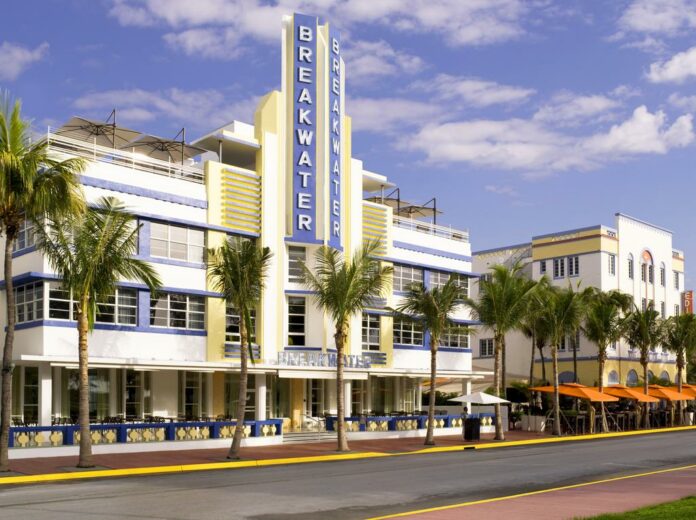
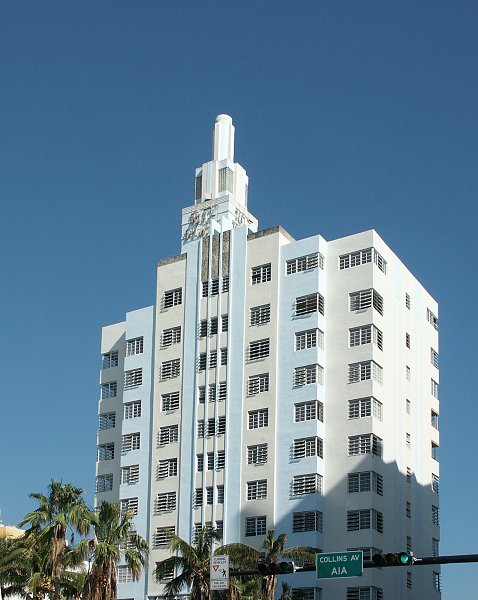
1939, Skislewicz’s Breakwater Hotel, MIAMI, USA, Anton Skislewicz
Arquitectura Art Deco: El Estilo que Definió una Era Moderna y Glamurosa
Miami Beach La Ciudad Art Deco
El Art Deco es uno de los estilos arquitectónicos más icónicos y reconocibles del siglo XX. Surgido en la década de 1920 y consolidado en los años 1930, este movimiento representó la modernidad, el progreso y el glamour de una era marcada por la industrialización, la tecnología y los cambios sociales. Con su combinación de formas geométricas, ornamentación estilizada y materiales innovadores, el Art Deco dejó una huella imborrable en ciudades de todo el mundo. Sin embargo, es en Miami Beach, Florida, donde este estilo alcanzó una expresión única y vibrante, convirtiéndose en un símbolo de la identidad cultural y arquitectónica de la región.
Orígenes y Características del Art Deco
El término Art Deco proviene de la Exposición Internacional de Artes Decorativas e Industriales Modernas de París en 1925, donde se exhibieron diseños que combinaban lujo, modernidad y artesanía. Este estilo se caracterizó por su enfoque en la elegancia geométrica, el uso de materiales como el acero, el vidrio y el hormigón, y la incorporación de motivos decorativos inspirados en culturas antiguas, como el arte egipcio, azteca y africano, así como en la naturaleza y la tecnología.
En arquitectura, el Art Deco se manifestó en dos vertientes principales: el Art Deco clásico, con sus formas geométricas y ornamentación exuberante, y el Streamline Moderne, una evolución más aerodinámica y funcional que reflejaba la influencia de los avances en transporte y diseño industrial. Ambos estilos compartían una estética moderna y optimista, que celebraba el progreso y la innovación.
Art Deco en Miami Beach: Un Legado Tropical
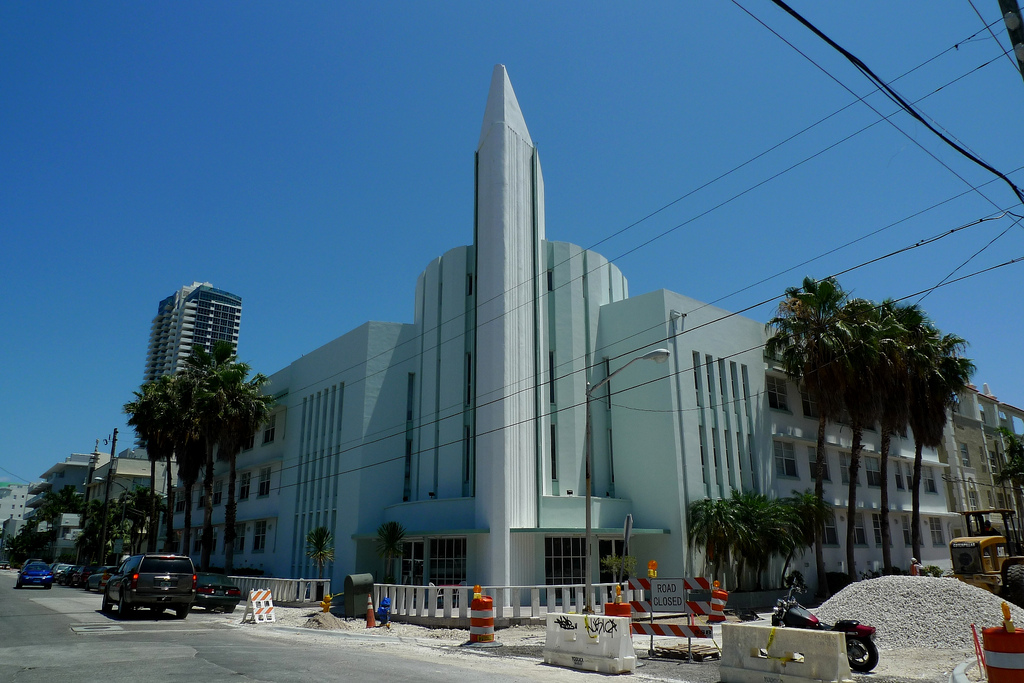
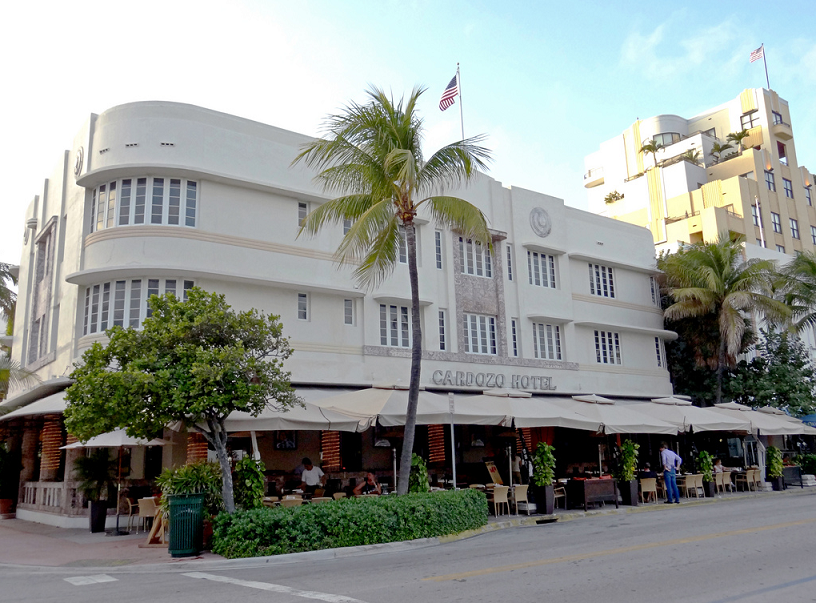
Miami Beach es mundialmente conocida por su Distrito Histórico Art Deco, que alberga una de las mayores concentraciones de edificios Art Deco del mundo. Este distrito, ubicado en el corazón de South Beach, fue desarrollado principalmente en las décadas de 1930 y 1940, cuando la ciudad se convirtió en un destino turístico popular. Los arquitectos de la época, como Henry Hohauser, L. Murray Dixon y Anton Skislewicz, adoptaron el estilo Art Deco y lo adaptaron al clima y la cultura tropical de Florida, creando lo que hoy se conoce como “Tropical Deco”.
Características del Tropical Deco en Miami Beach
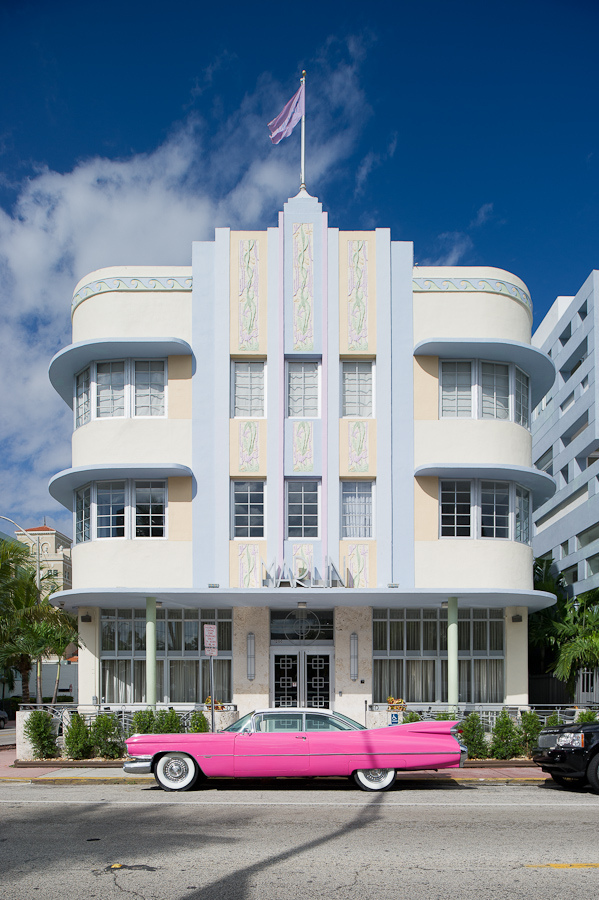
Colores Pasteles: A diferencia del Art Deco clásico, que solía utilizar tonos neutros como el blanco, el negro y el dorado, el Tropical Deco incorporó una paleta de colores pasteles, como el rosa, el turquesa y el amarillo, que reflejaban la luz del sol y el ambiente playero.
Motivos Tropicales: Los edificios de Miami Beach incluyen elementos decorativos inspirados en la naturaleza local, como olas, palmeras, flamencos, peces y conchas marinas.
Formas Aerodinámicas: Influenciado por el Streamline Moderne, el Tropical Deco incorporó líneas curvas, esquinas redondeadas y detalles que evocaban la velocidad y el movimiento, como las proas de los barcos y las alas de los aviones.
Materiales Innovadores: Se utilizaron materiales modernos como el estuco, el vidrio y el neón, que permitieron crear fachadas luminosas y vibrantes, especialmente de noche.
Edificios Emblemáticos de Miami Beach
El Renacimiento del Art Deco en Miami Beach
En la década de 1980, el Distrito Histórico Art Deco de Miami Beach estaba en peligro de desaparecer debido al deterioro y la falta de conservación. Sin embargo, gracias a los esfuerzos de organizaciones como la Miami Design Preservation League (MDPL), se logró proteger y restaurar estos edificios, revitalizando la zona y convirtiéndola en un destino turístico de renombre mundial. Hoy en día, el distrito es un ejemplo exitoso de conservación histórica y un testimonio del poder del diseño para transformar comunidades.
El Legado del Art Deco
El Art Deco no solo definió la estética de una era, sino que también influyó en movimientos posteriores, como el Mid-Century Modern y el Postmodernismo. En Miami Beach, este estilo se ha convertido en un símbolo de la identidad cultural y arquitectónica de la ciudad, atrayendo a millones de visitantes cada año y sirviendo como escenario para eventos como el Art Deco Weekend, un festival anual que celebra la historia y el diseño de la zona.
Además, el Art Deco de Miami Beach ha inspirado a arquitectos y diseñadores contemporáneos, quienes han reinterpretado sus principios en proyectos modernos que combinan tradición e innovación. Este legado demuestra que el Art Deco no es solo un estilo del pasado, sino una fuente de inspiración continua para el futuro.
Conclusión
El Art Deco es mucho más que un estilo arquitectónico; es una expresión de optimismo, modernidad y creatividad que capturó el espíritu de una era. En Miami Beach, este movimiento encontró un hogar único, donde se adaptó al entorno tropical y se convirtió en un ícono cultural y turístico. Gracias a los esfuerzos de conservación, el legado del Art Deco sigue vivo, recordándonos que la arquitectura no solo es funcional, sino también una forma de arte que puede inspirar y transformar.
Referencias
The term Art Deco is a now firmly established designation for an aesthetic of the late 1920s and 1930s… (Artículo base proporcionado).
Miami Design Preservation League (MDPL). Art Deco Historic District. Disponible en: www.mdpl.org.
Robinson, Ada M., y Goff, Bruce. Boston Avenue Methodist Episcopal Church, Tulsa, Oklahoma. 1929.
Hohauser, Henry. Hotel Park Central. 1937.
Dixon, L. Murray. Marlin Hotel. 1939.
Skislewicz, Anton. Breakwater Hotel. 1939.
1940, Plymouth Hotel, MIAMI, USA, FRANCE, Anton Skislewicz
1939, Hotel Cardozo, MIAMI, USA, Henry Hohauser 1939, Dixon’s Marlin Hotel, MIAMI, USA, L. Murray Dixon1940, Ritz Plaza, MIAMI, USA, L. Murray Dixon
Progressive Art Brunch Sunday, February 23 Edition
Progressive Art Brunch Sunday, February 23 Edition
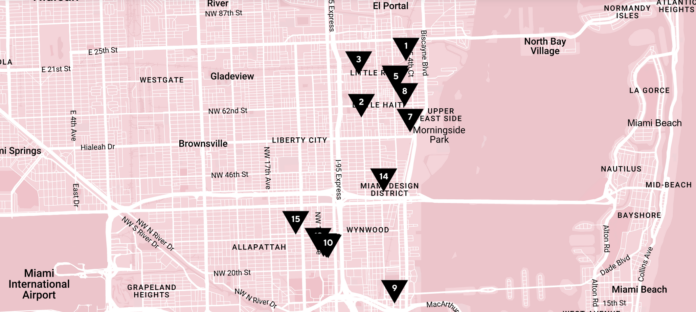
This Sunday, February 23, from 11 AM to 4 PM, is a new Progressive Art Brunch edition. Visit our current exhibition, Guapísimas: A Personal Journey Through Cultural Exchange and Transformation by Pepe Lopez Reus. This exhibition offers a compelling exploration of cultural syncretism, where tradition and modernity intersect in intricate and, at times, uneasy ways.
Established in 2017, Progressive Art Brunch (PAB) is modeled upon the concept of a Sunday afternoon brunch with friends. Traveling from venue to venue, visitors will experience the abundant flavors of the Miami Contemporary art scene. The event will highlight the current programming at each location and give participants a more intimate look at the exhibitions on view.
Member galleries represent diverse cultural offerings, each vetted for their unique programming and professionalism. Representing the Little River, Little Haiti, Downtown Miami, and Allapattah arts districts, this full day of art travel will offer a substantial visual reward.
Open to all visitors from 11—4 pm. Progressive Art Brunch brings together participating galleries several Sundays throughout the year. The event highlights the current programming at each venue and enables visitors a more intimate look at the exhibitions on view.
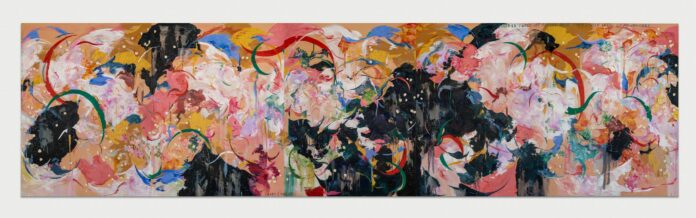
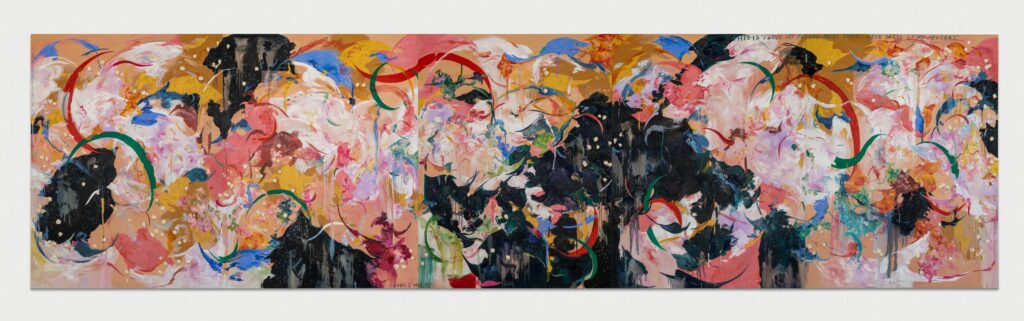
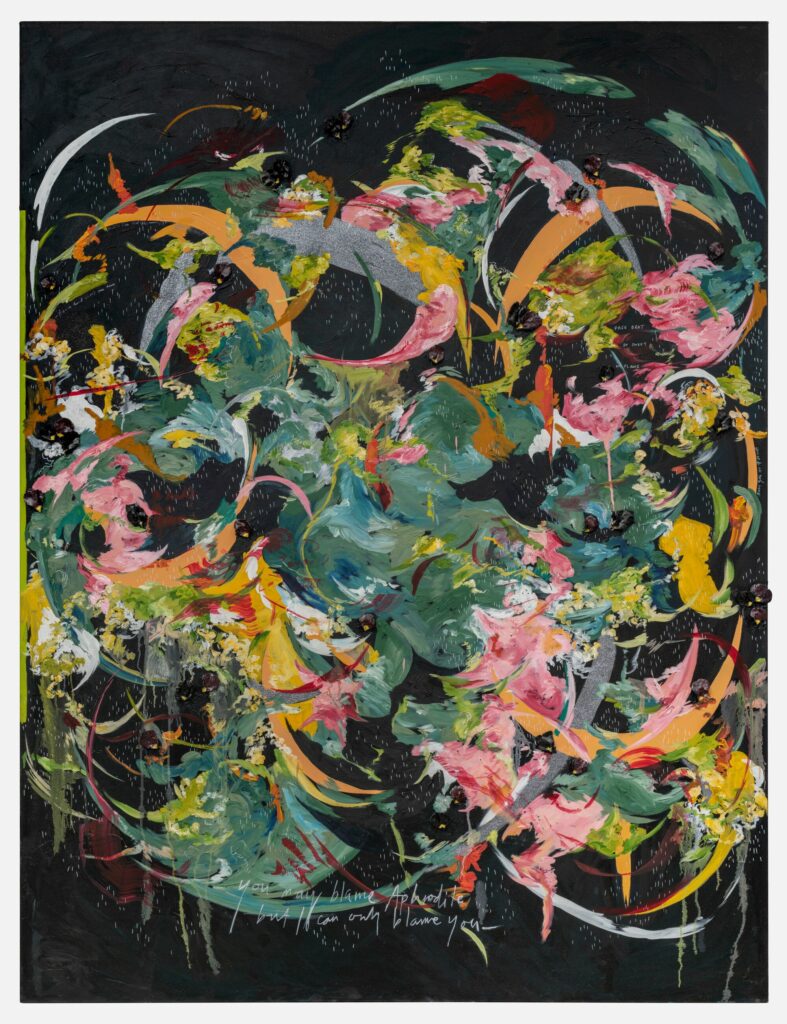
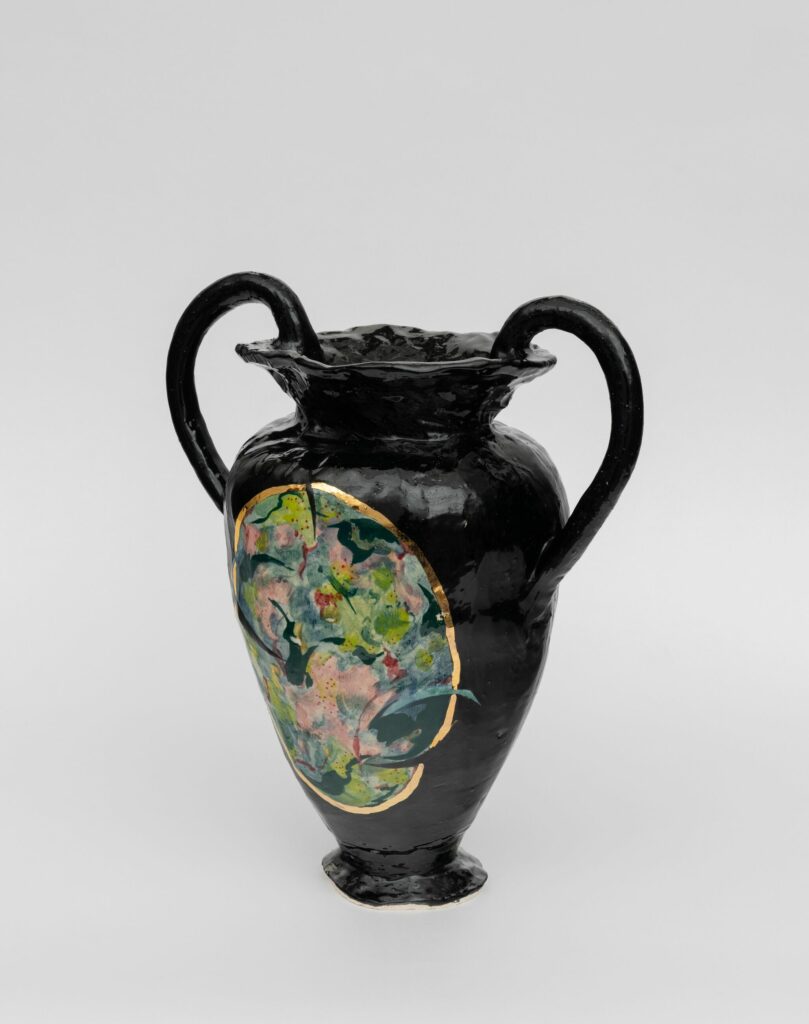
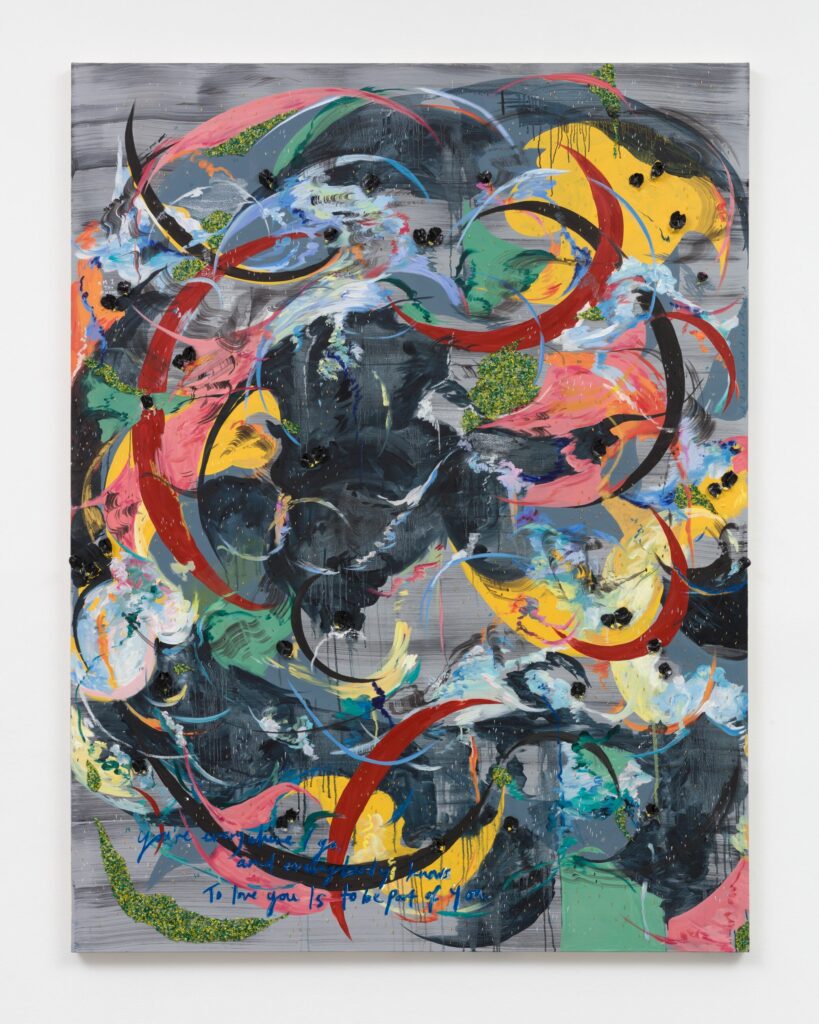
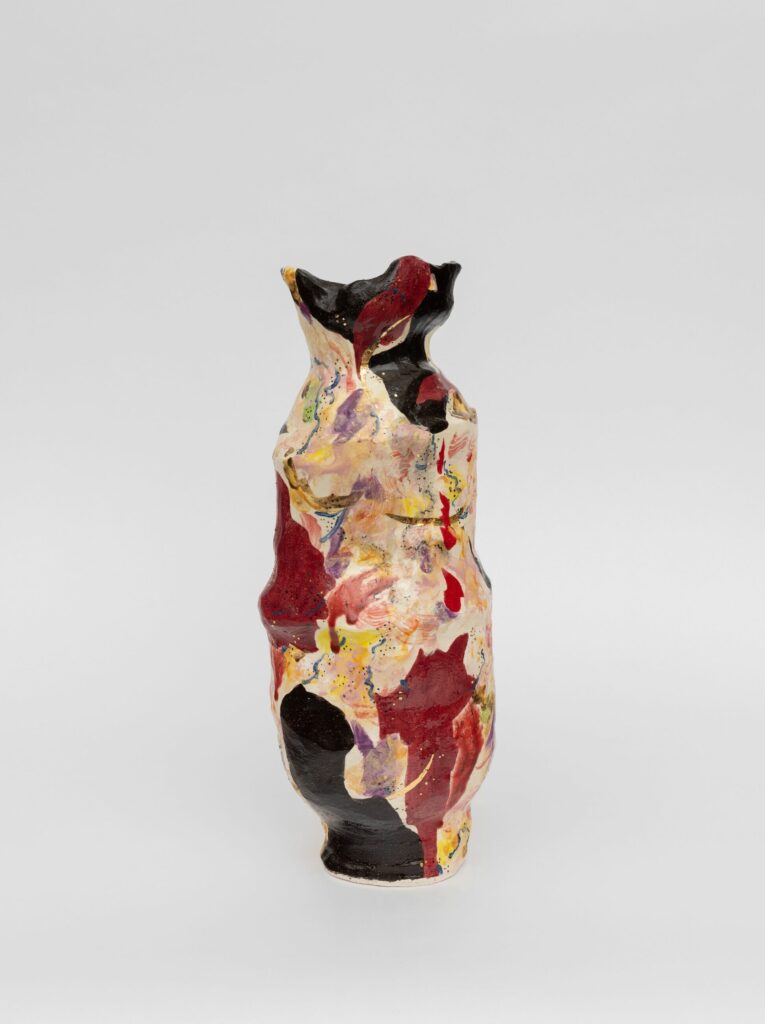
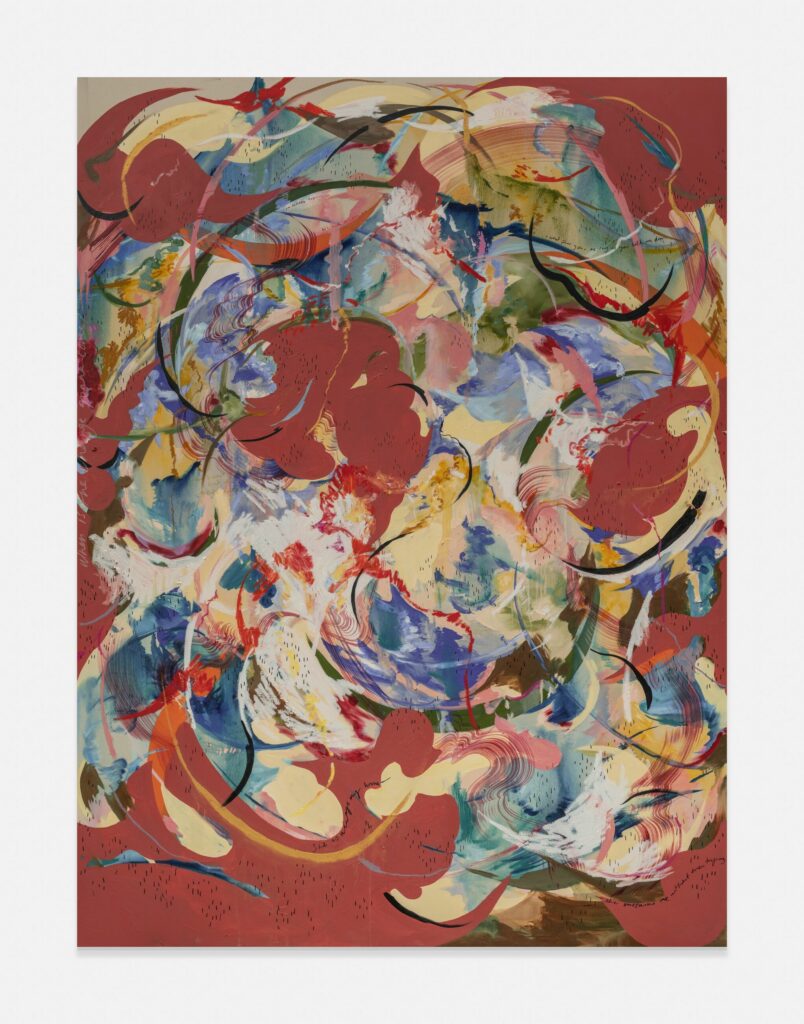
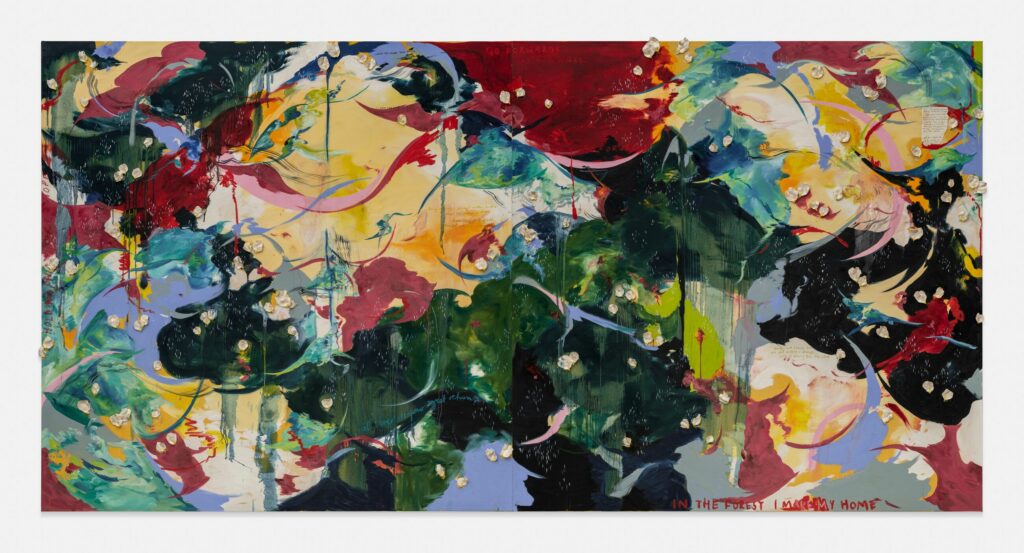
Michaela Yearwood-Dan (b. 1994, London, UK) is a multidisciplinary artist whose work spans paintings, works on paper, ceramics, and site-specific mural and sound installations. Through her practice, she seeks to create spaces that celebrate queer community, abundance, and joy. Yearwood-Dan’s distinctive visual language is shaped by a rich tapestry of influences, including Blackness, queerness, femininity, and healing rituals. Her work fluidly transitions across mediums, incorporating botanical motifs and introspective, diaristic reflections within expressive abstract forms and bold, dripping paint. Whether on the grand scale of her canvases or the more intimate scale of her ceramics and works on paper, her art often evokes a sense of warm, inviting domesticity. By resisting fixed definitions of identity, Yearwood-Dan explores the creation of spaces—physical, pastoral, and metaphorical—that embrace boundless ways of being.
Vibrant and lush, Yearwood-Dan’s work is both deeply personal and politically resonant. She employs color and materials for their symbolic significance, weaving in hues like the oranges, pinks, purples, and blues of lesbian and bisexual pride flags, as well as incorporating ceramic carnations and pansy petals, which carry queer historical connotations. Language and botanical imagery are recurring elements in her art: her abstract environments are alive with painted flora, while live houseplants emerge from wall-mounted ceramics. Within her paintings, she embeds fragments of text—drawn from song lyrics, poetry, or her own diary entries. These textual meditations, varying in scale and legibility, are at once insightful, humorous, confident, and probing. They invite viewers into a vivid, paradoxical world of play, contemplation, and connection, set against a backdrop of swirling forms and radiant color.
Yearwood-Dan’s work has been exhibited at prestigious venues such as the Contemporary Arts Center in Cincinnati, OH; the Scottsdale Museum of Contemporary Art in AZ; the Green Family Art Foundation in Dallas, TX; Palazzo Monti in Brescia, Italy; and the Museum of Contemporary African Art in Marrakesh, Morocco, among others. Her pieces are also held in the permanent collections of the Hirshhorn Museum and Sculpture Garden in Washington, D.C.; the Institute of Contemporary Art Miami in FL; the Crocker Art Museum in Sacramento, CA; the Jorge M. Perez Collection in Miami, FL; and the Columbus Museum of Art and the Pizzuti Collection in Columbus, OH.
In 2022, Yearwood-Dan created her first public mural installation for Queercircle in London, UK. She has also participated in numerous fellowships and residencies, including the Palazzo Monti Residency in Brescia, Italy, and Bloomberg New Contemporaries in partnership with Sarabande: The Lee Alexander McQueen Foundation in London, UK. Through her expansive and inclusive practice, Yearwood-Dan continues to redefine the possibilities of art as a space for connection, reflection, and celebration.
Biography
Born
London, UK, 1994
Education
BA Fine Art Painting, University of Brighton, Brighton, UK, 2016
Resides
Lives and works in London, UK
Solo Exhibitions
2023
Marianne Boesky Gallery, ‘Michaela Yearwood-Dan. Some Future Time Will Think of Us’, New York NY
2022
Queercircle, ‘Michaela Yearwood-Dan. Let Me Hold You’, London, UK Tiwani Contemporary, ‘Michaela Yearwood-Dan. The Sweetest Taboo’, London, UK
Group Exhibitions
2024
Walker Art Gallery, ‘Conversations’, Liverpool, UK
York Art Gallery, National Treasures Project, ‘Monet in York. ‘The Water-Lily Pond”, York, UK
Dallas Museum of Art, ‘When You See Me. Visibility in Contemporary Art/History’, Dallas TX
Dulwich Picture Gallery, ‘Soulscapes’, London, UK
2023
Marquez Art Projects, ‘Works from the Marquez Family Collection’, Miami FL Pond Society, ‘Public Private Part II’, Shanghai, China Southampton Arts Center, ‘Change Agents. Women Collectors Shaping the Art World’, Southampton NY Marianne Boesky Gallery, ‘Purple Prose. Queer Illiteralism & A Flowering Cacophony’, New York NY CICA Center of International Contemporary Art, Vancouver, ‘New British Abstraction’, Vancouver, Canada Gagosian Gallery, ‘Rites of Passage’, London, UK Green Family Art Foundation, ‘Considering Female Abstractions’, Dallas TX Contemporary Arts Center, ‘Ecologies of Elsewhere’, Cincinnati OH
Residencies and Awards
2022
Anderson Ranch Arts Center, Visiting Artist, Aspen CO
2021
Palazzo Monti Residency, Brescia, Italy
Bibliography
Publications
2024
Dulwich Picture Gallery (ed.), ‘Soulscapes’, London: Dulwich Picture Gallery, 2024, pp. 106-107, ill. (exh. cat.) Lynne, Jessica, Parker, Rianna, Jade, ‘Image and Belief. An Unfinished History of Black Artists’, London: Frances Lincoln, 2024, ill. Chiu, Alfonse, ‘Reinventing Abstraction’, on: www.artbasel.com, 15 February 2024, ill.
2023
Blanc Franard, Louis, Carey-Williams, Matt, Yuan, Viahsta, ‘New British Abstraction’, Vancouver: Center of International Contemporary Art, 2023, ill. (exh. cat.) Bailey, Stephanie, ‘How Artists are Redefining Identity Through Painting in the 21st Century’, on: artbasel.com, 6 July 2023, ill.
Press
2024
Chen, Min, ‘Fog Design + Art Fair Celebrates 10 Years with Swift Sales and Artist-First Programming’, on: news.artnet.com, 19 January 2024, ill. Castelo III, Sean, ’12 Global Artisans Do a Creative Makeover of this Iconic Luxury Bag’, on: mega-onemega.com, 22 January 2024, ill. de Klerk, Amy, ‘The latest Lady Dior Art Project is here’, on: harpersbazaar.com,10 January 2024, ill. Chiu, Alfonse, ‘Reinventing Abstraction’, on: www.artbasel.com, 15 February 2024, ill.
2023
Steer, Emily, ‘Meet 8 Artists Who Broke Big in 2023—From Sculptor Mire Lee to Abstract Painter Rachel Jones’, on: news.artnet.com, 22 December 2023, ill. Alleyne, Allyssia, ’10 Black British Artists Working in Abstraction’, on: artsy.net, 12 October 2023, ill. Bailey, Stephanie, ‘How Artists are Redefining Identity Through Painting in the 21st Century’, on: artbasel.com, 6 July 2023, ill. Kinsella, Eileen, ‘Rising Artist Michaela Yearwood-Dan’s Lavish Flora-Filled Visions Make Beauty Political’, on: news.artnet.com, 27 April 2023, ill. ___’Michaela Yearwood-Dan: Some Future Time Will Think of Us’, on: brooklynrail.org, 14 April 2023, ill. Hendy, Eloise, ‘Artist Michaela Yearwood-Dan on finding joy through art and reclaiming beauty’, on: theglossarymagazine.com, 9 March 2023, ill. Villa, Angelica, ‘Closely Watched Female Painters Continue to Rise in Christie’s London Sales’, on: artnews.com, 1 March 2023, ill. Jacobson, Andrew S., Carollo, Elisa, ‘State of the Market: Frieze Art Fair Los Angeles’, on: washingtoninformer.com, 21 February 2023, ill. ___’Frieze Los Angeles 2023 – What the Dealers Had to Say’, on: artlyst.com, 20 February 2023, ill. Schulz, Madeleine, ‘Michaela Yearwood-Dan. We’re not so sure where we’re going, and baby that’s alright’, in: Flaunt, Issue 185, 17 February 2023, ill. ___’A Ceramic Renaissance: Clay and Sculptural Works at Frieze Los Angeles 2023′, on: frieze.com, 2 February 2023, ill. Kakar, Arun, ‘6 Collectors on the Artists, Shows, and Trends to Watch in 2023’, on: artsy.net, 9 January 2023, ill. Avram, Danielle, ‘Dallas’ Green Family Art Foundation makes a splash with ‘Black Abstractionists”, on: dallasnews.com, 6 January 2023, ill. ___’13 Artists Poised to Break Out Big in 2023, According to Naomi Beckwith, Marilyn Minter, and Other Art-World Insiders’, on: news.artnet.com, 2 January 2023, ill.
Podcasts
2024
Cerebral Women, ‘A Conversation with Michaela Yearwood-Dan’, episode 182, January 2024
2022
Diament, Robert, Tovey, Russell, ‘Michaela Yearwood-Dan’, Talk Art, 15 April 2022, podcast, on: shows.acast.com
2020
Katy Hessel, The Great Women Artists Podcast, episode 28, 10 June 2020
Greco-Buddhist Art: The Fusion of Hellenistic and Buddhist Traditions
Greco-Buddhist art, also known as Gandhara art, represents one of art history’s most intriguing and innovative cultural syntheses. Flourishing between the 1st century BCE and the 5th century CE in the Gandhara region (modern-day Pakistan and Afghanistan), this artistic tradition emerged at the crossroads of the ancient world, where Greek, Persian, Indian, and Central Asian influences converged. Greco-Buddhist art is renowned for its unique portrayal of the Buddha in human form, blending Hellenistic artistic techniques with Buddhist spiritual themes.
Historical Context
The origins of Greco-Buddhist art can be traced back to Alexander the Great’s conquests in the 4th century BCE, which brought Greek culture and artistic traditions to Central Asia and the Indian subcontinent. After Alexander’s death, the region became part of the Seleucid Empire and later the Greco-Bactrian and Indo-Greek kingdoms. These Hellenistic states maintained Greek cultural practices, including art and architecture, while interacting with local traditions.
The rise of the Kushan Empire in the 1st century CE further facilitated the fusion of Greek and Indian cultures. The Kushans, who ruled over a vast territory stretching from Central Asia to northern India, were great patrons of Buddhism and art. Under their rule, Gandhara became a thriving center of Buddhist culture and artistic innovation.
Characteristics of Greco-Buddhist Art
Greco-Buddhist art is distinguished by its unique blend of Hellenistic and Indian elements. Key characteristics include:
Anthropomorphic Representation of the Buddha: One of the most significant contributions of Greco-Buddhist art is the first known human depictions of the Buddha. Before this, Buddhist art was aniconic, using symbols like the Bodhi tree, footprints, or the Dharma wheel to represent the Buddha. Under Greek influence, artists began to portray the Buddha as a human figure, often resembling a Greek god with wavy hair, a serene expression, and draped robes.
Realism and Naturalism: Hellenistic artistic techniques emphasized realism, evident in the detailed facial features, muscular definition, and flowing drapery of Gandhara sculptures. The Buddha and Bodhisattvas are depicted with grace and idealized beauty reminiscent of Greek statues.
Architectural Influence: Gandhara art also incorporated Greek architectural elements, such as Corinthian columns, into the design of stupas and monasteries. The combination of Greek and Indian styles created a unique aesthetic that reflected the cultural syncretism of the region.
Narrative Reliefs: Gandhara artists excelled in creating narrative reliefs depicting scenes from the Buddha’s life and Jataka tales (stories of his previous lives). These reliefs often featured intricate details and a sense of movement, influenced by Roman and Greek storytelling traditions.
Iconography: The iconography of Greco-Buddhist art includes not only the Buddha but also Bodhisattvas, deities, and mythological figures. The Greek god Heracles, for example, was reinterpreted as Vajrapani, a protector of the Buddha.
Key Sites and Artifacts
Taxila: An ancient city in modern-day Pakistan, Taxila was a major center of Gandhara art. Excavations have revealed numerous stupas, monasteries, and sculptures that showcase the fusion of Greek and Indian styles.
Hadda: Located near Jalalabad in Afghanistan, Hadda is known for its stunning stucco sculptures, which display a high degree of Hellenistic influence.
Peshawar Museum: This museum in Pakistan houses one of the finest collections of Gandhara art, including sculptures, reliefs, and artifacts that highlight the region’s artistic achievements.
Buddhist Stupas: The Great Stupa at Dharmarajika (Taxila) and the Butkara Stupa (Swat Valley) are notable examples of Gandhara architecture featuring Greek-inspired decorative elements.
Cultural and Religious Significance
Greco-Buddhist art played a pivotal role in the spread of Buddhism across Asia. The realistic and relatable depictions of the Buddha made Buddhism’s teachings more accessible to diverse audiences. As Buddhism traveled along the Silk Road, Gandhara art influenced the development of Buddhist art in Central Asia, China, and eventually Japan, leaving a lasting cultural legacy.
The synthesis of Greek and Indian traditions in Gandhara art is a testament to the broader cultural exchanges along the Silk Road. It serves as a powerful reminder of the interconnectedness of ancient civilizations and their ability to create something entirely new through dialogue and collaboration, enlightening us about the rich history of cultural exchange.
Legacy and Influence
The legacy of Greco-Buddhist art extends far beyond the Gandhara region. Its influence can be seen in the Buddhist art of Central Asia, where the fusion of Greek and Indian styles continued to evolve. The iconic Buddha statues of Bamiyan in Afghanistan, though tragically destroyed in 2001, were a testament to the enduring impact of Gandhara art, underscoring its lasting influence.
In East Asia, the Hellenistic elements introduced by Gandhara art were adapted and transformed, contributing to the development of distinct regional styles. For example, the serene and elongated Buddha figures of Chinese and Japanese art owe a debt to the naturalism and grace of Gandhara sculptures.
onclusion: Greco-Buddhist art stands as a remarkable example of cultural synthesis, where the artistic traditions of Greece and India merged to create something entirely new and enduring. Through its realistic depictions of the Buddha, innovative architectural designs, and narrative reliefs, Gandhara art enriched the visual language of Buddhism and facilitated its spread across Asia. Today, it remains a powerful reminder of the creative potential that arises when cultures meet and interact.
Further reading
Behrendt, K. A. (2004). The Art of Gandhara in the Metropolitan Museum of Art. New York: Metropolitan Museum of Art. (A detailed exploration of Gandhara art and its Hellenistic influences.)
Nehru, L. (1989). Origins of the Gandharan Style: A Study of Contributory Influences. Delhi: Oxford University Press. (Examines the cultural and historical factors that shaped Gandhara art.)
Taddei, M. (1993). The Art of Gandhara: A Guide to the Collections of the National Museum of Oriental Art. Rome: Istituto Italiano per l’Africa e l’Oriente. (A comprehensive guide to Gandhara art and its key artifacts.)
Boardman, J. (1994). The Diffusion of Classical Art in Antiquity. Princeton: Princeton University Press. (Discusses the spread of Greek artistic traditions, including their influence on Gandhara art.)
Errington, E., & Cribb, J. (1992). The Crossroads of Asia: Transformation in Image and Symbol. Cambridge: Ancient India and Iran Trust. (Explores the cultural exchanges that shaped Gandhara art and its legacy.)
Vilmos Huszár (Huszár Vilmos): Innovador del Arte Moderno y el Diseño
Nació: el 5 de enero de 1884, en Budapest, Hungría Murió: el 8 de septiembre de 1960 (76 años), Hierden, Países Bajos Período: De Stijl
Vilmos Huszár (1884-1960), conocido en su Hungría natal como Huszár Vilmos, fue un pintor y diseñador húngaro cuya obra se enmarca dentro de los movimientos de vanguardia de principios del siglo XX. Su contribución al arte moderno y al diseño gráfico es fundamental para comprender la evolución del arte abstracto y la integración del arte en la vida cotidiana a través del diseño. Huszár fue un pionero en la exploración de formas geométricas, colores vibrantes y composiciones dinámicas, elementos que lo conectan con movimientos como De Stijl y el constructivismo.
Contexto Histórico y Formación
Nacido en Budapest, Huszár se formó en la Academia de Bellas Artes de Hungría, donde desarrolló un interés temprano por las corrientes artísticas modernas. A principios del siglo XX, Europa estaba experimentando una revolución cultural y artística, con movimientos como el cubismo, el futurismo y el expresionismo desafiando las convenciones tradicionales. Huszár, como muchos de sus contemporáneos, buscaba romper con el pasado y explorar nuevas formas de expresión.
En 1906, se trasladó a los Países Bajos, donde se estableció y desarrolló gran parte de su carrera. Este cambio geográfico fue crucial para su desarrollo artístico, ya que lo puso en contacto con otros artistas y diseñadores que compartían su visión de un arte más funcional y menos decorativo. Fue en los Países Bajos donde Huszár se unió al movimiento De Stijl, fundado por Theo van Doesburg en 1917, y se convirtió en uno de sus miembros más destacados.
De Stijl y la Abstracción Geométrica
El movimiento De Stijl, también conocido como neoplasticismo, buscaba reducir el arte a sus elementos más básicos: líneas rectas, formas geométricas y colores primarios (rojo, azul y amarillo), junto con el blanco, el negro y el gris. Huszár adoptó estos principios y los llevó a nuevas alturas en su obra. Su pintura se caracteriza por composiciones equilibradas y armoniosas, donde las formas geométricas interactúan de manera dinámica en el espacio pictórico.
Una de sus obras más icónicas es Composición en Rojo, Azul y Amarillo (1920), donde utiliza rectángulos y líneas negras para crear una sensación de movimiento y profundidad. Esta obra refleja la influencia de Piet Mondrian, otro miembro destacado de De Stijl, pero también muestra la capacidad de Huszár para imprimir su propio estilo, con un enfoque más dinámico y experimental.
Diseño Gráfico y Aplicado
Además de su trabajo como pintor, Huszár fue un diseñador innovador. Creó carteles, tipografías y diseños para muebles y interiores, siempre con el objetivo de integrar el arte en la vida cotidiana. Su enfoque en el diseño aplicado refleja la filosofía de De Stijl, que buscaba eliminar la barrera entre el arte y la vida, creando un entorno visualmente coherente y funcional.
Uno de sus proyectos más notables fue el diseño de la portada de la revista De Stijl, donde combinó tipografía y elementos gráficos de manera innovadora. Su trabajo en este ámbito influyó en el desarrollo del diseño gráfico moderno, sentando las bases para la estética minimalista y funcional que dominaría el siglo XX.
Legado y Influencia
Aunque Huszár no es tan conocido como otros miembros de De Stijl, como Mondrian o Van Doesburg, su contribución al movimiento y al arte moderno en general es innegable. Su capacidad para combinar la abstracción geométrica con un enfoque práctico en el diseño lo convierte en una figura clave en la historia del arte y el diseño.
Huszár también fue un puente entre las tradiciones artísticas de Europa Central y Occidental. Su obra refleja una síntesis de influencias húngaras y holandesas, lo que la hace única en el contexto de la vanguardia europea. Además, su enfoque en la integración del arte y el diseño anticipó tendencias que se desarrollarían plenamente en la Bauhaus y otros movimientos posteriores.
Vilmos Huszár fue un artista y diseñador visionario cuyo trabajo trascendió las fronteras geográficas y disciplinares. Su compromiso con la abstracción geométrica y su enfoque en el diseño aplicado lo convierten en una figura fundamental del arte moderno. A través de su obra, Huszár no solo contribuyó a la evolución del arte abstracto, sino que también ayudó a redefinir el papel del arte en la sociedad, demostrando que el arte y el diseño pueden ser herramientas poderosas para transformar el mundo que nos rodea. Su legado sigue inspirando a artistas y diseñadores en la actualidad, recordándonos la importancia de la innovación y la experimentación en la creación artística.
Lecturas complementarias
Libros sobre De Stijl y Vilmos Huszár:
De Stijl: 1917-1931 por Hans Ludwig C. Jaffé (un estudio clásico sobre el movimiento).
Theo van Doesburg: Painting into Architecture, Theory into Practice por Gladys Fabre (incluye información sobre los colaboradores de De Stijl, incluido Huszár).
Vilmos Huszár por Krisztina Passuth (si está disponible, es una monografía dedicada al artista).
Catálogos de exposiciones:
Busca catálogos de exposiciones dedicadas a De Stijl o a Huszár en museos como el Gemeentemuseum en La Haya (ahora Kunstmuseum Den Haag) o el Stedelijk Museum en Ámsterdam.
Artículos académicos:
Revisa bases de datos como JSTOR, Google Scholar o Academia.edu para artículos sobre Huszár y su papel en De Stijl.
Algunos artículos clave pueden incluir análisis de sus obras más famosas o su contribución al diseño gráfico.
Recursos en línea:
Sitios web de museos que albergan obras de Huszár, como el Rijksmuseum en Ámsterdam o el Museo de Bellas Artes de Budapest.
La página web del movimiento De Stijl (si existe una dedicada específicamente al movimiento).
Revistas especializadas:
Publicaciones como The Burlington Magazine o Art History pueden tener artículos sobre Huszár y su contexto artístico.