Home Blog Page 104

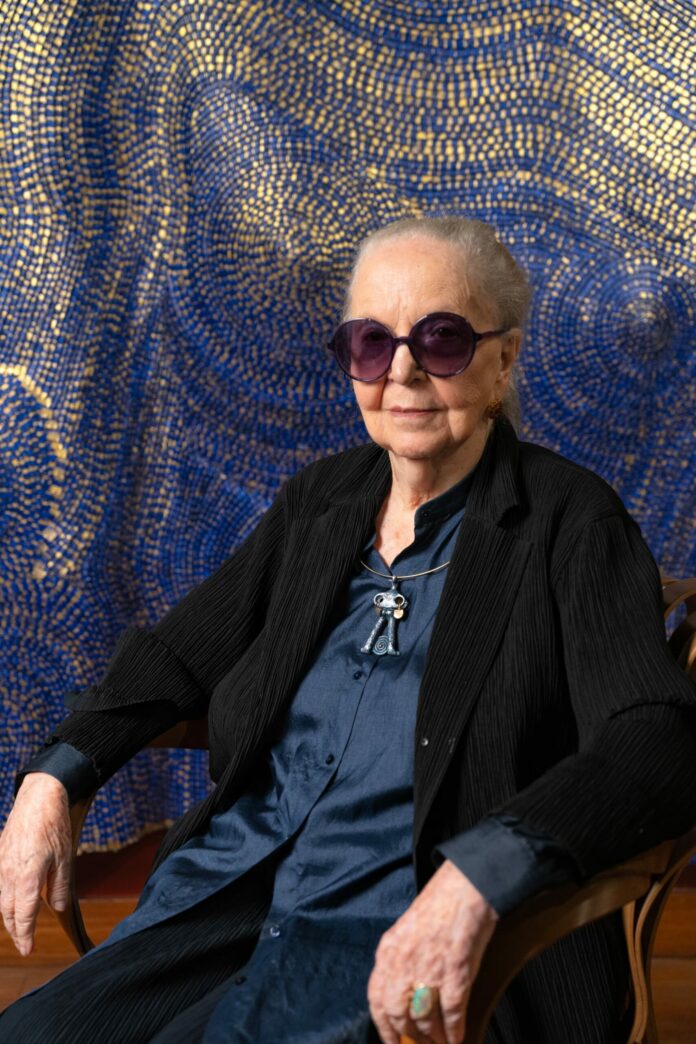
Olga de Amaral

Olga de Amaral
Olga de Amaral. Casa Amaral, Bogotá, Colombia, 2024. © Juan Daniel Caro

Olga de Amaral

Exposición especial / 3er piso

1 de mayo – 12 de octubre de 2025

El ICA Miami, en colaboración con la Fundación Cartier para el Arte Contemporáneo , presenta una gran retrospectiva de la obra de la artista colombiana Olga de Amaral, que reúne más de 50 obras de seis décadas, incluyendo ejemplos recientes e históricos, algunos de los cuales nunca se han presentado fuera de su país natal. La presentación en el ICA Miami se produce tras un gran éxito en París, en la Fundación Cartier. 

Revela la amplitud y complejidad de la práctica de Amaral, destacando períodos cruciales en el desarrollo de su carrera a medida que pasaba de exploraciones coloridas de la cuadrícula a experimentos con la materialidad y la escala.

Las esculturas e instalaciones de Amaral traspasan los límites del arte textil, combinando a menudo el tejido, el anudado y el trenzado para crear impactantes formas abstractas tridimensionales. Sus primeras exploraciones, de la década de 1960, se inspiran frecuentemente en la naturaleza y presentan técnicas de tejido poco convencionales. Durante la década de 1970, Amaral creó un conjunto de obras murales monumentales; la superposición de capas de lana y crin le permitió trabajar a gran escala, evocando muros de ladrillo, hojas y capas geológicas. Sus investigaciones también la llevaron a experimentar con pintura, lino, algodón, yeso, pan de oro y paladio.

Al complicar las narrativas del modernismo y la artesanía, el singular lenguaje escultórico de Amaral se nutre del modernismo Bauhaus y el constructivismo, junto con el arte precolombino y las tradiciones textiles indígenas. La exposición incluye las “Estelas” (1996-2018) del artista, vibrantes obras en pan de oro que refractan y absorben la luz, evocando la orfebrería precolombina, evocando esculturas funerarias de yacimientos arqueológicos prehispánicos. Obras de la serie más reciente de Amaral, las “Brumas” (2013-2018), con su aspecto de nube, cuelgan del techo. “Brumas” impregna el modernismo geométrico con la rica historia y la variedad del paisaje.

Olga de Amaral (n. 1932 en Bogotá) estudió arquitectura en el Colegio Mayor de Cundinamarca en Colombia y diseño textil en la Academia de Arte Cranbrook en Michigan. Exposiciones individuales recientes sobre la artista se han realizado en la Fondation Cartier pour l’art contemporain, París (2024-2025); Currier Museum of Art, Manchester, NH (2024); el Cranbrook Art Museum, Michigan (2021-2022); el Museum of Fine Arts, Houston (2021); y el Museo de Arte Moderno, Bogotá (2017). El trabajo de Amaral ha sido incluido en numerosas exposiciones colectivas a nivel internacional, más recientemente en “Stranieri Ovunque – Foreigners Everywhere”, La Biennale di Venezia, 60.a Exposición Internacional de Arte, Venecia, Italia; “Weaving Abstraction in Ancient and Modern Art”, Metropolitan Museum of Art, Nueva York; “Subversiva, Habilidosa, Sublime: Arte Textil de Mujeres”, Museo Smithsonian de Arte Americano, Washington D. C., EE. UU. (todos 2024); “Historias del Tejido: Textiles y Abstracción Moderna”, LACMA, Los Ángeles (2023), Galería Nacional de Arte, Washington D. C. (2024), Galería Nacional de Canadá, Ottawa (2024), MoMA, Nueva York (2025), entre muchos otros. Su obra se encuentra en importantes colecciones públicas y privadas de todo el mundo, como la Tate Modern de Londres; el Museo de Arte Moderno de Nueva York; la Fundación Cartier para el Arte Contemporáneo de París; el Museo de Arte Moderno de la Ciudad de París; y el Instituto de Arte de Chicago. 

El diseño de la exposición en París y Miami ha sido obra de la galardonada arquitecta Lina Ghotmeh, fundadora del estudio internacional Lina Ghotmeh – Architecture, con sede en París. Ghotmeh ha concebido un bosque vertical donde las obras parecen crecer orgánicamente dentro de la galería, una referencia directa a las fuentes de inspiración de Amaral. Ghotmeh ganó recientemente el concurso para dirigir el rediseño de las galerías Western Range del Museo Británico.

Olga de Amaral fue creada por la Fondation Cartier pour l’art contemporain con la curadora Marie Perennès y está co-presentando la exposición en el Instituto de Arte Contemporáneo de Miami junto a Stephanie Seidel, curadora de Monica y Blake Grossman, ICA Miami.

La Cometa Gallery de Miami y la Lisson Gallery de Nueva York brindan apoyo adicional. Las exposiciones en el Instituto de Arte Contemporáneo de Miami cuentan con el apoyo de la Fundación Knight.

Socio cultural

La Fondation Cartier pour l’art contemporain, creada en 1984 por la Maison Cartier, es una institución cultural privada cuya misión es revelar artistas de todas las geografías culturales y promover todos los campos de la creación artística contemporánea al público internacional a través de un programa de exposiciones temporales, presentaciones en vivo y conversaciones.

El singular programa artístico de la Fundación Cartier explora una amplia gama de campos creativos, desde las artes visuales y escénicas hasta la arquitectura, el cine, el diseño, la moda, la filosofía y las ciencias. Durante cuatro décadas, la Fundación Cartier ha contribuido decisivamente a revelar el talento de algunos de los artistas contemporáneos más destacados y ha consolidado sus espacios museísticos como una plataforma donde artistas y científicos pueden reunirse y crear proyectos que abordan los principales problemas del mundo actual. Como parte de su constante observación de la relación entre los seres humanos y la naturaleza, la Fundación Cartier viaja por el mundo, colaborando con importantes instituciones artísticas y conectando con nuevos públicos para descubrir las obras de artistas contemporáneos y explorar sus perspectivas.

A finales de 2025, la Fundación Cartier inaugurará un nuevo espacio expositivo en la Place du Palais-Royal de París. Este nuevo edificio, diseñado por el reconocido arquitecto Jean Nouvel, marca un nuevo capítulo en la historia de la Fundación Cartier, que se posiciona como un actor clave en el desarrollo urbano y cultural de París, así como en el panorama artístico contemporáneo mundial.

Bachelor of Fine Arts Exhibition

Bachelor of Fine Arts Exhibition

Bachelor of Fine Arts Exhibition

Bakehouse Art Complex

(305) 576-2828

561 NW 32nd Street, Miami, FL 33127

Reception: Thursday, May 8, 2025 – 6 p.m. to 8 p.m.
Bakehouse Art Complex
561 NW 32nd Street
Miami, FL 33127

The Bachelor of Fine Arts (BFA) student exhibition is organized by the Department of Art & Art History at the University of Miami and kindly hosted by the Bakehouse Art Complex, Miami.

Please join us for a reception honoring the artists on Thursday, May 8, 2025, from 6:00 to 8:00 p.m.

The BFA is a four-year program with 72 credits completed in the Department of Art and Art History, with the balance of the 120 credits being in general education courses, giving students an in-depth education in the arts combined with a solid University liberal arts education. Graduates often go directly into careers in graphics, photography, museum or gallery work, while some go on to graduate work or start their careers in the fine arts.

Featuring:
Arden Beam(Printmaking)
Jacobo Botero(Painting)
Trevor Castleman (Sculpture)
Alejandra Cuevas(Graphic Design)
Damarys Deandrade (Graphic Design)
Zieli Ennisacevedo (Graphic Design)
Kenneth Harris(Graphic Design)
Jovita Inciute (Painting)
Lilith Rosenfeld (Graphic Design)
Callie Sims(Graphic Design)
Sophie Toledano (Graphic Design)
Kalliope Tsartsalis (Graphic Design)

The Bachelor of Fine Arts Exhibition is on view through Sunday, May 11, 2025 at the Bakehouse Art Complex, 561 NW 32nd Street, Miami, FL 33127, Tel: (305) 576-2828. Bakehouse galleries and indoor spaces are open to the public seven days a week, excluding major holidays, from 12 PM to 5 PM.

For more information about the exhibition, please contact Milly Cardoso, Gallery Director, at [email protected] or visit www.as.miami.edu/art. Stay connected with us on Twitter and Instagram: @umartgalleries.

Mexican Cultural Institute Miami Presents: “Un Beso a Mi Tierra”

UN BESO A MI TIERRA

Mexican Cultural Institute Miami Presents: “Un Beso a Mi Tierra”

A Collective Exhibition Honoring Cultural Memory Through Textile Art

Opening Reception: Thursday, May 8, 2025 | 6:00 PM
Location: 2555 Ponce de León Blvd, 5th Floor, Coral Gables, FL
(Entrance on Calle de Valencia)

CORAL GABLES, FL – The Mexican Cultural Institute Miami is proud to present Un Beso a Mi Tierra, a moving group exhibition that brings together the work of nine women artists: Mónica Avayou, Sharon Berebichez, Natanya Blank, Yuridia Cano Ramírez, Mónica Czuckerberg, Rina Gitlin, Danie Gómez Ortigoza, Karla Kantorovich, and Laura Villarreal.

This exhibition is a heartfelt tribute to identity, heritage, and cultural memory through the medium of textile arts. Woven with symbolism, storytelling, and ancestral resonance, each work in Un Beso a Mi Tierra explores the deep emotional and material connections between women, land, and tradition. Through embroidery, mixed media, fiber sculpture, and installation, the artists reclaim the narrative power of craft as an enduring form of creative expression.

Curated with sensitivity and intention, the show offers a poetic and layered reflection on what it means to carry one’s culture through threads—both literal and metaphorical.

Join us for the opening reception on Thursday, May 8, 2025, at 6:00 PM. Artists will be in attendance. Light refreshments will be served.

Admission is free and open to the public.


Mexican Cultural Institute Miami is committed to promoting Mexican arts and culture through exhibitions, events, and dialogue in South Florida.

Follow us on Instagram: [@icm_miami]

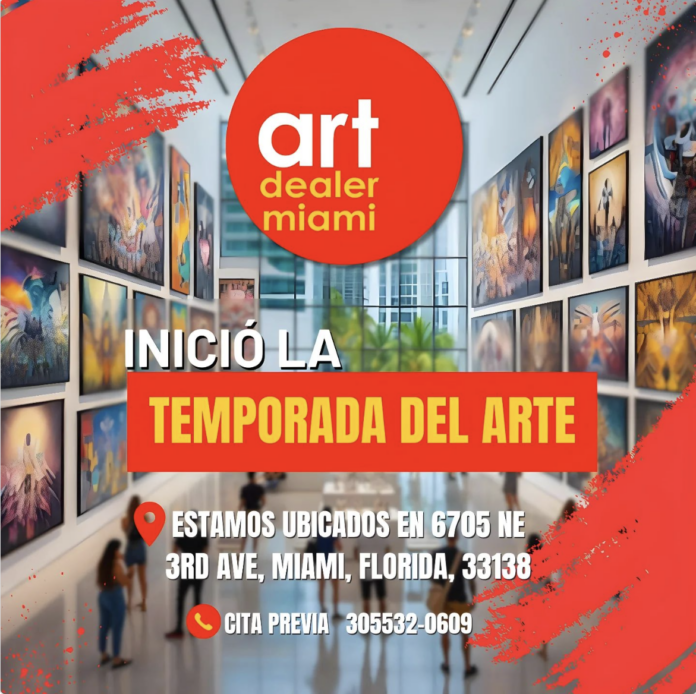
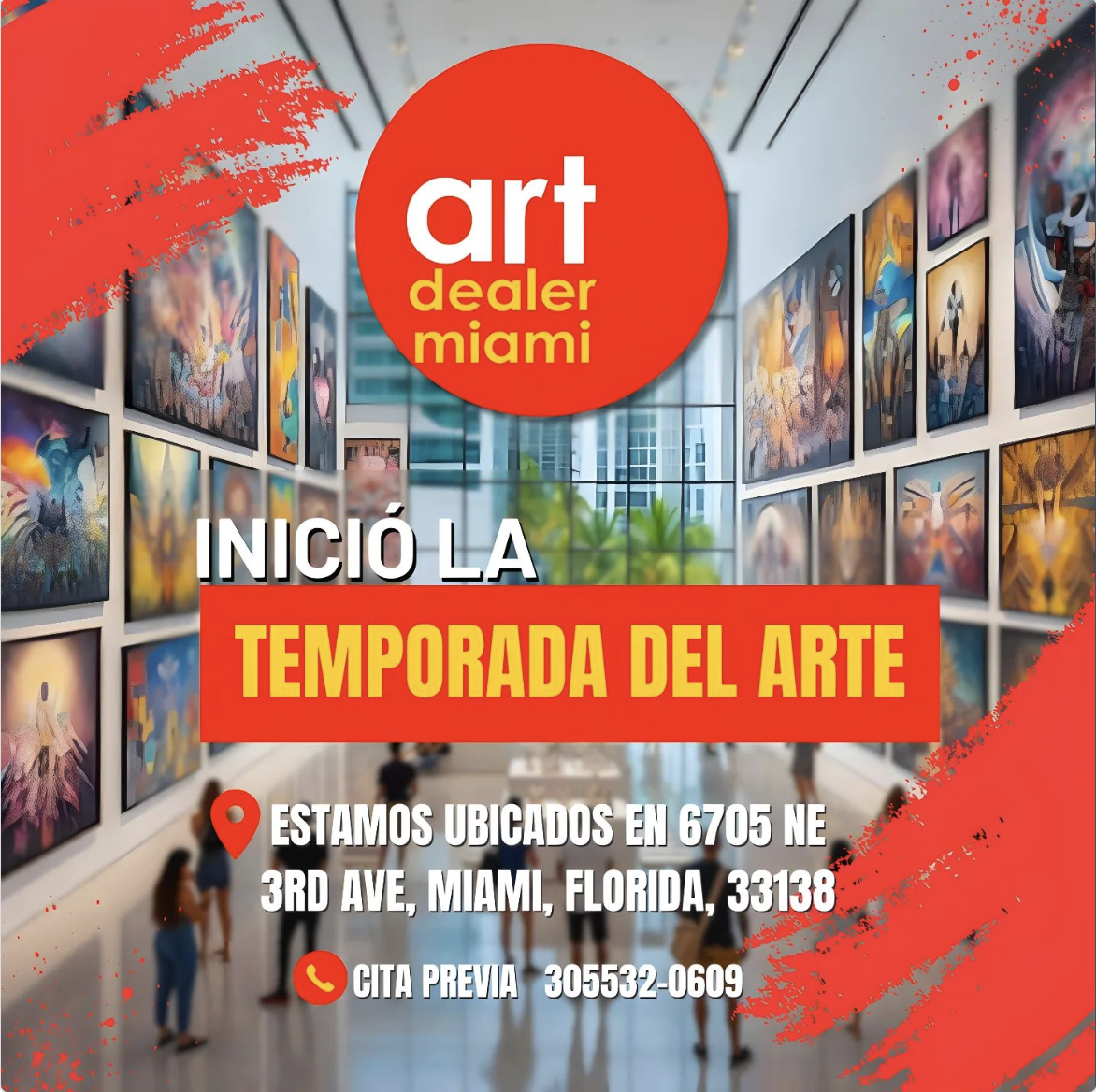
Art Dealer Miami Presents “VOLUMENES”

Miami art dealer
Miami art dealer

Art Dealer Miami Presents “VOLUMENES”

A Group Exhibition Exploring Form, Space & Geometric Illusion in Contemporary Latin American Art

Opening Reception: Thursday May 8, 7–10 PM
Location: 6705 NE 3rd Ave, Miami, FL 33138

MIAMI, FL — Art Dealer Miami is proud to announce the opening of VOLUMENES, a compelling group exhibition curated by Jorge Hulian, featuring works by Paul Amundarain, William Barbosa, Rafael Barrios, Nidia DelMoral, Jesús del Peso, Adriana Dorta, Saúl Galavis, Edgar Guinand, Édgar Negret, Jorge Salas Mora, and Juanka Valencia.

This exhibition brings together an exceptional roster of contemporary Latin American artists whose practices investigate abstraction, spatial perception, and the architecture of volume. From bold sculptural illusions to precise geometric constructions, VOLUMENES offers a rich dialogue between color, material, and dimensionality.

Together, these artists reimagine how we experience form and void—challenging viewers to engage with the artworks not just visually, but physically and conceptually.

Join us for the opening reception on [Insert Date] from 7–10 PM at our Wynwood space. Refreshments will be served, and artists and the curator will be present.

Admission is free and open to the public.


Art Dealer Miami is a contemporary art gallery dedicated to showcasing innovative voices in Latin American and global art.

Follow us on Instagram: [@artdealermiami]

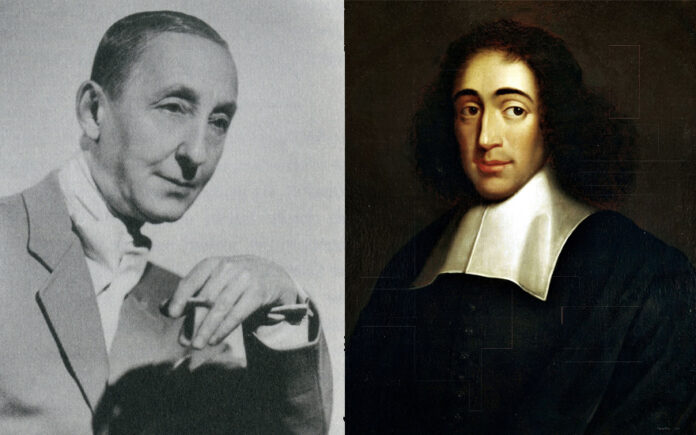
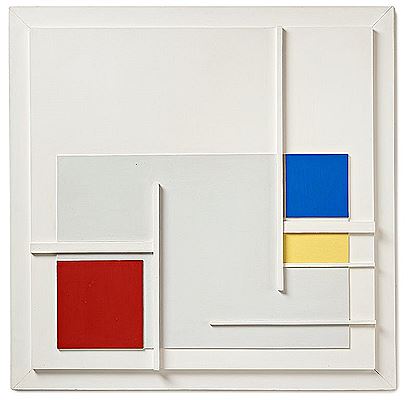
Marlow Moss and the Resonance of Spinoza: Towards a Pure Plastic Consciousness

Marlow Moss - Baruch Spinoza

Marlow Moss and the Resonance of Spinoza: Towards a Pure Plastic Consciousness

By Rafael Montilla

The spiritual convictions of abstract artist Marlow Moss are often a subject of nuanced interpretation. This analysis proposes that Moss, rather than being an atheist, identified more accurately as anti-clerical. This vital distinction highlights her rejection of established religious institutions while affirming a belief in a pervasive, universal truth immanent in the universe. Such a worldview finds a remarkable parallel in the pantheistic philosophy of Baruch Spinoza, particularly his ideas of an all-encompassing divine nature, suggesting that reason and understanding, not faith, illuminate our connection to this underlying reality. This resonance sets the stage for a deeper understanding of Moss’s artistic aims, particularly her quest for a “pure plastic consciousness.”

The passage you quote from Marlow Moss resonates strikingly with Spinozist metaphysics, particularly his ideas on substance, attributes, and modes, and the relationship between the visible (finite, mutable forms) and the invisible (infinite, immutable substance).

Here’s how it aligns:

  • Spinoza’s concept of substance is that there is only one substance—God or Nature (Deus sive Natura)—which is infinite, eternal, and the cause of all things. Everything else is a mode, or a finite expression of that substance.
  • Moss’s reflection that natural forms contain both a changeable visible element and an unchanging universal truth echoes Spinoza’s view that finite things are expressions of an infinite substance—their essence tied to the eternal.

“Their true value is therefore not found in their visible form but in the relation that exists between this form and the universe…”
This mirrors Spinoza’s belief that true understanding comes from seeing things sub specie aeternitatis—“under the aspect of eternity.”

Moss’s aim “to construct pure plastic art that will be able to express in totality the artist’s consciousness of the universe” also mirrors Spinoza’s ethical project: the development of adequate ideas that lead us to a more complete understanding of the universe—and thus, of ourselves.

Conclusion:

Marlow Moss and the Resonance of Spinoza: Towards a Pure Plastic Consciousness

In 1932, Marlow Moss wrote:
“Natural forms contain, in effect, an element of an unchanging and universal truth… Their true value is therefore not found in their visible form but in the relation that exists between this form and the universe… [I aim] to construct pure plastic art that will be able to express in totality the artist’s consciousness of the universe.”

This declaration points beyond aesthetic formalism and into the realm of philosophical inquiry, echoing the metaphysical architecture of Baruch Spinoza. In Ethics, Spinoza proposes that all things are expressions (modes) of one infinite substance: God or Nature. The visible and mutable, then, are not ends in themselves, but traces of an underlying, immutable truth.

Moss’s distinction between “changeable” and “unchangeable” elements mirrors this worldview. Her move toward pure plastic art is not just a break from figuration—it’s a quest to express the artist’s conscious relationship to the universe. This is less about form as object, and more about form as philosophical relation.

While her visual language often recalls Constructivism—its precision, discipline, and structural clarity—Moss departs from purely material or utilitarian concerns. Instead, her abstraction becomes a metaphysical investigation, a pursuit of harmony between the seen and the unseen, the finite and the infinite.

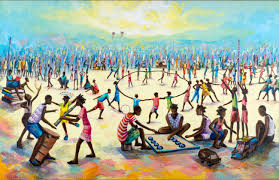
PAMM Celebrates Haitian Heritage Month with Family Art Day

Haitian Heritage
Haitian Heritage

PAMM Celebrates Haitian Heritage Month with Family Art Day

PAMM Free Second Saturdays: Haitian Heritage
Saturday, May 10, 2025 | 11 AM – 3 PM
Pérez Art Museum Miami (PAMM) | 1103 Biscayne Blvd, Miami, FL 33132

Miami, FL — In honor of Haitian Heritage Month, Pérez Art Museum Miami (PAMM) presents a vibrant edition of PAMM Free Second Saturdays: Haitian Heritage on Saturday, May 10 from 11 AM to 3 PM.

This free, family-friendly event features interactive art-making activities inspired by the work of Miami-based ceramic artist Morel Doucet, whose practice explores themes of identity, ecology, and the Afro-Caribbean diaspora. The day also includes dynamic live folkloric dance performances by Tradisyon Lakou Lakay, Inc., offering an authentic celebration of Haiti’s rich cultural traditions.

Through creativity, movement, and community engagement, PAMM invites visitors of all ages to connect with the beauty and legacy of Haitian art and heritage.

Admission is free with RSVP. For details and registration, visit pamm.org.

Media Contact:
Pérez Art Museum Miami (PAMM)
[email protected] | (305) 375-3000

Arte Constructivo

Constructivismo, un movimiento fascinante de principios del siglo XX, especialmente en Rusia después de la revolución.

Imagina un tiempo donde se buscaba romper con todo lo anterior y construir desde cero. Los artistas constructivistas no se conformaban con crear arte para contemplar; ¡querían usar su creatividad para participar activamente en la construcción de un nuevo orden social y material!

¿Qué era el Constructivismo en pocas palabras?

Fue un movimiento artístico y arquitectónico que surgió en Rusia alrededor de 1913 y tomó gran impulso en los años siguientes. Su idea central era que el arte debía fusionarse con la vida cotidiana y la producción, convirtiéndose en una herramienta para dar forma a una nueva sociedad.

Características Principales (¿Cómo se veía?):

  1. Abstracción Geométrica: Se basaban en formas puras y universales: líneas, círculos, cuadrados, triángulos. Buscaban un lenguaje visual claro y objetivo.
  2. Materiales Modernos e Industriales: Adoptaron materiales como metal, vidrio, plástico, madera, reflejando la era industrial y sus procesos.
  3. Funcionalidad y Utilidad: El arte debía tener un propósito práctico y aplicarse al diseño útil: carteles, libros, textiles, muebles, escenografías, edificios. La función era tan importante como la forma.
  4. Rechazo del Arte Tradicional: Cuestionaban el arte visto como un objeto de lujo aislado de la vida real. Buscaban un arte integrado, accesible y relevante para la gente común.
  5. Construcción, no Composición: Pensaban como ingenieros o arquitectos: “construían” sus obras con materiales y principios estructurales, en lugar de simplemente “componer” una imagen en un lienzo.

¿Qué Buscaban los Artistas Visuales? ¿Cuál era su Fin?

Los artistas constructivistas (como Tatlin, Rodchenko, Popova, El Lissitzky) estaban motivados por un fuerte deseo de cambio y progreso. Buscaban:

  1. Integrar el Arte en la Vida y la Producción: Querían que el arte fuera parte activa de la industria, el diseño gráfico, la arquitectura y la vida diaria, superando la barrera entre arte y técnica.
  2. Contribuir al Bien Común: Creían que su arte podía ayudar a organizar y mejorar la sociedad, creando un lenguaje visual moderno y directo para comunicar nuevos ideales y aspiraciones colectivas.
  3. Diseñar el Entorno Moderno: Aspiraban a aplicar sus principios estéticos y funcionales al diseño de todo tipo de objetos y espacios, desde la propaganda visual hasta la planificación urbana. Veían al artista como un agente de cambio y un “constructor” del nuevo entorno.

En resumen, el objetivo principal del Constructivismo a principios del siglo XX era transformar el arte de una actividad meramente contemplativa en una fuerza activa y útil para la construcción de una sociedad moderna, funcional y orientada al colectivo, utilizando un lenguaje visual abstracto, geométrico y vinculado a los materiales y procesos industriales. Querían ser los diseñadores visionarios de un mundo nuevo y más racional.

Espero que esta versión resuene más contigo. El Constructivismo ofrece lecciones poderosas sobre el rol del artista en la sociedad y la conexión entre creatividad y función. ¡Si quieres seguir explorando, aquí estoy!Imagina un tiempo donde se buscaba romper con todo lo anterior y construir desde cero. Los artistas constructivistas no se conformaban con crear arte para contemplar; ¡querían usar su creatividad para participar activamente en la construcción de un nuevo orden social y material!

¿Qué era el Constructivismo en pocas palabras?

Fue un movimiento artístico y arquitectónico que surgió en Rusia alrededor de 1913 y tomó gran impulso en los años siguientes. Su idea central era que el arte debía fusionarse con la vida cotidiana y la producción, convirtiéndose en una herramienta para dar forma a una nueva sociedad.

Características Principales (¿Cómo se veía?):

  1. Abstracción Geométrica: Se basaban en formas puras y universales: líneas, círculos, cuadrados, triángulos. Buscaban un lenguaje visual claro y objetivo.
  2. Materiales Modernos e Industriales: Adoptaron materiales como metal, vidrio, plástico, madera, reflejando la era industrial y sus procesos.
  3. Funcionalidad y Utilidad: El arte debía tener un propósito práctico y aplicarse al diseño útil: carteles, libros, textiles, muebles, escenografías, edificios. La función era tan importante como la forma.
  4. Rechazo del Arte Tradicional: Cuestionaban el arte visto como un objeto de lujo aislado de la vida real. Buscaban un arte integrado, accesible y relevante para la gente común.
  5. Construcción, no Composición: Pensaban como ingenieros o arquitectos: “construían” sus obras con materiales y principios estructurales, en lugar de simplemente “componer” una imagen en un lienzo.

¿Qué Buscaban los Artistas Visuales? ¿Cuál era su Fin?

Los artistas constructivistas (como Tatlin, Rodchenko, Popova, El Lissitzky) estaban motivados por un fuerte deseo de cambio y progreso. Buscaban:

  1. Integrar el Arte en la Vida y la Producción: Querían que el arte fuera parte activa de la industria, el diseño gráfico, la arquitectura y la vida diaria, superando la barrera entre arte y técnica.
  2. Contribuir al Bien Común: Creían que su arte podía ayudar a organizar y mejorar la sociedad, creando un lenguaje visual moderno y directo para comunicar nuevos ideales y aspiraciones colectivas.
  3. Diseñar el Entorno Moderno: Aspiraban a aplicar sus principios estéticos y funcionales al diseño de todo tipo de objetos y espacios, desde la propaganda visual hasta la planificación urbana. Veían al artista como un agente de cambio y un “constructor” del nuevo entorno.

En resumen, el objetivo principal del Constructivismo a principios del siglo XX era transformar el arte de una actividad meramente contemplativa en una fuerza activa y útil para la construcción de una sociedad moderna, funcional y orientada al colectivo, utilizando un lenguaje visual abstracto, geométrico y vinculado a los materiales y procesos industriales. Querían ser los diseñadores visionarios de un mundo nuevo y más racional.

Unlock Your Artistic Potential: What Can an Art Coach Really Do For You?

Unlock Your Artistic Potential: What Can an Art Coach Really Do For You?

Unlock Your Artistic Potential: What Can an Art Coach Really Do For You?

The life of a visual artist is often a complex blend of intense creation, solitary studio hours, navigating opaque industry structures, and grappling with the internal critic. It’s exhilarating, challenging, and sometimes, frankly, overwhelming. You have the vision, skill, and drive, but translating that into a sustainable, fulfilling career can feel like trying to sculpt fog. This is where an art coach steps in – not just as a cheerleader but as a strategist, a critical eye, and a dedicated partner in your professional and creative growth.

So, what does an art coach, particularly one who blends mentorship with critical and curatorial insight, actually do?

  1. Uncover Your ‘Zone of Genius’: Forget generic advice. A good coach helps you identify that unique intersection where your deepest passions, strongest skills, core values, and sense of purpose converge. What truly drives your work? What makes your voice distinct? By clarifying this “zone of genius,” your work gains focus, authenticity, and power, providing a solid foundation for your entire practice and career.
  2. Transform Dreams into Actionable Strategy: Having big goals – gallery representation, solo shows, financial stability through your art – is essential. But without a roadmap, they remain distant dreams. An art coach works with you to break down lofty aspirations into clear, achievable steps. We develop personalized strategies, set realistic timelines, and establish accountability structures to ensure you’re not just thinking about moving forward but actively doing it.
  3. Demolish Limiting Beliefs & Fears: The internal landscape of an artist can be treacherous. Fear of failure (or success!), imposter syndrome, creative blocks, perfectionism – these saboteurs can halt progress faster than any external obstacle. A coach provides tools, perspective shifts, and direct feedback to help you recognize, challenge, and overcome these mindset hurdles, freeing you up to take creative risks and confidently put your work out there.
  4. Sharpen Your Creative Edge (with Insightful Critique): This isn’t about vague encouragement. It’s about developing your work. As your coach and critic, I offer direct, insightful feedback – the kind that respects your vision but isn’t afraid to challenge you. We’ll analyze your art’s visual impact, conceptual depth, and relevance. The goal isn’t just praise; it’s to push your creative boundaries and elevate the quality and impact of your output. Think of it as a critical tune-up for your artistic practice.
  5. Navigate the Art World with Curatorial Savvy: Making great art is only half the battle. How do you present it? How do you talk about it? Where does it fit within the contemporary landscape? Drawing on curatorial experience, an art coach guides you in positioning your work effectively. This includes advice on building a cohesive portfolio, writing compelling artist statements, approaching galleries and curators, and understanding market dynamics – essentially, how to get your art seen and taken seriously.
  6. Build Consistency and Resilience: The art world has its ups and downs. Rejection is common, and inspiration ebbs and flows. A coach helps you develop consistent creative habits that keep you producing even when motivation wavers. Crucially, they help you build resilience—the ability to learn from setbacks, adapt to challenges, and maintain momentum over the long haul.
  7. Foster Holistic Success: Ultimately, an art coach champions a holistic vision of success. This means aligning your creative practice with your personal growth, achieving financial stability through your art, and finding deep fulfillment in your career. It’s about building a life as an artist that is both creatively rewarding and sustainable.

Is it an investment? Yes. But it’s an investment in your most valuable asset: your creative potential and professional future. Working with an art coach can accelerate your growth, help you avoid common pitfalls, and provide the dedicated support and strategic insight needed to turn your artistic passion into a thriving, long-term reality. You bring the talent and the vision; the coach helps you build the bridge to make it happen. You don’t have to navigate the complex art world alone.  

Aura Copeland

Aura Copeland
Aura Copeland

Aura Copeland

Aura Copeland Gallery 211 E Flagler St, Miami, Florida 33131

Aura Copeland Contemporary 125 E Flagler St, Miami, Florida 33131

Aura Copeland is a dynamic force in Miami’s burgeoning art scene, a gallerist and entrepreneur dedicated to fostering connections and championing artists. With Aura Copeland Gallery and Aura Copeland Contemporary serving as vital hubs in Downtown Miami—and a third space on the horizon—she actively bridges the worlds of art, design, and architecture. From her early artistic calling in Lithuania and foundational studies to her impactful work today, Aura’s journey is driven by a passion for nurturing talent and shaping the city’s cultural landscape. In this insightful conversation, she delves into the inspirations behind her thriving galleries and her vision for their evolving role in Miami’s vibrant art ecosystem.

AMM. You have created two thriving galleries in Downtown Miami that serve as bridges between artists, architects, collectors, and designers. What inspired you to establish Aura Copeland Gallery & Aura Copeland Contemporary, and how do you see their role evolving in Miami’s art scene?

    Aura. My artistic journey began in my childhood. From an early age, my teachers recognized my natural talent and passion for art. But only after my father’s passing, at 16 year old I met a mentor who inspired me to pursue art as my future. I was in 11th grade, facing a major decision about what to study at university. Preparing for entrance exams at a local design school in my hometown of Telsiai, Lithuania, was challenging, but it marked the start of a more serious commitment to my artistic path.

    A year later, I applied to study Architecture at the Academy of Arts in Vilnius, Lithuania. After being accepted, I spent two and a half years there, and the experience was invaluable. The rigorous academic drawing and the traditional, old-school approach of the Academy gave me a strong foundation in the arts that has stayed with me throughout my career.

    Several years later, I moved to New York, where I earned a degree in footwear design at Fashion Institute of Technology. Upon graduation, I dove straight into the footwear industry, working as a designer. Around the same time, I founded a nonprofit organization, Les Couleurs Charity, which provided arts education to orphaned children in countries like Haiti, Nepal, and Mexico. I ran the charity for several years, until about a year ago.

    When I opened my first gallery nearly two years ago in Downtown Miami, I decided to focus all my energy on this new venture. I saw a pressing need for young, emerging artists in Miami to have a platform to showcase their work. My gallery became that first stepping stone for many up-and-coming artists.

    Now, my passion is to nurture, support, and create opportunities for young artists. At my second gallery, AURA COPELAND GALLERY, we collaborate with a diverse range of artists—both local and international, emerging and established. We are also in the process of opening another location in Downtown Miami. Our goal is to be pioneers in this thriving art scene and help shape the cultural landscape of the area.

    We envision Downtown Miami becoming a true art hub, and we aim to be at the forefront of that movement. We want to be a home for talented artists, providing a platform for their work, hosting art walks, and contributing to the growth of the city’s vibrant arts community.

    AMM. Your work goes beyond simply exhibiting art—you actively connect emerging and established artists with key figures in the design and architecture world. How do you curate and foster these relationships to create meaningful collaborations?

      Aura. “Over a year ago, I had the privilege of hosting the first real estate panel titled Designing the Miami Skyline, where I had the opportunity to interview and bring together key figures from the industry. The success of the event was undeniable, revealing a clear need for greater connection within the real estate sector. As a gallery owner, I’ve also been deeply involved in nurturing the careers of young artists. It quickly became evident to me that these emerging artists need to connect with the very industry leaders I was bringing together—individuals who could provide them with valuable networking opportunities and potential collaborations. It was a natural intersection of both my passions, and I knew this was the beginning of something special.”

      Your podcast is an exciting platform where you give artists a voice. What motivated you to start it, and how do you select the artists you feature? Any memorable episodes that truly resonated with you?

      Aura. “Art with Aura Podcast really felt like a natural extension of everything happening at the gallery. I was consistently meeting fascinating individuals who were doing incredible things in their lives, and I felt compelled to share their stories with a wider audience. One of my first guests was Hector Garcia, the owner of a media agency, who provided so much valuable, practical advice to young artists. He had run his own art gallery in Wynwood during its heyday, and his insights were nothing short of enlightening. Sadly, Hector passed away right after Art Basel, which makes this episode even more special. It’s a beautiful way to preserve his wisdom and the memory of a dear friend, and I’m so grateful to have had the opportunity to pick his brain and share it with others.”

      AMM. Miami has become a global art hub, with events like Art Basel and a rapidly growing collector base. What role do your galleries play in shaping and supporting this evolving art market?

      Aura. It’s fascinating to see how Miami’s art scene has evolved, especially with the influx of collectors and the growing sophistication of their tastes. Your insight into the shift away from pop art toward more abstract and challenging works is telling of this broader cultural transformation. In a way, it seems Miami is shedding its more commercialized art identity and moving toward a more introspective, daring art market.

      As a gallery owner or art dealer, you play an integral role in shaping that evolution. Being a tastemaker means you’re curating pieces that not only resonate with the current generation of collectors but also push the boundaries of what art can be in Miami. I imagine this involves a balance between staying ahead of the curve while also fostering a deeper appreciation for art that may not immediately speak to everyone.

      AMM. As a quadrilingual gallerist and a striking presence in the art world, you have a unique ability to reach diverse audiences. How do you leverage this to expand the international reach of your artists and galleries?

      Aura. I firmly believe that my extensive travels and the ability to speak four languages have enabled me to connect with artists from different nationalities and backgrounds on a much deeper level. Born and raised in Lithuania, I naturally feel a strong sense of excitement and pride when showcasing artists from my home country. A few notable Lithuanian artists I would like to highlight include Ignas Maldus, Kristina Asinus, and the rising star of Lithuanian contemporary art scene, Kristina Alisauskaite, whose work has even been collected by the Contemporary Art Museum in Vilnius.

      Having lived and worked in Haiti, I admit that I have a special fondness for Haitian art, which I tend to favor. Similarly, my time spent in Nepal and Mexico has deepened my appreciation for the art from these regions, and I find myself drawn to the works of artists from these countries as well.

      AMM. You are truly making a difference in the South Florida art community. What upcoming projects or initiatives are you most excited about, and what is your vision for the future of your galleries?

      Aura. My biggest goal is really to establish Downtown Miami as a true art hub. I’m excited to be part of this movement, and I believe AURA COPELAND GALLERIES are already opening many doors in that direction. We’re in the process of launching AURA COPELAND CONTEMPORARY, which will be opening in just a few weeks, and I’m really looking forward to seeing where this next step takes us. As we continue to grow, my focus will always be on selecting the most exciting, up-and-coming artists. I want to highlight both local talent and international voices, and we’re constantly on the lookout for the freshest perspectives and new talent that will shape the future of contemporary art.

      AMM. With your passion for art, design, and culture, what advice would you give to young artists or collectors looking to navigate the contemporary art world?

      Aura. My best advice to young artists is to stay well-informed about current trends, build connections with other artists, collaborate, and always be open to learning. It’s easy for artists to become introverted and work in isolation, but sometimes just being proactive and stepping out of your bubble can make all the difference. Don’t be afraid to ask for advice or feedback from senior artists, peers, or people who really understand the art business. Their input can be invaluable in helping you grow, both as an artist and in navigating the art world.

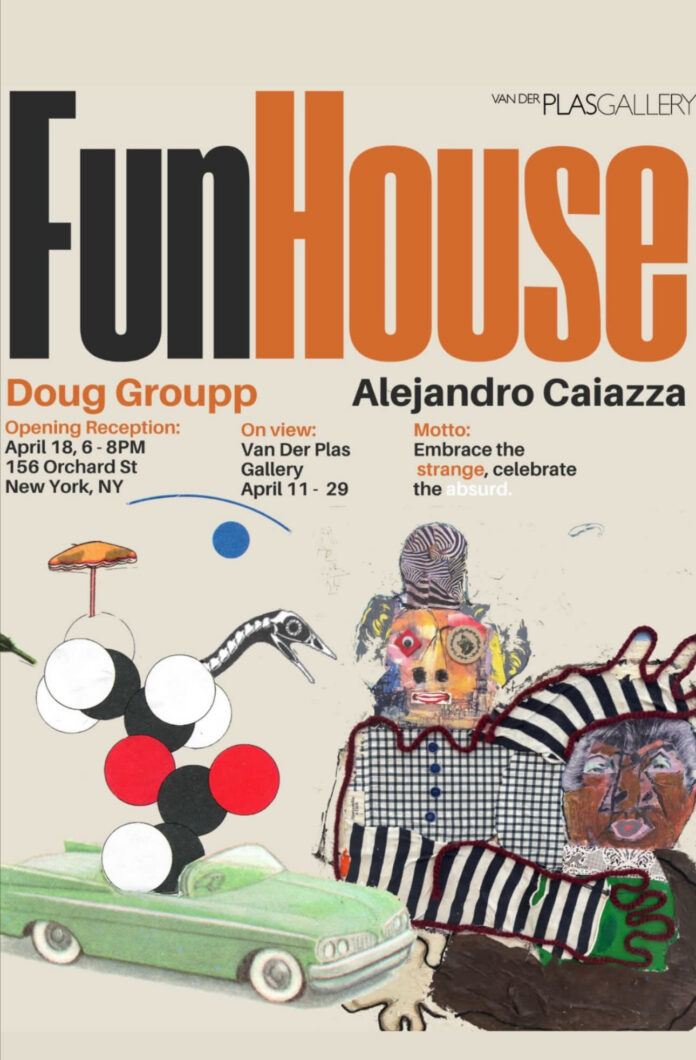
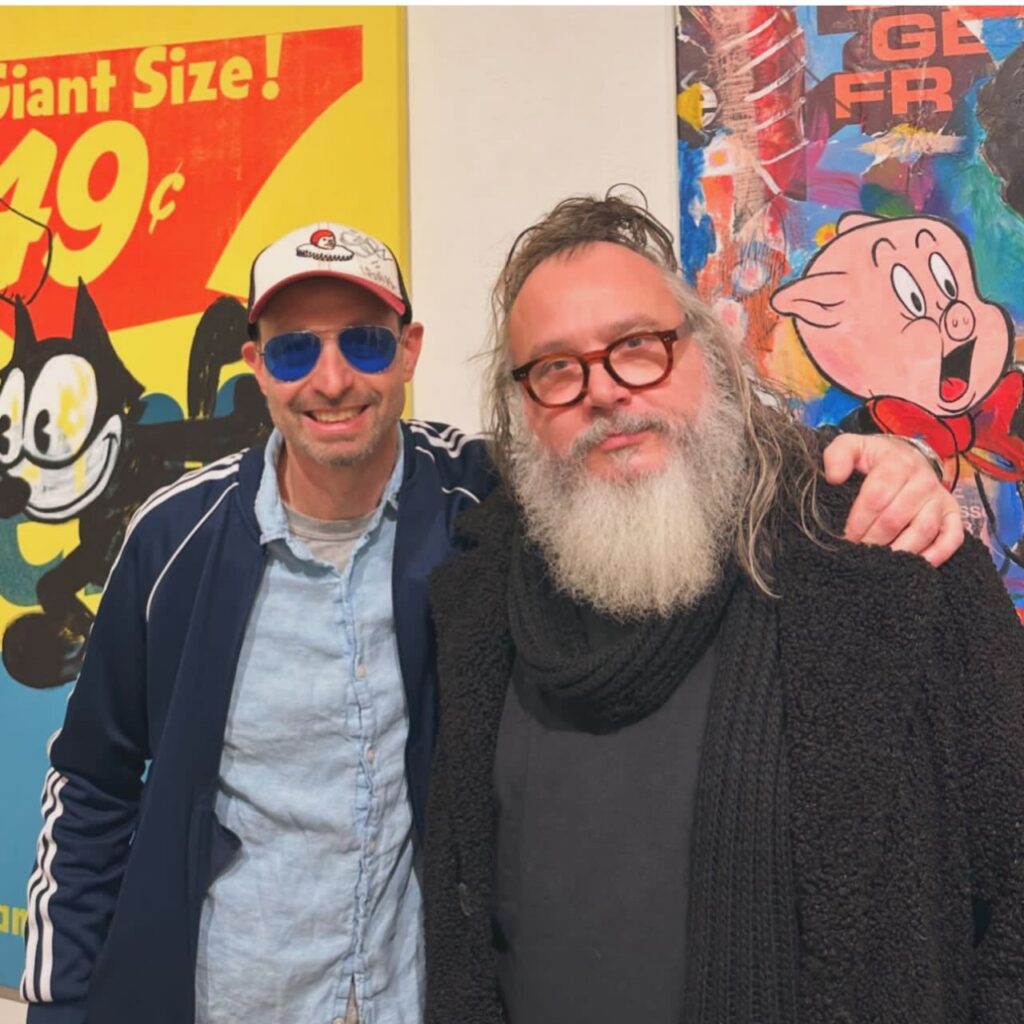
      Dos artistas en la Van Der Plas Gallery Alejandro Caiazza y Doug Groupp

      Alejandro Caiazza y Doug Groupp
      Alejandro Caiazza y Doug Groupp


      Dos artistas en la Van Der Plas Gallery Alejandro Caiazza y Doug Groupp


      Por: José Gregorio Noroño

      “La casa de la risa” (“Fun House”), título empleado por la Van Der Plas Gallery, complementado con el lema “Abraza lo extraño, celebra lo absurdo”, para la exposición inaugurada el 18 de abril de 2025, indican el propósito curatorial de este espacio expositivo, con respecto a las obras de los artistas que la conforman, Alejandro Caiazza (1972), venezolano, y Doug Groupp (1970), estadounidense, en cuyas producciones visuales la Galería presume que “exploran la paradoja del carnaval”, aunque lo carnavalesco no sea esencialmente la intención estética explícita en la obra de ambos artistas.

      Si bien el estilo y la temática de estos dos autores son diferentes entre sí, Van Der Plas Gallery se ha planteado acercarlos bajo la noción de lo carnavalesco, noción que me inclino a orientar más allá de lo meramente festivo, pensando en el crítico y teórico literario Mijaíl Bajtín (1895-1975), quien concibió lo grotesco desde la perspectiva de lo cómico, que por extraño y absurdo tiende a inducir a la risa; pero una risa que celebra, cuestiona y destruye al mismo tiempo, ya que se burla del orden establecido. Además de generar risa, lo grotesco también puede producir otras reacciones, tales como disgusto, perturbación, horror o suspicacia. 

      Para Bajtin, lo grotesco es un problema de existencia real, que se manifiesta en la naturaleza, en la historia, en la conducta colectiva e individual del hombre, y deviene en categoría estética, luego de que el escritor ─que en el caso nuestro serían los artistas─ toma conciencia de su entorno, de los problemas de su tiempo, de las circunstancias histórico-culturales de su momento, y asume un compromiso con la sociedad y el tiempo en el que le ha correspondido vivir y crear.

      Lo grotesco es una categoría estética a la que recurre el arte contemporáneo para desafiar las narrativas tradicionales ─valores, creencias y costumbres sociales─, para explorar, cuestionar y reflexionar sobre la condición humana, sobre la existencia de un mundo perturbado y deshumanizado. En este caso, Caiazza, mediante un repertorio de procedimientos técnicos mixtos, así como de estilos diferentes ─el primitivismo, el arte marginal, el art brut, la bad painting, el neoexpresionismo y algo de pop art─, hace uso de este recurso de la estética contemporánea, de lo grotesco, para impugnar aspectos de la sociedad, de la política y la cultura, mostrando así sus absurdas y destructivas acciones. 

      Caiazza es un artista de larga trayectoria, quien realizó su primera exposición individual en 1999, en la Sala de Arte Sidor, Venezuela. Desde entonces, su obra ha sido expuesta en varias ciudades, tales como París, Yokohama, Roma, Houston y Nueva York.

      Vale acotar que entre las actividades más recientes de Caiazza, está su participación en la primera edición en físico de Art Miami Magazine, lanzada  en diciembre de 2024, en el marco de Art Basel Miami Beach; así como su participación en el artículo sobre “Cinco artistas venezolanos que plasman la migración en su obra”, publicado en febrero de 2025 en https://polivision.modlangs.gatech.edu/5-venezuelan-artists-capturing-migration-in-their-work/; de igual modo, recientemente participó en la exposición colectiva “The Artful Dozen”, conformada por 12 artistas, quienes fueron presentados por la Van Der Plas Gallery en el marco de  Affordable Art Fair 2025, en los espacios del Metropolitan Pavilion, en  New York City.

      La obra de Caiazza se encuentra en numerosas colecciones, tanto privadas como públicas, tales como La Fondazione Filiberto e Bianca Menna, Centro Studi d’Arte Contemporánea, Roma, Italia; en el Museo de Arte Conmemorativo Tanaka Isson, Amami Oshima, Japón; en la Sala de Arte de Sidor, Ciudad Guayana, Venezuela; y en el Museo de Arte Contemporáneo de Cleveland, MOCA, Ohio, EE. UU. 

      Doug Groupp también cuenta con una amplia trayectoria artística, la cual comienza a principios de los años 90. Con relación a su trabajo visual, particularmente su obra más reciente, me atrevo a decir que congrega elementos del arte pop y del surrealismo, que, al conjugarlos, lo emparentan, bajo un estilo muy personal, con una suerte de surrealismo pop de configuración sutil; movimiento cuyas fuentes de inspiración provienen de la cultura de masas, del consumo popular, tales como el cómic, las historietas, los cuentos de hadas, imágenes del cine, de la televisión y de la psicodelia; así como de las regiones del inconsciente, de lo onírico, de los sueños y la fantasía como medios para liberar la imaginación, ingredientes estos que al ser combinados conciertan un estilo grotesco, seres fuera de lo común, amorfos, híbridos, extraños, absurdos, con un sentido del humor sarcástico e irónico, propensos a inducir la risa, el horror o a la perplejidad.

      Efectivamente, en su extraña narrativa visual, suerte de rosario o cadena de coloridas y heterogéneas imágenes, dispuestas en forma de líneas verticales, Doug Groupp entremezcla iconos y objetos cotidianos pertenecientes a la cultura de masas, de consumo popular, tema central del pop art, con elementos propios del surrealismo. 

      En fin, a estos dos artistas, Caiazza y Groupp, a pesar de sus diferencias estilísticas y temáticas ─más allá de la voluntad de establecer un diálogo entre sus obras en un mismo espacio expositivo─, los emparenta lo grotesco, la sátira y la ironía, que si bien no inducen espontáneamente a la risa, por no ser de ambos la intención estética principal, potencialmente ella está allí, subyace en cada una de sus transgresoras imágenes, en espera de la comprensión e interpretación de cada espectador, frente a lo extraño y absurdo. 

      Bogotá, 2025 

      Van Der Plas Gallery
      156 Orchard St.
      New York, NY.
      10002

      https://www.meer.com/en/search?utf8=%E2%9C%93&query=Alejandro+caiazza

      Page 104 of 278
      1 102 103 104 105 106 278