
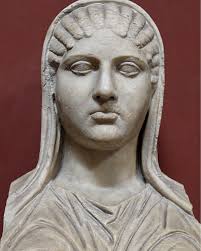
Aspasia of Miletus was not merely a companion to Pericles or a footnote in the history of ancient Greece—she was a philosopher, thinker, and teacher whose intellectual contributions shaped some of the greatest minds of her time, including Socrates himself. Yet, despite her profound influence, her legacy has been largely erased from history books, overshadowed by the patriarchal narratives of her era. Known for her groundbreaking teachings on rhetoric, ethics, and philosophy, Aspasia’s ideas resonated deeply within the intellectual circles of Athens, challenging societal norms and redefining the role of women in a male-dominated world. It’s time to reclaim her story and recognize her as a pivotal figure in the history of Western thought.
Aspasia: The Philosopher
- Philosophical Contributions: Aspasia’s philosophical ideas were revolutionary for her time. She engaged in dialogues with Socrates, who reportedly admired her wisdom and credited her as one of his teachers. Her teachings likely influenced Socratic methods, particularly the use of dialogue and questioning to explore truth.
- Evidence: In Plato’s Menexenus, Socrates humorously claims that Aspasia taught him rhetoric and even composed Pericles’ famous funeral oration. While the dialogue may be satirical, it underscores her reputation as a skilled thinker.
- Legacy: Aspasia’s philosophical insights may have contributed to the development of ethical and rhetorical theories that later became central to Western philosophy.
- Challenging Gender Norms: In a society where women were confined to the domestic sphere, Aspasia defied conventions by participating in intellectual discourse and educating both men and women. Her life and work challenge the notion that philosophy and rhetoric were exclusively male domains.
Aspasia: The Thinker
- Rhetorical Genius: Aspasia was renowned for her mastery of rhetoric, the art of persuasive speaking. She not only taught rhetoric but also practiced it, advising Pericles on political speeches and strategies. Her influence on Athenian politics through Pericles cannot be overstated.
- Example: Plutarch notes that Aspasia’s rhetorical skills were so esteemed that even Athenian elites sought her counsel.
- Impact: Her teachings on rhetoric may have laid the groundwork for later developments in the field, influencing figures like Cicero and Quintilian.
- Ethical and Political Thought: Aspasia’s ideas likely extended beyond rhetoric into ethics and politics. Her association with Pericles and Socrates suggests that she contributed to discussions on justice, governance, and the ideal society—themes central to Athenian intellectual life.
Aspasia: The Teacher
- Mentor to Socrates: Ancient sources, including Plato and Xenophon, suggest that Aspasia played a significant role in Socrates’ education. Her teachings on rhetoric and philosophy may have shaped his approach to dialogue and inquiry.
- Evidence: In Xenophon’s Memorabilia, Socrates recommends Aspasia as a teacher of rhetoric and household management, highlighting her intellectual authority.
- Legacy: By mentoring Socrates, Aspasia indirectly influenced the entire trajectory of Western philosophy, as Socrates’ ideas became the foundation for Plato, Aristotle, and beyond.
- Educator of Women: Aspasia was one of the few women in ancient Greece to openly educate other women in philosophy and rhetoric. Her efforts to empower women through knowledge were groundbreaking, challenging the rigid gender roles of her time.
Erased from History
- Patriarchal Erasure: Despite her contributions, Aspasia’s legacy was minimized or dismissed by later historians. Ancient sources often reduced her to a courtesan or a mere companion of Pericles, ignoring her intellectual achievements.
- Example: While Plutarch acknowledges her influence, he also perpetuates stereotypes about her role in Athenian society.
- Modern Reclamation: Scholars like Madeleine Henry have worked to reconstruct Aspasia’s story, emphasizing her intellectual contributions and challenging traditional narratives.
- Cultural Bias: The erasure of Aspasia reflects broader cultural biases against women in history. Her story is a reminder of how many women’s achievements have been overlooked or attributed to men.
Reclaiming Aspasia’s Story
- A Symbol of Female Intellectualism: Aspasia’s life and work challenge the myth that women played no role in the development of Western philosophy. She stands as a testament to the intellectual capabilities of women, even in the face of societal constraints.
- Inspiration for Modern Thinkers: Aspasia’s story resonates with contemporary efforts to recognize and celebrate the contributions of women in philosophy, science, and politics. Her legacy inspires us to question historical narratives and seek out the voices that have been silenced.
- A Call to Action: It’s time to restore Aspasia to her rightful place in history—not as a footnote, but as a pioneering philosopher, thinker, and teacher who shaped the course of Western thought.
What was Aspasia known for?
Known for her intellect
- Aspasia was a scholar and philosopher who opened a school of rhetoric and philosophy in Athens.
- She was a teacher and advisor to Pericles, a statesman who led Athens during its Golden Age.
- She influenced other prominent philosophers and leaders, including Plato and Socrates.
- Socrates credited Aspasia as his teacher in rhetoric.
Known for her political influence
- Aspasia was politically active in 5th century BCE Athens.
- She exerted political influence on Pericles.
- She created a space for people to share knowledge across disciplines and debate new ideas.
Known for her ability to persuade people
- Aspasia was a brilliant philosopher who used her outsider status to defy expectations about what women could accomplish.
- She was known for her exceptional eloquence and understanding of oratorical and political problems.
Known for her role in women’s history
- Aspasia’s story reminds us of the often hidden role played by women in the philosophical traditions of the world.
Conclusion
Aspasia of Miletus was a trailblazer whose intellectual contributions rivaled those of her male contemporaries. Her teachings on rhetoric and philosophy influenced Socrates, Pericles, and the broader intellectual landscape of ancient Athens. Yet, her story has been obscured by centuries of patriarchal bias. By reclaiming Aspasia’s legacy, we honor not only her achievements but also the countless women whose voices have been erased from history. Aspasia’s story is a powerful reminder that the pursuit of knowledge knows no gender—and that it’s never too late to rewrite history.