Adamar Fine Arts — Between Market Legacy and Contemporary Relevance
Adamar Fine Arts occupies a distinctive position within the cultural and commercial topography of Miami. With nearly four decades of activity, the gallery represents a hybrid model that bridges modern masters, blue-chip contemporary figures, and mid-career international artists, constructing a program that is both historically anchored and market-aware.
From a curatorial standpoint, Adamar’s identity is deeply intertwined with the evolution of the Miami Design District itself. Long before its current status as a global luxury and cultural destination, the gallery contributed to the area’s early transformation into a viable art hub. In this sense, Adamar should be understood not only as a participant in the district’s growth, but as an agent in its cultural regeneration—a role often underexamined in narratives of Miami’s art scene.
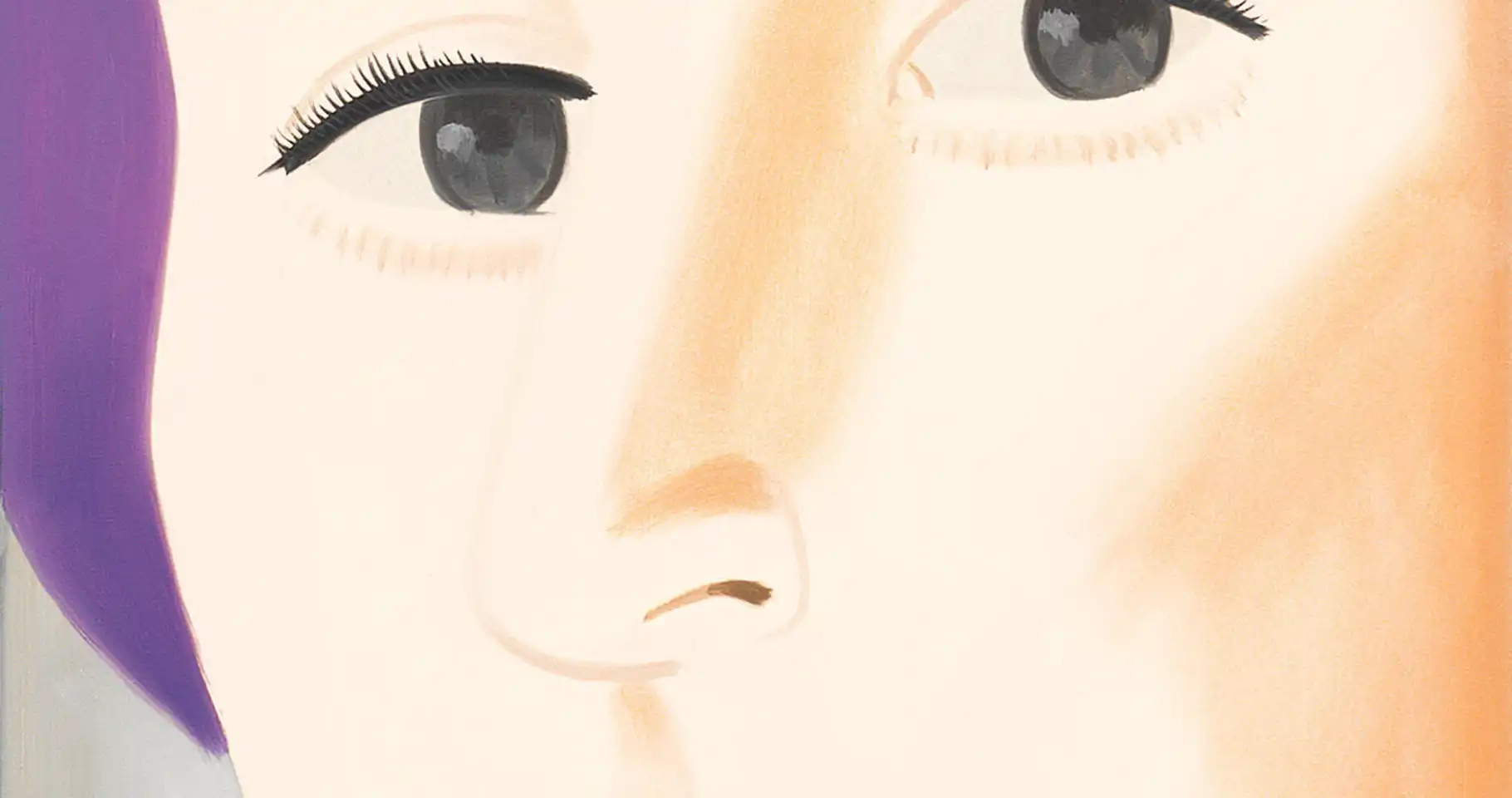
The gallery’s roster and inventory reveal a strategic alignment with canonical postwar and contemporary art. By presenting works by figures such as Alex Katz, Andy Warhol, Roy Lichtenstein, Damien Hirst, Ai Weiwei, and Keith Haring, Adamar situates itself within a lineage of artists who have defined the visual language of late 20th- and early 21st-century art. Yet, importantly, this is not a purely retrospective gesture; the inclusion of mid-career and emerging artists introduces a dialogue between established art-historical narratives and contemporary production.
Museologically, Adamar operates in a space that oscillates between exhibition-making and collection-building. Its advisory role and long-term engagement with collectors suggest a model closer to that of a private curatorial platform than a traditional rotating gallery. The emphasis on works across media—painting, sculpture, works on paper, and installation—further reinforces a commitment to material and conceptual diversity, rather than adherence to a singular aesthetic direction.
Notably, the gallery’s transition toward an appointment-based and online model over the past decade reflects broader structural shifts within the art market. This move can be read as both pragmatic and strategic: it allows for a more tailored, discursive engagement with collectors while maintaining participation in key art fairs in cities such as New York, Chicago, and Palm Springs. In doing so, Adamar navigates between intimacy and visibility, private consultation and public exposure.
Critically, Adamar Fine Arts embodies a form of continuity within change. It sustains the legacy of modern and contemporary masters while adapting to evolving modes of distribution, display, and collecting. Its program does not seek radical disruption; rather, it cultivates a steady, informed engagement with art history and market dynamics alike.
In an art world often polarized between speculative novelty and institutional canonization, Adamar positions itself in the interstitial space—where historical significance, market knowledge, and curatorial sensibility converge.
http://www.adamargallery.com
Miami, FL 33179
United States
Tel: 3055761355
Works Available by
Marcus Abel
Derrick Adams
Katherine Bernhardt
Miguel Berrocal
Ross Bleckner
Mel Bochner
Djawid Borower
Debbie Carfagno
Ian Davenport
Jim Dine
Jean Dubuffet
Helen Frankenthaler
Red Grooms
Keith Haring
Damien Hirst
David Hockney
Brad Howe
Tolla Inbar
Robert Indiana
Alex Katz
KAWS
Jeff Koons
Sol LeWitt
Roy Lichtenstein
Robert Longo
Gretchen Minnhaar
Mr. Brainwash
Julian Opie
Rene Rietmeyer
Ugo Rondinone
Alison Saar
David Salle
Kenny Scharf
jonathan skow
Frank Stella
Harry Sudman
Donald Sultan
Wayne Thiebaud
Ernest Trova
Gavin Turk
Andy Warhol
Tom Wesselmann
James Yohe
Angelo Zaragovia
Zammy Z. Migdal