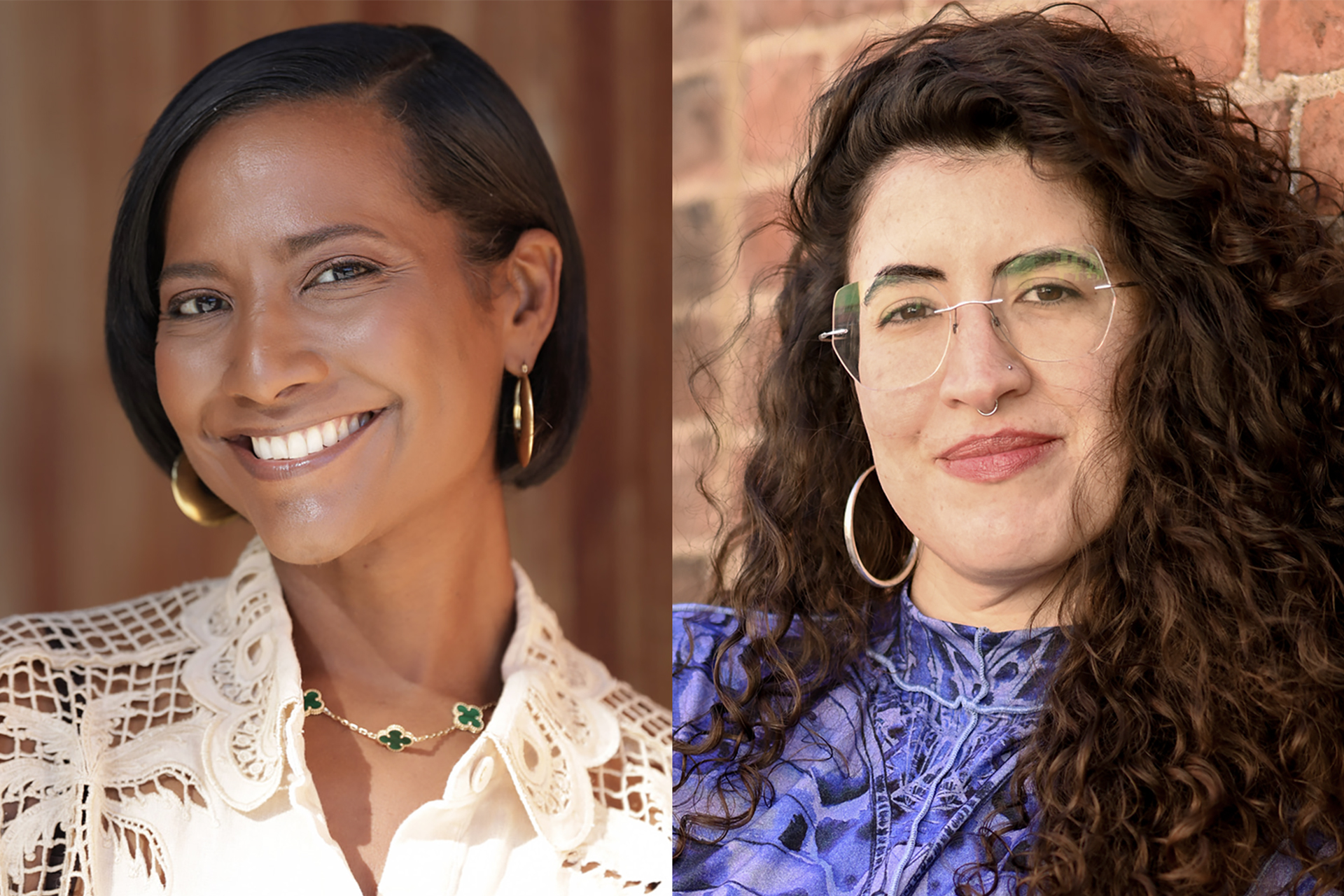
WOPHA ANNOUNCES 2026 RESEARCH FELLOWS LAUREN BACCUS AND
CRISTINA E. PARDO PORTO ADVANCING SCHOLARSHIP ON CARIBBEAN
PHOTOGRAPHY
Women Photographers International Archive (WOPHA) announces the recipients of the 2026 WOPHA Research Fellowship: Lauren Baccus and Cristina E. Pardo Porto. Now in its fourth edition, this eight-month program supports two exemplary research initiatives by emerging and established writers examining themes related to women and nonbinary voices in photography. The fellowship provides funding for the production of a scholarly essay, as well as opportunities for mentorship, networking, and publication. The 2026 fellows were selected through an open call juried by Raquel Villar-Pérez, independent researcher and curator of photography.
This year’s selected projects contribute to the expansion of scholarship on Caribbean photography through distinct yet complementary approaches. Lauren Baccus’s proposal Intimate Archives and Black Feminist Memory positions Caribbean women’s photography as a practice of intimate archiving, centering images that hold family, kinship, and everyday life against the erasures of official history. Cristina E. Pardo Porto’s research, tentatively titled Blue Photographies, proposes an oceanic, Caribbean-centered rethinking of photographic history by asking what it means to think photography from Blue seawater. Engaging artists such as Widline Cadet, Samantha Box, and Nathyfa Michel, as well as Diana Eusebio, Andrea Chung, Nadia Huggins, Juana Valdés, María Magdalena Campos-Pons, Sofía Gallisá Muriente, and Joiri Minaya, the projects contribute knowledge and critical inquiry to their creative practices.
‘My work has often centered on how images circulate between personal memory and institutional frameworks; being selected as a WOPHA Fellow represents a crucial moment in the evolution of my practice, expanding how I think about authorship, visual archives, and the transmission of women’s histories across the Caribbean and its diaspora.’ – Lauren Baccus
‘Being part of a community that brings together different kinds of thinkers, cultural workers, artists, and curators is incredibly meaningful for my development as an interdisciplinary scholar. WOPHA brings together community, public engagement, and research, which makes this fellowship especially exciting and unique.’ – Cristina E. Pardo Porto
‘We are very excited about the work Lauren and Cristina will develop over the coming months. Their research will further WOPHA’s mission to support scholarship that redresses the absence of women in the history of photography and defines the specific nature and accomplishments of their contributions.’ — Aldeide Delgado
The WOPHA Research Fellowship fosters the next generation of photo critics and scholars working across diverse methods and literary forms, including critical, theoretical, speculative, philosophical, historical, and autobiographical approaches. While open in scope, the 2026 projects resonate with the organization’s ongoing
engagement with Caribbean photographic histories. This alignment reflects WOPHA’s broader ecosystem of initiatives, including the Caribbean Cultural Institute (CCI) + WOPHA Fellowship, the research project First Was the Abyss, and the Caribbean Photography Research Group, which advance artistic production, scholarship, and archival practices across the region and its diasporas.
The 2025 – 2026 WOPHA Research Fellowship is supported by the Pérez CreArte grant program by The Jorge M. Pérez Family Foundation at The Miami Foundation and the Green Family Foundation. Cultural partners include The Betsy Hotel, Green Space Miami, and the Department of Art + Art History at Florida International University.
2026 WOPHA RESEARCH FELLOWS
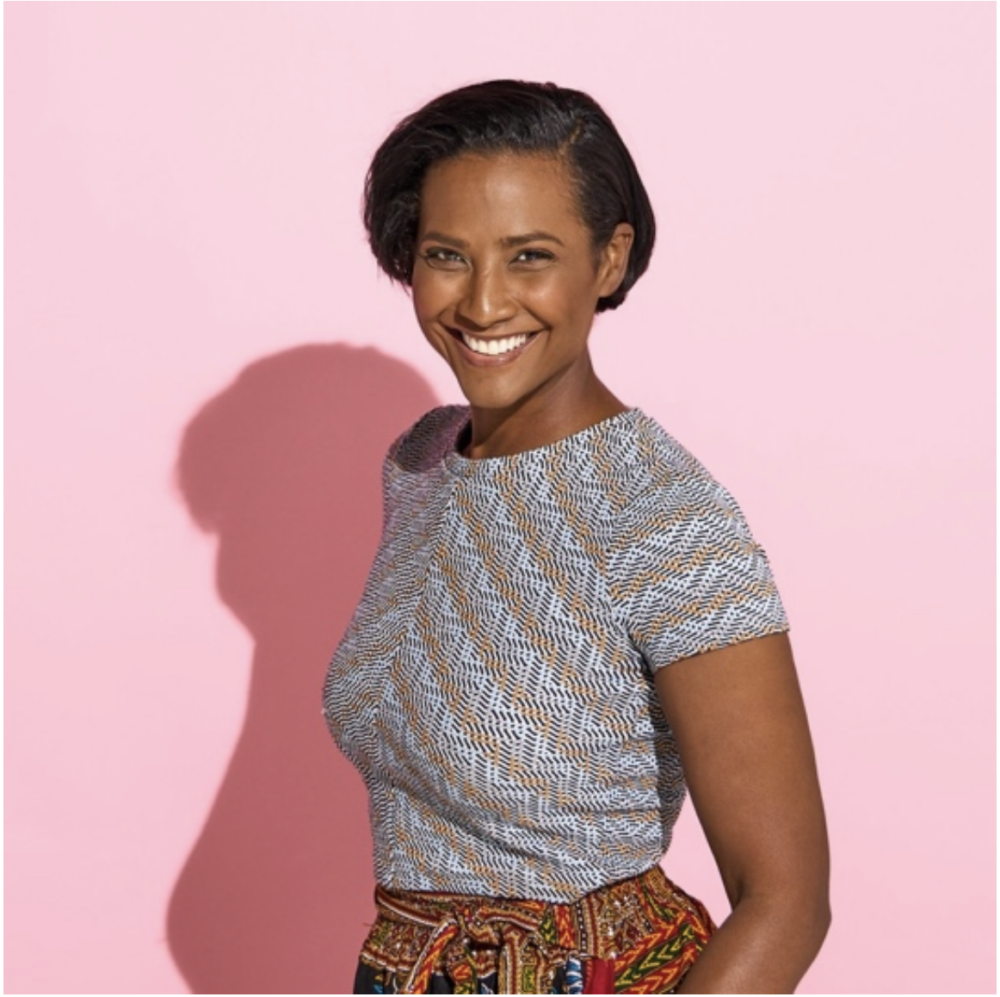
Miami, Florida
Lauren Baccus is a Miami-based writer and researcher whose work centers on arts education, contemporary art, and Caribbean visual culture. Her practice foregrounds critical inquiry, close visual analysis, and community-grounded scholarship, with a particular interest in how images shape narratives of identity, memory, and belonging within the Caribbean and its diasporas.
Drawing on experience across museums, cultural institutions, and independent projects, Lauren develops research-driven essays, lectures, and public programs that make complex ideas accessible to broad audiences while remaining grounded in rigorous scholarship.
Her ongoing research explores the intersections of art, identity, performance, and material culture in contemporary Caribbean art, informing both her writing and her curatorial and educational practice.
Project Title
Intimate Archives and Black Feminist Memory
Project Description
This research and essay positions Caribbean women’s photography as a practice of intimate archiving and Black feminist memory work, centering images that hold family, kinship, and everyday life against the erasures of official history. The project asks: How do Caribbean women’s photographic archives re-script the visual language of Caribbean family, migration, and belonging beyond tourist and colonial images? Focusing on photographers and projects across the Caribbean and its diasporas, the essay will examine family albums, domestic interiors, ritual practices, queer kinship, and scenes of everyday care. Core case studies will include Widline Cadet’s lens-based work on Haitian diasporic memory and intimacy, Samantha Box’s photographic and collaged family histories that reframe Caribbean diasporic belonging, and Nathyfa Michel’s use of personal and archival imagery to think through Caribbean memory and futurity. These artists will be read alongside women-led Miami memory initiatives such as Black Miami-Dade, whose community archiving practices foreground Black, Caribbean, and Afro-diasporic life in South Florida.
The project will read these visual archives through Black feminist thinkers of the archive, care, and the everyday (such as Saidiya Hartman, Tina Campt, and Omise’eke Tinsley), alongside Caribbean scholars of memory and home. Methodologically, it will combine close visual analysis with attention to photographic circulation and use: how images are held, shared, displayed, or digitized within families and community archives.
Miami functions as a crucial site and comparative frame, linking Caribbean family photography and studio practices to diasporic archives and memory projects rooted in the city. During the residency, research in local collections, community history initiatives, and conversations with women leading memory work in Miami will deepen the project’s understanding of how Caribbean and Black Miami archives intersect. Ultimately, the essay aims to show how these photographic practices not only preserve memory but actively imagine alternative genealogies and futures for Caribbean and diasporic communities.
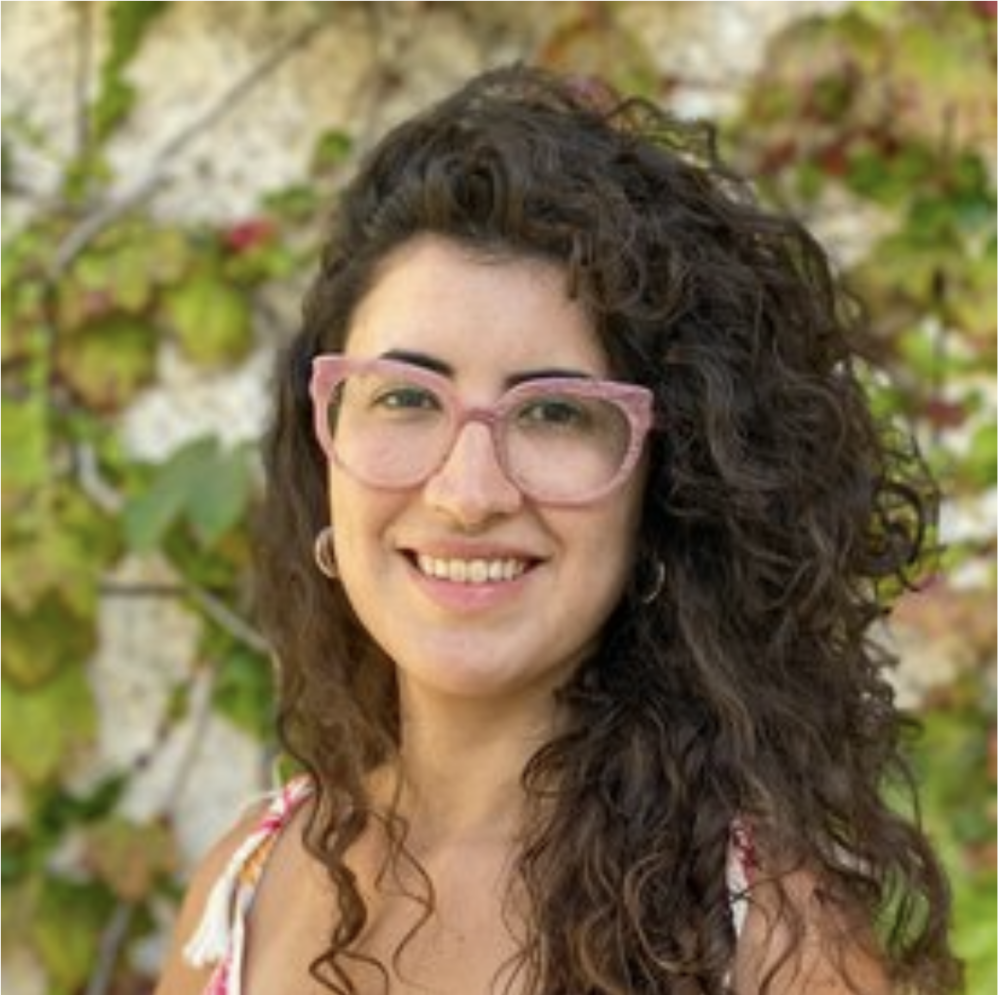
Long Island City, NY
Cristina E. Pardo Porto is a scholar of Latinx and Latin American art and visual culture specializing in photography. She holds a PhD from the Graduate Center, CUNY, and is an assistant professor at Syracuse University. Her research examines the intersections of historical archives, race, gender, migration, and the environment in relation to Central America and the Caribbean. Her current book project offers a decolonial history of photography from the contemporary perspective of diasporic artists. Recent curatorial projects include the exhibition Joiri Minaya: Unseeing the Tropics at the Syracuse University Art Museum (Spring 2025). She is the coeditor of Plants and Animals in Latin American Cultural Production (University of Florida Press) and two special issues of the journal Istmo, both titled Photography in, on, and from Central America. Her scholarly work includes published and forthcoming articles on art photography in Art Journal, Arizona Journal of Hispanic Cultural Studies, Hispanic Review, and MLN. Pardo Porto was the 2023–24 Research Fellow at the Syracuse University Humanities Center and a 2025 Visiting Fellow at the Bard Graduate Center.
Project Title
Blue Photographies
The project, tentatively titled “Blue Photographies,” proposes an oceanic, Caribbean-centered rethinking of photographic history by asking what it means to think photography from Blue seawater. Vision beneath the ocean’s surface is materially shaped by light, depth, and movement, where Blue emerges not as color but as a physical effect of wavelength absorption. By foregrounding underwater conditions, this project shifts attention away from representation and toward the environmental and historical processes that determine what can be seen and remembered in images of the Caribbean.
Drawing on the Blue Humanities, materialist approaches to photography, multispecies studies, and anti-colonial environmental thought, the essay traces a genealogy that moves across archival materials, early twentieth-century underwater photography, underwater museums, and contemporary Caribbean art, with particular attention to Florida as a Caribbean-diasporic site. Early images, produced for scientific and commercial purposes, participated in imperial visual economies that rendered Blue seawater visitable and consumable as a product. In contrast, contemporary photography engages Blue as pigment and process, as well as a historical register through which to address climate change, the legacies of racial capitalism, and diasporic memory. By positioning underwater ecologies as both medium and active agents in image-making, the project ultimately demonstrates that an oceanic, Blue perspective challenges the extractive modes of seeing that continue to shape engagements with the region.
As part of her WOPHA Fellowship and Miami residency, Cristina Pardo Porto will further develop this research through work with collections at the University of Miami, including the Historical Photograph Collection and the Cuban Heritage Collection, as well as PAMM’s Caribbean Art Collection. She will also meet with Caribbean artists based in Miami and visit The ReefLine, an underwater public art sculpture park in Miami Beach.
About the juror
Raquel Villar-Pérez is a UK-based independent researcher, writer, and curator of photography. Her work focuses on image-makers engaging with migration, transnational feminisms, and social and environmental justice through decolonial and expansive approaches. She has collaborated with distinguished international art institutions including the Hanmi Museum of Photography (South Korea) and MAST Foundation (Italy). She serves as a juror for prestigious photography awards including the Photography Network Book Prize and the Project Grant Awards 2024, and the Hasselblad Award 2025 and 2026. Her writing appears in publications including C& América Latina, The Latinx Project, and the British Journal of Photography. She currently pursues a PhD at the Edinburgh College of Arts. She joined WOPHA as Editorial and Communications Manager in September 2025.
About WOPHA
Women Photographers International Archive (WOPHA) is a 501(c)(3) nonprofit organization founded by Latinx art historian and curator Aldeide Delgado to research, promote, support, and educate on the contributions of women and non-binary photographers to modern and contemporary art in order to rewrite the artistic canon and provoke social change. WOPHA fosters a more diverse and equitable world by providing a permanent archive for future generations that preserves, documents, and promotes women photographers’ work while being a driving force for innovative thinking and discussion about the role of women in photographic arts.
About CreArte Grant Program
The Pérez CreARTE Grant Program, initiated by The Jorge M. Pérez Family Foundation and The Miami Foundation, provides over $5 million in funding to Miami-Dade County arts organizations. It focuses on Arts Access, Arts Education, and Artist Fellowships/Residencies to elevate local arts, promote cultural equity, and support artists.
For more information:
Raquel Villar-Pérez, WOPHA Communications & Editorial Manager [email protected]
wopha.org
@wophafoundation #wophafoundation