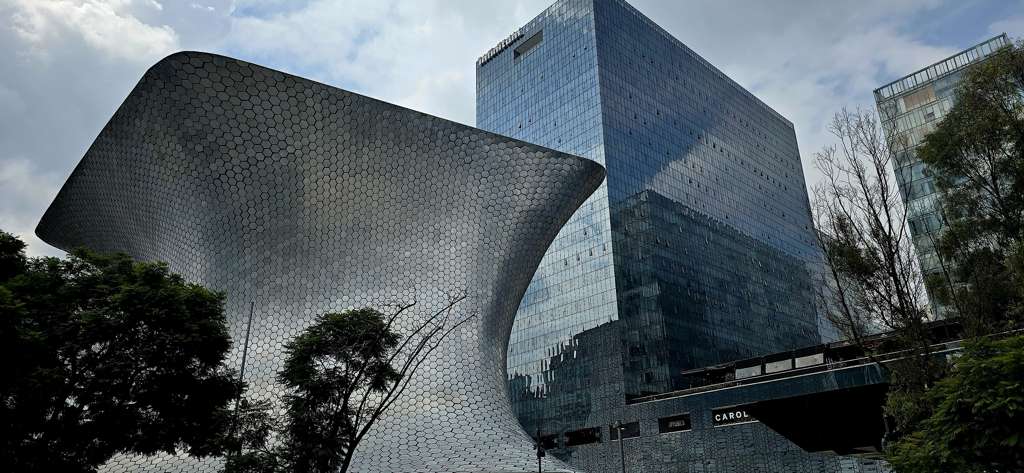
Art Week CDMX: When Art, the City, and Investment Converge
By Jesús Perseo Becerra Hernández
Key Voices: Business & Cultural Perspectives
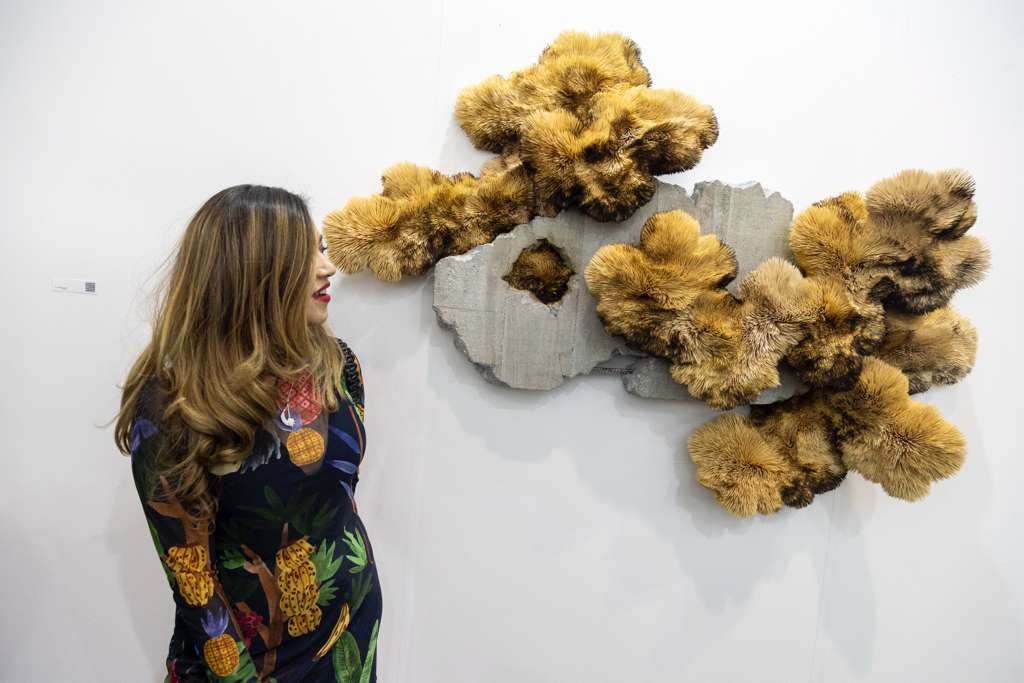
Every February, Mexico City Art Week transforms the capital into a vibrant epicenter where visual artists, collectors, gallerists, investors, and cultural visionaries converge. It is not merely an aesthetic celebration—it is an ecosystem where art intersects with capital, architecture, and the future of urban development.
Events such as ZⓈONAMACO 2026, Material Art Fair, and Salón Acme operate as strategic hubs where art becomes a language of negotiation. Here, a painting is not just viewed—it is assessed as an asset, a cultural narrative, and a long-term investment.
Art as Investment
The contemporary art market in Mexico City has evolved into a sophisticated arena where collectors are no longer simply patrons, but financial actors. Works by emerging artists are acquired with the same logic as startups: high risk, high potential.
During this week, art ceases to be merely contemplative—it becomes a portfolio.
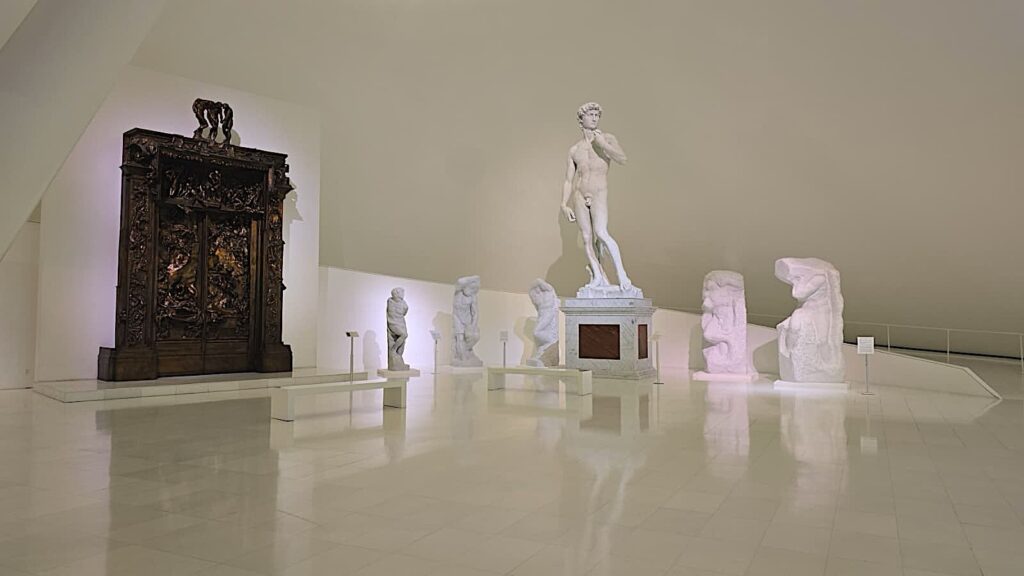
Fairs and Power Hubs
Art Week is not only experienced—it is negotiated. Private meetings, VIP previews, and exclusive dinners function as spaces where multimillion-dollar deals are closed. Art here becomes strategy, networking, and global positioning.
Conversations revolve around appreciation, authenticity, provenance, and international visibility. In this context, art operates as both cultural capital and financial instrument.
Strategic Insights
Economist and Director General of APEX M&A, Norberto Camacho, emphasizes that Art Week CDMX reveals a structural shift: art is becoming a core component of real estate and investment strategy. By integrating art from the conceptual phase of development, projects achieve higher market value, stronger identity, and faster commercial absorption.
For Camacho, art is no longer decorative—it is a competitive financial asset that builds long-term value and community.
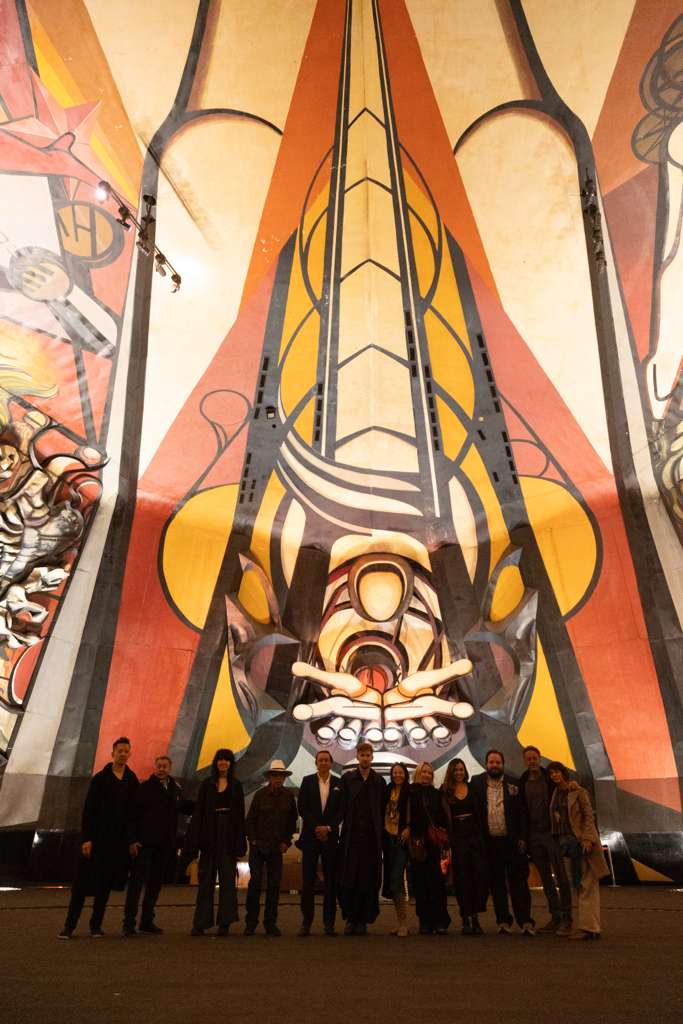
He points to Mexico’s historical precedent: throughout the twentieth century, government buildings incorporated monumental murals by leading artists. Over time, these spaces transcended their bureaucratic function and became cultural landmarks—some now recognized as heritage sites. The lesson is clear: cultural vision compounds in value.
This philosophy materialized during Art Week through a collaboration between Banana Contemporary and FibraGolf, within the investment and development ecosystem led by APEX M&A. The initiative explored how curated artistic interventions can be embedded into residential and hospitality developments from inception.
One example was “Nodos,” an interactive artistic playground installed within a luxury boutique hotel during Art Week. Designed to engage neurodivergent children and families, the installation functioned both as a cultural intervention and as a prototype for integrating art into communal spaces in future developments.
For Camacho, this represents a scalable model:
Art becomes infrastructure.
Culture becomes differentiation.
Experience becomes asset value.
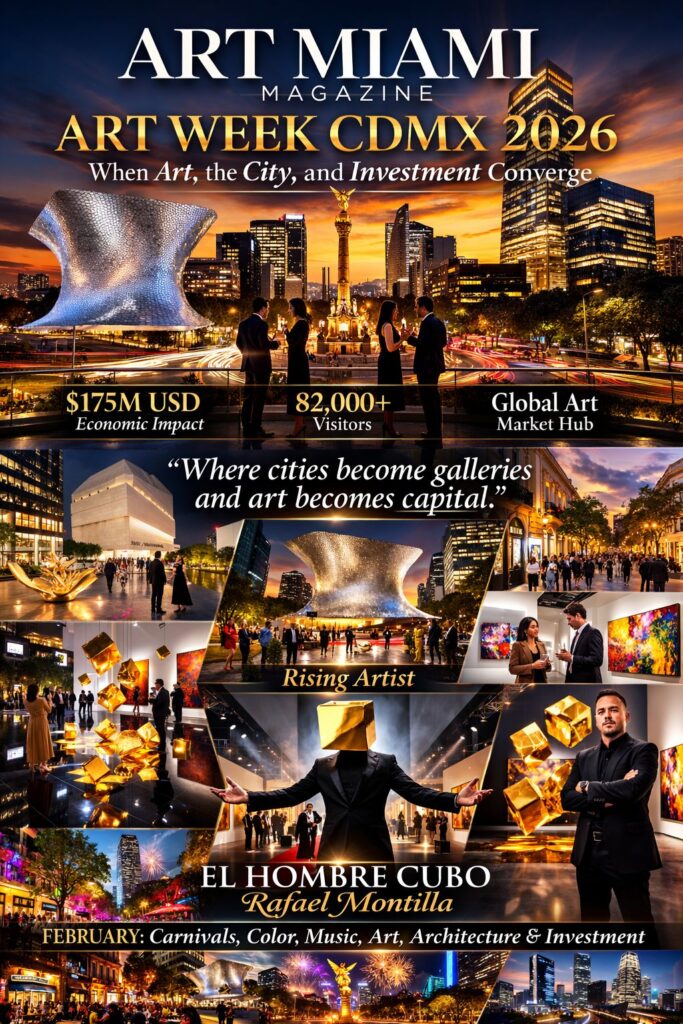
New Spaces, New Narratives
Independent spaces, hybrid studios, and digital platforms are emerging as disruptive alternatives. The decentralization of art is redefining who exhibits, who buys, and who legitimizes.
Mónica Martínez, Director of Banana Contemporary, frames Art Week CDMX 2026 as a defining moment: Latin America has transitioned from promise to a global cultural engine. She highlights Banana Contemporary’s dual presence—within ZⓈONAMACO and experimental platforms—as evidence of a mature cultural infrastructure capable of operating across institutional and public spheres.
She underscores a key trend: major corporations are integrating art into branding, marketing, and social responsibility, as seen in collaborations with AXA, Concept Merka, APEX M&A, Maison Celeste, and FibraGolf. Initiatives such as Nodos, focused on neurodivergent communities, demonstrate how art can drive inclusion, innovation, and measurable social impact.
For Martínez, the future lies in expansive collecting, cross-disciplinary dialogue, and community-building, where local and international artists coexist. Mexico’s cultural production, she concludes, is now more sustainable, diverse, and globally relevant than ever.
A New Paradigm
Mexico City has established itself as one of the most dynamic nodes in the global contemporary art scene. During Art Week, art evolves beyond contemplation—it becomes an economic engine, a political language, and a cultural asset.
Together, these perspectives define a new paradigm:
Art Week CDMX is not only a cultural event—it is a platform where art, business, and social innovation converge to generate measurable value.
Business Opportunity
Art Week CDMX reveals a scalable model:
Art + Architecture = Premium positioning
Culture + Investment = Long-term ROI
Experience + Community = Market differentiation
The 2026 edition confirms that Mexico City is not just a cultural destination—it is an investment platform where art actively shapes economic outcomes.
Art and Exhibition Spaces: Value, Prestige, and Marketing in Luxury Architecture
Art Miami Magazine
An alliance between developers, curators, and artists enables the creation of projects where art is embedded into the business model from its inception.
Art as Investment and Legacy
In a global and uncertain world, art offers a dual promise: profitability and cultural legacy.
When strategically integrated into luxury architecture, it:
Increases financial value
Elevates cultural profile
Builds identity
Fosters belonging
Art and Architecture: A Strategic Alliance
Cities like Miami—widely recognized as a cultural capital of the Americas—exemplify this model. The presence of international art fairs, global collectors, and high-profile real estate developments has created an ecosystem where art is not an addition, but an economic engine.
Today, art no longer belongs exclusively to museums. It lives in residences, hotels, and corporate developments, redefining space and increasing property value.
Luxury Buildings: When Art Adds Value
In cities such as Miami, New York, Dubai, and Mexico City, high-end developments compete not only through architecture, but through cultural integration.
Buildings that incorporate art achieve:
Greater international appeal
Iconic positioning
Higher price per square meter
Strong media visibility
Art becomes tangible added value, shaping perception and market demand.
The Power of the Name
Just as with renowned architects, the presence of a recognized artist transforms a project’s positioning.
A building associated with an artist:
Becomes a collectible asset
Gains symbolic value
Attracts collector-buyers
Integrates into the cultural circuit
Art does not merely decorate—it legitimizes.
Collectors: The New Real Estate Protagonists
The luxury buyer is increasingly a collector seeking:
Spaces designed for art display
Museum-quality lighting
Large-format walls
Private gallery environments
Art is no longer an accessory—it is a lifestyle.
Art Week CDMX: Expanding the Cultural Circuit
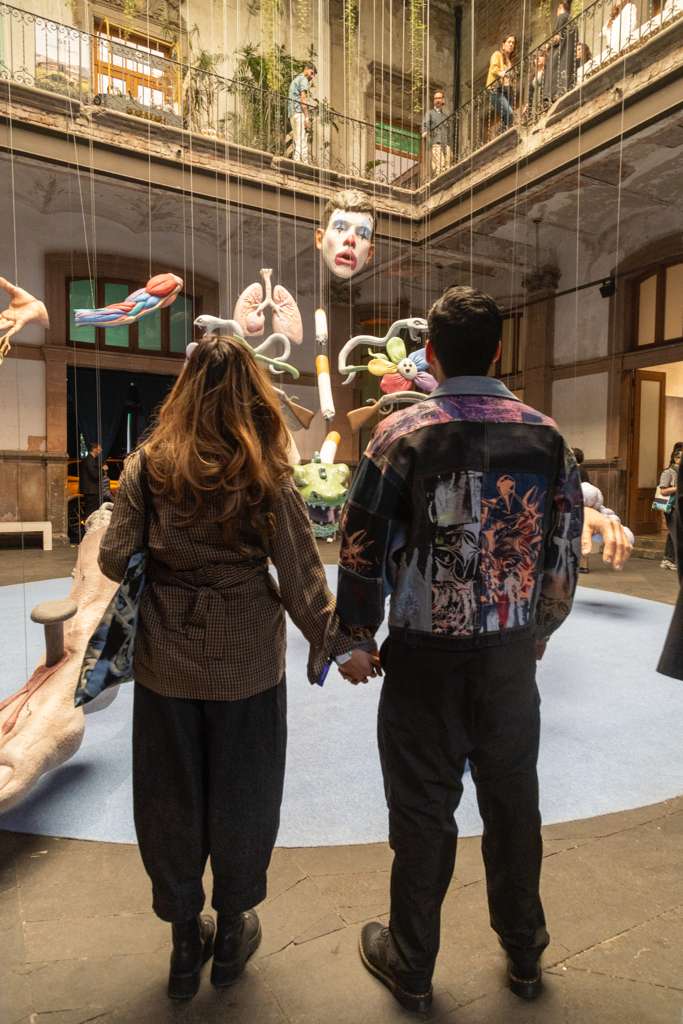
Art Week in Mexico has become one of the most important cultural events in Latin America. The city transforms into a dynamic circuit where fairs, galleries, museums, and urban interventions converge.
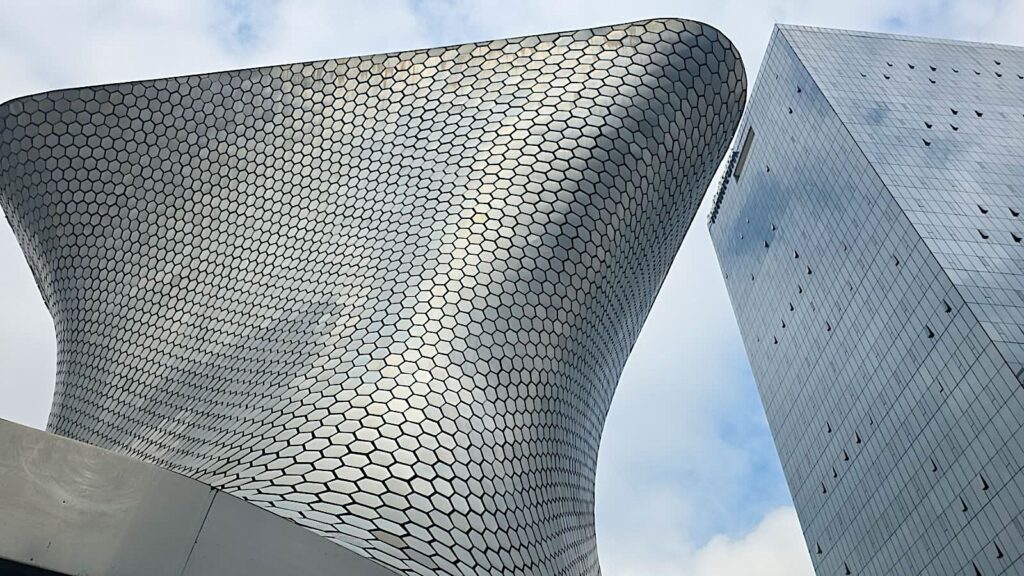
Neighborhoods such as Polanco, Roma, Condesa, and San Miguel Chapultepec become epicenters of collecting, exhibition, and global networking.
Emerging Voices and Global Presence
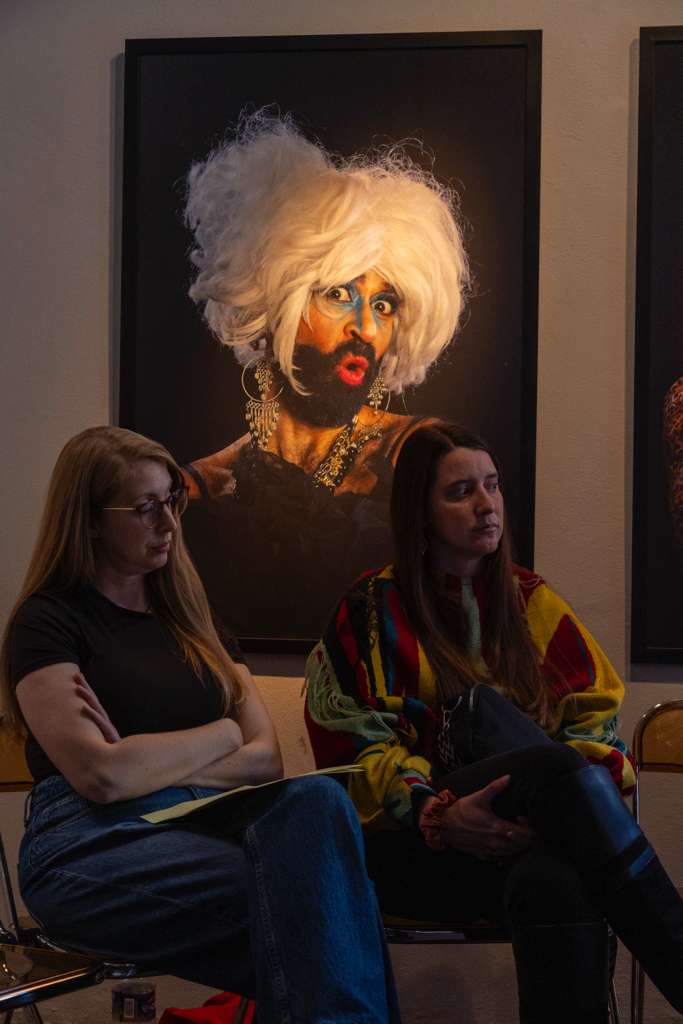
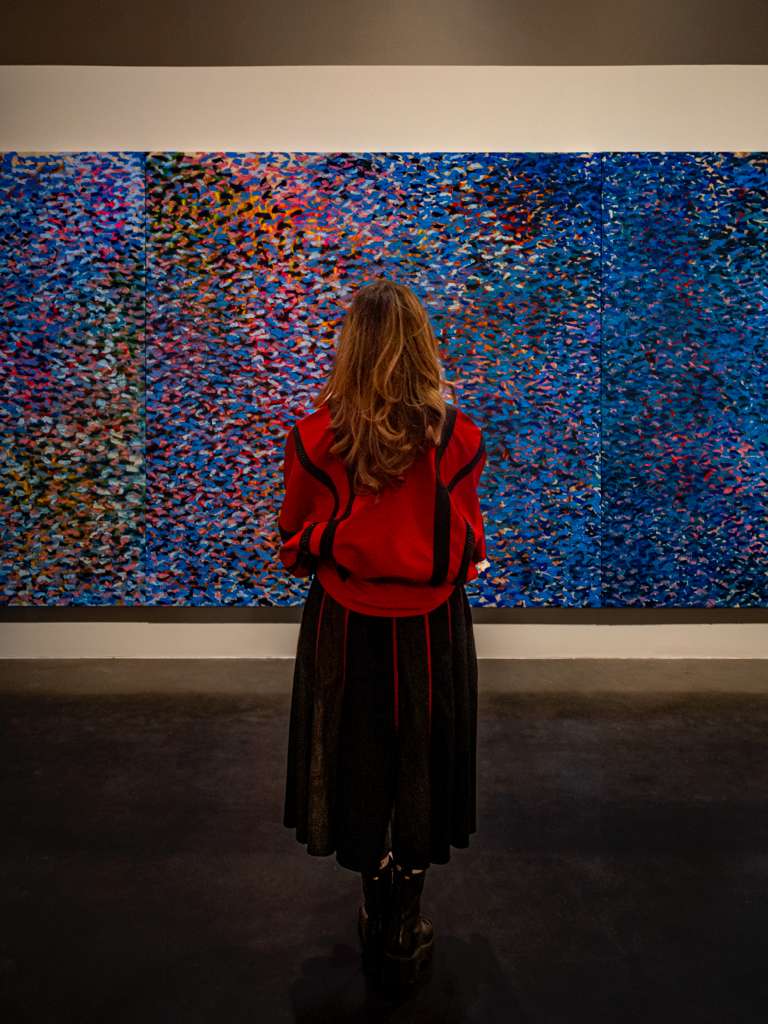
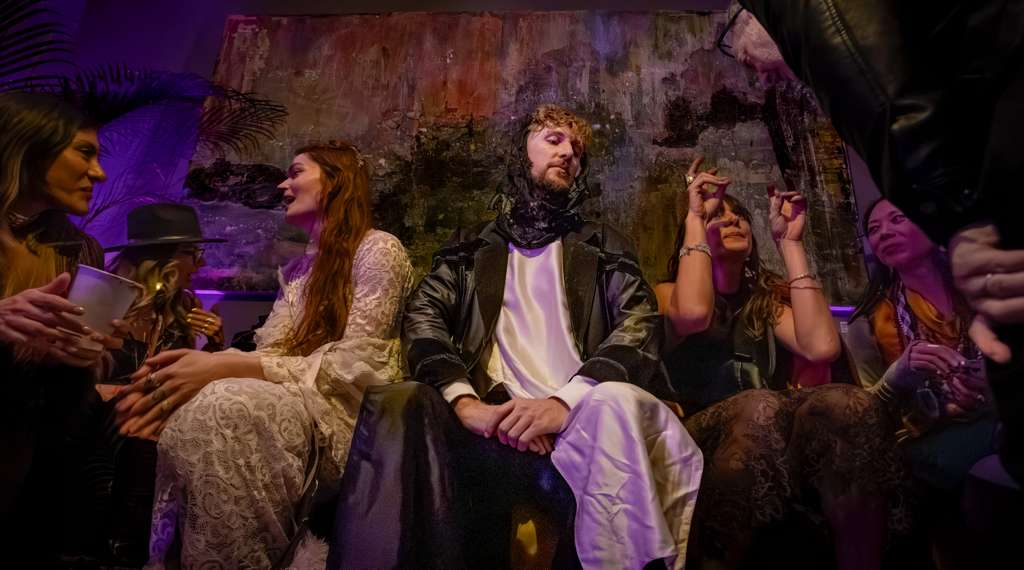
Within this ecosystem, emerging artists are no longer peripheral—they are central to innovation and value creation. A compelling example is El Hombre Cubo (Rafael Montilla), whose work embodies the intersection of conceptual art, identity, and market relevance. His growing presence signals a broader shift: new voices are not only participating in the global art dialogue—they are actively redefining it.
Art Miami Magazine: International Presence
Amid this vibrant global landscape, Art Miami Magazine was present during Art Week CDMX, documenting and engaging with one of the most dynamic cultural moments of the year. Its presence reinforces the international relevance of Mexico City as a key node in the global art ecosystem.
Looking ahead, the upcoming edition will further strengthen this dialogue, with the anticipated participation of El Hombre Cubo, marking a continued convergence between emerging artistic narratives and global platforms.
-Final Reflection
As an art enthusiast and cultural advocate, I see in Art Week CDMX an experience that is truly unparalleled—one that should not be missed. Mexico is a country rich in history, culture, and creative energy, where ancient traditions coexist with contemporary innovation.
This event not only celebrates artistic expression but also opens new opportunities for emerging artists to gain visibility and for investors to recognize art as a powerful and viable business. Art Week CDMX stands as a testament to Mexico’s cultural depth and its growing role in the global art market—an invitation to experience, invest, and become part of a dynamic and evolving creative landscape.
As Art Week CDMX continues to grow, it reinforces a clear message: art is no longer simply observed—it is invested in, lived with, and embedded into the very structure of contemporary cities.