Unpublished Works by Tamayo – Who Certifies Them?
By Jesús Perseo Becerra – Miami Art International
In collaboration with Aiza Collection
Who Can Certify a Rufino Tamayo?
By Jesús Perseo Becerra – Miami Art International
Authorized Experts and Institutions
Certifying a work by Rufino Tamayo (1899–1991) requires in-depth knowledge of his career, technique, and provenance.
The recognized entities and individuals who may issue a credible certificate of authenticity include:
Specialized Art Experts (Peritos en Arte)
Independent art experts specializing in 20th-century Mexican modernism.
They must have a proven track record of cataloging, authenticating, and publishing on Tamayo.
Major Auction Houses
Sotheby’s, Christie’s, Phillips: Each has an in-house Latin American art department that can provide an opinion before accepting a work for auction.
Their experts compare the piece to works sold at past auctions, verify provenance, and often consult external specialists.
Tamayo’s Family and Estate Representatives
Heirs and direct descendants, particularly those associated with the Museo Rufino Tamayo in Mexico City, hold key archival material and photographs that can confirm authenticity.
The Protocol for Certification
Authenticating a Tamayo follows a process that blends scholarly research with technical examination:
Initial Submission
The owner submits high-resolution images, detailed provenance, and any existing documentation.
Physical Examination
The work is inspected in person to study brushstrokes, pigments, canvas preparation, and signature.
Technical Analysis
Infrared reflectography, ultraviolet light inspection, and pigment analysis are performed.
Special attention is given to Tamayo’s unique use of Oaxacan earths in his oils.
Archival Research
The work is compared with entries in catalogues raisonnés, museum archives, and auction records.
Expert Panel Review
Final opinion is issued by recognized experts or institutions, often with signatures from more than one authority.
Issuance of Certificate
The certificate includes:
High-resolution image of the work
Complete description (title, date, medium, size)
Provenance history
Expert’s signature and credentials
Reference number for future cataloguing
Catalogues and Classification
Tamayo’s works are classified in:
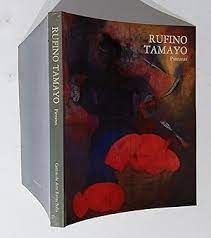
“Rufino Tamayo: Catalogue Raisonné of the Graphic Work” (covers lithographs, mixographs, and prints).
Museo Rufino Tamayo Archives, Mexico City.
Auction databases (Artnet, MutualArt, Sotheby’s and Christie’s archives).
Institutional exhibition records from MoMA, the Art Institute of Chicago, and Museo de Arte Moderno.
Formal cataloguing of Tamayo’s works began in the 1970s, with systematic updates in the 1990s following his death.
Example of a Tamayo Certification
Sample Extract from a Certificate of Authenticity (fictional example for illustration):
Title: “Mujer con Sandía”
Medium: Oil on canvas
Size: 80 x 100 cm
Date: 1972
Provenance: Private Collection, Mexico City; acquired directly from the artist.
Statement: “We certify that the work described herein is an original by Rufino Tamayo, authenticated through technical analysis and archival comparison.”
Signed: [Name of recognized Tamayo expert]
Date: [Day/Month/Year]
Seal: Official stamp of the expert or institution
Value of Tamayo’s Works
Small works on paper: $40,000–$120,000 USD
Medium-size oils: $300,000–$1,200,000 USD
Major large-scale paintings: $2,000,000–$5,000,000+ USD
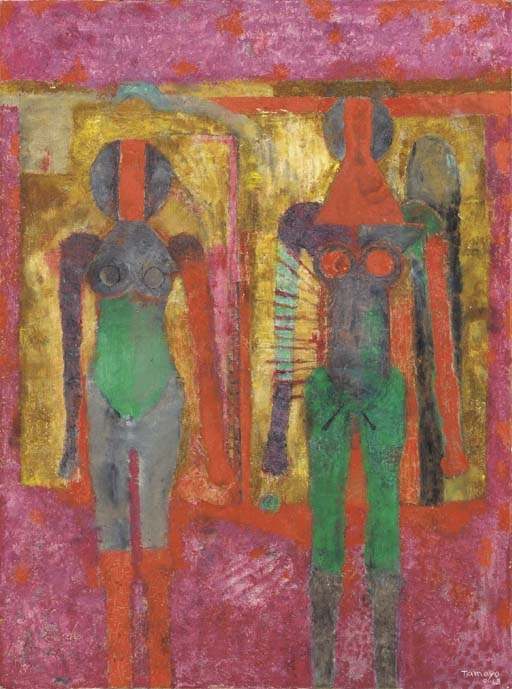
Auction record: Over $7 million USD for “Tres Personajes” (sold at Sotheby’s).
“Mujer con Sandía” (1972) – oil on canvas
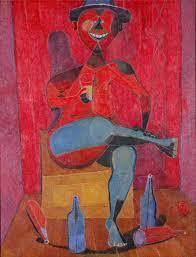
“Hombre con Guitarra” – lithograph
“El Gato” (1950s) – oil on canvas
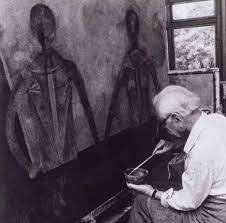
Archival photo of Tamayo painting in his studio
A Mystery in the History of Mexican Art
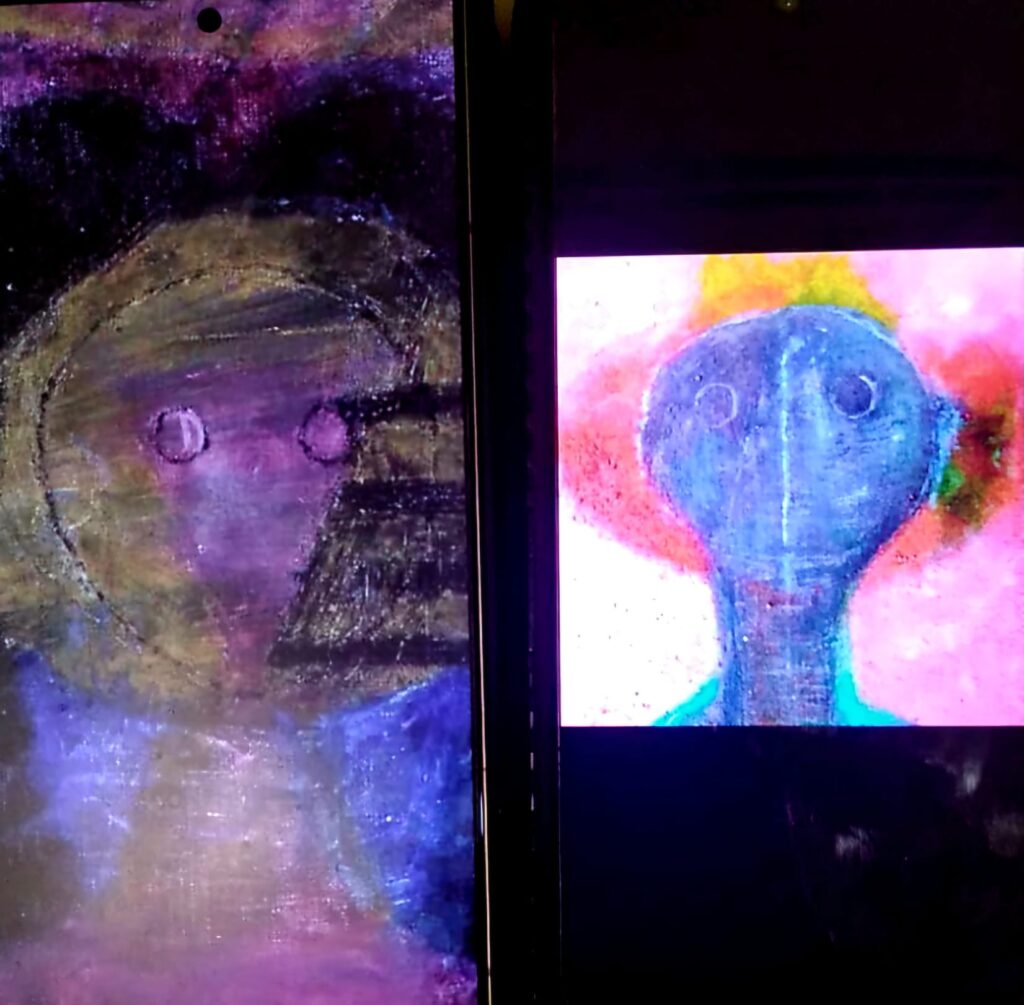
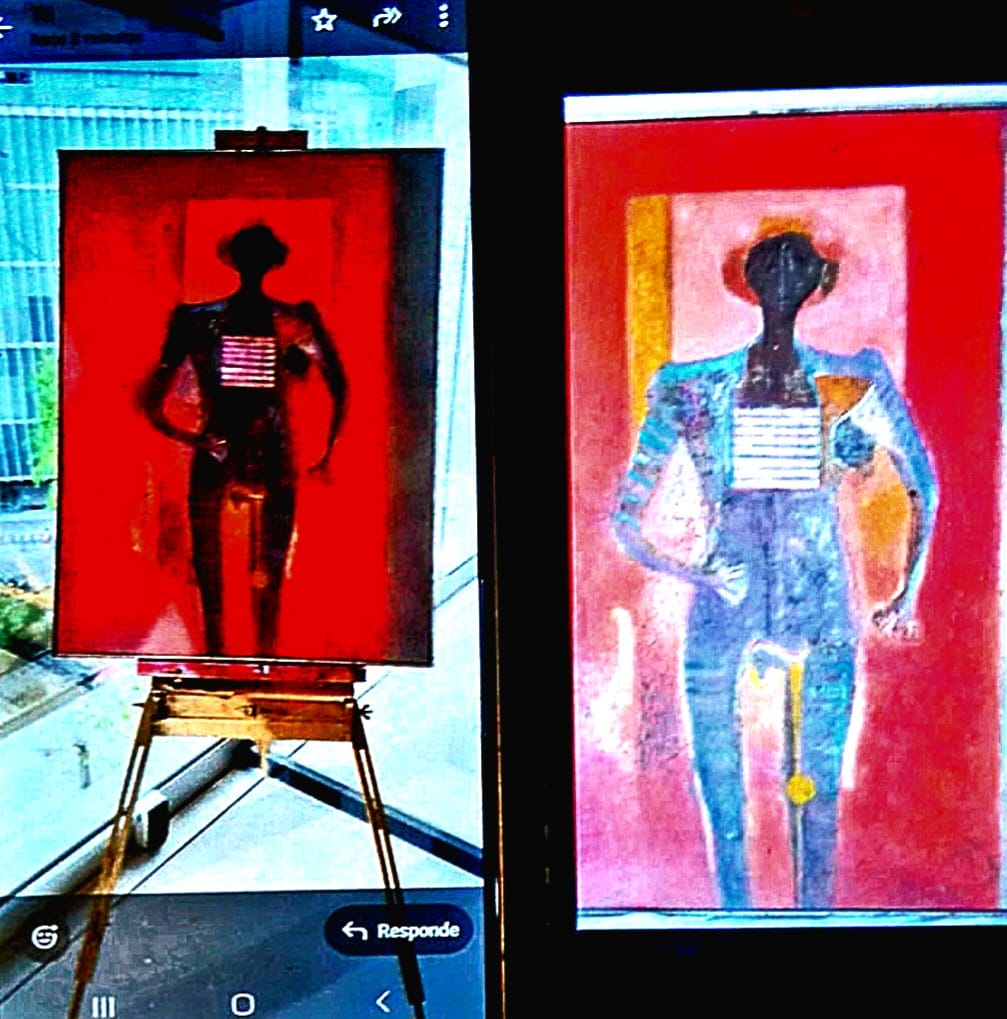
It is well known that many certifiers or experts base their verdicts on whether a work can be found in an art book. Once they locate it there, their judgment is secure.
However, what few realize is that the percentage of Rufino Tamayo’s works published in books is surprisingly low.
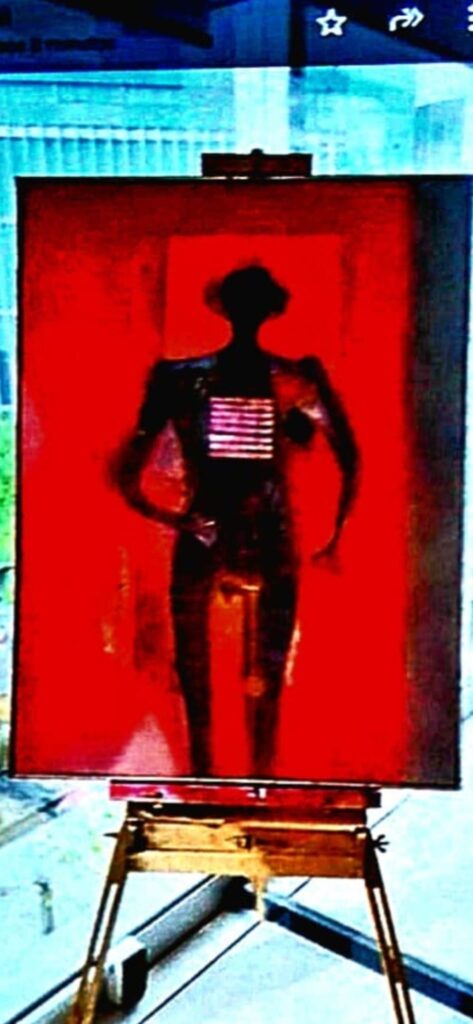
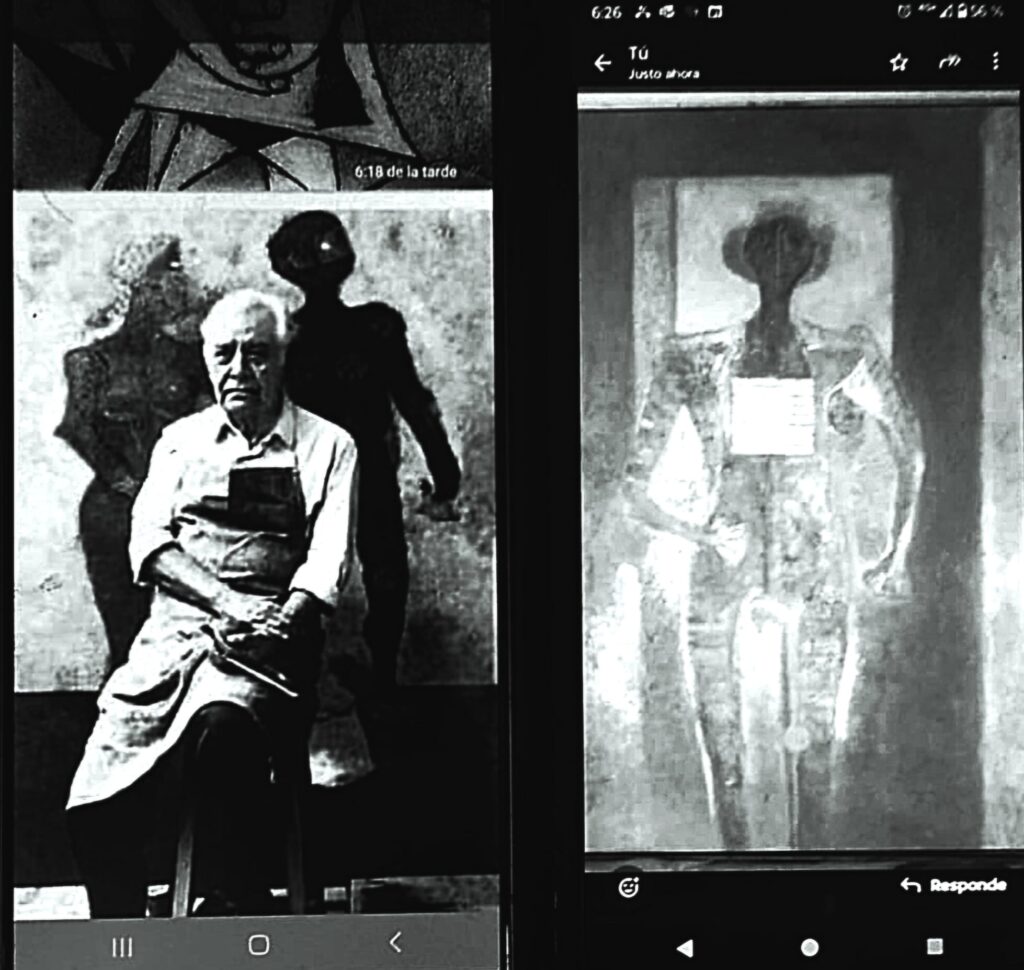
This means that many of his pieces remain unpublished, hidden away in the living rooms of private homes and never shown in museums.
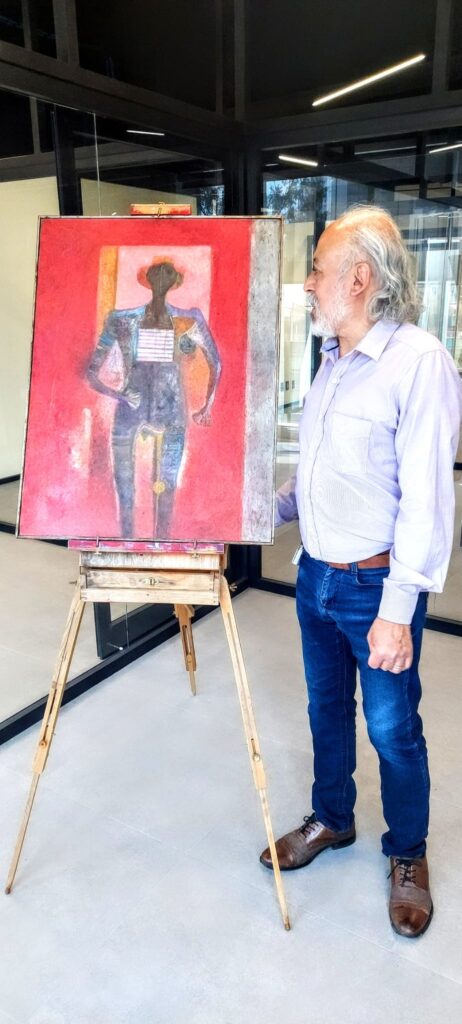
The Value of the Unpublished
The absence of a record in publications makes these pieces part of a historical mystery that touches many painters: if it isn’t in a book, it’s easy to say, “It’s fake.”
Finding an unpublished Tamayo is cause for celebration, and an opportunity to encourage the owner to make it available for museum exhibition and official cataloging.
Tamayo’s Unique Technique
Throughout his career, Tamayo changed his technique several times. In his early days, he painted in a classical style, but over time he adapted his method to the freedom of his creative hand.
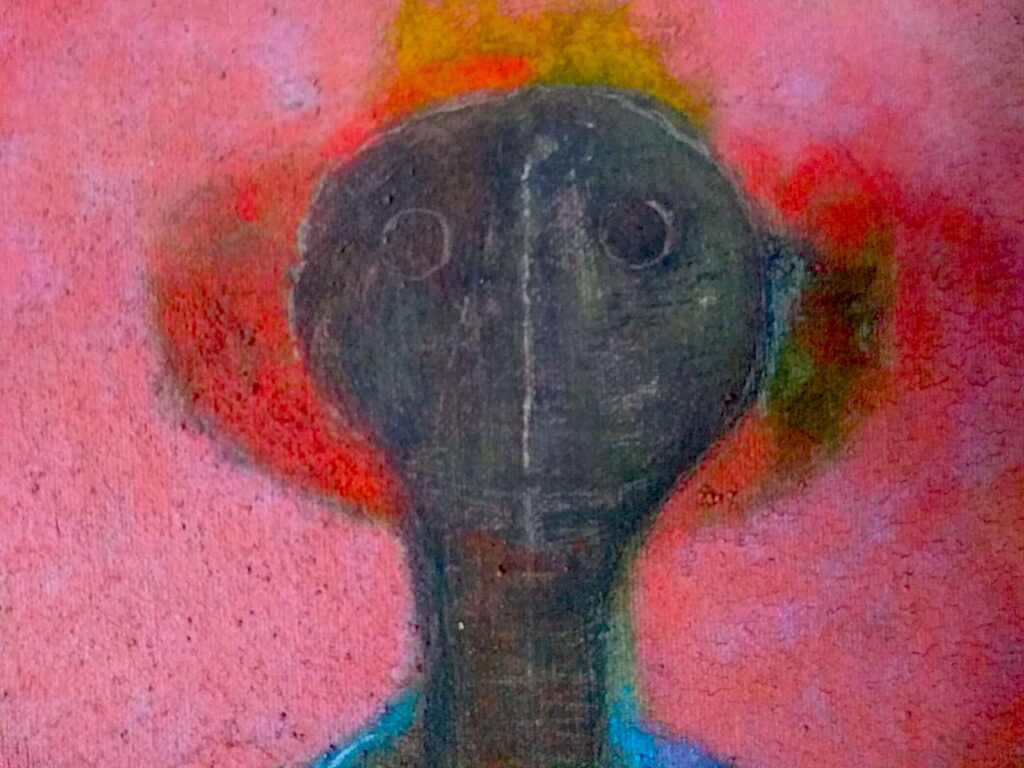
One of his lesser-known secrets was mixing oil paints with natural earths from the Oaxaca region, producing tones and textures impossible to replicate. This alone is a major obstacle for forgers.
The Pursuit of Perfection
Tamayo sought perfection in every stroke. If a section of the canvas did not satisfy him, he could spend days repainting it until it met his standards.
He also relied on assistants — some stretched the canvases on their frames, others prepared them before he began painting.
Exhibitions and Unveiled Works
In 1925, the “Unpublished Tamayo” exhibition presented for the first time “Factories”, a work never seen before.
In the mid-1950s, Tamayo (1899–1991) painted “The Cat”, a previously unknown oil depicting a feline grabbed by the tail and violently tossed into the air — an allegory of World War II. This piece was shown during the 40th-anniversary celebration of the Tamayo Museum.
Documented Legacy and Hidden Treasures
The Tamayo Museum has documented more than 1,300 oil paintings, including 20 portraits of his wife Olga, 465 graphic works (lithographs and mixographs), 350 drawings, 20 murals, and a stained-glass window.
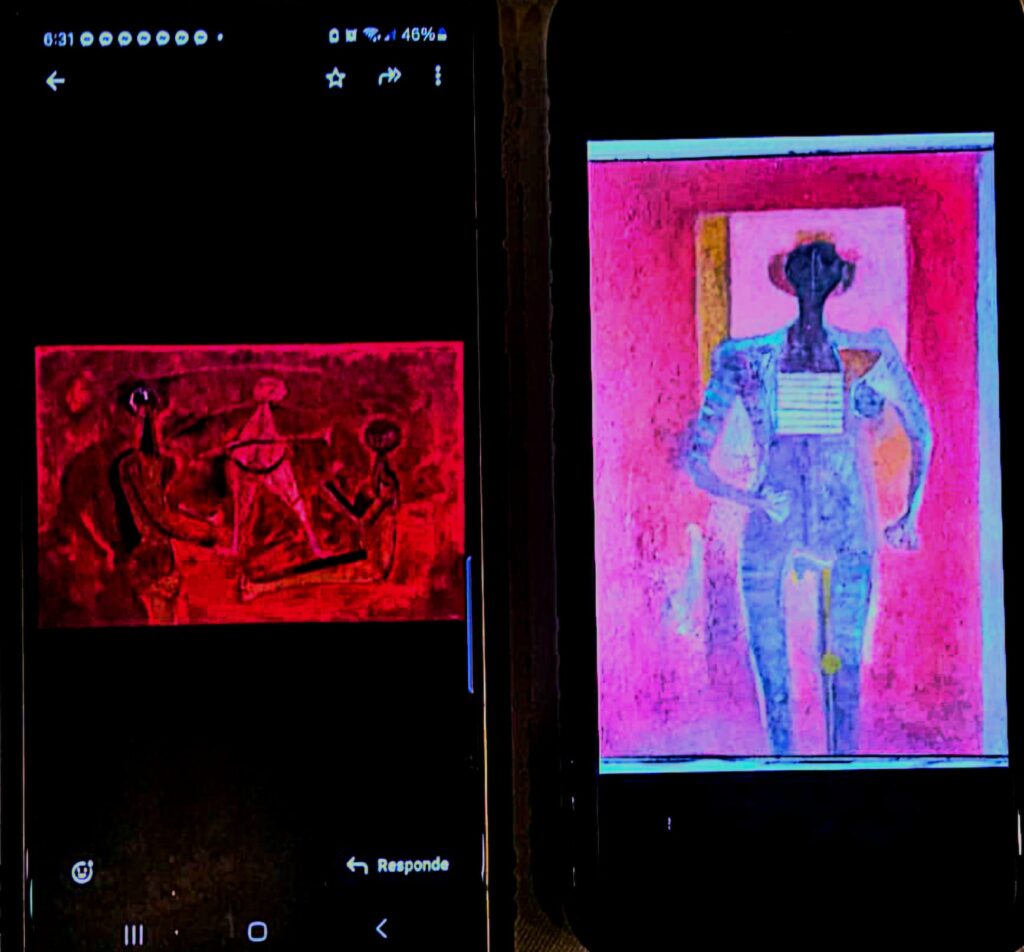
Among his unpublished pieces is “Los Castillos”, in gray, ochre, and magenta tones.
Final Reflection
Rufino Tamayo’s unpublished works are hidden treasures that, without proper registration, risk being forgotten or unfairly dismissed.
Responsible certification, access to private collections, and public exhibition are essential to ensure his legacy remains complete for future generations.