
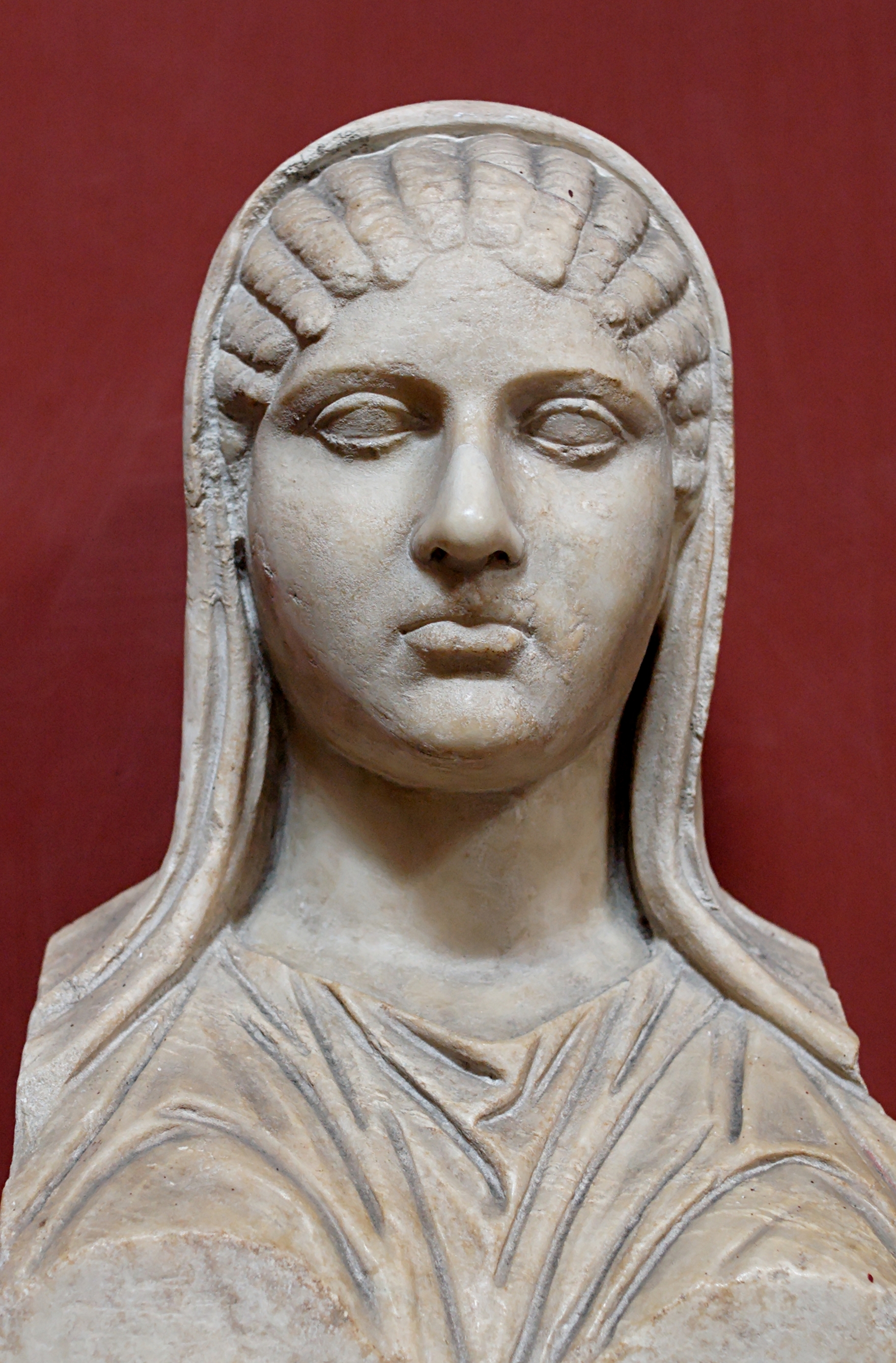
Aspasia of Miletus (c. 470–400 BCE) was a prominent figure in ancient Greece, known for her intellectual influence, particularly in Athens during the 5th century BCE. While she is often remembered as the companion of the Athenian statesman Pericles, her contributions to philosophy, rhetoric, and education have also been noted by ancient sources. Below is an overview of her life, influence, and legacy, along with references to ancient sources and modern scholarship.
Life and Background
- Origins: Aspasia was born in Miletus, a Greek city in Ionia (modern-day Turkey), around 470 BCE. She moved to Athens, where she became a prominent figure in Athenian society.
- Relationship with Pericles: Aspasia was the partner of Pericles, the leading statesman of Athens during its Golden Age. Although they could not marry due to Athenian citizenship laws (Pericles was an Athenian citizen, and Aspasia was a foreigner), their relationship was well-known and influential.
- Social Status: Aspasia was a hetaira (courtesan), a class of educated women in ancient Greece who enjoyed more freedom and respect than most Athenian women. Hetairai were known for their intellectual and social skills, and Aspasia was among the most famous.
Intellectual Contributions
- Philosophy and Rhetoric: Aspasia was renowned for her knowledge of philosophy and rhetoric. Ancient sources suggest she engaged in philosophical discussions with Socrates and other intellectuals. Some even claim she taught rhetoric to Socrates and Pericles.
- Influence on Athenian Politics: Aspasia’s close relationship with Pericles likely gave her significant influence over Athenian politics and culture. She was said to have advised Pericles on matters of state and rhetoric.
- Education of Women: Aspasia was known for educating women in philosophy and rhetoric, which was unusual in a society where women were largely excluded from public intellectual life.
Ancient References to Aspasia
- Plato: In Plato’s Menexenus, Socrates mentions Aspasia as his teacher in rhetoric, suggesting she composed Pericles’ famous funeral oration. While this may be a fictional account, it highlights her reputation as a skilled rhetorician.
- Reference: Plato, Menexenus, 235e–236a.
- Xenophon: Xenophon references Aspasia in his Memorabilia, where Socrates recommends her as a teacher of rhetoric and household management.
- Reference: Xenophon, Memorabilia, 2.6.36.
- Plutarch: In his Life of Pericles, Plutarch provides a detailed account of Aspasia’s life, her relationship with Pericles, and her intellectual influence.
- Reference: Plutarch, Life of Pericles, 24–32.
- Aristophanes: The comic playwright Aristophanes mentions Aspasia in his plays, often satirizing her influence over Pericles and Athenian politics.
- Reference: Aristophanes, Acharnians, 523–529.
Modern Scholarship
- Reevaluation of Aspasia: Modern scholars have reexamined Aspasia’s role, emphasizing her intellectual contributions and challenging the traditional view of her as merely Pericles’ companion.
- Reference: Madeleine Henry, Prisoner of History: Aspasia of Miletus and Her Biographical Tradition (1995).
- Gender and Intellectual History: Aspasia’s life has been studied in the context of gender roles in ancient Greece, highlighting the limited opportunities for women in public intellectual life.
- Reference: Arlene Saxonhouse, Fear of Diversity: The Birth of Political Science in Ancient Greek Thought (1992).
- Rhetoric and Philosophy: Scholars have explored Aspasia’s influence on rhetoric and philosophy, particularly her association with Socrates and Pericles.
- Reference: Cheryl Glenn, Rhetoric Retold: Regendering the Tradition from Antiquity Through the Renaissance (1997).
Legacy
- Symbol of Female Intellectualism: Aspasia is often celebrated as one of the few women in ancient Greece who achieved recognition for her intellectual abilities.
- Cultural Depictions: Aspasia has been depicted in literature, art, and film as a symbol of wisdom and influence, often romanticized or criticized depending on the era and perspective.
- Historical Controversy: Due to the scarcity of primary sources, much of what is known about Aspasia comes from secondhand accounts, leading to debates about her true role and influence.
Conclusion
Aspasia of Miletus was a remarkable figure in ancient Greece, known for her intellectual prowess, influence on Athenian politics, and association with prominent figures like Pericles and Socrates. While much about her life remains debated, her legacy as a philosopher, rhetorician, and educator continues to inspire modern scholarship and cultural representations.