Mateo Blanco: Art as a Mirror of the Human Spirit
In this powerful conversation, multidisciplinary artist Mateo Blanco opens a window into the emotional and philosophical depths of his creative practice. Known for pushing the boundaries of material and meaning, Blanco discusses how memory, identity, and transformation shape his visual narrative. He reflects on the influence of historical figures like Débora Arango and Jasper Johns, and how both Colombian and American cultural legacies fuel his evolving body of work.
From his fascination with flags as symbols of freedom to an upcoming series inspired by the Statue of Liberty, Blanco shares how art becomes both mirror and messenger—a tool for healing, questioning, and preserving truth. This interview reveals an artist grounded in discipline, driven by vision, and committed to using creativity as a lifelong dialogue between personal experience and collective history.
AMM. What does the visual narrative communicate to us?
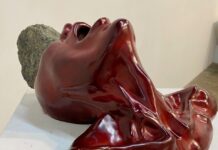
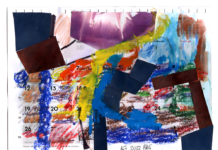
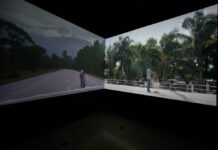
MB. The visual narrative communicates a quiet but powerful dialogue between memory, identity, and transformation. Through layered forms, subtle tensions, and intentional silences, the work invites the viewer to slow down and feel rather than immediately understand. It suggests that meaning is not fixed, but revealed over time—through looking, remembering, and emotionally engaging. The narrative becomes an open space where personal and collective histories intersect, allowing each viewer to complete the story from their own inner experience.
AMM. Does art help you in other areas of your life? If so, which ones?
MB. Yes. Art helps me in every area of my life. It sharpens the way I observe the world, teaches me patience, and reminds me to listen—both to others and to myself. Through art, I’ve learned discipline, resilience, and how to embrace uncertainty without fear. It guides the way I think, how I make decisions, and how I relate to people. Art is not separate from my life; it’s the lens through which I understand it, heal through it, and grow beyond it.
AMM. How do you develop your artistic skills?
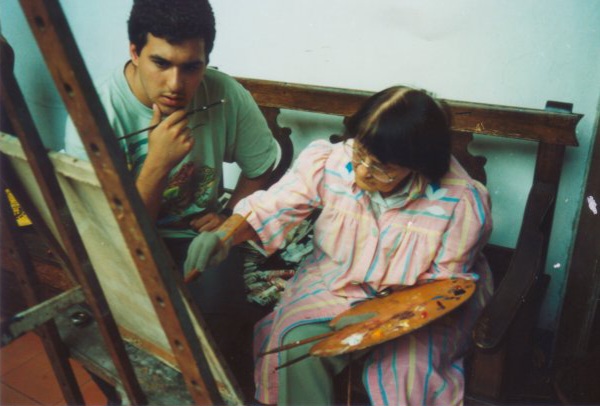
MB. I develop my artistic skills through constant observation, discipline, and deep respect for those who came before me. I learned profoundly from Débora Arango, a true pioneer of modern art in Colombia, whose courage, honesty, and freedom taught me that art must be fearless and truthful. Her legacy showed me that technique is important, but integrity and conviction are essential.
I also visit museums regularly to study the best of the best—masterpieces that set the highest standards of excellence. Standing in front of great works allows me to learn directly from history, to understand composition, strength, silence, and intention. Combined with daily practice and self-reflection, this dialogue between past masters and my own experience continues to shape and refine my artistic voice.
AMM. What motivates you to create, and where do you find inspiration?
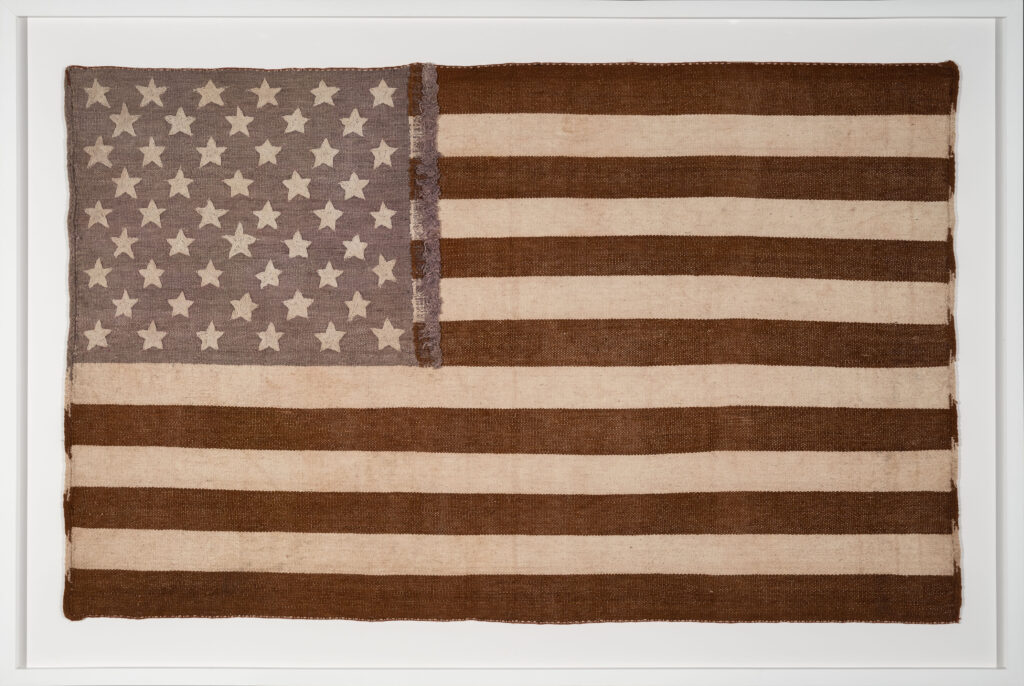
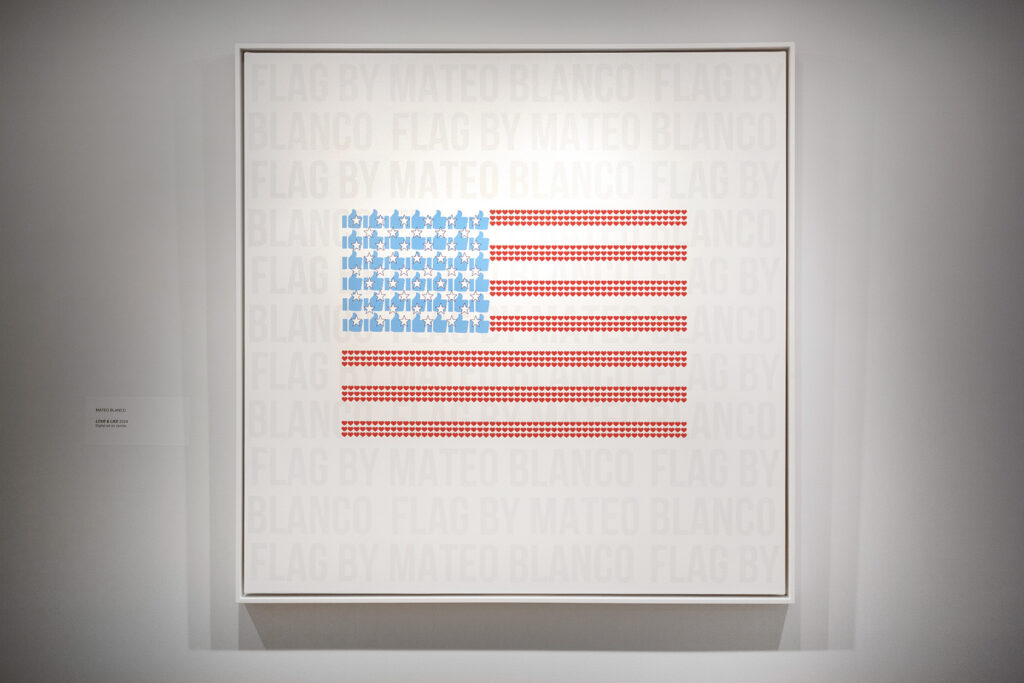
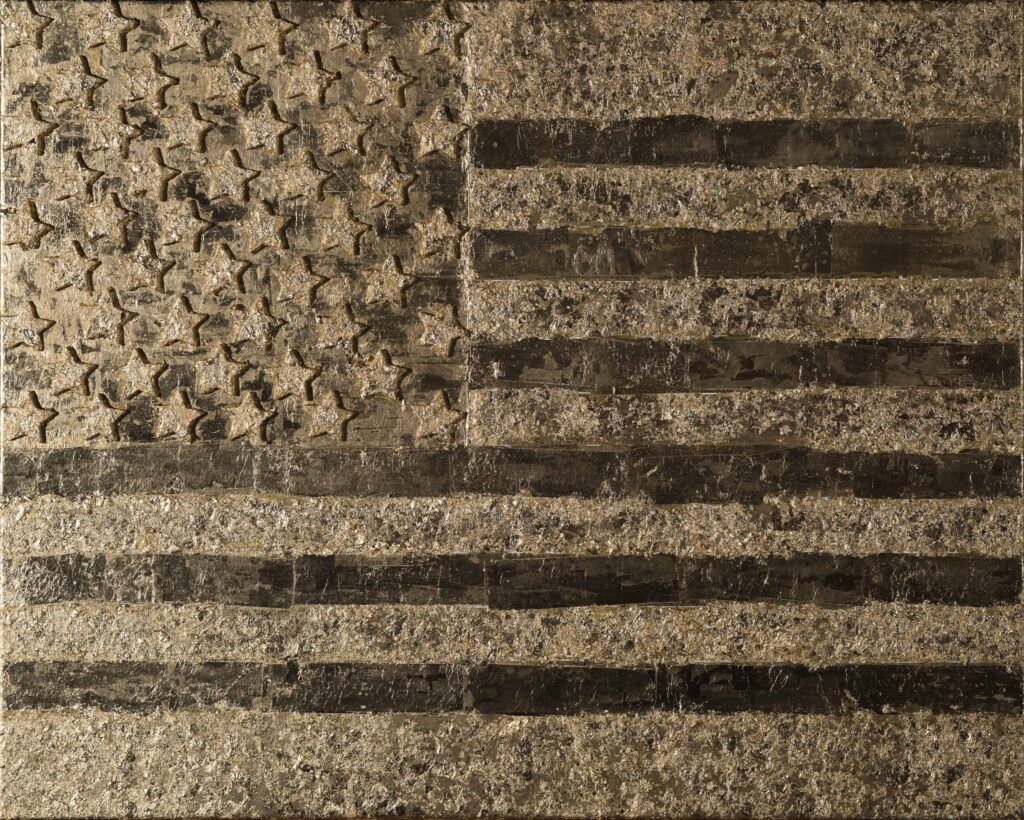
MB. I’m motivated by an inner necessity to understand life and human emotion through art. America is a huge inspiration for me—its ideas of freedom and identity are why I’m known for creating art with all kinds of materials, especially my flags, which are a constant source of inspiration. I’ve been influenced by artists like Jasper Johns and Débora Arango, and next year I’ll create a special series inspired by the Statue of Liberty to celebrate 250 years of America independence, with new flags and works centered on liberty.
AMM. Describe why art is important to society.
MB. Art is essential to society because it preserves memory, questions power, and gives voice to what cannot be said with words alone. It reflects who we are, challenges us to think deeper, and helps us see one another with greater empathy. Art is not decoration—it is consciousness, freedom, and a mirror that allows society to understand itself and imagine a better future.
AMM. How do you see yourself?
MB. I see myself as a student of life and history, someone in constant evolution. I’m an observer, a listener, and a creator who carries responsibility—toward memory, culture, and truth. I don’t see myself as separate from society, but as part of its dialogue, using art as a way to question, preserve, and give meaning to the human experience.
AMM. What advice can you give to young artists?
When I was a child, I visited museums and saw beautiful works of art, and I dreamed of one day seeing my own art there. Today, I see that dream fulfilled—my work is displayed in museums across the United States and around the world. That experience taught me something powerful: dreams are real when you commit to them.
My advice to young artists is this—believe deeply in your vision and protect it with discipline. Nothing meaningful happens without persistence, sacrifice, and honesty. Every time I see my work in a museum, I remember that child I once was and I’m reminded that consistency and faith turn imagination into reality. Create with purpose, work with rigor, and aim to make something that truly inspires people. If you believe in your dream and work for it relentlessly, anything is possible.