Marie Franco: A primera luz
Stories of Labor, Light, and Resilience in the Flea Market
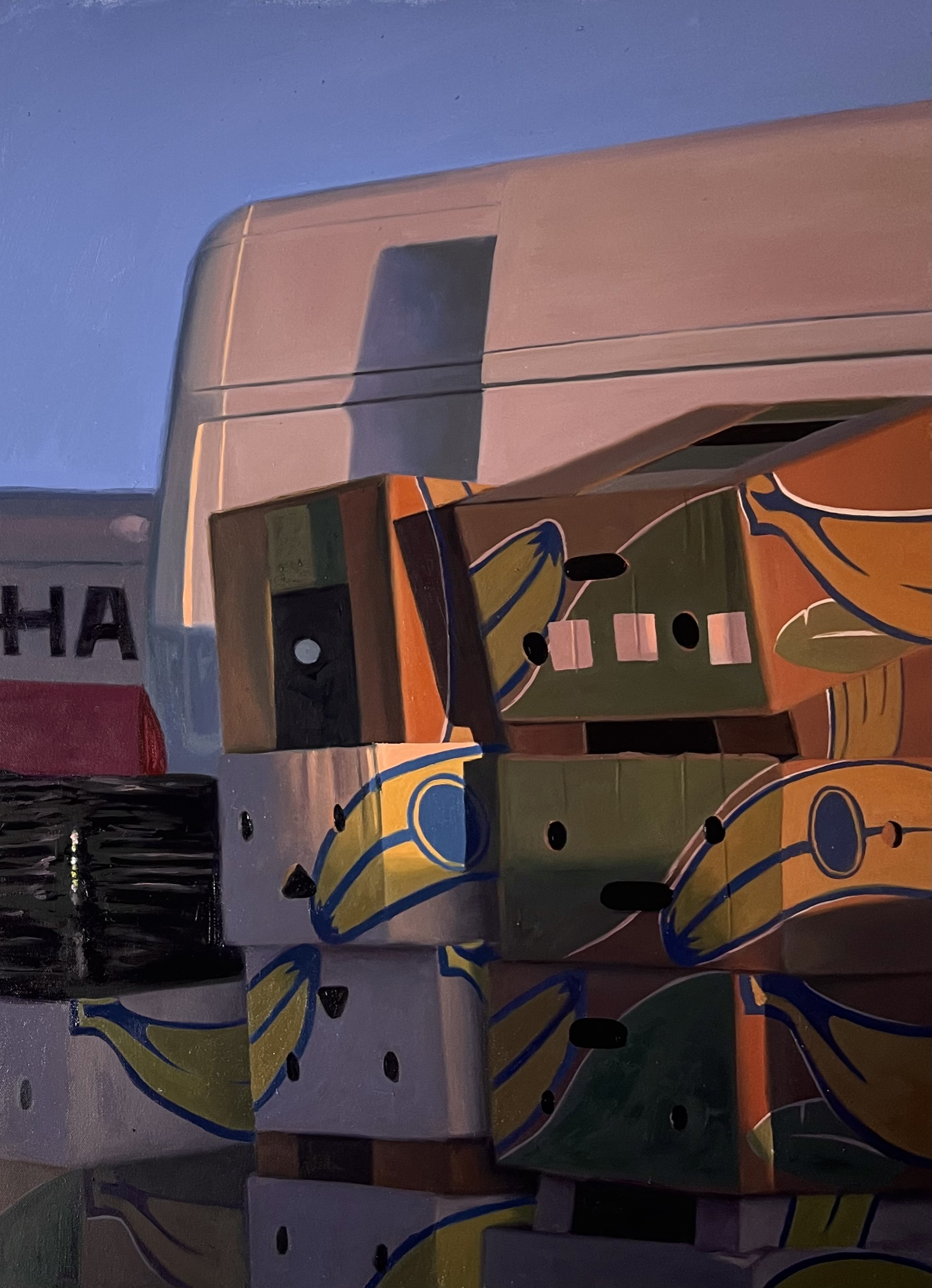
Marie Franco explores how personal experiences as a Venezuelan immigrant shaped their portrayal of Latinx communities in flea markets and swap shops. The conversation examines the intersection of labor, memory, and belonging in spaces often overlooked by institutions. Franco reflects on painting as storytelling, the symbolic significance of dawn as renewal and migration, and the strategic use of shadows to balance visibility with protection. The work seeks to create entry points for underrepresented communities while honoring their dignity and daily persistence.
AMM. Your work is deeply rooted in the lived Latinx immigrant experience, especially in community-driven spaces like flea markets. How did your own personal or family story shape the emotional tone of A primera luz?
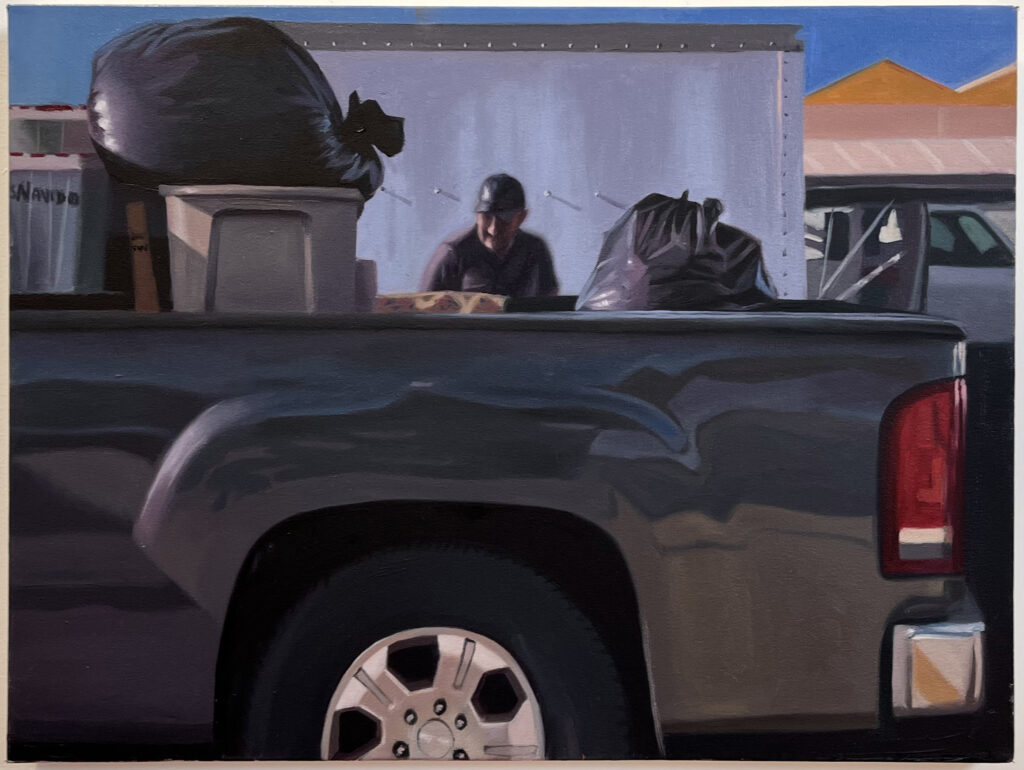
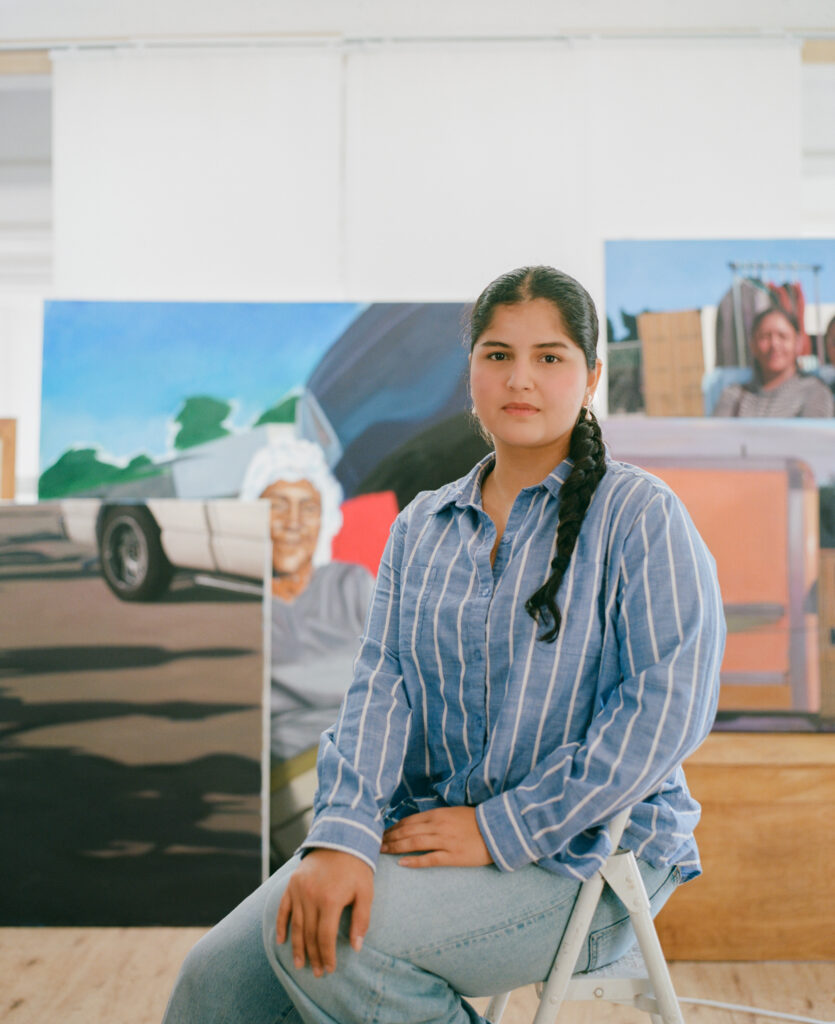
MF. My personal history is directly tied to this work. When my family first moved to Florida, my mom was a vendor at the Fort Lauderdale Swap Shop. The Ft. Lauderdale Swap Shop was my first introduction to this country as a Venezuelan child. In South Florida, it’s just my parents and me, and over time, the other vendors became our found community. That space shaped the way I understand belonging.
AMM. There is a tender realism in your paintings that captures both motion and memory. As an artist, where do you see the balance between documenting reality and interpreting it? Are you painting what is seen, or what is felt?
MF. I see painting as a form of storytelling. Detail and resemblance are tools for telling that story, not ends in themselves. While my work draws from what I see, it also interprets the rhythm of a place, the warmth between people, the layers of memory that shape every gesture. I’m interested in the balance between realism and emotion, where what’s visible becomes a bridge to something more internal.
AMM. Flea markets, swap shops, food carts—these are not just economic zones but cultural containers. Do you view these spaces as platforms of resistance, expressions of belonging, or both?
MF. For me, flea markets are first and foremost spaces of belonging. They’re places where people build community, sustain their families, and share culture. What draws me most is how these spaces allow people to show up fully as themselves, surrounded by others who understand their rhythm of life.
AMM. In this exhibition, the labor of waking early and “making it work” speaks through every brushstroke. How does the repetition and rigor of daily work translate formally into your painting of textures, gestures, and light?
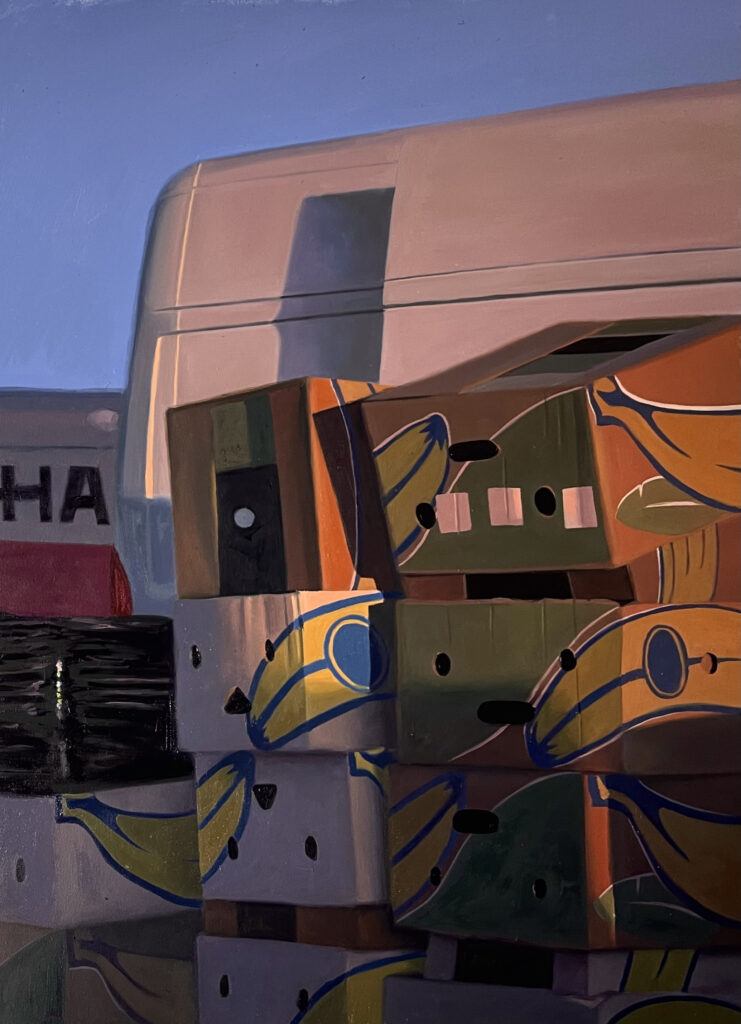
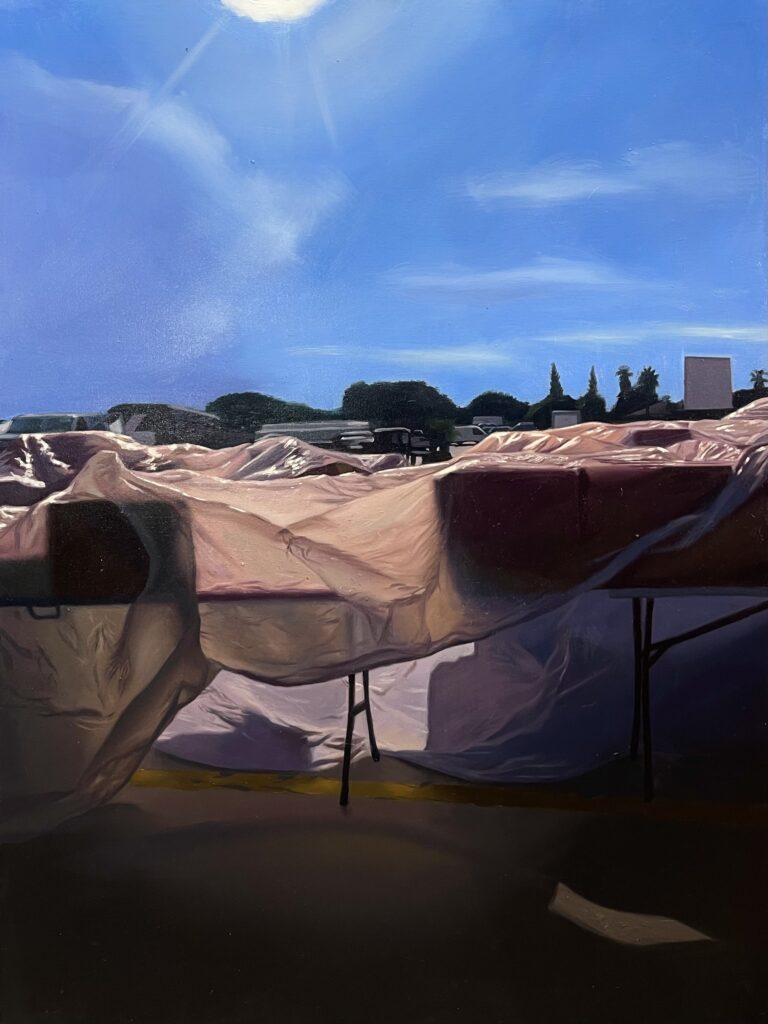
MF. The repetition of daily labor in the early mornings, the routines translates directly into my process. I think a lot about light in that sense: dawn as a signal of labor beginning again. The act of painting those moments mirrors that repetition. Layering textures, revisiting gestures it’s a way of honoring the work and persistence that define these communities.
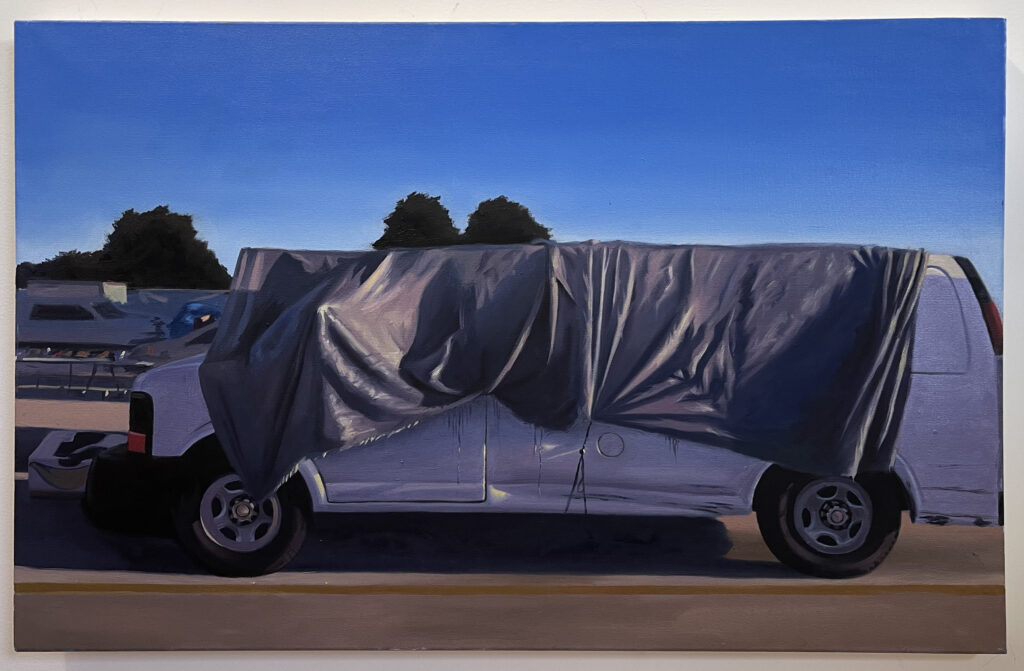
AMM. The title references dawn, beginnings, and first awakenings—literal and metaphorical. What was the symbolic weight of that phrase for you, and how did it shape the curation and sequencing of the works in the show?
MF. A primera luz felt like the perfect phrase for what I wanted to express. Sunrise, for me, is both hope and renewal, another chance, another day. It also connects deeply to migration, to the idea of beginning again somewhere new. In nature, migration is as natural as the sun. That symbolism shaped the sequencing of the show, moving from moments of stillness to scenes filled with energy, like a day unfolding.
AMM. You’ve stated that your work is for—and about—communities that are often unseen or underrepresented in institutional spaces. How do you create visual entry points in your work that are equally inviting to both those inside and outside the experience?
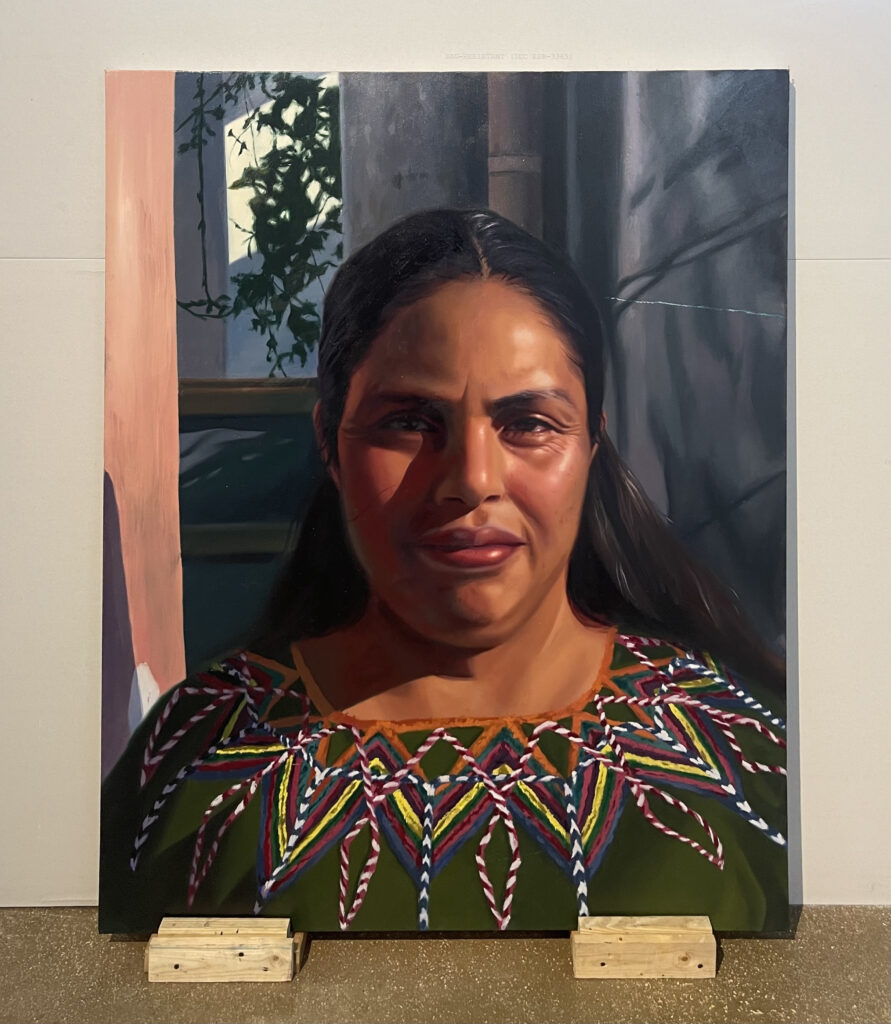
MF. I think a lot about who gets to see themselves represented in art spaces. I often focus on the image of a person on their scale, presence, and dignity. When someone from my community sees themselves reflected in a large painting, they deserve to feel welcomed in that space. I know many people hesitate to enter galleries, so I hope my paintings can act as an open door, a point of entry for those who might not usually feel invited in.
AMM. In your work, shadows play a key role—not only as formal elements but for their metaphorical weight: presence and absence, memory and territory. What do shadows represent in your artistic practice, and how do they interact with the stories emerging in your paintings?
MF. Shadows have become a powerful tool in my practice. Sometimes, I use them for security and anonymity to protect the identities of the people I’m referencing. There’s always a balance between visibility and safety when representing immigrant stories. Shadows allow me to express presence without full exposure, to honor memory while maintaining care. They’re both metaphor and method: a way to hold space for those who are seen and unseen.