Lyubov Sergeyevna Popova
Rusia, 1889–1924
Lyubov Sergeyevna Popova (Лююбо́вь Серге́евна Попо́ва) was one of those Russian artists associated with the avant-garde of the revolutionary era. She stood out among her peers, placing herself among the elite of Russian art after the 1917 Revolution, which she actively helped to build with painting, sculpture, fashion and whatever else they put in front of her.
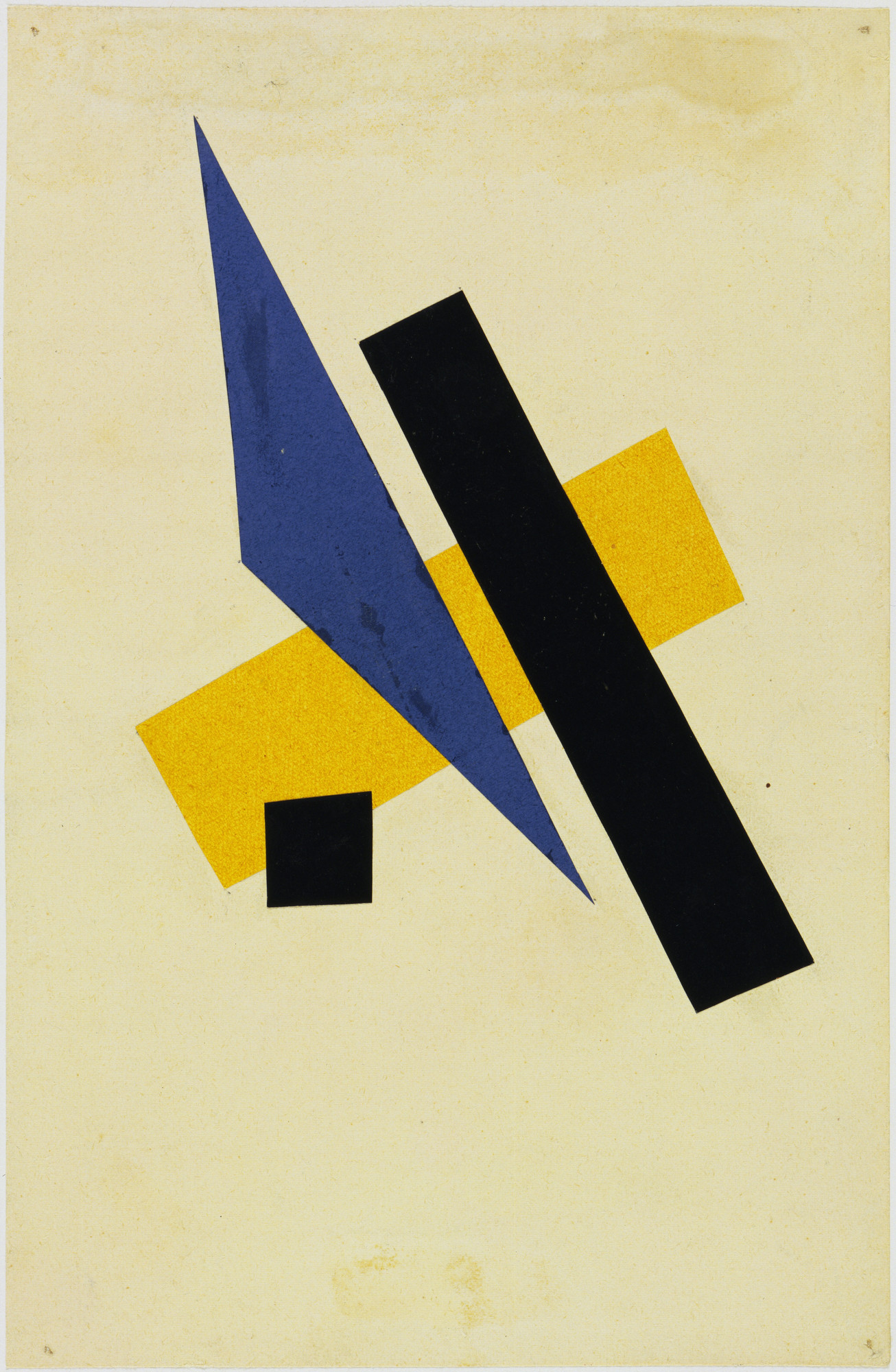
Popova was distinguished by very architectural compositions and is also characteristic of her search for non-objectivity, so among her main influences was Malevich.
Her first works were landscape painting, portraits and human figures. But when she came into contact with the avant-garde Popova became a “radical”. Cubism or futurism are better suited to what she wants to say. She became interested in collage and the use of relief, as well as the importance of the material used. It is in 1916 that she begins her reflection on the presence or absence of the object, towards non-objectivity.
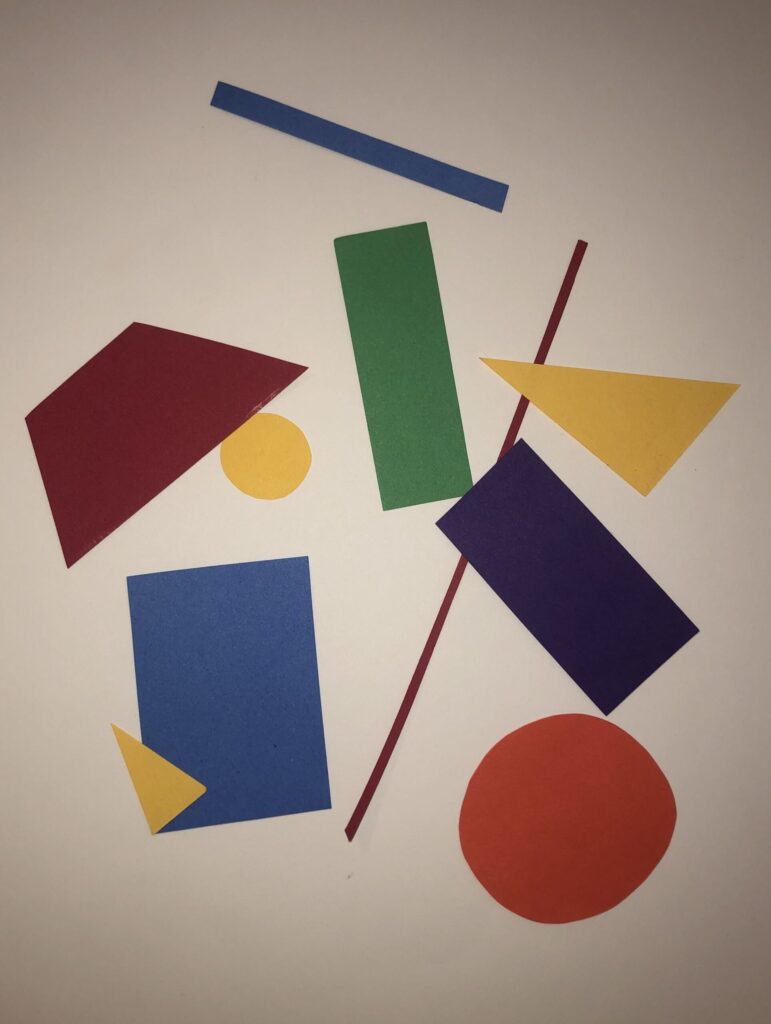
With the triumph of the Russian Revolution, Popova became one of its most important artists. She composes suprematist canvases, where she mixes color, volumes and lines, with geometric shapes that blend into each other and create an organization of the elements, not as a means of figuration, but as autonomous constructions.
In 1921 he abandoned bourgeois easel painting. From then on “the organization of the elements of artistic production must return to the shaping of the material elements of life, that is to say, to industry, to what we call production”.
And so he continued, producing art until he died of scarlet fever at the age of 35.