Home Blog Page 94

Khipus: Los Códices de Cuerdas del Antiguo Imperio Inca

khipus
khipus

Khipus: Los Códices de Cuerdas del Antiguo Imperio Inca

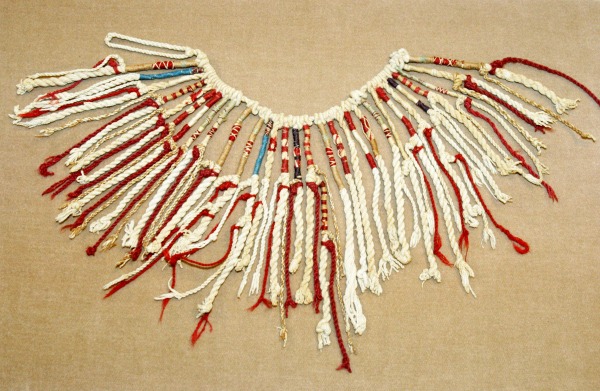
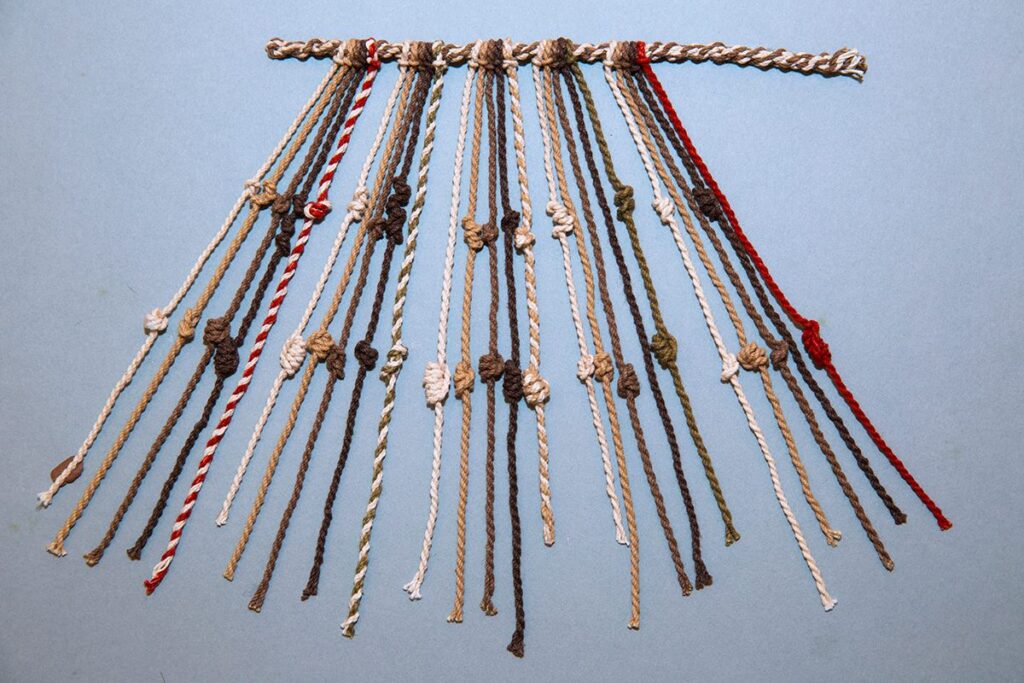
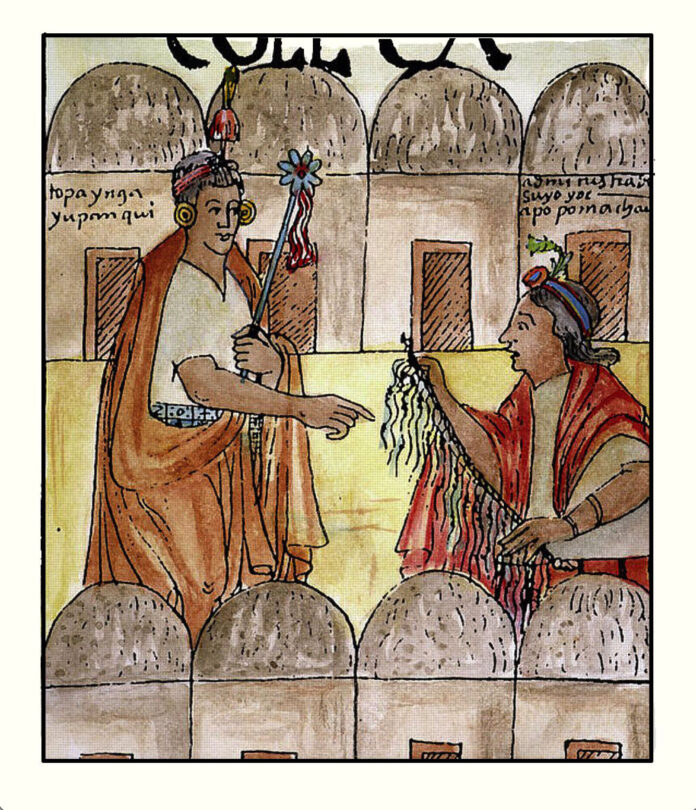
Los khipus (también conocidos como quipus), complejos sistemas de nudos y cuerdas utilizados por las civilizaciones andinas precolombinas, representan uno de los enigmas más fascinantes y sofisticados de la comunicación no escrita en la historia de la humanidad. Aunque a menudo se les asocia exclusivamente con el Imperio Inca (Tawantinsuyu), su uso precede a los Incas, extendiéndose por milenios en la región andina. Estos intrincados objetos eran mucho más que simples ábacos; funcionaban como una forma de registro, y posiblemente como un sistema de escritura tridimensional, que aún hoy desafía la comprensión completa de los investigadores.

Anatomía de un Khipu: Nudos y Significados

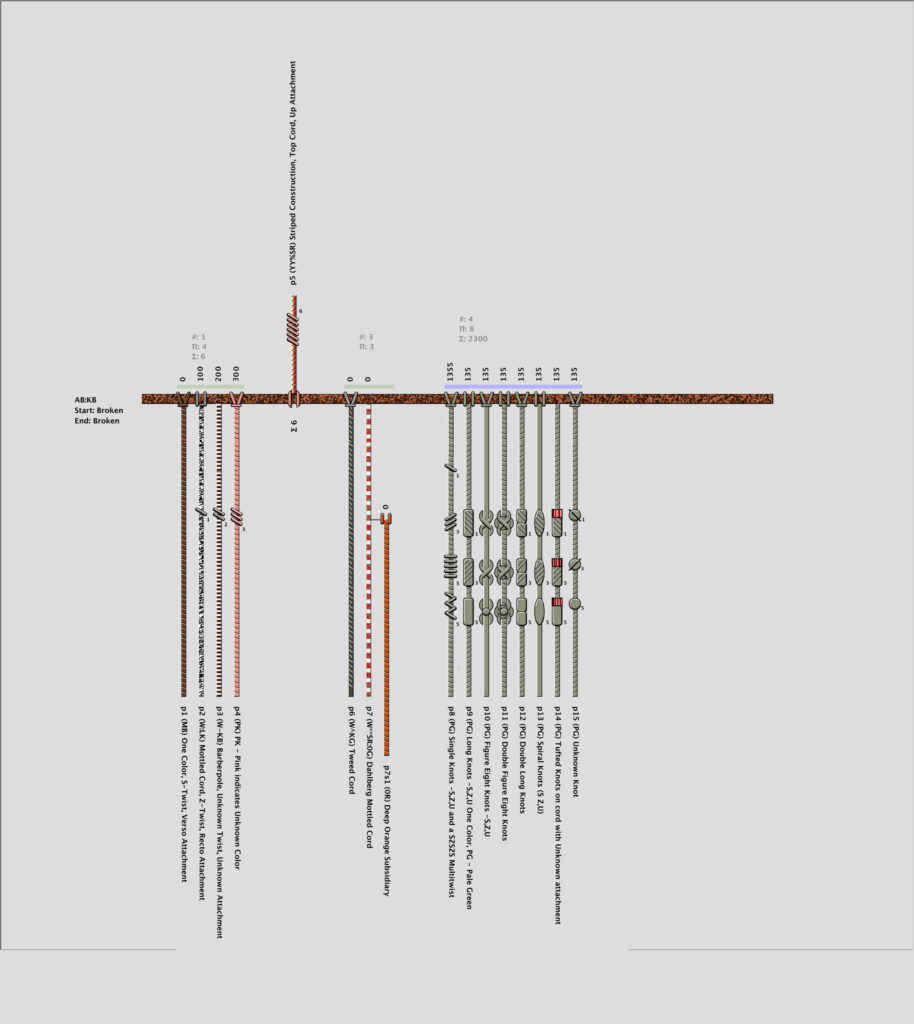
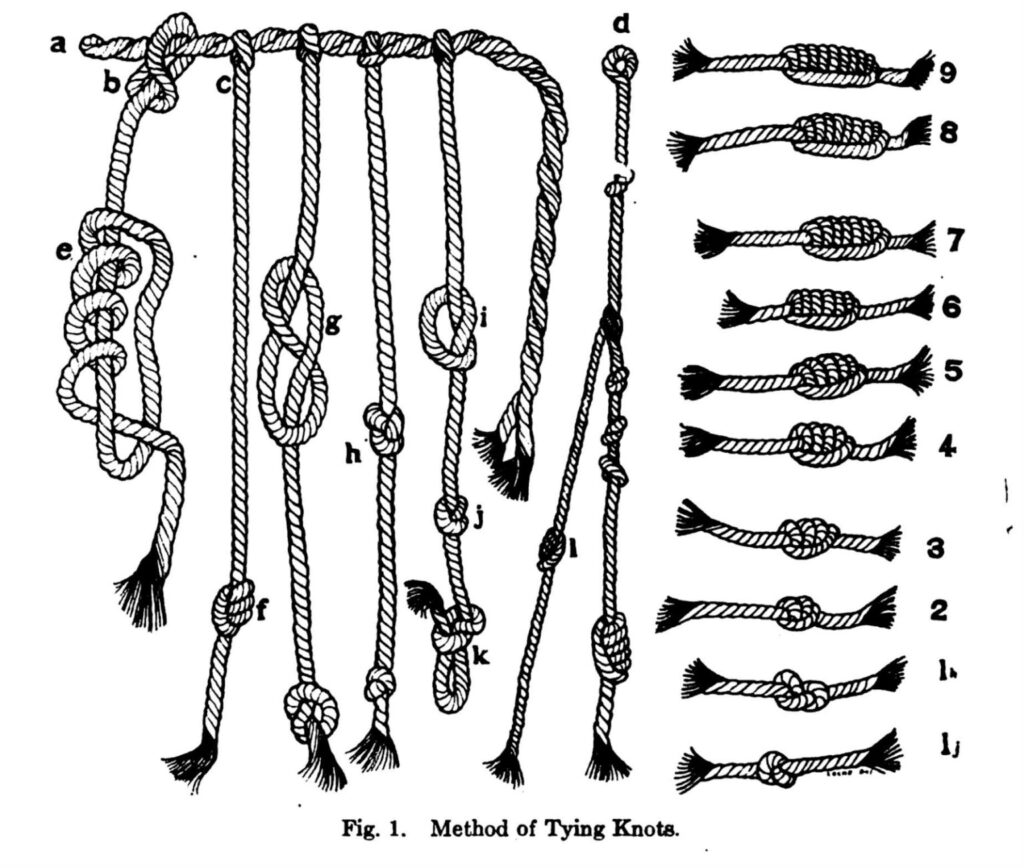
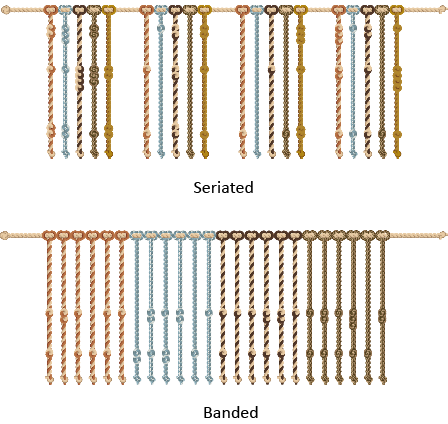
Un khipu se compone típicamente de una cuerda principal horizontal de la que penden numerosas cuerdas colgantes. De estas cuerdas colgantes, a su vez, pueden desprenderse cuerdas subsidiarias (o “secundarias”), y en ocasiones, incluso “terciarias”. La información se codificaba a través de varios elementos clave:

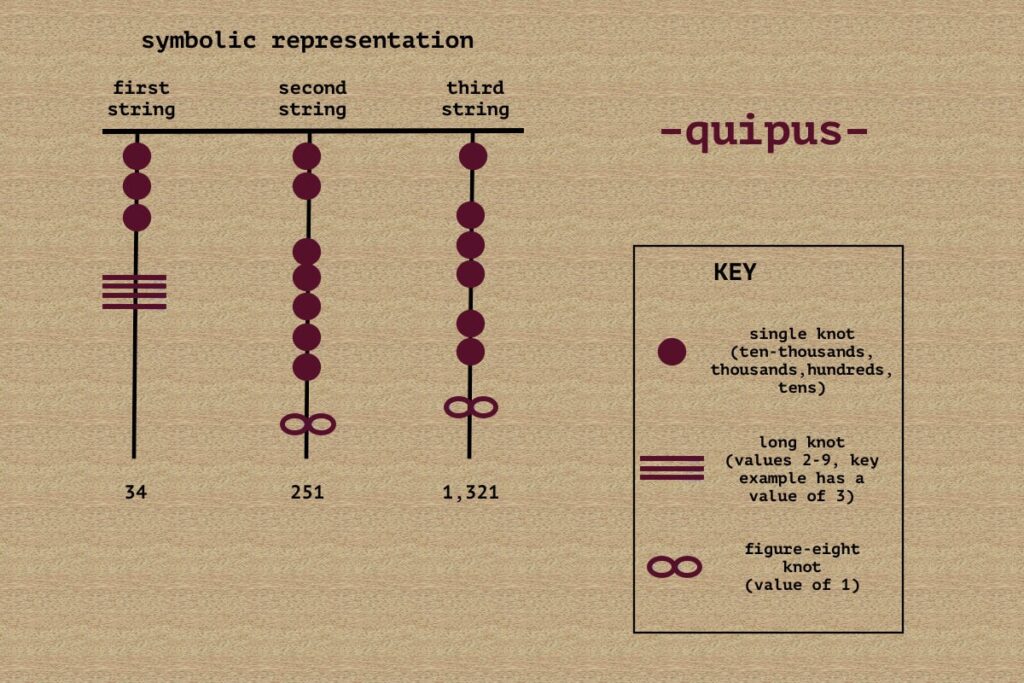
  1. Tipos de Nudos: La forma y el tipo de nudo eran fundamentales para el significado. Se han identificado tres tipos principales de nudos numéricos:
    • Nudo Simple o Largo: Utilizado para representar unidades del 1 al 9. La cantidad de vueltas en el nudo indicaba el número.
    • Nudo Largo con Vueltas Múltiples: Usado para decenas, centenas o unidades mayores.
    • Nudo en Forma de Ocho: Generalmente colocado al final de una serie de nudos, representaba la unidad “uno” en una posición específica. La posición de los nudos a lo largo de la cuerda también era crucial, indicando valores posicionales (unidades, decenas, centenas, miles, etc.), similar a nuestro sistema decimal. Un nudo en la parte superior de la cuerda representaba un valor más alto que uno en la parte inferior.
  2. Dirección de los Nudos: Si los nudos estaban orientados hacia la derecha o hacia la izquierda, o hacia arriba o hacia abajo en la cuerda, podría haber denotado diferentes significados o categorías.
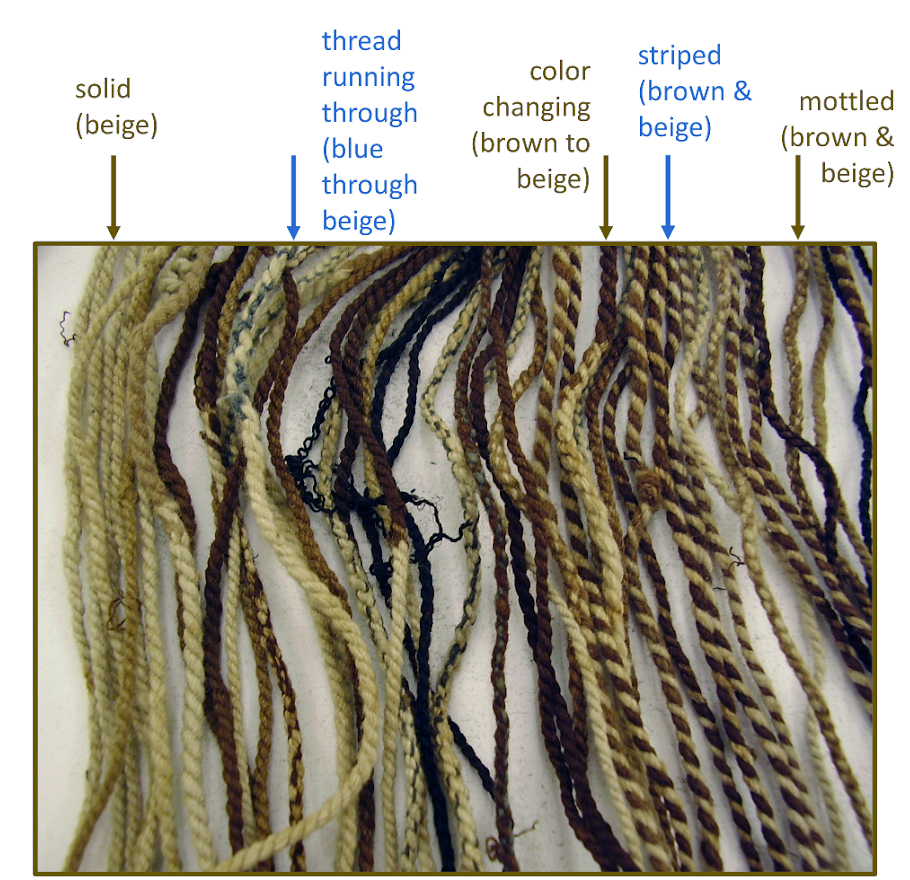
  3. Colores de las Cuerdas: Las cuerdas estaban hechas de algodón o lana de camélidos (alpaca, llama) y teñidas con una amplia gama de colores. Se cree que el color de la cuerda podía indicar el tipo de objeto o categoría que se registraba (por ejemplo, cuerdas amarillas para oro, rojas para guerreros, etc.). Sin embargo, el sistema de color no era universalmente estandarizado y variaba según la región o el propósito del khipu.
  4. Torsión de las Cuerdas: La dirección de la torsión de las fibras de la cuerda (en “S” o en “Z”) y la dirección de torsión del grupo de fibras que formaban la cuerda también podían codificar información.

Más Allá de los Números: Un Lenguaje Perdido

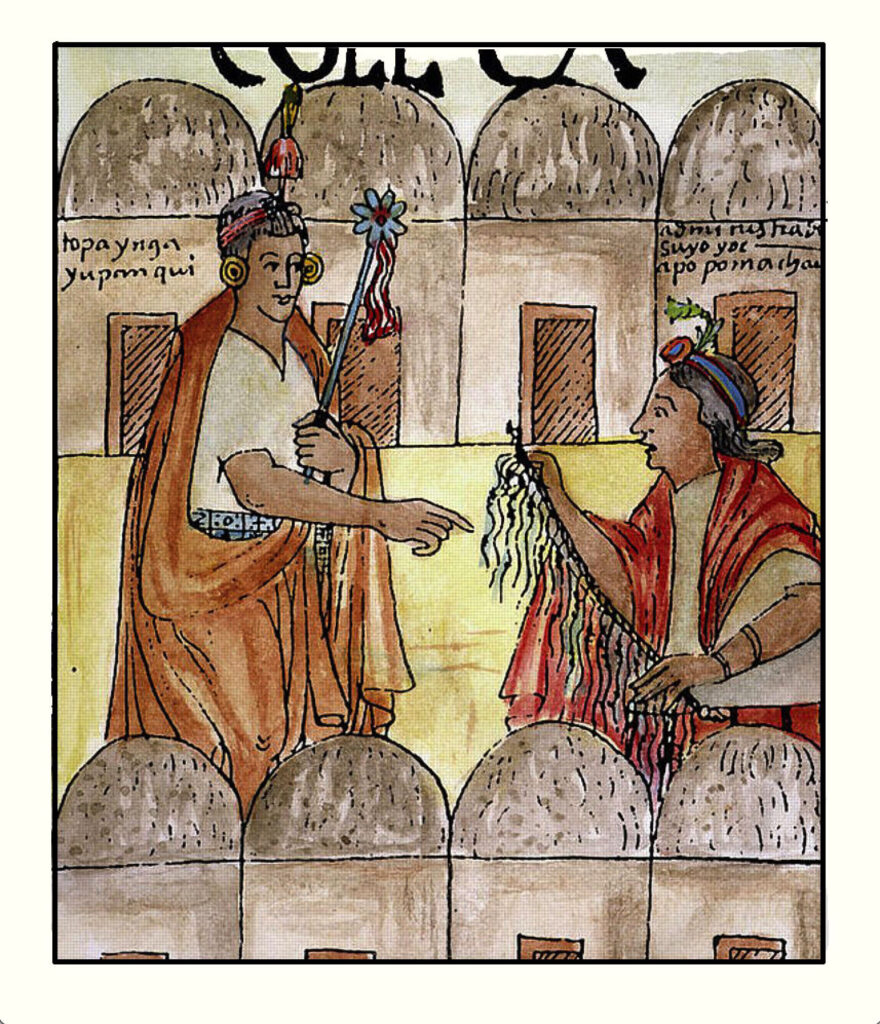
Durante mucho tiempo, se creyó que los khipus eran principalmente sistemas de registro contable o mnemotécnicos, utilizados para llevar cuentas de cosechas, poblaciones, tributos o recursos. Los cronistas españoles mencionaron a los “khipukamayuq” o “contadores de khipus”, quienes eran expertos en su lectura e interpretación.

Sin embargo, investigaciones recientes, como las del Dr. Gary Urton de la Universidad de Harvard (referencia: Signs of the Inka Khipu: Binary Coding in the Andean Knot Record), han sugerido que algunos khipus podrían haber contenido información no numérica, es decir, narrativas, historias, leyes o incluso poesía. Esto los elevaría al estatus de un verdadero sistema de escritura logosilábica o logográfica. El descubrimiento de patrones binarios y estructuras repetitivas en ciertos khipus apoya esta hipótesis, aunque la clave para “leer” estos khipus narrativos sigue siendo uno de los mayores desafíos en la arqueología y la lingüística. La destrucción masiva de khipus por parte de los conquistadores españoles, quienes los vieron como objetos de idolatría, lamentablemente eliminó gran parte del conocimiento necesario para descifrarlos completamente.

Importancia y Legado

La persistencia del enigma del khipu resalta la ingeniosidad de las civilizaciones andinas. Su existencia desafía la noción eurocéntrica de que la escritura solo puede ser lineal y bidimensional. Los khipus son un testimonio de un sistema cognitivo y comunicativo avanzado, adaptado a su contexto cultural y geográfico. Cada nuevo avance en su estudio promete no solo descifrar un código antiguo, sino también arrojar luz sobre la complejidad de una de las grandes civilizaciones de América del Sur, un imperio que se comunicaba y administraba sin papel ni tinta, sino a través del sutil y poderoso lenguaje de las cuerdas anudadas. El khipu sigue siendo un puente tangible y enigmático con un pasado glorioso que aún guarda sus secretos.
Jeanne Jaffe

Jeanne Jaffe
Jeanne Jaffe

Jeanne Jaffe

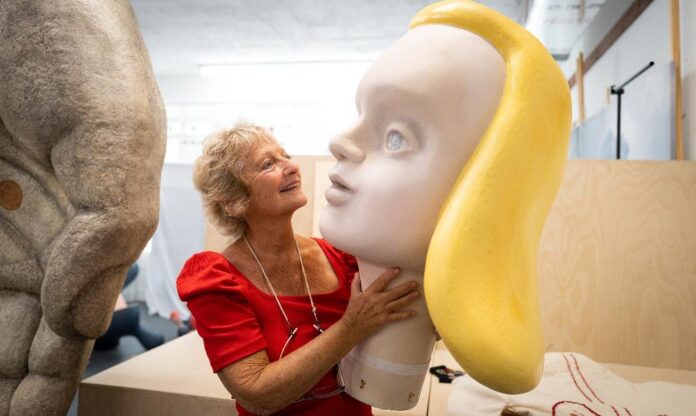
Jeanne Jaffe is a multi-disciplinary artist

working in installation, sculpture, and stop motion animation. Her work is influenced by an interest in language, literature, psychology, and history and explores how we construct identity, our world and our value systems.

Ms. Jaffe is Professor Emeritus of Fine Arts at the University of the Arts in Philadelphia and has been a visiting artist each fall semester at Xian Academy of Fine Arts in Xian, China for the past five years.    

 Ms. Jaffe is the recipient of fellowship grants for Outstanding Artistic Development from the Gottlieb Foundation, the National Endowment for the Arts, the Mid Atlantic/NEA. the Pennsylvania Council on the Arts, the Independence Foundation, the Leeway Foundation, Mino Artist Residency in Japan, the Virginia A. Groot Foundation, among others.

Works by Ms. Jaffe have been exhibited nationally and internationally at such places as Pennsylvania Academy of Fine Art Museum, Delaware Art Museum, Hillwood Art Museum, Mino Washi Ikari Museum in Japan, Michener Art Museum, The Royal Scottish Academy of Edinburgh, Scotland, the Seokdang Museum of Art in Korea, and the London Craft Council Gallery in England.

She has recently moved to south Florida where she has had a solo exhibition at Spinello Projects, and has shown at LNS Gallery, Doral Art Museum, Coral Springs Museum, IS Projects, IPC ArtSpace, Hollywood Art and Culture Center, the Mexican Consulate, the Arts Warehouse, the Camp Gallery, Collective 62, and the Miami Dade College Art Gallery.

Her work has been reviewed extensively, including in Art in America, The New York Times, and Sculpture Magazine.

Ms. Jaffe’s work is included in private and public collections in Pennsylvania Academy of Art Museum, Philadelphia, Pa. the Francie Bishop Good and David Horvitz Collection in Fort Lauderdale, Fla. Zimmerli Art Museum in New Brunswick, N.J, the Abington Sculpture Garden, Abington, Pa., Rutgers Center for Innovative Printmaking, New Brunswick, N.J, and Museum of Ceramics at Alfred University in Alfred, N.Y.

https://www.jeannejaffe.com/

Charting Creativity: The 5 Best Art Schools in Florida for 2025

Art Schools
Art Schools

Charting Creativity: The 5 Best Art Schools in Florida for 2025

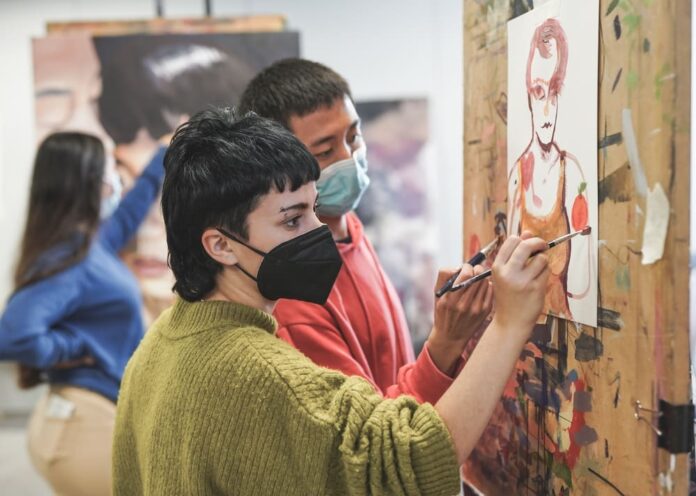
Charting Creativity: The 5 Best Art Schools in Florida for 2025, from Sarasota to Miami Florida’s vibrant cultural landscape extends far beyond its famous beaches, boasting a thriving ecosystem of art education that prepares the next generation of creative leaders. For aspiring artists seeking to refine their craft, these institutions provide exceptional faculty, state-of-the-art facilities, and robust connections to the professional art world. As we look to 2025, several schools consistently stand out for their robust programs, innovative approaches, and commitment to fostering artistic talent.

Here are five of the best art schools in Florida, offering diverse pathways for creative development:

1. Ringling College of Art and Design (Sarasota) Widely regarded as one of the premier art and design colleges in the nation, Ringling College of Art and Design is a private, not-for-profit institution that emphasizes a skills-based education. It’s a powerhouse for fields such as animation, illustration, graphic design, and game art, with its graduates highly sought after in the creative industries. Their strong industry connections and focus on professional readiness make it a top choice for students aiming for careers in visual arts.

  • Phone: (941) 351-5100
  • Website: ringling.edu

2. University of Florida (Gainesville)-The University of Florida’s College of the Arts offers a comprehensive and highly respected art program within a large public university setting. Students benefit from a wide array of disciplines, including painting, sculpture, digital arts, and art history, as well as access to extensive university resources. UF’s art programs have a significant influence on Gainesville’s vibrant art scene, offering numerous exhibition and engagement opportunities for students.

  • Phone: (352) 392-0211
  • Website: arts.ufl.edu

3. Florida State University (Tallahassee)-Florida State University’s College of Fine Arts boasts a rich tradition in arts education, offering diverse degree programs in visual arts, theatre, dance, and music. FSU provides a dynamic academic environment with strong ties to the cultural life of Tallahassee, preparing students for varied career paths in the arts.

  • Phone: (850) 644-1252
  • Website: arts.fsu.edu

4. University of Miami (Coral Gables): The University of Miami offers a robust Studio Art program within its Department of Art and Art History, providing students with rigorous training in various artistic disciplines. Located in the heart of a bustling international city, UM students are at the nexus of Miami’s thriving art scene, with unparalleled access to galleries, museums, and major art events, such as Miami Art Week. The program fosters a strong sense of community and critical thinking.

  • Phone: (305) 284-2511
  • Website: miami.edu/arts

5. New World School of the Arts (Miami) New World School of the Arts stands out with its unique collaborative model, operating as a joint venture between Miami-Dade County Public Schools, Miami-Dade College, and the University of Florida. This distinctive structure provides a continuous path for students from high school through the collegiate level, offering focused BFA programs in Visual Arts, Dance, Music, and Theater. Located in downtown Miami, it’s a vibrant hub for cultural events and performances, deeply integrated into the city’s artistic core.

  • Phone: (305) 237-3135
  • Website: nwsa.mdc.edu

These five institutions represent the pinnacle of art education in Florida for 2025, each offering distinct advantages whether you’re seeking a focused art college experience or a comprehensive university program within a dynamic artistic community. Choosing the right school is a pivotal step, and prospective students are encouraged to research programs, visit campuses, and connect with faculty to find the perfect fit for their creative journey.

Florida’s Cutting Edge: The 3 Best Contemporary Art Museums for 2025

PAMM Miami
PAMM Miami

Florida’s Cutting Edge: The 3 Best Contemporary Art Museums for 2025

Florida’s art scene has blossomed into a dynamic and essential force in the contemporary art world. Beyond the sun-drenched beaches, the state is home to institutions that consistently present groundbreaking exhibitions, acquire significant works, and foster critical dialogue around the art of our time. For 2025, several museums stand out as beacons of contemporary art, pushing boundaries and engaging audiences with the most innovative artistic expressions.

Here are three of Florida’s top contemporary art museums that you absolutely must visit:

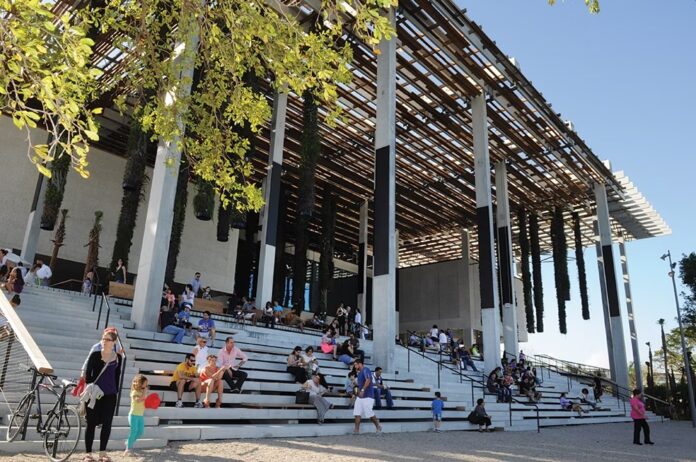
1. Pérez Art Museum Miami (PAMM) Perched majestically on Biscayne Bay, PAMM is a cornerstone of contemporary art in Florida and a global destination. Its iconic Herzog & de Meuron-designed building is itself a work of art, providing a stunning backdrop for its diverse collection and ambitious exhibition program. PAMM focuses on international art of the 20th and 21st centuries, with a vital emphasis on art from the African diaspora, Latin American art, and works that speak to Miami’s unique position as a cultural crossroads. Their commitment to presenting timely and relevant work makes them a constant point of reference for contemporary discourse.

  • Address: 1103 Biscayne Blvd, Miami, FL 33132
  • Phone: (305) 375-3000
  • Website: pamm.org

2. Institute of Contemporary Art, Miami (ICA Miami) A true champion of experimentation and new ideas, ICA Miami has quickly established itself as a pivotal institution in the contemporary art landscape. Located in the Design District, ICA Miami is dedicated to advancing continuous experimentation in contemporary art and fostering the exchange of art and ideas. With a compelling calendar of exhibitions that often feature local, emerging, and under-recognized artists alongside established names, ICA Miami consistently pushes boundaries. What’s more, its free admission policy ensures that cutting-edge contemporary art remains accessible to all.

  • Address: 61 NE 41st St, Miami, FL 33137
  • Phone: (305) 901-5272
  • Website: icamiami.org

3. NSU Art Museum Fort Lauderdale The NSU Art Museum Fort Lauderdale has a long-standing commitment to modern and contemporary art, distinguishing itself with significant collections and an engaging exhibition schedule. The museum boasts an impressive collection of works by Latin American artists, as well as a strong focus on women artists and those from diverse cultural backgrounds. While it houses art from the 19th through 21st centuries, its emphasis on contemporary projects and its vibrant program of exhibitions ensures it remains a vital institution for experiencing the art of today.

  • Address: 1 E Las Olas Blvd, Fort Lauderdale, FL 33301
  • Phone: (954) 525-5500
  • Website: nsuartmuseum.org

These three institutions, each with its unique focus and geographic advantage, collectively define the cutting edge of contemporary art in Florida. They are indispensable destinations for anyone looking to understand the current pulse and future directions of the art world.

El Equilibrio en la Composición Visual: La Clave de la Armonía y la Tensión

El Equilibrio en la Composición Visual: La Clave de la Armonía y la Tensión

El Equilibrio en la Composición Visual: La Clave de la Armonía y la Tensión

En el vasto universo de la creación visual, la composición es el esqueleto invisible que da forma y coherencia a una obra. Dentro de ella, el equilibrio es fundamental, pues otorga a la imagen un carácter de necesidad y una sensación de estabilidad que atrapa al espectador. El equilibrio no es solo una cuestión de simetría; es la distribución inteligente del “peso” y la “dirección” visuales de cada elemento dentro de la composición.

1. Peso Visual: La Fuerza de la Atracción

El peso visual se refiere a la capacidad inherente de un elemento para captar la atención del ojo en una composición. No es un peso físico, sino una cualidad que puede ser manipulada por el artista para guiar la mirada. Varios factores influyen en este peso:

  • Peso y Ubicación: La posición de un elemento es crucial. Aquellos cerca del centro de la imagen suelen tener un menor peso visual por su neutralidad. Sin embargo, los elementos en la parte superior de la composición tienden a parecer más pesados que los de la inferior, generando una sensación de presión. Curiosamente, los objetos situados en el lado derecho de una composición a menudo se perciben como más pesados que los del lado izquierdo, un fenómeno influenciado por nuestros hábitos de lectura occidentales (de izquierda a derecha). En este contexto, la nivelación ocurre cuando una figura central equilibra el campo visual, mientras que el aguzamiento se produce cuando una figura se sitúa fuera de los ejes estructurales, creando ambigüedad e inestabilidad deliberada.
  • Peso y Forma: Las formas simples, regulares y simétricas son percibidas como más pesadas, dotando a la composición de una sensación de solidez. Por el contrario, las formas asimétricas e irregulares son menos “pregnantes” y, por ende, más ligeras visualmente, añadiendo dinamismo.
  • Peso y Tamaño: La regla es directa: cuanto más grande es un elemento, mayor es su peso visual. Un objeto prominente dominará la escena, mientras que uno pequeño puede pasar desapercibido si no se le da un contexto adecuado.
  • Peso y Valor (Luminosidad): Las áreas más luminosas o claras en una imagen se perciben como más pesadas que las oscuras. Esto se debe al efecto de irradiación de la luz, que hace que los objetos brillantes parezcan “avanzar” o expandirse, atrayendo más la atención.
  • Peso y Color: Los colores cálidos (rojos, naranjas, amarillos) y aquellos de alta saturación (muy puros e intensos) poseen más peso visual que los colores fríos (azules, verdes) o neutros (grises, beige). Esto permite al artista crear puntos focales vibrantes o retroceder elementos con tonos más sutiles.
  • Peso e Interés Intrínseco: Más allá de las propiedades formales, un elemento puede captar la atención por su tema, complejidad, peculiaridad o narrativa. Un rostro en un retrato, un detalle inusual o una textura rica, automáticamente adquieren un peso visual adicional, independientemente de su tamaño o ubicación.
  • Peso y Aislamiento: Un elemento que se encuentra aislado en el espacio compositivo tiende a percibirse con un peso visual mayor que si estuviera rodeado de elementos similares. El vacío alrededor de un objeto le otorga protagonismo y lo magnifica.

2. Dirección Visual: El Flujo de la Mirada

El segundo factor clave en el equilibrio es la dirección, que se refiere a las fuerzas visuales que guían subconscientemente la mirada del espectador a través de la composición.

  • Dirección y Ubicación: La cercanía de un elemento a otros puede generar tensiones visuales, alterando los caminos naturales que el ojo toma. Las líneas implícitas o explícitas que conectan elementos crean un flujo.
  • Dirección y Forma: Las propias formas y sus ejes internos generan una fuerza direccional. Un triángulo apunta, una línea diagonal sugiere movimiento. Las agrupaciones de elementos también pueden formar estructuras geométricas (aunque no sean explícitas) que definen el recorrido visual deseado por el artista.
  • Dirección y Tema: Ciertos elementos temáticos, como la dirección de una mirada, la inclinación de un cuerpo o la trayectoria de un objeto en movimiento, crean fuerzas de orientación y guían activamente la atención del espectador, transmitiendo una sensación de narrativa o acción.

Equilibrio Visual: Estático, Dinámico y el Poder del Desequilibrio

El equilibrio en una imagen es el resultado de la distribución armónica de todos estos pesos y direcciones en toda la composición.

  • El equilibrio estático se logra cuando las fuerzas visuales están en reposo, a menudo a través de la simetría o una distribución muy uniforme. Transmite una sensación de calma, orden y formalidad.
  • El equilibrio dinámico se crea cuando existen tensiones compensadas; es decir, elementos que, aunque no son simétricos, se contrarrestan visualmente para mantener la estabilidad, invitando al movimiento y a una exploración más activa de la obra.

Es importante recordar que un desequilibrio deliberado también puede ser una elección artística poderosa. Generar una sensación de inestabilidad o inquietud visual puede ser conceptual o emocionalmente significativo, rompiendo la armonía para comunicar un mensaje específico, provocar una emoción o desafiar la percepción del espectador.

Dominar el equilibrio y la dirección visual permite al artista no solo organizar elementos, sino también infundir vida y propósito a sus composiciones, convirtiendo una simple imagen en una experiencia visual cautivadora.

Equipping Your Studio: Essential Brushes and Accessories

Artist Paint Brushes

Equipping Your Studio: Essential Brushes and Accessories


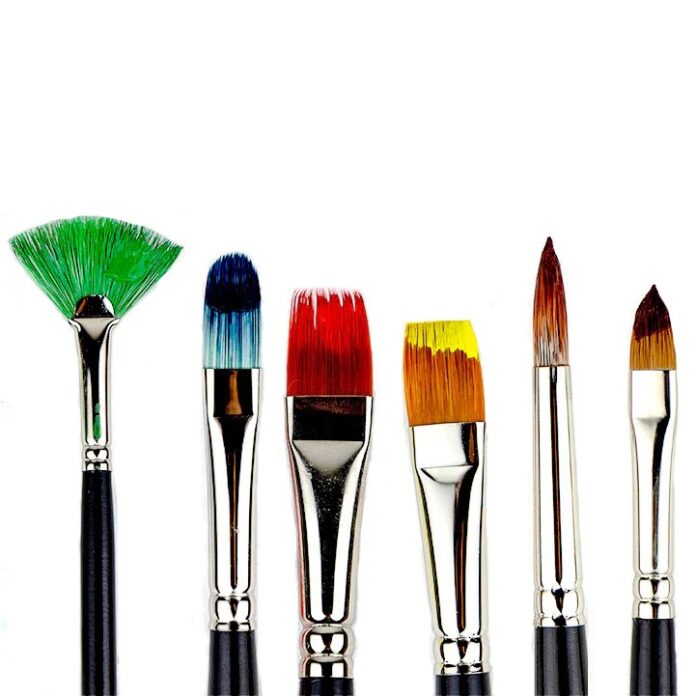
Art Supply Brushes & Accessories: Various brush types, palettes, acrylic mediums, varnishes, easels and stretcher bars.

Beyond the paint itself, a well-equipped studio requires a suite of tools and accessories that facilitate creation, manage your materials, and ensure the longevity of your artwork. From the instruments that apply color to the structures that support your canvas, these essentials empower the artist at every stage of their process.

Brushes: The Artist’s Extended Hand

Brushes are fundamental to painting, serving as the direct link between the artist’s intention and the canvas. They come in an astonishing variety of types, each designed for specific purposes and effects:

  • Bristle Type: Brushes are made from either natural hairs (like hog, sable, or squirrel, each offering different levels of stiffness, absorbency, and snap, suited for oils, watercolors, or acrylics) or synthetic fibers (often more durable, versatile, and excellent for acrylics and modern mediums).
  • Shape: The shape of the brush head dictates the mark it makes. Common shapes include:
    • Round: For fine lines and details.
    • Flat: For broad strokes, sharp edges, and washes.
    • Filbert: An oval shape, versatile for blending and soft edges.
    • Fan: For blending, textures, and subtle effects.
    • Angular: For precise lines and sharp angles.
  • Size: Ranging from tiny numbers for intricate details to large sizes for broad washes and expansive coverage.

A diverse selection of brushes allows an artist to execute a full range of techniques, from delicate rendering to bold impasto.

Palettes: The Mixing Ground

A palette is the essential surface where paints are arranged, mixed, and prepared for application. They come in various materials and forms:

  • Wooden Palettes: Traditional, often kidney-shaped, great for oil paints as they absorb some oil.
  • Plastic Palettes: Lightweight, easy to clean, versatile for all paint types, often with wells for separate colors.
  • Glass Palettes: Provide a perfectly smooth, non-absorbent surface, ideal for thorough mixing and easy cleanup.
  • Tear-off Palettes: Disposable paper pads, convenient for quick projects and minimal cleanup.

The choice of palette often comes down to personal preference and the specific medium being used.

Acrylic Mediums: Modifying Properties

Acrylic mediums are transformative additives that allow artists to manipulate the properties of acrylic paint, expanding its versatility beyond just color. They can alter consistency, transparency, drying time, and finish:

  • Gel Mediums: Increase body and transparency, great for impasto or collage.
  • Flow Improvers: Reduce viscosity for staining or watercolor-like effects.
  • Retarders: Slow drying time for more blending opportunities.
  • Gesso: A primer used to prepare surfaces for painting, improving adhesion and creating a consistent ground.
  • Texture Pastes: Add coarse or fine textures directly to the surface.

Varnishes: Protection and Finish

Varnishes are crucial for the final stage of a painting, serving a dual purpose: they protect the artwork from environmental damage (dust, UV light) and unify the surface finish.

  • Types: Available in gloss, satin, and matte finishes, allowing the artist to control the final sheen of their work.
  • Application: Applied after the paint has fully dried (which can take months for oils), varnishes form a removable protective layer, crucial for conservation.

Easels and Stretcher Bars: Support and Structure

These are the structural foundations for your painting practice:

  • Easels: Provide support for your canvas or board, allowing you to work upright and at a comfortable angle. They range from lightweight, portable field easels for outdoor painting to sturdy studio easels for large-scale works.
  • Stretcher Bars: Wooden frames used to stretch and support canvas. They come in various lengths and can be assembled to create custom-sized frames, ensuring the canvas remains taut and stable throughout the painting process and beyond.

A thoughtfully chosen array of brushes and accessories empowers the artist, allowing for greater control, experimentation, and the preservation of their creative output. They are the silent partners in every masterpiece.

Colony Theatre | Performance Unleash Your Inner Artist: “Not Your Standard Art Class”Colony Theatre | Performance

Colony Theatre
Colony Theatre

Unleash Your Inner Artist: “Not Your Standard Art Class” at The Standard Spa, Miami Beach

The Standard Spa, Miami Beach, is excited to host “Not Your Standard Art Class,” a unique plein-air painting workshop designed to ignite creativity in a beautiful outdoor setting. This engaging session, led by artists Massimo Mongiardo and Veronica Pesantes, will take place tomorrow, Thursday, June 19, 2025, from 6:00 PM to 8:00 PM, at The Standard Spa, Miami Beach, located at 40 Island Ave, Miami Beach, FL 33139.

Participants are invited to immerse themselves in the serene ambiance of The Standard while exploring painting techniques under the guidance of experienced artists. This workshop offers a perfect opportunity for both budding and seasoned artists to connect with nature and express themselves through color and form. All necessary art supplies will be provided, ensuring a hassle-free and enjoyable experience for everyone.

To secure your spot and receive more details, please reach out via Direct Message on Instagram. This intimate class promises an evening of artistic inspiration and relaxation.

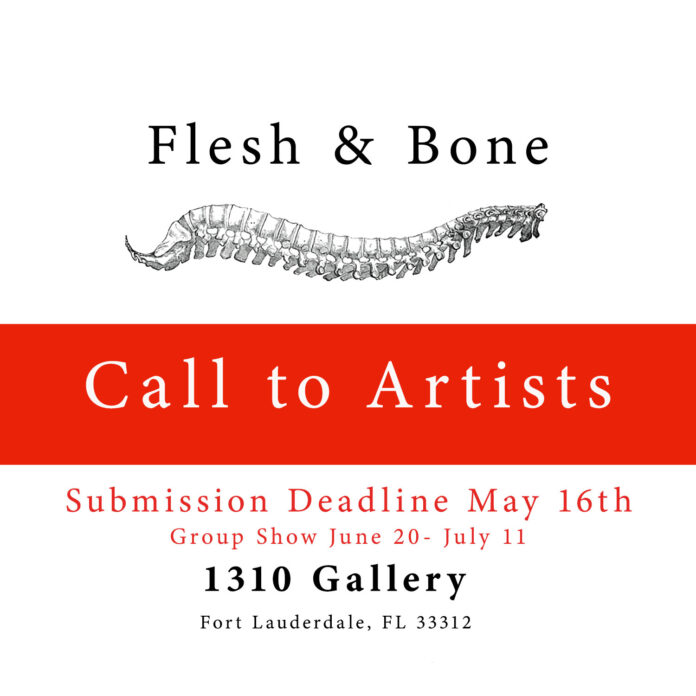
1310 Gallery Presents “FLESH AND BONE”: An Exploration of Humanity

FLESH AND BONE An Exploration of Humanity-

Flesh & Bone

Presented by 1310 Gallery – Sailboat Bend Artist Lofts at 1310 Gallery, Fort Lauderdale FL

1310 Gallery Presents “FLESH AND BONE”: An Exploration of Humanity

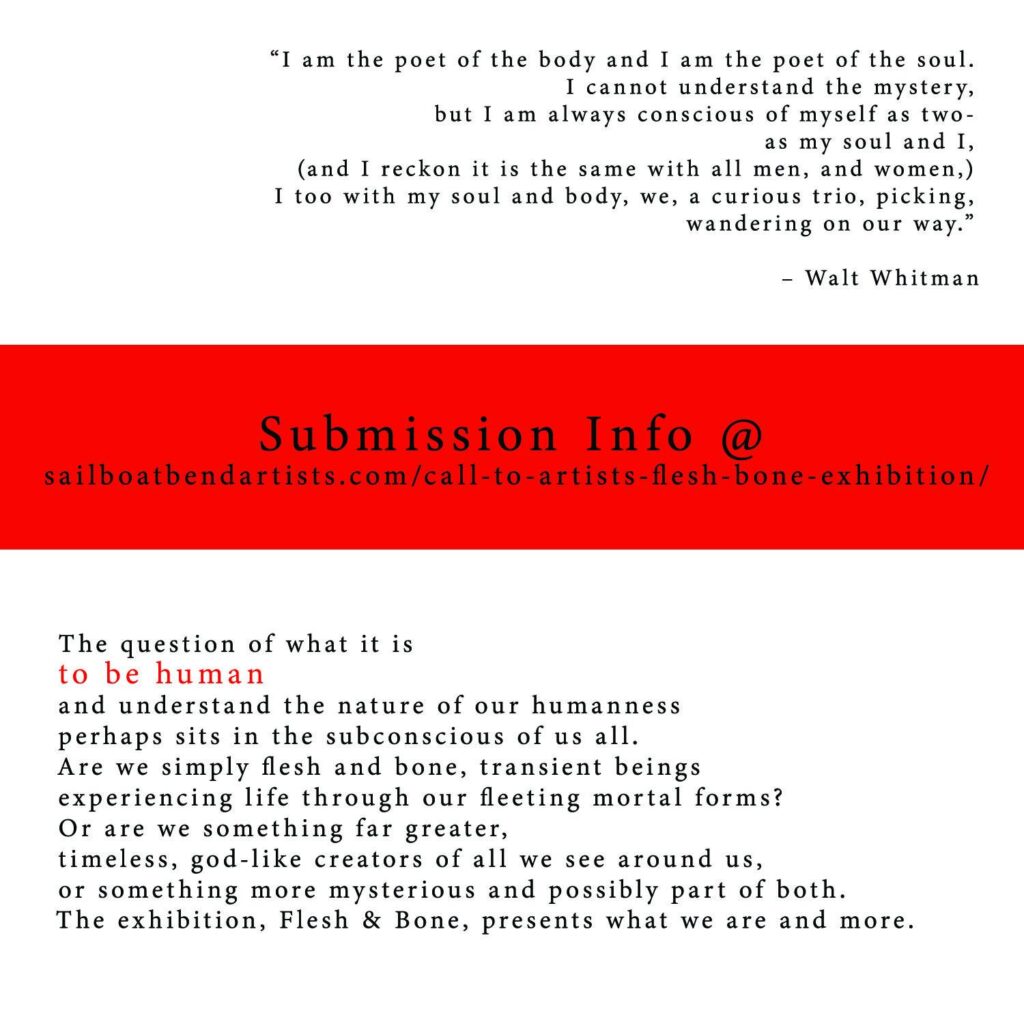
1310 Gallery is pleased to announce the opening reception of “FLESH AND BONE,” a compelling group art and music exhibition. Curated by Angela Yang, this show delves into the profound question of what it truly means to be human, featuring a diverse array of artists.

The opening reception will take place Friday, June 20, 2025, at 6:00 PM, at 1310 Gallery, located at 1310 SW 2nd Ct, Fort Lauderdale, FL 33312.

“FLESH AND BONE” brings together a talented roster of creators, including works by Pablo Alvarez, Heather Calderon, Veronica Calderon, Liv Cook, Rebecca White, among others. Through various artistic mediums and musical expressions, the exhibition explores the complexities of human existence, identity, and shared experience.

This event offers the community a unique opportunity to engage with thought-provoking art and enjoy a vibrant atmosphere.

FLESH AND BONE An Exploration of Humanity-

Hampton Art Lovers Presents “Take My Hand, Precious Lord” at Historic Ward Rooming House

Hampton Art Lovers Presents : "Take My Hand, Precious Lord"

Hampton Art Lovers Presents “Take My Hand, Precious Lord” at Historic Ward Rooming House

Hampton Art Lovers is honored to present “Take My Hand, Precious Lord,” a poignant new exhibition exploring themes of spiritual strength and resilience. The opening reception will be held on Friday, June 20, 2025, from 7:00 PM to 10:00 PM, at the Historic Ward Rooming House, located at 249 NW 9th St, Miami, FL 33136, in the heart of Overtown.

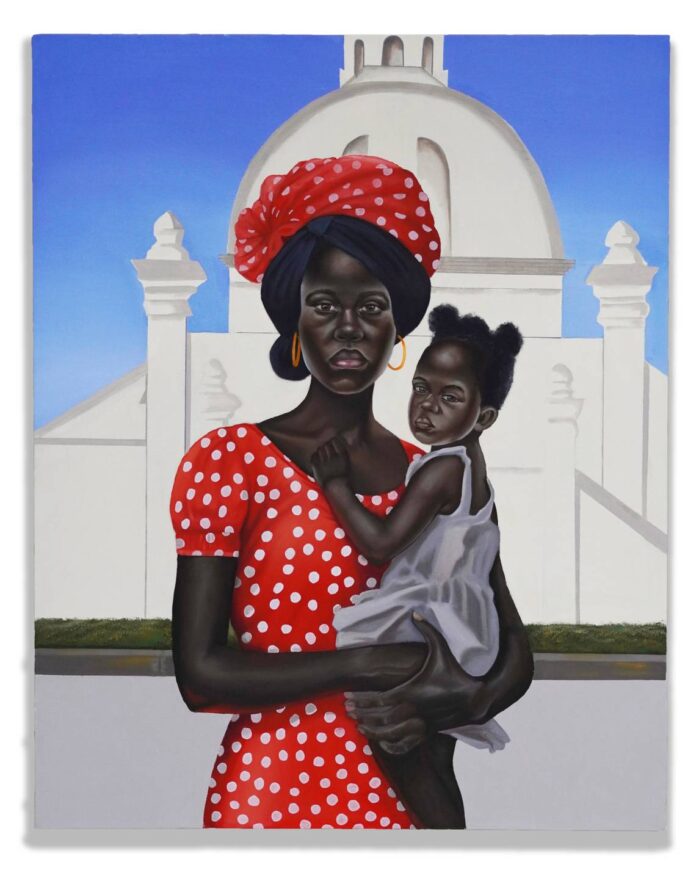
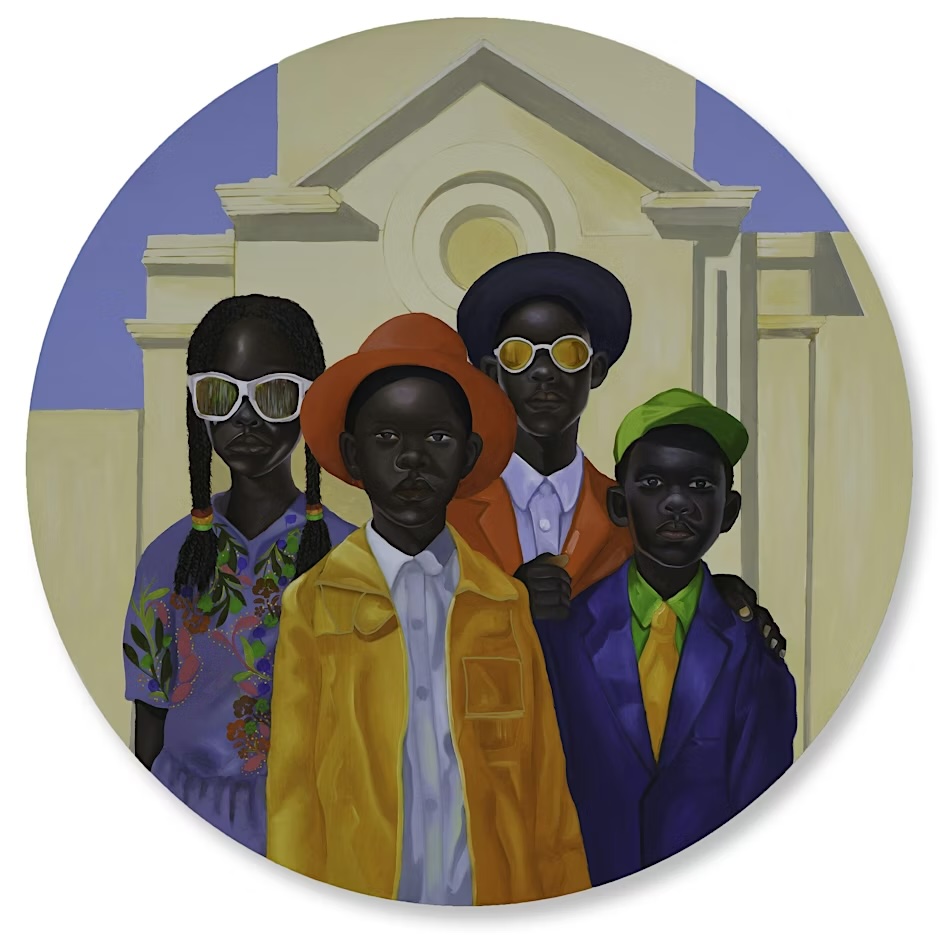
This powerful exhibition features compelling works by artists Solomon Adufah and Tasanee Durrett. Inspired by the iconic hymn “Take My Hand, Precious Lord” and drawing deeply from African diasporic experiences, their art collectively delves into narratives of faith, perseverance, and the enduring human spirit.

Experience an evening of reflection and artistic expression during Juneteenth weekend with the opening of a powerful new exhibition exploring themes of faith, resilience and community. Presented by Hampton Art Lovers, the showcase is inspired by the iconic African American hymn “Take My Hand, Precious Lord.”

Hampton Art Lovers Presents Take My Hand, Precious Lord will be held on Friday, June 20 at the Historic Ward Rooming House in Overtown. The exhibition features works by Solomon Adufah and Tasanee Durrett, whose pieces draw on the emotional and spiritual resonance of the hymn to express strength in vulnerability. Adufah’s paintings reflect personal memory and cultural identity, capturing moments of joy and connection in both Accra, Ghana and African American communities in Chicago. His Sunday Funday series highlights familial love, celebration and a desire for peace and belonging.

On the meaningful weekend of Juneteenth, Hampton Art Lovers warmly invites you to immerse yourself in a transformative experience at the grand opening of “Precious Lord, Take My Hand.” This extraordinary exhibition showcases the remarkable talents of Solomon Adufah and Tasanee Durrett, whose artwork is inspired by a deeply cherished African American hymn. The exhibit serves as a moving call for guidance and strength during life’s most challenging moments. The hymn’s emotionally charged lyrics resonate within us, instilling a sense of vulnerability alongside a powerful reliance on divine grace. It stands as a beacon of hope, reminding us that we are never alone on our journeys.

Adufah’s artwork is a vibrant kaleidoscope of life, bursting with energy that captures the essence of community and pure joy. In one enchanting piece, four spirited children dressed in eye-catching primary colors bask in the golden glow of the sun. Their playful antics are reflected in stylish sunglasses, exuding youthful exuberance. Another breathtaking canvas depicts a mother enveloped in a stunning crimson dress adorned with lively white polka dots, tenderly cradling her daughter—a testament to the beauty of maternal love.

These lively scenes unfold against the rich backdrop of Adufah’s beloved hometown, Accra, Ghana. He masterfully transports us to gatherings outside churches, where people don their finest Sunday attire, reveling in shared laughter and joyful moments, capturing them forever in photographs. These cherished experiences resonate strongly within Adufah, deeply woven into the fabric of his life in Ghana and the vibrant African American neighborhoods of Chicago, where he passionately continues to create. Reflecting on his series, aptly titled “Sunday Funday,” Adufah shares, “I sought to create a space where people of color can find peace while expressing themselves and building a community. That’s the heart that ignited this series and the evolution of my work.”

The opening invites visitors to engage with artwork that honors Black heritage and collective healing, offering a space for cultural appreciation and introspection.

Through diverse mediums and artistic voices, Adufah and Durrett invite viewers to reflect on the historical and contemporary journeys of the African diaspora, highlighting the profound role of spiritual fortitude in the face of adversity. This exhibition promises to be a moving and significant cultural event.

WHAT: Hampton Art Lovers Point Comfort Fair

WHEN: Dec. 5-8

WHERE: Historic Ward Rooming House and Gardens, 249 NW Ninth St, Miami, FL 33136

PRICE: Free INFO: https://www.hamptonartlovers.com/

Read more at: https://www.miamiherald.com/entertainment/visual-arts/art-basel/article296433024.html#storylink=cpy

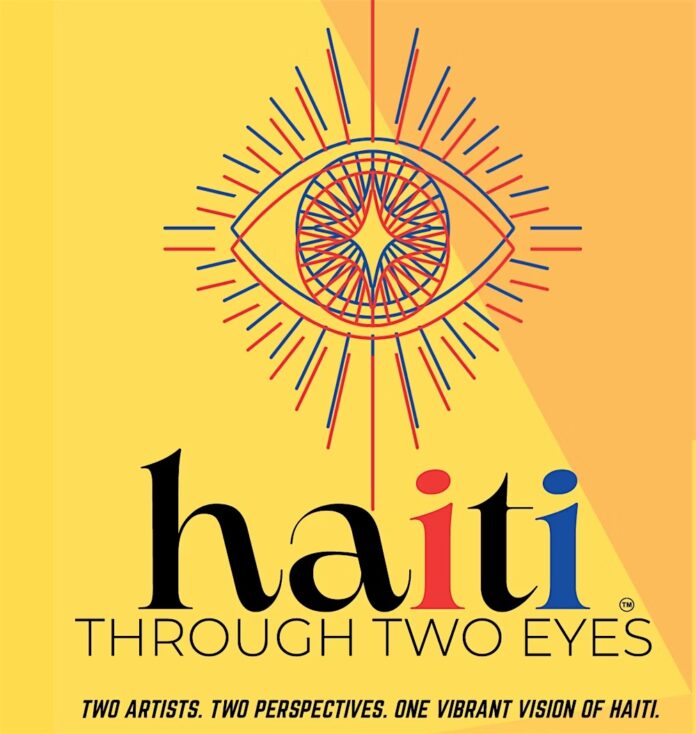
“Haiti Through Two Eyes” Opens at FIU Green School Gallery

Haiti Through Two Eyes Opens at FIU Green School Gallery

“Haiti Through Two Eyes” Opens at FIU Green School Gallery, Featuring Carl-Philippe Juste and Edouard Duval-Carrié

The Green School Gallery, located in SIPA 1 at Florida International University (FIU), is pleased to announce the opening reception of “Haiti Through Two Eyes.” This compelling exhibition, featuring the distinct perspectives of renowned artists Carl-Philippe Juste and Edouard Duval-Carrié, will take place tonight, Thursday, June 19, 2025, from 6:00 PM to 9:00 PM, at 11200 SW 8th St, Miami, FL 33199.

Curated by Carl-Philippe Juste and organized by FIU’s Public Humanities Lab, “Haiti Through Two Eyes” offers a powerful exploration of Haitian identity through the evocative mediums of photography and mixed media. The exhibition delves into the rich tapestry of Haitian culture, history, and contemporary life, as interpreted by two artists deeply connected to its essence.

Haiti Through Two Eyes: Inaugural Exhibition Celebrating Haitian Creativity

The Green School Gallery hosts Haiti Through Two Eyes the inaugural exhibition of the iWitness: Global Borderless Caribbean Initiative. Curated by photojournalist Carl-Philippe Juste, the exhibition features his large-scale documentary photographs alongside mixed-media works by artist Edouard Duval-Carrié.

This exhibition is organized by the Public Humanities Lab and co-sponsored by the Václav Havel Program for Human Rights & Democracy and the Dorothea Green Lecture Series.

Visitors will have the opportunity to experience a multifaceted dialogue that uncovers nuanced insights into Haitian experiences, resilience, and spirit. This exhibition is a vital contribution to understanding one of the Caribbean’s most profound cultures.

Page 94 of 279
1 92 93 94 95 96 279