Home Blog Page 42

Acrylic Painting Techniques for Beginners

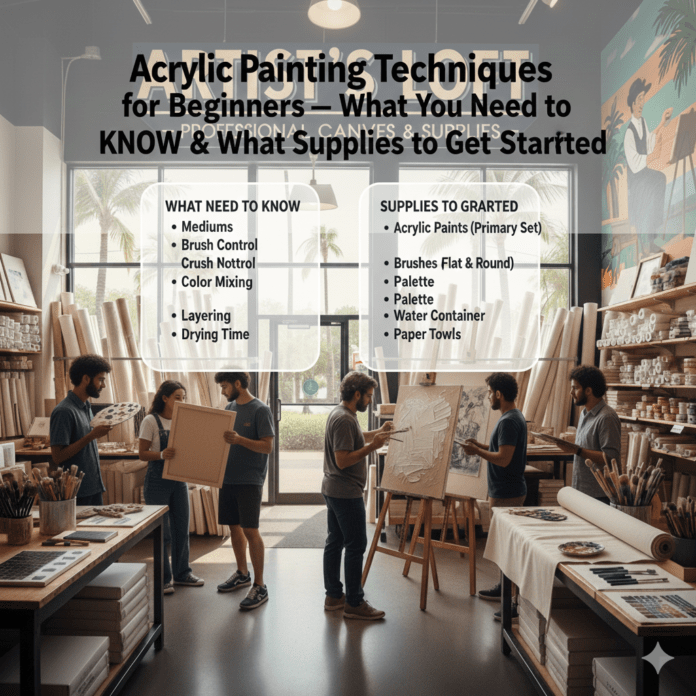
Acrylic Painting Techniques for Beginners – What You Need to KNOW & What Supplies to Get Started

Acrylic Painting Techniques for Beginners – What You Need to KNOW & What Supplies to Get Started

Acrylic paint is one of the most versatile and forgiving mediums for beginners. It dries quickly, cleans up with water, and works on almost any surface. But walk into an art supply store, and the sheer variety of products can feel overwhelming. This guide will help you understand what you actually need to get started and what techniques you can explore as you grow.

There are so Many Kinds of Acrylic Paint

Not all acrylic paints are created equal, and understanding the differences will save you money and frustration.

Student Grade vs. Artist Grade: Student-grade paints are more affordable and contain less pigment, which means colors can look slightly washed out or chalky. Artist-grade paints have higher pigment concentration, offering richer colors and better mixing capabilities. As a beginner, student grade is perfectly fine to start with—brands like Liquitex Basics, Amsterdam, or Arteza offer excellent value.

Heavy Body vs. Soft Body: Heavy body acrylics have a thick, buttery consistency similar to oil paint and hold brush or palette knife marks beautifully. Soft body acrylics are more fluid and smooth, making them easier to blend. If you’re just starting out, heavy body paints give you more control and are great for learning texture techniques.

Craft Acrylics: These are the inexpensive paints you’ll find at craft stores. While they work for simple projects, they often lack the quality needed for serious painting. The pigments are weaker, and the binder quality is lower, which can lead to cracking or fading over time.

Start with a basic color palette: titanium white, mars black, cadmium red (or pyrrole red), ultramarine blue, cadmium yellow, and burnt umber. With these six colors, you can mix nearly any shade you need.

Essentials for Acrylic Painting with a Brush or Palette Knife

Paint

For your first purchases, invest in decent quality paint rather than buying dozens of cheap tubes. A set of 6-12 basic colors in student-grade heavy body acrylics will serve you better than 50 low-quality craft paints. Look for tubes rather than jars when possible—they keep paint fresher longer and allow for better portion control.

Brushes

You don’t need an expensive brush collection right away. Start with these basics:

  • Flat brushes (sizes 4, 8, and 12): Great for broad strokes, filling in areas, and creating sharp edges
  • Round brushes (sizes 2, 6, and 10): Perfect for details, lines, and versatile painting
  • Filbert brushes (size 6 or 8): The rounded edge is excellent for blending

Synthetic brushes work wonderfully with acrylics and are more affordable than natural hair. Brands like Princeton, Royal & Langnickel, or even generic sets from art supply stores will work well. The key is cleaning them thoroughly after each session—dried acrylic will ruin brushes permanently.

Palette knives offer a completely different painting experience. These flexible metal tools create bold, textured strokes and are excellent for mixing paint. A basic trowel-shaped knife and an angled one will get you started with knife painting techniques.

Palette

Your palette is where you’ll mix colors, and you have several options:

  • Disposable paper palettes: Convenient and mess-free, these tear-off sheets are perfect for beginners
  • Plastic palettes: Reusable and easy to clean, though paint can dry quickly on them
  • Stay-wet palettes: These use a sponge and special paper to keep paints workable for days—a game-changer for slower painters
  • DIY options: A sheet of glass, a ceramic plate, or even freezer paper taped to cardboard all work in a pinch

Water Pot or Brush Washer

Keep two containers of water: one for initial rinsing and one for final cleaning. This keeps your colors cleaner. Look for brush washers with ridged bottoms that help remove paint from bristles, or simply use old jars or cups. Change your water frequently to avoid muddy colors.

Surfaces

Acrylics are wonderfully adaptable and adhere to many surfaces:

Canvas: The classic choice. Pre-stretched, pre-primed canvases are beginner-friendly and come in every size. Canvas panels (canvas glued to cardboard) are more affordable for practice.

Canvas paper or pads: Textured paper designed for acrylics—perfect for studies and experimenting without the cost of stretched canvas.

Wood panels: Smooth and sturdy, these create a different aesthetic. Make sure they’re sealed or primed first.

Watercolor paper: Use heavy weight (at least 140 lb) and prime it with gesso if you want texture, though many acrylic papers work straight out of the pad.

Unconventional surfaces: Fabric, rocks, terracotta pots, glass, metal—if you can prime it with gesso, you can probably paint on it.

Always check that surfaces labeled “multi-media” or “mixed media” specifically list acrylics as compatible.

Easel

While not essential, an easel helps you paint at eye level and step back to view your work. For beginners:

  • Tabletop easels: Affordable and space-saving
  • H-frame or A-frame easels: Sturdy floor-standing options that adjust for different canvas sizes
  • Budget alternative: Lean your canvas against a stack of books on a table

Many beginners work flat on a table, which is perfectly fine, especially for smaller pieces.

Mediums

Acrylic mediums modify your paint’s properties and open up new creative possibilities. You don’t need these immediately, but they’re worth exploring as you progress:

Gesso: A primer that creates tooth (texture) for paint to grip. White gesso brightens colors underneath, while black or colored gesso can create moody undertones.

Matte or Gloss Medium: Extends paint without changing color, adjusts sheen, and can thin paint while maintaining adhesion.

Slow-Drying Medium (Retarder): Extends drying time for blending and detail work—especially helpful in dry climates or when working on larger pieces.

Texture Gels and Pastes: Create dimension and sculptural effects. Modeling paste can build up thick areas, while glass bead gel adds sparkle.

Flow Improver: Reduces surface tension, making paint flow more smoothly—particularly useful for detailed brushwork.

Start without mediums to learn how pure acrylics behave, then experiment with one at a time to understand their effects.

Essentials for All Acrylic Painting

Regardless of your specific technique, every acrylic painter needs:

Paper towels or rags: For wiping brushes, cleaning spills, and blotting excess paint

Spray bottle: A fine mist keeps paints on your palette from drying out during painting sessions

Apron or old clothes: Acrylic is permanent once dry, so protect your clothing

Palette knife (for mixing): Even if you’re not painting with knives, they’re essential for thorough color mixing

Painter’s tape: Creates clean edges and can mask off areas you want to keep paint-free

Gesso: For priming new surfaces or refreshing old canvases

A dedicated workspace: Even a corner of a table, covered with newspaper or a plastic tablecloth, gives you a consistent place to create

Spray Paints and Stenciling

Acrylic spray paints open up urban art techniques and allow you to cover large areas quickly.

Spray paints: Brands like Montana, Liquitex Spray Paint, or Krylon offer acrylic-based sprays in hundreds of colors. Always work in a well-ventilated area or outdoors, and use a respirator mask—not just a dust mask—to protect your lungs.

Stencils: Pre-made stencils or ones you cut yourself from acetate sheets or cardboard let you create crisp, repeatable patterns. Use low-tack painter’s tape to secure them, and apply paint with a sponge, brush, or spray in thin layers to prevent bleeding under edges.

Techniques: Layer stencils for complex images, use spray paint for gradients, or combine hand-painting with stenciled elements for mixed-media effects.

Marker Pens

Acrylic paint markers bridge the gap between painting and drawing, offering precision and portability.

Paint markers (like Posca, Molotow, or Artistro) contain liquid acrylic paint and work on almost any surface—canvas, wood, rocks, fabric, glass, and plastic. They’re perfect for:

  • Adding fine details to paintings
  • Lettering and calligraphy
  • Rock painting and small crafts
  • Outlining and defining edges
  • Creating art without brushes or mess

Markers come in various tip sizes from extra fine to broad chisel tips. Shake them well before use and prime them by pressing the tip on scrap paper until paint flows. They dry quickly and permanently, offering coverage that regular markers can’t match.

Pour Painting

Pour painting (also called fluid art or acrylic pouring) has exploded in popularity for creating abstract, marbled effects.

What you need:

  • Fluid acrylics or regular acrylics thinned with pouring medium
  • Pouring medium: Floetrol (a paint additive) or dedicated acrylic pouring medium that thins paint to a honey-like consistency while maintaining adhesion
  • Silicone oil (optional): Creates cells and interesting patterns
  • Cups for mixing: One for each color
  • Canvas or panel: Sealed surfaces work best
  • Something to elevate your canvas: Plastic cups or a wire rack so excess paint can drip off

Basic technique: Mix each paint color with pouring medium to the right consistency (it should flow easily but not be watery). Layer colors in a cup, then flip it onto your canvas or pour in patterns. Tilt the canvas to spread paint, and use a torch or heat gun to pop bubbles and create cells.

Pour painting is messy and uses a lot of paint, so protect your workspace thoroughly with plastic sheeting.

Keeping Surfaces Clean

Acrylic’s fast-drying nature means mistakes become permanent quickly, but there are ways to keep your work and workspace tidy:

On your palette: Scrape wet paint off immediately, or let it dry completely and peel it off plastic palettes. For stay-wet palettes, change the paper when colors get muddy.

On brushes: Rinse constantly while painting. If paint starts to dry in the ferrule (metal part), it will splay bristles and ruin the brush. At the end of each session, wash brushes with soap and warm water, reshape the bristles, and let them dry flat or bristle-up.

On surfaces: If paint gets where you don’t want it while still wet, wipe it immediately with a damp cloth. Once dry, you can carefully scrape it with a blade or paint over it. For porous surfaces, prevention (using tape or careful application) is better than correction.

On clothes and furniture: Act fast. Run cold water through fabric from the back to push paint out, then wash with soap. Once acrylic dries, it’s nearly impossible to remove from fabric.

Varnish

Varnishing is the final step that protects your finished painting and unifies its appearance.

Why varnish?: It creates a protective layer against dust, UV light, and minor scratches. It also evens out the surface sheen—acrylics naturally dry with uneven glossiness where some areas look matte and others shiny.

Types:

  • Gloss varnish: Enhances color vibrancy and creates a shiny finish
  • Matte varnish: Reduces glare and creates a flat, non-reflective surface
  • Satin varnish: A balanced middle ground between gloss and matte

Application: Wait at least two weeks for your painting to cure completely before varnishing. Work in a dust-free environment, apply thin coats with a wide, soft brush in one direction, and let dry completely between coats. Two to three thin coats work better than one thick coat.

Removable vs. permanent: Some varnishes are removable with specific solvents, allowing for future restoration. Permanent varnishes, once applied, become part of the painting. For beginners, permanent varnishes from brands like Liquitex or Golden are easier to apply and sufficient for most needs.

Getting started with acrylics doesn’t require a massive investment. Begin with basic paints, a few good brushes, surfaces to paint on, and the curiosity to experiment. As you discover which techniques excite you—whether that’s traditional brushwork, palette knife painting, pouring, or mixed media—you can gradually add specialized supplies. The beauty of acrylics is their versatility: they’ll grow with you as your skills and artistic voice develop.
Last Chance to Visit NADA Miami 2025: Saturday, December 6

Nada Art Miami Week 2025

Last Chance to Visit NADA Miami 2025: Saturday, December 6

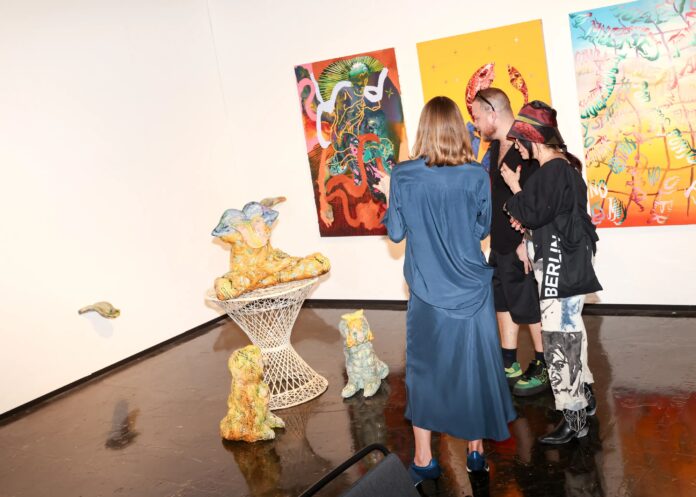
New York at NADA Miami. Photo credit: Kevin Czopek/BFA.com.

Today is the last day to visit NADA Miami 2025. The fair is open to the public today, Saturday, December 6, from 11–6pm at Ice Palace Studios, located at 1400 North Miami Avenue.

Discover the best of contemporary art from nearly 140 international galleries and art spaces, and join us for a lively series of conversations and performances to conclude ECOLOGIES, presented in partnership with the Knight Foundation.

Purchase Tickets

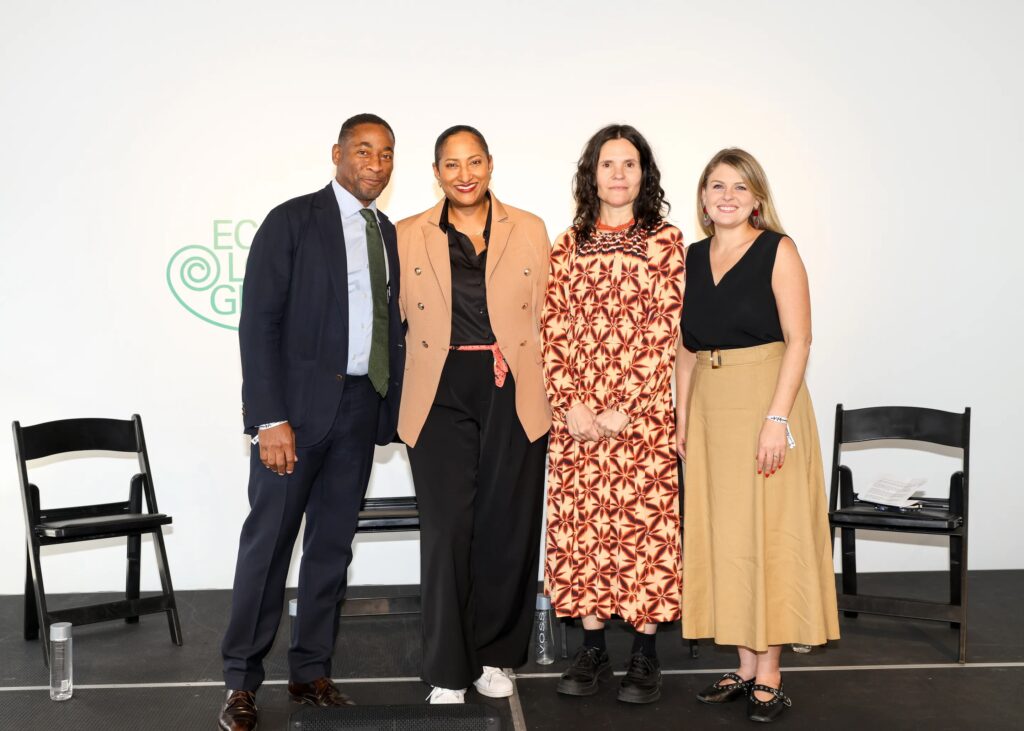
Franklin Sirmans, Kristina Newman-Scott, Heather Hubbs, Julia Halperin
Heather Hubbs (Executive Director, New Art Dealers Alliance), Kristina Newman-Scott (Vice President of Arts, Knight Foundation), Franklin Sirmans (Sandra and Tony Tamer Director, PAMM), and moderated by Julia Halperin (Editor at Large, CULTURED).
NADA and Knight Foundation present ECOLOGIES at NADA Miami 2025, a series of public programming, performances and private convenings developed in partnership with Pérez Art Museum Miami (PAMM), CULTURED, and Cultural Counsel.

The Art World, City to City

Saturday, December 6
1pm

Join NADA Members Katia Rosenthal (Founder & Director, KDR, Miami), and Aisha Zia Khan (Executive Director, Twelve Gates Arts, Philadelphia), in a discussion about international dynamics, writ local. Moderated by Burnaway’s Brandon Sheats.

Saturday, December 6
2–6pm

Join us in the courtyard garden for a two-day musical journey hosted by Miami’s electronic music pioneers Omar Clemetson (Metatronix) and Romulo Del Castillo (Schematic Records), where they play the sounds of the past that inspired the present. Expect special guests and unreleased music from Miami’s innovators.

In Residence: Miami

Saturday, December 6
3pm

As creative incubators and cultural embassies, artist residencies have a unique position within any community. Nowhere is this more true than in Miami, a city defined by its international influence, and homegrown arts ecosystem.

Featuring Nicole Martinez (Deputy Director of Fountainhead Arts), John Abodeely (CEO, Oolite Arts), Cathy Leff (Executive Director, Bakehouse Art Complex), and moderated by Jillian Mayer (Founder, CityState Enterprises).

NADA Miami in the News

In Miami, the Best Art at NADAThe Wall Street Journal
Pérez Art Museum Made Three NADA Acquisitions, and Other NewsSurface Magazine
Hyperrealism Meets Queer Futurism at NADA MiamiHyperallergic
What Downturn? At NADA Miami, Dealers Report Strong Early SalesArtnet News
Nightlife scenes and local lore abound at Nada Miami’s busy openingThe Art Newspaper
Miami Art Week’s Most Exciting Talk Series, ECOLOGIES, Gets Ushered In With Tapas and TequilaCULTURED
The Best Booths at NADA Miami 2025, From a ‘Nacho Calder’ to The Game of LifeARTnews
NADA is where the day begins and the market still humsObserver
Steady Sales and Strong Work Fuel Emerging and Mid-Tier Market ReboundArtnet News

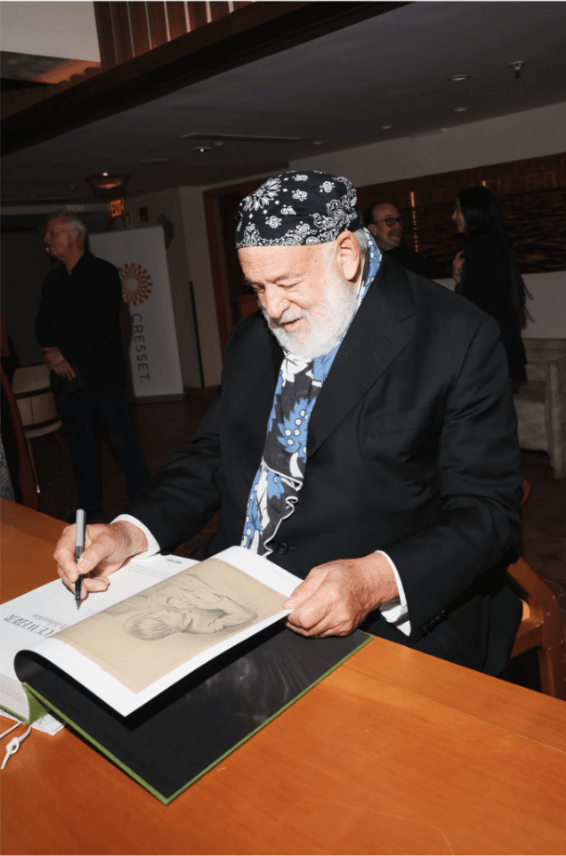
Bruce Weber Celebrates My Education (TASCHEN) and Chet Baker’s Swimming by Moonlight

Bruce Weber
Bruce Weber. Photo: Kyle Goldberg/BFA.com

Bruce Weber Celebrates My Education (TASCHEN) and Chet Baker’s Swimming by Moonlight with an Intimate Miami Art Week Cocktail at The Moore Miami in Miami’s Design District

Bruce Weber, Nan Bush, Craig Robins, and Benedikt Taschen raise a toast to the photographer’s celebrated monograph and the debut of Swimming by Moonlight, a newly discovered Chet Baker album.

MIAMI, FL — (December 4, 2025) On Tuesday evening, acclaimed photographer and filmmaker Bruce Weber welcomed friends, collaborators, and cultural figures for an intimate cocktail celebration at The Moore Miami in the heart of the Miami Design District during Miami Art Week. Hosted by Weber, Nan Bush, Craig Robins, and Benedikt Taschen, the gathering marked two major moments: the release of My Education (TASCHEN), Weber’s sweeping, career-spanning monograph, and Swimming by Moonlight, a newly uncovered Chet Baker album assembled from the original Let’s Get Lost recording sessions.

Guests filled the landmark space for an exclusive, vibrant evening that reflected Weber’s lasting 
imprint on contemporary culture. Artists, gallerists, designers, filmmakers, models, and community leaders came together to honor the depth and emotional resonance of Weber’s work—an influence defined as much by its tenderness, generosity, and humanism as by its unmistakable visual language. Conversations throughout the night touched on Weber’s decades-long collaborations, the rediscovery of Baker’s recordings, and the continued relevance of both artists’ contributions to photography, cinema, and music.
Notable guests included: Bruce Weber, Nan Bush, Craig Robins, Benedikt Taschen, Tyson Beckford, Martina Navratilova, Julia Lemigova, Brady Wood, Bernie Yuman, Grimanesa Amoros, Elias Becker, and Kunichi Nomura.

ABOUT MY EDUCATION

My Education presents a wide-ranging view of Bruce Weber’s photographic evolution, spanning fashion, portraiture, reportage, and more personal work. With more than 500 images, this volume showcases the full artistic range of Bruce Weber, featuring iconic fashion shoots and his vibrant portraits of famous personalities as well as previously unpublished and lesser known photographs. Anecdotes from the photographer provide insights into the stories and people behind his most famous works.

ABOUT SWIMMING BY MOONLIGHT

Swimming by Moonlight is is a new Chet Baker album that draws from previously unreleased
material recorded near the end of his life. From 1986-1987, Chet traveled and worked with the photographer and filmmaker Bruce Weber on a project that would become their Oscar-nominated documentary “Let’s Get Lost” (1988). During this period, Chet performed at the Cannes Film Festival and recorded sessions at Studio Davout in Paris and Sage and Sound Studio in Hollywood. All remained unreleased until now.

ABOUT THE MOORE MIAMI

Located in the heart of Miami’s Design District, The Moore Miami encompasses a private members club, restaurant, a boutique hotel, executive offices and an art hub. Occupying a nearly 90,000-square-foot space, each floor of The Moore Miami is dedicated to offering visitors unique, exciting social and cultural experiences. From Zaha Hadid’s Elastika, the site-specific commission created by the late artist and architect for the inaugural Design Miami/ in 2005, on the ground floor to the fourth-floor gallery space, the entire building is a living work of art. The Moore Miami also offers year-round members-only and public programming. Learn more about becoming a member here.

ABOUT MIAMI DESIGN DISTRICT

The Miami Design District is a one-of-a-kind neighborhood that combines luxury shopping, galleries, museums, design stores, restaurants, and major art and design installations all within an architecturally significant context. The Miami Design District is owned and operated by Miami Design District Associates, a partnership between Dacra, founded and owned by visionary entrepreneur Craig Robins, and L Catterton Real Estate, a global real estate development and investment fund, specializing in creating luxury shopping destinations. As Miami becomes increasingly known for its own rich culture, the growth of the Miami Design District further reflects how the city is deserving of its place on the global stage.

Pérez Art Museum Miami Announces Partnership with the Green Family Foundation, Expanding the Caribbean Cultural Institute

Shannon Alonso
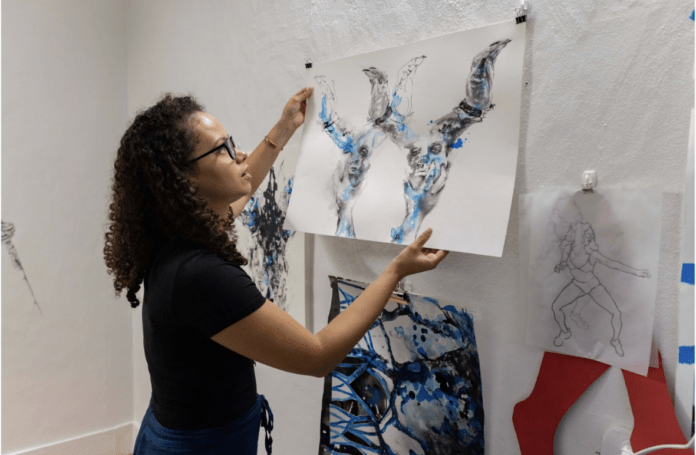
2023 CCI Fellow Shannon Alonso. Photo: Lazaro Llanes.

Pérez Art Museum Miami Announces Partnership with the Green Family Foundation, Expanding the Caribbean Cultural Institute

The $5 million gift creates new collaborations with The Kimberly Green Latin American and Caribbean Center at Florida International University and Green Space Miami.

Additional support from the Mellon Foundation brings Miami benefactors together to sustain the accessibility and impact of CCI.

(MIAMI, FL — December 4, 2025) — Pérez Art Museum Miami (PAMM) is honored to announce a significant gift totaling $5 million from the Green Family Foundation (GFF) in support of the museum’s Caribbean Cultural Institute (CCI), a program aimed at advancing the study of Caribbean art while providing opportunities for exchange and collaboration across the region and its diasporic communities. This transformative investment, part operating support, part endowment, will ensure the long-term sustainability of CCI while expanding its mission across Miami-Dade County. With this gift, CCI will be renamed The Green Family Foundation Caribbean Cultural Institute.

“The Green Family Foundation has always championed access, equity, and cultural exchange,” said Dr. Kimberly Green, President of GFF. “Since 1991, GFF—founded by Ambassador Steven J. Green and Dorothea Green—has been committed to education in Miami-Dade County. Our deepened partnership with PAMM strengthens the creative collaborations, research, and documentation of the cultures that define the region. Supporting CCI means investing directly in the next generation of thinkers, scholars, and artists shaping our future.”

This $5 million multi-year gift deepens the foundation’s partnership with PAMM and establishes new collaborative pathways with Florida International University (FIU) and Green Space Miami, GFF’s platform for supporting Miami artists, co-founded by Dr. Kimberly Green and Michelangelo Bendandi. Through this partnership, CCI Fellows will gain access to FIU’s extensive Caribbean and Latin American research collections, archives, and libraries. FIU will also publish fellows’ research, expanding its reach across academic and international audiences.

The gift will also support paid undergraduate internships for FIU students, connecting emerging scholars to CCI’s research and curatorial initiatives. Green Space Miami will additionally host co-programmed public forums, exhibitions, and annual gatherings that bring together artists, advocates, creatives, and educators from across the Caribbean and Miami-Dade County.

“We are honored by the Green Family Foundation’s extraordinary commitment to the Caribbean Cultural Institute,” said Franklin Sirmans, Sandra and Tony Tamer director at PAMM. “Our collaboration with GFF is built on decades of trust, shared purpose, and a mutual commitment to Miami-Dade County. The foundation’s support ensures that CCI can continue to expand its long-term research, programming, and community initiatives—work that reflects Miami’s identity and deep ties to the Caribbean.”

In addition to the GFF gift, the Mellon Foundation has committed a new $2 million gift to PAMM to continue its support of CCI, further strengthening its programs and impact.

“We are proud to deepen this work with PAMM, FIU, and Green Space Miami,” said Dorothea Green, PAMM trustee. “Extending CCI’s reach means strengthening the cultural and intellectual ties that connect Miami to the Caribbean. These collaborations open doors for students, for artists, and for communities across the county.”

Andrew W. Mellon Caribbean Cultural Institute Curatorial Associate.
2025 CCI + WOPHA Fellow Celia Irina González & Iberia Pérez González, Andrew W. Mellon Caribbean Cultural Institute Curatorial Associate. Photo: Lazaro Llanes.

The current cohort of CCI Fellows exemplifies the vision this gift will sustain, spanning art, research, scholarship, and cross-disciplinary inquiry. Artist M. Florine Démosthène, this year’s CCI artist fellow, draws on her upbringing between Port-au-Prince and New York to explore Black female subjectivity and myth, creating lush, mixed-media works informed by ancestral memory and human–nonhuman relationships. Research Fellow Rianna Jade Parker, a writer, critic, historian, and curator, is advancing her ongoing investigations into under-recognized Caribbean and diasporic legacies while contributing essays and programming for institutions from Tate Britain to Somerset House. Meanwhile, the CCI + Women Photographers International Archive (WOPHA) Fellow Celia Irina González, a Mexico City-based visual anthropologist, is delving into archival gaps and migratory memory, building on her participation in international exhibitions including the Venice Biennale, Lyon Biennale, and Kochi-Muziris Biennale.

ABOUT THE GREEN FAMILY FOUNDATION
Established in 1991 by Steven J. Green, former United States Ambassador to Singapore, the Green Family Foundation (GFF) is a private nonprofit organization committed to advancing arts, culture, education, and healthcare initiatives that promote global well-being and reduce poverty. The Green Family Foundation drives meaningful change by funding initiatives that prioritize access and innovation. Through strategic grants, the foundation supports organizations committed to fostering sustainable solutions and empowering diverse communities.

For more than three decades the foundation has also played a significant role in Miami-Dade County’s cultural and educational landscape, particularly in areas connected to the Caribbean and Latin America. This includes long-standing partnerships with Florida International University through the Steven J. Green School of International and Public Affairs, the Kimberly Green Latin American and Caribbean Center, the Digital Library of the Caribbean, the Green Emerging Artists Fund at the Frost Art Museum, and the Green Library, as well as support for community organizations such as Miami Book Fair, WOPHA, and O, Miami. These efforts reflect the foundation’s continued commitment to access, education, and cultural exchange throughout the region.

ABOUT THE CARIBBEAN CULTURAL INSTITUTE
The Caribbean Cultural Institute (CCI) is a curatorial and research platform at Pérez Art Museum Miami dedicated to promoting and supporting the artistic and cultural production of the Caribbean and its diasporas through exhibitions, research, fellowships, public programs, and collection development.

ABOUT PAMM
Pérez Art Museum Miami (PAMM), led by Franklin Sirmans, Sandra and Tony Tamer Director, promotes artistic expression and the exchange of ideas, advancing public knowledge and appreciation of art, architecture, and design, and reflecting the diverse community of its pivotal geographic location at the crossroads of the Americas. The 41-year-old South Florida institution, formerly known as Miami Art Museum (MAM), opened a new building, designed by world-renowned architects Herzog & de Meuron, on December 4, 2013, in Downtown Miami’s Maurice A. Ferré Park. The facility is a state-of-the-art model for sustainable museum design and progressive programming and features 200,000 square feet of indoor and outdoor program space with flexible galleries; shaded outdoor verandas; a waterfront restaurant and bar; a museum shop; and an education center with a library, media lab, and classroom spaces.

###

Accredited by the American Alliance of Museums, Pérez Art Museum Miami (PAMM) is Sponsored in part by the State of Florida, Department of State, Division of Arts and Culture and the Florida Council on Arts and Culture. Support is provided by the Miami-Dade County Department of Cultural Affairs and the Cultural Affairs Council, the Miami-Dade County Mayor and Board of County Commissioners. Additional support is provided by the City of Miami and the Miami OMNI Community Redevelopment Agency (OMNI CRA). Pérez Art Museum Miami is an accessible facility. All contents ©Pérez Art Museum Miami. All rights reserved.

NADA Miami 2025: Friday, December 5

Proxyco Gallery
Proxyco Gallery, New York at NADA Miami. Photo credit: Kevin Czopek/BFA.com

Your Daily Guide to NADA Miami 2025: Friday, December 5

Proxyco Gallery, New York at NADA Miami. Photo credit: Kevin Czopek/BFA.com

NADA Miami 2025 continues today, Friday, December 5, from 11–7pm at Ice Palace Studios, located at 1400 North Miami Avenue.

Discover the best of contemporary art from nearly 140 international galleries and art spaces, and join us for a lively series of conversations and performances throughout the week as part of ECOLOGIES, presented in partnership with the Knight Foundation.

Purchase Tickets

Now Live: Online Viewing Rooms

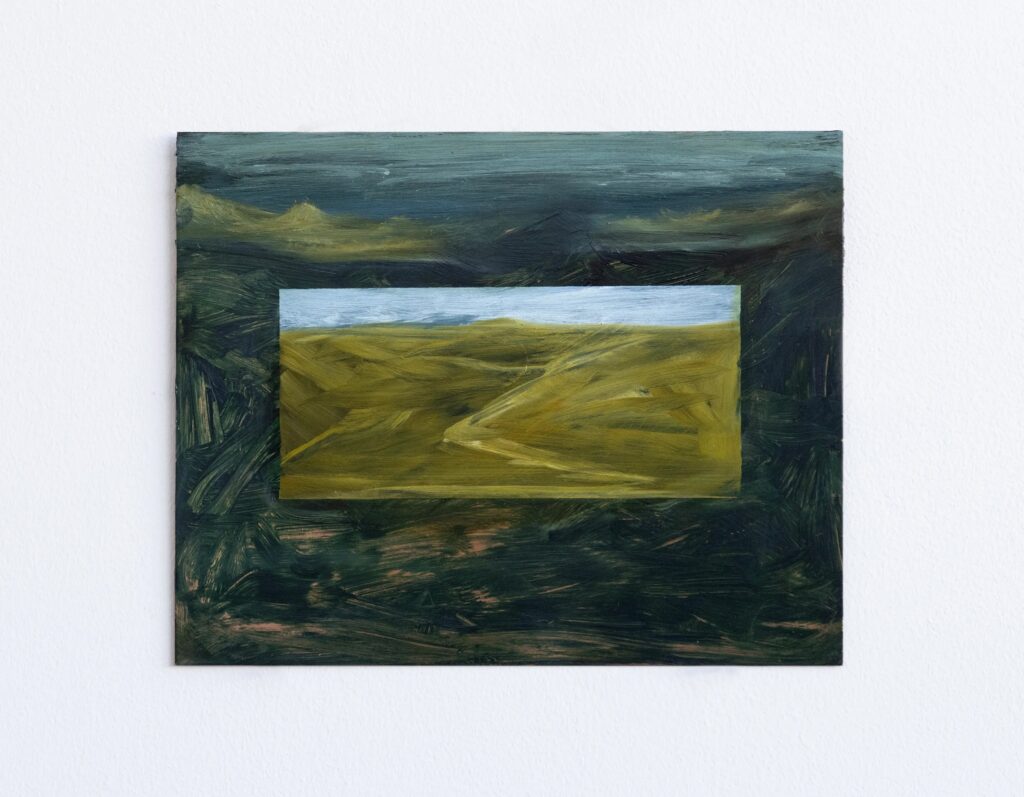
Jamiu Agboke
Jamiu Agboke, Incantation, 2025, Oil on copper, 8 × 10 × 1 inches. Presented by Sea View, Los Angeles.

View hundreds of artworks from NADA Miami exhibitors online, learn more about the presentations on view, and engage directly with NADA Miami participants.

Explore Viewing Rooms

Today at ECOLOGIES

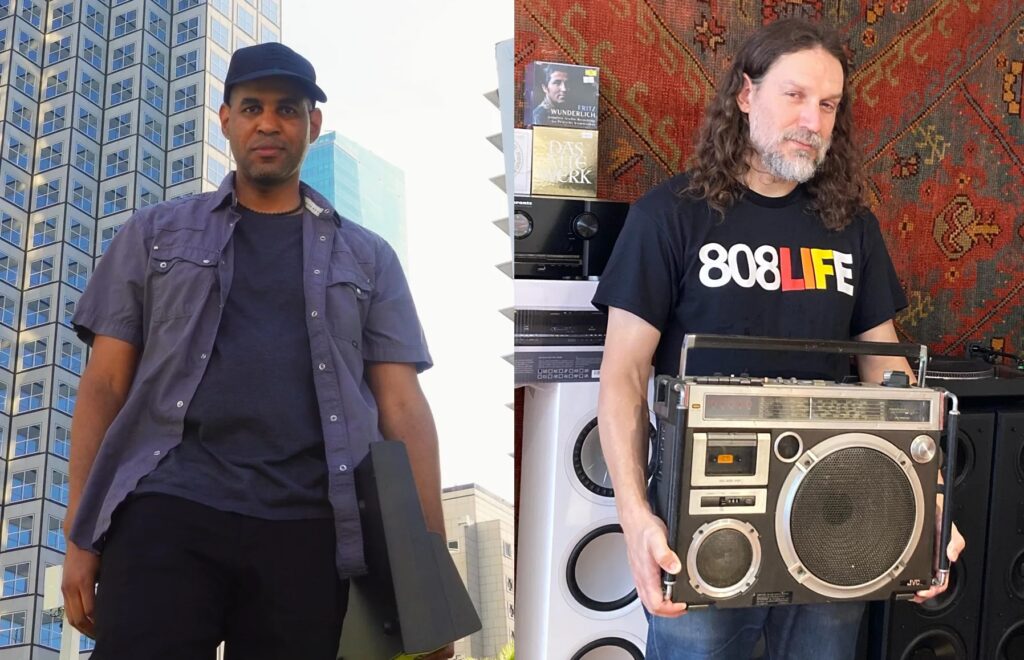
Omar Clemetson (Metatronix) and Romulo Del Castillo (Schematic Records)

Caribbean Ecologies: A Cultural Looking Glass

Friday, December 5

1pm

A nexus of water, land, and post-colonial culture, the Caribbean holds clues to the future of artistic communities across the world.Join local philanthropist Kimberly Green (President, Green Family Foundation), Diana Eusebio (Artist), and Iberia Pérez González (The Andrew W. Mellon Caribbean Cultural Institute Curatorial Associate, PAMM) as they discuss what a regional lens means for Miami, and beyond.

It started with bass …

Friday, December 5

2–6pm

Join us in the courtyard garden for a two-day musical journey hosted by Miami’s electronic music pioneers Omar Clemetson (Metatronix) and Romulo Del Castillo (Schematic Records), where they play the sounds of the past that inspired the present. Expect special guests and unreleased music from Miami’s innovators.

The Murky Middle

Friday, December 5

3pm

What do artists, curators, and institutions stand to gain (or lose) when they define themselves as nonprofit or for-profit? As the boundaries between philanthropy, commerce, and cultural production continue to blur, new hybrid structures are emerging that challenge long-held ideas of value and impact. This conversation brings together cultural leaders, founders, and funders experimenting at the edges of both systems to ask: in a moment when social values and cultural norms are being rewritten, why does the illusion of separation between commerce and the institutional persist?

Featuring Abby Pucker (Founder, Gertie), Stephen Reily (Founding Director, Remuseum), Anna Raginskaya (Vice President, Financial Advisor, Blue Rider Group), and Neil Hamamoto (Artist).

Visit Friends of NADA at NADA Miami 2025

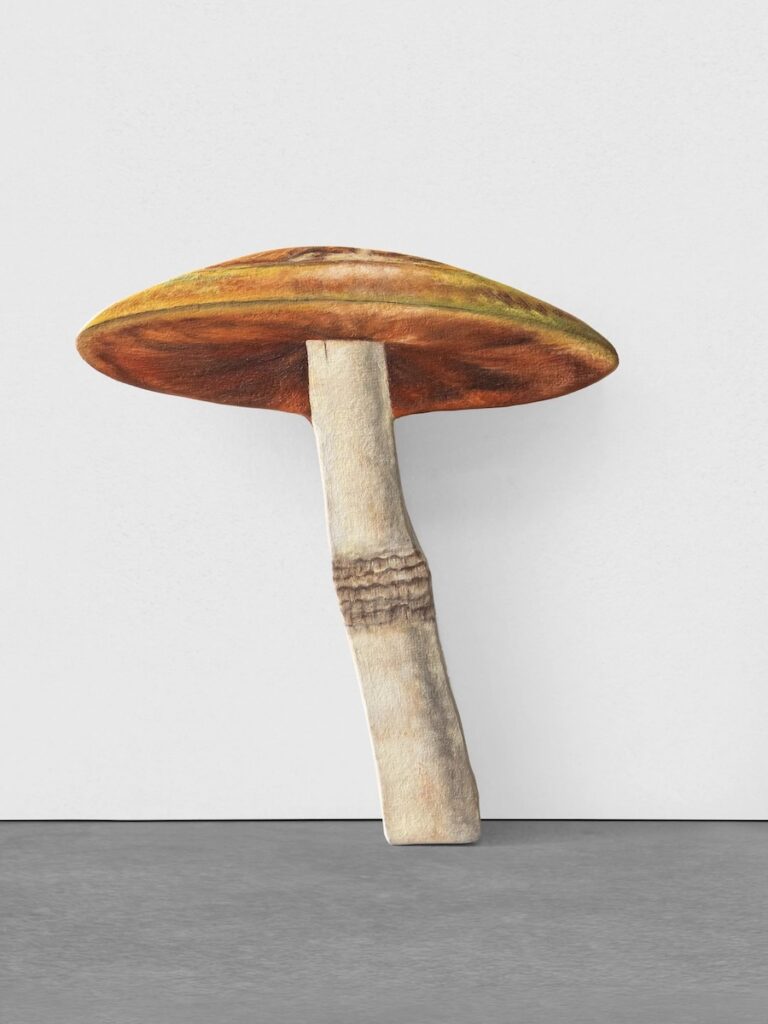
Marius Steiger
Marius Steiger, Mushroom (series), 2024–2025, oil and acrylic on linen, variable dimensions.

NADA is pleased to present Mushrooms, a limited-edition series of ten paintings by London-based Swiss artist Marius Steiger, produced for Friends of NADA in collaboration with Blue Velvet, Zurich.

Both poisonous and alluring, mushrooms occupy a space where childhood wonder meets adult enchantment, existing at the threshold between the real and the imaginary. The mushroom becomes more than a motif; it is a metaphor for transformation. Each painting seems to migrate, to sprout, as if feeding on its environment, and in doing so, the individual works grow into a collective organism: a vast, immersive still life constructed from smaller, autonomous still-life paintings.

Complimentary Shuttle Service

NADA Miami is offering complimentary shuttles to and from the Miami Beach Water Taxi at the Venetian Marina.

View Miami Beach Art Week Transportation Map

Visit NADA Miami

NADA Miami

December 2–6, 2025

Ice Palace Studios

1400 North Miami Avenue

Miami, FL 33136

Dates & Times

Ticket Information

Tour Information

New Art Dealers Alliance

The New Art Dealers Alliance (NADA) is the definitive non-profit arts organization dedicated to the cultivation, support, and advancement of new voices in contemporary art.

Sign up for NADA’s mailing list

Follow @newartdealers

This email was sent to [email protected]. You have received it because you are subscribed to NADA’s mailing list. You can unsubscribe from this list at any time by clicking here. If you have any questions regarding NADA newsletters, announcements, and invitations, please contact [email protected].

El Museo de Arte Moderno de Nueva York Presenta la Retrospectiva Más Completa de Wifredo Lam en Estados Unidos

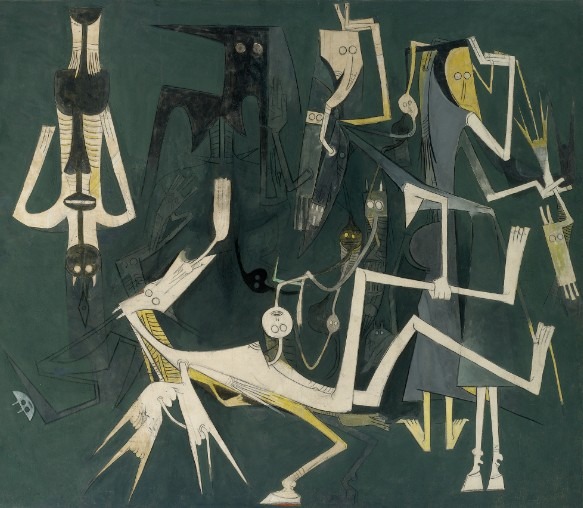
Wifredo Lam

El Museo de Arte Moderno de Nueva York Presenta la Retrospectiva Más Completa de Wifredo Lam en Estados Unidos

Wifredo Lam: When I Don’t Sleep, I Dream Explora Seis Décadas de la Obra de uno de los Artistas Transnacionales Más Significativos del Siglo XX

El Museo de Arte Moderno (MoMA) anuncia la apertura de Wifredo Lam: When I Don’t Sleep, I Dream (Wifredo Lam: Cuando no duermo, sueño), una exposición histórica que se inaugurará el 10 de noviembre de 2025 y permanecerá en exhibición hasta el 11 de abril de 2026. Esta muestra representa la primera retrospectiva completa dedicada al gran artista cubano en Estados Unidos, ofreciendo un examen sin precedentes de una de las figuras más fascinantes del modernismo internacional que, paradójicamente, no había recibido hasta ahora—a diferencia de Londres, París o Madrid—una exhibición de esta magnitud en territorio estadounidense.

Abarcando seis décadas de la prolífica trayectoria de Lam, la exposición propone a los visitantes un viaje por el universo onírico, mestizo e intensamente original del pintor de La Jungla. La muestra reúne más de 130 obras creadas entre los años veinte y setenta del siglo pasado, incluyendo pinturas, obras en papel a gran escala, dibujos colaborativos, libros ilustrados, grabados, cerámicas y material de archivo, con préstamos fundamentales generosamente cedidos por el Estate of Wifredo Lam, París. Esta presentación integral revela cómo Lam—nacido en Sagua la Grande, Las Villas, Cuba, y habiendo vivido la mayor parte de su vida trabajando entre España, Francia e Italia—llegó a encarnar la figura del artista transnacional por excelencia del siglo XX.

Wifredo Lam (1902–1982) ocupa una posición única en la historia del arte moderno. Como señala The New York Times, “siempre un forastero allá donde iba, Lam era muy consciente de la política colonialista europea que lo había creado, pero también estaba profundamente en sintonía con la espiritualidad afrocubana que era su herencia”. Habiendo desarrollado un lenguaje visual que sintetizó las tradiciones espirituales afrocaribeñas, los movimientos de vanguardia europeos y una profunda crítica al colonialismo, su obra dialogó con el surrealismo y el cubismo al tiempo que desafiaba el eurocentrismo de estos movimientos. Es precisamente “la sensibilidad espiritual de su arte—su visión de un mundo en el que los animales, las plantas y los seres humanos son inseparables—lo que lo diferencia del surrealismo convencional”.

La estética híbrida de Lam—con sus enigmáticas figuras que fusionan formas humanas, animales y vegetales—continúa resonando en los debates contemporáneos sobre identidad, diáspora e hibridación cultural. Como acertadamente señalan los curadores, “la obra de Wifredo Lam amplió los horizontes del modernismo, creando un espacio significativo para la complejidad y belleza cultural de la diáspora afrodescendiente”.

Su trayectoria vital definió un doble compromiso, estético y político, durante el periodo de entreguerras en una Europa animada por las vanguardias artísticas y amenazada por el fascismo. “Su exilio y posterior regreso al Caribe tras dieciocho años en el extranjero lo llevaron a reimaginar radicalmente su proyecto artístico a través de las historias afrocaribeñas”, explican los organizadores. Para Lam, de ascendencia africana y china, dar forma a su nuevo imaginario era mucho más que un medio de autorreflexión. Como declaró célebremente, su arte buscaba ser un “acto de descolonización”.

When I Don’t Sleep, I Dream traza el arco completo de la evolución artística de Lam, desde su formación académica temprana hasta sus obras maduras que consolidaron su posición como figura crucial del modernismo internacional. La exposición ilumina sus significativas relaciones con grandes artistas e intelectuales, incluyendo Pablo Picasso, André Breton y Aimé Césaire, al tiempo que enfatiza cómo Lam mantuvo su visión distintiva a lo largo de estos encuentros.

La curaduría pone acento en el ADN inventivo, genuinamente vanguardista de su arte como clave para sobreponerse a toda subalternidad, real o simbólica: “Sus experimentos formales, sus figuras y paisajes en transformación, y su afinidad por la poesía y la colaboración le permitieron interrumpir y superar las estructuras coloniales que encontró en el arte y en la vida”. Como el propio Lam reflexionó: “Sabía que corría el riesgo de no ser comprendido ni por el hombre de la calle ni por el resto del público, pero una verdadera obra de arte tiene el poder de hacer trabajar a la imaginación, aunque ello lleve tiempo”.

Los organizadores subrayan para un público global el envite inherente al trabajo de Lam: su invitación a “ver el mundo de una manera nueva”.

La exposición está organizada por Christophe Cherix, The David Rockefeller Director, y Beverly Adams, The Estrellita Brodsky Curator of Latin American Art; junto con Damasia Lacroze, Curatorial Associate, Department of Painting and Sculpture, y Eva Caston, Curatorial Assistant, Department of Drawings and Prints.

El apoyo principal para la exposición es proporcionado por el Sandra and Tony Tamer Exhibition Fund, la Eyal and Marilyn Ofer Family Foundation, The International Council of The Museum of Modern Art, Sue and Edgar Wachenheim III, y el Dian Woodner Exhibition Endowment Fund.

Generoso financiamiento es proporcionado por The Black Arts Council of The Museum of Modern Art.

Apoyo adicional es proporcionado por Roberto S. y Elizabeth T. Goizueta.

La experiencia digital Bloomberg Connects es posible gracias al apoyo de Bloomberg Philanthropies.

El apoyo principal para la publicación es proporcionado por el fondo para Investigación y Publicaciones Académicas de The Museum of Modern Art establecido gracias a la generosidad de The Andrew W. Mellon Foundation, la Edward John Noble Foundation, Mr. and Mrs. Perry R. Bass, y el National Endowment for the Humanities’ Challenge Grant Program. Generoso financiamiento es proporcionado por el Jo Carole Lauder Publications Endowment Fund of The International Council of The Museum of Modern Art.

Fechas de la exposición: 10 de noviembre de 2025 – 11 de abril de 2026

Ubicación: The Museum of Modern Art, 11 West 53 Street, New York, NY 10019

Para consultas de prensa, contactar: [Información de Contacto de la Oficina de Prensa]

Acerca de The Museum of Modern Art

The Museum of Modern Art es un espacio que impulsa la creatividad, enciende mentes y proporciona inspiración. Con exposiciones extraordinarias y la mejor colección de arte moderno y contemporáneo del mundo, MoMA se dedica al diálogo entre el pasado y el presente, lo establecido y lo experimental.Retry

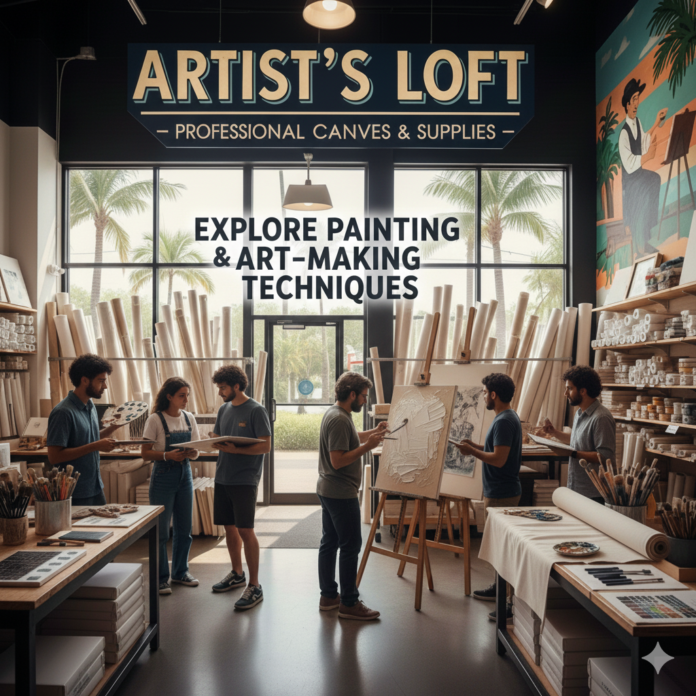
Explore Painting & Art-Making Techniques

Explore Painting & Art-Making Techniques

Explore Painting & Art-Making Techniques

Welcome to our Techniques section—your guide to the vast and expressive world of artistic practice. Whether you’re discovering art for the first time or refining a lifelong craft, this collection of techniques will help you expand your creative vocabulary. Each method highlights its essential materials, foundational steps, and the unique visual language it brings to contemporary and historical art.

Below you’ll find a curated index of both traditional and modern techniques, each offering its own possibilities for experimentation, mastery, and personal expression.

ACRYLIC PAINTING

A vibrant, fast-drying medium known for its versatility and bold color. Learn foundational brushwork, layering approaches, blending methods, glazing, and textural applications using gels, pastes, and mediums.

AIRBRUSHING

A precision technique that uses compressed air to apply mist-like paint. Ideal for smooth gradients, hyperrealism, automotive art, murals, and illustration. Master control, masking, stenciling, and surface prep.

ALLA PRIMA PAINTING

Also known as “wet-on-wet,” this technique involves completing a painting in a single session. Explore dynamic brushwork, confident color mixing, and spontaneous mark-making used by masters from Constable to contemporary portraitists.

ALCOHOL INK PAINTING

A fluid, luminous technique using dye-based inks on nonporous surfaces. Learn how evaporation, tilt, and additives create marbled effects, blooms, and cascading color movements.

ARTISTS & WORKSHOPS

A space dedicated to artistic insight. Discover professional demonstrations, step-by-step lessons, and interviews with leading painters, printmakers, and multidisciplinary creators.

BOTANICAL PAINTING

An exacting and elegant art form focused on the accurate depiction of plants. Learn observational drawing, watercolor layering, botanical structure, and methods for rendering texture and translucency.

CALLIGRAPHY

A tradition of expressive writing where rhythm and gesture define form. Learn pen angles, ink flow, pressure control, and how to develop your own lettering style.

CANVAS STRETCHING

Master the craft of building your own painting surface. Learn how to stretch, secure, and prime canvas for long-term stability and professional presentation.

CHINESE PAINTING

Rooted in centuries-old philosophy and technique, Chinese painting emphasizes harmony, brush rhythm, and expressive line. Explore ink preparation, calligraphic brushstrokes, and freehand painting styles.

COLD WAX PAINTING

A tactile and atmospheric technique blending oil paint with cold wax medium. Learn how to build layers, incise marks, embed textures, and create velvety, matte surfaces.

COLLAGE

The assembly of diverse materials—from paper to textiles—to create unified visual compositions. Learn cutting, layering, adhesive choices, and conceptual approaches.

DECORATIVE ARTS

A category focused on specialized surfaces such as ceramic, glass, silk, and wood. Explore paints and methods tailored for applied arts, craft traditions, and design objects.

DIGITAL PRINTING

Combine digital technology with fine art. Learn how to create archival prints, manage color profiles, prepare files, and integrate digital elements with traditional media.

DOODLING

A spontaneous drawing practice that nurtures creativity and visual thinking. Explore mark-making, pattern development, and idea generation through playful sketching.

ENCAUSTIC PAINTING

A luminous technique using heated beeswax mixed with pigment. Learn fusing methods, layering, incorporating collage, and achieving sculptural surfaces.

ETCHING & INTAGLIO

A historic printmaking discipline where lines are incised into metal plates. Learn plate preparation, acid baths, inking, wiping, and printing on fine art papers.

GILDING

The art of applying precious metal leaf—gold, silver, copper—onto surfaces. Learn traditional sizing, burnishing, and decorative techniques for luminous finishes.

GLASS PAINTING

A transparent and reflective medium requiring specialized colors. Learn outlining, layering, firing options, and techniques for decorative or fine art applications.

GLAZING (PAINTING)

A method of applying translucent layers over dry paint to enhance depth and luminosity. Ideal for oils, acrylics, and watercolors; learn pigment selection and controlled layering.

GOUACHE PAINTING

An opaque water-based medium loved for its velvety finish. Learn layering, reactivation techniques, flat color fields, and methods for illustration and fine art.

GRAFFITI ART

Rooted in street culture and mural traditions. Learn spray-can control, caps and pressure variations, stenciling, letterforms, and large-scale wall techniques.

GRANULATION TECHNIQUE

A watercolor phenomenon where pigment particles separate, creating textured, mineral-like effects. Explore granulating pigments, specialty papers, and techniques to amplify the effect.

HARD EDGE PAINTING

A genre emphasizing sharp lines and geometric clarity. Learn masking, taping, layering, and color theory for crisp, high-impact compositions.

HOW TO MAKE WATERCOLOR PAINT

Explore the craft of hand-making watercolor using pigment, binder, and precise ratios. Learn grinding, mul­ling, and palette-making for custom colors.

ILLUSTRATION

A broad practice encompassing traditional drawing, digital art, narrative imagery, and stylized expression. Explore linework, shading, composition, and stylistic development.

IMPRESSIONIST PAINTING

Focus on color, light, and atmosphere through broken brushwork and optical blending. Learn outdoor color mixing, loose strokes, and capturing fleeting moments.

MOKUHANGA (JAPANESE WOODCUT)

A water-based woodblock technique rich in texture and tradition. Learn carving, inking, registration, and hand printing using natural materials.

LIFE DRAWING

The study of the human form through live models. Learn gesture drawing, anatomy, proportions, shading, and observational accuracy.

LITHOGRAPHY

A printmaking process based on the interaction of grease and water. Learn drawing on the stone or plate, chemical processing, and hand or press printing.

BLOCK & LINO PRINTING

A relief method where raised surfaces are inked and pressed. Learn carving, inking, rolling, proofing, and printing bold graphic designs.

MODELING & SCULPTURE

Explore three-dimensional creation through clay, plaster, wood, wire, and mixed materials. Learn additive and subtractive techniques, armatures, and casting.

MONOPRINT

A spontaneous, one-of-a-kind printmaking process. Learn direct drawing, subtractive methods, stenciling, and press-based experiments.

MURAL & SCENE PAINTING

Large-scale work created on walls, ceilings, or architectural surfaces. Learn scaling, surface prep, scaffolding safety, and durable outdoor materials.

OIL PAINTING

A foundational technique in fine art known for richness and slow drying. Learn underpainting, glazing, scumbling, impasto, solvents, mediums, and color harmony.

PAINT MAKING

Craft your own paints by combining pigments, binders, and additives. Learn safe handling, longevity considerations, and how to tailor paints to your technique.

PAPER STRETCHING

Prepare watercolor paper for wet techniques by stretching it taut. Learn soaking, taping, drying, and board preparation for flawless washes.

PASTEL PAINTING

Soft pastels offer immediate color and velvety texture. Learn blending, layering, fixing, and using textured papers to create luminous imagery.

PLEIN AIR PAINTING

Outdoor painting focused on natural light and atmosphere. Learn portable setup, quick color mixing, and capturing shifting conditions.

POUR PAINTING

A fluid technique where paint is mixed with mediums and poured for marbled effects. Learn cells, tilting, layering, and drying techniques.

PRIMING

The essential first step for preparing surfaces. Learn about acrylic gesso, oil ground, traditional gesso, and how to choose the right primer for each medium.

PRINTMAKING

A broad category including relief, intaglio, lithography, silkscreen, and monoprint. Learn plate preparation, inking, paper selection, and press techniques.

SILK PAINTING

A delicate art using dyes and resist techniques on silk. Learn gutta application, color flow, and methods for wearable or framed artworks.

RELIEF & LINO PRINTING

One of the oldest printing methods where raised surfaces produce the image. Learn carving patterns, rolling ink, and hand printing.

SCREEN PRINTING

A stencil-based technique for printing imagery onto paper, fabric, or other surfaces. Learn screen prep, emulsion, exposure, and multi-color registration.

SILVERPOINT

A Renaissance drawing method using a metal stylus on prepared grounds. Learn subtle shading, mark-making, and archival surface preparation.

SKETCHING

The foundation of visual thinking. Learn gesture, contour, shading, composition, and how sketchbooks support creative development.

TEXTILE PAINTING

Explore paints and dyes designed for fabric. Learn heat-setting, stenciling, stamping, and techniques for both fashion and fiber art.

THE ZORN PALETTE

A minimal palette of just four colors—yellow ochre, vermilion (or cad red), ivory black, and white. Learn how to create harmony and subtlety through limited choices.

URBAN SKETCHING

Capture city life on location. Learn fast drawing, perspective, atmosphere, and storytelling through observational sketching.

WATERCOLOR PAINTING

A luminous medium celebrated for transparency and flow. Learn washes, wet-on-wet, glazing, drybrush, and color layering.

WOOD ENGRAVING

A meticulous relief process using fine tools and end-grain wood blocks. Learn engraving techniques for creating delicate, high-contrast prints.

YOUNG ARTISTS

A playful introduction to art-making for children and beginners. Discover safe materials and activities that nurture creativity, imagination, and early skill development.

La crítica de arte atrapada entre el mercado y la integridad

La crítica de arte atrapada entre el mercado y la integridad

La crítica de arte atrapada entre el mercado y la integridad

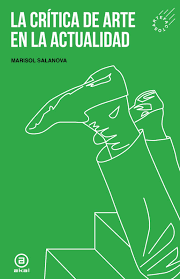
El libro La crítica de arte en la actualidad de Marisol Salanova

En un momento en que el arte contemporáneo se ha convertido en un activo financiero más, donde las obras se valoran en subastas millonarias y las ferias internacionales dictan tendencias, surge una pregunta incómoda: ¿puede existir todavía una crítica de arte independiente? El libro La crítica de arte en la actualidad de Marisol Salanova aborda precisamente esta tensión fundamental que atraviesa el mundo del arte contemporáneo.

Un sector al descubierto

Salanova se propone una tarea valiente: descorrer el velo sobre un ámbito que tradicionalmente se ha mantenido hermético y endogámico. La autora desmantela sistemáticamente los mitos y las “auras mágicas” que rodean tanto a la creación artística como a la crítica especializada, exponiendo los mecanismos reales que determinan qué arte se considera relevante y quién tiene la autoridad para decirlo.

El análisis parte de una premisa provocadora pero difícil de refutar: la crítica de arte actual se encuentra subordinada a los dictados del capitalismo y la industria cultural. Los críticos, que en teoría deberían actuar como mediadores independientes entre las obras y el público, fomentando el debate y la reflexión, se encuentran atrapados en una red de dependencias económicas e institucionales. Galerías, museos, casas de subastas, ferias de arte y coleccionistas configuran un ecosistema donde la supervivencia profesional del crítico depende, en gran medida, de no morder la mano que le da de comer.

El dilema del crítico contemporáneo

Salanova plantea el conflicto de manera descarnada: el crítico de arte se enfrenta a una disyuntiva entre plegarse a las dinámicas del mercado o convertirse en lo que la autora denomina un “kamikaze cultural”, condenado progresivamente al ostracismo profesional. Esta alternativa binaria refleja la realidad de un sector donde mantener posiciones críticas genuinas puede significar la exclusión de los circuitos institucionales, la pérdida de acceso a eventos relevantes y, en última instancia, la imposibilidad de ejercer la profesión.

Las consecuencias de esta situación no se limitan al ámbito profesional. Según el análisis de Salanova, este sometimiento generalizado de la crítica al mercado genera efectos devastadores que se extienden en múltiples direcciones: desprestigia el propio arte al reducirlo a mercancía, deslegitima la función crítica al convertirla en mera publicidad encubierta, e imposibilita tanto el fomento genuino de la producción cultural como la formación y el disfrute reflexivo del público.

Cómo se fabrican las tendencias

Uno de los aspectos más reveladores del libro es su análisis sobre los mecanismos mediante los cuales se generan y destruyen tendencias artísticas y reputaciones. Salanova muestra cómo la fama de artistas y movimientos no surge necesariamente de méritos estéticos o intelectuales intrínsecos, sino de estrategias de marketing, inversiones especulativas y redes de influencia que operan frecuentemente en la opacidad.

Este esclarecimiento resulta especialmente valioso para el público general, que suele enfrentarse al arte contemporáneo con una mezcla de fascinación y desconcierto, sin comprender los códigos que determinan por qué ciertas obras o artistas alcanzan reconocimiento masivo mientras otros permanecen en la invisibilidad.

¿Cuál debería ser la labor del crítico?

Frente al panorama desalentador que describe, Salanova no se limita al diagnóstico. El libro también reflexiona sobre cuál debería ser la auténtica función de la crítica de arte: no actuar como agente comercial ni como guardián elitista de un conocimiento arcano, sino ejercer como mediador crítico que estimule el debate público, promueva la reflexión y ayude a formar criterios estéticos informados en la audiencia.

Esta visión implica recuperar una noción de crítica como práctica intelectual independiente, capaz de señalar tanto logros como carencias, de contextualizar históricamente las propuestas artísticas y de resistir las presiones comerciales que buscan convertir cada texto crítico en una herramienta de promoción.

Relevancia en el contexto actual

La crítica de arte en la actualidad resulta especialmente pertinente en un momento donde las redes sociales han multiplicado las voces que opinan sobre arte, pero también han intensificado la confusión entre crítica fundamentada y simple reacción emocional. En un ecosistema saturado de información donde los influencers culturales pueden tener más alcance que los críticos especializados, el libro de Salanova invita a reflexionar sobre qué distingue una crítica rigurosa de una mera opinión, y por qué esa distinción importa.

La obra constituye una lectura esencial no solo para profesionales del sector artístico, sino para cualquier persona interesada en comprender cómo funciona realmente el mundo del arte contemporáneo, más allá de las apariencias glamurosas de las inauguraciones y las cifras espectaculares de las ventas. Al hacer accesible un ámbito tradicionalmente opaco, Salanova contribuye a democratizar el conocimiento sobre el arte y, quizás, a imaginar formas alternativas de producción, circulación y valoración cultural que no estén completamente subordinadas a la lógica del mercado.

Homenaje al legado de Débora Arango

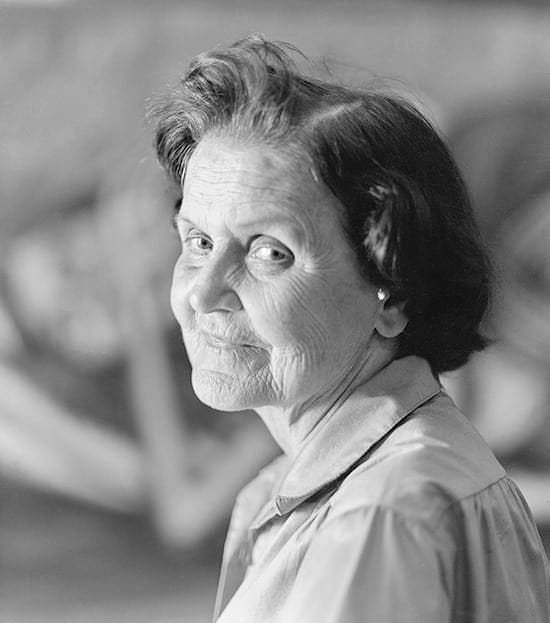
Débora Arango
Débora Arango

A 20 años de su fallecimiento, se le rinde un homenaje al legado de Débora Arango con una exposición de su obra

‘La huida del convento’, en el Museo Santa Clara de Bogotá, expondrá 18 cuadros de la maestra antioqueña a partir del jueves 4 de diciembre.

Por Sofía Gómez

Después del escándalo que generó la frustrada venta de varios cuadros de Débora Arango por parte del Museo de Arte Moderno de Medellín (MAMM) al Banco de la República, la obra de la maestra colombiana volverá a exhibirse como parte de un homenaje a su legado al conmemorarse 20 años de su fallecimiento, este 4 de diciembre.

‘La huida del convento’ es el nombre de la exposición que se llevará a cabo en el Museo Santa Clara (ubicado en la antigua iglesia del Real Convento de Santa Clara), de Bogotá, del 4 de diciembre de 2025 hasta el primero de marzo de 2026. La muestra presenta 18 obras provenientes del MAMM, organizadas en cuatro núcleos temáticos que abordan, la relación de Débora con la educación religiosa y la vida conventual; sus reinterpretaciones del imaginario católico; la crítica a la Iglesia como institución; su mirada a la familia, la desigualdad social y las maternidades no idealizadas. Es auspiciada por el Ministerio de las Culturas, las Artes y los Saberes.

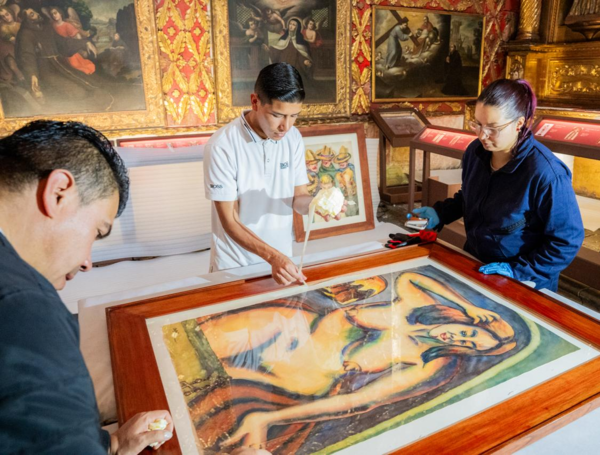
La huida del convento: Débora Arango en el Museo Santa Clara, instalación de las obras
Instalación de las obras de Débora Arango en el Museo Santa Clara. Foto:Ministerio de las Culturas

La exposición se acompañará con actividades pedagógicas y culturales, como recorridos comentados, talleres y espacios de reflexión, sobre el panorama de las mujeres en Colombia.

​El legado de la maestra

Débora Arango, nacida en Envigado, en 1907, fue una de las artistas más importantes en la historia de Colombia; transgresora para su época, su pintura abordó la crítica social y política además de ser la primera pintora colombiana en hacer desnudos femeninos.

Su voz fue incómoda y necesaria en un país marcado por la hegemonía conservadora de las décadas de 1940 y 1950. Su producción artística confrontó el autoritarismo patriarcal, la moral católica tradicional y las estructuras de poder que normaron el comportamiento social, especialmente el de las mujeres. Su obra fue rechazada, censurada y ridiculizada durante buena parte del siglo XX. En su arte, su crítica no se dirige a la religión, ni a las prácticas devocionales, sino a los modelos, imaginarios y estructuras de control que, utilizando su investidura eclesiástica, reprimían y coartaban la libertad de expresión femenina. Los cuadros de Débora Arango se ubican en el expresionismo, debido a la alteración y distorsión de la realidad para transmitir un significado subjetivo.

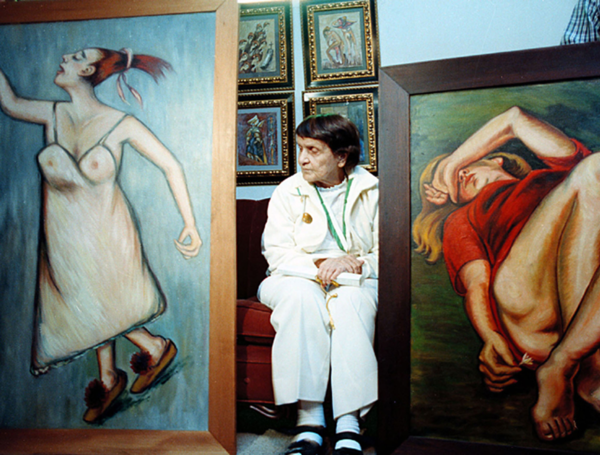
DEBORA CON SUS CUADROS, MEDELLIN DIC 3 DE 2007
Débora Arango con sus cuadros. Foto:Archivo EL TIEMPO

En 1986, Arango donó 233 piezas de su obra de arte al Museo de Arte Moderno de Medellín, y en el 2005 recibió la Orden de Boyacá, el homenaje más importante que se concede en Colombia. Antes de morir, le legó a su discípulo, el pintor y escultor colombiano Mateo Blanco (hoy radicado en Estados Unidos) sus conocimientos. La maestra murió el 4 de diciembre de 2005, a los 98 años de edad.

La historia detrás de la frustrada venta de los cuadros de Débora Arango al Banco de la República

NADA Announces 23rd Edition of NADA Miami During Miami Art Week 2025

New Art Dealers Alliance (NADA)

NADA Announces 23rd Edition of NADA Miami During Miami Art Week 2025

Nearly 140 galleries, project spaces, and nonprofits from 30 countries to exhibit at Ice Palace Studios | December 2–6, 2025

MIAMI, FL — The New Art Dealers Alliance (NADA), the definitive nonprofit organization dedicated to the cultivation, support, and advancement of new voices in contemporary art, is pleased to announce the 23rd edition of NADA Miami, returning to Ice Palace Studios from December 2–6, 2025, during Miami Art Week.

This year’s edition will bring together nearly 140 international galleries, art spaces, and nonprofit organizations from 30 countries and 65 cities, marking one of the most diverse and globally representative presentations in the fair’s history. With 58 returning NADA Members and 47 first-time exhibitors, NADA Miami 2025 underscores the organization’s mission of nurturing new talent, fostering collaboration, and elevating emerging and experimental practices within contemporary art.

A portion of ticket proceeds will fund the eighth annual NADA Acquisition Gift for the Pérez Art Museum Miami (PAMM), supporting the expansion of the museum’s permanent collection with works by underrepresented and emerging artists.

A Platform for New Ideas in Contemporary Art

Founded in 2002, NADA is a nonprofit alliance comprising galleries, nonprofit spaces, curators, and art professionals committed to expanding access, strengthening cultural ecosystems, and supporting innovative artistic voices. With members across the United States, Europe, Asia, and Latin America, NADA centers experimentation, collaboration, and community-building through exhibitions, public programs, and year-round platforms, including fairs in New York, Miami, Paris, and Warsaw, as well as its Lower East Side exhibition space, LUNCH.

Heather Hubbs, NADA Executive Director, stated:

“We are delighted to present the exhibitor list for this year’s Miami fair—an extraordinary showcase that reflects the full breadth, depth, and vitality of our community. At the core of our mission is an unwavering commitment to supporting galleries, non-profits, and artist-run spaces year-round, and Miami provides a unique platform to amplify those voices on the global stage.”

Curated Spotlight: Organized by Kate Wong

The 2025 edition will feature the return of the TD Bank Curated Spotlight, organized by curator, writer, and researcher Kate Wong. The program highlights galleries that challenge traditional commercial models, investing in artist support through resources, community-building, and experimental programming.

In Wong’s words:

“These spaces remind us that the most vital cultural work is often rooted in the local—built through proximity, responsiveness, and shared purpose. The artists presented in this section speak to renewal and transformation, giving form to the tension between what is ending and what is yet to come.”

2025 Participants in the Curated Spotlight

Devin N. Morris — EFA Robert Blackburn Printmaking Workshop (New York)
Ana Alenso & Alessandro Balteo-Yazbeck — El Consulado (New York)
Faith Icecold — ROMANCE (Pittsburgh)
Huey Lightbody & Mahari Chabwera — Southside Contemporary Art Gallery (Richmond, VA)
Marissa Delano — Spill 180 (New York)

Expanding Programming Citywide

In addition to the fair, NADA will present ECOLOGIES, a week-long series of public programs, performances, and private convenings, presented in partnership with the Knight Foundation, PAMM, and CULTURED. The initiative reinforces NADA’s commitment to nurturing conversations around art-making, community engagement, and sustainable cultural infrastructures.

Exhibitors Across Six Continents

This year’s fair features artists and galleries from cities including:
Buenos Aires, Shanghai, Lagos, Honolulu, Caracas, Seoul, Tokyo, Paris, London, New York, Pittsburgh, Tbilisi, Toronto, Milan, Denver, Istanbul, and Miami.

New exhibitors include:
Brigitte Mulholland (Paris), FOUNDRY SEOUL (Seoul), Post Times (New York), McLennon Pen Co. (Austin), CASTLE (Los Angeles), AKIINOUE (Tokyo), and Chilli (London).

Returning exhibitors include:
PRIMARY. (Miami), Tomas Redrado Art (Miami / José Ignacio), ANDREW RAFACZ (Chicago), EMBAJADA (San Juan), KDR (Miami), and more.

A full list of exhibiting galleries is available at NADA.art.

FAIR INFORMATION

NADA Miami 2025

December 2–6, 2025
Ice Palace Studios
1400 North Miami Avenue
Miami, FL 33136

Schedule

VIP Preview (Invitation Only)
• Tuesday, December 2: 10AM–4PM

Open to the Public
• Tuesday, December 2: 4PM–7PM
• Wednesday, December 3: 11AM–7PM
• Thursday, December 4: 11AM–7PM
• Friday, December 5: 11AM–7PM
• Saturday, December 6: 11AM–6PM

Transportation

Complimentary shuttle service will connect Ice Palace Studios with the Miami Beach Water Taxi at the Venetian Marina.

About NADA

The New Art Dealers Alliance (NADA) is the leading nonprofit arts organization supporting contemporary art spaces, emerging galleries, and innovative cultural practitioners worldwide. As a consortium of galleries, nonprofit spaces, and art professionals, NADA facilitates open exchange, shared resources, and access to opportunities that elevate artists and enrich the cultural landscape. Founded on principles of collaboration, inclusion, and transparency, NADA strives to enhance public engagement with contemporary art and nurture new artistic voices that shape the future.

Membership is by invitation only, following nomination by an existing member and approval by the Board.

Learn more at NADAart.org

Page 42 of 276
1 40 41 42 43 44 276