Félix González-Torres
American, b. Guáimaro, Cuba 1957, d. Miami, Florida 1996
(American, born Guáimaro, Cuba, 1957–died Miami, USA, 1996, due to complications arising from AIDS) encountered Spain directly in 1971, when he was sent as a child with his sister from Cuba to Madrid, prior to settling with an uncle in Puerto Rico. He began his artistic training in Puerto Rico and relocated to New York to continue his studies. It was in New York that he established his career working both as a solo artist and separately as a member of the collective Group Material.
Biography published by David Zwirner Gallery
Felix Gonzalez-Torres was born in Guáimaro, Cuba, on November 26, 1957. He referred to himself as American. He lived and worked in New York City between 1979 and 1995. Gonzalez-Torres died in Miami on January 9, 1996 from AIDS-related causes. He began his art studies at the University of Puerto Rico before moving to New York City, where he attended the Whitney Independent Study Program, first in 1981 and again in 1983. He received his BFA from Pratt Institute, New York, in 1983 and his MFA from the International Center of Photography and New York University in 1987.
From 1987 to 1991, Gonzalez-Torres was a part of the artist collective Group Material, whose collaborative, politically-informed practice focused on community engagement and activist interventions. In 1988, he had his first one-man exhibitions, at the Rastovski Gallery, New York, INTAR Gallery, New York, and the New Museum of Contemporary Art, New York. His earliest billboard work, “Untitled” (1989), was installed at New York’s Sheridan Square on the occasion of the twentieth anniversary of the Stonewall Rebellion. In 1990, a solo presentation of Gonzalez-Torres’s work served as the inaugural exhibition of the Andrea Rosen Gallery, New York.
Felix Gonzalez-Torres: Traveling, a survey of the artist’s work, was presented at The Museum of Contemporary Art, Los Angeles, the Hirshhorn Museum and Sculpture Garden, Washington, DC, and the Renaissance Society at the University of Chicago in 1994. In 1995, the Solomon R. Guggenheim Museum, New York, organized an international traveling retrospective of his work. The artist participated in numerous group shows during his lifetime, including early presentations at Artists Space and White Columns in New York (1987 and 1988, respectively), the Whitney Biennial (1991), the Venice Biennale (1993), and the San Francisco Museum of Modern Art (1995) and the Art Institute of Chicago (1995).
In 1997, the Sprengel Museum Hannover, Germany, organized a traveling posthumous solo exhibition and published a catalogue raisonné of the artist’s work. Further solo exhibitions of his work were held at such institutions as The Art Gallery of South Australia, Adelaide (1998); The Douglas Hyde Gallery, Dublin (1999-2000); El Museo Nacional de Artes Visuales, Montevideo, Uruguay (2000-2001); Serpentine Gallery, London (2000); Le Consortium, Dijon (2002); and Hamburger Bahnhof, Museum für Gegenwart, Berlin (2006). In 2007, Gonzalez-Torres was selected to represent the United States at the 52nd Venice Biennale.
More recently, in 2010-2011, WIELS Contemporary Art Center, Brussels, organized a six-part traveling retrospective, Felix Gonzalez-Torres: Specific Objects without Specific Form, which was also presented at the Fondation Beyeler, Basel, and Museum für Moderne Kunst, Frankfurt. At each institution, Elena Filipovic curated a retrospective version of the exhibition which was reconsidered midway through its run by a collaborating artist-curator: Danh Vo, Carol Bove, and Tino Sehgal, respectively. Further exhibitions devoted to the artist’s work have been held at PLATEAU and Leeum, Samsung Museum of Art, Seoul, South Korea (2012); Metropolitan Arts Centre, Belfast, Northern Ireland (2015); Rockbund Art Museum, Shanghai, China (2016); and Museu d’Art Contemporani de Barcelona (MACBA) (2021).
Felix Gonzalez-Torres: Summer was on view at the Museum of Contemporary Art, Toronto in 2022. Also in 2022, The two-person presentation, Felix Gonzalez-Torres – Roni Horn, was presented at the Bourse de Commerce–Pinault Collection, Paris.
In 2023, David Zwirner, New York presented an exhibition of works by the artist. This was the second solo exhibition of Gonzalez-Torres’s work at David Zwirner since the announcement that the gallery would be joining Andrea Rosen Gallery in co-representing the artist’s estate.
Felix Gonzalez-Torres earned a BFA in photography from Pratt Institute in Brooklyn, New York, in 1983. Printed Matter, Inc. in New York hosted his first solo exhibition the following year. After obtaining an MFA from the International Center of Photography and New York University in 1987, he worked as an adjunct art instructor at New York University until 1989. Throughout his career, Gonzalez-Torres’s involvement in social and political causes as an openly gay man fueled his interest in the overlap of private and public life. From 1987 to 1991, he was part of Group Material, a New York-based art collective whose members worked collaboratively to initiate community education and cultural activism. His aesthetic project was, according to some scholars, related to Bertolt Brecht’s theory of epic theater, in which creative expression transforms the spectator from an inert receiver to an active, reflective observer and motivates social action. Employing simple, everyday materials (stacks of paper, puzzles, candy, strings of lights, beads) and a reduced aesthetic vocabulary reminiscent of both Minimalism and Conceptual art to address themes such as love and loss, sickness and rejuvenation, gender and sexuality, Gonzalez-Torres asked viewers to participate in establishing meaning in his works.
In his “dateline” pieces, begun in 1987, Gonzalez-Torres assembled lists of various dates in random order interspersed with the names of social and political figures and references to cultural artifacts or world events, many of which related to political and cultural history. Printed in white type on black sheets of paper, these lists of seeming non sequiturs prompted viewers to consider the relationships and gaps between the diverse references as well the construction of individual and collective identities and memories. Gonzalez-Torres also produced dateline “portraits,” consisting of similar lists of dates and events related to the subjects’ lives. In Untitled (Portrait of Jennifer Flay) (1992), for example, “A New Dress 1971” lies next to “Vote for Women, NZ 1893.”
Gonzalez-Torres invited physical as well as intellectual engagement from viewers. His sculptures of wrapped candies spilled in corners or spread on floors like carpets, such as “Untitled” (Public Opinion) (1991), defy the convention of art’s otherworldly preciousness, as viewers are asked to touch and consume the work. Beginning in 1989, he fashioned sculptures of stacks of paper, often printed with photographs or texts, and encouraged viewers to take the sheets. The impermanence of these works, which slowly disappear over time unless they are replenished, symbolizes the fragility of life. While in appearance they sometimes echo the work of Donald Judd, these pieces also belie the Minimalist tenet of aesthetic autonomy: viewers complete the works by depleting them and directly engaging with their material. The artist always wanted the viewer to use the sheets from the stacks—as posters, drawing paper, or however they desired.
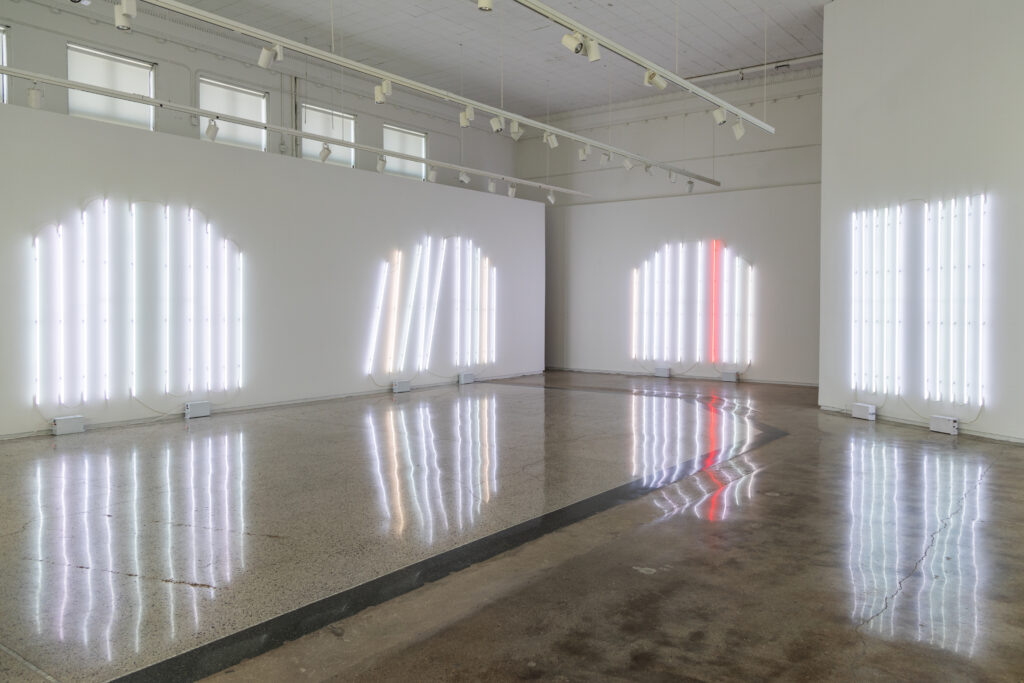
In 1991 Gonzalez-Torres began producing sculptures consisting of strands of plastic beads strung on metal rods, like curtains in a disco. Titles such as Untitled (Chemo) (1991) and Untitled (Blood) (1992) undercut their festive associations, calling to mind illness and disease. In 1992 he commenced a series of strands of white low-watt lightbulbs, which could be shown in any configuration—strung along walls, from ceilings, or coiled on the floor. Alluding to celebratory décor—in the vein of the charms of outdoor cafés at night—these delicate garlands are also a campy commentary on the phallic underpinnings of numerous Minimalist creations, particularly Dan Flavin’s rigid light sculptures. Also in 1992, Untitled (1991), a sensual black-and-white photograph of Gonzalez-Torres’s empty, unmade bed with traces of two absent bodies, was installed on 24 billboards throughout the city of New York. This enigmatic image was both a celebration of coupling and a memorial to the artist’s lover, who had recently died of AIDS. Its installation as a melancholic civic-scaled monument problematized public scrutiny of private behavior.
Gonzalez-Torres received fellowships from the National Endowment for the Arts in 1989 and 1993. He participated in hundreds of group shows during his lifetime, including early presentations at Artists Space and White Columns in New York (1987 and 1988, respectively), the Whitney Biennial (1991), the Venice Biennale (1993), SITE Santa Fe (1995), and the Sydney Biennial (1996). Comprehensive retrospective exhibitions of his work have been organized by the Museum of Contemporary Art Los Angeles (1994); Solomon R. Guggenheim Museum (1995); Sprengel Museum Hannover, Germany (1997); and Biblioteca Luis-Angel Arango, Bogotá (2000). Other exhibitions have been held at the Hamburger Bahnhof-Museum für Gegenwart, Berlin (2006–07); PLATEAU, Seoul (2012); and Leeum, Samsung Museum of Art, Seoul (2012). A survey of his work, Specific Objects without Specific Form, was organized by WIELS, Centre d’Art Contemporain, Brussels (2010), and then traveled to the Fondation Beyeler, Basel (2010), and the Museum für Moderne Kunst Frankfurt am Main (2011). In 2007, Gonzalez-Torres was selected to represent the United States at the Venice Biennale in the exhibition Felix Gonzalez-Torres: America. He died in Miami on January 9, 1996.
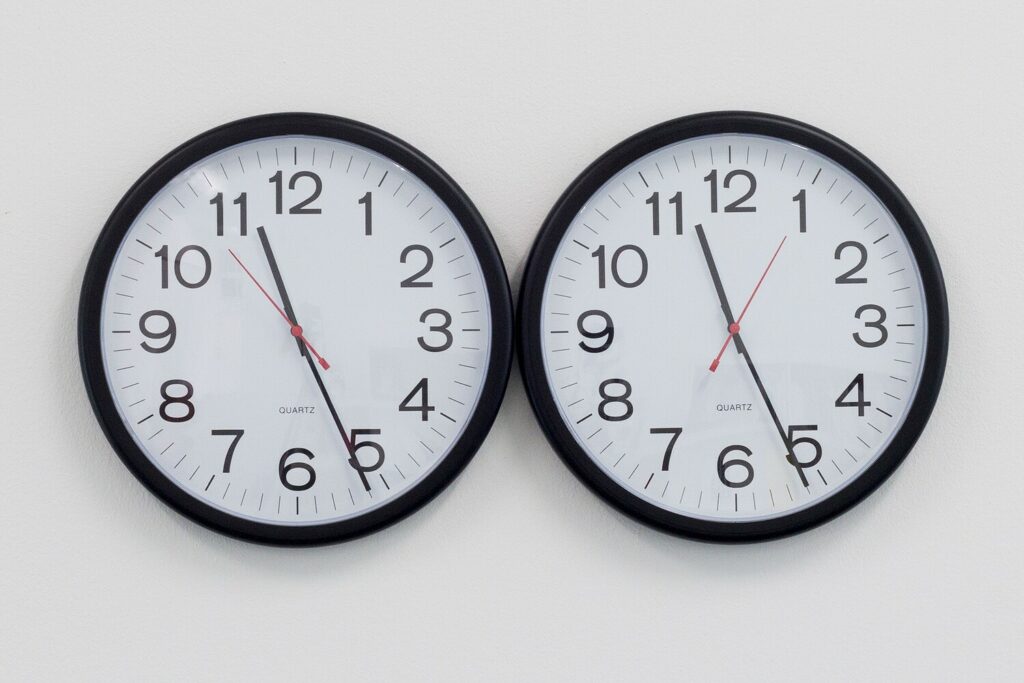
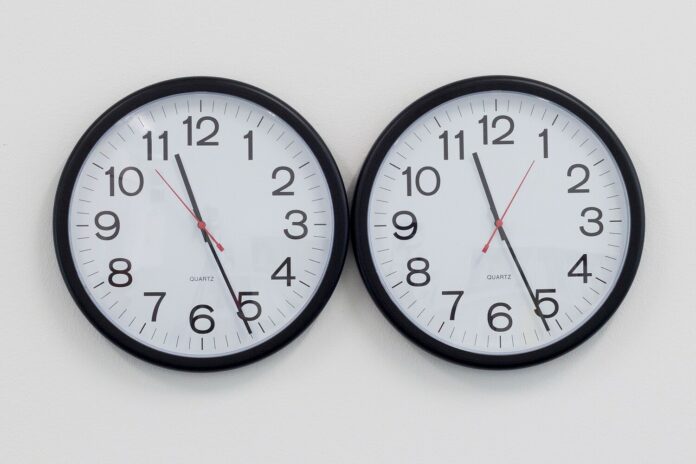
Medium: Wall clocks and paint on wall
Dimensions: Overall dimensions variable; clocks 14″ diameter x 2 3/4″ (35.6 cm diameter x 7 cm) each
Copyright© 2023 The Felix Gonzalez-Torres Foundation, Courtesy Andrea Rosen Gallery, New York
Contact:
The Felix Gonzalez-Torres Foundation
544 West 24th Street
New York, NY 10011
General Inquiries
[email protected]
Tel: +1 212 414 4242
Holly McHugh, Associate: Licensing, Archives, Research
Andrea Rosen, President
Emilie Rosenfeld, Director of Internal Research Initiatives
For Exhibition Proposals, please contact [email protected]
For Press Inquiries, please contact [email protected]
For Image Licensing Inquiries, please contact [email protected]
Source:
Felixgonzalez-torresfoundation.org
Davidzwirner.com/artists/felix-gonzalez-torres
Guggenheim.org/artwork/artist/felix-gonzalez-torres
www.e-flux.com/announcements/381451/felix-gonzalez-torresthe-politics-of-relation
Cover photo:
www.e-flux.com
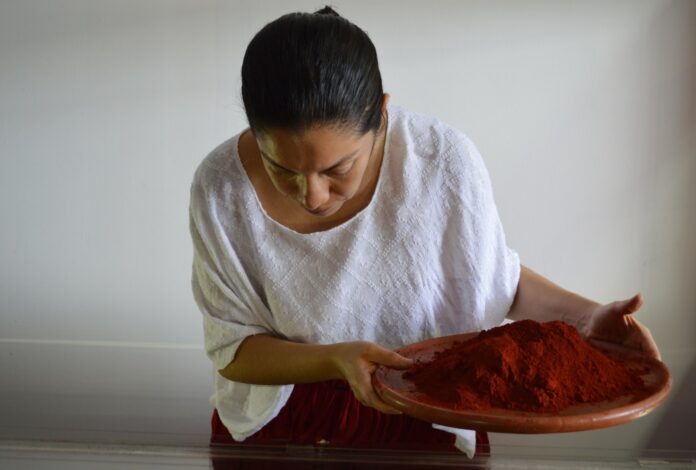
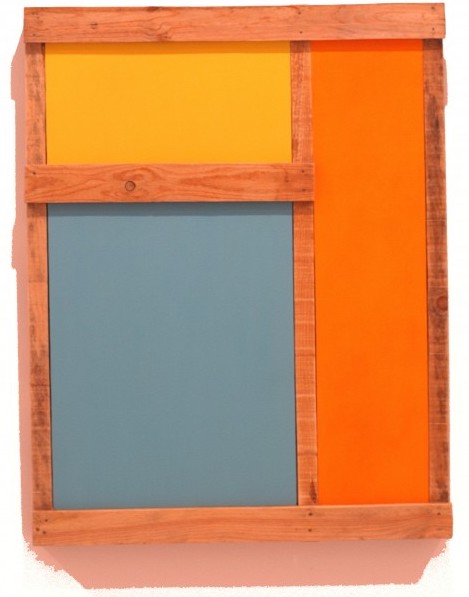
 Adriana VignoliAdriana Vignoli lives in Brasília-DF and works with sculpture, drawing, and photography. She conceptualizes sculptures that have a life of their own, and change slowly and continuously, transforming themselves into other, unpredictable forms. Graduated in Architecture and Urbanism from the University of Brasília, and is currently pursuing a doctorate at the Institute of Arts, also from UnB. Vignoli participated in national and international artistic residencies, the most recent being at Pivô Pesquisa (2022), São Paulo. Awarded the Funarte Marc Ferrez award (2021), and received the TCU National Exhibition Award in Brasília (2020). Shared an international group exhibition at Fundación Klemm, Buenos Aires (2019), and Nassauischer Kunstverein in Wiesbaden and at Hochschule für Bildende Künste Dresden (2014), while living in Berlin. Nominated for the PIPA Prize (2016). Received the FUNARTE National Award for Contemporary Art (2015). Her works are in national and international public collections. In Brazil, she is represented by Casa Albuquerque (Brasília, DF), Matias Brotas (Vitória, ES) and Celma Albuquerque (Belo Horizonte, MG) galleries.
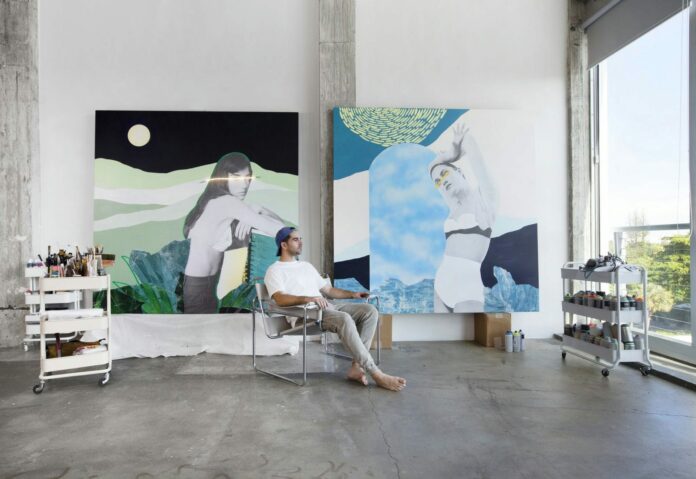
 Alex KorolkovasAlex Korolkovas was born in 1969, in São Caetano do Sul (São Paulo – Brazil) and studied Advertising at the Methodist University of São Paulo. Korolkovas studied at the Art Center College of Design in Pasadena, CA, and worked as an assistant to photographers such as the renowned photographer Earl Miller. He was among the Top 10 fashion creatives in a contest held by Casa de Criadores (2004) and nominated for the Abril Prize of Journalism in the “photo essay” category for his work for VIP Magazine (2006). Alex moved again to the US in 2016, where he won the Visual Press Awards in Florida – in The Fine Art Photography category. Also in 2016, he held the Valentina exhibition in Miami that earned him another Visual Press Awards early in 2017, this time for Best Solo Exhibit. In fashion, Alex photographed for the best Brazilian designers – Jorge Bischoff, Reinaldo Lourenço, Glória Coelho, Pedro Lourenço, Cavalera to name a few. He currently collaborates with Brazilian, German, and American magazines, and lives in NY with his wife Mariana.
 Andre MendesBorn in Curitiba, 1979. Graduated in Graphic Design from the Pontificia Catholic University of Paraná and specialized in artistic drawing at the Institut Superior de Disseny y Escola de la Imatge – IDEP, Barcelona. Mendes has been a part of over 11 solo exhibitions and 18 group exhibitions all over Brazil, Europe, and Asia since 2009. He has also participated in three artist residency programs: Tropikos, Hof Art Space, Bangkok, Thailand (2015), Kakiseni International Art Residency, Kuala Lumpur, Malaysia (2012), Jarbas Lopes, Maricá, Brazil (2008). Several of his pieces are displayed in museums, galleries, and institutional collections, such as GRPCOM Gazeta do Povo News, Curitiba, Brazil; Paraná Institute of Oncology, Curitiba, Brazil; Ricardo Fernandes Gallery, Paris, France; Santa Cruz Hospital, Curitiba, Brazil; Secretary of Culture of Ponta Grossa, Brazil; and Zilda Fraletti Gallery, Curitiba, Brazil.
 Bia DoriaPlastic artist Bia Doria lives and works in São Paulo. She has already won several important prizes, participates in several exhibitions, and her works are in some of the most relevant galleries, museums, and places in the world. Bia works with waste from management forest, native trees rescued from fires, deforestation, bottom of rivers, and dams. From the North to the South of Brazil, she runs through, passes through, recovers, polishes, recreates, and takes care of nature. She is an important representative of sustainable contemporary art. She learned to observe nature and visualize works of art in trees, branches, roots of dead trees and other natural elements that were discarded. Her enhancement allowed her creations to expand and her convictions ecological issues echoed with greater amplitude, making the artist an important representative of sustainable contemporary art. She has published three books: Bia Doria Esculturas (2021), Raízes do Brasil, Editora Pit Cult (2014), and Bia Doria (2011).
 Carlos Cruz-DiezFrench-Venezuelan artist Carlos Cruz-Diez (Caracas, 1923 – Paris, 2019) lived and worked in Paris since 1960. A major protagonist in the field of Kinetic and Optical Art, a movement that encourages “an awareness of the instability of reality.” His body of work established him as one of the key 20th century thinkers in the realm of color. Carlos Cruz-Diez’s visual art explores the perception of color as an autonomous reality evolving in space and time, unaided by form or support, in a perpetual present. His artworks are housed in prestigious permanent collections at institutions such as: Museum of Modern Art (MoMA), New York; Tate Modern, London; Musée d’Art Moderne de la Ville de Paris; Centre Pompidou, Paris; Museum of Fine Arts, Houston; Wallraf-Richartz Museum, Cologne.
 ChrispapitaChristian Escobar, “Chrispapita” in the art world, is a self-taught artist from Guatemala, is passionate about various contemporary artistic movements. As a child, he showed great interest in drawing; from pencil drawings to acrylic on canvas, he developed his own technique and style. Hyperrealism and realism is what he ́s best known for, inspired by the human figure and applying features of urban cultures and their relationship with nature and science. His artistic and life philosophy is the baroque ideal of Memento Mori, which means “Remember that you will die”, which motivates him to create works where the main theme is celebrating life, living in the present, learning from our past and future. He uses chiaroscuro as a tool to generate a correct dramatization in his themes, playing with the duality between light and darkness.
 Chrystiane CorreaBorn in Niterói – Rio de Janeiro, lives and works in Rio de Janeiro. Bachelors in Social Communications – Universidade Gama Filho; EAV, Parque Lage – João Magalhães Núcleo de Estudos – João Wesley e Chang; Creative Process – Charles Watson, Atelier Novo Mundo, RJ; Davi Cury – Protect me from what i want / Proteja-me do que desejo – Daniela. Individual Exhibitions – 2011 – “O original, é o natural”, CCPCM (Centro Cultural Paschoal Carlos Magno) – Niterói/RJ; 2003 – Gravatá, Galeria de Artes Visuais Lana Botelho – Rio de Janeiro/RJ. Select Collective Exhibitions – 2016 – Confluences in Brazilian Contemporary Art, Art&Design Gallery – Miami/EUA; 2015 – JM Castellano Cervilla – Granada/Espanha; 2015 – Bienal Internacional de Arte; Contemporânea – Paris/França; 2014 – Bienal Internacional de Arte Contemporânea – Paris/França.
 Claudio TozziClaudio Tozzi is a Brazilian artist born in 1944 in São Paulo, Brazil, who has worked since the 1960s to challenge the political and social culture of Brazil and the world. Through his art he has highlighted the censorship of military dictatorships, the woes of mass media, and the strength of individuals. He participated in the NeoFiguration movement, primarily about issues experienced by Brazilians. Brazil lived under an oppressive dictatorship for years and the NeoFiguration movement worked to question the physical and social conditions of the era. Tozzi’s work has since been shared worldwide as he has gained popularity outside Brazil due to widely understood themes. He is one of the most well known and influential artists in Brazil.
 Dabus & ThibesFernanda was born in Santa Maria, Brazil but has lived in the US since 200. Art came into her life first with dance and music, and many years later in psychology and psychoanalysis. Art has helped her explore her emotions and relationships in different colors and energies. The art of exploring new spaces has long been part of who she is. Her admiration for the arts has been there, ever present, until she finally found the courage to translate her life experiences onto canvas. Cecilia was born in Parana, Brazil. Since Cecilia’s earliest memories, she felt challenged to grasp the essence of art and its various possibilities. After living for a time in Europe, Thibes went back to Brazil and participated in two advanced training programs within the Anthroposophical Artistic field. her atelier has been an active space for work as an Art Therapist, Art Teacher, and Painter. It is also a place where the artist has a permanent collection of her artwork.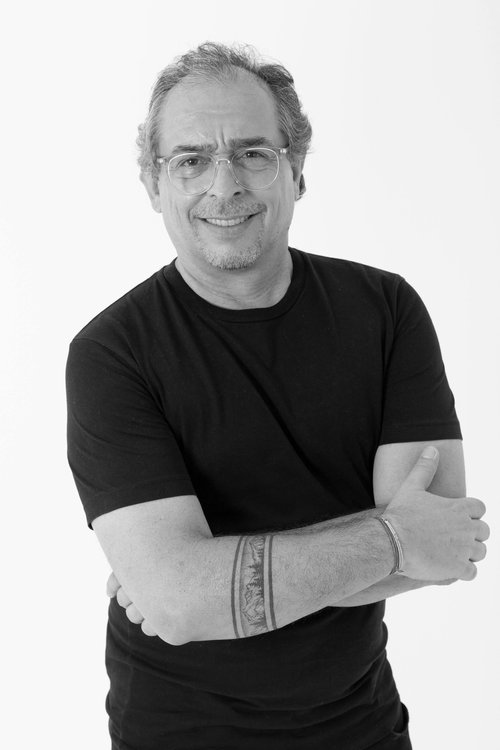


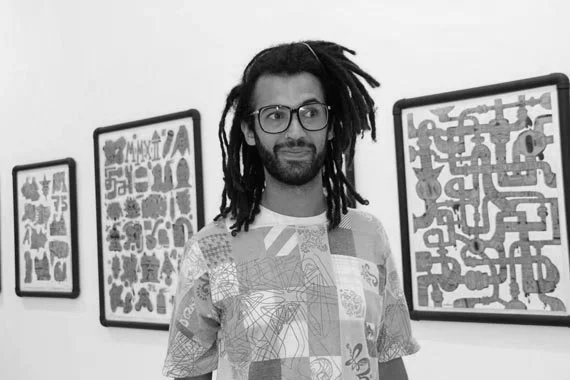


 Gilberto SalvadorPainter, draftsman, engraver, architect, teacher. Gilberto Orcioli Salvador graduated in architecture in 1969 from the College of Architecture and Urbanism of the University of São Paulo – FAU/USP, where he later worked as a professor. Simultaneously, he devoted himself to painting and drawing. He held his first exhibition in 1965 at the Teatro de Arena Art Gallery in São Paulo. He was awarded a gold medal at the Salão de Arte Contemporânea, Campinas, in 1967, and, in the 1969 and 1970 editions, with the acquisition prize. Participated in several editions of the São Paulo International Biennial, and two exhibitions at Masp stand out among his solo shows, in 1985 and 1995. In 1999, the sculpture Vôo de Xangô was installed at the Jardim São Paulo Station of the Companhia do Metropolitano de São Paulo. His work is characterized by the opposition between gestural and rigid lines, organic and inorganic forms, movement and static. Living forms, men, flowers and animals mix with geometric figures.
 J
J


 Kazuo WakabayashiBorn in Kobe, Japan, in 1931, Kazuo Wakabayashi was already a trained artist when he immigrated to São Paulo in 1961. Wakabayashi quickly gained popularity in Brazil, Japan, and the United States. Four years after his arrival in Brazil, he participated in a group exhibition of Japanese-Brazilian artists at the Organization of American States, where he also held his first US solo show in 1969. In the 1940s and 1950s, while still in Japan, Wakabayashi experimented with figure studies, landscapes, and portraits of the female body. His later work can be divided into two periods. The first can be categorized as “informalist”, while also adhering to geometric principles; marked by thick, textured surfaces and abstract, monochromatic forms. In his second and latest period, beginning in the 1980s, he returned overtly to Japanese tradition, translating characteristics of traditional woodcuts, and specifically Ukiyo-e prints into three-dimensional, large-scale paintings and prints.