Home Blog Page 123

Submerged Realities: People Ain’t No Good

Erin Parish
Erin Parish

Submerged Realities: People Ain’t No Good

Erin Parish’s Submerged Realities: People Ain’t No Good is an immersive installation that confronts the environmental and emotional consequences of ocean dumping and humanity’s neglect of marine ecosystems. Originating as a buy-nothing project, the exhibition explores parallels between the chaos within our minds and the disorder we inflict upon the natural world.

Created by Erin Parish, the installation is a multisensory experience that immerses visitors in a marine- like environment filled with Assisted Readymades, a la Duchamp. Visitors navigate the gallery amidst strategically placed obstacles, evoking feelings of discomfort, vulnerability, and reflection. During the reception, formal lighting will be absent, compelling guests to use cellphone flashlights to illuminate sculptures, evocative of the murky depths of the sea. The deliberate aesthetic reflects the psychological turmoil often experienced in a world marked by environmental degradation. Each piece in Submerged Realities carries a personal narrative. Returning to storytelling in her art, Parish draws on her life experiences and objects, a departure from her upbringing that discouraged personal exposure in creative work. Inspired by the stories of fellow transplanted Miami artists, Parish allows herself to be seen in ways previously unexplored. The exhibition’s sculptures are crafted from personal artifacts: syringes, medicine bottles, a particular childhood lamp, an 1880s wooden wheelchair, a faux hearth, a set of dining chairs, shopping cart, flatscreen TV, deer antlers, her grandfather’s Art Deco clock, her boxing hand wraps, her grandmother’s hats, and family photos. A chandelier carries local history, having been part of Kerry Phillips’ show at the Bass Museum, further enriching the narrative. Submerged Realities: People Ain’t no Good uses video, sound, installation, and sculpture to create an experience inspired by the artist’s love of historical museum dioramas. Influenced by the Dadaists, Joseph Cornell, the Cass Corridor movement, and the Kienholzs, the work invites audiences to question their relationship with materialism and convenience while envisioning a future that honors the oceans as vital, living systems.

Latinx

Latinx
Latinx

Latinx

Latinx is a gender-neutral word that has become popular in Spanish-speaking communities, especially in social activism, gender studies, and the search for greater inclusion. It refers to people of Latin American origin or descent, without gender distinction, instead of the traditional terms “Latino” or “Latina.” The word arose as a response to the limitations of the Spanish language, which has a binary gender system (masculine and feminine) that does not encompass non-binary people or those who do not strictly identify with the traditional genders.

Context and Origin of “Latinx”.

Gender inclusive: In Romance languages like Spanish, words are generally marked by grammatical gender. The use of “Latino” or “Latina” divides people into male or female categories but does not cover those who do not identify with those genders. “Latinx” was born as a way to address this exclusion and recognize the diversity of gender identities within Latino communities.

Activism and human rights: The word ‘Latinx’ has emerged as a powerful tool in academic circles in the United States, particularly in the fields of gender studies, human rights, and social justice. It serves as a beacon of inclusion, shining a light on non-binary individuals and those who do not fit within the traditional ‘Latino’ or ‘Latina’ categories. This approach aligns with a global movement towards greater acceptance and recognition of gender diversity, inspiring us to continue the fight for equality.

Linguistic issue: Spanish, unlike some languages such as English, does not have a commonly accepted way to refer to people outside the male/female binomial. Therefore, “Latinx” offers an alternative that breaks the norm of assigning gender to all words, which is a step towards a more inclusive language.

Why “Latinx”?

Gender Neutrality: As mentioned, “Latinx” attempts to eliminate the gender divisions imposed by traditional language by providing a neutral option to refer to a person of Latin American origin, regardless of gender. This is relevant for people who do not identify as either male or female and for those who wish to support the inclusion of all gender identities.

Appropriation and resistance: In many cases, the use of “Latinx” also represents a form of resistance to the gender norms imposed by traditional societies, both within and outside of Latino communities. The adoption of this word reflects a desire to decolonize language, as patriarchal and colonial systems have historically influenced binary gender structures.

Criticism of the term “Latinx

Despite its growing acceptance, the term “Latinx” has also generated controversy and debate within the Latino community. Some criticisms include the following:

Cultural and linguistic rejection: many Spanish speakers feel that “Latinx” is a term imposed from outside the Latino community, especially from the United States, and that it has no resonance or naturalness in everyday Spanish usage. Criticisms include the fact that the “x” does not conform to the phonetic rules of the language, making it difficult for some people to pronounce.

Alternatives: Instead of “Latinx,” some propose using other gender-neutral terms, such as Latine, which better respects the grammatical structure of Spanish and is easier to pronounce. Others prefer to continue using “Latino” and “Latina” to maintain the tradition of the language and culture.

Resistance in Latin America: In many Latin American countries, the use of “Latinx” has not been widely adopted, and some people see it as unnecessary Anglicism or as a trend alien to their linguistic and cultural realities. For many, the gender-neutral approach is already implicit in the use of the word “Latino,” which has, for the most part, been considered gender-inclusive when used in collective contexts.

The Impact of “Latinx” on the Community

Despite criticism, the term Latinx has had a positive impact in various contexts, especially as it relates to LGBTQ+ rights, gender studies, and discussions about identity in Latino communities. It is used not only as a tool for inclusion in language but also as a symbol of the cultural and social evolution of Latinos, especially in the context of a globalized society.

In short, “Latinx” is a term that seeks to be inclusive, not only of gender but also of the diverse experiences and realities within the Latino community. It attempts to create a space where all gender identities are recognized, although their acceptance varies according to regions, individuals, and the

Art dealers located in: Miami Design District

Miami Art Dealers
Miami Art Dealers

Best Art galleries Miami Design District

Art Dealers in Miami, FL: A Vibrant Scene of Culture and Commerce

Miami has long been a hub for art and culture, with a burgeoning art scene that continues to attract collectors, artists, and art enthusiasts from around the world. The city’s art dealers play a pivotal role in shaping this dynamic landscape, curating exhibitions that showcase both established and emerging talent. From the iconic galleries in the Design District, Miami’s art dealers are at the forefront of trends in contemporary and modern art, offering a diverse range of works that reflect the city’s rich cultural fusion. In this article, we explore the influence of Miami’s art dealers, their role in the global art market, and how they contribute to the ongoing evolution of the city’s cultural identity. Whether you’re an avid collector or a first-time visitor, Miami’s art scene offers a wealth of inspiration and opportunity.

PRIVATE INDIVIDUALS • CHARTERED ACCOUNTANTS • DOCTORS • RESTAURANT OWNERS • RETAILERS • MANUFACTURER

Lucid Art Gallery

Located in the heart of Miami’s vibrant Design District, Lucid Art Gallery is more than just a traditional exhibition space—it is a dynamic cultural hub that fosters artistic exploration and community connection. Founded by artist Payal Tak in 2021, Lucid is strategically nestled alongside prominent institutions like the de la Cruz Collection and the Institute of Contemporary Art, making it a must-visit destination for art lovers. The gallery’s spacious 3,700-square-foot layout features eight “idea spaces,” a large reception area, and an impressive 75-foot outdoor installation wall, allowing artists to push creative boundaries truly. Lucid showcases various works, from wall art to sculptures, wearable art, and live performances. With a strong mission to foster collaboration and inspire personal expression, Lucid actively engages the community, making it a place where creativity flourishes and visitors feel a part of something bigger. It is, without a doubt, a cultural treasure in Miami.

Email: [email protected]

Address: 10 NE 41st St, Miami, FL 33137

Juan Carlos Maldonado Collection (JCMC)

Juan Carlos Maldonado Collection (JCMC)

The Juan Carlos Maldonado Collection (JCMC), founded in 2005 by Venezuelan entrepreneur Juan Carlos Maldonado, stands as a leading institution dedicated to studying and appreciating Geometric Abstraction. With a focus on modern and contemporary works, JCMC explores this universal movement, transcending geographic and cultural boundaries. Initially concentrated on Latin American art, the collection has expanded to include global artists, showcasing the dynamic potential of geometric abstraction, a concept that continues to inspire and intrigue the art world. A key highlight is the 2018 acquisition of Ye’kwana artifacts, further deepening the collection’s cultural reach by exploring the indigenous art of Venezuela.

Since relocating to Miami’s Design District in 2016, JCMC has curated thought-provoking exhibitions, including the groundbreaking “The Unbounded Line,” emphasizing the infinite creative possibilities of geometric abstraction. The gallery’s unwavering commitment to education is evident through its scholarly publications, exhibitions, and free public access, providing a stimulating environment for art lovers and scholars to engage with the collection.

Address: 45 NE 39th St, Miami, FL 33137

Phone: (305) 456-6126

Rosenfeld Gallery

Founded in 1970 by Michelle Rosenfeld, Rosenfeld Gallery has long been respected in the secondary art market. It specializes in Modern and Contemporary Masters. Under the leadership of Jason Rosenfeld since 2006, the gallery has expanded its reach, relocating to Miami in 2020 to cater to the growing demand for high-caliber art in South Florida.

Rosenfeld Gallery offers a comprehensive suite of services, including advisory, market analysis, appraisals, and restoration advisement. Each artwork is accompanied by meticulous research, complete documentation, provenance, and exhibition history, ensuring clients receive a transparent and professional experience, and can be confident in their art transactions.

The gallery participates in major national and international art fairs while maintaining a diverse collection that includes iconic works by Jean-Michel Basquiat, Pablo Picasso, Keith Haring, and Andy Warhol. Rosenfeld Gallery plays a crucial role in building a bridge between legacy artists and mid-career figures, securing its place as a key player in the historical and contemporary art market and keeping the audience connected to the evolution of the art world.

Address: 112 NE 41st St, Miami, FL 33137

Phone: (917) 345-8134

Pan American Art Projects

Founded in 2001, Pan American Art Projects is a prominent gallery dedicated to showcasing both established and emerging artists from North, Central, and South America. This commitment to supporting the growth of the art community has made the gallery a cornerstone in the art world. It first operated in Dallas before moving to Miami’s Wynwood district in 2006. The gallery’s early exhibitions, like “80 Years of Cuban Art” and “Ferrari and Bony,” helped solidify its reputation for presenting impactful works from the Americas.

Pan American Art Projects represents a diverse roster of contemporary artists and maintains an impressive collection, including works from Cuba, Argentina, and the Caribbean. The gallery’s mission to amplify its artists’ voices is evident in its global collaborations with cultural institutions and prestigious exhibitions. Its artists have garnered notable accolades, including the Leone d’Oro at the Venice Biennale and the Pollock-Krasner Award. With placements in world-renowned institutions like the Tate and the Museum of Fine Arts, Houston, the gallery continues to inspire and influence contemporary art from the Americas.

Address: 21 NE 39th St, Miami, FL 33137

Phone: (305) 751-2550

41st Street Art Space LLC

The De la Cruz Collection, founded by Rosa and Carlos de la Cruz, was one of the most significant private art collections in the world, renowned for its contributions to contemporary art. Beginning in the late 1980s with a modest collection displayed in their home, Rosa and Carlos transitioned to a more prominent space in Miami’s Design District in 2009. The gallery’s 30,000-square-foot museum hosted groundbreaking exhibitions, blending works from painting, sculpture, and site-specific installations to offer fresh perspectives on contemporary art.

Their collection, which included some of the most influential global artists, was notable for its dynamic approach to curating, emphasizing the fluidity and diversity of modern artistic expression.

In addition to exhibitions, the De la Cruz Collection supported education and community outreach, organizing lectures, scholarships, and workshops to foster art engagement among local youth. While the collection has closed, its legacy continues to inspire and educate, leaving an indelible mark on Miami’s cultural landscape.

The de la Cruz Collection is closed.
Rosa and Carlos de la Cruz
August 13 1942 – February 25 2024

Staff: Melissa Wallen, Director, Hillary Hernandez, Joel Hernandez, and Sai Montilla.

Phone: (305) 576-6112

Address: 23 NE 41st St, Miami, FL 33137

Galeries Bartoux Miami

Since its inception in 1993, Galeries Bartoux has been redefining the art gallery experience by creating spaces that stir genuine emotions. With a philosophy that goes beyond traditional galleries, Bartoux curates contemporary works that evoke a wide spectrum of feelings, from joy to melancholy. Their approach is not only about showcasing exceptional pieces but about offering an immersive and emotional journey for collectors and visitors alike.

With locations around the world, including Paris, London, Miami, and soon Venice, Galeries Bartoux presents a blend of established Grand Masters alongside emerging artists, fostering a dynamic exchange between different artistic movements. Known for its bold exhibitions and innovative use of technology—such as augmented reality and virtual galleries—the gallery appeals to modern sensibilities, ensuring art is accessible to all.

In addition to its exhibitions, Galeries Bartoux offers unique experiences, including private “Art Dinners” surrounded by masterpieces, making it a truly transformative destination for art lovers.

Address: 127 NE 40th St, Miami, FL 33137

Phone: (786) 534-4574

AURA COPELAND GALLERY

Rafael Montilla
Rafael Montilla

AURA COPELAND GALLERY
211 E Flagler Street, Downtown Miami
Fine Arts & Framing Art Opening – January 30, 2025

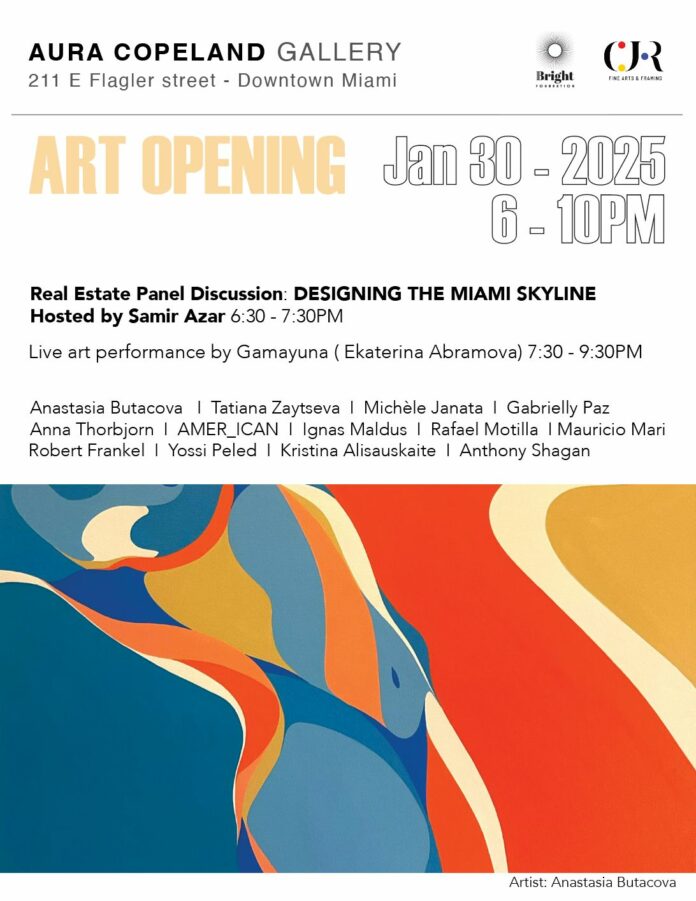
Aura Copeland Gallery is proud to present an exciting exhibition showcasing cutting-edge contemporary art, featuring a remarkable lineup of talented artists. The exhibition opens on January 30, 2025, from 6:00 PM to 10:00 PM at 211 E Flagler Street, Downtown Miami. This highly anticipated event will bring together a diverse group of artists, including Anastasia Butacova, Tatiana Zaytseva, Michèle Janata, Gabrielly Paz, Anna Thorbjorn, Ignas Maldus, Rafael Motilla, Mauricio Mari, Robert Frankel, Yossi Peled, Kristina Alisauskaite, and Anthony Shagan.

The evening will also feature a Real Estate Panel Discussion titled “Designing the Miami Skyline” hosted by Samir Azar from 6:30 PM to 7:30 PM. This engaging panel will explore the intersection of architecture, design, and the evolution of Miami’s dynamic skyline, providing insight into the city’s growing architectural influence.

Following the panel discussion, the gallery will host a live art performance by Gamayuna (Ekaterina Abramova) from 7:30 PM to 9:30 PM, offering a unique and interactive experience where performance art meets visual expression. The event will provide an unparalleled opportunity to engage with Miami’s thriving art scene, interact with the artists, and immerse yourself in a truly dynamic cultural experience.

This exhibition celebrates the fusion of creativity, design, and performance, offering an immersive evening in the heart of downtown Miami. Whether you’re an art enthusiast, collector, or simply curious about the vibrant local art scene, this event promises to be a must-see in the Miami arts calendar.

ARTISTS FEATURED IN THE EXHIBITION INCLUDE:

  • Anastasia Butacova
  • Tatiana Zaytseva
  • Michèle Janata
  • Gabrielly Paz
  • Anna Thorbjorn
  • AMERICAN I
  • Ignas Maldus
  • Rafael Montilla
  • Mauricio Mari
  • Robert Frankel
  • Yossi Peled
  • Kristina Alisauskaite
  • Anthony Shagan

Event Details:

  • Date: January 30, 2025
  • Time: 6:00 PM – 10:00 PM
  • Location: Aura Copeland Gallery, 211 E Flagler Street, Downtown Miami
  • Real Estate Panel Discussion: “Designing the Miami Skyline” hosted by Samir Azar, 6:30 PM – 7:30 PM
  • Live Art Performance: Gamayuna (Ekaterina Abramova), 7:30 PM – 9:30 PM

About Aura Copeland Gallery:
Aura Copeland Gallery is a leading contemporary art gallery in Miami, committed to showcasing emerging and established artists in a variety of mediums. With a focus on curating thought-provoking exhibitions, the gallery is dedicated to fostering creative dialogue and enriching the local art community.

“BEFORE SUNRISE”

BEFORE SUNRISE —MAGNUS SODAMIN

“BEFORE SUNRISE”

MAGNUS SODAMIN

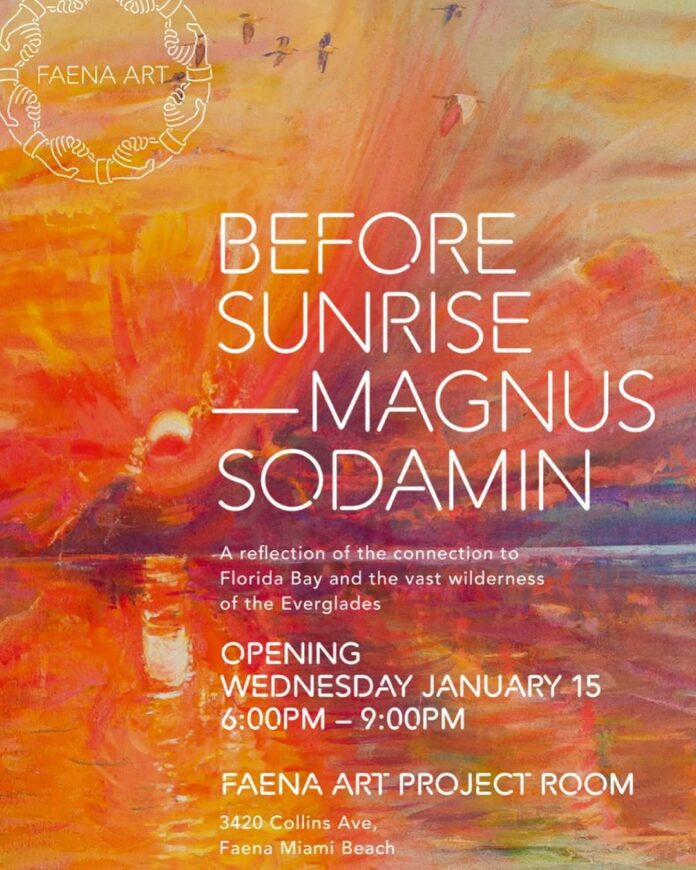
OPENING WEDNESDAY JANUARY 15
FAENA ART PROJECT ROOM

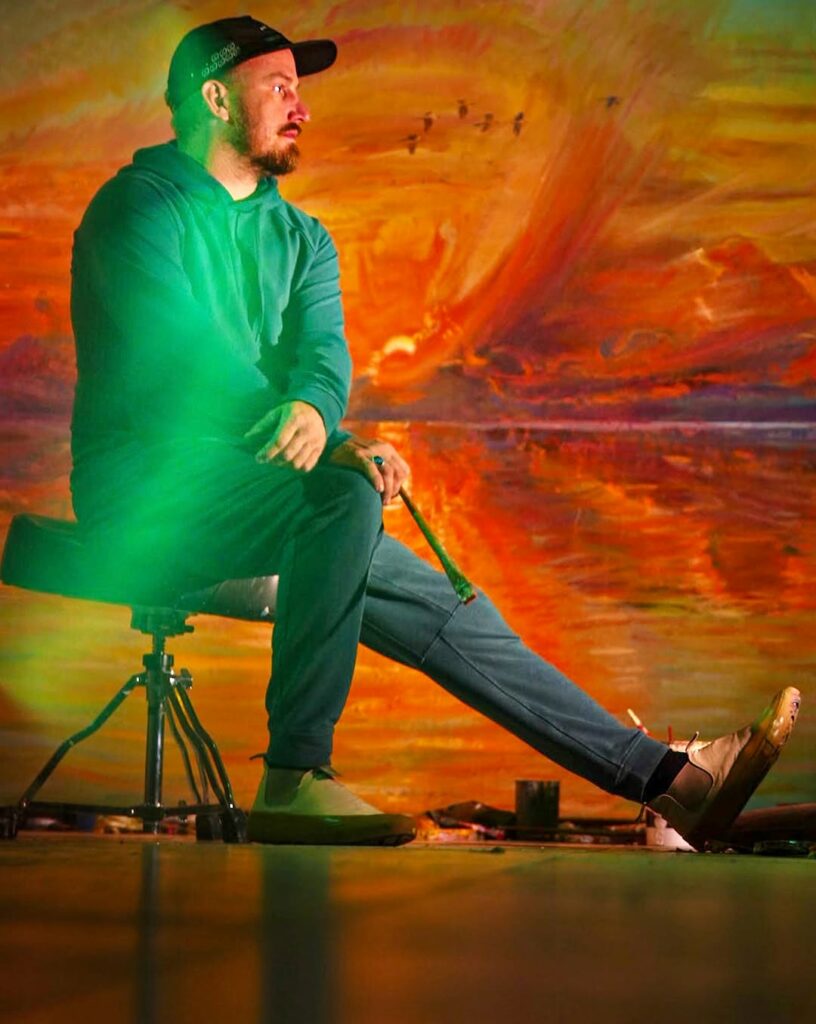
In Before Sunrise, Magnus Sodamin invites us into his intimate relationship with Florida’s diverse ecological tapestry. These paintings are an homage to Florida Bay and the Everglades, capturing the fleeting magic of sunrise, the ephemeral glow of fading light, and the vibrant life that thrives in these wetlands. With a palette inspired by the Everglades’ rich biodiversity and textured brushstrokes that echo the movement of water and wind, the works evoke a sense of reverence for the natural world.

These images are meditations on Florida’s wilderness, its beauty both fragile and enduring. His paintings become portals to a Floridian home, where wildlife and light converge to tell stories of resilience and interconnectedness.

The exhibition stands as a testament to the artist’s ability to distill the Everglades’ grandeur into works that are at once personal and universal, reflecting not only the landscapes themselves but also the emotional and spiritual connections they inspire.

Captivated by the interplay of light, color, and environment, Magnus Sodamin landscapes immerse viewers  in color while evoking a sense of serenity, his dedication and love for the environment reflected through his practice and continues to evolve alongside the landscapes he calls home.

AVAILABLE WORKS FOR SALE

ABOUT THE ARTIST

Born in Manhattan, New York (1987) Sodamin lives and works in Miami. He spent a year developing his painting practice at the Nansenskolen in Lillehammer, Norway; a humanitarian institute that focuses on cross-cultural exchange. He received his BFA in painting with a minor in art history from the New World School of the Arts, Miami in 2012. Sodamin explores practices ranging from painting, textile, ceramic and drawing. Selected Solo’s include “Wild Altar” (Dot fiftyone Gallery, 2021), “Impressions of Our Landscape” (Primary Projects, 2017) , “Infinity Split” (Primary Projects, 2015). Some Residencies include Agder Kunst Center, Norway (2020), Vermont Studio Center (2018) , Airie, Everglades (2017), Museums Quartier, Vienna (2015) Deering Estate, Miami, Florida (2015). His work resides in both the Boca Raton Museum of Art and Jorge Perez private collection.

Magnus Sodamin’s lush nature inspired paintings explore changing global narratives through spiritual inquiry and spontaneous creativity. His process is cathartic and vigorous, resulting in paintings that reflect the beauty of the natural world, while exploring the states of climate, and environment. His vibrant works are full of energetic gestures that are both joyful and turbulent, indicative of the artists’
passionate sense awe and quiet reverence of nature.

OPENING
FREE AND OPEN TO THE PUBLIC TOMORROW
Wednesday January 15, 6:00PM – 9:00PM
Faena Art Project Room – 3420 Collins Ave

In collaboration with KDR Gallery and Faena Art. Please Join us for the grand season-opening exhibition at Faena Art Project Room, where art and nature converge in an unforgettable experience. Before Sunrise channels Magnus’s profound connection to Florida Bay and the untamed wilderness of the Everglades. These paintings are intimate reflections of moments spent chasing the dawn, enveloped by the ephemeral beauty of fleeting light and the movement of passing wildlife.

Celia Cruz: work

Celia Cruz: Work
Celia Cruz: Work

 Wednesday, January 15, 2025, through Saturday, February 15, 2025

Open Wednesdays through Saturdays
11:00AM – 5:00PM

Gallery hours will observe Miami Dade College’s Holiday hours

MDC’s Hialeah Campus Art Gallery
1780 West 49th Street, Hialeah, FL 33012

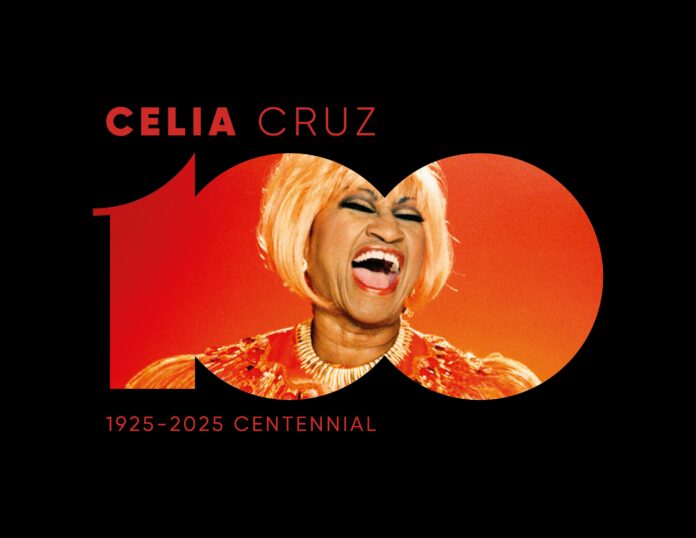
Celia Cruz: Work is an exhibition that honors La Guarachera de Cuba. Born in 1925 in Havana, Cuba, Celia Cruz left her birth country in 1960. Already performing and making her name with La Sonora Matancera, Celia Cruz became one of the most highly regarded singers, performing from Caracas to London and beyond. Known for her bold, emotional performances, Cruz embraced her Cuban heritage. She once stated, “In exile, I have learned to be Cuban in a way that might not have been possible if I had stayed in Cuba. I think being an exile has taught me to love my country even more.” Featuring video footage, posters, wigs and dresses, Celia Cruz: Work recognizes Cruz’s labor and her tireless commitment to her audiences who she loved to make “dance until dawn.” In 2025, we honor Cruz as well as the centennial of Hialeah and the Freedom Tower. In doing so, we celebrate our collective history and an extraordinary performer whose music plays a pivotal role in the soundtrack of Miami, the Caribbean, and globally.

Parking at MDC’s Hialeah Campus

The Art Gallery is located directly across from the Building 5 garage.

The main vehicular entrance to the campus is located along West 17th Court before reaching 46th Street. Parking is available for all Miami Dade College students, staff, faculty, and visitors in our recently constructed parking garage and flat lots. Parking decals are required to park on campus. Decals available free of charge. Get your parking decal here. Visitors must visit the Public Safety Department in order to get a temporary parking pass. All individuals using campus parking facilities must abide by the College parking guidelines.

MOAD’s programs are made possible with the support of the Miami-Dade County Department of Cultural Affairs and the Cultural Affairs Council, the Miami-Dade County Mayor and Board of County Commissioners. They are sponsored in part by the State of Florida through the Division of Arts and Culture and the National Endowment for the Arts, and with generous support from the John S. and James L. Knight Foundation. The Miami Herald is a media sponsor of MOAD’s programming.

Latinx

Latinx
Latinx

Latinx

El término Latinx es una palabra de género neutral que se ha popularizado en las comunidades de habla hispana, especialmente en contextos de activismo social, estudios de género y en la búsqueda de una mayor inclusión. Se utiliza para referirse a personas de origen o ascendencia latinoamericana, sin hacer distinción de género, en lugar de los términos tradicionales “Latino” o “Latina”. La palabra surgió como respuesta a las limitaciones del idioma español, que tiene un sistema binario de género (masculino y femenino), que no abarca a las personas no binarias ni a aquellos que no se identifican estrictamente con los géneros tradicionales.

Contexto y Origen de “Latinx”

  1. Género inclusivo: En las lenguas romances, como el español, las palabras generalmente se marcan por género gramatical. El uso de “Latino” o “Latina” divide a las personas en categorías masculinas o femeninas, pero no cubre a quienes no se identifican con esos géneros. “Latinx” nace como una forma de resolver esa exclusión y reconocer la diversidad de identidades de género dentro de las comunidades latinas.
  2. Activismo y derechos humanos: La palabra se popularizó en los Estados Unidos en círculos académicos, especialmente en las áreas de estudios de género, derechos humanos y justicia social. La idea central detrás de “Latinx” es promover la inclusión y visibilizar a las personas no binarias y aquellas que no se sienten cómodas con las categorías tradicionales de “Latino” o “Latina”. Este enfoque va de la mano con un movimiento global hacia una mayor aceptación y reconocimiento de la diversidad de género.
  3. Problema lingüístico: El español, a diferencia de algunas lenguas como el inglés, no tiene una forma comúnmente aceptada para referirse a personas fuera del binomio masculino/femenino. Por eso, el uso de “Latinx” ofrece una alternativa que rompe con la norma de asignar género a todas las palabras, lo que se considera un paso hacia un lenguaje más inclusivo.

¿Por qué “Latinx”?

  • Neutralidad de género: Como mencionamos, “Latinx” intenta eliminar las divisiones de género impuestas por el lenguaje tradicional, proporcionando una opción neutral para referirse a una persona de origen latinoamericano, sin importar su género. Esto es relevante tanto para las personas que no se identifican como masculinas ni femeninas, como para aquellos que desean apoyar la inclusión de todas las identidades de género.
  • Apropiación y resistencia: En muchos casos, el uso de “Latinx” también representa una forma de resistencia frente a las normas de género impuestas por las sociedades tradicionales, tanto dentro como fuera de las comunidades latinas. La adopción de esta palabra refleja un deseo de descolonizar el lenguaje, ya que las estructuras de género binario han sido influenciadas históricamente por sistemas patriarcales y coloniales.

Críticas al término “Latinx”

A pesar de su creciente aceptación, el término “Latinx” también ha generado controversia y debate dentro de la comunidad latina. Algunas críticas son las siguientes:

  1. Rechazo cultural y lingüístico: Muchos hispanohablantes consideran que “Latinx” es un término impuesto desde fuera de la comunidad latina, especialmente desde los Estados Unidos, y que no tiene resonancia ni naturalidad en el uso cotidiano del español. Las críticas incluyen el hecho de que la “x” no se ajusta a las reglas fonéticas del idioma, lo que lo hace difícil de pronunciar para algunas personas.
  2. Alternativas: En lugar de “Latinx”, algunos proponen el uso de otros términos de género neutro, como Latine, que respeta mejor la estructura gramatical del español y es más fácil de pronunciar. Otros prefieren continuar usando “Latino” y “Latina” como una forma de mantener la tradición del idioma y la cultura.
  3. Resistencia en Latinoamérica: En muchos países de América Latina, el uso de “Latinx” no ha sido adoptado ampliamente y algunas personas lo ven como un anglicismo innecesario o como una tendencia ajena a sus realidades lingüísticas y culturales. Para muchos, el enfoque de género neutral ya está implícito en el uso de la palabra “Latino”, que en su mayoría se ha considerado de género inclusivo cuando se utiliza en contextos colectivos.

El impacto de “Latinx” en la comunidad

A pesar de las críticas, el término Latinx ha tenido un impacto positivo en varios contextos, especialmente en lo relacionado con los derechos de las personas LGBTQ+, los estudios de género y las discusiones sobre la identidad en las comunidades latinas. Se utiliza no solo como una herramienta de inclusión en el lenguaje, sino también como un símbolo de la evolución cultural y social de los latinos, especialmente en el contexto de una sociedad globalizada.

En resumen, “Latinx” es un término que busca ser inclusivo, no solo de género, sino también de las diversas experiencias y realidades dentro de la comunidad latina. Es un intento de crear un espacio donde todas las identidades de género sean reconocidas, aunque su aceptación varíe según las regiones, las personas y sus perspectivas sobre el lenguaje y la cultura.

Está a la venta el libro “Señoras: una guía integral de la salud en la menopausia”

Está a la venta el libro “Señoras: una guía integral de la salud en la menopausia”

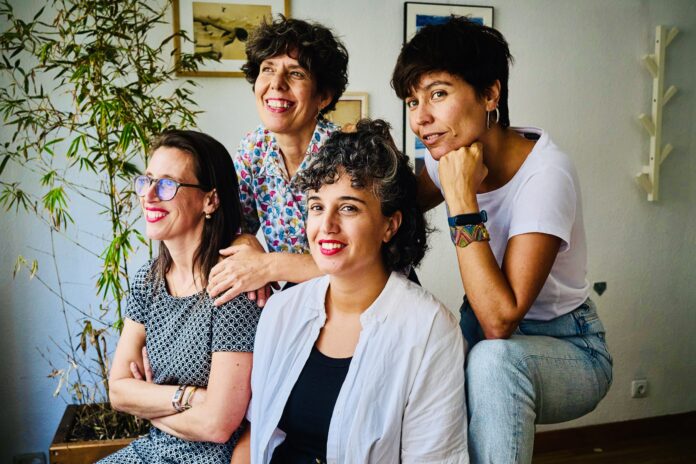
Las autoras de este libro tan útil para las mujeres son las españolas Elena del Estal Pérez, Alberta M. Fabris, Adriana Fdez. Caamaño y Tania Magliano. “Señoras: una guía integral de la salud en la menopausia” está a la venta en Amazon y todas las tiendas físicas y digitales de Estados Unidos desde este 4 de marzo. Este es un libro que ha sido bestseller en España y puede convertirse en un referente para las mujeres hispanohablantes de Estados Unidos. “Señoras” toca de manera novedosa temas relacionados a la menopausia como sofocos, sexualidad, metabolismo, creencias limitantes, y hábitos saludables. Fue escrito por una dietista-nutrióloga (Del Estal Pérez), una ginecóloga (Fabris), una psicóloga y sexóloga (Fernández Caamaño), y una fisioterapeuta y osteópata (Magliano), quienes han juntado sus conocimientos y años de experiencia clínica y personal. El libro busca redefinir con un enfoque fresco y feminista la forma en que las mujeres abordan y experimentan la madurez, brindando información vital, desmitificando conceptos erróneos y ofreciendo consejos y reflexiones profundas. “Señoras” está hecho por mujeres para mujeres, que surge de la experiencia personal y profesional de las autoras como fundadoras de una clínica integral de salud femenina en España, donde asesoran a pacientes de todos los orígenes y edades. La menopausia es el momento que marca el final de los ciclos menstruales. Se diagnostica después de que transcurran doce meses sin que tengas un período menstrual y puede producirse entre los 40 y 50 años. “Señoras: una guía integral de la salud en la menopausia” ayuda a celebrar y recibir la madurez sin miedos ni prejuicios. En este libro se encuentra todo lo necesario para saber sobre la perimenopausia, la menopausia y el climaterio: desde explicaciones científicas sobre el funcionamiento de nuestros cuerpos, hasta guías nutricionales, rutinas de ejercicios y reflexiones e historias de la vida real. Para la psicóloga y escritora Anna Freixas se trata de un libro “eminentemente práctico y útil para transitar con elegancia por la temida menopausia”. 

Harper Collins lanza en Estados Unidos el libro “Adiós a la inflamación”

Harper Collins lanza en Estados Unidos el libro “Adiós a la inflamación”

El libro “Adiós a la inflamación: Cómo prevenir enfermedades, retrasar el envejecimiento y perder peso” fue escrito por la nutricionista e influencer española Sandra Moñino. La publicación ya está a la venta en Estados Unidos a través de Amazon y demás tiendas digitales. “Adiós a la inflamación” es una guía práctica que aborda cómo combatir la inflamación crónica mediante una dieta adecuada, hábitos saludables y una buena gestión de emociones. Allí la autora relaciona esta dieta antiinflamatoria principalmente con la prevención de desarrollar o mejorar enfermedades autoinmunes, en especial. Su propósito es que la gente esté sana y tenga un estilo de vida saludable. Publicado por la editorial Harper Collins Español, “Adiós a la inflamación” se enfoca en cómo este trastorno puede estar relacionado con problemas como aumento de peso, problemas en la piel, diabetes, hipotiroidismo y otras enfermedades graves. El libro de Moñino incluye consejos detallados para identificar y reducir la inflamación, además de un menú antiinflamatorio con recetas sencillas y saludables. “Adiós a la inflamación” fue bestseller en España por la venta de más de 200 mil ejemplares y está diseñado para mejorar diversos aspectos de la salud y brindar herramientas accesibles para transformar la alimentación y el estilo de vida. En la sinopsis del libro se puede leer:”¿Sientes el vientre hinchado y pesadez en el cuerpo? ¿Te notas de mal humor, estresada y más cansada de lo normal? ¿Sabías que la causa de todo eso podría ser un problema de inflamación? Aumento de peso, problemas en la piel, dolores de cabeza o patologías como la diabetes, el hipotiroidismo, la esclerosis múltiple, el cáncer o la depresión podrían deberse a una inflamación crónica. En este libro descubrirás que una dieta adecuada, hábitos saludables y una buena gestión de las emociones son primordiales para desinflamarte y recuperar tu salud”. Sandra Moñino es dietista y nutricionista integrativa graduada en la Universidad de Alicante, España. Está especializada en inflamación, nutrición clínica y pérdida de peso. Además, es CEO de la clínica de nutrición online Nutriciónate, donde ya ha tratado junto a su equipo a más de 5.000 personas mediante alimentos y recetas antiinflamatorias. Después de más de 4 años de estudio sobre la inflamación, ella ha descubierto la importancia que tiene en nuestra salud, pues la gran mayoría de patologías y dolencias llevan detrás una inflamación crónica de base.  

Emerging Artist & Mid-Career Artist

Conversations: Transformation: Craft, Identity, and Materiality in Art
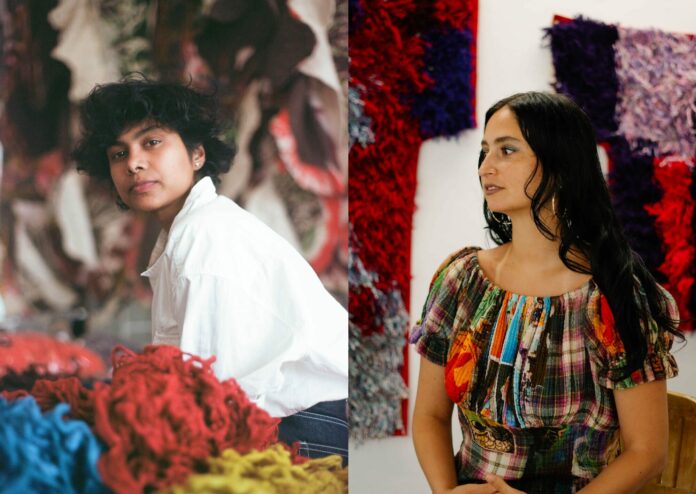
Left: Sagarika Sundaram. Photo credit: Anita Goes. Right: Sarah Zapata. Photo credit: Martina Tuaty.

Artistic Resonance: A Guide to Thriving in the Evolving Art World

In the ever-shifting landscape of contemporary art, success is often as much about navigating the intricacies of the art world as it is about refining one’s creative voice. Whether you’re an emerging artist just beginning to build your portfolio or a mid-career artist looking to reinvigorate your practice, the key to progress lies in introspection and strategic action. This article offers a guide that delves into the nuances of maintaining artistic integrity while adapting to the demands of the modern art market.

Art is a journey of constant evolution. To stay relevant and resonant, artists must hone their craft and actively engage with the changing tides of artistic trends, technologies, and business strategies. In this context, the journey itself is both reflective and progressive. It demands that artists balance technical mastery with visionary creativity while navigating the complexities of branding, marketing, and professional development.

Clarify Your Artistic Vision

At the core of an artist’s practice lies a distinct and clarified vision—a personal narrative that shapes and informs every stroke, every form, and every concept. For emerging and mid-career artists, it’s essential to take stock of the evolution of their creative voice. This process of self-reflection isn’t merely an act of nostalgia; it’s a tool for refinement and clarity. Ask yourself: What themes define my work? What is my unique contribution to the larger artistic conversation?

A clear artistic vision creates cohesion in a portfolio, helps attract the right audience, and provides a framework for expanding your work into new mediums and forms. As the year begins, take the time to revisit the heart of your practice. What messages do you wish to communicate? Defining your artistic direction is not just a resolution—it’s a lifelong pursuit that anchors you amid the tides of change.

Expand Your Technical Proficiency

Technical proficiency is the bedrock of any artist’s expression. Continuous improvement in technique is essential regardless of your medium—be it painting, sculpture, digital art, or photography. In the rapidly advancing art world, where new tools and materials are introduced regularly, staying current is just as important as mastering traditional methods.

Artists should make a concerted effort to push their technical boundaries. Attend workshops, collaborate with fellow artists, and explore new technologies such as 3D printing or digital manipulation. Diversifying your toolkit and experimenting with new forms of expression opens doors to fresh creative opportunities and allows you to reach new audiences. It also strengthens the foundation of your artistic practice, helping you communicate more effectively with your materials and viewers.

Build a Diversified Portfolio

In a world where art is increasingly consumed through digital platforms and alternative venues, a varied portfolio is a powerful tool for visibility and professional success. Artists should strive to diversify their body of work, whether by exploring different mediums, conceptual themes, or exhibition formats. For example, if you primarily work with oil paints, consider incorporating mixed media, sculpture, or digital art into your practice.

A diverse portfolio increases your visibility and positions you as a versatile artist who can adapt to shifting trends and markets. While staying true to your core style, exploring new areas can inject fresh energy into your work and attract a broader collector base, gallery attention, and exhibition opportunities.

Embrace the Digital Revolution

The digital age has revolutionized how art is shared, sold, and discussed. Social media platforms like Instagram, Pinterest, and TikTok are now indispensable tools for artists to share their work, connect with audiences, and sell directly to collectors. The internet has democratized art visibility, allowing artists from every corner of the globe to engage with a global audience without relying solely on galleries or physical exhibitions.

For artists, maintaining a consistent and engaging online presence is crucial. Share your process, your inspirations, and the stories behind your work. Engage with your followers and build relationships with potential collectors and curators. The digital space is also an excellent venue for feedback, so be open to critiques and discussions that can help refine your practice.

Actively Seek Out Opportunities

Waiting for opportunities to come your way in the art world is rarely a strategy for success. By actively seeking exhibitions, collaborations, residencies, and other career-building opportunities, you take control of your artistic growth and visibility in the market. Submit your work to juried shows, apply for grants, and connect with curators. This proactive approach to career development empowers you to shape your artistic journey.

Moreover, attending art fairs, opening receptions, and gallery exhibitions offers invaluable networking opportunities. Engaging with fellow artists, curators, and collectors helps establish connections that may lead to future opportunities. Active participation in the art ecosystem creates a sense of belonging and gives you the confidence to navigate the often challenging art market, knowing that you are part of a supportive community.

Expand Your Circle of Friends, Connections, and Social Network

In addition to actively seeking professional opportunities, artists should focus on expanding their social circle. The art world is, in many ways, built on relationships. Building a network of friends, colleagues, mentors, and other professionals in related fields can provide access to essential opportunities, resources, and advice. Networking helps you tap into different perspectives, and collaborating with individuals from diverse backgrounds can spark new creative ideas and open doors to unexpected avenues, keeping your artistic practice fresh and stimulating.

Don’t just focus on established figures—cultivate relationships with your peers. Emerging artists often find camaraderie, mutual support, and career opportunities through their networks. Being active in both the art and broader cultural communities will help you stay connected to what’s happening around you and foster a dynamic exchange of ideas.

Balance the Creative and Business Sides of Art

One of the artists’ most complex challenges is balancing creativity with the practical aspects of running a business. The financial side of being an artist can feel overwhelming, but it’s necessary for long-term sustainability. Artists should seek resources that help them understand pricing, contracts, and sales logistics. This is where professional development plays a pivotal role. For instance, you can set aside specific times for business-related tasks, or use tools and software to streamline administrative work. Understanding the art market, intellectual property laws, and the business of art can equip artists with the tools they need to thrive beyond their studio practice.

Additionally, it’s crucial to understand industry trends—what is resonating with collectors, which galleries are emerging, and what themes are shaping the current cultural discourse. Successful artists often find ways to integrate their artistic vision with the business side of their practice, creating a balanced approach that allows them to grow as creators and entrepreneurs.

Cultivate a Strong Support Network

No artist is an island. Building relationships with other artists, curators, mentors, and collectors can provide invaluable insights, motivation, and guidance. Seek out opportunities for mentorship and collaboration. These connections help you refine your work and expand your career opportunities.

Collaboration can take many forms, whether through joint exhibitions, co-creating projects, or engaging in critical dialogues with your peers. The art community is a complex web, and fostering strong ties within it can provide the necessary resources to keep you moving forward creatively and professionally.

Foster Resilience and Growth

The life of an artist is fraught with setbacks—rejections, criticisms, and periods of self-doubt. Yet, resilience is an artist’s most important asset. To thrive, you must embrace failure as part of the creative journey. Resilience allows you to reflect on constructive criticism, learn from mistakes, and return to your work with a renewed perspective.

Additionally, ongoing self-assessment is key to growth. Document your progress, reflect on your achievements, and consider how you can improve. Keep a creative journal or log your exhibition history to track milestones and adjust your strategies.

Conclusion: Navigating the Artistic Journey

An artist’s journey is a continuous cycle of creation, reflection, and evolution. Whether you are an emerging artist carving your niche in the world or a mid-career artist adapting to new challenges, it is essential to remain committed to growth—both in your craft and in how you navigate the broader art ecosystem.

By clarifying your artistic vision, diversifying your portfolio, leveraging digital platforms, and actively seeking professional opportunities, you lay the foundation for a thriving career. And through resilience, collaboration, and a balanced approach to creativity and business, you can continue to resonate with audien

Page 123 of 277
1 121 122 123 124 125 277