
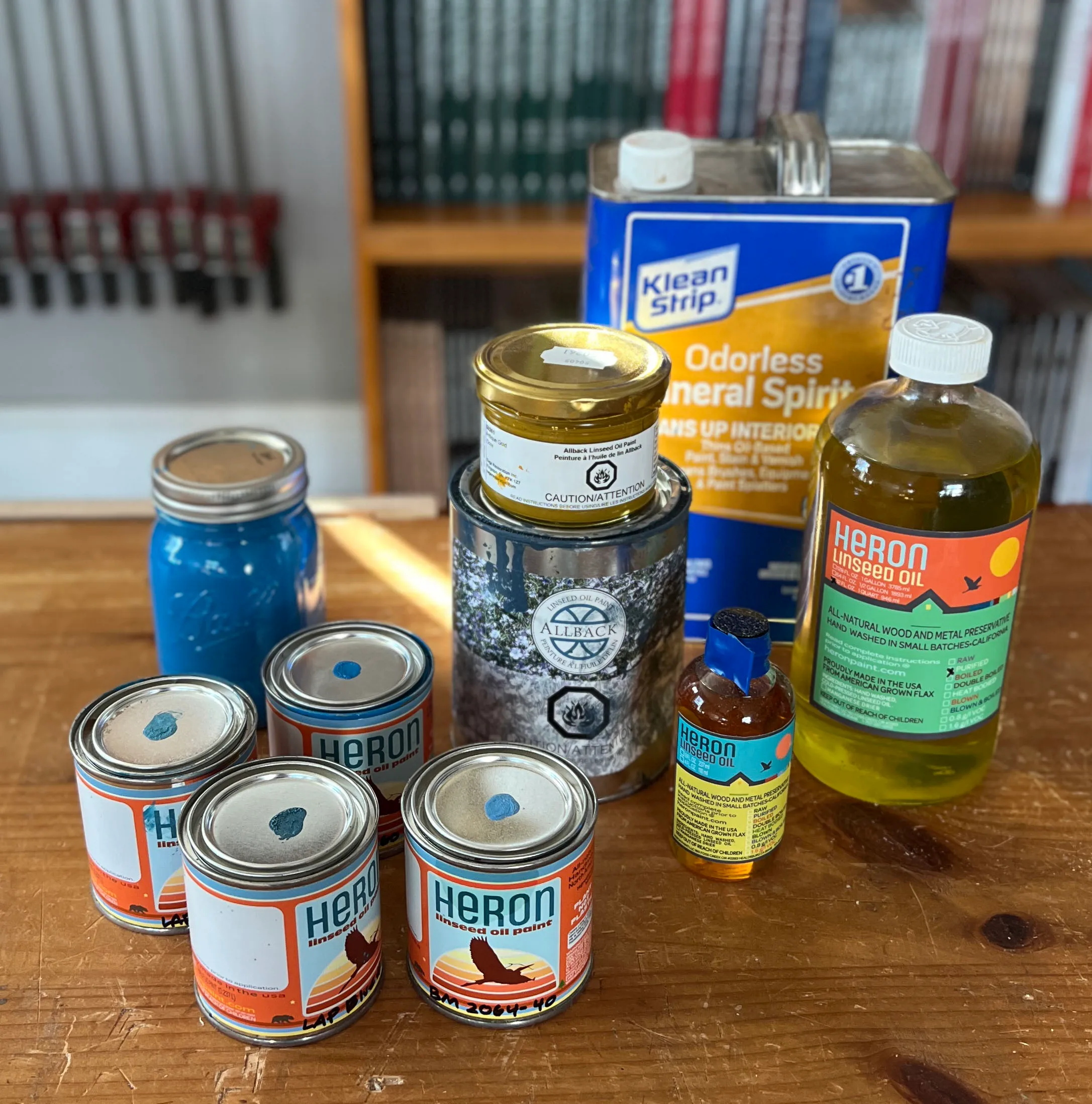
Oil paint
- While water-based paints are non-toxic, repeated exposure can irritate skin
- Wear gloves if you have sensitive skin or eczema
- Apply hand lotion after cleaning sessions—soap and water are drying
- If paint gets on skin, wash promptly with soap and water
Allergies:
- Some people develop sensitivities to acrylic polymers or latex binders
- If you notice skin reactions, switch to gloves immediately
- Consider more frequent hand washing during painting to minimize contact time
Ventilation:
- While water-based paints don’t require ventilation like oils, good air circulation is still beneficial
- Some artists are sensitive to paint odors even in acrylics
- Acrylic mediums and varnishes may contain stronger chemicals requiring ventilation
When to Replace Brushes
Even with perfect care, brushes eventually wear out. Knowing when to retire versus persist with restoration is important.
Signs a Brush Needs Replacement
Irreversible splaying: If bristles splay outward permanently despite cleaning and reshaping attempts, the brush is done
Heavy bristle loss: Shedding a few bristles is normal; constant shedding with bald spots means replacement time
Ferrule looseness: If ferrule rattles on handle or bristles pull free, it’s over (though you might re-glue as temporary fix)
Complete loss of snap: Bristles that won’t return to shape after loading with paint have lost their spring—replace
Permanent curl or bend: Bristles bent permanently (often from drying improperly) won’t paint correctly
When Restoration is Worth It
For expensive brushes: Premium synthetic brushes ($15-50) warrant significant restoration efforts
When damage is minor: Slight stiffness, small amount of dried paint, minor shape issues—all worth fixing
Sentimental value: A favorite brush that’s been with you for years deserves rescue attempts
As learning exercise: Practicing restoration on cheaper brushes teaches valuable lessons
Special Situations and Pro Tips
Cleaning Brushes During Painting Sessions
You don’t always want to go through full cleaning process between colors:
Quick rinse technique:
- Swirl in water container
- Squeeze excess water on paper towel
- Ready for next color
When full cleaning is needed mid-session:
- Switching between very different colors (white to black, yellow to purple)
- Paint is drying on brush during work
- Bristles feel gummy or sticky
The water management system:
- Three containers: dirty rinse, intermediate rinse, clean water
- Dirty water catches worst paint
- Intermediate rinse cleans further
- Clean water for final rinse or diluting paint
- Rotate: clean becomes intermediate, intermediate becomes dirty, refresh clean
Dealing with Stained Bristles
Some pigments stain synthetic bristles (though less than natural bristles):
Colors that commonly stain:
- Phthalocyanine blue and green
- Quinacridone magenta
- Many earth tones
- Dioxazine purple
Is staining a problem?
- Usually no—cosmetic only if brush is otherwise clean
- Won’t contaminate future colors if thoroughly cleaned
- If bothersome, dedicate those brushes to dark colors
Minimizing staining:
- Clean immediately after use
- Use slightly stronger soap
- Don’t obsess—excessive cleaning damages brushes more than slight staining
Multi-Artist Households or Classrooms
Challenge: Multiple people using shared brushes Solution:
- Establish clear cleaning protocols everyone follows
- Assign brush cleaning responsibility on rotation
- Have abundant cleaning supplies always available
- Check brushes after each user—don’t let mistakes accumulate
- Consider color-coding brushes by user in households
Traveling Artists
Challenge: Cleaning brushes when away from studio Solutions:
- Bring ziplock bags for dirty brushes (clean properly when you reach facilities)
- Pack small soap container and brush cleaning pad
- Use collapsible water containers
- Scout locations ahead: is there a sink available?
- For emergencies: baby wipes can do preliminary cleaning (not ideal but better than nothing)
- Clean brushes thoroughly as soon as possible after temporary measures
Conclusion: The Practice of Care
Cleaning brushes is meditation, ritual, the closing ceremony of creative work. The simple, repetitive motions—rinsing, soaping, shaping—create mindful transition between making and living. Artists who embrace brush care as practice rather than chore develop deeper relationships with their tools, noticing subtle changes in performance, understanding each brush’s personality, and extending working life by years.
The techniques outlined here—from basic three-step cleaning to deep restoration, from paint-specific approaches to bristle-specific care—provide comprehensive framework for brush maintenance. But remember: the best cleaning method is the one you’ll actually do consistently. A simple but religiously followed routine beats an elaborate technique used sporadically.
Your brushes are partners in your creative vision. They respond to pressure, carry color, make visible what exists only in imagination. They deserve—and reward—your attention, your patience, and your care. Clean them well, with understanding of what each paint and bristle type needs, and they’ll serve you faithfully for years, becoming trusted companions in the endless, beautiful challenge of making art.
The water runs clear. The bristles reshape to perfect points and edges. Another painting session ends, another begins tomorrow. And your brushes, clean and ready, wait patiently to help you create whatever comes next.