Contemporary Chinese Art: A Dynamic Cultural Revolution
Contemporary Chinese art has emerged as one of the most vibrant and influential forces in the global art world. Born from the tumultuous decades following the Cultural Revolution, this artistic movement reflects China’s dramatic transformation from a closed society into an economic superpower while grappling with questions of identity, tradition, and modernity.
Historical Context and Origins
The roots of contemporary Chinese art can be traced to the late 1970s and early 1980s, following the end of the Cultural Revolution in 1976. After years of strict artistic control under Mao Zedong’s regime, where Socialist Realism dominated and individual expression was suppressed, Chinese artists began cautiously experimenting with new forms and ideas. The Stars Group, formed in 1979, marked one of the first organized attempts to challenge official artistic doctrine, staging unofficial exhibitions that embraced abstraction and personal expression.
The 1980s witnessed an explosion of creativity as China opened to Western influence. Artists eagerly absorbed information about international art movements, from Impressionism to Pop Art, creating a unique synthesis of Eastern and Western aesthetics. This period, known as the ’85 New Wave Movement, saw experimental art flourishing across the country, though it remained largely underground and faced periodic government crackdowns.
The 1990s: Cynical Realism and Political Pop
The 1990s proved pivotal for Chinese contemporary art’s international recognition. Following the Tiananmen Square protests of 1989, a generation of artists developed distinctive styles that subtly critiqued China’s political and social realities. Cynical Realism emerged as a movement characterized by ironic, detached portrayals of contemporary Chinese life, while Political Pop appropriated the imagery of Socialist Realism and consumer culture to comment on China’s rapid commercialization.
This decade also saw Chinese artists beginning to gain significant international attention, with works appearing in major Western galleries and museums. The art market began recognizing Chinese contemporary art as a valuable commodity, setting the stage for the explosive growth that would follow.
Themes and Approaches
Contemporary Chinese art is remarkably diverse, but several recurring themes unite much of the work. The tension between tradition and modernity appears constantly, as artists navigate their cultural heritage while engaging with global contemporary art practices. Many works explore the psychological and social costs of China’s breakneck economic development, examining issues like urbanization, displacement, environmental degradation, and the erosion of traditional communities.
Identity remains a central concern, particularly in relation to globalization and China’s changing role on the world stage. Artists question what it means to be Chinese in the contemporary era, often challenging both Western stereotypes and official Chinese narratives. The legacy of the Cultural Revolution and subsequent political events continues to inform artistic practice, though often in coded or metaphorical ways due to censorship concerns.
Performance art and installation have become important mediums for Chinese artists, offering ways to engage directly with audiences and public spaces. Video art has similarly flourished, with artists using the medium to document rapid social change and explore personal narratives. Traditional forms like ink painting and calligraphy have been reimagined by contemporary practitioners who maintain connections to historical techniques while addressing present-day concerns.
The Global Market and Institutional Recognition
The 2000s witnessed an unprecedented boom in the Chinese art market. Auction prices soared, Western collectors and institutions rushed to acquire Chinese contemporary art, and major international exhibitions brought Chinese artists into the global spotlight. Beijing’s 798 Art District, a former industrial complex transformed into galleries and studios, became a symbol of China’s creative economy and a must-visit destination for art world insiders.
However, this market boom also raised questions about authenticity, speculation, and the relationship between artistic value and commercial success. Some critics argued that international interest was driven more by China’s economic rise than genuine engagement with the work itself. The market correction that followed the 2008 financial crisis brought more sustainable growth and a maturation of collecting practices.
Today, China has developed a robust domestic art infrastructure with world-class museums, biennials, and art fairs. Institutions like the Long Museum, M+ in Hong Kong, and the Ullens Center for Contemporary Art have become major players in the international art scene. Chinese collectors increasingly shape the global art market, and Chinese artists regularly headline major international exhibitions.
Challenges and Censorship
Despite this success, Chinese contemporary artists continue to navigate a complex relationship with state authority. Censorship remains a reality, particularly for work dealing explicitly with political subjects, religious issues, or challenges to social stability. Artists must balance creative freedom with practical considerations about exhibition opportunities and personal safety.
Some artists have chosen to work abroad, establishing practices in Europe, North America, or elsewhere in Asia. Others remain in China, finding creative ways to address sensitive subjects through metaphor, humor, or formal abstraction. The boundaries of acceptable content shift over time, requiring artists to remain vigilant and adaptable.
Looking Forward
Contemporary Chinese art continues to evolve rapidly, reflecting China’s ongoing transformation and the changing concerns of new generations. Younger artists are increasingly comfortable with their position in the global art world, moving beyond questions of national identity to explore universal themes while maintaining distinctive perspectives shaped by their cultural background.
Environmental concerns, technology, gender and sexuality, and the impact of social media are emerging as important subjects. Chinese artists are also playing significant roles in developing new art forms and practices, particularly in digital and new media art. As China’s influence continues to grow, its contemporary art scene will undoubtedly remain a crucial site for understanding both Chinese society and global cultural developments.
The story of contemporary Chinese art is ultimately one of resilience, creativity, and transformation. From the constraints of the Cultural Revolution to international acclaim, Chinese artists have forged a vital artistic language that speaks to local experiences while resonating with global audiences. Their work offers essential insights into one of the most significant cultural and political transformations of our time.
Notable Contemporary Chinese Artists
- Ai Weiwei – Sculptor, installation artist, and activist known for politically engaged work
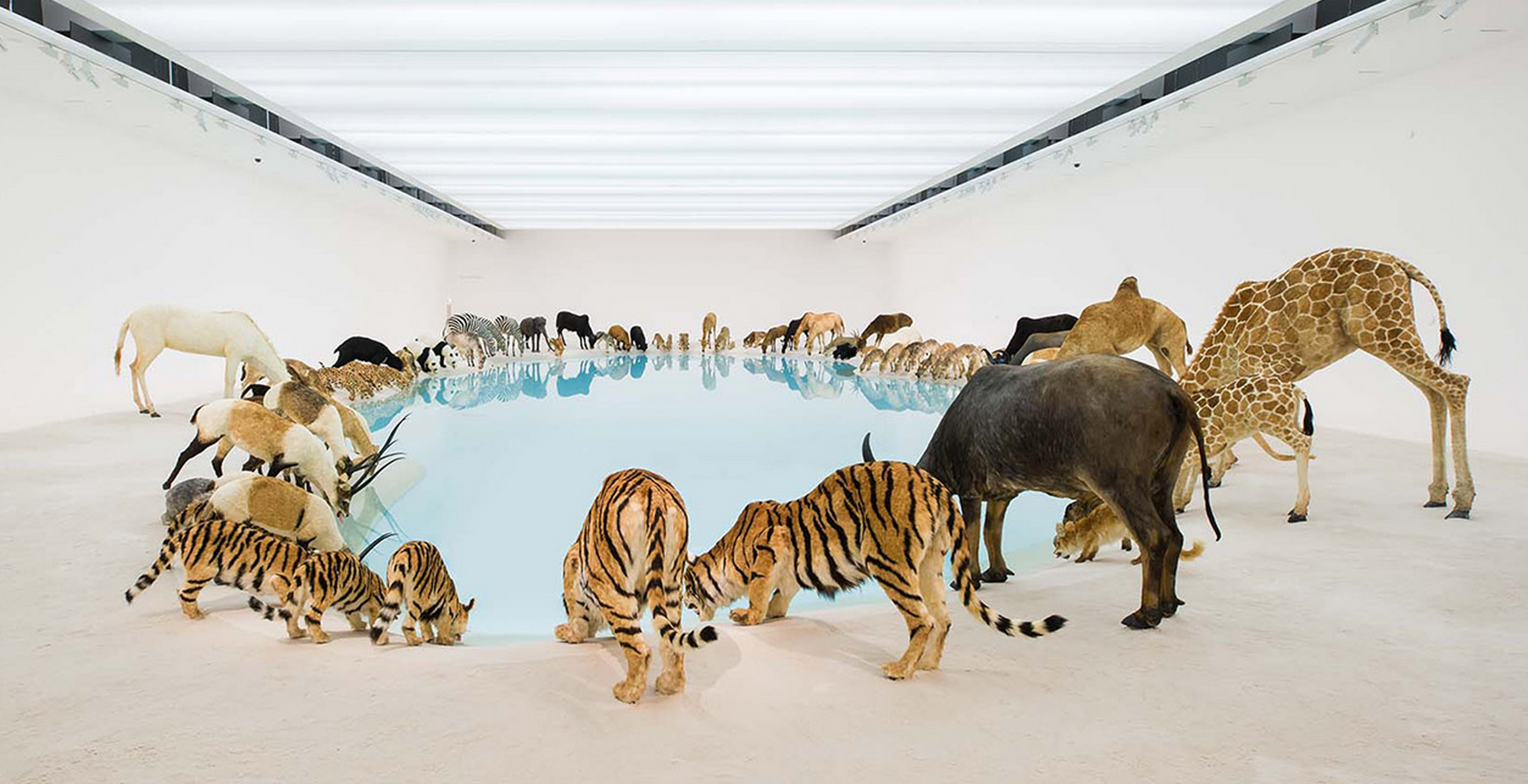
- Cai Guo-Qiang – Internationally renowned for gunpowder drawings and explosion events
- Zhang Xiaogang – Painter famous for “Bloodline” series depicting family portraits
- Yue Minjun – Known for paintings featuring laughing self-portraits
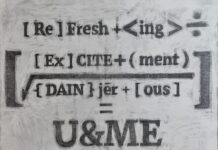
- Xu Bing – Conceptual artist working with language and text
- Wang Guangyi – Pioneer of Political Pop movement
- Liu Xiaodong – Contemporary realist painter documenting social change
- Cao Fei – Multimedia artist exploring urbanization and virtual worlds
- Sun Yuan and Peng Yu – Collaborative duo creating provocative installations
- Liu Wei – Sculptor and painter working with urban materials
- Yang Fudong – Video and film artist creating dreamlike narratives
- Huang Yong Ping – Sculptor combining Eastern and Western philosophies (1954-2019)
- Zeng Fanzhi – Expressionist painter known for “Mask” series
- Qiu Zhijie – Calligrapher, conceptual artist, and curator
- Yin Xiuzhen – Installation artist addressing memory and globalization
- Lin Tianmiao – Feminist artist working with thread and textile
- Chen Zhen – Installation artist exploring cultural dialogue (1955-2000)
- Xu Zhen – Provocative conceptual artist and art entrepreneur
- Liu Bolin – Photographer known for “Hiding in the City” camouflage series
- He Xiangyu – Conceptual artist questioning value and material